

The mechanisms of action of metformin
Open accessThe DOI matches its Crossref record; 63 of the 64 references it cites were found in a registry or an index.
Abstract
Metformin is a widely-used drug that results in clear benefits in relation to glucose metabolism and diabetes-related complications. The mechanisms underlying these benefits are complex and still not fully understood. Physiologically, metformin has been shown to reduce hepatic glucose production, yet not all of its effects can be explained by this mechanism and there is increasing evidence of a key role for the gut. At the molecular level the findings vary depending on the doses of metformin used and duration of treatment, with clear differences between acute and chronic administration. Metformin has been shown to act via both AMP-activated protein kinase (AMPK)-dependent and AMPK-independent mechanisms; by inhibition of mitochondrial respiration but also perhaps by inhibition of mitochondrial glycerophosphate dehydrogenase, and a mechanism involving the lysosome. In the last 10 years, we have moved from a simple picture, that metformin improves glycaemia by acting on the liver via AMPK activation, to a much more complex picture reflecting its multiple modes of action. More work is required to truly understand how this drug works in its target population: individuals with type 2 diabetes.
Overview
The claims and statistics of this paper haven’t been checked yet.
Free: it reads the open-access text and checks the first 5 claims that cite a source we can check. Create a free account to check every claim.
Integrity signals
Registry
Cites
Statistics
Figures
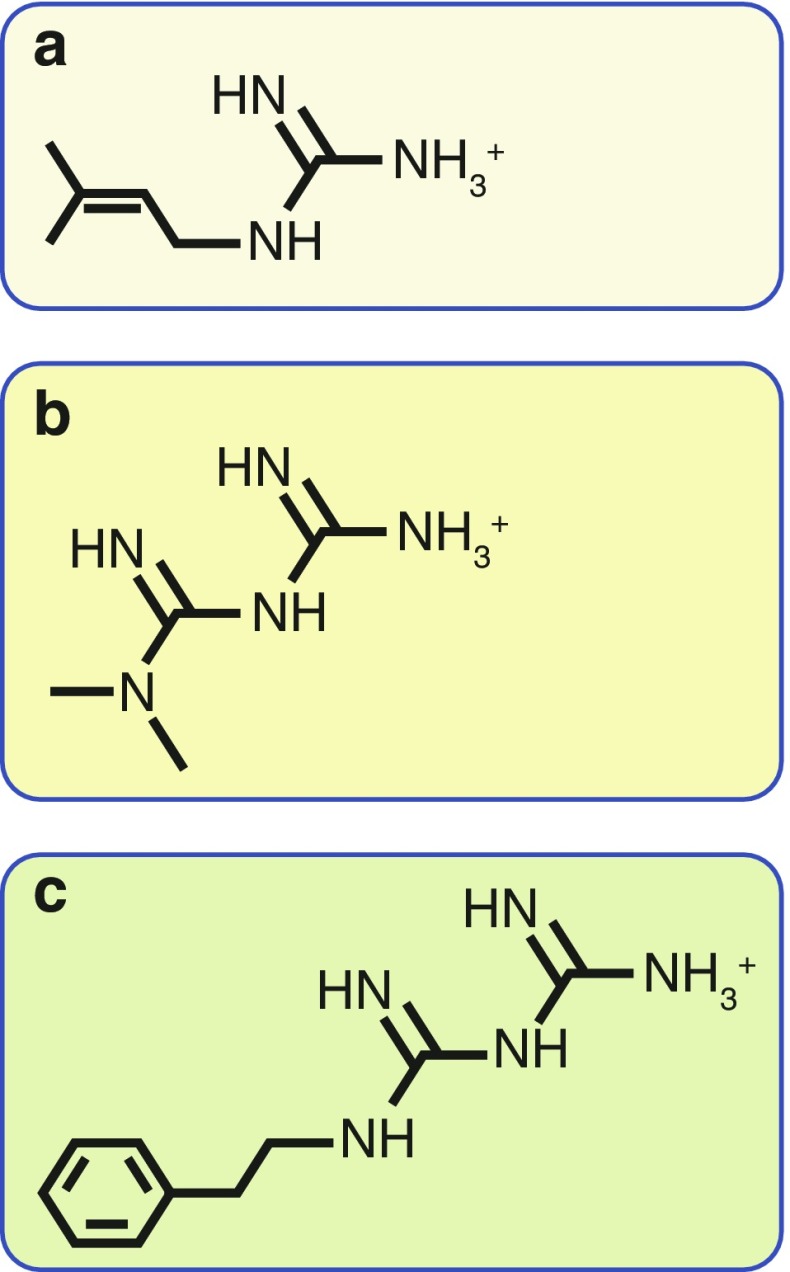
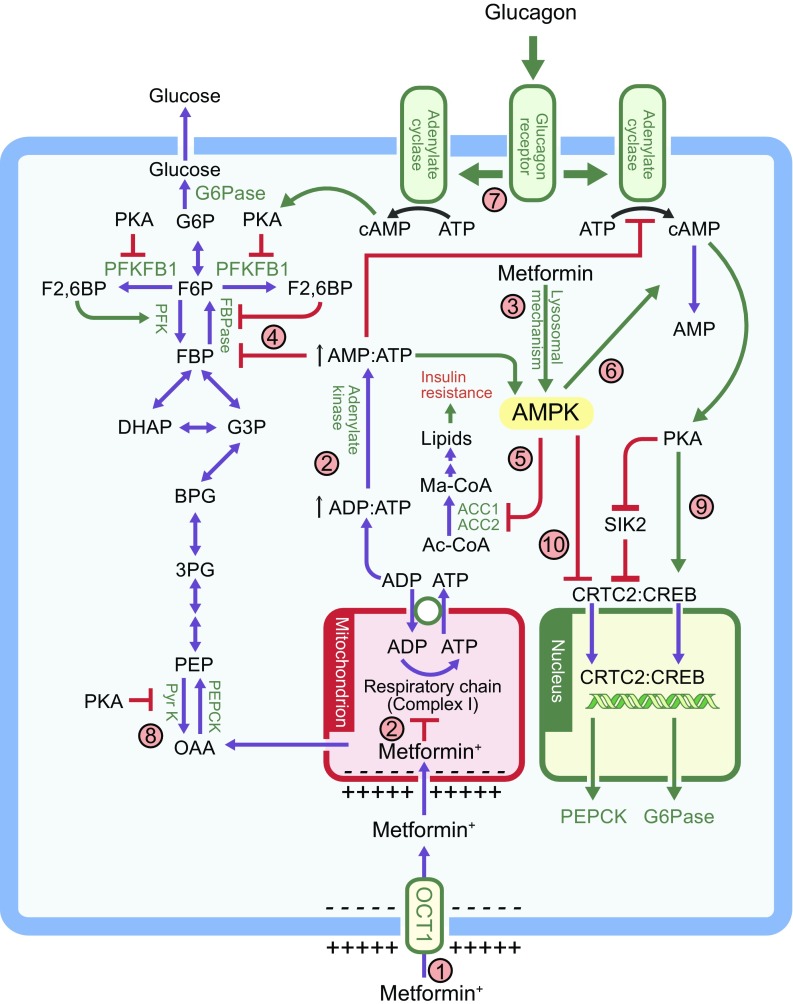
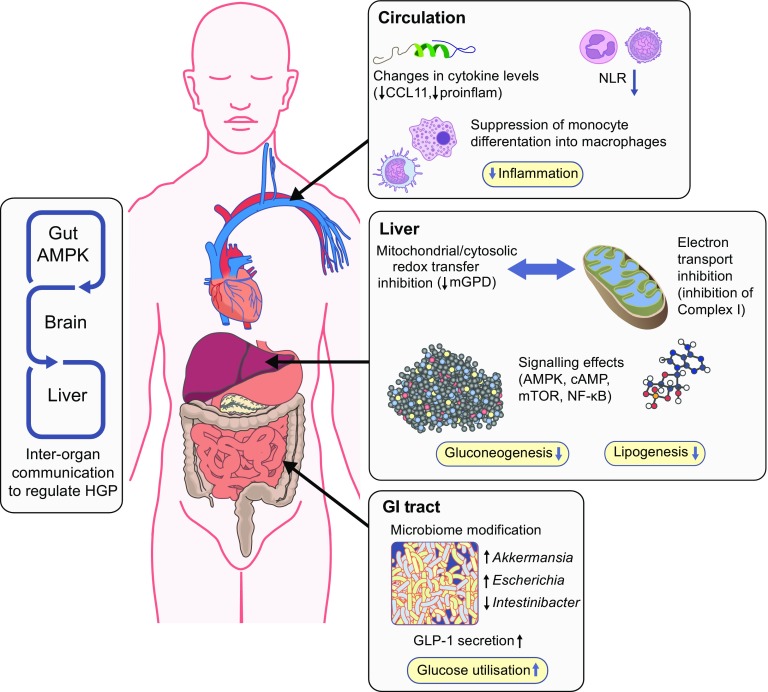
Verification
Claims the paper makes
The claims and statistics of this paper haven’t been checked yet.
Free: it reads the open-access text and checks the first 5 claims that cite a source we can check. Create a free account to check every claim.
Claims other papers make about this one
Each is checked against this paper’s own text: does it say what the citing paper says it does?
The source backs part of the claim, not all of it — or backs it for a different population, condition or comparison.
In the citing paper
“Metformin primarily reduces hepatic glucose production, while GLP-1RAs enhance insulin secretion in response to meals20–22.”
From Efficacy and safety of GLP-1 receptor agonists on weight management and metabolic parameters in PCOS women: a meta-analysis of randomized controlled trials (2025) · cites this paper as [20]
Experimental — accuracy not yet measuredThe source backs part of the claim, not all of it — or backs it for a different population, condition or comparison.
In the citing paper
“From a mechanistic perspective, metformin is known to increase insulin sensitivity by inhibiting the production of hepatic glucose, as well as inhibiting gluconeogenesis and lipogenesis, resulting in a decrease in circulating insulin and glucose.54”
From The impact of metformin with or without lifestyle modification versus placebo on polycystic ovary syndrome: a systematic review and meta-analysis of randomized controlled trials (2023) · cites this paper as [54]
Experimental — accuracy not yet measured
Self-check
Percentages, sums and reported differences re-computed from the paper’s own numbers.
The self-check needs the paper’s full text.
Citations
Cites
Role of AMP-Activated Protein Kinase in Mechanism of Metformin Action
Zhou, G., Myers, R., Li, Y., Chen, Y., Shen, X., Fenyk-Melody, J., Wu, M., Ventre, J., Doebber, T., Fujii, N., et al. (2001) · Journal of Clinical Investigation · doi:10.1172/jci13505 · Cited by 5,652 · cited 1×
“Since it causes a switch from synthesis of cellular nutrient stores to their breakdown, the idea that AMPK might be involved in metformin action was attractive and, in 2001, metformin was reported to activate AMPK in rat hepatocytes and rat liver in vivo [26].”
BackgroundAMPK: a nutrient and energy sensor that maintains energy homeostasis
Hardie, D. G., Ross, F. A., & Hawley, S. A. (2012) · Nature Reviews Molecular Cell Biology · doi:10.1038/nrm3311 · Cited by 4,602
Self-citationWatterson, K. R., Bestow, D., Gallagher, J., Hamilton, D. L., Ashford, F. B., Meakin, P. J., & Ashford, M. L. J. (2013) · Neurosignals · doi:10.1159/000334144 · Cited by 3,389
OWEN, M. R., DORAN, E., & HALESTRAP, A. P. (2000) · Biochemical Journal · doi:10.1042/bj3480607 · Cited by 2,157 · cited 3×
“The most intensively studied mitochondrial action of metformin is the inhibition of Complex I of the respiratory chain [14, 16], which suppresses ATP production.”
BackgroundDisentangling type 2 diabetes and metformin treatment signatures in the human gut microbiota
MetaHIT consortium, Forslund, K., Hildebrand, F., Nielsen, T., Falony, G., Le Chatelier, E., Sunagawa, S., Prifti, E., Vieira-Silva, S., Gudmundsdottir, V., et al. (2015) · Nature · doi:10.1038/nature15766 · Cited by 2,116
Shin, N.-R., Lee, J.-C., Lee, H.-Y., Kim, M.-S., Whon, T. W., Lee, M.-S., & Bae, J.-W. (2014) · Gut · doi:10.1136/gutjnl-2012-303839 · Cited by 1,550
Metformin improves healthspan and lifespan in mice
Martin-Montalvo, A., Mercken, E. M., Mitchell, S. J., Palacios, H. H., Mote, P. L., Scheibye-Knudsen, M., Gomes, A. P., Ward, T. M., Minor, R. K., Blouin, M.-J., et al. (2013) · Nature Communications · doi:10.1038/ncomms3192 · Cited by 1,445
El-Mir, M.-Y., Nogueira, V., Fontaine, E., Avéret, N., Rigoulet, M., & Leverve, X. (2000) · Journal of Biological Chemistry · doi:10.1074/jbc.275.1.223 · Cited by 1,399 · cited 2×
“The most intensively studied mitochondrial action of metformin is the inhibition of Complex I of the respiratory chain [14, 16], which suppresses ATP production.”
BackgroundClinical pharmacokinetics of metformin
Graham, G. G., Punt, J., Arora, M., Day, R. O., Doogue, M. P., Duong, J. K., Furlong, T. J., Greenfield, J. R., Greenup, L. C., Kirkpatrick, C. M., et al. (2011) · Clinical Pharmacokinetics · doi:10.2165/11534750-000000000-00000 · Cited by 1,318 · cited 1×
“small intestine with the remainder passing into the colon before being excreted in faeces [4].”
BackgroundMetformin suppresses gluconeogenesis by inhibiting mitochondrial glycerophosphate dehydrogenase
Madiraju, A. K., Erion, D. M., Rahimi, Y., Zhang, X.-M., Braddock, D. T., Albright, R. A., Prigaro, B. J., Wood, J. L., Bhanot, S., MacDonald, M. J., et al. (2014) · Nature · doi:10.1038/nature13270 · Cited by 1,284 · cited 3×
“Note that the possible effect of metformin on mitochondrial glycerophosphate dehydrogenase [7] has not been included.”
BackgroundInfluential
Research works printed but not linked: 2
- Howlett HCS, Bailey CJ (2007) Galegine and antidiabetic plants. In: Bailey CJ, Campbell IW, Chan JCN, Davidson JA, Howlett HCS, Ritz P (eds) Metformin—the gold standard. Wiley, Chichester, pp 3–9
- Howlett HCS, Bailey CJ (2007) Discovery of metformin. In: Bailey CJ, Campbell IW, Chan JCN, Davidson JA, Howlett HCS, Ritz P (eds) Metformin—the gold standard. Wiley, Chichester, pp 11–16
Cited by
Diabetes, Hypertension, and Cardiovascular Disease: Clinical Insights and Vascular Mechanisms
Petrie, J. R., Guzik, T. J., & Touyz, R. M. (2018) · Canadian Journal of Cardiology · doi:10.1016/j.cjca.2017.12.005 · Cited by 1,787
“Among the many proposed mechanisms of action of metformin is activation of AMPK: This is now thought to be a secondary effect of inhibition of the mitochondrial respiratory chain.(96) Such effects of metformin may act directly (ie, independent of blood glucose lowering) on other tissues, including vascular endothelial…”
BackgroundChait, A., & den Hartigh, L. J. (2020) · Frontiers in Cardiovascular Medicine · doi:10.3389/fcvm.2020.00022 · Cited by 1,529
Chronic Adipose Tissue Inflammation Linking Obesity to Insulin Resistance and Type 2 Diabetes
Zatterale, F., Longo, M., Naderi, J., Raciti, G. A., Desiderio, A., Miele, C., & Beguinot, F. (2020) · Frontiers in Physiology · doi:10.3389/fphys.2019.01607 · Cited by 1,180
Insulin Resistance: From Mechanisms to Therapeutic Strategies
Lee, S.-H., Park, S.-Y., & Choi, C. S. (2022) · Diabetes & Metabolism Journal · doi:10.4093/dmj.2021.0280 · Cited by 1,092
Brain energy rescue: an emerging therapeutic concept for neurodegenerative disorders of ageing
Cunnane, S. C., Trushina, E., Morland, C., Prigione, A., Casadesus, G., Andrews, Z. B., Beal, M. F., Bergersen, L. H., Brinton, R. D., de la Monte, S., et al. (2020) · Nature Reviews Drug Discovery · doi:10.1038/s41573-020-0072-x · Cited by 1,003
Gut microbiota and intestinal FXR mediate the clinical benefits of metformin
Sun, L., Xie, C., Wang, G., Wu, Y., Wu, Q., Wang, X., Liu, J., Deng, Y., Xia, J., Chen, B., et al. (2018) · Nature Medicine · doi:10.1038/s41591-018-0222-4 · Cited by 1,011
Bhatti, J. S., Sehrawat, A., Mishra, J., Sidhu, I. S., Navik, U., Khullar, N., Kumar, S., Bhatti, G. K., & Reddy, P. H. (2022) · Free Radical Biology and Medicine · doi:10.1016/j.freeradbiomed.2022.03.019 · Cited by 693
Low-dose metformin targets the lysosomal AMPK pathway through PEN2
Ma, T., Tian, X., Zhang, B., Li, M., Wang, Y., Yang, C., Wu, J., Wei, X., Qu, Q., Yu, Y., et al. (2022) · Nature · doi:10.1038/s41586-022-04431-8 · Cited by 644
A Review of Neutrophil Extracellular Traps (NETs) in Disease: Potential Anti-NETs Therapeutics
Mutua, V., & Gershwin, L. J. (2021) · Clinical Reviews in Allergy & Immunology · doi:10.1007/s12016-020-08804-7 · Cited by 639
Transcription Factor NRF2 as a Therapeutic Target for Chronic Diseases: A Systems Medicine Approach
Cuadrado, A., Manda, G., Hassan, A., Alcaraz, M. J., Barbas, C., Daiber, A., Ghezzi, P., León, R., López, M. G., Oliva, B., et al. (2018) · Pharmacological Reviews · doi:10.1124/pr.117.014753 · Cited by 632
“The mechanism of action of metformin is not completely clear, but it involves inhibition of mitochondrial complex I, thus increasing the AMP/ATP ratio (El-Mir et al., 2000; Owen et al., 2000) and leading to activation of the energy sensor AMPK (Hardie, 2004; Rena et al., 2017).”
BackgroundMetformin: clinical use in type 2 diabetes
Sanchez-Rangel, E., & Inzucchi, S. E. (2017) · Diabetologia · doi:10.1007/s00125-017-4336-x · Cited by 595
GDF15 mediates the effects of metformin on body weight and energy balance
Coll, A. P., Chen, M., Taskar, P., Rimmington, D., Patel, S., Tadross, J. A., Cimino, I., Yang, M., Welsh, P., Virtue, S., et al. (2020) · Nature · doi:10.1038/s41586-019-1911-y · Cited by 584
Multifunctional nanoparticle-mediated combining therapy for human diseases
Li, X., Peng, X., Zoulikha, M., Boafo, G. F., Magar, K. T., Ju, Y., & He, W. (2024) · Signal Transduction and Targeted Therapy · doi:10.1038/s41392-023-01668-1 · Cited by 521
From pre-diabetes to diabetes: diagnosis, treatments and translational research
Khan, R., Chua, Z., Tan, J., Yang, Y., Liao, Z., & Zhao, Y. (2019) · Medicina · doi:10.3390/medicina55090546 · Cited by 484
“More of the latest studies have found that Metformin controls glucose by inhibiting fructose-1,6-bisphosphatase, the key enzyme for gluconeogenesis, rather than solely activating AMPK [163].”
BackgroundInfluentialThe Treatment of Impaired Wound Healing in Diabetes: Looking among Old Drugs
Spampinato, S. F., Caruso, G. I., De Pasquale, R., Sortino, M. A., & Merlo, S. (2020) · Pharmaceuticals · doi:10.3390/ph13040060 · Cited by 468
The quest to slow ageing through drug discovery
Partridge, L., Fuentealba, M., & Kennedy, B. K. (2020) · Nature Reviews Drug Discovery · doi:10.1038/s41573-020-0067-7 · Cited by 468
Ageing, Cellular Senescence and Neurodegenerative Disease
Kritsilis, M., V. Rizou, S., Koutsoudaki, P. N., Evangelou, K., Gorgoulis, V. G., & Papadopoulos, D. (2018) · International Journal of Molecular Sciences · doi:10.3390/ijms19102937 · Cited by 448
Flory, J., & Lipska, K. (2019) · JAMA · doi:10.1001/jama.2019.3805 · Cited by 453
Tan, S. Y., Mei Wong, J. L., Sim, Y. J., Wong, S. S., Mohamed Elhassan, S. A., Tan, S. H., Ling Lim, G. P., Rong Tay, N. W., Annan, N. C., Bhattamisra, S. K., et al. (2019) · Diabetes & Metabolic Syndrome: Clinical Research & Reviews · doi:10.1016/j.dsx.2018.10.008 · Cited by 445
Day, E. A., Ford, R. J., Smith, B. K., Mohammadi-Shemirani, P., Morrow, M. R., Gutgesell, R. M., Lu, R., Raphenya, A. R., Kabiri, M., McArthur, A. G., et al. (2019) · Nature Metabolism · doi:10.1038/s42255-019-0146-4 · Cited by 307
Pharmaceutical Drugs and Natural Therapeutic Products for the Treatment of Type 2 Diabetes Mellitus
Blahova, J., Martiniakova, M., Babikova, M., Kovacova, V., Mondockova, V., & Omelka, R. (2021) · Pharmaceuticals · doi:10.3390/ph14080806 · Cited by 302
Metformin inhibits gluconeogenesis via a redox-dependent mechanism in vivo
Madiraju, A. K., Qiu, Y., Perry, R. J., Rahimi, Y., Zhang, X.-M., Zhang, D., Camporez, J.-P. G., Cline, G. W., Butrico, G. M., Kemp, B. E., et al. (2018) · Nature Medicine · doi:10.1038/s41591-018-0125-4 · Cited by 297
Genetic Liver-Specific AMPK Activation Protects against Diet-Induced Obesity and NAFLD
Garcia, D., Hellberg, K., Chaix, A., Wallace, M., Herzig, S., Badur, M. G., Lin, T., Shokhirev, M. N., Pinto, A. F. M., Ross, D. S., et al. (2019) · Cell Reports · doi:10.1016/j.celrep.2018.12.036 · Cited by 293
Bramante, C. T., Ingraham, N. E., Murray, T. A., Marmor, S., Hovertsen, S., Gronski, J., McNeil, C., Feng, R., Guzman, G., Abdelwahab, N., et al. (2021) · The Lancet Healthy Longevity · doi:10.1016/s2666-7568(20)30033-7 · Cited by 291
AMPK, Mitochondrial Function, and Cardiovascular Disease
Wu, S., & Zou, M.-H. (2020) · International Journal of Molecular Sciences · doi:10.3390/ijms21144987 · Cited by 286
Homocysteine and Hyperhomocysteinaemia
Zaric, B. L., Obradovic, M., Bajic, V., Haidara, M. A., Jovanovic, M., & Isenovic, E. R. (2019) · Current Medicinal Chemistry · doi:10.2174/0929867325666180313105949 · Cited by 281
Dahlén, A. D., Dashi, G., Maslov, I., Attwood, M. M., Jonsson, J., Trukhan, V., & Schiöth, H. B. (2022) · Frontiers in Pharmacology · doi:10.3389/fphar.2021.807548 · Cited by 275
Metformin as an Anticancer Agent
Vancura, A., Bu, P., Bhagwat, M., Zeng, J., & Vancurova, I. (2018) · Trends in Pharmacological Sciences · doi:10.1016/j.tips.2018.07.006 · Cited by 274
Drug-microbiota interactions: an emerging priority for precision medicine
Zhao, Q., Chen, Y., Huang, W., Zhou, H., & Zhang, W. (2023) · Signal Transduction and Targeted Therapy · doi:10.1038/s41392-023-01619-w · Cited by 268
Metformin-induced mitochondrial Complex I inhibition: facts, uncertainties, and consequences
Fontaine, E. (2018) · Frontiers in Endocrinology · doi:10.3389/fendo.2018.00753 · Cited by 269
“Despite this, many authors have hypothesized that metformin accumulates in mitochondria (5, 13, 15, 44).”
BackgroundThe impact of sugar consumption on stress driven, emotional and addictive behaviors
Jacques, A., Chaaya, N., Beecher, K., Ali, S. A., Belmer, A., & Bartlett, S. (2019) · Neuroscience & Biobehavioral Reviews · doi:10.1016/j.neubiorev.2019.05.021 · Cited by 271
The Role of AMPK in the Regulation of Skeletal Muscle Size, Hypertrophy, and Regeneration
Thomson, D. M. (2018) · International Journal of Molecular Sciences · doi:10.3390/ijms19103125 · Cited by 267
“The activation of AMPK by metformin is mainly indirect, where metformin inhibits mitochondrial oxidative phosphorylation, thereby decreasing ATP production and generating an energetic stress on the cell [38].”
BackgroundThe brain as an insulin-sensitive metabolic organ
Milstein, J. L., & Ferris, H. A. (2021) · Molecular Metabolism · doi:10.1016/j.molmet.2021.101234 · Cited by 259
Fresh insights into glucocorticoid-induced diabetes mellitus and new therapeutic directions
Li, J.-X., & Cummins, C. L. (2022) · Nature Reviews Endocrinology · doi:10.1038/s41574-022-00683-6 · Cited by 257
Metformin: A Review of Potential Mechanism and Therapeutic Utility Beyond Diabetes
Dutta, S., Shah, R. B., Singhal, S., Dutta, S. B., Bansal, S., Sinha, S., & Haque, M. (2023) · Drug Design, Development and Therapy · doi:10.2147/dddt.s409373 · Cited by 248
Pharmacotherapy of obesity: available medications and drugs under investigation.
Pilitsi, E., Farr, O. M., Polyzos, S. A., Perakakis, N., Nolen-Doerr, E., Papathanasiou, A.-E., & Mantzoros, C. S. (2019) · Metabolism · doi:10.1016/j.metabol.2018.10.010 · Cited by 248
Zheng, Z., Bian, Y., Zhang, Y., Ren, G., & Li, G. (2020) · Cell Cycle · doi:10.1080/15384101.2020.1743911 · Cited by 245
Ke, C., Narayan, K. M. V., Chan, J. C. N., Jha, P., & Shah, B. R. (2022) · Nature Reviews Endocrinology · doi:10.1038/s41574-022-00669-4 · Cited by 239
The role of thyroid hormone in metabolism and metabolic syndrome
Teixeira, P. D. F. D. S., dos Santos, P. B., & Pazos-Moura, C. C. (2020) · Therapeutic Advances in Endocrinology and Metabolism · doi:10.1177/2042018820917869 · Cited by 230
Mitochondrial transfer/transplantation: an emerging therapeutic approach for multiple diseases
Liu, Z., Sun, Y., Qi, Z., Cao, L., & Ding, S. (2022) · Cell & Bioscience · doi:10.1186/s13578-022-00805-7 · Cited by 231
Nonalcoholic fatty liver disease in adults: current concepts in etiology, outcomes, and management
Marjot, T., Moolla, A., Cobbold, J. F., Hodson, L., & Tomlinson, J. W. (2020) · Endocrine Reviews · doi:10.1210/endrev/bnz009 · Cited by 228
Targeting immune dysfunction in aging
Borgoni, S., Kudryashova, K. S., Burka, K., & de Magalhães, J. P. (2021) · Ageing Research Reviews · doi:10.1016/j.arr.2021.101410 · Cited by 223
Altered Gut Microbiota in Type 2 Diabetes: Just a Coincidence?
Sircana, A., Framarin, L., Leone, N., Berrutti, M., Castellino, F., Parente, R., De Michieli, F., Paschetta, E., & Musso, G. (2018) · Current Diabetes Reports · doi:10.1007/s11892-018-1057-6 · Cited by 223
Neurogenesis in aging and age-related neurodegenerative diseases
Culig, L., Chu, X., & Bohr, V. A. (2022) · Ageing Research Reviews · doi:10.1016/j.arr.2022.101636 · Cited by 218
The promise of the gut microbiome as part of individualized treatment strategies
Schupack, D. A., Mars, R. A. T., Voelker, D. H., Abeykoon, J. P., & Kashyap, P. C. (2022) · Nature Reviews Gastroenterology & Hepatology · doi:10.1038/s41575-021-00499-1 · Cited by 217
Mitochondrial dynamics and transport in Alzheimer's disease
Flannery, P. J., & Trushina, E. (2019) · Molecular and Cellular Neuroscience · doi:10.1016/j.mcn.2019.06.009 · Cited by 202
Mechanism of action of Imeglimin: A novel therapeutic agent for type 2 diabetes
Hallakou‐Bozec, S., Vial, G., Kergoat, M., Fouqueray, P., Bolze, S., Borel, A., Fontaine, E., & Moller, D. E. (2021) · Diabetes, Obesity and Metabolism · doi:10.1111/dom.14277 · Cited by 198
Apostolova, N., Iannantuoni, F., Gruevska, A., Muntane, J., Rocha, M., & Victor, V. M. (2020) · Redox Biology · doi:10.1016/j.redox.2020.101517 · Cited by 197
Feng, J., Wang, X., Ye, X., Ares, I., Lopez-Torres, B., Martínez, M., Martínez-Larrañaga, M.-R., Wang, X., Anadón, A., & Martínez, M.-A. (2022) · Pharmacological Research · doi:10.1016/j.phrs.2022.106114 · Cited by 194
Metformin and Autoimmunity: A “New Deal” of an Old Drug
Ursini, F., Russo, E., Pellino, G., D’Angelo, S., Chiaravalloti, A., De Sarro, G., Manfredini, R., & De Giorgio, R. (2018) · Frontiers in Immunology · doi:10.3389/fimmu.2018.01236 · Cited by 194
Miao, R., Fang, X., Zhang, Y., Wei, J., Zhang, Y., & Tian, J. (2023) · Cell Death & Disease · doi:10.1038/s41419-023-05708-0 · Cited by 192
“Its basic pharmacological effects include hepatic gluconeogenesis inhibition, glucose uptake promotion, and insulin sensitivity promotion in peripheral tissues [98].”
BackgroundOsteoarthritis year in review 2020: biology
van den Bosch, M. H. J. (2021) · Osteoarthritis and Cartilage · doi:10.1016/j.joca.2020.10.006 · Cited by 190
Precision medicine in the management of type 2 diabetes
Gloyn, A. L., & Drucker, D. J. (2018) · The Lancet Diabetes & Endocrinology · doi:10.1016/s2213-8587(18)30052-4 · Cited by 183
Dumas, S. J., Meta, E., Borri, M., Goveia, J., Rohlenova, K., Conchinha, N. V., Falkenberg, K., Teuwen, L.-A., de Rooij, L., Kalucka, J., et al. (2020) · Journal of the American Society of Nephrology · doi:10.1681/asn.2019080832 · Cited by 184
Kulkarni, A. S., Brutsaert, E. F., Anghel, V., Zhang, K., Bloomgarden, N., Pollak, M., Mar, J. C., Hawkins, M., Crandall, J. P., & Barzilai, N. (2018) · Aging Cell · doi:10.1111/acel.12723 · Cited by 183
The Role of AMPK Activation for Cardioprotection in Doxorubicin-Induced Cardiotoxicity
Timm, K. N., & Tyler, D. J. (2020) · Cardiovascular Drugs and Therapy · doi:10.1007/s10557-020-06941-x · Cited by 183
Should metformin remain the first-line therapy for treatment of type 2 diabetes?
Baker, C., Retzik-Stahr, C., Singh, V., Plomondon, R., Anderson, V., & Rasouli, N. (2021) · Therapeutic Advances in Endocrinology and Metabolism · doi:10.1177/2042018820980225 · Cited by 181
Metabolism and mitochondria in polycystic kidney disease research and therapy
Padovano, V., Podrini, C., Boletta, A., & Caplan, M. J. (2018) · Nature Reviews Nephrology · doi:10.1038/s41581-018-0051-1 · Cited by 181
Pathophysiological role of growth differentiation factor 15 (GDF15) in obesity, cancer, and cachexia
Siddiqui, J. A., Pothuraju, R., Khan, P., Sharma, G., Muniyan, S., Seshacharyulu, P., Jain, M., Nasser, M. W., & Batra, S. K. (2022) · Cytokine & Growth Factor Reviews · doi:10.1016/j.cytogfr.2021.11.002 · Cited by 178
Antidiabetic agents as a novel treatment for Alzheimer’s and Parkinson’s disease
Nowell, J., Blunt, E., Gupta, D., & Edison, P. (2023) · Ageing Research Reviews · doi:10.1016/j.arr.2023.101979 · Cited by 179
“Metformin hydrochloride is an approved prescription drug used to treat T2DM, which can effectively control blood sugar and insulin sensitivity (Rena et al., 2017).”
BackgroundAnti-senescence compounds: A potential nutraceutical approach to healthy aging
Gurău, F., Baldoni, S., Prattichizzo, F., Espinosa, E., Amenta, F., Procopio, A. D., Albertini, M. C., Bonafè, M., & Olivieri, F. (2018) · Ageing Research Reviews · doi:10.1016/j.arr.2018.05.001 · Cited by 179
Diabetes mellitus and hearing loss: A review
Samocha-Bonet, D., Wu, B., & Ryugo, D. K. (2021) · Ageing Research Reviews · doi:10.1016/j.arr.2021.101423 · Cited by 178
The effects of metformin on autophagy
Lu, G., Wu, Z., Shang, J., Xie, Z., Chen, C., & zhang, C. (2021) · Biomedicine & Pharmacotherapy · doi:10.1016/j.biopha.2021.111286 · Cited by 173
Senescence in Wound Repair: Emerging Strategies to Target Chronic Healing Wounds
Wilkinson, H. N., & Hardman, M. J. (2020) · Frontiers in Cell and Developmental Biology · doi:10.3389/fcell.2020.00773 · Cited by 173
Metformin and COVID-19: From cellular mechanisms to reduced mortality
Scheen, A. J. (2020) · Diabetes & Metabolism · doi:10.1016/j.diabet.2020.07.006 · Cited by 172
Mohan, M., Al-Talabany, S., McKinnie, A., Mordi, I. R., Singh, J. S. S., Gandy, S. J., Baig, F., Hussain, M. S., Bhalraam, U., Khan, F., et al. (2019) · European Heart Journal · doi:10.1093/eurheartj/ehz203 · Cited by 170
Factors leading to high morbidity and mortality of COVID‐19 in patients with type 2 diabetes
Rajpal, A., Rahimi, L., & Ismail‐Beigi, F. (2020) · Journal of Diabetes · doi:10.1111/1753-0407.13085 · Cited by 171
Negative regulation of AMPK signaling by high glucose via E3 ubiquitin ligase MG53
Jiang, P., Ren, L., Zhi, L., Yu, Z., Lv, F., Xu, F., Peng, W., Bai, X., Cheng, K., Quan, L., et al. (2021) · Molecular Cell · doi:10.1016/j.molcel.2020.12.008 · Cited by 168
Alzheimer’s Disease: Exploring the Landscape of Cognitive Decline
Tenchov, R., Sasso, J. M., & Zhou, Q. A. (2024) · ACS Chemical Neuroscience · doi:10.1021/acschemneuro.4c00339 · Cited by 170
RSSDI-ESI clinical practice recommendations for the management of type 2 diabetes mellitus 2020
Madhu, S., Chawla, R., Makkar, B., Ghosh, S., Saboo, B., & Kalra, S. (2020) · Indian Journal of Endocrinology and Metabolism · doi:10.4103/ijem.ijem_225_20 · Cited by 167
Chang, K.-C., Liu, P.-F., Chang, C.-H., Lin, Y.-C., Chen, Y.-J., & Shu, C.-W. (2022) · Cell & Bioscience · doi:10.1186/s13578-021-00736-9 · Cited by 167
Stimulation of AMPK prevents degeneration of photoreceptors and the retinal pigment epithelium
Xu, L., Kong, L., Wang, J., & Ash, J. D. (2018) · Proceedings of the National Academy of Sciences · doi:10.1073/pnas.1802724115 · Cited by 160
Luo, F., Das, A., Chen, J., Wu, P., Li, X., & Fang, Z. (2019) · Cardiovascular Diabetology · doi:10.1186/s12933-019-0860-y · Cited by 163
Senescence and senotherapeutics: a new field in cancer therapy
Myrianthopoulos, V., Evangelou, K., Vasileiou, P. V. S., Cooks, T., Vassilakopoulos, T. P., Pangalis, G. A., Kouloukoussa, M., Kittas, C., Georgakilas, A. G., & Gorgoulis, V. G. (2019) · Pharmacology & Therapeutics · doi:10.1016/j.pharmthera.2018.08.006 · Cited by 160
Anticancer Activity of Metformin: A Systematic Review of the Literature
Aljofan, M., & Riethmacher, D. (2019) · Future Science OA · doi:10.2144/fsoa-2019-0053 · Cited by 160
Targeting AMPK Signaling as a Neuroprotective Strategy in Parkinson’s Disease
Curry, D. W., Stutz, B., Andrews, Z. B., & Elsworth, J. D. (2018) · Journal of Parkinson's Disease · doi:10.3233/jpd-171296 · Cited by 159
Why All the Fuss about Oxidative Phosphorylation (OXPHOS)?
Xu, Y., Xue, D., Bankhead, A., & Neamati, N. (2020) · Journal of Medicinal Chemistry · doi:10.1021/acs.jmedchem.0c01013 · Cited by 159
Metabolic liver disease in diabetes – From mechanisms to clinical trials
Dewidar, B., Kahl, S., Pafili, K., & Roden, M. (2020) · Metabolism · doi:10.1016/j.metabol.2020.154299 · Cited by 158
The Current and Potential Therapeutic Use of Metformin—The Good Old Drug
Drzewoski, J., & Hanefeld, M. (2021) · Pharmaceuticals · doi:10.3390/ph14020122 · Cited by 193
Cheng, X., Liu, Y.-M., Li, H., Zhang, X., Lei, F., Qin, J.-J., Chen, Z., Deng, K.-Q., Lin, L., Chen, M.-M., et al. (2020) · Cell Metabolism · doi:10.1016/j.cmet.2020.08.013 · Cited by 157
Apolzan, J. W., Venditti, E. M., Edelstein, S. L., Knowler, W. C., Dabelea, D., Boyko, E. J., Pi-Sunyer, X., Kalyani, R. R., Franks, P. W., Srikanthan, P., et al. (2019) · Annals of Internal Medicine · doi:10.7326/m18-1605 · Cited by 156
“Its beneficial effects include inhibition of gluconeogenesis with a consequent decrease in hepatic glucose output and increased insulin sensitivity, increased glucose utilization in the gut and enhanced insulin sensitivity in skeletal muscle (25, 26), and effects on the gut microbiota and the immune system (27).”
Pugliese, G., Penno, G., Natali, A., Barutta, F., Di Paolo, S., Reboldi, G., Gesualdo, L., & De Nicola, L. (2019) · Nutrition, Metabolism and Cardiovascular Diseases · doi:10.1016/j.numecd.2019.07.017 · Cited by 156
Molecular mechanisms of the preventable causes of cancer in the United States
Golemis, E. A., Scheet, P., Beck, T. N., Scolnick, E. M., Hunter, D. J., Hawk, E., & Hopkins, N. (2018) · Genes & Development · doi:10.1101/gad.314849.118 · Cited by 153
Metformin selectively targets redox control of complex I energy transduction
Cameron, A. R., Logie, L., Patel, K., Erhardt, S., Bacon, S., Middleton, P., Harthill, J., Forteath, C., Coats, J. T., Kerr, C., et al. (2018) · Redox Biology · doi:10.1016/j.redox.2017.08.018 · Cited by 151
Self-citationPharmacotherapy of type 2 diabetes: An update and future directions
DeMarsilis, A. J., Reddy, N., Boutari, C., Filippaios, A., Sternthal, E., Katsiki, N., & Mantzoros, C. S. (2022) · Metabolism · doi:10.1016/j.metabol.2022.155332 · Cited by 184
Therapeutic Potential of Quercetin in the Management of Type-2 Diabetes Mellitus
Ansari, P., Choudhury, S. T., Seidel, V., Rahman, A. B., Aziz, M. A., Richi, A. E., Rahman, A., Jafrin, U. H., Hannan, J. M. A., & Abdel‐Wahab, Y. H. A. (2022) · Life · doi:10.3390/life12081146 · Cited by 202
Lee, M., Katerelos, M., Gleich, K., Galić, S., Kemp, B. E., Mount, P. F., & Power, D. A. (2018) · Journal of the American Society of Nephrology · doi:10.1681/asn.2018010050 · Cited by 165
Lee, C. B., Chae, S. U., Jo, S. J., Jerng, U. M., & Bae, S. K. (2021) · International Journal of Molecular Sciences · doi:10.3390/ijms22073566 · Cited by 163
Bjornstad, P., Schäfer, M., Truong, U., Cree-Green, M., Pyle, L., Baumgartner, A., Garcia Reyes, Y., Maniatis, A., Nayak, S., Wadwa, R. P., et al. (2018) · Circulation · doi:10.1161/circulationaha.118.035525 · Cited by 143
Portincasa, P., Khalil, M., Mahdi, L., Perniola, V., Idone, V., Graziani, A., Baffy, G., & Ciaula, A. D. (2024) · International Journal of Molecular Sciences · doi:10.3390/ijms25115640 · Cited by 180
Polycystic Ovary Syndrome and Oxidative Stress—From Bench to Bedside
Żeber‐Lubecka, N., Ciebiera, M., & Hennig, E. E. (2023) · International Journal of Molecular Sciences · doi:10.3390/ijms241814126 · Cited by 178
60 years of metformin use: a glance at the past and a look to the future
Marshall, S. M. (2017) · Diabetologia · doi:10.1007/s00125-017-4343-y · Cited by 150
The intersection of metformin and inflammation
Bharath, L. P., & Nikolajczyk, B. S. (2021) · American Journal of Physiology-Cell Physiology · doi:10.1152/ajpcell.00604.2020 · Cited by 134
Competitive glucose metabolism as a target to boost bladder cancer immunotherapy
Afonso, J., Santos, L. L., Longatto‐Filho, A., & Baltazar, F. (2020) · Nature Reviews Urology · doi:10.1038/s41585-019-0263-6 · Cited by 144
Srdić, T., Đurašević, S., Lakic, I. V., Ružičić, A., Vujovic, P. Z., Jevdjovic, T. V., Dakic, T. B., Đorđević, J., Tosti, T. B., Glumac, S., et al. (2024) · International Journal of Molecular Sciences · doi:10.3390/ijms25147770 · Cited by 186
Metformin attenuates silica-induced pulmonary fibrosis via AMPK signaling
Cheng, D., Xu, Q., Wang, Y., Li, G., Sun, W., Ma, D., Zhou, S., Liu, Y., Han, L., & Ni, C. (2021) · Journal of Translational Medicine · doi:10.1186/s12967-021-03036-5 · Cited by 142
Andreadi, A., Bellia, A., Daniele, N. D., Meloni, M., Lauro, R., Della‐Morte, D., & Lauro, D. (2021) · Current Opinion in Pharmacology · doi:10.1016/j.coph.2021.11.010 · Cited by 144
Mitochondrial complex I as a therapeutic target for Alzheimer's disease
Trushina, E. V., Trushin, S., & Hasan, M. F. (2021) · Acta Pharmaceutica Sinica B · doi:10.1016/j.apsb.2021.11.003 · Cited by 141
Pharmacological Targeting of Mitochondria in Diabetic Kidney Disease
Cleveland, K. H., & Schnellmann, R. G. (2022) · Pharmacological Reviews · doi:10.1124/pharmrev.122.000560 · Cited by 142
Structural basis of mammalian respiratory complex I inhibition by medicinal biguanides
Bridges, H. R., Blaza, J. N., Yin, Z., Chung, I., Pollak, M., & Hirst, J. (2023) · Science · doi:10.1126/science.ade3332 · Cited by 131
Metadata
- Authors
- Rena, G., Hardie, D. G., & Pearson, E. R.
- Affiliations
- University of Dundee (GB)
- Corresponding author
- Hardie, D. Grahame
- Pearson, Ewan R.
- Venue
- Diabetologia
- Published
- 2017-08-03
- Volume
- 60
- Issue
- 9
- Pages
- 1577-1585
- ISSN
- 0012-186X (ISSN-L)
- 1432-0428
- PMC
- PMC5552828
- OpenAlex
- W2743010525
- Cited by
- 2,287
- References
- 64
- Citations by year
- 2026: 227 · 2025: 264 · 2024: 271 · 2023: 288 · 2022: 326 · 2021: 312 · 2020: 302 · 2019: 158 · 2018: 120 · 2017: 13
- FWCI
- 15.16
- Type
- journal article
- Language
- en
- Open access
- hybrid
- doi.org
- Locations
- Diabetologia (publishedVersion, cc-by)
- PubMed Central (publishedVersion, cc-by)
- PubMed (publishedVersion)
- Discovery Research Portal (University of Dundee) (submittedVersion, cc-by)
- Funders
- University of Dundee
- Topics
- Life Sciences › Biochemistry, Genetics and Molecular Biology › Molecular Biology › Metabolism, Diabetes, and Cancer
- Health Sciences › Medicine › Endocrinology, Diabetes and Metabolism › Diabetes Treatment and Management
- Health Sciences › Medicine › Endocrinology, Diabetes and Metabolism › Natural Antidiabetic Agents Studies
- Keywords
- metformin, mechanism of action, type 2 diabetes, glucose metabolism, hepatic glucose production, AMPK, AMPK-independent mechanism, mitochondrial respiration, lysosomes, intestine, dose-dependent effects
- MeSH terms
- Animals, Biguanides, Diabetes Mellitus, Type 2, Humans, Hypoglycemic Agents, Metformin, AMP-Activated Protein Kinases
About these checks
Registry, retraction, Cites and statistics results are computed, not judged, with one exception: a printed reference that no index lists is read once by a model before it counts as a citation error. Claims are extracted by a model and kept only when their quote appears verbatim in the text; each cited source is then checked, with a model’s help, for whether it says what the claim relies on. Those verdicts can be wrong — read the claim’s quote and the cited source before relying on one.
Statistics and arithmetic are recomputed, not judged.
Confidence bands are shown only for fields calibrated on our annotated test set. None is calibrated yet, so no band is shown.
What counts as a claim ›How we measure confidence ›How we check this ›
Are you an author, or do you see a problem with this page? Request a review
Data sources
Bibliographic data: Semantic Scholar, OpenAlex, Crossref.
Contains information from the Semantic Scholar Academic Graph Datasets, made available under the ODC Attribution License (ODC-BY 1.0).
Semantic Scholar’s data is described in: Kinney, R., et al. (2023). The Semantic Scholar Open Data Platform. arXiv:2301.10140.
