

Partners in crime: neutrophils and monocytes/macrophages in inflammation and disease
Open accessThe DOI matches its Crossref record; 158 of the 158 references it cites were found in a registry or an index.
Abstract
Neutrophils are becoming recognized as highly versatile and sophisticated cells that display de novo synthetic capacity and potentially prolonged lifespan. Emerging concepts such as neutrophil heterogeneity and plasticity have revealed that, under pathological conditions, neutrophils may differentiate into discrete subsets defined by distinct phenotypic and functional characteristics. Indeed, these newly described neutrophil subsets will undoubtedly add to the already complex interactions between neutrophils and other immune cell types for an effective immune response. The interactions between neutrophils and monocytes/macrophages enable the host to efficiently defend against and eliminate foreign pathogens. However, it is also becoming increasingly clear that these interactions can be detrimental to the host if not tightly regulated. In this review, we will explore the functional cooperation of neutrophil and monocytes/macrophages in homeostasis, during acute inflammation and in various disease settings. We will discuss this in the context of cardiovascular disease in the form of atherosclerosis, an autoimmune disease mainly occurring in the kidneys, as well as the unique intestinal immune response of the gut that does not conform to the norms of the typical immune system.
Overview
The claims and statistics of this paper haven’t been checked yet.
Free: it reads the open-access text and checks the first 5 claims that cite a source we can check. Create a free account to check every claim.
Integrity signals
Registry
Cites
Statistics
Figures
Verification
Claims the paper makes
The claims and statistics of this paper haven’t been checked yet.
Free: it reads the open-access text and checks the first 5 claims that cite a source we can check. Create a free account to check every claim.
Claims other papers make about this one
Each is checked against this paper’s own text: does it say what the citing paper says it does?
The source backs part of the claim, not all of it — or backs it for a different population, condition or comparison.
In the citing paper
“They secrete CXCL1, CXCL2, IL-1α, and CCL2 for neutrophil recruitment and G-CSF and GM-CSF for neutrophil maintenance [18].”
From Osteoimmunology of Fracture Healing. (2024) · cites this paper as [18]
Experimental — accuracy not yet measured
Self-check
Percentages, sums and reported differences re-computed from the paper’s own numbers.
The self-check needs the paper’s full text.
Citations
Cites
Apoptosis: A Review of Programmed Cell Death
Elmore, S. (2007) · Toxicologic Pathology · doi:10.1080/01926230701320337 · Cited by 13,853 · cited 1×
“Apoptosis, also known as programmed cell death, is a biological response that occurs following the resolution of inflammation (Elmore 2007).”
BackgroundInfluentialAlberts, B., Johnson, A., Lewis, J., Morgan, D., Raff, M., Roberts, K., & Walter, P. (2017) · W.W. Norton eBooks · doi:10.1201/9781315735368 · Cited by 6,365
Role of the microbiota in immunity and inflammation.
Belkaid, Y., & Hand, T. W. (2014) · Cell · doi:10.1016/j.cell.2014.03.011 · Cited by 5,385
O'Leary, D. H., Polak, J. F., Kronmal, R. A., Manolio, T. A., Burke, G. L., & Wolfson, S. K. (1999) · New England Journal of Medicine · doi:10.1056/nejm199901073400103 · Cited by 4,685
Macrophages in Tissue Repair, Regeneration, and Fibrosis
Wynn, T. A., & Vannella, K. M. (2016) · Immunity · doi:10.1016/j.immuni.2016.02.015 · Cited by 4,481 · cited 1×
“Pro-inflammatory macrophages express inducible nitric oxide synthase and CD40 and produce TNF-α and IL-6, whereas anti-inflammatory macrophages express arginase I and CD206 and produce transforming growth factor (TGF)-β and IL-10 to facilitate tissue repair (Liu et al. 2013; Wynn and Vannella 2016).”
BackgroundUnravelling the pathogenesis of inflammatory bowel disease
Xavier, R. J., & Podolsky, D. K. (2007) · Nature · doi:10.1038/nature06005 · Cited by 4,364 · cited 1×
“CD is characterized by widespread inflammation throughout the gastrointestinal tract whereas UC is confined to the large intestine, more specifically the mucosa (Xavier and Podolsky 2007).”
BackgroundPolarization of Tumor-Associated Neutrophil Phenotype by TGF-β: “N1” versus “N2” TAN
Fridlender, Z. G., Sun, J., Kim, S., Kapoor, V., Cheng, G., Ling, L., Worthen, G. S., & Albelda, S. M. (2009) · Cancer Cell · doi:10.1016/j.ccr.2009.06.017 · Cited by 3,371 · cited 2×
“of N2 neutrophils suggesting that this cytokine is important in inducing an immunosuppressive profile in neutrophils (Fridlender et al. 2009).”
Novel cell death program leads to neutrophil extracellular traps
Fuchs, T. A., Abed, U., Goosmann, C., Hurwitz, R., Schulze, I., Wahn, V., Weinrauch, Y., Brinkmann, V., & Zychlinsky, A. (2007) · The Journal of Cell Biology · doi:10.1083/jcb.200606027 · Cited by 3,197 · cited 1×
“2) (Fuchs et al. 2007; Nahrendorf and Swirski 2015).”
Fadok, V. A., Bratton, D. L., Konowal, A., Freed, P. W., Westcott, J. Y., & Henson, P. M. (1998) · Journal of Clinical Investigation · doi:10.1172/jci1112 · Cited by 3,166 · cited 8×
“TGF-β blockade resulted in the decrease of N2 neutrophils suggesting that this cytokine is important in inducing an immunosuppressive profile in neutrophils (Fridlender et al. 2009).”
BackgroundInfluentialDevelopment of Monocytes, Macrophages, and Dendritic Cells
Geissmann, F., Manz, M. G., Jung, S., Sieweke, M. H., Merad, M., & Ley, K. (2010) · Science · doi:10.1126/science.1178331 · Cited by 3,049 · cited 1×
“Monocytes also originate from the bone marrow but circulating monocytes can give rise to macrophages and dendritic cells (DC) (Geissmann et al. 2010).”
BackgroundNeutrophils in the activation and regulation of innate and adaptive immunity
Mantovani, A., Cassatella, M. A., Costantini, C., & Jaillon, S. (2011) · Nature Reviews Immunology · doi:10.1038/nri3024 · Cited by 3,027 · cited 1×
“In contrast to previous dogma, neutrophils are becoming recognized as highly versatile and sophisticated cells that display de novo synthetic capacity and potentially prolonged lifespan (de Oliveira et al. 2016; Mantovani et al. 2011).”
Bots, M. L., Hoes, A. W., Koudstaal, P. J., Hofman, A., & Grobbee, D. E. (1997) · Circulation · doi:10.1161/01.cir.96.5.1432 · Cited by 2,345 · cited 1×
“Development of fatty plaques as a result of these processes leads to narrowing of the vascular lumen and is associated with myocardial infarction and stroke (Bots et al. 1997; Grau et al. 2001; O’Leary et al. 1999).”
BackgroundAtherosclerosis: current pathogenesis and therapeutic options
Weber, C., & Noels, H. (2011) · Nature Medicine · doi:10.1038/nm.2538 · Cited by 2,203 · cited 4×
“Atherosclerosis, a disease of the vasculature, is characterized by progressive accumulation of low-density lipoproteins (LDLs), fibrosis and inflammation within the vascular endothelium.”
BackgroundInfluentialRegional specialization within the intestinal immune system
Mowat, A. M., & Agace, W. W. (2014) · Nature Reviews Immunology · doi:10.1038/nri3738 · Cited by 1,756 · cited 1×
“As a result, the microbial communities located in the mucosal region between the intestinal cells and lumen come in constant contact with the intestinal immune system (Mowat and Agace 2014).”
BackgroundInflammation and wound healing: the role of the macrophage
Koh, T. J., & DiPietro, L. A. (2011) · Expert Reviews in Molecular Medicine · doi:10.1017/s1462399411001943 · Cited by 1,667 · cited 1×
“On the other hand, neutrophils secrete a variety of tissue damaging factors, such as oxidants and granulocytic proteins, during the immune response and may negatively influence wound repair (Koh and DiPietro 2011 Wilgus et al. 2003).”
BackgroundRg, G. (1981) · PubMed Central · Cited by 1,314
Neutrophil extracellular traps license macrophages for cytokine production in atherosclerosis
Warnatsch, A., Ioannou, M., Wang, Q., & Papayannopoulos, V. (2015) · Science · doi:10.1126/science.aaa8064 · Cited by 1,270 · cited 3×
“To examine the effects of NET formation by cholesterol crystal-primed neutrophils on atherogenesis, Apoe mice unable to undergo NET formation fed on high fat had a 3-fold decrease in the size of atherosclerotic lesions and this finding was similarly observed by other researchers (Knight et al. 2014; Warnatsch et al. 2…”
BackgroundResultYang, D., Chen, Q., Schmidt, A. P., Anderson, G. M., Wang, J. M., Wooters, J., Oppenheim, J. J., & Chertov, O. (2000) · The Journal of Experimental Medicine · doi:10.1084/jem.192.7.1069 · Cited by 1,240 · cited 1×
“These granule products have been shown to be chemotactic for monocytes by several mechanisms, including Ca2+ mobilization by FPRL1 activation and modification of macrophage inflammatory protein (Agerberth et al. 2000; Chertov et al. 1997b; Soehnlein et al. 2009b; Yang et al. 2000).”
BackgroundApoptotic cell clearance: basic biology and therapeutic potential
Poon, I. K. H., Lucas, C. D., Rossi, A. G., & Ravichandran, K. S. (2014) · Nature Reviews Immunology · doi:10.1038/nri3607 · Cited by 1,223 · cited 3×
“resident macrophages via phagocytosis (Poon et al. 2014).”
BackgroundInfluentialSubpopulations of Mouse Blood Monocytes Differ in Maturation Stage and Inflammatory Response
Sunderkötter, C., Nikolic, T., Dillon, M. J., van Rooijen, N., Stehling, M., Drevets, D. A., & Leenen, P. J. M. (2004) · The Journal of Immunology · doi:10.4049/jimmunol.172.7.4410 · Cited by 1,124 · cited 1×
“* Connie H. Y. Wong connie.wong@monash.edu 1 Centre for Inflammatory Diseases, Department of Medicine, School of Clinical Sciences, Monash Medical Centre, Monash University, Clayton, VIC 3168, Australia chemokines and cytokines (Daley et al. 2008; Nauseef 2007; Sunderkötter et al. 2004).”
BackgroundAcute Kidney Injury Associated with Cardiac Surgery
Rosner, M. H., & Okusa, M. D. (2006) · Clinical Journal of the American Society of Nephrology · doi:10.2215/cjn.00240605 · Cited by 1,063 · cited 2×
“…including immune complex-mediated disease, or as a complication arising from cardiac surgery or critical illness requiring intensive care, although post-infectious causes also exist (Jegatheesan et al. 2016; Kanjanabuch et al. 2009; Li et al. 2011; Okpechi et al. 2010; Rosner and Okusa 2006).”
BackgroundNeutrophil migration in infection and wound repair: going forward in reverse
de Oliveira, S., Rosowski, E. E., & Huttenlocher, A. (2016) · Nature Reviews Immunology · doi:10.1038/nri.2016.49 · Cited by 1,058 · cited 1×
“In a separate model of glomerular inflammation, monocytes and neutrophils were also found to be retained in the intravascular space following administration of an anti-glomerular basement membrane (GBM) antibody (Devi et al. 2013).”
BackgroundUse of Ly6G-specific monoclonal antibody to deplete neutrophils in mice
Daley, J. M., Thomay, A. A., Connolly, M. D., Reichner, J. S., & Albina, J. E. (2008) · Journal of Leukocyte Biology · doi:10.1189/jlb.0407247 · Cited by 1,046 · cited 1×
“* Connie H. Y. Wong connie.wong@monash.edu 1 Centre for Inflammatory Diseases, Department of Medicine, School of Clinical Sciences, Monash Medical Centre, Monash University, Clayton, VIC 3168, Australia chemokines and cytokines (Daley et al. 2008; Nauseef 2007; Sunderkötter et al. 2004).”
BackgroundRisk factors, outcome, and treatment in subtypes of ischemic stroke: the German stroke data bank
Grau, A. J., Weimar, C., Buggle, F., Heinrich, A., Goertler, M., Neumaier, S., Glahn, J., Brandt, T., Hacke, W., & Diener, H.-C. (2001) · Stroke · doi:10.1161/hs1101.098524 · Cited by 998 · cited 1×
“Development of fatty plaques as a result of these processes leads to narrowing of the vascular lumen and is associated with myocardial infarction and stroke (Bots et al. 1997; Grau et al. 2001; O’Leary et al. 1999).”
BackgroundPhagocytosis of Apoptotic Neutrophils Regulates Granulopoiesis via IL-23 and IL-17
Stark, M. A., Huo, Y., Burcin, T. L., Morris, M. A., Olson, T. S., & Ley, K. (2005) · Immunity · doi:10.1016/j.immuni.2005.01.011 · Cited by 947 · cited 1×
“In these macrophages, the production of inflammatory mediators such as IL-23, a cytokine involved in granulopoiesis, is inhibited, while the secretion of TGF-β1, an important regulatory cytokine, is increased (Fadok et al. 1998; Stark et al. 2005).”
BackgroundBain, C. C., Scott, C. L., Uronen-Hansson, H., Gudjonsson, S., Jansson, O., Grip, O., Guilliams, M., Malissen, B., Agace, W. W., & Mowat, A. M. (2013) · Mucosal Immunology · doi:10.1038/mi.2012.89 · Cited by 943 · cited 8×
“TGF-β blockade resulted in the decrease of N2 neutrophils suggesting that this cytokine is important in inducing an immunosuppressive profile in neutrophils (Fridlender et al. 2009).”
InfluentialSmythies, L. E., Sellers, M. T., Clements, R. H., Mosteller‐Barnum, M., Meng, G., Benjamin, W. H., Orenstein, J. M., & Smith, P. D. (2005) · Journal of Clinical Investigation · doi:10.1172/jci19229 · Cited by 928 · cited 1×
“However, studies have shown that these intestinal immune cells are capable of remaining in a state of anergy without compromising their functional capabilities (Smythies et al. 2005, 2010).”
BackgroundDistinct macrophage phenotypes contribute to kidney injury and repair
Lee, S., Huen, S., Nishio, H., Nishio, S., Lee, H. K., Choi, B.-S., Ruhrberg, C., & Cantley, L. G. (2011) · Journal of the American Society of Nephrology · doi:10.1681/asn.2009060615 · Cited by 906 · cited 1×
“In contrast, in the later stages of disease, M2-type macrophages have been shown to be important in inflammation resolution and tissue repair (Jang and Rabb 2009; Lee et al. 2011).”
BackgroundMonocytes in atherosclerosis: subsets and functions
Woollard, K. J., & Geissmann, F. (2010) · Nature Reviews Cardiology · doi:10.1038/nrcardio.2009.228 · Cited by 890
Homeostasis and Inflammation in the Intestine
Garrett, W. S., Gordon, J. I., & Glimcher, L. H. (2010) · Cell · doi:10.1016/j.cell.2010.01.023 · Cited by 784 · cited 2×
“The intestine is themost densely populated organ in the human body, containing over 1012 microorganisms that outnumber host cells by approximately 10:1 (Garrett et al. 2010).”
BackgroundAgerberth, B., Charo, J., Werr, J., Olsson, B., Idali, F., Lindbom, L., Kiessling, R., Jörnvall, H., Wigzell, H., & Gudmundsson, G. H. (2000) · Blood · doi:10.1182/blood.v96.9.3086 · Cited by 758
How human neutrophils kill and degrade microbes: an integrated view
Nauseef, W. M. (2007) · Immunological Reviews · doi:10.1111/j.1600-065x.2007.00550.x · Cited by 756 · cited 1×
“* Connie H. Y. Wong connie.wong@monash.edu 1 Centre for Inflammatory Diseases, Department of Medicine, School of Clinical Sciences, Monash Medical Centre, Monash University, Clayton, VIC 3168, Australia chemokines and cytokines (Daley et al. 2008; Nauseef 2007; Sunderkötter et al. 2004).”
BackgroundHyperlipidemia-triggered neutrophilia promotes early atherosclerosis
Drechsler, M., Megens, R. T. A., van Zandvoort, M., Weber, C., & Soehnlein, O. (2010) · Circulation · doi:10.1161/circulationaha.110.961714 · Cited by 698 · cited 5×
“induced neutrophilia has been shown to be an initiating stimulus for plaque development (Drechsler et al. 2010).”
BackgroundInfluentialThe role of neutrophils during intestinal inflammation
Fournier, B. M., & Parkos, C. A. (2012) · Mucosal Immunology · doi:10.1038/mi.2012.24 · Cited by 671 · cited 1×
“These neutrophils originate from the bloodstream and transmigrate across the vascular endothelium into the lamina propria (Beck-Schimmer et al. 2005; de Oliveira et al. 2013; Fournier and Parkos 2012).”
BackgroundMacrophages in intestinal homeostasis and inflammation
Bain, C. C., & Mowat, A. M. (2014) · Immunological Reviews · doi:10.1111/imr.12192 · Cited by 611 · cited 1×
“3) (Bain and Mowat 2014).”
Dying for a cause: NETosis, mechanisms behind an antimicrobial cell death modality
Remijsen, Q., Kuijpers, T. W., Wirawan, E., Lippens, S., Vandenabeele, P., & Vanden Berghe, T. (2011) · Cell Death & Differentiation · doi:10.1038/cdd.2011.1 · Cited by 607 · cited 1×
“Interestingly, recent studies have shown that neutrophils are also able to play a protective role during TNBSand DSS-induced colitis (Kühl et al. 2007; Rong et al. 2011).”
BackgroundMonocyte-Endothelial Cell Interactions in the Development of Atherosclerosis
Mestas, J., & Ley, K. (2008) · Trends in Cardiovascular Medicine · doi:10.1016/j.tcm.2008.11.004 · Cited by 548 · cited 1×
“Once activation of the vascular endothelium is triggered, interaction between monocytes and the endothelium, mediated by adhesion molecules, induces monocyte arrest and extravasation into the endothelial space (Mestas and Ley 2008).”
BackgroundMediators of Inflammation in Acute Kidney Injury
Akcay, A., Nguyen, Q., & Edelstein, C. L. (2009) · Mediators of Inflammation · doi:10.1155/2009/137072 · Cited by 518 · cited 1×
“…acute kidney injury (AKI), is known to result from a multitude of factors including activation of the complement cascade, endothelial damage, leukocyte infiltration, pro-inflammatory signaling, necrosis and apoptosis (Akcay et al. 2010; Allam et al. 2012; Kaushal et al. 2004; Thurman et al. 2003).”
BackgroundWound Macrophages as Key Regulators of Repair
Brancato, S. K., & Albina, J. E. (2011) · The American Journal of Pathology · doi:10.1016/j.ajpath.2010.08.003 · Cited by 508 · cited 8×
“TGF-β blockade resulted in the decrease of N2 neutrophils suggesting that this cytokine is important in inducing an immunosuppressive profile in neutrophils (Fridlender et al. 2009).”
BackgroundInfluentialButterfield, T. A., Best, T. M., & Merrick, M. A. (2006) · Europe PMC (PubMed Central) · Cited by 505
Myeloperoxidase-generated reactive nitrogen species convert LDL into an atherogenic form in vitro
Podrez, E. A., Schmitt, D., Hoff, H. F., & Hazen, S. L. (1999) · Journal of Clinical Investigation · doi:10.1172/jci5549 · Cited by 492 · cited 2×
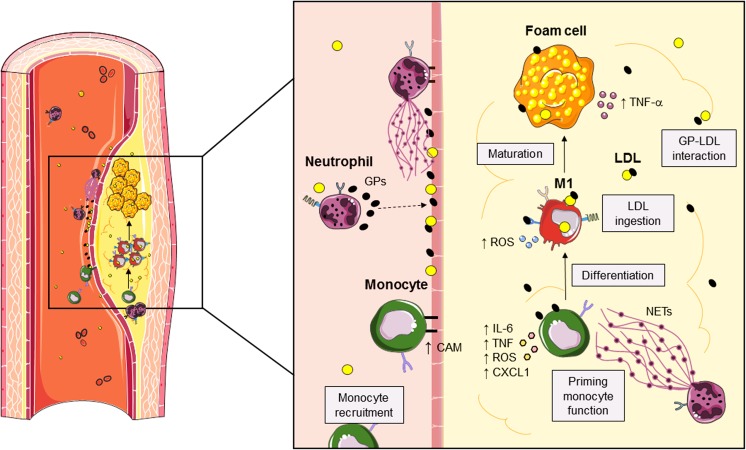
“…may play direct roles in lesion formation, for example, through modification of LDLs by myeloperoxidase (MPO), making them increasingly recognizable to macrophages and making high-density lipoproteins no longer able to remove cholesterol from foam cells (Podrez et al. 1999; Undurti et al. 2009).”
BackgroundLi, S., Krawczeski, C. D., Zappitelli, M., Devarajan, P., Thiessen-Philbrook, H., Coca, S. G., Kim, R. W., & Parikh, C. R. (2011) · Critical Care Medicine · doi:10.1097/ccm.0b013e31821201d3 · Cited by 483 · cited 1×
“…including immune complex-mediated disease, or as a complication arising from cardiac surgery or critical illness requiring intensive care, although post-infectious causes also exist (Jegatheesan et al. 2016; Kanjanabuch et al. 2009; Li et al. 2011; Okpechi et al. 2010; Rosner and Okusa 2006).”
BackgroundKnight, J. S., Luo, W., O’Dell, A. A., Yalavarthi, S., Zhao, W., Subramanian, V., Guo, C., Grenn, R. C., Thompson, P. R., Eitzman, D. T., et al. (2014) · Circulation Research · doi:10.1161/circresaha.114.303312 · Cited by 456 · cited 2×
“To examine the effects of NET formation by cholesterol crystal-primed neutrophils on atherogenesis, Apoe mice unable to undergo NET formation fed on high fat had a 3-fold decrease in the size of atherosclerotic lesions and this finding was similarly observed by other researchers (Knight et al. 2014; Warnatsch et al. 2…”
ResultNeutrophil secretion products pave the way for inflammatory monocytes
Soehnlein, O., Zernecke, A., Eriksson, E. E., Rothfuchs, A. G., Pham, C. T., Herwald, H., Bidzhekov, K., Rottenberg, M. E., Weber, C., & Lindbom, L. (2008) · Blood · doi:10.1182/blood-2008-02-139634 · Cited by 436 · cited 8×
“(Soehnlein et al. 2008c; van der Does et al. 2010; Wan et al. 2014).”
BackgroundInfluentialHistones from Dying Renal Cells Aggravate Kidney Injury via TLR2 and TLR4
Allam, R., Scherbaum, C. R., Darisipudi, M. N., Mulay, S. R., Hägele, H., Lichtnekert, J., Hagemann, J. H., Rupanagudi, K. V., Ryu, M., Schwarzenberger, C., et al. (2012) · Journal of the American Society of Nephrology · doi:10.1681/asn.2011111077 · Cited by 428 · cited 1×
“…acute kidney injury (AKI), is known to result from a multitude of factors including activation of the complement cascade, endothelial damage, leukocyte infiltration, pro-inflammatory signaling, necrosis and apoptosis (Akcay et al. 2010; Allam et al. 2012; Kaushal et al. 2004; Thurman et al. 2003).”
BackgroundZernecke, A., Bot, I., Djalali-Talab, Y., Shagdarsuren, E., Bidzhekov, K., Meiler, S., Krohn, R., Schober, A., Sperandio, M., Soehnlein, O., et al. (2008) · Circulation Research · doi:10.1161/circresaha.107.160697 · Cited by 417 · cited 3×
“Conversely, prevention of neutrophil trafficking to sites of inflammation through adoptive transfer of neutrophils deficient in the chemokine receptor CXCR2 was found to be protective against atherosclerotic plaque formation (Zernecke et al. 2008).”
BackgroundInfluentialThe inflammatory macrophage: a story of Jekyll and Hyde
DUFFIELD, J. S. (2003) · Clinical Science · doi:10.1042/cs1040027 · Cited by 414 · cited 1×
“3) (Duffield 2003).”
Role of Monocytes in Atherogenesis
ØSTERUD, B., & BJØRKLID, E. (2003) · Physiological Reviews · doi:10.1152/physrev.00005.2003 · Cited by 412 · cited 2×
“For many years, the development and progression of atherosclerotic plaques have traditionally been viewed as a classical monocytedriven process (Gerrity, 1981; Østerud and Bjørklid 2003; Woollard and Geissmann 2010).”
BackgroundSmith, A. M., Rahman, F. Z., Hayee, B., Graham, S. J., Marks, D. J. B., Sewell, G. W., Palmer, C. D., Wilde, J., Foxwell, B. M. J., Gloger, I. S., et al. (2009) · Journal of Experimental Medicine · doi:10.1084/jem.20091233 · Cited by 398 · cited 1×
“It was reported that cultured macrophages from CD patients secreted less chemotactic mediators such as IL-8 as well as impaired pro-inflammatory cytokine production following stimulation with Escherichia coli (Marks et al. 2006; Smith et al. 2009).”
BackgroundTemporal neutrophil polarization following myocardial infarction
Ma, Y., Yabluchanskiy, A., Iyer, R. P., Cannon, P. L., Flynn, E. R., Jung, M., Henry, J., Cates, C. A., Deleon-Pennell, K. Y., & Lindsey, M. L. (2016) · Cardiovascular Research · doi:10.1093/cvr/cvw024 · Cited by 390
Defective acute inflammation in Crohn's disease: a clinical investigation
Marks, D. J., Harbord, M. W., MacAllister, R., Rahman, F. Z., Young, J., Al-Lazikani, B., Lees, W., Novelli, M., Bloom, S., & Segal, A. W. (2006) · The Lancet · doi:10.1016/s0140-6736(06)68265-2 · Cited by 383 · cited 2×
“In contrast, neutrophil accumulation predominates in UC patients (Harbord et al. 2006; Marks et al. 2006).”
BackgroundCxcl8 (IL-8) Mediates Neutrophil Recruitment and Behavior in the Zebrafish Inflammatory Response
de Oliveira, S., Reyes-Aldasoro, C. C., Candel, S., Renshaw, S. A., Mulero, V., & Calado, Â. (2013) · The Journal of Immunology · doi:10.4049/jimmunol.1203266 · Cited by 381 · cited 1×
“These neutrophils originate from the bloodstream and transmigrate across the vascular endothelium into the lamina propria (Beck-Schimmer et al. 2005; de Oliveira et al. 2013; Fournier and Parkos 2012).”
Gautam, N., Maria Olofsson, A., Herwald, H., Iversen, L. F., Lundgren-Åkerlund, E., Hedqvist, P., Arfors, K.-E., Flodgaard, H., & Lindbom, L. (2001) · Nature Medicine · doi:10.1038/nm1001-1123 · Cited by 362 · cited 2×
“Moreover, neutrophils are able to alter vascular permeability by inducing changes in the cytoskeletal structure of endothelial cells, thus promoting the transmigration of monocytes (Gautam et al. 2001).”
BackgroundThe innate immune response in ischemic acute kidney injury
Jang, H. R., & Rabb, H. (2009) · Clinical Immunology · doi:10.1016/j.clim.2008.08.016 · Cited by 358 · cited 1×
“In contrast, in the later stages of disease, M2-type macrophages have been shown to be important in inflammation resolution and tissue repair (Jang and Rabb 2009; Lee et al. 2011).”
BackgroundChen, F., Wu, W., Millman, A., Craft, J. F., Chen, E., Patel, N., Boucher, J. L., Urban, J. F., Kim, C. C., & Gause, W. C. (2014) · Nature Immunology · doi:10.1038/ni.2984 · Cited by 354 · cited 1×
“Furthermore, a recent study reported that IL-13 secreted by neutrophils is able to skew macrophage polarization to the M2 phenotype during a helminth infection to effectively eradicate these parasitic worms (Chen et al. 2014).”
BackgroundCuartero, M. I., Ballesteros, I., Moraga, A., Nombela, F., Vivancos, J., Hamilton, J. A., Corbí, Á. L., Lizasoain, I., & Moro, M. A. (2013) · Stroke · doi:10.1161/strokeaha.113.002470 · Cited by 344 · cited 1×
“There is also emerging evidence suggesting that neutrophils are able to take on different phenotypes and functions during physiological conditions as well as in various diseases such as diabetes, stroke and myocardial infarction (Cuartero et al. 2013; Ma et al. 2016; Rao et al. 2014).”
BackgroundTissue‐resident macrophages: then and now
Davies, L. C., & Taylor, P. R. (2015) · Immunology · doi:10.1111/imm.12451 · Cited by 334 · cited 1×
“In contrast to neutrophils, tissueresident macrophages are less immunoreactive; which is an important feature that enables them to patrol the tissues for pathogens (Davies and Taylor 2015).”
BackgroundSmith, P. D., Smythies, L. E., Mosteller-Barnum, M., Sibley, D. A., Russell, M. W., Merger, M., Sellers, M. T., Orenstein, J. M., Shimada, T., Graham, M. F., et al. (2001) · The Journal of Immunology · doi:10.4049/jimmunol.167.5.2651 · Cited by 326 · cited 8×
“TGF-β blockade resulted in the decrease of N2 neutrophils suggesting that this cytokine is important in inducing an immunosuppressive profile in neutrophils (Fridlender et al. 2009).”
BackgroundInfluentialSilva, M. T. (2009) · Journal of Leukocyte Biology · doi:10.1189/jlb.0809549 · Cited by 322 · cited 1×
“Polymorphonuclear leukocytes, more commonly known as neutrophils, along with monocytes/macrophages arise from common precursors and, due to this, it is expected that they share common features (McCracken and Allen 2014; Silva 2010).”
BackgroundThe Dual Role of Neutrophils in Inflammatory Bowel Diseases
Wéra, O., Lancellotti, P., & Oury, C. (2016) · Journal of Clinical Medicine · doi:10.3390/jcm5120118 · Cited by 316 · cited 1×
“3) (Wéra et al. 2016).”
The Role of Neutrophils in the Induction of Glomerulonephritis by Anti-Myeloperoxidase Antibodies
Xiao, H., Heeringa, P., Liu, Z., Huugen, D., Hu, P., Maeda, N., Falk, R. J., & Jennette, J. C. (2005) · The American Journal of Pathology · doi:10.1016/s0002-9440(10)62951-3 · Cited by 309 · cited 1×
“While leukocytes do not typically accumulate in capillary beds, their aberrant recruitment to the glomerular capillaries represents amajor pathway for tissue injury (Braehler et al. 2016; Finsterbusch et al. 2016; Xiao et al. 2005).”
BackgroundLeukocyte analysis using monoclonal antibodies in human glomerulonephritis
Hooke, D. H., Gee, D. C., & Atkins, R. C. (1987) · Kidney International · doi:10.1038/ki.1987.93 · Cited by 305 · cited 2×
“In fact, monocytes/macrophages appear to be the most abundant immune cell type within the glomerulus in several forms of GN (Hooke et al. 1987; Weidner et al. 2004).”
BackgroundHu, X., Chakravarty, S. D., & Ivashkiv, L. B. (2008) · Immunological Reviews · doi:10.1111/j.1600-065x.2008.00707.x · Cited by 303 · cited 1×
“These cells initiate a feed-forward loop that involves further downstream inflammatory processes (Hu et al. 2008).”
Ionita, M. G., van den Borne, P., Catanzariti, L. M., Moll, F. L., de Vries, J.-P. P. M., Pasterkamp, G., Vink, A., & de Kleijn, D. P. V. (2010) · Arteriosclerosis, Thrombosis, and Vascular Biology · doi:10.1161/atvbaha.110.209296 · Cited by 302 · cited 4×
“With the advancement of neutrophilspecific fluorescent labeling techniques in recent years, a number of studies have demonstrated the accumulation of neutrophils within atherosclerotic plaques (Ionita et al. 2010; Rotzius et al. 2010).”
BackgroundInfluentialDe Filippo, K., Henderson, R. B., Laschinger, M., & Hogg, N. (2008) · The Journal of Immunology · doi:10.4049/jimmunol.180.6.4308 · Cited by 294 · cited 1×
“1) (Barry et al. 2013; BeckSchimmer et al. 2005; De Filippo et al. 2008).”
Regulation of Human Neutrophil Apoptosis and Lifespan in Health and Disease
McCracken, J. M., & Allen, L.-A. H. (2014) · Journal of Cell Death · doi:10.4137/jcd.s11038 · Cited by 293
Yang, C.-T., Cambier, C. J., Davis, J. M., Hall, C. J., Crosier, P. S., & Ramakrishnan, L. (2012) · Cell Host & Microbe · doi:10.1016/j.chom.2012.07.009 · Cited by 293
Scannell, M., Flanagan, M. B., deStefani, A., Wynne, K. J., Cagney, G., Godson, C., & Maderna, P. (2007) · The Journal of Immunology · doi:10.4049/jimmunol.178.7.4595 · Cited by 283 · cited 1×
“Annexin A1 (AnxA1), a protein produced by neutrophils, enhances this process as it increases the phagocytic ability of macrophages (Scannell et al. 2007).”
BackgroundLack of a Functional Alternative Complement Pathway Ameliorates Ischemic Acute Renal Failure in Mice
Thurman, J. M., Ljubanovic, D., Edelstein, C. L., Gilkeson, G. S., & Holers, V. M. (2003) · The Journal of Immunology · doi:10.4049/jimmunol.170.3.1517 · Cited by 283 · cited 1×
“…acute kidney injury (AKI), is known to result from a multitude of factors including activation of the complement cascade, endothelial damage, leukocyte infiltration, pro-inflammatory signaling, necrosis and apoptosis (Akcay et al. 2010; Allam et al. 2012; Kaushal et al. 2004; Thurman et al. 2003).”
BackgroundPresence of luminal neutrophil extracellular traps in atherosclerosis
Megens, R. T. A., Vijayan, S., Lievens, D., Döring, Y., van Zandvoort, M. A. M. J., Grommes, J., Weber, C., & Soehnlein, O. (2012) · Thrombosis and Haemostasis · doi:10.1160/th11-09-0650 · Cited by 276 · cited 1×
“Increased numbers of netting neutrophils have been found adhering to the vascular lumen in mouse models of atherosclerosis, as well as being identified in atherosclerotic plaques removed from human arteries (Megens et al. 2012; Warnatsch et al. 2015).”
BackgroundEtiology, incidence, and prognosis of renal failure following cardiac operations
Abel, R. M., Buckley, M. J., Gerald Austen, W., Octo Barnett, G., Beck, C. H., & Fischer, J. E. (1976) · The Journal of Thoracic and Cardiovascular Surgery · doi:10.1016/s0022-5223(19)40195-5 · Cited by 269 · cited 1×
“In patients undergoing cardiac surgery who develop AKI, the risk of mortality is high and correlates with the severity of injury (Abel et al. 1976; Lech et al. 2014; Rosner and Okusa 2006).”
BackgroundAnimal Models of Inflammatory Bowel Disease
(2012) · Progress in Molecular Biology and Translational Science · doi:10.1016/b978-0-12-394596-9.00009-3 · Cited by 267 · cited 1×
“These include the trinitrobenzene sulfonic acid (TNBS), dextran sulfate sodium (DSS) and adopted Tcell transfer models (Mizoguchi 2012).”
MethodMacrophages Acquire Neutrophil Granules for Antimicrobial Activity against Intracellular Pathogens
Tan, B. H., Meinken, C., Bastian, M., Bruns, H., Legaspi, A., Ochoa, M. T., Krutzik, S. R., Bloom, B. R., Ganz, T., Modlin, R. L., et al. (2006) · The Journal of Immunology · doi:10.4049/jimmunol.177.3.1864 · Cited by 267 · cited 1×
“Other studies have demonstrated that neutrophils persist in the glomerulus only for a short time frame following administration of anti-GBM (Tang et al. 1997).”
BackgroundModification of High Density Lipoprotein by Myeloperoxidase Generates a Pro-inflammatory Particle
Undurti, A., Huang, Y., Lupica, J. A., Smith, J. D., DiDonato, J. A., & Hazen, S. L. (2009) · Journal of Biological Chemistry · doi:10.1074/jbc.m109.047605 · Cited by 266 · cited 2×
“…may play direct roles in lesion formation, for example, through modification of LDLs by myeloperoxidase (MPO), making them increasingly recognizable to macrophages and making high-density lipoproteins no longer able to remove cholesterol from foam cells (Podrez et al. 1999; Undurti et al. 2009).”
BackgroundChertov, O., Ueda, H., Xu, L. L., Tani, K., Murphy, W. J., Wang, J. M., Howard, O. M. Z., Sayers, T. J., & Oppenheim, J. J. (1997) · The Journal of Experimental Medicine · doi:10.1084/jem.186.5.739 · Cited by 262 · cited 3×
“These granule products have been shown to be chemotactic for monocytes by several mechanisms, including Ca2+ mobilization by FPRL1 activation and modification of macrophage inflammatory protein (Agerberth et al. 2000; Chertov et al. 1997b; Soehnlein et al. 2009b; Yang et al. 2000).”
BackgroundShaul, M. E., Levy, L., Sun, J., Mishalian, I., Singhal, S., Kapoor, V., Horng, W., Fridlender, G., Albelda, S. M., & Fridlender, Z. G. (2016) · OncoImmunology · doi:10.1080/2162402x.2016.1232221 · Cited by 259 · cited 1×
“Additionally, classical neutrophil function was attenuated in the N2 neutrophils as there was a downregulation in the pathways associated with antigen processing and chemokines (Shaul et al. 2016).”
BackgroundCytokine-mediated regulation of CXCR4 expression in human neutrophils
Nagase, H., Miyamasu, M., Yamaguchi, M., Imanishi, M., Tsuno, N. H., Matsushima, K., Yamamoto, K., Morita, Y., & Hirai, K. (2002) · Journal of Leukocyte Biology · doi:10.1189/jlb.71.4.711 · Cited by 240
Suppression of experimental colitis by intestinal mononuclear phagocytes
Qualls, J. E., Kaplan, A. M., Van Rooijen, N., & Cohen, D. A. (2006) · Journal of Leukocyte Biology · doi:10.1189/jlb.1205734 · Cited by 237 · cited 1×
“Subsequently, neutrophil depletion prevented the increase in disease severity in these mice (Qualls et al. 2006).”
BackgroundLiu, C., Li, Y., Yu, J., Feng, L., Hou, S., Liu, Y., Guo, M., Xie, Y., Meng, J., Zhang, H., et al. (2013) · PLoS ONE · doi:10.1371/journal.pone.0054841 · Cited by 233 · cited 1×
“Pro-inflammatory macrophages express inducible nitric oxide synthase and CD40 and produce TNF-α and IL-6, whereas anti-inflammatory macrophages express arginase I and CD206 and produce transforming growth factor (TGF)-β and IL-10 to facilitate tissue repair (Liu et al. 2013; Wynn and Vannella 2016).”
BackgroundMacrophage Phenotype Controls Long-Term AKI Outcomes—Kidney Regeneration versus Atrophy
Lech, M., Gröbmayr, R., Ryu, M., Lorenz, G., Hartter, I., Mulay, S. R., Susanti, H. E., Kobayashi, K. S., Flavell, R. A., & Anders, H.-J. (2014) · Journal of the American Society of Nephrology · doi:10.1681/asn.2013020152 · Cited by 224 · cited 3×
“normal levels, alterations in kidney physiologymean that AKI is a known predictor of chronic kidney disease and end-stage renal disease (Lech et al. 2014).”
BackgroundNeutrophil heterogeneity in health and disease: a revitalized avenue in inflammation and immunity
Beyrau, M., Bodkin, J. V., & Nourshargh, S. (2012) · Open Biology · doi:10.1098/rsob.120134 · Cited by 223 · cited 2×
“In addit ion, concepts such as Bneutrophil heterogeneity^ and Bneutrophil plasticity^ have begun to emerge, with evidence indicating that, under pathological conditions, neutrophils may differentiate into discrete subsets defined by distinct phenotypic and functional characteristics (Beyrau et al. 2012).”
BackgroundSoehnlein, O., Kai-Larsen, Y., Frithiof, R., Sorensen, O. E., Kenne, E., Scharffetter-Kochanek, K., Eriksson, E. E., Herwald, H., Agerberth, B., & Lindbom, L. (2008) · Journal of Clinical Investigation · doi:10.1172/jci35740 · Cited by 222 · cited 8×
“(Soehnlein et al. 2008c; van der Does et al. 2010; Wan et al. 2014).”
BackgroundInfluentialLewkowicz, P., Lewkowicz, N., Sasiak, A., & Tchórzewski, H. (2006) · The Journal of Immunology · doi:10.4049/jimmunol.177.10.7155 · Cited by 216 · cited 1×
“Both IL-10 and TGF-β have been shown to elicit anti-inflammatory effects on neutrophils, as these cytokines are able to regulate neutrophil recruitment, function and lifespan (Krause et al. 2015; Lewkowicz et al. 2006).”
BackgroundZhang, W. R., Garg, A. X., Coca, S. G., Devereaux, P. J., Eikelboom, J., Kavsak, P., McArthur, E., Thiessen-Philbrook, H., Shortt, C., Shlipak, M., et al. (2015) · Journal of the American Society of Nephrology · doi:10.1681/asn.2014080764 · Cited by 215 · cited 1×
“More specifically, research has demonstrated that the immune response associated with an episode of AKI is a major determinant of patient outcomes (Zhang et al. 2015).”
BackgroundTang, T., Rosenkranz, A., Assmann, K. J. M., Goodman, M. J., Gutierrez-Ramos, J.-C., Carroll, M. C., Cotran, R. S., & Mayadas, T. N. (1997) · The Journal of Experimental Medicine · doi:10.1084/jem.186.11.1853 · Cited by 215 · cited 1×
“It has been noted that there are high levels of proinflammatory macrophages detected in the gastrointestinal tissue of CD patients (Thiesen et al. 2014).”
BackgroundThe responses of macrophages in interaction with neutrophils that undergo NETosis
Nakazawa, D., Shida, H., Kusunoki, Y., Miyoshi, A., Nishio, S., Tomaru, U., Atsumi, T., & Ishizu, A. (2016) · Journal of Autoimmunity · doi:10.1016/j.jaut.2015.08.018 · Cited by 199 · cited 1×
“Neutrophils can also contribute to monocyte activation and extravasation through granule product release and extracellular trap formation (Nakazawa et al. 2016; Soehnlein et al. 2009a).”
BackgroundMyeloid Colony-Stimulating Factors as Regulators of Macrophage Polarization
Hamilton, T. A., Zhao, C., Pavicic, P. G., & Datta, S. (2014) · Frontiers in Immunology · doi:10.3389/fimmu.2014.00554 · Cited by 196 · cited 1×
“Depending on the microenvironment they find themselves in, macrophages are able to acquire either the BM1^ or BM2^ phenotype, hence allowing the macrophage to act in a pro-inflammatory or anti-inflammatory manner, respectively (Hamilton et al. 2014).”
BackgroundLL-37 Directs Macrophage Differentiation toward Macrophages with a Proinflammatory Signature
van der Does, A. M., Beekhuizen, H., Ravensbergen, B., Vos, T., Ottenhoff, T. H. M., van Dissel, J. T., Drijfhout, J. W., Hiemstra, P. S., & Nibbering, P. H. (2010) · The Journal of Immunology · doi:10.4049/jimmunol.1000376 · Cited by 193 · cited 1×
“(Soehnlein et al. 2008c; van der Does et al. 2010; Wan et al. 2014).”
Smythies, L. E., Shen, R., Bimczok, D., Novak, L., Clements, R. H., Eckhoff, D. E., Bouchard, P., George, M. D., Hu, W. K., Dandekar, S., et al. (2010) · Journal of Biological Chemistry · doi:10.1074/jbc.m109.069955 · Cited by 191 · cited 1×
“However, studies have shown that these intestinal immune cells are capable of remaining in a state of anergy without compromising their functional capabilities (Smythies et al. 2005, 2010).”
Alveolar macrophages regulate neutrophil recruitment in endotoxin-induced lung injury
Beck-Schimmer, B., Schwendener, R., Pasch, T., Reyes, L., Booy, C., & Schimmer, R. C. (2005) · Respiratory Research · doi:10.1186/1465-9921-6-61 · Cited by 190 · cited 1×
“These neutrophils originate from the bloodstream and transmigrate across the vascular endothelium into the lamina propria (Beck-Schimmer et al. 2005; de Oliveira et al. 2013; Fournier and Parkos 2012).”
BackgroundMostowy, S., Boucontet, L., Mazon Moya, M. J., Sirianni, A., Boudinot, P., Hollinshead, M., Cossart, P., Herbomel, P., Levraud, J.-P., & Colucci-Guyon, E. (2013) · PLoS Pathogens · doi:10.1371/journal.ppat.1003588 · Cited by 189 · cited 2×
“Conversely, neutrophils infected with S. flexneri successfully degraded the bacteria and proceeded to engulf the dead macrophages (Mostowy et al. 2013).”
BackgroundKühl, A. A., Kakirman, H., Janotta, M., Dreher, S., Cremer, P., Pawlowski, N. N., Loddenkemper, C., Heimesaat, M. M., Grollich, K., Zeitz, M., et al. (2007) · Gastroenterology · doi:10.1053/j.gastro.2007.08.073 · Cited by 187 · cited 1×
“Interestingly, recent studies have shown that neutrophils are also able to play a protective role during TNBSand DSS-induced colitis (Kühl et al. 2007; Rong et al. 2011).”
BackgroundGreenlee-Wacker, M. C., Rigby, K. M., Kobayashi, S. D., Porter, A. R., DeLeo, F. R., & Nauseef, W. M. (2014) · The Journal of Immunology · doi:10.4049/jimmunol.1302692 · Cited by 182 · cited 2×
“aureus exploits this relationship to aid in its own survival by hindering the uptake of apoptotic neutrophils by macrophages, resulting in necrosis (Greenlee-Wacker et al. 2014).”
BackgroundMohty, D., Pibarot, P., Després, J.-P., Côté, C., Arsenault, B., Cartier, A., Cosnay, P., Couture, C., & Mathieu, P. (2008) · Arteriosclerosis, Thrombosis, and Vascular Biology · doi:10.1161/atvbaha.107.154989 · Cited by 181 · cited 1×
“It is well accepted that hyperlipidemia increases the risk for developing atherosclerosis by way of increasing the number of circulating inflammatory monocytes and their emigration into atherosclerotic lesions (Adamson and Leitinger 2011; Huang et al. 2001; Mohty et al. 2008; Shankar et al. 2007).”
BackgroundNeutrophil granule proteins tune monocytic cell function
Soehnlein, O., Weber, C., & Lindbom, L. (2009) · Trends in Immunology · doi:10.1016/j.it.2009.06.006 · Cited by 178 · cited 2×
“These granule products have been shown to be chemotactic for monocytes by several mechanisms, including Ca2+ mobilization by FPRL1 activation and modification of macrophage inflammatory protein (Agerberth et al. 2000; Chertov et al. 1997b; Soehnlein et al. 2009b; Yang et al. 2000).”
BackgroundNEUTROPHIL APOPTOSIS IS DELAYED IN PATIENTS WITH INFLAMMATORY BOWEL DISEASE
Brannigan, A. E., OʼConnell, R. P., Hurley, H., OʼNeill, A., Brady, H. R., Fitzpatrick, J. M., William, R., & Watson, G. (2000) · Shock · doi:10.1097/00024382-200005000-00003 · Cited by 177
Multiphoton imaging reveals a new leukocyte recruitment paradigm in the glomerulus
Devi, S., Li, A., Westhorpe, C. L. V., Lo, C. Y., Abeynaike, L. D., Snelgrove, S. L., Hall, P., Ooi, J. D., Sobey, C. G., Kitching, A. R., et al. (2013) · Nature Medicine · doi:10.1038/nm.3024 · Cited by 173 · cited 1×
“In a separate model of glomerular inflammation, monocytes and neutrophils were also found to be retained in the intravascular space following administration of an anti-glomerular basement membrane (GBM) antibody (Devi et al. 2013).”
BackgroundComparing histological activity indexes in UC
Bressenot, A., Salleron, J., Bastien, C., Danese, S., Boulagnon-Rombi, C., & Peyrin-Biroulet, L. (2015) · Gut · doi:10.1136/gutjnl-2014-307477 · Cited by 171 · cited 1×
“Conversely, UC is thought to be a neutrophil-driven disease (Bressenot et al. 2015).”
BackgroundReduction of scar formation in full‐thickness wounds with topical celecoxib treatment
Wilgus, T. A., Vodovotz, Y., Vittadini, E., Clubbs, E. A., & Oberyszyn, T. M. (2003) · Wound Repair and Regeneration · doi:10.1046/j.1524-475x.2003.11106.x · Cited by 170 · cited 1×
“For many years, the development and progression of atherosclerotic plaques have traditionally been viewed as a classical monocytedriven process (Gerrity, 1981; Østerud and Bjørklid 2003; Woollard and Geissmann 2010).”
BackgroundO’Sullivan, K. M., Lo, C. Y.-W., Summers, S. A., Elgass, K., McMillan, P. J., Longano, A., Ford, S. L., Gan, P., Kerr, P. G., Kitching, A. R., et al. (2015) · Kidney International · doi:10.1038/ki.2015.202 · Cited by 169 · cited 1×
“Within hours of the induction of injury, influx of inflammatory monocytes/macrophages and neutrophils contribute to early tubular necrosis through the generation of proinflammatory cytokines,myeloperoxidase and extracellular traps (Braehler et al. 2016; O’Sullivan et al. 2015).”
BackgroundYamashiro, S., Kamohara, H., Wang, J.-M., Yang, D., Gong, W.-H., & Yoshimura, T. (2001) · Journal of Leukocyte Biology · doi:10.1189/jlb.69.5.698 · Cited by 167 · cited 1×
“Instead, neutrophils are produced and stored in large reserves in the bone marrow, ready to be deployed into the circulation (Yamashiro et al. 2001).”
BackgroundNeutrophils Promote Mononuclear Cell Infiltration During Viral-Induced Encephalitis
Zhou, J., Stohlman, S. A., Hinton, D. R., & Marten, N. W. (2003) · The Journal of Immunology · doi:10.4049/jimmunol.170.6.3331 · Cited by 161 · cited 1×
“In fact, mice depleted of neutrophils demonstrated a decrease in mononuclear inflammatory cell infiltrate, specifically inflammatory monocytes (Soehnlein et al. 2008c; Zhou et al. 2003).”
BackgroundApoptotic pathways in ischemic acute renal failure
Kaushal, G. P., Basnakian, A. G., & Shah, S. V. (2004) · Kidney International · doi:10.1111/j.1523-1755.2004.761_6.x · Cited by 160 · cited 1×
“…acute kidney injury (AKI), is known to result from a multitude of factors including activation of the complement cascade, endothelial damage, leukocyte infiltration, pro-inflammatory signaling, necrosis and apoptosis (Akcay et al. 2010; Allam et al. 2012; Kaushal et al. 2004; Thurman et al. 2003).”
BackgroundAntimicrobial peptide LL-37 promotes bacterial phagocytosis by human macrophages
Wan, M., van der Does, A. M., Tang, X. Y., Lindbom, L., Agerberth, B., & Haeggström, J. Z. (2014) · Journal of Leukocyte Biology · doi:10.1189/jlb.0513304 · Cited by 159 · cited 1×
“(Soehnlein et al. 2008c; van der Does et al. 2010; Wan et al. 2014).”
Distinct Infiltration of Neutrophils in Lesion Shoulders in ApoE−/− Mice
Rotzius, P., Thams, S., Soehnlein, O., Kenne, E., Tseng, C.-N., Björkström, N. K., Malmberg, K.-J., Lindbom, L., & Eriksson, E. E. (2010) · The American Journal of Pathology · doi:10.2353/ajpath.2010.090480 · Cited by 159 · cited 5×
“With the advancement of neutrophilspecific fluorescent labeling techniques in recent years, a number of studies have demonstrated the accumulation of neutrophils within atherosclerotic plaques (Ionita et al. 2010; Rotzius et al. 2010).”
BackgroundInfluentialInvolvement of reactive oxygen species in kidney damage
Baud, L., & Ardaillou, R. (1993) · British Medical Bulletin · doi:10.1093/oxfordjournals.bmb.a072635 · Cited by 156 · cited 1×
“In particular, generation of ROS and secretion of proteolytic enzymes by neutrophils have long been known to significantly disrupt the integrity of the glomerular capillaries leading to glomerular dysfunction causing symptoms such as proteinuria (Baud and Ardaillou 1993; Odobasic et al. 2007).”
BackgroundPhenotypic modulation of macrophages in response to plaque lipids
Adamson, S., & Leitinger, N. (2011) · Current Opinion in Lipidology · doi:10.1097/mol.0b013e32834a97e4 · Cited by 154 · cited 1×
“It is well accepted that hyperlipidemia increases the risk for developing atherosclerosis by way of increasing the number of circulating inflammatory monocytes and their emigration into atherosclerotic lesions (Adamson and Leitinger 2011; Huang et al. 2001; Mohty et al. 2008; Shankar et al. 2007).”
BackgroundStreptococcal M Protein: A Multipotent and Powerful Inducer of Inflammation
Påhlman, L. I., Mörgelin, M., Eckert, J., Johansson, L., Russell, W., Riesbeck, K., Soehnlein, O., Lindbom, L., Norrby-Teglund, A., Schumann, R. R., et al. (2006) · The Journal of Immunology · doi:10.4049/jimmunol.177.2.1221 · Cited by 153 · cited 1×
“1) (Påhlman et al. 2006).”
Neutrophils and Macrophages: the Main Partners of Phagocyte Cell Systems
Silva, M. T., & Correia-Neves, M. (2012) · Frontiers in Immunology · doi:10.3389/fimmu.2012.00174 · Cited by 153 · cited 2×
“Despite this, monocytes/ macrophages are able to digest and present antigens to other immune cells, thereby allowing them to interact with the adaptive immune system (Silva and Correia-Neves 2012).”
BackgroundNeutrophil-macrophage cooperation in the host defence against mycobacterial infections
Silva, M. T., Silva, M. N., & Appelberg, R. (1989) · Microbial Pathogenesis · doi:10.1016/0882-4010(89)90079-x · Cited by 151 · cited 1×
“Not surprisingly, the antimicrobial activity of macrophages containing lactoferrin was significantly enhanced following infection (Silva et al. 1989).”
BackgroundInfluentialAn update on acute postinfectious glomerulonephritis worldwide
Kanjanabuch, T., Kittikowit, W., & Eiam‐Ong, S. (2009) · Nature Reviews Nephrology · doi:10.1038/nrneph.2009.44 · Cited by 150 · cited 1×
“…including immune complex-mediated disease, or as a complication arising from cardiac surgery or critical illness requiring intensive care, although post-infectious causes also exist (Jegatheesan et al. 2016; Kanjanabuch et al. 2009; Li et al. 2011; Okpechi et al. 2010; Rosner and Okusa 2006).”
BackgroundThiesen, S., Janciauskiene, S., Uronen-Hansson, H., Agace, W., Högerkorp, C.-M., Spee, P., Håkansson, K., & Grip, O. (2013) · Journal of Leukocyte Biology · doi:10.1189/jlb.0113021 · Cited by 145 · cited 1×
“It has been noted that there are high levels of proinflammatory macrophages detected in the gastrointestinal tissue of CD patients (Thiesen et al. 2014).”
BackgroundZughaier, S. M., Shafer, W. M., & Stephens, D. S. (2005) · Cellular Microbiology · doi:10.1111/j.1462-5822.2005.00549.x · Cited by 138 · cited 2×
“αdefensins also activate macrophages to enhance phagocytosis through the generation of ROS in addition to causing an upregulation in cytokine synthesis (Soehnlein et al. 2008a; Zughaier et al. 2005).”
BackgroundFinsterbusch, M., Hall, P., Li, A., Devi, S., Westhorpe, C. L. V., Kitching, A. R., & Hickey, M. J. (2016) · Proceedings of the National Academy of Sciences · doi:10.1073/pnas.1606253113 · Cited by 133 · cited 4×
“Another study extended these findings by imaging direct interactions between intravascular neutrophils and monocytes within the glomerulus upon the initiation of glomerulonephritis (Finsterbusch et al. 2016).”
BackgroundInfluentialThe detection of monocytes in human glomerulonephritis
Ferrario, F., Castiglione, A., Colasanti, G., di Belgioioso, G. B., Bertoli, S. V., D’Amico, G., & Nava, S. (1985) · Kidney International · doi:10.1038/ki.1985.158 · Cited by 129 · cited 1×
“Many immune cell types have been implicated in the development of proliferative GN; however, phagocytic leukocytes have been shown to be major contributors in the pathogenesis of kidney injury, particularly in crescentic and post-infectious GN (Ferrario et al. 1985; Hooke et al. 1987).”
BackgroundIL-1α Signaling Initiates the Inflammatory Response to Virulent Legionella pneumophila In Vivo
Barry, K. C., Fontana, M. F., Portman, J. L., Dugan, A. S., & Vance, R. E. (2013) · The Journal of Immunology · doi:10.4049/jimmunol.1300100 · Cited by 129 · cited 1×
“1) (Barry et al. 2013; BeckSchimmer et al. 2005; De Filippo et al. 2008).”
Okpechi, I., Swanepoel, C. R., Duffield, M., Mahala, B. K., Wearne, N., Alagbe, S. C., Barday, Z., Arendse, C. G., & Rayner, B. L. (2010) · Nephrology Dialysis Transplantation · doi:10.1093/ndt/gfq655 · Cited by 126 · cited 1×
“…including immune complex-mediated disease, or as a complication arising from cardiac surgery or critical illness requiring intensive care, although post-infectious causes also exist (Jegatheesan et al. 2016; Kanjanabuch et al. 2009; Li et al. 2011; Okpechi et al. 2010; Rosner and Okusa 2006).”
BackgroundKrause, P., Morris, V., Greenbaum, J. A., Park, Y., Bjoerheden, U., Mikulski, Z., Muffley, T., Shui, J.-W., Kim, G., Cheroutre, H., et al. (2015) · Nature Communications · doi:10.1038/ncomms8055 · Cited by 122 · cited 1×
“Both IL-10 and TGF-β have been shown to elicit anti-inflammatory effects on neutrophils, as these cytokines are able to regulate neutrophil recruitment, function and lifespan (Krause et al. 2015; Lewkowicz et al. 2006).”
Backgroundde Souza, H. S. P., Tortori, C., Castelo-Branco, M. T. L., Carvalho, A. T. P., Margallo, V. S., Delgado, C. F. S., Dines, I., & Elia, C. C. S. (2004) · International Journal of Colorectal Disease · doi:10.1007/s00384-004-0639-8 · Cited by 118 · cited 1×
“In these macrophages, the production of inflammatory mediators such as IL-23, a cytokine involved in granulopoiesis, is inhibited, while the secretion of TGF-β1, an important regulatory cytokine, is increased (Fadok et al. 1998; Stark et al. 2005).”
BackgroundCastagliuolo, I., Keates, A. C., Wang, C. C., Pasha, A., Valenick, L., Kelly, C. P., Nikulasson, S. T., LaMont, J. T., & Pothoulakis, C. (1998) · The Journal of Immunology · doi:10.4049/jimmunol.160.12.6039 · Cited by 114 · cited 2×
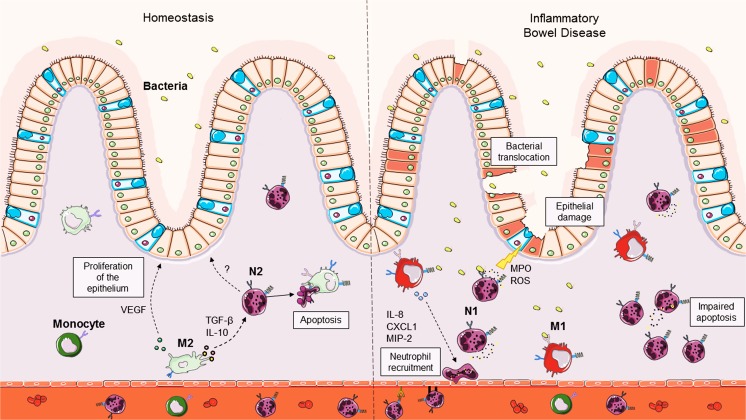
“During infection with C. difficile, neutrophil recruitment is enhanced by MIP-2 released by macrophages (Castagliuolo et al. 1998).”
BackgroundTGF-β expression in the human colon: differential immunostaining along crypt epithelium
Avery, A., Paraskeva, C., Hall, P., Flanders, K., Sporn, M., & Moorghen, M. (1993) · British Journal of Cancer · doi:10.1038/bjc.1993.301 · Cited by 111 · cited 1×
“It was reported that the intestinal epithelium constitutively expresses TGF-β1, which could explain the preference for the anti-inflammatory M2 macrophages in the intestines rather than one that is of the M1 prolife (Avery et al. 1993).”
BackgroundNeutrophil-macrophage communication in inflammation and atherosclerosis
Nahrendorf, M., & Swirski, F. K. (2015) · Science · doi:10.1126/science.aac7801 · Cited by 110 · cited 1×
“2) (Fuchs et al. 2007; Nahrendorf and Swirski 2015).”
Karasawa, K., Asano, K., Moriyama, S., Ushiki, M., Monya, M., Iida, M., Kuboki, E., Yagita, H., Uchida, K., Nitta, K., et al. (2015) · Journal of the American Society of Nephrology · doi:10.1681/asn.2014020195 · Cited by 109 · cited 2×
“Using a mouse model of renal ischaemia reperfusion injury (IRI), a major cause of sterile AKI, CD169+ kidney-resident monocytes and macrophages exert protective effects in the glomerulus through prevention of neutrophil accumulation (Karasawa et al. 2014).”
BackgroundWeidner, S., Carl, M., Riess, R., & Rupprecht, H. (2004) · Arthritis & Rheumatism · doi:10.1002/art.20607 · Cited by 95 · cited 1×
“In fact, monocytes/macrophages appear to be the most abundant immune cell type within the glomerulus in several forms of GN (Hooke et al. 1987; Weidner et al. 2004).”
BackgroundSystemic effects of gut microbiota and its relationship with disease and modulation
Ho, J. T., Chan, G. C., & Li, J. C. (2015) · BMC Immunology · doi:10.1186/s12865-015-0083-2 · Cited by 93
Odobasic, D., Kitching, A. R., Semple, T. J., & Holdsworth, S. R. (2007) · Journal of the American Society of Nephrology · doi:10.1681/asn.2006040375 · Cited by 89 · cited 1×
“In particular, generation of ROS and secretion of proteolytic enzymes by neutrophils have long been known to significantly disrupt the integrity of the glomerular capillaries leading to glomerular dysfunction causing symptoms such as proteinuria (Baud and Ardaillou 1993; Odobasic et al. 2007).”
BackgroundNeutrophil secretion products regulate anti-bacterial activity in monocytes and macrophages
Soehnlein, O., Kenne, E. M., Rotzius, P., Eriksson, E. E., & Lindbom, L. (2007) · Clinical & Experimental Immunology · doi:10.1111/j.1365-2249.2007.03532.x · Cited by 88 · cited 8×
“(Soehnlein et al. 2008c; van der Does et al. 2010; Wan et al. 2014).”
BackgroundInfluentialNeutrophils launch monocyte extravasation by release of granule proteins
Zernecke, A., Weber, C., & Soehnlein, O. (2009) · Thrombosis and Haemostasis · doi:10.1160/th08-11-0720 · Cited by 88 · cited 2×
“These granule products have been shown to be chemotactic for monocytes by several mechanisms, including Ca2+ mobilization by FPRL1 activation and modification of macrophage inflammatory protein (Agerberth et al. 2000; Chertov et al. 1997b; Soehnlein et al. 2009b; Yang et al. 2000).”
BackgroundImmunohistochemical localization of defensin in human coronary vessels.
Barnathan, E. S., Raghunath, P. N., Tomaszewski, J. E., Ganz, T., Cines, D. B., & al-R, H. A. (1997) · Europe PMC (PubMed Central) · Cited by 86
Soehnlein, O., Xie, X., Ulbrich, H., Kenne, E., Rotzius, P., Flodgaard, H., Eriksson, E. E., & Lindbom, L. (2005) · The Journal of Immunology · doi:10.4049/jimmunol.174.10.6399 · Cited by 85 · cited 2×
“2) (Soehnlein et al. 2005).”
BackgroundDelayed apoptosis of tumor associated neutrophils in the absence of endogenous IFN‐β
Andzinski, L., Wu, C., Lienenklaus, S., Kröger, A., Weiss, S., & Jablonska, J. (2015) · International Journal of Cancer · doi:10.1002/ijc.28957 · Cited by 81 · cited 2×
“These N2 neutrophils are characterized by their immunosuppressive ability and delay in apoptosis as there is a reduction in Fas-ligand expression (Andzinski et al. 2015).”
BackgroundTakano, T., Azuma, N., Satoh, M., Toda, A., Hashida, Y., Satoh, R., & Hohdatsu, T. (2009) · Archives of Virology · doi:10.1007/s00705-009-0371-3 · Cited by 78 · cited 4×
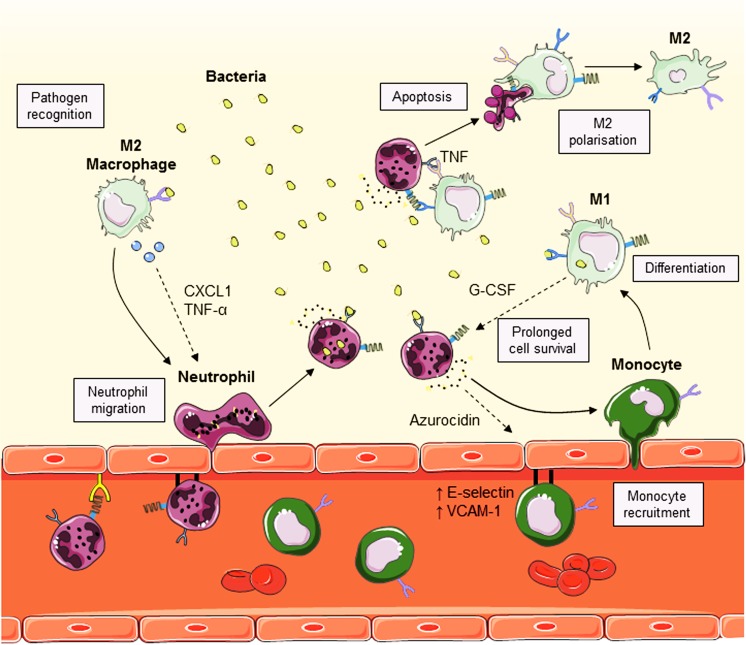
“Therefore, macrophages act to prolong their survival by producing a variety of growth factors such as granulocyte–macrophage colony-stimulating factor (GMCSF), granulocyte colony-stimulating factor (G-CSF) and tumor necrosis factor alpha (TNF-α) (Takano et al. 2009).”
BackgroundInfluentialHuang, Z., Chien, K., Yang, C., Tsai, K., & Wang, C. (2001) · Lipids · doi:10.1007/s11745-001-0713-9 · Cited by 76
Myeloid cells in atherosclerosis: initiators and decision shapers
Soehnlein, O., & Weber, C. (2009) · Seminars in Immunopathology · doi:10.1007/s00281-009-0141-z · Cited by 74 · cited 1×
“Along with pro-inflammatory macrophages within the fatty streak, foam cell death propagates inflammation to perpetuate the development of the plaque (Soehnlein and Weber, 2009).”
BackgroundCiornei, C. D., Tapper, H., Bjartell, A., Sternby, N. H., & Bodelsson, M. (2006) · BMC Cardiovascular Disorders · doi:10.1186/1471-2261-6-49 · Cited by 72
Becquet, O., Pasche, J., Gatti, H., Chenel, C., Abély, M., Morville, P., & Piétrement, C. (2009) · Pediatric Nephrology · doi:10.1007/s00467-009-1325-4 · Cited by 71 · cited 2×
“sion, edema and decreased urine output (Becquet et al. 2010; Hamouda et al. 2014; Li et al. 2014; Ramanathan et al. 2017).”
BackgroundHarbord, M., Marks, D. J., Forbes, A., Bloom, S. L., Day, R. M., & Segal, A. W. (2006) · Alimentary Pharmacology & Therapeutics · doi:10.1111/j.1365-2036.2006.03016.x · Cited by 64 · cited 1×
“In contrast, neutrophil accumulation predominates in UC patients (Harbord et al. 2006; Marks et al. 2006).”
BackgroundShankar, A., Mitchell, P., Rochtchina, E., & Wang, J. J. (2006) · Atherosclerosis · doi:10.1016/j.atherosclerosis.2006.04.029 · Cited by 62 · cited 1×
“It is well accepted that hyperlipidemia increases the risk for developing atherosclerosis by way of increasing the number of circulating inflammatory monocytes and their emigration into atherosclerotic lesions (Adamson and Leitinger 2011; Huang et al. 2001; Mohty et al. 2008; Shankar et al. 2007).”
BackgroundCAP37, a Novel Inflammatory Mediator
Lee, T. D., Gonzalez, M. L., Kumar, P., Chary‐Reddy, S., Grammas, P., & Pereira, H. A. (2002) · American Journal Of Pathology · doi:10.1016/s0002-9440(10)64907-3 · Cited by 61
T Lymphocyte Dynamics in Inflammatory Bowel Diseases: Role of the Microbiome
Larmonier, C. B., Shehab, K. W., Ghishan, F. K., & Kiela, P. R. (2015) · BioMed Research International · doi:10.1155/2015/504638 · Cited by 60 · cited 1×
“IBD in humans is driven by T cells due to their pivotal role against pathogens; however, there is also the involvement of immune cells such as neutrophils and macrophages during disease as shown by their accumulation in the inflamed mucosa (Larmonier et al. 2015).”
BackgroundRao, X., Zhong, J., & Sun, Q. (2014) · Life Sciences · doi:10.1016/j.lfs.2014.09.015 · Cited by 58 · cited 3×
“Firstly, the dynamic neutrophil phenotype is altered to suit the changing environment (Rao et al. 2014).”
BackgroundLee, T. D., Gonzalez, M. L., Kumar, P., Grammas, P., & Pereira, H. A. (2003) · Microvascular Research · doi:10.1016/s0026-2862(03)00010-4 · Cited by 57 · cited 5×
“led tomonocyte adhesion and extravasation into the tissue (Lee et al. 2003), whereas another study demonstrated that release of azurocidin onto the vascular endothelium stimulated arrest of monocytes, potentially occurring through the priming effect of CAM on monocyte rolling prior to adhesion (Fig.”
BackgroundResultInfluentialZhang, R., Ito, S., Nishio, N., Cheng, Z., Suzuki, H., & Isobe, K.-I. (2011) · Inflammation & Allergy - Drug Targets · doi:10.2174/187152811794352114 · Cited by 56
Allenbach, C., Zufferey, C., Perez, C., Launois, P., Mueller, C., & Tacchini-Cottier, F. (2006) · The Journal of Immunology · doi:10.4049/jimmunol.176.11.6656 · Cited by 53 · cited 1×
“Macrophages possess membrane-bound TNF allowing them to induce neutrophil cell death (Allenbach et al. 2006).”
BackgroundAntimyeloperoxidase antibodies rapidly induce α4-integrin–dependent glomerular neutrophil adhesion
Kuligowski, M., Kwan, R. Y. Q., Lo, C., Wong, C., James, W. G., Bourges, D., Ooi, J. D., Abeynaike, L., Hall, P., Kitching, A. R., et al. (2009) · Blood · doi:10.1182/blood-2008-12-192617 · Cited by 53 · cited 1×
“This finding was not seen in a model of puromycin aminonucleoside nephrosis but increased neutrophil dwell time has been similarly observed in models using anti-MPO (Kuligowski et al. 2009).”
ResultSelf-citationShiohara, M., Gombart, A. F., Sekiguchi, Y., Hidaka, E., Ito, S., Yamazaki, T., Koeffler, H. P., & Komiyama, A. (2003) · Journal of Leukocyte Biology · doi:10.1189/jlb.0203063 · Cited by 48 · cited 1×
“In a mouse model of neutrophil-specific granule deficiency, the distribution of cell-surface markers on monocytes was lowered (Shiohara et al. 2004).”
BackgroundEpidemiology of biopsy‐proven glomerulonephritis in Q ueensland adults
Jegatheesan, D. K., Nath, K., Reyaldeen, R. M., Sivasuthan, G., John, G. T., Francis, L. P., Rajmokan, M., & Ranganathan, D. (2015) · Nephrology · doi:10.1111/nep.12559 · Cited by 44 · cited 1×
“…including immune complex-mediated disease, or as a complication arising from cardiac surgery or critical illness requiring intensive care, although post-infectious causes also exist (Jegatheesan et al. 2016; Kanjanabuch et al. 2009; Li et al. 2011; Okpechi et al. 2010; Rosner and Okusa 2006).”
BackgroundCathepsin G is associated with atheroma formation in human carotid artery
Legedz, L., Randon, J., Sessa, C., Baguet, J.-P., Feugier, P., Cerutti, C., McGregor, J. L., & Bricca, G. (2003) · Journal of Hypertension · doi:10.1097/00004872-200401000-00025 · Cited by 41 · cited 1×
“In human atherosclerotic plaques, the use of immunohistochemistry has provided evidence for LL-37 deposition within the neointima, while cathepsin G has been established by the presence of its mRNA (Ciornei et al. 2006; Legedz et al. 2004).”
BackgroundQin, Y., Fan, F., Zhao, Y., Cui, Y., Wei, X., Kohama, K., Gordon, J., Fang, L., & Gao, Y. (2012) · IUBMB Life · doi:10.1002/iub.1107 · Cited by 31 · cited 1×
“Furthermore, antagonism of the receptor for a potent neutrophil chemokine, IL-8 receptor, was also shown to be effective in the attenuation of atherosclerosis (Qin et al. 2013).”
BackgroundMokart, D., Kipnis, É., Guerre-Berthelot, P., Vey, N., Capo, C., Sannini, A., Brun, J. P., Mège, J., Mège, J., Blaise, D., et al. (2008) · Critical Care · doi:10.1186/cc6791 · Cited by 31 · cited 1×
“Moreover, lipopolysaccharide (LPS) stimulation of monocytes isolated from the peripheral blood of patients with neutropenia was found to have reduced cytokine production compared to healthy controls (Mokart et al. 2008).”
BackgroundRole of formyl peptide receptor 2 on the serum amyloid A-induced macrophage foam cell formation
Lee, H. Y., Kim, S. D., Baek, S., Choi, J. H., & Bae, Y. (2013) · Biochemical and Biophysical Research Communications · doi:10.1016/j.bbrc.2013.03.002 · Cited by 29 · cited 4×
“Therefore, macrophages act to prolong their survival by producing a variety of growth factors such as granulocyte–macrophage colony-stimulating factor (GMCSF), granulocyte colony-stimulating factor (G-CSF) and tumor necrosis factor alpha (TNF-α) (Takano et al. 2009).”
BackgroundInfluentialThe Relationship between Neutrophils and Incisional Wound Healing
Cantürk, N. Z., Esen, N., Vural, B., Cantürk, Z., Kirkali, G., Oktay, G., & Solakoglu, S. (2001) · Skin Pharmacology and Physiology · doi:10.1159/000056340 · Cited by 28 · cited 1×
“Perhaps nonintuitively, neutrophils in the skin have been shown to be critical for the resolution of tissue inflammation by facilitating wound healing (Cantürk et al. 2001).”
BackgroundThe Plague of Athens: 430–428 B.C. Epidemic and Epizoötic
Wylie, J. A. H., & Stubbs, H. W. (1983) · The Classical Quarterly · doi:10.1017/s0009838800034224 · Cited by 22 · cited 2×
“Thucydides, an Athenian historian, reported that individuals who had previously recovered from the plague were able to tend to the sick without relapsing (Wylie and Stubbs 2009).”
BackgroundLee, H. Y., Oh, E., Kim, S. D., Seo, J. K., & Bae, Y. (2013) · Biochemical and Biophysical Research Communications · doi:10.1016/j.bbrc.2013.12.082 · Cited by 19 · cited 4×
“Therefore, macrophages act to prolong their survival by producing a variety of growth factors such as granulocyte–macrophage colony-stimulating factor (GMCSF), granulocyte colony-stimulating factor (G-CSF) and tumor necrosis factor alpha (TNF-α) (Takano et al. 2009).”
BackgroundInfluentialRamanathan, G., Abeyaratne, A., Sundaram, M., Fernandes, D. K., Pawar, B., Perry, G. J., Sajiv, C., & Majoni, S. W. (2016) · Nephrology · doi:10.1111/nep.12797 · Cited by 15 · cited 2×
“sion, edema and decreased urine output (Becquet et al. 2010; Hamouda et al. 2014; Li et al. 2014; Ramanathan et al. 2017).”
BackgroundClinical and pathological features of acute kidney injury in children
Li, Z., Kang, Z., Duan, C., Wu, T., Zhang, L., Xun, M., Ding, Y., Zhang, Y., & Yin, Y. (2014) · Renal Failure · doi:10.3109/0886022x.2014.917452 · Cited by 9 · cited 2×
“sion, edema and decreased urine output (Becquet et al. 2010; Hamouda et al. 2014; Li et al. 2014; Ramanathan et al. 2017).”
BackgroundAcute post-infectious glomerulonephritis in adults: A single center report
Hamouda, M., Mrabet, I. E., Dhia, N., Letaif, A., Frih, M., Skhiri, H., Elmay, M., & Aloui, S. (2014) · Saudi Journal of Kidney Diseases and Transplantation · doi:10.4103/1319-2442.132185 · Cited by 7 · cited 2×
“sion, edema and decreased urine output (Becquet et al. 2010; Hamouda et al. 2014; Li et al. 2014; Ramanathan et al. 2017).”
BackgroundBraehler, S., Cheung, M. D., Huang, D., Akers, W. J., & Kim, A. H. (2016) · Annals of the Rheumatic Diseases · doi:10.1136/annrheumdis-2016-eular.1493 · Cited by 1 · cited 2×
“Within hours of the induction of injury, influx of inflammatory monocytes/macrophages and neutrophils contribute to early tubular necrosis through the generation of proinflammatory cytokines,myeloperoxidase and extracellular traps (Braehler et al. 2016; O’Sullivan et al. 2015).”
Background
Research works printed but not linked: 2
- Chertov O Ueda H LL X Tani K Murphy WJ Wang JM Howard OZ Sayers TJ Oppenheim JJ Identification of human neutrophil-derived cathepsin G and azurocidin/CAP37 as chemoattractants for mononuclear cells and neutrophils J Exp Med 1997 186 739 747 10.1084/jem.186.5.739 9271589 PMC2199011 · DOI · Paper page
- Janeway CJ Travers P Walport M Shlomchik M Immunobiology 2001 New York Garland
Cited by
Macrophage Polarization States in the Tumor Microenvironment
Boutilier, A. J., & Elsawa, S. F. (2021) · International Journal of Molecular Sciences · doi:10.3390/ijms22136995 · Cited by 1,631
“Due to the initially highly inflammatory nature of neutrophils, recent evidence has shown that tissue-resident macrophages may adjust to an M2 phenotype to prevent excess inflammation from occurring [61].”
BackgroundNeutrophils in chronic inflammatory diseases
Herrero-Cervera, A., Soehnlein, O., & Kenne, E. (2022) · Cellular & Molecular Immunology · doi:10.1038/s41423-021-00832-3 · Cited by 695
The Role of IL-6 in Skin Fibrosis and Cutaneous Wound Healing
Johnson, B. Z., Stevenson, A. W., Prêle, C. M., Fear, M. W., & Wood, F. M. (2020) · Biomedicines · doi:10.3390/biomedicines8050101 · Cited by 529
ACSL4 deficiency confers protection against ferroptosis-mediated acute kidney injury
Wang, Y., Zhang, M., Bi, R., Su, Y., Quan, F., Lin, Y., Yue, C., Cui, X., Zhao, Q., Liu, S., et al. (2022) · Redox Biology · doi:10.1016/j.redox.2022.102262 · Cited by 431
“Reports indicate that macrophages release chemokines to recruit granulocytes to the injury site [48].”
BackgroundCD38: An Immunomodulatory Molecule in Inflammation and Autoimmunity
Piedra-Quintero, Z. L., Wilson, Z., Nava, P., & Guerau-de-Arellano, M. (2020) · Frontiers in Immunology · doi:10.3389/fimmu.2020.597959 · Cited by 332
Metadata
- Authors
- Prame Kumar, K., Nicholls, A. J., & Wong, C. H. Y.
- Affiliations
- Monash Medical Centre (AU)
- Corresponding author
- Wong, Connie H. Y.
- Venue
- Cell and Tissue Research
- Published
- 2018-01-31
- Volume
- 371
- Issue
- 3
- Pages
- 551-565
- ISSN
- 0302-766X (ISSN-L)
- 1432-0878
- PMC
- PMC5820413
- OpenAlex
- W2791016534
- Cited by
- 417
- References
- 158
- Citations by year
- 2026: 21 · 2025: 58 · 2024: 40 · 2023: 60 · 2022: 53 · 2021: 83 · 2020: 54 · 2019: 39 · 2018: 9
- FWCI
- 4.96
- Type
- journal article
- Language
- en
- Open access
- hybrid
- doi.org
- Licence
- cc-by
- creativecommons.org/licenses/by/4.0 (tdm)
- Locations
- Cell and Tissue Research (publishedVersion, cc-by)
- PubMed Central (publishedVersion, cc-by)
- Monash University Research Portal (Monash University) (publishedVersion, other-oa)
- PubMed (publishedVersion)
- Funders
- National Health and Medical Research Council (APP1104036)
- National Heart Foundation of Australia (100863)
- Topics
- Life Sciences › Immunology and Microbiology › Immunology › Neutrophil, Myeloperoxidase and Oxidative Mechanisms
- Life Sciences › Immunology and Microbiology › Immunology › Immune cells in cancer
- Life Sciences › Immunology and Microbiology › Immunology › Inflammation biomarkers and pathways
- Keywords
- neutrophils, monocytes, macrophages, neutrophil heterogeneity, neutrophil plasticity, neutrophil subsets, neutrophil-macrophage interaction, acute inflammation, atherosclerosis, cardiovascular disease, lupus nephritis, autoimmune disease, intestinal immunity, gut immune response, host defense
- MeSH terms
- Animals, Disease, Humans, Inflammation, Macrophages, Monocytes, Neutrophils, Organ Specificity
About these checks
Registry, retraction, Cites and statistics results are computed, not judged, with one exception: a printed reference that no index lists is read once by a model before it counts as a citation error. Claims are extracted by a model and kept only when their quote appears verbatim in the text; each cited source is then checked, with a model’s help, for whether it says what the claim relies on. Those verdicts can be wrong — read the claim’s quote and the cited source before relying on one.
Statistics and arithmetic are recomputed, not judged.
Confidence bands are shown only for fields calibrated on our annotated test set. None is calibrated yet, so no band is shown.
What counts as a claim ›How we measure confidence ›How we check this ›
Are you an author, or do you see a problem with this page? Request a review
Data sources
Bibliographic data: Semantic Scholar, OpenAlex, Crossref.
Contains information from the Semantic Scholar Academic Graph Datasets, made available under the ODC Attribution License (ODC-BY 1.0).
Semantic Scholar’s data is described in: Kinney, R., et al. (2023). The Semantic Scholar Open Data Platform. arXiv:2301.10140.
