

A Database and Evaluation Methodology for Optical Flow
Open accessThe DOI matches its Crossref record; 110 of the 112 references it cites were found in a registry or an index; 2 of the 68 sources its claims cite were checked for support.
Abstract
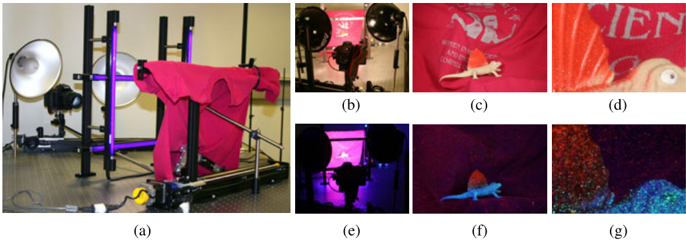
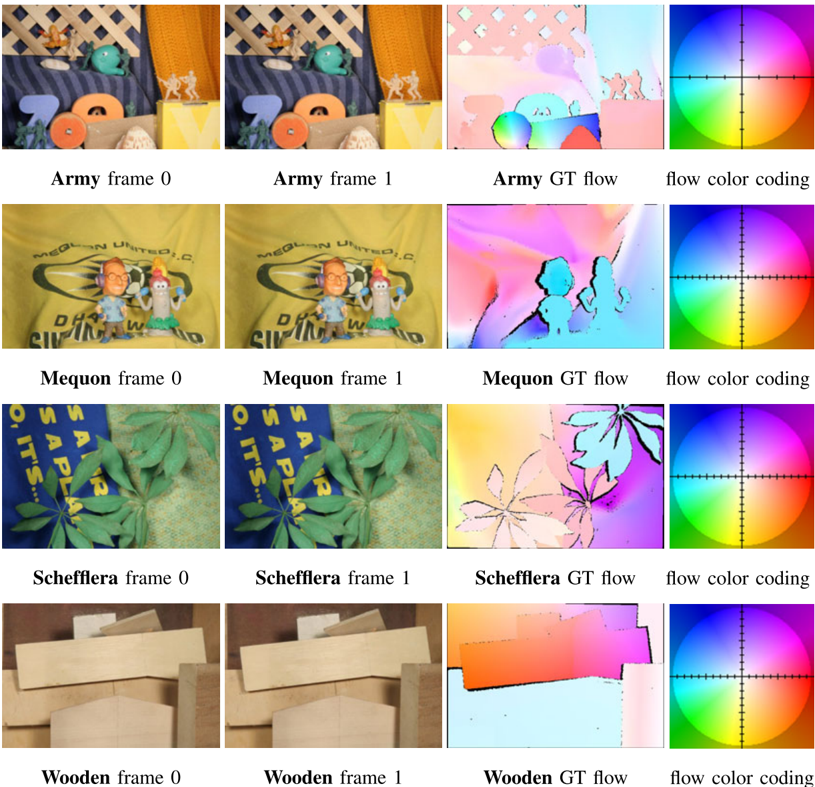
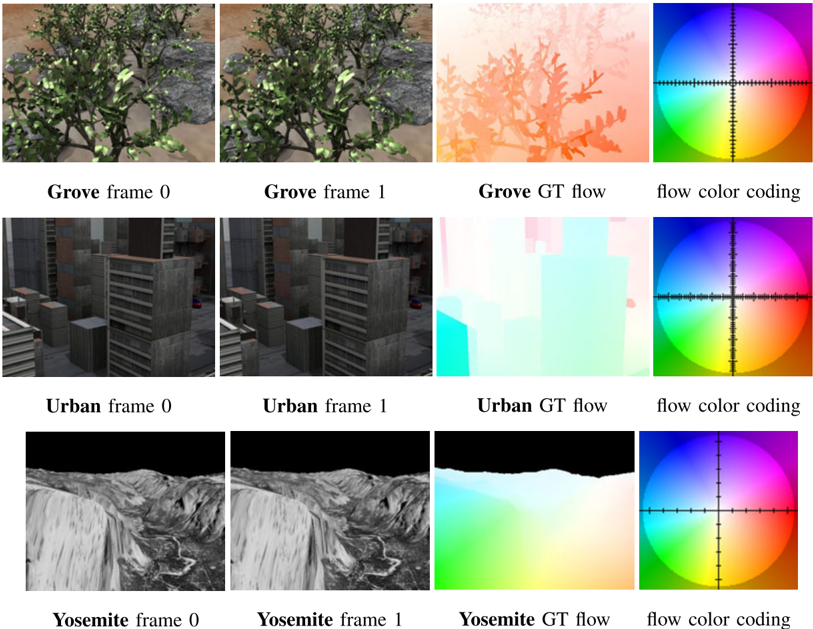
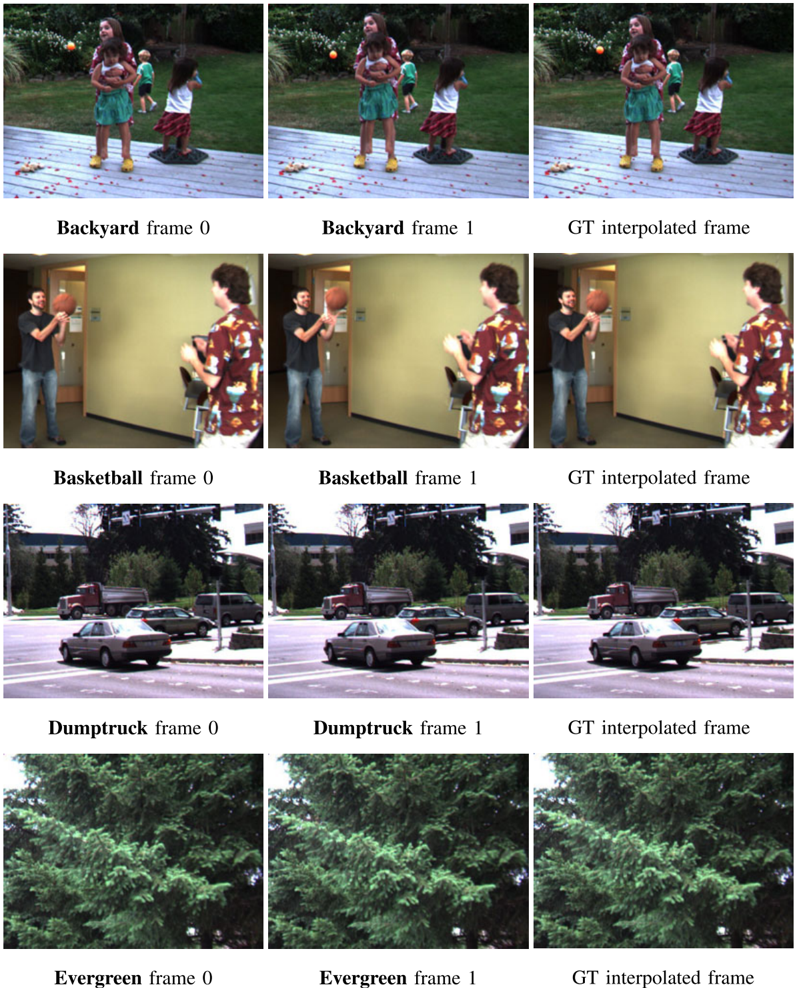
The quantitative evaluation of optical flow algorithms by Barron et al. (1994) led to significant advances in performance. The challenges for optical flow algorithms today go beyond the datasets and evaluation methods proposed in that paper. Instead, they center on problems associated with complex natural scenes, including nonrigid motion, real sensor noise, and motion discontinuities. We propose a new set of benchmarks and evaluation methods for the next generation of optical flow algorithms. To that end, we contribute four types of data to test different aspects of optical flow algorithms: (1) sequences with nonrigid motion where the ground-truth flow is determined by tracking hidden fluorescent texture, (2) realistic synthetic sequences, (3) high frame-rate video used to study interpolation error, and (4) modified stereo sequences of static scenes. In addition to the average angular error used by Barron et al., we compute the absolute flow endpoint error, measures for frame interpolation error, improved statistics, and results at motion discontinuities and in textureless regions.
Overview
CoChat Summary
TL;DR
The paper introduces a new optical flow benchmark of four data types (hidden fluorescent texture, realistic synthetic, high-speed interpolation, and modified stereo) plus an extended evaluation methodology with endpoint error, interpolation error, robustness/accuracy statistics, and region masks. It reports that performance improved substantially over the preliminary 2007 study, but motion discontinuities and diverse datasets remain difficult, and top flow methods still lag top stereo methods on the modified Teddy stereo data.
Key findings
- The benchmark contains 12 training and 12 test sequences; test ground truth is withheld except for Yosemite. As of December 2009 the online evaluation contained results for 24 published methods, all using only 2 input frames and 10 using color.
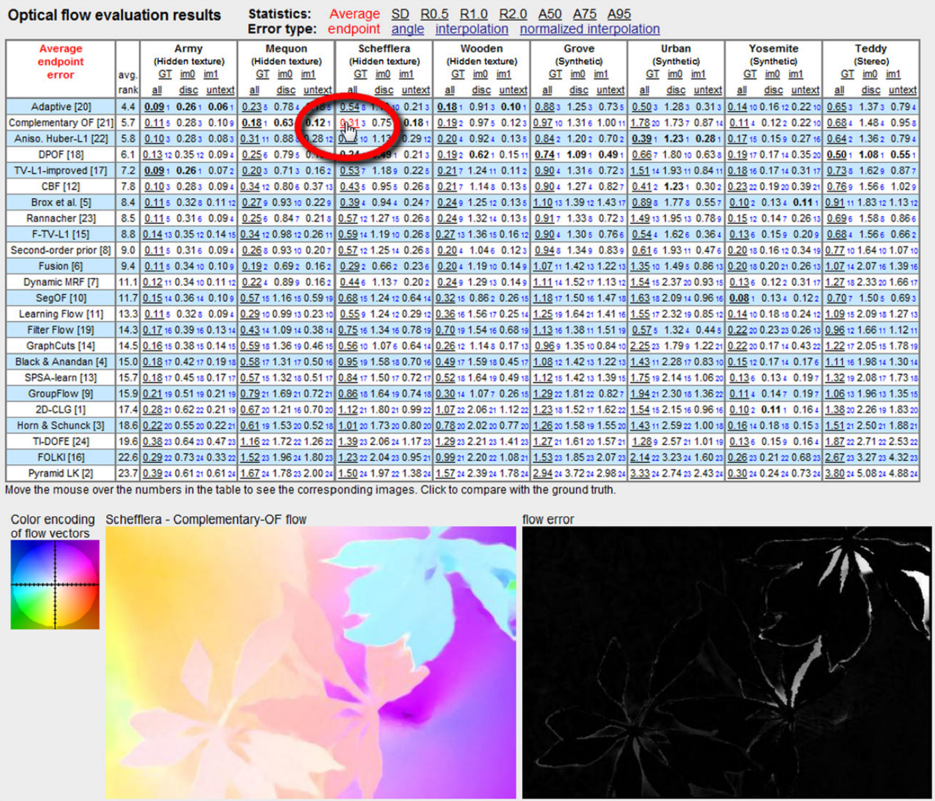
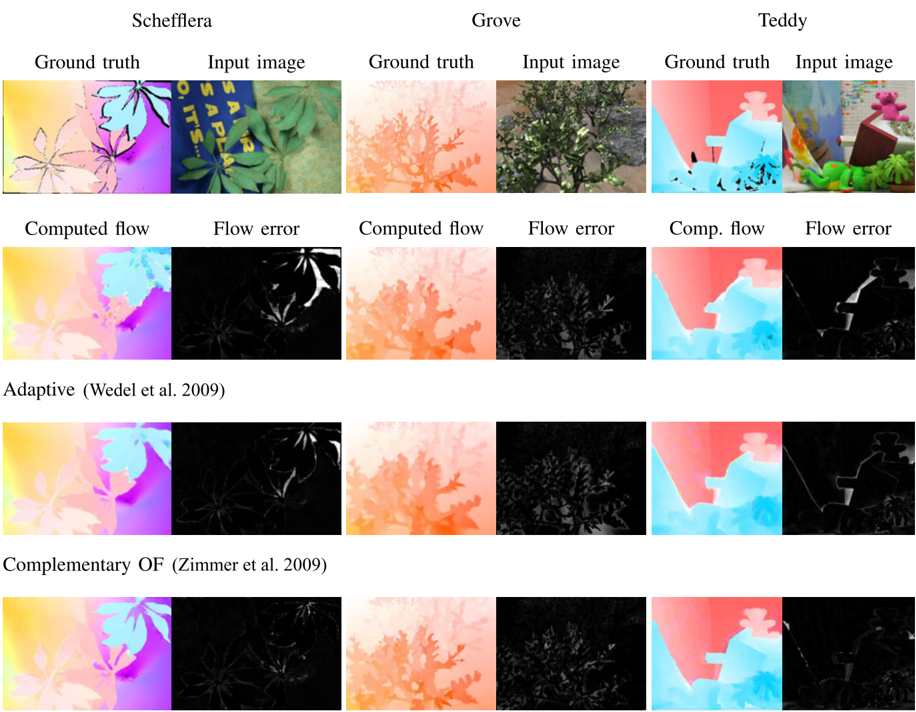
- Best average endpoint error (Avg. EE) improved dramatically over 2D-CLG (Bruhn et al. 2005): Army 0.28→0.09, Mequon 0.67→0.18, Schefflera 1.12→0.24, Wooden 1.07→0.18, Grove 1.23→0.74, Urban 1.54→0.39, Yosemite 0.10→0.08, Teddy 1.38→0.50. Best Avg. EE was below 0.2 pixels on four datasets (Yosemite, Army, Mequon, Wooden).
- Endpoint error (EE) and angular error (AE) rankings were highly correlated (r = 0.989), but the paper argues EE should be preferred: Complementary OF on Urban had Avg. AE 4.64° (rank 6) but Avg. EE 1.78 pixels (rank 20), because AE downweights large motions.
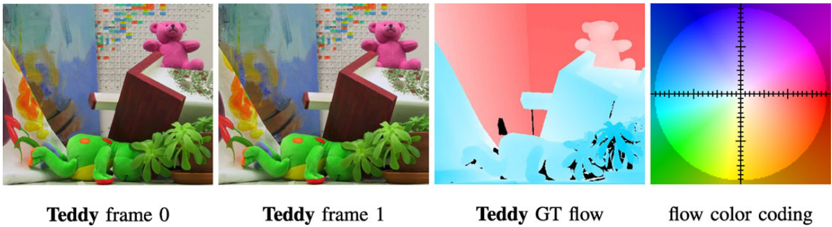
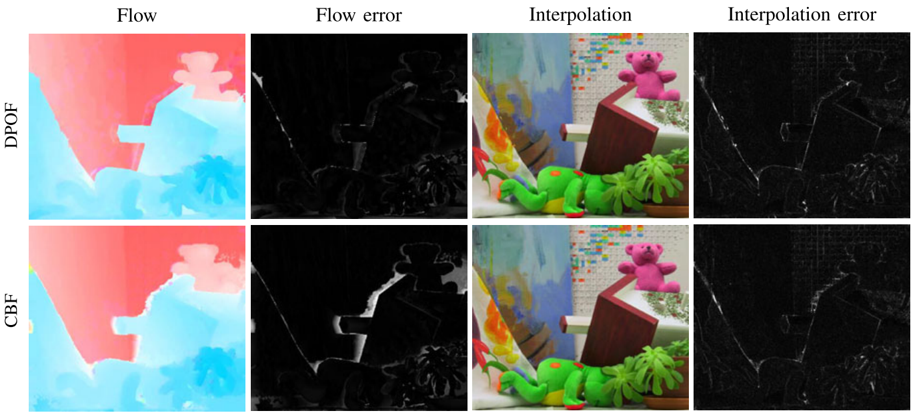
- Motion discontinuity (Disc) regions were the hardest; textureless (Untext) regions were typically easiest. Dataset results were less correlated, with Yosemite poorly or negatively correlated with others. Flow and interpolation errors were only moderately correlated (Avg4 EE vs Avg4 IE r = 0.763). On Teddy, top stereo methods outperformed top flow methods: median lowest-five R1.0 was 9.9 for flow vs 6.5 for stereo in All regions (34% reduction), and 27.6 vs 10.0 in Disc regions (64% reduction).
Methods
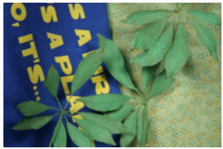
- Four data types were collected: (1) real nonrigid scenes with dense ground truth from hidden fluorescent texture, captured with a Canon EOS 20D at 3504×2336, downsampled every 40th visible-light frame by factor 6 to 584×388, with SSD tracking (15×15 windows), forward/backward crosschecking, and Lucas-Kanade subpixel refinement; (2) realistic synthetic scenes rendered with 3Delight at 640×480, with ground truth from a custom shader and dominant-cluster flow selection; (3) high-speed video for frame interpolation captured with a PointGrey Dragonfly Express at 60 fps, providing every other frame and retaining intermediate frames as ground truth; and (4) modified stereo data (Teddy) from structured light, cropped to make the disparity range roughly symmetric.
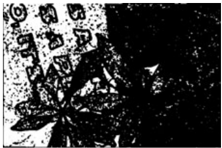
- Evaluation metrics include average angular error (AE), absolute flow endpoint error (EE), interpolation error (IE), and gradient-normalized interpolation error (NE). Statistics include averages, robustness measures R_X, and percentile accuracy measures A_X, computed over All, Disc, and Untext region masks.
- Analysis used the online evaluation at http://vision.middlebury.edu/flow/, comparing 24 published methods across metrics, statistics, masks, and datasets, with Pearson correlations between rankings and comparisons to state-of-the-art stereo methods on Teddy.
Limitations
- The paper states that the hidden fluorescent texture scenes are laboratory scenes, not real-world scenes, and have no motion blur due to stop-motion capture; ground truth is unavailable where cross-checking failed, especially occluded regions, and the measured ground truth is not perfect, though significant errors are limited to a small fraction of pixels. Synthetic sequences were generated without motion blur. The modified stereo ground truth is only accurate to 0.25 pixels, and algorithms may exploit the knowledge that motions are horizontal; overfitting to rigid data should be visible across the 12 evaluation images. Interpolation ground truth is an intermediate image, not a flow field, so the flow definition is apparent motion.
- The paper also states that no single method yet achieves strong performance across a wide variety of datatypes, that any dataset has a limited lifespan, and that future studies should include more challenging realistic synthetic data, longer sequences, and more difficult materials, illumination changes, atmospheric effects, and transparency.
- Evident from the text: the online tables do not provide an overall ranking among methods; runtimes are not normalized for programming environment, CPU speed, cores, or hardware acceleration; algorithms are required to produce dense flow and cannot submit confidence maps or sparse/incomplete fields; all 24 published methods used only 2 frames despite 8-frame sequences being available; and the paper cannot definitively answer whether temporal smoothing is less suited to the more challenging sequences.
Model-written summary. Check it against the paper before relying on it.
Integrity signals
Registry
Cites
Statistics
Figures

Verification
Claims the paper makes
2 Valid · 16 Not valid · 58 Not checked · 185 Own results and interpretations
A result the paper states — it cites no source for it, so there is none to check. The quote shows it is in the paper.
In the paper
“Rather than collecting a single type of data (with its inherent limitations) we instead collected four different types of data, each satisfying a different subset of desirable properties.”
plain- Asserted: passes — The authors put it forward as true.
- Checkable: passes — It can be checked against evidence.
- Load-bearing: passes — The paper’s conclusions depend on it.
- Based: passes — The paper gives a reason why it holds.
A result the paper states — it cites no source for it, so there is none to check. The quote shows it is in the paper.
In the paper
“Using the combination of fluorescent paint, downsampling high-resolution images, and sequential tracking of small motions, we are able to obtain dense, subpixel accurate ground truth for a nonrigid scene.”
plainstates a cause- Asserted: passes — The authors put it forward as true.
- Checkable: passes — It can be checked against evidence.
- Load-bearing: passes — The paper’s conclusions depend on it.
- Based: passes — The paper gives a reason why it holds.
A result the paper reports from its own data — it cites no other source for it, so there is none to check. The quote shows it is in the paper.
In the paper
“To allow for measures that predict performance on such tasks, we collected a variety of data suitable for frame interpolation.”
plainstates a cause- Asserted: passes — The authors put it forward as true.
- Checkable: passes — It can be checked against evidence.
- Load-bearing: passes — The paper’s conclusions depend on it.
- Based: passes — The paper gives a reason why it holds.
A result the paper reports from its own data — it cites no other source for it, so there is none to check. The quote shows it is in the paper.
In the paper
“We have developed a technique for capturing imagery of nonrigid scenes with ground-truth optical flow.”
plain- Asserted: passes — The authors put it forward as true.
- Checkable: passes — It can be checked against evidence.
- Load-bearing: passes — The paper’s conclusions depend on it.
- Based: passes — The paper gives a reason why it holds.
A result the paper states — it cites no source for it, so there is none to check. The quote shows it is in the paper.
In the paper
“To go beyond previous synthetic ground truth (e.g., the Yosemite sequence), we generated two types of fairly complex synthetic outdoor scenes.”
plain- Asserted: passes — The authors put it forward as true.
- Checkable: passes — It can be checked against evidence.
- Load-bearing: passes — The paper’s conclusions depend on it.
- Based: passes — The paper gives a reason why it holds.
96 more claims
Create a free account to see all 261 claims and every source verdict.
- Probably not a substantial claim. 114
- It may state two separate claims as one. 76
- The quote only partly states this claim. 6
Claims other papers make about this one
Each is checked against this paper’s own text: does it say what the citing paper says it does?
The source backs part of the claim, not all of it — or backs it for a different population, condition or comparison.
In the citing paper
“Notable works include the Middlebury dataset (Baker et al, 2011) and the KITTI datasets (Geiger et al, 2012; Menze and Geiger, 2015), but due to the difficulty of computing accurate ground truth, these have been restricted to 8 and 2 · 200 pairs of frames, respectively (the latter are also limited by the special driving setting).”
From What Makes Good Synthetic Training Data for Learning Disparity and Optical Flow Estimation? (2018) · cites this paper as Baker et al, 2011
Experimental — accuracy not yet measured
Citations
Cites
The pascal visual object classes (VOC) challenge
Everingham, M., Van Gool, L., Williams, C. K. I., Winn, J., & Zisserman, A. (2010) · International Journal of Computer Vision · doi:10.1007/s11263-009-0275-4 · Cited by 19,599
Proceedings of IEEE Conference on Computer Vision and Pattern Recognition
(1993) · doi:10.1109/cvpr.1993 · Cited by 17,667
Proceedings of IEEE International Conference on Computer Vision
(1995) · Proceedings of IEEE International Conference on Computer Vision · doi:10.1109/iccv.1995.466933 · Cited by 12,860
(1981) · Cited by 11,963
Horn, B. K. P., & Schunck, B. G. (1981) · Artificial Intelligence · doi:10.1016/0004-3702(81)90024-2 · Cited by 10,312
Horn, B. K., & Schunck, B. G. (1981) · SPIE Proceedings · doi:10.1117/12.965761 · Cited by 7,394 · cited 2×
“A baseline approach is to use an L2 norm as in the Horn and Schunck algorithm (Horn and Schunck 1981):”
BackgroundMethodFast approximate energy minimization via graph cuts
Boykov, Y., Veksler, O., & Zabih, R. (2001) · IEEE Transactions on Pattern Analysis and Machine Intelligence · doi:10.1109/34.969114 · Cited by 6,988
A Taxonomy and Evaluation of Dense Two-Frame Stereo Correspondence Algorithms
Scharstein, D., & Szeliski, R. (2002) · International Journal of Computer Vision · doi:10.1023/a:1014573219977 · Cited by 6,740 · cited 10×
“Many areas of computer vision, such as stereo [63], face recognition [28, 55, 68], and object recognition [23, 24], have challenging datasets to track the progress made by leading algorithms and to stimulate new ideas.”
BackgroundMethodResultInfluentialSelf-citationProceedings European Conference on Computer Vision 2002
Heyden, A., Sparr, G., Nielsen, M., & Johansen, P. (2002) · Lund University Publications (Lund University) · Cited by 5,153
From few to many: illumination cone models for face recognition under variable lighting and pose
Georghiades, A. S., Belhumeur, P. N., & Kriegman, D. J. (2001) · IEEE Transactions on Pattern Analysis and Machine Intelligence · doi:10.1109/34.927464 · Cited by 4,912 · cited 1×
“Many areas of computer vision, such as stereo (Scharstein and Szeliski 2002), face recognition (Philips et al. 2005; Sim et al. 2003; Gross et al. 2008; Georghiades et al. 2001), and object recognition (Fei-Fei et al.”
Background
Research works printed but not linked: 4
- Anandan, P., & Weiss, R. (1985). Introducing smoothness constraint in a matching approach for the computation of displacement fields. In Proceedings of the DARPA image understanding workshop (pp. 186-196).
- Bleyer, M., & Chambon, S. (2010). Does color really help in dense stereo matching? In Proceedings of the international symposium 3D data processing, visualization and transmission .
- Lempitsky, V., Roth, S., & Rother, C. (2008). Fusion flow: discretecontinuous optimization for optical flow estimation. In Proceedings of the IEEE conference on computer vision and pattern recognition .
- Rannacher, J. (2009). Realtime 3D motion estimation on graphics hardware . Undergraduate thesis, Heidelberg University.
Cited by
Items 1,901–2,000 of 2,273
Proposal FlowPreprint
Ham, B., Cho, M., Schmid, C., et al. (2015) · arXiv (Cornell University) · Cited by 1
Graph-based Feature Learning for Neuromorphic Vision Sensing
Bi, Y. (2020) · UCL Discovery (University College London) · Cited by 1
EDEN: Multimodal Synthetic Dataset of Enclosed GarDEN ScenesPreprint
Lê, H.-Â., Mensink, T., Das, P., et al. (2020) · arXiv (Cornell University) · doi:10.48550/arxiv.2011.04389 · Cited by 1
Object recognition and tracking for surveillance applications using deep learning techniques
Dimou, A. (2020) · UPM Digital Archive (Technical University of Madrid) · doi:10.20868/upm.thesis.65637 · Cited by 1
Fully Convolutional Scene Graph GenerationPreprint
Liu, H., Yan, N., Mortazavi, M., et al. (2021) · arXiv (Cornell University) · doi:10.48550/arxiv.2103.16083 · Cited by 1
PDWN: Pyramid Deformable Warping Network for Video InterpolationPreprint
Chen, Z., Wang, R., Liu, H., et al. (2021) · arXiv (Cornell University) · doi:10.48550/arxiv.2104.01517 · Cited by 1
“1) Evaluation Datasets Our model is trained on a single dataset (Vimeo-90K training set) but validated on multiple datasets including Vimeo90K[28] test dataset (448 × 256), UCF [16, 23] dataset (25 FPS, 256 × 256), and the Middlebury dataset [2] (typically 640 × 480).”
Video Exploration via Video-Specific Autoencoders.Preprint
Wang, K., Ramanan, D., & Bansal, A. (2021) · arXiv (Cornell University) · Cited by 1
Video Frame Interpolation via Structure-Motion based Iterative FusionPreprint
Li, X., Cao, M., Tang, Y., et al. (2021) · arXiv (Cornell University) · doi:10.48550/arxiv.2105.05353 · Cited by 1
NccFlow: Unsupervised Learning of Optical Flow With Non-occlusion from GeometryPreprint
Wang, G., Ren, S., & Wang, H. (2021) · arXiv (Cornell University) · doi:10.48550/arxiv.2107.03610 · Cited by 1
“However these data are expensive to obtain [23], [31], and sometimes special methods are even needed to get them [32], which limits the application of these supervised methods.”
MethodAccelerating Markov Random Field Inference with Uncertainty QuantificationPreprint
Bashizade, R., Zhang, X., Mukherjee, S., et al. (2021) · arXiv (Cornell University) · doi:10.48550/arxiv.2108.00570 · Cited by 1
Neural Image Representations for Multi-Image Fusion and Layer SeparationPreprint
Nam, S., Brubaker, M. A., & Brown, M. S. (2021) · arXiv (Cornell University) · doi:10.48550/arxiv.2108.01199 · Cited by 1
“Images from [4,14,8,23] are used here for visualization.”
MethodTemporal Kernel Consistency for Blind Video Super-ResolutionPreprint
Xiang, L., Lee, R., Abdelfattah, M. S., Lane, N. D., & Wen, H. (2021) · arXiv (Cornell University) · doi:10.48550/arxiv.2108.08305 · Cited by 1
“Earlier works [20, 17] performed motion compensation by estimating optical flow using traditional off-the-shelf motion estimation algorithms [2].”
MethodSCFlow: Optical Flow Estimation for Spiking Camera.Preprint
Hu, L., Zhao, R. Q., Ding, Z., Xiong, R., Ма, Л., & Huang, T. (2021) · arXiv (Cornell University) · Cited by 1
3-D Cinematography with Approximate or No Geometry
Eisemann, M., Stich, T., & Magnor, M. A. (2010) · Geometry and computing · doi:10.1007/978-3-642-12392-4_12 · Cited by 1
Lagrangian Motion Magnification with Double Sparse Optical Flow DecompositionPreprint
Flotho, P., Heiß, C., Steidl, G., et al. (2022) · arXiv (Cornell University) · doi:10.22028/d291-40657 · Cited by 1
Santner, J., Werlberger, M., Mauthner, T., Paier, W., & Bischof, H. (2010) · 2009 IEEE Computer Society Conference on Computer Vision and Pattern Recognition Workshops · doi:10.1109/cvprw.2010.5543149 · Cited by 2
Physics-Based Optical Flow Estimation Under Varying Illumination ConditionsPreprint
Liao, X., Cai, Z., Chen, J., et al. (2022) · SSRN Electronic Journal · doi:10.2139/ssrn.4121277 · Cited by 1
Cooperation stereo mouvement pour la detection des objets dynamiques
Bak, A. (2011) · theses.fr (ABES) · doi:10.70675/d0f9b232zf8d4z4afbz8f05zb01a2ea0649c · Cited by 3
Generic heuristics on GPU to superpixel segmentation and application to optical flow estimation
Mansouri, A. (2020) · theses.fr (ABES) · doi:10.70675/726a933az1df1z4c9fzbfdcz85ba5caa6707 · Cited by 1
“Middlebury dataset [Baker et al., 2011] is a classical optical flow benchmark.”
MethodInfluentialMartin, P.-E. (2020) · theses.fr (ABES) · doi:10.70675/7375e560zacacz497fz9547z463f0ecf46f1 · Cited by 9
Vision par ordinateur poursuivi automatique et caracterisation decomportement de civelles
Eldrogi, N. (2021) · theses.fr (ABES) · doi:10.70675/9ea7267fzbc30z4baaz8d68z24f395327e91 · Cited by 1
Learning visual features under motion invariance
Betti, A., Gori, M., & Melacci, S. (2020) · Neural Networks · doi:10.1016/j.neunet.2020.03.013 · Cited by 8
“[6]) suggests to determine the velocity field by enforcing brightness invariance.”
BackgroundSelf-Supervised Learning for Visual Obstacle Avoidance: Technical report
van Dijk, T. (2022) · doi:10.34641/mg.19 · Cited by 1
Graph based semi-supervised learning in computer vision
Huang, N. (2009) · Rutgers University Community Repository (Rutgers University) · doi:10.7282/t39g5n2c · Cited by 2
“Results of Optic flow of MiniCooper sequence [1].”
BackgroundMethodInfluentialDisparity Estimation and Enhancement for Stereo Panoramic and Multi-array Image/Video /
Lee, Z. (2014) · eScholarship (California Digital Library)
Residual Images and Optical Flow Results
Wedel, A., & Cremers, D. (2011) · Springer eBooks · doi:10.1007/978-0-85729-965-9_3
Stationary region predictor using a stationary camera
Villiers, B. Z. D., Roodt, Y., Roos, H., et al. (2011)
Analysis of Recent Advances in Optical Flow Estimation Methods
Sánchez, J. (2012) · Lecture notes in computer science · doi:10.1007/978-3-642-27549-4_78
Analysis and Visualization of the Two-Dimensional Blood Flow Velocity Field from Videos
Jun, Y. (2015) · uO Research (University of Ottawa) · doi:10.20381/ruor-4257
“Close to [10] and [8], the goal of the AAE is simply to provide a relative measurement.”
BackgroundMotion Estimation and Analysis
Clarysse, P., & Pousin, J. (2015) · Wiley eBooks · doi:10.1002/9781118574362.ch2
Learning a Quality-Based Ranking for Feature Point Trajectories
Ding, L., Barbu, A., & Meyer‐Baese, A. (2013) · Lecture notes in computer science · doi:10.1007/978-3-642-37431-9_55
“the Middlebury optical flow dataset [1] where a number of error metrics are evaluated based on the ground truth.”
MethodA Framework for Image‐Based Stereoscopic View Synthesis from Asynchronous Multiview Data
Klose, F., Lipski, C., & Magnor, M. A. (2013) · Wiley eBooks · doi:10.1002/9781118583593.ch13
Stereoscopic 3D View Synthesis From Unsynchronized Multi-View Video
Klose, F., Linz, C., Lipski, C., et al. (2011) · doi:10.5281/zenodo.42480
“Stich et al. [14] designed a perceptually inspired optical flow algorithm for view interpolation.”
BackgroundJeong, H. (2014) · Wiley eBooks · doi:10.1002/9781118659199.ch7
Motion estimation with accurate boundaries
Xu, R., Naman, A. T., Mathew, R. K., et al. (2015) · Picture Coding Symposium · doi:10.1109/pcs.2015.7170072
“We present results on a single pair of frames used in [3] as well as on the Middlebury datasets [24].”
BackgroundMethodError Analysis for Lucas-Kanade Based Schemes
Márquez-Valle, P., Gil, D., & Hernández-Sabaté, A. (2012) · Lecture notes in computer science · doi:10.1007/978-3-642-31295-3_22
“Flow accuracy is given by the End-point Error (EE) [14].”
MethodAn Image-based Ensemble Kalman Filter for Motion Estimation
Lepoittevin, Y., Herlin, I., & Béréziat, D. (2015) · International Conference on Computer Vision Theory and Applications · doi:10.5220/0005259804370445
“There are lots of methods available in order to approximate motion between two observations, see for instance (Sun et al., 2010; Baker et al., 2011) for a survey on the subject.”
MethodEfficiency Aspects of Orientation Estimation with Optical Flow on Mobiles
Kundra, L., & Ekler, P. (2015) · Eastern European Regional Conference on the Engineering of Computer Based Systems (ECBS-EERC) · doi:10.1109/ecbs-eerc.2015.23
“In [5] the authors attempt to uncover what has made recent advances possible through a thorough analysis of how the objective function, the optimization method, and modern implementation practices influence accuracy.”
Registro elástico de imágenes médicas multimodales basado en medidas de variabilidad local
Reducindo, I., Arce-Santana, E., Campos-Delgado, D. U., & Vigueras-Gómez, F. (2013) · Revista Mexicana de Ingeniería Biomédica · Cited by 1
Christ, B. M. (2015) · Lincoln (University of Nebraska)
Yang, Y. (2013) · King Abdullah University of Science and Technology Repository (King Abdullah University of Science and Technology) · doi:10.25781/kaust-42y94
“Modeling occlusions between two consecutive images in optical flow [36] has been studied for quite a while [37],[38],[39],[40],[41],[42],[43].”
BackgroundInvestigation Into Optical Flow Problem in the Presence of Spatially-Varying Motion Blur
Tooei, D. H., & Hossein, M. (2014)
An Optical Flow Model Based on Illumination Radiation Theory
Liao, B., Hu, J., & Du, M. (2011) · Springer eBooks · doi:10.1007/978-1-4419-8849-2_201
A Fast TGV-l 1 RGB-D Flow Estimation
Roh, J., Lim, H., & Ahn, S. C. (2014) · Lecture notes in computer science · doi:10.1007/978-3-319-14249-4_15
Development of Stationary User Interface Using Head-Tracking
Miyata, K., Kitazono, Y., Yang, S. Y., & Serikawa, S. (2011) · Applied Mechanics and Materials · doi:10.4028/www.scientific.net/amm.103.711
“Optical Flow [8].”
A novel strategy for the visualization of cross-sectional skeletal muscle contraction
Li, J., Zhou, Y., Wang, A., Wang, L., & Zheng, Y. (2013) · IEEE International Conference on Signal Processing, Communications and Computing (ICSPCC) · doi:10.1109/icspcc.2013.6663972
“Index Terms— ultrasound, quadriceps femoris muscle, motion estimation”
BackgroundExample-based motion manipulation
Su, P.-C., Chen, H.-T., & Cheng, C.-M. (2014) · Proceedings - International Conference on Image Processing · doi:10.1109/icip.2014.7025942
Moving targets tracking on a mobile infrared platform and its real-time application on GPU
Peng, C., Chen, Q., Qian, W., et al. (2014) · Proceedings of SPIE, the International Society for Optical Engineering/Proceedings of SPIE · doi:10.1117/12.2051589
Motion-based background subtraction and panoramic mosaicing for freight train analysis
Kumar, A., Hart, J. M., & Ahuja, N. (2013) · Proceedings - International Conference on Image Processing · doi:10.1109/icip.2013.6738940 · Cited by 1
“Specifically, it can handle texture-less regions which are known to be challenging for motion estimation [8].”
BackgroundInfluentialBayesian dense motion field estimation with landmark constraint
Chin, Y., & Tsai, C.-J. (2010) · Proceedings - International Conference on Image Processing · doi:10.1109/icip.2010.5652489
High-resolution 3D surface strain magnitude using 2D camera and low-resolution depth sensor
Shreve, M., Segundo, M. P., Luguev, T. S., Goldgof, D. B., & Sarkar, S. (2014) · Pattern Recognition Letters · doi:10.1016/j.patrec.2014.01.015 · Cited by 1
“Although we chose to use vector stitching, it is worth noting that there are alternative methods that could be used for tracking the motion during facial expression including different approaches for calculating optical flow (a summary evaluation of several optical flow techniques can be found in [23]).”
MethodEnhancing Gradient Sparsity for Parametrized Motion Estimation
Han, J., Qi, F., & Shi, G. (2011) · British Machine Vision Conference (BMVC) · doi:10.5244/c.25.42
“In this section, we perform the proposed sparse framework on the Middlebury optic flow benchmark [1] and use the standard measures of Average Angular Error (AAE) and End Point Error (EPE) for evaluation.”
MethodReducindo, I., Mejia-Rodriguez, A. R., Arce-Santana, E., et al. (2013) · Proceedings of SPIE, the International Society for Optical Engineering/Proceedings of SPIE · doi:10.1117/12.2035492
Optical flow estimation with parameterized data term and warping
Xu, J., Feng, Z.-R., & Lu, N. (2012) · Proceedings of the 10th World Congress on Intelligent Control and Automation · doi:10.1109/wcica.2012.6359357
“Since the classic work by Horn and Schunck [1] about the variational model, optical flow estimation has been improved gradually in the last three decades [5, 12, 13, 15].”
BackgroundReliable optical flow estimation in motion-blurred regions
Koh, Y., Lee, C., Sim, J.-Y., & Kim, C.-S. (2013) · IEEE International Workshop on Multimedia Signal Processing · doi:10.1109/mmsp.2013.6659321
“Note that the performances of many optical flow estimation algorithms have been compared using the Middlebury benchmark dataset [5].”
MethodA Sparse Optical Flow Field Calculation Method
Yu, N., Xu, L., & Ruan, X. (2013)
Fast Binocular Depth Inference via Bidirectional Motion Based Interpolation
Geng, W., Yang, Y., Ju, R., Ren, T., & Wu, G. (2014) · International Conference on Internet Multimedia Computing and Service · doi:10.1145/2632856.2632872
“For depth acquisition, we adopt Sun s [7] optical .ow method for its accuracy and robustness, which achieved a good rank in the Middlebury optical .ow Benchmark [1].”
Lee, J. H., Jeong, J. S., Choi, B. C., et al. (2014) · International Conference on Information Science, Electronics and Electrical Engineering · doi:10.1109/infoseee.2014.6948099
Spatio-temporal Support for Range Flow Based Ego-Motion Estimators
Jones, G. A., & Hunter, G. (2013) · Lecture notes in computer science · doi:10.1007/978-3-642-40246-3_66
Quad-Tree based Image Encoding Methods for Data-Adaptive Visual Feature Learning
Zhang, C., Liang, X., & Matsuyama, T. (2015) · Institutional Repositories DataBase (IRDB) · doi:10.14989/doctor.k19111
“14: An example 3D scene: (a) one frame; (b) the input optical flow; (c) visualization of the input optical flow by color coding [58]; (d) curl-free component; (e) divergence-free component; (f) OOM.”
BackgroundWindow-Based Range Flow with an Isometry Constraint
Yu, T., & Lang, J. (2010) · Canadian Conference on Computer and Robot Vision · doi:10.1109/crv.2010.50
“As with optical flow techniques [3], range flow techniques have been applied to rigid but also non-rigid motion estimation, e.”
MethodOptions in using graphics for evaluating correspondence algorithms
Haeusler, R., Jiang, R., Morales, S., & Klette, R. (2009) · International Conference on Image and Vision Computing New Zealand (IVCNZ) · doi:10.1109/ivcnz.2009.5378362
“In evaluation methods for optical flow such as [2], this deficiency is not apparent due to the engineered character of the input data.”
BackgroundBeleuchtungskompensation in Videobildpaaren und Videosequenzen
Fontanarosa, R. (2013) · OPUS Publication Server of the University of Stuttgart (University of Stuttgart) · doi:10.18419/opus-3254
Image sequence interpolation using optimal controlPreprint
Chen, K., & Lorenz, D. A. (2010) · arXiv (Cornell University) · doi:10.48550/arxiv.1008.0548
Dynamic Visual Motion Estimation
Willert, V., & Eggert, J. P. (2010) · InTech eBooks · doi:10.5772/9387
Description of Motion of Segmented Regions
Sánchez-García, Á. J., Ríos-Figueroa, H. V., & Marı́n-Hernández, A. (2013) · Mexican International Conference on Computer Science · doi:10.1109/enc.2013.21
“Assisted segmentation for color movement has been successful [20][21][22][23].”
SuperSlicing Frame Restoration for Anisotropic ssTEM and Video Data
Laptev, D., & Buhmann, J. M. (2017) · The Springer series on challenges in machine learning · doi:10.1007/978-3-319-53070-3_9
“A more advanced technique Baker et al. (2011) is based on optical flow estimation and frame warping.”
MethodNegahdar, M. (2012) · ThinkIR: The University of Louisville's Institutional Repository (University of Louisville) · doi:10.18297/etd/1048
“Several authors have previously published review papers and performed comparison of previously published methods [7, 8, 91, 103, 115, 180].”
ResultBarranco, F., Fermüller, C., & Aloimonos, Y. (2014)
Notes on a New Philosophy of Empirical Science (Draft Version)Preprint
Burfoot, D. (2011) · arXiv (Cornell University)
Flexible Stereoscopic 3D Content Creation of Real World Scenes
Klose, F., Linz, C., Lipski, C., & Magnor, M. A. (2010) · Digitale Bibliothek Braunschweig (Verbundzentrale Göttingen (VZG)) · doi:10.24355/dbbs.084-201011261318-0
Biswas, S. (2014)
Discontinuity Preserving in TV-L1 Optical Flow Methods
López, N. M. M., de la Nuez, A. J. S., Sánchez, J., et al. (2014) · doi:10.13140/2.1.5156.7049
Volumetric image analysis: optical flow, registration and segmentation
Tennakoon, R. (2015) · Swinburne figshare (Swinburne University of Technology) · doi:10.25916/sut.26269702
Dynamic curve estimation for visual tracking
Ndiour, I. J. (2010) · SMARTech Repository (Georgia Institute of Technology)
Adaptive predictive block matching with weighted histogram filter postprocessing
Brüggemann, M., & Kays, R. (2015) · IEEE International Conference on Consumer Electronics - Berlin (ICCE-Berlin) · doi:10.1109/icce-berlin.2015.7391210
“4 among over 100 compared methods in the Middlebury optical flow benchmark [5] in terms of normalized interpolation error.”
BackgroundMethodInfluentialNormalized filter pool for prior modeling of nature images
Wang, Y., Suo, J., & Dai, Q. (2016) · Machine Vision and Applications · doi:10.1007/s00138-016-0753-y
“, super-resolution [6,32], optical flow [1,25], image restoration [7,9,12,37], reconstruction [4,14,23] etc.”
On the optical flow model selection through
Pereira, R. J., Delpiano, J. F., & Papa, J. P. (2015)
Biologically motivated controllers for robotic eyes
Lesmana, M. (2011) · cIRcle (University of British Columbia) · doi:10.14288/1.0052108
“Most of these erroneous matches can be detected, and subsequently eliminated by adding a crosschecking step [7].”
BackgroundImproved specular regions localization and optical-flow based motion estimation via joint processing
Elliethy, A. S., & Sharma, G. (2015) · Proceedings - International Conference on Image Processing · doi:10.1109/icip.2015.7350794
“3 (b), (c) using the standard color encoding [17] for the estimated motion vectors obtained from OF(2).”
MethodDirect Estimation of Dense Scene Flow and Depth from a Monocular Sequence
Mathlouthi, Y., Mitiche, A., & Ayed, I. B. (2014) · Lecture notes in computer science · doi:10.1007/978-3-319-14249-4_11
GCPOF: a novel optical flow estimation algorithm leveraged by sparse ground control points
Kang, L., Wei, Y., Yang, Z., et al. (2016) · Journal of Modern Optics · doi:10.1080/09500340.2016.1163426
Incorporating discontinuity preserving approach for optical flow estimation
Kumar, P., Kumar, S., & Balasubramanian, R. (2014) · Confluence · doi:10.1109/confluence.2014.6949319
“In addition to it, we also perform experiments on some new class of synthetic image sequence: RubberWhale and Urban sequence [2].”
MethodG. Sundaramoorthi, B.-W. H. &. A. Y. (2012) · CRC Press eBooks · doi:10.1201/b12753-47
Vision-based moving pedestrian recognition from imprecise and uncertain data
Zhou, D. (2014) · HAL (Le Centre pour la Communication Scientifique Directe)
Dynamical optical flow of saliency maps for predicting visual attentionPreprint
Patrone, A. R., Valuch, C., Ansorge, U., & Scherzer, O. (2016) · arXiv (Cornell University) · doi:10.48550/arxiv.1606.07324 · Cited by 1
“Second, this strategy results in a faster algorithm [36].”
BackgroundMethodResultInfluentialA REGION TREE BASED IMAGE DISCRETE LABELING FRAMEWORK
Lei, C., & Yang, H. (2009) · WORLD SCIENTIFIC eBooks · doi:10.1142/9789814273398_0007
3D Szenenfluss – bildbasierte Schätzung dichter Bewegungsfelder
Vogel, C., Roth, S., & Schindler, K. (2017) · Springer eBooks · doi:10.1007/978-3-662-47094-7_48
Self-citationMedina, R., Ibarra, E., Morocho, V., Vanegas, P., de Cuenca, U., de Cuenca, D. D. I. D. L. U., & DIUC (2015) · Americanae (AECID Library)
A PROBABILISTIC FORMULATION FOR THE CORRESPONDENCE PROBLEM
Tal, R., & Spetsakis, M. E. (2011) · Series in computer vision · doi:10.1142/9789814343008_0008
Krig, S. (2016) · Springer eBooks · doi:10.1007/978-3-319-33762-3_4 · Cited by 1
Adaptive Parameter Balancing for Composite Optimization Problems in Imaging.Preprint
Hong, B., Koo, J., Dirks, H., et al. (2016) · arXiv (Cornell University)
EasyFlow: increasing the convergence basin of variational image matching with a feature‐based cost
Braux-Zin, J., Dupont, R., Bartoli, A., et al. (2016) · IET Computer Vision · doi:10.1049/iet-cvi.2016.0090
“The Middlebury dataset comprises mostly piecewise constant displacement fields and is thus a priori more suited to Total Variation regularization.”
InfluentialMonocular, Boundary-Preserving Joint Recovery of Scene Flow and Depth
Mathlouthi, Y., Mitiche, A., & Ayed, I. B. (2016) · Frontiers in ICT · doi:10.3389/fict.2016.00021
“It uses the Hydrangea sequence of a real scene from the Middlebury data set (Baker et al., 2011).”
MethodInfluentialClassic Multiframe Super Resolution
Salvador, J. (2016) · Elsevier eBooks · doi:10.1016/b978-0-12-809703-8.00001-0
Raudies, F., Eldridge, S., Joshi, A., & Versace, M. (2013)
Panin, S. V., Викторович, Т. В., Lyubutin, P. S., Олегович, Ч. В., & Eremin, A. V. (2016) · AIP conference proceedings · doi:10.1063/1.4966475 · Cited by 1
Complex algorithm of optical flow determination by weighted full search
Panin, S. V., Олегович, Ч. В., & Lyubutin, P. S. (2016) · AIP conference proceedings · doi:10.1063/1.4966472
Metadata
- Authors
- Baker, S., Scharstein, D., Lewis, J. P., Roth, S., Black, M. J., & Szeliski, R.
- Affiliations
- Microsoft (United States) (US)
- Middlebury College (US)
- Technische Universität Darmstadt (DE)
- Brown University (US)
- Corresponding author
- Scharstein, Daniel
- Venue
- International Journal of Computer Vision
- Published
- 2010-11-30
- Volume
- 92
- Issue
- 1
- Pages
- 1-31
- ISSN
- 0920-5691 (ISSN-L)
- 1573-1405
- OpenAlex
- W2147253850
- Semantic Scholar
- 804836b8ad86ef8042e3dcbd45442a52f031ee03
- Cited by
- 2,205
- References
- 112
- Citations by year
- 2026: 49 · 2025: 81 · 2024: 82 · 2023: 117 · 2022: 129 · 2021: 152 · 2020: 174 · 2019: 163 · 2018: 144 · 2017: 156 · 2016: 187 · 2015: 180 · 2014: 154 · 2013: 129 · 2012: 118
- FWCI
- 146.62
- Type
- journal article
- Language
- en
- Open access
- hybrid
- doi.org
- Licence
- cc-by-nc
- Locations
- International Journal of Computer Vision (publishedVersion, cc-by-nc)
- Publikationsdatenbank der Fraunhofer-Gesellschaft (Fraunhofer-Gesellschaft) (publishedVersion)
- Max Planck Institute for Plasma Physics (submittedVersion)
- Fraunhofer-Publica (Fraunhofer-Gesellschaft) (submittedVersion)
- Funders
- National Science Foundation (0534858, 0535075, 0413169)
- Intel Corporation
- Topics
- Physical Sciences › Computer Science › Computer Vision and Pattern Recognition › Advanced Vision and Imaging
- Physical Sciences › Computer Science › Computer Vision and Pattern Recognition › Video Surveillance and Tracking Methods
- Physical Sciences › Computer Science › Signal Processing › Video Coding and Compression Technologies
- Keywords
- optical flow, benchmark dataset, evaluation methodology, non-rigid motion, motion discontinuities, textureless regions, sensor noise
About these checks
Registry, retraction, Cites and statistics results are computed, not judged, with one exception: a printed reference that no index lists is read once by a model before it counts as a citation error. Claims are extracted by a model and kept only when their quote appears verbatim in the text; each cited source is then checked, with a model’s help, for whether it says what the claim relies on. Those verdicts can be wrong — read the claim’s quote and the cited source before relying on one.
The claim verdicts this report counts are experimental: their accuracy is not yet measured.
A language model drew the claims from the paper on 2026-10-01, under version 3 of the claim definition (model deepseek-v4.1-flash, prompt extract-v3).
A second model labelled each claim on 2026-10-01 (model jev-1.13-20260917, definition revision gold-guideline-v0.2).
Statistics and arithmetic are recomputed, not judged.
Confidence bands are shown only for fields calibrated on our annotated test set. None is calibrated yet, so no band is shown.
What counts as a claim ›How we measure confidence ›How we check this ›
Are you an author, or do you see a problem with this page? Request a review
Data sources
Bibliographic data: Semantic Scholar, OpenAlex, Crossref.
Contains information from the Semantic Scholar Academic Graph Datasets, made available under the ODC Attribution License (ODC-BY 1.0).
Semantic Scholar’s data is described in: Kinney, R., et al. (2023). The Semantic Scholar Open Data Platform. arXiv:2301.10140.
