

Feedstock choice, pyrolysis temperature and type influence biochar characteristics: a comprehensive meta-data analysis review
Open accessThe DOI matches its Crossref record; 106 of the 106 references it cites were found in a registry or an index.
Abstract
Various studies have established that feedstock choice, pyrolysis temperature, and pyrolysis type influence final biochar physicochemical characteristics. However, overarching analyses of pre-biochar creation choices and correlations to biochar characteristics are severely lacking. Thus, the objective of this work was to help researchers, biochar-stakeholders, and practitioners make more well-informed choices in terms of how these three major parameters influence the final biochar product. Utilizing approximately 5400 peer-reviewed journal articles and over 50,800 individual data points, herein we elucidate the selections that influence final biochar physical and chemical properties, total nutrient content, and perhaps more importantly tools one can use to predict biochar’s nutrient availability. Based on the large dataset collected, it appears that pyrolysis type (fast or slow) plays a minor role in biochar physico- (inorganic) chemical characteristics; few differences were evident between production styles. Pyrolysis temperature, however, affects biochar’s longevity, with pyrolysis temperatures > 500 °C generally leading to longer-term (i.e., > 1000 years) half-lives. Greater pyrolysis temperatures also led to biochars containing greater overall C and specific surface area (SSA), which could promote soil physico-chemical improvements. However, based on the collected data, it appears that feedstock selection has the largest influence on biochar properties. Specific surface area is greatest in wood-based biochars, which in combination with pyrolysis temperature could likely promote greater changes in soil physical characteristics over other feedstock-based biochars. Crop- and other grass-based biochars appear to have cation exchange capacities greater than other biochars, which in combination with pyrolysis temperature could potentially lead to longer-term changes in soil nutrient retention. The collected data also suggest that one can reasonably predict the availability of various biochar nutrients (e.g., N, P, K, Ca, Mg, Fe, and Cu) based on feedstock choice and total nutrient content. Results can be used to create designer biochars to help solve environmental issues and supply a variety of plant-available nutrients for crop growth.
Overview
The claims and statistics of this paper haven’t been checked yet.
Free: it reads the open-access text and checks the first 5 claims that cite a source we can check. Create a free account to check every claim.
Integrity signals
Registry
Cites
Statistics
Figures
Verification
Claims the paper makes
The claims and statistics of this paper haven’t been checked yet.
Free: it reads the open-access text and checks the first 5 claims that cite a source we can check. Create a free account to check every claim.
Claims other papers make about this one
Each is checked against this paper’s own text: does it say what the citing paper says it does?
The source backs part of the claim, not all of it — or backs it for a different population, condition or comparison.
In the citing paper
“Firstly, converting waste biomass into biochar, bio-oil, and syn-gas intrinsically stores 2.20 × 10 9 t CO2e annually, because it turns labile carbon that will be rapidly mineralized into recalcitrant carbon whose half life exceeds 1000 years (Ippolito et al. 2020; Lehmann et al. 2021; Spokas 2010).”
From Role of biochar toward carbon neutrality (2023) · cites this paper as Ippolito et al. 2020
Experimental — accuracy not yet measured
Self-check
Percentages, sums and reported differences re-computed from the paper’s own numbers.
The self-check needs the paper’s full text.
Citations
Cites
Biochar effects on soil biota – A review
Lehmann, J., Rillig, M. C., Thies, J., Masiello, C. A., Hockaday, W. C., & Crowley, D. (2011) · Soil Biology and Biochemistry · doi:10.1016/j.soilbio.2011.04.022 · Cited by 5,074
Biochar for Environmental Management: Science, Technology and Implementation
(2015) · doi:10.4324/9780203762264 · Cited by 2,280
Black Carbon Increases Cation Exchange Capacity in Soils
Liang, B., Lehmann, J., Solomon, D., Kinyangi, J., Grossman, J., O'Neill, B., Skjemstad, J. O., Thies, J., Luizão, F. J., Petersen, J., et al. (2006) · Soil Science Society of America Journal · doi:10.2136/sssaj2005.0383 · Cited by 2,191
Funke, A., & Ziegler, F. (2010) · Biofuels Bioproducts and Biorefining · doi:10.1002/bbb.198 · Cited by 2,001
Lehmann, J., Pereira da Silva, J., Steiner, C., Nehls, T., Zech, W., & Glaser, B. (2003) · Plant and Soil · doi:10.1023/a:1022833116184 · Cited by 1,878
Chen, B., Zhou, D., & Zhu, L. (2008) · Environmental Science & Technology · doi:10.1021/es8002684 · Cited by 1,823
Effect of process parameters on production of biochar from biomass waste through pyrolysis: A review
Tripathi, M., Sahu, J. N., & Ganesan, P. (2016) · Renewable and Sustainable Energy Reviews · doi:10.1016/j.rser.2015.10.122 · Cited by 1,759
Lehmann, J. (2007) · Frontiers in Ecology and the Environment · doi:10.1890/1540-9295(2007)5[381:bitb]2.0.co;2 · Cited by 1,714 · cited 1×
“1a) as also shown by Lehmann (2007).”
The Art, Science, and Technology of Charcoal Production
Antal, M. J., & Grønli, M. (2003) · Industrial & Engineering Chemistry Research · doi:10.1021/ie0207919 · Cited by 1,623
Weber, K., & Quicker, P. (2018) · Fuel · doi:10.1016/j.fuel.2017.12.054 · Cited by 1,522
Research works printed but not linked: 1
- Lissbrant S, Berg WK, Volanec J, Brouder S, Joern B, Cunningham S, Johnson K (2009) Phosphorus and potassium fertilization of alfalfa. Purdue University Extension Bulletin AY-331-W
Cited by
Items 101–200 of 1,000
Review on biochar as an adsorbent material for removal of dyes from waterbodies
Dwivedi, S., & Dey, S. (2022) · International Journal of Environmental Science and Technology · doi:10.1007/s13762-022-04364-9 · Cited by 55
Liu, H., Ye, C., Ye, Z., Zhu, Z., Wang, Q., Tang, Y., Luo, G., Guo, W., Dong, C., Li, G., et al. (2022) · Fuel · doi:10.1016/j.fuel.2022.126810 · Cited by 54
Machine learning and computational chemistry to improve biochar fertilizers: a review
Osman, A. I., Zhang, Y., Lai, Z. Y., Rashwan, A. K., Farghali, M. R. F., Ahmed, A. A., Liu, Y., Fang, B., Chen, Z., Al-Fatesh, A. S., et al. (2023) · Environmental Chemistry Letters · doi:10.1007/s10311-023-01631-0 · Cited by 57
Machine learning models for predicting biochar properties from lignocellulosic biomass torrefaction
Su, G., & Jiang, P. (2024) · Bioresource Technology · doi:10.1016/j.biortech.2024.130519 · Cited by 58
Hydrochar Production by Hydrothermal Carbonization: Microwave versus Supercritical Water Treatment
Ojewumi, M. E., & Chen, G. (2024) · Biomass · doi:10.3390/biomass4020031 · Cited by 62
The use of biochar made from biomass and biosolids as a substrate for green infrastructure: A review
Novotný, M., Marković, M., Raček, J., Šipka, M., Chorazy, T., Tošić, I., & Hlavínek, P. (2023) · Sustainable Chemistry and Pharmacy · doi:10.1016/j.scp.2023.100999 · Cited by 63
Physicochemical properties and applications of biochars derived from municipal solid waste: A review
Li, S., & Skelly, S. (2023) · Environmental Advances · doi:10.1016/j.envadv.2023.100395 · Cited by 61
Developing a molecular-level understanding of biochar materials using public characterization data
Wood, R., Mašek, O., & Erastova, V. (2024) · Cell Reports Physical Science · doi:10.1016/j.xcrp.2024.102036 · Cited by 74
Razzak, S. A. (2024) · Journal of Analytical and Applied Pyrolysis · doi:10.1016/j.jaap.2024.106622 · Cited by 58
Mobarak, M. B., Pinky, N. S., Mustafi, S., Chowdhury, F., Nahar, A., Akhtar, U. S., Quddus, M. S., Yasmin, S., & Alam, M. A. (2024) · RSC Advances · doi:10.1039/d4ra05562d · Cited by 56
Wani, I., Kushvaha, V., Garg, A., Kumar, R., Naik, S. P., & Sharma, P. (2022) · Biomass Conversion and Biorefinery · doi:10.1007/s13399-022-02795-5 · Cited by 60
“The biochar produced from dense woody feedstocks is of high porosity, surface area, pH, and aromatic composition [18, 19] as compared to biochar derived from animal wastes, which have low surface areas [20] and less porosity [21].”
How temperature affects biochar properties for application in coal mine spoils? A meta-analysis
Roshan, A., Ghosh, D., & Maiti, S. K. (2023) · Carbon Research · doi:10.1007/s44246-022-00033-1 · Cited by 61
Kumar, A., Antoniella, G., Blasi, E., & Chiti, T. (2025) · CATENA · doi:10.1016/j.catena.2025.109208 · Cited by 53
Yin, X., Xi, M., Li, Y., Kong, F., & Jiang, Z. (2021) · The Science of The Total Environment · doi:10.1016/j.scitotenv.2021.146565 · Cited by 54
Maziarka, P., Sommersacher, P., Wang, X., Kienzl, N., Retschitzegger, S., Prins, W., Hedin, N., & Ronsse, F. (2021) · Applied Energy · doi:10.1016/j.apenergy.2020.116431 · Cited by 52
Yuan, J., Wang, C., Tang, Z., Chu, T., Zheng, C., Han, Q., Chen, H., & Tan, Y. (2024) · Arabian Journal of Chemistry · doi:10.1016/j.arabjc.2024.105606 · Cited by 54
Biochar reduces N2O emission from fertilized cropland soils: a meta-analysis
Zhong, L., Wang, P., Gu, Z., Song, Y., Cai, X., Yu, G., Xu, X., & Kuzyakov, Y. V. (2025) · Carbon Research · doi:10.1007/s44246-025-00198-5 · Cited by 54
“The raw materials influence N 2 O emissions mainly through altering the physicochemical properties of biochar (Funke and Ziegler 2010; Novak et al. 2019; Ippolito et al. 2020).”
Mazarji, M., Bayero, M. T., Minkina, T., Sushkova, S., Манджиева, С. С., Tereshchenko, A. A., Timofeeva, A., Bauer, T. V., Burachevskaya, M., Kızılkaya, R., et al. (2021) · Sustainability · doi:10.3390/su132413825 · Cited by 52
Artificial neural network modeling of biochar enhanced anaerobic sewage sludge digestion
Khashaba, N. H., Ettouney, R. S., Abdelaal, M. M., Ashour, F. H., & El-Rifai, M. A. (2022) · Journal of environmental chemical engineering · doi:10.1016/j.jece.2022.107988 · Cited by 50
Peng, Y., Luo, Y., Li, Y., Azeem, M., Li, R., Feng, C., Qu, G., Ali, E. F., Hamouda, M. A., Hooda, P. S., et al. (2023) · Biochar · doi:10.1007/s42773-023-00212-2 · Cited by 50
“Biochar is a carbon-rich material produced by the thermal pyrolysis of biomass under anoxic conditions, and it can be produced from a wide range of feedstocks including animal waste, microbial and plant residues (Ippolito et al. 2020; Li et al. 2022, 2019; Shaheen et al. 2019).”
BackgroundCosta, J. A. V., Zaparoli, M., Cassuriaga, A. P. A., Cardias, B. B., Vaz, B. D. S., de Morais, M. G., & Moreira, J. B. (2023) · Enzyme and Microbial Technology · doi:10.1016/j.enzmictec.2023.110281 · Cited by 54
Mishra, R. K., & Mohanty, K. (2021) · Biochar · doi:10.1007/s42773-021-00105-2 · Cited by 50
Li, S., Chi, S., Lin, C., Cai, C., Yang, L., Peng, K., Huang, X., & Liu, J. B. (2022) · The Science of The Total Environment · doi:10.1016/j.scitotenv.2022.157339 · Cited by 50
Qin, J., Ji, R., Sun, Q. Y., Li, W. H., Cheng, H., Han, J., Jiang, X., Song, Y., & Xue, J. (2022) · Bioresource Technology · doi:10.1016/j.biortech.2022.128361 · Cited by 50
Emerging trends in role and significance of biochar in gaseous biofuels production
Sirohi, R., Vivekanand, V., Pandey, A. K., Tarafdar, A., Awasthi, M. K., Shakya, A., Kim, S., Sim, S. J., Tuan, H. A., & Pandey, A. (2023) · Environmental Technology & Innovation · doi:10.1016/j.eti.2023.103100 · Cited by 49
Modified Biochar for Arsenic Immobilization in Soil: A Critical Review
Beiyuan, J., Qin, Y., Huang, Q., Wang, J., Sarkar, B., Bolan, N. S., Wu, X., Xu, W., Liu, J., Chen, X., et al. (2023) · Reviews of Environmental Contamination and Toxicology · doi:10.1007/s44169-023-00045-x · Cited by 55
“The range of temperature is considered high enough to keep sufficient O-containing functional groups on the biochar surface and make the biochar pH less alkaline (Ippolito et al. 2020).”
BackgroundTaking Advantage of Disposal Bamboo Chopsticks to Produce Biochar for Greenhouse Crop Cultivation
Wijitkosum, S., Sriburi, T., & Krutnoi, L. (2024) · Emerging Science Journal · doi:10.28991/esj-2024-08-03-07 · Cited by 50
“Moreover, the lignocellulosic biomass in the feedstock and inorganic minerals, including alkali and alkali earth metals, influence pore development during pyrolysis [21].”
BackgroundInfluentialPatro, A., Dwivedi, S., Thakur, A., Sahoo, P. K., & Biswas, J. K. (2024) · iScience · doi:10.1016/j.isci.2024.110812 · Cited by 50
“135 These properties of BC associated with better soil amendment characteristics make it an attractive tool to achieve the SDGs, specifically SDG 15, pertaining to advancing life on land.”
BackgroundMethodInfluentialDayoub, E. B., Tóth, Z., Soós, G., & Anda, A. (2024) · Agronomy · doi:10.3390/agronomy14112540 · Cited by 54
Emerging contaminants in polluted waters: Harnessing Biochar's potential for effective treatment
Tripathi, A., Ekanayake, A., Tyagi, V. K., Vithanage, M. S., Singh, R. R., & Rao, Y. R. S. (2024) · Journal of Environmental Management · doi:10.1016/j.jenvman.2024.123778 · Cited by 52
Duan, X., Chen, X., Shi, L., Cao, Y., Liang, Y., wang, T., Huang, C., & Cao, Y. N. (2025) · Journal of environmental chemical engineering · doi:10.1016/j.jece.2025.115509 · Cited by 51
Available water capacity of sandy soils as affected by biochar application: A meta-analysis
Ibrahimi, K., & Alghamdi, A. G. (2022) · CATENA · doi:10.1016/j.catena.2022.106281 · Cited by 51
Agyekum, E. B., & Nutakor, C. (2023) · International Journal of Hydrogen Energy · doi:10.1016/j.ijhydene.2023.11.335 · Cited by 49
Nidheesh, P. V., Kumar, M., Venkateshwaran, G., Ambika, S., Bhaskar, S., Vinay, V., & Ghosh, P. (2024) · Chemosphere · doi:10.1016/j.chemosphere.2024.141566 · Cited by 48
Azeem, M., Jeyasundar, P. G. S. A., Ali, A., Riaz, L., Khan, K. S., Hussain, Q., Kareem, H. A., Abbas, F., Latif, A., Majrashi, A., et al. (2022) · Environmental Research · doi:10.1016/j.envres.2022.114278 · Cited by 47
Fatima, I., Ahmad, M., Vithanage, M. S., & Iqbal, S. (2021) · Journal of Analytical and Applied Pyrolysis · doi:10.1016/j.jaap.2021.105073 · Cited by 48
Assessing the diverse environmental effects of biochar systems: An evaluation framework
Azzi, E., Karltun, E., & Sundberg, C. (2021) · Journal of Environmental Management · doi:10.1016/j.jenvman.2021.112154 · Cited by 51
Castiglioni, M., Rivoira, L., Ingrando, I., Meucci, L., Binetti, R., Fungi, M., Ghadraoui, A. E., Bakari, Z., BUBBA, M. D., & Bruzzoniti, M. C. (2021) · Chemosphere · doi:10.1016/j.chemosphere.2021.132538 · Cited by 50
“This correlation can be ascribed to the ash composition typically reported in literature (Ippolito et al., 2020), which mainly consists in metals present in the hydroxide form, thus promoting the increase of the pH in solution.”
InfluentialIwuozor, K. O., Emenike, E. C., Omonayin, E. O., Bamigbola, J. O., Ojo, H. T., Awoyale, A. A., Eletta, O. A. A., & Adeniyi, A. G. (2023) · Bioresource Technology Reports · doi:10.1016/j.biteb.2023.101488 · Cited by 55
A green approach towards sorption of CO2 on waste derived biochar
Kumar, A., Singh, E., Mishra, R., Lo, S., & Kumar, S. (2022) · Environmental Research · doi:10.1016/j.envres.2022.113954 · Cited by 46
Li, J., Peduruhewa, J. H., Brown, R. W., Chadwick, D. R., Griffiths, R. I., Fu, H., Bian, H., Sheng, L., Ma, Q., & Jones, D. L. (2025) · Biology and Fertility of Soils · doi:10.1007/s00374-025-01971-9 · Cited by 47
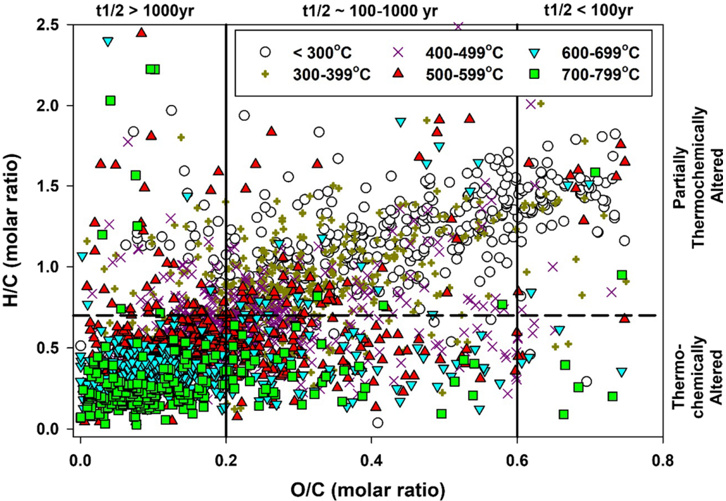
“…particularly in soil related studies, making it difficult to unpick the effect of biochar C stabil - ity and functionality (atomic H: C ratios and O: C ratios as common proxies), which are often related to durability (Adhikari et al. 2024; Ippolito et al. 2020), on soil microbial communities.”
Yang, Y., Chen, T., Xiao, R., Chen, X., & Zhang, T. (2022) · Biochar · doi:10.1007/s42773-022-00164-z · Cited by 48
Complementing compost with biochar for agriculture, soil remediation and climate mitigation
Khan, N., Bolan, N. S., Jospeh, S., Anh, M. T. L., Meier, S., Kookana, R. S., Borchard, N., Sanchez-Monedero, M. A., Jindo, K., Solaiman, Z. M., et al. (2023) · Advances in agronomy · doi:10.1016/bs.agron.2023.01.001 · Cited by 58
Self-citationGlobal analysis on potential effects of biochar on crop yields and soil quality
Xu, Z., Zhou, R., & Xu, G. (2025) · Soil Ecology Letters · doi:10.1007/s42832-024-0267-x · Cited by 46
“Biochar with an SSA exceeded 50 m 2 g ‒ 1 increased crop yields by 20% ( P 0.001), whereas biochar with an SSA below 50 m 2 g ‒ 1 increased crop yields by 10% ( P 0.001) (Fig.”
InfluentialKhedulkar, A. P., Bobade, R. G., Doong, R., Pandit, B., Nguyen, M., Ambare, R. C., Hoang, T., & Kumar, K. J. R. (2025) · Materials Today Chemistry · doi:10.1016/j.mtchem.2025.102688 · Cited by 60
Wijitkosum, S. (2023) · Journal of Human, Earth, and Future · doi:10.28991/hef-2023-04-04-07 · Cited by 43
“Although many pyrolysis conditions can affect biochar properties, a meta-analysis of the literature performed by Ippolito et al. [37], Wang et al. [38], and Guizani et al. [39] showed that temperature and holding times are considered strong factors that directly influence biochar properties, the…”
BackgroundResultBocșa, M., Pintea, S., Lung, I., Opriș, O., Stegarescu, A., Humayun, M., Bououdina, M., Soran, M.-L., & Bellucci, S. (2023) · Separations · doi:10.3390/separations10100533 · Cited by 48
Anyebe, O., Sadiq, F. K., Manono, B. O., & Matsika, T. A. (2025) · Nitrogen · doi:10.3390/nitrogen6020031 · Cited by 46
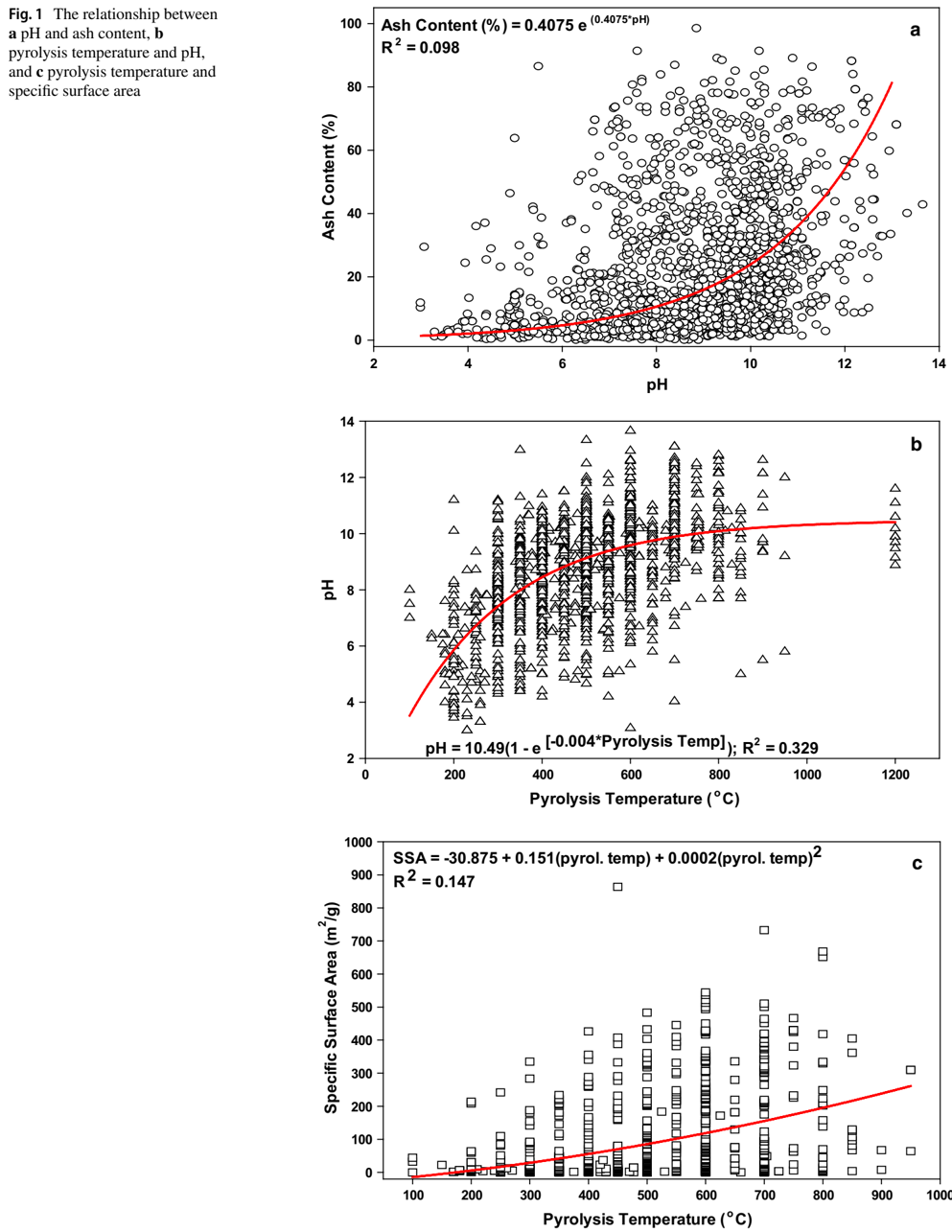
“The variation in these components influences both carbon content and ash content of the resulting biochar [15,22].”
InfluentialLin, H., Huang, Y., Jin, Q., Ma, T., & Dong, Y. (2025) · Journal of Analytical and Applied Pyrolysis · doi:10.1016/j.jaap.2025.107321 · Cited by 45
Syntrophic interactions in anaerobic digestion: how biochar properties affect them?
Johnravindar, D., Patria, R. D., Lee, J. T. E., Zhang, L., Tong, Y. W., Wang, C., Ok, Y. S., & Kaur, G. (2021) · Sustainable Environment · doi:10.1080/27658511.2021.1945282 · Cited by 44
“On the other hand, slow pyrolysis leads to biochar with greater ash content and reduced abundance of acidic functional groups (IPPOLITO et al., 2020).”
BackgroundLeichtweis, J., Carissimi, É., Hagemann, U., Ulbricht, M., & Fischer, L. (2023) · Chemical Engineering Journal · doi:10.1016/j.cej.2023.147203 · Cited by 53
Role of 15N in tracing biologically driven nitrogen dynamics in soils amended with biochar: A review
Craswell, E. T., Chalk, P. M., & Kaudal, B. B. (2021) · Soil Biology and Biochemistry · doi:10.1016/j.soilbio.2021.108416 · Cited by 46
Tyagi, U., & Anand, N. (2023) · BioEnergy Research · doi:10.1007/s12155-022-10560-9 · Cited by 46
Biochar Benefits Green Infrastructure: Global Meta-Analysis and Synthesis
Liao, W., Halim, M. A., Kayes, I., Drake, J. A. P., & Thomas, S. C. (2023) · Environmental Science & Technology · doi:10.1021/acs.est.3c04185 · Cited by 45
A review of thermochemical decomposition techniques for biochar production
Do, P. T. M., & Loc, N. X. (2024) · Environment Development and Sustainability · doi:10.1007/s10668-024-05841-6 · Cited by 57
Li, J., Wang, T., Hao, T., Yao, X., Xu, K., & Liu, J. (2025) · Energy · doi:10.1016/j.energy.2025.134734 · Cited by 43
Mohawesh, O. E., Albalasmeh, A. A., Gharaibeh, M. A., Deb, S. K., Simpson, C. R., Singh, S., Al-Soub, B., & Hanandeh, A. E. (2021) · Journal of soil science and plant nutrition · doi:10.1007/s42729-021-00580-3 · Cited by 46
Jiang, B., Lu, M.-B., Zhang, Z., Xie, B.-L., & Song, H. (2022) · The Science of The Total Environment · doi:10.1016/j.scitotenv.2022.158688 · Cited by 41
A Comprehensive Overview on Biochar-Based Materials for Catalytic Applications
Bartoli, M., Giorcelli, M., & Tagliaferro, A. (2023) · Catalysts · doi:10.3390/catal13101336 · Cited by 42
Plant performance and soil–plant carbon relationship response to different biochar types
Liao, J. X., So, P. S., Bordoloi, S., Li, D. N., Yuan, H. R., Chen, Y., & Xin, L. Q. (2024) · Biochar · doi:10.1007/s42773-024-00355-w · Cited by 41
“The elemental composition of BCs including carbon (C), hydrogen (H), nitrogen (N), sulphur (S), and oxygen (O) was determined by using an elemental analyser (Ippolito et al. 2020).”
Kujawska, J., Wojtaś, E., & Charmas, B. (2024) · Sustainability · doi:10.3390/su16188225 · Cited by 43
Slow-pyrolysis of municipal sewage sludge: biochar characteristics and advanced thermodynamics
Vali, N., Zabihi, S., Shamim, S., Mohsenzadeh, A., & Pettersson, A. (2025) · Biomass Conversion and Biorefinery · doi:10.1007/s13399-025-06680-9 · Cited by 45
Gillingham, M. D., Gomes, R. L., Ferrari, R., & West, H. (2021) · The Science of The Total Environment · doi:10.1016/j.scitotenv.2021.151440 · Cited by 41
Biochar-amended food waste compost: A review of properties
Ebrahimi, M., Gholipour, S., Mostafaii, G. R., & Yousefian, F. (2024) · Results in Engineering · doi:10.1016/j.rineng.2024.103118 · Cited by 44
Jalali, M., Panam, Z., Jalali, M., & Buss, W. (2025) · Journal of Analytical and Applied Pyrolysis · doi:10.1016/j.jaap.2025.107271 · Cited by 41
Hu, Y., Cao, Y., Ma, C., & Yan, W. (2023) · Journal of Environmental Management · doi:10.1016/j.jenvman.2023.119658 · Cited by 43
Abiola, W. A., Diogo, R. V. C., Tovihoudji, P. G., Mien, A. K., & Schalla, A. (2023) · Frontiers in Soil Science · doi:10.3389/fsoil.2023.1136327 · Cited by 41
Biochar and its coupling with microbial inoculants for suppressing plant diseases: A review
Liu, Z., Zhou, W., Sun, Y., Peng, Y., Niu, J., Tan, J., & Wei, M. (2023) · Applied Soil Ecology · doi:10.1016/j.apsoil.2023.105025 · Cited by 41
Nguyen, V. N., Sharma, P., Rowiński, L., Le, H. C., Le, D. T. N., Osman, S. M., Le, H. S., Truong, T. H., Nguyen, P. Q. P., & Cao, D. N. (2024) · Biofuels Bioproducts and Biorefining · doi:10.1002/bbb.2593 · Cited by 39
“45 Pelletized biochar biomass is another important aspect that is produced by compacting biochar into pellets, which improves its transportation, storage, and application.”
BackgroundSapkota, S., Ghimire, R., Bista, P., Hartmann, D., Rahman, T., & Adhikari, S. (2024) · The Science of The Total Environment · doi:10.1016/j.scitotenv.2024.172942 · Cited by 39
Prochnow, F. D., Cavali, M., Dresch, A. P., Belli, I. M., Libardi, N., & de Castilhos, A. B. (2024) · Processes · doi:10.3390/pr12051006 · Cited by 43
Modern perspectives of heavy metals alleviation from oil contaminated soil: A review
Shahzad, A., Zahra, A., Li, H. Y., Qin, M., Wu, H., Wen, M. Q., Ali, M., Iqbal, Y., Xie, S., Sattar, S., et al. (2024) · Ecotoxicology and Environmental Safety · doi:10.1016/j.ecoenv.2024.116698 · Cited by 43
Yang, K., Wang, X., Cheng, H., & Tao, S. (2023) · Environmental Pollution · doi:10.1016/j.envpol.2023.121414 · Cited by 41
Qi, G., Pan, Z., Zhang, X., Wang, H., Chang, S., Wang, B., & Gao, B. (2023) · Chemosphere · doi:10.1016/j.chemosphere.2023.140580 · Cited by 38
Drané, M., Zbair, M., Hajjar‐Garreau, S., Josien, L., Michelin, L., Bennici, S. M., & Limousy, L. (2023) · Materials · doi:10.3390/ma17010159 · Cited by 42
“…the O/C molar ratio and biochar half-life, demonstrating that different O/C ratio ranges correspond to varied half-life Previous research [46–48] has found a strong relationship between the O/C molar ratio and biochar half-life, demonstrating that di ff erent O/C ratio ranges correspond…”
BackgroundKhaliq, M. A., Alsudays, I. M., Alhaithloul, H. A. S., Rizwan, M., Yong, J. W. H., Rahman, S. U., Sagir, M., Bashir, S., Ali, H., & Hongchao, Z. (2024) · Ecotoxicology and Environmental Safety · doi:10.1016/j.ecoenv.2024.116204 · Cited by 38
Lima, J. Z., Ogura, A. P., da Silva, L. C. M., Raimondi, I. M., Rodrigues, V. G. S., Espíndola, E. L. G., & Marques, J. P. (2022) · Journal of environmental chemical engineering · doi:10.1016/j.jece.2022.108192 · Cited by 39
The emerging role of biochar in the carbon materials family for hydrogen production
Bhakta, A. K., Fiorenza, R., Jlassi, K., Mekhalif, Z., Ali, A. M. A., & Chehimi, M. M. (2022) · Chemical Engineering Research and Design · doi:10.1016/j.cherd.2022.09.028 · Cited by 64
Le, Q. T. N., & Hwang, I. (2023) · Chemical Engineering Journal · doi:10.1016/j.cej.2023.146513 · Cited by 37
An interdisciplinary overview on biochar production engineering and its agronomic applications
Muema, F. M., Richardson, Y., Keïta, A., & Sawadogo, M. (2024) · Biomass and Bioenergy · doi:10.1016/j.biombioe.2024.107416 · Cited by 37
Jaffar, M. T., Ahmed, M., Shi, R., Jiang, S., Kong, Z., Girkin, N. T., Zhang, J., & Huo, H. (2025) · Applied Soil Ecology · doi:10.1016/j.apsoil.2025.105950 · Cited by 38
Pyrolysis temperature affects biochar suitability as an alternative rhizobial carrier
Shabir, R., Li, Y., Megharaj, M., & Chen, C. R. (2024) · Biology and Fertility of Soils · doi:10.1007/s00374-024-01805-0 · Cited by 36
“…of feedstocks such as organic waste from agriculture/forestry, animal waste/ manure, food waste and green waste, and the physical and chemical properties of the material vary depending on the feedstock type and the pyrolysis process (Ippolito et al. 2020; Tomczyk et al. 2020; Zhang et al. 2017).”
Senadheera, S. S., Withana, P. A., Lim, J. Y., You, S., Chang, S. X., Wang, F., Rhee, J. H., & Ok, Y. S. (2024) · Green Chemistry · doi:10.1039/d4gc03071k · Cited by 41
Simiele, M., Zio, E. D., Montagnoli, A., Terzaghi, M., Chiatante, D., Scippa, G. S., & Trupiano, D. (2022) · Forests · doi:10.3390/f13040550 · Cited by 44
“However, it appears that feedstock selection has the largest influence on biochar properties [72].”
BackgroundKumari, K., Kumar, R., Bordoloi, N., Minkina, T., Keswani, C., & Bauddh, K. (2023) · Agriculture · doi:10.3390/agriculture13030512 · Cited by 36
Feng, C., Zhang, L. H., Zhang, X., Li, J., Li, Y., Peng, Y., Luo, Y., Li, R., Gao, B., Hamouda, M. A., et al. (2023) · Biochar · doi:10.1007/s42773-023-00214-0 · Cited by 35
“Thermal conversion of biomass waste into biochar often produces low-cost adsorbents (Ippolito et al. 2020; Shaheen et al. 2022b).”
BackgroundGhorbani, M., Neugschwandtner, R. W., Soja, G., Konvalina, P., & Kopecký, M. (2023) · Sustainability · doi:10.3390/su15097158 · Cited by 35
Hu, Z., & Wei, L. (2023) · Journal of Composites Science · doi:10.3390/jcs7090354 · Cited by 38
Porous carbon material production from microwave-assisted pyrolysis of peanut shell
Qiu, T., Li, C., Guang, M., & Zhang, Y. (2023) · Carbon Research · doi:10.1007/s44246-023-00079-9 · Cited by 37
“This may be largely caused by the fact that more volatile compounds were released at higher pyrolysis temperatures and the secondary decomposition of bio-char was also promoted (Chutia et al. 2014; Ippolito et al. 2021; Reza et al. 2020; Ghodszad et al. 2021; Liu et al. 2022b).”
BackgroundOrganic farming to mitigate biotic stresses under climate change scenario
Biswas, S., & Das, R. (2024) · Bulletin of the National Research Centre/Bulletin of the National Research Center · doi:10.1186/s42269-024-01226-x · Cited by 36
“The feedstock, temperature, pyrolysis conditions, and time all affect the quality of the biochar (Ippolito et al. 2020).”
BackgroundEl‐Sabban, H. A., Ali, A. B. M., Alhuzaymi, T. M., Kadhum, A. A. H., Hasan, M., Diab, M. A., Atamuratova, Z. A., Saitov, E., & Ko, Y. G. (2025) · Journal of Water Process Engineering · doi:10.1016/j.jwpe.2025.107131 · Cited by 34
Kumar, A., Joseph, S. D., Gräber, E. R., Taherymoosavi, S., Mitchell, D. R. G., Munroe, P. R., Tsechansky, L., Lerdahl, O., Aker, W., & Sæbø, M. (2021) · Chemical and Biological Technologies in Agriculture · doi:10.1186/s40538-021-00222-x · Cited by 39
Inclusion of biochar in a C dynamics model based on observations from an 8-year field experiment
Pulcher, R., Balugani, E., Ventura, M., Greggio, N., & Marazza, D. (2022) · SOIL · doi:10.5194/soil-8-199-2022 · Cited by 35
Liao, W., Drake, J. A. P., & Thomas, S. C. (2022) · Journal of Environmental Management · doi:10.1016/j.jenvman.2022.115506 · Cited by 37
Lou, T., Yin, Y., & Wang, J. (2024) · Journal of Cleaner Production · doi:10.1016/j.jclepro.2024.141995 · Cited by 33
Impact of Biochar on Anaerobic Digestion: Meta-Analysis and Economic Evaluation
Chiappero, M., Fiore, S., & Berruti, F. (2022) · Journal of environmental chemical engineering · doi:10.1016/j.jece.2022.108870 · Cited by 37
Biobased Kapok Fiber Nano-Structure for Energy and Environment Application: A Critical Review
Zerga, A. Y., & Tahir, M. D. (2022) · Molecules · doi:10.3390/molecules27228107 · Cited by 36
Aziz, M. A., Wattoo, F. M., Khan, F., Hassan, Z., Mahmood, I., Anwar, A., Karim, M. F., Akram, M. T., Manzoor, R., Khan, K. S., et al. (2023) · Agronomy · doi:10.3390/agronomy13020483 · Cited by 36
Ravenni, G., Thomsen, T. P., Smith, A. M., Ambye‐Jensen, M., Rohde-Nielsen, K. T., & Henriksen, U. B. (2023) · Biomass Conversion and Biorefinery · doi:10.1007/s13399-023-04877-4 · Cited by 33
“These values are strikingly low when compared with values reported in literature for grass-derived biochars [4, 46].”
Li, Y., Abdo, A. I., Shi, Z., Merwad, A.-R. M. A., & Zhang, J. (2023) · Biochar · doi:10.1007/s42773-023-00251-9 · Cited by 33
“Various feedstocks have been investigated for producing biochar to improve soil properties, such as wood, agricultural crop residues (rice husk and straw, wheat straw, etc..) and grasses (Ippolito et al. 2020).”
Background
Metadata
- Authors
- Ippolito, J. A., Cui, L., Kammann, C., Wrage-Mönnig, N., Estavillo, J. M., Fuertes-Mendizabal, T., Cayuela, M. L., Sigua, G., Novak, J., Spokas, K., & Borchard, N.
- Affiliations
- Colorado State University (US)
- Yancheng Institute of Technology (CN)
- Hochschule Geisenheim University (DE)
- Agricultural Research Service (US)
- University of Minnesota (US)
- Natural Resources Institute Finland (FI)
- Corresponding author
- Borchard, Nils
- Venue
- Biochar
- Published
- 2020-09-28
- Volume
- 2
- Issue
- 4
- Pages
- 421-438
- ISSN
- 2524-7867 (ISSN-L)
- 2524-7972
- OpenAlex
- W3091306688
- Semantic Scholar
- ba1c49a14858f364790007359ee1f59f635bc195
- Cited by
- 927
- References
- 105
- Citations by year
- 2026: 221 · 2025: 185 · 2024: 186 · 2023: 164 · 2022: 104 · 2021: 67
- FWCI
- 26.32
- Type
- journal article
- Language
- en
- Open access
- hybrid
- doi.org
- Licence
- cc-by
- creativecommons.org/licenses/by/4.0 (tdm)
- creativecommons.org/licenses/by/4.0 (vor)
- Locations
- Biochar (publishedVersion, cc-by)
- Hispana (acceptedVersion, cc-by)
- Communities in ADDI (Universidad del Pais Vasco) (submittedVersion, cc-by)
- Jukuri (Natural Resources Institute Finland (Luke)) (submittedVersion)
- Funders
- National Institute of Food and Agriculture (6657-12130-002-08I)
- Natural Resources Institute Finland
- Topics
- Physical Sciences › Energy › Fuel Technology › Thermochemical Biomass Conversion Processes
- Life Sciences › Agricultural and Biological Sciences › Soil Science › Soil Carbon and Nitrogen Dynamics
- Physical Sciences › Environmental Science › Global and Planetary Change › Fire effects on ecosystems
- Keywords
- pyrolysis temperature, fast pyrolysis, slow pyrolysis, biochar physicochemical properties, specific surface area, cation exchange capacity, nutrient availability, soil amendment, wood-based biochar
About these checks
Registry, retraction, Cites and statistics results are computed, not judged, with one exception: a printed reference that no index lists is read once by a model before it counts as a citation error. Claims are extracted by a model and kept only when their quote appears verbatim in the text; each cited source is then checked, with a model’s help, for whether it says what the claim relies on. Those verdicts can be wrong — read the claim’s quote and the cited source before relying on one.
Statistics and arithmetic are recomputed, not judged.
Confidence bands are shown only for fields calibrated on our annotated test set. None is calibrated yet, so no band is shown.
What counts as a claim ›How we measure confidence ›How we check this ›
Are you an author, or do you see a problem with this page? Request a review
Data sources
Bibliographic data: Semantic Scholar, OpenAlex, Crossref.
Contains information from the Semantic Scholar Academic Graph Datasets, made available under the ODC Attribution License (ODC-BY 1.0).
Semantic Scholar’s data is described in: Kinney, R., et al. (2023). The Semantic Scholar Open Data Platform. arXiv:2301.10140.
