

Feedstock choice, pyrolysis temperature and type influence biochar characteristics: a comprehensive meta-data analysis review
Open accessThe DOI matches its Crossref record; 106 of the 106 references it cites were found in a registry or an index.
Abstract
Various studies have established that feedstock choice, pyrolysis temperature, and pyrolysis type influence final biochar physicochemical characteristics. However, overarching analyses of pre-biochar creation choices and correlations to biochar characteristics are severely lacking. Thus, the objective of this work was to help researchers, biochar-stakeholders, and practitioners make more well-informed choices in terms of how these three major parameters influence the final biochar product. Utilizing approximately 5400 peer-reviewed journal articles and over 50,800 individual data points, herein we elucidate the selections that influence final biochar physical and chemical properties, total nutrient content, and perhaps more importantly tools one can use to predict biochar’s nutrient availability. Based on the large dataset collected, it appears that pyrolysis type (fast or slow) plays a minor role in biochar physico- (inorganic) chemical characteristics; few differences were evident between production styles. Pyrolysis temperature, however, affects biochar’s longevity, with pyrolysis temperatures > 500 °C generally leading to longer-term (i.e., > 1000 years) half-lives. Greater pyrolysis temperatures also led to biochars containing greater overall C and specific surface area (SSA), which could promote soil physico-chemical improvements. However, based on the collected data, it appears that feedstock selection has the largest influence on biochar properties. Specific surface area is greatest in wood-based biochars, which in combination with pyrolysis temperature could likely promote greater changes in soil physical characteristics over other feedstock-based biochars. Crop- and other grass-based biochars appear to have cation exchange capacities greater than other biochars, which in combination with pyrolysis temperature could potentially lead to longer-term changes in soil nutrient retention. The collected data also suggest that one can reasonably predict the availability of various biochar nutrients (e.g., N, P, K, Ca, Mg, Fe, and Cu) based on feedstock choice and total nutrient content. Results can be used to create designer biochars to help solve environmental issues and supply a variety of plant-available nutrients for crop growth.
Overview
The claims and statistics of this paper haven’t been checked yet.
Free: it reads the open-access text and checks the first 5 claims that cite a source we can check. Create a free account to check every claim.
Integrity signals
Registry
Cites
Statistics
Figures
Verification
Claims the paper makes
The claims and statistics of this paper haven’t been checked yet.
Free: it reads the open-access text and checks the first 5 claims that cite a source we can check. Create a free account to check every claim.
Claims other papers make about this one
Each is checked against this paper’s own text: does it say what the citing paper says it does?
The source backs part of the claim, not all of it — or backs it for a different population, condition or comparison.
In the citing paper
“Firstly, converting waste biomass into biochar, bio-oil, and syn-gas intrinsically stores 2.20 × 10 9 t CO2e annually, because it turns labile carbon that will be rapidly mineralized into recalcitrant carbon whose half life exceeds 1000 years (Ippolito et al. 2020; Lehmann et al. 2021; Spokas 2010).”
From Role of biochar toward carbon neutrality (2023) · cites this paper as Ippolito et al. 2020
Experimental — accuracy not yet measured
Self-check
Percentages, sums and reported differences re-computed from the paper’s own numbers.
The self-check needs the paper’s full text.
Citations
Cites
Biochar effects on soil biota – A review
Lehmann, J., Rillig, M. C., Thies, J., Masiello, C. A., Hockaday, W. C., & Crowley, D. (2011) · Soil Biology and Biochemistry · doi:10.1016/j.soilbio.2011.04.022 · Cited by 5,074
Biochar for Environmental Management: Science, Technology and Implementation
(2015) · doi:10.4324/9780203762264 · Cited by 2,280
Black Carbon Increases Cation Exchange Capacity in Soils
Liang, B., Lehmann, J., Solomon, D., Kinyangi, J., Grossman, J., O'Neill, B., Skjemstad, J. O., Thies, J., Luizão, F. J., Petersen, J., et al. (2006) · Soil Science Society of America Journal · doi:10.2136/sssaj2005.0383 · Cited by 2,191
Funke, A., & Ziegler, F. (2010) · Biofuels Bioproducts and Biorefining · doi:10.1002/bbb.198 · Cited by 2,001
Lehmann, J., Pereira da Silva, J., Steiner, C., Nehls, T., Zech, W., & Glaser, B. (2003) · Plant and Soil · doi:10.1023/a:1022833116184 · Cited by 1,878
Chen, B., Zhou, D., & Zhu, L. (2008) · Environmental Science & Technology · doi:10.1021/es8002684 · Cited by 1,823
Effect of process parameters on production of biochar from biomass waste through pyrolysis: A review
Tripathi, M., Sahu, J. N., & Ganesan, P. (2016) · Renewable and Sustainable Energy Reviews · doi:10.1016/j.rser.2015.10.122 · Cited by 1,759
Lehmann, J. (2007) · Frontiers in Ecology and the Environment · doi:10.1890/1540-9295(2007)5[381:bitb]2.0.co;2 · Cited by 1,714 · cited 1×
“1a) as also shown by Lehmann (2007).”
The Art, Science, and Technology of Charcoal Production
Antal, M. J., & Grønli, M. (2003) · Industrial & Engineering Chemistry Research · doi:10.1021/ie0207919 · Cited by 1,623
Weber, K., & Quicker, P. (2018) · Fuel · doi:10.1016/j.fuel.2017.12.054 · Cited by 1,522
Research works printed but not linked: 1
- Lissbrant S, Berg WK, Volanec J, Brouder S, Joern B, Cunningham S, Johnson K (2009) Phosphorus and potassium fertilization of alfalfa. Purdue University Extension Bulletin AY-331-W
Cited by
Items 401–500 of 1,000
Hamzah, H. T., Veluru, S., Hasan, H. M., Abed, H. Y., Mahdi, H. S., Hamdullah, N. A., Tukarambai, M., Poiba, V. R., & Srikanth, R. (2023) · Journal of Physics Conference Series · doi:10.1088/1742-6596/2550/1/012003 · Cited by 17
Yerli, C. (2023) · Water Air & Soil Pollution · doi:10.1007/s11270-023-06582-4 · Cited by 14
Tikoria, R., Kumar, D., Sharma, R., Parkirti, P., Jasrotia, S., Chowdhary, A. B., & Ohri, P. (2023) · Journal of soil science and plant nutrition · doi:10.1007/s42729-023-01489-9 · Cited by 14
“Further, it was observed in a study that when biochar was produced from cow manure as feedstock, the different products had different characteristics features (Ippolito et al. 2020; Jia et al. 2022; Wang and Wang 2019).”
He, D., Dong, Z., & Zhu, B. (2024) · Environmental Technology & Innovation · doi:10.1016/j.eti.2024.103546 · Cited by 14
Effect of zinc-biochar composite aging on its physicochemical and ecotoxicological properties
Marcińczyk, M., Krasucka, P., Duan, W., Pan, B., & Oleszczuk, P. (2023) · Environmental Pollution · doi:10.1016/j.envpol.2023.122856 · Cited by 13
Biochar induced trade-offs and synergies between ecosystem services and crop productivity
Wang, J., Huang, Q., Peng, K., Yang, D., Wei, G., Ren, Y., Wang, Y., Wang, X., Nangia, V., Sun, S., et al. (2024) · Journal of Integrative Agriculture · doi:10.1016/j.jia.2024.03.022 · Cited by 12
Kim, J. Y., Kim, H.-B., Kwon, D., Tsang, Y. F., Nam, I.-H., & Kwon, E. E. (2024) · Environmental Research · doi:10.1016/j.envres.2024.119987 · Cited by 12
Voglar, J., Prašnikar, A., Moser, K., Carlon, E., SCHWABL, M., & Likozar, B. (2024) · Thermochimica Acta · doi:10.1016/j.tca.2024.179899 · Cited by 13
Reflectance as an indicator of biochar permanence
Mastalerz, M., Drobniak, A., Liu, B., & Sauer, P. E. (2025) · International Journal of Coal Geology · doi:10.1016/j.coal.2025.104809 · Cited by 14
Ortiz, M., Gaviria, V., Londoño, A. T., & Chejne, F. (2025) · Journal of Material Cycles and Waste Management · doi:10.1007/s10163-025-02259-8 · Cited by 12
“For anaerobic digestion, the H/C and O/C ratios are found to be less than 0.4, which is ideal because it ensures biochar stability [42].”
InfluentialFedeli, R., Zhatkanbayeva, Z. K., Marcelli, R., Zhatkanbayev, Y., Desideri, S., & Loppi, S. (2025) · Plants · doi:10.3390/plants14152255 · Cited by 12
“However, the effectiveness of biochar depends on several factors, including feedstock type, pyrolysis conditions, soil characteristics, and contamination levels [27].”
Ren, G., Shi, W., Li, W., Wang, J., Wang, C., & Zhao, G. (2025) · Frontiers in Microbiology · doi:10.3389/fmicb.2025.1657149 · Cited by 13
Effect of Biochar, Mycorrhiza, and Foliar Application of Boron on Growth and Yield of Peanuts
Ghazimahalleh, B. G., Amerian, M. R., Kahneh, E., Rahimi, M., & Tabari, Z. T. (2022) · Gesunde Pflanzen · doi:10.1007/s10343-022-00702-6 · Cited by 12
“However, using rawmaterials with high nutrient content or using the local biomass resources due to collection, and transport and storage costs is more cost-effective for soil improvement (Rodriguez Ortiz et al. 2020; Ippolito et al. 2020; IEA 2007).”
MethodMinnikova, T. V., Kolesnikov, S. I., Minin, N., Gorovtsov, A. V., Vasilchenko, N., & Chistyakov, V. A. (2023) · Agriculture · doi:10.3390/agriculture13030719 · Cited by 12
Marcińczyk, M., Krasucka, P., Duan, W., Pan, B., & Oleszczuk, P. (2023) · Chemosphere · doi:10.1016/j.chemosphere.2023.140721 · Cited by 13
Production and characterization of eight biochars originating from agricultural waste in Cameroon
Lontsi, G. R. M., Kanouo, B. M. D., Pernot, C., & Munson, A. D. (2024) · Journal of Material Cycles and Waste Management · doi:10.1007/s10163-024-02022-5 · Cited by 12
“Generally, the choice of substrate and the pyrolysis temperature influence total N and S concentrations [43, 47].”
Criscuoli, I., Ventura, M., Wiedner, K., Glaser, B., Panzacchi, P., Ceccon, C., Loesch, M., Raifer, B., & Tonon, G. (2021) · Forests · doi:10.3390/f12101350 · Cited by 13
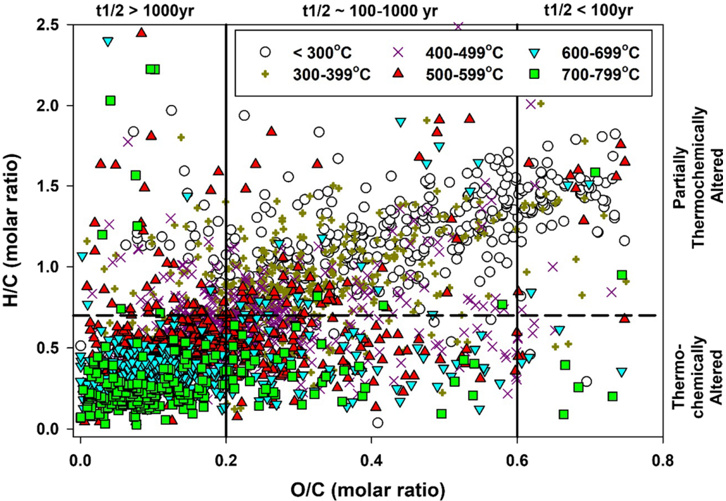
“Temperatures higher than 500 ◦C generally lead to longer half-lives by promoting more stable C structures in the biochar, causing a reduction of biochar-C bioavailability and lower O/C ratios [37].”
BackgroundAlghamdi, A. G., Al-Omran, A. M., Alkhasha, A., Alasmary, Z., & Aly, A. A. (2021) · Agriculture · doi:10.3390/agriculture11121293 · Cited by 12
Influence of Biochar Amendment on Runoff Retention and Vegetation Cover for Extensive Green Roofs
Saade, J., Cazares, S. P., Liao, W., Frizzi, G., Sidhu, V., Margolis, L., Thomas, S. C., & Drake, J. A. P. (2023) · Lecture notes in civil engineering · doi:10.1007/978-3-031-34593-7_71 · Cited by 13
Iqbal, H., Jahan, S., Akbar, M., Kamran, A., Rasul, F., Shahzad, S., Siddiqui, M. H., & Alamri, S. A. (2024) · PeerJ · doi:10.7717/peerj.17883 · Cited by 11
“A variety of organic resources can be utilized to produce biochar, such as wood, fruit shells, chicken manure, agricultural residue, food waste, biosolids, and wood ( Ippolito et al., 2020 ; Tan & Lee, 2016 ).”
BackgroundMaghsoodi, M. R., Hosseini, H., Ghodszad, L., & Avery, H. (2025) · Resources Conservation and Recycling · doi:10.1016/j.resconrec.2025.108237 · Cited by 11
Palfy, R. K., & Klinghoffer, N. B. (2025) · International Journal of Hydrogen Energy · doi:10.1016/j.ijhydene.2025.151120 · Cited by 11
Hagemann, N., Schmidt, H., Bucheli, T. D., Grafmüller, J., Voßwinkel, S., Herdegen, V., Meredith, W., Uguna, C. N., & Snape, C. E. (2025) · PLoS ONE · doi:10.1371/journal.pone.0330206 · Cited by 12
“Pyrolysis leads to the volatilization of low molecular weight carbonaceous compounds rich in O and H, resulting in an increase in carbon content and a decrease in H/C molar ratio of the solid product [12,21], which was confirmed in the present study.”
InfluentialSocial Awareness as a Catalyst for Biochar Adoption in the Agricultural and Forestry Sectors
Janiszewska, D., Ortigueira, J., Lopes, T. F., Gościańska‐Łowińska, J., Augustyniak, D., Leszczyszyn, E., & Nobre, C. (2025) · GCB Bioenergy · doi:10.1111/gcbb.70077 · Cited by 11
Enhancing soil health and phosphorus use efficiency with modified biochar amendment
Frene, J. P., Kasera, N., Jaisi, D. P., Sapkota, S., O'Connell, D. W., Higgins, S., Adhikari, S., & Ghimire, R. (2025) · The Science of The Total Environment · doi:10.1016/j.scitotenv.2025.180794 · Cited by 12
Borges, A. D. D. S., Cardoso, M., & Oliveira, M. (2025) · Scientific Reports · doi:10.1038/s41598-025-30809-5 · Cited by 12
Biochar for pollution mitigation and renewable energy applications toward sustainability development
Truong, H. B., Dang, V. D., Khedulkar, A. P., Adorna, J., Yu, W.-J., Bui, T. A. N., Thamilselvan, A., Arshad, M., Nguyen, M.-K., Pham, L. K. H., et al. (2026) · RSC Advances · doi:10.1039/d5ra09050d · Cited by 12
Nobre, C., Santos, S. M., Rey, J. C., Longo, A., Rijo, B., Mota-Panizio, R., Brito, P., & Mateos-Pedrero, C. (2026) · Recycling · doi:10.3390/recycling11020030 · Cited by 14
“Mobile pyrolysis platforms allow farmers in acid-sensitive regions to customize biochar properties by selecting feed-stock and adjusting process conditions on-site, thereby enhancing compatibility with local soil characteristics [94,95].”
Bridging the Microbial and Mineral Carbon Pumps: Biochar for Synergistic Soil Carbon Sequestration
Zhang, S., Cai, C., Gao, B., Wang, Y., Zhang, Y., Ren, S., Liu, J., Peng, K., & Huang, X. (2026) · Environmental Science & Technology · doi:10.1021/acs.est.6c00178 · Cited by 11
Zhou, H., Li, X., Li, C., He, L., Liu, X., Xiao, Z., Sun, X., Shi, G., Su, J., & Chen, J. (2021) · Biochar · doi:10.1007/s42773-021-00114-1 · Cited by 12
Reviewing the effect of pyrolysis temperature on the fourier-transform infrared spectra of biochars
Matin, N. H., & Aydın, E. (2022) · Acta horticulturae et regiotecturae · doi:10.2478/ahr-2022-0020 · Cited by 12
Biomethane potential of wine lees from mesophilic anaerobic digestion
Chiappero, M., Berruti, F., & Fiore, S. (2023) · Biochemical Engineering Journal · doi:10.1016/j.bej.2023.108954 · Cited by 11
Boostani, H. R., Hardie, A. G., Najafi‐Ghiri, M., & Bijanzadeh, E. (2023) · Scientific Reports · doi:10.1038/s41598-023-47317-z · Cited by 12
Research on biochar remediation of heavy metal contaminated soil based on CiteSpace visual analysis
Deng, S., Lu, X., Chen, X., Lei, K., Zhu, T., Zhang, Y., & Yu, B. (2024) · Clean Technologies and Environmental Policy · doi:10.1007/s10098-024-02767-5 · Cited by 13
“Therefore, biochar remediation has become a prominent research hotspot for the fixation and treatment of HMs in soil (Houben et al. 2013; Ippolito et al. 2020; Xu et al. 2020).”
de Morais, E. G., Silva, C. A., Gao, S., Melo, L. C. A., Lago, B. C., Teodoro, J. C., & Guilherme, L. R. G. (2024) · Nitrogen · doi:10.3390/nitrogen5020019 · Cited by 12
“The pyrolysis temperature (PT) is a crucial factor influencing the N content in biochar, which interacts with the feedstock elemental composition [3,7,8,11–14].”
BackgroundInfluentialIncreasing biochar diversity promotes the impacts of plant diversity on remediating cadmium in soil
Yuan, H.-M., Xue, W., Roiloa, S. R., Yao, J., & Yu, F. (2024) · Journal of Plant Ecology · doi:10.1093/jpe/rtae068 · Cited by 12
Wang, Y., Xu, L., Li, J., Li, Y., Zhou, Y., Liu, W., Ai, Y., Zhang, B., Qu, J., & Zhang, Y. (2024) · Journal of environmental chemical engineering · doi:10.1016/j.jece.2024.114196 · Cited by 16
Superior properties of biochar contribute to soil carbon sequestration and climate change mitigation
He, D., Yang, R., Fu, Y., & Zhu, B. (2025) · Journal of environmental chemical engineering · doi:10.1016/j.jece.2025.116936 · Cited by 17
García-Prats, M., González, D., & Sánchez, A. (2024) · Frontiers in Chemical Engineering · doi:10.3389/fceng.2024.1384495 · Cited by 11
Alchouron, J., Fuentes, A. L. B., Guerreiro, C., Hodara, K., Gatti, M. N., Pittman, C. U. J., Mlsna, T., Chludil, H. D., & Vega, A. S. (2024) · Chemosphere · doi:10.1016/j.chemosphere.2024.142656 · Cited by 10
Use of biochar as a component of substrates in horticulture and forestry: A review
Natalli, L. H., Hillig, É., Lombardi, K. C., Godinho, M., & Paradelo, R. (2024) · Revista Brasileira de Ciência do Solo · doi:10.36783/18069657rbcs20240027 · Cited by 13
Aissaoui, M. H., Hertzog, J., Sambusiti, C., Gauthier‐Maradei, P., Pons, M., Carré, V., Brech, Y. L., & Dufour, A. (2024) · Journal of Analytical and Applied Pyrolysis · doi:10.1016/j.jaap.2024.106928 · Cited by 10
Saif, I., Thakur, N., Sharma, M., Alalawy, A. I., Jalalah, M., Hassan, S. H. A., Zidan, N. S., & Salama, E. (2025) · Journal of Water Process Engineering · doi:10.1016/j.jwpe.2025.107278 · Cited by 10
Trivedi, Y., Sharma, A., Sharma, M., Mishra, R. K., Joshi, J. B., Gupta, A. B., Bezbaruah, A. N., Shah, K. V., & Pant, K. K. (2025) · Results in Engineering · doi:10.1016/j.rineng.2025.104672 · Cited by 13
Zhuang, Y., Haderlein, S. B., Hagemann, N., Grafmüller, J., Gogler, K., Paul, A., Fink, F., & Spahr, S. (2025) · Separation and Purification Technology · doi:10.1016/j.seppur.2025.133634 · Cited by 11
Mohammad, O., Khan, M., Unyay, H., Ślężak, R., Szufa, S., & Onwudili, J. A. (2025) · Biomass & Bioenergy · doi:10.1016/j.biombioe.2025.108302 · Cited by 10
The performance, pyrolysis mechanism and environmental functions of forest surface fuel biochar
Wang, L., Joseph, S. D., Feng, W., Ye, Y., Zhang, R., Zhang, W., Ning, J., Yang, G., Gao, J., Quan, X., et al. (2025) · Communications Earth & Environment · doi:10.1038/s43247-025-03016-3 · Cited by 11
“The increasing temperature leads to the enhancement of biochar ;ourstudycon fi rmed the dominant effect of ash content on pH as reported in previous works 21,22,34 .”
Li, H., Yan, T., Fu, T., Hao, Y., Li, J., Tan, Y., Li, Z., Peng, Y., Chen, X. D., Chang, J., et al. (2023) · Soil Use and Management · doi:10.1111/sum.12938 · Cited by 10
High-quality oil recovered from waste solar panel through using microwave-assisted pyrolysis
Cui, L., Ahmad, F., Zhang, Y., Liu, W., & Nižetić, S. (2023) · Solar Energy · doi:10.1016/j.solener.2023.112239 · Cited by 11
Self-citationKaiser, S., Fegel, T. S., Barnard, D. M., Mahood, A. L., Sparks, K., Amundson, K. K., Wilkins, M. J., & Rhoades, C. C. (2024) · Forest Ecology and Management · doi:10.1016/j.foreco.2024.122359 · Cited by 11
Kang, Y., Park, D.-G., Lee, J.-Y., Choi, J., Kim, J.-H., Kim, J.-H., Yun, Y.-U., & Oh, T. (2024) · Scientific Reports · doi:10.1038/s41598-024-80873-6 · Cited by 11
Chambers, C., Grimes, S., Smith, R. C., Weil, A., & Reza, M. T. (2024) · Chemosphere · doi:10.1016/j.chemosphere.2024.143965 · Cited by 10
Guyader, E. L., Mazlouzi, M. E., Guillaneuf, A., Tandina, B., Gommeaux, M., Hubert, J., Miconnet, V., Marin, B., Abiven, S., Intrigliolo, D. S., et al. (2025) · Soil Use and Management · doi:10.1111/sum.70008 · Cited by 10
“However, the properties of biochars vary widely, depending on the feedstock and the conditions of production (Almutairi et al., 2022; Ippolito et al., 2020).”
Mohammadi-Aragh, M. K., Stokes, C. E., Street, J., & Linhoss, J. E. (2021) · Animals · doi:10.3390/ani11082209 · Cited by 10
“Several factors impact BC characteristics, including feedstock source, pyrolysis temperature, and pyrolysis type [16].”
BackgroundPorous biochar production from pyrolysis of corn straw in a microwave heated reactor
Liu, C., Qiu, T., Mostafa, E., Liu, H., Zhao, W., & Zhang, Y. (2024) · International Journal of Chemical Reactor Engineering · doi:10.1515/ijcre-2023-0128 · Cited by 9
Rathnayake, D., Schmidt, H., Leifeld, J., Bürge, D., Bucheli, T. D., & Hagemann, N. (2024) · Frontiers in Climate · doi:10.3389/fclim.2024.1343516 · Cited by 9
Biochar-boron composites: synthesis, properties and agronomic effectiveness for eucalyptus seedlings
Chisté, L., Melo, L. C. A., Jindo, K., & Silva, C. A. (2024) · Chemical and Biological Technologies in Agriculture · doi:10.1186/s40538-024-00645-2 · Cited by 9
Soil and plant cations as affected by application of wood ash, biochar, and papermill biosolids
Manirakiza, E., Gagnon, B., & Ziadi, N. (2024) · Agronomy Journal · doi:10.1002/agj2.21714 · Cited by 10
Legan, M., Štukovnik, P., Zupan, K., & Gotvajn, A. Ž. (2025) · Materials · doi:10.3390/ma18040876 · Cited by 12
Biochar and Ammonium Nitrate Synergies: Enhancing Nitrogen Availability and Maize Growth in Oxisols
Paiva, I. D. O., de Morais, E. G., & Silva, C. A. (2025) · Agronomy · doi:10.3390/agronomy15030633 · Cited by 9
Biomass-based carbon material for next-generation sodium-ion batteries: insights and SWOT evaluation
Kumar, A., Arora, N., Rawat, S., Mishra, R. K., Deshpande, A. C., Hotha, S., & Bhaskar, T. (2025) · Environmental Research · doi:10.1016/j.envres.2025.121854 · Cited by 11
Biochar acidification increased sorption and reduced leaching of nitrate
Grafmüller, J., Schmidt, H., Kray, D., Bucheli, T. D., Mäurer, H., Möllmer, J., Peisert, H., & Hagemann, N. (2025) · Journal of Environmental Management · doi:10.1016/j.jenvman.2025.127224 · Cited by 9
Nehhal, S., Ali, M. B., Abrouki, Y., Ofqir, K., Elkahoui, Y., & Hajjaji, S. E. (2025) · Ecological Engineering & Environmental Technology · doi:10.12912/27197050/214189 · Cited by 9
“In pyrolysis, organic matter is affected by high temperatures under oxygen-free conditions, causing its decomposition, usually between 300–700 °C (Al-Rumaihi et al., 2022; Ippolito et al., 2020; Kuryntseva et al., 2023).”
Ali, H., Jalal, A., Arshad, M., Usama, M., Hussain, S., & Khan, H. (2025) · Journal of environmental chemical engineering · doi:10.1016/j.jece.2025.120531 · Cited by 9
Beljin, J., Isakovski, M. K., & Maletić, S. P. (2026) · Processes · doi:10.3390/pr14040714 · Cited by 9
Geiger, T., & Norton, U. (2021) · Applied Sciences · doi:10.3390/app11135777 · Cited by 10
“Pyrolysis temperature is one of the most important factors influencing the molecular structure, nutrient composition, and physicochemical properties of biochar [46,47].”
BackgroundInfluentialAdsorption-Desorption Behavior and Pesticide Bioavailability of Biochar in Soil
Bahia, W. (2022) · Science Insights · doi:10.15354/si.22.re093 · Cited by 10
Ionic liquid lubricity enhancement with bio-oil derived from microwave pyrolysis of bamboo
Ariffin, N. A. A. M., Foong, S. Y., Chong, W. W. F., Lam, S. S., Ng, J.-H., & Zhang, H. (2024) · Industrial Crops and Products · doi:10.1016/j.indcrop.2024.118543 · Cited by 9
Poirier, A., Fertahi, S., Hamiach, H., Tayibi, S., Elhaissoufi, W., Arji, M., Zeroual, Y., Raihane, M., Bargaz, A., & Barakat, A. (2025) · International Journal of Biological Macromolecules · doi:10.1016/j.ijbiomac.2025.140255 · Cited by 9
Muoghalu, C., Kaboggoza, H. C., Semiyaga, S., & Manga, M. (2025) · Cleaner Water · doi:10.1016/j.clwat.2025.100073 · Cited by 13
Fenton oxidation of biochar improves retention of cattle slurry nitrogen
Cao, X., Reichel, R., & Brüggemann, N. (2022) · Journal of Environmental Quality · doi:10.1002/jeq2.20419 · Cited by 10
Xiong, Q., Li, Y., Hou, C., Ma, X., Zhou, X., Zuo, X., & Chen, C.-E. (2024) · Environmental Science and Pollution Research · doi:10.1007/s11356-024-32222-3 · Cited by 10
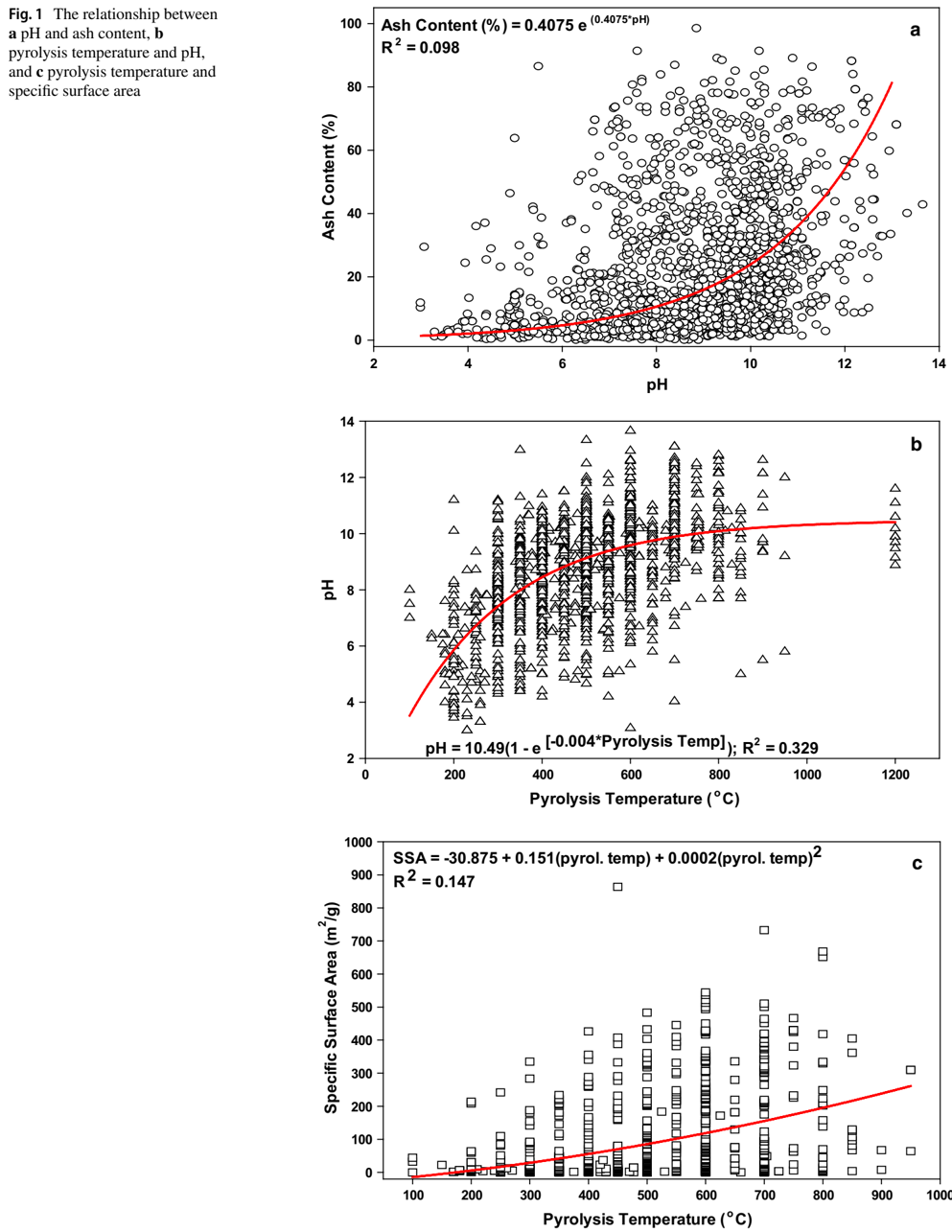
“Besides, the pH of biochar also increased gradually, suggesting the increase of alkaline substances on the surface of biochar as the increase of pyrolysis temperature (Ippolito et al. 2020).”
Biochar Stability in a Highly Weathered Sandy Soil under Four Years of Continuous Corn Production
Novak, J. M., Watts, D. W., Sigua, G. C., Myers, W. T., Ducey, T. F., & Rushmiller, H. C. (2021) · Energies · doi:10.3390/en14196157 · Cited by 8
Self-citationRelevance of biochar metabolization—evidence from a long-term biochar field experiment
Groß, A., Šolić, M., Glaser, B., Bromm, T., & Maletić, S. P. (2025) · Frontiers in Sustainable Food Systems · doi:10.3389/fsufs.2025.1578363 · Cited by 8
zu Drewer, J. M., Vorrath, M.-E., Amann, T., Hartmann, J., Arranz, J. M. D. L. R., Möllmer, J., Pérez-Dalí, S. M., Meredith, W., Uguna, C. N., Snape, C. E., et al. (2025) · Frontiers in Climate · doi:10.3389/fclim.2025.1631368 · Cited by 8
Self-citationWu, Y., Tan, Z., Zhou, T., Wang, Z., Xue, Z., Yan, Y., He, H., & Pan, J. (2025) · Environmental Research · doi:10.1016/j.envres.2025.122557 · Cited by 11
Dang, T. M. T., Huynh, T. T. T., Chang‐Chien, G., & Bui, H. M. (2025) · Beilstein Journal of Nanotechnology · doi:10.3762/bjnano.16.102 · Cited by 8
Kennedy, O. K., Byun, Y., Lyu, H. J., Oh, J. E., Mi, T., & Jeon, D. (2025) · Journal of Building Engineering · doi:10.1016/j.jobe.2025.114427 · Cited by 10
Miedzianowska, J. (2025) · Industrial Crops and Products · doi:10.1016/j.indcrop.2025.122160 · Cited by 8
Li, Z., Pan, Y., Meng, J., Zhao, M., Yao, Z., Hu, M., Shan, S., & Chen, H. (2026) · Applied Soil Ecology · doi:10.1016/j.apsoil.2026.106805 · Cited by 10
DEMİREL, M. H., Gül, A., Aydoğmuş, E., Özgen, İ., & Arslanoğlu, H. (2026) · Journal of the Science of Food and Agriculture · doi:10.1002/jsfa.70455 · Cited by 8
Christensen, C., Bai, L., & Wei, Z. (2026) · Environmental Science & Technology · doi:10.1021/acs.est.5c15517 · Cited by 10
Shi, G., Li, Y., Liu, Y., & Wu, L. (2023) · RSC Advances · doi:10.1039/d3ra00122a · Cited by 8
Dvořáčková, H., & Dvořáček, J. (2023) · Soil Use and Management · doi:10.1111/sum.12936 · Cited by 8
“The effect of biochar on soil quality and plant production depends on the raw materials used for its production (Ippolito et al., 2020).”
BackgroundBiochar Application for Soil Quality Improvement: An Overview
Hassan, A., Ali, S., Baloch, S. B., Naheed, F., Amjad, E., Saeed, Q., Naveed, M., & Mustafa, A. (2024) · Environmental sciences · doi:10.5772/intechopen.114192 · Cited by 8
Effect of pyrolysis temperature on the transformation of phosphorus forms in sludge biochar
Yu, Z., Yu, W., Sun, X., Xu, R., Liang, M., Wang, J., Yuan, L., & Li, F. (2024) · Water Science & Technology · doi:10.2166/wst.2024.224 · Cited by 8
Carbon flows and biochar stability during co-pyrolysis of human faeces with wood biomass
Koulouri, M. E., Qiu, M., Templeton, M. R., & Fowler, G. D. (2024) · Environmental Science Water Research & Technology · doi:10.1039/d4ew00513a · Cited by 15
Biochars from chlorine-rich feedstock are low in polychlorinated dioxins, furans and biphenyls
Grafmüller, J., Rathnayake, D., Hagemann, N., Bucheli, T. D., & Schmidt, H. (2024) · Journal of Analytical and Applied Pyrolysis · doi:10.1016/j.jaap.2024.106764 · Cited by 8
Mckenna, A. M., Chacón-Patiño, M. L., Roth, H. K., Bahureksa, W. A., Young, R. B., Ippolito, J. A., Xin, Y., Borch, T., Williams, A. J., & Chen, H. (2024) · Soil & Environmental Health · doi:10.1016/j.seh.2024.100114 · Cited by 8
Self-citationImpact of Biochar on Climate Change, Agricultural Soil and Plants
Bano, A., Hassan, T. U., Waqar, A., Mushtaq, T., & Urooj, N. (2024) · Communications in Soil Science and Plant Analysis · doi:10.1080/00103624.2024.2420855 · Cited by 9
“These characteristics generally depend on pyrolysis conditions (temperature, aeration, and time) and feedstock characteristics and can thus range widely (Ippolito et al. 2020).”
Baghel, P., Sharma, R. K., Rakshit, D., & Kaushal, P. (2025) · Journal of Energy Storage · doi:10.1016/j.est.2025.116617 · Cited by 9
Novak, J. M., Watts, D. W., Sigua, G. C., & Ducey, T. F. (2021) · Agronomy · doi:10.3390/agronomy11050942 · Cited by 8
“In these studies, biochar impact on crop growth and yield characteristics was variable and complex [6,7].”
BackgroundSelf-citationBiochar Application to Soil for Mitigation of Nutrients Stress in Plants
Javeed, H. M. R., Ali, M., Zamir, M. S. I., Qamar, R., Atique-ur-Rehman, Andleeb, H., Qammar, N., Kanwal, S., Farooq, A. B. U., Tariq, M., et al. (2023) · Sustainable agriculture reviews · doi:10.1007/978-3-031-26983-7_8 · Cited by 12
Barragán-Mantilla, S. P., Gascó, G., & Méndez, A. (2023) · Waste Management · doi:10.1016/j.wasman.2023.08.026 · Cited by 8
Viswanathan, S. P., Kuriakose, G. M., Neelamury, S. P., Njazhakunnathu, G. V., & Ambatt, T. P. (2023) · Elsevier eBooks · doi:10.1016/b978-0-323-96020-5.00199-0 · Cited by 8
Feng, P., Tian, H., Zhang, D., Gao, D., Tan, W., & Tan, Q. (2024) · Current Research in Biotechnology · doi:10.1016/j.crbiot.2024.100218 · Cited by 9
Acevedo, Y. S. M., & Grande, C. A. (2024) · Journal of environmental chemical engineering · doi:10.1016/j.jece.2024.114856 · Cited by 7
Zaidi, S., Arif, Y., Mir, A. R., Hayat, S., & Kaya, C. (2025) · Journal of soil science and plant nutrition · doi:10.1007/s42729-025-02797-y · Cited by 9
“In contrast, slow pyrolysis typically produces BC with higher levels of N, S, available P, Ca, Mg, surface area, and CEC than fast pyrolysis (Ippolito et al. 2020).”
Subramaniam, K. M., Goli, R. R., Subburathinam, K., & Kannan, S. (2026) · The Science of The Total Environment · doi:10.1016/j.scitotenv.2026.181362 · Cited by 7
Hazbawi, I. (2026) · Results in Engineering · doi:10.1016/j.rineng.2026.110039 · Cited by 7
Metadata
- Authors
- Ippolito, J. A., Cui, L., Kammann, C., Wrage-Mönnig, N., Estavillo, J. M., Fuertes-Mendizabal, T., Cayuela, M. L., Sigua, G., Novak, J., Spokas, K., & Borchard, N.
- Affiliations
- Colorado State University (US)
- Yancheng Institute of Technology (CN)
- Hochschule Geisenheim University (DE)
- Agricultural Research Service (US)
- University of Minnesota (US)
- Natural Resources Institute Finland (FI)
- Corresponding author
- Borchard, Nils
- Venue
- Biochar
- Published
- 2020-09-28
- Volume
- 2
- Issue
- 4
- Pages
- 421-438
- ISSN
- 2524-7867 (ISSN-L)
- 2524-7972
- OpenAlex
- W3091306688
- Semantic Scholar
- ba1c49a14858f364790007359ee1f59f635bc195
- Cited by
- 927
- References
- 105
- Citations by year
- 2026: 221 · 2025: 185 · 2024: 186 · 2023: 164 · 2022: 104 · 2021: 67
- FWCI
- 26.32
- Type
- journal article
- Language
- en
- Open access
- hybrid
- doi.org
- Licence
- cc-by
- creativecommons.org/licenses/by/4.0 (tdm)
- creativecommons.org/licenses/by/4.0 (vor)
- Locations
- Biochar (publishedVersion, cc-by)
- Hispana (acceptedVersion, cc-by)
- Communities in ADDI (Universidad del Pais Vasco) (submittedVersion, cc-by)
- Jukuri (Natural Resources Institute Finland (Luke)) (submittedVersion)
- Funders
- National Institute of Food and Agriculture (6657-12130-002-08I)
- Natural Resources Institute Finland
- Topics
- Physical Sciences › Energy › Fuel Technology › Thermochemical Biomass Conversion Processes
- Life Sciences › Agricultural and Biological Sciences › Soil Science › Soil Carbon and Nitrogen Dynamics
- Physical Sciences › Environmental Science › Global and Planetary Change › Fire effects on ecosystems
- Keywords
- pyrolysis temperature, fast pyrolysis, slow pyrolysis, biochar physicochemical properties, specific surface area, cation exchange capacity, nutrient availability, soil amendment, wood-based biochar
About these checks
Registry, retraction, Cites and statistics results are computed, not judged, with one exception: a printed reference that no index lists is read once by a model before it counts as a citation error. Claims are extracted by a model and kept only when their quote appears verbatim in the text; each cited source is then checked, with a model’s help, for whether it says what the claim relies on. Those verdicts can be wrong — read the claim’s quote and the cited source before relying on one.
Statistics and arithmetic are recomputed, not judged.
Confidence bands are shown only for fields calibrated on our annotated test set. None is calibrated yet, so no band is shown.
What counts as a claim ›How we measure confidence ›How we check this ›
Are you an author, or do you see a problem with this page? Request a review
Data sources
Bibliographic data: Semantic Scholar, OpenAlex, Crossref.
Contains information from the Semantic Scholar Academic Graph Datasets, made available under the ODC Attribution License (ODC-BY 1.0).
Semantic Scholar’s data is described in: Kinney, R., et al. (2023). The Semantic Scholar Open Data Platform. arXiv:2301.10140.
