

Feedstock choice, pyrolysis temperature and type influence biochar characteristics: a comprehensive meta-data analysis review
Open accessThe DOI matches its Crossref record; 106 of the 106 references it cites were found in a registry or an index.
Abstract
Various studies have established that feedstock choice, pyrolysis temperature, and pyrolysis type influence final biochar physicochemical characteristics. However, overarching analyses of pre-biochar creation choices and correlations to biochar characteristics are severely lacking. Thus, the objective of this work was to help researchers, biochar-stakeholders, and practitioners make more well-informed choices in terms of how these three major parameters influence the final biochar product. Utilizing approximately 5400 peer-reviewed journal articles and over 50,800 individual data points, herein we elucidate the selections that influence final biochar physical and chemical properties, total nutrient content, and perhaps more importantly tools one can use to predict biochar’s nutrient availability. Based on the large dataset collected, it appears that pyrolysis type (fast or slow) plays a minor role in biochar physico- (inorganic) chemical characteristics; few differences were evident between production styles. Pyrolysis temperature, however, affects biochar’s longevity, with pyrolysis temperatures > 500 °C generally leading to longer-term (i.e., > 1000 years) half-lives. Greater pyrolysis temperatures also led to biochars containing greater overall C and specific surface area (SSA), which could promote soil physico-chemical improvements. However, based on the collected data, it appears that feedstock selection has the largest influence on biochar properties. Specific surface area is greatest in wood-based biochars, which in combination with pyrolysis temperature could likely promote greater changes in soil physical characteristics over other feedstock-based biochars. Crop- and other grass-based biochars appear to have cation exchange capacities greater than other biochars, which in combination with pyrolysis temperature could potentially lead to longer-term changes in soil nutrient retention. The collected data also suggest that one can reasonably predict the availability of various biochar nutrients (e.g., N, P, K, Ca, Mg, Fe, and Cu) based on feedstock choice and total nutrient content. Results can be used to create designer biochars to help solve environmental issues and supply a variety of plant-available nutrients for crop growth.
Overview
The claims and statistics of this paper haven’t been checked yet.
Free: it reads the open-access text and checks the first 5 claims that cite a source we can check. Create a free account to check every claim.
Integrity signals
Registry
Cites
Statistics
Figures
Verification
Claims the paper makes
The claims and statistics of this paper haven’t been checked yet.
Free: it reads the open-access text and checks the first 5 claims that cite a source we can check. Create a free account to check every claim.
Claims other papers make about this one
Each is checked against this paper’s own text: does it say what the citing paper says it does?
The source backs part of the claim, not all of it — or backs it for a different population, condition or comparison.
In the citing paper
“Firstly, converting waste biomass into biochar, bio-oil, and syn-gas intrinsically stores 2.20 × 10 9 t CO2e annually, because it turns labile carbon that will be rapidly mineralized into recalcitrant carbon whose half life exceeds 1000 years (Ippolito et al. 2020; Lehmann et al. 2021; Spokas 2010).”
From Role of biochar toward carbon neutrality (2023) · cites this paper as Ippolito et al. 2020
Experimental — accuracy not yet measured
Self-check
Percentages, sums and reported differences re-computed from the paper’s own numbers.
The self-check needs the paper’s full text.
Citations
Cites
Biochar effects on soil biota – A review
Lehmann, J., Rillig, M. C., Thies, J., Masiello, C. A., Hockaday, W. C., & Crowley, D. (2011) · Soil Biology and Biochemistry · doi:10.1016/j.soilbio.2011.04.022 · Cited by 5,074
Biochar for Environmental Management: Science, Technology and Implementation
(2015) · doi:10.4324/9780203762264 · Cited by 2,280
Black Carbon Increases Cation Exchange Capacity in Soils
Liang, B., Lehmann, J., Solomon, D., Kinyangi, J., Grossman, J., O'Neill, B., Skjemstad, J. O., Thies, J., Luizão, F. J., Petersen, J., et al. (2006) · Soil Science Society of America Journal · doi:10.2136/sssaj2005.0383 · Cited by 2,191
Funke, A., & Ziegler, F. (2010) · Biofuels Bioproducts and Biorefining · doi:10.1002/bbb.198 · Cited by 2,001
Lehmann, J., Pereira da Silva, J., Steiner, C., Nehls, T., Zech, W., & Glaser, B. (2003) · Plant and Soil · doi:10.1023/a:1022833116184 · Cited by 1,878
Chen, B., Zhou, D., & Zhu, L. (2008) · Environmental Science & Technology · doi:10.1021/es8002684 · Cited by 1,823
Effect of process parameters on production of biochar from biomass waste through pyrolysis: A review
Tripathi, M., Sahu, J. N., & Ganesan, P. (2016) · Renewable and Sustainable Energy Reviews · doi:10.1016/j.rser.2015.10.122 · Cited by 1,759
Lehmann, J. (2007) · Frontiers in Ecology and the Environment · doi:10.1890/1540-9295(2007)5[381:bitb]2.0.co;2 · Cited by 1,714 · cited 1×
“1a) as also shown by Lehmann (2007).”
The Art, Science, and Technology of Charcoal Production
Antal, M. J., & Grønli, M. (2003) · Industrial & Engineering Chemistry Research · doi:10.1021/ie0207919 · Cited by 1,623
Weber, K., & Quicker, P. (2018) · Fuel · doi:10.1016/j.fuel.2017.12.054 · Cited by 1,522
Research works printed but not linked: 1
- Lissbrant S, Berg WK, Volanec J, Brouder S, Joern B, Cunningham S, Johnson K (2009) Phosphorus and potassium fertilization of alfalfa. Purdue University Extension Bulletin AY-331-W
Cited by
Joseph, S., Cowie, A. L., Van Zwieten, L., Bolan, N., Budai, A., Buss, W., Cayuela, M. L., Graber, E. R., Ippolito, J. A., Kuzyakov, Y., et al. (2021) · GCB Bioenergy · doi:10.1111/gcbb.12885 · Cited by 1,090
Self-citationAl-Rumaihi, A., Shahbaz, M., Mckay, G., Mackey, H., & Al-Ansari, T. (2022) · Renewable and Sustainable Energy Reviews · doi:10.1016/j.rser.2022.112715 · Cited by 650
Alkharabsheh, H. M., Seleiman, M. F., Battaglia, M. L., Shami, A., Jalal, R. S., Alhammad, B. A., Almutairi, K. F., & Al-Saif, A. M. (2021) · Agronomy · doi:10.3390/agronomy11050993 · Cited by 538
“Thus, wood-based biochars are suitable when the final objective is carbon storage in soil [44,45], while biochars from animal manures and grasses are used when the objective is to increase the soil N, P, K, Ca, Mg, and S contents [45,46].”
BackgroundOsman, A. I., Fawzy, S., Farghali, M., El-Azazy, M., Elgarahy, A. M., Fahim, R. A., Maksoud, M. I. A. A., Ajlan, A. A., Yousry, M., Saleem, Y., et al. (2022) · Environmental Chemistry Letters · doi:10.1007/s10311-022-01424-x · Cited by 515
Biochar in agriculture – A systematic review of 26 global meta‐analyses
Schmidt, H., Kammann, C., Hagemann, N., Leifeld, J., Bucheli, T. D., Sánchez Monedero, M. A., & Cayuela, M. L. (2021) · GCB Bioenergy · doi:10.1111/gcbb.12889 · Cited by 490
“Biochars may contain and release relevant amounts of macro- and micronutrients when produced from mineralrich feedstock, especially from manures and biosolids (Ippolito et al., 2020).”
BackgroundSelf-citationGhodake, G. S., Shinde, S. K., Kadam, A. A., Saratale, R. G., Saratale, G. D., Kumar, M., Palem, R. R., AL-Shwaiman, H. A., Elgorban, A. M., Syed, A., et al. (2021) · Journal of Cleaner Production · doi:10.1016/j.jclepro.2021.126645 · Cited by 414
A critical review on production, modification and utilization of biochar
Xie, Y., Wang, L., Li, H., Westholm, L. J., Carvalho, L., Thorin, E., Yu, Z., Yu, X., & Skreiberg, Ø. (2022) · Journal of Analytical and Applied Pyrolysis · doi:10.1016/j.jaap.2021.105405 · Cited by 290
Effects of different feedstocks-based biochar on soil remediation: A review
Ji, M., Wang, X., Usman, M., Liu, F., Dan, Y., Zhou, L., Campanaro, S., Luo, G., & Sang, W. (2022) · Environmental Pollution · doi:10.1016/j.envpol.2021.118655 · Cited by 276
Biochar increases soil carbon pools: Evidence from a global meta-analysis
Chagas, J. K. M., Figueiredo, C. C. D., & Ramos, M. L. G. (2022) · Journal of Environmental Management · doi:10.1016/j.jenvman.2021.114403 · Cited by 226
Review of biochar production via crop residue pyrolysis: Development and perspectives
Li, Y., Gupta, R., Zhang, Q., & You, S. (2023) · Bioresource Technology · doi:10.1016/j.biortech.2022.128423 · Cited by 242
“In general, the proportions of value-added products generated by pyrolysis technologies are different (Ippolito et al. 2020).”
BackgroundBiochar and engineered biochar as slow- and controlled-release fertilizers
Marcińczyk, M., & Oleszczuk, P. (2022) · Journal of Cleaner Production · doi:10.1016/j.jclepro.2022.130685 · Cited by 209
Industrial biochar systems for atmospheric carbon removal: a review
Fawzy, S., Osman, A. I., Yang, H., Doran, J., & Rooney, D. W. (2021) · Environmental Chemistry Letters · doi:10.1007/s10311-021-01210-1 · Cited by 220
Arsad, A. Z., Hannan, M. A., Al-Shetwi, A. Q., Begum, R. A., Hossain, M. J., Ker, P. J., & Mahlia, T. I. (2023) · International Journal of Hydrogen Energy · doi:10.1016/j.ijhydene.2023.04.014 · Cited by 191
Role of biochar toward carbon neutrality
Wang, L., Deng, J., Yang, X., Hou, R., & Hou, D. (2023) · Carbon Research · doi:10.1007/s44246-023-00035-7 · Cited by 195
Exploring negative emission potential of biochar to achieve carbon neutrality goal in China
Deng, X., Teng, F., Chen, M., Du, Z., Wang, B., Li, R., & Wang, P. (2024) · Nature Communications · doi:10.1038/s41467-024-45314-y · Cited by 193
“We focus on speci fi c feed-stocks, leaving out others like livestock manures 29 , which have proven potential for biochar production.”
Biochar for soil remediation: A comprehensive review of current research on pollutant removal
Nguyen, T.-B., Sherpa, K., Bui, X.-T., Nguyen, V.-T., Vo, T.-D.-H., Ho, H.-T.-T., Chen, C.-W., & Dong, C.-D. (2023) · Environmental Pollution · doi:10.1016/j.envpol.2023.122571 · Cited by 176
Biochar for Soil Carbon Sequestration: Current Knowledge, Mechanisms, and Future Perspectives
Li, S., & Tasnady, D. (2023) · C · doi:10.3390/c9030067 · Cited by 165
“A consistent trend of increasing C content was observed across various biochars derived from different waste types when subjected to higher pyrolysis temperatures, as reported in numerous previous studies [33,43,51,53,54].”
ResultExploring long-term effects of biochar on mitigating methane emissions from paddy soil: a review
Nan, Q., Xin, L., Qin, Y., Waqas, M., & Wu, W. (2021) · Biochar · doi:10.1007/s42773-021-00096-0 · Cited by 161
“In contrast, the biochar produced at elevated temperature has more stable aromatic structures (Guo and Chen 2014) and enrichment porosity (Ippolito et al. 2020), hence will not increase soil DOC due to its ability to absorb soil DOC.”
BackgroundInfluentialBiochar induced modifications in soil properties and its impacts on crop growth and production
Murtaza, G., Ahmed, Z., Usman, M., Tariq, W., Ullah, Z., Shareef, M., Iqbal, H., Waqas, M., Tariq, A., Wu, Y., et al. (2021) · Journal of Plant Nutrition · doi:10.1080/01904167.2021.1871746 · Cited by 159
Machine-learning-aided thermochemical treatment of biomass: a review
Li, H., Chen, J., Zhang, W., Zhan, H., He, C. H., Yang, Z., Peng, H., & Leng, L. (2023) · Biofuel Research Journal · doi:10.18331/brj2023.10.1.4 · Cited by 164
“…of bio-oil, porosity (total pore volume, micro-/meso-pore volume, and average pore size), and cation/anion exchange capacity of biochar, that are important for the application of these products (Ippolito et al., 2020) and have not yet been reported; thus, they are worthy of further investigation.”
BackgroundNatasha, N., Shahid, M., Khalid, S., Bibi, I., Naeem, M. A., Niazi, N. K., Tack, F. M. G., Ippolito, J. A., & Rinklebe, J. (2022) · Critical Reviews in Environmental Science and Technology · doi:10.1080/10643389.2021.1894064 · Cited by 147
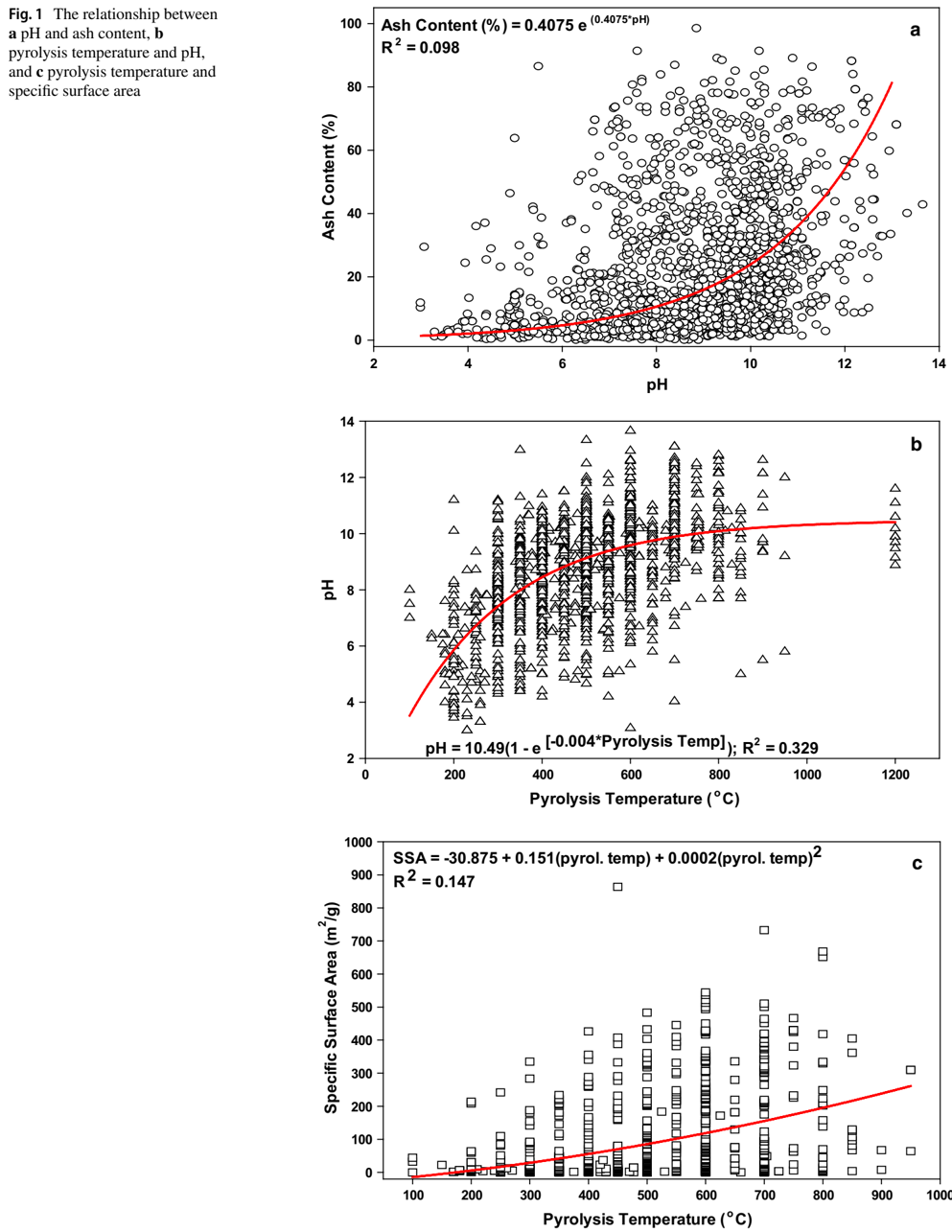
“Generally, slow pyrolysis at high temperatures leads to biochars containing high ash contents (Ippolito et al., 2020).”
BackgroundInfluentialSelf-citationLi, L., Long, A., Fossum, B., & Kaiser, M. (2022) · Soil Use and Management · doi:10.1111/sum.12848 · Cited by 167
An assessment of biochar as a potential amendment to enhance plant nutrient uptake
Hou, J., Pugazhendhi, A., Sindhu, R., Vinayak, V., Thành, N. C., Brindhadevi, K., Lan, N. T., & Yuan, D. (2022) · Environmental Research · doi:10.1016/j.envres.2022.113909 · Cited by 158
Soudagar, M. E. M., Shelare, S. D., Marghade, D. T., Belkhode, P. N., Nur‐E‐Alam, M., Kiong, T. S., Ramesh, S. S. R., Rajabi, A., Venu, H., Khan, T. M. Y., et al. (2024) · Energy Conversion and Management · doi:10.1016/j.enconman.2024.118337 · Cited by 170
He, D., Luo, Y., & Zhu, B. (2024) · The Science of The Total Environment · doi:10.1016/j.scitotenv.2024.171259 · Cited by 161
Biochar-based fertilizer effects on crop productivity: a meta-analysis
Melo, L. C. A., Lehmann, J. C., Carneiro, J. S. D. S., & Arbestain, M. C. (2022) · Plant and Soil · doi:10.1007/s11104-021-05276-2 · Cited by 154
Hadiya, V., Popat, K., Vyas, S., Varjani, S., Vithanage, M. S., Gupta, V. K., Núñez‐Delgado, A., Zhou, Y., Show, P. L., Bilal, M., et al. (2022) · Bioresource Technology · doi:10.1016/j.biortech.2022.127303 · Cited by 150
Cao, M., Narayanan, M., Shi, X., Chen, X., Li, Z., & Ma, Y. (2022) · Environmental Research · doi:10.1016/j.envres.2022.114924 · Cited by 150
Mahmood, F., Ali, M., Khan, M., Mbeugang, C. F. M., Isa, Y. M., Kozlov, A., Penzik, M. V., Xie, X., Yang, H., Zhang, S., et al. (2025) · Industrial Crops and Products · doi:10.1016/j.indcrop.2025.120830 · Cited by 148
Biochar addition reduces salinity in salt-affected soils with no impact on soil pH: A meta-analysis
Wang, X., Ding, J., Han, L., Tan, J., Ge, X., & Nan, Q. (2024) · Geoderma · doi:10.1016/j.geoderma.2024.116845 · Cited by 144
Gao, L., Li, Z., Yi, W., Li, Y., Zhang, P., Zhang, A., & Wang, L. (2021) · Journal of Environmental Chemical Engineering · doi:10.1016/j.jece.2021.105602 · Cited by 133
Shaheen, S. M., Antoniadis, V., Shahid, M. A. R., Yang, Y., Abdelrahman, H. M., Zhang, T., Hassan, N. E. E., Bibi, I., Niazi, N. K., Younis, S. A., et al. (2021) · Renewable and Sustainable Energy Reviews · doi:10.1016/j.rser.2021.111791 · Cited by 143
Premchand, P., Demichelis, F., Chiaramonti, D., Bensaid, S., & Fino, D. (2023) · Journal of environmental chemical engineering · doi:10.1016/j.jece.2023.110009 · Cited by 130
The Effect of Pyrolysis Temperature and Feedstock on Biochar Agronomic Properties
Lataf, A., Jozefczak, M., Vandecasteele, B., Viaene, J., Schreurs, S., Carleer, R., Yperman, J., Marchal, W., Cuypers, A., & Vandamme, D. (2022) · Journal of Analytical and Applied Pyrolysis · doi:10.1016/j.jaap.2022.105728 · Cited by 128
Song, S., Lim, J. W., Lee, J. T. E., Cheong, J. C., Hoy, S. H., Hu, Q., Tan, J. K. N., Chiam, Z., Arora, S., Lum, T. Q. H., et al. (2021) · Waste Management · doi:10.1016/j.wasman.2021.10.011 · Cited by 123
Hsieh, L., He, L., Zhang, M., Lv, W., Yang, K., & Tong, M. (2022) · Water Research · doi:10.1016/j.watres.2022.118783 · Cited by 121
Biochar implications for the engineering properties of soils: A review
Lu, Y., Gu, K., Shen, Z., Tang, C., Shi, B., & Zhou, Q. (2023) · The Science of The Total Environment · doi:10.1016/j.scitotenv.2023.164185 · Cited by 121
Biochar application to soils can regulate soil phosphorus availability: a review
Zhang, L., Chang, L., Liu, H., Puy‐Alquiza, M. J., & Li, Y. (2025) · Biochar · doi:10.1007/s42773-024-00415-1 · Cited by 126
“Since P in the feedstocks serves as the source of P that enters soils, biochar prepared from a P-enriched feedstocks will have the largest positive influence on soil P availability (Ippolito et al. 2020).”
Almutairi, A. A., Ahmad, M., Rafique, M. I., & Al-Wabel, M. I. (2022) · Journal of the Saudi Society of Agricultural Sciences · doi:10.1016/j.jssas.2022.05.005 · Cited by 124
“Additionally, higher thermal treatment showed major effect in increasing biochar C fraction which might be due to the decomposition of organic materials and volatilization of several other elements, mainly including H and O (Ippolito et al., 2020).”
Biochar N Content, Pools and Aromaticity as Affected by Feedstock and Pyrolysis Temperature
Paiva, I. D. O., de Morais, E. G., Jindo, K., & Silva, C. A. (2024) · Waste and Biomass Valorization · doi:10.1007/s12649-023-02415-x · Cited by 123
“The N content in biochar is determined by the feedstock, following this decreasing order: wood residues crop residues manure and biosolid-derived biochars [11, 18, 19].”
InfluentialSachdeva, S., Kumar, R., Sahoo, P. K., & Nadda, A. K. (2023) · Environmental Pollution · doi:10.1016/j.envpol.2022.120937 · Cited by 118
Ahmed, S. F., Mehejabin, F., Chowdhury, A. A., AlMomani, F. A., Khan, N. A., Badruddin, I. A., & Kamangar, S. (2024) · GCB Bioenergy · doi:10.1111/gcbb.13175 · Cited by 125
“This, in conjunction with the pyrolysis temperature, has the potential to significantly impact soil improvements (Ippolito et al., 2020).”
InfluentialModelling biochar long-term carbon storage in soil with harmonized analysis of decomposition data
Azzi, E., Li, H., Cederlund, H., Karltun, E., & Sundberg, C. (2023) · Geoderma · doi:10.1016/j.geoderma.2023.116761 · Cited by 126
Nkoh, J. N., Ajibade, F. O., Atakpa, E. O., Baquy, M. A.-A., Mia, S., Odii, E. C., & Xu, R. (2022) · Journal of Hazardous Materials Advances · doi:10.1016/j.hazadv.2022.100086 · Cited by 133
Jaffari, Z. H., Abbas, A., Kim, C., Shin, J., Kwak, J., Son, C., Lee, Y.-G., Kim, S., Chon, K., & Cho, K. H. (2023) · Journal of Hazardous Materials · doi:10.1016/j.jhazmat.2023.132773 · Cited by 115
Waheed, A., Xu, H., Qiao, X., Aili, A., Yiremaikebayi, Y., Haitao, D., & Muhammad, M. (2025) · Biomass and Bioenergy · doi:10.1016/j.biombioe.2024.107531 · Cited by 108
Adhikari, S., Moon, E. M., & Timms, W. A. (2024) · Journal of Cleaner Production · doi:10.1016/j.jclepro.2024.141454 · Cited by 113
Ighalo, J. O., Ohoro, C. R., Ojukwu, V. E., Oniye, M., Shaikh, W. A., Biswas, J. K., Seth, C. S., Mohan, G. B. M., Chandran, S. A., & Rangabhashiyam, S. (2025) · iScience · doi:10.1016/j.isci.2024.111524 · Cited by 107
The potential of biochar to mitigate soil acidification: a global meta-analysis
Zhang, N., Xing, J., Wei, L., Liu, C., Zhao, W., Liu, Z., Wang, Y., Liu, E., Ren, X., Jia, Z., et al. (2025) · Biochar · doi:10.1007/s42773-025-00451-5 · Cited by 114
“However, the pH and characteristics of biochar vary depending on the raw materials and pyrolysis temperature used, with its efficacy in improving soil pH further influenced by climatic conditions and soil properties (Dai et al. 2017; Ippolito et al. 2020; Sun et al. 2023).”
InfluentialSoil PH Restricts the Ability of Biochar to Passivate Cadmium: A Meta-Analysis
Wei, B., Peng, Y., Jeyakumar, P., Lin, L., Zhang, D., Yang, M., Zhu, J., Ki Lin, C. S., Wang, H., Wang, Z., et al. (2023) · Environmental Research · doi:10.1016/j.envres.2022.115110 · Cited by 105
Kalu, S., Simojoki, A., Karhu, K. L., & Tammeorg, P. (2021) · Agriculture Ecosystems & Environment · doi:10.1016/j.agee.2021.107454 · Cited by 107
Parasar, B. J., & Agarwala, N. (2025) · Biochar · doi:10.1007/s42773-024-00411-5 · Cited by 105
“The amount of CH 4 emission from soil is significantly influenced by the choice of feedstock for biochar (Ippolito et al. 2020).”
Food waste biochar: a sustainable solution for agriculture application and soil–water remediation
Pradhan, S., Parthasarathy, P., Mackey, H. R., Al‐Ansari, T. A., & McKay, G. (2024) · Carbon Research · doi:10.1007/s44246-024-00123-2 · Cited by 104
“…pyrolysis process for agriculture and environmental practice is strongly influenced by the moisture content of feedstock, size of the feedstocks, heating rate and residence time pyrolysis process (Ippolito et al. 2020; Pradhan et al. 2020a; Punsu-wan and Tangsathitkulchai 2014; Zhao et al. 2018).”
Chen, G., Fang, Y., Van Zwieten, L., Xuan, Y., Tavakkoli, E., Wang, X., & Zhang, R. (2021) · Soil Biology and Biochemistry · doi:10.1016/j.soilbio.2021.108139 · Cited by 98
Biochars and Engineered Biochars for Water and Soil Remediation: A Review
Islam, T., Li, Y., & Cheng, H. (2021) · Sustainability · doi:10.3390/su13179932 · Cited by 90
Wang, L., Olsen, M. N. P., Moni, C., Dieguez-Alonso, A., Arranz, J. M. D. L. R., Stenrød, M., Liu, X., & Mao, L. (2022) · Applications in Energy and Combustion Science · doi:10.1016/j.jaecs.2022.100090 · Cited by 151
Photosynthesis, Chlorophyll Fluorescence, and Yield of Peanut in Response to Biochar Application
Wang, S., Zheng, J., Wang, Y., Yang, Q., Chen, T., Chen, Y., Chi, D., Xia, G., Siddique, K. H. M., & Wang, T. (2021) · Frontiers in Plant Science · doi:10.3389/fpls.2021.650432 · Cited by 109
“, C, N, P, K, S, Ca, and Mg) could improve soil sustainability (Ippolito et al., 2020; Leng et al., 2020; Ye et al., 2020).”
From waste to fertilizer: Nutrient recovery from wastewater by pristine and engineered biochars
Marcińczyk, M., Ok, Y. S., & Oleszczuk, P. (2022) · Chemosphere · doi:10.1016/j.chemosphere.2022.135310 · Cited by 102
Biochar-Acid Soil Interactions—A Review
Tusar, H. M., Uddin, M. K., Mia, S., Suhi, A. A., Samsuri, A. W., Kasim, S., Sairi, N. A., Alam, M. Z., & Anwar, F. (2023) · Sustainability · doi:10.3390/su151813366 · Cited by 107
Ilić, M., Haegel, F., Lolić, A., Nedić, Z., Tosti, T. B., Ignjatović, I. S., Linden, A., Jablonowski, N. D., & Hartmann, H. (2022) · PLoS ONE · doi:10.1371/journal.pone.0277365 · Cited by 104
Li, L., Liu, Y., Ren, D., & Wang, J. (2022) · Water Research · doi:10.1016/j.watres.2022.118044 · Cited by 94
Azeem, M., Sun, T., Jeyasundar, P. G. S. A., Han, R., Li, H., Abdelrahman, H. M., Shaheen, S. M., Zhu, Y., & Li, G. (2023) · Critical Reviews in Environmental Science and Technology · doi:10.1080/10643389.2023.2190333 · Cited by 91
“For instance, biochar produced from the N-rich animal manure feedstock may have higher N content than C-rich wood (Ippolito et al., 2020).”
BackgroundGhorbani, M., Amirahmadi, E., Neugschwandtner, R. W., Konvalina, P., Kopecký, M., Moudrý, J., Perná, K., & Murindangabo, Y. T. (2022) · Sustainability · doi:10.3390/su142214722 · Cited by 90
Murtaza, G., Ahmed, Z., & Usman, M. (2022) · Arabian Journal of Geosciences · doi:10.1007/s12517-022-09539-9 · Cited by 84
“Biochar feedstocks include crop wastes, wood feedstock, grass species and different manures/biosolids (Ippolito et al., 2020; Gorlin et al., 2020; Guo et al., 2020; Stylianou et al., 2020).”
BackgroundCurrent trends in biochar application for catalytic conversion of biomass to biofuels
Kang, K., Nanda, S., & Hu, Y. (2022) · Catalysis Today · doi:10.1016/j.cattod.2022.06.033 · Cited by 85
Jaffar, M. T., Chang, W., Ahmed, M., Shi, R., Liu, Q., Girkin, N. T., Cao, Y., Jiang, W., Li, S., & Zhang, J. (2025) · Soil Science Society of America Journal · doi:10.1002/saj2.70068 · Cited by 82
Biochar: Production, Applications, and Market Prospects in Portugal
García, B., Alves, O., Rijo, B., Lourinho, G., & Nobre, C. (2022) · Environments · doi:10.3390/environments9080095 · Cited by 88
Huang, Y., Tao, B., Lal, R., Lorenz, K. E., Jacinthe, P.-A., Shrestha, R. K., Bai, X., Singh, M. P., Lindsey, L. E., & Ren, W. (2022) · Renewable and Sustainable Energy Reviews · doi:10.1016/j.rser.2022.113042 · Cited by 82
Cui, Y., Zhang, Y., Cui, L., Xiong, Q., & Mostafa, E. (2023) · Applied Energy · doi:10.1016/j.apenergy.2023.121099 · Cited by 84
Self-citationThe importance of biochar quality and pyrolysis yield for soil carbon sequestration in practice
Rodrigues, L., Budai, A., Elsgaard, L., Hardy, B., Keel, S. G., Mondini, C., Plaza, C., & Leifeld, J. (2023) · European Journal of Soil Science · doi:10.1111/ejss.13396 · Cited by 95
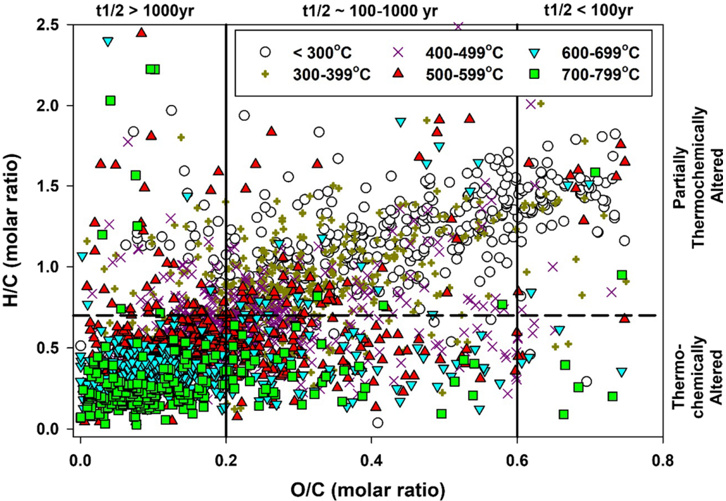
“Furthermore, the H/Corg ratio reflects not only HTT but also other pyrolysis parameters controlling biochar properties such as heating time and feedstock type (Almutairi et al., 2023; Ippolito et al., 2020).”
BackgroundResultTuấn, L. A., Pandey, A., Sirohi, R., Sharma, P., Chen, W., Pham, N. D. K., Trần, V. D., Nguyễn, X. P., & Hoang, A. T. (2023) · Energy & Fuels · doi:10.1021/acs.energyfuels.3c02868 · Cited by 84
Qiu, T., Li, C., Zhao, W., Naz, M. Y., & Zhang, Y. (2024) · Biomass and Bioenergy · doi:10.1016/j.biombioe.2024.107583 · Cited by 81
Qi, G., Pan, Z., Zhang, X., Miao, X., Xiang, W., & Gao, B. (2022) · Chemical Engineering Journal · doi:10.1016/j.cej.2022.138027 · Cited by 78
The impacts of biochar on carbon sequestration, soil processes, and microbial communities: a review
Enebe, M. C., Ray, R. L., & Griffin, R. W. (2025) · Biochar · doi:10.1007/s42773-025-00499-3 · Cited by 81
“With an increase in pyrolysis temperature comes a corresponding decrease in biochar polarity and an increase in the aromaticity of the biochar formed, irrespective of the feedstock material used (Ambaye et al. 2021; Ippolito et al. 2020; Murtaza et al. 2022).”
Adamian, Y., Lonappan, L., Alokpa, K., Agathos, S. N., & Cabana, H. (2021) · Frontiers in Bioengineering and Biotechnology · doi:10.3389/fbioe.2021.778239 · Cited by 80
“The amine content on biochars obtained from different biomasses is followed the pattern in order of wood biochars<crop biochars<grass biochars<manure biochars (Ippolito et al., 2020).”
BackgroundInfluentialWijitkosum, S., & Sriburi, T. (2023) · Heliyon · doi:10.1016/j.heliyon.2023.e19831 · Cited by 78
A Critical-Systematic Review of the Interactions of Biochar with Soils and the Observable Outcomes
Nkoh, J. N., Baquy, M. A.-A., Mia, S., Shi, R., Kamran, M. A., Mehmood, K., & Xu, R. (2021) · Sustainability · doi:10.3390/su132413726 · Cited by 73
Chen, Z., Jin, P., Wang, H., Hu, T., Lin, X., & Xie, Z. (2022) · The Science of The Total Environment · doi:10.1016/j.scitotenv.2022.156532 · Cited by 71
Advancements in modified biochar production techniques and soil application: a critical review
Fakhar, A. Z., Canatoy, R. C., Galgo, S. J. C., Rafique, M., & Sarfraz, R. (2025) · Fuel · doi:10.1016/j.fuel.2025.135745 · Cited by 69
Developing a Sustainability Vision for the Global Wine Industry
Wagner, M., Stanbury, P., Dietrich, T., Döring, J., Ewert, J., Foerster, C., Freund, M., Friedel, M., Kammann, C. I., Koch, M., et al. (2023) · Sustainability · doi:10.3390/su151310487 · Cited by 74
Self-citationGrafmüller, J., Böhm, A., Zhuang, Y., Spahr, S., Müller, P., Otto, T. N., Bucheli, T. D., Leifeld, J., Giger, R., Tobler, M., et al. (2022) · ACS Sustainable Chemistry & Engineering · doi:10.1021/acssuschemeng.1c07694 · Cited by 67
Zhang, X., Zhang, Q., Zhan, L., Xu, X., Bi, R., & Xiong, Z. (2022) · Journal of Environmental Management · doi:10.1016/j.jenvman.2022.114972 · Cited by 66
Schmidt, M. P., Ashworth, D. J., Celis, N., & Ibekwe, A. M. (2023) · Bioresource Technology Reports · doi:10.1016/j.biteb.2022.101325 · Cited by 73
Hydrothermal treatment of plastic waste within a circular economy perspective
Mumtaz, H., Sobek, S., Werle, S., Sajdak, M., & Muzyka, R. (2023) · Sustainable Chemistry and Pharmacy · doi:10.1016/j.scp.2023.100991 · Cited by 68
Li, N., Liu, Y., Du, C., Wang, Y., Wang, L., & Li, X. (2022) · The Science of The Total Environment · doi:10.1016/j.scitotenv.2022.160623 · Cited by 63
Screw reactors and rotary kilns in biochar production – A comparative review
Moser, K., Wopienka, E., Pfeifer, C., Schwarz, M., Sedlmayer, I., & Haslinger, W. (2023) · Journal of Analytical and Applied Pyrolysis · doi:10.1016/j.jaap.2023.106112 · Cited by 67
Relevant biochar characteristics influencing compressive strength of biochar-cement mortars
Hylton, J., Hugen, A., Rowland, S. M., Griffin, M. B., & Tunstall, L. E. (2024) · Biochar · doi:10.1007/s42773-024-00375-6 · Cited by 67
“The composition of the inorganic content, or ash content, of each biochar is mainly dictated by the feedstock source (Ippolito et al. 2020).”
InfluentialYang, H., Wang, X., Wang, J., Liu, H., Jin, H. Z., Zhang, J., Li, G., Tang, Y., & Ye, C. (2025) · Energy · doi:10.1016/j.energy.2025.135806 · Cited by 62
Biochar as a Soil Ameliorant: How Biochar Properties Benefit Soil Fertility—A Review
Beusch, C. (2021) · Journal of Geoscience and Environment Protection · doi:10.4236/gep.2021.910003 · Cited by 69
Rizwan, M., Murtaza, G., Zulfiqar, F., Moosa, A., Iqbal, R., Ahmed, Z., Irshad, S., Khan, I., Li, T., Chen, J., et al. (2023) · Frontiers in Environmental Science · doi:10.3389/fenvs.2023.1277240 · Cited by 60
Design of biomass-based renewable materials for environmental remediation
Zhang, W., Zhang, P., Wang, H., Li, J., & Dai, S. Y. (2022) · Trends in biotechnology · doi:10.1016/j.tibtech.2022.09.011 · Cited by 64
Liu, Z., Jia, M., Li, Q., Lu, S., Zhou, D., Feng, L., Hou, Z., & Yu, J. (2023) · Industrial Crops and Products · doi:10.1016/j.indcrop.2023.116638 · Cited by 62
Biochar as an Environment-Friendly Alternative for Multiple Applications
Yadav, R., & Ramakrishna, W. (2023) · Sustainability · doi:10.3390/su151813421 · Cited by 68
Global soil organic carbon changes and economic revenues with biochar application
Han, M., Zhao, Q. X., Li, W., Ciais, P., Wang, Y., Goll, D. S., Zhu, L., Zhao, Z. S., Wang, J., Wei, Y., et al. (2021) · GCB Bioenergy · doi:10.1111/gcbb.12915 · Cited by 59
“Higher pyrolysis temperature leads to a smaller O/C ratio, indicating higher stability (Ippolito et al., 2020).”
BackgroundXu, X., Wu, Y., Wu, X., Sun, Y., Huang, Z., Li, H., Wu, Z., Zhang, X., Qin, X., Zhang, Y., et al. (2022) · Surfaces and Interfaces · doi:10.1016/j.surfin.2022.102058 · Cited by 68
Ismail, I. S., Othman, M. F. H., Rashidi, N. A., & Yusup, S. B. (2023) · Biomass Conversion and Biorefinery · doi:10.1007/s13399-023-03763-3 · Cited by 61
“The formation of porous structure in the biochar matrix during the organic matter devolatilization from the biomass feedstock is reliant on the heating rate and process tempera‑ ture [61].”
BackgroundSalt-affected marginal lands: a solution for biochar production
Wang, Y., Lin, Q., Liu, Z., Liu, K., Wang, X., & Shang, J. (2023) · Biochar · doi:10.1007/s42773-023-00219-9 · Cited by 60
Impacts and mechanisms of biochar on soil microorganisms
Huang, K., Zhang, J., Tang, G., Bao, D., Wang, T., & Kong, D. (2023) · Plant, Soil and Environment · doi:10.17221/348/2022-pse · Cited by 57
Advancing Phytoremediation: A Review of Soil Amendments for Heavy Metal Contamination Management
Tamma, A. A., Lejcuś, K., Fialkiewicz, W., & Marczak, D. (2025) · Sustainability · doi:10.3390/su17135688 · Cited by 60
Adsorption of CO2 using biochar - Review of the impact of gas mixtures and water on adsorption
Mamaghani, Z. G., Hawboldt, K., & MacQuarrie, S. (2023) · Journal of environmental chemical engineering · doi:10.1016/j.jece.2023.109643 · Cited by 63
Metadata
- Authors
- Ippolito, J. A., Cui, L., Kammann, C., Wrage-Mönnig, N., Estavillo, J. M., Fuertes-Mendizabal, T., Cayuela, M. L., Sigua, G., Novak, J., Spokas, K., & Borchard, N.
- Affiliations
- Colorado State University (US)
- Yancheng Institute of Technology (CN)
- Hochschule Geisenheim University (DE)
- Agricultural Research Service (US)
- University of Minnesota (US)
- Natural Resources Institute Finland (FI)
- Corresponding author
- Borchard, Nils
- Venue
- Biochar
- Published
- 2020-09-28
- Volume
- 2
- Issue
- 4
- Pages
- 421-438
- ISSN
- 2524-7867 (ISSN-L)
- 2524-7972
- OpenAlex
- W3091306688
- Semantic Scholar
- ba1c49a14858f364790007359ee1f59f635bc195
- Cited by
- 927
- References
- 105
- Citations by year
- 2026: 221 · 2025: 185 · 2024: 186 · 2023: 164 · 2022: 104 · 2021: 67
- FWCI
- 26.32
- Type
- journal article
- Language
- en
- Open access
- hybrid
- doi.org
- Licence
- cc-by
- creativecommons.org/licenses/by/4.0 (tdm)
- creativecommons.org/licenses/by/4.0 (vor)
- Locations
- Biochar (publishedVersion, cc-by)
- Hispana (acceptedVersion, cc-by)
- Communities in ADDI (Universidad del Pais Vasco) (submittedVersion, cc-by)
- Jukuri (Natural Resources Institute Finland (Luke)) (submittedVersion)
- Funders
- National Institute of Food and Agriculture (6657-12130-002-08I)
- Natural Resources Institute Finland
- Topics
- Physical Sciences › Energy › Fuel Technology › Thermochemical Biomass Conversion Processes
- Life Sciences › Agricultural and Biological Sciences › Soil Science › Soil Carbon and Nitrogen Dynamics
- Physical Sciences › Environmental Science › Global and Planetary Change › Fire effects on ecosystems
- Keywords
- pyrolysis temperature, fast pyrolysis, slow pyrolysis, biochar physicochemical properties, specific surface area, cation exchange capacity, nutrient availability, soil amendment, wood-based biochar
About these checks
Registry, retraction, Cites and statistics results are computed, not judged, with one exception: a printed reference that no index lists is read once by a model before it counts as a citation error. Claims are extracted by a model and kept only when their quote appears verbatim in the text; each cited source is then checked, with a model’s help, for whether it says what the claim relies on. Those verdicts can be wrong — read the claim’s quote and the cited source before relying on one.
Statistics and arithmetic are recomputed, not judged.
Confidence bands are shown only for fields calibrated on our annotated test set. None is calibrated yet, so no band is shown.
What counts as a claim ›How we measure confidence ›How we check this ›
Are you an author, or do you see a problem with this page? Request a review
Data sources
Bibliographic data: Semantic Scholar, OpenAlex, Crossref.
Contains information from the Semantic Scholar Academic Graph Datasets, made available under the ODC Attribution License (ODC-BY 1.0).
Semantic Scholar’s data is described in: Kinney, R., et al. (2023). The Semantic Scholar Open Data Platform. arXiv:2301.10140.
