

Feedstock choice, pyrolysis temperature and type influence biochar characteristics: a comprehensive meta-data analysis review
Open accessThe DOI matches its Crossref record; 106 of the 106 references it cites were found in a registry or an index.
Abstract
Various studies have established that feedstock choice, pyrolysis temperature, and pyrolysis type influence final biochar physicochemical characteristics. However, overarching analyses of pre-biochar creation choices and correlations to biochar characteristics are severely lacking. Thus, the objective of this work was to help researchers, biochar-stakeholders, and practitioners make more well-informed choices in terms of how these three major parameters influence the final biochar product. Utilizing approximately 5400 peer-reviewed journal articles and over 50,800 individual data points, herein we elucidate the selections that influence final biochar physical and chemical properties, total nutrient content, and perhaps more importantly tools one can use to predict biochar’s nutrient availability. Based on the large dataset collected, it appears that pyrolysis type (fast or slow) plays a minor role in biochar physico- (inorganic) chemical characteristics; few differences were evident between production styles. Pyrolysis temperature, however, affects biochar’s longevity, with pyrolysis temperatures > 500 °C generally leading to longer-term (i.e., > 1000 years) half-lives. Greater pyrolysis temperatures also led to biochars containing greater overall C and specific surface area (SSA), which could promote soil physico-chemical improvements. However, based on the collected data, it appears that feedstock selection has the largest influence on biochar properties. Specific surface area is greatest in wood-based biochars, which in combination with pyrolysis temperature could likely promote greater changes in soil physical characteristics over other feedstock-based biochars. Crop- and other grass-based biochars appear to have cation exchange capacities greater than other biochars, which in combination with pyrolysis temperature could potentially lead to longer-term changes in soil nutrient retention. The collected data also suggest that one can reasonably predict the availability of various biochar nutrients (e.g., N, P, K, Ca, Mg, Fe, and Cu) based on feedstock choice and total nutrient content. Results can be used to create designer biochars to help solve environmental issues and supply a variety of plant-available nutrients for crop growth.
Overview
The claims and statistics of this paper haven’t been checked yet.
Free: it reads the open-access text and checks the first 5 claims that cite a source we can check. Create a free account to check every claim.
Integrity signals
Registry
Cites
Statistics
Figures
Verification
Claims the paper makes
The claims and statistics of this paper haven’t been checked yet.
Free: it reads the open-access text and checks the first 5 claims that cite a source we can check. Create a free account to check every claim.
Claims other papers make about this one
Each is checked against this paper’s own text: does it say what the citing paper says it does?
The source backs part of the claim, not all of it — or backs it for a different population, condition or comparison.
In the citing paper
“Firstly, converting waste biomass into biochar, bio-oil, and syn-gas intrinsically stores 2.20 × 10 9 t CO2e annually, because it turns labile carbon that will be rapidly mineralized into recalcitrant carbon whose half life exceeds 1000 years (Ippolito et al. 2020; Lehmann et al. 2021; Spokas 2010).”
From Role of biochar toward carbon neutrality (2023) · cites this paper as Ippolito et al. 2020
Experimental — accuracy not yet measured
Self-check
Percentages, sums and reported differences re-computed from the paper’s own numbers.
The self-check needs the paper’s full text.
Citations
Cites
Biochar effects on soil biota – A review
Lehmann, J., Rillig, M. C., Thies, J., Masiello, C. A., Hockaday, W. C., & Crowley, D. (2011) · Soil Biology and Biochemistry · doi:10.1016/j.soilbio.2011.04.022 · Cited by 5,074
Biochar for Environmental Management: Science, Technology and Implementation
(2015) · doi:10.4324/9780203762264 · Cited by 2,280
Black Carbon Increases Cation Exchange Capacity in Soils
Liang, B., Lehmann, J., Solomon, D., Kinyangi, J., Grossman, J., O'Neill, B., Skjemstad, J. O., Thies, J., Luizão, F. J., Petersen, J., et al. (2006) · Soil Science Society of America Journal · doi:10.2136/sssaj2005.0383 · Cited by 2,191
Funke, A., & Ziegler, F. (2010) · Biofuels Bioproducts and Biorefining · doi:10.1002/bbb.198 · Cited by 2,001
Lehmann, J., Pereira da Silva, J., Steiner, C., Nehls, T., Zech, W., & Glaser, B. (2003) · Plant and Soil · doi:10.1023/a:1022833116184 · Cited by 1,878
Chen, B., Zhou, D., & Zhu, L. (2008) · Environmental Science & Technology · doi:10.1021/es8002684 · Cited by 1,823
Effect of process parameters on production of biochar from biomass waste through pyrolysis: A review
Tripathi, M., Sahu, J. N., & Ganesan, P. (2016) · Renewable and Sustainable Energy Reviews · doi:10.1016/j.rser.2015.10.122 · Cited by 1,759
Lehmann, J. (2007) · Frontiers in Ecology and the Environment · doi:10.1890/1540-9295(2007)5[381:bitb]2.0.co;2 · Cited by 1,714 · cited 1×
“1a) as also shown by Lehmann (2007).”
The Art, Science, and Technology of Charcoal Production
Antal, M. J., & Grønli, M. (2003) · Industrial & Engineering Chemistry Research · doi:10.1021/ie0207919 · Cited by 1,623
Weber, K., & Quicker, P. (2018) · Fuel · doi:10.1016/j.fuel.2017.12.054 · Cited by 1,522
Research works printed but not linked: 1
- Lissbrant S, Berg WK, Volanec J, Brouder S, Joern B, Cunningham S, Johnson K (2009) Phosphorus and potassium fertilization of alfalfa. Purdue University Extension Bulletin AY-331-W
Cited by
Items 501–600 of 1,000
Weathering of biochar: implications to soil health, carbon sequestration and soil remediation
Bolan, N., Mukherjee, S., Bolan, S., Sharma, S., Spokas, K. A., Melo, J. L. M., Padilla, J. T., Houben, D., Veloso, M. G., Groß, A., et al. (2026) · Biochar · doi:10.1007/s42773-026-00615-x · Cited by 7
“Its long-term stability is often linked to its H/C ratio, an indicator of aromaticity (Ippolito et al. 2020).”
Self-citationNair, R. R., Kißling, P. A., Schaate, A., Marchanka, A., Shamsuyeva, M., Behrens, P. J., & Weichgrebe, D. (2023) · RSC Advances · doi:10.1039/d3ra01911j · Cited by 8
Slesak, R. A., & Windmuller-Campione, M. A. (2023) · Canadian Journal of Forest Research · doi:10.1139/cjfr-2023-0092 · Cited by 7
Gurtler, J. B., Garner, C. M., Mullen, C. A., & Vinyard, B. T. (2023) · Journal of Food Protection · doi:10.1016/j.jfp.2023.100210 · Cited by 7
Biochar production using a Flexible Counter Flow Multi-Baffle (F-COMB) reactor
Rani, I. T., Wijaya, B. A., Lee, S., Kim, S., Choi, H., Chun, D., Im, H., Kim, S., Lim, J., Yoo, J., et al. (2024) · Journal of Cleaner Production · doi:10.1016/j.jclepro.2024.142875 · Cited by 8
El-Qelish, M., El-Shafai, S. A., & Mahmoud, M. (2024) · Water · doi:10.3390/w16213048 · Cited by 7
Biochar—A Filler in “Bioplastics” for Horticultural Applications
Malinska, K. A., Dróżdż, D., Postawa, P., & Stachowiak, T. (2024) · Materials · doi:10.3390/ma17246208 · Cited by 8
“Biochar is a porous, solid, carbon-rich material obtained through pyrolysis under temperatures of 300–700 ◦ C in oxygen-depleted conditions of almost unlimited sources and types of feedstock materials (such as biomass and agricultural residues of plant and animal origin) [25,49,50] (Figure 3).”
Zhang, F., Hu, B., Meng, L., Pang, M., Chen, Y., Song, W., Feng, Y., & Ma, Y. (2025) · Soil Use and Management · doi:10.1111/sum.70044 · Cited by 8
“The weighted average RR (ln(RR ++ )) and its standard error S ln ( RR ++ ) were calculated using the following equations (Ippolito et al., 2020): where m denotes the sum of the observation groups, and k represents the count of the observation groups.”
Slesak, R. A., Kelso, S. G., & Windmuller-Campione, M. A. (2021) · Forest Science · doi:10.1093/forsci/fxab053 · Cited by 11
An insight into the sorptive interactions between aqueous contaminants and biochar
Peiris, C., Fernando, J. C., Alwis, Y. V., Priyantha, N., & Gunatilake, S. R. (2022) · Elsevier eBooks · doi:10.1016/b978-0-12-822225-6.00020-8 · Cited by 8
Gagnon, B., Ziadi, N., & Manirakiza, E. (2021) · Canadian Journal of Soil Science · doi:10.1139/cjss-2021-0025 · Cited by 7
“Wood-derived biochars usually contain lower total P than other biochar types (Ippolito et al. 2020) and were reported to have no effect on soil P bioavailability (Glaser and Lehr 2019) unless they were co-applied with NP (Chathurika et al. 2016; Romero et al. 2021).”
BackgroundInfluentialPotential assessment of hybrid biochar from the date palm and pistachio residues
Shahmirzadi, A. N., Najafi, S. K., & Younesi, H. (2022) · Journal of Wood Chemistry and Technology · doi:10.1080/02773813.2022.2115074 · Cited by 7
Mohammadi-Aragh, M. K., Linhoss, J. E., Marty, C. A., Evans, J. D., PURSWELL, J. L., Chaves-Córdoba, B., Chesser, G. D., & Lowe, J. W. (2022) · Avian Diseases · doi:10.1637/aviandiseases-d-22-00056 · Cited by 8
Food wastes as valuable resources producing agricultural fertilizers: a comprehensive review
Nosova, A. O., Samuilova, E., Olekhnovich, R. O., Fokina, M. I., & Uspenskaya, M. V. (2025) · Journal of Umm Al-Qura University for Applied Sciences · doi:10.1007/s43994-025-00266-x · Cited by 7
Biochar-Assisted Agriculture: From Healthy Soil to Healthy Plants
Liu, C., Wang, C., Shang, S., Ma, J., Shan, S., Qian, Y., Li, L., & Pan, G. (2025) · Plants · doi:10.3390/plants14213273 · Cited by 8
Adoko, K. F., Kombienou, P. D., Azontondé, H. A., & Cornelis, W. (2025) · Biomass and Bioenergy · doi:10.1016/j.biombioe.2025.108666 · Cited by 6
Chmingui, W., Dridi, I., Zaier, H., Lerch, T. Z., Hammecker, C., & Hachicha, M. (2025) · Results in Engineering · doi:10.1016/j.rineng.2025.108662 · Cited by 7
Bai, J., Zhang, F., Haider, S., Song, J., Feng, Y., & Moreira, B. R. D. A. (2026) · Journal of Cleaner Production · doi:10.1016/j.jclepro.2026.147495 · Cited by 8
Singh, J., Roychand, R., Al-Aghbari, A.-M. H. S. M., Li, J., Saberian, M., & Kilmartin-Lynch, S. (2026) · Journal of Building Engineering · doi:10.1016/j.jobe.2026.115404 · Cited by 10
Song, K., Zhao, X., Lai, S., Xiong, H., Kang, Z., Li, Y., Zhu, Z., Yang, Z., & Han, L. (2026) · Separation and Purification Technology · doi:10.1016/j.seppur.2026.137085 · Cited by 7
Gupta, S., More, R. V., & Yadav, A. (2023) · Materials Today Proceedings · doi:10.1016/j.matpr.2023.03.291 · Cited by 7
Bardha, A., Kurian, J., Gariépy, Y., Prasher, S. O., Cornejo, R. L. B., Khirpin, C. Y., Mehlem, J. J., & Dumont, M. (2023) · Waste and Biomass Valorization · doi:10.1007/s12649-023-02287-1 · Cited by 6
“…product produced from biomass pyrolysis, has been the focus of much research in recent years, being derived from a multitude of different waste feedstocks at different processing conditions for various applications such as for soil amendment, wastewater treat-ment, and carbon sequestration [4–7].”
Sugarcane Bagasse-Derived Carbon for Partial Replacement of Cementitious Material in Concrete
Allende, S., Tuladhar, R., & Jacob, M. V. (2023) · Materials Circular Economy · doi:10.1007/s42824-023-00096-4 · Cited by 6
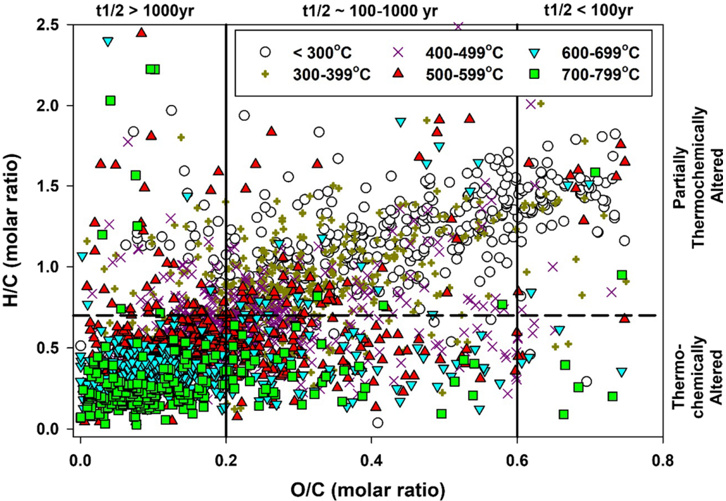
“The reduction of H/C indicates high oxygen release and higher fused aromatic ring structures (Ippolito et al. 2020).”
Nutrient enriched and co-composted biochar: system productivity and environmental sustainability
de Figueiredo, C. C., Melo, L. C. A., Silva, C. A., Fachini, J., Carneiro, J. S. D. S., de Morais, E. G., Ndoung, O. C. N., Singh, S. V., & Nandipamu, T. M. K. (2024) · Elsevier eBooks · doi:10.1016/b978-0-443-15506-2.00010-9 · Cited by 11
Biochars Induced Changes in CO2 Evolution and Biochemical Properties of an Alkaline Subtropical soil
Choudhary, T. K., Khan, K. S., Hussain, Q., Ashfaq, M., & Saqlain, C. M. (2024) · Journal of soil science and plant nutrition · doi:10.1007/s42729-024-02179-w · Cited by 7
“Each year in Asia, 770 million tons of rice husk are produced (Ministry of Agriculture, Forestry and Fisheries 2013), which necessitates efficient management (Kookana et al. 2011; Ippolito et al. 2020).”
Biochar for Food Security and Environmental Sustainability Under Current Climate Change Scenario
Kumar, S. S., Wani, O. A., Malik, A. R., Kumar, S., & Patel, R. (2024) · Sustainability Sciences in Asia and Africa · doi:10.1007/978-981-97-7517-0_3 · Cited by 10
Zhang, J., Ge, L.-A., Zhang, X., Wang, C., Sun, H., Chen, H., Huang, J., & Zhou, S. (2025) · Scientific Reports · doi:10.1038/s41598-025-96258-2 · Cited by 10
“A study found that correlation coefficient R 2 ranged from 0.48 to 0.82 between available P and total P content; 0.66 between available K and total K content; from 0.02 to 0.41 between available N and total N content ( n = 50800, 5400 peer-reviewed journal articles) 31 .”
InfluentialCeriani, A., Chafik, Y., Miali, A., Bourgerie, S., Fratte, M. D., Cerabolini, B. E. L., Morabito, D., & Montagnoli, A. (2025) · Chemosphere · doi:10.1016/j.chemosphere.2025.144435 · Cited by 6
He, D., Dong, Z., & Zhu, B. (2025) · Environmental Technology & Innovation · doi:10.1016/j.eti.2025.104250 · Cited by 6
Chen, L.-M., Huang, X., Sun, S., Zhuo, Y., Li, C., & Sun, C. (2025) · Journal of environmental chemical engineering · doi:10.1016/j.jece.2025.118240 · Cited by 9
Biochar extract compounds alter germination and growth of crop seed
Ma, J., Quan, G., Yan, J., Ippolito, J. A., Cui, L., Wang, H., Qiu, T., & Sun, Y. (2022) · BioResources · doi:10.15376/biores.17.3.4151-4166 · Cited by 6
Self-citationNdoun, M. C., Knopf, A., Preisendanz, H. E., Vozenilek, N., Elliott, H. A., Veith, T. L., Mashtare, M. L., Velegol, S. B., & Williams, C. F. (2023) · Journal of the ASABE · doi:10.13031/ja.15489 · Cited by 8
Werner, C., Lucht, W., Kammann, C. I., & Braun, J. (2024) · Mitigation and Adaptation Strategies for Global Change · doi:10.1007/s11027-024-10130-8 · Cited by 6
“It is known that biochar durability is enhanced by a greater proportion of fused aromatic structures, which form at higher temperatures and with extended residence times (Ippolito et al. 2020; Wang et al. 2016).”
BackgroundSelf-citationNarkhede, S., Phillips, E., Singhai, A., Dadsena, A., Sahu, R., Arfin, T., Shakya, A., & Parkhey, P. (2024) · ACS symposium series · doi:10.1021/bk-2024-1479.ch005 · Cited by 6
Yazdani, N., Hoodaji, M., Kalbasi, M., & Chavoshi, E. (2024) · Journal of soil science and plant nutrition · doi:10.1007/s42729-024-02117-w · Cited by 6
“Such results are useful for selecting the most suitable biochar for resolving the environmental issues and providing crop plants with their essential nutrients (Ippolito et al. 2020; Wu et al. 2024).”
Biochar and Humic Substances Roles for Nitrogen Transformation in Agriculture
Pratiwi, G. R., & Nurrahma, A. H. I. (2024) · Jurnal Teknik Pertanian Lampung (Journal of Agricultural Engineering) · doi:10.23960/jtep-l.v13i4.1442-1452 · Cited by 6
“Consequently, the pyrolysis temperature is a key factor in determining the BC’s characteristics (Ippolito et al ., 2020; Sakhiya et al ., 2020; Tomczyk et al ., 2020; Janu et al ., 2021; Leng et al ., 2021; Haider et al ., 2024).”
Issifu, A. R., & Zhang, C. H. (2025) · Water · doi:10.3390/w17040504 · Cited by 6
Zhao, H., Wang, Z., Liu, H., Xiao, H., & Gao, M. (2022) · Archives of Agronomy and Soil Science · doi:10.1080/03650340.2022.2142937 · Cited by 6
“Nevertheless, the biochar C content varies with feedstock (Ippolito et al. 2020).”
BackgroundGeneric Proton Binding Parameters of a Three-Site NICA-Donnan Model for Plant-Based Biochars
Huang, Y., Koopmans, G. F., Groenenberg, J. E., Song, Z., Weng, L., & Comans, R. N. J. (2024) · ACS Sustainable Resource Management · doi:10.1021/acssusresmgt.3c00104 · Cited by 6
Cheng, Y., Bai, Y., Yao, H., Wang, X., Yuan, Y., He, X., Lv, S., You, X., Zheng, H., & Li, Y. (2024) · Chemosphere · doi:10.1016/j.chemosphere.2024.143633 · Cited by 5
Assessment of pyrolysis product characteristics for valorisation of Refuse Derived Fuel (RDF)
Zeeshan, M., Pande, R. R., & Bhale, P. V. (2024) · Bioresource Technology Reports · doi:10.1016/j.biteb.2024.101996 · Cited by 10
Environmental leaching of biochar: a full factorial analysis of composition and redundancy
Zhang, X., Yuan, X., Yang, X., Zhang, H., & Han, L. (2025) · Biomass Conversion and Biorefinery · doi:10.1007/s13399-024-06464-7 · Cited by 5
“Given the higher carbon content and superior stability observed in wheat straw biochar compared with dairy manure biochar [35], wheat straw was chosen as the reference category, denoted by − 1, and dairy manure was automatically denoted by + 1.”
Muhamad, K., Ogbonnaya, U. O., Semple, K. T., & Quinton, J. N. (2025) · Tarım Bilimleri Dergisi · doi:10.15832/ankutbd.1487379 · Cited by 6
“Harwood biochar was chosen from the source because such biochar exhibit higher surface area, pore volume, liming effect and cation exchange capacity than most other biochar feedstocks (Jiang et al. 2017; Ippolito et al. 2020).”
Adewumi, O., He, Z., Dhandapani, R., & Guo, M. (2025) · Agricultural & Environmental Letters · doi:10.1002/ael2.70017 · Cited by 5
“This liming function is apparently due to the fact that most biochar products are alkaline, demonstrating a pH level in the range of 7.5–11.5 (Guo, 2020; Ippolito et al., 2020; Olego et al., 2021).”
InfluentialKong, M., Liu, X., Chen, D., Xu, Y., Zhang, J., Chen, X., Liang, J., & Xu, H.-L. (2025) · IntechOpen eBooks · doi:10.5772/intechopen.1011847 · Cited by 6
Biochar as a Nature‐Based Solution for Sustainable and Drought‐Resilient Grassland Restoration
Kausar, T., Sun, F., Li, Y., Gong, J., Zhou, S., Rafiq, M. K., Tariq, A., Xiu, Y., Li, L., Tie, L., et al. (2025) · Land Degradation and Development · doi:10.1002/ldr.70336 · Cited by 6
Quan, W., Zhang, J., Wu, Y., Gong, Y., Yang, K., Li, L., Gao, J., Yang, K., & Cheng, H. (2026) · Environmental Technology & Innovation · doi:10.1016/j.eti.2026.104791 · Cited by 6
Henaut, H., Chafik, Y., Sena-Vélez, M., Cagnon, B., Bourgerie, S., & Morabito, D. (2026) · Environmental Science and Pollution Research · doi:10.1007/s11356-026-37550-0 · Cited by 5
“Carbon tended to condense into stable aromatic structures, while oxygen and hydrogen were released—via the decomposition of functional groups such as hydroxyl and carboxyl groups—as water (Chen et al. 2019; Ippolito et al. 2020; De Souza Souza et al. 2021).”
Jongen, M., Bastos, A. C., Jelinčić, A., Simões, L., González‐Pelayo, Ó., Niemeyer, J., Unger, S., Domingos, T., & VERHEIJEN, F. G. A. (2026) · Agriculture Ecosystems & Environment · doi:10.1016/j.agee.2026.110403 · Cited by 6
Amelioration of coastal saline soils of Chinese river deltas via soil amendments: A meta-analysis
Tao, J., Xiaoyuan, L. I. U., & Spielvogel, S. (2025) · Pedosphere · doi:10.1016/j.pedsph.2025.09.014 · Cited by 9
How does biochar reduce N2O emission from soil? - a review of mechanisms
Wang, X. J., Leite, C. N., Thamdrup, B., Bruun, S., & Hansen, H. C. B. (2026) · Soil Biology and Biochemistry · doi:10.1016/j.soilbio.2026.110214 · Cited by 7
Pyrolysis kinetic study of the thermal degradation of pre-treated empty fruit bunches
Akinnawo, O. O., Nurhafizah, M. D., & Abdullah, N. (2023) · Materials Today Proceedings · doi:10.1016/j.matpr.2023.03.512 · Cited by 6
Li, W., Tian, Y., Liu, C., Yang, R., Jin, Y., & Li, T. (2023) · Forests · doi:10.3390/f14071298 · Cited by 7
Chaiyalap, S., Chai-ngam, R., Saengprajak, J., Piamdee, J., Putkham, A., & Saengprajak, A. (2023) · International Journal of Renewable Energy Development · doi:10.14710/ijred.2023.56575 · Cited by 5
“Also, it must be provided that the bottom stove’s temperature reaches 500 oC, which is the optimum temperature for biochar production (Li et al., 2023; Ippolito et al., 2020) and sufficient to remove volatile matter and develop more pore structure (Balmuk et al., 2023; Basinas et al, 2023).”
Ali, M. H., & Fahmi, A. H. (2024) · IOP Conference Series Earth and Environmental Science · doi:10.1088/1755-1315/1371/8/082029 · Cited by 8
“Ippolito et al [10] to utilizing approximately 5,400 peer-reviewed journal articles and over 50,800 individual data points, feedstock selection has the largest influence on biochar properties.”
Wang, M., Yuan, X., Zhu, C., Lu, H., Han, J., Ji, R., Cheng, H., Xue, J., & Zhou, D. (2024) · Waste Management · doi:10.1016/j.wasman.2024.09.005 · Cited by 5
Biochar from crop residues mitigates N 2 O emissions and increases carbon content in tropical soils
Gabetto, F. P., Tenelli, S., Netto‐Ferreira, J. B., Martins, J., Almeida, O. A. C., Cosenza, M. L., Strauss, M., & Carvalho, J. L. N. (2025) · Biofuels Bioproducts and Biorefining · doi:10.1002/bbb.2734 · Cited by 5
“74,75 In these studies, the primary benefit of this process was the storage of C in the soil, and our results show that the wood-derived biochar types were more effective for this purpose.”
Guo, J., Zhou, H., Jia, L., Wang, Y., Fan, M., Wang, M., Liu, P., & Shang, Z. (2025) · Frontiers in Plant Science · doi:10.3389/fpls.2025.1571305 · Cited by 6
Nickel Hyperaccumulator Biochar Sorbs Ni(II) from Water and Wastewater to Create an Enhanced Bio-ore
Smoak, R. A., & Schnoor, J. L. (2022) · ACS Environmental Au · doi:10.1021/acsenvironau.2c00028 · Cited by 5
Water-washing treatment can change biochar microstructure: microwave pyrolysis of biomass
Liu, C., Qiu, T., Cao, W., Liu, H., Zhao, W., Mostafa, E., & Zhang, Y. (2024) · Energy Sources Part A Recovery Utilization and Environmental Effects · doi:10.1080/15567036.2024.2302010 · Cited by 7
The role of biochar and compost to mitigate agrochemical contamination impact on agricultural soils
Dewi, T., Erwinda, E., Ardiwinata, A. N., & Hindersah, R. (2024) · AIP conference proceedings · doi:10.1063/5.0184114 · Cited by 7
Li, Q., Si, H., Chen, X., Mao, M., & Shang, J. (2024) · The Science of The Total Environment · doi:10.1016/j.scitotenv.2024.174097 · Cited by 5
Vafakish, B., Babaei‐Ghazvini, A., & Acharya, B. (2024) · International Journal of Environmental Science and Technology · doi:10.1007/s13762-024-06111-8 · Cited by 6
“…the physico-chemical characteristics of biochar derived from different biomass sources and pyrolysis temperatures will enhance our understanding of its adsorption behavior, allowing us to tailor biochar production to target specific pollutants effectively (Ippolito et al. 2020; Qiu et al. 2023).”
Method to characterize color of biochar and its prediction with biochar yield as model property
Fan, Y., Xiong, Y., Zhang, Y., Jiang, Z., Tang, H., Wu, L., Li, M., Xiao, X., Hu, C., & Zou, X. (2021) · Biochar · doi:10.1007/s42773-021-00119-w · Cited by 5
“Biochar has triggered a black gold rush over the last decade due to its multiple functionalities including but not limited to soil amendment, carbon sequestration, contaminant sorption, climate change mitigation, which are intimately associated with its physicochemical properties tailored dominantly by feedstock types…”
BackgroundBioconversion of hazardous organic wastes using invertebrates
Torres, A. M. P., & Sanchez-Hernandez, J. C. (2023) · Elsevier eBooks · doi:10.1016/b978-0-323-95998-8.00007-8 · Cited by 7
Designing amendments to improve plant performance for mine tailings revegetation
Johnson, M. G., Olszyk, D. M., Shiroyama, T., Bollman, M. A., Nash, M. S., Manning, V. A., Trippe, K. M., Watts, D. W., & Novak, J. M. (2023) · Agrosystems Geosciences & Environment · doi:10.1002/agg2.20409 · Cited by 5
“The effect of BC application rate is likely related to the BC’s physiochemical properties, which are defined by feedstock origin and production conditions (Ippolito et al., 2020), and the benefits those properties confer.”
BackgroundSelf-citationSorption and economic viability of peat, compost and biochar for zinc-contaminated site
Lima, J. Z., da Silva, E. F., & Rodrigues, V. G. S. (2023) · Environmental Geotechnics · doi:10.1680/jenge.22.00046 · Cited by 5
Aduba, C. C., Ndukwe, J. K., Chukwu, K. O., Sam, E. C., Ani, A., Onyeaka, H. N., & Nwaiwu, O. (2025) · Applied Sciences · doi:10.3390/app152312589 · Cited by 4
Ullah, I., Akhtar, S., Adnan, M., & Nawab, J. (2025) · Biomass and Bioenergy · doi:10.1016/j.biombioe.2025.108747 · Cited by 4
Physicochemical Properties of Biochar Produced from Grapevine-Pruning Residues of 12 Cultivars
Cvitan, D., Anđelini, D., Prelac, M., Javed, Q., Užila, Z., Pasković, I., Major, N., Černe, M., Ban, S. G., Bubola, M., et al. (2025) · Horticulturae · doi:10.3390/horticulturae12010004 · Cited by 5
Ashworth, D. J., Ramos, P., Schmidt, M. P., & Ibekwe, A. M. (2026) · Environmental Science & Technology · doi:10.1021/acs.est.5c12996 · Cited by 4
Zhao, R., Li, X., Jiang, X., Wang, G., Xu, G., Qi, S., & Zhang, G. (2026) · Environmental Science Advances · doi:10.1039/d5va00202h · Cited by 5
Raj, R., Greeshma, S. S., Sharaf, S., Chatterjee, N. S., Arputharaj, A., Laly, S. J., & Asha, K. K. (2026) · Scientific Reports · doi:10.1038/s41598-026-40165-7 · Cited by 5
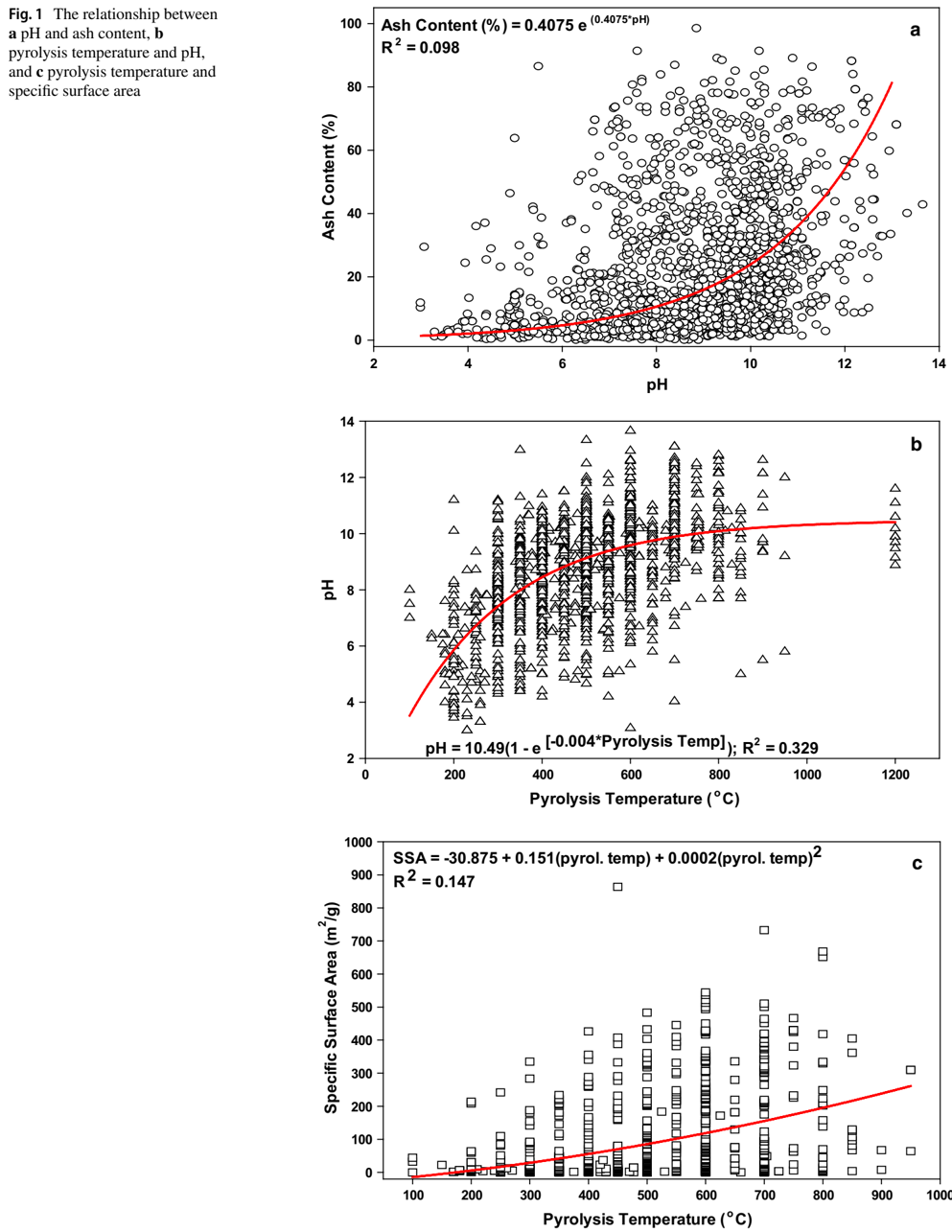
“Increasing pyrolysis temperature also promotes the formation of alkaline mineral oxides and the removal of acidic oxygen-containing functional groups, contributing to higher pH and improved surface activation 18 .”
Wang, C., Hou, Q., Zhang, X., & Bai, B. (2026) · Sustainable Carbon Materials · doi:10.48130/scm-0026-0015 · Cited by 9
Terrones, V. B. (2026) · Journal of Environmental Science and Health Part B · doi:10.1080/03601234.2026.2655061 · Cited by 6
“[73,97,115,116,156] Beyond climate impacts, several studies report reductions in eutrophication and acidification potentials due to improved nutrient retention and lower nitrogen leaching when biochar is combined with manures or composts.”
Tianchu, L., Huang, S., Mu, J., & Zhu, X. (2026) · Biochar · doi:10.1007/s42773-026-00639-3 · Cited by 4
“Soil amendment with pyrolyzed biochar provides multiple benefits, including improved soil quality and enhanced carbon sequestration (Li et al. 2018; Ippolito et al. 2020).”
Gholamahmadi, B., Fernandes, S., Correia, P., Couto, J., Jorge, R., & Oliveira, T. A. C. (2026) · Next Sustainability · doi:10.1016/j.nxsust.2026.100424 · Cited by 4
Hu, J., Wachendorf, M., Gwenzi, W., Joseph, B., Stenchly, K., & Kaetzl, K. (2024) · Environmental Research Communications · doi:10.1088/2515-7620/ad2bb7 · Cited by 4
Wystalska, K., Kowalczyk, M., Kamizela, T., Worwąg, M., & Zabochnicka-Świątek, M. (2024) · Materials · doi:10.3390/ma17112646 · Cited by 4
“BC1 and BC2 composites are characterized by an O/C value ranging from 0.2 to 0.6, and therefore they can be described as moderately stable (half-life from 100 to 1000 years) [82].”
BackgroundInfluentialKaur, D., Pallavi, Singh, A., Sarkar, S., Thakur, S., & Kaur, J. (2024) · Journal of Applied and Natural Science · doi:10.31018/jans.v16i3.5665 · Cited by 8
Abdelzaher, R. A. E., Chen, D., Mostafa, L. Y., Nassar, S. A., Ashmawy, E., Wu, H.-Y., & Fan, Q. (2025) · Scientific Reports · doi:10.1038/s41598-025-27195-3 · Cited by 4
“Whereas manure-or sewage sludge-derived biochars are nutrient-rich but typically feature low porosity and limited water holding capacity 29 , biochars from crop residues and grasses generally offer higher CEC that supports soil nutrient retention 30 .”
David, E., & Kopač, J. (2022) · Nanomaterials · doi:10.3390/nano12213841 · Cited by 4
“As can be seen from Table 5, the content of C and H in the RSWC composition is similar to that of the char presented in [16].”
BackgroundMethodResultInfluentialLong-term stability of heavy metals in biochar-treated soil
Shen, Z. (2024) · Elsevier eBooks · doi:10.1016/b978-0-323-85459-7.00003-3 · Cited by 5
Song, K., Xiong, H., Zhao, X., Wang, J., Yang, Z., & Han, L. (2024) · Bioresource Technology · doi:10.1016/j.biortech.2024.130440 · Cited by 4
Wang, J., Ye, C., Yang, H., Ye, Z., Zhu, Z., Liu, H., Jin, H. Z., Wang, X., Zhang, J., Li, G., et al. (2024) · The Science of The Total Environment · doi:10.1016/j.scitotenv.2024.175842 · Cited by 4
de Morais, E. G., Silva, C. A., Gao, S., Melo, L. C. A., Benevenute, P. A. N., Lago, B. C., Teodoro, J. C., & Guilherme, L. R. G. (2025) · Sustainability · doi:10.3390/su17041616 · Cited by 8
Wang, D., Li, H., Zuo, J., Li, X., Liu, X., & Cai, J. (2025) · ChemistrySelect · doi:10.1002/slct.202404918 · Cited by 7
Yao, Q., Kumar, R., Liu, W., Garg, A., & Jiang, M. (2025) · Soil Use and Management · doi:10.1111/sum.70069 · Cited by 4
“Research by Ippolito et al. (2020) suggests that feedstock selection significantly affects biochar properties, with wood-based biochars exhibiting greater specific surface areas and crop-based biochars displaying higher cation exchange capacities.”
Nechchadi, B., Naribi, Z., Salhi, A., Krati, M. E., & Tahiri, S. (2025) · Water Air & Soil Pollution · doi:10.1007/s11270-025-08123-7 · Cited by 4
“This is due to the pyrolysis, which increases the carbon content due to the losses of other elements by volatilization, especially the hydrogen and oxygen (Ippolito et al., 2020).”
Effects of modified biochar on As-contaminated water and soil: A recent update
Beiyuan, J., Qin, Y., Huang, Q., Wang, H., Tsang, D. C. W., & Rinklebe, J. (2021) · Advances in chemical pollution, environmental management and protection · doi:10.1016/bs.apmp.2021.08.005 · Cited by 5
Sustainable production and applications of biochar in circular bioeconomy
Cheng, D., Ngo, H. H., Guo, W., Pandey, A., & Varjani, S. (2022) · Elsevier eBooks · doi:10.1016/b978-0-323-89855-3.00013-3 · Cited by 7
Retention of oxyanions on biochar surface
Bakshi, S., Fidel, R. B., Banik, C., Aller, D., & Brown, R. C. (2022) · Elsevier eBooks · doi:10.1016/b978-0-12-822225-6.00018-x · Cited by 4
Jevrosimov, I., Isakovski, M. K., Apostolović, T., Tamindžija, D., Rončević, S. D., Sigmund, G., Ercegović, M., & Maletić, S. P. (2022) · Integrated Environmental Assessment and Management · doi:10.1002/ieam.4691 · Cited by 5
“Depending on the applied pyrolysis method and selected biomass for biochar production, the SSA of biochars generally ranges between 50 and 600m2/g (Ippolito et al., 2020).”
MethodEngineered Biochar as Adsorbent for the Removal of Contaminants from Aqueous Medium
Cairns, S., Sigmund, G., Robertson, I., & Haine, R. (2022) · Springer eBooks · doi:10.1007/978-981-19-2488-0_19 · Cited by 7
The use of biochar for reducing carbon footprints in land-use systems: prospects and problems
Nair, V. D., & Mukherjee, A. (2022) · Carbon Footprints · doi:10.20517/cf.2022.13 · Cited by 7
Akhter, A., ASIF, M. S., Anwar, W., AFTAB, Z. E. H., Khurshid, M., Hashem, A., Ávila-Quezada, G. D., & Allah, E. F. A. (2023) · Applied Ecology and Environmental Research · doi:10.15666/aeer/2104_30573074 · Cited by 4
“Thus, significantly contributes toward the sustainable carbon sequestration (Ippolito et al., 2020) While, the increase of plant height plausibly related to the sorption of organic allelopathic substances by the biochar (Lair et al., 2006).”
BackgroundLinhoss, J. E., Mohammadi-Aragh, M. K., & Evans, J. D. (2023) · Heliyon · doi:10.1016/j.heliyon.2023.e22618 · Cited by 4
Thái, P. V., Quyen, L. T. T., Hiep, N. T., Thu, T. T. H., & Suong, T. T. (2024) · Environmental Quality Management · doi:10.1002/tqem.22353 · Cited by 4
A review on the interplay between bioeconomy and soil organic carbon stocks maintenance.Preprint
Díaz, C. A., Albers, A., Zamora-Ledezma, E., & Hamelin, L. (2022) · Research Square · doi:10.21203/rs.3.rs-1447842/v1 · Cited by 8
Díaz, C. A., Clivot, H., Albers, A., Zamora-Ledezma, E., & Hamelin, L. (2022) · Research Square · doi:10.21203/rs.3.rs-1447950/v3 · Cited by 4
Metadata
- Authors
- Ippolito, J. A., Cui, L., Kammann, C., Wrage-Mönnig, N., Estavillo, J. M., Fuertes-Mendizabal, T., Cayuela, M. L., Sigua, G., Novak, J., Spokas, K., & Borchard, N.
- Affiliations
- Colorado State University (US)
- Yancheng Institute of Technology (CN)
- Hochschule Geisenheim University (DE)
- Agricultural Research Service (US)
- University of Minnesota (US)
- Natural Resources Institute Finland (FI)
- Corresponding author
- Borchard, Nils
- Venue
- Biochar
- Published
- 2020-09-28
- Volume
- 2
- Issue
- 4
- Pages
- 421-438
- ISSN
- 2524-7867 (ISSN-L)
- 2524-7972
- OpenAlex
- W3091306688
- Semantic Scholar
- ba1c49a14858f364790007359ee1f59f635bc195
- Cited by
- 927
- References
- 105
- Citations by year
- 2026: 221 · 2025: 185 · 2024: 186 · 2023: 164 · 2022: 104 · 2021: 67
- FWCI
- 26.32
- Type
- journal article
- Language
- en
- Open access
- hybrid
- doi.org
- Licence
- cc-by
- creativecommons.org/licenses/by/4.0 (tdm)
- creativecommons.org/licenses/by/4.0 (vor)
- Locations
- Biochar (publishedVersion, cc-by)
- Hispana (acceptedVersion, cc-by)
- Communities in ADDI (Universidad del Pais Vasco) (submittedVersion, cc-by)
- Jukuri (Natural Resources Institute Finland (Luke)) (submittedVersion)
- Funders
- National Institute of Food and Agriculture (6657-12130-002-08I)
- Natural Resources Institute Finland
- Topics
- Physical Sciences › Energy › Fuel Technology › Thermochemical Biomass Conversion Processes
- Life Sciences › Agricultural and Biological Sciences › Soil Science › Soil Carbon and Nitrogen Dynamics
- Physical Sciences › Environmental Science › Global and Planetary Change › Fire effects on ecosystems
- Keywords
- pyrolysis temperature, fast pyrolysis, slow pyrolysis, biochar physicochemical properties, specific surface area, cation exchange capacity, nutrient availability, soil amendment, wood-based biochar
About these checks
Registry, retraction, Cites and statistics results are computed, not judged, with one exception: a printed reference that no index lists is read once by a model before it counts as a citation error. Claims are extracted by a model and kept only when their quote appears verbatim in the text; each cited source is then checked, with a model’s help, for whether it says what the claim relies on. Those verdicts can be wrong — read the claim’s quote and the cited source before relying on one.
Statistics and arithmetic are recomputed, not judged.
Confidence bands are shown only for fields calibrated on our annotated test set. None is calibrated yet, so no band is shown.
What counts as a claim ›How we measure confidence ›How we check this ›
Are you an author, or do you see a problem with this page? Request a review
Data sources
Bibliographic data: Semantic Scholar, OpenAlex, Crossref.
Contains information from the Semantic Scholar Academic Graph Datasets, made available under the ODC Attribution License (ODC-BY 1.0).
Semantic Scholar’s data is described in: Kinney, R., et al. (2023). The Semantic Scholar Open Data Platform. arXiv:2301.10140.
