

The adolescent brain and age-related behavioral manifestations
The DOI matches its Crossref record; 641 of the 652 references it cites were found in a registry or an index.
Abstract
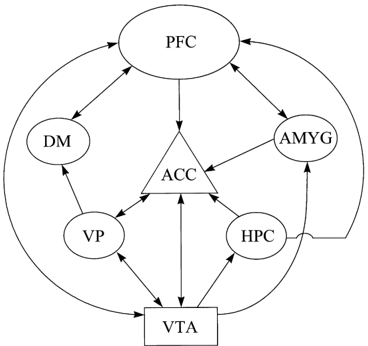
To successfully negotiate the developmental transition between youth and adulthood, adolescents must maneuver this often stressful period while acquiring skills necessary for independence. Certain behavioral features, including age-related increases in social behavior and risk-taking/novelty-seeking, are common among adolescents of diverse mammalian species and may aid in this process. Reduced positive incentive values from stimuli may lead adolescents to pursue new appetitive reinforcers through drug use and other risk-taking behaviors, with their relative insensitivity to drugs supporting comparatively greater per occasion use. Pubertal increases in gonadal hormones are a hallmark of adolescence, although there is little evidence for a simple association of these hormones with behavioral change during adolescence. Prominent developmental transformations are seen in prefrontal cortex and limbic brain regions of adolescents across a variety of species, alterations that include an apparent shift in the balance between mesocortical and mesolimbic dopamine systems. Developmental changes in these stressor-sensitive regions, which are critical for attributing incentive salience to drugs and other stimuli, likely contribute to the unique characteristics of adolescence.
Overview
The claims and statistics of this paper haven’t been checked yet.
Free: it reads the open-access text and checks the first 5 claims that cite a source we can check. Create a free account to check every claim.
Integrity signals
Registry
Cites
Statistics
Figures
Verification
Claims the paper makes
The claims and statistics of this paper haven’t been checked yet.
Free: it reads the open-access text and checks the first 5 claims that cite a source we can check. Create a free account to check every claim.
Claims other papers make about this one
Each is checked against this paper’s own text: does it say what the citing paper says it does?
The cited source doesn’t support the claim as written.
In the citing paper
“An accumulation of evidence suggests an increase in incentive motivation from childhood to adolescence and a decline from adolescence into adulthood (Luciana, Wahlstrom, Porter, & Collins, 2012; Steinberg, 2010).”
From Incentive Motivation, Cognitive Control, and the Adolescent Brain: Is It Time for a Paradigm Shift? (2012) · cites this paper as Spear, 2000
Checked by a reasoning model — may be wrong.
Experimental — accuracy not yet measuredThe source backs part of the claim, not all of it — or backs it for a different population, condition or comparison.
In the citing paper
“However, it should be noted that the time frame of adoles cence in rodents is very short, i.e. from postnatal day 25 -42 (Spear, 2000), which challenges the use of self-administration protocols as they require longer training periods and access to nicotine than forced exposure protocols.”
From Age-dependent Effects of Tobacco Smoke and Nicotine on Cognition and the Brain: A Systematic Review of the Human and Animal Literature Comparing Adolescents and Adults. (2023) · cites this paper as Spear, 2000
Experimental — accuracy not yet measuredThe source backs part of the claim, not all of it — or backs it for a different population, condition or comparison.
In the citing paper
“Thereby, brain development may be responsible for characteristic adolescent traits—uncontrollable mood swings, impulsivity, risk taking, and peer-directed social interactions (Orr and Ingersoll 1995; Spear 2000; Galvan et al. 2007).”
From Short- and Long-Term Consequences of Nicotine Exposure during Adolescence for Prefrontal Cortex Neuronal Network Function (2012) · cites this paper as Spear 2000
Experimental — accuracy not yet measuredThe source backs part of the claim, not all of it — or backs it for a different population, condition or comparison.
In the citing paper
“Compared with adults, adolescents are generally more motivated by rewards, are less averse to risks, and are more easily influenced by peers (Spear 2000; Steinberg 2005; Galvan et al. 2006).”
From Short- and Long-Term Consequences of Nicotine Exposure during Adolescence for Prefrontal Cortex Neuronal Network Function (2012) · cites this paper as Spear 2000
Experimental — accuracy not yet measuredThe source backs part of the claim, not all of it — or backs it for a different population, condition or comparison.
In the citing paper
“Structural and functional MRI data show earlier maturation of reward systems and much slower development of prefrontal cognitive control (Spear 2000; Chambers et al. 2003; Casey et al. 2005; Ernst et al. 2005; Ernst and Fudge 2009).”
From Short- and Long-Term Consequences of Nicotine Exposure during Adolescence for Prefrontal Cortex Neuronal Network Function (2012) · cites this paper as Spear 2000
Experimental — accuracy not yet measured
32 more claims about this paper
Create a free account to see every claim other papers make about this one.
Self-check
Percentages, sums and reported differences re-computed from the paper’s own numbers.
The self-check needs the paper’s full text.
Citations
Cites
Adolescence-limited and life-course-persistent antisocial behavior: a developmental taxonomy
Moffitt, T. E. (1993) · Psychological Review · doi:10.1037/0033-295x.100.4.674 · Cited by 9,987 · cited 3×
“Hence, it perhaps should not be surprising that along with increases in sensation and novelty seeking during adolescence [24,342,369], an increase in drug use is seen as well.”
The Physiology of Reproduction
(1988) · Annals of Internal Medicine · doi:10.7326/0003-4819-109-2-176_1 · Cited by 7,861
Brain development during childhood and adolescence: a longitudinal MRI study
Giedd, J. N., Blumenthal, J., Jeffries, N. O., Castellanos, F. X., Liu, H., Zijdenbos, A., Paus, T., Evans, A. C., & Rapoport, J. L. (1999) · Nature Neuroscience · doi:10.1038/13158 · Cited by 5,552 · cited 2×
“[197] Giedd JN, Blumenthal J, Jeffries NO, Castellanos FX, Liu H, Zijdenbos A, Paus T, Evans AC, Rapoport JL.”
Negative affectivity: the disposition to experience aversive emotional states
Watson, D., & Clark, L. A. (1984) · Psychological Bulletin · doi:10.1037/0033-2909.96.3.465 · Cited by 4,636 · cited 1×
“Although high negative affectivity does not necessarily imply a lack of ability to experience pleasurable experiences [579], in addition to greater negative affect adolescents also appear to experience and expect to experience positive situations as less pleasurable than other aged individuals.”
Predictive reward signal of dopamine neurons
Schultz, W. (1998) · Journal of Neurophysiology · doi:10.1152/jn.1998.80.1.1 · Cited by 4,564
What is the role of dopamine in reward: hedonic impact, reward learning, or incentive salience?
Berridge, K. C., & Robinson, T. E. (1998) · Brain Research Reviews · doi:10.1016/s0165-0173(98)00019-8 · Cited by 4,127
At the Threshold: The Developing Adolescent
Feldman, S. S., & Elliott, G. R. (1990) · Cited by 3,229
Protecting Adolescents From Harm: Findings From the National Longitudinal Study on Adolescent Health
Resnick, M. D. (1997) · JAMA · doi:10.1001/jama.1997.03550100049038 · Cited by 2,846 · cited 2×
“[460] Resnick MD, Bearman PS, Blum RW, Bauman KE, Harris KM, Jones J, Tabor J, Beuhring T, Sieving RE, Shew M, Ireland M,”
Handbook of Psychopharmacology
(1988) · Springer eBooks · doi:10.1007/978-1-4613-0933-8 · Cited by 2,746
The Concepts of Stress and Stress System Disorders: Overview of Physical and Behavioral Homeostasis
Chrousos, G. P. (1992) · JAMA · doi:10.1001/jama.1992.03480090092034 · Cited by 2,689 · cited 1×
“Growth hormone release is inhibited as is activity of the hypothalamo–pituitary–gonadal (HPG) axis, whereas activation of these hormonal systems is central to the adolescent growth spurt and the physiological changes associated with sexual maturation [85,142].”
Research works printed but not linked: 31
- [68] Byne W, Davis KL. The role of prefrontal cortex in the dopaminer- 20. gic dysregulation of schizophrenia. Biological Psychiatry 1999;45:657-9. -
- [87] Chugani HT. Neuroimaging of developmental nonlinearity and developmental pathologies. In: Thatcher RW, Lyon GR, Rumsey J, Krasnegor N, editors. Developmental neuroimaging: mapping the development of brain and behavior, San Diego, CA: Academic Press, 1996. p. 187-95. -
- [101] Cords M, Aureli F. Patterns of reconciliation among juvenile longtailed macaques. In: Pereira ME, Fairbanks LA, editors. Juvenile primates, New York, NY: Oxford University Press, 1993 (p. 27184, 367-415). -
- [105] Crockett CM, Pope TR. Consequences of sex differences in dispersal for juvenile red howler monkeys. In: Pereira ME, Fairbanks LA, editors. Juvenile primates, New York, NY: Oxford University Press, 1993 (p. 104-18, 367-415). -
- [130] de Waal FBM. Codevelopment of dominance relations and affiliative bonds in rhesus monkeys. In: Pereira ME, Fairbanks LA, editors. Juvenile primates, New York, NY: Oxford University Press, 1993 (p. 259-70, 367-415). -
- [162] Fagen R. Primate juveniles and primate play. In: Pereira ME, Fairbanks LA, editors. Juvenile primates, New York, NY: Oxford University Press, 1993 (p. 182-96, 367-415). -
- [165] Fairbanks LA. Juvenile vervet monkeys: establishing relationships and practicing skills for the future. In: Pereira ME, Fairbanks LA, editors. Juvenile primates, New York, NY: Oxford University Press, 1993 (p. 211-27, 367-415). -
- [166] Fairbanks LA, Pereira ME. Juvenile primates: dimensions for future research. In: Pereira ME, Fairbanks LA, editors. Juvenile primates, New York, NY: Oxford University Press, 1993 (p. 359-66, 367415). -
- [188] Gandia A, Bolufer P, Rodriguez A, Antonio P. Salivary cortisol increases with age in children. Journal of Clinical Chemistry and Clinical Biochemistry 1990;28:655. -
- [265] Kagan J, Moss H. Birth to maturity. New York, NY: Wiley, 1962. -
- [283] Kennedy GC. Ontogeny of mechanisms controlling food and water intake. In: Code CF, editor. Handbook of physiology: alimentary canal, Food and water intake, vol. 1. Washington, DC: American Physiological Society, 1967. p. 337-52 (Section 6). -
- [331] Lipska BK, Weinberger DR. Cortical regulation of the mesolimbic dopamine system: implications for schizophrenia. In: Kalivas PW, Barnes CD, editors. Limbic motor circuits and neuropsychiatry, Boca Raton, FL: CRC Press, 1993. p. 329-49. -
- [352] McCord J. Problem behaviors. In: Feldman SS, Elliott GR, editors. At the threshold: the developing adolescent, Cambridge, MA: Harvard University Press, 1990. p. 414-30. -
- [365] Millstein SG. Perceptual, attributional, and affective processes in perceptions of vulnerability through the life span. In: Bell NJ, Bell RW,editors. Adolescent risk taking, Newbury Park, CA: Sage Publications, 1993. p. 55-65. -
- [370] Mogenson GJ, Brudzynski SM, Wu M, Yang CR, Yim CCY. From motivation to action: a review of dopaminergic regulation of limbic ! nucleus accumbens ! ventral pallidum ! pedunculopontine nucleus circuitries involved in limbic-motor integration. In: Kalivas PW, Barnes CD, editors. Limbic motor circuits and neuropsychiatry, Boca Raton, FL: CRC Press, 1993. p. 193-236. -
- [386] O'Brien TG, Robinson JG. Stability of social relationships in female wedge-capped capuchin monkeys. In: Pereira ME, Fairbanks LA, editors. Juvenile primates, New York, NY: Oxford University Press, 1993 (p. 197-210, 367-415). -
- [404] Pereira ME. Juvenility in animals. In: Pereira ME, Fairbanks LA, editors. Juvenile primates, New York, NY: Oxford University Press, 1993 (p. 17-27, 367-415). -
- [405] Pereira ME. Agonistic interaction, dominance relation, and ontogenetic trajectories in ringtailed lemurs. In: Pereira ME, Fairbanks LA, editors. Juvenile primates, New York, NY: Oxford University Press, 1993 (p. 285-305, 367-415). -
- [407] Pereira ME, Fairbanks LA. What are juvenile primates all about?. In: Pereira ME, Fairbanks LA, editors. Juvenile primates, New York, NY: Oxford University Press, 1993 (p. 3-12, 367-415). -
- [408] Pereira ME, Fairbanks LA. Juvenile primates. New York, NY: Oxford University Press, 1993. -
- [414] Petersen AC, Taylor B. The biological approach to adolescence: biological change and psychological adaptation. In: Adelson J, editor. Handbook of adolescent psychology, New York, NY: Wiley, 1980. p. 117-55. -
- [447] Rachal JV, Guess LL, Hubbard RL, Maisto SA. Alcohol misuse by adolescents. Alcohol Health and Research World 1982;6:61-8. -
- [449] Rajpurohit LS, Sommer V. Juvenile male emigration from natal onemale troops in Hanuman langurs. In: Pereira ME, Fairbanks LA, editors. Juvenile primates, New York, NY: Oxford University Press, 1993 (p. 86-103, 367-415). -
- [483] Savin-Williams RC, Weisfeld GE. An ethological perspective on - adolescence. In: Adams GR, Montemayor R, Gullotta TP, editors. Biology of adolescent behavior and development, Newbury Park, CA: Sage Publications, 1989. p. 249-74. -
- [499] Simmons RG, Burgeson R, Reef MJ. Cumulative change at entry to adolescence. In: Gunnar MR, Collins WA, editors. Development during the transition to adolescence, vol. 21. Hillsdale, NJ: Lawrence Erlbaum Associates, 1988. p. 123-50. -
- [568] van Noordwijk MA, Hemelrijk CK, Herremans LAM, Sterck EHM. Spatial position and behavioral sex differences in juvenile longtailed macaques. In: Pereira ME, Fairbanks LA, editors. Juvenile primates, New York, NY: Oxford University Press, 1993 (p. 7785, 367-415). -
- [570] Vik P, Brown SA. Life events and substance abuse during adolescence. In: Miller TW, editor. Children of trauma, Madison, CT: International Universities Press, 1998. p. 179-204. -
- [581] Watts DP, Pusey AE. Behavior of juvenile and adolescent great apes. 21. In: Pereira ME, Fairbanks LA, editors. Juvenile primates, New York, NY: Oxford University Press, 1993 (p. 148-167, 367-415). -
- [584] Weinberger DR. Schizophrenia as a neurodevelopmental disorder. In: Hirsch SR, Weinberger DR, editors. Schizophrenia, Oxford, UK: Blackwell Science Ltd, 1995. p. 293-323. -
- [601] Worthman CM. Biocultural interactions in human development. In: Pereira ME, Fairbanks LA, editors. Juvenile primates, New York, NY: Oxford University Press, 1993 (p. 339-58, 367-415). -
- [606] Yurgelun-Todd D. Brain and psyche seminar. Whitehead Institute for Biomedical Research, Cambridge, MA, June 11, 1998. -
Cited by
Items 101–200 of 1,225
Adolescent risky decision-making: Neurocognitive development of reward and control regions
Van Leijenhorst, L., Moor, B. G., Op de Macks, Z. A., Rombouts, S. A. R. B., Westenberg, P. M., & Crone, E. A. (2010) · NeuroImage · doi:10.1016/j.neuroimage.2010.02.038 · Cited by 467
“These studies have shown that the mechanisms underlying dopamine neurotransmission in both reward- and control-related brain regions continue to show important changes during adolescence (e.g. Andersen, 2003; Chambers et al., 2003; Spear, 2000).”
BackgroundCicchetti, D., & Valentino, K. (2015) · Developmental Psychopathology · doi:10.1002/9780470939406.ch4 · Cited by 467
Early-onset drug use and risk for drug dependence problems
Chen, C.-Y., Storr, C. L., & Anthony, J. C. (2009) · Addictive Behaviors · doi:10.1016/j.addbeh.2008.10.021 · Cited by 466
“…one might look for explanations of the observed adolescenceassociated excess risk in a drug-induced disruption of processes of adolescent brain development or possibly a higher threshold for reinforcement in neurochemical reward systems (Chambers et al., 2003; Laviola et al., 1999; Spear, 2000).”
BackgroundSelf-compassion and Psychological Distress in Adolescents—a Meta-analysis
Marsh, I. C., Chan, S. W. Y., & MacBeth, A. (2018) · Mindfulness · doi:10.1007/s12671-017-0850-7 · Cited by 465
“Furthermore, it has been hypothesised that the substantial increase in depression during adolescence is related to a range of physical and psychosocial changes (Spear 2000).”
BackgroundGiovanoli, S., Engler, H., Engler, A., Richetto, J., Voget, M., Willi, R., Winter, C., Riva, M. A., Mortensen, P. B., Feldon, J., et al. (2013) · Science · doi:10.1126/science.1228261 · Cited by 459
Sensitive periods of substance abuse: Early risk for the transition to dependence
Jordan, C. J., & Andersen, S. L. (2017) · Developmental Cognitive Neuroscience · doi:10.1016/j.dcn.2016.10.004 · Cited by 455
“The relatively brief adolesent period in rodents (Spear, 2000) enables rapid assessments days/weeks in rodents vs. months/years in humans), but necesitates quick tests to study substance abuse.”
Simmonds, D. J., Hallquist, M. N., Asato, M., & Luna, B. (2014) · NeuroImage · doi:10.1016/j.neuroimage.2013.12.044 · Cited by 450
“Adolescence is a unique period of development where continued refinements in brain structure and function parallel behavioral refinements in complex processing such as cognition and emotional regulation (Crone and Dahl, 2012; Spear, 2000).”
What Motivates the Adolescent? Brain Regions Mediating Reward Sensitivity across Adolescence
Van Leijenhorst, L., Zanolie, K., Van Meel, C. S., Westenberg, P. M., Rombouts, S. A. R. B., & Crone, E. A. (2010) · Cerebral Cortex · doi:10.1093/cercor/bhp078 · Cited by 449
Van Ryzin, M. J., Fosco, G. M., & Dishion, T. J. (2012) · Addictive Behaviors · doi:10.1016/j.addbeh.2012.06.020 · Cited by 447
“In addition, adolescence is a developmental period of heightened responsiveness to social reward, implying an increasing desire to fit in among peers (Spear, 2000).”
BackgroundZelazo, P. D., & Lyons, K. E. (2012) · Child Development Perspectives · doi:10.1111/j.1750-8606.2012.00241.x · Cited by 446
“Nevertheless, there are reasons to believe that changes in bottom-up influences may also contribute to changes in selfregulation during childhood (e.g., Spear, 2000).”
BackgroundBlake, M. J., Trinder, J. A., & Allen, N. B. (2018) · Clinical Psychology Review · doi:10.1016/j.cpr.2018.05.006 · Cited by 443
Adolescent Brain Development and the Risk for Alcohol and Other Drug Problems
Bava, S., & Tapert, S. F. (2010) · Neuropsychology Review · doi:10.1007/s11065-010-9146-6 · Cited by 442
“In humans, the input to GABAergic interneurons in the prefrontal cortex appears to decrease strongly from adolescence to adulthood (Lewis 1997; Spear 2000).”
BackgroundAdolescence as a unique developmental period
Jaworska, N., & MacQueen, G. (2015) · Journal of Psychiatry and Neuroscience · doi:10.1503/jpn.150268 · Cited by 432
“J Psychiatry Neurosci 2011;36(2):78–86”
The role of GABAA receptors in the acute and chronic effects of ethanol: a decade of progress
Kumar, S., Porcu, P., Werner, D. F., Matthews, D. B., Diaz-Granados, J. L., Helfand, R. S., & Morrow, A. L. (2009) · Psychopharmacology · doi:10.1007/s00213-009-1562-z · Cited by 431
“Additionally, these results have not been found to account for the attenuated ethanol sensitivity shown by adolescents to many of the acute effects of ethanol (Silveri and Spear 2000).”
InfluentialStudent factors: understanding individual variation in college drinking.
Baer, J. S. (2002) · Journal of Studies on Alcohol, Supplement · doi:10.15288/jsas.2002.s14.40 · Cited by 426
The persisting effect of maternal mood in pregnancy on childhood psychopathology
O'Donnell, K. J., Glover, V., Barker, E. D., & O'Connor, T. G. (2014) · Development and Psychopathology · doi:10.1017/s0954579414000029 · Cited by 425
“…clinical and public health significance of a programming effect because early adolescence is a time of substantial biological and social changes (Dahl & Gunnar, 2009; Spear, 2000); these substantial biological changes might be expected to disrupt or diminish a prediction from the prenatal period.”
BackgroundPlichta, M. M., & Scheres, A. (2014) · Neuroscience & Biobehavioral Reviews · doi:10.1016/j.neubiorev.2013.07.012 · Cited by 424
“(Galvan, 2010; Spear, 2000) but in principle all stages of development can be affected as well, may shift the set-point of the reward system upwards (Koob and Le Moal, 1997, 2005).”
BackgroundBellis, M. D., Narasimhan, A., Thatcher, D. L., Keshavan, M. S., Soloff, P., & Clark, D. B. (2005) · Alcoholism: Clinical and Experimental Research · doi:10.1097/01.alc.0000179368.87886.76 · Cited by 424
“Impulsivity is thought to be closely associated with PFC development during adolescence (Spear, 2000).”
BackgroundAdolescent impulsivity phenotypes characterized by distinct brain networks
the IMAGEN Consortium, Whelan, R., Conrod, P. J., Poline, J.-B., Lourdusamy, A., Banaschewski, T., Barker, G. J., Bellgrove, M. A., Büchel, C., Byrne, M., et al. (2012) · Nature Neuroscience · doi:10.1038/nn.3092 · Cited by 420
Developmental Changes in Cognitive Control through Adolescence
Luna, B. (2009) · Advances in Child Development and Behavior · doi:10.1016/s0065-2407(09)03706-9 · Cited by 419
“…immaturities and the nature of the changes in brain systems in typical populations could potentially provide insight into risk-taking behavior, which is recognized as a failure in decision making that is supported by cognitive control and peaks in adolescence (Chambers et al., 2003; Spear, 2000).”
BackgroundSleep deprivation in adolescents and adults: changes in affect
Talbot, L. S., McGlinchey, E. L., Kaplan, K. A., Dahl, R. E., & Harvey, A. G. (2010) · Emotion · doi:10.1037/a0020138 · Cited by 415
“In fact, during the adolescent years the relative size of the PFC decreases and it is “prominently remodeled” (Spear, 2000, p. 112).”
BackgroundIncentives and Services for College Achievement: Evidence from a Randomized Trial
Angrist, J., Lang, D., & Oreopoulos, P. (2009) · American Economic Journal: Applied Economics · doi:10.1257/app.1.1.136 · Cited by 405
“Spear (2000) suggests adolescents may be particularly predisposed to this bias.”
Altered fear learning across development in both mouse and human
Pattwell, S. S., Duhoux, S., Hartley, C. A., Johnson, D. C., Jing, D., Elliott, M. D., Ruberry, E. J., Powers, A., Mehta, N., Yang, R. R., et al. (2012) · Proceedings of the National Academy of Sciences · doi:10.1073/pnas.1206834109 · Cited by 404
“Using classic Pavlovianbased fear conditioning, fear-learning studies were conducted in preadolescent postnatal day (P)23, adolescent (P29), and adult (P70) mice to assess developmental differences in conditioned fear acquisition and extinction learning at ages comparable to human children, adolescents, and adults (22…”
BackgroundMethodDoremus-Fitzwater, T. L., Varlinskaya, E. I., & Spear, L. P. (2010) · Brain and Cognition · doi:10.1016/j.bandc.2009.08.008 · Cited by 397
“Such adolescent-typical characteristics include marked elevations in interactions with peers, novelty seeking/risk-taking, and consummatory behaviors (Spear, 2000, 2007a).”
BackgroundSelf-citationDevelopment of emotional facial recognition in late childhood and adolescence
Thomas, L. A., De Bellis, M. D., Graham, R., & LaBar, K. S. (2007) · Developmental Science · doi:10.1111/j.1467-7687.2007.00614.x · Cited by 396
“…et al., 2000; Giedd, Blumenthal , Jeffries, Castellanos, Liu, Zijdenbos, Paus, Evans & Rapoport, 1999; Sowell, Trauner, Gamst & Jernigan, 2002; Spear, 2000), including grey matter increases in the dorsolateral PFC that do not reach adult levels until their third decade (Giedd, 2004; Reiss,…”
Immaturities in reward processing and its influence on inhibitory control in adolescence.
Geier, C. F., Terwilliger, R., Teslovich, T., Velanova, K., & Luna, B. (2010) · Cerebral Cortex · doi:10.1093/cercor/bhp225 · Cited by 396
Longitudinal changes in grey and white matter during adolescence
Giorgio, A., Watkins, K. E., Chadwick, M., James, S., Winmill, L., Douaud, G., De Stefano, N., Matthews, P. M., Smith, S. M., Johansen-Berg, H., et al. (2010) · NeuroImage · doi:10.1016/j.neuroimage.2009.08.003 · Cited by 394
“Adolescence is defined as the developmental period of transition from childhood to adulthood and is characterized by maturation of cognitive abilities and complex behavioral features (Spear, 2000).”
Mechanisms of motivation–cognition interaction: challenges and opportunities
Braver, T. S., Krug, M. K., Chiew, K. S., Kool, W., Westbrook, J. A., Clement, N. J., Adcock, R. A., Barch, D. M., Botvinick, M. M., Carver, C. S., et al. (2014) · Cognitive, Affective, & Behavioral Neuroscience · doi:10.3758/s13415-014-0300-0 · Cited by 391
“Motivational constructs have also been invoked in the developmental literature as a primary means of explaining the apparent surge in risky decision making that occurs during adolescence (Somerville & Casey, 2010; Spear, 2000).”
Stress and the adolescent brain
ROMEO, R. D., & McEWEN, B. S. (2006) · Annals of the New York Academy of Sciences · doi:10.1196/annals.1376.022 · Cited by 379
Development of prefrontal cortex
Kolk, S. M., & Rakic, P. (2022) · Neuropsychopharmacology · doi:10.1038/s41386-021-01137-9 · Cited by 378
“In nonhuman primates this is characterized by risk-taking, novelty seeking, and increased vigilance; whereas in rodents by play behavior, increased exploratory activity and impulsivity are peaking [245].”
BackgroundDavey, C. G., Yücel, M., & Allen, N. B. (2008) · Neuroscience & Biobehavioral Reviews · doi:10.1016/j.neubiorev.2007.04.016 · Cited by 377
“, 1982) and in the density of dopamine transporters (Spear, 2000), which is partially offset by developmental decline in dopamine synthesis and turnover after early adolescence (Andersen, 2003; Teicher et al.”
BackgroundNeurobehavioral Changes in Adolescence
Spear, L. P. (2000) · Current Directions in Psychological Science · doi:10.1111/1467-8721.00072 · Cited by 375
Self-citationMcCormick, C. M., & Mathews, I. Z. (2007) · Pharmacology Biochemistry and Behavior · doi:10.1016/j.pbb.2006.07.012 · Cited by 374
Kurth, S., Ringli, M., Geiger, A., LeBourgeois, M., Jenni, O. G., & Huber, R. (2010) · The Journal of Neuroscience · doi:10.1523/jneurosci.2532-10.2010 · Cited by 373
“For example, executive functions, which are strongly dependent on frontal cortices (Tau and Peterson, 2010), are not fully mature until late adolescence (Spear, 2000; Luna and Sweeney, 2004).”
BackgroundMorley‐Fletcher, S., Rea, M., Maccari, S., & Laviola, G. (2003) · European Journal of Neuroscience · doi:10.1111/j.1460-9568.2003.03070.x · Cited by 373
Internet addiction in adolescence: neurobiological, psychosocial and clinical issues
Cerniglia, L., Zoratto, F., Cimino, S., Laviola, G., Ammaniti, M., & Adriani, W. (2017) · Neuroscience & Biobehavioral Reviews · doi:10.1016/j.neubiorev.2016.12.024 · Cited by 371
Somerville, L. H., Bookheimer, S. Y., Buckner, R. L., Burgess, G. C., Curtiss, S. W., Dapretto, M., Elam, J. S., Gaffrey, M. S., Harms, M. P., Hodge, C., et al. (2018) · NeuroImage · doi:10.1016/j.neuroimage.2018.08.050 · Cited by 366
MacFabe, D. F., Cain, N. E., Boon, F., Ossenkopp, K.-P., & Cain, D. P. (2011) · Behavioural Brain Research · doi:10.1016/j.bbr.2010.10.005 · Cited by 365
Ritual, emotion, and sacred symbols: The evolution of religion as an adaptive complex
Alcorta, C. S., & Sosis, R. (2005) · Human Nature · doi:10.1007/s12110-005-1014-3 · Cited by 365
Schulenberg, J. E., & Zarrett, N. R. (2006) · Emerging adults in America: Coming of age in the 21st century. · doi:10.1037/11381-006 · Cited by 365
Adolescent alcohol exposure: Are there separable vulnerable periods within adolescence?
Spear, L. P. (2015) · Physiology & Behavior · doi:10.1016/j.physbeh.2015.01.027 · Cited by 363
“In studies with humans, it is difficult to disentangle consequences of early alcohol use from those of binge drinking given the substantial Please cite this article as: L.P. Spear, Adolescent alcohol exposure: Are th (2015), http://dx.doi.org/10.1016/j.physbeh.2015.01.027 overlap between groups, with early onset indiv…”
InfluentialSelf-citationTirelli, E., Laviola, G., & Adriani, W. (2003) · Neuroscience & Biobehavioral Reviews · doi:10.1016/s0149-7634(03)00018-6 · Cited by 362
Cannabis and adolescent brain development.
Lubman, D. I., Cheetham, A., & Yücel, M. (2015) · Pharmacology & Therapeutics · doi:10.1016/j.pharmthera.2014.11.009 · Cited by 360
“It is believed that disjunctions be-tween these developing brain systems make adolescence a period of particular vulnerability (Spear, 2000; Steinberg, 2005).”
A developmental examination of amygdala response to facial expressions
Guyer, A. E., Monk, C. S., McClure-Tone, E. B., Nelson, E. E., Roberson-Nay, R., Adler, A. D., Fromm, S. J., Leibenluft, E., Pine, D. S., & Ernst, M. (2008) · Journal of Cognitive Neuroscience · doi:10.1162/jocn.2008.20114 · Cited by 357
“…theme in theories of brain development is that adolescence is a time of neural refinement via synaptic pruning, myelination, and regulatory processes that may strengthen interconnections among brain circuits (Ernst & Spear, in press; Nelson et al., 2005; Spear, 2000; Nelson & Bloom, 1997).”
BackgroundInfluentialMechanisms contributing to prefrontal cortex maturation during adolescence
Caballero, A., Granberg, R., & Tseng, K. Y. (2016) · Neuroscience & Biobehavioral Reviews · doi:10.1016/j.neubiorev.2016.05.013 · Cited by 357
“conservatively defined within postnatal days (P) 30 to 50 (Spear, 2000).”
InfluentialUhlhaas, P. J., Roux, F., Singer, W., Haenschel, C., Sireteanu, R., & Rodriguez, E. (2009) · Proceedings of the National Academy of Sciences · doi:10.1073/pnas.0900390106 · Cited by 356
“In addition, the presence of behavioral and psychological disturbances during adolescence is consistent with this view (33).”
BackgroundTranslating emotion theory and research into preventive interventions.
Izard, C. E. (2002) · Psychological Bulletin · doi:10.1037//0033-2909.128.5.796 · Cited by 356
“, 1995), continues to develop in early childhood and throughout the adolescent period (Koenderink & Uylings, 1995; Spear, 2000).”
BackgroundEshel, N., Nelson, E. E., Blair, R. J., Pine, D. S., & Ernst, M. (2007) · Neuropsychologia · doi:10.1016/j.neuropsychologia.2006.10.004 · Cited by 355
Unraveling the Miswired Connectome: A Developmental Perspective
Di Martino, A., Fair, D. A., Kelly, C., Satterthwaite, T. D., Castellanos, F. X., Thomason, M. E., Craddock, R. C., Luna, B., Leventhal, B. L., Zuo, X.-N., et al. (2014) · Neuron · doi:10.1016/j.neuron.2014.08.050 · Cited by 353
“Schizophrenia research provides a useful example: recent models suggest that frontoparietal dysfunction may in part result from low-level abnormalities in the visual system (Butler et al., 2001).”
BackgroundSex-Dependent Effects of Cannabis and Cannabinoids: A Translational Perspective
Cooper, Z. D., & Craft, R. M. (2018) · Neuropsychopharmacology · doi:10.1038/npp.2017.140 · Cited by 350
“…acute cannabinoid effects in adolescent rats (commonly defined as post-natal day (PND) 28–42, with males maturing slightly later than females (Spear, 2000)) are included, as these results suggest that sexual differentiation of cannabinoid sensitivity may occur well before adulthood for some…”
BackgroundGuerri, C., & Pascual, M. (2010) · Alcohol · doi:10.1016/j.alcohol.2009.10.003 · Cited by 347
Rubino, T., Vigano', D., Realini, N., Guidali, C., Braida, D., Capurro, V., Castiglioni, C., Cherubino, F., Romualdi, P., Candeletti, S., et al. (2008) · Neuropsychopharmacology · doi:10.1038/sj.npp.1301664 · Cited by 345
“Adolescence in rats is considered a period during which animals of both sexes and most breeding stocks would be expected to exhibit adolescenttypical neurobehavioral characteristics, such as increases in risk taking and social interaction with peers (Spear, 2000).”
BackgroundAdolescent-parent attachment: Bonds that support healthy development
Moretti, M. M., & Peled, M. (2004) · Paediatrics & Child Health · doi:10.1093/pch/9.8.551 · Cited by 344
“However, changes in neurological structure and neurotransmitter function have been implicated in increased irritability, anhedonia and risk taking behaviour which have been documented to increase during adolescence (14).”
BackgroundThe Teenage Brain: The Stress Response and the Adolescent Brain
Romeo, R. D. (2013) · Current Directions in Psychological Science · doi:10.1177/0963721413475445 · Cited by 343
Brenhouse, H. C., & Andersen, S. L. (2011) · Neuroscience & Biobehavioral Reviews · doi:10.1016/j.neubiorev.2011.04.013 · Cited by 343
“Understanding adolescence has been described in a number of reviews at the behavioral level (McCutcheon and Marinelli, 2009; Spear, 2000; Steinberg, 2010; Laviola et al., 1999; Laviola et al., 2003) and the systems level (Ernst and Fudge, 2009), but only discussed to a limited degree at the level of neuronal changes (…”
BackgroundInfluentialSturman, D. A., & Moghaddam, B. (2011) · Neuroscience & Biobehavioral Reviews · doi:10.1016/j.neubiorev.2011.04.003 · Cited by 341
“Although variably defined, adolescence is generally considered to begin with the onset of puberty and ends as one takes on adult social roles (Dahl, 2004; Spear, 2000).”
InfluentialThe neonatal ventral hippocampal lesion as a heuristic neurodevelopmental model of schizophrenia
Tseng, K. Y., Chambers, R. A., & Lipska, B. K. (2009) · Behavioural Brain Research · doi:10.1016/j.bbr.2008.11.039 · Cited by 341
Dopamine Modulation of Prefrontal Cortical Interneurons Changes during Adolescence
Tseng, K.-Y., & O'Donnell, P. (2006) · Cerebral Cortex · doi:10.1093/cercor/bhl034 · Cited by 339
Public Health Implications of Raising the Minimum Age of Legal Access to Tobacco Products
Committee on the Public Health Implications of Raising the Minimum Age for Purchasing Tobacco Products, Board on Population Health and Public Health Practice, & Institute of Medicine (2015) · National Academies Press eBooks · doi:10.17226/18997 · Cited by 339
Prefrontal Cortex Volumes in Adolescents With Alcohol Use Disorders: Unique Gender Effects
Medina, K. L., McQueeny, T., Nagel, B. J., Hanson, K. L., Schweinsburg, A. D., & Tapert, S. F. (2008) · Alcoholism: Clinical and Experimental Research · doi:10.1111/j.1530-0277.2007.00602.x · Cited by 339
“Animal models indicate that adolescence is a period of particular vulnerability to the neurotoxic effects of alcohol (Barron et al., 2005; Carpenter-Hyland, 2007; Crews, et al., 2000; Spear, 2000).”
BackgroundSocial stress, therapeutics and drug abuse: Preclinical models of escalated and depressed intake
MICZEK, K., YAP, J., & COVINGTONIII, H. (2008) · Pharmacology & Therapeutics · doi:10.1016/j.pharmthera.2008.07.006 · Cited by 338
“Neurobiology—Adolescence is considered to be a time of dynamic synaptic organization and formation of neural circuitry (Spear, 2000).”
Impulsive and Self-Conscious: Adolescents' Vulnerability to Advertising and Promotion
Pechmann, C., Levine, L., Loughlin, S., & Leslie, F. (2005) · Journal of Public Policy & Marketing · doi:10.1509/jppm.2005.24.2.202 · Cited by 335
Bossong, M. G., & Niesink, R. J. M. (2010) · Progress in Neurobiology · doi:10.1016/j.pneurobio.2010.06.010 · Cited by 333
“Indeed, dopamine systems in the PFC undergo substantial reorganization during adolescence (Spear, 2000).”
BackgroundInfluentialThe neurobiology of social play and its rewarding value in rats
Vanderschuren, L. J. M. J., Achterberg, E. J. M., & Trezza, V. (2016) · Neuroscience & Biobehavioral Reviews · doi:10.1016/j.neubiorev.2016.07.025 · Cited by 329
Andersen, S. L., & Teicher, M. H. (2009) · Neuroscience & Biobehavioral Reviews · doi:10.1016/j.neubiorev.2008.09.009 · Cited by 326
Repeated Mild Traumatic Brain Injury: Mechanisms of Cerebral Vulnerability
Prins, M. L., Alexander, D., Giza, C. C., & Hovda, D. A. (2013) · Journal of Neurotrauma · doi:10.1089/neu.2012.2399 · Cited by 326
“29 32 Based on these data, PND35 animals were specifically chosen for this study to reflect the adolescent age group.”
Risk Taking and Novelty Seeking in Adolescence: Introduction to Part I
KELLEY, A. E., SCHOCHET, T., & LANDRY, C. F. (2004) · Annals of the New York Academy of Sciences · doi:10.1196/annals.1308.003 · Cited by 325
Adolescent Alcohol Exposure Persistently Impacts Adult Neurobiology and Behavior
Crews, F. T., Vetreno, R. P., Broadwater, M. A., & Robinson, D. L. (2016) · Pharmacological Reviews · doi:10.1124/pr.115.012138 · Cited by 324
“During maturation of rat PFC from late adolescence (P56) to adulthood (P80), there is an age-associated reduction in expression of immune-signaling receptors (TLR3, TLR4, and RAGE) that parallels thematurational loss of cholinergic and other neurotransmitter receptors (Vetreno and Crews, 2012; Vetreno et al., 2013).”
BackgroundInfluentialBrain Development During Adolescence
Konrad, K., Firk, C., & Uhlhaas, P. J. (2013) · Deutsches Ärzteblatt international · doi:10.3238/arztebl.2013.0425 · Cited by 323
Adam, E. K. (2006) · Psychoneuroendocrinology · doi:10.1016/j.psyneuen.2006.01.010 · Cited by 323
Boitard, C., Cavaroc, A., Sauvant, J., Aubert, A., Castanon, N., Layé, S., & Ferreira, G. (2014) · Brain, Behavior, and Immunity · doi:10.1016/j.bbi.2014.03.005 · Cited by 323
“, throughout adolescent development (from weaning to adulthood; Spear, 2000), or at adulthood (starting at 12 weeks-old; aCD and aHFD groups) before the beginning of behavioral tasks (Fig.”
BackgroundMethodInfluentialAdolescence: A central event in shaping stress reactivity
Romeo, R. D. (2010) · Developmental Psychobiology · doi:10.1002/dev.20437 · Cited by 319
Neural systems of positive affect: relevance to understanding child and adolescent depression?
FORBES, E. E., & DAHL, R. E. (2005) · Development and Psychopathology · doi:10.1017/s095457940505039x · Cited by 318
Subjective Well-Being, Test Anxiety, Academic Achievement: Testing for Reciprocal Effects
Steinmayr, R., Crede, J., McElvany, N., & Wirthwein, L. (2016) · Frontiers in Psychology · doi:10.3389/fpsyg.2015.01994 · Cited by 318
“…the present study is set up with a special focus on adolescence because this can be seen as a phase characterized as period of heightened stress (Spear, 2000) due to many changes experienced such as a desire of independence, challenges of social and peer interactions and school stress…”
BackgroundThe neurobiology of the emotional adolescent: From the inside out
Guyer, A. E., Silk, J. S., & Nelson, E. E. (2016) · Neuroscience & Biobehavioral Reviews · doi:10.1016/j.neubiorev.2016.07.037 · Cited by 318
Pascual, M., Boix, J., Felipo, V., & Guerri, C. (2009) · Journal of Neurochemistry · doi:10.1111/j.1471-4159.2008.05835.x · Cited by 317
The organizing actions of adolescent gonadal steroid hormones on brain and behavioral development
Schulz, K. M., & Sisk, C. L. (2016) · Neuroscience & Biobehavioral Reviews · doi:10.1016/j.neubiorev.2016.07.036 · Cited by 316
“…of neural plasticity during this time, the adolescent brain is particularly sensitive to experience and nervous system insult (Andersen, 2003; Spear, 2000), which likely contributes to the adolescent emergence of a number of psychiatric illnesses that disproportionately affect either females…”
BackgroundInfluentialPuberty as a highly vulnerable developmental period for the consequences of cannabis exposure
Schneider, M. (2008) · Addiction Biology · doi:10.1111/j.1369-1600.2008.00110.x · Cited by 316
“…maturation of neurotransmitter systems such as the glutamatergic, the dopaminergic and also the endogenous cannabinoid system occur during adolescence, with developmental peaks often seen concomitant with the onset of puberty (Rodriguez de Fonseca et al. 1993; Andersen et al. 2000; Spear 2000).”
BackgroundInfluentialSpear, L. P. (2009) · Development and Psychopathology · doi:10.1017/s0954579409000066 · Cited by 315
“I was particularly pleased to have been asked to comment on the papers in this special section because in previous reviews (e.g., Spear, 2000, 2003) I had proposed that normative developmental alterations in the neurobiology of stress and emotional reactivity might increase stressor reactivity…”
BackgroundSelf-citationWahlstrom, D., Collins, P., White, T., & Luciana, M. (2010) · Brain and Cognition · doi:10.1016/j.bandc.2009.10.013 · Cited by 311
“…such as shifts in brain matter composition (see papers by Paus, Gogtay, Thompson, and Schmithorst (this issue)), modifications of neural synchrony (Uhlhaas et al., 2009), increased hormonal release (Styne, 1994), and neurochemical alterations (Doremus-Fitzwater et al., this issue; Spear, 2000).”
BackgroundCortisol and DHEA in development and psychopathology
Kamin, H. S., & Kertes, D. A. (2017) · Hormones and Behavior · doi:10.1016/j.yhbeh.2016.11.018 · Cited by 311
“A greater cortisol response to stress during adolescence compared to earlier agesfits with a broad set of behavioral and biological changes described as representing heightened reactivity to stress (Foilb et al., 2011; Spear, 2000).”
BackgroundThe role of affective dysregulation in drug addiction
Cheetham, A., Allen, N. B., Yücel, M., & Lubman, D. I. (2010) · Clinical Psychology Review · doi:10.1016/j.cpr.2010.04.005 · Cited by 308
“While adolescence is a period of heightened emotional volatility (Larson & Richards, 1994; Somerville, Jones, & Casey, 2010; Spear, 2000), self-regulatory capacities are still developing, making it difficult for adolescents to inhibit impulses when experiencing strong emotions (Nelson et al.”
BackgroundSanctions, Perceptions, and Crime: Implications for Criminal Deterrence
Apel, R. (2013) · Journal of Quantitative Criminology · doi:10.1007/s10940-012-9170-1 · Cited by 308
Bell, M. R. (2018) · Endocrinology · doi:10.1210/en.2018-00220 · Cited by 308
Puberty as a critical risk period for eating disorders: A review of human and animal studies
Klump, K. L. (2013) · Hormones and Behavior · doi:10.1016/j.yhbeh.2013.02.019 · Cited by 308
“Emerging data show strong phenotypic and genetic effects of estrogen on the pattern and timing of changes in brain structure and function during puberty (Ahmed et al., 2008; Nunez et al., 2002; Peper et al., 2009a,b; Primus andKellogg, 1991; Spear, 2000; Zehr et al., 2006).”
Lukkes, J. L., Mokin, M. V., Scholl, J. L., & Forster, G. L. (2009) · Hormones and Behavior · doi:10.1016/j.yhbeh.2008.10.014 · Cited by 308
“This involved housing rats either individually or in groups of 3 for a period of 3 weeks during pre-adolescent to mid-adolescent development (P21–P42; (Andersen, 2003; Bowling and Bardo, 1994; Hall, 1998; Spear, 2000).”
BackgroundGoriounova, N. A., & Mansvelder, H. D. (2012) · Cold Spring Harbor Perspectives in Medicine · doi:10.1101/cshperspect.a012120 · Cited by 307
Early-life stress has persistent effects on amygdala function and development in mice and humans
Malter Cohen, M., Jing, D., Yang, R. R., Tottenham, N., Lee, F. S., & Casey, B. J. (2013) · Proceedings of the National Academy of Sciences · doi:10.1073/pnas.1310163110 · Cited by 307
“We tested male mice raised under the stressful or standard laboratory conditions, at ages that approximated preadolescence, adolescence, and early adulthood (30, 31, 34) (P26 to P27, n = 32; P33 to P34, n = 29; P67 to P68, n = 31; Fig.”
MethodThe Economics and Psychology of Personality Traits
Borghans, L., Duckworth, A. L., Heckman, J., & ter Weel, B. (2008) · National Bureau of Economic Research · doi:10.3386/w13810 · Cited by 307
Gardner, T. W., Dishion, T. J., & Connell, A. M. (2008) · Journal of Abnormal Child Psychology · doi:10.1007/s10802-007-9176-6 · Cited by 306
“Because many of the neural systems thought to underlie emotion regulation appear to mature throughout adolescence (Spear 2000), it is expectable that individual differences in self-regulation during adolescence play an important role in adolescent psychosocial adjustment as well.”
BackgroundREVIEW: The alcohol‐preferring P rat and animal models of excessive alcohol drinking
Bell, R. L., Rodd, Z. A., Lumeng, L., Murphy, J. M., & McBride, W. J. (2006) · Addiction Biology · doi:10.1111/j.1369-1600.2005.00029.x · Cited by 305
“…of pharmacological pretreatment during adolescence on adult behaviors in male and female rats [as is done in our laboratory (cf. McBride et al. 2005)], Spear (2000) has suggested that the conservative estimate of an adolescent window in rats [postnatal day (PND) 28–42] could be extended to PND 60.”
BackgroundMethodRomeo, R. D., Bellani, R., Karatsoreos, I. N., Chhua, N., Vernov, M., Conrad, C. D., & McEwen, B. S. (2006) · Endocrinology · doi:10.1210/en.2005-1432 · Cited by 304
Reward‐related decision‐making in pediatric major depressive disorder: an fMRI study
Forbes, E. E., Christopher May, J., Siegle, G. J., Ladouceur, C. D., Ryan, N. D., Carter, C. S., Birmaher, B., Axelson, D. A., & Dahl, R. E. (2006) · Journal of Child Psychology and Psychiatry · doi:10.1111/j.1469-7610.2006.01673.x · Cited by 299
“Given the changes in rewardrelated behavior that occur with brain development during adolescence ( Spear, 2000; Steinberg, 2004), it will be important for future studies to consider factors such as pubertal status when examining reward processing in child and adolescent affective disorders.”
BackgroundForbes, E. E., Ryan, N. D., Phillips, M. L., Manuck, S. B., Worthman, C. M., Moyles, D. L., Tarr, J. A., Sciarrillo, S. R., & Dahl, R. E. (2010) · Journal of the American Academy of Child & Adolescent Psychiatry · doi:10.1016/j.jaac.2009.11.006 · Cited by 299
Punamäki, R., Wallenius, M., Nygård, C., Saarni, L., & Rimpelä, A. (2007) · Journal of Adolescence · doi:10.1016/j.adolescence.2006.07.004 · Cited by 298
“A late playing of computer games can cause a high arousal and alert in the brain, thus interfering with the calming effect that is necessary to sleep ( Spear, 2000 ).”
BackgroundSleep and its importance in adolescence and in common adolescent somatic and psychiatric conditions
Brand, S., & Kirov, R. (2011) · International Journal of General Medicine · doi:10.2147/ijgm.s11557 · Cited by 298
“31,32 It is characterized by drastic changes in hormonal and somatic status 33,34 accompanied by substantial nonlinear changes in brain structural and functional organization and behavior.”
InfluentialAdolescence: what do transmission, transition and translation have to do with it?
Casey, B. J., Duhoux, S., & Cohen, M. M. (2010) · Neuron · doi:10.1016/j.neuron.2010.08.033 · Cited by 297
“The model builds on animal work (Laviola et al., 1999; Spear, 2000) and human behavioral (e.g., Figner et al., 2009; Gardner and Steinberg, 2005) and imaging studies of adolescents (Ernst et al., 2005; Galvan et al., 2006, 2007; Geier et al., 2010; Hare Neuron 67, September 9, 2010 ª2010 Elsevier…”
BackgroundMethodInfluentialAddiction, adolescence, and the integration of control and motivation
Gladwin, T. E., Figner, B., Crone, E. A., & Wiers, R. W. (2011) · Developmental Cognitive Neuroscience · doi:10.1016/j.dcn.2011.06.008 · Cited by 296
“Adolescence is the developmental period between childhood and adulthood, shared by humans and other mammal species (Dahl, 2004; Spear, 2000).”
Stress Neurobiology and Developmental Psychopathology
Gunnar, M. R., & Vazquez, D. (2015) · Developmental Psychopathology · doi:10.1002/9780470939390.ch13 · Cited by 296
MEDINA, K. L., HANSON, K. L., SCHWEINSBURG, A. D., COHEN-ZION, M., NAGEL, B. J., & TAPERT, S. F. (2007) · Journal of the International Neuropsychological Society · doi:10.1017/s1355617707071032 · Cited by 296
“Furthermore, adolescence may be a period of vulnerability to the neurocognitive effects of drug and alcohol use (Monti et al., 2005; Spear, 2000).”
Background
Metadata
- Authors
- Spear, L. P.
- Affiliations
- Binghamton University (US)
- Corresponding author
- Spear, L.P.
- ORCID
- Spear, L.P.
- Venue
- Neuroscience & Biobehavioral Reviews
- Publisher
- Elsevier BV
- Published
- 2000-06
- Volume
- 24
- Issue
- 4
- Pages
- 417-463
- ISSN
- 0149-7634 (ISSN-L)
- OpenAlex
- W1985645068
- Semantic Scholar
- 60797b83231d26d3ef631a666f4595e45ecb79cd
- Cited by
- 5,433
- References
- 652
- Citations by year
- 2026: 136 · 2025: 191 · 2024: 205 · 2023: 187 · 2022: 216 · 2021: 286 · 2020: 246 · 2019: 247 · 2018: 258 · 2017: 283 · 2016: 325 · 2015: 301 · 2014: 330 · 2013: 361 · 2012: 249
- FWCI
- 17.02
- Type
- journal article
- Language
- en
- Open access
- closed
- Licence
- www.elsevier.com/tdm/userlicense/1.0/ (tdm)
- Locations
- Neuroscience & Biobehavioral Reviews (publishedVersion)
- PubMed (publishedVersion)
- Funders
- National Institutes of Health (5k02da000140-09, 5r01aa010228-05)
- National Institute on Alcohol Abuse and Alcoholism (R01AA10228, R01AA012150, AA12150)
- National Institute on Drug Abuse (K02DA00140)
- Topics
- Life Sciences › Neuroscience › Cellular and Molecular Neuroscience › Neurotransmitter Receptor Influence on Behavior
- Life Sciences › Neuroscience › Cognitive Neuroscience › Neural and Behavioral Psychology Studies
- Health Sciences › Medicine › Epidemiology › Substance Abuse Treatment and Outcomes
- Keywords
- adolescent brain development, risk-taking, novelty seeking, social behavior, incentive salience, drug use, prefrontal cortex maturation, limbic system, mesolimbic dopamine system, mesocortical dopamine system, cross-species comparison
- MeSH terms
- Psychology, Adolescent, Aging, Animals, Behavior, Brain, Humans
About these checks
Registry, retraction, Cites and statistics results are computed, not judged, with one exception: a printed reference that no index lists is read once by a model before it counts as a citation error. Claims are extracted by a model and kept only when their quote appears verbatim in the text; each cited source is then checked, with a model’s help, for whether it says what the claim relies on. Those verdicts can be wrong — read the claim’s quote and the cited source before relying on one.
Statistics and arithmetic are recomputed, not judged.
Confidence bands are shown only for fields calibrated on our annotated test set. None is calibrated yet, so no band is shown.
What counts as a claim ›How we measure confidence ›How we check this ›
Are you an author, or do you see a problem with this page? Request a review
Data sources
Bibliographic data: Semantic Scholar, OpenAlex, Crossref.
Contains information from the Semantic Scholar Academic Graph Datasets, made available under the ODC Attribution License (ODC-BY 1.0).
Semantic Scholar’s data is described in: Kinney, R., et al. (2023). The Semantic Scholar Open Data Platform. arXiv:2301.10140.
