

The DOI matches its Crossref record; 231 of the 232 references it cites were found in a registry or an index.
Can probiotics modulate human disease by impacting intestinal barrier function?
Open accessAbstract
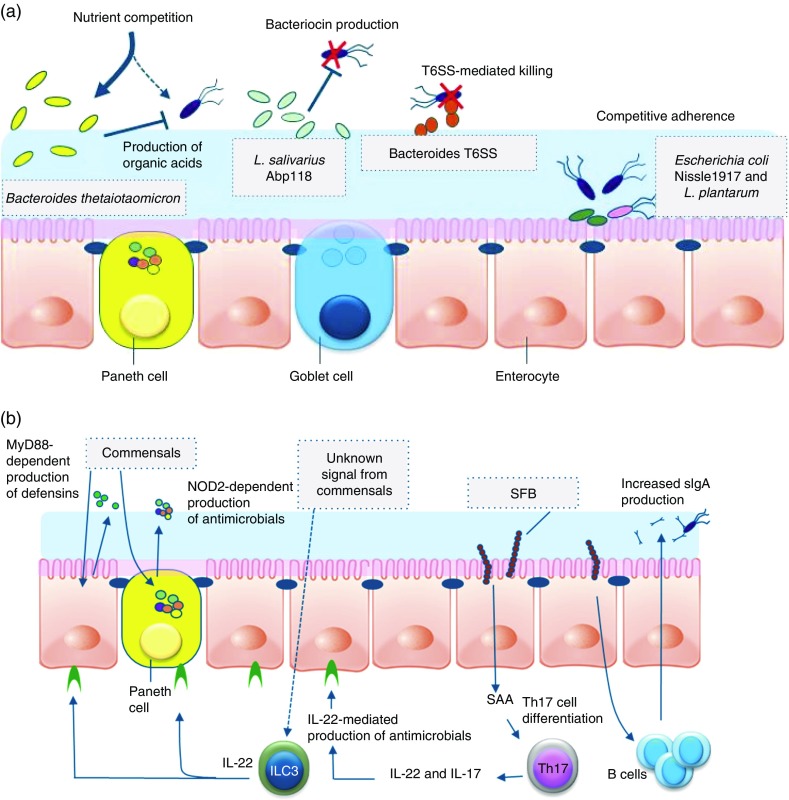
Intestinal barrier integrity is a prerequisite for homeostasis of mucosal function, which is balanced to maximise absorptive capacity, while maintaining efficient defensive reactions against chemical and microbial challenges. Evidence is mounting that disruption of epithelial barrier integrity is one of the major aetiological factors associated with several gastrointestinal diseases, including infection by pathogens, obesity and diabetes, necrotising enterocolitis, irritable bowel syndrome and inflammatory bowel disease. The notion that specific probiotic bacterial strains can affect barrier integrity fuelled research in which in vitro cell lines, animal models and clinical trials are used to assess whether probiotics can revert the diseased state back to homeostasis and health. This review catalogues and categorises the lines of evidence available in literature for the role of probiotics in epithelial integrity and, consequently, their beneficial effect for the reduction of gastrointestinal disease symptoms.
Overview
The claims and statistics of this paper haven’t been checked yet.
Run the check — free, no account needed. It reads the open-access text and checks the sources it cites.
Integrity signals
Registry
Cites
Statistics
Figures
Verification
Claims the paper makes
The claims and statistics of this paper haven’t been checked yet.
Run the check — free, no account needed. It reads the open-access text and checks the sources it cites.
Claims other papers make about this one
Each is checked against this paper’s own text: does it say what the citing paper says it does?
In the citing paper
“There is substantial evidence that probiotics can strengthen the intestinal barrier, regulate mucosal immune function, and produce metabolites beneficial to the host to maintain health, as illustrated in Figure 1 [22,23].”
From Probiotics Regulate Gut Microbiota: An Effective Method to Improve Immunity (2021) · cites this paper as [22]
In the citing paper
“a variety of studies do suggest that probiotics are able to improve mucosal barrier function (Bron et al., 2017).”
From Viral Infections, the Microbiome, and Probiotics (2021) · cites this paper as Bron et al., 2017
In the citing paper
“There is compelling evidence that probiotics are able to support the intestinal barrier (Bron et al., 2017), which may act to dampen the increased inflammatory tone seen in aging and enhance the immune response to viral infections and vaccinations.”
From Viral Infections, the Microbiome, and Probiotics (2021) · cites this paper as Bron et al., 2017
In the citing paper
“The GI microbiome is thought to be a key player in this process as it is essential for the proper maintenance of the intestinal barrier through various mechanisms, e.g., production of SCFA (Bron et al., 2017) as well as tryptophan metabolites (Rothhammer and Quintana, 2019).”
From Viral Infections, the Microbiome, and Probiotics (2021) · cites this paper as Bron et al., 2017
In the citing paper
“Similar as the endogenous microbiota, probiotics may improve mucosal barrier function, limiting the ability of viral particles to cross this physical barrier and maintain this barrier during viral disease (Bron et al., 2017).”
From Viral Infections, the Microbiome, and Probiotics (2021) · cites this paper as Bron et al., 2017
In the citing paper
“Numerous pre-clinical studies have shown that oral probiotics are capable of positively influencing gut barrier function and systemic immunity, and thus, in the case of pneumonia, may enhance the host’s ability to suppress and clear reproducing lung pathogens as they emerge (Bron et al., 2017) (Forsythe, 2014).”
From Viral Infections, the Microbiome, and Probiotics (2021) · cites this paper as Bron et al., 2017
Self-check
Percentages, sums and reported differences re-computed from the paper’s own numbers.
The self-check needs the paper’s full text.
Citations
Cites
1 retracted
Hunter, C. J., Williams, M., Petrosyan, M., Guner, Y. S., Mittal, R., Mock, D. C., Upperman, J. S., Ford, H. R., & Prasadarao, N. V. (2008) · Infection and Immunity · doi:10.1128/iai.01192-08 · Cited by 60 · cited 1×
“Probiotics were also shown to enhance enterocyte proliferation and migration((148)), to reduce apoptosis and promote epithelial cytoprotective responses((160,162,163)), to improve the expression of the enterocyte injury markers intestinal-type and liver-type fatty-acidbinding proteins (I-FABP and L-FABP)((164)), to re…”
BackgroundRetractedDermyshi, E., Wang, Y., Yan, C., Hong, W., Qiu, G., Gong, X., & Zhang, T. (2017) · Neonatology · doi:10.1159/000454668 · Cited by 24,586
Hill (2014) · doi:10.1038/nrgastro.2014.66 · Cited by 9,592 · cited 1×
“The latter are defined as ‘live micro-organisms that, when administered in adequate amounts, confer a health benefit on the host’((5,6)).”
BackgroundMetabolic Endotoxemia Initiates Obesity and Insulin Resistance
Cani, P. D., Amar, J., Iglesias, M. A., Poggi, M., Knauf, C., Bastelica, D., Neyrinck, A. M., Fava, F., Tuohy, K. M., Chabo, C., et al. (2007) · Diabetes · doi:10.2337/db06-1491 · Cited by 6,638
Obesity alters gut microbial ecology
Ley, R. E., Bäckhed, F., Turnbaugh, P., Lozupone, C. A., Knight, R. D., & Gordon, J. I. (2005) · Proceedings of the National Academy of Sciences · doi:10.1073/pnas.0504978102 · Cited by 6,176
Commensal microbe-derived butyrate induces the differentiation of colonic regulatory T cells
Furusawa, Y., Obata, Y., Fukuda, S., Endo, T. A., Nakato, G., Takahashi, D., Nakanishi, Y., Uetake, C., Kato, K., Kato, T., et al. (2013) · Nature · doi:10.1038/nature12721 · Cited by 5,549
Cani, P. D., Bibiloni, R., Knauf, C., Waget, A., Neyrinck, A. M., Delzenne, N. M., & Burcelin, R. (2008) · Diabetes · doi:10.2337/db07-1403 · Cited by 4,819
Self-citationCross-talk between Akkermansia muciniphila and intestinal epithelium controls diet-induced obesity
Everard, A., Belzer, C., Geurts, L., Ouwerkerk, J. P., Druart, C., Bindels, L. B., Guiot, Y., Derrien, M., Muccioli, G. G., Delzenne, N. M., et al. (2013) · Proceedings of the National Academy of Sciences · doi:10.1073/pnas.1219451110 · Cited by 4,511 · cited 1×
“anti-inflammatory properties, Reg3γ, and increased the mucus layer thickness((120,121)).”
BackgroundInflammation, stress, and diabetes
Wellen, K. E., & Hotamisligil, G. S. (2005) · Journal of Clinical Investigation · doi:10.1172/jci25102 · Cited by 4,143
Induction of Colonic Regulatory T Cells by Indigenous Clostridium Species
Atarashi, K., Tanoue, T., Shima, T., Imaoka, A., Kuwahara, T., Momose, Y., Cheng, G., Yamasaki, S., Saito, T., Ohba, Y., et al. (2011) · Science · doi:10.1126/science.1198469 · Cited by 3,752
Research works printed but not linked: 1
- 10.1172/JCI20514 · DOI · Paper page
Cited by
Sorted by citations
Items 201–300 of 500
Zhang, Z., Zuo, L., Song, X., Wang, L. Y., Zhang, Y., Cheng, Y., Huang, J., Zhao, T., Yang, Z., Zhang, H., et al. (2023) · Phytomedicine · doi:10.1016/j.phymed.2023.155223 · Cited by 23
Luo, R., Zhang, J., Zhang, X., Zhou, Z., Zhang, W., Zhu, Z., Liu, H., Wang, L., Zhong, Z., Fu, H., et al. (2020) · Journal of Functional Foods · doi:10.1016/j.jff.2020.104167 · Cited by 23
Shahid, A., Chambers, S. T., Scott-Thomas, A., & Bhatia, M. (2024) · International Journal of Molecular Sciences · doi:10.3390/ijms252413415 · Cited by 23
“Lactobacillus spp. also induce the production of mucin 2 (MUC2) and mucin 3 (MUC3), which helps in the maintenance of the mucus barrier [29,30].”
Enzyme Producing Activity of Probiotics and Preparation of Compound Enzyme
Yi, R., Pan, Y., Long, X., Tan, F., & Zhao, X. (2020) · Journal of Chemistry · doi:10.1155/2020/9140281 · Cited by 22
“Conclusions of the current requirements are Bifidobacterium, Bacillus, and yeast [11, 12].”
BackgroundIntestinal Barrier Dysfunction Participates in the Pathophysiology of Ischemic Stroke
Wei, M., Huang, Q., Liu, Z., Luo, Y., & Xia, J. (2021) · CNS & Neurological Disorders - Drug Targets · doi:10.2174/1871527320666210322115808 · Cited by 19
The Protective Effect of E. faecium on S. typhimurium Infection Induced Damage to Intestinal Mucosa
Zhang, H., Wang, M., Jia, J., Zhao, J., Radebe, S. M., & Yu, Q. (2021) · Frontiers in Veterinary Science · doi:10.3389/fvets.2021.740424 · Cited by 21
Zhao, J., & Xu, Q. (2022) · Frontiers in Marine Science · doi:10.3389/fmars.2022.844716 · Cited by 21
Wang, W., Li, X., Li, D., Pan, F., Fang, X.-M., Peng, W., & Tian, W. (2023) · Nutrients · doi:10.3390/nu15040974 · Cited by 21
Zhu, L., Qiao, L., Dou, X., Song, X., Chang, J., Zeng, X., & Xu, C. (2023) · Biomedicine & Pharmacotherapy · doi:10.1016/j.biopha.2023.115033 · Cited by 21
Ji, Y., Chung, Y. M., Park, S., Jeong, D., Kim, B., & Holzapfel, W. H. (2019) · PeerJ · doi:10.7717/peerj.6651 · Cited by 22
“At the same time, probiotics have been reported to impact the host microbiota in a positive way (Hemarajata & Versalovic, 2013) and to beneficially influence gut homeostasis and reduce the symptoms of gastrointestinal diseases (Bron et al., 2017).”
BackgroundQin, W., Yin, N., Xu, B., Mei, Q., Huang, Z., Fu, Y., Huang, H., Xiao, W., Fan, J., Lü, Z., et al. (2025) · BMC Medicine · doi:10.1186/s12916-025-04260-2 · Cited by 21
“The commercial bacteria can also inhibit the efficacy of enter-opathogens through a variety of molecular mechanisms involving microbe-microbe and/or microbe-host interactions [15].”
Fusobacterium nucleatum and Gastric Cancer: An Emerging Connection
Sorino, J., Mura, M. D., Ingravallo, G., Cazzato, G., Pizzimenti, C., Zuccalà, V., Pepe, L. R., Germanà, E., Martini, M., Ieni, A., et al. (2025) · International Journal of Molecular Sciences · doi:10.3390/ijms26167915 · Cited by 22
Persistence and dynamics of fluorescent Lactobacillus plantarum in the healthy versus inflamed gut
Salomé‐Desnoulez, S., Poiret, S., Foligné, B., Muharram, G., Peucelle, V., Lafont, F., & Daniel, C. (2021) · Gut Microbes · doi:10.1080/19490976.2021.1897374 · Cited by 22
A Review of the Diagnosis and Treatment of Necrotizing Enterocolitis
Hunter, C. J., Cai, X., Liebe, H. L., Golubkova, A., & Leiva, T. D. (2022) · Current Pediatric Reviews · doi:10.2174/1573396318666220805110947 · Cited by 20
Use of probiotic strains to produce beers by axenic or semi-separated co-culture system
Silva, L. C., Schmidt, G. B., Alves, L. G. O., de Oliveira, V. S., Laureano‐Melo, R., Stutz, E. T. G., Martins, J. F. P., de Paula, B. P., Luchese, R. H., Guerra, A. F., et al. (2020) · Food and Bioproducts Processing · doi:10.1016/j.fbp.2020.10.001 · Cited by 20
Zhang, D., Chen, K., Yu, Y., Feng, R., Cui, S. W., Zhou, X., & Nie, S. (2025) · Food Research International · doi:10.1016/j.foodres.2025.116675 · Cited by 19
Chen, J., Zhang, L., Jiao, Y., Lu, X., Zhang, N., Li, X., Zheng, S., Li, B., Liu, F., & Zuo, P. (2025) · Nutrients · doi:10.3390/nu17152537 · Cited by 19
“This is a critical defense against endotoxin translocation [39].”
Najafi, S., Sotoodehnejadnematalahi, F., Amiri, M. M., Pourshafie, M. R., & Rohani, M. (2023) · Biomedicines · doi:10.3390/biomedicines11061675 · Cited by 20
Immunomodulatory Benefits of Probiotic Bacteria: A Review of Evidence
Adejumo, S. A., Oli, A. N., Rowaiye, A. B., Igbokwe, N. H., Ezejiegu, C. K., & Yahaya, Z. S. (2023) · OBM Genetics · doi:10.21926/obm.genet.2304206 · Cited by 22
Nasreen, S., Ali, S., Andleeb, S., Summer, M., Hussain, T., Kaleem, I., Ara, C., & Tahir, H. M. (2024) · Folia Microbiologica · doi:10.1007/s12223-024-01155-2 · Cited by 19
“When these barrier functions are interrupted, bacterial and food antigens can induce an inflammatory response, which leads to intestinal disorders (Sartor 2006; Bron et al. 2017).”
Song, X., Pi, S., Gao, Y., Zhou, F., Yan, S., Chen, Y., Qiao, L., Dou, X., Shao, D., & Xu, C. (2021) · Frontiers in Immunology · doi:10.3389/fimmu.2021.723173 · Cited by 18
Bhawal, S., Kumari, A., Kapila, S., & Kapila, R. (2022) · Probiotics and Antimicrobial Proteins · doi:10.1007/s12602-021-09891-4 · Cited by 18
“The probiotics successfully exert their beneficial effects by competitive exclusion of pathogenic bacteria, modulating gut microbiota, enhancing epithelial barrier function, or modulating the immune system of the host [4].”
BackgroundNext-Generation Probiotics - The Future of Biotherapeutics
(2022) · Microbial Bioactives · doi:10.25163/microbbioacts.514309 · Cited by 21
“The human microbiota, which consists of 100 trillion bacteria, forms a symbiotic connection with the host and plays a significant role in health promotion as well as the start and progression of illnesses (Bron et al., 2017; Ferdous et al., 2018).”
BackgroundDong, W., Peng, Y., Chen, G., Xie, Z., Xu, W., Zhou, W., Mi, J., Lu, L., Sun, Y., Zeng, X., et al. (2023) · Food Science and Human Wellness · doi:10.26599/fshw.2022.9250020 · Cited by 18
Zhai, Z., Wang, J., Huang, B., & Yin, S. (2018) · Journal of Dairy Science · doi:10.3168/jds.2018-15226 · Cited by 18
Zhou, B., Ba, T., Wang, L., Gao, Y., He, Q., Yan, Z., Wang, H., & Shen, G. (2021) · Burns · doi:10.1016/j.burns.2021.11.009 · Cited by 17
Huang, F., Zhang, Y., Bai, X.-Q., Wang, C., & Li, Y. (2022) · Molecular Immunology · doi:10.1016/j.molimm.2022.03.010 · Cited by 17
Wang, W., Li, X., Shi, F., Zhang, Z., & Lv, H. (2022) · International Journal of Pharmaceutics · doi:10.1016/j.ijpharm.2022.122419 · Cited by 17
Wu, X., Li, Q., Lin, D., Cai, J., Huang, H., & Tan, H. (2023) · Aging · doi:10.18632/aging.205019 · Cited by 18
Gupta, T., Kaur, H., Kapila, S., & Kapila, R. (2021) · Archives of Microbiology · doi:10.1007/s00203-021-02541-x · Cited by 18
Chaves, F. M., Baptista, I. L., Simabuco, F. M., Quaresma, P. G. F., Pena, F. D. L., Bezerra, R. M. N., Pauli, J. R., da Cunha, D. T., de Campos‐Ferraz, P. L., & Antunes, A. E. C. (2018) · British Journal Of Nutrition · doi:10.1017/s0007114518000594 · Cited by 17
“Intestinal barrier function can be positively modulated by probiotics, according to a review recently published((48)).”
Liu, B., Yang, L., Wu, Y., & Zhao, X. (2022) · Frontiers in Microbiology · doi:10.3389/fmicb.2022.935792 · Cited by 16
“Chauhan et al. reported that the antioxidant levels were increased by Limosilactobacillus fermentum Lf1 to ameliorate colitis (Chauhan et al., 2014).”
BackgroundKiepś, J., Juzwa, W., Olejnik, A. M., Sip, A., Tomaszewska‐Gras, J., & Dembczyński, R. (2023) · Nutrients · doi:10.3390/nu15153484 · Cited by 16
“This can help prevent the translocation of pathogens or toxins across the intestinal epithelium [19].”
BackgroundShi, Y., Peng, H., Liao, Y., Li, J., Yin, Y., Peng, H., Wang, L., Tan, Y., Li, C., Bai, H., et al. (2023) · Probiotics and Antimicrobial Proteins · doi:10.1007/s12602-023-10145-8 · Cited by 15
“It has been reported that probiotics could maintain the barrier function of intestinal epithelial cells in mammal model [48–50].”
Xu, J., Xu, H., Guo, X., Zhao, H., Wang, J., Li, J., He, J., Huang, H., Huang, C.-T., Zhao, C., et al. (2024) · BMC Microbiology · doi:10.1186/s12866-024-03251-2 · Cited by 16
“Lactobacillus upregulates MUC3 in human intestinal epithelial cells and promotes MUC2 production and secretion [53, 54].”
BackgroundWang, L., Meng, F., Jin, Y., Wu, L., Tang, R.-Y., Xu, K., Guo, Y., Mao, J.-J., Ding, J.-P., & Li, J. (2024) · Journal of Exercise Science & Fitness · doi:10.1016/j.jesf.2024.04.004 · Cited by 20
“Lactobacillus and Bifidobacteria have been proposed to enhance epithelial barrier function, 45,46 regulate the immune system, 47 and improve pathological inflammation.”
BackgroundGai, L., Chu, L., Xia, R., Chen, Q., & Sun, X. (2019) · Medical Science Monitor · doi:10.12659/msm.918935 · Cited by 16
“Although it is unknown whether intestinal mucosal barrier function is associated with intestinal inflammation, it is considered to play an important role in the pathophysiological mechanism of UC [30,31].”
BackgroundEvivie, S. E., Ogwu, M. C., Abdelazez, A., Bian, X., Liu, F., Li, B., & Huo, G. (2020) · Food & Function · doi:10.1039/d0fo01218a · Cited by 17
He, Y., Liang, J., Dong, X., Yang, Q., Liu, H., Zhang, S., Chi, S., & Tan, B. (2021) · Aquaculture · doi:10.1016/j.aquaculture.2021.737735 · Cited by 16
Interaction Between Altered Gut Microbiota and Sepsis: A Hypothesis or an Authentic Fact?
Nabizadeh, E., Sadeghi, J., Rezaee, M. A., Hasani, A., Kafil, H. S., Ghotaslou, A., Kadkhoda, H., & Ghotaslou, R. (2022) · Journal of Intensive Care Medicine · doi:10.1177/08850666221102796 · Cited by 16
“On the other hand, administration of probiotics along with a diet rich in fiber leads to increases butyrate and mucus production, which results in improved regulatory T cell function and enhanced intestinal epithelial barrier function.(67,68) In contrast, probiotics must be completely safe for the host and stable in a…”
BackgroundLiu, T., Ning, Z., Liu, P., & Gao, H. (2023) · Frontiers in Immunology · doi:10.3389/fimmu.2022.1045901 · Cited by 15
“As the two main clinicopathological subtypes of IBD, ulcerative colitis (UC) and Crohn’s disease (CD) show different inflammatory location and histological alterations in the intestinal wall.”
BackgroundInfluentialLi, Z., Peng, C., Sun, Y., Zhang, T., Feng, C., Zhang, W., Huang, T., Yao, G., Zhang, H., & He, Q. (2024) · Microbiology Spectrum · doi:10.1128/spectrum.03509-23 · Cited by 19
“…the main effects of probiotics at the intestinal level, the following are outstanding: protection against pathogens, balance and restoration of the gut microbiota, and enhancement of the intestinal epithelial cell survival by maintaining intestinal barrier integrity and immunomodulation (13–15).”
BackgroundNobile, V., & Puoci, F. (2023) · Neuropsychobiology · doi:10.1159/000527956 · Cited by 15
Kwon, J. I., Park, Y., Noh, D. O., Suh, H. J., & Han, S. (2018) · Food Science and Biotechnology · doi:10.1007/s10068-017-0300-2 · Cited by 15
Probiotics against Viral Infections: Current Clinical Trials and Future Perspectives
Reyes-Castillo, P. A., Gónzalez-Vázquez, R., Torres-Maravilla, E., Tello, M., Bermúdez‐Humarán, L. G., & Mayorga-Reyes, L. (2021) · Immuno · doi:10.3390/immuno1040034 · Cited by 14
Czaja, A. J. (2023) · Digestive Diseases and Sciences · doi:10.1007/s10620-023-07967-5 · Cited by 16
“Probiotics [195, 213, 278], pharmacological mucosal protectors [275, 282, 283], and fecal microbiota transplantation (FMT) [284, 285] are other interventions that could mitigate the impact of gut-derived molecular mimicry [193, 195].”
BackgroundYang, F., Liu, C., Lu, X., Liu, S., Zhang, Y., Yu, Y. H., & Long, Y. (2023) · Journal of Functional Foods · doi:10.1016/j.jff.2023.105925 · Cited by 14
Cui, C., Ruan, Y., & Qiu, W. (2020) · Journal of Clinical Neuroscience · doi:10.1016/j.jocn.2020.11.011 · Cited by 14
Khalid, N., Ramzan, R., Zahoor, T., Muhammad, Z., Tehseen, S., Aziz, M., & Batool, R. (2022) · Journal of Food Processing and Preservation · doi:10.1111/jfpp.17053 · Cited by 13
Diet‐microbiota crosstalk and immunity to helminth infection
Myhill, L. J., & Williams, A. R. (2022) · Parasite Immunology · doi:10.1111/pim.12965 · Cited by 15
“Enterococcus faecium, as well as Bifidobacteria from the Actinobacteria phylum.(84,85) These bacteria are known to proliferate in response to health-promoting dietary components.”
BackgroundCharacteristics of Microbiota in Different Segments of the Digestive Tract of Lycodon rufozonatus
Shang, Y., Zhong, H., Liu, G., Wang, X., Wu, X., Wei, Q., Shi, L., & Zhang, H. (2023) · Animals · doi:10.3390/ani13040731 · Cited by 13
Engineering Diagnostic and Therapeutic Gut Bacteria
Landry, B. P., & Tabor, J. J. (2018) · ASM Press eBooks · doi:10.1128/9781555819705.ch14 · Cited by 12
Are Postbiotics the Long Sought-After Solution for a Leaky Gut?
Anderson, R. C. (2019) · Journal of Nutrition · doi:10.1093/jn/nxz171 · Cited by 12
de Oliveira, R. B., Matheus, V. A., Canuto, L. P., Ariane, D. S., & Collares‐Buzato, C. B. (2019) · Life Sciences · doi:10.1016/j.lfs.2019.116971 · Cited by 13
Clemente, M. J., Vivó, M. D. L. Á., Puig, S., Zúñiga, M., Monedero, V., Devesa, V., & Vélez, D. (2020) · LWT · doi:10.1016/j.lwt.2020.109272 · Cited by 13
Diarrheal disease and gut microbiome
Ramamurthy, T., Kumari, S., & Ghosh, A. (2022) · Progress in molecular biology and translational science · doi:10.1016/bs.pmbts.2022.08.002 · Cited by 13
Xia, X., Liang, N., Ma, X., Lu, Q., Chang, Z., & Zhang, X. (2023) · Aquaculture · doi:10.1016/j.aquaculture.2023.740208 · Cited by 12
Luo, L., Gu, Z., Pu, J., Chen, D., Tian, G., He, J., Zheng, P., Mao, X., & Yu, B. (2024) · Journal of Animal Science · doi:10.1093/jas/skae023 · Cited by 12
Lennon, S., Lackie, T., Miltko, A., Kearns, Z. C., Paquette, M. R., Bloomer, R. J., Wang, A., & van der Merwe, M. (2024) · Applied Physiology, Nutrition, and Metabolism · doi:10.1139/apnm-2023-0449 · Cited by 13
“M a r i e v a n d e r M e r w e on 04 / 29 / 24 improvements in populations presenting with compromised intestinal barrier (Bron et al. 2017).”
BackgroundUnraveling the intricate dance of the Mediterranean diet and gut microbiota in autoimmune resilience
Tsigalou, C., Tsolou, A., Stavropoulou, E., Konstantinidis, T. G., Zafiriou, E., Dardiotis, E., Tsirogianni, A., & Bogdanos, D. P. (2024) · Frontiers in Nutrition · doi:10.3389/fnut.2024.1383040 · Cited by 14
Kearns, R., Dooley, J. S. G., Matthews, M., & McNeilly, A. M. (2024) · Journal of the International Society of Sports Nutrition · doi:10.1080/15502783.2024.2388085 · Cited by 14
“Several studies have shown that probiotics supplementation could improve immune function in fati-gued athletes [38,39] and reduce upper respiratory tract illness (URTI) [40], GI symptoms [38,41] and gut permeability [42].”
BackgroundPadilha, M. D. M., Melo, F. T. D. V., Laurentino, R. V., da Silva, A. N. M. R., & Feitosa, R. N. M. (2024) · The Brazilian Journal of Infectious Diseases · doi:10.1016/j.bjid.2024.104468 · Cited by 13
“59 Many of the liver diseases are linked to an imbalance in microbial communities, over host immunity, which implies that dysbiosis is characterized by an underlying impairment of immune functions, which regulate microbiota and microbial metabolism.”
Wang, Y., Li, T., Dong, Z., Zhang, Q., Mi, J., Wang, Q., Lin, G., Ma, Q., Jia, R., & Huang, S. (2025) · Journal of Nutrition · doi:10.1016/j.tjnut.2025.03.001 · Cited by 14
Carucci, L. R., Coppola, S., Luzzetti, A., Giglio, V., Vanderhoof, J. A., & Canani, R. B. (2021) · Minerva Pediatrics · doi:10.23736/s2724-5276.21.06188-0 · Cited by 12
Samani, S. A., Moloudi, M. R., Ramazanzadeh, R., Abdi, M., Nikkhoo, B., Izadpanah, E., Roshani, D., Abdolahi, A., Esmaili, P. K., & Hassanzadeh, K. (2021) · Basic and Clinical Neuroscience Journal · doi:10.32598/bcn.2021.1955.1 · Cited by 12
“Thus, probiotics could be used as adjuvant therapy to treat immune-mediated diseases (Bron et al., 2017; Rumah, Vartanian, & Fischetti, 2017).”
BackgroundNeuroimmunogastroenterology: At the Interface of Neuroimmunology and Gastroenterology
Sanchez, J. M. S., McNally, J. S., Cortez, M. M., Hemp, J., Pace, L., & Clardy, S. L. (2020) · Frontiers in Neurology · doi:10.3389/fneur.2020.00787 · Cited by 13
“Conversely, certain commensal microorganisms including certain strains of Lactobacillus and Bifidobacterium have the ability to upregulate the expression of tight junction proteins between epithelial cells and strengthen the gut barrier (46).”
BackgroundStevens, Y., Pinheiro, I., Salden, B. N., Duysburgh, C., Bolca, S., Degroote, J., Majdeddin, M., Noten, N. V., Gleize, B., Caris, C., et al. (2021) · Journal of Functional Foods · doi:10.1016/j.jff.2021.104445 · Cited by 11
The Gut Microbiome in Enteric Viral Infections: Underlying Mechanisms and Therapeutic Approaches
Borrego-Ruiz, A., & Borrego, J. J. (2025) · Microorganisms · doi:10.3390/microorganisms13102247 · Cited by 13
Vesci, L., Tundo, G. R., Soldi, S., Galletti, S., Stoppoloni, D., Bernardini, R., Modolea, A. B., Luberto, L., Marra, E., Giorgi, F., et al. (2024) · Nutrients · doi:10.3390/nu16070937 · Cited by 11
Hossain, M., Sultana, T., Moon, J. E., Moon, G., & Jeong, J. H. (2025) · Scientific Reports · doi:10.1038/s41598-025-02089-6 · Cited by 11
Delivery of Metabolically Neuroactive Probiotics to the Human Gut
Bron, P. A., Calatayud, M., Marzorati, M., Pane, M., Kartal, E., Dhir, R., & Reid, G. (2021) · International Journal of Molecular Sciences · doi:10.3390/ijms22179122 · Cited by 12
“Notably, probiotic strains have been shown to exert multiple health benefits through mechanisms besides metabolite production or conversion, including direct immune modulation [36] and strengthening of the epithelial barrier [37].”
BackgroundHassanein, E. H. M., Ali, F. E. M., Sayed, M. M., Mahmoud, A. R., Jaber, F. A., Kotob, M. H., & Abd‐Elhamid, T. H. (2023) · Tissue and Cell · doi:10.1016/j.tice.2023.102103 · Cited by 11
Chen, Y.-W., Lee, M.-L., Chiang, C., & Fu, E. (2023) · Journal of Dental Sciences · doi:10.1016/j.jds.2023.04.013 · Cited by 11
“Probiotics generally compete with pathogens and colonize and multiply by adhering to the intestinal wall via oral administration.(39) For example, L.”
BackgroundValidity and safety of ID-JPL934 in lower gastrointestinal symptom improvement
Shin, C. M., Choi, Y. J., Lee, D. H., Moon, J. S., Kim, T., Kim, Y.-K., Lee, W.-H., Yoon, H., Park, Y. S., & Kim, N. (2021) · Scientific Reports · doi:10.1038/s41598-021-92007-3 · Cited by 12
POURJAVID, H., ATAEI, M., Pourahmad, R., Anvar, S. A. A., & Behmadi, H. (2022) · Food Science and Technology · doi:10.1590/fst.40322 · Cited by 11
Slow enteral feeding decreases risk of transfusion associated necrotizing enterocolitis
Dako, J., Buzzard, J., Jain, M., Pandey, R., Groh‐Wargo, S. L., & Shekhawat, P. (2018) · Journal of Neonatal-Perinatal Medicine · doi:10.3233/npm-181773 · Cited by 11
“…is plausible for several reasons: the preterm GI tract has poor expression of tight-junction proteins which help to maintain epithelial barrier [17–19], gut motility is poor leading to stasis, [20] and bacterial overgrowth on top of poor host defenses allow colonization by pathogenic…”
Obeticholic acid attenuates the intestinal barrier disruption in a rat model of short bowel syndrome
Hou, L., Wang, H., Yan, M., Cai, Y., Zheng, R., Ma, Y., Tang, W., & Jiang, W. (2024) · Biochimica et Biophysica Acta (BBA) - Molecular Basis of Disease · doi:10.1016/j.bbadis.2024.167221 · Cited by 11
Human breast milk-derived exosomes and their positive role on neonatal intestinal health
Chen, G., Ouyang, X., Mu, Y., & Chen, Y. (2025) · Pediatric Research · doi:10.1038/s41390-025-03813-8 · Cited by 10
Liao, P., Yang, K., Huang, H., Xin, Z., Jian, S., Wen, C., He, S., Zhang, L., & Deng, B. (2023) · Animals · doi:10.3390/ani13081300 · Cited by 10
Zhang, B., Li, J., Fu, J., Shao, L., Yang, L., & Shi, J. (2023) · Chinese Medical Journal · doi:10.1097/cm9.0000000000002711 · Cited by 11
“transplantation can promote the expression of MUC genes, which can stimulate the expression of MUC3 and the production and secretion of MUC2 in human intestinal epithelial cells.[64,65] Lactobacillus reuteri bacteria expresses adhesins such as mucus-binding proteins CmbA and MUB, which increased binding to human colon…”
BackgroundMicrobiome and physical activity
Álvarez‐Herms, J., & Odriozola, A. (2024) · Advances in genetics · doi:10.1016/bs.adgen.2024.01.002 · Cited by 12
Ramey, S. L. (2005) · PubMed · Cited by 10
Bu, C., Hu, M., Su, Y., Yuan, F., Zhang, Y., Xia, J., Jia, Z., & Zhang, L. (2024) · Journal of Cellular and Molecular Medicine · doi:10.1111/jcmm.18534 · Cited by 9
Cai, Y., Liu, S., Ge, X., Cheng, L., & Zhang, X. (2024) · Food & Function · doi:10.1039/d4fo03484h · Cited by 9
Obermüller, B., Singer, G., Kienesberger, B., Mittl, B., Stadlbauer, V., Horvath, A., Miekisch, W., Fuchs, P., Schweiger, M., Pajed, L., et al. (2023) · Nutrients · doi:10.3390/nu15163655 · Cited by 9
“In general, chemotherapy causes a decrease in Lactobacillus, Bifidobacterium, and other protective bacteria and an increase in potential pathogens [12].”
BackgroundResultNormal Ileal Mucus Is Inadequate for Epithelial Protection in Ileal Pouch Mucosa
Knowles, J. P., & Church, J. M. (2024) · Diseases of the Colon & Rectum · doi:10.1097/dcr.0000000000003163 · Cited by 9
“88 Probiotics have been used to both prevent and treat pouchitis, with variable effect, 10,89–91 but at least there is evidence that Lactobacillus species can stimulate MUC3 expression in epithelial cells and MUC2 production and secretion.”
BackgroundLi, H., Wang, J., Fu, Y., Zhu, K., Dong, Z., Shan, J., Di, L., Jiang, S., & Yuan, T. (2022) · Nutrients · doi:10.3390/nu14245278 · Cited by 9
“Probiotics have been wildly accepted in our daily life and medical use due to their beneficial effect [43].”
BackgroundProbiotic consumption and inflammatory markers in athletes: a systematic review and meta-analysis
Nazari, M., Faghfoori, Z., Ashabi, A., Arab, A., & Hajianfar, H. (2020) · International Journal of Food Properties · doi:10.1080/10942912.2020.1807566 · Cited by 9
The role of Weizmannia (Bacillus) coagulans LMG S-31876 in treating IBS-diarrhea
Kallur, R. K., Madapati, S., Mathur, A., & Bhattacharya, S. (2024) · Frontiers in Nutrition · doi:10.3389/fnut.2023.1310462 · Cited by 9
“The major mechanisms include the exclusion of pathogenic microbes (competitively), a hindrance to the pathogenic microbes and antimicrobial substance production, and also modulation of the immune system (6).”
BackgroundValikboni, S. Q., Anvar, S. A. A., & Nowruzi, B. (2024) · Nutrire · doi:10.1186/s41110-024-00285-4 · Cited by 9
“Adding probiotic strains to meals has been shown to have positive benefits, including reducing inflammation, providing antioxidant properties, modulating the immune system, protecting against colitis, and preventing damage to epithelial cells [35].”
Zhang, Y., Chen, C., Zhao, J., Stanton, C., Ross, R. P., Chen, W., & Yang, B. K. (2025) · Food Bioscience · doi:10.1016/j.fbio.2025.106229 · Cited by 8
Wang, H., An, J., Fan, C., Zhai, Z., Zhang, H., & Hao, Y. (2022) · BMC Microbiology · doi:10.1186/s12866-022-02474-5 · Cited by 8
Corn silk extract alleviate type 1 diabetes via regulating gut microbiota and inflammation
Yang, B., Zhu, D., Chen, Y., Xu, Y., Yang, Y.-J., Zeng, J., Liang, Y. S., He, M., Jia, X., & Feng, L. (2024) · Journal of Functional Foods · doi:10.1016/j.jff.2023.105969 · Cited by 8
Ye, C., Zhang, Y., Ding, X., & Guo, C. (2021) · Journal of Interferon & Cytokine Research · doi:10.1089/jir.2021.0056 · Cited by 8
Lin, W., Kuo, Y., Lin, J., Lin, C.-H., Chen, J., Tsai, S., Lee, M., Hsu, Y.-J., Huang, C., Tsou, Y., et al. (2022) · Nutrients · doi:10.3390/nu14061270 · Cited by 8
“Moreover, probiotics are generally considered to be a safe dietary supplement [7] that can facilitate weight loss, reverse microbial dysbiosis-induced obesity, and improve gut integrity [8,9].”
BackgroundBrunelli, L., Vitis, V. D., Ferrari, R., Minuzzo, M., Fiore, W., Jäger, R., Taverniti, V., & Guglielmetti, S. (2022) · Frontiers in Pharmacology · doi:10.3389/fphar.2022.857987 · Cited by 11
“Probiotic administration has been often proposed as a useful tool to improve intestinal barrier function, nonetheless convincing experimental data are still missing, and a wide variation exists among different microbial strains (Ramos et al., 2013; Bron et al., 2017).”
BackgroundEffects of Nutritional Interventions on Athletic Performance
Ampe, T., Bailey, S. P., & Roelands, B. (2023) · Nutrients · doi:10.3390/nu15214498 · Cited by 9
“Studies from 2019 to 2022 have demonstrated that supplementing mice with various single bacteria strains led to an improved endurance exercise capacity [20–26], likely through their effect on the energy metabolism, intestinal barrier integrity, and overall host health [27–30].”
BackgroundProbiotic Applications in Autoimmune Diseases
de Oliveira, G. L. V. (2018) · InTech eBooks · doi:10.5772/intechopen.73064 · Cited by 8
“The mechanisms proposed to achieve this include mucus secretion, antimicrobial peptide production, the maintenance of the function of the gastrointestinal-epithelial barrier, decreasing oxidative stress, ensuring adequate interactions between the gut microbiota and the mucosal immune cells, and, finally, helping the a…”
BackgroundTang, S., Liu, J., Xu, C., Shang, D., Chen, H., & Zhang, G. (2021) · International Journal of Functional Nutrition · doi:10.3892/ijfn.2021.22 · Cited by 8
Brożek-Mądry, E., Ziuzia-Januszewska, L., Misztal, O., Burska, Z., Sosnowska-Turek, E., & Sierdziński, J. (2025) · Journal of Clinical Medicine · doi:10.3390/jcm14103341 · Cited by 7
“Two murine studies have shown a protective effect of locally administered probiotics against pathogen-mediated sinonasal inflammation [8,26,35], and some studies suggest that probiotics are able to improve mucosal barrier function [36].”
Metadata
- Authors
- Bron, P. A., Kleerebezem, M., Brummer, R.-J., Cani, P. D., Mercenier, A., MacDonald, T. T., Garcia-Ródenas, C. L., & Wells, J. M.
- Affiliations
- Nederlands Instituut Voor Zuivel Oonderzoek (NL)
- Wageningen University & Research (NL)
- Örebro University (SE)
- Walloon Excellence in Lifesciences and Biotechnology (BE)
- Nestlé (Switzerland) (CH)
- Queen Mary University of London (GB)
- Corresponding author
- Bron, Peter A.
- ORCID
- Venue
- British Journal Of Nutrition
- Publisher
- Cambridge University Press (CUP)
- Published
- 2017-01-14
- Volume
- 117
- Issue
- 1
- Pages
- 93-107
- ISSN
- 0007-1145 (ISSN-L)
- 1475-2662
- PMC
- PMC5297585
- OpenAlex
- W2573938105
- Cited by
- 499
- References
- 232
- Citations by year
- 2026: 54 · 2025: 47 · 2024: 55 · 2023: 52 · 2022: 64 · 2021: 67 · 2020: 54 · 2019: 43 · 2018: 42 · 2017: 19
- FWCI
- 4.68
- Type
- journal article
- Language
- en
- Open access
- hybrid
- doi.org
- Licence
- Locations
- British Journal Of Nutrition (publishedVersion, cc-by-nc-nd)
- PubMed Central (publishedVersion, cc-by-nc-nd)
- PubMed (publishedVersion)
- Socio-Environmental Systems Modeling (acceptedVersion, cc-by-nc-nd)
- Digital Access to Libraries (Université catholique de Louvain (UCL), l'Université de Namur (UNamur) and the Université Saint-Louis (USL-B)) (submittedVersion, other-oa)
- Queen Mary Research Online (Queen Mary University of London) (submittedVersion, cc-by-nc-nd)
- Data Archiving and Networked Services (DANS) (submittedVersion, cc-by-nc-nd)
- Funders
- Fonds De La Recherche Scientifique - FNRS (WELBIO-CR-2012S-02R)
- Walloon excellence in life sciences and biotechnology
- FP7 Ideas: European Research Council (336452)
- Topics
- Life Sciences › Agricultural and Biological Sciences › Food Science › Probiotics and Fermented Foods
- Life Sciences › Biochemistry, Genetics and Molecular Biology › Molecular Biology › Gut microbiota and health
- Health Sciences › Medicine › Gastroenterology › Gastrointestinal motility and disorders
- Keywords
- probiotics, intestinal barrier function, epithelial barrier integrity, mucosal homeostasis, gastrointestinal diseases, irritable bowel syndrome, inflammatory bowel disease, necrotizing enterocolitis, obesity, diabetes mellitus, pathogen infection
- MeSH terms
- Animals, Humans, Intestinal Diseases, Intestines, Probiotics
About these checks
Registry, retraction, Cites and statistics results are computed, not judged, with one exception: a printed reference that no index lists is read once by a model before it counts as a citation error. Claims are extracted by a model and kept only when their quote appears verbatim in the text; each cited source is then checked, with a model’s help, for whether it says what the claim relies on. Those verdicts can be wrong — read the claim’s quote and the cited source before relying on one.
Statistics and arithmetic are recomputed, not judged.
Confidence bands are shown only for fields calibrated on our annotated test set. None is calibrated yet, so no band is shown.
What counts as a claim ›How we measure confidence ›How we check this ›
Are you an author, or do you see a problem with this page? Request a review
