

The DOI matches its Crossref record; 231 of the 232 references it cites were found in a registry or an index.
Can probiotics modulate human disease by impacting intestinal barrier function?
Open accessAbstract
Intestinal barrier integrity is a prerequisite for homeostasis of mucosal function, which is balanced to maximise absorptive capacity, while maintaining efficient defensive reactions against chemical and microbial challenges. Evidence is mounting that disruption of epithelial barrier integrity is one of the major aetiological factors associated with several gastrointestinal diseases, including infection by pathogens, obesity and diabetes, necrotising enterocolitis, irritable bowel syndrome and inflammatory bowel disease. The notion that specific probiotic bacterial strains can affect barrier integrity fuelled research in which in vitro cell lines, animal models and clinical trials are used to assess whether probiotics can revert the diseased state back to homeostasis and health. This review catalogues and categorises the lines of evidence available in literature for the role of probiotics in epithelial integrity and, consequently, their beneficial effect for the reduction of gastrointestinal disease symptoms.
Overview
The claims and statistics of this paper haven’t been checked yet.
Run the check — free, no account needed. It reads the open-access text and checks the sources it cites.
Integrity signals
Registry
Cites
Statistics
Figures
Verification
Claims the paper makes
The claims and statistics of this paper haven’t been checked yet.
Run the check — free, no account needed. It reads the open-access text and checks the sources it cites.
Claims other papers make about this one
Each is checked against this paper’s own text: does it say what the citing paper says it does?
In the citing paper
“There is substantial evidence that probiotics can strengthen the intestinal barrier, regulate mucosal immune function, and produce metabolites beneficial to the host to maintain health, as illustrated in Figure 1 [22,23].”
From Probiotics Regulate Gut Microbiota: An Effective Method to Improve Immunity (2021) · cites this paper as [22]
In the citing paper
“a variety of studies do suggest that probiotics are able to improve mucosal barrier function (Bron et al., 2017).”
From Viral Infections, the Microbiome, and Probiotics (2021) · cites this paper as Bron et al., 2017
In the citing paper
“There is compelling evidence that probiotics are able to support the intestinal barrier (Bron et al., 2017), which may act to dampen the increased inflammatory tone seen in aging and enhance the immune response to viral infections and vaccinations.”
From Viral Infections, the Microbiome, and Probiotics (2021) · cites this paper as Bron et al., 2017
In the citing paper
“The GI microbiome is thought to be a key player in this process as it is essential for the proper maintenance of the intestinal barrier through various mechanisms, e.g., production of SCFA (Bron et al., 2017) as well as tryptophan metabolites (Rothhammer and Quintana, 2019).”
From Viral Infections, the Microbiome, and Probiotics (2021) · cites this paper as Bron et al., 2017
In the citing paper
“Similar as the endogenous microbiota, probiotics may improve mucosal barrier function, limiting the ability of viral particles to cross this physical barrier and maintain this barrier during viral disease (Bron et al., 2017).”
From Viral Infections, the Microbiome, and Probiotics (2021) · cites this paper as Bron et al., 2017
In the citing paper
“Numerous pre-clinical studies have shown that oral probiotics are capable of positively influencing gut barrier function and systemic immunity, and thus, in the case of pneumonia, may enhance the host’s ability to suppress and clear reproducing lung pathogens as they emerge (Bron et al., 2017) (Forsythe, 2014).”
From Viral Infections, the Microbiome, and Probiotics (2021) · cites this paper as Bron et al., 2017
Self-check
Percentages, sums and reported differences re-computed from the paper’s own numbers.
The self-check needs the paper’s full text.
Citations
Cites
1 retracted
Hunter, C. J., Williams, M., Petrosyan, M., Guner, Y. S., Mittal, R., Mock, D. C., Upperman, J. S., Ford, H. R., & Prasadarao, N. V. (2008) · Infection and Immunity · doi:10.1128/iai.01192-08 · Cited by 60 · cited 1×
“Probiotics were also shown to enhance enterocyte proliferation and migration((148)), to reduce apoptosis and promote epithelial cytoprotective responses((160,162,163)), to improve the expression of the enterocyte injury markers intestinal-type and liver-type fatty-acidbinding proteins (I-FABP and L-FABP)((164)), to re…”
BackgroundRetractedDermyshi, E., Wang, Y., Yan, C., Hong, W., Qiu, G., Gong, X., & Zhang, T. (2017) · Neonatology · doi:10.1159/000454668 · Cited by 24,586
Hill (2014) · doi:10.1038/nrgastro.2014.66 · Cited by 9,592 · cited 1×
“The latter are defined as ‘live micro-organisms that, when administered in adequate amounts, confer a health benefit on the host’((5,6)).”
BackgroundMetabolic Endotoxemia Initiates Obesity and Insulin Resistance
Cani, P. D., Amar, J., Iglesias, M. A., Poggi, M., Knauf, C., Bastelica, D., Neyrinck, A. M., Fava, F., Tuohy, K. M., Chabo, C., et al. (2007) · Diabetes · doi:10.2337/db06-1491 · Cited by 6,638
Obesity alters gut microbial ecology
Ley, R. E., Bäckhed, F., Turnbaugh, P., Lozupone, C. A., Knight, R. D., & Gordon, J. I. (2005) · Proceedings of the National Academy of Sciences · doi:10.1073/pnas.0504978102 · Cited by 6,176
Commensal microbe-derived butyrate induces the differentiation of colonic regulatory T cells
Furusawa, Y., Obata, Y., Fukuda, S., Endo, T. A., Nakato, G., Takahashi, D., Nakanishi, Y., Uetake, C., Kato, K., Kato, T., et al. (2013) · Nature · doi:10.1038/nature12721 · Cited by 5,549
Cani, P. D., Bibiloni, R., Knauf, C., Waget, A., Neyrinck, A. M., Delzenne, N. M., & Burcelin, R. (2008) · Diabetes · doi:10.2337/db07-1403 · Cited by 4,819
Self-citationCross-talk between Akkermansia muciniphila and intestinal epithelium controls diet-induced obesity
Everard, A., Belzer, C., Geurts, L., Ouwerkerk, J. P., Druart, C., Bindels, L. B., Guiot, Y., Derrien, M., Muccioli, G. G., Delzenne, N. M., et al. (2013) · Proceedings of the National Academy of Sciences · doi:10.1073/pnas.1219451110 · Cited by 4,511 · cited 1×
“anti-inflammatory properties, Reg3γ, and increased the mucus layer thickness((120,121)).”
BackgroundInflammation, stress, and diabetes
Wellen, K. E., & Hotamisligil, G. S. (2005) · Journal of Clinical Investigation · doi:10.1172/jci25102 · Cited by 4,143
Induction of Colonic Regulatory T Cells by Indigenous Clostridium Species
Atarashi, K., Tanoue, T., Shima, T., Imaoka, A., Kuwahara, T., Momose, Y., Cheng, G., Yamasaki, S., Saito, T., Ohba, Y., et al. (2011) · Science · doi:10.1126/science.1198469 · Cited by 3,752
Research works printed but not linked: 1
- 10.1172/JCI20514 · DOI · Paper page
Cited by
Sorted by citations
Mucus barrier, mucins and gut microbiota: the expected slimy partners?
Paone, P., & Cani, P. D. (2020) · Gut · doi:10.1136/gutjnl-2020-322260 · Cited by 1,665
Human gut microbiota/microbiome in health and diseases: a review
Gomaa, E. Z. (2020) · Antonie van Leeuwenhoek · doi:10.1007/s10482-020-01474-7 · Cited by 1,294
Regulation of the intestinal barrier by nutrients: The role of tight junctions
Suzuki, T. (2020) · Animal Science Journal · doi:10.1111/asj.13357 · Cited by 796
“These aspects are not extensively discussed in the current review as they have been recently reviewed elsewhere (Bron et al., 2017; Hiippala et al., 2018).”
BackgroundFermented foods in a global age: east meets West
Tamang, J. P., Cotter, P. D., Endo, A., Han, N. S., Kort, R., Liu, S. Q., Mayo, B., Westerik, N., & Hutkins, R. (2020) · Comprehensive Reviews in Food Science and Food Safety · doi:10.1111/1541-4337.12520 · Cited by 719
Li, P., Wang, H., Guo, L., Gou, X., Chen, G., Lin, D., Fan, D., Guo, X., & Liu, Z. (2022) · BMC Medicine · doi:10.1186/s12916-022-02657-x · Cited by 581
“Although the present study did not find a causal effect of bacteria, which were previously reported to impair the intestinal barrier in PE, some probiotics such as Bifidobacterium have been reported to stimulate the expression of Mucins 3 in intestinal epithelial cells [67] and restore mucus growth [68], thereby maint…”
ResultNutrition, immunity and COVID-19
Calder, P. C. (2020) · BMJ Nutrition, Prevention & Health · doi:10.1136/bmjnph-2020-000085 · Cited by 426
Probiotics Regulate Gut Microbiota: An Effective Method to Improve Immunity
Wang, X., Zhang, P., & Zhang, X. (2021) · Molecules · doi:10.3390/molecules26196076 · Cited by 529
“There is substantial evidence that probiotics can strengthen the intestinal barrier, regulate mucosal immune function, and produce metabolites beneficial to the host to maintain health, as illustrated in Figure 1 [22,23].”
BackgroundHow Probiotics Affect the Microbiota
Wieërs, G., Belkhir, L., Enaud, R., Leclercq, S., de Foy, J.-M. P., Dequenne, I., de Timary, P., & Cani, P. D. (2020) · Frontiers in Cellular and Infection Microbiology · doi:10.3389/fcimb.2019.00454 · Cited by 557
“Several dozens of specific strains of Lactobacillus or Bifidobacterium have been studied in various protocols and models (for review Cani and Van Hul, 2015; Bron et al., 2017; Borgeraas et al., 2018; Hiippala et al., 2018).”
BackgroundThe role of the microbiome for human health: From basic science to clinical applications
Mohajeri, M. H., Brummer, R. J. M., Rastall, R. A., Weersma, R. K., Harmsen, H. J. M., Faas, M., & Eggersdorfer, M. (2018) · European Journal of Nutrition · doi:10.1007/s00394-018-1703-4 · Cited by 440
“The potential of probiotic bacteria to improve intestinal barrier function is discussed extensively in a recent review [49].”
BackgroundThe progress of gut microbiome research related to brain disorders
Zhu, S., Jiang, Y., Xu, K., Cui, M., Ye, W., Zhao, G., Jin, L., & Chen, X. (2020) · Journal of Neuroinflammation · doi:10.1186/s12974-020-1705-z · Cited by 419
Probiotics and the microbiota-gut-brain axis: Focus on psychiatry
Mörkl, S., Butler, M. I., Holl, A., Cryan, J. F., & Dinan, T. G. (2020) · Current Nutrition Reports · doi:10.1007/s13668-020-00313-5 · Cited by 337
The Gut-Brain Axis: Influence of Microbiota on Mood and Mental Health.
Appleton, J. (2018) · Europe PMC (PubMed Central) · Cited by 411
Intestinal dysbiosis and probiotic applications in autoimmune diseases
de Oliveira, G. L. V., Leite, A. Z., Higuchi, B. S., Gonzaga, M. I., & Mariano, V. S. (2017) · Immunology · doi:10.1111/imm.12765 · Cited by 324
How do intestinal probiotics restore the intestinal barrier?
Gou, H.-Z., Zhang, Y.-L., Ren, L., Li, Z.-J., & Zhang, L. (2022) · Frontiers in Microbiology · doi:10.3389/fmicb.2022.929346 · Cited by 339
Flavonoids, Dairy Foods, and Cardiovascular and Metabolic Health
Mozaffarian, D., & Wu, J. H. Y. (2018) · Circulation Research · doi:10.1161/circresaha.117.309008 · Cited by 311
“systemic circulation), a putative contributor to obesity-related diseases.(189) Probiotics also seem to influence host microbiota”
BackgroundGao, J., Li, Y., Wan, Y., Hu, T., Liu, L., Yang, S., Gong, Z., Zeng, Q., Wei, Y., Yang, W., et al. (2019) · Frontiers in Microbiology · doi:10.3389/fmicb.2019.00477 · Cited by 311
“…of a number of intestinal-related diseases, including irritable bowel syndrome, inflammatory bowel disease, acute liver failure and extra-intestinal infectious diseases (Martín et al., 2016; Xiong et al., 2016; Bron et al., 2017; Vancamelbeke and Vermeire, 2017; Assimakopoulos et al., 2018).”
BackgroundProbiotics in Medicine: A Long Debate
Stavropoulou, E., & Bezirtzoglou, E. (2020) · Frontiers in Immunology · doi:10.3389/fimmu.2020.02192 · Cited by 312
Ni, Y., Yang, X., Zheng, L., Wang, Z., Wu, L., Jiang, J., Yang, T., Ma, L., & Fu, Z. (2019) · Molecular Nutrition & Food Research · doi:10.1002/mnfr.201900603 · Cited by 255
Shared mechanisms among probiotic taxa: implications for general probiotic claims
Sanders, M. E., Benson, A. K., Lebeer, S., Merenstein, D. J., & Klaenhammer, T. R. (2017) · Current Opinion in Biotechnology · doi:10.1016/j.copbio.2017.09.007 · Cited by 265
“Positively impacting intestinal barrier function is a major probiotic mechanism [47].”
BackgroundThe critical role of gut microbiota in obesity
Cheng, Z., Zhang, L., Yang, L., & Chu, H. (2022) · Frontiers in Endocrinology · doi:10.3389/fendo.2022.1025706 · Cited by 233
“Moreover, the spectacular success of FMT in Clostridium difficile infections treatment indicates that FMT is emerging as a potential therapeutic candidate for multiple diseases associated with gut dysbiosis, such as chronic constipation, irritable bowel syndrome and ulcerative colitis (107).”
BackgroundProbiotics to prevent necrotising enterocolitis in very preterm or very low birth weight infants
Sharif, S., Meader, N., Oddie, S., Rojas, M. X., & McGuire, W. L. (2020) · Cochrane Database of Systematic Reviews · doi:10.1002/14651858.cd005496.pub5 · Cited by 224
Gut Microbiota and Diarrhea: An Updated Review
Li, Y., Xia, S., Jiang, X., Feng, C., Gong, S., Ma, J., Fang, Z., Yin, J., & Yin, Y. (2021) · Frontiers in Cellular and Infection Microbiology · doi:10.3389/fcimb.2021.625210 · Cited by 219
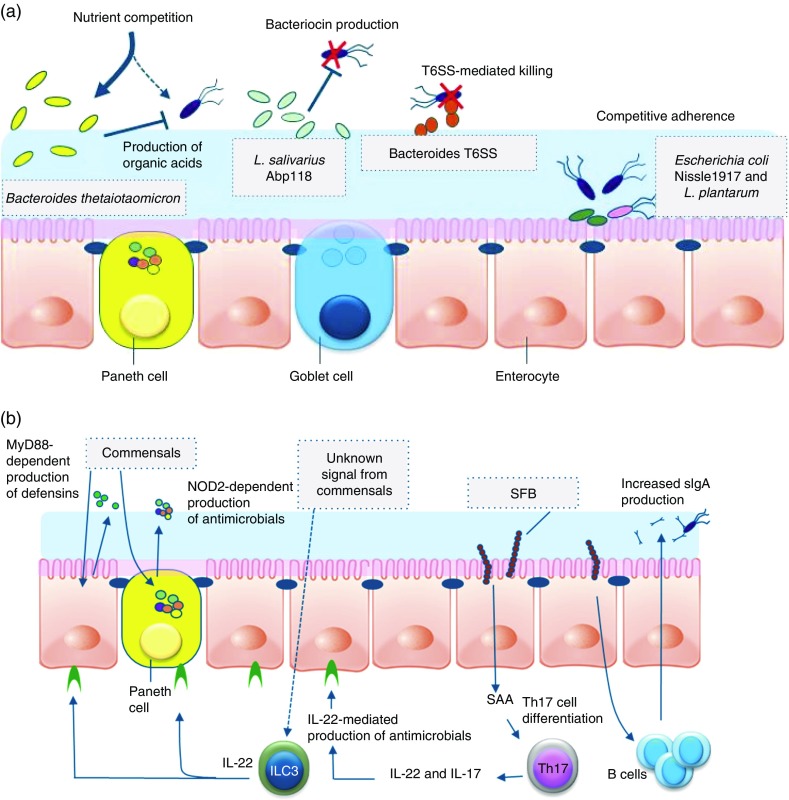
“Probiotics have been widely reported to treat pathogens-caused diarrhea by maintaining or improving the balance of gut microbiota and the mechanisms may be associated with the inhibitory effect on the colonization of harmful bacteria by competing for nutrients and producing antibacterial compounds (Bron et al., 2017).”
BackgroundCui, Y., Wang, Q., Chang, R., Zhou, X., & Xu, C. (2019) · Journal of Agricultural and Food Chemistry · doi:10.1021/acs.jafc.9b00080 · Cited by 220
Sasso, J. M., Ammar, R. M., Tenchov, R., Lemmel, S. A., Kelber, O., Grieswelle, M., & Zhou, Q. A. (2023) · ACS Chemical Neuroscience · doi:10.1021/acschemneuro.3c00127 · Cited by 229
Molecular mechanisms of probiotic prevention of antibiotic-associated diarrhea
Mekonnen, S. A., Merenstein, D. J., Fraser, C. M., & Marco, M. L. (2020) · Current Opinion in Biotechnology · doi:10.1016/j.copbio.2020.01.005 · Cited by 207
“Currently, specific compounds responsible for probiotic-induced changes to epithelial barrier function are largely unknown [52].”
BackgroundProtective Microbiota: From Localized to Long-Reaching Co-Immunity
Chiu, L., Bazin, T., Truchetet, M., Schaeverbeke, T., Delhaès, L., & Pradeu, T. (2017) · Frontiers in Immunology · doi:10.3389/fimmu.2017.01678 · Cited by 208
Probiotics: Versatile Bioactive Components in Promoting Human Health
Sharifi‐Rad, J., Rodrigues, C. F., Stojanović-Radić, Z. Z., Dimitrijević, M., Aleksić, A., Neffe‐Skocińska, K., Zielińska, D., Kołożyn‐Krajewska, D., Salehi, B., Prabu, S. M., et al. (2020) · Medicina · doi:10.3390/medicina56090433 · Cited by 203
The intestinal barrier in multiple sclerosis: implications for pathophysiology and therapeutics
Camara-Lemarroy, C. R., Metz, L. M., Meddings, J. B., Sharkey, K. A., & Yong, V. W. (2018) · Brain · doi:10.1093/brain/awy131 · Cited by 188
“Probiotics have emerged as an interesting option in regulating intestinal barrier function, fuelled by research in both in vitro and in vivo models that show that some microbiota can stabilize the intestinal barrier (Bron et al., 2017).”
BackgroundGut microbiota and diabetes: From correlation to causality and mechanism
Li, W., Stirling, K., Yang, J., & Zhang, L. (2020) · World Journal of Diabetes · doi:10.4239/wjd.v11.i7.293 · Cited by 189
Schoultz, I., & Keita, Å. V. (2019) · Cells · doi:10.3390/cells8020193 · Cited by 193
“Probiotics have been proposed to have an impact on the intestinal barrier directly, by limiting the colonization of pathogenic bacteria as well as indirectly by interacting with innate immune cells, leading to the production of IL-22 and the initiation of specific mucin genes [147].”
BackgroundThe Role of Intestinal Mucosal Barrier in Autoimmune Disease: A Potential Target
An, J., Liu, Y., Wang, Y., Fan, R., Hu, X., Zhang, F., Yang, J., & Chen, J. (2022) · Frontiers in Immunology · doi:10.3389/fimmu.2022.871713 · Cited by 197
“There is increasing evidence that the intestinal microbiome plays a key role in regulating and supporting the intestinal mucosa barrier (10, 39).”
BackgroundSchepper, J. D., Collins, F. L., Rios-Arce, N. D., Raehtz, S., Schaefer, L., Gardinier, J. D., Britton, R. A., Parameswaran, N., & McCabe, L. R. (2019) · Journal of Bone and Mineral Research · doi:10.1002/jbmr.3635 · Cited by 182
Viral Infections, the Microbiome, and Probiotics
Harper, A., Vijayakumar, V., Ouwehand, A. C., ter Haar, J., Obis, D., Espadaler, J., Binda, S., Desiraju, S., & Day, R. (2021) · Frontiers in Cellular and Infection Microbiology · doi:10.3389/fcimb.2020.596166 · Cited by 177
“Numerous pre-clinical studies have shown that oral probiotics are capable of positively influencing gut barrier function and systemic immunity, and thus, in the case of pneumonia, may enhance the host’s ability to suppress and clear reproducing lung pathogens as they emerge (Bron et al., 2017) (Forsythe, 2014).”
BackgroundInfluentialProbiotics and necrotizing enterocolitis
Patel, R. M., & Underwood, M. A. (2017) · Seminars in Pediatric Surgery · doi:10.1053/j.sempedsurg.2017.11.008 · Cited by 170
“There are a number of mechanisms of probiotic action in the gut, which include: 1) upregulation of cytoprotective genes (24); 2) downregulation of pro-inflammatory gene expression (25–28); 3) production of butyrate and other short chain fatty acids that nourish colonocytes and lower the pH and oxygen tension within th…”
BackgroundTargeted Delivery of Probiotics: Perspectives on Research and Commercialization
Yoha, K. S., Nida, S., Dutta, S., Moses, J. A., & Anandharamakrishnan, C. (2021) · Probiotics and Antimicrobial Proteins · doi:10.1007/s12602-021-09791-7 · Cited by 185
Impact of probiotics and prebiotics on food texture
Guimarães, J. T., Balthazar, C. F., Silva, R., Rocha, R. S., da Graça, J. S., Esmerino, E. A., Silva, M. C., Sant’Ana, A. S., Duarte, M. C. K. H., Freitas, M. Q., et al. (2019) · Current Opinion in Food Science · doi:10.1016/j.cofs.2019.12.002 · Cited by 165
Oral nanomedicine for modulating immunity, intestinal barrier functions, and gut microbiome
Lee, Y., Kamada, N., & Moon, J. J. (2021) · Advanced Drug Delivery Reviews · doi:10.1016/j.addr.2021.114021 · Cited by 169
“Moreover, some commensal microbial species, such as Lactobacillus spp [83,84], Bifidobacterium longum [85], Lactobacillus reuteri [86], and Akkermansia muciniphila [87–92], promote the mucin production and increase the mucus layer thickness.”
BackgroundXu, H., Zhang, Y., Wang, P., Zhang, J., Chen, H., Zhang, L., Du, X., Zhao, C., Wu, D., Liu, F., et al. (2021) · Acta Pharmaceutica Sinica B · doi:10.1016/j.apsb.2021.03.024 · Cited by 168
Chu, F., Shi, M., Lang, Y., Shen, D., Jin, T., Zhu, J., & Cui, L. (2018) · Mediators of Inflammation · doi:10.1155/2018/8168717 · Cited by 164
“Thus, probiotics could be used as adjuvant therapy to treat immune-mediated diseases [162, 163].”
BackgroundIntestinal epithelial barrier functions in ageing
Branca, J. J. V., Gulisano, M., & Nicoletti, C. (2019) · Ageing Research Reviews · doi:10.1016/j.arr.2019.100938 · Cited by 165
Hungin, A. P. S., Mitchell, C. R., Whorwell, P., Mulligan, C., Cole, O., Agréus, L., Fracasso, P., Lionis, C., Mendive, J., Philippart de Foy, J. ‐., et al. (2018) · Alimentary Pharmacology & Therapeutics · doi:10.1111/apt.14539 · Cited by 154
“microorganisms, inhibition of pathogen adhesion, production of anti-microbial substances and modulation of the immune system.(4-6) Studies in several animal models have indicated positive therapeutic results for probiotics in a range of conditions, such as asthma,(7) obesity,(8,9) diabetes mellitus,(10) hypertension,(…”
Yao, M., Li, B., Ye, H., Huang, W., Luo, Q., Xiao, H., McClements, D. J., & Li, L. (2018) · Food Hydrocolloids · doi:10.1016/j.foodhyd.2018.05.024 · Cited by 159
“Probiotics have been used as treatments for various diseases due to their ability to promote a healthier gut microbiota (Bron et al., 2017).”
BackgroundWang, Y., Xie, Q., Zhang, Y., Ma, W., Ning, K., Xiang, J., Cui, J., & Xiang, H. (2019) · Applied Microbiology and Biotechnology · doi:10.1007/s00253-019-10259-6 · Cited by 144
Dunleavy, K. A., Raffals, L. E., & Camilleri, M. (2023) · Digestive Diseases and Sciences · doi:10.1007/s10620-023-08122-w · Cited by 145
Brugman, S., Ikeda‐Ohtsubo, W., Braber, S., Folkerts, G., Pieterse, C. M. J., & Bakker, P. A. H. M. (2018) · Frontiers in Nutrition · doi:10.3389/fnut.2018.00080 · Cited by 134
“, via increasing mucosal immunity, regulating Thelper cell responses, and release of cytokines) (160, 162, 169, 170).”
BackgroundThe influence of antibiotics and dietary components on gut microbiota
Dudek-Wicher, R. K., Junka, A., & Bartoszewicz, M. (2018) · Gastroenterology Review · doi:10.5114/pg.2018.76005 · Cited by 131
“The gut microbiota contributes to the structural development of the gut mucosa and can also modulate mucosal glycosylation patterns that are microbial attachment sites both at the cell surface and subcellular levels [8, 13, 14].”
BackgroundLimosilactobacillus reuteri in Health and Disease
Abuqwider, J., Altamimi, M., & Mauriello, G. (2022) · Microorganisms · doi:10.3390/microorganisms10030522 · Cited by 131
Chong, H.-X., Yusoff, N. A. A., Hor, Y.-Y., Lew, L.-C., Jaafar, M. H., Choi, S. B., Yusoff, M. S. B., Wahid, N. A., Abdullah, M. F. I. L. B., Zakaria, N., et al. (2019) · Journal of Dairy Science · doi:10.3168/jds.2018-16103 · Cited by 121
Human Intestinal Barrier: Effects of Stressors, Diet, Prebiotics, and Probiotics
Camilleri, M. (2021) · Clinical and Translational Gastroenterology · doi:10.14309/ctg.0000000000000308 · Cited by 121
“The ability of probiotics to alter intestinal barrier and microbiome has been recently reviewed (46) and is summarized in this study.”
BackgroundInfluentialDeng, H., Yang, S., Zhang, Y., Qian, K., Zhang, Z., Liu, Y., Wang, Y., Bai, Y., Fan, H., Zhao, X., et al. (2018) · Frontiers in Microbiology · doi:10.3389/fmicb.2018.02976 · Cited by 123
Probiotics: A Promising Candidate for Management of Colorectal Cancer
Tripathy, A., Dash, J., Kancharla, S., Kolli, P., Mahajan, D., Senapati, S., & Jena, M. K. (2021) · Cancers · doi:10.3390/cancers13133178 · Cited by 118
Microbiota modification by probiotic supplementation reduces colitis associated colon cancer in mice
Mendes, M. C. S., Paulino, D. S., Brambilla, S. R., Camargo, J. A., Persinoti, G. F., & Carvalheira, J. B. C. (2018) · World Journal of Gastroenterology · doi:10.3748/wjg.v24.i18.1995 · Cited by 116
Qiu, K., Li, C., Wang, J., Qi, G., Gao, J. L., Zhang, H., & Wu, S. (2021) · Frontiers in Nutrition · doi:10.3389/fnut.2021.786878 · Cited by 116
“Gut commensals, referred to as probiotics, were discovered to reinforce intestinal health by impacting the intestinal barrier function (39, 40).”
BackgroundBajić, S. S., Đokić, J., Dinić, M., Veljović, K., Golić, N., Mihajlović, S., & Tolinački, M. (2019) · Frontiers in Microbiology · doi:10.3389/fmicb.2019.00527 · Cited by 109
Inhibitory effect of Bifidobacterium bifidum ATCC 29521 on colitis and its mechanism
Din, A. U., Hassan, A., Zhu, Y. S., Zhang, K., Wang, Y., Li, T., Wang, Y., & Wang, G. (2020) · The Journal of Nutritional Biochemistry · doi:10.1016/j.jnutbio.2020.108353 · Cited by 109
Zhou, L., & Xiao, X. (2017) · Bioscience Reports · doi:10.1042/bsr20171234 · Cited by 110
Bai, Y., Huang, F., Zhang, R., Dong, L., Jia, X., Liu, L., Yi, Y., & Zhang, M. (2019) · Carbohydrate Polymers · doi:10.1016/j.carbpol.2019.115475 · Cited by 106
Wang, G., Huang, S., Cai, S., Yu, H., Wang, Y., Zeng, X., & Qiao, S. (2020) · Nutrients · doi:10.3390/nu12082298 · Cited by 107
Duchon, J. M., Barbian, M. E., & Denning, P. W. (2021) · Clinics in Perinatology · doi:10.1016/j.clp.2021.03.002 · Cited by 114
The Role of Mucosal Immunity in the Pathogenesis of Necrotizing Enterocolitis
Hodzic, Z., Bolock, A. M., & Good, M. L. (2017) · Frontiers in Pediatrics · doi:10.3389/fped.2017.00040 · Cited by 108
“Moreover, there are several mechanisms by which probiotics can prevent the development of NEC (187).”
BackgroundRoyal Jelly: Biological Action and Health Benefits
Oršolić, N., & Jembrek, M. J. (2024) · International Journal of Molecular Sciences · doi:10.3390/ijms25116023 · Cited by 117
Song, X., Wang, M., Dong, L., Zhu, H., & Wang, J. (2018) · PLoS Pathogens · doi:10.1371/journal.ppat.1006899 · Cited by 98
Costa, R. J. S., Gaskell, S. K., McCubbin, A. J., & Snipe, R. M. J. (2019) · Temperature · doi:10.1080/23328940.2019.1597676 · Cited by 101
“infection and inflammation) [164], it is suggested that probiotic supplementation may also ameliorate exercise-associated gastrointestinal perturbations.”
BackgroundAluminum induced intestinal dysfunction via mechanical, immune, chemical and biological barriers
Hao, W., Hao, C., Wu, C., Xu, Y., & Jin, C. (2021) · Chemosphere · doi:10.1016/j.chemosphere.2021.132556 · Cited by 106
Wang, Y., Guo, Y., Chen, H., Wei, H., & Wan, C. (2018) · Canadian Journal of Microbiology · doi:10.1139/cjm-2017-0716 · Cited by 99
Receptor-targeted engineered probiotics mitigate lethal Listeria infection
Drolia, R., Amalaradjou, M. A. R., Ryan, V., Tenguria, S., Liu, D., Bai, X., Xu, L., Singh, A. K., Cox, A. D., Bernal-Crespo, V., et al. (2020) · Nature Communications · doi:10.1038/s41467-020-20200-5 · Cited by 103
Role of prebiotics in enhancing the function of next-generation probiotics in gut microbiota
Fei, Y., Chen, Z., Han, S., Zhang, S., Zhang, T., Lu, Y., Berglund, B., Xiao, H., Li, L., & Yao, M. (2021) · Critical Reviews in Food Science and Nutrition · doi:10.1080/10408398.2021.1958744 · Cited by 105
“For example, butyrate, being a primary substrate for intestinal epithelial cells, increases intestinal mucus production, stimulates the proliferation of colonocytes and strengthens tight junctions by reducing bacterial translocation (Bron et al. 2017; Lewis et al. 2010; Wilson andWhelan 2017).”
BackgroundMicrobiota and Probiotics in Health and HIV Infection
D’Angelo, C., Reale, M., & Costantini, E. (2017) · Nutrients · doi:10.3390/nu9060615 · Cited by 97
Engineering Diagnostic and Therapeutic Gut Bacteria
Landry, B. P., & Tabor, J. J. (2017) · Microbiology Spectrum · doi:10.1128/microbiolspec.bad-0020-2017 · Cited by 95
“These microbes have been used to treat Clostridium infection (7); in fl amma-tory diseases such as obesity, diabetes, and in fl ammatory bowel disease (8); and neurological conditions such as anxiety, depression, and autism spectrum disorder (6), among other pathologies.”
Singh, A., Vishwakarma, V., & Singhal, B. (2018) · Advances in Bioscience and Biotechnology · doi:10.4236/abb.2018.94012 · Cited by 97
Probiotics in microbiome ecological balance providing a therapeutic window against cancer
Sehrawat, N., Yadav, M. K., Singh, M. P., Kumar, V., Sharma, V., & Sharma, A. K. (2020) · Seminars in Cancer Biology · doi:10.1016/j.semcancer.2020.06.009 · Cited by 99
Hu, J. P., Chen, L., Zheng, W., Shi, M. Y., Liu, L., Xie, C., Wang, X., Niu, Y., Hou, Q., Xu, X., et al. (2018) · Frontiers in Microbiology · doi:10.3389/fmicb.2018.00897 · Cited by 95
“Growing evidences have revealed that probiotics (benign commensals) facilitated the intestinal epithelial barrier function maintenance in mammals (Bron et al., 2011, 2017; Wan et al., 2016).”
BackgroundSales, K. M., & Reimer, R. A. (2022) · Journal of sport and health science/Journal of Sport and Health Science · doi:10.1016/j.jshs.2022.09.002 · Cited by 106
“This reduces the translocation of bacteria and endotoxins from the intestinal lumen into systemic circulation, thus reducing inflammation and improving immunity.(78) As a result, it is possible the Lactobacillus and Bifidobacterium interventions indirectly improved endurance exercise capacity by enhancing intestinal b…”
BackgroundHan, C., Xiao, Y., Liu, E., Su, Z., Meng, X., & Liu, B. (2020) · International Journal of Biological Macromolecules · doi:10.1016/j.ijbiomac.2020.07.247 · Cited by 94
Probiotics to prevent necrotising enterocolitis in very preterm or very low birth weight infants
Sharif, S., Meader, N., Oddie, S., Rojas, M. X., & McGuire, W. L. (2023) · Cochrane Database of Systematic Reviews · doi:10.1002/14651858.cd005496.pub6 · Cited by 112
The ameliorative effect of Lactobacillus plantarum -12 on DSS-induced murine colitis
Sun, M., Liu, Y., Song, Y., Gao, Y., Zhao, F., Luo, Y., Qian, F., Mu, G., & Tuo, Y. (2020) · Food & Function · doi:10.1039/d0fo00007h · Cited by 92
The Potential Effects of Probiotics and ω-3 Fatty Acids on Chronic Low-Grade Inflammation
Hutchinson, A. N., Tingö, L., & Brummer, R. J. (2020) · Nutrients · doi:10.3390/nu12082402 · Cited by 92
Zhao, T.-S., Xie, L., Cai, S., Xu, J., Zhou, H., Tang, L., Yang, C., Fang, S., Li, M., & Tian, Y. (2021) · Frontiers in Cellular and Infection Microbiology · doi:10.3389/fcimb.2021.717636 · Cited by 89
“A study reported that the beneficial bacteria regulated the composition of gut microbiota by competing for nutrients or producing metabolites, and affected the colonization of intestinal pathogens (Bron et al., 2017; Pickard et al., 2017).”
BackgroundChen, T., Shen, M., Yu, Q., Chen, Y., Wen, H., Lu, H., Chen, D., & Xie, J. (2022) · Food Chemistry · doi:10.1016/j.foodchem.2022.133768 · Cited by 88
Advances in Probiotic Regulation of Bone and Mineral Metabolism
McCabe, L. R., & Parameswaran, N. (2018) · Calcified Tissue International · doi:10.1007/s00223-018-0403-7 · Cited by 85
Obesity and Multiple Sclerosis—A Multifaceted Association
Schreiner, T. G., & Genes, T.-M. (2021) · Journal of Clinical Medicine · doi:10.3390/jcm10122689 · Cited by 89
“We should also mention early research related to probiotic treatment and fecal microbial transplantation that modifies the intestinal microbiota ecosystem and could be useful in MS, although currently without significant therapeutic impact (Bron et al., 2017) [70].”
BackgroundFilippis, A. D., Ullah, H., Baldi, A., Dacrema, M., Esposito, C., Garzarella, E. U., Santarcangelo, C., Tantipongpiradet, A., & Daglia, M. (2020) · International Journal of Molecular Sciences · doi:10.3390/ijms21144929 · Cited by 87
“Probiotics can provide a number of benefits to the host beyond nutrition, such as enhancing intestinal epithelial integrity, regulating immunity of the GI mucosa, protecting gut barrier disruption, and inhibiting the growth and/or activity of pathogenic microbes in the GI [70,71,99].”
BackgroundRomán, E., Nieto, J. C., Gely, C., Vidal, S., Pozuelo, M., Poca, M., Juárez, C., Guarner, C., Manichanh, C., & Soriano, G. (2019) · Hepatology Communications · doi:10.1002/hep4.1325 · Cited by 80
“Nevertheless, we would like to point out that the results from the biomarkers used in the present study that could suggest an improvement in the intestinal barrier after probiotic treatment are consistent with previous data.(23,38-45) As future research, a study with a larger number of patients and with a longer treat…”
ResultEffect of Non-Nutritive Sweeteners on the Gut Microbiota
Conz, A., Salmona, M., & Diomede, L. (2023) · Nutrients · doi:10.3390/nu15081869 · Cited by 94
“They are also a crucial energy source for intestinal epithelial cells, reinforcing the mucosal barrier [28,29].”
BackgroundGarcía-Castillo, V., Komatsu, R., Clua, P., Indo, Y., Takagi, M., Salva, S., Islam, M. A., Alvarez, S., Takahashi, H., García, A., et al. (2019) · Frontiers in Immunology · doi:10.3389/fimmu.2019.01376 · Cited by 79
“Experimental models have demonstrated that immunobiotics can attenuate the severity of infections caused by several gastrointestinal pathogens including Helicobacter pylori, Citrobacter rodentium, Listeria monocytogenes, and Salmonella typhimurium (16).”
BackgroundInteractions of probiotics and prebiotics with the gut microbiota
Ballan, R., Battistini, C., Xavier-Santos, D., & Saad, S. M. I. (2020) · Progress in molecular biology and translational science · doi:10.1016/bs.pmbts.2020.03.008 · Cited by 84
“leading to the activation of NF-κB and production of cytokines such as TNF-α, which results in increased insulin resistance due to an IRS-1 phosphorylation in serine.(142,143) Interestingly, some scientists have attempted to”
BackgroundDeng, H., Yang, S., Zhang, Y., Qian, K., Zhang, Z., Liu, Y., Wang, Y., Bai, Y., Fan, H., Zhao, X., et al. (2019) · Frontiers in Microbiology · doi:10.3389/fmicb.2019.00601 · Cited by 78
Soluble Fiber and Insoluble Fiber Regulate Colonic Microbiota and Barrier Function in a Piglet Model
Chen, T., Chen, D., Tian, G., Zheng, P., Mao, X., Yu, J., He, J., Huang, Z., Luo, Y., Luo, J., et al. (2019) · BioMed Research International · doi:10.1155/2019/7809171 · Cited by 78
Jiang, H., Zhang, Y., Xu, D., & Wang, Q. (2021) · Journal of Clinical Laboratory Analysis · doi:10.1002/jcla.23650 · Cited by 76
Ferro, M., Charneca, S., Dourado, E., Guerreiro, C. S., & Fonseca, J. E. (2021) · Frontiers in Pharmacology · doi:10.3389/fphar.2021.711788 · Cited by 77
“Examples include the adherent Lactobacillus spp, which can stimulate MUC3 expression in human intestinal epithelial cells and MUC2 production and secretion (Sicard et al., 2017; Bron et al., 2017), and Lactobacillus reuteri (L.”
BackgroundKing, S., Tancredi, D. J., Lenoir‐Wijnkoop, I., Gould, K. M., Vann, H., Connors, G., Sanders, M. E., Linder, J. A., Shane, A. L., & Merenstein, D. (2018) · European Journal of Public Health · doi:10.1093/eurpub/cky185 · Cited by 76
Kleerebezem, M., Binda, S., Bron, P. A., Gross, G., Hill, C., Vlieg, J. E. V. H., Lebeer, S., Satokari, R. M., & Ouwehand, A. C. (2018) · Current Opinion in Biotechnology · doi:10.1016/j.copbio.2018.09.007 · Cited by 75
“Finally, most of the AAD associated pathogens disturb the intestinal barrier, an effect that could be compensated by probiotic stimulation of barrier integrity and/or repair [36,37].”
BackgroundElazzazy, A. M., Baeshen, M. N., Alasmi, K. M., Alqurashi, S. I., Desouky, S. E., & Khattab, S. M. R. (2025) · Microorganisms · doi:10.3390/microorganisms13030566 · Cited by 77
“Unlike probiotics, postbiotics do not rely on live microorganisms, making them more stable and easier to incorporate into health interventions.”
Is there a relationship between intestinal microbiota, dietary compounds, and obesity?
Kałużna‐Czaplińska, J., Gątarek, P., Chartrand, M. S., Dadar, M., & Bjørklund, G. (2017) · Trends in Food Science & Technology · doi:10.1016/j.tifs.2017.10.010 · Cited by 72
Xiao, S., Li, Q., Hu, K., He, Y., Ai, Q., Hu, L., & Yu, J. (2018) · Archives of Medical Research · doi:10.1016/j.arcmed.2018.04.003 · Cited by 71
Probiotics in Gut-Bone Signaling
Schepper, J. D., Irwin, R., Kang, J., Dagenais, K., Lemon, T., Shinouskis, A., Parameswaran, N., & McCabe, L. R. (2017) · Advances in experimental medicine and biology · doi:10.1007/978-3-319-66653-2_11 · Cited by 76
Spotlight on the Compositional Quality of Probiotic Formulations Marketed Worldwide
Mazzantini, D., Calvigioni, M., Celandroni, F., Lupetti, A., & Ghelardi, E. (2021) · Frontiers in Microbiology · doi:10.3389/fmicb.2021.693973 · Cited by 75
Tabrizi, R., Ostadmohammadi, V., Akbari, M., Lankarani, K. B., Vakili, S., Peymani, P., Karamali, M., Kolahdooz, F., & Asemi, Z. (2022) · Probiotics and Antimicrobial Proteins · doi:10.1007/s12602-019-09559-0 · Cited by 76
Liu, Y., Chen, Z., Dai, J., Yang, P., Hu, H., Ai, Q., Zhang, W., Zhang, Y., Zhang, Y., & Mai, K. (2018) · Aquaculture · doi:10.1016/j.aquaculture.2018.08.021 · Cited by 68
Mechanisms linking the human gut microbiome to prophylactic and treatment strategies for COVID-19
Walton, G., Gibson, G. R., & Hunter, K. A. (2020) · British Journal Of Nutrition · doi:10.1017/s0007114520003980 · Cited by 66
Metadata
- Authors
- Bron, P. A., Kleerebezem, M., Brummer, R.-J., Cani, P. D., Mercenier, A., MacDonald, T. T., Garcia-Ródenas, C. L., & Wells, J. M.
- Affiliations
- Nederlands Instituut Voor Zuivel Oonderzoek (NL)
- Wageningen University & Research (NL)
- Örebro University (SE)
- Walloon Excellence in Lifesciences and Biotechnology (BE)
- Nestlé (Switzerland) (CH)
- Queen Mary University of London (GB)
- Corresponding author
- Bron, Peter A.
- ORCID
- Venue
- British Journal Of Nutrition
- Publisher
- Cambridge University Press (CUP)
- Published
- 2017-01-14
- Volume
- 117
- Issue
- 1
- Pages
- 93-107
- ISSN
- 0007-1145 (ISSN-L)
- 1475-2662
- PMC
- PMC5297585
- OpenAlex
- W2573938105
- Cited by
- 499
- References
- 232
- Citations by year
- 2026: 54 · 2025: 47 · 2024: 55 · 2023: 52 · 2022: 64 · 2021: 67 · 2020: 54 · 2019: 43 · 2018: 42 · 2017: 19
- FWCI
- 4.68
- Type
- journal article
- Language
- en
- Open access
- hybrid
- doi.org
- Licence
- Locations
- British Journal Of Nutrition (publishedVersion, cc-by-nc-nd)
- PubMed Central (publishedVersion, cc-by-nc-nd)
- PubMed (publishedVersion)
- Socio-Environmental Systems Modeling (acceptedVersion, cc-by-nc-nd)
- Digital Access to Libraries (Université catholique de Louvain (UCL), l'Université de Namur (UNamur) and the Université Saint-Louis (USL-B)) (submittedVersion, other-oa)
- Queen Mary Research Online (Queen Mary University of London) (submittedVersion, cc-by-nc-nd)
- Data Archiving and Networked Services (DANS) (submittedVersion, cc-by-nc-nd)
- Funders
- Fonds De La Recherche Scientifique - FNRS (WELBIO-CR-2012S-02R)
- Walloon excellence in life sciences and biotechnology
- FP7 Ideas: European Research Council (336452)
- Topics
- Life Sciences › Agricultural and Biological Sciences › Food Science › Probiotics and Fermented Foods
- Life Sciences › Biochemistry, Genetics and Molecular Biology › Molecular Biology › Gut microbiota and health
- Health Sciences › Medicine › Gastroenterology › Gastrointestinal motility and disorders
- Keywords
- probiotics, intestinal barrier function, epithelial barrier integrity, mucosal homeostasis, gastrointestinal diseases, irritable bowel syndrome, inflammatory bowel disease, necrotizing enterocolitis, obesity, diabetes mellitus, pathogen infection
- MeSH terms
- Animals, Humans, Intestinal Diseases, Intestines, Probiotics
About these checks
Registry, retraction, Cites and statistics results are computed, not judged, with one exception: a printed reference that no index lists is read once by a model before it counts as a citation error. Claims are extracted by a model and kept only when their quote appears verbatim in the text; each cited source is then checked, with a model’s help, for whether it says what the claim relies on. Those verdicts can be wrong — read the claim’s quote and the cited source before relying on one.
Statistics and arithmetic are recomputed, not judged.
Confidence bands are shown only for fields calibrated on our annotated test set. None is calibrated yet, so no band is shown.
What counts as a claim ›How we measure confidence ›How we check this ›
Are you an author, or do you see a problem with this page? Request a review
