

Molecular alterations of cancer cell and tumour microenvironment in metastatic gastric cancer
Open accessThe DOI matches its Crossref record; 246 of the 246 references it cites were found in a registry or an index.
Abstract
The term metastasis is widely used to describe the endpoint of the process by which tumour cells spread from the primary location to an anatomically distant site. Achieving successful dissemination is dependent not only on the molecular alterations of the cancer cells themselves, but also on the microenvironment through which they encounter. Here, we reviewed the molecular alterations of metastatic gastric cancer (GC) as it reflects a large proportion of GC patients currently seen in clinic. We hope that further exploration and understanding of the multistep metastatic cascade will yield novel therapeutic targets that will lead to better patient outcomes.
Overview
The claims and statistics of this paper haven’t been checked yet.
Free: it reads the open-access text and checks the first 5 claims that cite a source we can check. Create a free account to check every claim.
Integrity signals
Registry
Cites
Statistics
Figures
Verification
Claims the paper makes
The claims and statistics of this paper haven’t been checked yet.
Free: it reads the open-access text and checks the first 5 claims that cite a source we can check. Create a free account to check every claim.
Claims other papers make about this one
Each is checked against this paper’s own text: does it say what the citing paper says it does?
The source backs part of the claim, not all of it — or backs it for a different population, condition or comparison.
In the citing paper
“Therefore, on the other side of the argument, interactions in reactive non-neoplastic cells, genetically-altered tumor cells, and ECM control the majority of the stages of tumorigenesis effectively including clonal evolution, cancer heterogeneity, epithelial-mesenchymal-transition (EMT), migration, invasion, development of metastasis, neovascularization, apoptosis and chemotherapeutic drug resist”
From Tumor microenvironment complexity and therapeutic implications at a glance (2020) · cites this paper as [12]
Experimental — accuracy not yet measured
Self-check
Percentages, sums and reported differences re-computed from the paper’s own numbers.
The self-check needs the paper’s full text.
Citations
Cites
3 retracted
Zhang, B.-G., Du, T., Zang, M., Chang, Q. H., Fan, Z., Li, J., Yu, B., Su, L., Li, C., Yan, C., et al. (2014) · Oncotarget · doi:10.18632/oncotarget.2513 · Cited by 58 · cited 1×
“Similarly, androgen receptor, which is believed to play vital roles in various types of cancers, has been reported to bind directly to the promoter region of MMP-9, which upregulates MMP-9 expression and in turn promotes GC cell migration and invasion [55].”
BackgroundRetractedTao, Y., Yang, S., Wu, Y., Fang, X., Wang, Y., Song, Y., & Han, T. (2017) · Oncotarget · doi:10.18632/oncotarget.21488 · Cited by 48
RetractedSong, G., Zhang, H., Chen, C., Gong, L., Chen, B., Zhao, S., Shi, J., Xu, J., & Ye, Z. (2017) · Oncotarget · doi:10.18632/oncotarget.17392 · Cited by 37
RetractedCancer incidence and mortality worldwide: Sources, methods and major patterns in GLOBOCAN 2012
Ferlay, J., Soerjomataram, I., Dikshit, R., Eser, S., Mathers, C., Rebelo, M., Parkin, D. M., Forman, D., & Bray, F. (2015) · International Journal of Cancer · doi:10.1002/ijc.29210 · Cited by 28,766
Coussens, L. M., & Werb, Z. (2002) · Nature · doi:10.1038/nature01322 · Cited by 15,111
Zhang, Q., Wang, C., Zheng, M., Li, Y., Li, J., Zhang, L., Shang, X., & Yan, C. (2015) · Cerebrovascular Diseases · doi:10.1159/000369778 · Cited by 11,533
Projections of Global Mortality and Burden of Disease from 2002 to 2030
Mathers, C. D., & Loncar, D. (2006) · PLoS Medicine · doi:10.1371/journal.pmed.0030442 · Cited by 11,386
Epithelial-Mesenchymal Transitions in Development and Disease
Thiery, J. P., Acloque, H., Huang, R. Y. J., & Nieto, M. A. (2009) · Cell · doi:10.1016/j.cell.2009.11.007 · Cited by 9,931
Molecular mechanisms of epithelial–mesenchymal transition
Lamouille, S., Xu, J., & Derynck, R. (2014) · Nature Reviews Molecular Cell Biology · doi:10.1038/nrm3758 · Cited by 8,091
New functions for the matrix metalloproteinases in cancer progression
Egeblad, M., & Werb, Z. (2002) · Nature Reviews Cancer · doi:10.1038/nrc745 · Cited by 6,108 · cited 1×
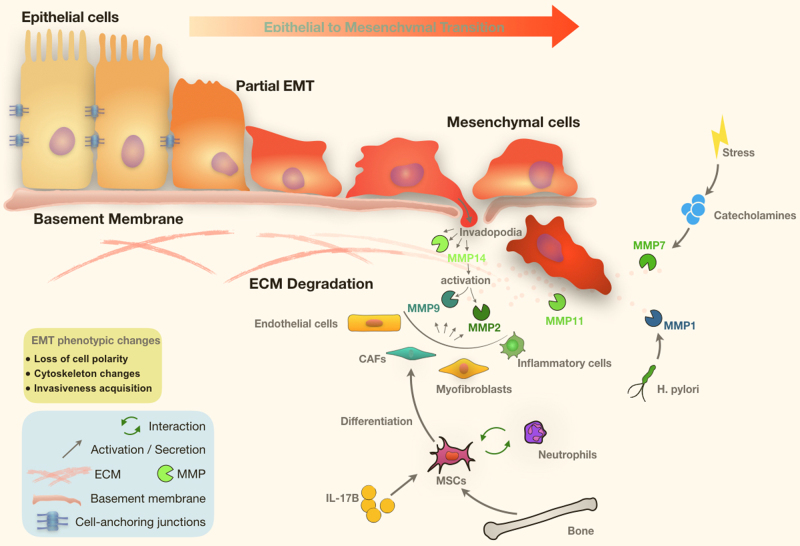
“derived MMPs, emerging evidence indicate that MMPs (including MMP-2 and MMP-9) can also be secreted by the surrounding stromal cells, such as endothelial cells, fibroblasts, myofibroblasts and inflammatory cells [65].”
BackgroundMolecular mechanisms and clinical applications of angiogenesis
Carmeliet, P., & Jain, R. K. (2011) · Nature · doi:10.1038/nature10144 · Cited by 5,467
Matrix Metalloproteinases: Regulators of the Tumor Microenvironment
Kessenbrock, K., Plaks, V., & Werb, Z. (2010) · Cell · doi:10.1016/j.cell.2010.03.015 · Cited by 5,151 · cited 2×
“uncontrolled proteolytic activity, tissue remodelling and disproportionate degradation of BM, thereby granting tumour cells stromal access [42, 43].”
BackgroundTumour exosome integrins determine organotropic metastasis
Hoshino, A., Costa-Silva, B., Shen, T.-L., Rodrigues, G., Hashimoto, A., Tesic Mark, M., Molina, H., Kohsaka, S., Di Giannatale, A., Ceder, S., et al. (2015) · Nature · doi:10.1038/nature15756 · Cited by 5,101 · cited 1×
“also showed great influences on inducing pre-metastatic niches [128].”
BackgroundThe pathogenesis of cancer metastasis: the ‘seed and soil’ hypothesis revisited
Fidler, I. J. (2003) · Nature Reviews Cancer · doi:10.1038/nrc1098 · Cited by 4,686
Cancer Metastasis: Building a Framework
Gupta, G. P., & Massagué, J. (2006) · Cell · doi:10.1016/j.cell.2006.11.001 · Cited by 4,247 · cited 1×
“Metastasis is the main cause of cancer mortality (>90%) and a critical step that hampers the development of anticancer therapy due to its systemic nature and resistance to existing therapeutic drugs [6, 7].”
BackgroundThe Role of Tumoral FOXP3 on Cell Proliferation, Migration, and Invasion in Gastric Cancer
Zhang, L., Xu, J., Zhang, X., Zhang, Y., Wang, L., Huang, X., & Xu, Z. (2017) · Cellular Physiology and Biochemistry · doi:10.1159/000479442 · Cited by 4,088
Tumor Metastasis: Molecular Insights and Evolving Paradigms
Valastyan, S., & Weinberg, R. A. (2011) · Cell · doi:10.1016/j.cell.2011.09.024 · Cited by 4,011 · cited 7×
“It represents a multistep biological cascade that ultimately leads to widespread dissemination of carcinoma cells in various tissue sites [6, 8, 9].”
BackgroundInfluentialDissemination and growth of cancer cells in metastatic sites
Chambers, A. F., Groom, A. C., & MacDonald, I. C. (2002) · Nature Reviews Cancer · doi:10.1038/nrc865 · Cited by 3,911 · cited 1×
“intravasating into the blood circulation and disseminating to distant sites [12, 81, 84].”
BackgroundMembrane vesicles as conveyors of immune responses
Théry, C., Ostrowski, M., & Segura, E. (2009) · Nature Reviews Immunology · doi:10.1038/nri2567 · Cited by 3,882
Pancreatic cancer exosomes initiate pre-metastatic niche formation in the liver
Costa-Silva, B., Aiello, N. M., Ocean, A. J., Singh, S., Zhang, H., Thakur, B. K., Becker, A., Hoshino, A., Mark, M. T., Molina, H., et al. (2015) · Nature Cell Biology · doi:10.1038/ncb3169 · Cited by 2,692
Role of angiogenesis in tumor growth and metastasis
Folkman, J. (2002) · Seminars in Oncology · doi:10.1053/sonc.2002.37263 · Cited by 2,404
Role of angiogenesis in tumor growth and metastasis
FOLKMAN, J. (2002) · Seminars in Oncology · doi:10.1016/s0093-7754(02)70065-1 · Cited by 2,400 · cited 1×
“Angiogenesis represents a tumour response to the hypoxic and nutrient-deficient environment driven by uncontrolled cellular proliferation and consequent explosive enlargement of tumour bulk [80, 81].”
BackgroundLong noncoding RNAs: functional surprises from the RNA world
Wilusz, J. E., Sunwoo, H., & Spector, D. L. (2009) · Genes & Development · doi:10.1101/gad.1800909 · Cited by 2,294
Tumor metastasis: mechanistic insights and clinical challenges
Steeg, P. S. (2006) · Nature Medicine · doi:10.1038/nm1469 · Cited by 2,134
Cancer Invasion and the Microenvironment: Plasticity and Reciprocity
Friedl, P., & Alexander, S. (2011) · Cell · doi:10.1016/j.cell.2011.11.016 · Cited by 1,940 · cited 1×
“ism: (1) passive transfer, whereby the site of dissemination is dependent on vessel diameter as circulating cancer cells are arrested as they reach the microvasculature, which suggests that the metastatic pattern could be influenced by the layout of circulation systems [116]; (2) active homing, whereby the CTCs have g…”
BackgroundLong noncoding RNAs: past, present, and future
Kung, J. T. Y., Colognori, D., & Lee, J. T. (2013) · Genetics · doi:10.1534/genetics.112.146704 · Cited by 1,874
Labelle, M., Begum, S., & Hynes, R. O. (2011) · Cancer Cell · doi:10.1016/j.ccr.2011.09.009 · Cited by 1,833 · cited 1×
“On the one hand, the plateletcoated tumour cells can protect them from blood flow shear forces, substratum absence and direct lysis by natural killer cells [112]; on the other hand, their association could also induce EMT in cancer cells [109], enhance adhesion to endothelial cells [111], or even disrupt the function…”
BackgroundVan Cutsem, E., Sagaert, X., Topal, B., Haustermans, K., & Prenen, H. (2016) · The Lancet · doi:10.1016/s0140-6736(16)30354-3 · Cited by 1,793
Metastatic potential correlates with enzymatic degradation of basement membrane collagen
Liotta, L. A., Tryggvason, K., Garbisa, S., Hart, I., Foltz, C. M., & Shafie, S. (1980) · Nature · doi:10.1038/284067a0 · Cited by 1,768 · cited 1×
“In cancer, BM functions as a mechanical barrier that prohibits cancer cells from penetrating the neighbouring stroma [41].”
BackgroundFriends or foes — bipolar effects of the tumour stroma in cancer
Mueller, M. M., & Fusenig, N. E. (2004) · Nature Reviews Cancer · doi:10.1038/nrc1477 · Cited by 1,765 · cited 1×
“studies revealed that tumours function as a complex multicellular organ composed of both cancer cells and tumour stroma with significant interactive cross-talks [71].”
BackgroundBasement membranes: structure, assembly and role in tumour angiogenesis
Kalluri, R. (2003) · Nature Reviews Cancer · doi:10.1038/nrc1094 · Cited by 1,748 · cited 1×
“The BM is an important regulator of cellular behaviour in addition to its passive role in supporting surrounding tissues [40].”
BackgroundTumor angiogenesis: molecular pathways and therapeutic targets
Weis, S. M., & Cheresh, D. A. (2011) · Nature Medicine · doi:10.1038/nm.2537 · Cited by 1,736 · cited 2×
“Angiogenesis represents a tumour response to the hypoxic and nutrient-deficient environment driven by uncontrolled cellular proliferation and consequent explosive enlargement of tumour bulk [80, 81].”
BackgroundLymphangiogenesis: Molecular Mechanisms and Future Promise
Tammela, T., & Alitalo, K. (2010) · Cell · doi:10.1016/j.cell.2010.01.045 · Cited by 1,441 · cited 1×
“The quantity of lymphatic vessels in the vicinity of primary tumours correlates with the rate of lymph node metastasis, and lymphatic metastasis is a key factor for prognosis and tumour staging in majority of cancers [85, 90, 97].”
BackgroundChronic stress promotes tumor growth and angiogenesis in a mouse model of ovarian carcinoma
Thaker, P. H., Han, L. Y., Kamat, A. A., Arevalo, J. M., Takahashi, R., Lu, C., Jennings, N. B., Armaiz-Pena, G., Bankson, J. A., Ravoori, M., et al. (2006) · Nature Medicine · doi:10.1038/nm1447 · Cited by 1,320
Lymphangiogenesis in development and human disease
Alitalo, K., Tammela, T., & Petrova, T. V. (2005) · Nature · doi:10.1038/nature04480 · Cited by 1,285
Dissecting the metastatic cascade
Pantel, K., & Brakenhoff, R. H. (2004) · Nature Reviews Cancer · doi:10.1038/nrc1370 · Cited by 1,281 · cited 2×
“DTCs remain dormant in two modes: (1) cellular dormancy and (2) tumour mass dormancy [143].”
BackgroundSadeghi, B., Arvieux, C., Glehen, O., Beaujard, A. C., Rivoire, M., Baulieux, J., Fontaumard, E., Brachet, A., Caillot, J. L., Faure, J. L., et al. (2000) · Cancer · doi:10.1002/(sici)1097-0142(20000115)88:2<358::aid-cncr16>3.0.co;2-o · Cited by 1,200
Frisch, S. M., & Ruoslahti, E. (1997) · Current Opinion in Cell Biology · doi:10.1016/s0955-0674(97)80124-x · Cited by 1,151 · cited 2×
“Anoikis resistance is mechanistically facilitated by cell adhesion molecules, integrins and apoptosis modulators [103, 104], which promotes cell survival and dissemination in the periphery, thereby increasing the possibility of metastatic spread.”
BackgroundFong, M. Y., Zhou, W., Liu, L., Alontaga, A. Y., Chandra, M., Ashby, J., Chow, A., O’Connor, S. T. F., Li, S., Chin, A. R., et al. (2015) · Nature Cell Biology · doi:10.1038/ncb3094 · Cited by 1,118
Quante, M., Tu, S. P., Tomita, H., Gonda, T., Wang, S. S. W., Takashi, S., Baik, G. H., Shibata, W., DiPrete, B., Betz, K. S., et al. (2011) · Cancer Cell · doi:10.1016/j.ccr.2011.01.020 · Cited by 1,044
Palumbo, J. S., Talmage, K. E., Massari, J. V., La Jeunesse, C. M., Flick, M. J., Kombrinck, K. W., Jirousková, M., & Degen, J. L. (2005) · Blood · doi:10.1182/blood-2004-06-2272 · Cited by 999
Rothwell, P. M., Wilson, M., Price, J. F., Belch, J. F., Meade, T. W., & Mehta, Z. (2012) · The Lancet · doi:10.1016/s0140-6736(12)60209-8 · Cited by 984 · cited 1×
“low-dose aspirin is beneficial in reducing the incidence of cancer metastasis [114].”
BackgroundLysis of tumor cells by natural killer cells in mice is impeded by platelets.
Nieswandt, B., Hafner, M., Echtenacher, B., & Männel, D. N. (1999) · PubMed · Cited by 977
TGFβ Primes Breast Tumors for Lung Metastasis Seeding through Angiopoietin-like 4
Padua, D., Zhang, X. H.-F., Wang, Q., Nadal, C., Gerald, W. L., Gomis, R. R., & Massagué, J. (2008) · Cell · doi:10.1016/j.cell.2008.01.046 · Cited by 952
Pathophysiological consequences of VEGF-induced vascular permeability
Weis, S. M., & Cheresh, D. A. (2005) · Nature · doi:10.1038/nature03987 · Cited by 909 · cited 1×
“intravasating into the blood circulation and disseminating to distant sites [12, 81, 84].”
BackgroundMetastatic Latency and Immune Evasion through Autocrine Inhibition of WNT
Malladi, S., Macalinao, D. G., Jin, X., He, L., Basnet, H., Zou, Y., de Stanchina, E., & Massagué, J. (2016) · Cell · doi:10.1016/j.cell.2016.02.025 · Cited by 791
Al-Mehdi, A. B., Tozawa, K., Fisher, A. B., Shientag, L., Lee, A., & Muschel, R. J. (2000) · Nature Medicine · doi:10.1038/71429 · Cited by 706
Metastasis as an evolutionary process
Turajlic, S., & Swanton, C. (2016) · Science · doi:10.1126/science.aaf2784 · Cited by 661 · cited 1×
“It represents a multistep biological cascade that ultimately leads to widespread dissemination of carcinoma cells in various tissue sites [6, 8, 9].”
BackgroundSchumacher, D., Strilic, B., Sivaraj, K. K., Wettschureck, N., & Offermanns, S. (2013) · Cancer Cell · doi:10.1016/j.ccr.2013.05.008 · Cited by 630
Second malignancies in prostate carcinoma patients after radiotherapy compared with surgery
Brenner, D. J., Curtis, R. E., Hall, E. J., & Ron, E. (2000) · Cancer · doi:10.1002/(sici)1097-0142(20000115)88:2<398::aid-cncr22>3.0.co;2-v · Cited by 618
Ferro, A., Peleteiro, B., Malvezzi, M., Bosetti, C., Bertuccio, P., Levi, F., Negri, E., La Vecchia, C., & Lunet, N. (2014) · European Journal of Cancer · doi:10.1016/j.ejca.2014.01.029 · Cited by 617
Mechanisms of lymphatic metastasis
Karaman, S., & Detmar, M. (2014) · Journal of Clinical Investigation · doi:10.1172/jci71606 · Cited by 584 · cited 1×
“Apart from its role as passive channels for tumour cell dissemination, emerging evidence also illustrated that lymphatic vessels actively stimulate recruitment of tumour cells to lymph nodes, immune regulation and cancer cell survival [85, 89].”
BackgroundExosome-delivered EGFR regulates liver microenvironment to promote gastric cancer liver metastasis
Zhang, H., Deng, T., Liu, R., Bai, M., Zhou, L., Wang, X., Li, S., Wang, X., Yang, H., Li, J., et al. (2017) · Nature Communications · doi:10.1038/ncomms15016 · Cited by 562
The Biology of Cancer Exosomes: Insights and New Perspectives
Ruivo, C. F., Adem, B., Silva, M., & Melo, S. A. (2017) · Cancer Research · doi:10.1158/0008-5472.can-17-0994 · Cited by 538 · cited 1×
“Despite intensive efforts, limitations still exist in the study of exosomes as they are mainly restricted to in vitro co-culture or in vivo injection using labelled-exosomes, which is markedly different from their physiological location and concentration [123].”
BackgroundStress hormone-mediated invasion of ovarian cancer cells
Sood, A. K., Bhatty, R., Kamat, A. A., Landen, C. N., Han, L., Thaker, P. H., Li, Y., Gershenson, D. M., Lutgendorf, S., & Cole, S. W. (2006) · Clinical Cancer Research · doi:10.1158/1078-0432.ccr-05-1698 · Cited by 491
Metastatic spread in patients with gastric cancer
Riihimäki, M., Hemminki, A., Sundquist, K., Sundquist, J., & Hemminki, K. (2016) · Oncotarget · doi:10.18632/oncotarget.10740 · Cited by 462 · cited 3×
“process in which cancer cells gain access into the tumourassociated vasculatures located in the gastric submucosa [10, 43, 93].”
BackgroundYang, E. V., Sood, A. K., Chen, M., Li, Y., Eubank, T. D., Marsh, C. B., Jewell, S., Flavahan, N. A., Morrison, C., Yeh, P.-E., et al. (2006) · Cancer Research · doi:10.1158/0008-5472.can-06-2496 · Cited by 407
Kim, H. K., Song, K. S., Park, Y. S., Kang, Y. H., Lee, Y. J., Lee, K. R., Kim, H. K., Ryu, K. W., Bae, J. M., & Kim, S. (2003) · European Journal of Cancer · doi:10.1016/s0959-8049(02)00596-8 · Cited by 401
Sun, T.-T., He, J., Liang, Q., Ren, L.-L., Yan, T.-T., Yu, T.-C., Tang, J.-Y., Bao, Y.-J., Hu, Y., Lin, Y., et al. (2016) · Cancer Discovery · doi:10.1158/2159-8290.cd-15-0921 · Cited by 397
Platelets, protease-activated receptors, and fibrinogen in hematogenous metastasis
Camerer, E., Qazi, A. A., Duong, D. N., Cornelissen, I., Advincula, R., & Coughlin, S. R. (2004) · Blood · doi:10.1182/blood-2004-02-0434 · Cited by 386
Wu, X., Tao, P., Zhou, Q., Li, J., Yu, Z., Wang, X., Li, J., Li, C., Yan, M., Zhu, Z., et al. (2017) · Oncotarget · doi:10.18632/oncotarget.15119 · Cited by 367
Marchet, A., Mocellin, S., Ambrosi, A., Morgagni, P., Garcea, D., Marrelli, D., Roviello, F., de Manzoni, G., Minicozzi, A., Natalini, G., et al. (2007) · Annals of Surgery · doi:10.1097/01.sla.0000250423.43436.e1 · Cited by 361 · cited 2×
“Rosiglitazone [87], a peroxisome proliferator-activated receptor γ (PPARγ) agonist, has shown promising suppressive effect on lymphangiogenesis by concurrently downregulating the”
BackgroundMolecular Biology and Pathology of Lymphangiogenesis
Karpanen, T., & Alitalo, K. (2008) · Annual Review of Pathology: Mechanisms of Disease · doi:10.1146/annurev.pathmechdis.3.121806.151515 · Cited by 356 · cited 1×
“The quantity of lymphatic vessels in the vicinity of primary tumours correlates with the rate of lymph node metastasis, and lymphatic metastasis is a key factor for prognosis and tumour staging in majority of cancers [85, 90, 97].”
BackgroundExpression of chemokine receptor CCR7 is associated with lymph node metastasis of gastric carcinoma.
Mashino, K., Sadanaga, N., Yamaguchi, H., Tanaka, F., Ohta, M., Shibuta, K., Inoue, H., & Mori, M. (2002) · PubMed · Cited by 354
Focus on lymphangiogenesis in tumor metastasis
Achen, M. G., McColl, B. K., & Stacker, S. A. (2005) · Cancer Cell · doi:10.1016/j.ccr.2005.01.017 · Cited by 351 · cited 3×
“The quantity of lymphatic vessels in the vicinity of primary tumours correlates with the rate of lymph node metastasis, and lymphatic metastasis is a key factor for prognosis and tumour staging in majority of cancers [85, 90, 97].”
BackgroundYoo, Y. A., Kang, M. H., Lee, H. J., Kim, B.-H., Park, J. K., Kim, H. K., Kim, J. S., & Oh, S. C. (2011) · Cancer Research · doi:10.1158/0008-5472.can-11-1338 · Cited by 340
Hayakawa, Y., Ariyama, H., Stancikova, J., Sakitani, K., Asfaha, S., Renz, B. W., Dubeykovskaya, Z. A., Shibata, W., Wang, H., Westphalen, C. B., et al. (2015) · Cancer Cell · doi:10.1016/j.ccell.2015.10.003 · Cited by 328 · cited 1×
“Of interest, RhoA, which belongs to Rho family GTPases, is upregulated in primary GC and its activation has been suggested to be essential for anoikis resistance by eliciting pro-survival responses [4, 107].”
BackgroundZheng, H., Takahashi, H., Murai, Y., Cui, Z., Nomoto, K., Niwa, H., Tsuneyama, K., & Takano, Y. (2006) · PubMed · Cited by 305
S1PR1-STAT3 Signaling Is Crucial for Myeloid Cell Colonization at Future Metastatic Sites
Deng, J., Liu, Y., Lee, H., Herrmann, A., Zhang, W., Zhang, C., Shen, S., Priceman, S. J., Kujawski, M., Pal, S. K., et al. (2012) · Cancer Cell · doi:10.1016/j.ccr.2012.03.039 · Cited by 252 · cited 1×
“Indeed, STAT3 blockade in myeloid cells abrogated the formation of premetastatic niches [140].”
BackgroundGalaup, A., Cazes, A., Le Jan, S., Philippe, J., Connault, E., Le Coz, E., Mekid, H., Mir, L. M., Opolon, P., Corvol, P., et al. (2006) · Proceedings of the National Academy of Sciences · doi:10.1073/pnas.0609025103 · Cited by 252 · cited 1×
“Accumulating evidence has shown that ANGPTL-4 plays a role in promoting metastasis by inducing the permeability of vasculatures in cancers that metastasise to the lungs [119, 120], and that ANGPTL-4 can increase the frequency of venous invasion.”
BackgroundGenome-wide in vivo screen identifies novel host regulators of metastatic colonization
Sanger Mouse Genetics Project, van der Weyden, L., Arends, M. J., Campbell, A. D., Bald, T., Wardle-Jones, H., Griggs, N., Velasco-Herrera, M. D. C., Tüting, T., Sansom, O. J., et al. (2017) · Nature · doi:10.1038/nature20792 · Cited by 222 · cited 1×
“Attempts to establish a better metastatic mouse model have recently achieved intriguing progress, such as the implementing genome-wide or high-throughput screening approaches into immune-competent mice for identification of novel regulators of metastases [145, 146].”
BackgroundZhao, X., Dou, W., He, L., Liang, S., Tie, J., Liu, C., Li, T., Lu, Y., Mo, P., Shi, Y., et al. (2013) · Oncogene · doi:10.1038/onc.2012.156 · Cited by 218
Liu, Y.-W., Sun, M., Xia, R., Zhang, E.-B., Liu, X.-H., Zhang, Z.-H., Xu, T.-P., De, W., Liu, B.-R., & Wang, Z.-X. (2015) · Cell Death & Disease · doi:10.1038/cddis.2015.150 · Cited by 207
Zhang, H., Liu, H., Shen, Z., Lin, C., Wang, X., Qin, J., Qin, X., Xu, J., & Sun, Y. (2018) · Annals of Surgery · doi:10.1097/sla.0000000000002058 · Cited by 207
Huang, J., Xiao, D., Li, G., Ma, J., Chen, P., Yuan, W., Hou, F., Ge, J., Zhong, M., Tang, Y., et al. (2014) · Oncogene · doi:10.1038/onc.2013.238 · Cited by 200 · cited 1×
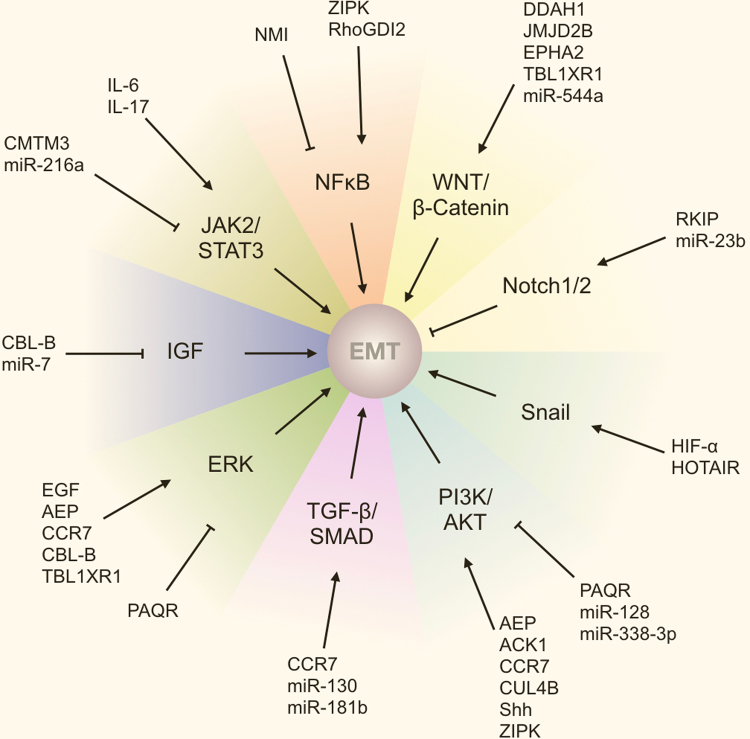
“For example, Jumonji domain-containing protein 2B (JMJD2B) and erythropoietin-producing hepatocellular A2 (EphA2) which belongs to hydroxylase superfamily and protein-tyrosine kinase family, respectively, have both been suggested to induce EMT via the Wnt/β-catenin signalling pathway and further stimulate GC developme…”
BackgroundLiotta, L. A., & Kohn, E. (2004) · Nature · doi:10.1038/430973a · Cited by 190 · cited 1×
“Anoikis resistance is mechanistically facilitated by cell adhesion molecules, integrins and apoptosis modulators [103, 104], which promotes cell survival and dissemination in the periphery, thereby increasing the possibility of metastatic spread.”
BackgroundShi, Z., Zhang, J., Qian, X., Han, L., Zhang, K., Chen, L., Liu, J., Ren, Y., Yang, M., Zhang, A., et al. (2013) · Cancer Research · doi:10.1158/0008-5472.can-13-0280 · Cited by 190 · cited 1×
“For example, AC1MMYR2, a specific smallmolecular inhibitor that can block the maturation of pre-miR-21 to miR-21, has been shown to reverse EMT and eventually lead to the suppression of GC cell metastasis [36].”
BackgroundZhu, Q., Zhang, X., Zhang, L., Li, W., Wu, H., Yuan, X., Mao, F., Wang, M., Zhu, W., Qian, H., et al. (2014) · Cell Death & Disease · doi:10.1038/cddis.2014.263 · Cited by 189
Self-citationInhibition of matrix metalloproteinase 14 (MMP-14)-mediated cancer cell migration.
Zarrabi, K., Dufour, A., Li, J., Kuscu, C., Pulkoski-Gross, A., Zhi, J., Hu, Y., Sampson, N. S., Zucker, S., & Cao, J. (2011) · Journal of Biological Chemistry · doi:10.1074/jbc.m111.256644 · Cited by 188 · cited 3×
“Additionally, MMP-14 promotes the secretion and activation of pro-MMP-2 and pro-MMP-9 [68, 69].”
BackgroundWu, L., Zhang, X., Zhang, B., Shi, H., Yuan, X., Sun, Y., Pan, Z., Qian, H., & Xu, W. (2016) · Tumor Biology · doi:10.1007/s13277-016-5071-5 · Cited by 185
Kurashige, J., Kamohara, H., Watanabe, M., Hiyoshi, Y., Iwatsuki, M., Tanaka, Y., Kinoshita, K., Saito, S., Baba, Y., & Baba, H. (2012) · Annals of Surgical Oncology · doi:10.1245/s10434-012-2217-6 · Cited by 179
Poola, I., DeWitty, R. L., Marshalleck, J. J., Bhatnagar, R., Abraham, J., & Leffall, L. D. (2005) · Nature Medicine · doi:10.1038/nm1243 · Cited by 174
Jung, H., Lee, K., Park, S. J., Park, J., Jang, Y.-S., Choi, S.-Y., Jung, J.-G., Jo, K., Park, D. Y., Yoon, J.-H., et al. (2007) · Oncogene · doi:10.1038/sj.onc.1210914 · Cited by 170
Koh, Y. J., Kim, H.-Z., Hwang, S.-I., Lee, J. E., Oh, N., Jung, K., Kim, M., Kim, K. E., Kim, H., Lim, N. K., et al. (2010) · Cancer Cell · doi:10.1016/j.ccr.2010.07.001 · Cited by 166 · cited 1×
“Furthermore, studies focusing on targeting extravasation has led to the discovery of a double anti-angiogenic decoy receptor, double anti-angiogenic protein (DAAP), which simultaneously targets VEGF-A and angiopoietins to block tumour-associated angiogenesis and vascular leakage [122].”
BackgroundGhilardi, G., Biondi, M. L., Mangoni, J., Leviti, S., DeMonti, M., Guagnellini, E., & Scorza, R. (2001) · PubMed · Cited by 164
MicroRNA-223 functions as an oncogene in human gastric cancer by targeting FBXW7/hCdc4
Li, J., Guo, Y., Liang, X.-D., Sun, M., Wang, G., De, W., & Wen-xi, W. (2012) · Journal of Cancer Research and Clinical Oncology · doi:10.1007/s00432-012-1154-x · Cited by 162 · cited 2×
“For example, miR-544a induces EMT, as shown by the decreased expression of E-cadherin, APC2 and AXIN2, which stabilises the nuclear import of β-catenin and activates Wnt signalling to promote cell invasiveness in GC cell lines [31]. miR-2392 inhibits EMT through downregulating TFs, such as Slug and Twist1, in GC cells…”
BackgroundGan, L., Meng, J., Xu, M., Liu, M., Qi, Y., Tan, C., Wang, Y., Zhang, P., Weng, W., Sheng, W., et al. (2018) · Oncogene · doi:10.1038/onc.2017.363 · Cited by 161
Whole-body imaging of lymphovascular niches identifies pre-metastatic roles of midkine
Olmeda, D., Cerezo-Wallis, D., Riveiro-Falkenbach, E., Pennacchi, P. C., Contreras-Alcalde, M., Ibarz, N., Cifdaloz, M., Catena, X., Calvo, T. G., Cañón, E., et al. (2017) · Nature · doi:10.1038/nature22977 · Cited by 160 · cited 1×
“Interestingly, a recent study used vascular endothelial growth factor receptor (VEGFR3) as an 'lymphorecporter' and established a novel mouse model that allows whole-body imaging of lymphovascular niches, which shed new lights on pre-metastatic niches [147].”
Backgroundp53 -Altered FBXW7 Expression Determines Poor Prognosis in Gastric Cancer Cases
Yokobori, T., Mimori, K., Iwatsuki, M., Ishii, H., Onoyama, I., Fukagawa, T., Kuwano, H., Nakayama, K. I., & Mori, M. (2009) · Cancer Research · doi:10.1158/0008-5472.can-08-2846 · Cited by 158
miR-143 and miR-145 inhibit gastric cancer cell migration and metastasis by suppressing MYO6
Lei, C., Du, F., Sun, L., Li, T., Li, T., Min, Y., Nie, A., Wang, X., Geng, L., Lu, Y., et al. (2017) · Cell Death and Disease · doi:10.1038/cddis.2017.493 · Cited by 158
Zhang, H., Wang, Y., Bai, M., Wang, J., Zhu, K., Liu, R., Ge, S., Li, J., Ning, T., Deng, T., et al. (2018) · Cancer Science · doi:10.1111/cas.13488 · Cited by 152 · cited 2×
“Exosomes loaded with HGF siRNAs have shown promising efficacy in inhibiting tumour growth, migration and angiogenesis in vitro and in vivo [133].”
BackgroundProtein Kinase D1 Suppresses Epithelial-to-Mesenchymal Transition through Phosphorylation of Snail
Du, C., Zhang, C., Hassan, S., Biswas, M. H. U., & Balaji, K. C. (2010) · Cancer Research · doi:10.1158/0008-5472.can-09-4481 · Cited by 150
He, B., Li, W., Wu, Y., Wei, F., Gong, Z., Bo, H., Wang, Y., Li, X., Xiang, B., Guo, C. J., et al. (2016) · Cell Death and Disease · doi:10.1038/cddis.2016.253 · Cited by 150
Self-citationKubben, F. J. G. M., Sier, C. F. M., Hawinkels, L. J. A. C., Tschesche, H., van Duijn, W., Zuidwijk, K., van der Reijden, J. J., Hanemaaijer, R., Griffioen, G. G., Lamers, C. B. H. W., et al. (2007) · European Journal of Cancer · doi:10.1016/j.ejca.2007.05.013 · Cited by 149 · cited 1×
“Collectively, both MMP-2 and MMP-9 are highly expressed in GC and their expression is positively associated with the poor survival of GC patients [56].”
BackgroundBae, I. H., Park, M., Yoon, S. H., Kang, S. W., Lee, S., Choi, K.-M., & Um, H. (2006) · Cancer Research · doi:10.1158/0008-5472.can-05-4254 · Cited by 143 · cited 1×
“activation of PI3K, Akt and Sp1, thereby enhancing cell invasiveness and GC metastasis [54].”
BackgroundAdaptation versus Selection: The Origins of Metastatic Behavior
Scheel, C., Onder, T., Karnoub, A., & Weinberg, R. A. (2007) · Cancer Research · doi:10.1158/0008-5472.can-07-1653 · Cited by 142
Yan, H., Wang, X., Zhang, Q., Tang, Z., Jiang, Y.-H., Fan, H., Sun, Y., Yang, P., & Liu, F. (2013) · Carcinogenesis · doi:10.1093/carcin/bgt398 · Cited by 133
SALL4, a novel marker for human gastric carcinogenesis and metastasis
Zhang, L., Xu, Z., Xu, X., Zhang, B., Wu, H., Wang, M., Zhang, X., Yang, T., Cai, J., Yan, Y., et al. (2013) · Oncogene · doi:10.1038/onc.2013.495 · Cited by 128
Boulay, A., Masson, R., Chenard, M., Fahime, E. E., Cassard, L., Bellocq, J., Sautès‐Fridman, C., Basset, P., & Rio, M. C. (2001) · PubMed · Cited by 127
Vascular invasion and potential for tumor angiogenesis and metastasis in gastric carcinoma
Maehara, Y., Kabashima, A., Koga, T., Tokunaga, E., Takeuchi, H., Kakeji, Y., & Sugimachi, K. (2000) · Surgery · doi:10.1067/msy.2000.107265 · Cited by 125 · cited 1×
“Accumulating evidence has shown the positive correlation among vascular invasion, intratumoral angiogenesis and distant metastasis [94, 95].”
BackgroundTsai, C., Wang, C., Tsai, M.-M., Chi, H., Cheng, W., Tseng, Y., Chen, C.-Y., Lin, C. D., Wu, J.-I., Wang, L., et al. (2014) · Clinical Cancer Research · doi:10.1158/1078-0432.ccr-13-1221 · Cited by 123
Zhou, X., Jin, W., Jia, H., Jin, Y., & Zhang, G. (2015) · Journal of Experimental & Clinical Cancer Research · doi:10.1186/s13046-015-0145-6 · Cited by 123 · cited 2×
“For example, miR-544a induces EMT, as shown by the decreased expression of E-cadherin, APC2 and AXIN2, which stabilises the nuclear import of β-catenin and activates Wnt signalling to promote cell invasiveness in GC cell lines [31]. miR-2392 inhibits EMT through downregulating TFs, such as Slug and Twist1, in GC cells…”
BackgroundSPARC Is Associated with Gastric Cancer Progression and Poor Survival of Patients
Zhao, Z., Wang, Y., Chu, Y., Ye, Z., & Tao, H. (2009) · Clinical Cancer Research · doi:10.1158/1078-0432.ccr-09-1247 · Cited by 123
Zuo, Q.-F., Cao, L.-Y., Yu, T., Gong, L., Wang, L.-N., Zhao, Y.-L., Xiao, B., & Zou, Q.-M. (2015) · Cell Death and Disease · doi:10.1038/cddis.2015.297 · Cited by 123 · cited 1×
“Additionally, MMP-14 promotes the secretion and activation of pro-MMP-2 and pro-MMP-9 [68, 69].”
BackgroundKim, H.-P., Han, S.-W., Song, S., Jeong, E.-G., Lee, M.-Y., Hwang, D., Im, S., Bang, Y.-J., & Kim, T.-Y. (2013) · Oncogene · doi:10.1038/onc.2013.285 · Cited by 121
Matrix metalloproteinase-7 expression in gastric carcinoma.
Honda, M., Mori, M., Ueo, H., Sugimachi, K., & Akiyoshi, T. (1996) · Gut · doi:10.1136/gut.39.3.444 · Cited by 117 · cited 1×
“MMP-7 (matrilysin) is another MMP that is highly expressed in GC [57, 58].”
BackgroundGe, X., Liu, X., Lin, F., Li, P., Liu, K., Geng, R., Dai, C., Lin, Y., Tang, W., Wu, Z., et al. (2016) · Oncotarget · doi:10.18632/oncotarget.8228 · Cited by 117
Lowy, A. M., Clements, W. M., Bishop, J. J., Kong, L. X., Bonney, T. M., Sisco, K., Aronow, B. J., Fenoglio‐Preiser, C. M., & Groden, J. L. (2006) · Cancer Research · doi:10.1158/0008-5472.can-05-4268 · Cited by 116
Lian, L., Xia, Y., Zhou, C., Shen, X., Li, X., Han, S.-G., Zheng, Y., Mao, Z., Gong, F.-R., Wu, M., et al. (2015) · Cancer Biomarkers · doi:10.3233/cbm-150534 · Cited by 115
Self-citationHuang, N., Wu, Z., Li, L., Zhou, M., Wang, L., Ma, H., Xia, J., Bin, J., Liao, Y., & Liao, W. (2015) · Oncotarget · doi:10.18632/oncotarget.3835 · Cited by 114 · cited 1×
“Conversely, miR-338-3p suppresses EMT through downregulating ZEB2, a TF that plays a vital role in promoting EMT in GC [25].”
BackgroundJiang, Y.-X., Yang, S.-W., Li, P.-A., Luo, X., Li, Z.-Y., Hao, Y.-X., & Yu, P.-W. (2017) · Oncogene · doi:10.1038/onc.2016.291 · Cited by 114
IGF1/IGF1R/STAT3 signaling-inducible IFITM2 promotes gastric cancer growth and metastasis
Li, X., Zhou, R., Yuan, L., Wang, S., Li, X., Ma, H., Zhou, M., Pan, C., Zhang, J., Huang, N., et al. (2017) · Cancer Letters · doi:10.1016/j.canlet.2017.02.014 · Cited by 113
Gastric cancer‐derived exosomes promote peritoneal metastasis by destroying the mesothelial barrier
Deng, G., Qu, J., Zhang, Y., Che, X., Cheng, Y., Fan, Y., Zhang, S., Di, N., Liu, Y., & Qu, X. (2017) · FEBS Letters · doi:10.1002/1873-3468.12722 · Cited by 109 · cited 1×
“protective barrier to restrain peritoneal metastasis [131].”
Zhao, L., Li, W., Zang, W., Liu, Z., Xu, X., Yu, H., Yang, Q., & Jia, J. (2013) · Clinical Cancer Research · doi:10.1158/1078-0432.ccr-13-0254 · Cited by 107 · cited 1×
“For example, Jumonji domain-containing protein 2B (JMJD2B) and erythropoietin-producing hepatocellular A2 (EphA2) which belongs to hydroxylase superfamily and protein-tyrosine kinase family, respectively, have both been suggested to induce EMT via the Wnt/β-catenin signalling pathway and further stimulate GC developme…”
BackgroundSelf-citationBebb, J. R., Letley, D. P., Thomas, R. J., Aviles, F., Collins, H. M., Watson, S. A., Hand, N. M., Zaitoun, A., & Atherton, J. C. (2003) · Gut · doi:10.1136/gut.52.10.1408 · Cited by 105
Mi, Y., Zhang, D., Jiang, W., Weng, J., Zhou, C., Huang, K., Tang, H., Yu, Y., Liu, X., Cui, W., et al. (2016) · Cancer Letters · doi:10.1016/j.canlet.2016.12.033 · Cited by 105
MMP11: A Novel Target Antigen for Cancer Immunotherapy
Peruzzi, D., Mori, F., Conforti, A., Lazzaro, D., de Rinaldis, E., Ciliberto, G., Monica, N. L., & Aurisicchio, L. (2009) · Clinical Cancer Research · doi:10.1158/1078-0432.ccr-08-3226 · Cited by 102 · cited 1×
“only was this evident in GC, it could also be seen in renal, colon and lung cancers [67].”
BackgroundShi, M., Wang, H., Xie, S., Luo, Y., Sun, C., Chen, X., & Zhang, Y. (2010) · Molecular Cancer · doi:10.1186/1476-4598-9-26 · Cited by 100
Nakayama (2011) · Oncology Reports · doi:10.3892/or.2011.1176 · Cited by 99 · cited 1×
“The potential role of ANGPTL-4 in disrupting vascular permeability in promoting GC metastasis requires further investigation [121].”
BackgroundmiR-338-3p Suppresses Gastric Cancer Progression through a PTEN-AKT Axis by Targeting P-REX2a
Guo, B., Liu, L., Yao, J., Ma, R., Chang, D., Li, Z., Song, T., & Huang, C. (2013) · Molecular Cancer Research · doi:10.1158/1541-7786.mcr-13-0507 · Cited by 99
Wu, C., Wu, M., Chiang, E. I., Chen, Y., Chen, C., Chi, N.-H., Shih, Y.-T., Chen, G., & Lin, J. (2007) · Clinical Cancer Research · doi:10.1158/1078-0432.ccr-06-2299 · Cited by 97
Xia, J., Wang, H., Huang, H., Sun, L., Dong, S., Huang, N., Shi, M., Bin, J., Liao, Y., & Liao, W. (2016) · Cancer Letters · doi:10.1016/j.canlet.2016.07.014 · Cited by 96
Zhao, X., He, L., Li, T., Lu, Y., Miao, Y., Liang, S., Guo, H., Bai, M., Xie, H., Luo, G., et al. (2014) · Cell Death & Differentiation · doi:10.1038/cdd.2014.109 · Cited by 95 · cited 1×
“EMT through miR-199a-5p-mediated decrease in Ecadherin expression [29].”
BackgroundLi, H., Xu, L., Li, C., Zhao, L., Ma, Y., Zheng, H., Li, Z., Zhang, Y., Wang, R., Liu, Y., et al. (2014) · Molecular Cancer · doi:10.1186/1476-4598-13-136 · Cited by 95
Liu, Z., Chen, L., Zhang, X., Xu, X., Xing, H., Zhang, Y., Li, W., Yu, H., Zeng, J., & Jia, J. (2014) · Journal of Cellular and Molecular Medicine · doi:10.1111/jcmm.12209 · Cited by 93 · cited 2×
“EMT can also be modulated by microRNAs [28].”
BackgroundSelf-citationCatecholamine up-regulates MMP-7 expression by activating AP-1 and STAT3 in gastric cancer
Shi, M., Liu, D., Duan, H., Han, C., Wei, B., Qian, L., Chen, C., Guo, L., Hu, M., Yu, M., et al. (2010) · Molecular Cancer · doi:10.1186/1476-4598-9-269 · Cited by 93 · cited 1×
“panic, can upregulate MMP-7 expression through AP-1 and STAT3 stimulation [59].”
BackgroundKurashige, J., Mima, K., Sawada, G., Takahashi, Y., Eguchi, H., Sugimachi, K., Mori, M., Yanagihara, K., Yashiro, M., Hirakawa, K., et al. (2014) · Carcinogenesis · doi:10.1093/carcin/bgu232 · Cited by 92
MYC, FBXW7 and TP53 copy number variation and expression in Gastric Cancer
Calcagno, D. Q., Freitas, V. M., Leal, M. F., de Souza, C. R. T., Demachki, S., Montenegro, R. C., de Assumpção, P. P., Khayat, A. S., Smith, M. D. A. C., Ribeiro‐dos‐Santos, Â., et al. (2013) · BMC Gastroenterology · doi:10.1186/1471-230x-13-141 · Cited by 92
The sensitivity of gastric cancer to trastuzumab is regulated by the mi R‐223/FBXW 7 pathway
Eto, K., Iwatsuki, M., Watanabe, M., Ishimoto, T., Ida, S., Imamura, Y., Iwagami, S., Baba, Y., Sakamoto, Y., Miyamoto, Y., et al. (2015) · International Journal of Cancer · doi:10.1002/ijc.29168 · Cited by 92
Mochizuki, Y., Nakanishi, H., Kodera, Y., Ito, S., Yamamura, Y., Kato, T., Hibi, K., Akiyama, S., Nakao, A., & Tatematsu, M. (2004) · Clinical & Experimental Metastasis · doi:10.1023/b:clin.0000017181.01474.35 · Cited by 89
Cai, J., Niu, X., Chen, Y., Hu, Q.-S., Shi, G., Wu, H., Wang, J., & Yi, J. (2008) · Neoplasia · doi:10.1593/neo.07754 · Cited by 88 · cited 1×
“Of interest, RhoA, which belongs to Rho family GTPases, is upregulated in primary GC and its activation has been suggested to be essential for anoikis resistance by eliciting pro-survival responses [4, 107].”
BackgroundLee, S. H., Jung, Y. D., Choi, Y. S., & Lee, Y. M. (2015) · Oncotarget · doi:10.18632/oncotarget.5037 · Cited by 88 · cited 1×
“tumour angiogenesis, induces the metastatic ability of GC cells [82].”
BackgroundPeng, Y., Zhang, P., Huang, X., Yan, Q., Wu, M., Xie, R., Yao, W., Zhang, M., Nan, Q.-Z., Zhao, J., et al. (2016) · Cell Death and Disease · doi:10.1038/cddis.2016.225 · Cited by 88
Wu, S., Lin, W., Shen, C., Pan, H., Keh‐Bin, W., Chen, Y., Jan, Y., Lai, D., Tang, S., Tien, H., et al. (2016) · Journal of Pineal Research · doi:10.1111/jpi.12295 · Cited by 87 · cited 1×
“Melatonin therapy decreased peritoneal dissemination in mice [39].”
BackgroundPeng, Z., Wei, D., Wang, L., Tang, H., Zhang, J., Le, X., Jia, Z., Li, Q., & Xie, K. (2006) · Clinical Cancer Research · doi:10.1158/1078-0432.ccr-05-2359 · Cited by 87 · cited 1×
“For example, runt-related TF 3 (RUNX3), which has a role in suppressing EMT through the TGF-β-activated SMAD pathway, has been observed to be frequently downregulated [26, 27].”
BackgroundYang, S.-W., Zhang, Z.-G., Hao, Y.-X., Zhao, Y.-L., Qian, F., Shi, Y., Li, P.-A., Liu, C.-Y., & Yu, P.-W. (2017) · Oncotarget · doi:10.18632/oncotarget.14484 · Cited by 87
Kabashima, A., Maehara, Y., Kakeji, Y., Baba, H., Koga, T., & Sugimachi, K. (2000) · PubMed · Cited by 86
Liu, F., Bu, Z., Zhao, F., & Xiao, D. (2017) · Cancer Science · doi:10.1111/cas.13429 · Cited by 86 · cited 1×
“oped with miR-451 can be translocated to infiltrating T cells and induces mTOR signalling pathway activation, which in turn leads to T-helper 17 (Th17) cells differentiation [127].”
BackgroundRhoGDI2 Expression Is Associated with Tumor Growth and Malignant Progression of Gastric Cancer
Cho, H. J., Baek, K. E., Park, S.-M., Kim, I., Choi, Y.-L., Cho, H.-J., Nam, I.-K., Hwang, E. M., Park, J., Han, J. Y., et al. (2009) · Clinical Cancer Research · doi:10.1158/1078-0432.ccr-08-2192 · Cited by 83
Yanaka, Y., Muramatsu, T., Uetake, H., Kozaki, K.-I., & Inazawa, J. (2015) · Carcinogenesis · doi:10.1093/carcin/bgv106 · Cited by 81 · cited 1×
“For example, miR-544a induces EMT, as shown by the decreased expression of E-cadherin, APC2 and AXIN2, which stabilises the nuclear import of β-catenin and activates Wnt signalling to promote cell invasiveness in GC cell lines [31].”
BackgroundYonemura, Y., Fujimura, T., Ninomiya, I., Kim, B. S., Bandou, E., Sawa, T., Kinoshita, K., Endo, Y., Sugiyama, K., & Sasaki, T. (2001) · PubMed · Cited by 79
Xu, S., Huang, J., Xu, M., Yu, G., Yin, X., Chen, D., & Yan, G. (2015) · The Journal of Pathology · doi:10.1002/path.4515 · Cited by 78
MiR-1271 Inhibits Cell Proliferation, Invasion and EMT in Gastric Cancer by Targeting FOXQ1
Xiang, X., Deng, J., Liu, Y., Wan, L., Miao, F., Chen, J., & Xiong, J. (2015) · Cellular Physiology and Biochemistry · doi:10.1159/000430304 · Cited by 78 · cited 1×
“Apart from the prominent TFs, such as Slug [17], Snail [18], Twist1/2 [19, 20], FOXQ1 [21] and ZEB1/2 [22–25] in GC, there are emerging novel TFs that have also been found to regulate EMT.”
BackgroundIdentification of microRNAs associated with lymphangiogenesis in human gastric cancer
Yang, B., Jing, C., Wang, J., Guo, X., Chen, Y., Xu, R., Peng, L., Liu, J., & Li, L. (2013) · Clinical & Translational Oncology · doi:10.1007/s12094-013-1081-6 · Cited by 78 · cited 2×
“shown that VEGF-C, VEGF-D and VEGFR-3 have an inducive role in promoting lymphangiogenesis in various cancers [85, 89–91], including GC [86, 92, 93].”
BackgroundBaba, K., Kitajima, Y., MIYAKE, S., Nakamura, J., Wakiyama, K., Sato, H., Okuyama, K., Kitagawa, H., Tanaka, T., Hiraki, M., et al. (2017) · Scientific Reports · doi:10.1038/s41598-017-11769-x · Cited by 78 · cited 1×
“Hypoxia-induced ANGPTL4A in GC cells also induces increased resistance to anoikis by activating ANGPTL4A-dependent FAK/Src/PI3K-Akt/ERK pathway, leading to elevated peritoneal metastasis in scirrhous GC cells [108].”
BackgroundLi, W., Zhao, L., Zang, W., Liu, Z., Chen, L., Liu, T., Xu, D., & Jia, J. (2011) · Biochemical and Biophysical Research Communications · doi:10.1016/j.bbrc.2011.11.045 · Cited by 77
Self-citationBusuttil, R. A., George, J., Tothill, R. W., Ioculano, K., Kowalczyk, A., Mitchell, C., Lade, S., Tan, P., Haviv, I., & Boussioutas, A. (2014) · Clinical Cancer Research · doi:10.1158/1078-0432.ccr-13-3049 · Cited by 77 · cited 2×
“cells such as mesenchymal stem cells (MSCs) [72, 77, 78] and tumour-associated macrophages (TAMs) [79].”
BackgroundPlatelets and Tumor Cells: A New Form of Border Control
Stanger, B. Z., & Kahn, M. L. (2013) · Cancer Cell · doi:10.1016/j.ccr.2013.06.009 · Cited by 76 · cited 1×
“On the one hand, the plateletcoated tumour cells can protect them from blood flow shear forces, substratum absence and direct lysis by natural killer cells [112]; on the other hand, their association could also induce EMT in cancer cells [109], enhance adhesion to endothelial cells [111], or even disrupt the function…”
BackgroundLi, P., Chen, X., Su, L., Li, C., Zhi, Q., Yu, B., Sheng, H., Wang, J., Feng, R., Cai, Q., et al. (2013) · PLoS ONE · doi:10.1371/journal.pone.0066782 · Cited by 75
Chen, Y., Huang, Y., Huang, Y., Xia, X., Zhang, J., Zhou, Y., Tan, Y., He, S., Qiang, F., Li, A., et al. (2013) · Carcinogenesis · doi:10.1093/carcin/bgt311 · Cited by 74
Chu, D., Zhang, Z., Li, Y., Zheng, J., Dong, G., Wang, W., & Ji, G. (2010) · International Journal of Cancer · doi:10.1002/ijc.25734 · Cited by 73
Shibata, W., Ariyama, H., Westphalen, C. B., Worthley, D. L., Muthupalani, S., Asfaha, S., Dubeykovskaya, Z. A., Quante, M., Fox, J. G., & Wang, T. C. (2012) · Gut · doi:10.1136/gutjnl-2011-301824 · Cited by 73 · cited 1×
“(CAFs) [72, 74, 76], and a range of bone marrow-derived”
BackgroundDeng, J., Wan, L., Xiang, X., Zhang, L., Lei, J., Gong, Y., Song, M., Wang, Y., Fang, Z., Yu, F., et al. (2016) · Oncotarget · doi:10.18632/oncotarget.7048 · Cited by 73
Li, H., Wang, Z., Zhang, W., Qian, K., Xu, W., & Zhang, S. (2015) · Cancer Letters · doi:10.1016/j.canlet.2015.10.006 · Cited by 72
Claudin-1 enhances tumor proliferation and metastasis by regulating cell anoikis in gastric cancer
Huang, J., Zhang, L., He, C., Qu, Y., Li, J., Zhang, J., Du, T., Chen, X., Yu, Y., Liu, B., et al. (2014) · Oncotarget · doi:10.18632/oncotarget.2936 · Cited by 71 · cited 1×
“Meanwhile, tight junction protein Claudin-1 can induce anoikis resistance through β-catenin-modulated cell–cell adhesion and survival signals [106].”
BackgroundMacrophage-secreted Exosomes Delivering miRNA-21 Inhibitor can Regulate BGC-823 Cell Proliferation
Wang, J.-J., Wang, Z.-Y., Chen, R., Xiong, J., Yao, Y.-L., Wu, J.-H., & Li, G.-X. (2015) · Asian Pacific Journal of Cancer Prevention · doi:10.7314/apjcp.2015.16.10.4203 · Cited by 70 · cited 1×
“Exosomes are loaded with drugs or siRNA to target the tumour regions [133, 134].”
BackgroundChen, D., Zhou, H., Liu, G., Zhao, Y., Cao, G., & Liu, Q. (2017) · Journal of Cellular and Molecular Medicine · doi:10.1111/jcmm.13357 · Cited by 70 · cited 2×
“Apart from the prominent TFs, such as Slug [17], Snail [18], Twist1/2 [19, 20], FOXQ1 [21] and ZEB1/2 [22–25] in GC, there are emerging novel TFs that have also been found to regulate EMT.”
BackgroundLian, D., Amin, B., Du, D., & Yan, W. (2017) · Cancer Biomarkers · doi:10.3233/cbm-170462 · Cited by 70
FBXL5 Inhibits Metastasis of Gastric Cancer Through Suppressing Snail1
Wu, W., Ding, H., Cao, J., & Zhang, W. (2015) · Cellular Physiology and Biochemistry · doi:10.1159/000373988 · Cited by 69
Mariotti, S., Barravecchia, I., Vindigni, C., Pucci, A., Balsamo, M., Libro, R., Senchenko, V., Dmitriev, A., Jacchetti, E., Cecchini, M., et al. (2016) · Oncotarget · doi:10.18632/oncotarget.6577 · Cited by 69
Gong, J., Cui, Z., Li, L., Ma, Q., Wang, Q., Gao, Y., & Sun, H. (2015) · Tumor Biology · doi:10.1007/s13277-015-3510-3 · Cited by 68
Ren, Y.-H., Liu, K.-J., Wang, M., Yu, Y.-N., Yang, K., Chen, Q., Yu, B., Wang, W., Li, Q.-W., Wang, J., et al. (2014) · Oncotarget · doi:10.18632/oncotarget.2197 · Cited by 68
Ling, Z., Guo, W., Lu, X., Zhu, X., Hong, L., Wang, Z., Wang, Z., & Chen, Y. (2014) · Annals of Oncology · doi:10.1093/annonc/mdu168 · Cited by 67
Coronin 3 promotes gastric cancer metastasis via the up-regulation of MMP-9 and cathepsin K
Ren, G., Tian, Q., An, Y., Feng, B., Lu, Y., Liang, J., Li, K., Shang, Y., Nie, Y., Wang, X., et al. (2012) · Molecular Cancer · doi:10.1186/1476-4598-11-67 · Cited by 67
Wang, L., Li, L., Chen, X., Sun, L., Liao, Y., Huang, N., & Liao, W. (2015) · Oncotarget · doi:10.18632/oncotarget.3416 · Cited by 66 · cited 1×
“Apart from the prominent TFs, such as Slug [17], Snail [18], Twist1/2 [19, 20], FOXQ1 [21] and ZEB1/2 [22–25] in GC, there are emerging novel TFs that have also been found to regulate EMT.”
BackgroundZhong, H., Yang, Y., Ma, S., Xiu, F., Cai, Z., Zhao, H., & Du, L. (2011) · International Journal of Hyperthermia · doi:10.3109/02656736.2011.564598 · Cited by 66 · cited 1×
“Such exosomes can induce dendritic cell maturation and stimulate a tumour-specific cytotoxic T lymphocyte response [135].”
BackgroundIwasa, S., Yanagawa, T., Fan, J., & Katoh, R. (2009) · PubMed · Cited by 66
Ock, C.-Y., Nam, A., Lee, J., Bang, J., Lee, K.-H., Han, S., Kim, T. Y., Im, S., Kim, T.-Y., Bang, Y., et al. (2016) · Gastric Cancer · doi:10.1007/s10120-016-0613-5 · Cited by 66
Zhou, Q., Zheng, X. W., Chen, L., Xu, B., Yang, X. P., Jiang, J., & Wu, C. (2016) · Cellular Physiology and Biochemistry · doi:10.1159/000445638 · Cited by 66
Knockdown of CMTM3 promotes metastasis of gastric cancer via the STAT3/Twist1/EMT signaling pathway
Yuan, W., Li, T., Mo, X., Wang, X., Liu, B., Wang, W., Su, Y., Xu, L., & Han, W. (2016) · Oncotarget · doi:10.18632/oncotarget.8789 · Cited by 65
The emerging molecular machinery and therapeutic targets of metastasis
Sun, Y., & Ma, L. (2015) · Trends in Pharmacological Sciences · doi:10.1016/j.tips.2015.04.001 · Cited by 64 · cited 1×
“It represents a multistep biological cascade that ultimately leads to widespread dissemination of carcinoma cells in various tissue sites [6, 8, 9].”
BackgroundMicroRNA-940 promotes tumor cell invasion and metastasis by downregulating ZNF24 in gastric cancer
Liu, X., Ge, X., Zhang, Z., Zhang, X., Chang, J., Wu, Z., Tang, W., Gan, L., Sun, M., & Li, J. (2015) · Oncotarget · doi:10.18632/oncotarget.4456 · Cited by 63 · cited 1×
“miR-940 – [200] Table 2 Molecular alterations that suppress EMT”
BackgroundTumor Specific Recruitment and Reprogramming of Mesenchymal Stem Cells in Tumorigenesis
Berger, L., Shamai, Y., Skorecki, K. L., & Tzukerman, M. (2016) · Stem Cells · doi:10.1002/stem.2269 · Cited by 63 · cited 2×
“cells such as mesenchymal stem cells (MSCs) [72, 77, 78] and tumour-associated macrophages (TAMs) [79].”
BackgroundTumor exosome-mediated promotion of adhesion to mesothelial cells in gastric cancer cells
Arita, T., Ichikawa, D., Konishi, H., Komatsu, S., Shiozaki, A., Ogino, S., Fujita, Y., Hiramoto, H., Hamada, J., Shoda, K., et al. (2016) · Oncotarget · doi:10.18632/oncotarget.10869 · Cited by 63 · cited 1×
“and laminin gamma 1 (LAMC 1), in mesothelial cells, which result in a favourable microenvironment for disseminating cancer cells to colonise and initiate metastasis [132].”
BackgroundLi, J., Deng, Z., Wang, Z., Wang, D., Zhang, L., Su, Q., Lai, Y., Li, B., Luo, Z., Chen, X., et al. (2015) · Oncotarget · doi:10.18632/oncotarget.3200 · Cited by 62
Onco-miR-130 promotes cell proliferation and migration by targeting TGFβR2 in gastric cancer
Duan, J., Zhang, H., Qu, Y., Deng, T., Huang, D., Liu, R., Zhang, L., Bai, M., Zhou, L., Ying, G., et al. (2016) · Oncotarget · doi:10.18632/oncotarget.9936 · Cited by 61
Ma, H., Gao, L., Li, S., Qin, J., Chen, L., Liu, X., Xu, P., Wang, F., Xiao, H., Zhou, S., et al. (2015) · Oncotarget · doi:10.18632/oncotarget.4484 · Cited by 58
Zhang, Y., Du, J., Zheng, J., Liu, J., Xu, R., Shen, T. H., Zhu, Y., Chang, J., Wang, H., Zhang, Z., et al. (2015) · Oncotarget · doi:10.18632/oncotarget.3133 · Cited by 57
Tang, B., Peng, Z.-H., Yu, P.-W., Yu, G., Qian, F., Zeng, D.-Z., Zhao, Y., Shi, Y., Hao, Y., & Luo, H.-X. (2013) · PLoS ONE · doi:10.1371/journal.pone.0074527 · Cited by 55 · cited 1×
“accelerated the infiltration of GC cells into peritoneal mesothelium for further colonisation [137].”
BackgroundClinicopathological significance of MMP-2 and TIMP-2 genotypes in gastric cancer
Wu, C., Wu, M., Chen, Y., Chen, C., Chen, H.-P., Shun, C., Chen, G., Huang, S.-P., & Lin, J. (2007) · European Journal of Cancer · doi:10.1016/j.ejca.2006.10.022 · Cited by 55 · cited 1×
“Both have been reported to contribute to vessel invasion and lymph node metastasis in intra-mucosal GC by degrading type IV collagen, which enabled infiltration of lymph capillaries [44, 53].”
BackgroundCCR7 and CXCR4 expression predicts lymph node status including micrometastasis in gastric cancer
Arigami (2009) · International Journal of Oncology · doi:10.3892/ijo_00000308 · Cited by 54 · cited 1×
“In GC patients, lymph nodes are among top metastatic destinations, and accumulating evidence has shown that LN metastasis predicts GC prognosis [87, 88].”
BackgroundMACC1 mediates acetylcholine-induced invasion and migration by human gastric cancer cells
Yang, T., He, W., Cui, F., Xia, J., Zhou, R., Wu, Z., Zhao, Y., & Shi, M. (2016) · Oncotarget · doi:10.18632/oncotarget.7634 · Cited by 52
Lin, B.-R., Chang, C.-C., Chen, L.-R., Wu, M.-H., Wang, M.-Y., Kuo, I.-H., Chu, C.-Y., Chang, K.-J., Lee, P.-H., Chen, W.-J., et al. (2007) · Molecular Cancer Research · doi:10.1158/1541-7786.mcr-06-0289 · Cited by 51 · cited 1×
“For example, the first cloned member of CCN family, Cysteine-rich 61 (Cyr61), was shown to enhance the IL-8-dependent chemotactic migration of GC cells through inducing CXCR1/ CXCR2 function, which promotes transendothelial invasion and intravasation [96].”
BackgroundVEGF‐C mediates RhoGDI2‐induced gastric cancer cell metastasis and cisplatin resistance
Cho, H. J., Kim, I., Park, S., Baek, K. E., Nam, I., Park, S., Ryu, K., Choi, J., Ryu, J., Hong, S., et al. (2014) · International Journal of Cancer · doi:10.1002/ijc.28801 · Cited by 50
Hou, F., Yuan, W., Huang, J., Qian, L., Chen, Z., Ge, J., Wu, S., Chen, J., Wang, J., & Chen, Z. (2011) · Medical Oncology · doi:10.1007/s12032-011-0127-2 · Cited by 50
The reciprocal regulation loop of Notch2 pathway and miR-23b in controlling gastric carcinogenesis
Huang, T., Ping, Y., Wang, A.-M., Ke, C.-C., Fang, W., Huang, K., Lee, H., Chi, C., & Yeh, T.-S. (2015) · Oncotarget · doi:10.18632/oncotarget.4000 · Cited by 48
Downregulation of tumor suppressor MBP-1 by microRNA-363 in gastric carcinogenesis.
Hsu, K.-W., Wang, A.-M., Ping, Y.-H., Huang, K.-H., Huang, T.-T., Lee, H.-C., Lo, S., Chi, C., & Yeh, T.-S. (2014) · Carcinogenesis · doi:10.1093/carcin/bgt285 · Cited by 48
Emerging molecular basis of hematogenous metastasis in gastric cancer
Zhong, J., Chen, Y., & Wang, L.-J. (2016) · World Journal of Gastroenterology · doi:10.3748/wjg.v22.i8.2434 · Cited by 47 · cited 2×
“process in which cancer cells gain access into the tumourassociated vasculatures located in the gastric submucosa [10, 43, 93].”
BackgroundGuo, W., You, X., Xu, D., Zhang, Y., Wang, Z., Man, K., Wang, Z., & Chen, Y. (2016) · Carcinogenesis · doi:10.1093/carcin/bgw013 · Cited by 47 · cited 1×
“Apart from the prominent TFs, such as Slug [17], Snail [18], Twist1/2 [19, 20], FOXQ1 [21] and ZEB1/2 [22–25] in GC, there are emerging novel TFs that have also been found to regulate EMT.”
BackgroundFOXO3a promotes gastric cancer cell migration and invasion through the induction of cathepsin L
Yu, S., Yu, Y., Zhang, W., Yuan, W., Zhao, N., Li, Q., Cui, Y., Wang, Y., Li, W., Sun, Y., et al. (2016) · Oncotarget · doi:10.18632/oncotarget.8977 · Cited by 47
Self-citationLiu, J., Shi, H., Li, X., Chen, G., Larsson, C., & Lui, W. (2016) · International Journal of Oncology · doi:10.3892/ijo.2016.3807 · Cited by 47
DDAH1 mediates gastric cancer cell invasion and metastasis via Wnt/β‐catenin signaling pathway
Ye, J., Xu, J., Li, Y., Huang, Q., Huang, J., Wang, J., Zhong, W., Lin, X., Chen, W., & Lin, X. (2017) · Molecular Oncology · doi:10.1002/1878-0261.12089 · Cited by 46
CUL4B promotes gastric cancer invasion and metastasis-involvement of upregulation of HER2
Mao, Q., Jiao, M., LI, X.-Y., Hu, J., Wang, L., Zou, Y., Zhao, M., Zhang, R., Liu, H., Mi, J., et al. (2017) · Oncogene · doi:10.1038/onc.2017.380 · Cited by 46
Taniguchi, S., Takeoka, M., Ehara, T., Hashimoto, S., Shibuki, H., Yoshimura, N., Shigematsu, H., Takahashi, K., & Katsuki, M. (2001) · PubMed · Cited by 45
Li, R., Yuan, W., Mei, W., Yang, K., & Chen, Z. (2014) · Molecular and Cellular Biochemistry · doi:10.1007/s11010-014-2164-6 · Cited by 45
Wu, J. Y., Lü, H., Sun, Y., Graham, D. Y., Cheung, H. S., & Yamaoka, Y. (2006) · Cancer Research · doi:10.1158/0008-5472.can-06-0383 · Cited by 45 · cited 1×
“One study reported that Helicobacter pylori infection can stimulate the upregulation of MMP-1, which could further enhance the potential of GC metastasis [51].”
BackgroundSRF promotes gastric cancer metastasis through stromal fibroblasts in an SDF1-CXCR4-dependent manner
Qiao, J., Liu, Z., Chen, Y., Gu, L., & Deng, D. (2016) · Oncotarget · doi:10.18632/oncotarget.10024 · Cited by 45
Decreased expression of HOXB9 is related to poor overall survival in patients with gastric carcinoma
Sha, S., Gu, Y., Xu, B., Hu, H., Yang, Y. L., Kong, X., & Wu, K. (2013) · Digestive and Liver Disease · doi:10.1016/j.dld.2012.12.004 · Cited by 44
RKIP expression associated with gastric cancer cell invasion and metastasis
Jia, B., Liu, H., Kong, Q., & Li, B. (2012) · Tumor Biology · doi:10.1007/s13277-012-0317-3 · Cited by 43
Liang, X., Zeng, J., Wang, L., Li, S., Ma, X., Li, S., Wu, Y., Ma, L., Ci, X., Guo, Q., et al. (2015) · Oncotarget · doi:10.18632/oncotarget.3756 · Cited by 42
Self-citation
Cited by
Tumor microenvironment complexity and therapeutic implications at a glance
Baghban, R., Roshangar, L., Jahanban-Esfahlan, R., Seidi, K., Ebrahimi-Kalan, A., Jaymand, M., Kolahian, S., Javaheri, T., & Zare, P. (2020) · Cell Communication and Signaling · doi:10.1186/s12964-020-0530-4 · Cited by 1,784
“Therefore, on the other side of the argument, interactions in reactive non-neoplastic cells, genetically-altered tumor cells, and ECM control the majority of the stages of tumorigenesis effectively including clonal evolution, cancer heterogeneity, epithelial-mesenchymaltransition (EMT), migration, invasion, developmen…”
BackgroundMetabolic rewiring in the promotion of cancer metastasis: mechanisms and therapeutic implications
Wei, Q., Qian, Y., Yu, J., & Wong, C. C. (2020) · Oncogene · doi:10.1038/s41388-020-01432-7 · Cited by 191
Self-citationClaudins and Gastric Cancer: An Overview
HASHIMOTO, I., & Oshima, T. (2022) · Cancers · doi:10.3390/cancers14020290 · Cited by 154
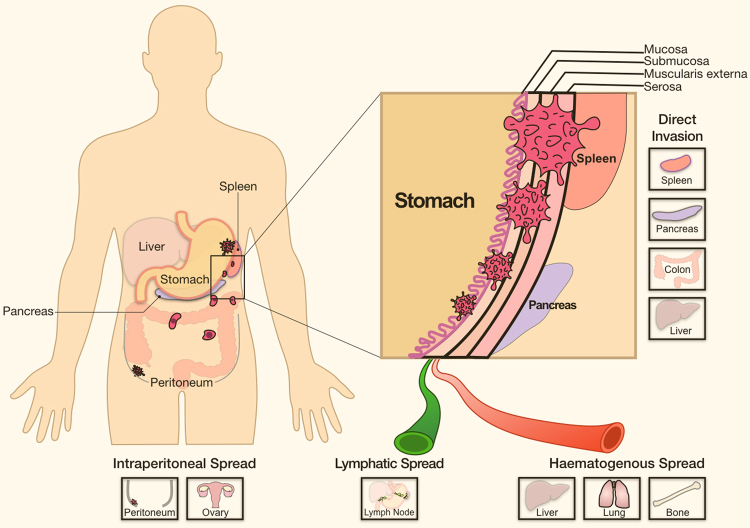
“Common metastatic sites for GC include the peritoneum, lymph nodes, liver, lungs, and bones [2,3].”
BackgroundCTHRC1 promotes gastric cancer metastasis via HIF-1α/CXCR4 signaling pathway
Ding, X., Huang, R., Zhong, Y., Cui, N., Wang, Y., Weng, J., Chen, L., & Zang, M. (2020) · Biomedicine & Pharmacotherapy · doi:10.1016/j.biopha.2019.109742 · Cited by 76
EphA2–YES1–ANXA2 pathway promotes gastric cancer progression and metastasis
Mao, L., Yuan, W., Cai, K., Lai, C., Huang, C., Xu, Y., Zhong, S., Chen, Y., Wang, R., Zeng, P., et al. (2021) · Oncogene · doi:10.1038/s41388-021-01786-6 · Cited by 87
Metadata
- Authors
- Li, W., Ng, J. M.-K., Wong, C. C., Ng, E. K. W., & Yu, J.
- Affiliations
- Chinese University of Hong Kong (HK)
- Corresponding author
- Ng, Enders Kwok Wai
- Yu, Jun
- Venue
- Oncogene
- Published
- 2018-05-23
- Volume
- 37
- Issue
- 36
- Pages
- 4903-4920
- ISSN
- 0950-9232 (ISSN-L)
- 1476-5594
- PMC
- PMC6127089
- OpenAlex
- W2803860693
- Cited by
- 87
- References
- 245
- Citations by year
- 2026: 5 · 2025: 9 · 2024: 15 · 2023: 8 · 2022: 17 · 2021: 11 · 2020: 13 · 2019: 6 · 2018: 2
- FWCI
- 1.43
- Type
- journal article
- Language
- en
- Open access
- hybrid
- doi.org
- Licence
- cc-by
- creativecommons.org/licenses/by/4.0 (tdm)
- Locations
- Oncogene (publishedVersion, cc-by)
- Europe PMC (PubMed Central) (publishedVersion, other-oa)
- PubMed Central (publishedVersion, cc-by)
- PubMed (publishedVersion)
- Topics
- Health Sciences › Medicine › Oncology › Gastric Cancer Management and Outcomes
- Health Sciences › Medicine › Oncology › Cancer Cells and Metastasis
- Life Sciences › Biochemistry, Genetics and Molecular Biology › Molecular Biology › Mechanisms of cancer metastasis
- Keywords
- metastatic gastric cancer, tumor microenvironment, metastatic cascade, therapeutic target, molecular alterations
- MeSH terms
- Animals, Humans, Neoplasm Metastasis, Stomach Neoplasms, Tumor Microenvironment
About these checks
Registry, retraction, Cites and statistics results are computed, not judged, with one exception: a printed reference that no index lists is read once by a model before it counts as a citation error. Claims are extracted by a model and kept only when their quote appears verbatim in the text; each cited source is then checked, with a model’s help, for whether it says what the claim relies on. Those verdicts can be wrong — read the claim’s quote and the cited source before relying on one.
Statistics and arithmetic are recomputed, not judged.
Confidence bands are shown only for fields calibrated on our annotated test set. None is calibrated yet, so no band is shown.
What counts as a claim ›How we measure confidence ›How we check this ›
Are you an author, or do you see a problem with this page? Request a review
Data sources
Bibliographic data: Semantic Scholar, OpenAlex, Crossref.
Contains information from the Semantic Scholar Academic Graph Datasets, made available under the ODC Attribution License (ODC-BY 1.0).
Semantic Scholar’s data is described in: Kinney, R., et al. (2023). The Semantic Scholar Open Data Platform. arXiv:2301.10140.
