

Wnt/β-catenin signalling: function, biological mechanisms, and therapeutic opportunities
Open accessThe DOI matches its Crossref record; 345 of the 345 references it cites were found in a registry or an index.
Abstract
The Wnt/β-catenin pathway comprises a family of proteins that play critical roles in embryonic development and adult tissue homeostasis. The deregulation of Wnt/β-catenin signalling often leads to various serious diseases, including cancer and non-cancer diseases. Although many articles have reviewed Wnt/β-catenin from various aspects, a systematic review encompassing the origin, composition, function, and clinical trials of the Wnt/β-catenin signalling pathway in tumour and diseases is lacking. In this article, we comprehensively review the Wnt/β-catenin pathway from the above five aspects in combination with the latest research. Finally, we propose challenges and opportunities for the development of small-molecular compounds targeting the Wnt signalling pathway in disease treatment.
Overview
The claims and statistics of this paper haven’t been checked yet.
Free: it reads the open-access text and checks the first 5 claims that cite a source we can check. Create a free account to check every claim.
Integrity signals
Registry
Cites
Statistics
Figures
Verification
Claims the paper makes
The claims and statistics of this paper haven’t been checked yet.
Free: it reads the open-access text and checks the first 5 claims that cite a source we can check. Create a free account to check every claim.
Claims other papers make about this one
Each is checked against this paper’s own text: does it say what the citing paper says it does?
The source backs part of the claim, not all of it — or backs it for a different population, condition or comparison.
In the citing paper
“The inactivation of GSK3β disrupts the integrity and function of the destruction complex, thereby preventing β-catenin phosphorylation. As a result, unphosphorylated, stable β-catenin accumulates in the cytoplasm, translocates to the nucleus, and activates the transcription of its target genes, including c-Myc and Cyclin D1 [35, 46, 47, 52–55].”
From PPP1R18-mediated activation of Wnt/β-catenin and EMT is dependent on ERK signaling in clear cell renal cell carcinoma (2026) · cites this paper as [53]
Experimental — accuracy not yet measuredThe cited source says what the claim attributes to it.
In the citing paper
“Wnt signaling is a critical pathway involved in multiple developmental processes and can also contribute to malignant transformation.”
From Multiple myeloma: signaling pathways and targeted therapy (2024) · cites this paper as [64]
The check wasn’t confident either way, so it gives no verdict — never disputed.
In the citing paper
“For example, resistance training reduces muscle atrophy by inhibiting complement component 1q (C1q)-induced Wnt signaling as well as the PI3K-Akt-tuberous sclerosis complex (TSC) cascade, which regulates the activity of the target of rapamycin complex 1 (mTORC1) via the Ras homolog enriched in the brain (Rheb)”
From Exercise-Induced Muscle–Fat Crosstalk: Molecular Mediators and Their Pharmacological Modulation for the Maintenance of Metabolic Flexibility in Aging (2025) · cites this paper as [93]
Experimental — accuracy not yet measuredThe check wasn’t confident either way, so it gives no verdict — never disputed.
In the citing paper
“Resistance training in mice attenuates muscle fibrosis and atrophy by suppressing C1q-induced Wnt/β-catenin signaling, specifically through the glycogen synthase kinase-3 beta (GSK)-3β/β-catenin axis”
From Exercise-Induced Muscle–Fat Crosstalk: Molecular Mediators and Their Pharmacological Modulation for the Maintenance of Metabolic Flexibility in Aging (2025) · cites this paper as [93]
Experimental — accuracy not yet measured
Self-check
Percentages, sums and reported differences re-computed from the paper’s own numbers.
The self-check needs the paper’s full text.
Citations
Cites
4 retracted
Epigenetic regulation of Wnt-signaling pathway in acute lymphoblastic leukemia
Román-Gómez, J., Cordeu, L., Agirre, X., Jiménez-Velasco, A., San José-Eneriz, E., Garate, L., Calasanz, M. J., Heiniger, A., Torres, A., & Prosper, F. (2007) · Blood · doi:10.1182/blood-2006-09-047043 · Cited by 168 · cited 1×
“The results indicate the role of abnormal Wnt signalling in ALL and establish a group of patients with a significantly worse prognosis (methylated group).(253)”
BackgroundRetractedSatō, Y., Asoh, T., & Oizumi, K. (1998) · Bone · doi:10.1016/s8756-3282(98)00134-3 · Cited by 140 · cited 2×
“Fourteen bone-related biomarkers in elderly people with memory problems were not clinically diagnosed with asymptomatic AD, and the expression of TRAIL and DKK1 was elevated in the brain.(257,258) Wnt signalling has a neuroprotective effect, and DKK1, as an antagonist of the canonical Wnt signalling pathway, is negati…”
BackgroundResultRetractedFu, X., Zhu, X., Qin, F., Zhang, Y., Lin, J., Ding, Y., Yang, Z., Shang, Y., Wang, L., Zhang, Q., et al. (2018) · Molecular Cancer · doi:10.1186/s12943-018-0783-3 · Cited by 109 · cited 1×
“The lncRNAs Linc00210 and lncRNA-CCAL inhibit the activity of CTNNBIP1 and activator protein-2α (AP-2α), respectively, and block the binding of CTNNBIP1 and AP-2α to β-catenin, enhancing the interaction between β-catenin and the TCF/LEF complex.(67,68) LncRNA-NEAT1 interacts with DDX5 and promotes the formation of a c…”
BackgroundRetractedLiu, B., Wu, S., Han, L., & Zhang, C. (2015) · International Journal of Molecular Medicine · doi:10.3892/ijmm.2015.2382 · Cited by 25 · cited 3×
“The absence of Wnt signalling inhibits the nuclear transport of β-catenin mediated by ZBP1, resulting in a decrease in Runx2 and Sp7 (osteogenic factors) expression in mouse bone marrowderived MSCs.132,133 DHCR7 and INSIG1/2 are related to the effect of cholesterol metabolism on bone formation.”
BackgroundRetractedIdentification of stem cells in small intestine and colon by marker gene Lgr5
Barker, N., van Es, J. H., Kuipers, J., Kujala, P., van den Born, M., Cozijnsen, M., Haegebarth, A., Korving, J., Begthel, H., Peters, P. J., et al. (2007) · Nature · doi:10.1038/nature06196 · Cited by 5,687
Wnt/β-Catenin Signaling: Components, Mechanisms, and Diseases
MacDonald, B. T., Tamai, K., & He, X. (2009) · Developmental Cell · doi:10.1016/j.devcel.2009.06.016 · Cited by 5,583
Wnt/β-Catenin Signaling in Development and Disease
Clevers, H. (2006) · Cell · doi:10.1016/j.cell.2006.10.018 · Cited by 5,568
Wnt/β-Catenin Signaling, Disease, and Emerging Therapeutic Modalities
Nusse, R., & Clevers, H. (2017) · Cell · doi:10.1016/j.cell.2017.05.016 · Cited by 4,342
Activation of β-Catenin-Tcf Signaling in Colon Cancer by Mutations in β-Catenin or APC
Morin, P. J., Sparks, A. B., Korinek, V., Barker, N., Clevers, H., Vogelstein, B., & Kinzler, K. W. (1997) · Science · doi:10.1126/science.275.5307.1787 · Cited by 3,942
Melanoma-intrinsic β-catenin signalling prevents anti-tumour immunity
Spranger, S., Bao, R., & Gajewski, T. F. (2015) · Nature · doi:10.1038/nature14404 · Cited by 2,830 · cited 1×
“Using a mouse melanoma model, the researchers confirmed that the intrinsically active β-catenin signal of the tumour led to T cell rejection and resistance to anti-PD-L1/anti-CTLA-4 monoclonal antibody treatment.(301) Simultaneously, the analysis of primary melanoma lesions with BRAF mutations showed that T cell infil…”
Background
Research works printed but not linked: 8
- Amemiya T Tsuboi M Uchida S Electron microscopic and electron histochemical studies on embryonal rhabdomyosarcoma of the orbit. Zeitschrift fur Krebsforschung und klinische Onkol. Cancer Res. Clin. Oncol. 1975 83 305 314 169642
- Cruciat CM Niehrs C Secreted and transmembrane wnt inhibitors and activators[J] Cold Spring Harb. Perspect. Biol. 2013 5 a015081 23085770 PMC3578365 · DOI · Paper page
- Malinauskas T Modular mechanism of Wnt signaling inhibition by Wnt inhibitory factor 1[J] Nat. Struct. Mol. Biol. 2011 18 886 893 21743455 PMC3430870 · DOI · Paper page
- Jiang X Dishevelled promotes Wnt receptor degradation through recruitment of ZNRF3/RNF43 E3 ubiquitin ligases[J] Mol. Cell 2015 58 522 533 25891077 · DOI · Paper page
- Kwon C Notch post-translationally regulates β-catenin protein in stem and progenitor cells[J] Nat. cell Biol. 2011 13 1244 1251 21841793 PMC3187850 · DOI · Paper page
- Jimeno A A First-in-Human Phase I Study of the Anticancer Stem Cell Agent Ipafricept (OMP-54F28), a Decoy Receptor for Wnt Ligands, in Patients with Advanced Solid Tumors Clin. Cancer Res.: Off. J. Am. Assoc. Cancer Res. 2017 23 7490 7497 28954784 · DOI · Paper page
- Arensman M The CREB-binding protein inhibitor ICG-001 suppresses pancreatic cancer growth Mol. cancer therapeutics 2014 13 2303 2314 PMC4188417 25082960 · DOI · Paper page
- Emami K A small molecule inhibitor of beta-catenin/CREB-binding protein transcription [corrected] Proc. Natl Acad. Sci. USA 2004 101 12682 12687 15314234 PMC515116 · DOI · Paper page
Cited by
Items 101–200 of 1,003
The burgeoning importance of PIWI-interacting RNAs in cancer progression
Deng, X., Liao, T., Xie, J., Kang, D., He, Y., Sun, Y., Wang, Z., Jiang, Y., Miao, X., Yan, Y., et al. (2023) · Science China Life Sciences · doi:10.1007/s11427-023-2491-7 · Cited by 54
“The Wnt-β -catenin pathway, which promotes migration and inhibits adhesion when activated, is hijacked by cancer stem cells to facilitate metastasis (Liu et al., 2022; Zhang and Wang, 2020). piR-823, the main piRNA in various cancers (Cheng et al., 2012; Ding et al., 2021b; Li et al., 2019; Yan et…”
Somanader, D. V. N., Zhao, P., Widdop, R. E., & Samuel, C. S. (2024) · Biochemical Pharmacology · doi:10.1016/j.bcp.2024.116130 · Cited by 54
lncRNAs as prognostic markers and therapeutic targets in cuproptosis-mediated cancer
Bhat, A. A., Afzal, M., Moglad, E. H. O., Thapa, R., Ali, H., Almalki, W. H., Kazmi, I. A., Alzarea, S. I., Gupta, G., & Subramaniyan, V. (2024) · Clinical and Experimental Medicine · doi:10.1007/s10238-024-01491-0 · Cited by 54
“Another important signaling cascade involved in cell migration, differentiation, and proliferation is the Wnt/β-catenin pathway [92].”
BackgroundAhuja, S., & Zaheer, S. (2025) · Immunology · doi:10.1111/imm.70045 · Cited by 55
“Functionally, the Wnt pathway is crucial for embryonic development and tissue regeneration, where it controls the balance between cell proliferation, differentiation, and apoptosis [243].”
Cui, G., Mi, J., Moret, A., Menzies, J. A., Zhong, H., Li, A., Hung, S.-H., Al‐Babili, S., & Aranda, M. (2023) · Nature Communications · doi:10.1038/s41467-023-42582-y · Cited by 53
Hepatocellular Carcinoma: Old and Emerging Therapeutic Targets
Pessino, G., Scotti, C., Maggi, M., & Immuno-Hub Consortium (2024) · Cancers · doi:10.3390/cancers16050901 · Cited by 53
“Although 70% of all TP53 alterations are missense mutations [354], alterations in the p53 signaling pathway may also depend on mutations in proteins involved in the negative feedback regulation of the p53 activity [355]. p53 is considered as a druggable target, and the main targeting strategies…”
Quinoxaline derivatives: Recent discoveries and development strategies towards anticancer agents
Montero, V., Montana, M., Carré, M., & Vanelle, P. (2024) · European Journal of Medicinal Chemistry · doi:10.1016/j.ejmech.2024.116360 · Cited by 54
Thangasparan, S., Kamisah, Y., Ugusman, A., Anuar, N. N. M., & Ibrahim, N. ‘. (2024) · International Journal of Molecular Sciences · doi:10.3390/ijms252413292 · Cited by 53
Comprehensive Overview of Interface Strategies in Implant Osseointegration
Lu, X., Zhao, Y., Peng, X., Lu, C., Wu, Z., Xu, H., Qin, Y., Xu, Y., Wang, Q., Hao, Y., et al. (2024) · Advanced Functional Materials · doi:10.1002/adfm.202418849 · Cited by 53
Shaham, S. H., Vij, P., & Tripathi, M. K. (2025) · Biomedicines · doi:10.3390/biomedicines13030642 · Cited by 54
“…development and the maintenance of tissue in adults, including cell growth, differentiation, homeostasis, and renewal influencing gene transcription 106] Wnt signaling pathway has traditionally been classified into two primary types: canonical pathway is critical in . pathway is primarily β…”
Different Roles of Apoptosis and Autophagy in the Development of Human Colorectal Cancer
Orlandi, G., Roncucci, L., Carnevale, G., & Sena, P. (2023) · International Journal of Molecular Sciences · doi:10.3390/ijms241210201 · Cited by 52
Fossatelli, L., Maroccia, Z., Fiorentini, C., & Bonucci, M. (2023) · International Journal of Molecular Sciences · doi:10.3390/ijms25010251 · Cited by 52
“Apigenin-containing plant preparations have been used as traditional medicines for their anti-diabetic properties [44] and to treat diseases with an inflammatory and/or degenerative component [42,69,121].”
BackgroundStem Cells in Cancer: From Mechanisms to Therapeutic Strategies
Haddadin, L., & Sun, X. S. (2025) · Cells · doi:10.3390/cells14070538 · Cited by 52
“Rapamycin, Everolimus (RAD001), and Temsirolimus (FDA-approved for renal and breast CSCs) target mTORC1, reducing CSC proliferation but failing to inhibit mTORC2, which can sustain CSCs. Dual mTORC1/2 inhibitors (INK128 and AZD8055) overcome [138,245] mTORC1-driven resistance.”
InfluentialLi, Y., He, W., Piao, Y., Wang, Y., Peng, M., Li, H., Hu, R., Li, D., Shi, L., & Liu, Y. (2025) · Nature Communications · doi:10.1038/s41467-025-60570-2 · Cited by 53
“' We apologize for the lack of clarity in the original text.”
Self-citationHashemi, M., Hasani, S., Hajimazdarany, S., Ghadyani, F., Olyaee, Y., Khodadadi, M., Ziyarani, M. F., Dehghanpour, A., Salehi, H., Kakavand, A., et al. (2023) · International Journal of Biological Macromolecules · doi:10.1016/j.ijbiomac.2023.123377 · Cited by 52
Venkatesan, J., Murugan, D., Lakshminarayanan, K., Smith, A. R., Thirumalaiswamy, H. V., Kandhasamy, H., Zender, B., Zheng, G., & Rangasamy, L. (2024) · Pharmacology & Therapeutics · doi:10.1016/j.pharmthera.2024.108725 · Cited by 50
Glutamine transporter SLC38A3 promotes breast cancer metastasis via Gsk3β/β-catenin/EMT pathway
Tan, Z., Boyapati, K., Tressler, C. M., Jenkinson, N. M., & Glunde, K. (2024) · Cancer Letters · doi:10.1016/j.canlet.2024.216653 · Cited by 50
Su, X., Li, J., Xu, X., Ye, Y., Wang, C., Pang, G., Liu, W., Liu, A., Zhao, C., & Hao, X. (2024) · Journal of Translational Medicine · doi:10.1186/s12967-024-05552-6 · Cited by 50
“The Wnt/β-catenin signaling pathway controls a variety of cellular processes and is closely associated with cancer development [271].”
BackgroundThe role of β-catenin in cardiac diseases
Ni, B., Sun, M., Zhao, J., Wang, J., & Cao, Z. (2023) · Frontiers in Pharmacology · doi:10.3389/fphar.2023.1157043 · Cited by 48
“The Wnt/β-catenin pathway leads to the accumulation of β-catenin in the cytoplasm, which allows β-catenin nuclear translocation and subsequently induces the transcription of target genes via TCF/LEF transcription factors (Liu et al., 2022).”
BackgroundZhou, Z., Li, X., Yang, G., Wang, J., Li, B., Huang, Y., Yan, J., & Tao, K. (2023) · Theranostics · doi:10.7150/thno.83377 · Cited by 47
“Nevertheless, the Wnt/β-catenin pathway is also required for stem cell proliferation and differentiation, which makes clinically beneficial therapeutic interventions a challenge [13].”
Self-citationDeciphering the Signaling Mechanisms of Osteosarcoma Tumorigenesis
Nirala, B. K., Yamamichi, T., & Yustein, J. T. (2023) · International Journal of Molecular Sciences · doi:10.3390/ijms241411367 · Cited by 48
“Once activated, the β-catenin is translocated to the nucleus, ultimately facilitating gene expression in cell proliferation, survival, differentiation, and migration [80].”
BackgroundCurcumin-loaded scaffolds in bone regeneration
Astaneh, M. E., Noori, F., & Fereydouni, N. (2024) · Heliyon · doi:10.1016/j.heliyon.2024.e32566 · Cited by 48
“The Wnt/ β -catenin signaling pathway stands as a pivotal regulatory axis governing the growth, development, and maintenance of bone tissue [66].”
BackgroundRepurposing metabolic regulators: antidiabetic drugs as anticancer agents
Dhas, Y., Biswas, N., Divyalakshmi, M. R., Jones, L., & Ashili, S. (2024) · Molecular Biomedicine · doi:10.1186/s43556-024-00204-z · Cited by 47
“These pathways are involved in cell proliferation, migration and organogenesis during embryonic development [27].”
BackgroundEmerging Pharmacotherapeutic Strategies to Overcome Undruggable Proteins in Cancer
Lu, Y., Yang, Y., Zhu, G., Zeng, H., Fan, Y., Guo, F., Xu, D., Wang, B., Chen, D., & Ge, G. (2023) · International Journal of Biological Sciences · doi:10.7150/ijbs.83026 · Cited by 48
Targeting Squalene Epoxidase Confers Metabolic Vulnerability and Overcomes Chemoresistance in HNSCC
Zhao, X., Guo, B., Sun, W., Yu, J., & Cui, L. (2023) · Advanced Science · doi:10.1002/advs.202206878 · Cited by 46
F. Nucleatum enhances oral squamous cell carcinoma proliferation via E-cadherin/β-Catenin pathway
Li, Z., Liu, Y., Huang, X., Wang, Q., Fu, R., Wen, X., Liu, J., & Zhang, L. (2024) · BMC Oral Health · doi:10.1186/s12903-024-04252-3 · Cited by 48
Self-citationSignaling pathways in colorectal cancer: implications for the target therapies
Song, Y., Chen, M., Wei, Y., Ma, X., & Shi, H. (2024) · Molecular Biomedicine · doi:10.1186/s43556-024-00178-y · Cited by 46
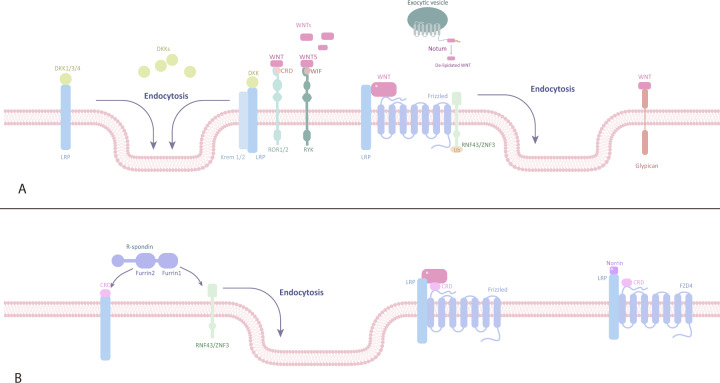
“Wnt ligands are lipid-modified glycoproteins [168], and work by binding with seven-pass trans-membrane protein Frizzled receptors [169], and regulate crucial cellular processes, including motility, polarity, and proliferation during embryonic development and stem cell renewal [170–172].”
BackgroundKuang, W., Xu, J., Xu, F., Huang, W., Majid, M., Shi, H., Yuan, X., Ruan, Y., & Hu, X. (2024) · Frontiers in Cell and Developmental Biology · doi:10.3389/fcell.2024.1513426 · Cited by 48
Byun, W. S., Bae, E. S., Kim, W. K., & Lee, S. K. (2022) · Journal of Natural Products · doi:10.1021/acs.jnatprod.2c00224 · Cited by 46
Savitri, C., Ha, S. S., Kwon, J. W., Kim, S. H., Kim, Y., Park, H. M., Kwon, H., Ji, M. J., & Park, K. (2024) · Advanced Science · doi:10.1002/advs.202305852 · Cited by 45
Zhang, W., Hou, Y., Yin, S., Miao, Q., Lee, K., Zhou, X., & Wang, Y. (2024) · Journal of Nanobiotechnology · doi:10.1186/s12951-024-02580-8 · Cited by 47
“Gene editing (knock in and knock out of targeting genes) also participate in this process to enhance gene therapy ability in tissue regeneration proteins, such as talin, vinculin and β-catenin for cell spreading and adhesion [151–154].”
BackgroundYadu, N., Singh, M. R., Singh, D., & Keshavkant, S. (2024) · International Journal of Pharmaceutics · doi:10.1016/j.ijpharm.2024.125117 · Cited by 45
Dual Roles of miR-10a-5p and miR-10b-5p as Tumor Suppressors and Oncogenes in Diverse Cancers
Singh, R., Ha, S. E., Yu, T. Y., & Ro, S. (2025) · International Journal of Molecular Sciences · doi:10.3390/ijms26010415 · Cited by 45
“…Wnt/β-catenin pathway regulates cell fate determination, proliferation, and migration [86], with its aberrant activation linked to various cancers [87]. colorectal cancer, miR-10a-5p suppresses metastasis by inhibiting EMT and anoikis resistance, primarily through downregulating MMP14 and ACTG1,…”
Fu, H., Li, W., Weng, Z., Huang, Z., Liu, J., Mao, Q., & Ding, B. (2023) · Frontiers in Pharmacology · doi:10.3389/fphar.2023.1038039 · Cited by 46
Self-citationTero-Vescan, A., Degens, H., Matsakas, A., Ștefănescu, R., Ősz, B. E., & Slevin, M. (2025) · Pharmaceuticals · doi:10.3390/ph18081222 · Cited by 44
“Resistance training in mice attenuates muscle fibrosis and atrophy by suppressing C1q-induced Wnt/ β -catenin signaling, specifically through the glycogen synthase kinase-3 beta (GSK)-3 β / β -catenin axis [93].”
Interfacial Asymmetrically Coordinated Zn−MOF for High‐Efficiency Electrosynthetic Oxime
Kang, J., Liao, P., Xiang, R., Liao, W., Yang, C., Wang, S., Liu, Q., & Li, G. (2025) · Angewandte Chemie International Edition · doi:10.1002/anie.202419550 · Cited by 44
Ghorbian, . (2025) · Hereditas · doi:10.1186/s41065-025-00564-8 · Cited by 45
“Its impact on pathways like Wnt/β-catenin is essential for the differentiation and self-renewal of CSC and helps it survive [133–135].”
Mesenchymal cells in the Lung: Evolving concepts and their role in fibrosis
Ligresti, G., Raslan, A., Hong, J., Caporarello, N., Confalonieri, M., & Huang, S. K. (2023) · Gene · doi:10.1016/j.gene.2022.147142 · Cited by 43
CircRNAs: Pivotal modulators of TGF-β signalling in cancer pathogenesis
Bhat, A. A., Gupta, G., Dahiya, R., Thapa, R., Gahtori, A., Shahwan, M. J., Jakhmola, V., Tiwari, A., Kumar, M., Dureja, H., et al. (2024) · Non-coding RNA Research · doi:10.1016/j.ncrna.2024.01.013 · Cited by 42
“Initially identified for its function in embryonic development and tissue homeostasis, the TGF-β signalling pathway has been linked to a dual role in cancer, functioning as a tumour promoter and a suppressor based on the disease ’ s setting and stage [4].”
BackgroundAzhdari, M., & Hausen, A. Z. (2024) · Pharmacological Research · doi:10.1016/j.phrs.2024.107565 · Cited by 42
Zhang, C., Wang, Y., Cheng, L., Cao, X., & Liu, C. (2025) · Frontiers in Oncology · doi:10.3389/fonc.2025.1557959 · Cited by 42
Peng, S., Long, M., Chen, Q.-S., Yin, Z., Zeng, C., Zhang, W., Wen, Q., Zhang, X., Ke, W., & Wu, Y. (2025) · Cell Death Discovery · doi:10.1038/s41420-025-02418-8 · Cited by 43
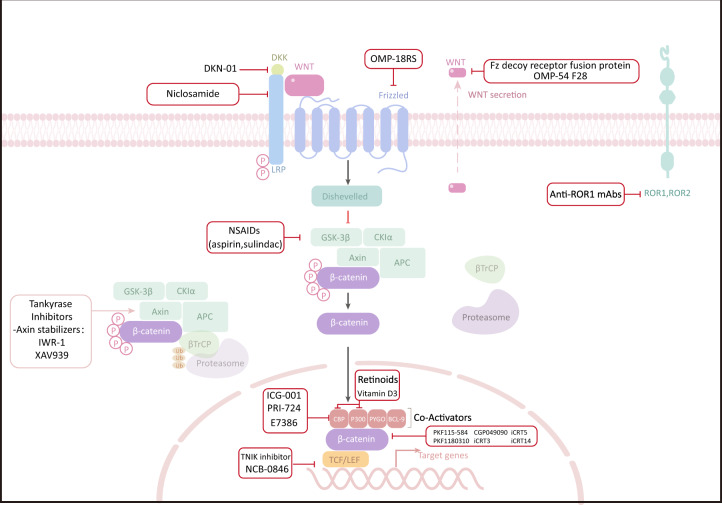
“Certain inhibitors of the WNT/ β -catenin signaling pathway have emerged as potential cancer therapeutic agents, and down-regulation of WNT signaling can inhibit cancer progression [146].”
Self-citationResearch Progress of DNA Methylation in Endometrial Cancer
Xu, T., Ding, H., Chen, J., Lei, J., Zhao, M., Ji, B., Chen, Y., Qin, S., & Gao, Q. (2022) · Biomolecules · doi:10.3390/biom12070938 · Cited by 44
Abulsoud, A. I., Elshaer, S. S., El-Husseiny, A. A., Fathi, D., Abdelmaksoud, N. M., Mageed, S. S. A., Salman, A., Zaki, M. B., El‐Mahdy, H. A., Ismail, A., et al. (2023) · Pathology - Research and Practice · doi:10.1016/j.prp.2023.154584 · Cited by 41
Gu, X., Li, P., Gao, X., Ru, Y., Xue, C., Zhang, S., Liu, Y., & Hu, X. (2024) · Oncogene · doi:10.1038/s41388-023-02931-z · Cited by 41
“B Chr17 exhibited the highest number of upregulated genes, while Chr1 exhibited the highest number of downregulated genes.”
BackgroundUnveiling cancer dormancy: Intrinsic mechanisms and extrinsic forces
Liu, R., Zhao, Y., Su, S., Kwabil, A., Njoku, P. C., Yu, H., & Li, X. (2024) · Cancer Letters · doi:10.1016/j.canlet.2024.216899 · Cited by 41
“The Wnts are nineteen proteins in humans [167].”
InfluentialXing, H., Gu, X., Liu, Y., Xu, L., He, Y., & Xue, C. (2024) · Oncogene · doi:10.1038/s41388-024-03184-0 · Cited by 41
“…have con fi rmed that the dysfunction of Wnt signaling pathway can affect the proliferation, survival, migration and invasion of tumor cells, and thus participate in cancer progression and is also considered to be one of the key breakthrough points in the development of anti-cancer drugs [67 – 69].”
Kounatidis, D. C., Vallianou, N. G., Karampela, Ι., Grivakou, E., & Dalamaga, Μ. (2025) · Seminars in Cancer Biology · doi:10.1016/j.semcancer.2025.05.013 · Cited by 41
Dysregulation of cellular membrane homeostasis as a crucial modulator of cancer risk
Erazo‐Oliveras, A., Muñoz‐Vega, M., Salinas, M. L., Wang, X., & Chapkin, R. S. (2022) · FEBS Journal · doi:10.1111/febs.16665 · Cited by 42
Shin, J., Yang, H. W., Park, J. H., & Kim, T. H. (2023) · International Journal of Molecular Sciences · doi:10.3390/ijms24044017 · Cited by 40
“However, in the xcessively activated Wnt pathway, β-catenin is not degraded and translocated into he nucleu to promote the cell cycle an proliferation [73].”
BackgroundWang, W., Gao, X., Liu, L., Guo, S., Duan, J., & Xiao, P. (2025) · Journal of Pharmaceutical Analysis · doi:10.1016/j.jpha.2025.101195 · Cited by 41
Targeting metastasis in paediatric bone sarcomas
Bull, E. C., Singh, A., Harden, A. M., Soanes, K., Habash, H., Toracchio, L., Carrabotta, M., Schreck, C., Shah, K. M., Riestra, P. V., et al. (2025) · Molecular Cancer · doi:10.1186/s12943-025-02365-z · Cited by 42
“WNT, a family of signalling pathways known to perform roles in cell fate determination, cell migration and tissue development [142] combined with NOTCH, a cell-to-cell communication pathway central to various developmental processes [143] as well as oxidative phosphorylation (OXPHOS) underlie these…”
WNT signaling in cancer: molecular mechanisms and potential therapies
Liang, J., Pan, Y., Yang, J., Zeng, D., & Li, J. (2025) · Molecular Biomedicine · doi:10.1186/s43556-025-00327-x · Cited by 42
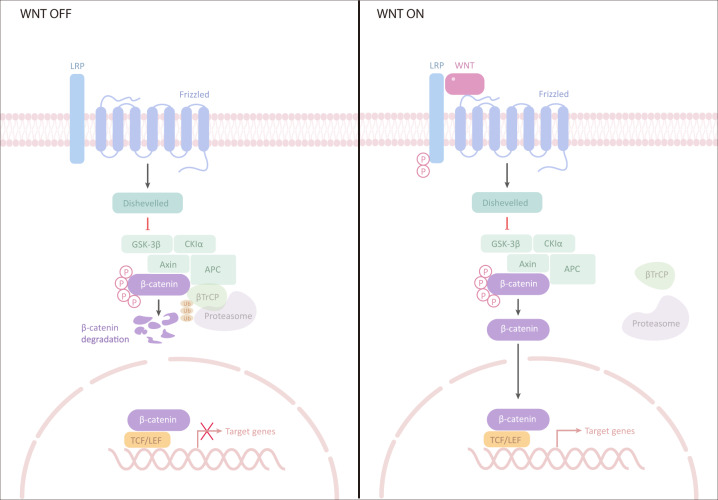
“The disruption of the destruction complex attenuates β-catenin ubiquitination and proteasomal degradation, resulting in cytoplasmic accumulation of β-catenin, which leads to the expression of downstream molecules [41].”
Emerging roles of TRIM27 in cancer and other human diseases
Yu, C., Rao, D., Wang, T., Song, J., Zhang, L., & Huang, W. (2022) · Frontiers in Cell and Developmental Biology · doi:10.3389/fcell.2022.1004429 · Cited by 40
Viana, M. D. B., de Aquino, P. E. A., Estadella, D., Ribeiro, D. A., & Viana, G. S. D. B. (2022) · Medical Cannabis and Cannabinoids · doi:10.1159/000527335 · Cited by 40
Samant, C., Kale, R. R., Pai, K. S. R., Nandakumar, K., & Bhonde, M. (2024) · Biochemical and Biophysical Research Communications · doi:10.1016/j.bbrc.2024.150348 · Cited by 39
Qian, Y., Ma, Z., Xu, Z., Duan, Y., Xiong, Y., Xia, R., Zhu, X., Zhang, Z., Tian, X., Yin, H., et al. (2024) · Nature Communications · doi:10.1038/s41467-024-52174-z · Cited by 39
“Formation of the signalosome triggers the collapse of the destruction complex (DC) which leads to the stabilization and nuclear translocation of β -catenin, where it col-laborates with T cell factor/lymphoid enhancer-binding factor (TCF/ LEF) to orchestrate the transcription of WNT target genes 6 .”
Self-citationWang, B., Shangguan, W., Li, W., Xie, M., Yu, Y., Yang, Q., Sun, Q., Xue, J., Zhu, Z., Zhu, Y., et al. (2024) · Journal of Translational Medicine · doi:10.1186/s12967-024-05762-y · Cited by 40
Liu, Z., Hu, S., Zhao, X., Xu, W., Ju, F., Gu, M., Weng, J., & Du, Y. (2024) · Journal for ImmunoTherapy of Cancer · doi:10.1136/jitc-2024-009877 · Cited by 39
“Those signal pathways are extensively involved in tumor development, angiogenesis and immunity, 47–49 implying potential pleiotropic effects of AKAP12 + CAFs in the TNBC microenvironment that deserve further exploration.”
BackgroundQin, Z., Yu, Q., & Long, Y. (2025) · International Journal of Nanomedicine · doi:10.2147/ijn.s527637 · Cited by 39
“28,29 The loss of DKK1, a WNT signaling inhibitor, further reduces autophagic activity, driving stromal cells to differentiate into myofibroblasts and promoting ECM accumulation.”
Beyond Antioxidants: How Redox Pathways Shape Cellular Signaling and Disease Outcomes
Sulaiman, A. A., & Katanaev, V. L. (2025) · Antioxidants · doi:10.3390/antiox14091142 · Cited by 39
“…complex (Axin, APC (adenomatous polyposis coli), casein kinase 1 alpha, GSK-3 β (glycogen synthase kinase-3 beta)) tags β - catenin for degradation; upon Wnt ligand binding, this complex is disassembled, allowing β -catenin to enter the nucleus and activate TCF/LEF-driven transcription [70].”
Sirtuin 6 is a histone delactylase
Nickel, G. A., Pederson, N. J., Faheem, F., Yang, Z., Bulf, J., & Diehl, K. L. (2025) · Journal of Biological Chemistry · doi:10.1016/j.jbc.2025.110795 · Cited by 42
MicroRNAs: Key modulators of inflammation-associated diseases
Chatterjee, B., Sarkar, M., Bose, S., Alam, M. T., Chaudhary, A. A., Dixit, A. K., Tripathi, P. P., & Srivastava, A. K. (2023) · Seminars in Cell and Developmental Biology · doi:10.1016/j.semcdb.2023.01.009 · Cited by 39
Li, C., Talukder, M., Xu, Y.-R., Zhu, S.-Y., Zhao, Y.-X., & Li, J. (2023) · Environmental Pollution · doi:10.1016/j.envpol.2023.121400 · Cited by 39
Song, J., Liu, Q., Han, L., Song, T., Huang, S., Zhang, X., He, Q., Liang, C., Zhu, S., & Xiong, B. (2023) · Journal of Experimental & Clinical Cancer Research · doi:10.1186/s13046-023-02887-8 · Cited by 38
Self-citationMechanotransduction for therapeutic approaches: Cellular aging and rejuvenation
Han, H.-M., Kim, S.-Y., & Kim, D. (2025) · APL Bioengineering · doi:10.1063/5.0263236 · Cited by 39
Lineage plasticity and histological transformation: tumor histology as a spectrum
Li, X., Gardner, E. E., Molina‐Pinelo, S., Wilhelm, C., Mu, P., & Quintanal-Villalonga, À. (2025) · Cell Research · doi:10.1038/s41422-025-01180-x · Cited by 38
Xiu, M., Wang, Y., Yang, D., Zhang, X., Dai, Y., Liu, Y., Lin, X., Li, B., & He, J. (2022) · Frontiers in Pharmacology · doi:10.3389/fphar.2022.1072715 · Cited by 38
Self-citationFerroptosis resistance in cancer cells: nanoparticles for combination therapy as a solution
Adzavon, K. P., Zhao, W., He, X., & Sheng, W. (2024) · Frontiers in Pharmacology · doi:10.3389/fphar.2024.1416382 · Cited by 37
Ze, Y., Wu, Y., Tan, Z., Li, R., Li, R., Gao, W., & Zhao, Q. S. (2025) · Bone Research · doi:10.1038/s41413-025-00403-6 · Cited by 37
“62 Many regulatory factors are involved in this process.”
El-Ela, S. R. A., Zaghloul, R. A., & Eissa, L. A. (2022) · Nutrition · doi:10.1016/j.nut.2022.111732 · Cited by 37
Rahman, N. I. A., Lam, C. L., Sulaiman, N. S., Abdullah, N. A. H., Nordin, F., Ariffin, S. H. Z., & Yazid, M. D. (2023) · International Journal of Molecular Sciences · doi:10.3390/ijms241713051 · Cited by 37
“a calcium-dependent pathway, which is also known as Wnt/Ca2+ pathway [66,67,69,70].”
BackgroundDoghish, A. S., Midan, H. M., Elbadry, A. M. M., Darwish, S. F., Rizk, N. I., Ziada, B. O., Elbokhomy, A. S., Elrebehy, M. A., Elballal, M. S., El‐Husseiny, H. M., et al. (2023) · Pathology - Research and Practice · doi:10.1016/j.prp.2023.154682 · Cited by 36
Interactions between miRNAs and the Wnt/β-catenin signaling pathway in endometriosis
Zhang, Y., Sun, X., Li, Z., Han, X., Wang, W., Xu, P., Liu, Y., Xue, Y., Wang, Z., Xu, S., et al. (2024) · Biomedicine & Pharmacotherapy · doi:10.1016/j.biopha.2024.116182 · Cited by 36
14–3-3ε: a protein with complex physiology function but promising therapeutic potential in cancer
Zhang, Y., Yan, M., Yu, Y., Wang, J., Jiao, Y., Zheng, M., & Zhang, S. (2024) · Cell Communication and Signaling · doi:10.1186/s12964-023-01420-w · Cited by 36
“The Wnt/β-catenin pathway, which is conserved, plays a crucial role in regulating stem cell pluripotency during biological development and determining the outcome of cell differentiation [99].”
BackgroundShi, D. (2024) · Journal of Developmental Biology · doi:10.3390/jdb12030020 · Cited by 36
Endothelial heterogeneity in bone marrow: insights across development, adult life and leukemia
Boueya, I. L., Sandhow, L., Albuquerque, J. R. P., Znaidi, R., & Passaro, D. (2024) · Leukemia · doi:10.1038/s41375-024-02453-x · Cited by 37
Long non-coding RNAs: Emerging regulators of invasion and metastasis in pancreatic cancer
Shi, M., Zhang, R., Lyu, H., Xiao, S., Guo, D. S., Zhang, Q., Chen, X., Tang, J., & Zhou, C. (2025) · Journal of Advanced Research · doi:10.1016/j.jare.2025.02.001 · Cited by 36
Lee, S., An, S., Ryu, Y. C., Seo, S. H., Park, S., Lee, M. J., Cho, S., & Choi, K. (2023) · Advanced Healthcare Materials · doi:10.1002/adhm.202203094 · Cited by 36
Cellular Senescence: A Troy Horse in Pulmonary Fibrosis
Wan, R., Wang, L., Zhu, M., Li, W., Duan, Y., & Yu, G. (2023) · International Journal of Molecular Sciences · doi:10.3390/ijms242216410 · Cited by 36
“…of the Wnt protein family of the extracellular signal, the Wnt receptor Frizzled and LRP5/6 of the cell membrane segment, β -catenin, DVL, GSK-3 β , AXIN, APC, and CK1 of the cytoplasmic segment, and the TCF/LEF family members and downstream target genes of β -catenin of the nuclear segment [82].”
BackgroundAhR and Wnt/β-Catenin Signaling Pathways and Their Interplay
Grishanova, A. Y., Klyushova, L. S., & Perepechaeva, M. L. (2023) · Current Issues in Molecular Biology · doi:10.3390/cimb45050248 · Cited by 35
Liu, Y., Ma, J., Lu, S., He, P., & Dong, W. (2023) · Chinese Medical Journal · doi:10.1097/cm9.0000000000002714 · Cited by 35
Banerjee, T. D., Murugesan, S. N., Connahs, H., & Monteiro, A. (2023) · Science Advances · doi:10.1126/sciadv.adg3877 · Cited by 35
Wnt signaling in gastric cancer: current progress and future prospects
Han, R., Yang, J., Zhu, Y., & Gan, R. (2024) · Frontiers in Oncology · doi:10.3389/fonc.2024.1410513 · Cited by 35
Wang, H., Liang, J., Wang, Y., Zheng, J., Liu, Y., Zhao, Y., Ma, Y., Chen, P., & Yang, X. (2024) · Scientific Reports · doi:10.1038/s41598-024-64952-2 · Cited by 35
“Without the 6Wnt ligand, β-catenin is phosphorylated at its NH 2 terminal and degraded by a multiprotein complex comprising GSK-3β, APC, and Axin’s skeleton protein 35,36 .”
BackgroundRole of inflammation in the progression of diabetic kidney disease
Chatterjee, A., Tumarin, J., & Prabhakar, S. S. (2024) · Vessel Plus · doi:10.20517/2574-1209.2024.21 · Cited by 33
Quan, J., Xie, D., Li, Z., Yu, X., Liang, Z., Chen, Y., Wu, L., Huang, D., Lin, L., & Fan, L. (2024) · Phytomedicine · doi:10.1016/j.phymed.2024.156090 · Cited by 35
Chen, S.-M., Guo, B.-J., Feng, A.-Q., Wang, X., Zhang, S.-L., & Miao, C. (2024) · Molecular Biomedicine · doi:10.1186/s43556-024-00211-0 · Cited by 35
Guo, X., & Shao, Y. (2025) · Molecular Medicine · doi:10.1186/s10020-025-01166-w · Cited by 36
“In research on PADs, Kholia et al. found that PAD2/4 expression is closely linked to the level of actin (Liu et al. 2022).”
Pancreatic Cancer: Pathogenesis and Clinical Studies
Zhou, K., Liu, Y., Tang, C., & Zhu, H. (2025) · MedComm · doi:10.1002/mco2.70162 · Cited by 35
Chojak, R., Fares, J., Petrosyan, E., & Lesniak, M. S. (2023) · Journal of Neuro-Oncology · doi:10.1007/s11060-023-04387-3 · Cited by 35
Liu, Z., Hu, Y., Xie, H., Chen, K., Wen, L., Fu, W., Zhou, X., & Tang, F. (2024) · Cancer Discovery · doi:10.1158/2159-8290.cd-23-1445 · Cited by 34
Mechanisms of Postischemic Stroke Angiogenesis: A Multifaceted Approach
Hu, B., Pei, J., Wan, C., Liu, S., Xu, Z., Zou, Y., Li, Z., & Tang, Z. (2024) · Journal of Inflammation Research · doi:10.2147/jir.s461427 · Cited by 34
“220,221 This pathway involves extracellular Wnt signaling molecules, transmembrane receptors, β-catenin, glycogen synthase kinase 3 beta (GSK3β), T-cell factor/lymphoid enhancer factor (TCF/LEF), and other components.”
Zheng, Y., Ma, Y., Xiong, Q., Zhu, K., Weng, N., & Zhu, Q. X. (2024) · Pharmacological Research · doi:10.1016/j.phrs.2024.107381 · Cited by 34
Metabolic Adaptations and Therapies in Cardiac Hypoxia
Li, H., Xiao, F., Zhou, C., Zhu, T., & Wang, S. (2025) · JACC Basic to Translational Science · doi:10.1016/j.jacbts.2024.12.008 · Cited by 35
Xu, S., Zhang, Z., Zhou, X., Liao, Y., Peng, Z., Meng, Z., Nussler, A. K., Ma, L., Xia, H., Liu, L., et al. (2025) · Phytomedicine · doi:10.1016/j.phymed.2025.156755 · Cited by 34
Xu, D., Zhang, X., Pang, J., Li, Y., & Peng, Z. (2025) · Biomolecules · doi:10.3390/biom15060794 · Cited by 35
“The Wnt pathway is a universally present and highly conserved signal transduction pathway in organisms, essential for numerous physiological processes, including embryonic development, cell proliferation, differentiation, migration, and maintenance of tissue homeostasis [79].”
Self-citationSquadrito, F., Imbalzano, E., Rottura, M., Arcoraci, V., Pallio, G., Catalano, A., Atteritano, M., Irrera, N., Mannino, F., Squadrito, G., et al. (2023) · Biomedicine & Pharmacotherapy · doi:10.1016/j.biopha.2023.114821 · Cited by 34
Zhang, J., Chen, S., Xiang, H., Xiao, J., Zhao, S., Shu, Z., Chai, Y., Ouyang, J., Liu, H., Wang, X., et al. (2023) · Life Sciences · doi:10.1016/j.lfs.2023.121853 · Cited by 34
Self-citationShan, X., Lv, S., Huang, P., Zhang, W., Jin, C., Liu, Y., Li, Y., Jia, Y., Chu, X., Peng, C., et al. (2023) · Molecular Neurobiology · doi:10.1007/s12035-023-03707-y · Cited by 34
Self-citation
Metadata
- Authors
- Liu, J., Xiao, Q., Xiao, J., Niu, C., Li, Y., Zhang, X., Zhou, Z., Shu, G., & Yin, G.
- Affiliations
- Central South University (CN)
- Corresponding author
- Yin, Gang
- Venue
- Signal Transduction and Targeted Therapy
- Published
- 2022-01-03
- Volume
- 7
- Issue
- 1
- Pages
- 3-3
- ISSN
- 2059-3635 (ISSN-L)
- PMC
- PMC8724284
- OpenAlex
- W4205498896
- Cited by
- 2,519
- References
- 345
- Citations by year
- 2026: 571 · 2025: 859 · 2024: 704 · 2023: 317 · 2022: 65
- FWCI
- 50.68
- Type
- journal article
- Language
- en
- Open access
- gold
- doi.org
- Licence
- cc-by
- creativecommons.org/licenses/by/4.0 (tdm)
- creativecommons.org/licenses/by/4.0 (vor)
- Locations
- Signal Transduction and Targeted Therapy (publishedVersion, cc-by)
- PubMed Central (publishedVersion, cc-by)
- PubMed (publishedVersion)
- DOAJ (DOAJ: Directory of Open Access Journals) (submittedVersion, cc-by-sa)
- Topics
- Life Sciences › Biochemistry, Genetics and Molecular Biology › Molecular Biology › Wnt/β-catenin signaling in development and cancer
- Life Sciences › Biochemistry, Genetics and Molecular Biology › Molecular Biology › Signaling Pathways in Disease
- Life Sciences › Biochemistry, Genetics and Molecular Biology › Molecular Biology › Hedgehog Signaling Pathway Studies
- Keywords
- Wnt/β-catenin signaling, Wnt proteins, β-catenin, embryonic development, tissue homeostasis, cancer, non-cancer diseases, small molecule inhibitors, therapeutic target, clinical trials
- MeSH terms
- Animals, Humans, Neoplasm Proteins, Neoplasms, Wnt Proteins, beta Catenin, Wnt Signaling Pathway
About these checks
Registry, retraction, Cites and statistics results are computed, not judged, with one exception: a printed reference that no index lists is read once by a model before it counts as a citation error. Claims are extracted by a model and kept only when their quote appears verbatim in the text; each cited source is then checked, with a model’s help, for whether it says what the claim relies on. Those verdicts can be wrong — read the claim’s quote and the cited source before relying on one.
Statistics and arithmetic are recomputed, not judged.
Confidence bands are shown only for fields calibrated on our annotated test set. None is calibrated yet, so no band is shown.
What counts as a claim ›How we measure confidence ›How we check this ›
Are you an author, or do you see a problem with this page? Request a review
Data sources
Bibliographic data: Semantic Scholar, OpenAlex, Crossref.
Contains information from the Semantic Scholar Academic Graph Datasets, made available under the ODC Attribution License (ODC-BY 1.0).
Semantic Scholar’s data is described in: Kinney, R., et al. (2023). The Semantic Scholar Open Data Platform. arXiv:2301.10140.
