

Wnt/β-catenin signalling: function, biological mechanisms, and therapeutic opportunities
Open accessThe DOI matches its Crossref record; 345 of the 345 references it cites were found in a registry or an index.
Abstract
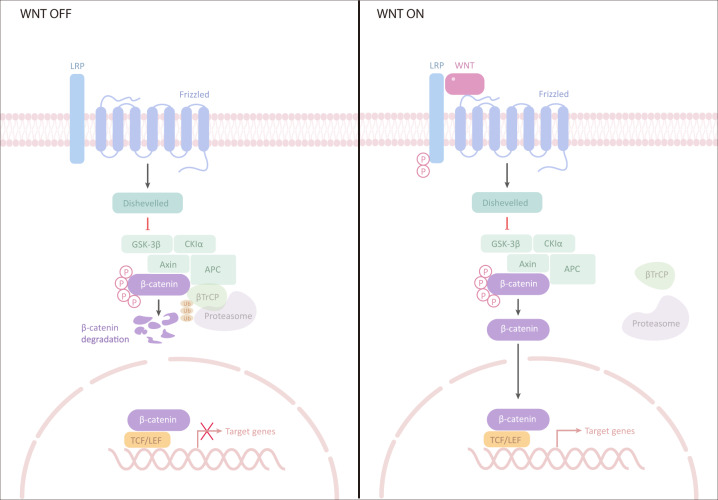
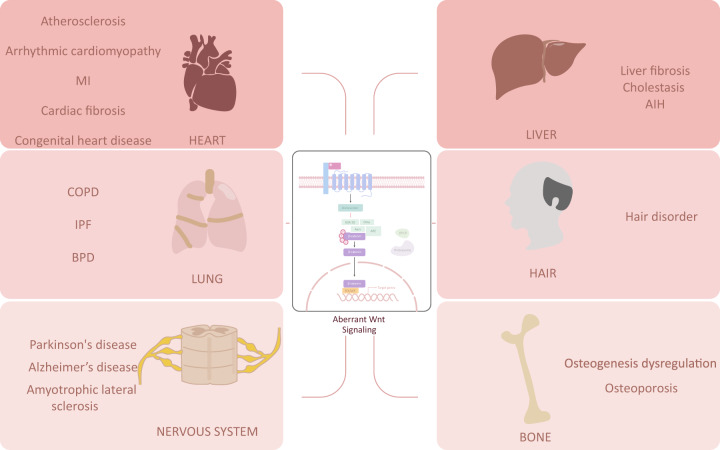
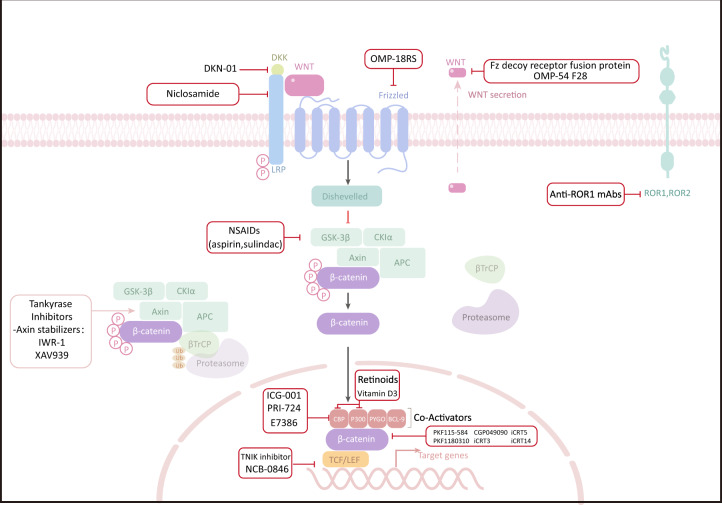
The Wnt/β-catenin pathway comprises a family of proteins that play critical roles in embryonic development and adult tissue homeostasis. The deregulation of Wnt/β-catenin signalling often leads to various serious diseases, including cancer and non-cancer diseases. Although many articles have reviewed Wnt/β-catenin from various aspects, a systematic review encompassing the origin, composition, function, and clinical trials of the Wnt/β-catenin signalling pathway in tumour and diseases is lacking. In this article, we comprehensively review the Wnt/β-catenin pathway from the above five aspects in combination with the latest research. Finally, we propose challenges and opportunities for the development of small-molecular compounds targeting the Wnt signalling pathway in disease treatment.
Overview
The claims and statistics of this paper haven’t been checked yet.
Free: it reads the open-access text and checks the first 5 claims that cite a source we can check. Create a free account to check every claim.
Integrity signals
Registry
Cites
Statistics
Figures
Verification
Claims the paper makes
The claims and statistics of this paper haven’t been checked yet.
Free: it reads the open-access text and checks the first 5 claims that cite a source we can check. Create a free account to check every claim.
Claims other papers make about this one
Each is checked against this paper’s own text: does it say what the citing paper says it does?
The source backs part of the claim, not all of it — or backs it for a different population, condition or comparison.
In the citing paper
“The inactivation of GSK3β disrupts the integrity and function of the destruction complex, thereby preventing β-catenin phosphorylation. As a result, unphosphorylated, stable β-catenin accumulates in the cytoplasm, translocates to the nucleus, and activates the transcription of its target genes, including c-Myc and Cyclin D1 [35, 46, 47, 52–55].”
From PPP1R18-mediated activation of Wnt/β-catenin and EMT is dependent on ERK signaling in clear cell renal cell carcinoma (2026) · cites this paper as [53]
Experimental — accuracy not yet measuredThe cited source says what the claim attributes to it.
In the citing paper
“Wnt signaling is a critical pathway involved in multiple developmental processes and can also contribute to malignant transformation.”
From Multiple myeloma: signaling pathways and targeted therapy (2024) · cites this paper as [64]
The check wasn’t confident either way, so it gives no verdict — never disputed.
In the citing paper
“For example, resistance training reduces muscle atrophy by inhibiting complement component 1q (C1q)-induced Wnt signaling as well as the PI3K-Akt-tuberous sclerosis complex (TSC) cascade, which regulates the activity of the target of rapamycin complex 1 (mTORC1) via the Ras homolog enriched in the brain (Rheb)”
From Exercise-Induced Muscle–Fat Crosstalk: Molecular Mediators and Their Pharmacological Modulation for the Maintenance of Metabolic Flexibility in Aging (2025) · cites this paper as [93]
Experimental — accuracy not yet measuredThe check wasn’t confident either way, so it gives no verdict — never disputed.
In the citing paper
“Resistance training in mice attenuates muscle fibrosis and atrophy by suppressing C1q-induced Wnt/β-catenin signaling, specifically through the glycogen synthase kinase-3 beta (GSK)-3β/β-catenin axis”
From Exercise-Induced Muscle–Fat Crosstalk: Molecular Mediators and Their Pharmacological Modulation for the Maintenance of Metabolic Flexibility in Aging (2025) · cites this paper as [93]
Experimental — accuracy not yet measured
Self-check
Percentages, sums and reported differences re-computed from the paper’s own numbers.
The self-check needs the paper’s full text.
Citations
Cites
4 retracted
Epigenetic regulation of Wnt-signaling pathway in acute lymphoblastic leukemia
Román-Gómez, J., Cordeu, L., Agirre, X., Jiménez-Velasco, A., San José-Eneriz, E., Garate, L., Calasanz, M. J., Heiniger, A., Torres, A., & Prosper, F. (2007) · Blood · doi:10.1182/blood-2006-09-047043 · Cited by 168 · cited 1×
“The results indicate the role of abnormal Wnt signalling in ALL and establish a group of patients with a significantly worse prognosis (methylated group).(253)”
BackgroundRetractedSatō, Y., Asoh, T., & Oizumi, K. (1998) · Bone · doi:10.1016/s8756-3282(98)00134-3 · Cited by 140 · cited 2×
“Fourteen bone-related biomarkers in elderly people with memory problems were not clinically diagnosed with asymptomatic AD, and the expression of TRAIL and DKK1 was elevated in the brain.(257,258) Wnt signalling has a neuroprotective effect, and DKK1, as an antagonist of the canonical Wnt signalling pathway, is negati…”
BackgroundResultRetractedFu, X., Zhu, X., Qin, F., Zhang, Y., Lin, J., Ding, Y., Yang, Z., Shang, Y., Wang, L., Zhang, Q., et al. (2018) · Molecular Cancer · doi:10.1186/s12943-018-0783-3 · Cited by 109 · cited 1×
“The lncRNAs Linc00210 and lncRNA-CCAL inhibit the activity of CTNNBIP1 and activator protein-2α (AP-2α), respectively, and block the binding of CTNNBIP1 and AP-2α to β-catenin, enhancing the interaction between β-catenin and the TCF/LEF complex.(67,68) LncRNA-NEAT1 interacts with DDX5 and promotes the formation of a c…”
BackgroundRetractedLiu, B., Wu, S., Han, L., & Zhang, C. (2015) · International Journal of Molecular Medicine · doi:10.3892/ijmm.2015.2382 · Cited by 25 · cited 3×
“The absence of Wnt signalling inhibits the nuclear transport of β-catenin mediated by ZBP1, resulting in a decrease in Runx2 and Sp7 (osteogenic factors) expression in mouse bone marrowderived MSCs.132,133 DHCR7 and INSIG1/2 are related to the effect of cholesterol metabolism on bone formation.”
BackgroundRetractedIdentification of stem cells in small intestine and colon by marker gene Lgr5
Barker, N., van Es, J. H., Kuipers, J., Kujala, P., van den Born, M., Cozijnsen, M., Haegebarth, A., Korving, J., Begthel, H., Peters, P. J., et al. (2007) · Nature · doi:10.1038/nature06196 · Cited by 5,687
Wnt/β-Catenin Signaling: Components, Mechanisms, and Diseases
MacDonald, B. T., Tamai, K., & He, X. (2009) · Developmental Cell · doi:10.1016/j.devcel.2009.06.016 · Cited by 5,583
Wnt/β-Catenin Signaling in Development and Disease
Clevers, H. (2006) · Cell · doi:10.1016/j.cell.2006.10.018 · Cited by 5,568
Wnt/β-Catenin Signaling, Disease, and Emerging Therapeutic Modalities
Nusse, R., & Clevers, H. (2017) · Cell · doi:10.1016/j.cell.2017.05.016 · Cited by 4,342
Activation of β-Catenin-Tcf Signaling in Colon Cancer by Mutations in β-Catenin or APC
Morin, P. J., Sparks, A. B., Korinek, V., Barker, N., Clevers, H., Vogelstein, B., & Kinzler, K. W. (1997) · Science · doi:10.1126/science.275.5307.1787 · Cited by 3,942
Melanoma-intrinsic β-catenin signalling prevents anti-tumour immunity
Spranger, S., Bao, R., & Gajewski, T. F. (2015) · Nature · doi:10.1038/nature14404 · Cited by 2,830 · cited 1×
“Using a mouse melanoma model, the researchers confirmed that the intrinsically active β-catenin signal of the tumour led to T cell rejection and resistance to anti-PD-L1/anti-CTLA-4 monoclonal antibody treatment.(301) Simultaneously, the analysis of primary melanoma lesions with BRAF mutations showed that T cell infil…”
Background
Research works printed but not linked: 8
- Amemiya T Tsuboi M Uchida S Electron microscopic and electron histochemical studies on embryonal rhabdomyosarcoma of the orbit. Zeitschrift fur Krebsforschung und klinische Onkol. Cancer Res. Clin. Oncol. 1975 83 305 314 169642
- Cruciat CM Niehrs C Secreted and transmembrane wnt inhibitors and activators[J] Cold Spring Harb. Perspect. Biol. 2013 5 a015081 23085770 PMC3578365 · DOI · Paper page
- Malinauskas T Modular mechanism of Wnt signaling inhibition by Wnt inhibitory factor 1[J] Nat. Struct. Mol. Biol. 2011 18 886 893 21743455 PMC3430870 · DOI · Paper page
- Jiang X Dishevelled promotes Wnt receptor degradation through recruitment of ZNRF3/RNF43 E3 ubiquitin ligases[J] Mol. Cell 2015 58 522 533 25891077 · DOI · Paper page
- Kwon C Notch post-translationally regulates β-catenin protein in stem and progenitor cells[J] Nat. cell Biol. 2011 13 1244 1251 21841793 PMC3187850 · DOI · Paper page
- Jimeno A A First-in-Human Phase I Study of the Anticancer Stem Cell Agent Ipafricept (OMP-54F28), a Decoy Receptor for Wnt Ligands, in Patients with Advanced Solid Tumors Clin. Cancer Res.: Off. J. Am. Assoc. Cancer Res. 2017 23 7490 7497 28954784 · DOI · Paper page
- Arensman M The CREB-binding protein inhibitor ICG-001 suppresses pancreatic cancer growth Mol. cancer therapeutics 2014 13 2303 2314 PMC4188417 25082960 · DOI · Paper page
- Emami K A small molecule inhibitor of beta-catenin/CREB-binding protein transcription [corrected] Proc. Natl Acad. Sci. USA 2004 101 12682 12687 15314234 PMC515116 · DOI · Paper page
Cited by
Items 401–500 of 1,003
Regulation and therapeutic potentials of microRNAs to non-small cell lung cancer
Le, M. T., Nguyen, H.-T., Nguyen, X., Do, X.-H., Nguyễn, T. T. B., Nguyen, H. T. N., Than, U. T. T., & Nguyen, T. H. (2023) · Heliyon · doi:10.1016/j.heliyon.2023.e22080 · Cited by 20
Jia, H. M., Bian, C., & Chang, Y. (2025) · Critical Reviews in Oncology/Hematology · doi:10.1016/j.critrevonc.2025.104674 · Cited by 19
Rubio, C., Serrano-GarcíA, N., Taddei, E., Castañeda-Saucedo, E., Romo, H., & Rubio‐Osornio, M. (2025) · Biocell · doi:10.32604/biocell.2025.066320 · Cited by 19
Ethier, C. R., & Herberg, S. (2025) · npj Biological Physics and Mechanics. · doi:10.1038/s44341-025-00022-6 · Cited by 20
“Via this mechanism, β -catenin triggers transcription by nuclear translocation and interaction with TCF/LEF transcription factors 200 .”
Zarlashat, Y., Halász, J., & Dósa, E. (2025) · International Journal of Molecular Sciences · doi:10.3390/ijms26178365 · Cited by 21
“This critical regulatory mechanism is frequently disrupted in HCC [48]. miRNAs, functioning either as tumor suppressors or oncomiRs, modulate key components of the Wnt/ β -catenin pathway, thereby influencing metastasis, invasion, proliferation, and therapy resistance in HCC [13] (Figure 2C).”
AR-regulated ZIC5 contributes to the aggressiveness of prostate cancer
Tan, Y.-F., Zhang, Y., Ge, S., Zhong, F., Sun, C., & Xia, G. (2022) · Cell Death Discovery · doi:10.1038/s41420-022-01181-4 · Cited by 19
The recent progress of peptide regulators for the Wnt/β-catenin signaling pathway
Zhang, N., Shen, H., Chen, B., Hu, H., Liu, C., Chen, Y., & Cong, W. (2023) · Frontiers in Medicine · doi:10.3389/fmed.2023.1164656 · Cited by 19
Mechanism and application of feedback loops formed by mechanotransduction and histone modifications
Sun, H., Gao, Y., Ma, X., Deng, Y., Bi, L., & Li, L. (2023) · Genes & Diseases · doi:10.1016/j.gendis.2023.06.030 · Cited by 19
Anciuc-Crauciuc, M., Cucerea, M., Tripon, F., Crauciuc, A., & Bănescu, C. V. (2024) · International Journal of Molecular Sciences · doi:10.3390/ijms25010649 · Cited by 19
“Wnt signaling represents an example of a pathway recognized for its significance in early tissue morphogenesis [13].”
BackgroundZhang, Z., Yan, X., Kang, L., Leng, Z., Ji, Y., Yang, S., Du, X., Fang, K., Wang, Z., Li, Z., et al. (2024) · Cell Death and Disease · doi:10.1038/s41419-024-06480-5 · Cited by 19
“Aprepitant was performed as 3mg/kg body weight [41].”
BackgroundMethodTang, J., Lam, G. T., Brooks, R. D., Miles, M. A., Useckaite, Z., Johnson, I. R., Ung, B. S. ‐., Martini, C., Karageorgos, L., Hickey, S. M., et al. (2024) · Cancer Letters · doi:10.1016/j.canlet.2024.216639 · Cited by 19
Lasers in the management of alopecia: a review of established therapies and advances in treatment
Jean-Pierre, P., Pulumati, A., Kasheri, E., Hirsch, M., & Nouri, K. (2024) · Lasers in Medical Science · doi:10.1007/s10103-024-04054-7 · Cited by 19
The molecular effects underlying the pharmacological activities of daphnetin
Wei, Z., Wei, N., Su, L., & Gao, S. (2024) · Frontiers in Pharmacology · doi:10.3389/fphar.2024.1407010 · Cited by 19
Zhang, P., Liang, L., Qu, H.-Y., Chen, G.-Y., Xie, M., & Chen, Y.-K. (2024) · World Journal of Gastroenterology · doi:10.3748/wjg.v31.i3.96582 · Cited by 19
“The Wnt signalling pathway is an evolutionarily conserved and complex signalling cascade critical for stem cell renewal, proliferation, and differentiation during development and cancer progression[61].”
Sravani, A. N. K. V., & Thomas, J. (2025) · Heliyon · doi:10.1016/j.heliyon.2025.e41964 · Cited by 19
RetractedMolecular subtypes of adamantinomatous craniopharyngiomas
An, W., Li, S., An, Y., & Lin, Z. (2025) · Neuro-Oncology · doi:10.1093/neuonc/noaf030 · Cited by 19
“36 These findings indicate that abnormal activation of this pathway can significantly promote tumorigenesis and progression, potentially disrupting cancer immunosurveillance, promoting immune evasion, and contributing to resistance to immunotherapies, including immune checkpoint inhibitors.”
Tang, Y., Dong, L., Zhang, C., Li, X., Li, R., Lin, H., Qi, Y., Tang, M., Peng, Y., Liu, C., et al. (2022) · International Journal of Biological Sciences · doi:10.7150/ijbs.71581 · Cited by 19
“β-catenin protein is a core component of the Wnt signaling pathway [37].”
BackgroundCrosstalk between Adult Hippocampal Neurogenesis and Its Role in Alzheimer’s Disease
Tiwari, V., Mishra, A., Singh, S., & Shukla, S. (2023) · ACS Chemical Neuroscience · doi:10.1021/acschemneuro.3c00119 · Cited by 19
Jin, J., Chen, W., Li, J., Yang, J., Dai, R., Tang, J., Li, M., Chen, Y., Zhang, C., & Liu, J. (2025) · Biofabrication · doi:10.1088/1758-5090/adf099 · Cited by 18
Self-citationHair regeneration: Mechano-activation and related therapeutic approaches
Nam, S., Jain, S. K., Kurian, A. G., Jeong, I., Park, B. C., Ban, K., Knowles, J. C., & Kim, H. (2025) · Journal of Tissue Engineering · doi:10.1177/20417314251362398 · Cited by 19
“63 65 In summary, the intricate mechanotransduction pathways governing HFSC behaviors offer a diverse array of therapeutic targets for hair regeneration.”
Lineage tracing reveals the origins and dynamics of macrophages in lung injury and repair
Jin, H., Mou, J., Zhu, H., Liu, K., Zhang, M., Zhang, Z., Pflanz, S., Kasmi, K. E., Liu, Z., Ginhoux, F., et al. (2026) · Cell Discovery · doi:10.1038/s41421-025-00859-0 · Cited by 20
Liu, P., Liu, J., Ding, M., Liu, Y., Zhang, Y., Chen, X., & Zhou, Z. (2023) · International Journal of Oncology · doi:10.3892/ijo.2023.5483 · Cited by 18
Self-citationMazzella, M., Walker, K., Cormier, C., Kapanowski, M., Ishmakej, A., Saifee, A., Govind, Y., & Chaudhry, G. R. (2023) · Stem Cell Research & Therapy · doi:10.1186/s13287-023-03533-y · Cited by 18
“…plot analysis of DEGs in pMSCs also revealed more significant differences when comparing the two media suggesting that the medium composition has a greater impact on the fate of pMSCs. Wnt signaling is crucial for self-renewal and differentiation in various stem cells, including MSCs [55, 56].”
ResultKou, N., Chen, Y., Li, X., Xu, D. W., Wang, Y., Dong, X.-R., Cui, Y., & Wang, Q. (2023) · International Journal of Pharmaceutics · doi:10.1016/j.ijpharm.2023.123625 · Cited by 18
Zhu, Y., Zhang, E., Gao, H., Shang, C., Yin, M., Ma, M., Liu, Y., Zhang, X., & Li, X. (2023) · Marine Drugs · doi:10.3390/md21120622 · Cited by 18
“Signaling via the Wnt/ β -catenin pathway is integral to the development of many cancers, and is closely tied to the progression of CRC and associated patient prognostic outcomes [42,43], suggesting that efforts to inhibit this pathway may represent a viable antitumor treatment strategy.”
BackgroundSelf-citationLiu, J., Wang, Y., Zhang, S., Sun, L., & Shi, Y. (2023) · Placenta · doi:10.1016/j.placenta.2023.12.008 · Cited by 18
Self-citationTouchaei, A. Z., Vahidi, S., & Samadani, A. A. (2024) · Clinical and Experimental Medicine · doi:10.1007/s10238-023-01260-5 · Cited by 18
“Together, these results show that lncRNAs in GC have a major effect on the Wnt/β-catenin signaling pathway [153].”
BackgroundAn investigation on the alterations in Wnt signaling in ADHD across developmental stages
Walter, N. M., Ohki, C. M. Y., Rickli, M., Smigielski, L., Walitza, S., & Grünblatt, E. (2024) · Neuroscience Applied · doi:10.1016/j.nsa.2024.104070 · Cited by 18
Wang, M., Sun, Y., Gu, R. C., Tang, Y., Han, G., & Zhao, S. (2024) · Journal of Ovarian Research · doi:10.1186/s13048-024-01430-3 · Cited by 18
Cui, Z., Liu, Z., Yuan, X., Lu, K., Li, M., Xu, S., Chen, K., Zheng, F., Li, Y., Héroux, P., et al. (2024) · Chemosphere · doi:10.1016/j.chemosphere.2024.142758 · Cited by 18
Self-citationZhao, T., Zhang, R., Li, Z., Qin, D., & Wang, X. (2024) · Heliyon · doi:10.1016/j.heliyon.2024.e36220 · Cited by 18
“The Wnt/ β -catenin pathway has been shown to play a role in both mesenchymal and ductal maturation of salivary glands [187,188].”
BackgroundWu, L., Cheng, Y., Wang, R., Sun, S., Ma, B., & Zhang, Z. (2024) · Journal of Biochemical and Molecular Toxicology · doi:10.1002/jbt.23827 · Cited by 18
Lead exposure leads to premature neural differentiation via inhibiting Wnt signaling
Li, J., Hu, M., Liu, Y., Lu, R., & Feng, W. (2024) · Environmental Pollution · doi:10.1016/j.envpol.2024.125232 · Cited by 18
Filippi, A., Deculescu-Ioniță, T., Hudiță, A., Baldasici, O., Gălățeanu, B., & Mocanu, M. (2025) · International Journal of Molecular Sciences · doi:10.3390/ijms26020631 · Cited by 18
Abu‐Elfotuh, K., Mahran, Y., Gazzar, W. B. E., Youssef, H. S., Hamdan, A. M., Albalawi, T. M., Alsunbul, M., Alqahtani, R. A., & Mohammed, A. A. (2025) · International Journal of Molecular Sciences · doi:10.3390/ijms26031260 · Cited by 19
Cross-talk of renal cells through WNT signal transduction in the development of fibrotic kidneys
Chen, Y., & Xue, C. (2025) · Frontiers in Cell and Developmental Biology · doi:10.3389/fcell.2024.1517181 · Cited by 18
Chambers, T. L., Wells, J. M., Koopmans, P. J., da Silva, F. M., Malik, Z. B., Greene, N. P., Filareto, A., Franti, M., Sini, P., Weinstabl, H., et al. (2025) · Aging Cell · doi:10.1111/acel.70068 · Cited by 19
Haroon, M., & Kang, S. C. (2025) · Applied Biological Chemistry · doi:10.1186/s13765-025-00992-0 · Cited by 18
Excess Wnt in neurological disease
Pascual, D. M., Rizi, D. J., Kaur, H., & Marcogliese, P. C. (2025) · Biochemical Journal · doi:10.1042/bcj20240265 · Cited by 18
Selvam, P., Cheng, C.-M., Dahms, H.-U., Ponnusamy, V. K., & Sun, Y. (2022) · Toxics · doi:10.3390/toxics10110642 · Cited by 18
“The signalling cascade and other ligands of Wnt such as prostaglandin and E-cadherin, were discovered to operate as β-catenin extracellular regulators [53].”
BackgroundJeong, G., Shin, S. H., Kim, S. N., Na, Y., Park, B. C., Cho, J. H., Park, W.-S., & Kim, H.-J. (2022) · Journal of Ginseng Research · doi:10.1016/j.jgr.2022.11.002 · Cited by 18
The Dual Role and Therapeutic Implications of the Wnt/β-Catenin Pathway in Diabetic Kidney Disease
Adeerjiang, Y., Gan, X.-X., Li, W., Li, Q., Jiang, Y., Xia Shuang, Z. H. U., Hu, C.-M., Wang, P., & Jiang, S. (2025) · International Journal of General Medicine · doi:10.2147/ijgm.s524138 · Cited by 17
Curcumin, EGCG and apigenin in cervical cancer: mechanistic insights and therapeutic potential
Asiri, A., Bokhari, B. T., Sadaf, S., Eisa, A. A., Aljohani, H. M., Nofal, W., Kausar, T., & Najm, M. Z. (2025) · Frontiers in Pharmacology · doi:10.3389/fphar.2025.1592395 · Cited by 18
“This pathway regulates essential cellular processes such as proliferation, adhesion, and differentiation (Liu et al., 2022).”
Wnt Signaling Pathway: Biological Function, Diseases, and Therapeutic Interventions
Jin, X., Wang, J., Cao, R., & Jiang, D. (2026) · MedComm · doi:10.1002/mco2.70580 · Cited by 17
Sayed, S., Song, J., Wang, L., Muluh, T. A., Liu, B., Lin, Z., Tang, Y., Su, Z., Li, H., Xue, V. W., et al. (2023) · British Journal of Pharmacology · doi:10.1111/bph.16046 · Cited by 17
Pascual‐Alonso, A., Xiol, C., Smirnov, D., Kopajtich, R., Prokisch, H., & Armstrong, J. (2023) · Human Genomics · doi:10.1186/s40246-023-00532-1 · Cited by 17
“The Wnt, BMP and TGFß signalling pathways are also involved in osteoblast activity and maintenance of cartilage [62–64].”
BackgroundBML-281 promotes neuronal differentiation by modulating Wnt/Ca2+ and Wnt/PCP signaling pathway
Choi, J., Gang, S., Ramalingam, M., Hwang, J., Jeong, H., Yoo, J., Cho, H., Kim, B. C., Jang, G., Jeong, H., et al. (2023) · Molecular and Cellular Biochemistry · doi:10.1007/s11010-023-04857-2 · Cited by 17
Drivers of cancer metastasis – Arise early and remain present
Dymerska, D., & Marusiak, A. A. (2023) · Biochimica et Biophysica Acta (BBA) - Reviews on Cancer · doi:10.1016/j.bbcan.2023.189060 · Cited by 18
Nardacchione, E. M., Tricarico, P. M., de Moura, R. R., D’Adamo, P., Thasneem, A., Suleman, M., Marzano, A. V., Crovella, S., & Moltrasio, C. (2023) · Genes · doi:10.3390/genes15010038 · Cited by 17
Moztarzadeh, S., Sepic, S., Hamad, I., Waschke, J., Radeva, M. Y., & García‐Ponce, A. (2024) · Scientific Reports · doi:10.1038/s41598-024-51269-3 · Cited by 17
Huang, Y., Xu, P., Liao, F., Ca, H., Wang, X., Wang, X., Chang, J., & Miao, C. (2024) · Journal of Pharmacy and Pharmacology · doi:10.1093/jpp/rgae003 · Cited by 17
Ma, K., Wang, S., Ma, Y., Zeng, L., Xu, K. W., Mu, N., Lai, Y., Shi, Y., Yang, C., Chen, B., et al. (2024) · Drug Resistance Updates · doi:10.1016/j.drup.2024.101113 · Cited by 18
Cheng, W., Yin, C., Yu, S., Chen, X. X., Hong, N., & Jin, W. (2024) · Nucleic Acids Research · doi:10.1093/nar/gkae821 · Cited by 19
Inhibition of mitochondrial OMA1 ameliorates osteosarcoma tumorigenesis
Chen, L., Chen, D., Pan, Y., Mo, Y., Lai, B., Chen, H., Zhang, D., & Xia, X.-D. (2024) · Cell Death and Disease · doi:10.1038/s41419-024-07127-1 · Cited by 17
“…component of Wnt signaling, in the cytosol enhances its translocation to the nucleus, where the protein induces the expression of target genes [62]. β -catenin -catenin expression is increased in human OS samples, and its overexpression is positively associated with tumor size, distant…”
The Role of Wnt3a/β-Catenin/TCF7L2 Pathway in Diabetes and Cardiorenal Complications
Adeerjiang, Y., Sidike, A., Gan, X.-X., Li, Q., & Jiang, S. (2024) · Cardiorenal Medicine · doi:10.1159/000543145 · Cited by 17
Chatzikalil, E., Arvanitakis, K., Kalopitas, G., Florentin, M., Germanidis, G. S., Koufakis, T., & Solomou, E. E. (2025) · Cancers · doi:10.3390/cancers17030392 · Cited by 18
“A destruction complex, consisting of Axin, APC, casein kinase 1, and glycogen synthase kinase 3 β , modulates the expression of cytoplasmic β -catenin [71].”
InfluentialShi, Q., Wang, Y., Ouyang, Y., Liu, Y., & Cai, Z. (2025) · Breast Cancer Research · doi:10.1186/s13058-025-01965-3 · Cited by 17
Terra, M. L., Sant’Anna, T. B. F., de Barros, J. J. F., & Araujo, N. M. (2025) · International Journal of Molecular Sciences · doi:10.3390/ijms26072889 · Cited by 17
“Given its role in tumor proliferation, metastasis, and therapy resistance, the Wnt/ β -catenin pathway has emerged as an attractive therapeutic target in HCC [85,94].”
Unveiling Pharmacogenomics Insights into Circular RNAs: Toward Precision Medicine in Cancer Therapy
Alqahtani, S., Alqahtani, T., Venkatesan, K., Sivadasan, D., Ahmed, R., Elfadil, H., Paulsamy, P., & Periannan, K. (2025) · Biomolecules · doi:10.3390/biom15040535 · Cited by 17
“Inter-individual variability in circRNA expression is influenced by factors such as ethnicity, age, and environmental exposures, complicating their reliability as universal biomarkers [86] (Figure 2).”
Zhang, Y., Qi, C., Wei, Q., Li, Y., & Tian, P. (2025) · Respiratory Research · doi:10.1186/s12931-025-03294-7 · Cited by 17
“Extracellular signaling is mediated mainly by Wnt proteins [118].”
InfluentialSelf-citationLan, X., Ni, Y.-S., Liu, N., Wei, W., Liu, Y., Yang, J., Ma, L., Bai, R., Zhang, J., & Yu, J. (2023) · Biomedicine & Pharmacotherapy · doi:10.1016/j.biopha.2023.114266 · Cited by 18
Chebulagic acid suppresses gastric cancer by inhibiting the AURKA/β-catenin/Wnt pathway
Zhao, J., Shi, Y., Ma, Y., Pan, L., Wang, Y., Li, Y., Dong, J., & Ying, J. (2023) · Frontiers in Pharmacology · doi:10.3389/fphar.2023.1143427 · Cited by 17
Self-citationPetsri, K., Yokoya, M., Racha, S., Thongsom, S., Thepthanee, C., Innets, B., Zin, Z., Hotta, D., Zou, H., & Chanvorachote, P. (2023) · International Journal of Molecular Sciences · doi:10.3390/ijms24065345 · Cited by 17
Chen, J., Wang, Y., Meng, W., Zhao, R., Lin, W., Han, X., & Liao, Y. (2023) · International Journal of Molecular Sciences · doi:10.3390/ijms24076826 · Cited by 17
“Ras/Raf/Mek/Erk signaling and TGF-β signaling contribute to the activation of Wnt/β-catenin signaling [39].”
BackgroundBayati, P., Taherian, M., Soleimani, M., Farajifard, H., & Mojtabavi, N. (2023) · Stem Cell Research & Therapy · doi:10.1186/s13287-023-03581-4 · Cited by 17
Chen, T., Quinn, Z., Mishra, K., O’Connor, E. C., Silver, S. E., Zhang, Y., Valencia, M. J., Mei, Y., Behmoaras, J. V., Ferreira, L. M. R., et al. (2024) · bioRxiv (Cold Spring Harbor Laboratory) · doi:10.1101/2024.07.31.606098 · Cited by 17
“However, existing pLM-based methods have not yet focused on targeting specific motifs or epitopes on proteins, leaving a significant gap in our ability to design highly specific binders for conformationally and functionally diverse protein targets.”
Sang, Y.-Z., Hu, Y., Liang, R., Zhang, Y., Du, H., Zhang, H., Chen, J., Zhang, Y., & Cao, X. D. (2025) · Phytomedicine · doi:10.1016/j.phymed.2025.157044 · Cited by 17
Gut microbiome and gastric cancer: microbial interactions and therapeutic potential
El-Ghannam, M., Hassanien, M. H., Ameen, Y. A., Turky, E. A., ELattar, G. M., Ray, A. A. E., & Eltalkawy, M. D. (2025) · Gut Pathogens · doi:10.1186/s13099-025-00729-w · Cited by 16
“The Wnt/β-catenin pathway is a pivotal regulator of several biological processes, including cellular proliferation, migration, and tissue homeostasis [27].”
Biomaterial-assisted gene therapy for bone repair
Yang, L., Li, W., Yu, Y., Wang, H., & Wang, X. (2026) · Materials Today Bio · doi:10.1016/j.mtbio.2026.102886 · Cited by 17
“Bone resorption is concurrently regulated via Wnt and RANKL pathways, suppressing osteoclast formation and activity, thereby restoring homeostasis at the defect site [71, 77,78,125 – 128].”
Zhang, H., Liu, C., Chen, Q., Shen, L., Xiao, W., Li, J., Wang, Y., Zhu, D., Zhang, Q., & Li, J. (2023) · Journal of Medicinal Chemistry · doi:10.1021/acs.jmedchem.2c01568 · Cited by 16
Yudhawati, R., & Shimizu, K. (2023) · International Journal of Molecular Sciences · doi:10.3390/ijms24087299 · Cited by 17
Cancer risk and male Infertility: Unravelling predictive biomarkers and prognostic indicators
Tiwari, P., Yadav, A., Kaushik, M., & Dada, R. (2024) · Clinica Chimica Acta · doi:10.1016/j.cca.2024.119670 · Cited by 16
The emerging role of deubiquitylating enzyme USP21 as a potential therapeutic target in cancer
Shi, Z.-Y., Li, C., Chen, R.-Y., Shi, J.-J., Liu, Y., Lu, J., Yang, G., & Chen, J. (2024) · Bioorganic Chemistry · doi:10.1016/j.bioorg.2024.107400 · Cited by 16
Zhang, H., Liu, D., Xu, Q.-F., Wei, J., Zhao, Y., Xu, D., Wang, Y., Liu, Y., Zhu, X., & Jiang, L. (2024) · International Journal of Biological Macromolecules · doi:10.1016/j.ijbiomac.2024.131805 · Cited by 16
A perspective on tumor radiation resistance following high-LET radiation treatment
Rajpurohit, Y. S., Sharma, D. K., Lal, M., & Soni, I. (2024) · Journal of Cancer Research and Clinical Oncology · doi:10.1007/s00432-024-05757-8 · Cited by 16
“…al. 2011; Chen et al. 2015; Chen et al. 2011; Khan et al. 2020), the NF ‐ κB pathway (Deorukhkar and Krishnan 2010; Li and Sethi 2010), Akt/cyclin D1/CDK4 signaling pathway (Shimura 2017; Shimura et al. 2011; Shimura et al. 2012), and the Wnt/β ‐ catenin pathway (Yu et al. 2021; Liu et al. 2022).”
BackgroundHussain, S., Iqbal, A., Hamid, S., Putra, P. P., & Ashraf, M. (2024) · International Journal of Biological Macromolecules · doi:10.1016/j.ijbiomac.2024.132721 · Cited by 16
Unlocking hope: GSK-3 inhibitors and Wnt pathway activation in Alzheimer’s therapy
Varshini, M. S., Reddy, R. A., & Krishnamurthy, P. T. (2024) · Journal of drug targeting · doi:10.1080/1061186x.2024.2365263 · Cited by 16
“However, aberrant activation of wnt signalling pathway is related to the pathogenesis of amyotrophic lateral sclerosis [85].”
Tang, Y., Lu, X., Lin, K., Li, J., Yuan, M., & Lin, K. (2024) · Journal of Cellular Physiology · doi:10.1002/jcp.31367 · Cited by 16
“Wnt/ β ‐ catenin pathway possesses critical regulatory functions in embryonic development, cell differentiation and proliferation (Colozza & Koo, 2021; Liu, et al., 2022).”
Hussein, Z., Michel, H. E., El‐Naga, R. N., El‐Demerdash, E., & Mantawy, E. M. (2024) · NeuroToxicology · doi:10.1016/j.neuro.2024.08.003 · Cited by 16
Ortega, M. A., Pekarek, T., León-Oliva, D. D., Boaru, D. L., Fraile‐Μartinez, O., Montero, C. G., Buján, J., Pekarek, L., Barrena-Blázquez, S., Gragera, R., et al. (2024) · Biomolecules · doi:10.3390/biom14101237 · Cited by 16
“This pathway is necessary for proper embryonic development and maintaining adult tissue homeostasis [47].”
BackgroundIGSF9 promotes tumor invasion and metastasis through GSK-3β/β-catenin mediated EMT in lung cancer
Luan, H., Wang, T., Li, F., Sun, S. B., Wang, Z., Zhao, X., Kong, F., Hu, T., Liu, Y., Zhang, J., et al. (2024) · Neoplasia · doi:10.1016/j.neo.2024.101067 · Cited by 16
“The nuclear translocation of β -catenin is a critical component of the canonical Wnt pathway, which is known to govern crucial cellular functions including proliferation, survival, differentiation and migration [31].”
Background3-Deazaneplanocin A (DZNep): A Drug That Deserves a Second Look
Márquez, V. E. (2024) · Journal of Medicinal Chemistry · doi:10.1021/acs.jmedchem.4c01566 · Cited by 16
Gajos-Michniewicz, A., & Czyż, M. (2024) · International Journal of Molecular Sciences · doi:10.3390/ijms252312804 · Cited by 16
“It has been demonstrated that progression, metastasis and resistance to treatment of various cancers can be attributed to the abnormal activation of WNT signaling; therefore, targeting the WNT/ β -catenin pathway might be an effective treatment strategy [2–4].”
Signaling pathways and targeted therapies in Ewing sarcoma
Jia, K., Cao, L., Yu, Y., Jing, D., Wu, W., Tine, B. A. V., & Shao, Z. (2024) · Pharmacology & Therapeutics · doi:10.1016/j.pharmthera.2024.108765 · Cited by 16
A novel micropeptide miPEP205 suppresses the growth and metastasis of TNBC
Zhang, Z., Li, F., Dai, X., Deng, J., Wang, Y., Zhang, S., Liu, W., Xie, Y., Pan, Y., Wang, J., et al. (2024) · Oncogene · doi:10.1038/s41388-024-03240-9 · Cited by 16
Sebo, D. J., Ali, I., Fetsko, A. R., Trimbach, A. A., & Taylor, M. R. (2025) · Scientific Reports · doi:10.1038/s41598-025-85784-8 · Cited by 16
Cao, J., Zhang, X., Xia, Q., Hang, K., Men, J., Tian, J., Liao, D., Xia, Z., & Li, K. (2025) · Bioorganic Chemistry · doi:10.1016/j.bioorg.2025.108264 · Cited by 16
Self-citationJabbari, P., Kim, J. H., Le, B. H., Zhang, W., Zhang, H., & Martins‐Green, M. M. (2025) · Antioxidants · doi:10.3390/antiox14020214 · Cited by 17
“One such pathway negatively affected in Fib 2 cells is the Wnt signaling, which several studies have shown its importance for pro-healing mechanism [43,44].”
Akbar, A., Zaheer, A., Kharal, M. M., Komel, A., Khan, M. H., Ahsan, A., & Singh, A. K. (2025) · Medicine · doi:10.1097/md.0000000000041605 · Cited by 16
Rahmani, A. H., & Babiker, A. Y. (2025) · Open Life Sciences · doi:10.1515/biol-2025-1069 · Cited by 18
“Cancer and non-cancer disorders are among the many dangerous diseases that are frequently brought on by the dysregulation of Wnt/ β -catenin signaling [131].”
Yang, Z., He, J., Huang, C., Lai, H.-Z., Li, X., Zheng, C., Fu, X., You, F., & Ma, Q. (2025) · Journal of Translational Medicine · doi:10.1186/s12967-025-06326-4 · Cited by 17
“Activation of this pathway typically involves the binding of Wnt proteins to Frizzled (FZD) receptors located on the cell membrane, which subsequently modulates intracellular β-catenin levels [33, 34].”
Multifaceted roles of OCT4 in tumor microenvironment: biology and therapeutic implications
Chen, W., & Wang, Y. (2025) · Oncogene · doi:10.1038/s41388-025-03408-x · Cited by 17
The mitochondrial LONP1 protease: molecular targets and role in pathophysiology
Tang, P. C., Qun, Z., Li, Y., Wang, J., & She, M. (2025) · Molecular Biology Reports · doi:10.1007/s11033-025-10500-8 · Cited by 16
Self-citationZhang, X., Bai, J.-J., Fan, S., Liang, L., Song, X., Nai, M. H., Zhang, R., Chen, M., Wang, J., & Lim, C. T. (2025) · ACS Nano · doi:10.1021/acsnano.5c02557 · Cited by 16
Self-citationDissecting crosstalk induced by cell-cell communication using single-cell transcriptomic data
Hou, J., Zhao, W., & Nie, Q. H. (2025) · Nature Communications · doi:10.1038/s41467-025-61149-7 · Cited by 18
Lipidic Prodrug Co‐Crystals: A Platform for Combination Therapy Targeting Fungal Biofilms
Liu, Y., Gao, C. Y., Zhang, X., Li, W., Huang, Y., Zhou, T., Shao, F., Shi, L., & Li, Y. (2025) · Advanced Materials · doi:10.1002/adma.202510382 · Cited by 16
Self-citationFrom Diabetes to Degenerative Diseases: The Multifaceted Action of Metformin
Campagnoli, L. I. M., Varesi, A., Fahmideh, F., Hakimizad, R., Petkovic, P., Barbieri, A., Marchesi, N., & Pascale, A. (2025) · International Journal of Molecular Sciences · doi:10.3390/ijms26199748 · Cited by 16
“Given its central role in skeletal biology, the Wnt signaling pathway has emerged as a promising target for the development of novel therapeutics aimed at enhancing bone synthesis [266].”
SFRP2 Overexpression Induces an Osteoblast-like Phenotype in Prostate Cancer Cells
Akova, E., Aszódi, A., Taipaleenmäki, H., Saito, H., Schönitzer, V., Chaloupka, M., Apfelbeck, M., Böcker, W., & Saller, M. M. (2022) · Cells · doi:10.3390/cells11244081 · Cited by 16
“Specifically, even though SFRP2 is accepted as a negative regulator of WNT signaling [47], SFRP2 overexpression leads to a COL1-dependent increase in WNT4 and WNT10B, as well as CTNNB1 (ß-catenin) expression (Figure 3B).”
BackgroundDickkopf-1 drives tumor immune evasion by inducing PD-L1 expression in hepatocellular carcinoma
Yang, R., Qin, J., Cao, J., Zhang, M., Li, Y., Wang, M., Fang, D., & Xie, S. (2022) · Biochemical Pharmacology · doi:10.1016/j.bcp.2022.115378 · Cited by 16
Self-citationLiu, N., Liu, D., Cao, S., & Lei, J. (2023) · Human Cell · doi:10.1007/s13577-023-00859-w · Cited by 16
“β-catenin was reported involved in the occurrence and development of various diseases, including cardiovascular diseases, neurodegeneration, and various cancers [16].”
Background
Metadata
- Authors
- Liu, J., Xiao, Q., Xiao, J., Niu, C., Li, Y., Zhang, X., Zhou, Z., Shu, G., & Yin, G.
- Affiliations
- Central South University (CN)
- Corresponding author
- Yin, Gang
- Venue
- Signal Transduction and Targeted Therapy
- Published
- 2022-01-03
- Volume
- 7
- Issue
- 1
- Pages
- 3-3
- ISSN
- 2059-3635 (ISSN-L)
- PMC
- PMC8724284
- OpenAlex
- W4205498896
- Cited by
- 2,519
- References
- 345
- Citations by year
- 2026: 571 · 2025: 859 · 2024: 704 · 2023: 317 · 2022: 65
- FWCI
- 50.68
- Type
- journal article
- Language
- en
- Open access
- gold
- doi.org
- Licence
- cc-by
- creativecommons.org/licenses/by/4.0 (tdm)
- creativecommons.org/licenses/by/4.0 (vor)
- Locations
- Signal Transduction and Targeted Therapy (publishedVersion, cc-by)
- PubMed Central (publishedVersion, cc-by)
- PubMed (publishedVersion)
- DOAJ (DOAJ: Directory of Open Access Journals) (submittedVersion, cc-by-sa)
- Topics
- Life Sciences › Biochemistry, Genetics and Molecular Biology › Molecular Biology › Wnt/β-catenin signaling in development and cancer
- Life Sciences › Biochemistry, Genetics and Molecular Biology › Molecular Biology › Signaling Pathways in Disease
- Life Sciences › Biochemistry, Genetics and Molecular Biology › Molecular Biology › Hedgehog Signaling Pathway Studies
- Keywords
- Wnt/β-catenin signaling, Wnt proteins, β-catenin, embryonic development, tissue homeostasis, cancer, non-cancer diseases, small molecule inhibitors, therapeutic target, clinical trials
- MeSH terms
- Animals, Humans, Neoplasm Proteins, Neoplasms, Wnt Proteins, beta Catenin, Wnt Signaling Pathway
About these checks
Registry, retraction, Cites and statistics results are computed, not judged, with one exception: a printed reference that no index lists is read once by a model before it counts as a citation error. Claims are extracted by a model and kept only when their quote appears verbatim in the text; each cited source is then checked, with a model’s help, for whether it says what the claim relies on. Those verdicts can be wrong — read the claim’s quote and the cited source before relying on one.
Statistics and arithmetic are recomputed, not judged.
Confidence bands are shown only for fields calibrated on our annotated test set. None is calibrated yet, so no band is shown.
What counts as a claim ›How we measure confidence ›How we check this ›
Are you an author, or do you see a problem with this page? Request a review
Data sources
Bibliographic data: Semantic Scholar, OpenAlex, Crossref.
Contains information from the Semantic Scholar Academic Graph Datasets, made available under the ODC Attribution License (ODC-BY 1.0).
Semantic Scholar’s data is described in: Kinney, R., et al. (2023). The Semantic Scholar Open Data Platform. arXiv:2301.10140.
