

Wnt/β-catenin signalling: function, biological mechanisms, and therapeutic opportunities
Open accessThe DOI matches its Crossref record; 345 of the 345 references it cites were found in a registry or an index.
Abstract
The Wnt/β-catenin pathway comprises a family of proteins that play critical roles in embryonic development and adult tissue homeostasis. The deregulation of Wnt/β-catenin signalling often leads to various serious diseases, including cancer and non-cancer diseases. Although many articles have reviewed Wnt/β-catenin from various aspects, a systematic review encompassing the origin, composition, function, and clinical trials of the Wnt/β-catenin signalling pathway in tumour and diseases is lacking. In this article, we comprehensively review the Wnt/β-catenin pathway from the above five aspects in combination with the latest research. Finally, we propose challenges and opportunities for the development of small-molecular compounds targeting the Wnt signalling pathway in disease treatment.
Overview
The claims and statistics of this paper haven’t been checked yet.
Free: it reads the open-access text and checks the first 5 claims that cite a source we can check. Create a free account to check every claim.
Integrity signals
Registry
Cites
Statistics
Figures
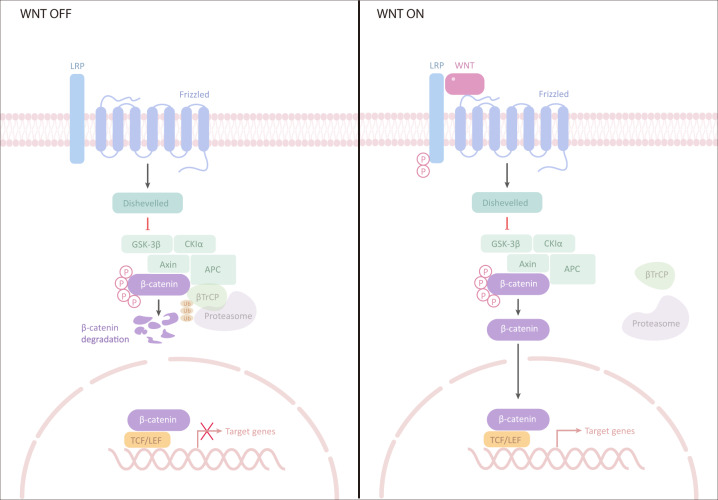
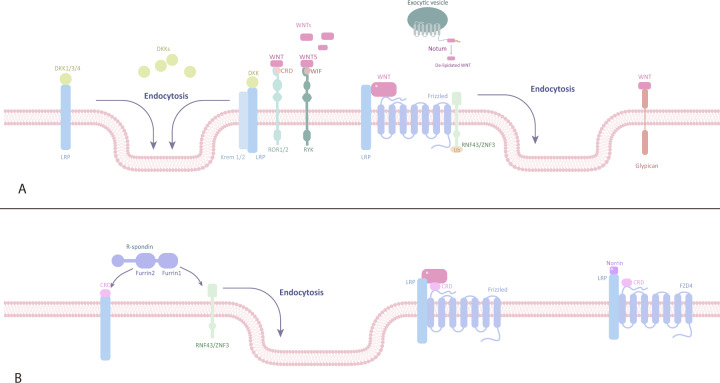
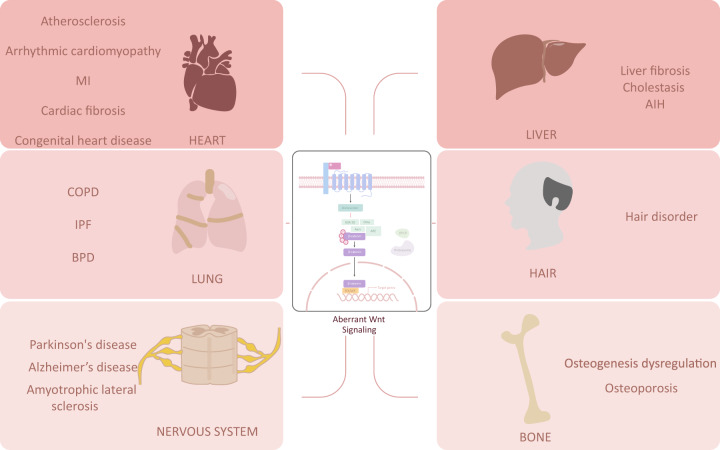
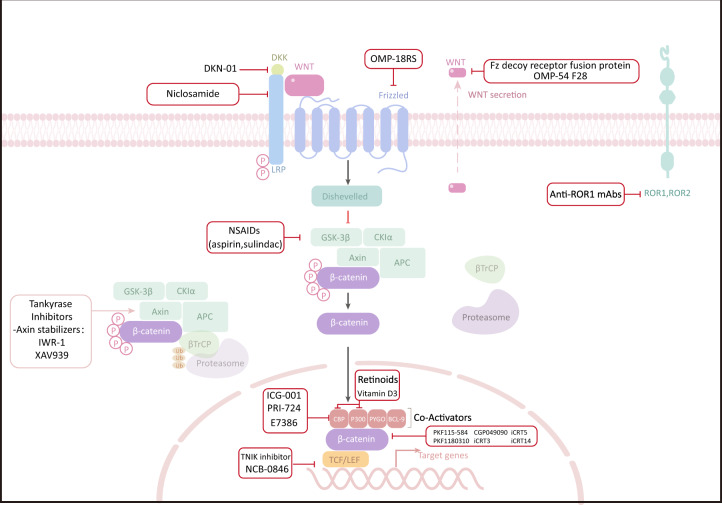
Verification
Claims the paper makes
The claims and statistics of this paper haven’t been checked yet.
Free: it reads the open-access text and checks the first 5 claims that cite a source we can check. Create a free account to check every claim.
Claims other papers make about this one
Each is checked against this paper’s own text: does it say what the citing paper says it does?
The source backs part of the claim, not all of it — or backs it for a different population, condition or comparison.
In the citing paper
“The inactivation of GSK3β disrupts the integrity and function of the destruction complex, thereby preventing β-catenin phosphorylation. As a result, unphosphorylated, stable β-catenin accumulates in the cytoplasm, translocates to the nucleus, and activates the transcription of its target genes, including c-Myc and Cyclin D1 [35, 46, 47, 52–55].”
From PPP1R18-mediated activation of Wnt/β-catenin and EMT is dependent on ERK signaling in clear cell renal cell carcinoma (2026) · cites this paper as [53]
Experimental — accuracy not yet measuredThe cited source says what the claim attributes to it.
In the citing paper
“Wnt signaling is a critical pathway involved in multiple developmental processes and can also contribute to malignant transformation.”
From Multiple myeloma: signaling pathways and targeted therapy (2024) · cites this paper as [64]
The check wasn’t confident either way, so it gives no verdict — never disputed.
In the citing paper
“For example, resistance training reduces muscle atrophy by inhibiting complement component 1q (C1q)-induced Wnt signaling as well as the PI3K-Akt-tuberous sclerosis complex (TSC) cascade, which regulates the activity of the target of rapamycin complex 1 (mTORC1) via the Ras homolog enriched in the brain (Rheb)”
From Exercise-Induced Muscle–Fat Crosstalk: Molecular Mediators and Their Pharmacological Modulation for the Maintenance of Metabolic Flexibility in Aging (2025) · cites this paper as [93]
Experimental — accuracy not yet measuredThe check wasn’t confident either way, so it gives no verdict — never disputed.
In the citing paper
“Resistance training in mice attenuates muscle fibrosis and atrophy by suppressing C1q-induced Wnt/β-catenin signaling, specifically through the glycogen synthase kinase-3 beta (GSK)-3β/β-catenin axis”
From Exercise-Induced Muscle–Fat Crosstalk: Molecular Mediators and Their Pharmacological Modulation for the Maintenance of Metabolic Flexibility in Aging (2025) · cites this paper as [93]
Experimental — accuracy not yet measured
Self-check
Percentages, sums and reported differences re-computed from the paper’s own numbers.
The self-check needs the paper’s full text.
Citations
Cites
4 retracted
Epigenetic regulation of Wnt-signaling pathway in acute lymphoblastic leukemia
Román-Gómez, J., Cordeu, L., Agirre, X., Jiménez-Velasco, A., San José-Eneriz, E., Garate, L., Calasanz, M. J., Heiniger, A., Torres, A., & Prosper, F. (2007) · Blood · doi:10.1182/blood-2006-09-047043 · Cited by 168 · cited 1×
“The results indicate the role of abnormal Wnt signalling in ALL and establish a group of patients with a significantly worse prognosis (methylated group).(253)”
BackgroundRetractedSatō, Y., Asoh, T., & Oizumi, K. (1998) · Bone · doi:10.1016/s8756-3282(98)00134-3 · Cited by 140 · cited 2×
“Fourteen bone-related biomarkers in elderly people with memory problems were not clinically diagnosed with asymptomatic AD, and the expression of TRAIL and DKK1 was elevated in the brain.(257,258) Wnt signalling has a neuroprotective effect, and DKK1, as an antagonist of the canonical Wnt signalling pathway, is negati…”
BackgroundResultRetractedFu, X., Zhu, X., Qin, F., Zhang, Y., Lin, J., Ding, Y., Yang, Z., Shang, Y., Wang, L., Zhang, Q., et al. (2018) · Molecular Cancer · doi:10.1186/s12943-018-0783-3 · Cited by 109 · cited 1×
“The lncRNAs Linc00210 and lncRNA-CCAL inhibit the activity of CTNNBIP1 and activator protein-2α (AP-2α), respectively, and block the binding of CTNNBIP1 and AP-2α to β-catenin, enhancing the interaction between β-catenin and the TCF/LEF complex.(67,68) LncRNA-NEAT1 interacts with DDX5 and promotes the formation of a c…”
BackgroundRetractedLiu, B., Wu, S., Han, L., & Zhang, C. (2015) · International Journal of Molecular Medicine · doi:10.3892/ijmm.2015.2382 · Cited by 25 · cited 3×
“The absence of Wnt signalling inhibits the nuclear transport of β-catenin mediated by ZBP1, resulting in a decrease in Runx2 and Sp7 (osteogenic factors) expression in mouse bone marrowderived MSCs.132,133 DHCR7 and INSIG1/2 are related to the effect of cholesterol metabolism on bone formation.”
BackgroundRetractedIdentification of stem cells in small intestine and colon by marker gene Lgr5
Barker, N., van Es, J. H., Kuipers, J., Kujala, P., van den Born, M., Cozijnsen, M., Haegebarth, A., Korving, J., Begthel, H., Peters, P. J., et al. (2007) · Nature · doi:10.1038/nature06196 · Cited by 5,687
Wnt/β-Catenin Signaling: Components, Mechanisms, and Diseases
MacDonald, B. T., Tamai, K., & He, X. (2009) · Developmental Cell · doi:10.1016/j.devcel.2009.06.016 · Cited by 5,583
Wnt/β-Catenin Signaling in Development and Disease
Clevers, H. (2006) · Cell · doi:10.1016/j.cell.2006.10.018 · Cited by 5,568
Wnt/β-Catenin Signaling, Disease, and Emerging Therapeutic Modalities
Nusse, R., & Clevers, H. (2017) · Cell · doi:10.1016/j.cell.2017.05.016 · Cited by 4,342
Activation of β-Catenin-Tcf Signaling in Colon Cancer by Mutations in β-Catenin or APC
Morin, P. J., Sparks, A. B., Korinek, V., Barker, N., Clevers, H., Vogelstein, B., & Kinzler, K. W. (1997) · Science · doi:10.1126/science.275.5307.1787 · Cited by 3,942
Melanoma-intrinsic β-catenin signalling prevents anti-tumour immunity
Spranger, S., Bao, R., & Gajewski, T. F. (2015) · Nature · doi:10.1038/nature14404 · Cited by 2,830 · cited 1×
“Using a mouse melanoma model, the researchers confirmed that the intrinsically active β-catenin signal of the tumour led to T cell rejection and resistance to anti-PD-L1/anti-CTLA-4 monoclonal antibody treatment.(301) Simultaneously, the analysis of primary melanoma lesions with BRAF mutations showed that T cell infil…”
Background
Research works printed but not linked: 8
- Amemiya T Tsuboi M Uchida S Electron microscopic and electron histochemical studies on embryonal rhabdomyosarcoma of the orbit. Zeitschrift fur Krebsforschung und klinische Onkol. Cancer Res. Clin. Oncol. 1975 83 305 314 169642
- Cruciat CM Niehrs C Secreted and transmembrane wnt inhibitors and activators[J] Cold Spring Harb. Perspect. Biol. 2013 5 a015081 23085770 PMC3578365 · DOI · Paper page
- Malinauskas T Modular mechanism of Wnt signaling inhibition by Wnt inhibitory factor 1[J] Nat. Struct. Mol. Biol. 2011 18 886 893 21743455 PMC3430870 · DOI · Paper page
- Jiang X Dishevelled promotes Wnt receptor degradation through recruitment of ZNRF3/RNF43 E3 ubiquitin ligases[J] Mol. Cell 2015 58 522 533 25891077 · DOI · Paper page
- Kwon C Notch post-translationally regulates β-catenin protein in stem and progenitor cells[J] Nat. cell Biol. 2011 13 1244 1251 21841793 PMC3187850 · DOI · Paper page
- Jimeno A A First-in-Human Phase I Study of the Anticancer Stem Cell Agent Ipafricept (OMP-54F28), a Decoy Receptor for Wnt Ligands, in Patients with Advanced Solid Tumors Clin. Cancer Res.: Off. J. Am. Assoc. Cancer Res. 2017 23 7490 7497 28954784 · DOI · Paper page
- Arensman M The CREB-binding protein inhibitor ICG-001 suppresses pancreatic cancer growth Mol. cancer therapeutics 2014 13 2303 2314 PMC4188417 25082960 · DOI · Paper page
- Emami K A small molecule inhibitor of beta-catenin/CREB-binding protein transcription [corrected] Proc. Natl Acad. Sci. USA 2004 101 12682 12687 15314234 PMC515116 · DOI · Paper page
Cited by
Items 601–700 of 1,003
Jin, X., Wang, S., Luo, L., Yan, F., & He, Q. (2024) · Biochemical Pharmacology · doi:10.1016/j.bcp.2024.116463 · Cited by 13
Ge, Y., Hu, L., Liu, J., Ma, F., Zhang, J., Wang, Y., Tang, B., & Cao, S. (2024) · ACS Applied Materials & Interfaces · doi:10.1021/acsami.4c11433 · Cited by 13
Self-citationAlqithami, S. M., Machwe, A., & Orren, D. K. (2024) · Cells · doi:10.3390/cells13171453 · Cited by 13
Hu, Y., Chen, H., Yang, M., Xu, J., Liu, J., He, Q., Xu, X., Ji, Z., Yang, Y., Yan, M., et al. (2024) · Stem Cells · doi:10.1093/stmcls/sxae055 · Cited by 13
Self-citationNajm, D. B., Alame, S., & Chamoun, W. T. (2024) · Molecular Neurobiology · doi:10.1007/s12035-024-04558-x · Cited by 13
The application and prospects of drug delivery systems in idiopathic pulmonary fibrosis
Zhang, X., Zhang, L., Tian, J.-H., Li, Y., Wu, M., Zhang, L., Qin, X., & Gong, L. (2024) · Biomaterials Advances · doi:10.1016/j.bioadv.2024.214123 · Cited by 13
Self-citationYang, C., Shu, J., Li, Y., Zhao, N., Liu, X., Tian, X., Sun, Z., Tabish, M. S., Hong, Y., Chen, K., et al. (2024) · Frontiers in Immunology · doi:10.3389/fimmu.2024.1469918 · Cited by 13
Self-citationLi, S., Zhang, S., Fang, F., Bai, J., Sun, H., Chen, L., & Fu, Y. (2024) · Advanced Functional Materials · doi:10.1002/adfm.202411735 · Cited by 13
Park, C., Kim, R., Bae, J. M., Lee, T., Song, S. Y., Kwak, Y., Kb, L., Youk, J., Keam, B., Kim, T. M., et al. (2025) · ESMO Open · doi:10.1016/j.esmoop.2024.104097 · Cited by 13
Zhou, T., Liu, Z., Xu, L., Mao, X., Jin, H., Xiong, Y., Chen, G., Lv, Y., Li, C., Wang, C., et al. (2025) · International Journal of Biological Macromolecules · doi:10.1016/j.ijbiomac.2025.141146 · Cited by 13
Junction Plakoglobin – A Dual-Role Player in Cancer Biology
Ding, W., Sun, J., Song, S., Cui, Y., Chen, F., Yuan, Q., & Shang, W. (2025) · International Journal of Surgery · doi:10.1097/js9.0000000000002365 · Cited by 13
“Upon nuclear translocation, β -catenin displaces Groucho/TLE proteins and binds directly to LEF-1 and TCF-4, converting TCF/LEF into activators of the Wnt pathway [ 31 , 34 ] .”
The 15‐Year Survival Advantage: Immune Resilience as a Salutogenic Force in Healthy Aging
Manoharan, M. S., Lee, G. C., Harper, N., Meunier, J. A., Restrepo, M. I., Jiménez, F., Karekatt, S., Branum, A. P., Gaitán, Á. A., Andampour, K., et al. (2025) · Aging Cell · doi:10.1111/acel.70063 · Cited by 13
The role of deubiquitinases in cardiovascular diseases: mechanisms and therapeutic implications
Fei, X., Song, C., Cui, J., Li, Y., Lei, X., & Tang, H. (2025) · Frontiers in Cardiovascular Medicine · doi:10.3389/fcvm.2025.1582049 · Cited by 14
“Dysregulation of this pathway is closely associated with the onset and progression of various cardiovascular diseases (50).”
Self-citationInsights into the mechanisms of angiogenesis in hepatoblastoma
Kong, M., Zhai, Y., Liu, H., Zhang, S., Chen, D., Li, W., Ma, X., & Ji, Y. (2025) · Frontiers in Cell and Developmental Biology · doi:10.3389/fcell.2025.1535339 · Cited by 13
“Additionally, CTNNB1 mutations promote metabolic reprogramming through the Wnt/β-catenin pathway (Liu et al., 2022), and metabolic reprogramming may promote angiogenesis through the following mechanisms: (1) Lactate produced by the Warburg effect can induce HIF-1α, which upregulates proangiogenic…”
Advances in the study and treatment of glucocorticoid osteoporosis: A review
Song, X., Zhang, Y., Yang, H., Xiong, F., & Chen, F. (2025) · Medicine · doi:10.1097/md.0000000000042668 · Cited by 14
“[23,24] In parallel, glucocorticoids interfere with BMP signaling.”
Enhancing hair regrowth using rapamycin-primed mesenchymal stem cell-derived exosomes
Shrestha, M., Nguyen, T. T., Kausar, R., Chaudhary, D., Puspitasari, I. F., Jiang, H., Kim, H., Yook, S., & Jeong, J. (2025) · Theranostics · doi:10.7150/thno.107659 · Cited by 13
“Moreover, as Wnt-5a is a component of the non-canonical Wnt pathway, it is subject to distinct regulatory mechanisms compared to canonical Wnt components like Wnt-1a [94, 95].”
Ye, X., Wu, X., Lian, S., Cai, R., Wei, X., Nan, T.-T., Cai, Y., Su, Y., & Wei, J. (2025) · The American Journal of Chinese Medicine · doi:10.1142/s0192415x25500417 · Cited by 13
Ghara, A., Matada, G. S. P., Sah, R. K., Sneha, S., Boneka, S. S., Paik, A., Majumder, S., Pramanick, P., & Metikurki, B. (2025) · Current Molecular Biology Reports · doi:10.1007/s40610-025-00167-2 · Cited by 13
“…(Dsh) bind to the FZD directly downstream for various cellular responses and prevent the degradation complex and it will be dissociated and accumulation of the β-catenin in the cytoplasm and enter to the nucleus. β-catenin displace the GROUCHOU and transcription of target genes initiate [58, 59].”
Kim, D. T., Uloho-Okundaye, M., Frederico, S. C., Guru, S., Kim, M. J., & Chang, S. D. (2025) · Brain Sciences · doi:10.3390/brainsci15080896 · Cited by 13
Shin, S., Han, M.-J., Patel, I., Welsh, A. M., Sverdlov, M. S., Cho, W., Cologna, S. M., Roux, P. P., & Yoon, S.-O. (2025) · Molecular Cell · doi:10.1016/j.molcel.2025.08.021 · Cited by 13
Vascular Calcification: Mechanisms, Models, and Therapies
Zhu, W., Yang, S., Chen, Z., Yang, X., Liang, Z., & Chen, Y. (2026) · iNew Medicine · doi:10.1002/inm3.70035 · Cited by 13
Modak, K., Dey, A., Bharti, K. K., Gautam, M. K., Mondal, S., Dutta, P. P., & Gangwar, M. (2026) · Biochemical and Biophysical Research Communications · doi:10.1016/j.bbrc.2026.154097 · Cited by 13
Development of a penetratin-conjugated stapled peptide that inhibits Wnt/β-catenin signaling
Tsuchiya, K., Kiyoshi, M., Hashii, N., Fujita, M., Kurohara, T., Ishii‐Watabe, A., Fukuhara, K., Misawa, T., & Demizu, Y. (2022) · Bioorganic & Medicinal Chemistry · doi:10.1016/j.bmc.2022.117021 · Cited by 13
The Exciting Realities and Possibilities of iPS-Derived Cardiomyocytes
Takahashi, F., Patel, P., Kitsuka, T., & Arai, K. (2023) · Bioengineering · doi:10.3390/bioengineering10020237 · Cited by 13
“Inhibition of GSK3 in Wnt signaling leads to activation of β-catenin and transcription of differentiation genes [37].”
BackgroundCai, D., Wang, X., Sun, Y., Fan, H., Zhou, J., Yang, Z., Qiu, H., Wang, J., Su, J., Gong, T., et al. (2023) · Stem Cell Research & Therapy · doi:10.1186/s13287-023-03477-3 · Cited by 13
“Third, it is noteworthy that widespread inhibition of the Wnt/β-catenin pathway may affect the function of other organs [50, 51].”
BackgroundExpanding the ubiquitin code in pancreatic cancer
Yang, W., Wang, S., Tong, S., Zhang, W., & Qin, J. (2023) · Biochimica et Biophysica Acta (BBA) - Molecular Basis of Disease · doi:10.1016/j.bbadis.2023.166884 · Cited by 13
Tang, Y., Sun, Z., Wu, S., Zhang, C., Zhang, Y., & Cao, Y. (2023) · Biomedicine & Pharmacotherapy · doi:10.1016/j.biopha.2023.115828 · Cited by 13
Giunti, E., Collu, R., Daley, S. A., Querfurth, H. W., Morin, P., Killick, R., Melamed, R., & Xia, W. (2023) · Journal of Alzheimer s Disease · doi:10.3233/jad-230551 · Cited by 13
Kuchynsky, K., Stevens, P., Hite, A., Xie, W. H., Diop, K., Tang, S. N., Pietrzak, M., Khan, S. N., Walter, B. A., & Purmessur, D. (2024) · Arthritis Research & Therapy · doi:10.1186/s13075-023-03220-6 · Cited by 14
Epithelial–Mesenchymal Transition in Acute Leukemias
Varışlı, L., & Vlahopoulos, S. (2024) · International Journal of Molecular Sciences · doi:10.3390/ijms25042173 · Cited by 13
S100A4 modulates cell proliferation, apoptosis and fibrosis in the hyperplastic prostate
Yang, L., Liu, J., Yin, J., Li, Y., Liu, J., Liu, D., Wang, Z., DiSanto, M. E., Zhang, W., & Zhang, X. (2024) · The International Journal of Biochemistry & Cell Biology · doi:10.1016/j.biocel.2024.106551 · Cited by 13
Self-citationWang, C., Zhang, S., Li, Y., Gong, L., Yao, C., Fu, K., & Li, Y. (2024) · Inflammation · doi:10.1007/s10753-024-01984-w · Cited by 16
Self-citationWu, L., Xiao, J. Y., Yi, D., Ding, H., Wang, R., Duan, Z., Liu, Z., Shi, X., Shen, M., & Sang, J. (2024) · Journal of Translational Medicine · doi:10.1186/s12967-024-05012-1 · Cited by 13
“Without the activation of the Wnt signal and was not bound to E-cadherin, β-catenin is phosphorylated in the cytoplasm, and phosphorylated β-catenin is recognized by β-TrCP1 and recruited to the E3 ubiquitin ligase complex, which was subsequently degraded by the 26S proteasome [20, 27].”
BackgroundSelf-citationTo Repair a Broken Heart: Stem Cells in Ischemic Heart Disease
Stougiannou, T. M., Christodoulou, K. C., Dimarakis, I., Mikroulis, D. A., & Karangelis, D. (2024) · Current Issues in Molecular Biology · doi:10.3390/cimb46030141 · Cited by 13
“Cardiomyocyte proliferation commonly occurs during the embryonic period through an intricate interplay between various signaling pathways, including Notch (Neurogenic locus notch homolog), neuregulin, Hippo and Wnt (Wingless-related integration site)/Frizzled [62–67].”
Structure‐Based Design of Bicyclic Helical Peptides That Target the Oncogene β‐Catenin
Yeste‐Vázquez, A., Paulussen, F. M., Wendt, M., Klintrot, R., Schulte, C., Wallraven, K., van Gijzel, L., Simeonov, B., van der Gaag, M., Gerber, A., et al. (2024) · Angewandte Chemie International Edition · doi:10.1002/anie.202411749 · Cited by 13
Kafle, A., Suttiprapa, S., Muhammad, M., Tenorio, J. C. B., Mahato, R. K., Sahimin, N., & Loong, S. K. (2024) · PLoS neglected tropical diseases · doi:10.1371/journal.pntd.0012477 · Cited by 13
Wnt/β-Catenin Signaling and Congenital Abnormalities of Kidney and Urinary Tract
Yu, C., Zheng, B., Zhang, L., Zhang, A., Jia, Z., & Ding, G. (2024) · Kidney Diseases · doi:10.1159/000541684 · Cited by 13
“T-cell-speci fi c transcription factor/lymphoid enhancer-binding factor family members and β -catenin down-stream target genes, such as c-Myc and cyclin D1 are involved in the nuclear section [8].”
In silico optimization of peptides that inhibit Wnt/β-catenin signaling
Fujita, M., Tsuchiya, K., Kurohara, T., Fukuhara, K., Misawa, T., & Demizu, Y. (2023) · Bioorganic & Medicinal Chemistry · doi:10.1016/j.bmc.2023.117264 · Cited by 13
OTUD7B Activates Wnt Signaling Pathway through the Interaction with LEF1
Lee, Y., Piao, H., & Kim, J. (2023) · Biomolecules · doi:10.3390/biom13061001 · Cited by 12
“The Wnt signaling pathway is a complex network of signaling events that governs cellular processes such as cell proliferation, differentiation, and survival [14].”
BackgroundKim, A. T., & Park, Y. (2023) · Current Research in Food Science · doi:10.1016/j.crfs.2023.100646 · Cited by 12
Keum, B., Kim, H. J., Kim, G., & Chang, D. (2023) · International Journal of Molecular Sciences · doi:10.3390/ijms242417365 · Cited by 12
“The Wnt ligand binds Frizzled (FZD; a cell surface receptor) and low-density lipoprotein receptor-related protein 5 (LRP 5) or LRP6, which leads to β -catenin accumulation in the cytoplasm [26].”
BackgroundInfluentialThe efficacy of light-guiding microneedle patch for stimulating hair growth in androgenetic alopecia
Charoensuksira, S., Rattanapirat, S., Meephansan, J., Sirithanabadeekul, P., Adulyaritthikul, P., Thongma, S., Rayanasukha, Y., & Tantisantisom, K. (2024) · Archives of Dermatological Research · doi:10.1007/s00403-024-03396-0 · Cited by 12
Ellakwa, D. E., Nakeeb, S. M. S. E., & Mohsen, S. A. A. E. (2024) · Gene Reports · doi:10.1016/j.genrep.2024.102056 · Cited by 12
Wang, Y., Hang, K., Wu, X., Ying, L., Wang, Z., Ling, Z., Hu, H., Pan, Z., & Zou, X. (2024) · Stem Cell Research & Therapy · doi:10.1186/s13287-024-03964-1 · Cited by 12
“…that SLAMF8 regulated the expression of COL1A1, RUNX2, PPARγ and C/EBPα, monitoring the delicate balance between osteogenic and adipogenic differentiation of BMSCs. Wnt/β-catenin pathway is the main signaling pathway playing critical roles in embryonic development and adult tissue homeostasis [58].”
BackgroundMasciale, V., Banchelli, F., Grisendi, G., Samarelli, A. V., Raineri, G., Rossi, T., Zanoni, M., Cortesi, M., Bandini, S., Ulivi, P., et al. (2024) · Journal of Biological Chemistry · doi:10.1016/j.jbc.2024.107994 · Cited by 12
Lee, Y. J., & Hyun, C. (2024) · International Journal of Molecular Sciences · doi:10.3390/ijms252212421 · Cited by 12
The crosstalk of Wnt/β-catenin signaling and p53 in acute kidney injury and chronic kidney disease
Ming, W.-H., Wen, L., Hu, W.-J., Qiao, R., Zhou, Y., Su, B.-W., Bao, Y.-N., Gao, P., & Luan, Z. (2024) · Kidney Research and Clinical Practice · doi:10.23876/j.krcp.23.344 · Cited by 12
“The highly conserved secreted proteins of the Wnt family are key agents of cell-cell signaling events and are regulated by a variety of cytoplasmic and nuclear regulators [7,8].”
New Horizons of Biomarkers in Metastatic Thyroid Cancer
Cendra, A. S., Pekarek, L., Pedrejón, B. I., Bernier, L., Cervantes, E. D. R., Cendra, C. S., Cassinello, J., López-González, L., Mañez, F., Carrero, C. B., et al. (2024) · Journal of Cancer · doi:10.7150/jca.101395 · Cited by 14
“Beta-catenin expression has been observed to vary depending on the subtype of thyroid cancer, as demonstrated by immunohistochemical techniques [123].”
An Alternative Mode of GPCR Transactivation: Activation of GPCRs by Adhesion GPCRs
Lin, H. (2025) · International Journal of Molecular Sciences · doi:10.3390/ijms26020552 · Cited by 12
“The canonical Wnt/ β -catenin signaling pathway is mediated by the specific binding of soluble Wnt proteins to the Frizzled (Fz)-class GPCRs and low-density lipoprotein receptor-related protein (LRP)5/6 co-receptors [92].”
Torkzaban, B., Zhu, Y., Lopez, C., Alexander, J., Ma, J., Sun, Y., Maschhoff, K. R., Hu, W., Jacob, M. H., Lin, D., et al. (2025) · Molecular Therapy — Nucleic Acids · doi:10.1016/j.omtn.2025.102453 · Cited by 12
Zhou, H., Lai, Y., Zhu, Y., Shao, F., Ma, G., Yang, N., Ma, X., Sun, Y., & Shi, Q. (2025) · Phytomedicine · doi:10.1016/j.phymed.2025.156491 · Cited by 12
RhoA/ROCK/GSK3β Signaling: A Keystone in Understanding Alzheimer’s Disease
Medd, M. M., Yon, J. E., & Dong, H. (2025) · Current Issues in Molecular Biology · doi:10.3390/cimb47020124 · Cited by 14
“These pathways, through interactions with GSK3 β , promote the proliferation of neuronal progenitors by either inhibiting GSK3 β activity or utilizing GSK3 β as a regulatory molecule [103–106].”
Tulimilli, S. V., Karnik, M., Bettadapura, A. D. S., Sukocheva, O. A., Tse, E., Kuppusamy, G., Natraj, S. M., & Madhunapantula, S. V. (2025) · Pharmacology & Therapeutics · doi:10.1016/j.pharmthera.2025.108826 · Cited by 12
Wang, H., Wu, X., Chen, L., Tong, H., Hu, X., He, A., Li, C., Guo, X., Fu, Y., & Zhang, T. (2025) · Materials Today Bio · doi:10.1016/j.mtbio.2025.101623 · Cited by 12
Gu, B., Ferreira, L. M. R., Herrera, S., Brown, L., Lieberman, J., Sherwood, R. I., Meissner, T. B., & Strominger, J. L. (2025) · Proceedings of the National Academy of Sciences · doi:10.1073/pnas.2425339122 · Cited by 12
“WNT signaling involves stabilization of beta - catenin, which otherwise is continuously degraded by a destruction complex that includes APC ( 26 ).”
Qin, S., Zhang, A., Duan, L., Lin, F., & Zhao, M. (2025) · Tissue Engineering and Regenerative Medicine · doi:10.1007/s13770-025-00716-x · Cited by 13
Wen, B., Li, H., Tao, H., Ren, H., Ma, B., Shi, M., Shen, C., Du, J., Cai, Z., Zhang, J., et al. (2025) · Investigative Ophthalmology & Visual Science · doi:10.1167/iovs.66.5.19 · Cited by 12
Wang, S., Cheng, W., Wang, X., Wu, Z., & Su, J. (2025) · European journal of medical research · doi:10.1186/s40001-025-02667-4 · Cited by 13
“Within the nucleus, β-catenin interacts with transcription factors, notably LEF1 and TCF1, which triggers the activation of Wnt-responsive genes essential for various processes, including development, stem cell maintenance, and wound repair [73].”
InfluentialNanovaccines: Antigen selection, stabilization, adjuvantation, formulation, and evaluation
Lu, L., Yang, M., Deng, D., Shi, X., Lovell, J. F., & Jin, H. (2025) · Coordination Chemistry Reviews · doi:10.1016/j.ccr.2025.216806 · Cited by 12
Woldeamanuel, G. G., Tlaye, K. G., Wang, X., Nguyen‐Hoang, L., Zhou, Q., Wang, Y., Leung, B. W., Wang, Y., Poon, L. C., & Wang, C. C. (2025) · BMC Medicine · doi:10.1186/s12916-025-04132-9 · Cited by 14
“…changes in the mRNA expression of β-catenin (CTNNB1 [catenin β1]) or glycogen synthase kinase 3 beta (GSK3β), two critical downstream effectors of the canonical Wnt pathway [126, 129], suggesting that the noncanonical Wnt pathway may play an important role in platelet function during preeclampsia.”
Advances in cancer research on FUT8 molecular mechanisms and clinical applications
Ma, Q., Liu, Y., Fan, Q., Zhu, X., Yang, D., & Zhao, Z. (2025) · International Journal of Surgery · doi:10.1097/js9.0000000000002669 · Cited by 12
“It plays a key role cell proliferation, differentiation, apoptosis, migration, invasion, and tissue homeostasis [ 85 ] .”
Chauhan, P., Wadhwa, K., & Singh, G. (2025) · Pathology - Research and Practice · doi:10.1016/j.prp.2025.156109 · Cited by 12
Janas, P. P., Rozario, C., Lucas, C. D., Hiemstra, P. S., Schwarze, J., & Chauché, C. (2025) · Clinical Microbiology Reviews · doi:10.1128/cmr.00243-24 · Cited by 15
Mohammadzadeh, V., Arabi, L., Hosseinikhah, S. M., Mashreghi, M., Kalalinia, F., Mostajeran, N., Zirak, M. R., Hadizadeh, F., Nejabat, M., Kamali, H., et al. (2025) · Drug Delivery · doi:10.1080/10717544.2025.2536802 · Cited by 13
Targeting the NO–sGC–cGMP Pathway: Mechanisms of Action of Vericiguat in Chronic Heart Failure
Bajec, T., & Poglajen, G. (2025) · Cells · doi:10.3390/cells14171400 · Cited by 12
“In its inactive state, WNT/ β -Catenin signalling is suppressed by a destruction complex composed of adenomatous polyposis coli (APC), Axin, casein kinase 1 (CK1), and glycogen synthase kinase 3 (GSK3) [38].”
EP4/ANXA2 axis in pulmonary arterial hypertension: therapeutic implications
Xu, H., Ye, L., Du, C., Tang, H., Zheng, Q., Zhu, C., Liang, B., Wang, Y., Mao, X., Liang, Q. L., et al. (2025) · European Heart Journal · doi:10.1093/eurheartj/ehaf763 · Cited by 12
Self-citationEpigenetic mechanisms in maternal-fetal crosstalk: inter- and trans-generational inheritance
Tisato, V., D’Aversa, E., Salvatori, F., Sbracia, M., Peluso, G., Scarpellini, F., & Gemmati, D. (2025) · Epigenomics · doi:10.1080/17501911.2025.2568369 · Cited by 12
Endometrial cancer: from clinical reality to molecular treatment
Renaud, L.-I., St-Laurent, E., Compare, C., Proulx, R., Nolan, J., & Asselin, É. (2025) · Discover Oncology · doi:10.1007/s12672-025-03652-3 · Cited by 12
Mao, S., Zhang, X., Zhao, Y., Li, X., Wang, Z., Zhou, P., Wang, Z., Zhang, X., Hu, X., Huang, G., et al. (2025) · Journal of Translational Medicine · doi:10.1186/s12967-025-07333-1 · Cited by 12
“Upon activation, this complex triggers the nuclear translocation of β-catenin, which subsequently binds to T cell factor/lymphoid enhancer-binding factor (TCF/LEF) transcription factors and activates down-stream target genes [1, 2].”
Self-citationStem cells in organogenesis and regeneration
Mim, T. J., Ahmad, I., Basher, S. R., Rahman, M. F., Ambati, S. R., Venkatagiri, K., Seher, N., Kumar, D., Choudhary, N., & Kondaveeti, S. B. (2026) · Stem Cell Research & Therapy · doi:10.1186/s13287-025-04889-z · Cited by 13
“The pathway, through which the signal is transduced, can be classified into canonical and non-canonical pathways, based on the involvement of β-catenin in transcriptional activation; canonical regulates cell proliferation while non-canonical controls cell polarity and migration [26, 27].”
She, Q., Dong, Y., Li, D., An, R., Zhou, T., Nie, X., Pan, R., & Deng, Y. (2022) · Journal of Dermatological Science · doi:10.1016/j.jdermsci.2022.04.003 · Cited by 12
Emerging Direct Targeting β-Catenin Agents
Nalli, M., Masci, D., Urbani, A., Regina, G. L., & Silvestri, R. (2022) · Molecules · doi:10.3390/molecules27227735 · Cited by 12
“The therapeutic potential of targeting the Wnt/β-catenin pathway has been reported in recent excellent reviews [16,17].”
BackgroundMechanistic insights into genomic structure and functions of a novel oncogene YEATS4
Xian, Q., Song, Y., Gui, C., & Zhou, Y. (2023) · Frontiers in Cell and Developmental Biology · doi:10.3389/fcell.2023.1192139 · Cited by 12
Zhang, J., Zhou, Y., Feng, J., Xu, X., Wu, J., & Guo, C. (2023) · Biomedicine & Pharmacotherapy · doi:10.1016/j.biopha.2023.115538 · Cited by 12
Zhao, H., Feng, L., Cheng, R., Wu, M., Bai, X., Fan, L., & Liu, Y. (2023) · Cellular Signalling · doi:10.1016/j.cellsig.2023.110936 · Cited by 12
Liu, T., & Li, G. (2023) · Journal of Neuropathology & Experimental Neurology · doi:10.1093/jnen/nlad084 · Cited by 12
Recent Advances in the Targeting of Head and Neck Cancer Stem Cells
Đerfi, K. V., Vasiljević, T., & Glavan, T. M. (2023) · Applied Sciences · doi:10.3390/app132413293 · Cited by 12
Curcumin Delivery Systems: How Far from Clinical Application in Tumor Therapy?
Wang, Y., Liang, L., & Zhao, Y. (2024) · Natural Product Communications · doi:10.1177/1934578x231222102 · Cited by 12
“53 It has been reported that CDSs can inhibit the nuclear accumulation of β -catenin, a key mediator of the Wnt signaling pathway, leading to the down-regulation of the expression level of Cyclin D1, and inhibit the cell cycle and cancer cell proliferation.”
CircRNAs as New Therapeutic Entities and Tools for Target Identification in Acute Myeloid Leukemia
Nopora, A., & Weidle, U. H. (2024) · Cancer Genomics & Proteomics · doi:10.21873/cgp.20434 · Cited by 12
“GSKβ1 inhibits WNT/β catenin signaling by phosphorylation of GSK3β, which is subsequently ubiquitinated by βTrCP and targeted for proteosomal degradation (188).”
BackgroundPivonka, P., Calvo‐Gallego, J. L., Schmidt, S., & Martínez‐Reina, J. (2024) · Bone · doi:10.1016/j.bone.2024.117140 · Cited by 12
Canonical WNT/β-catenin signaling upregulates aerobic glycolysis in diverse cancer types
Rathee, M., Umar, S. M., Dev, A. J. R., Kashyap, A., Mathur, S. R., Gogia, A., Mohapatra, P., & Prasad, C. P. (2024) · Molecular Biology Reports · doi:10.1007/s11033-024-09694-0 · Cited by 12
Single cell spatial biology over developmental time can decipher pediatric brain pathologies
Nussinov, R., Yavuz, B. R., & Jang, H. (2024) · Neurobiology of Disease · doi:10.1016/j.nbd.2024.106597 · Cited by 12
NPLOC4 aggravates heart failure by regulating ROS and mitochondrial function
Ren, K., Luan, Y., Sun, Y., Huang, S., Zhang, S., Yang, Y., Jin, Y., & Chen, X. (2024) · International Immunopharmacology · doi:10.1016/j.intimp.2024.113199 · Cited by 12
Zhang, C., Chen, Y., Han, J., Liu, R., Liu, C., Zhao, Y., & Liu, C. (2025) · International Journal of Pharmaceutics · doi:10.1016/j.ijpharm.2024.125140 · Cited by 12
Chen, Y., Tang, L., Ye, X., Chen, Y., Shan, E., Han, H., & Zhong, C. (2022) · Food & Function · doi:10.1039/d2fo02932d · Cited by 12
Gao, L. P., Lü, Y., Chen, H., Li, Z., Hu, M. X., Zhang, R., Wang, X., Xu, Z., Gong, Y., Wang, R., et al. (2023) · Molecular & Cellular Proteomics · doi:10.1016/j.mcpro.2023.100545 · Cited by 12
“8 Mol Cell Proteomics (2023) 22(5) 100545 phosphoproteins, and localization analysis of 10 phosphoproteins showed that these proteins mainly localized in the nucleus”
BackgroundInfluentialSelf-citationAghababaei, F., Nejati, M., Karami, H., Darvish, M., & Mirzaei, H. (2024) · Journal of Molecular Neuroscience · doi:10.1007/s12031-023-02174-3 · Cited by 11
“Regarding its pervasive function, Wnt/β-catenin axis dysregulation has been observed in both neoplastic and non-neoplastic conditions (Liu et al. 2022).”
Pleomorphic adenoma gene1 in reproduction and implication for embryonic survival in cattle: a review
D’Occhio, M. J., Campanile, G., Baruselli, P. S., Porto-Neto, L. R., Hayes, B. J., Snr, A. C., & Fortes, M. R. S. (2024) · Journal of Animal Science · doi:10.1093/jas/skae103 · Cited by 11
MYCN in human development and diseases
Nishio, Y., Kato, K., Oishi, H., Takahashi, Y., & Saitoh, S. (2024) · Frontiers in Oncology · doi:10.3389/fonc.2024.1417607 · Cited by 11
Zhang, Z., Zhang, D., Su, K., Wu, D., Hu, Q., Jin, T., Ye, T., & Zhang, R. (2024) · Mutation research. Fundamental and molecular mechanisms of mutagenesis · doi:10.1016/j.mrfmmm.2024.111877 · Cited by 11
The impact of aging on cardiac repair and regeneration
Anwar, I., Wang, X., Pratt, R. E., Dzau, V. J., & Hodgkinson, C. P. (2024) · Journal of Biological Chemistry · doi:10.1016/j.jbc.2024.107682 · Cited by 12
MerlinS13 phosphorylation regulates meningioma Wnt signaling and magnetic resonance imaging features
Eaton, C. D., Avalos, L. N., Liu, S. J., Chen, Z., Zakimi, N., Casey-Clyde, T., Bisignano, P., Lucas, C. G., Stevenson, E. J., Choudhury, A., et al. (2024) · Nature Communications · doi:10.1038/s41467-024-52284-8 · Cited by 11
“Proximity-labeling proteomic mass spectrometry coupled with mechanistic and functional approaches demonstratePKCandPP1Aareimportantforthissignalingmechanism in Merlin-intact meningiomas, but (1) other kinases or phosphatases, (2) other Merlin domains, or (3) other Wnt pathway members, including othermediatorsof β -cat…”
BackgroundNiedra, H., Pečulis, R., Saksis, R., Mandrika, I., Vilisova, S., Nazarovs, J., Breikša, A., Geriņa-Bērziņa, A., Earl, J., Ruz‐Caracuel, I., et al. (2024) · Molecular Oncology · doi:10.1002/1878-0261.13727 · Cited by 11
From polarity to pathology: Decoding the role of cell orientation in osteoarthritis
Fan, X., Ong, L. J. Y., Sun, A. R., & Prasadam, I. (2024) · Journal of Orthopaedic Translation · doi:10.1016/j.jot.2024.09.004 · Cited by 11
“The Wnt signalling pathway is divided into three main branches: the Canonical Wnt pathway (Wnt/ β -catenin pathway), the PCP pathway, and the Wnt/Ca 2 + pathway [21,42 – 44].”
BackgroundSIRT7 stabilizes β-catenin and promotes canonical Wnt activation via upregulating FZD7
Gu, Y., Wang, Z., Liang, G., Peng, J., Zhang, X., Yu, T., Ding, C., & Li, Z. (2024) · Life Sciences · doi:10.1016/j.lfs.2024.123240 · Cited by 11
Self-citationTargeting allograft inflammatory factor 1 reprograms kidney macrophages to enhance repair
Husain, I., Shah, H., Jordan, C. Z., Natesh, N. R., Fay, O. K., Chen, Y., Privratsky, J. R., Kitai, H., Souma, T., Varghese, S., et al. (2025) · Journal of Clinical Investigation · doi:10.1172/jci185146 · Cited by 11
“( D ) Immunohistochemical staining for CD68 (purple) and AIF-1 (brown) in human biopsy samples of native kidneys ( n = 3 each for healthy kidneys, AKI, and CKD).”
InfluentialTabaa, M. M. E., Faheem, H., Elballal, M. S., Rashad, E., Mohsen, M. A., & Tabaa, M. M. E. (2025) · European Journal of Pharmacology · doi:10.1016/j.ejphar.2025.177306 · Cited by 11
Gut microbiota and atrial cardiomyopathy
Sun, T., Song, B., & Li, B. (2025) · Frontiers in Cardiovascular Medicine · doi:10.3389/fcvm.2025.1541278 · Cited by 11
Han, J., Du, J., Li, X., Zhou, Q., Zeng, J., Lin, J., Zhou, W., Cai, J., Ye, Y., Yang, B., et al. (2025) · Cancer Research · doi:10.1158/0008-5472.can-24-1893 · Cited by 11
Self-citationNon-canonical Wnt signaling promotes epithelial fluidization in the repairing airway
Hu, D. J.-K., Cai, X. T., Simons, J., Yun, J., Elstrott, J., & Jasper, H. (2025) · Nature Communications · doi:10.1038/s41467-025-59320-1 · Cited by 11
“In canonical Wnt signaling, secreted Wnt ligands (primarily Wnt3a) interact with the cell surface receptors Frizzled5 (Fzd5) and LRP5/6 to activate β - catenin through Disheveled (Dvl) 17,18 .”
Metadata
- Authors
- Liu, J., Xiao, Q., Xiao, J., Niu, C., Li, Y., Zhang, X., Zhou, Z., Shu, G., & Yin, G.
- Affiliations
- Central South University (CN)
- Corresponding author
- Yin, Gang
- Venue
- Signal Transduction and Targeted Therapy
- Published
- 2022-01-03
- Volume
- 7
- Issue
- 1
- Pages
- 3-3
- ISSN
- 2059-3635 (ISSN-L)
- PMC
- PMC8724284
- OpenAlex
- W4205498896
- Cited by
- 2,519
- References
- 345
- Citations by year
- 2026: 571 · 2025: 859 · 2024: 704 · 2023: 317 · 2022: 65
- FWCI
- 50.68
- Type
- journal article
- Language
- en
- Open access
- gold
- doi.org
- Licence
- cc-by
- creativecommons.org/licenses/by/4.0 (tdm)
- creativecommons.org/licenses/by/4.0 (vor)
- Locations
- Signal Transduction and Targeted Therapy (publishedVersion, cc-by)
- PubMed Central (publishedVersion, cc-by)
- PubMed (publishedVersion)
- DOAJ (DOAJ: Directory of Open Access Journals) (submittedVersion, cc-by-sa)
- Topics
- Life Sciences › Biochemistry, Genetics and Molecular Biology › Molecular Biology › Wnt/β-catenin signaling in development and cancer
- Life Sciences › Biochemistry, Genetics and Molecular Biology › Molecular Biology › Signaling Pathways in Disease
- Life Sciences › Biochemistry, Genetics and Molecular Biology › Molecular Biology › Hedgehog Signaling Pathway Studies
- Keywords
- Wnt/β-catenin signaling, Wnt proteins, β-catenin, embryonic development, tissue homeostasis, cancer, non-cancer diseases, small molecule inhibitors, therapeutic target, clinical trials
- MeSH terms
- Animals, Humans, Neoplasm Proteins, Neoplasms, Wnt Proteins, beta Catenin, Wnt Signaling Pathway
About these checks
Registry, retraction, Cites and statistics results are computed, not judged, with one exception: a printed reference that no index lists is read once by a model before it counts as a citation error. Claims are extracted by a model and kept only when their quote appears verbatim in the text; each cited source is then checked, with a model’s help, for whether it says what the claim relies on. Those verdicts can be wrong — read the claim’s quote and the cited source before relying on one.
Statistics and arithmetic are recomputed, not judged.
Confidence bands are shown only for fields calibrated on our annotated test set. None is calibrated yet, so no band is shown.
What counts as a claim ›How we measure confidence ›How we check this ›
Are you an author, or do you see a problem with this page? Request a review
Data sources
Bibliographic data: Semantic Scholar, OpenAlex, Crossref.
Contains information from the Semantic Scholar Academic Graph Datasets, made available under the ODC Attribution License (ODC-BY 1.0).
Semantic Scholar’s data is described in: Kinney, R., et al. (2023). The Semantic Scholar Open Data Platform. arXiv:2301.10140.
