

Wnt/β-catenin signalling: function, biological mechanisms, and therapeutic opportunities
Open accessThe DOI matches its Crossref record; 345 of the 345 references it cites were found in a registry or an index.
Abstract
The Wnt/β-catenin pathway comprises a family of proteins that play critical roles in embryonic development and adult tissue homeostasis. The deregulation of Wnt/β-catenin signalling often leads to various serious diseases, including cancer and non-cancer diseases. Although many articles have reviewed Wnt/β-catenin from various aspects, a systematic review encompassing the origin, composition, function, and clinical trials of the Wnt/β-catenin signalling pathway in tumour and diseases is lacking. In this article, we comprehensively review the Wnt/β-catenin pathway from the above five aspects in combination with the latest research. Finally, we propose challenges and opportunities for the development of small-molecular compounds targeting the Wnt signalling pathway in disease treatment.
Overview
The claims and statistics of this paper haven’t been checked yet.
Free: it reads the open-access text and checks the first 5 claims that cite a source we can check. Create a free account to check every claim.
Integrity signals
Registry
Cites
Statistics
Figures
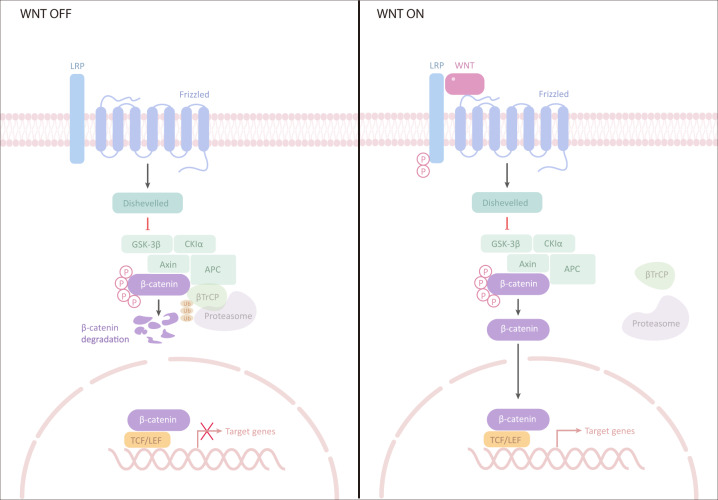
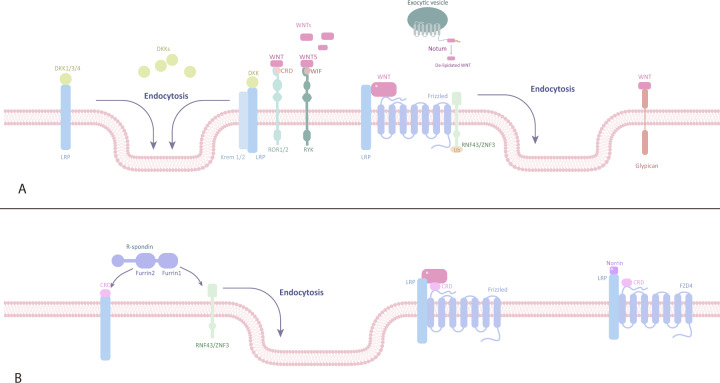
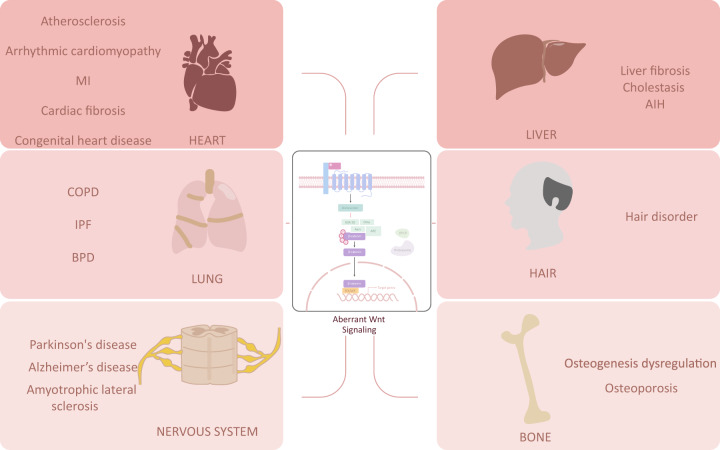
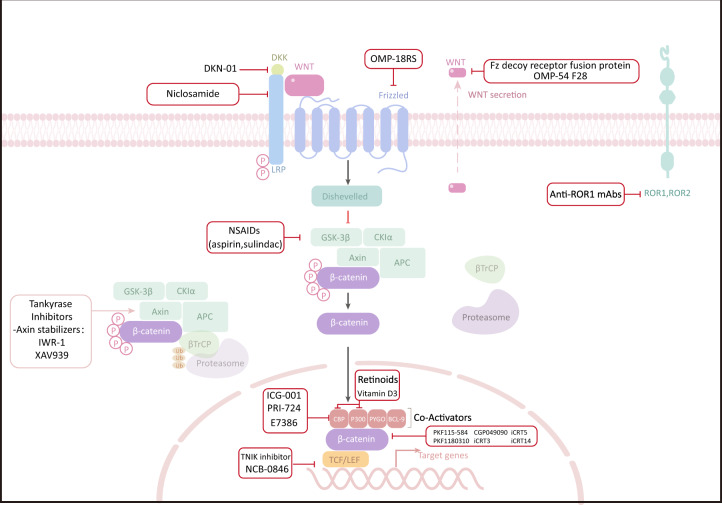
Verification
Claims the paper makes
The claims and statistics of this paper haven’t been checked yet.
Free: it reads the open-access text and checks the first 5 claims that cite a source we can check. Create a free account to check every claim.
Claims other papers make about this one
Each is checked against this paper’s own text: does it say what the citing paper says it does?
The source backs part of the claim, not all of it — or backs it for a different population, condition or comparison.
In the citing paper
“The inactivation of GSK3β disrupts the integrity and function of the destruction complex, thereby preventing β-catenin phosphorylation. As a result, unphosphorylated, stable β-catenin accumulates in the cytoplasm, translocates to the nucleus, and activates the transcription of its target genes, including c-Myc and Cyclin D1 [35, 46, 47, 52–55].”
From PPP1R18-mediated activation of Wnt/β-catenin and EMT is dependent on ERK signaling in clear cell renal cell carcinoma (2026) · cites this paper as [53]
Experimental — accuracy not yet measuredThe cited source says what the claim attributes to it.
In the citing paper
“Wnt signaling is a critical pathway involved in multiple developmental processes and can also contribute to malignant transformation.”
From Multiple myeloma: signaling pathways and targeted therapy (2024) · cites this paper as [64]
The check wasn’t confident either way, so it gives no verdict — never disputed.
In the citing paper
“For example, resistance training reduces muscle atrophy by inhibiting complement component 1q (C1q)-induced Wnt signaling as well as the PI3K-Akt-tuberous sclerosis complex (TSC) cascade, which regulates the activity of the target of rapamycin complex 1 (mTORC1) via the Ras homolog enriched in the brain (Rheb)”
From Exercise-Induced Muscle–Fat Crosstalk: Molecular Mediators and Their Pharmacological Modulation for the Maintenance of Metabolic Flexibility in Aging (2025) · cites this paper as [93]
Experimental — accuracy not yet measuredThe check wasn’t confident either way, so it gives no verdict — never disputed.
In the citing paper
“Resistance training in mice attenuates muscle fibrosis and atrophy by suppressing C1q-induced Wnt/β-catenin signaling, specifically through the glycogen synthase kinase-3 beta (GSK)-3β/β-catenin axis”
From Exercise-Induced Muscle–Fat Crosstalk: Molecular Mediators and Their Pharmacological Modulation for the Maintenance of Metabolic Flexibility in Aging (2025) · cites this paper as [93]
Experimental — accuracy not yet measured
Self-check
Percentages, sums and reported differences re-computed from the paper’s own numbers.
The self-check needs the paper’s full text.
Citations
Cites
4 retracted
Epigenetic regulation of Wnt-signaling pathway in acute lymphoblastic leukemia
Román-Gómez, J., Cordeu, L., Agirre, X., Jiménez-Velasco, A., San José-Eneriz, E., Garate, L., Calasanz, M. J., Heiniger, A., Torres, A., & Prosper, F. (2007) · Blood · doi:10.1182/blood-2006-09-047043 · Cited by 168 · cited 1×
“The results indicate the role of abnormal Wnt signalling in ALL and establish a group of patients with a significantly worse prognosis (methylated group).(253)”
BackgroundRetractedSatō, Y., Asoh, T., & Oizumi, K. (1998) · Bone · doi:10.1016/s8756-3282(98)00134-3 · Cited by 140 · cited 2×
“Fourteen bone-related biomarkers in elderly people with memory problems were not clinically diagnosed with asymptomatic AD, and the expression of TRAIL and DKK1 was elevated in the brain.(257,258) Wnt signalling has a neuroprotective effect, and DKK1, as an antagonist of the canonical Wnt signalling pathway, is negati…”
BackgroundResultRetractedFu, X., Zhu, X., Qin, F., Zhang, Y., Lin, J., Ding, Y., Yang, Z., Shang, Y., Wang, L., Zhang, Q., et al. (2018) · Molecular Cancer · doi:10.1186/s12943-018-0783-3 · Cited by 109 · cited 1×
“The lncRNAs Linc00210 and lncRNA-CCAL inhibit the activity of CTNNBIP1 and activator protein-2α (AP-2α), respectively, and block the binding of CTNNBIP1 and AP-2α to β-catenin, enhancing the interaction between β-catenin and the TCF/LEF complex.(67,68) LncRNA-NEAT1 interacts with DDX5 and promotes the formation of a c…”
BackgroundRetractedLiu, B., Wu, S., Han, L., & Zhang, C. (2015) · International Journal of Molecular Medicine · doi:10.3892/ijmm.2015.2382 · Cited by 25 · cited 3×
“The absence of Wnt signalling inhibits the nuclear transport of β-catenin mediated by ZBP1, resulting in a decrease in Runx2 and Sp7 (osteogenic factors) expression in mouse bone marrowderived MSCs.132,133 DHCR7 and INSIG1/2 are related to the effect of cholesterol metabolism on bone formation.”
BackgroundRetractedIdentification of stem cells in small intestine and colon by marker gene Lgr5
Barker, N., van Es, J. H., Kuipers, J., Kujala, P., van den Born, M., Cozijnsen, M., Haegebarth, A., Korving, J., Begthel, H., Peters, P. J., et al. (2007) · Nature · doi:10.1038/nature06196 · Cited by 5,687
Wnt/β-Catenin Signaling: Components, Mechanisms, and Diseases
MacDonald, B. T., Tamai, K., & He, X. (2009) · Developmental Cell · doi:10.1016/j.devcel.2009.06.016 · Cited by 5,583
Wnt/β-Catenin Signaling in Development and Disease
Clevers, H. (2006) · Cell · doi:10.1016/j.cell.2006.10.018 · Cited by 5,568
Wnt/β-Catenin Signaling, Disease, and Emerging Therapeutic Modalities
Nusse, R., & Clevers, H. (2017) · Cell · doi:10.1016/j.cell.2017.05.016 · Cited by 4,342
Activation of β-Catenin-Tcf Signaling in Colon Cancer by Mutations in β-Catenin or APC
Morin, P. J., Sparks, A. B., Korinek, V., Barker, N., Clevers, H., Vogelstein, B., & Kinzler, K. W. (1997) · Science · doi:10.1126/science.275.5307.1787 · Cited by 3,942
Melanoma-intrinsic β-catenin signalling prevents anti-tumour immunity
Spranger, S., Bao, R., & Gajewski, T. F. (2015) · Nature · doi:10.1038/nature14404 · Cited by 2,830 · cited 1×
“Using a mouse melanoma model, the researchers confirmed that the intrinsically active β-catenin signal of the tumour led to T cell rejection and resistance to anti-PD-L1/anti-CTLA-4 monoclonal antibody treatment.(301) Simultaneously, the analysis of primary melanoma lesions with BRAF mutations showed that T cell infil…”
Background
Research works printed but not linked: 8
- Amemiya T Tsuboi M Uchida S Electron microscopic and electron histochemical studies on embryonal rhabdomyosarcoma of the orbit. Zeitschrift fur Krebsforschung und klinische Onkol. Cancer Res. Clin. Oncol. 1975 83 305 314 169642
- Cruciat CM Niehrs C Secreted and transmembrane wnt inhibitors and activators[J] Cold Spring Harb. Perspect. Biol. 2013 5 a015081 23085770 PMC3578365 · DOI · Paper page
- Malinauskas T Modular mechanism of Wnt signaling inhibition by Wnt inhibitory factor 1[J] Nat. Struct. Mol. Biol. 2011 18 886 893 21743455 PMC3430870 · DOI · Paper page
- Jiang X Dishevelled promotes Wnt receptor degradation through recruitment of ZNRF3/RNF43 E3 ubiquitin ligases[J] Mol. Cell 2015 58 522 533 25891077 · DOI · Paper page
- Kwon C Notch post-translationally regulates β-catenin protein in stem and progenitor cells[J] Nat. cell Biol. 2011 13 1244 1251 21841793 PMC3187850 · DOI · Paper page
- Jimeno A A First-in-Human Phase I Study of the Anticancer Stem Cell Agent Ipafricept (OMP-54F28), a Decoy Receptor for Wnt Ligands, in Patients with Advanced Solid Tumors Clin. Cancer Res.: Off. J. Am. Assoc. Cancer Res. 2017 23 7490 7497 28954784 · DOI · Paper page
- Arensman M The CREB-binding protein inhibitor ICG-001 suppresses pancreatic cancer growth Mol. cancer therapeutics 2014 13 2303 2314 PMC4188417 25082960 · DOI · Paper page
- Emami K A small molecule inhibitor of beta-catenin/CREB-binding protein transcription [corrected] Proc. Natl Acad. Sci. USA 2004 101 12682 12687 15314234 PMC515116 · DOI · Paper page
Cited by
Items 701–800 of 1,003
Matrix metalloproteinase-10 promotes kidney fibrosis by transactivating β-catenin signaling
Sun, X., Ren, Q., Liu, X., Tan, H., Zhan, Z., Lin, E., Long, Y., Hong, X., Zhou, L., & Liu, Y. (2025) · Cell Death Discovery · doi:10.1038/s41420-025-02521-w · Cited by 11
“In some experiments, HK-2 cells were transiently transfected with plasmid vectors or siRNA, such as pFlag-MMP-10, pDel-β -cat or siHB-EGF, according to established procedures [36], and subsequently incubated with indicated reagents for an additional 48 h.”
Targeting of the IL-33/Wnt axis restricts breast cancer stemness and metastasis
Fan, G., Zuo, S., Wang, Z., Zhang, S., Liu, L., Luo, H., Xie, Y., Zhang, Y., & Li, D. (2025) · Scientific Reports · doi:10.1038/s41598-025-03260-9 · Cited by 11
Wnt/Ca2+ signaling: Dichotomous roles in regulating tumor progress (Review)
Jing, L., Wang, H., Xia, S., & Shao, Q. (2025) · Oncology Letters · doi:10.3892/ol.2025.15145 · Cited by 11
“After being synthesized in the endoplasmic reticulum (ER), Wnt proteins undergo glycosylation and palmitoylation modifications prior to their transport to the extracellular space where they can interact with receptors, subsequently activating downstream signaling pathways (2).”
Huang, X., Hao, W., Mo, Y., Liang, X., Wu, X., Zeng, D., Mo, Y. J., Lu, W. W., Chen, D., & Chen, Y. (2025) · Genes & Diseases · doi:10.1016/j.gendis.2025.101731 · Cited by 11
“179,180 183 This pathway positively influences the conversion of MSCs to osteoblasts and their maturation, directly participating in callus remodeling and bone repair.”
Vidanapathirana, G. U., Islam, M. S., Gamage, S. M. K., Lam, A. K.-Y., & Gopalan, V. (2025) · Cancer Medicine · doi:10.1002/cam4.71019 · Cited by 11
Genotypic, functional, and phenotypic characterization in CTNNB1 neurodevelopmental syndrome
Žakelj, N., Gosar, D., Miroševič, Š., Sanders, S., Ljungdahl, A., Kohani, S., Huang, S., Leong, L. I., An, Y., Teo, M.-J., et al. (2025) · Human Genetics and Genomics Advances · doi:10.1016/j.xhgg.2025.100483 · Cited by 11
Feng, P., Liu, Z., Lv, D., Hao, W., Li, D., Xue, G., Bai, B., & Hölscher, C. (2025) · European Journal of Pharmacology · doi:10.1016/j.ejphar.2025.177972 · Cited by 11
Li, C., Xing, S., Zhang, D., Li, R., Li, Q., Luo, H., & Liu, F. (2025) · Journal of Translational Medicine · doi:10.1186/s12967-025-06878-5 · Cited by 11
“In colorectal cancer, H19 promotes cancer cell stemness and resistance to oxaliplatin by acting as a ceRNA that mute miR-141, a microRNA known to suppress cancer stemness by targeting the β-catenin to block the WNT/β-catenin pathway [60].”
Grecca, I. S. G., Miola, V. F. B., Ferreira, J. C., Rissato, T., da Silva, L. M. D., Totti, P. G. F., Gianini, S. H. S., de Souza, M. D. S. S., de Souza, J. D. S. S., Araújo, A. C., et al. (2025) · Pharmaceutics · doi:10.3390/pharmaceutics17081088 · Cited by 11
“…(e.g., intravenous, intraperitoneal, oral, subcutaneous, or direct implantation within a 3D scaffold) dictates the initial biodistribution, immune exposure, and potential organ accumulation (e.g., intravenous administration often leads to accumulation in reticuloendothelial system organs) [45].”
Yu, Z., Derksen, M., Pas, B. M. T., Ladstätter, S., Overmeer, R., Brázda, P., van de Wetering, M., Pourfarzad, F., Vries, R. G. J., Megchelenbrink, W., et al. (2025) · International Journal of Cancer · doi:10.1002/ijc.70103 · Cited by 12
Zhang, Y., Han, H., Zhang, T., Zhang, T., Ma, L., Yang, Z. R., & Zhao, Y. (2025) · Biomolecules · doi:10.3390/biom15091292 · Cited by 11
“The Wnt/ β -catenin pathway is a highly conserved cellular signaling pathway that controls important biological processes, including cancer occurrence, stem cell maintenance, differentiation, cell proliferation, and embryonic development [142].”
Lund, L. M., Marchi, A. N., Alderfer, L., Hall, E., Hammer, J., Moremen, R., Asilebo, I., Trull, K. J., Hanjaya‐Putra, D., & White, K. A. (2025) · Cell Death and Disease · doi:10.1038/s41419-025-08014-z · Cited by 11
“We con fi rm in this model that increasing pHi is suf fi cient to override VM phenotypes, even when VM is aberrantly generated on soft ECM.”
Defective Neural Stem and Progenitor Cell Proliferation in Neurodevelopmental Disorders
Shigenaka, A., Nitta, E., Nakagawa, T., Nakagawa, M., & Hosoi, T. (2025) · Journal of Developmental Biology · doi:10.3390/jdb13040040 · Cited by 11
Dehghani, S., Khorsandi, H., Hosseinzadegan, R., Rahimi, H., Mottaghi, M., Fallahpour, S., Fazayel, S. M. A., bayat, A., Namini, N. J., Karimi, A., et al. (2025) · Neurotoxicity Research · doi:10.1007/s12640-025-00775-x · Cited by 11
“The Wnt/β-catenin pathway is an evolutionarily conserved signaling cascade that plays a fundamental role in regulating cell growth, differentiation, and tissue regeneration (Liu et al. 2022).”
Matrix stiffness maintains bladder cancer stemness via integrin-nuclear skeleton axis
Tao, Y., Huang, J., Hou, J., Hu, Z., Zhang, T., Mo, Z., Zeng, K., Wu, J., Wang, D., & Qiu, J. (2025) · Cell Death and Disease · doi:10.1038/s41419-025-08222-7 · Cited by 12
“Among signaling cascades, the Wnt/ β -catenin pathway has been widely recognized as a key regulator in cancer initiation, progression, and the maintenance of stemness [61].”
Li, F., Wu, L., Feng, X., Li, Y., & Fan, H. (2026) · Pharmaceutics · doi:10.3390/pharmaceutics18010070 · Cited by 11
“This pathway plays a central role in regulating neuronal proliferation, differentiation, survival, and BBB repair, making it a critical mediator of neurogenesis and angiogenesis—processes which are essential for repairing AD-damaged neural circuits [211].”
Self-citationZHU, Y., Wang, M., Cao, J., Song, H., & Zhang, P. (2026) · Journal of Translational Medicine · doi:10.1186/s12967-025-07354-w · Cited by 11
Biomimetic Cell Membrane‐Coated MOFs System for Targeted Cancer Therapy
Wu, Q., Chon, J. S. D., Feng, Y., Liang, K., Li, S., Zhang, C. Y., & Ge, J. (2026) · Advanced Science · doi:10.1002/advs.202521580 · Cited by 11
“Studies have shown that cuproptosis, a copper-dependent non-apoptotic cell death involving alterations in the tricarboxylic acid (TCA) cycle pathway, is rapidly emerging as a promising cancer treatment strategy due to its unique advantages in combating different types of tumors [ 149 ].”
Mechanisms of carcinogenic activity triggered by lysine-specific demethylase 1A
Yang, C., Li, D., Zang, S., Zhang, L., Zhong, Z., & Zhou, Y. (2022) · Frontiers in Pharmacology · doi:10.3389/fphar.2022.955218 · Cited by 11
Zhao, Z., Su, J., Zhao, J., Chen, J., Cui, X., Sun, M., & Zhang, X. (2022) · Food and Agricultural Immunology · doi:10.1080/09540105.2022.2113864 · Cited by 11
“…in cytosol. β-Catenin then translocates to the nucleus and interacts with T-cell factor (TCF)/lymphoid enhancer factor to activate specific Wnt target genes, including c-Myc, Cyclin D1, MMP2, MMP7, and MMP9, resulting in tumourigenesis and metastasis (Liu et al., 2022; Yu et al., 2021).”
BackgroundSelf-citationMarigoudar, J. B., Sarkar, D., Yuguda, Y. M., Abutayeh, R. F., Kaur, A. P., Pati, A., Mitra, D., Ghosh, A., Banerjee, D., Borah, S., et al. (2022) · Medical Oncology · doi:10.1007/s12032-022-01855-0 · Cited by 11
“This free β-catenin enters the nucleus, attaches to DNA with the transcription factor TCF4, and activates the transcription of genes that control proliferation [38].”
BackgroundCircular RNAs in organ injury: recent development
Wong, R. T. C., Zhang, Y., Zhao, H., & Ma, D. (2022) · Journal of Translational Medicine · doi:10.1186/s12967-022-03725-9 · Cited by 12
“This allows intracellular β-catenin to translocate into the nucleus and activates the target gene via interaction with the T-cell factor (TCF) and lymphoid enhancer-binding factor (LEF), leading to the activation of the canonical pathway that promotes cell proliferation [26].”
BackgroundThe Oncosuppressive Properties of KCTD1: Its Role in Cell Growth and Mobility
Smaldone, G., Pecoraro, G., Pane, K., Franzese, M., Ruggiero, A., Vitagliano, L., & Salvatore, M. (2023) · Biology · doi:10.3390/biology12030481 · Cited by 11
“Disruption of this pathway often leads to serious diseases such as cancer [21].”
BackgroundCai, Z., Luo, Q., Xi, Y., Pu, L., Zong, H., Shi, R., He, P., Xu, Y., Li, Y., & Zhang, J. (2023) · Molecular Biology Reports · doi:10.1007/s11033-023-08390-9 · Cited by 11
Self-citationKim, Y., Ahn, B., Yoon, S., Lee, G., Kim, D., Chun, S., Kim, H.-R., Jang, S. J., & Hwang, H. S. (2023) · PLoS ONE · doi:10.1371/journal.pone.0287256 · Cited by 11
Infectious Agents Induce Wnt/β-Catenin Pathway Deregulation in Primary Liver Cancers
Catalano, T., Selvaggi, F., Esposito, D. L., Cotellese, R., & Aceto, G. M. (2023) · Microorganisms · doi:10.3390/microorganisms11071632 · Cited by 11
“It is involved in the regulation of cells’ differentiative fates both during embryonic development and in the homeostasis of tissue regeneration in the adult organism [28,29].”
BackgroundStratifin Promotes Hepatocellular Carcinoma Progression by Modulating the Wnt/β-Catenin Pathway
Ye, S., Yu, H.-X., Lu, W.-J., Wang, J., Li, T., Shi, J., & Cheng, X.-Y. (2023) · International Journal of Genomics · doi:10.1155/2023/9731675 · Cited by 11
“To verify this hypothesis, we explored the role of SFN in the expression of key markers of the Wnt/β-catenin signaling pathway, such as β-catenin and GSK-3β [25, 26].”
BackgroundInfluentialKleszcz, R. (2023) · Cancers · doi:10.3390/cancers15174247 · Cited by 11
“The Wnt/β-catenin signaling is essential for cell differentiation and proliferation during embryogenesis and in proliferative tissues in adulthood, including the stem cell subpopulation [70,71].”
BackgroundOff-Target Effects of P2Y12 Receptor Inhibitors: Focus on Early Myocardial Fibrosis Modulation
Lofrumento, F., Irrera, N., Licordari, R., Perfetti, S., Nasso, E., Liotta, P., Isgrò, G., Garcia-Ruiz, V., Squadrito, F., Carerj, S., et al. (2023) · International Journal of Molecular Sciences · doi:10.3390/ijms242417546 · Cited by 11
“However, in recent years, it has been shown that it is reactivated in response to myocardial injury, assuming the role of a pro-fibrotic signal [52,57].”
BackgroundTsare, E.-P. G., Klapa, M. I., & Moschonas, N. Κ. (2024) · Human Genomics · doi:10.1186/s40246-023-00565-6 · Cited by 11
“Changes in the activity of the WNT/β-catenin signaling pathway [136–138] and Hippo pathway [139, 140] have been associated with heart diseases and hypertension.”
BackgroundBowes, M. M., Casares‐Marfil, D., & Sawalha, A. H. (2024) · Clinical Immunology · doi:10.1016/j.clim.2024.110173 · Cited by 11
Silver, F. H., & Deshmukh, T. (2024) · Biocell · doi:10.32604/biocell.2024.047965 · Cited by 11
Immunotherapeutic Strategies Targeting Breast Cancer Stem Cells
Vasileiou, M., Diamantoudis, S. C., Tsianava, C., & Nguyen, N. P. (2024) · Current Oncology · doi:10.3390/curroncol31060232 · Cited by 11
“CSCs present an altered regulation capacity in many signal transduction pathways, such as PI3K/Akt, nuclear factor kappa B (NF-κ B), Wnt/ β -catenin, Hedgehog (HH), Notch, and bone morphogenetic proteins (BMPs) pathways [37–43].”
BackgroundInfluentialZha, P., Liu, W., Zhou, Y., & Chen, Y. (2024) · Poultry Science · doi:10.1016/j.psj.2024.103949 · Cited by 13
Wnt/β-Catenin Signaling Pathway in Pediatric Tumors: Implications for Diagnosis and Treatment
Choudhary, S., Singh, M. K., Kashyap, S., Seth, R. K., & Singh, L. (2024) · Children · doi:10.3390/children11060700 · Cited by 11
“Although targeting nuclear β -catenin in aberrant canonical Wnt signaling in cancers is a promising approach, the main challenge is to overcome limitations in its druggability [113].”
BackgroundMafi, A., Hedayati, N., Milasi, Y. E., Kahkesh, S., Daviran, M., Farahani, N., Hashemi, M., Nabavi, N., Alimohammadi, M., Rahimzadeh, P., et al. (2024) · Pathology - Research and Practice · doi:10.1016/j.prp.2024.155457 · Cited by 11
Prostate cancer and the cell cycle: Focusing on the role of microRNAs
Elazab, I. M., El-Feky, O. A., Khedr, E. G., & El‐Ashmawy, N. E. (2024) · Gene · doi:10.1016/j.gene.2024.148785 · Cited by 13
Peng, J., Cao, S., Hu, Z., Zhu, J., Zhu, Y., Sheng, X., Cai, Z., Bai, R., Xiong, X., & Sheng, J. (2024) · Environment International · doi:10.1016/j.envint.2024.108948 · Cited by 11
RETRACTED: Complement C3 promotes islet β-cell dedifferentiation by activating Wnt/β-catenin pathway
Zhuang, L., Li, Q., You, W., Wen, S., Chen, T., Su, J., Zhao, W., & Hu, J. (2024) · iScience · doi:10.1016/j.isci.2024.111064 · Cited by 11
RetractedPiperonylic Acid Promotes Hair Growth by Activation of EGFR and Wnt/β-Catenin Pathway
Han, S. H., Jo, K. W., Kim, Y., & Kim, K. (2024) · International Journal of Molecular Sciences · doi:10.3390/ijms251910774 · Cited by 11
“FZD and LRP5/6, which are located in the plasma membrane, play a role in receiving external signals [13,14].”
BackgroundVoinea, I.-A., Petrova, E. N., Dumitru, N., Cocolos, A. M., Ioachim, D. L., Goldstein, A. L., & Ghemigian, A. M. (2024) · Journal of Clinical Medicine · doi:10.3390/jcm13237161 · Cited by 11
Tang, L., Ruan, Y., Wang, B., Zhang, M., Xue, J., & Wang, T. (2024) · Hereditas · doi:10.1186/s41065-024-00351-x · Cited by 11
Insight into dipeptidase 1: structure, function, and mechanism in gastrointestinal cancer diseases
Wang, L., & Tian, G. (2024) · Translational Cancer Research · doi:10.21037/tcr-2024-2436 · Cited by 11
“GSK-3 β and β -catenin can mediate the Wnt/ β -catenin signal transduction pathway (61), which is crucial for the malignant transformation of cells.”
Ilić, N., & Sarajlija, A. (2025) · Neuroglia · doi:10.3390/neuroglia6010011 · Cited by 11
“As a result, β -catenin accumulates in the cytoplasm and translocates into the nucleus, where it interacts with T-cell factor/lymphoid enhancer-binding factor (TCF/LEF) transcription factors to regulate the expression of genes involved in cell proliferation, differentiation, and survival [91,92].”
Green tea actions on miRNAs expression – An update
Filho, C. P. B. S., Silva, V., Bolin, A. P., Rocha, A. L. S., & Otton, R. (2023) · Chemico-Biological Interactions · doi:10.1016/j.cbi.2023.110465 · Cited by 11
Wang, J., Jia, J., He, Q., Xu, Y., Liao, H., Xiong, X., Liu, L., & Sun, C. (2023) · European Journal of Medicinal Chemistry · doi:10.1016/j.ejmech.2023.115435 · Cited by 11
Bisevac, J., Katta, K., Petrovski, G., Moe, M. C., & Noer, A. (2022) · Biomedicines · doi:10.3390/biomedicines11071829 · Cited by 11
“Wnt/β-catenin signaling, an evolutionary conserved molecular pathway involved in stem cell fate determination [22,23], is highly expressed in limbal tissue compared to the cornea and conjunctiva [24].”
BackgroundAnirudhan, A., Mattethra, G. C., Alzahrani, K. J., Banjer, H. J., Alzahrani, F. M., Halawani, I. F., Patil, S., Sharma, A. K., Paramasivam, P., & Ahmed, S. S. S. J. (2023) · Brain Sciences · doi:10.3390/brainsci13071003 · Cited by 11
“Moreover, beta-catenin1 regulates Jun-N-terminal kinase (JNK), leading to cell polarity (PCP) pathways [39].”
BackgroundLai, J., Yang, H., Huang, J., & He, L. (2024) · Scientific Reports · doi:10.1038/s41598-024-52429-1 · Cited by 10
“The Wnt pathway is crucial for bone formation, as genetic alterations in its components have been associated with various skeletal disorders 7 .”
BackgroundKanbay, M., Mutlu, A., Bakır, Ç. N., Peltek, İ. B., Canbaz, A. A., Díaz‐Tocados, J. M., & Haarhaus, M. L. (2024) · Nephrology Dialysis Transplantation · doi:10.1093/ndt/gfae066 · Cited by 10
Boughanem, H., Pilo, J., García-Flores, L. A., Arranz, I., Ramos-Fernandez, M., Ortega‐Castan, M., Crujeiras, A. B., Sandoval, J., & Macías‐González, M. (2024) · Journal of Translational Medicine · doi:10.1186/s12967-024-05329-x · Cited by 10
“This inhibition prevents β-catenin from translocating from the cyto-plasm to the nucleus, affecting cell proliferation, survival, differentiation, and migration [7].”
BackgroundZhang, Y., Liu, J., Yang, G., Zou, J., Tan, Y., Xi, E.-P., Geng, Q., & Wang, Z. (2024) · Environmental Toxicology · doi:10.1002/tox.24359 · Cited by 10
“Subsequently, unphosphorylated β-catenin translocates into the nucleus and interacts with TCF/LEF transcription factors, consequently activating its downstream target genes, such as MMPs, CDK4, and cyclin D1, which positively contribute to the malignant phenotypes of tumor cells [28].”
Self-citationJornada, D. H., Boreski, D., Chiba, D. E., Ligeiro, D., Luz, M. A. M., Gabriel, E. A., Scarim, C. B., de Andrade, C. R., & Chin, C. M. (2024) · Nutrients · doi:10.3390/nu16183047 · Cited by 10
“Regardless of the mechanism, we strongly recommend conducting a clinical trial to evaluate the use of TAU as an adjuvant”
MethodZhang, Q., An, N., Liu, Y., Zhu, Y., Pan, W., Gu, P., Zhao, J., Pu, Q., & Zhu, W. (2024) · Frontiers in Oncology · doi:10.3389/fonc.2024.1448379 · Cited by 10
Zhang, Y., Zhu, Z., Li, Z., Feng, J., Long, J., Deng, Y., Ahmed, W., Khan, A. A., Huang, S., Fu, Q., et al. (2024) · Cell & Bioscience · doi:10.1186/s13578-024-01296-4 · Cited by 10
Han, Y., Gao, H. L., Gao, J., Yang, Y., & He, C. (2024) · International Immunopharmacology · doi:10.1016/j.intimp.2024.113380 · Cited by 11
Cho, Y., Cha, J. H., Hwang, Y.-J., Kang, H., & Lee, J. H. (2024) · Pharmaceutical Research · doi:10.1007/s11095-024-03784-1 · Cited by 10
“This collection leads to the disruption of many biochemical processes including cancer cell proliferation, apoptosis, autophagy, metabolism, and inflammation [25].”
Yin, J. J., Bao, Y., Xu, M., Li, P., Zhang, Z., Xue, H. F., & Yang, X. (2024) · PeerJ · doi:10.7717/peerj.18448 · Cited by 10
USP22 Promotes Osteosarcoma Progression by Stabilising β‐Catenin and Upregulating HK2 and Glycolysis
Chen, S., Hu, X., Yi, X., Deng, X., Xiong, T., Ou, Y., Liu, S., Li, C., Yan, X., & Hao, L. (2024) · Journal of Cellular and Molecular Medicine · doi:10.1111/jcmm.70239 · Cited by 10
“Further analyses were performed to identify the precise molecular pathway through which USP22 regulates HK2 expression. β-catenin plays a crucial role in tumour and non-tumour disorders, especially in tumour proliferation and metastasis, metabolism and immunity [39].”
LAPTM4B enhances the stemness of CD133+ liver cancer stem-like cells via WNT/β-catenin signaling
Wang, J., Liao, J., Cheng, Y., Chen, M., & Huang, A. (2024) · JHEP Reports · doi:10.1016/j.jhepr.2024.101306 · Cited by 10
“28 We observed that b -catenin decreased at both the mRNA and protein levels in LAPTM4B-de fi cient CD133 + CSLCs, whereas the phosphorylated b -catenin (Thr41/Ser45) protein level increased (Fig.”
Calcium Intake and Risk of Colorectal Cancer in the NIH-AARP Diet and Health Study
Zouiouich, S., Wahl, D. H., Liao, L. M., Hong, H. G., Sinha, R. R., & Loftfield, E. (2025) · JAMA Network Open · doi:10.1001/jamanetworkopen.2024.60283 · Cited by 10
Kotsifaki, A., Kalouda, G., Maroulaki, S., Foukas, A. F., & Armakolas, A. (2025) · Diseases · doi:10.3390/diseases13030075 · Cited by 10
“As described above, biological and molecular factors play crucial roles in fracture healing, with the Wnt signaling pathway emerging as a central regulator of bone formation and regeneration [51].”
Rhon‐Calderón, E. A., Hemphill, C. N., Savage, A. J., Riesche, L., Schultz, R. M., & Bartolomei, M. S. (2025) · JCI Insight · doi:10.1172/jci.insight.188931 · Cited by 10
MeCP2 promotes keloid progression by regulating ADAM12 expression and Wnt/β-catenin pathway
Xiao, Y., Lin, N., Chen, H., & Hu, X. (2025) · Archives of Dermatological Research · doi:10.1007/s00403-025-04131-z · Cited by 10
Cullin-RING Ubiquitin Ligases in Neurodevelopment and Neurodevelopmental Disorders
Ashitomi, H., Nakagawa, T., Nakagawa, M., & Hosoi, T. (2025) · Biomedicines · doi:10.3390/biomedicines13040810 · Cited by 10
Biological pathways leading to septo-optic dysplasia: a review
Pasca, L., Politano, D., Morelli, F., Garau, J., Signorini, S. G., Valente, E. M., Borgatti, R., & Romaniello, R. (2025) · Orphanet Journal of Rare Diseases · doi:10.1186/s13023-025-03541-6 · Cited by 10
“The stability of β-catenin, which is a strong transcriptional activator, is critical for normal WNT/β-catenin signaling function [77].”
Ubiquitination of transcription factors in cancer: unveiling therapeutic potential
Kim, D., Nam, H. J., & Baek, S. H. (2025) · Molecular Oncology · doi:10.1002/1878-0261.70033 · Cited by 11
Crosstalk between the circadian clock, intestinal stem cell niche, and epithelial cell fate decision
Liu, J., Jiang, Z., Zha, J., Lin, Q., & He, W. (2025) · Genes & Diseases · doi:10.1016/j.gendis.2025.101650 · Cited by 10
Self-citationKim, M. J., Kang, H., Jeon, S., Yun, J. H., Choi, E. Y., Jeong, P., Song, B., Kim, S., Cho, S., & Sim, B. (2025) · Cell Communication and Signaling · doi:10.1186/s12964-025-02191-2 · Cited by 10
Tang, J., Gao, Y., Fu, Y., Han, Z., Xu, P., Li, X., Wang, S., & Wang, X. (2025) · Veterinary Research · doi:10.1186/s13567-025-01529-5 · Cited by 10
Protein Ubiquitination Modification in Pulmonary Fibrosis
Shen, J., Jiang, Y., Bu, W., Yu, M., Huang, R., Tang, C., Yang, Z., Gao, H., Su, L., Cheng, D., et al. (2025) · Comprehensive physiology · doi:10.1002/cph4.70013 · Cited by 11
Synergistic pathways in Parkinson's disease: The promise of FGF21 and ACE2
Liu, T., Li, J., Yang, Z., & Wei, J. (2025) · Ageing Research Reviews · doi:10.1016/j.arr.2025.102804 · Cited by 11
UCHL3: a crucial deubiquitinase in DNA damage repair and tumor progression
Liu, J., Hu, S., Xiao, J., & Zhou, J. (2025) · Cancer Cell International · doi:10.1186/s12935-025-03884-x · Cited by 10
Self-citationZou, H., Liu, Y., Yang, X., Zhang, Q., Pan, Q., Huang, J., Guo, Y., Zhou, Y., Fang, S., Chen, Z., et al. (2025) · Cancer Letters · doi:10.1016/j.canlet.2025.217967 · Cited by 10
Luo, X., Zhong, X., Zeng, T., Li, X., Yang, T., Qu, Y., Lan, Y., Chen, S., Wang, Z., Zhang, M., et al. (2025) · Research · doi:10.34133/research.0828 · Cited by 10
“The Wnt/ β -catenin signaling axis mediates both therapeutic resistance and immunosuppressive adaptations in GBM. Cyto-plasmic accumulation and nuclear translocation of β -catenin define pathway activation, driving transcription of downstream oncogenic genes [ 19 – 22 ].”
Zhao, S., Li, Y., Dai, L. L., & Cheng, B. (2025) · Chemical Engineering Journal · doi:10.1016/j.cej.2025.168176 · Cited by 11
Self-citationZhang, A., Zhang, Y., Xu, J., Zhu, R., Liang, T., & Guo, L. (2025) · Critical Reviews in Oncology/Hematology · doi:10.1016/j.critrevonc.2025.104946 · Cited by 10
Role and mechanisms of plant polyphenols in ovarian aging
Gong, H., Zhang, H., Liu, Y., Mao, X., & Wang, J. (2025) · Journal of Ovarian Research · doi:10.1186/s13048-025-01799-9 · Cited by 10
“…hormone; FSH: follicle-stimulating hormone; LH: luteinizing hormone; ER: estrogen receptor; ERE: estrogen response element; AMH: anti-müllerian hormone embryonic development and physiological homeostasis by regulating cell proliferation, differentiation, apoptosis and autophagy [123].”
Xiong, C., Chen, Z., Wu, X., Zhang, C., Yuan, Z., Wang, X., Xiao, Z., Chen, Y., Deng, S., Wu, X., et al. (2025) · European Journal of Pharmacology · doi:10.1016/j.ejphar.2025.178401 · Cited by 10
Huang, Z.-X., Li, Y., Peng, J., Ho, T.-T., Huang, H., Aschner, M., & Jiang, Y. (2025) · Biological Trace Element Research · doi:10.1007/s12011-025-04943-0 · Cited by 10
Self-citationGou, D., Cai, X., He, H., & Chi, Y. (2025) · International Journal of Gynecology & Obstetrics · doi:10.1002/ijgo.70755 · Cited by 10
“23,24 The study further demonstrated that DKK1 knockout inhibited au - tophagy flux in ESCs.”
Umesh, S., Sadanandan, B., Yogendraiah, K. M., & Vijayalakshmi, V. (2026) · Molecular Neurobiology · doi:10.1007/s12035-026-05678-2 · Cited by 10
Wali, A. F., Talath, S., Babiker, R., El‐Tanani, M., Rangraze, I. R., Ibraheem, W., Al-Dhaheri, Y., Satyam, S. M., & El‐Tanani, Y. (2026) · Frontiers in Pharmacology · doi:10.3389/fphar.2026.1764550 · Cited by 10
Zhao, H., Tian, H., Nuerbieke, T., Ma, K., Li, W., Niu, X., Li, J., Ashby, C. R., Chen, Z., Zhou, T., et al. (2026) · Cancer Letters · doi:10.1016/j.canlet.2026.218690 · Cited by 10
Yue, L., Wang, P., Shi, Y., Cui, B., & Meng, J. (2022) · Frontiers in Molecular Biosciences · doi:10.3389/fmolb.2022.1022450 · Cited by 10
Dickkopf-1 Acts as a Profibrotic Mediator in Progressive Chronic Kidney Disease
Hsu, Y., Chang, C., Hsieh, C., Huang, Y., Shih, Y., Chang, H.-C., Chang, P., & Lin, C. (2023) · International Journal of Molecular Sciences · doi:10.3390/ijms24087679 · Cited by 10
SETDB1 confers colorectal cancer metastasis by regulation of WNT/β-catenin signaling
Li, W., Yang, X., Liu, X., Deng, H., Li, W., He, X., Zhang, W., Shen, Y., Li, X., Peng, Q., et al. (2023) · Biochimica et Biophysica Acta (BBA) - General Subjects · doi:10.1016/j.bbagen.2023.130377 · Cited by 10
Roles of circular RNAs in osteogenic/osteoclastogenic differentiation
Wang, T., Zhang, C., Xu, L., & Li, X. (2023) · BioFactors · doi:10.1002/biof.1994 · Cited by 10
“39,40 Circ_0067680 is an upstream regulator of the Wnt signaling pathway, demonstrating its important role in osteogenic differentiation.”
BackgroundDu, Q., Zheng, Z., Wang, Y., Yang, L., & Zhou, Z. (2023) · Journal of Cancer Research and Clinical Oncology · doi:10.1007/s00432-023-05233-9 · Cited by 10
“Notably, D2 and D3 are regulated by the WNT/β-Catenin pathway, while aberrant activation of the WNT/ β-Catenin pathway also plays an important role in CRC initiation, progression, recurrence, and metastasis (Kress et al. 2010; Dentice et al. 2012; Liu et al. 2022).”
BackgroundSelf-citationLi, H., Liu, J., Qin, X., Sun, J., Liu, Y., & Jin, F. (2023) · Cellular and Molecular Neurobiology · doi:10.1007/s10571-023-01414-9 · Cited by 10
“Here, we focus on the β-catenin-dependent Wnt signaling pathway, which has different signaling mechanisms in the extracellular, membrane, cytoplasmic, and cytosolic segments (Liu et al. 2022).”
BackgroundSelf-citationHematopoietic aging: Cellular, molecular, and related mechanisms
Ye, L., Tian, C., Li, Y., Pan, H., Hu, J., Shu, L., & Pan, X. (2023) · Chinese Medical Journal · doi:10.1097/cm9.0000000000002871 · Cited by 10
Self-citationProtein ubiquitination in ovarian cancer immunotherapy: The progress and therapeutic strategy
Guo, H., Wei, J., Zhang, Y., Wang, L., Wan, J., Wang, W., Gao, L., Li, J., Sun, T., & Ma, L. (2023) · Genes & Diseases · doi:10.1016/j.gendis.2023.101158 · Cited by 10
Efficacy of Adipocyte-Derived Stem Cells-Conditioned Media in Telogen Effluvium
Zari, S. (2023) · Stem Cells and Cloning Advances and Applications · doi:10.2147/sccaa.s432179 · Cited by 10
“28 Fibroblast growth factors anticipate and prolong anagen phase in resting (telogenic) hair follicles via earlier induction of β-catenin and Sonic hedgehog in hair follicles.”
BackgroundFang, C., Yang, H., Hui, J., Fan, D., & Deng, J. (2024) · eFood · doi:10.1002/efd2.138 · Cited by 10
Su, G., Wang, D., Yang, Q., Kong, L., Ju, X., Yang, Q., Zhu, Y., Zhang, S., & Li, Y. (2024) · Natural Products and Bioprospecting · doi:10.1007/s13659-024-00443-1 · Cited by 10
Self-citationRecurrent UBE3C-LRP5 translocations in head and neck cancer with therapeutic implications
Dharavath, B., Butle, A. B., Chaudhary, A., Pal, A., Desai, S., Chowdhury, A., Thorat, R. A., Upadhyay, P., Nair, S. V., & Dutt, A. (2024) · npj Precision Oncology · doi:10.1038/s41698-024-00555-4 · Cited by 10
“As LRP5 is a Wnt co-receptor that stabilizes β -catenin upon activation 23,24 , we asked if the UBE3C-LRP5 (v7) fusion variant constitutively activates the Wnt pathway by stabilizing nuclear β -catenin.”
BackgroundZhang, J., Zhang, Y., Chen, J., Gong, W., & Tu, X. (2024) · Biomolecules · doi:10.3390/biom14030354 · Cited by 10
“In canonical Wnt signaling, Wnt ligands bind to Frizzled receptors and low-density lipoprotein receptor-related protein 5 (LRP5) or LRP6, stabilizing β -catenin activation, allowing β -catenin to translocate to the cell nucleus [13].”
BackgroundThe oncogenic role and regulatory mechanism of ACAA2 in human ovarian cancer
Leng, Y., Tian, T., Tang, B., Ma, Y., Li, Z., Shi, Q., Liu, J., Zhou, Y., Wang, W., Huang, C., et al. (2024) · Molecular Carcinogenesis · doi:10.1002/mc.23729 · Cited by 10
Self-citationRandhawa, A., Ganguly, K., Dutta, S. D., Patil, T. V., & Lim, K. (2024) · Biomaterials · doi:10.1016/j.biomaterials.2024.122713 · Cited by 10
Jiang, L., Zhao, Y., Liu, F., Huang, Y., Zhang, Y., Yuan, B., Cheng, J., Yan, P., Ni, J., Jiang, Y., et al. (2024) · Cell Communication and Signaling · doi:10.1186/s12964-024-01774-9 · Cited by 10
“Wnt/β-catenin signaling plays essential roles in cell fate determination, tissue development, and disease pathogenesis [16].”
Background
Metadata
- Authors
- Liu, J., Xiao, Q., Xiao, J., Niu, C., Li, Y., Zhang, X., Zhou, Z., Shu, G., & Yin, G.
- Affiliations
- Central South University (CN)
- Corresponding author
- Yin, Gang
- Venue
- Signal Transduction and Targeted Therapy
- Published
- 2022-01-03
- Volume
- 7
- Issue
- 1
- Pages
- 3-3
- ISSN
- 2059-3635 (ISSN-L)
- PMC
- PMC8724284
- OpenAlex
- W4205498896
- Cited by
- 2,519
- References
- 345
- Citations by year
- 2026: 571 · 2025: 859 · 2024: 704 · 2023: 317 · 2022: 65
- FWCI
- 50.68
- Type
- journal article
- Language
- en
- Open access
- gold
- doi.org
- Licence
- cc-by
- creativecommons.org/licenses/by/4.0 (tdm)
- creativecommons.org/licenses/by/4.0 (vor)
- Locations
- Signal Transduction and Targeted Therapy (publishedVersion, cc-by)
- PubMed Central (publishedVersion, cc-by)
- PubMed (publishedVersion)
- DOAJ (DOAJ: Directory of Open Access Journals) (submittedVersion, cc-by-sa)
- Topics
- Life Sciences › Biochemistry, Genetics and Molecular Biology › Molecular Biology › Wnt/β-catenin signaling in development and cancer
- Life Sciences › Biochemistry, Genetics and Molecular Biology › Molecular Biology › Signaling Pathways in Disease
- Life Sciences › Biochemistry, Genetics and Molecular Biology › Molecular Biology › Hedgehog Signaling Pathway Studies
- Keywords
- Wnt/β-catenin signaling, Wnt proteins, β-catenin, embryonic development, tissue homeostasis, cancer, non-cancer diseases, small molecule inhibitors, therapeutic target, clinical trials
- MeSH terms
- Animals, Humans, Neoplasm Proteins, Neoplasms, Wnt Proteins, beta Catenin, Wnt Signaling Pathway
About these checks
Registry, retraction, Cites and statistics results are computed, not judged, with one exception: a printed reference that no index lists is read once by a model before it counts as a citation error. Claims are extracted by a model and kept only when their quote appears verbatim in the text; each cited source is then checked, with a model’s help, for whether it says what the claim relies on. Those verdicts can be wrong — read the claim’s quote and the cited source before relying on one.
Statistics and arithmetic are recomputed, not judged.
Confidence bands are shown only for fields calibrated on our annotated test set. None is calibrated yet, so no band is shown.
What counts as a claim ›How we measure confidence ›How we check this ›
Are you an author, or do you see a problem with this page? Request a review
Data sources
Bibliographic data: Semantic Scholar, OpenAlex, Crossref.
Contains information from the Semantic Scholar Academic Graph Datasets, made available under the ODC Attribution License (ODC-BY 1.0).
Semantic Scholar’s data is described in: Kinney, R., et al. (2023). The Semantic Scholar Open Data Platform. arXiv:2301.10140.
