

Wnt/β-catenin signalling: function, biological mechanisms, and therapeutic opportunities
Open accessThe DOI matches its Crossref record; 345 of the 345 references it cites were found in a registry or an index.
Abstract
The Wnt/β-catenin pathway comprises a family of proteins that play critical roles in embryonic development and adult tissue homeostasis. The deregulation of Wnt/β-catenin signalling often leads to various serious diseases, including cancer and non-cancer diseases. Although many articles have reviewed Wnt/β-catenin from various aspects, a systematic review encompassing the origin, composition, function, and clinical trials of the Wnt/β-catenin signalling pathway in tumour and diseases is lacking. In this article, we comprehensively review the Wnt/β-catenin pathway from the above five aspects in combination with the latest research. Finally, we propose challenges and opportunities for the development of small-molecular compounds targeting the Wnt signalling pathway in disease treatment.
Overview
The claims and statistics of this paper haven’t been checked yet.
Free: it reads the open-access text and checks the first 5 claims that cite a source we can check. Create a free account to check every claim.
Integrity signals
Registry
Cites
Statistics
Figures
Verification
Claims the paper makes
The claims and statistics of this paper haven’t been checked yet.
Free: it reads the open-access text and checks the first 5 claims that cite a source we can check. Create a free account to check every claim.
Claims other papers make about this one
Each is checked against this paper’s own text: does it say what the citing paper says it does?
The source backs part of the claim, not all of it — or backs it for a different population, condition or comparison.
In the citing paper
“The inactivation of GSK3β disrupts the integrity and function of the destruction complex, thereby preventing β-catenin phosphorylation. As a result, unphosphorylated, stable β-catenin accumulates in the cytoplasm, translocates to the nucleus, and activates the transcription of its target genes, including c-Myc and Cyclin D1 [35, 46, 47, 52–55].”
From PPP1R18-mediated activation of Wnt/β-catenin and EMT is dependent on ERK signaling in clear cell renal cell carcinoma (2026) · cites this paper as [53]
Experimental — accuracy not yet measuredThe cited source says what the claim attributes to it.
In the citing paper
“Wnt signaling is a critical pathway involved in multiple developmental processes and can also contribute to malignant transformation.”
From Multiple myeloma: signaling pathways and targeted therapy (2024) · cites this paper as [64]
The check wasn’t confident either way, so it gives no verdict — never disputed.
In the citing paper
“For example, resistance training reduces muscle atrophy by inhibiting complement component 1q (C1q)-induced Wnt signaling as well as the PI3K-Akt-tuberous sclerosis complex (TSC) cascade, which regulates the activity of the target of rapamycin complex 1 (mTORC1) via the Ras homolog enriched in the brain (Rheb)”
From Exercise-Induced Muscle–Fat Crosstalk: Molecular Mediators and Their Pharmacological Modulation for the Maintenance of Metabolic Flexibility in Aging (2025) · cites this paper as [93]
Experimental — accuracy not yet measuredThe check wasn’t confident either way, so it gives no verdict — never disputed.
In the citing paper
“Resistance training in mice attenuates muscle fibrosis and atrophy by suppressing C1q-induced Wnt/β-catenin signaling, specifically through the glycogen synthase kinase-3 beta (GSK)-3β/β-catenin axis”
From Exercise-Induced Muscle–Fat Crosstalk: Molecular Mediators and Their Pharmacological Modulation for the Maintenance of Metabolic Flexibility in Aging (2025) · cites this paper as [93]
Experimental — accuracy not yet measured
Self-check
Percentages, sums and reported differences re-computed from the paper’s own numbers.
The self-check needs the paper’s full text.
Citations
Cites
4 retracted
Epigenetic regulation of Wnt-signaling pathway in acute lymphoblastic leukemia
Román-Gómez, J., Cordeu, L., Agirre, X., Jiménez-Velasco, A., San José-Eneriz, E., Garate, L., Calasanz, M. J., Heiniger, A., Torres, A., & Prosper, F. (2007) · Blood · doi:10.1182/blood-2006-09-047043 · Cited by 168 · cited 1×
“The results indicate the role of abnormal Wnt signalling in ALL and establish a group of patients with a significantly worse prognosis (methylated group).(253)”
BackgroundRetractedSatō, Y., Asoh, T., & Oizumi, K. (1998) · Bone · doi:10.1016/s8756-3282(98)00134-3 · Cited by 140 · cited 2×
“Fourteen bone-related biomarkers in elderly people with memory problems were not clinically diagnosed with asymptomatic AD, and the expression of TRAIL and DKK1 was elevated in the brain.(257,258) Wnt signalling has a neuroprotective effect, and DKK1, as an antagonist of the canonical Wnt signalling pathway, is negati…”
BackgroundResultRetractedFu, X., Zhu, X., Qin, F., Zhang, Y., Lin, J., Ding, Y., Yang, Z., Shang, Y., Wang, L., Zhang, Q., et al. (2018) · Molecular Cancer · doi:10.1186/s12943-018-0783-3 · Cited by 109 · cited 1×
“The lncRNAs Linc00210 and lncRNA-CCAL inhibit the activity of CTNNBIP1 and activator protein-2α (AP-2α), respectively, and block the binding of CTNNBIP1 and AP-2α to β-catenin, enhancing the interaction between β-catenin and the TCF/LEF complex.(67,68) LncRNA-NEAT1 interacts with DDX5 and promotes the formation of a c…”
BackgroundRetractedLiu, B., Wu, S., Han, L., & Zhang, C. (2015) · International Journal of Molecular Medicine · doi:10.3892/ijmm.2015.2382 · Cited by 25 · cited 3×
“The absence of Wnt signalling inhibits the nuclear transport of β-catenin mediated by ZBP1, resulting in a decrease in Runx2 and Sp7 (osteogenic factors) expression in mouse bone marrowderived MSCs.132,133 DHCR7 and INSIG1/2 are related to the effect of cholesterol metabolism on bone formation.”
BackgroundRetractedIdentification of stem cells in small intestine and colon by marker gene Lgr5
Barker, N., van Es, J. H., Kuipers, J., Kujala, P., van den Born, M., Cozijnsen, M., Haegebarth, A., Korving, J., Begthel, H., Peters, P. J., et al. (2007) · Nature · doi:10.1038/nature06196 · Cited by 5,687
Wnt/β-Catenin Signaling: Components, Mechanisms, and Diseases
MacDonald, B. T., Tamai, K., & He, X. (2009) · Developmental Cell · doi:10.1016/j.devcel.2009.06.016 · Cited by 5,583
Wnt/β-Catenin Signaling in Development and Disease
Clevers, H. (2006) · Cell · doi:10.1016/j.cell.2006.10.018 · Cited by 5,568
Wnt/β-Catenin Signaling, Disease, and Emerging Therapeutic Modalities
Nusse, R., & Clevers, H. (2017) · Cell · doi:10.1016/j.cell.2017.05.016 · Cited by 4,342
Activation of β-Catenin-Tcf Signaling in Colon Cancer by Mutations in β-Catenin or APC
Morin, P. J., Sparks, A. B., Korinek, V., Barker, N., Clevers, H., Vogelstein, B., & Kinzler, K. W. (1997) · Science · doi:10.1126/science.275.5307.1787 · Cited by 3,942
Melanoma-intrinsic β-catenin signalling prevents anti-tumour immunity
Spranger, S., Bao, R., & Gajewski, T. F. (2015) · Nature · doi:10.1038/nature14404 · Cited by 2,830 · cited 1×
“Using a mouse melanoma model, the researchers confirmed that the intrinsically active β-catenin signal of the tumour led to T cell rejection and resistance to anti-PD-L1/anti-CTLA-4 monoclonal antibody treatment.(301) Simultaneously, the analysis of primary melanoma lesions with BRAF mutations showed that T cell infil…”
Background
Research works printed but not linked: 8
- Amemiya T Tsuboi M Uchida S Electron microscopic and electron histochemical studies on embryonal rhabdomyosarcoma of the orbit. Zeitschrift fur Krebsforschung und klinische Onkol. Cancer Res. Clin. Oncol. 1975 83 305 314 169642
- Cruciat CM Niehrs C Secreted and transmembrane wnt inhibitors and activators[J] Cold Spring Harb. Perspect. Biol. 2013 5 a015081 23085770 PMC3578365 · DOI · Paper page
- Malinauskas T Modular mechanism of Wnt signaling inhibition by Wnt inhibitory factor 1[J] Nat. Struct. Mol. Biol. 2011 18 886 893 21743455 PMC3430870 · DOI · Paper page
- Jiang X Dishevelled promotes Wnt receptor degradation through recruitment of ZNRF3/RNF43 E3 ubiquitin ligases[J] Mol. Cell 2015 58 522 533 25891077 · DOI · Paper page
- Kwon C Notch post-translationally regulates β-catenin protein in stem and progenitor cells[J] Nat. cell Biol. 2011 13 1244 1251 21841793 PMC3187850 · DOI · Paper page
- Jimeno A A First-in-Human Phase I Study of the Anticancer Stem Cell Agent Ipafricept (OMP-54F28), a Decoy Receptor for Wnt Ligands, in Patients with Advanced Solid Tumors Clin. Cancer Res.: Off. J. Am. Assoc. Cancer Res. 2017 23 7490 7497 28954784 · DOI · Paper page
- Arensman M The CREB-binding protein inhibitor ICG-001 suppresses pancreatic cancer growth Mol. cancer therapeutics 2014 13 2303 2314 PMC4188417 25082960 · DOI · Paper page
- Emami K A small molecule inhibitor of beta-catenin/CREB-binding protein transcription [corrected] Proc. Natl Acad. Sci. USA 2004 101 12682 12687 15314234 PMC515116 · DOI · Paper page
Cited by
Items 801–900 of 1,003
WNT2B high‑expressed fibroblasts induce the fibrosis of IBD by promoting NK cells secreting IL-33
Cheng, Y., Xiao, S., Lan, L., Liu, D., Tang, R., Gu, J., Ma, L., He, Z., Chen, X., Geng, L., et al. (2024) · Journal of Molecular Medicine · doi:10.1007/s00109-024-02477-x · Cited by 11
Bérubé, M., Abedini, A., Lapointe, É., Gusscott, S., Brind’Amour, J., Zamberlam, G., & Boerboom, D. (2024) · Cell Communication and Signaling · doi:10.1186/s12964-024-01736-1 · Cited by 10
“This was unexpected given that several studies in other cell types have suggested a canonical signaling mechanism for SFRP4 [66– 68], and that the only study published thus far that has examined SFRP4 signaling in granulosa cells has also suggested that it modulates CTNNB1 expression, albeit to…”
ResultXu, T., Shen, Y., Guo, R., Luo, C., Niu, Y., Luo, Z., Zhu, Z., Wu, Z., Zhao, X., Luo, H., et al. (2024) · Toxicology · doi:10.1016/j.tox.2024.153932 · Cited by 10
Xue, M., Liao, Y., & Jiang, W. (2024) · Journal of Lipid Research · doi:10.1016/j.jlr.2024.100644 · Cited by 11
LSD1 is a promising target to treat cancers by modulating cell stemness
Tong, Y., Wang, X., Li, R., Xu, X., Dai, M., Wang, N., Fan, B., Feng, S., & Ma, T. (2024) · Biochemical Pharmacology · doi:10.1016/j.bcp.2024.116549 · Cited by 10
Research Progress of Chinese Medicine in the Regulation of Liver Fibrosis-Related Signaling Pathways
Zheng, S., Xue, C., Li, S., Qi, W., Zao, X., Li, X., Wang, W., Liu, Q., Cao, X., Zhang, P., et al. (2024) · The American Journal of Chinese Medicine · doi:10.1142/s0192415x24500666 · Cited by 11
Non-metabolic enzyme function of pyruvate kinase M2 in breast cancer
Jemal, M., Getinet, M., Amare, G. A., Tegegne, B. A., Baylie, T., Mengistu, E. F., Osman, E. E., Waritu, N. C., & Adugna, A. (2024) · Frontiers in Oncology · doi:10.3389/fonc.2024.1450325 · Cited by 10
Molecular Signaling Pathways and MicroRNAs in Bone Remodeling: A Narrative Review
Singh, M., Singh, P., Singh, B., Sharma, K., Kumar, N., Singh, D., & Mastana, S. S. (2024) · Diseases · doi:10.3390/diseases12100252 · Cited by 11
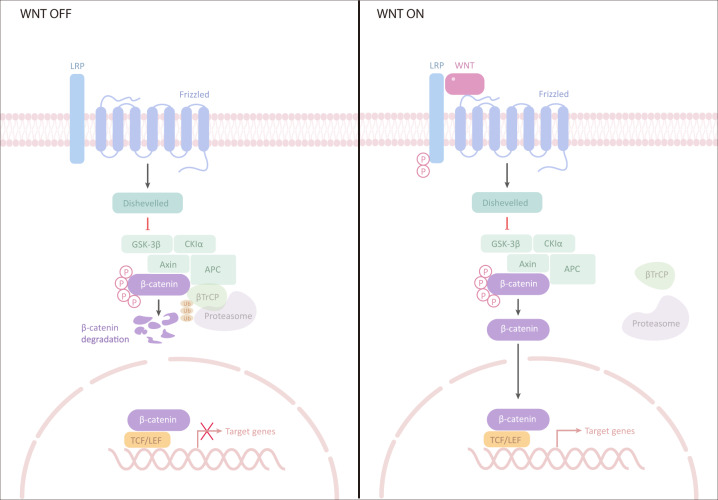
“However, in the absence of Wnt signaling, β -catenin is degraded along with its receptors, and in the activation of Wnt signaling, β -catenin binds to its receptor AXIN/LRP, which evades the degradation of β -catenin and is translocated to the nucleus for the activation of target genes [116].”
BackgroundJiang, F., Chen, Z., Wang, X., Huang, C., Li, Y., & Liu, N. (2024) · Nutrition and Cancer · doi:10.1080/01635581.2024.2418607 · Cited by 10
“In the absence of WNT ligands, the destructive complex phosphorylates β-catenin, leading to its ubiquitination and degradation (8).”
Self-citationNerubenko, E., Ryazanov, P. A., Kuritsyna, N., Paltsev, A. A., Ivanova, O. A., Grineva, E. N., Kostareva, A. A., Dmitrieva, R. I., & Tsoy, U. A. (2024) · International Journal of Molecular Sciences · doi:10.3390/ijms252312886 · Cited by 10
Mi, C., Zhao, Y., Ren, L., & Zhang, D. (2022) · Cell Biology International · doi:10.1002/cbin.11907 · Cited by 11
“…including cancer. β‐Catenin, a crucial signaling molecule of this pathway, accumulates in the cytoplasm and undergoes nuclear translocation, activating c‐myc transcription and triggering uncontrolled cell proliferation and differentiation, which contributes to tumorigenesis (J. Liu et al., 2022).”
BackgroundBailey, S., Guhlin, J. G., Senanayake, D., Scherer, P., Brekke, P., Ewen, J. G., Santure, A. W., & Whibley, A. C. (2023) · Molecular Ecology Resources · doi:10.1111/1755-0998.13823 · Cited by 10
“This gene shows homology to the TCF4 transcription factor, a key transcriptional mediator of the Wnt signalling pathway (reviewed in Liu et al., 2022 ).”
Zhan, T., Chen, M., Liu, W., Han, Z., Zhu, Q., Liu, M., Tan, J., Liu, J., Chen, X., Xia, T., et al. (2023) · BMC Medical Genomics · doi:10.1186/s12920-023-01583-y · Cited by 10
Self-citationMiao, R., Yao, Z., Hu, B., Jin, T., Zhu, D., Shi, Y., Gong, Y., Shao, S., & Shao, C. (2023) · BMC Gastroenterology · doi:10.1186/s12876-023-02912-2 · Cited by 10
“This abnormal activation of the Wnt/β-catenin signaling pathway can foster proliferation, invasion, and metastasis of cancer cells during cancer progression [38].”
BackgroundMuneer, R., Qazi, R., Fatima, A., Ahmad, W., Salim, A., Dini, L., & Khan, I. (2023) · World Journal of Stem Cells · doi:10.4252/wjsc.v15.i8.821 · Cited by 10
Liang, Y., Mei, Q., He, E., Ballar, P., Wei, C., Wang, Y., Dong, Y., Zhou, J., Tao, X., Qu, W., et al. (2024) · Cell Death & Disease · doi:10.1038/s41419-024-07069-8 · Cited by 9
“The impairing of Cyclin D1 induction is likely responsible for the delay in DNA synthesis in MANF knockout mice. β -catenin plays important roles in cell proliferation, differentiation, and stem cell maintenance in a wide variety of tissues [37, 40].”
BackgroundSelf-citationKucinski, J. P., Calderon, D., & Kendall, G. C. (2024) · Disease Models & Mechanisms · doi:10.1242/dmm.050704 · Cited by 9
“Another pathway implicated in SS is the Wnt signaling pathway, which regulates cell proliferation and differentiation, and is frequently dysregulated in cancer (Liu et al., 2022).”
BackgroundFan, J., Wang, Y., Yang, H., Huang, S., Ma, Y., Guo, J., Jia, Y., Zhang, Y., Fan, Y., Xiao, D., et al. (2025) · Chemico-Biological Interactions · doi:10.1016/j.cbi.2025.111436 · Cited by 9
Wang, Q., Duan, Y., Xu, Y., Li, H., & Yang, Y. (2025) · npj Parkinson s Disease · doi:10.1038/s41531-025-00928-x · Cited by 9
Yang, Y., Zhao, L., Gao, F., Wu, G., Luo, Y., & An, M. (2025) · International Urology and Nephrology · doi:10.1007/s11255-025-04532-z · Cited by 9
Ma, H., Su, X., Liang, J., Liu, L., Sun, J., Tong, J., Lu, J., Zhang, Y., Lei, B., & Zhao, H. (2025) · International Journal of Biological Macromolecules · doi:10.1016/j.ijbiomac.2025.144626 · Cited by 9
Wu, B., Yang, Y., Cheng, S., Wang, Z., & Fan, H. (2025) · Frontiers in Cellular and Infection Microbiology · doi:10.3389/fcimb.2025.1583802 · Cited by 9
Wu, Y., Sun, C., Jin, K., & Dong, C. (2025) · International Journal of Nanomedicine · doi:10.2147/ijn.s517928 · Cited by 9
“31,32 Furthermore, current research highlights the role extracellular vesicles like exosomes which play in the transmission of signals from tumors that promote epithelial-mesenchymal transition.”
Yen, E. C., Gilbert, J. D., Balard, A., Taxonera, A., Fairweather, K., Ford, H. L., Thorburn, D. J., Rossiter, S. J., Martín-Durán, J. M., & Eizaguirre, C. (2025) · GigaScience · doi:10.1093/gigascience/giaf054 · Cited by 9
Zhang, H., Su, L., Qiang, Y., Chen, J., Hang, S., Liu, M., Ding, H., Ouyang, Q., Zhu, Y., Wang, X., et al. (2025) · Phytomedicine · doi:10.1016/j.phymed.2025.156963 · Cited by 9
Fürtjes, A. E., Foote, I. F., Xia, C., Davies, G., Moodie, J. E., Taylor, A. M., Liewald, D. C. M., Redmond, P. H., Corley, J., McIntosh, A. M., et al. (2025) · Nature Communications · doi:10.1038/s41467-025-61978-6 · Cited by 10
“Alzheimer disease 49 and related dementias 50 , and amyotrophic lateral sclerosis (ALS) 51 were genetically uncorrelated with LBA (Fig.”
Adaptive loss of shortwave-sensitive opsins during cartilaginous fish evolution
Zhang, B., Feng, Y., Lv, M., Jia, L., Liao, Y., Xu, X., Meyer, A., Sun, J., Fan, G., Li, Y., et al. (2025) · Nature Communications · doi:10.1038/s41467-025-62544-w · Cited by 9
Self-citationTherapeutic Potential and Cancer Cell Death-Inducing Effects of Apigenin and Its Derivatives
Bhosale, P. B., Jeong, S. H., Kim, H. H., Heo, J., Hwang, K. H., Moon, Y. G., Ahn, M., Seong, J. K., Won, C., & Kim, G. S. (2025) · International Journal of Molecular Sciences · doi:10.3390/ijms262010084 · Cited by 9
“Its dysregulation is frequently linked to a range of diseases, including cancers and other disorders [67].”
Rao, D., Wang, T., Fu, C., Luo, Y., Lu, J., Sun, Z., Yan, W., Liang, H., Xia, L., & Huang, W. (2025) · Cell Communication and Signaling · doi:10.1186/s12964-025-02465-9 · Cited by 9
Dutta, S. D., An, J. M., Moniruzzaman, M., Acharya, R., Seol, Y., Kim, H., Randhawa, A., Kim, J., Lee, Y.-K., & Lim, K. (2025) · Bioactive Materials · doi:10.1016/j.bioactmat.2025.11.028 · Cited by 9
“Wnt/ β -catenin plays a significant role in β -catenin signaling pathway and indirectly by keratinocytes, facilitating robust HF generation at the later stage of wound healing [75,86].”
RP-182 alleviated obstruction-induced renal fibrosis by reprogramming CD206+ macrophages
Cao, H., Chen, X., Jin, R., Yang, Y., Tao, Y., Li, P., Wu, Y., Chen, G., Zhao, J., Wen, J., et al. (2026) · Frontiers in Pharmacology · doi:10.3389/fphar.2026.1739457 · Cited by 9
“This aligns with the emerging recognition of β -catenin as a pivotal regulator of macrophage functional polarization (Sarode et al., 2020; Liu et al., 2022).”
Photo-controlled biodegradable Zn alloy bone implant
Zhang, T., Jin, S., Tang, H., Chen, K., Cheng, Y., Zheng, Y., Wu, S., & Xia, D. (2026) · Biomaterials · doi:10.1016/j.biomaterials.2026.124092 · Cited by 9
Jia, J., Wang, M., Xing, S., Huang, Z., & Jiang, Y. (2022) · Frontiers in Oncology · doi:10.3389/fonc.2022.1054590 · Cited by 9
Sang, S., Sun, C., Ding, R., Jiang, J., Han, Y., Gan, S., Bi, L., & Gong, Y. (2022) · Frontiers in Pharmacology · doi:10.3389/fphar.2022.1019451 · Cited by 9
Gene Therapy for Cardiomyocyte Renewal: Cell Cycle, a Potential Therapeutic Target
Son, Y., & Zhu, W. (2022) · Molecular Diagnosis & Therapy · doi:10.1007/s40291-022-00625-y · Cited by 9
Tankyrase: a promising therapeutic target with pleiotropic action
Sagathia, V., Patel, C. A., Beladiya, J., Patel, S., Sheth, D. B., & Shah, G. B. (2023) · Naunyn-Schmiedeberg s Archives of Pharmacology · doi:10.1007/s00210-023-02576-5 · Cited by 9
“The Wnt/β-catenin signaling pathway, which maintains cell proliferation and differentiation, is related to many diseases including cancer, neurodegenerative disease, and metabolic disorders (Liu et al. 2022).”
BackgroundYamoah, E. N., Pavlínková, G., & Fritzsch, B. (2023) · Brain Sciences · doi:10.3390/brainsci13081190 · Cited by 9
Effects of Endocrine Disrupting Chemicals (EDCs) on Skeletal System Development: A Review
Chanemougavally, D. J., Balaji, T., M., S. K., & Janaki, C. S. (2023) · Cureus · doi:10.7759/cureus.46109 · Cited by 9
“The Wnt signaling pathway enhances osteoblast maturity and activity [15].”
BackgroundLaeliocattleya, R. A., Yunianta, Y., Risjani, Y., & Wulan, S. N. (2023) · Journal of Biomolecular Structure and Dynamics · doi:10.1080/07391102.2023.2265488 · Cited by 9
“Fucoidan binds to LRP6 coreceptor in the Wnt/ b -Catenin pathway to inhibit cancer cell growth (Zhang & Wang, 2020; Liu et al., 2022).”
Sajeev, A., BharathwajChetty, B., Vishwa, R., Alqahtani, M. S., Abbas, M. A. E., Sethi, G., & Kunnumakkara, A. B. (2023) · Non-Coding RNA · doi:10.3390/ncrna9050063 · Cited by 9
“Canonical Wnt signaling, or the Wnt/ β -catenin (WBC) pathway, is dependent on β -catenin translocation into the nucleus and the subsequent transcription of target genes [22].”
BackgroundTEM8 in Oncogenesis: Protein Biology, Pre-Clinical Agents, and Clinical Rationale
Kareff, S. A., Corbett, V., Hallenbeck, P. L., & Chauhan, A. (2023) · Cells · doi:10.3390/cells12222623 · Cited by 9
“The Wnt/ β -catenin signaling cascade controls cell proliferation, polarity, and migration [11].”
BackgroundPLZF protein forms a complex with protein TET1 to target TCF7L2 in undifferentiated spermatogonia
Du, X., Yang, D., Yu, X., Wei, Y., Chen, W., Zhai, Y., Ma, F., Zhang, M.-F., Wan, S., Li, Y., et al. (2023) · Theriogenology · doi:10.1016/j.theriogenology.2023.12.015 · Cited by 9
Self-citationQi, T., Zhang, J., Zhang, K., Zhang, W., Song, Y., Lian, K., Kan, C., Han, F., Hou, N., & Sun, X. (2024) · Biochemical and Biophysical Research Communications · doi:10.1016/j.bbrc.2024.149468 · Cited by 9
Žúbor, P., Henriksen, C. M., Økstad, M. E., Cerskuviene, E., Višňovský, J., Kajo, K., Valkov, A. Y., & Lind, K. O. (2024) · Diseases · doi:10.3390/diseases12010027 · Cited by 9
Cheng, X.-Y., Wu, C., Xu, H., Zou, R., Li, T., & Ye, S. (2024) · Aging · doi:10.18632/aging.205554 · Cited by 9
SFRP2 suppresses trophoblast cell migration by inhibiting the Wnt/β‑catenin pathway
Lan, R., Yu, Y., Song, J., Xue, M., & Gong, H. (2024) · Molecular Medicine Reports · doi:10.3892/mmr.2024.13190 · Cited by 9
“Such transcriptional regulation can lead to anomalies in cellular processes, such as proliferation, invasion and apoptosis (29).”
BackgroundD’Antona, S., Porro, D., Gallivanone, F., & Bertoli, G. R. (2024) · Computers in Biology and Medicine · doi:10.1016/j.compbiomed.2024.108346 · Cited by 9
Antimicrobial peptides in bone regeneration: mechanism and potential
Wang, Z., Chen, X., Yan, L., Wang, W., Zheng, P., Atashbahar, M., & Liu, Q. (2024) · Expert Opinion on Biological Therapy · doi:10.1080/14712598.2024.2337239 · Cited by 9
“In contrast, the Wnt/β-catenin pathway facilitates β-catenin nuclear translocation by suppressing the activity of GSK3β, which is a serine/threonine kinase [189], thereby triggering BMP gene transcription.”
BackgroundNeuronal Panx1 drives peripheral sensitization in experimental plantar inflammatory pain
Xing, Q., Cibelli, A., Yang, G. L., Dohare, P., Li, Q., Scemes, E., Guan, F., & Spray, D. C. (2024) · Military Medical Research · doi:10.1186/s40779-024-00525-8 · Cited by 9
“…LiCl, #7447-41-8, Selleck Chemicals, USA) was added to activate Wnt/β-Catenin signaling by limiting β-catenin phosphorylation and degradation [40], Wnt ligand blocker (30 nmol/L IWP2, #686770-61-6, Merck, Germany) was added to prevent early Wnt ligand pal-mitoylation by targeting the…”
BackgroundMethodRupatadine inhibits colorectal cancer cell proliferation through the PIP5K1A/Akt/CDK2 pathway
Jiang, L., Zhang, Z., Luo, Z., Li, L., Yuan, S., Cui, M., He, K., & Xiao, J. (2024) · Biomedicine & Pharmacotherapy · doi:10.1016/j.biopha.2024.116826 · Cited by 9
Self-citationThe Complex Connection between Obesity and Cancer: Signaling Pathways and Therapeutic Implications
El‐Tanani, M., Rabbani, S. A., Aljabali, A. A. A., Matalka, I. I., El‐Tanani, Y., Rizzo, M., & Tambuwala, M. M. (2024) · Nutrition and Cancer · doi:10.1080/01635581.2024.2361964 · Cited by 9
“The Wnt/β-catenin signaling system is recognized for its involvement in cellular proliferation and differentiation (14).”
Wang, X., Chen, K., Yao, Y., Lin, Y., Yang, J., Zhu, Y., & Zhou, B. (2024) · American Journal Of Pathology · doi:10.1016/j.ajpath.2024.05.002 · Cited by 9
Peng, R., Ma, X., Jiang, Z., Duan, Y., Lv, S., & Wei, J. (2024) · Heliyon · doi:10.1016/j.heliyon.2024.e34029 · Cited by 9
Farombi, E. O., Ajayi, B. O., Ajeigbe, O. F., Maruf, O. R., Anyebe, D., Opafunso, I. T., & Adedara, I. A. (2024) · Toxicology Mechanisms and Methods · doi:10.1080/15376516.2024.2381798 · Cited by 9
“…transcription factors, culminating in the transcriptional activation of genes pivotal for cellular proliferation and survival (Parker and Neufeld 2020; liu et al. 2022). crucially, in cRc, alterations such as the inactivation of the aPc gene disrupt this axial regulation, culminating in the…”
β-catenin mediates monocrotaline-induced pulmonary hypertension via glycolysis in rats
Meng, H., Deng, Y., Liao, J., Wu, D., Li, L., Chen, X., & Lan, W. (2024) · BMC Cardiovascular Disorders · doi:10.1186/s12872-024-04000-z · Cited by 9
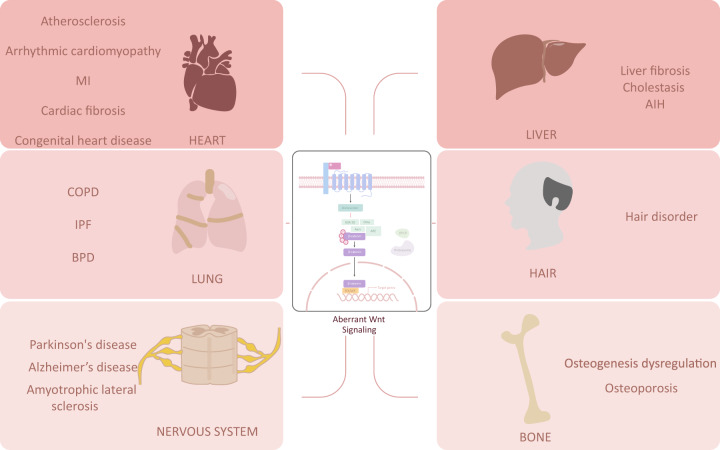
“…tissue homeostasis, and its dysregulation has been associated with various severe lung diseases, such as chronic obstructive pulmonary disease (COPD), lung inflammation, idiopathic pulmonary fibrosis (IPF), hyperoxic injury, bronchopulmonary dysplasia (BPD), silicosis, and lung cancer [28].”
Guo, Z., Yao, Z., Huang, B., Wu, D., Li, Y., Chen, X., Lu, Y., Wang, L., & Lv, W. (2024) · International Immunopharmacology · doi:10.1016/j.intimp.2024.112821 · Cited by 10
Self-citationDurrani, I. A., John, P., Bhatti, A., & Khan, J. S. (2024) · Heliyon · doi:10.1016/j.heliyon.2024.e36650 · Cited by 9
A comprehensive review of PRAME and BAP1 in melanoma: Genomic instability and immunotherapy targets
Aljabali, A. A. A., Tambuwala, M. M., El‐Tanani, M., Hassan, S. S., Lundstrom, K. H., Mishra, V. K., Mishra, Y., Hromić-Jahjefendić, A., Redwan, E. M. M. M., & Uversky, V. N. (2024) · Cellular Signalling · doi:10.1016/j.cellsig.2024.111434 · Cited by 9
Targeting CircAURKA prevents colorectal cancer progression via enhancing CTNNB1 protein degradation
Sun, Z., Dang, P., Guo, Y., Liu, S., Hu, S., Sun, H., Xu, Y., Wang, W., Chen, C., Liu, J., et al. (2024) · Oncogene · doi:10.1038/s41388-024-03155-5 · Cited by 9
Self-citationWang, N., Parsons, T. M., Ren, Y., Pan, Y., Kurti, A., Starling, S. C., Muolokwu, C. E., Singh, J., & Kanekiyo, T. (2024) · Heliyon · doi:10.1016/j.heliyon.2024.e39607 · Cited by 9
Foxd3/SLC5A6 axis regulates apoptosis in LUAD cells by controlling mitochondrial biotin uptake
Zheng, C. R., Hu, W., Wu, D., Chen, R., Xu, C., & Huang, R. (2024) · Cellular Signalling · doi:10.1016/j.cellsig.2024.111473 · Cited by 9
Clevenger, A. J., Collier, C. A., Gorley, J. P. M., Colijn, S., McFarlin, M. K., Solberg, S. C., Kopetz, S., Stratman, A. N., & Raghavan, S. A. (2024) · Molecular Cancer Research · doi:10.1158/1541-7786.mcr-24-0624 · Cited by 10
Du, S., Wang, Z., Zhu, H., Tang, Z., & Li, Q. (2024) · Journal of Translational Medicine · doi:10.1186/s12967-024-05808-1 · Cited by 9
“…regulate osteogenic differentiation in HBMSCs through the Wnt/β-catenin pathway complex [40]. β-Catenin β-Catenin accumulates in the cytoplasm and can translocate to the nucleus to induce the expression of osteogenic factors, ultimately promoting the osteogenic differentiation of MSCs [41].”
BackgroundEmerging therapeutic strategies for Wnt-dependent colon cancer targeting macropinocytosis
Tejeda‐Muñoz, N., Binder, G., & Mei, K. (2024) · Cells and Development · doi:10.1016/j.cdev.2024.203974 · Cited by 9
Huang, Z., Wang, J., Xia, Z., Lv, Q., Ruan, Z., & Dai, Y. (2024) · Discovery Medicine · doi:10.24976/discov.med.202436190.211 · Cited by 9
Li, S., Shen, Y., Dong, C., Yin, S., Zhou, D., & Zhou, A. (2024) · Cell investigation. · doi:10.1016/j.clnves.2024.100005 · Cited by 9
Mechanistic exploration of ubiquitination-mediated pathways in cerebral ischemic injury
Khanra, S., Singh, S., & Singh, T. G. (2024) · Molecular Biology Reports · doi:10.1007/s11033-024-10123-5 · Cited by 9
Alwaili, M. A., Abu-Almakarem, A. S., Aljohani, S., Alkhodair, S. A., Al-Bazi, M. M., Eid, T. M., Alamri, J., Mobasher, M. A., Algarzae, N. K., Khayyat, A. I. A., et al. (2024) · Frontiers in Molecular Biosciences · doi:10.3389/fmolb.2024.1507786 · Cited by 9
Ngernsombat, C., Suriya, U., Prattapong, P., Verma, K., Rungrotmongkol, T., Soonkum, T., Kuhaudomlarp, S., & Janvilisri, T. (2024) · Scientific Reports · doi:10.1038/s41598-024-82967-7 · Cited by 9
Desterke, C., Fu, Y., Bonifacio-Mundaca, J., Monge, C., Pineau, P., Mata-Garrido, J., & Francés, R. (2025) · Current Oncology · doi:10.3390/curroncol32010035 · Cited by 9
Development of Sheep Intestinal Organoids for Studying Deoxynivalenol-Induced Toxicity
Wang, H., He, X., Zhang, M., Fan, N., Yang, Z., Shen, T., Guo, J., Song, Y., Cao, G., Liu, Y., et al. (2025) · International Journal of Molecular Sciences · doi:10.3390/ijms26030955 · Cited by 9
Shi, F., Wei, Y., Huang, Y., & Yao, D. (2025) · Cancer Management and Research · doi:10.2147/cmar.s496925 · Cited by 9
“32 Abnormal activations of this pathway can facilitate cancer stem cell renewal, cell proliferation, and differentiation.”
The enigma of maladaptation in gastric pathophysiology
Maubach, G., Kanthasamy, A. K., Gogia, S., & Naumann, M. (2025) · Trends in cancer · doi:10.1016/j.trecan.2025.01.014 · Cited by 9
Kawecki, M., Kruk, A. M., Drążyk, M., Domagała, Z., & Woźniak, S. (2025) · Gastroenterology Insights · doi:10.3390/gastroent16010010 · Cited by 9
“Additionally, DKK-1 has a potential role in the mediation of inflammatory response [23], and is recognized as a potent antagonist of the canonical Wnt pathway [12,23].”
Sun, M., Zhu, H., Yang, Y. P., Yao, Y., Li, H., Feng, F., Wáng, Q., Liu, R., & Sun, C. (2025) · International Journal of Oncology · doi:10.3892/ijo.2025.5742 · Cited by 9
“Through the activation of downstream genes, the Wnt/ β ‑catenin signaling pathway serves a critical role in regulating cellular functions, such as proliferation, differentiation, migration and apoptosis (33).”
Loss of the APP regulator RHBDL4 preserves memory in an Alzheimer’s disease mouse model
Penalva, Y. C. M., Paschkowsky, S., Yang, J., Recinto, S. J., Cinkornpumin, J. K., Ruelas, M., Xiao, B., Nitu, A., Kwon, S. Y., Wu, H. Y.-L., et al. (2025) · Cell Death and Disease · doi:10.1038/s41419-025-07579-z · Cited by 9
“These proteins are crucial positive upstream regulators of β -catenin [39], such that their upregulation could lead to β -catenin stabilization.”
Innate immunity of the gut epithelium: Blowing in the WNT?
de Vries, M. H., Kuijk, E., & Nieuwenhuis, E. E. S. (2025) · Mucosal Immunology · doi:10.1016/j.mucimm.2025.06.004 · Cited by 9
Thoene, M. A., Zglejc‐Waszak, K., Jóźwik, M., & Wojtkiewicz, J. (2025) · Cancers · doi:10.3390/cancers17142373 · Cited by 10
“However, if this pathway becomes deregulated, it has been shown to cause tumor development [31].”
The Genetic Architecture of the Human Corpus Callosum and its Subregions
Bhatt, R. R., Gadewar, S. P., Shetty, A., Gari, I. B., Haddad, E., Javid, S., Ramesh, A., Nourollahimoghadam, E., Zhu, A. H., de Leeuw, C., et al. (2025) · Nature Communications · doi:10.1038/s41467-025-64791-3 · Cited by 9
“STRN has been heavily implicated in the Wnt signaling pathway, which controls the expression of genes that are essential for cell proliferation, survival, differentiation, and migration via transcription factors 57 – 59 .”
PRAF2 is an oncogene acting to promote the proliferation and invasion of breast cancer cells
Wang, Y., Zhao, Z., Jiao, W., Yin, Z., Zhao, W., Bo, H., Bi, Z., Dong, B., Chen, B., & Wang, Z. (2022) · Experimental and Therapeutic Medicine · doi:10.3892/etm.2022.11674 · Cited by 9
“The β‐catenin pathway involves the nuclear translocation of β‐catenin and activation of target genes via TCF/LEF transcription factors, which control cell prolif‐ eration and migration (37).”
BackgroundBuono, L., Iside, C., Pecoraro, G., Matteo, A. D., Beneduce, G., Penta, R., Parasole, R., Mirabelli, P., Vitagliano, L., Salvatore, M., et al. (2023) · Journal of Clinical Medicine · doi:10.3390/jcm12113669 · Cited by 9
“Further, we also registered a decrease in β -catenin protein expression (Figure 6F and Supplementary Figure S3), an intracellular transducer in the Wnt signaling pathway [23], also known to be suppressed by KCTD1 [24].”
BackgroundZhang, Y., Yan, Z., Wu, H., Yang, X. M., Yang, K., & Song, W. (2023) · Biomolecules · doi:10.3390/biom13071073 · Cited by 9
A large-scale genome-wide cross-trait analysis for the effect of COVID-19 on female-specific cancers
Zhao, X., Wu, X., Xiao, J., Zhang, L., Yu, H., Xiao, C., Zhang, B., Li, J., & Jiang, X. (2023) · iScience · doi:10.1016/j.isci.2023.107497 · Cited by 9
Self-citationBerdiaki, A., Thrapsanioti, L.-N., Giatagana, E.-M., Karamanos, N. K., Savani, R. C., Tzanakakis, G. N., & Nikitovic, D. (2023) · Molecular Biology Reports · doi:10.1007/s11033-023-08763-0 · Cited by 9
Wang, P., Yang, B., Huang, H., Liang, P., Long, B., Chen, L., Yang, L., Tang, L., Huang, L., & Liang, H. (2023) · AIDS Research and Therapy · doi:10.1186/s12981-023-00577-1 · Cited by 9
“The scale bar is set at 400 μm transcription factors, and APC [20].”
BackgroundInfluentialTargeted protein degradation systems to enhance Wnt signaling
Sampathkumar, P., Jung, H., Chen, H., Zhang, Z., Suen, N., Yang, Y., Huang, Z. X., Lopez, T., Benisch, R., Lee, S., et al. (2024) · eLife · doi:10.7554/elife.93908 · Cited by 9
Self-citationSong, B., Hou, G., Xu, M., & Chen, M. (2024) · Cellular Signalling · doi:10.1016/j.cellsig.2024.111101 · Cited by 9
Protein kinase inhibitors as therapeutics in neurodegenerative and psychiatric disorders
Tridente, G., Jana, A., Nath, A., & Ashraf, G. M. (2023) · Receptor Tyrosine Kinases in Neurodegenerative and Psychiatric Disorders · doi:10.1016/b978-0-443-18677-6.00015-4 · Cited by 8
Yang, W. Y., Issa, M. B., Saaoud, F., Xu, K., Shao, Y., Lu, Y., Dornas, W., Cueto, R., Jiang, X., Wang, H., et al. (2024) · Frontiers in Cardiovascular Medicine · doi:10.3389/fcvm.2024.1500775 · Cited by 8
Targeting Wnt signaling pathway with small-molecule therapeutics for treating osteoporosis
Ahamad, S., Saquib, M., Hussain, M. K., & Bhat, S. A. (2025) · Bioorganic Chemistry · doi:10.1016/j.bioorg.2025.108195 · Cited by 8
Walther, N., Schultz-Heienbrok, R., Staß, H., Corman, V. M., Gassen, N. C., Müller, M. A., Drosten, C., Witzenrath, M., Lee, H., & Posch, M. G. (2025) · PLoS ONE · doi:10.1371/journal.pone.0303924 · Cited by 9
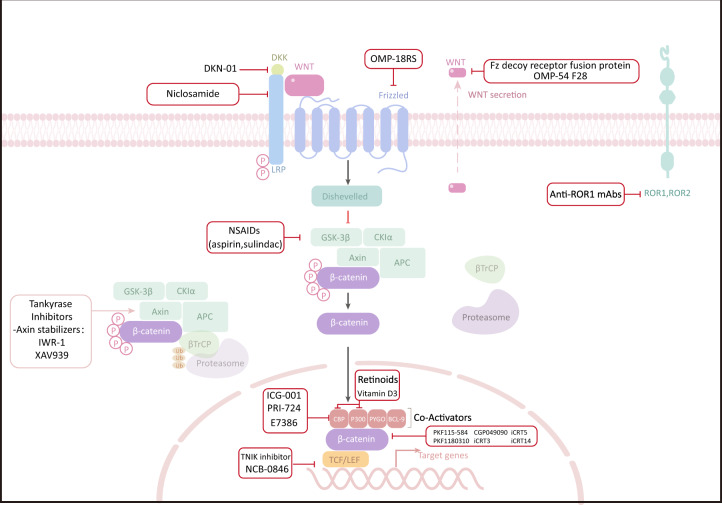
“Numerous therapeutic strategies are being developed to inhibit the Wnt/β-catenin pathway, which may be effective against several malignancies [29].”
Maier, T., Landwehr, L., Triebig, A. S., Kircher, S., Schauer, M. P., Knösel, T., Sbiera, S., Schwarzlmueller, P., Zimmermann, P., Reincke, M., et al. (2025) · Frontiers in Endocrinology · doi:10.3389/fendo.2025.1502117 · Cited by 8
Porcupine inhibition is a promising pharmacological treatment for severe sclerosteosis pathologies
Dreyer, T. J., Keen, J. A. C., Wells, L. M., Hopkinson, M., Orriss, I. R., Holdsworth, G., Pitsillides, A. A., & Roberts, S. J. (2025) · Bone Research · doi:10.1038/s41413-025-00406-3 · Cited by 8
“45,62 Thus, targeting Wnt mediators has the potential for adverse effects and modulation of this pathway should be carefully considered.”
Molecular Determinants of A9 Dopaminergic Neurons
Mishra, A. K., Dixit, S., Singh, A. L., Shukla, T., & Rizvi, S. I. (2025) · NeuroMolecular Medicine · doi:10.1007/s12017-025-08861-1 · Cited by 9
“Moreover, Wnt signaling regulates the expression of Pitx3, which further refines the identity of A9 DA neurons and supports their long-term maintenance (Liu et al., 2022).”
InfluentialFarahani, M. E., Zhang, Y., Akinyemi, A. O., Seilani, F., Alam, M. R., & Liu, X. (2025) · Biomedicines · doi:10.3390/biomedicines13071642 · Cited by 8
Jiang, J., Li, X., Zhang, H., Liu, W., Hu, C., & Hu, Z. (2025) · Tissue and Cell · doi:10.1016/j.tice.2025.103094 · Cited by 8
Guo, Q., Liang, M., Li, Z., Li, J., Xu, K., & Zhang, L. (2025) · Frontiers in Immunology · doi:10.3389/fimmu.2025.1646918 · Cited by 8
Mir, P. A., Kumar, N., Gupta, S. K., Kaur, A., Farooq, S., Sandhu, G. S., & Kumar, A. (2025) · Frontiers in Oncology · doi:10.3389/fonc.2025.1645438 · Cited by 8
Circular RNA-Encoded Proteins in Disease Pathogenesis
Uzoechina, J. O., & Zhang, Z. (2025) · International Journal of Biological Sciences · doi:10.7150/ijbs.110146 · Cited by 8
“Conversely, the absence of Wnt proteins causes the ubiquitination of β -catenin by E3 ubiquitin ligase, and thus β -catenin cannot interact with TCF/LEF, which represses the expression of downstream target genes [59, 68].”
Yang, J., Shi, Y., He, S., Zhu, M.-F., Wu, T.-X., Yang, L.-M., Zhang, W., Wang, F.-Y., Yuan, L., Hong, L. L., et al. (2025) · Journal of Medicinal Chemistry · doi:10.1021/acs.jmedchem.5c02405 · Cited by 8
Metadata
- Authors
- Liu, J., Xiao, Q., Xiao, J., Niu, C., Li, Y., Zhang, X., Zhou, Z., Shu, G., & Yin, G.
- Affiliations
- Central South University (CN)
- Corresponding author
- Yin, Gang
- Venue
- Signal Transduction and Targeted Therapy
- Published
- 2022-01-03
- Volume
- 7
- Issue
- 1
- Pages
- 3-3
- ISSN
- 2059-3635 (ISSN-L)
- PMC
- PMC8724284
- OpenAlex
- W4205498896
- Cited by
- 2,519
- References
- 345
- Citations by year
- 2026: 571 · 2025: 859 · 2024: 704 · 2023: 317 · 2022: 65
- FWCI
- 50.68
- Type
- journal article
- Language
- en
- Open access
- gold
- doi.org
- Licence
- cc-by
- creativecommons.org/licenses/by/4.0 (tdm)
- creativecommons.org/licenses/by/4.0 (vor)
- Locations
- Signal Transduction and Targeted Therapy (publishedVersion, cc-by)
- PubMed Central (publishedVersion, cc-by)
- PubMed (publishedVersion)
- DOAJ (DOAJ: Directory of Open Access Journals) (submittedVersion, cc-by-sa)
- Topics
- Life Sciences › Biochemistry, Genetics and Molecular Biology › Molecular Biology › Wnt/β-catenin signaling in development and cancer
- Life Sciences › Biochemistry, Genetics and Molecular Biology › Molecular Biology › Signaling Pathways in Disease
- Life Sciences › Biochemistry, Genetics and Molecular Biology › Molecular Biology › Hedgehog Signaling Pathway Studies
- Keywords
- Wnt/β-catenin signaling, Wnt proteins, β-catenin, embryonic development, tissue homeostasis, cancer, non-cancer diseases, small molecule inhibitors, therapeutic target, clinical trials
- MeSH terms
- Animals, Humans, Neoplasm Proteins, Neoplasms, Wnt Proteins, beta Catenin, Wnt Signaling Pathway
About these checks
Registry, retraction, Cites and statistics results are computed, not judged, with one exception: a printed reference that no index lists is read once by a model before it counts as a citation error. Claims are extracted by a model and kept only when their quote appears verbatim in the text; each cited source is then checked, with a model’s help, for whether it says what the claim relies on. Those verdicts can be wrong — read the claim’s quote and the cited source before relying on one.
Statistics and arithmetic are recomputed, not judged.
Confidence bands are shown only for fields calibrated on our annotated test set. None is calibrated yet, so no band is shown.
What counts as a claim ›How we measure confidence ›How we check this ›
Are you an author, or do you see a problem with this page? Request a review
Data sources
Bibliographic data: Semantic Scholar, OpenAlex, Crossref.
Contains information from the Semantic Scholar Academic Graph Datasets, made available under the ODC Attribution License (ODC-BY 1.0).
Semantic Scholar’s data is described in: Kinney, R., et al. (2023). The Semantic Scholar Open Data Platform. arXiv:2301.10140.
