

Major depressive disorder: hypothesis, mechanism, prevention and treatment
Open accessThe DOI matches its Crossref record; 511 of the 514 references it cites were found in a registry or an index; 260 of the 474 sources its claims cite were checked for support.
Abstract
Worldwide, the incidence of major depressive disorder (MDD) is increasing annually, resulting in greater economic and social burdens. Moreover, the pathological mechanisms of MDD and the mechanisms underlying the effects of pharmacological treatments for MDD are complex and unclear, and additional diagnostic and therapeutic strategies for MDD still are needed. The currently widely accepted theories of MDD pathogenesis include the neurotransmitter and receptor hypothesis, hypothalamic-pituitary-adrenal (HPA) axis hypothesis, cytokine hypothesis, neuroplasticity hypothesis and systemic influence hypothesis, but these hypothesis cannot completely explain the pathological mechanism of MDD. Even it is still hard to adopt only one hypothesis to completely reveal the pathogenesis of MDD, thus in recent years, great progress has been made in elucidating the roles of multiple organ interactions in the pathogenesis MDD and identifying novel therapeutic approaches and multitarget modulatory strategies, further revealing the disease features of MDD. Furthermore, some newly discovered potential pharmacological targets and newly studied antidepressants have attracted widespread attention, some reagents have even been approved for clinical treatment and some novel therapeutic methods such as phototherapy and acupuncture have been discovered to have effective improvement for the depressive symptoms. In this work, we comprehensively summarize the latest research on the pathogenesis and diagnosis of MDD, preventive approaches and therapeutic medicines, as well as the related clinical trials.
Overview
CoChat Summary
TL;DR
MDD is a heterogeneous, highly prevalent disorder whose pathogenesis is not fully explained by any single hypothesis; the review synthesizes evidence for monoamine, HPA-axis, inflammatory, genetic/epigenetic, brain-remodeling, and social-psychological mechanisms, with growing emphasis on astrocyte and multi-organ involvement. It also surveys diagnostic biomarkers, prevention strategies, and pharmacological and nonpharmacological treatments, noting that current antidepressants leave a substantial proportion of patients without remission.
Key findings
- MDD affects about 300 million people worldwide; it ranked third in disease burden in 2018 and is predicted to rank first by 2030. Heritability is estimated at 30–50%, and GWAS have identified 178 genetic risk loci and over 200 candidate genes, though no single genetic variation has been found to increase MDD risk.
- Women have approximately twice the incidence of MDD as men. In 2018, comorbid disorders rather than MDD itself accounted for 63% of all MDD-related costs in the United States.
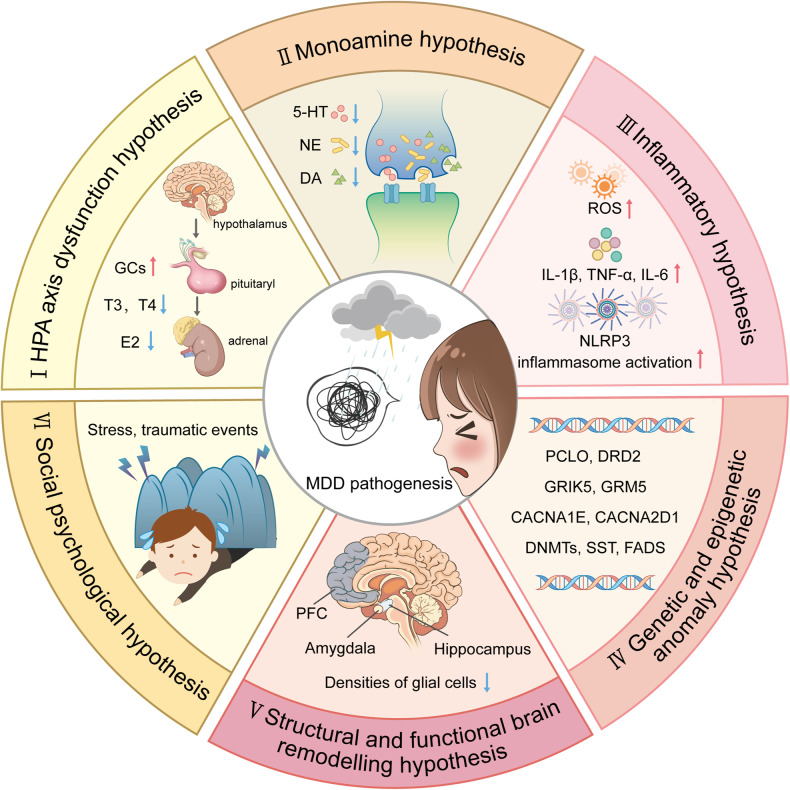
- Multiple interacting mechanisms are implicated, including monoamine deficiency (5-HT, DA, NE), HPA-axis hyperactivity and glucocorticoid/GR signaling, proinflammatory cytokines (IL-1β, TNF-α, IL-6), oxidative stress, NLRP3 inflammasome activation, reduced BDNF, and astrocytic marker changes (Cx30/43, GFAP, AQP4, S100B).
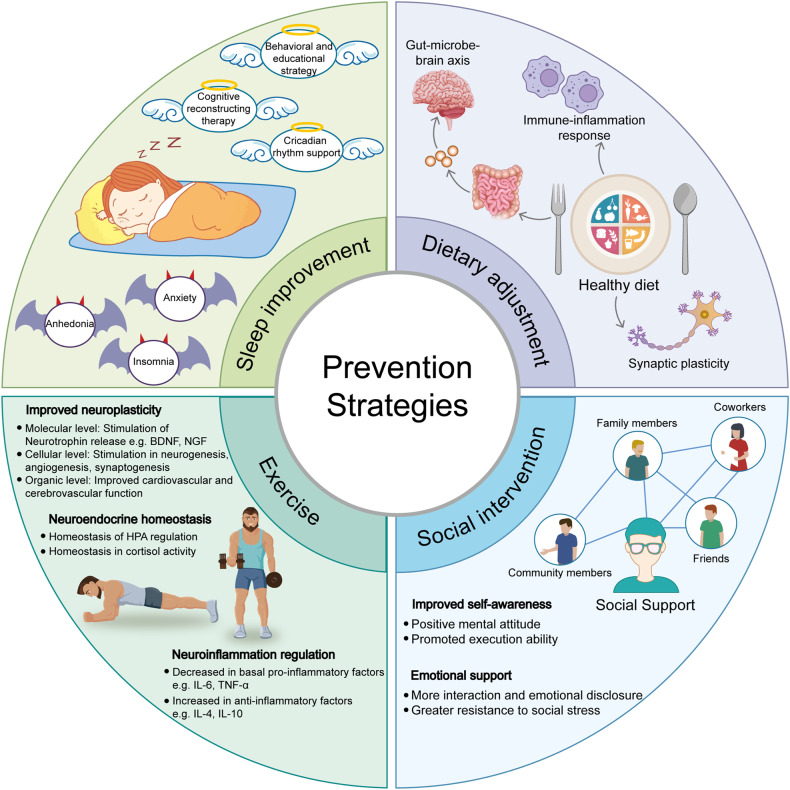
- In a 1-year follow-up, clinically significant worsening of depressive symptoms occurred in 44% of untreated patients versus 38% with circadian rhythm support (CRS), 28% with cognitive behavioral therapy for insomnia (CBT-I), and 9% with CBT-I + CRS. Even after multiple treatment attempts, almost 30% of MDD patients do not experience remission.
Methods
- Narrative review summarizing recent research on MDD etiology, pathogenesis, diagnosis, prevention, mechanisms, and pharmacological and nonpharmacological treatment, including related clinical experiments.
- Evidence discussed includes human postmortem tissue studies, transcriptomic and multiomics analyses, clinical imaging (MRI, R-fMRI, PET with SV2A radioligand), serum biomarker studies, randomized controlled trials, meta-analyses, and animal models such as CUMS, CUMR, CURD, CSDS, and LPS- or stress-induced depression models.
- No systematic review, meta-analysis, or primary data collection is described; the paper synthesizes and organizes findings across hypotheses and treatment categories.
Limitations
- Stated in the paper: the etiology of MDD remains unclear; no single hypothesis fully explains its pathological basis; diagnostic criteria are subjective and lack characteristic symptoms or objective diagnostic evidence; animal models of MDD and other mental diseases are lacking; most cellular and structural alterations cannot be consistently observed in vivo; existing theories cannot completely explain why almost 30% of patients do not remit after multiple treatments.
- Evident from the text: as a narrative review, it does not describe a systematic literature search, inclusion/exclusion criteria, or formal quality appraisal of the cited studies.
- Evident from the text: many proposed mechanisms and biomarkers are described as promising but not yet validated for clinical diagnosis or treatment, and the review notes inconsistent neuroimaging findings and controversy over some markers such as serum GFAP.
Model-written summary. Check it against the paper before relying on it.
Integrity signals
Registry
Cites
Statistics
Figures
Verification
Claims the paper makes
212 Valid · 21 Not valid · 143 Not checked · 25 Own results and interpretations
At least one cited source doesn’t support this claim or points to a different paper, and none confirmed it — see the verdicts below.
In the paper
“However, no single genetic variation has been found to increase the risk of MDD thus far. 26”
What the sources say
- Disputedcites [26] Kendall KM The genetic basis of major depression Psychol. Med. 2021 51 2217 2230 10.1017/S0033291721000441 33682643 sourceExperimental — accuracy not yet measured
The GWAS discussion (p. 16) says that two significant loci near SIRT1 and LHPP were identified and replicated in Han Chinese patients with recurrent MDD. It also describes European depression risk SNPs and 178 risk loci in Europeans. The paper distinguishes these findings from its narrower statement (p. 10) that a sequencing study found no association for individual rare or low-frequency variants. (LLM, conf=0.88)
Checked by a reasoning model — may be wrong.
plain- Asserted: passes — The authors put it forward as true.
- Checkable: passes — It can be checked against evidence.
- Load-bearing: unclear — It is unclear whether the paper’s conclusions depend on it.
- Based: passes — The paper gives a reason why it holds.
- Disputed
Some cited sources support this claim and some don’t — read each source’s verdict below.
In the paper
“Global topological E/I imbalance in MDD is discovered through gene and protein expression of molecules related to inhibitory GABAergic and excitatory glutamatergic signaling in the postmortem MDD brains. 22 , 208 , 209”
What the sources say
- Partly supportedcites [22] Sequeira A Global brain gene expression analysis links glutamatergic and GABAergic alterations to suicide and major depression PLoS ONE 2009 4 e6585 10.1371/journal.pone.0006585 19668376 PMC2719799 sourceExperimental — accuracy not yet measured
The Results (Pathways globally differentially expressed; page not provided) report altered expression of GABAergic and glutamatergic genes across brain regions in people who died by suicide with major depression. The paper does not establish a global topological excitation–inhibition imbalance or report protein-expression measurements; its Methods describe RNA-based expression analysis. (LLM, conf=0.87)
- Not checked — no full text of the sourcecites [208] Hu YT Tan ZL Hirjak D Northoff G Brain-wide changes in excitation-inhibition balance of major depressive disorder: a systematic review of topographic patterns of GABA- and glutamatergic alterations Mol. Psychiatry 2023 28 3257 3266 10.1038/s41380-023-02193-x 37495889 source
- Disputedcites [209] Zhao J Prefrontal alterations in GABAergic and glutamatergic gene expression in relation to depression and suicide J. Psychiatr. Res. 2018 102 261 274 10.1016/j.jpsychires.2018.04.020 29753198 sourceExperimental — accuracy not yet measured
The Discussion (p. 11) says that glutamatergic and GABAergic mRNA expression changed similarly, leaving it unclear whether the overall excitation–inhibition balance was disturbed. The Results (p. 6) report gene-expression changes in two prefrontal regions, not a discovered global topological imbalance or a measurement of protein expression. (LLM, conf=0.88)
Checked by a reasoning model — may be wrong.
plainstates a cause- Asserted: passes — The authors put it forward as true.
- Checkable: passes — It can be checked against evidence.
- Load-bearing: unclear — It is unclear whether the paper’s conclusions depend on it.
- Based: passes — The paper gives a reason why it holds.
- Partly supported
At least one cited source doesn’t support this claim or points to a different paper, and none confirmed it — see the verdicts below.
In the paper
“In individuals with MDD, aerobic exercise was found to be beneficial in ameliorating depressive symptoms, particularly in those with more severe depressive symptoms and a higher baseline RewP. 325 , 326”
What the sources say
- Not checked — no full text of the sourcecites [325] Brush CJ A randomized trial of aerobic exercise for major depression: examining neural indicators of reward and cognitive control as predictors and treatment targets Psychol. Med. 2022 52 893 903 10.1017/S0033291720002573 32838817 source
- Disputedcites [326] Kujawa A Reduced reward responsiveness predicts change in depressive symptoms in anxious children and adolescents following treatment J. Child Adolesc. Psychopharmacol. 2019 29 378 385 10.1089/cap.2018.0172 31062997 PMC6585168 sourceExperimental — accuracy not yet measured
The Results (page unavailable) report that a reduced—not higher—baseline RewP predicted greater improvement in depressive symptoms. The study examined anxious children and adolescents treated with CBT or SSRIs, not aerobic exercise in individuals with MDD; it also does not establish that those with more severe baseline symptoms benefited more. (LLM, conf=0.82)
Checked by a reasoning model — may be wrong.
plainstates a cause- Asserted: passes — The authors put it forward as true.
- Checkable: passes — It can be checked against evidence.
- Load-bearing: passes — The paper’s conclusions depend on it.
- Based: passes — The paper gives a reason why it holds.
Every source the paper cites for this claim was checked and supports it.
In the paper
“Specifically, increasing evidence suggests that astrocytic dysfunction plays a substantial role in MDD. 17”
What the sources say
- Supportedcites [17] Zhou X Astrocyte, a promising target for mood disorder interventions Front. Mol. Neurosci. 2019 12 136 10.3389/fnmol.2019.00136 31231189 PMC6560156 source
The Introduction says abnormal astrocyte function may contribute to mood-disorder pathophysiology, with particular emphasis on depression. The Human Data section reports altered astrocyte-related gene and protein expression in patients with depression and MDD. Together, these passages support the claim’s hedged description of a substantial role in MDD; page numbers were not provided. (LLM, conf=0.92)
hedgedstates an association- Asserted: passes — The authors put it forward as true.
- Checkable: passes — It can be checked against evidence.
- Load-bearing: passes — The paper’s conclusions depend on it.
- Based: passes — The paper gives a reason why it holds.
- Supported
Every source the paper cites for this claim was checked and supports it.
In the paper
“Recent family, twin, and adoption studies suggests that genetic factors play a crucial role in the occurrence of MDD. 25”
What the sources say
- Supportedcites [25] Lohoff FW Overview of the genetics of major depressive disorder Curr. Psychiatry Rep. 2010 12 539 546 10.1007/s11920-010-0150-6 20848240 PMC3077049 source
The Introduction states that genetic factors play important roles in the development of MDD, as indicated by family, twin, and adoption studies. The Twin and Family Studies section likewise says these study types consistently document a genetic component. (LLM, conf=0.94)
hedgedstates a cause- Asserted: passes — The authors put it forward as true.
- Checkable: passes — It can be checked against evidence.
- Load-bearing: unclear — It is unclear whether the paper’s conclusions depend on it.
- Based: passes — The paper gives a reason why it holds.
- Supported
189 more claims · 106 with their cited sources checked
Create a free account to see all 401 claims and to verify the 4 references still open.
- It may state two separate claims as one. 178
- Probably not a substantial claim. 47
Claims other papers make about this one
Each is checked against this paper’s own text: does it say what the citing paper says it does?
The source backs part of the claim, not all of it — or backs it for a different population, condition or comparison.
In the citing paper
“Recent studies have revealed a close relationship between gut microbiota and mood disorders, drawing increasing attention to the role of gut microbial communities in the onset and progression of these mood disorders [5,6].”
From The Impact of Weizmannia coagulans BC99 on Anxiety and Depression: An 8-Week Clinical Pilot Study Through the Gut Microbiota–Brain Axis (2025) · cites this paper as [6]
Experimental — accuracy not yet measured
Self-check
Percentages, sums and reported differences re-computed from the paper’s own numbers.
Each contradiction between two passages listed here was confirmed by an independent check.
Rated minor: it would not touch a result — a value no result rests on, a p-value that stays on the same side of the significance level, or a conflict that is clerical, resolved elsewhere in the paper, or outside its own findings.
In the paper
“SD is found to reduce BDNF levels and induce depressive-like behaviors in the sorted astrocytes from GFAP-GFP transgenic mice by activating the NLRP3 inflammasome.”
“chronic SD can specifically activate the NLRP3 inflammasome and decrease the level of BDNF in astrocytes to ameliorate depressive-like behaviors.”
Rated minor: it would not touch a result — a value no result rests on, a p-value that stays on the same side of the significance level, or a conflict that is clerical, resolved elsewhere in the paper, or outside its own findings.
In the paper
“Estrogen therapy can decrease the quantity of 5-HT 1 and β-adrenergic receptors”
“while increasing the quantity of 5-HT 1 receptors.”
Rated minor: it would not touch a result — a value no result rests on, a p-value that stays on the same side of the significance level, or a conflict that is clerical, resolved elsewhere in the paper, or outside its own findings.
In the paper
“Over 100 gene loci, including those associated with presynaptic vesicle trafficking (PCLO), dopaminergic neurotransmission (a primary target of antipsychotics), glutamate ionotropic receptor kainate type subunit 5 (GRIK5), and metabotropic glutamate receptor 5 (GRM5), and neuronal calcium signaling such as calcium voltage-gated channel subunit alpha1 E (CACNA1E) and calcium voltage-gated channel auxiliary subunit alpha2 delta1”
“However, no single genetic variation has been found to increase the risk of MDD thus far.”
Citations
Cites
Items 201–400 of 511
Antidepressant Agents for the Treatment of Chronic Pain and Depression
Jann, M. W., & Slade, J. H. (2007) · Pharmacotherapy: The Journal of Human Pharmacology and Drug Therapy · doi:10.1592/phco.27.11.1571 · Cited by 172
Caraci, F., Spampinato, S. F., Morgese, M. G., Tascedda, F., Salluzzo, M. G., Giambirtone, M. C., Caruso, G., Munafò, A., Torrisi, S. A., Leggio, G. M., et al. (2018) · Pharmacological Research · doi:10.1016/j.phrs.2018.02.007 · Cited by 172 · cited 1×
“Additionally, some novel potential therapeutic targets for MDD have also been reported, such as TGF-β 1 389 and growth-associated protein 43 (GAP-43).”
BackgroundAstrocyte dystrophy in ageing brain parallels impaired synaptic plasticity
Popov, A., Brazhe, A., Denisov, P., Sutyagina, O., Li, L., Lazareva, N., Verkhratsky, A., & Semyanov, A. (2021) · Aging Cell · doi:10.1111/acel.13334 · Cited by 167 · cited 1×
“191 Ketamine has a quick antidepressant effect, as it is a noncompetitive channel blocker of N-methyl-D-aspartate receptors (NMDARs).”
BackgroundKarlsson, R.-M., Tanaka, K., Saksida, L. M., Bussey, T. J., Heilig, M., & Holmes, A. (2009) · Neuropsychopharmacology · doi:10.1038/npp.2008.215 · Cited by 165 · cited 1×
“90,91 Adenosine triphosphate (ATP) .”
Haddjeri, N., De Montigny, C., & Blier, P. (1997) · British Journal of Pharmacology · doi:10.1038/sj.bjp.0700968 · Cited by 164 · cited 2×
“453 The NA/NE system, especially in the LC, is another monoaminergic system that exhibits sex-related variations and in fl uences MDD risk.”
BackgroundBosma-den Boer, M. M., van Wetten, M.-L., & Pruimboom, L. (2012) · Nutrition & Metabolism · doi:10.1186/1743-7075-9-32 · Cited by 164 · cited 1×
“…immune system by proin fl ammatory foods can result in mild in fl ammation and chronic illness, which may contribute to an increased risk of MDD. 298 Furthermore, an increasing number of studies suggest that at the molecular and cellular levels, dietary factors have effects on neuronal function…”
BackgroundSánchez-Villegas, A., Galbete, C., Martinez-González, M. Á., Martinez, J. A., Razquin, C., Salas-Salvadó, J., Estruch, R., Buil-Cosiales, P., & Martí, A. (2011) · Nutritional Neuroscience · doi:10.1179/1476830511y.0000000011 · Cited by 162 · cited 2×
“…and cellular levels, dietary factors have effects on neuronal function and synaptic plasticity, which may be implicated in the etiology of MDD. 299,300 Therefore, adherence to a healthier diet can reduce the incidence of MDD, which is of great signi fi cance for the clinical treatment and…”
BackgroundRole of inflammation in depression relapse
Liu, C.-H., Zhang, G.-Z., Li, B., Li, M., Woelfer, M., Walter, M., & Wang, L. (2019) · Journal of Neuroinflammation · doi:10.1186/s12974-019-1475-7 · Cited by 162
Self-citationAntidepressant effects of sleep deprivation require astrocyte-dependent adenosine mediated signaling
Hines, D. J., Schmitt, L. I., Hines, R. M., Moss, S. J., & Haydon, P. G. (2013) · Translational Psychiatry · doi:10.1038/tp.2012.136 · Cited by 160 · cited 1×
“102 Additionally, neuronal A1 receptors exhibit hypofunction caused by a decrease in astrocyte-derived adenosine levels; 103 this decrease, as well as depressive-like behavior, can be reversed by certain antidepressants.”
BackgroundSpatiotemporal dynamics of noradrenaline during learned behaviour
Breton‐Provencher, V., Drummond, G. T., Feng, J., Li, Y., & Sur, M. (2022) · Nature · doi:10.1038/s41586-022-04782-2 · Cited by 160 · cited 1×
“65 It is signi fi cant to note that after being released, noradrenaline (NA) is not restricted to the area around the synaptic cleft and can reach nearby glial cells.”
BackgroundMirtazapine: A Review of its Use in Major Depression and Other Psychiatric Disorders
Croom, K. F., Perry, C. M., & Plosker, G. L. (2009) · CNS Drugs · doi:10.2165/00023210-200923050-00006 · Cited by 158
Stress gates an astrocytic energy reservoir to impair synaptic plasticity
Murphy-Royal, C., Johnston, A. D., Boyce, A. K. J., Diaz-Castro, B., Institoris, A., Peringod, G., Zhang, O., Stout, R. F., Spray, D. C., Thompson, R. J., et al. (2020) · Nature Communications · doi:10.1038/s41467-020-15778-9 · Cited by 158 · cited 2×
“163 Chronic unpredictable stress (CUS) and acute stress both speci fi cally reduce the expression of the gap junction-forming proteins Cx30 and Cx43, 164 and the integrity of the BBB is weakened in mice lacking Cx30 and Cx43.”
BackgroundInactivation of 5-HT2C Receptors Potentiates Consequences of Serotonin Reuptake Blockade
Cremers, T. I. F. H., Giorgetti, M., Bosker, F. J., Hogg, S., Arnt, J., Mørk, A., Honig, G., Bøgesø, K.-P., Westerink, B. H. C., den Boer, H., et al. (2004) · Neuropsychopharmacology · doi:10.1038/sj.npp.1300474 · Cited by 157 · cited 1×
“360,361 Third, long-term use of SSRIs can increase 5-HT transmission in the LC, 362 thereby increasing the release of GABA to exert inhibitory effects on NA neurons.”
BackgroundKüçükibrahimoğlu, E., Saygın, M. Z., Çalışkan, M., Kaplan, O. K., Ünsal, C., & Gören, M. Z. (2009) · European Journal of Clinical Pharmacology · doi:10.1007/s00228-009-0650-7 · Cited by 155
Guidi, J., & Fava, G. A. (2021) · JAMA Psychiatry · doi:10.1001/jamapsychiatry.2020.3650 · Cited by 155
Matos, M., Shen, H.-Y., Augusto, E., Wang, Y., Wei, C. J., Wang, Y. T., Agostinho, P., Boison, D., Cunha, R. A., & Chen, J.-F. (2015) · Biological Psychiatry · doi:10.1016/j.biopsych.2015.02.026 · Cited by 153 · cited 1×
“93 Notably, depressive behavior is linked to purinergic signaling.”
BackgroundSelf-citationSerum markers support disease-specific glial pathology in major depression
Schroeter, M. L., Abdul-Khaliq, H., Krebs, M., Diefenbacher, A., & Blasig, I. E. (2008) · Journal of Affective Disorders · doi:10.1016/j.jad.2008.03.005 · Cited by 152 · cited 1×
“175 ,176 In individuals with MDD, the number of S100B-immunopositive astrocytes in the pyramidal layer of the bilateral hippocampal CA1 region is decreased.”
BackgroundArnone, D., Mumuni, A. N., Jauhar, S., Condon, B., & Cavanagh, J. (2015) · European Neuropsychopharmacology · doi:10.1016/j.euroneuro.2015.04.016 · Cited by 150 · cited 1×
“206 A meta-regression analysis indicated that glutamine and glutamate levels are decreased in the PFC, which is correlated with the therapies to MDD. 207 Global topological E/I imbalance in MDD is discovered through gene and protein expression of molecules related to inhibitory GABAergic and…”
MethodThe role of IL-12 and TGF-β1 in the pathophysiology of major depressive disorder
Lee, K.-M., & Kim, Y.-K. (2006) · International Immunopharmacology · doi:10.1016/j.intimp.2006.03.015 · Cited by 150 · cited 1×
“391,392 Venlafaxine has also been reported to exert neuroprotection by increasing the production of FGF-2 and TGF-β 1 in astrocytes following stroke.”
BackgroundHerbert, J., & Lucassen, P. J. (2016) · Frontiers in Neuroendocrinology · doi:10.1016/j.yfrne.2015.12.001 · Cited by 150 · cited 1×
“111 Thyroid hormone .”
Xia, M., Yang, L., Sun, G., Qi, S., & Li, B. (2017) · Psychopharmacology · doi:10.1007/s00213-016-4473-9 · Cited by 149 · cited 4×
“172 Additionally, the coverage of blood vessels by AQP4-positive astrocytic endfeet is decreased by 50% in MDD patients, indicating that decreased levels or mislocalization of AQP4 may contribute to the pathogenesis of MDD. 169,173 S100B is produced and secreted by astrocytes in the gray matter,…”
BackgroundInfluentialSelf-citationImpact of Major Depressive Disorder on Comorbidities: A Systematic Literature Review
Arnaud, A. M., Brister, T. S., Duckworth, K., Foxworth, P., Fulwider, T., Suthoff, E. D., Werneburg, B., Aleksanderek, I., & Reinhart, M. L. (2022) · The Journal of Clinical Psychiatry · doi:10.4088/jcp.21r14328 · Cited by 149 · cited 2×
“44 The impact of depression on society and the economy is increased by the existence of comorbidities.”
BackgroundTorres-Platas, S. G., Nagy, C., Wakid, M., Turecki, G., & Mechawar, N. (2016) · Molecular Psychiatry · doi:10.1038/mp.2015.65 · Cited by 148 · cited 1×
“…astrogliosis, postmortem results suggest that the frequency and intensity of reactive astrogliosis are decreased in the brains of patients with MDD. 166 Accompanied by a decreased astrocyte density, the levels of GFAP and the GFAP intermediate fi lament domain are also reduced in brain samples from…”
BackgroundChan, Y.-Y., Lo, W.-Y., Yang, S.-N., Chen, Y.-H., & Lin, J.-G. (2015) · Journal of Affective Disorders · doi:10.1016/j.jad.2015.01.048 · Cited by 148
Plasma lipidomics reveals potential lipid markers of major depressive disorder
Liu, X., Li, J., Zheng, P., Zhao, X., Zhou, C., Hu, C., Hou, X., Wang, H., Xie, P., & Xu, G. (2016) · Analytical and Bioanalytical Chemistry · doi:10.1007/s00216-016-9768-5 · Cited by 148 · cited 1×
“458 Similarly, a study found that men and women had different lipid concentrations.”
BackgroundDas, R. K., Emon, M. P. Z., Shahriar, M., Nahar, Z., Islam, S. M. A., Bhuiyan, M. A., Islam, S. N., & Islam, M. R. (2020) · Psychiatry Research · doi:10.1016/j.psychres.2020.113568 · Cited by 147
O'Sullivan, J. B., Ryan, K. M., Curtin, N. M., Harkin, A., & Connor, T. J. (2009) · The International Journal of Neuropsychopharmacology · doi:10.1017/s146114570800967x · Cited by 146 · cited 1×
“67 The bioavailability of 5-HT and NE are increased by antidepressants called serotonin/norepinephrine reuptake inhibitors (SNRIs), which belong to antidepressants.”
BackgroundJang, S.-W., Liu, X., Chan, C.-B., Weinshenker, D., Hall, R. A., Xiao, G., & Ye, K. (2009) · Chemistry & Biology · doi:10.1016/j.chembiol.2009.05.010 · Cited by 144
The genetic basis of major depressive disorder
Flint, J. (2023) · Molecular Psychiatry · doi:10.1038/s41380-023-01957-9 · Cited by 143 · cited 1×
“29 In the study of human MDD transcriptome, there are defects in the transcription levels of somatostatin (SST) in the subgenus anterior cingulate cortex and amygdala of MDD patients, 30,31 and SST levels are directly involved in the cellular processes that affect the synaptic output of…”
BackgroundGriffiths, K. M., Crisp, D. A., Barney, L., & Reid, R. (2011) · BMC Psychiatry · doi:10.1186/1471-244x-11-196 · Cited by 142 · cited 1×
“341 In general, the pathological development of MDD is a gradual transition from subclinical state to clinical pathological changes.”
BackgroundAstroglia In Neurological Diseases
Verkhratsky, A., Rodríguez, J. J., & Parpura, V. (2013) · Future Neurology · doi:10.2217/fnl.12.90 · Cited by 140
A morphometric study of glia and neurons in the anterior cingulate cortex in mood disorder
Gittins, R., & Harrison, P. J. (2011) · Journal of Affective Disorders · doi:10.1016/j.jad.2011.03.042 · Cited by 138 · cited 1×
“…was used to generate this fi gure addition, glial fi brillary acidic protein (GFAP), one of the markers of astrocytes, is expressed at various levels, 20 and the levels of connexins, 21 glutamine synthase (GS), glutamate transporter-1 (GLT-1), 21,22 and aquaporin-4 (AQP4) 23 are reduced in patients…”
MethodBatalha, V. L., Pego, J. M., Fontinha, B. M., Costenla, A. R., Valadas, J. S., Baqi, Y., Radjainia, H., Müller, C. E., Sebastião, A. M., & Lopes, L. V. (2013) · Molecular Psychiatry · doi:10.1038/mp.2012.8 · Cited by 136 · cited 6×
“171 In our previous study, we reported that the expression of AQP4 was decreased by exposure to CUMS, which contributed to dysfunction of glymphatic circulation and depressive-like behaviors in mice.”
BackgroundInfluentialWang, H.-T., Huang, F., Hu, Z., Zhang, W., Qiao, X., Huang, Y., Dai, R., Li, F., & Li, C.-Q. (2017) · Neurotoxicity Research · doi:10.1007/s12640-016-9696-3 · Cited by 135
Joggin’ the Noggin: Towards a Physiological Understanding of Exercise-Induced Cognitive Benefits
Stimpson, N. J., Davison, G., & Javadi, A.-H. (2018) · Neuroscience & Biobehavioral Reviews · doi:10.1016/j.neubiorev.2018.03.018 · Cited by 134 · cited 1×
“312,313 317 – 319 Furthermore, physical exercise for approximately 45 minutes per day can signi fi cantly reduce the risk of MDD. 320,321 High-intensity activity, such as aerobic exercise, dancing, and the usage of exercise machines, and low-intensity exercises, including yoga and stretching, can…”
BackgroundPeripheral and central kynurenine pathway abnormalities in major depression
Paul, E. R., Schwieler, L., Erhardt, S., Boda, S., Trepci, A., Kämpe, R., Asratian, A., Holm, L., Yngve, A., Dantzer, R., et al. (2022) · Brain, Behavior, and Immunity · doi:10.1016/j.bbi.2022.01.002 · Cited by 134 · cited 8×
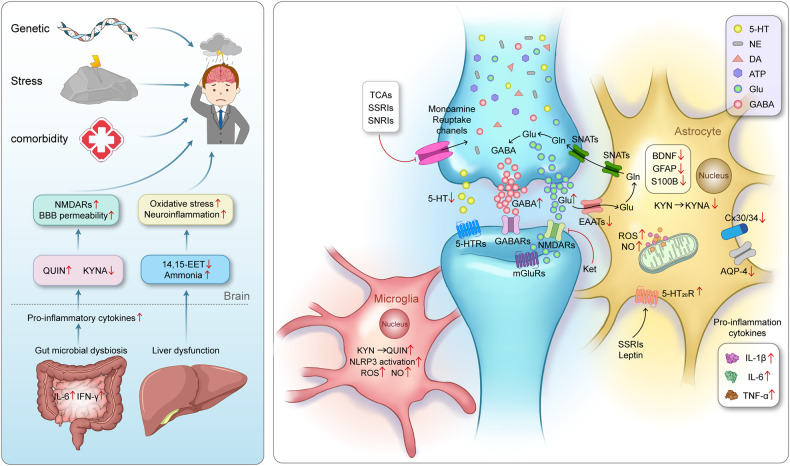
“245 According to clinical research, TRP and tryptophan catabolites (TRYCATs) may play a crucial role in psychiatric illnesses, including MDD. Peripheral and central in fl ammation can both stimulate the KYN pathway and trigger TRP metabolism and subsequent synthesis of various TRYCATs, including the toxic NMDAR activat…”
BackgroundInfluentialWang, Y., Wang, J., Jia, Y., Zhong, S., Zhong, M., Sun, Y., Niu, M., Zhao, L., Zhao, L., Pan, J., et al. (2017) · Translational Psychiatry · doi:10.1038/tp.2017.117 · Cited by 133 · cited 1×
“267,268 Furthermore, resting-state functional magnetic resonance imaging (R-fMRI) is an emerging neuroimaging technique used to study functional connectivity in the brain and holds great potential in aiding clinical diagnosis.”
MethodSelf-citationHypothalamic-pituitary – adrenal axis-feedback control
Keller‐Wood, M. (2015) · Comprehensive Physiology · doi:10.1002/cphy.c140065 · Cited by 131 · cited 1×
“443 According to studies of postmortem brain tissues, hyperactivity of the HPA axis in MDD patients could be caused by methylation-mediated changes in GR transcription.”
Backgroundvan Beljouw, I. M., Verhaak, P. F., Cuijpers, P., van Marwijk, H. W., & Penninx, B. W. (2010) · BMC Psychiatry · doi:10.1186/1471-244x-10-86 · Cited by 128
Hu, Y.-T., Tan, Z.-L., Hirjak, D., & Northoff, G. (2023) · Molecular Psychiatry · doi:10.1038/s41380-023-02193-x · Cited by 127 · cited 1×
“22, 208,209 It shows the imbalance in cortical-subcortical limbic regions with decreased GABAergic signaling and increased glutamatergic signaling.”
BackgroundGlial K+ Clearance and Cell Swelling: Key Roles for Cotransporters and Pumps
MacAulay, N., & Zeuthen, T. (2012) · Neurochemical Research · doi:10.1007/s11064-012-0731-3 · Cited by 126 · cited 1×
“217 Astrocytes play an important role in maintaining extracellular K + homeostasis in the CNS, as well as H + , Cl - , and Ca 2 + homeostassis.”
BackgroundFitzgerald, P. B. (2021) · Brain Stimulation · doi:10.1016/j.brs.2021.04.018 · Cited by 126
Ouakinin, S. R. S., Barreira, D. P., & Gois, C. J. (2018) · Frontiers in Endocrinology · doi:10.3389/fendo.2018.00431 · Cited by 125 · cited 1×
“…that patients who lack adequate social support are more likely to experience MDD. 335 Social support may have an in fl uence on depression through neuroendocrine pathways, 336,337 and social support can improve a person ’ s psychological wellbeing and make the individual more resistant to stress.”
BackgroundWeiser, M. J., Wu, T. J., & Handa, R. J. (2009) · Endocrinology · doi:10.1210/en.2008-1355 · Cited by 124
Petrache, A. L., Rajulawalla, A., Shi, A., Wetzel, A., Saito, T., Saido, T. C., Harvey, K., & Ali, A. B. (2019) · Cerebral Cortex · doi:10.1093/cercor/bhz016 · Cited by 124 · cited 1×
“However, under pathological conditions, microglia can also affect the balance between excitatory and inhibitory synapses by phagocytosing synapses 223 and activating in fl ammatory factors in microglia.”
BackgroundEnvironmental light and suprachiasmatic nucleus interact in the regulation of body temperature
Scheer, F. A. J. L., Pirovano, C., Someren, E. J. W. V., & Buijs, R. M. (2005) · Neuroscience · doi:10.1016/j.neuroscience.2004.12.012 · Cited by 122 · cited 1×
“287 Although CRS has been reported to have only an indirect effect in alleviating sleep disturbance and depressive symptoms, 288 treatment with CRS may help maintain the bene fi cial effects of CBT-I.”
BackgroundVerduijn, J., Verhoeven, J. E., Milaneschi, Y., Schoevers, R. A., van Hemert, A. M., Beekman, A. T. F., & Penninx, B. W. J. H. (2017) · BMC Medicine · doi:10.1186/s12916-017-0972-8 · Cited by 122 · cited 1×
“MDD is a disease with a high prevalence worldwide, 279 and preventing its occurrence and recurrence is crucial.”
BackgroundAstrocyte, a Promising Target for Mood Disorder Interventions
Zhou, X., Xiao, Q., Xie, L., Yang, F., Wang, L., & Tu, J. (2019) · Frontiers in Molecular Neuroscience · doi:10.3389/fnmol.2019.00136 · Cited by 120 · cited 1×
“Speci fi cally, increasing evidence suggests that astrocytic dysfunction plays a substantial role in MDD. 17 Pharmacological ablation of astrocytes in the medial prefrontal cortex (mPFC) causes depressive-like symptoms in experimental animals, 18 and postmortem studies of patients with MDD have…”
BackgroundBhatt, S., Devadoss, T., Manjula, S. N., & Rajangam, J. (2021) · Current Neuropharmacology · doi:10.2174/1570159x18666201015155816 · Cited by 119
Shepard, R., Page, C. E., & Coutellier, L. (2016) · Neuroscience · doi:10.1016/j.neuroscience.2016.06.038 · Cited by 118 · cited 1×
“204 ,205 In local circuits, various glutamatergic and GABAergic neurons interact in complicated ways to achieve E/I balance.”
BackgroundNeuroinflammatory priming to stress is differentially regulated in male and female rats
Fonken, L. K., Frank, M. G., Gaudet, A. D., D'Angelo, H. M., Daut, R. A., Hampson, E. C., Ayala, M. T., Watkins, L. R., & Maier, S. F. (2018) · Brain, Behavior, and Immunity · doi:10.1016/j.bbi.2018.03.005 · Cited by 118
Modulation of noradrenergic neuronal firing by selective serotonin reuptake blockers
Szabo, S. T., De Montigny, C., & Blier, P. (1999) · British Journal of Pharmacology · doi:10.1038/sj.bjp.0702343 · Cited by 114 · cited 1×
“363 Fourth, long-term use of SSRIs is associated with neuroplasticity and neurogenesis in certain brain regions.”
BackgroundThe role of neurotrophins in major depressive disorder
Jiang, C., & Salton, S. (2013) · Translational Neuroscience · doi:10.2478/s13380-013-0103-8 · Cited by 113 · cited 1×
“…and cellular levels, dietary factors have effects on neuronal function and synaptic plasticity, which may be implicated in the etiology of MDD. 299,300 Therefore, adherence to a healthier diet can reduce the incidence of MDD, which is of great signi fi cance for the clinical treatment and…”
BackgroundParrott, J. M., Redus, L., & O’Connor, J. C. (2016) · Journal of Neuroinflammation · doi:10.1186/s12974-016-0590-y · Cited by 112 · cited 5×
“245 According to clinical research, TRP and tryptophan catabolites (TRYCATs) may play a crucial role in psychiatric illnesses, including MDD. Peripheral and central in fl ammation can both stimulate the KYN pathway and trigger TRP metabolism and subsequent synthesis of various TRYCATs, including the toxic NMDAR activat…”
BackgroundInfluentialde Morais, H., de Souza, C. P., da Silva, L. M., Ferreira, D. M., Werner, M. F., Andreatini, R., da Cunha, J. M., & Zanoveli, J. M. (2014) · Behavioural Brain Research · doi:10.1016/j.bbr.2013.10.011 · Cited by 111 · cited 1×
“131,132 The brain is particularly sensitive to OS due to numerous variables, including rapid oxidative energy metabolism (a process through which ROS, which are harmful molecules, are constantly produced), high levels of unsaturated fatty acids (which are vulnerable to lipid peroxidation), and…”
BackgroundKovacs, M., & Lopez‐Duran, N. (2010) · Journal of Child Psychology and Psychiatry · doi:10.1111/j.1469-7610.2010.02230.x · Cited by 111 · cited 1×
“14 Due to the complexity of the pathological mechanism of MDD, accurate diagnostic approaches and pharmacological therapeutic strategies are relatively limited.”
BackgroundImboden, C., Gerber, M., Beck, J., Holsboer-Trachsler, E., Pühse, U., & Hatzinger, M. (2020) · Journal of Affective Disorders · doi:10.1016/j.jad.2020.07.052 · Cited by 111
Utge, S. J., Soronen, P., Loukola, A., Kronholm, E., Ollila, H. M., Pirkola, S., Porkka-Heiskanen, T., Partonen, T., & Paunio, T. (2010) · PLoS ONE · doi:10.1371/journal.pone.0009259 · Cited by 109 · cited 1×
“290,291 One study suggests that disrupted sleep may affect monoamine function and the HPA axis, 292 even causing hyperarousal and in fl ammation.”
BackgroundCunha, G. M. A., Canas, P. M., Oliveira, C. R., & Cunha, R. A. (2006) · Neuroscience · doi:10.1016/j.neuroscience.2006.05.024 · Cited by 108 · cited 1×
“…(MS), it is found that MS obviously reduces the total length of apical dendrites, however, the use of A 2A R antagonists could prevent synaptic loss 96 and reverse behavioral, electro-physiological, and morphological damage caused by MS, 97 this is related to the activity reconstruction of the HPA…”
BackgroundGuillemin, G. J., Smith, D. G., Kerr, S. J., Smythe, G. A., Kapoor, V., Armati, P. J., & Brew, B. J. (2000) · Redox Report · doi:10.1179/135100000101535375 · Cited by 108 · cited 1×
“141,254,255 Recently, growing evidence support that the occurrence of MDD are the results of the correlational disorders from multiple systems or organs, not only limiting in brain.”
BackgroundAcupuncture treatment modulates the corticostriatal reward circuitry in major depressive disorder
Wang, Z., Wang, X., Liu, J., Chen, J., Liu, X., Nie, G., Jorgenson, K., Sohn, K. C., Huang, R., Liu, M., et al. (2017) · Journal of Psychiatric Research · doi:10.1016/j.jpsychires.2016.09.014 · Cited by 108
Zhao, Y., Chen, L., Zhang, W., Xiao, Y., Shah, C., Zhu, H., Yuan, M., Sun, H., Yue, Q., Jia, Z., et al. (2017) · EBioMedicine · doi:10.1016/j.ebiom.2017.06.013 · Cited by 108 · cited 1×
“264 It has been reported that abnormal gray matter volume (GMV) in several brain regions is positively correlated with MDD. 265,266 Regarding functional MRI, recent studies have revealed that cerebral functional abnormalities are not limited to speci fi c brain regions in patients with MDD.”
BackgroundGos, T., Schroeter, M. L., Lessel, W., Bernstein, H.-G., Dobrowolny, H., Schiltz, K., Bogerts, B., & Steiner, J. (2013) · Journal of Psychiatric Research · doi:10.1016/j.jpsychires.2013.07.005 · Cited by 106 · cited 1×
“141 The expression of neural cell marker proteins in neural cells, including Cx30/43, 162 GFAP, 167 AQP4, 172 and S100B, 177 are all decreased under MDD pathological conditions.”
BackgroundAntidépresseurs et tolérance : déterminants et prise en charge des principaux effets indésirables
David, D. J., & Gourion, D. (2016) · L'Encéphale · doi:10.1016/j.encep.2016.05.006 · Cited by 105 · cited 2×
“352 Furthermore, TCAs can also block muscarinic acetylcholine receptors, exerting anticholinergic effects and resulting in side effects such as dry mouth and constipation.”
BackgroundTrudler, D., Sanz-Blasco, S., Eisele, Y. S., Ghatak, S., Bodhinathan, K., Akhtar, M. W., Lynch, W. P., Piña-Crespo, J. C., Talantova, M., Kelly, J. W., et al. (2021) · The Journal of Neuroscience · doi:10.1523/jneurosci.1871-20.2020 · Cited by 104 · cited 1×
“84 Exosynaptic glutamate also contributes to metabolism in neurons and astrocytes.”
BackgroundSerotonin 2C receptor antagonists induce fast-onset antidepressant effects
Opal, M. D., Klenotich, S. C., Morais, M., Bessa, J., Winkle, J., Doukas, D., Kay, L. J., Sousa, N., & Dulawa, S. M. (2014) · Molecular Psychiatry · doi:10.1038/mp.2013.144 · Cited by 103 · cited 1×
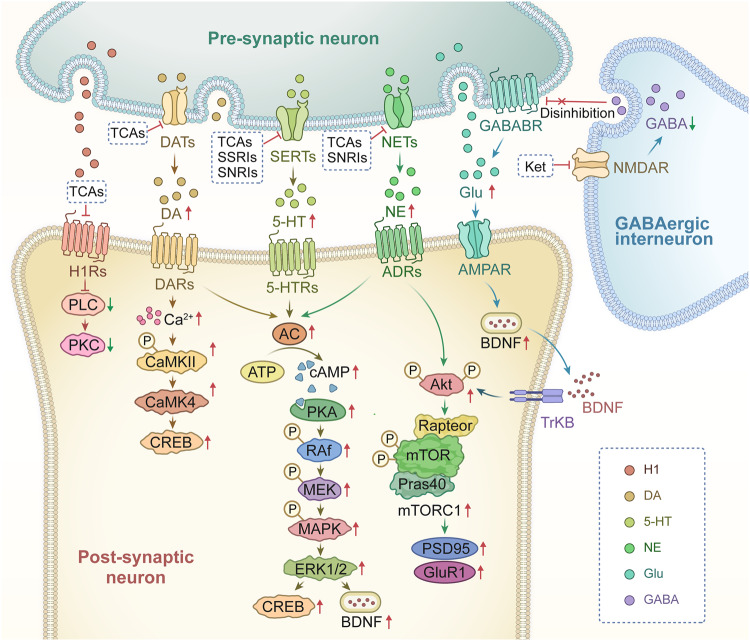
“49,501 Moreover, TCAs and SNRIs can also inhibit the reuptake of NE by NETs, which also increase the concentration of NE in the synaptic gap, and in turn activate the effect of NE on adrenoceptors (ADRs) and activate the cAMP-PKA pathway in postsynaptic membrane.”
BackgroundOh, D. H., Son, H., Hwang, S., & Kim, S. H. (2012) · European Neuropsychopharmacology · doi:10.1016/j.euroneuro.2011.09.001 · Cited by 103 · cited 1×
“212 ,213 Stimulating P2X 7 R in neocortical nerve terminals can block the reuptake of GABA and glutamate by the presynaptic membrane and promote the release of these two neurotransmitters in the cerebral cortex of rats and humans, 214,215 and activation of P2X 7 R reduces the expression of GLAST.”
BackgroundLucas, M., O’Reilly, E. J., Pan, A., Mirzaei, F., Willett, W. C., Okereke, O. I., & Ascherio, A. (2014) · The World Journal of Biological Psychiatry · doi:10.3109/15622975.2013.795243 · Cited by 103 · cited 1×
“98 Caffeine is an adenosine receptor antagonist, and epidemiological studies have shown that the intake of caffeine is closely related to the occurrence of suicide 99 and depression.”
BackgroundOverexpression of Adenosine A2A Receptors in Rats: Effects on Depression, Locomotion, and Anxiety
Coelho, J. E., Alves, P., Canas, P. M., Valadas, J. S., Shmidt, T., Batalha, V. L., Ferreira, D. G., Ribeiro, J. A., Bader, M., Cunha, R. A., et al. (2014) · Frontiers in Psychiatry · doi:10.3389/fpsyt.2014.00067 · Cited by 102 · cited 1×
“101 Moreover, animal experiments have demonstrated that A 2A R are upregulated in chronic stress animal models.”
BackgroundAcupuncture-Induced Analgesia: A Neurobiological Basis in Purinergic Signaling
Tang, Y., Yin, H., Rubini, P., & Illés, P. (2016) · The Neuroscientist · doi:10.1177/1073858416654453 · Cited by 102
Self-citationZhao, J., Verwer, R. W. H., Gao, S.-F., Qi, X.-R., Lucassen, P. J., Kessels, H. W., & Swaab, D. F. (2018) · Journal of Psychiatric Research · doi:10.1016/j.jpsychires.2018.04.020 · Cited by 102 · cited 1×
“22, 208,209 It shows the imbalance in cortical-subcortical limbic regions with decreased GABAergic signaling and increased glutamatergic signaling.”
BackgroundMaes, M., Landucci Bonifacio, K., Morelli, N. R., Vargas, H. O., Barbosa, D. S., Carvalho, A. F., & Nunes, S. O. V. (2019) · Molecular Neurobiology · doi:10.1007/s12035-018-1051-7 · Cited by 102 · cited 3×
“253 Proin fl ammatory signaling pathways are activated as a result of elevated OS, the mitochondrial dysfunction results in an increased generation of ROS and NO. 137 As well as, the pathogenesis of MDD are associated with the in fl ammatory-immune response, as shown by elevated levels of proin fl ammatory cytokines, mai…”
BackgroundInfluentialElectroacupuncture prevents astrocyte atrophy to alleviate depression
Lin, S.-S., Zhou, B., Chen, B.-J., Jiang, R.-T., Li, B., Illes, P., Semyanov, A., Tang, Y., & Verkhratsky, A. (2023) · Cell Death & Disease · doi:10.1038/s41419-023-05839-4 · Cited by 102 · cited 1×
“432 The results of an 8-week clinical study involving 46 female patients with severe depression suggested that acupuncture may achieve therapeutic effects by modulating the corticostriatal reward/ motivation circuit in patients with severe depression.”
BackgroundSelf-citationWang, G., An, T., Lei, C., Zhu, X., Yang, L., Zhang, L., & Zhang, R. (2022) · Journal of Ginseng Research · doi:10.1016/j.jgr.2021.03.005 · Cited by 101 · cited 1×
“202 Neuron-glia integrity .”
Yue, N., Li, B., Yang, L., Han, Q.-Q., Huang, H.-J., Wang, Y.-L., Wang, J., Yu, R., Wu, G.-C., Liu, Q., et al. (2018) · Frontiers in Molecular Neuroscience · doi:10.3389/fnmol.2018.00149 · Cited by 100
Self-citationWoodburn, S. C., Bollinger, J. L., & Wohleb, E. S. (2021) · Neurobiology of Stress · doi:10.1016/j.ynstr.2021.100312 · Cited by 100 · cited 1×
“245 According to clinical research, TRP and tryptophan catabolites (TRYCATs) may play a crucial role in psychiatric illnesses, including MDD. Peripheral and central in fl ammation can both stimulate the KYN pathway and trigger TRP metabolism and subsequent synthesis of various TRYCATs, including the…”
BackgroundSullivan, R., Rauen, T., Fischer, F., Wießner, M., Grewer, C., Bicho, A., & Pow, D. V. (2004) · Glia · doi:10.1002/glia.10317 · Cited by 99 · cited 1×
“88,89 In the classic glutamate-glutamine cycle, astrocytes and neurons convert glutamate to the nonexcitatory amino acid glutamine, which is then released back into the extracellular space and absorbed by neurons.”
BackgroundSchipke, C. G., Heuser, I., & Peters, O. (2011) · Journal of Psychiatric Research · doi:10.1016/j.jpsychires.2010.06.005 · Cited by 98 · cited 2×
“51 Monoamine oxidase (MAO) activates the metabolism of adrenaline and triggers calcium signaling in astrocytes, 52 which suggests that antidepressants may directly affect astrocytes by preventing them from reabsorbing monoamines.”
BackgroundNagy, C., Torres-Platas, S. G., Mechawar, N., & Turecki, G. (2016) · International Journal of Neuropsychopharmacology · doi:10.1093/ijnp/pyw071 · Cited by 98
Lin, J., Su, Y., Lv, X., Liu, Q., Wang, G., Wei, J., Zhu, G., Chen, Q., Tian, H., Zhang, K., et al. (2020) · Journal of Affective Disorders · doi:10.1016/j.jad.2020.01.026 · Cited by 98
Self-citationOrigin and Function of Stress-Induced IL-6 in Murine Models
Qing, H., Desrouleaux, R., Israni-Winger, K., Mineur, Y. S., Fogelman, N., Zhang, C., Rashed, S., Palm, N. W., Sinha, R., Picciotto, M. R., et al. (2020) · Cell · doi:10.1016/j.cell.2020.08.044 · Cited by 98
Shepard, R., & Coutellier, L. (2018) · Molecular Neurobiology · doi:10.1007/s12035-017-0528-0 · Cited by 97 · cited 1×
“204 ,205 In local circuits, various glutamatergic and GABAergic neurons interact in complicated ways to achieve E/I balance.”
BackgroundShibakawa, Y. S., Sasaki, Y., Goshima, Y., Echigo, N., Kamiya, Y., Kurahashi, K., Yamada, Y., & Andoh, T. (2005) · British Journal of Anaesthesia · doi:10.1093/bja/aei256 · Cited by 96 · cited 1×
“377 – 487 A summary of clinical trials related to new therapeutic drugs for MDD is shown in Table 1.”
BackgroundFang, Y., Ding, X., Zhang, Y., Cai, L., Ge, Y., Ma, K., Xu, R., Li, S., Song, M., Zhu, H., et al. (2022) · Journal of Neuroinflammation · doi:10.1186/s12974-022-02389-y · Cited by 96 · cited 2×
“55 Serotonin/norepinephrine reuptake inhibitors .”
ResultSelf-citationSeney, M. L., Tripp, A., McCune, S., A. Lewis, D., & Sibille, E. (2015) · Neurobiology of Disease · doi:10.1016/j.nbd.2014.10.005 · Cited by 95 · cited 1×
“…MDD transcriptome, there are defects in the transcription levels of somatostatin (SST) in the subgenus anterior cingulate cortex and amygdala of MDD patients, 30,31 and SST levels are directly involved in the cellular processes that affect the synaptic output of intermediate neuronal circuits.”
BackgroundThe relationship between social support and loneliness in Turkish patients with cancer
Yildirim, Y., & Kocabiyik, S. (2010) · Journal of Clinical Nursing · doi:10.1111/j.1365-2702.2009.03066.x · Cited by 95 · cited 1×
“328 Furthermore, a variety of factors, including the quantity and quality of support as well as subjectively perceived social support by individuals, impact the level of social support.”
BackgroundMolecular mechanism of noradrenaline during the stress-induced major depressive disorder
Jaiswal, M., Seki, K., & Yoshida, S. (2018) · Neural Regeneration Research · doi:10.4103/1673-5374.235019 · Cited by 95 · cited 1×
“502 Besides of the AC/cAMP/PKA pathway, the effect of NE on ADRs can also activate protein kinase B (Akt) phosphorylation and mammalian target of rapamycin complex 1 (mTORC1) by stimulating TrkB, in order to promote the secretion of postsynaptic density 95 (PSD95) and glutamate receptor 1 (GluR1).”
BackgroundExercise as a therapeutic modality for the prevention and treatment of depression
Blumenthal, J. A., & Rozanski, A. (2023) · Progress in Cardiovascular Diseases · doi:10.1016/j.pcad.2023.02.008 · Cited by 95 · cited 2×
“280,309 This fi nding suggests that physical exercise may be able to prevent MDD.”
BackgroundA critical role for VEGF and VEGFR2 in NMDA receptor synaptic function and fear-related behavior
De Rossi, P., Harde, E., Dupuis, J. P., Martin, L., Chounlamountri, N., Bardin, M., Watrin, C., Benetollo, C., Pernet-Gallay, K., Luhmann, H. J., et al. (2016) · Molecular Psychiatry · doi:10.1038/mp.2015.195 · Cited by 94
Karakula-Juchnowicz, H., Rog, J., Juchnowicz, D., Łoniewski, I., Skonieczna-Żydecka, K., Krukow, P., Futyma-Jedrzejewska, M., & Kaczmarczyk, M. (2019) · Nutrition Journal · doi:10.1186/s12937-019-0475-x · Cited by 93 · cited 2×
“307 Similarly, dietary fi ber can also improve immune function by regulating the gut microbiota to prevent the occurrence of MDD, 308 which is attributed to the inhibition of OS and in fl ammation.”
BackgroundWall, C. A., Croarkin, P. E., Sim, L. A., Husain, M. M., Janicak, P. G., Kozel, F. A., Emslie, G. J., Dowd, S. M., & Sampson, S. M. (2011) · The Journal of Clinical Psychiatry · doi:10.4088/jcp.11m07003 · Cited by 92
Mendes‐de‐Aguiar, C. B. N., Alchini, R., Decker, H., Alvarez‐Silva, M., Tasca, C. I., & Trentin, A. G. (2008) · Journal of Neuroscience Research · doi:10.1002/jnr.21755 · Cited by 92 · cited 3×
“115 Estrogens .”
BackgroundSelective Oestrogen Receptor Modulators Differentially Potentiate Brain Mitochondrial Function
Irwin, R. W., Yao, J., To, J., Hamilton, R. T., Cadenas, E., & Brinton, R. D. (2012) · Journal of Neuroendocrinology · doi:10.1111/j.1365-2826.2011.02251.x · Cited by 92 · cited 1×
“123,124 Astrocytes are estrogen targets, 125 as both ER1 and ER2 receptors are present on the astrocyte membrane or intracellularly in astrocytes.”
BackgroundYang, J., Yang, H., Liu, Y., Li, X., Qin, L., Lou, H., Duan, S., & Wang, H. (2016) · eLife · doi:10.7554/elife.15043 · Cited by 92
Self-citationYang, B., Zhang, J.-C., Han, M., Yao, W., Yang, C., Ren, Q., Ma, M., Chen, Q.-X., & Hashimoto, K. (2016) · Psychopharmacology · doi:10.1007/s00213-016-4399-2 · Cited by 91
Khosravi, M., Sotoudeh, G., Amini, M., Raisi, F., Mansoori, A., & Hosseinzadeh, M. (2020) · BMC Psychiatry · doi:10.1186/s12888-020-2455-2 · Cited by 91 · cited 1×
“307 Similarly, dietary fi ber can also improve immune function by regulating the gut microbiota to prevent the occurrence of MDD, 308 which is attributed to the inhibition of OS and in fl ammation.”
BackgroundLu, Z., Pu, C., Zhang, Y., Sun, Y., Liao, Y., Kang, Z., Feng, X., & Yue, W. (2022) · Antioxidants · doi:10.3390/antiox11071386 · Cited by 91 · cited 1×
“259,260 Two novel biomarkers, serum nicotinamide adenine dinucleotide phosphate oxidase 1 (NOX1) and Raftlin, are reported to have good diagnostic value in MDD patients.”
BackgroundJiang, X., Yi, S., Liu, Q., Su, D., Li, L., Xiao, C., & Zhang, J. (2022) · Journal of Neuroinflammation · doi:10.1186/s12974-022-02478-y · Cited by 89
Hughes, Z. A., Liu, F., Platt, B. J., Dwyer, J. M., Pulicicchio, C. M., Zhang, G., Schechter, L. E., Rosenzweig-Lipson, S., & Day, M. (2008) · Neuropharmacology · doi:10.1016/j.neuropharm.2008.03.004 · Cited by 88 · cited 1×
“123,124 Astrocytes are estrogen targets, 125 as both ER1 and ER2 receptors are present on the astrocyte membrane or intracellularly in astrocytes.”
BackgroundBrain extracellular matrix retains connectivity in neuronal networks
Bikbaev, A., Frischknecht, R., & Heine, M. (2015) · Scientific Reports · doi:10.1038/srep14527 · Cited by 88 · cited 1×
“225 The components of the ECM are mainly produced by neurons and astrocytes, and microglia can also regulate the remodeling of the ECM.”
BackgroundmiR-323a regulates ERBB4 and is involved in depression
Fiori, L. M., Kos, A., Lin, R., Théroux, J.-F., Lopez, J. P., Kühne, C., Eggert, C., Holzapfel, M., Huettl, R.-E., Mechawar, N., et al. (2021) · Molecular Psychiatry · doi:10.1038/s41380-020-00953-7 · Cited by 88
Isgor, C., & Watson, S. J. (2005) · Neuroscience · doi:10.1016/j.neuroscience.2005.05.008 · Cited by 87
Role of maternal thyroid hormones in the developing neocortex and during human evolution
Stenzel, D., & Huttner, W. Β. (2013) · Frontiers in Neuroanatomy · doi:10.3389/fnana.2013.00019 · Cited by 87 · cited 2×
“217 Astrocytes play an important role in maintaining extracellular K + homeostasis in the CNS, as well as H + , Cl - , and Ca 2 + homeostassis.”
BackgroundSzewczyk, B., Albert, P. R., Burns, A. M., Czesak, M., Overholser, J. C., Jurjus, G. J., Meltzer, H. Y., Konick, L. C., Dieter, L., Herbst, N., et al. (2009) · The International Journal of Neuropsychopharmacology · doi:10.1017/s1461145708009012 · Cited by 87
Functional expression of the norepinephrine transporter in cultured rat astrocytes
Inazu, M., Takeda, H., & Matsumiya, T. (2003) · Journal of Neurochemistry · doi:10.1046/j.1471-4159.2003.01514.x · Cited by 86 · cited 1×
“50 A previous study suggested that the function of astrocytes can be directly regulated by SSRIs.”
BackgroundAltered miRNA expression network in locus coeruleus of depressed suicide subjects
Roy, B., Wang, Q., Palkovits, M., Faludi, G., & Dwivedi, Y. (2017) · Scientific Reports · doi:10.1038/s41598-017-04300-9 · Cited by 86
Bright light therapy for depression in Parkinson disease: A randomized controlled trial
Rutten, S., Vriend, C., Smit, J. H., Berendse, H. W., van Someren, E. J. W., Hoogendoorn, A. W., Twisk, J. W. R., van der Werf, Y. D., & van den Heuvel, O. A. (2019) · Neurology · doi:10.1212/wnl.0000000000007090 · Cited by 85 · cited 1×
“400 – 402 There is increasing evidence for the therapeutic ef fi cacy of phototherapy for MDD. 403,404 The combination of phototherapy and antidepressants has better effects than antidepressants alone.”
BackgroundAn overview of the genetics of psychotic mood disorders
Tsuang, M. T., Taylor, L., & Faraone, S. V. (2003) · Journal of Psychiatric Research · doi:10.1016/s0022-3956(03)00096-7 · Cited by 84 · cited 1×
“24 Recent family, twin, and adoption studies suggests that genetic factors play a crucial role in the occurrence of MDD. 25 As a genetically diverse illness, MDD has a heritability of 30 – 50%.”
BackgroundAntimuscarinic and Other Receptor-Blocking Properties of Antidepressants
Richelson, E. (1983) · Mayo Clinic Proceedings · doi:10.1016/s0025-6196(25)18711-9 · Cited by 84 · cited 1×
“353 In addition to the above-known pharmacological mechanisms, some recent studies have reported that amitriptyline can induce the activation of fi broblast growth factor receptor (FGFR), leading to the production of GDNF. 354 In addition, amitriptyline can increase the expression of Cx43 to promote…”
BackgroundJung, J., Lee, S. M., Lee, M.-J., Ryu, J.-S., Song, J.-H., Lee, J.-E., Kang, G., Kwon, O. S., & Park, J.-Y. (2021) · Brain, Behavior, and Immunity · doi:10.1016/j.bbi.2021.02.003 · Cited by 84 · cited 1×
“428 EA stimulation can effectively treat MDD; 429 – 431 however, the speci fi c mechanism by which acupuncture treats depression remains unclear.”
BackgroundThe tripartite glutamatergic synapse
Lalo, U., Koh, W., Lee, C. J., & Pankratov, Y. (2021) · Neuropharmacology · doi:10.1016/j.neuropharm.2021.108758 · Cited by 84 · cited 1×
“203 Moreover, glutamic acid decarboxylase, an enzyme that transforms glutamate into γ - aminobutyric acid (GABA), also exists in inhibitory GABAergic neurons.”
BackgroundSteinacker, P., Al Shweiki, M. R., Oeckl, P., Graf, H., Ludolph, A. C., Schönfeldt-Lecuona, C., & Otto, M. (2021) · Journal of Psychiatric Research · doi:10.1016/j.jpsychires.2021.09.012 · Cited by 84
Fava, M., Stahl, S., Pani, L., De Martin, S., Pappagallo, M., Guidetti, C., Alimonti, A., Bettini, E., Mangano, R. M., Wessel, T., et al. (2022) · American Journal of Psychiatry · doi:10.1176/appi.ajp.2021.21020197 · Cited by 83
The current state of play on the molecular genetics of depression
Cohen-Woods, S., Craig, I. W., & McGuffin, P. (2013) · Psychological Medicine · doi:10.1017/s0033291712001286 · Cited by 82 · cited 1×
“Thus, genetic variants are expected to have only minor effects on the overall risk of disease, and various hereditary factors combined with environmental factors such as stress are likely more essential for the development of MDD. 35 Stress factors .”
BackgroundFogaça, M. V., Fukumoto, K., Franklin, T., Liu, R.-J., Duman, C. H., Vitolo, O. V., & Duman, R. S. (2019) · Neuropsychopharmacology · doi:10.1038/s41386-019-0501-x · Cited by 82
Fan, L., Peng, Y., Wang, J., Ma, P., Zhao, L., & Li, X. (2021) · Phytomedicine · doi:10.1016/j.phymed.2021.153471 · Cited by 82 · cited 1×
“242 Proin fl ammatory cytokines or toxic byproducts resulting from microbiota alterations may pass through the BBB and enter the brain.”
BackgroundPerifornical Urocortin-3 mediates the link between stress-induced anxiety and energy homeostasis
Kuperman, Y., Issler, O., Regev, L., Musseri, I., Navon, I., Neufeld-Cohen, A., Gil, S., & Chen, A. (2010) · Proceedings of the National Academy of Sciences · doi:10.1073/pnas.1003969107 · Cited by 81 · cited 1×
“463 Ucn3 controls how the body processes glucose; 464 therefore, a change in Ucn3 expression will result in energy imbalance.”
BackgroundLiver Soluble Epoxide Hydrolase Regulates Behavioral and Cellular Effects of Chronic Stress
Qin, X.-H., Wu, Z., Dong, J.-H., Zeng, Y.-N., Xiong, W.-C., Liu, C., Wang, M.-Y., Zhu, M.-Z., Chen, W.-J., Zhang, Y., et al. (2019) · Cell Reports · doi:10.1016/j.celrep.2019.11.006 · Cited by 80 · cited 1×
“251 In a rat model of CUMS, electroacupuncture (EA) was found to down-regulate P2X 7 R, NLRP3, and IL-1 β expression in the prefrontal cortex and liver and relieved depression-like behavior.”
BackgroundEffects of hydrogen-rich water on depressive-like behavior in mice
Zhang, Y., Su, W.-J., Chen, Y., Wu, T.-Y., Gong, H., Shen, X.-L., Wang, Y.-X., Sun, X.-J., & Jiang, C.-L. (2016) · Scientific Reports · doi:10.1038/srep23742 · Cited by 79 · cited 1×
“253 Proin fl ammatory signaling pathways are activated as a result of elevated OS, the mitochondrial dysfunction results in an increased generation of ROS and NO. 137 As well as, the pathogenesis of MDD are associated with the in fl ammatory-immune response, as shown by elevated levels of proin fl…”
BackgroundSelf-citationIncreased GFAP concentrations in the cerebrospinal fluid of patients with unipolar depression
Michel, M., Fiebich, B. L., Kuzior, H., Meixensberger, S., Berger, B., Maier, S., Nickel, K., Runge, K., Denzel, D., Pankratz, B., et al. (2021) · Translational Psychiatry · doi:10.1038/s41398-021-01423-6 · Cited by 79
The Role of Genetic Sex in Affect Regulation and Expression of GABA-Related Genes Across Species
Seney, M. L., Chang, L.-C., Oh, H., Wang, X., Tseng, G. C., Lewis, D. A., & Sibille, E. (2013) · Frontiers in Psychiatry · doi:10.3389/fpsyt.2013.00104 · Cited by 78
Somebody to lean on: Social relationships predict post-treatment depression severity in adults
Hallgren, M., Lundin, A., Tee, F. Y., Burström, B., & Forsell, Y. (2017) · Psychiatry Research · doi:10.1016/j.psychres.2016.12.060 · Cited by 78 · cited 1×
“…that patients who lack adequate social support are more likely to experience MDD. 335 Social support may have an in fl uence on depression through neuroendocrine pathways, 336,337 and social support can improve a person ’ s psychological wellbeing and make the individual more resistant to stress.”
BackgroundFluoxetine Requires the Endfeet Protein Aquaporin-4 to Enhance Plasticity of Astrocyte Processes
Di Benedetto, B., Malik, V. A., Begum, S., Jablonowski, L., Gómez-González, G. B., Neumann, I. D., & Rupprecht, R. (2016) · Frontiers in Cellular Neuroscience · doi:10.3389/fncel.2016.00008 · Cited by 77
Stress disinhibits microglia via down-regulation of CD200R: A mechanism of neuroinflammatory priming
Frank, M. G., Fonken, L. K., Annis, J. L., Watkins, L. R., & Maier, S. F. (2018) · Brain, Behavior, and Immunity · doi:10.1016/j.bbi.2017.11.001 · Cited by 77
Cerebrospinal Fluid Metabolome in Mood Disorders-Remission State has a Unique Metabolic Profile
Kaddurah-Daouk, R., Yuan, P., Boyle, S. H., Matson, W., Wang, Z., Zeng, Z. B., Zhu, H., Dougherty, G. G., Yao, J. K., Chen, G., et al. (2012) · Scientific Reports · doi:10.1038/srep00667 · Cited by 76
Beurel, E., Grieco, S. F., Amadei, C., Downey, K., & Jope, R. S. (2016) · Bipolar Disorders · doi:10.1111/bdi.12436 · Cited by 76 · cited 1×
“380 Ketamine can block NMDARs in postsynaptic principal neurons in the PFC and hippocampus, increase synaptic function through homeostatic mechanisms, and reverse synaptic defects caused by chronic stress.”
BackgroundNLRP 3 Inflammasome: A New Target in Major Depressive Disorder
Alcocer‐Gómez, E., & Cordero, M. D. (2014) · CNS Neuroscience & Therapeutics · doi:10.1111/cns.12230 · Cited by 75
Inhibition of activated astrocyte ameliorates lipopolysaccharide- induced depressive-like behaviors
Wang, Y., Ni, J., Zhai, L., Gao, C., Xie, L., Zhao, L., & Yin, X. (2019) · Journal of Affective Disorders · doi:10.1016/j.jad.2018.08.015 · Cited by 75 · cited 2×
“142 Neurotrophic factors .”
MethodSelf-citationMorioka, N., Suekama, K., Zhang, F. F., Kajitani, N., Hisaoka‐Nakashima, K., Takebayashi, M., & Nakata, Y. (2014) · British Journal of Pharmacology · doi:10.1111/bph.12614 · Cited by 73 · cited 1×
“355 This suggests that TCAs may also ameliorate severe depression through additional mechanisms involving astrocytes that are independent of the monoamine system to some extent.”
BackgroundTang, M.-M., Lin, W.-J., Pan, Y.-Q., & Li, Y.-C. (2018) · Frontiers in Cellular Neuroscience · doi:10.3389/fncel.2018.00255 · Cited by 73
Wang, M., Li, P., Li, Z., da Silva, B. S., Zheng, W., Xiang, Z., He, Y., Xu, T., Cordeiro, C., Deng, L., et al. (2023) · Nature Communications · doi:10.1038/s41467-023-37601-x · Cited by 73 · cited 1×
“98 Caffeine is an adenosine receptor antagonist, and epidemiological studies have shown that the intake of caffeine is closely related to the occurrence of suicide 99 and depression.”
BackgroundBaglioni, C., Spiegelhalder, K., Nissen, C., & Riemann, D. (2011) · EPMA Journal · doi:10.1007/s13167-011-0079-9 · Cited by 72 · cited 2×
“Insomnia is included in the diagnostic criteria for MDD. 281 However, few studies have examined whether treating insomnia can prevent the exacerbation of depressive symptoms.”
BackgroundKong, H., Zeng, X., Fan, Y., Yuan, S., Ge, S., Xie, W., Wang, H., & Hu, G. (2014) · CNS Neuroscience & Therapeutics · doi:10.1111/cns.12222 · Cited by 72 · cited 1×
“171 In our previous study, we reported that the expression of AQP4 was decreased by exposure to CUMS, which contributed to dysfunction of glymphatic circulation and depressive-like behaviors in mice.”
BackgroundRasheed, N., Ahmad, A., Pandey, C. P., Chaturvedi, R. K., Lohani, M., & Palit, G. (2010) · Neurochemical Research · doi:10.1007/s11064-009-0026-5 · Cited by 71 · cited 1×
“76 Due to processes involving dopamine D2 receptor signaling, 77 the glutamine level increases in the presence of dopaminergic lesions and decreases in the presence of a high DA level.”
BackgroundMohan, M., Chow, C. T., Ryan, C., Chan, L. S., Dufour, J., Aye, P. P., Blanchard, J., Moehs, C. P., & Sestak, K. (2016) · Nutrients · doi:10.3390/nu8110684 · Cited by 71
Strackeljan, L., Baczynska, E., Cangalaya, C., Baidoe-Ansah, D., Wlodarczyk, J., Kaushik, R., & Dityatev, A. (2021) · Cells · doi:10.3390/cells10081862 · Cited by 71 · cited 1×
“226 Interaction mechanism in multi-organs Abnormalities in cytokine levels in the brain and peripheral organs, disruption of the brain/immune system balance, and dysfunction of communication between the peripheral organs and the brain can cause neuroin fl ammation and depressive symptoms.”
BackgroundImipramine Induces Brain-Derived Neurotrophic Factor mRNA Expression in Cultured Astrocytes
Takano, K., Yamasaki, H., Kawabe, K., Moriyama, M., & Nakamura, Y. (2012) · Journal of Pharmacological Sciences · doi:10.1254/jphs.12039fp · Cited by 70 · cited 3×
“148 BDNF is an essential molecule for neural plasticity and development and is related to several CNS diseases.”
BackgroundChen, Z., Peng, W., Sun, H., Kuang, W., Li, W., Jia, Z., & Gong, Q. (2016) · Translational Psychiatry · doi:10.1038/tp.2016.209 · Cited by 70
Arakawa, R., Stenkrona, P., Takano, A., Svensson, J., Andersson, M., Nag, S., Asami, Y., Hirano, Y., Halldin, C., & Lundberg, J. (2019) · International Journal of Neuropsychopharmacology · doi:10.1093/ijnp/pyz003 · Cited by 70 · cited 1×
“370 Second, similar to SSRIs, SNRIs also inhibit SERT, resulting in an increased concentration of 5-HT in the synaptic cleft.”
BackgroundZhang, S., Li, B., Lovatt, D., Xu, J., Song, D., Goldman, S. A., Nedergaard, M., Hertz, L., & Peng, L. (2010) · Neuron Glia Biology · doi:10.1017/s1740925x10000141 · Cited by 69 · cited 1×
“58 5-HT receptors have been extensively studied to determine the pharmacological mechanism of antidepressants, and many novel pharmaceutical preparations are being investigated.”
BackgroundSelf-citationOwens, M. J., Krulewicz, S., Simon, J. S., Sheehan, D. V., Thase, M. E., Carpenter, D. J., Plott, S. J., & Nemeroff, C. B. (2008) · Neuropsychopharmacology · doi:10.1038/npp.2008.47 · Cited by 68 · cited 1×
“372 Third, SNRIs inhibit the reuptake of both NE and 5-HT; thus, they have a dual mechanism of action.”
BackgroundChoi, K. W., Zheutlin, A. B., Karlson, R. A., Wang, M., Dunn, E. C., Stein, M. B., Karlson, E. W., & Smoller, J. W. (2020) · Depression and Anxiety · doi:10.1002/da.22967 · Cited by 68
Berk, M., Mohebbi, M., Dean, O. M., Cotton, S. M., Chanen, A. M., Dodd, S., Ratheesh, A., Amminger, G. P., Phelan, M., Weller, A., et al. (2020) · BMC Medicine · doi:10.1186/s12916-019-1475-6 · Cited by 68
Brush, C. J., Hajcak, G., Bocchine, A. J., Ude, A. A., Muniz, K. M., Foti, D., & Alderman, B. L. (2022) · Psychological Medicine · doi:10.1017/s0033291720002573 · Cited by 68
Boothman, L. J., Mitchell, S. N., & Sharp, T. (2006) · Neuropharmacology · doi:10.1016/j.neuropharm.2005.11.020 · Cited by 67
Fasano, C., Bourque, M.-J., Lapointe, G., Leo, D., Thibault, D., Haber, M., Kortleven, C., DesGroseillers, L., Murai, K. K., & Trudeau, L.-É. (2013) · Neuropharmacology · doi:10.1016/j.neuropharm.2012.11.030 · Cited by 67 · cited 1×
“82 Glutamate .”
Faller, J., Doose, J., Sun, X., Mclntosh, J. R., Saber, G. T., Lin, Y., Teves, J., Blankenship, A., Huffman, S. M., Goldman, R. I., et al. (2022) · Brain stimulation · doi:10.1016/j.brs.2022.02.008 · Cited by 66
Astroglial Control of the Antidepressant-Like Effects of Prefrontal Cortex Deep Brain Stimulation
Etiévant, A., Oosterhof, C., Bétry, C., Abrial, E., Novo-Perez, M., Rovera, R., Scarna, H., Devader, C., Mazella, J., Wegener, G., et al. (2015) · EBioMedicine · doi:10.1016/j.ebiom.2015.06.023 · Cited by 65 · cited 1×
“104,105 HPA axis hypothesis Stress and MDD are closely related, and stressful life events can often lead to depressive episodes.”
BackgroundA New Rapid-Acting Antidepressant
Krystal, J. H., Charney, D. S., & Duman, R. S. (2020) · Cell · doi:10.1016/j.cell.2020.02.033 · Cited by 63 · cited 2×
“383 Similar as ketamine, some other psychedelics can also produce fast and persistent antidepressant effects.”
BackgroundJeon, S.-A., Lee, E., Hwang, I., Han, B., Park, S., Son, S., Yang, J., Hong, S., Kim, C. H., Son, J., et al. (2017) · International Journal of Neuropsychopharmacology · doi:10.1093/ijnp/pyx065 · Cited by 62 · cited 2×
“156,157 Research on the effect of astrocyte-speci fi c NLRP3 knockout suggests that the astrocytic NLRP3 in fl ammasome exerts a signi fi cant effect on astrocytic pyroptosis via the Casp-1/GSDMD pathway in depression.”
BackgroundLeal, G. C., Souza-Marques, B., Mello, R. P., Bandeira, I. D., Caliman-Fontes, A. T., Carneiro, B. A., Faria-Guimarães, D., Guerreiro-Costa, L. N. F., Jesus-Nunes, A. P., Silva, S. S., et al. (2023) · Journal of Affective Disorders · doi:10.1016/j.jad.2023.02.151 · Cited by 62
Kurosawa, N., Shimizu, K., & Seki, K. (2016) · Psychopharmacology · doi:10.1007/s00213-015-4084-x · Cited by 61 · cited 5×
“245 According to clinical research, TRP and tryptophan catabolites (TRYCATs) may play a crucial role in psychiatric illnesses, including MDD. Peripheral and central in fl ammation can both stimulate the KYN pathway and trigger TRP metabolism and subsequent synthesis of various TRYCATs, including the toxic NMDAR activat…”
BackgroundInfluentialGoswami, D. B., May, W. L., Stockmeier, C. A., & Austin, M. C. (2010) · Journal of Neurochemistry · doi:10.1111/j.1471-4159.2009.06462.x · Cited by 61
Ding, Y., Chang, L.-C., Wang, X., Guilloux, J.-P., Parrish, J., Oh, H., French, B. J., Lewis, D. A., Tseng, G. C., & Sibille, E. (2015) · Complex Psychiatry · doi:10.1159/000369974 · Cited by 61 · cited 1×
“438 Through the discovery of nonoverlapping proteins that bind to calcium parvalbumin, calretinin, and the neural peptide somatostatin, subgroups of GABA interneurons that govern main pyramidal neurons differently were identi fi ed.”
BackgroundZheng, P., Chen, J.-J., Zhou, C.-J., Zeng, L., Li, K.-W., Sun, L., Liu, M.-L., Zhu, D., Liang, Z.-H., & Xie, P. (2016) · Translational Psychiatry · doi:10.1038/tp.2016.188 · Cited by 60 · cited 2×
“A study found that whereas cysteine and 1-methylinosine levels were much higher in males with MDD, they were signi fi cantly lower in females with MDD. 456 These metabolites are related to OS.”
BackgroundAmmonia Levels and Hepatic Encephalopathy in Patients with Known Chronic Liver Disease
Ninan, J., & Feldman, L. (2017) · Journal of Hospital Medicine · doi:10.12788/jhm.2794 · Cited by 60 · cited 1×
“257 The pathogenic factors of various organs at the body level and the pathological changes of glial cells at the cellular level should attract more attention to explain the pathogenesis of MDD.”
BackgroundDesbeaumes Jodoin, V., Miron, J.-P., & Lespérance, P. (2019) · The American Journal of Geriatric Psychiatry · doi:10.1016/j.jagp.2018.10.019 · Cited by 60
Buganza‐Torio, E., Mitchell, N., Abraldes, J. G., Thomas, L., Ma, M., Bailey, R. J., & Tandon, P. (2019) · Alimentary Pharmacology & Therapeutics · doi:10.1111/apt.15068 · Cited by 60 · cited 1×
“250 An internal metabolic mechanism regulated by the liver can control depressive-like behavior.”
BackgroundAten, S., Du, Y., Taylor, O., Dye, C., Collins, K., Thomas, M., Kiyoshi, C., & Zhou, M. (2023) · Neurochemical Research · doi:10.1007/s11064-022-03663-4 · Cited by 60
Kerman, I. A., Bernard, R., Bunney, W. E., Jones, E. G., Schatzberg, A. F., Myers, R. M., Barchas, J. D., Akil, H., Watson, S. J., & Thompson, R. C. (2012) · Frontiers in Neuroscience · doi:10.3389/fnins.2012.00135 · Cited by 59 · cited 1×
“442 In addition, transporters for GRs generally regulate the activity of the HPA axis by negative feedback.”
BackgroundDiaz, S. L., Narboux‐Nême, N., Boutourlinsky, K., Doly, S., & Maroteaux, L. (2015) · European Neuropsychopharmacology · doi:10.1016/j.euroneuro.2015.12.012 · Cited by 59
Huang, D., Li, C., Zhang, W., Qin, J., Jiang, W., & Hu, C. (2019) · Behavioural Brain Research · doi:10.1016/j.bbr.2019.111950 · Cited by 59 · cited 1×
“162 Gap junctions that enable communication between astrocytes are formed by the membrane proteins Cx30 and Cx43.”
BackgroundPark, H. J., Kim, S. A., Kang, W. S., & Kim, J. W. (2021) · International Journal of Molecular Sciences · doi:10.3390/ijms22041899 · Cited by 59
Li, B., Dong, L., Wang, B., Cai, L., Jiang, N., & Peng, L. (2012) · Neurochemical Research · doi:10.1007/s11064-012-0814-1 · Cited by 58 · cited 4×
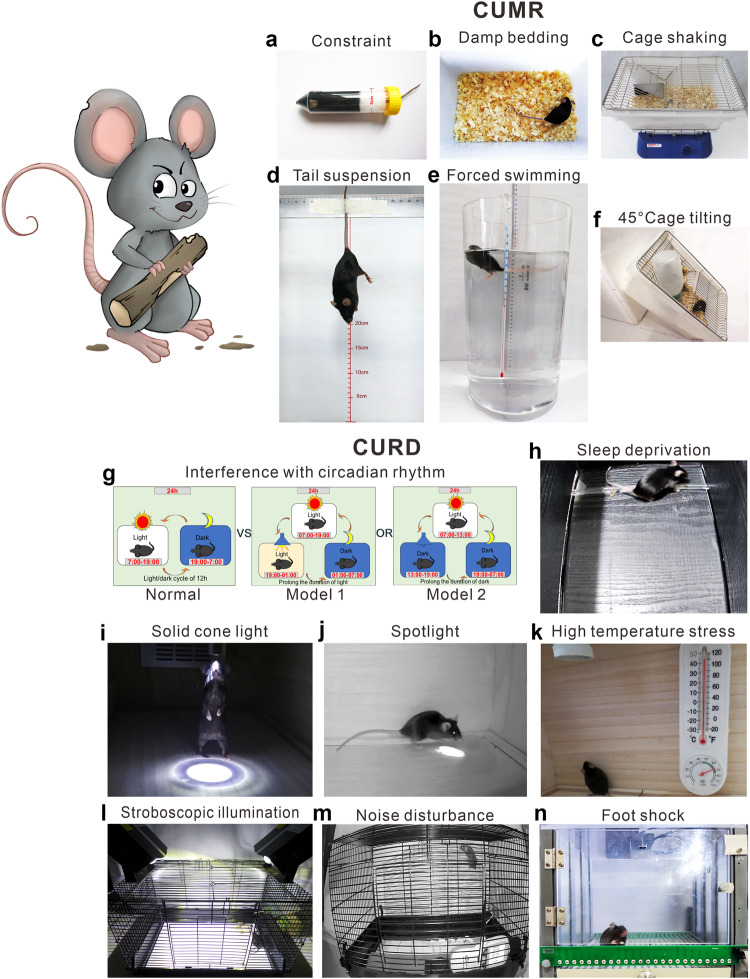
“395 The CUMS model, one of the most commonly used animal models for MDD, 64,172 exhibits depressive-like behaviors.”
BackgroundMethodInfluentialSelf-citationHo, F. Y.-Y., Chan, C. S., Lo, W.-Y., & Leung, J. C.-Y. (2020) · Journal of Affective Disorders · doi:10.1016/j.jad.2020.01.062 · Cited by 58 · cited 1×
“284 As a fi rst-line treatment for insomnia, CBT-I includes cognitive therapy, stimulus management, sleep restriction, improved sleep hygiene, and relaxation.”
BackgroundLuo, Z., Chen, G., Jia, Y., Zhong, S., Gong, J., Chen, F., Wang, J., Qi, Z., Liu, X., Huang, L., et al. (2020) · Journal of Affective Disorders · doi:10.1016/j.jad.2020.11.012 · Cited by 58
Self-citationHisaoka, K., Tsuchioka, M., Yano, R., Maeda, N., Kajitani, N., Morioka, N., Nakata, Y., & Takebayashi, M. (2011) · Journal of Biological Chemistry · doi:10.1074/jbc.m111.224683 · Cited by 57
Glial and tissue-specific regulation of Kynurenine Pathway dioxygenases by acute stress of mice
Dostal, C. R., Carson Sulzer, M., Kelley, K. W., Freund, G. G., & McCusker, R. H. (2017) · Neurobiology of Stress · doi:10.1016/j.ynstr.2017.02.002 · Cited by 57 · cited 1×
“106 An increase in HPA activity is one of the most common neurobiological alterations in depressed people.”
BackgroundDu, J., Yi, M., Zhou, F., He, W., Yang, A., Qiu, M., & Huang, H. (2021) · Molecular Brain · doi:10.1186/s13041-021-00865-9 · Cited by 57 · cited 1×
“…levels or mislocalization of AQP4 may contribute to the pathogenesis of MDD. 169,173 S100B is produced and secreted by astrocytes in the gray matter, 174 and changes in the levels of S100B in the blood and cerebrospinal fl uid (CSF) of patients with MDD can cause glial cell dysfunction and damage.”
BackgroundWang, Y., Bernanke, J., Peterson, B. S., McGrath, P., Stewart, J., Chen, Y., Lee, S., Wall, M., Bastidas, V., Hong, S., et al. (2019) · The Lancet Psychiatry · doi:10.1016/s2215-0366(19)30179-8 · Cited by 55 · cited 1×
“374 New potential pharmacological targets .”
Self-citationXia, M., Li, Z., Li, S., Liang, S., Li, X., Chen, B., Zhang, M., Dong, C., Verkhratsky, A., Guan, D., et al. (2020) · Neuroscience Bulletin · doi:10.1007/s12264-020-00524-4 · Cited by 55 · cited 7×
“41 This increased activation of cPLA 2 and the elevated levels of AA and PGE2 in astrocytes are supported by our discoveries in MDD patients ’ plasma.”
BackgroundResultInfluentialSelf-citationTargeting location relates to treatment response in active but not sham rTMS stimulation
Rosen, A. C., Bhat, J. V., Cardenas, V. A., Ehrlich, T. J., Horwege, A. M., Mathalon, D. H., Roach, B. J., Glover, G. H., Badran, B. W., Forman, S. D., et al. (2021) · Brain Stimulation · doi:10.1016/j.brs.2021.04.010 · Cited by 55
Li, B., Zhang, S., Zhang, H., Hertz, L., & Peng, L. (2011) · Journal of Psychiatry and Neuroscience · doi:10.1503/jpn.100094 · Cited by 54 · cited 2×
“63,64 These discoveries promise astrocytic 5-HT 2B receptors can be the potential pharmacological target of SSRIs (Fig.”
BackgroundMethodSelf-citationHuang, C., Yang, X., Zeng, B., Zeng, L., Gong, X., Zhou, C., Xia, J., Lian, B., Qin, Y., Yang, L., et al. (2019) · Journal of Proteomics · doi:10.1016/j.jprot.2018.11.023 · Cited by 54 · cited 1×
“19,27,28 In addition, rare copy number variants are also identi fi ed to be related to MDD risk, there may be three copy number variants (CNV) loci associated with Prader-Willis syndrome: 1q21.”
BackgroundLi, X., Liang, S., Li, Z., Li, S., Xia, M., Verkhratsky, A., & Li, B. (2019) · Frontiers in Psychiatry · doi:10.3389/fpsyt.2018.00734 · Cited by 54 · cited 6×
“147 Imipramine acts as an antidepressant by increasing the mRNA expression of BDNF in astrocytes.”
BackgroundInfluentialSelf-citationLeerssen, J., Lakbila-Kamal, O., Dekkers, L. M. S., Ikelaar, S. L. C., Albers, A. C. W., Blanken, T. F., Lancee, J., van der Lande, G. J. M., Maksimovic, T., Mastenbroek, S. E., et al. (2022) · Psychotherapy and Psychosomatics · doi:10.1159/000520282 · Cited by 54 · cited 4×
“288,289 In one study, 44% of untreated patients but 38%, 28% and 9% of patients treated with CRS, CBT-I, and CBT-I + CRS, respectively, experienced clinically signi fi cant worsening of depressive symptoms during a 1-year follow-up period.”
BackgroundInfluentialThe ameliorative effect of fluoxetine on neuroinflammation induced by sleep deprivation
Xia, M., Li, X., Yang, L., Ren, J., Sun, G., Qi, S., Verkhratsky, A., & Li, B. (2018) · Journal of Neurochemistry · doi:10.1111/jnc.14272 · Cited by 53 · cited 2×
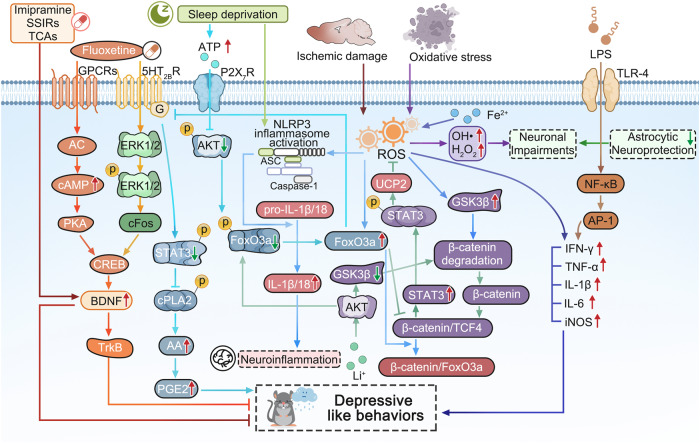
“154,155 The release of proin fl ammatory cytokines is the primary consequence of the activation of caspase-1, a component of the NLRP3 in fl ammasome.”
BackgroundSelf-citationAberrant cortical neurodevelopment in major depressive disorder
Schmitgen, M. M., Depping, M. S., Bach, C., Wolf, N. D., Kubera, K. M., Vasic, N., Hirjak, D., Sambataro, F., & Wolf, R. C. (2019) · Journal of Affective Disorders · doi:10.1016/j.jad.2018.09.021 · Cited by 53
Tomassoni-Ardori, F., Fulgenzi, G., Becker, J., Barrick, C., Palko, M. E., Kuhn, S., Koparde, V., Cam, M., Yanpallewar, S., Oberdoerffer, S., et al. (2019) · eLife · doi:10.7554/elife.49673 · Cited by 53 · cited 3×
“433 Additionally, studies indicate that EA may have the potential to promote neuronal regeneration and exert antidepressant effects by elevating the phosphorylation of cyclic adenosine monophosphate response element binding protein and the levels of BDNF. 434 Acupuncture at the GV20 and GV24 acupoints may alleviate de…”
BackgroundInfluentialLi, B., Zhang, S., Li, M., Hertz, L., & Peng, L. (2009) · Psychopharmacology · doi:10.1007/s00213-009-1631-3 · Cited by 52 · cited 2×
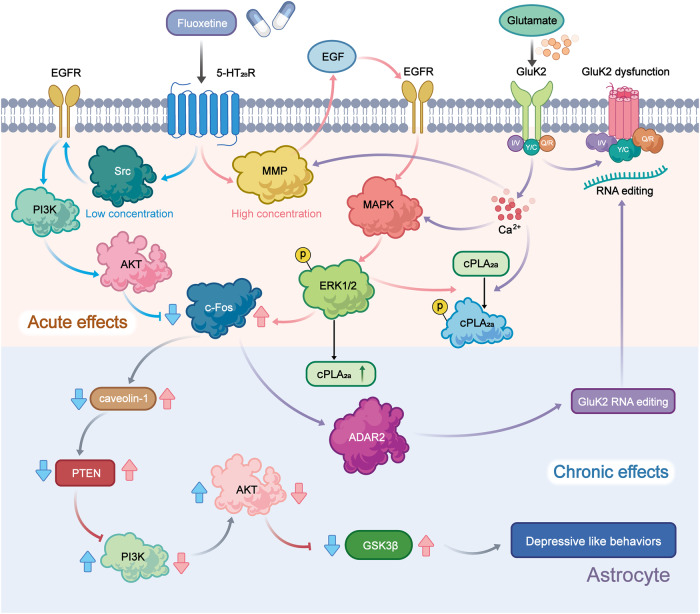
“61 In addition, the increased expression of cFos induced by fl uoxetine can further increases the RNA editing of GluK2 by increasing the expression of ADAR2 at the chronic treatments, the function of the edited GluK2 by fl uoxetine is down-regulated, which causes the acute glutamated induced Ca 2 +…”
BackgroundSelf-citationChen, D., Zhang, Y., Huang, T., & Jia, J. (2023) · Psychological Medicine · doi:10.1017/s0033291723000867 · Cited by 52 · cited 1×
“229,230 Neuroendocrine-immune axis .”
Adermark, L., Lagström, O., Loftén, A., Licheri, V., Havenäng, A., Loi, E. A., Stomberg, R., Söderpalm, B., Domi, A., & Ericson, M. (2022) · Neuropsychopharmacology · doi:10.1038/s41386-021-01232-x · Cited by 51 · cited 3×
“81 An increase in DA signaling brought on by compromised astrocyte activity may induce a long-lasting change in striatal neurotransmission 80 since DA signaling is crucial for both structural and synaptic plasticity.”
BackgroundEffect of vegf gene therapy and hyaluronic acid film sheath on peripheral nerve regeneration
Zor, F., Deveci, M., Kilic, A., Ozdag, M. F., Kurt, B., Sengezer, M., & SÖnmez, T. T. (2014) · Microsurgery · doi:10.1002/micr.22196 · Cited by 50 · cited 1×
“151 In fl ammasomes .”
Regulation of GAP-43 expression by chronic desipramine treatment in rat cultured hippocampal cells
Chen, B., Wang, J.-F., Sun, X., & Young, L. T. (2003) · Biological Psychiatry · doi:10.1016/s0006-3223(02)01551-2 · Cited by 50 · cited 5×
“245 According to clinical research, TRP and tryptophan catabolites (TRYCATs) may play a crucial role in psychiatric illnesses, including MDD. Peripheral and central in fl ammation can both stimulate the KYN pathway and trigger TRP metabolism and subsequent synthesis of various TRYCATs, including the toxic NMDAR activat…”
BackgroundInfluentialMajor depression and suicide attempts in patients with liver disease in the United States
Le Strat, Y., Le Foll, B., & Dubertret, C. (2015) · Liver International · doi:10.1111/liv.12612 · Cited by 50
Han, K.-M., Tae, W.-S., Kim, A., Kang, Y., Kang, W., Kang, J., Kim, Y.-K., Kim, B., Seong, J. Y., & Ham, B.-J. (2020) · Brain, Behavior, and Immunity · doi:10.1016/j.bbi.2020.03.021 · Cited by 50 · cited 1×
“262 In addition, the level of serum FAM19A5 was shown to have a negative correlation with cortical thickness in speci fi c brain regions.”
BackgroundInsulin modulates emotional behavior through a serotonin-dependent mechanism
Martin, H., Bullich, S., Martinat, M., Chataigner, M., Di Miceli, M., Simon, V., Clark, S., Butler, J., Schell, M., Chopra, S., et al. (2024) · Molecular Psychiatry · doi:10.1038/s41380-022-01812-3 · Cited by 50 · cited 1×
“53 In addition, low levels of 5-HT and L-tryptophan, which is a precursor of 5-HT, 54 in blood platelets are also found in depressed people.”
BackgroundGos, T., Myint, A.-M., Schiltz, K., Meyer-Lotz, G., Dobrowolny, H., Busse, S., Müller, U. J., Mawrin, C., Bernstein, H.-G., Bogerts, B., et al. (2014) · Brain, Behavior, and Immunity · doi:10.1016/j.bbi.2014.05.012 · Cited by 49
An evaluation of an integrated model of relapse in depression
Backs-Dermott, B. J., Dobson, K. S., & Jones, S. L. (2010) · Journal of Affective Disorders · doi:10.1016/j.jad.2009.11.015 · Cited by 49
Douillard-Guilloux, G., Lewis, D., Seney, M. L., & Sibille, E. (2017) · Depression and Anxiety · doi:10.1002/da.22549 · Cited by 49 · cited 1×
“210,211 Meanwhile, GABAergic signaling is decreased in regions comprising the default mode network (DMN), while it is increased in the lateral prefrontal cortex (LPFC).”
BackgroundHo, M.-F., Correia, C., Ingle, J. N., Kaddurah-Daouk, R., Wang, L., Kaufmann, S. H., & Weinshilboum, R. M. (2018) · Biochemical Pharmacology · doi:10.1016/j.bcp.2018.03.032 · Cited by 49 · cited 1×
“126 Leptin .”
Barros‐Barbosa, A. R., Fonseca, A. L., Guerra‐Gomes, S., Ferreirinha, F., Santos, A., Rangel, R., Lobo, M. G., Correia‐de‐Sá, P., & Cordeiro, J. M. (2016) · Epilepsia · doi:10.1111/epi.13263 · Cited by 48 · cited 1×
“212 ,213 Stimulating P2X 7 R in neocortical nerve terminals can block the reuptake of GABA and glutamate by the presynaptic membrane and promote the release of these two neurotransmitters in the cerebral cortex of rats and humans, 214,215 and activation of P2X 7 R reduces the expression of GLAST.”
BackgroundStructural insights into assembly and function of GluN1-2C, GluN1-2A-2C, and GluN1-2D NMDARs
Chou, T., Kang, H., Simorowski, N., Traynelis, S. F., & Furukawa, H. (2022) · Molecular Cell · doi:10.1016/j.molcel.2022.10.008 · Cited by 48
Involvement of fractalkine and macrophage inflammatory protein‐1 alpha in moderate‐severe depression
Merendino, R. A., Di Pasquale, G., De Luca, F., Di Pasquale, L., Ferlazzo, E., Martino, G., Palumbo, M. C., Morabito, F., & Gangemi, S. (2004) · Mediators of Inflammation · doi:10.1080/09511920410001713484 · Cited by 47 · cited 1×
“186 Patients diagnosed with MDD with comorbid cocaine addiction show higher serum levels of CX3CL1.”
Glucocorticoid receptors, epidermal homeostasis and hair follicle differentiation
Pérez, P. (2011) · Dermato-Endocrinology · doi:10.4161/derm.15332 · Cited by 47 · cited 1×
“109,110 GRs are expressesd at higher levels and particularly concentrated in the pituitary and hypothalamus, as well as a variety of regions of the limbic system (including the amygdala, hippocampus, and PFC), which are important for cognitive and psychological functions.”
BackgroundHolma, I. A. K., Holma, K. M., Melartin, T. K., Rytsälä, H. J., & Isometsä, E. T. (2012) · Acta Psychiatrica Scandinavica · doi:10.1111/j.1600-0447.2011.01785.x · Cited by 46
Scorza, M., Lladó‐Pelfort, L., Oller, S., Cortés, R., Puigdemont, D., Portella, M., Pérez‐Egea, R., Alvarez, E., Celada, P., Pérez, V, et al. (2012) · British Journal of Pharmacology · doi:10.1111/j.1476-5381.2011.01770.x · Cited by 46 · cited 1×
“357 Second, SSRIs can impact the 5-HT signaling pathway, activating 5-HT 1A.358,359 In addition, studies have shown that antagonism of 5-HT 2A/2C receptors can enhance the effects of SSRIs such as fl uoxetine.”
BackgroundReview of the use of mirtazapine in the treatment of depression
Benjamin, S., & Doraiswamy, P. M. (2011) · Expert Opinion on Pharmacotherapy · doi:10.1517/14656566.2011.585459 · Cited by 46
Sex similarities and differences in risk factors for recurrence of major depression
van Loo, H. M., Aggen, S. H., Gardner, C. O., & Kendler, K. S. (2018) · Psychological Medicine · doi:10.1017/s0033291717003178 · Cited by 45 · cited 1×
“Sex-related molecular markers of MDD Women are more likely than males to experience recurring MDD 445 and are twice as likely to experience MDD throughout their lifetimes.”
BackgroundKarlsson, R.-M., Adermark, L., Molander, A., Perreau-Lenz, S., Singley, E., Solomon, M., Holmes, A., Tanaka, K., Lovinger, D. M., Spanagel, R., et al. (2012) · Neuropharmacology · doi:10.1016/j.neuropharm.2012.01.027 · Cited by 44 · cited 1×
“90,91 Adenosine triphosphate (ATP) .”
Cited by
PI3K/AKT signaling pathway: Molecular mechanisms and therapeutic potential in depression
Guo, N., Wang, X., Xu, M., Bai, J., Yu, H., & Zhang, L. (2024) · Pharmacological Research · doi:10.1016/j.phrs.2024.107300 · Cited by 218
Vagus nerve stimulation (VNS): recent advances and future directions
Austelle, C. W., Cox, S. S., Wills, K. E., & Badran, B. W. (2024) · Clinical Autonomic Research · doi:10.1007/s10286-024-01065-w · Cited by 151
“For example, major depression is associated with alterations in the brain and periphery, including immune and endocrine dysfunction [21].”
BackgroundJiao, W., Lin, J., Deng, Y., Ji, Y., Liang, C., Wei, S., Xi, J., & Yan, F. (2025) · Journal of Neuroinflammation · doi:10.1186/s12974-024-03312-3 · Cited by 144
Sharma, S., Chawla, S., Kumar, P., Ahmad, R., & Verma, P. K. (2024) · Brain Research · doi:10.1016/j.brainres.2024.149123 · Cited by 111
Kalogerakou, T., & Αντωνιάδου, Μ. (2024) · Antioxidants · doi:10.3390/antiox13121508 · Cited by 125
Metadata
- Authors
- Cui, L., Li, S., Wang, S., Wu, X., Liu, Y., Yu, W., Wang, Y., Tang, Y., Xia, M., & Li, B.
- Affiliations
- China Medical University (CN)
- Chengdu University (CN)
- First Hospital of China Medical University (CN)
- Corresponding author
- Xia, Maosheng
- Li, Baoman
- ORCID
- Venue
- Signal Transduction and Targeted Therapy
- Published
- 2024-02-09
- Volume
- 9
- Issue
- 1
- Pages
- 30-30
- ISSN
- 2059-3635 (ISSN-L)
- PMC
- PMC10853571
- OpenAlex
- W4392731282
- Semantic Scholar
- e69e2e42bcc9396c4df790e7a320846a0aa10211
- Cited by
- 1,244
- References
- 514
- Citations by year
- 2026: 536 · 2025: 570 · 2024: 138
- FWCI
- 60.09
- Type
- journal article
- Language
- en
- Open access
- gold
- doi.org
- Licence
- cc-by
- creativecommons.org/licenses/by/4.0 (tdm)
- creativecommons.org/licenses/by/4.0 (vor)
- Locations
- Signal Transduction and Targeted Therapy (publishedVersion, cc-by)
- PubMed Central (publishedVersion, cc-by)
- PubMed (publishedVersion)
- DOAJ (DOAJ: Directory of Open Access Journals) (submittedVersion)
- Funders
- National Natural Science Foundation of China (81871852, 32271038)
- Topics
- Health Sciences › Medicine › Pharmacology (medical) › Treatment of Major Depression
- Life Sciences › Neuroscience › Biological Psychiatry › Tryptophan and brain disorders
- Life Sciences › Neuroscience › Cellular and Molecular Neuroscience › Neurotransmitter Receptor Influence on Behavior
- Keywords
- major depressive disorder, pathogenesis, neurotransmitter hypothesis, hypothalamic-pituitary-adrenal axis, neuroplasticity, antidepressants, therapeutic target, phototherapy, acupuncture, depression prevention, depression diagnosis
- MeSH terms
- Major Depressive Disorder, Humans, Hypothalamo-Hypophyseal System, Pituitary-Adrenal System
About these checks
Registry, retraction, Cites and statistics results are computed, not judged, with one exception: a printed reference that no index lists is read once by a model before it counts as a citation error. Claims are extracted by a model and kept only when their quote appears verbatim in the text; each cited source is then checked, with a model’s help, for whether it says what the claim relies on. Those verdicts can be wrong — read the claim’s quote and the cited source before relying on one.
The claim verdicts this report counts are experimental: their accuracy is not yet measured.
A language model drew the claims from the paper on 2026-09-28, under version 3 of the claim definition (prompt extract-v3).
A second model labelled each claim on 2026-09-28 (model jev-1.13-20260917, definition revision gold-guideline-v0.2).
Cited sources are checked with a language model’s help (gpt-6-sol).
Statistics and arithmetic are recomputed, not judged.
Confidence bands are shown only for fields calibrated on our annotated test set. None is calibrated yet, so no band is shown.
What counts as a claim ›How we measure confidence ›How we check this ›
Are you an author, or do you see a problem with this page? Request a review
Data sources
Bibliographic data: Semantic Scholar, OpenAlex, Crossref.
Contains information from the Semantic Scholar Academic Graph Datasets, made available under the ODC Attribution License (ODC-BY 1.0).
Semantic Scholar’s data is described in: Kinney, R., et al. (2023). The Semantic Scholar Open Data Platform. arXiv:2301.10140.
