

Sodium oligomannate therapeutically remodels gut microbiota and suppresses gut bacterial amino acids-shaped neuroinflammation to inhibit Alzheimer’s disease progression
Open accessThe DOI matches its Crossref record; 61 of the 61 references it cites were found in a registry or an index.
Abstract
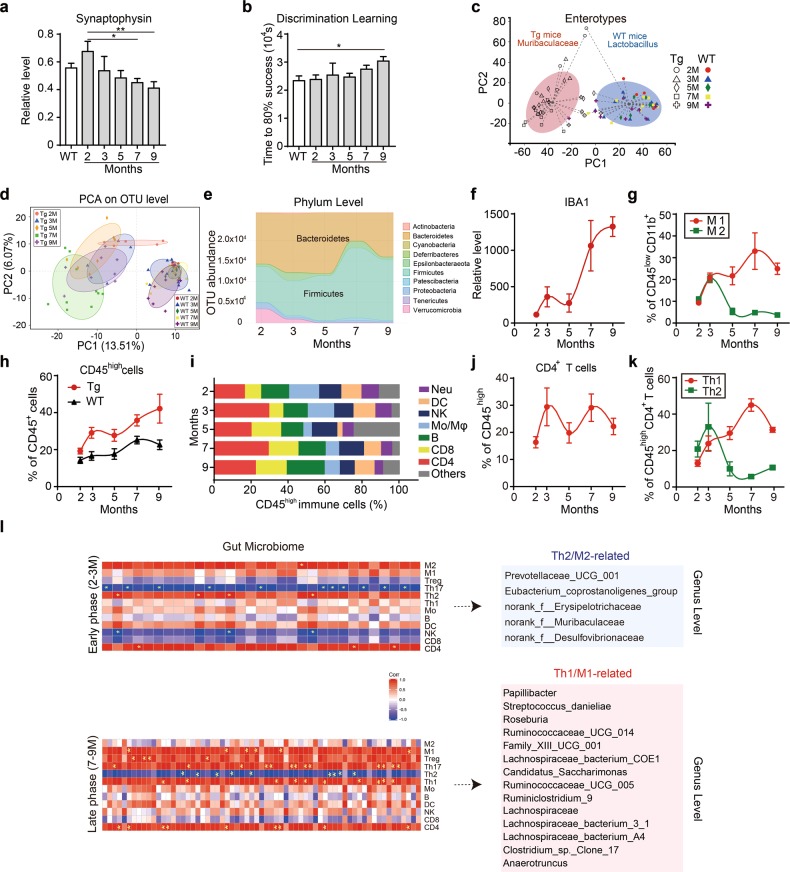
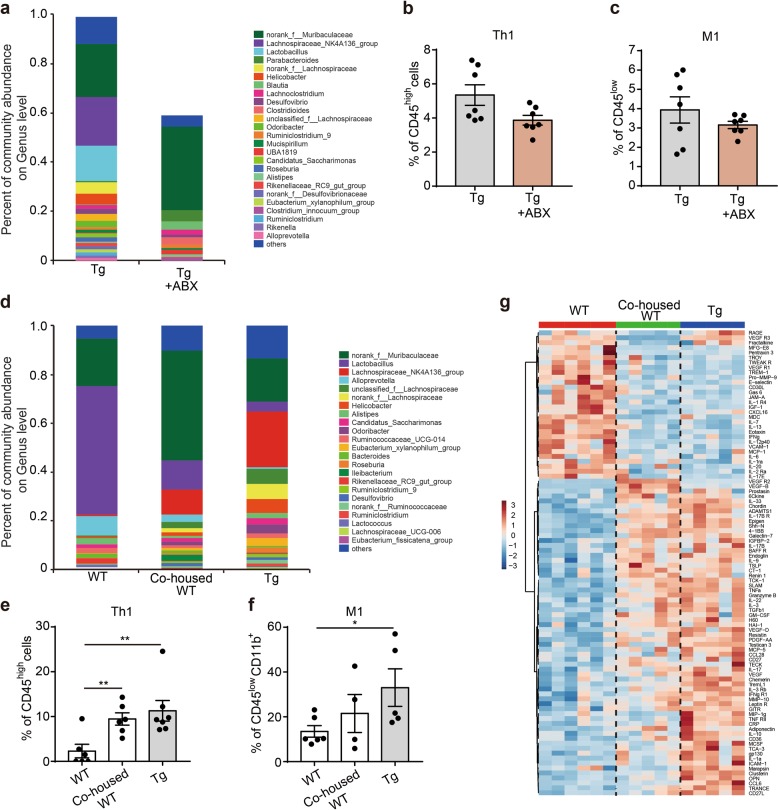
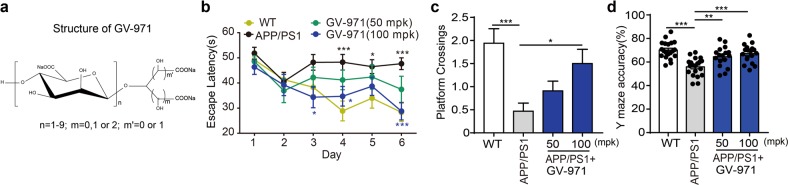
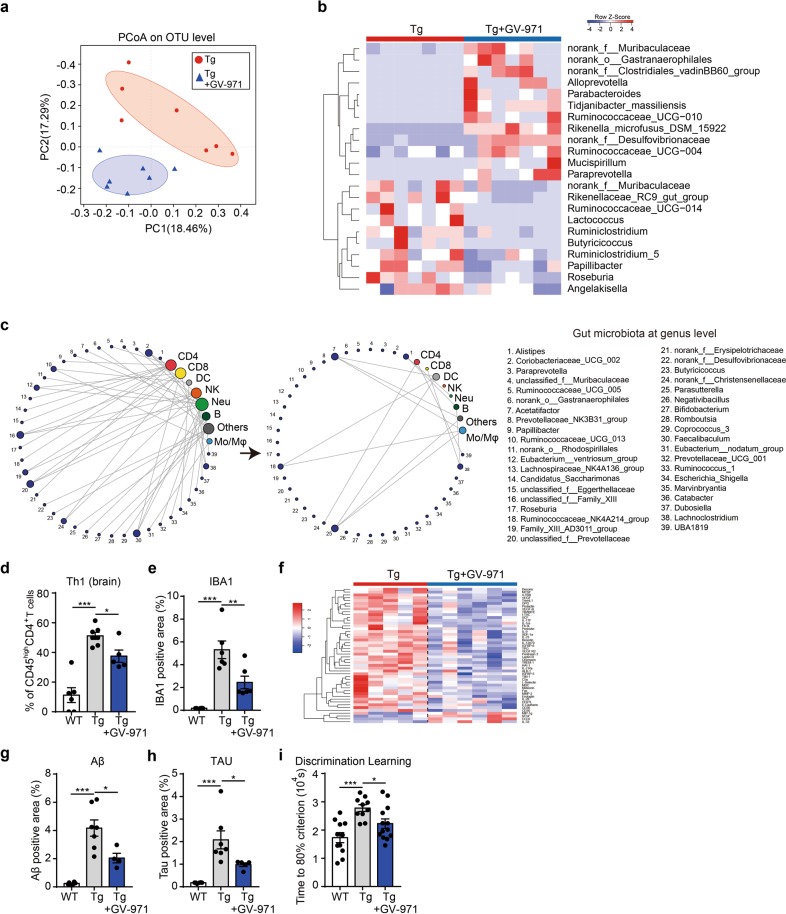
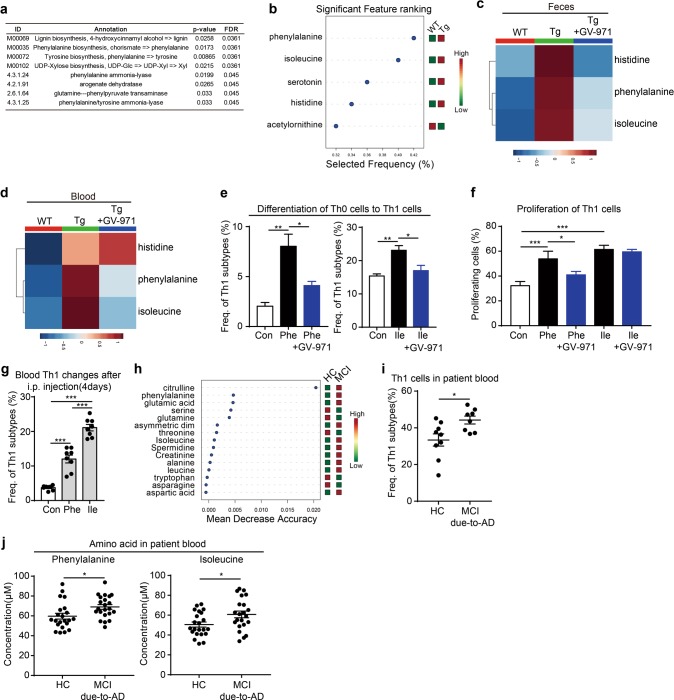
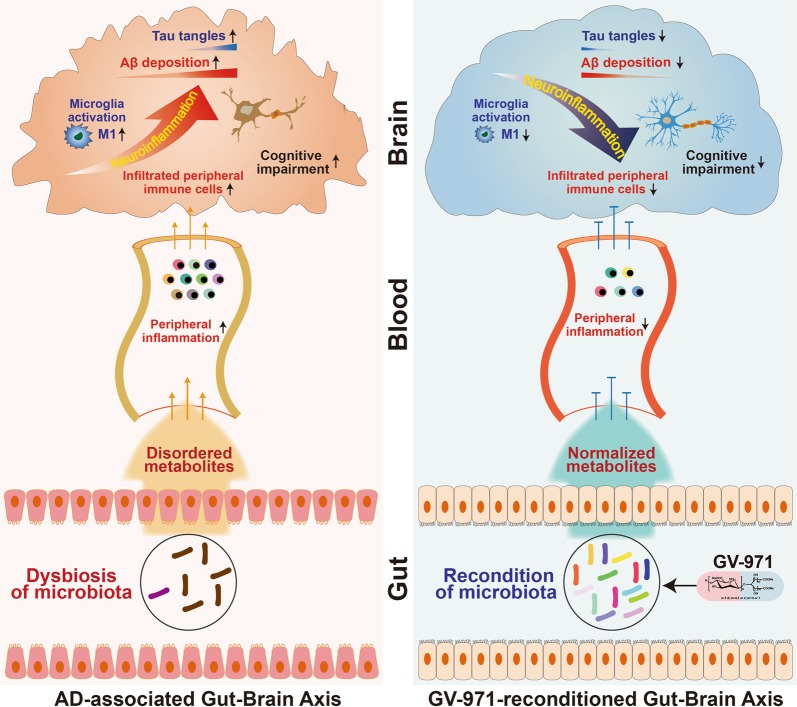
Recently, increasing evidence has suggested the association between gut dysbiosis and Alzheimer's disease (AD) progression, yet the role of gut microbiota in AD pathogenesis remains obscure. Herein, we provide a potential mechanistic link between gut microbiota dysbiosis and neuroinflammation in AD progression. Using AD mouse models, we discovered that, during AD progression, the alteration of gut microbiota composition leads to the peripheral accumulation of phenylalanine and isoleucine, which stimulates the differentiation and proliferation of pro-inflammatory T helper 1 (Th1) cells. The brain-infiltrated peripheral Th1 immune cells are associated with the M1 microglia activation, contributing to AD-associated neuroinflammation. Importantly, the elevation of phenylalanine and isoleucine concentrations and the increase of Th1 cell frequency in the blood were also observed in two small independent cohorts of patients with mild cognitive impairment (MCI) due to AD. Furthermore, GV-971, a sodium oligomannate that has demonstrated solid and consistent cognition improvement in a phase 3 clinical trial in China, suppresses gut dysbiosis and the associated phenylalanine/isoleucine accumulation, harnesses neuroinflammation and reverses the cognition impairment. Together, our findings highlight the role of gut dysbiosis-promoted neuroinflammation in AD progression and suggest a novel strategy for AD therapy by remodelling the gut microbiota.
Overview
The claims and statistics of this paper haven’t been checked yet.
Free: it reads the open-access text and checks the first 5 claims that cite a source we can check. Create a free account to check every claim.
Integrity signals
Registry
Cites
Statistics
Figures
Verification
Claims the paper makes
The claims and statistics of this paper haven’t been checked yet.
Free: it reads the open-access text and checks the first 5 claims that cite a source we can check. Create a free account to check every claim.
Claims other papers make about this one
Each is checked against this paper’s own text: does it say what the citing paper says it does?
The source backs part of the claim, not all of it — or backs it for a different population, condition or comparison.
In the citing paper
“Targeting the intestinal microbiota for the treatment of AD opens up a new way to treat other neurological diseases [11].”
From Neuroprotective Effect of Ceftriaxone on MPTP‐Induced Parkinson’s Disease Mouse Model by Regulating Inflammation and Intestinal Microbiota (2021) · cites this paper as [11]
Experimental — accuracy not yet measuredThe source backs part of the claim, not all of it — or backs it for a different population, condition or comparison.
In the citing paper
“Metabolomic analyses on the feces of these animals revealed significant changes in amino acid–related metabolism, in particular for the phenylalanine- and isoleucine-related pathways.”
From The gut-brain axis: how microbiota and host inflammasome influence brain physiology and pathology (2020) · cites this paper as [163]
Experimental — accuracy not yet measuredThe source backs part of the claim, not all of it — or backs it for a different population, condition or comparison.
In the citing paper
“The effects of GV-971 on mild to severe form of AD were tested in a phase 3 study that started in April 2014 and the results of this study highlighted the fact that GV-971 has significant cognitive benefits.”
From An update on the novel and approved drugs for Alzheimer disease (2022) · cites this paper as Wang et al., 2019
Experimental — accuracy not yet measuredThe source backs part of the claim, not all of it — or backs it for a different population, condition or comparison.
In the citing paper
“it plays a major role in the bidirectional communication between the GI tract and the central nervous system (CNS).”
From The Role of Short-Chain Fatty Acids From Gut Microbiota in Gut-Brain Communication (2020) · cites this paper as [11]
Experimental — accuracy not yet measuredThe cited source says what the claim attributes to it.
In the citing paper
“Sodium oligomannate (9, GV-971) was postulated to counteract AD by inhibiting neuroinflammation triggered by gut dysbiosis and disrupting the formation of Aβ fibrils.56,414”
From Recent advances in Alzheimer's disease: Mechanisms, clinical trials and new drug development strategies. (2024) · cites this paper as [414]
15 more claims about this paper
Create a free account to see every claim other papers make about this one.
Self-check
Percentages, sums and reported differences re-computed from the paper’s own numbers.
The self-check needs the paper’s full text.
Citations
Cites
Classification and Regression by randomForest
Liaw, A. I., & Wiener, M. C. (2007) · Cited by 18,594
Morris water maze: procedures for assessing spatial and related forms of learning and memory
Vorhees, C. V., & Williams, M. T. (2006) · Nature Protocols · doi:10.1038/nprot.2006.116 · Cited by 4,629
Oakley, H., Cole, S. L., Logan, S., Maus, E., Shao, P., Craft, J., Guillozet-Bongaarts, A., Ohno, M., Disterhoft, J., Van Eldik, L., et al. (2006) · The Journal of Neuroscience · doi:10.1523/jneurosci.1202-06.2006 · Cited by 3,530
Gut microbiota, metabolites and host immunity
Rooks, M. G., & Garrett, W. S. (2016) · Nature reviews. Immunology · doi:10.1038/nri.2016.42 · Cited by 3,409
Krasemann, S., Madore, C., Cialic, R., Baufeld, C., Calcagno, N., El Fatimy, R., Beckers, L., O’Loughlin, E., Xu, Y., Fanek, Z., et al. (2017) · Immunity · doi:10.1016/j.immuni.2017.08.008 · Cited by 2,979
NLRP3 is activated in Alzheimer’s disease and contributes to pathology in APP/PS1 mice
Heneka, M. T., Kummer, M. P., Stutz, A., Delekate, A., Schwartz, S., Vieira-Saecker, A., Griep, A., Axt, D., Remus, A., Tzeng, T.-C., et al. (2013) · Nature · doi:10.1038/nature11729 · Cited by 2,898
Differential Roles of M1 and M2 Microglia in Neurodegenerative Diseases
Tang, Y., & Le, W. (2016) · Molecular Neurobiology · doi:10.1007/s12035-014-9070-5 · Cited by 2,190
Gut microbiome alterations in Alzheimer’s disease
Vogt, N. M., Kerby, R. L., Dill-McFarland, K. A., Harding, S. J., Merluzzi, A. P., Johnson, S. C., Carlsson, C. M., Asthana, S., Zetterberg, H., Blennow, K., et al. (2017) · Scientific Reports · doi:10.1038/s41598-017-13601-y · Cited by 2,137
The microbiome and innate immunity
Thaiss, C. A., Zmora, N., Levy, M., & Elinav, E. (2016) · Nature · doi:10.1038/nature18847 · Cited by 2,012
The microbiota in adaptive immune homeostasis and disease
Honda, K., & Littman, D. R. (2016) · Nature · doi:10.1038/nature18848 · Cited by 1,846
Cited by
Items 501–600 of 1,000
Shrestha, S., Johnston, M. R., Zhang, W. Y., & Smid, S. D. (2021) · Phytomedicine Plus · doi:10.1016/j.phyplu.2021.100125 · Cited by 22
Saiyasit, N., Butlig, E.-A. R., Chaney, S. D., Traylor, M. K., Hawley, N. A., Randall, R. B., Bobinger, H. V., Frizell, C. A., Trimm, F., Crook, E. D., et al. (2022) · Frontiers in Neuroscience · doi:10.3389/fnins.2022.915405 · Cited by 22
Alginate Oligosaccharide and Gut Microbiota: Exploring the Key to Health
Song, M., Chen, L., Chen, D., Tang, M., Wei, Y., Lv, D., Li, Q., & Chen, Z. (2025) · Nutrients · doi:10.3390/nu17121977 · Cited by 21
Lin, Q., Zhong, L., Zeng, M., Kraithong, S., Xia, X., Kuang, W., Wang, Q., & Huang, R. (2025) · Trends in Food Science & Technology · doi:10.1016/j.tifs.2025.105202 · Cited by 21
Wang, B., Pan, M., Yang, L., Xu, J., Ye, C., Li, Y., Gong, Q., Liu, C., Li, L., Qin, J., et al. (2026) · Alzheimer s Research & Therapy · doi:10.1186/s13195-025-01880-x · Cited by 22
Dual-target inhibitors of cholinesterase and GSK-3β to modulate Alzheimer’s disease
He, J., & Tam, K. Y. (2024) · Drug Discovery Today · doi:10.1016/j.drudis.2024.103914 · Cited by 21
Sun, Y., Jiang, X., Lü, B., Gao, Q., Chen, Y.-F., Wu, D., Zeng, W., Yang, L., Li, H.-H., & Yu, B. (2020) · Chinese Journal of Integrative Medicine · doi:10.1007/s11655-020-3274-5 · Cited by 22
Tang, X., Luo, R., Ye, M.-S., Tang, H., Ma, Y.-L., Chen, Y.-N., Wang, X.-M., Lu, Q.-Y., Liu, S., Li, X., et al. (2020) · Organic Letters · doi:10.1021/acs.orglett.0c03460 · Cited by 21
Self-citationChen, S., Hu, N., Wang, H., & Li, G. (2022) · Journal of Functional Foods · doi:10.1016/j.jff.2022.105104 · Cited by 21
Self-citationImmunity orchestrates a bridge in gut-brain axis of neurodegenerative diseases
Cheng, Y., Chen, C., & Zhang, F. (2023) · Ageing Research Reviews · doi:10.1016/j.arr.2023.101857 · Cited by 21
Wang, W., Cui, Y., Liu, H., Wang, Y., Nan, B., Li, X., & Wang, Y. (2025) · Trends in Food Science & Technology · doi:10.1016/j.tifs.2025.104998 · Cited by 20
Zhou, C., Feng, X., Liu, H., Cai, T., Li, Y., & Fan, H. (2025) · Frontiers in Neuroscience · doi:10.3389/fnins.2025.1593854 · Cited by 20
“Oral administration of GV-971, a seaweed-derived oligosaccharide, alleviated cerebral pathology and cognitive deficits in AD mice by restoring microbial balance (Wang X. et al., 2019).”
Bramble, M. S., Vashist, N., Ko, A., Priya, S., Musasa, C., Mathieu, A., Spencer, D. A., Kasendue, M. L., Dilufwasayo, P. M., Karume, K., et al. (2021) · Nature Communications · doi:10.1038/s41467-021-25694-1 · Cited by 20
Therapeutic effects of total saikosaponins from Radix bupleuri against Alzheimer’s disease
Li, J., Zou, B., Cheng, X.-Y., Yang, X.-H., Li, J., Zhao, C.-H., Ma, R., Tian, J., & Yao, Y. (2022) · Frontiers in Pharmacology · doi:10.3389/fphar.2022.940999 · Cited by 20
Wang, L., Sun, T., Wang, Z., Liu, H., Qiu, W., Tang, X., Guo, H., Yang, P., Yao, C., & Sun, H. (2023) · ACS Chemical Neuroscience · doi:10.1021/acschemneuro.3c00358 · Cited by 20
Feng, Y., & Hao, F. (2024) · Trends in Food Science & Technology · doi:10.1016/j.tifs.2024.104678 · Cited by 20
Wang, X., Xie, Z., Yuan, J., Jin, E., Lian, W., Chang, S., Sun, G., Feng, Z., Xu, H., Du, C., et al. (2024) · Cell Discovery · doi:10.1038/s41421-024-00725-5 · Cited by 22
“1b), aligning well with our prior study 13 .”
InfluentialSelf-citationGender differences in the bile acid profiles of APP/PS1 transgenic AD mice
Wu, J., Zhu, X., Lin, H., Chen, Z., Tang, H., & Wang, Y. (2020) · Brain Research Bulletin · doi:10.1016/j.brainresbull.2020.05.003 · Cited by 21
Khoury, R., & Grossberg, G. T. (2020) · Expert Opinion on Therapeutic Targets · doi:10.1080/14728222.2020.1790530 · Cited by 20
Zhang, F., Qi, N., Zeng, Y., Bao, M., Chen, Y., Liao, J., Wei, L., Cao, D., Huang, S., Luo, Q., et al. (2020) · Frontiers in Microbiology · doi:10.3389/fmicb.2020.557342 · Cited by 20
“An alteration of the gut microbial composition has been observed in many neurodegenerative diseases and mental disorders, such as Alzheimer’s disease and schizophrenia (Li et al., 2019; Wang et al., 2019; Xu et al., 2019).”
BackgroundWu, Q., O’Malley, A. J., Datta, S., Gharaibeh, R. Z., Jobin, C., Karagas, M. R., Coker, M. O., Hoen, A. G., Christensen, B. C., Madan, J. C., et al. (2022) · Genes · doi:10.3390/genes13061049 · Cited by 22
“disease pathogeneses by mediating disease-leading causal pathways in complex diseases such as Alzheimer’s disease (Wang et al., 2019b) and cancer (Jin et al.”
BackgroundEmerging Roles of T Helper Cells in Non-Infectious Neuroinflammation: Savior or Sinner
Liu, W., Fan, M., Lu, W., Zhu, W., Meng, L., & Lu, S. (2022) · Frontiers in Immunology · doi:10.3389/fimmu.2022.872167 · Cited by 20
Zhou, L., Meng, Q., Zhang, R., Jiang, B., Wu, Q. J., Chen, J., & Zhang, T. (2023) · International Journal of Biological Macromolecules · doi:10.1016/j.ijbiomac.2023.124871 · Cited by 20
Kotha, S., Swapna, B. S., Kulkarni, V. M., Setty, R. S., Kumar, H., & Harisha, R. P. (2020) · Journal of Biomolecular Structure and Dynamics · doi:10.1080/07391102.2020.1747543 · Cited by 20
“These two amino acids contributed to AD-associated neuro-inflammation by increased the differentiation and proliferation of T helper cells in the brain (Wang et al., 2019).”
BackgroundPathogenesis, Animal Models, and Drug Discovery of Alzheimer’s Disease
Xia, Z.-D., Ma, R.-X., Wen, J.-F., Zhai, Y.-F., Wang, Y.-Q., Wang, F.-Y., Liu, D., Zhao, X.-L., Sun, B., Jia, P., et al. (2023) · Journal of Alzheimer's Disease · doi:10.3233/jad-230326 · Cited by 19
Wu, Q., Gao, G., Kwok, L. Y., Lv, H., & Sun, Z. (2025) · Journal of Advanced Research · doi:10.1016/j.jare.2025.07.005 · Cited by 19
“This drug operates by stimulate the gut microbiota to produce essential amino acids and SCFAs [233].”
Su, Z., Xiao, Q., Shen, J., Chen, H., Yan, S., & Huang, W. (2021) · Molecules · doi:10.3390/molecules26134048 · Cited by 19
“Samples were then extracted as specified by the instructions of Majorbio Bio-Pharm Technology Co., Ltd. (Shanghai, China) [83,84] with minor modifications.”
Self-citationHuang, L., Zeng, Y., Li, Y., Zhu, Y., He, Y., Liu, Y., Robert, A., & Meunier, B. (2022) · Pharmaceutics · doi:10.3390/pharmaceutics14122691 · Cited by 19
“Six-to-seven-week-old Sprague–Dawley rats (220–300 g for males, 200–240 g for females) were purchased from Guangdong Medical Laboratory Animal Center (GDMLAC, Guangzhou, China) and kept 6 per cage (with males and females separated), at 22 ± 2 ◦C with a relative humidity of 55% ± 10% and an approximately 12 h light/dar…”
BackgroundInfluentialMicrobiome Alterations and Alzheimer’s Disease: Modeling Strategies with Transgenic Mice
López-Villodres, J. A., Escamilla, A., Mercado-Sáenz, S., Alba-Tercedor, C., Rodríguez‐Pérez, L., Arranz‐Salas, I., Sanchez-Varo, R. M., & Bermúdez, D. (2023) · Biomedicines · doi:10.3390/biomedicines11071846 · Cited by 20
Yan, C., Qu, H., Li, X., & Feng, B. (2023) · International Journal of Molecular Sciences · doi:10.3390/ijms241612583 · Cited by 19
“As a marine natural compound, sodium oligomannate (GV-971) therapeutically remodeled gut microbiota and suppressed gut bacterial amino acid-shaped neuroinflammation to inhibit Alzheimer’s disease [33].”
BackgroundEffect of Human Milk Oligosaccharides on Learning and Memory in Mice with Alzheimer’s Disease
Gao, H., Fang, B., Sun, Z., Du, X., Guo, H., Zhao, L., & Zhang, M. (2023) · Journal of Agricultural and Food Chemistry · doi:10.1021/acs.jafc.3c05949 · Cited by 20
Chen, Y., Li, Y., Wu, M. C., & Li, Z. (2023) · Brain Research · doi:10.1016/j.brainres.2023.148744 · Cited by 19
Targeting the molecular web of Alzheimer’s disease: unveiling pathways for effective pharmacotherapy
Jadhav, D., Saraswat, N., Vyawahare, N. S., & Shirode, D. S. (2024) · The Egyptian Journal of Neurology Psychiatry and Neurosurgery · doi:10.1186/s41983-023-00775-8 · Cited by 20
“Drugs such as donepezil, galantamine, rivastigmine, and memantine are currently available treatments for AD, and they only provide symptomatic relief [140].”
BackgroundA review of the roles of pathogens in Alzheimer’s disease
Zhao, M., Wang, Y., Shen, Y., Wei, C., Zhang, G., & Sun, L. (2024) · Frontiers in Neuroscience · doi:10.3389/fnins.2024.1439055 · Cited by 19
Self-citationWang, J., Zhang, Z., Dai, T., Zhang, Z., Zhang, Q., Yao, J., Wang, L., He, N., & Li, S. (2024) · Food & Function · doi:10.1039/d4fo02802c · Cited by 19
Self-citationMoelgg, K., Jummun, F., & Humpel, C. (2021) · Biomolecules · doi:10.3390/biom11030434 · Cited by 19
Lu, Y., Xu, K., Lin, D., Wang, S., Fu, R., Deng, X., Croppi, G., & Zhang, J. (2022) · Frontiers in Aging Neuroscience · doi:10.3389/fnagi.2022.964429 · Cited by 19
“Gut microbiota-associated metabolism is essential for modulating metabolic profiles and is closely related to health in both humans and rodents (Agus et al., 2018; Wang et al., 2019).”
BackgroundSelf-citationYu, Z., & Li, Y. (2021) · Medicine · doi:10.1097/md.0000000000024837 · Cited by 19
“Wang et al found that altering gut bacteria can improve the cognitive function in Alzheimer disease (AD) mice.([25]) However, it is still obscure whether the CNS Abeta1–42 deposition leads to the gastrointestinal dysfunction or the gastrointestinal manifestations, possibly induced by gut microbiota imbalance, lead to…”
BackgroundFeng, R., Fan, Y., Chen, L., Ge, Q., Xu, J., Yang, M., & Chen, K. (2022) · Ecotoxicology and Environmental Safety · doi:10.1016/j.ecoenv.2022.114214 · Cited by 18
Wang, X., Luo, Y., Huang, Y., Jin, Z., Li, Z., Chen, J., Hu, F., Zhang, X., & Rausch‐Fan, X. (2022) · Journal Of Clinical Periodontology · doi:10.1111/jcpe.13759 · Cited by 18
Self-citationYang, G., Tong, Y., Wang, X., Zhao, C., Ba, Z., Ahelijiang, R., Liu, X., Gao, W., Zhao, Y., Gu, Y., et al. (2023) · Frontiers in Immunology · doi:10.3389/fimmu.2023.1185570 · Cited by 18
Self-citationGuan, R., Guo, F., Guo, R., Wang, S., Sun, X., Zhao, Q., Zhang, C., Li, S., Lin, H., & Lin, J. (2023) · Gene · doi:10.1016/j.gene.2023.147739 · Cited by 18
Recent progress of small-molecule-based theranostic agents in Alzheimer's disease
Gao, F., Chen, J., Zhou, Y., Cheng, L., Hu, M., & Wang, X. (2023) · RSC Medicinal Chemistry · doi:10.1039/d3md00330b · Cited by 18
Self-citationEmerging paradigms in Alzheimer's therapy
Agnes Preethy, H., Rajendran, K., Sukumar, A. J., & Krishnan, U. M. (2024) · European Journal of Pharmacology · doi:10.1016/j.ejphar.2024.176872 · Cited by 18
The role of the gut microbiota in neurodegenerative diseases targeting metabolism
Fu, Y., Gu, Z., Cao, H., Zuo, C., Huang, Y., Song, Y., Jiang, Y., & Wang, F. (2024) · Frontiers in Neuroscience · doi:10.3389/fnins.2024.1432659 · Cited by 18
Gao, L., Yang, X.-N., Dong, Y., Han, Y., Zhang, X., Zhou, X.-L., Liu, Y., Liu, F., Fang, J., Ji, J., et al. (2024) · Pharmacology & Therapeutics · doi:10.1016/j.pharmthera.2024.108751 · Cited by 19
Bioactive matters based on natural product for cardiovascular diseases
Zhong, L., Tan, X., Yang, W., Li, P., Ye, L., Luo, Q., & Hou, H. (2024) · Smart Materials in Medicine · doi:10.1016/j.smaim.2024.11.001 · Cited by 18
Song, D., Wei, W., Zhang, J., Zhang, L., Huo, J., & Wang, W. (2024) · Cellular Signalling · doi:10.1016/j.cellsig.2024.111530 · Cited by 18
Self-citationHuo, J.-Y., Jiang, W., Lyu, Y.-T., Zhu, L., Liu, H., Chen, Y., Chen, M., Geng, J., Jiang, Z., & Shan, Q. (2021) · Frontiers in Cardiovascular Medicine · doi:10.3389/fcvm.2021.650140 · Cited by 18
“Alternation in gut microbiota is associated with the development of Alzheimer’s disease (AD), and drugs targeting intestinal disorders can effectively improve the neuropathology and cognitive impairment in AD mice (37).”
BackgroundLiu, Z., Shi, Y., Zhang, X., Yu, G., Li, J., Cong, S., & Deng, Y. (2022) · Bioorganic & Medicinal Chemistry · doi:10.1016/j.bmc.2022.116660 · Cited by 18
Integrated analysis and identification of hub genes as novel biomarkers for Alzheimer’s disease
Zhao, K., Zhang, H., Wu, Y., Liu, J., Li, X., & Lin, J. (2022) · Frontiers in Aging Neuroscience · doi:10.3389/fnagi.2022.901972 · Cited by 18
“In addition, contributing to neuroinflammation associated to AD, the infiltrated peripheral Th1 immune cells are relevant to the M1 microglia activation in brain (Wang et al., 2019).”
BackgroundSelf-citationQu, Y., Wu, Y., Cheng, W., Wang, D., Zeng, L., Wang, Y., Li, T., Zhang, L., Yang, J., Sun, L., et al. (2023) · Frontiers in Pharmacology · doi:10.3389/fphar.2022.1079313 · Cited by 18
Self-citationVersace, S., Pellitteri, G., Sperotto, R., Tartaglia, S., Porto, A. D., Catena, C., Gigli, G. L., Cavarape, A., & Valente, M. (2023) · International Journal of Molecular Sciences · doi:10.3390/ijms241310615 · Cited by 18
Wang, Y., Lai, H., Zhang, T., Wu, J., Tang, H., Liang, X., Ren, D., Huang, J., & Li, W. (2023) · Neuroscience & Biobehavioral Reviews · doi:10.1016/j.neubiorev.2023.105403 · Cited by 17
Sodium oligomannate activates the enteroendocrine-vagal afferent pathways in APP/PS1 mice
Gong, H., Pan, J.-P., Guo, F., Wu, M., Li, D., Li, Y., & Rong, W. (2024) · Acta Pharmacologica Sinica · doi:10.1038/s41401-024-01293-w · Cited by 18
“In murine models of AD, GV-971 signi fi cantly reduced microglial activation and multiple brain in fl ammatory cytokine levels by altering the composition of microbiota and reducing the peripheral concentrations of phenylalanine and isoleucine produced by microbiota [4].”
InfluentialLet food be your medicine – dietary fiber
Liu, M., Li, S., Cao, S., Liu, C., Han, Y., Cheng, J., Zhang, S., Zhao, J., & Shi, Y. (2024) · Food & Function · doi:10.1039/d3fo05641d · Cited by 17
Now and future: Strategies for diagnosis, prevention and therapies for Alzheimer’s disease
Shi, J., Touchon, J., Middleton, L. T., Boada, M., Vassar, R. J., Vellas, B. J., & Shen, Y. (2024) · Science Bulletin · doi:10.1016/j.scib.2024.09.042 · Cited by 18
The gut–eye axis: from brain neurodegenerative diseases to age-related macular degeneration
Jin, Q., Wang, S., Yao, Y., Jiang, Q., & Li, K. (2024) · Neural Regeneration Research · doi:10.4103/nrr.nrr-d-24-00531 · Cited by 17
“Notably, FMT from healthy donors to AD mouse models reduced Th1 cell infiltration and M1 microglia activation, thus implicating a role for the modulation of neuroinflammation in AD progression (Wang et al., 2019).”
Liu, H., Ma, X., Yang, X., Xiao, S., Ouyang, S., Hu, Z., Zhou, Z., & Jiang, Z. (2024) · International Journal of Medical Microbiology · doi:10.1016/j.ijmm.2024.151642 · Cited by 17
Self-citationAdvances in gut microbiota-related treatment strategies for managing colorectal cancer in humans
Bhaskar, R., Cao, K., Singh, C. O., Fang, X., Yang, H., & Dong, W. (2025) · Cancer Biology and Medicine · doi:10.20892/j.issn.2095-3941.2024.0263 · Cited by 17
“…metabolic diseases 5 (obesity, diabetes, and cardiovascular disease) 6 , immune disorders (infection and autoimmune disease), Parkinson’s disease, schizophrenia disease, autism spectrum disorder (ASD) 7 , Alzheimer’s disease (AD) 8 , bone homeostasis disorders 9 , and bacterial vaginosis 10 .”
Konecny, J., Misiachna, A., Hrabinová, M., Pulkrabkova, L., Benková, M., Prchal, L., Kucera, T., Kobrlová, T., Finger, V., Kolcheva, M., et al. (2020) · Biomolecules · doi:10.3390/biom11010003 · Cited by 17
“Indeed, GV-971 suppresses gut dysbiosis, mitigates neuroinflammation, and re-verses cognition impairment [83].”
Intestinal Microbial Diversity of Free-Range and Captive Yak in Qinghai Province
Wen, Y., Li, S., Wang, Z., Feng, H., Yao, X., Liu, M., Chang, J., Ding, X., Zhao, H., & Ma, W. (2022) · Microorganisms · doi:10.3390/microorganisms10040754 · Cited by 17
Wang, Q., Gao, F., Dai, L., Zhang, J., Bi, D., & Shen, Y. (2022) · The Journal of Prevention of Alzheimer s Disease · doi:10.14283/jpad.2022.46 · Cited by 18
“T-helper 1 cells, a subpopulation of CD4+ T cells with proinflammation, were recently found to be stimulated by the peripheral accumulation of phenylalanine and isoleucine released from the gut microbiota, whereas GV-971, a sodium oligomannate, has been shown to have significant effectiveness in suppressing gut dysbio…”
BackgroundSelf-citationCui, Z., Guo, Z., Wei, L., Zou, X., Zhu, Z., Liu, Y., Wang, J., Chen, L., Wang, D., & Ke, Z. (2022) · Pain · doi:10.1097/j.pain.0000000000002648 · Cited by 17
GV ‐971 attenuates α‐Synuclein aggregation and related pathology
Yu, Z., Yang, Y., Chan, R., Shi, M. Y., Stewart, T., Huang, Y. Z., Liu, Z., Lan, G., Sheng, L., Tian, C., et al. (2023) · CNS Neuroscience & Therapeutics · doi:10.1111/cns.14393 · Cited by 19
Self-citationShi, M., Chu, F., Tian, X., Aerqin, Q., Zhu, F., & Zhu, J. (2021) · The Neuroscientist · doi:10.1177/1073858420987224 · Cited by 17
Translating Alzheimer’s Disease Mechanisms into Therapeutic Opportunities
Li, J., Wang, L., Zhang, X., Shi, J., Zhu, Y. Z., Wang, H., Zhu, X., Zhu, Q., & Luo, J. (2025) · Biomolecules · doi:10.3390/biom15091290 · Cited by 16
Self-citationGut Microbiota and Alzheimer’s Disease: Pathophysiology and Therapeutic Perspectives
Li, Y., Wang, R., Li, Q., Wang, Y., & Guo, J. (2021) · Journal of Alzheimer s Disease · doi:10.3233/jad-210381 · Cited by 16
A perspective on diet, epigenetics and complex diseases: where is the field headed next?
Coppedè, F., Franzago, M., Giardina, E., Nigro, C. L., Matullo, G., Moltrasio, C., Nacmias, B., Pileggi, S., Sirchia, S. M., Stoccoro, A., et al. (2022) · Epigenomics · doi:10.2217/epi-2022-0239 · Cited by 16
Zhou, J., Tang, M., Li, W., Fang, R., Tang, C., & Wang, Q. (2023) · Food Science and Human Wellness · doi:10.26599/fshw.2022.9250049 · Cited by 18
Critical thinking of Alzheimer’s transgenic mouse model: current research and future perspective
Li, X., Quan, M., Wei, Y., Wang, W., Xu, L., Wang, Q., & Jia, J. (2023) · Science China Life Sciences · doi:10.1007/s11427-022-2357-x · Cited by 16
“For example, GV-971, approved by the Chinese Food and Drug Administration for the treatment of AD, was reported to harness neuroinflammation and reverse cognition impairment in this model (Wang et al., 2019).”
BackgroundMethodAyan, E. B., DeMirci, H., Serdar, M. A., Palermo, F., & Baykal, A. T. (2023) · International Journal of Molecular Sciences · doi:10.3390/ijms241612819 · Cited by 16
“Additionally, the significance of microbiota-derived metabolites in AD-linked pathways involving the gut–brain axis and neuroinflammation still needs to be fully elucidated [29].”
BackgroundLiu, X.-R., Lü, X., Nie, H., Yan, J., Ma, Z., Li, H., Tang, S., Yin, Q., & Qiu, J. (2023) · Food Science and Human Wellness · doi:10.26599/fshw.2022.9250229 · Cited by 16
Gao, Q., Bi, D., Li, B., Ni, M., Pang, D., Li, X., Zhang, X., Xu, Y., Zhao, Q., & Zhu, C. (2024) · Molecular Neurobiology · doi:10.1007/s12035-024-03965-4 · Cited by 16
Wang, K., Miao, Y., Liu, W., Ishfaq, M., Bao, J., Jin, X., Wu, Z., Li, R., Chen, C., & Li, J. (2024) · Poultry Science · doi:10.1016/j.psj.2024.103942 · Cited by 16
The Gut-Brain Axis in Alzheimer’s and Parkinson’s Diseases: The Catalytic Role of Mitochondria
Candeias, E., Pereira-Santos, A. R., Empadinhas, N., Cardoso, S. M., & Esteves, A. R. (2024) · Journal of Alzheimer s Disease · doi:10.3233/jad-240524 · Cited by 16
Liu, Y., Wu, H., Liu, B., Chen, S., Huang, L., Liu, Z., Wang, J., Xie, L., & Wu, X. (2024) · Schizophrenia Research · doi:10.1016/j.schres.2024.06.040 · Cited by 17
Ye, X.-X., Jiang, Q., Wu, M.-J., Ye, Q.-H., & Zheng, H. X. (2024) · Acta Pharmacologica Sinica · doi:10.1038/s41401-024-01340-6 · Cited by 16
Mechanistic Approach to Immunity and Immunotherapy of Alzheimer’s Disease: A Review
Islam, M. R., Rabbi, M. A., Hossain, T., Sultana, S., & Uddin, S. (2024) · ACS Chemical Neuroscience · doi:10.1021/acschemneuro.4c00360 · Cited by 16
Recent advances in the natural product analogues for the treatment of neurodegenerative diseases
Zhang, J., Jiang, P., Wang, S., Li, M., Hao, Z., Guan, W., Pan, J., Wu, J., Zhang, Y., Li, H. L., et al. (2024) · Bioorganic Chemistry · doi:10.1016/j.bioorg.2024.107819 · Cited by 16
Self-citationMetabolic insights into gut microbiota in the pharmacology of natural medicines
Chen, Z., Zhou, J., Zheng, X., Xie, H., & Hao, H. (2025) · Chinese Journal of Natural Medicines · doi:10.1016/s1875-5364(25)60820-x · Cited by 17
Pokrzyk, J., Kulczyńska‐Przybik, A., Guzik-Makaruk, E. M., Winkel, I., & Mroczko, B. (2025) · International Journal of Molecular Sciences · doi:10.3390/ijms26051935 · Cited by 17
Jin, C., Li, M., Duo, L., Chen, H., Guo, X., Li, S., Wen, C., Xie, C., & Ding, K. (2025) · Carbohydrate Polymers · doi:10.1016/j.carbpol.2025.123660 · Cited by 16
Renesteen, E., Boyajian, J. L., Islam, P., Kassab, A., Abosalha, A. K., Makhlouf, S., Santos, M., Chen, H., Shum-Tim, C., & Prakash, S. (2025) · International Journal of Molecular Sciences · doi:10.3390/ijms26115351 · Cited by 16
Gao, L., Zhou, Y., Yang, W., Zhang, C., Hong, L., & Jia, L. (2021) · ACS Chemical Neuroscience · doi:10.1021/acschemneuro.1c00223 · Cited by 16
Characterizing serum amino acids in schizophrenic patients: Correlations with gut microbes
Ma, Q., Gao, F., Zhou, L., Fan, Y., Zhao, B., Xi, W., Wang, C., Zhu, F., Ma, X., Wang, W., et al. (2022) · Journal of Psychiatric Research · doi:10.1016/j.jpsychires.2022.07.006 · Cited by 16
Liu, M., Zhou, N., Jiang, N., Lu, K., Wu, C., & Bao, J. (2022) · Frontiers in Pharmacology · doi:10.3389/fphar.2022.936818 · Cited by 16
“After incubation by a Hoechst 33342 staining solution (Beyotime, China) for 3–5 min at room temperature, PBS-rinsed SH-SY5Y cells were observed under the fluorescence microscope.”
BackgroundInfluentialParadigm Shift: Multiple Potential Pathways to Neurodegenerative Dementia
Perna, A., Montine, K. S., White, L. R., Montine, T. J., & Cholerton, B. (2023) · Neurotherapeutics · doi:10.1007/s13311-023-01441-w · Cited by 16
“GV-971 (sodium oligomannate)—although so far approved only in China— appears to enhance cognition through a mechanism of action that is not yet fully understood but potentially involves the suppression of gut-microbiota dysbiosis [62, 63]).”
BackgroundLi, S., Wei, Y., Liang, Z., Guo, L., Hao, X., & Zhang, Y. (2023) · Food Science and Human Wellness · doi:10.26599/fshw.2022.9250150 · Cited by 17
The Potential of a Stratified Approach to Drug Repurposing in Alzheimer’s Disease
Anderson, C., Bucholc, M., McClean, P. L., & Zhang, S. (2023) · Biomolecules · doi:10.3390/biom14010011 · Cited by 16
Zhang, T., Dong, K., Xiao, L., Li, G., & Zhang, Z. (2020) · Neuropsychiatric Disease and Treatment · doi:10.2147/ndt.s253972 · Cited by 16
Amyloid-beta Targeted Therapeutic Approaches for Alzheimer’s Disease: Long Road Ahead
Dai, Y., Lei, C., Zhang, Z., Qi, Y., Lao, K., & Gou, X. (2022) · Current Drug Targets · doi:10.2174/1389450123666220421124030 · Cited by 16
Alshammari, F. F., Al-Kuraishy, H. M., Shokr, M. M., Papadakis, M., Alexiou, A. T., & Batiha, G. E. (2025) · Inflammopharmacology · doi:10.1007/s10787-025-01940-6 · Cited by 15
“For example, GV-971 is an acidic linear marine-derived mixture of oligosaccharides, with a degree of polymerization completed a phase 3 clinical trial for AD treatment in China (Wang et al. 2019).”
Zhang, N., Yan, C., Yin, C., Hu, X., Guan, P., & Cheng, Y. (2022) · ACS Omega · doi:10.1021/acsomega.2c05995 · Cited by 15
Xiu, R., Sun, Q., Li, B., & Wang, Y. (2023) · Nutrients · doi:10.3390/nu15143203 · Cited by 15
“In terms of interventions, gut microbiota regulators and NSAIDs with high safety profiles are being examined as potential therapeutic options [24,37].”
BackgroundAcute copper oxide nanoparticles exposure alters zebrafish larval microbiome
Balasubramanian, S., Haneen, M. A., Sharma, G., & Perumal, E. (2023) · Life Sciences · doi:10.1016/j.lfs.2023.122313 · Cited by 15
Yang, X., Zhangyi, Z., Yu, A., Zhou, Q., Xia, A., Qiu, J., Cai, M., Chu, X., Li, L., Feng, Z., et al. (2024) · CNS Neuroscience & Therapeutics · doi:10.1111/cns.14847 · Cited by 15
“35 Guided by this principle, we investigated the impact of GV-971 on gut microbiota composition, peripheral disorders, and neuroinflammation in an NMOSD mouse model.”
BackgroundInfluentialSelf-citationLiu, S., Dai, H., Wang, R., & Zhang, X. (2024) · Food Bioscience · doi:10.1016/j.fbio.2024.104965 · Cited by 16
Xu, X., Jin, H., Li, X., Yan, C., Zhang, Q., Yu, X., Liu, Z., Liu, S., & Zhu, F. (2024) · Probiotics and Antimicrobial Proteins · doi:10.1007/s12602-024-10344-x · Cited by 15
“Treatment using fecal bacteria transplantation has gradually expanded from application to digestive sys-tem diseases [2–4], such as Clostridium difficile infection, inflammatory bowel disease, and irritable bowel syndrome, to central nervous system diseases such as Alzheimer’s disease [5].”
Self-citationZhang, L., Jiang, Z., Hu, S., Ni, H., Zhao, Y., Tan, X., Yi, L., Na, R., Li, Y., Du, Q., et al. (2024) · Inflammation · doi:10.1007/s10753-024-02133-z · Cited by 16
“Brain damage in neurodegenerative diseases such as AD is associated with dysbiosis, local and systemic inflammation, and even dysregulation of the gut-brain axis [5–7].”
Metadata
- Authors
- Wang, X., Sun, G., Feng, T., Zhang, J., Huang, X., Wang, T., Xie, Z., Chu, X., Yang, J., Wang, H., Chang, S., Gong, Y., Ruan, L., Zhang, G., Yan, S., Lian, W., Du, C., Yang, D., Zhang, Q., Lin, F., Liu, J., Zhang, H., Ge, C., Xiao, S., Ding, J., & Geng, M.
- Affiliations
- Chinese Academy of Sciences (CN)
- Shanghai Jiao Tong University (CN)
- Corresponding author
- Geng, Meiyu
- ORCID
- Venue
- Cell Research
- Published
- 2019-09-06
- Volume
- 29
- Issue
- 10
- Pages
- 787-803
- ISSN
- 1001-0602 (ISSN-L)
- 1748-7838
- PMC
- PMC6796854
- OpenAlex
- W2972007077
- Semantic Scholar
- e9a935dc76000829ceb45994c1cb5eb9842e7e5a
- Cited by
- 1,144
- References
- 61
- Citations by year
- 2026: 104 · 2025: 146 · 2024: 179 · 2023: 196 · 2022: 200 · 2021: 175 · 2020: 132 · 2019: 11
- FWCI
- 89.30
- Type
- journal article
- Language
- en
- Open access
- hybrid
- doi.org
- Licence
- cc-by
- creativecommons.org/licenses/by/4.0 (tdm)
- creativecommons.org/licenses/by/4.0 (vor)
- Locations
- Cell Research (publishedVersion, cc-by)
- PubMed Central (publishedVersion, cc-by)
- PubMed (publishedVersion)
- Funders
- Chinese Academy of Sciences (XDA12040101)
- National Key New Drug Creation and Manufacturing Program, Ministry of Science and Technology
- Topics
- Life Sciences › Neuroscience › Cellular and Molecular Neuroscience › Alzheimer's disease research and treatments
- Life Sciences › Biochemistry, Genetics and Molecular Biology › Molecular Biology › Gut microbiota and health
- Life Sciences › Neuroscience › Neurology › Neuroinflammation and Neurodegeneration Mechanisms
- Keywords
- Alzheimer's disease, gut microbiota, gut dysbiosis, neuroinflammation, phenylalanine, isoleucine, Th1 cells, mild cognitive impairment, gut-brain axis, cognitive impairment
- MeSH terms
- Gastrointestinal Microbiome, Alzheimer Disease, Amino Acids, Animals, Anti-Bacterial Agents, Bacteria, Disease Models, Animal, Humans, Isoleucine, Mannose, Mice, Inbred C57BL, Mice, Transgenic, Oligosaccharides, Phenylalanine, Clinical Trials, Phase III as Topic, Microglia, Th1 Cells, Disease Progression, Maze Learning, Mice, Cognitive Dysfunction
About these checks
Registry, retraction, Cites and statistics results are computed, not judged, with one exception: a printed reference that no index lists is read once by a model before it counts as a citation error. Claims are extracted by a model and kept only when their quote appears verbatim in the text; each cited source is then checked, with a model’s help, for whether it says what the claim relies on. Those verdicts can be wrong — read the claim’s quote and the cited source before relying on one.
Statistics and arithmetic are recomputed, not judged.
Confidence bands are shown only for fields calibrated on our annotated test set. None is calibrated yet, so no band is shown.
What counts as a claim ›How we measure confidence ›How we check this ›
Are you an author, or do you see a problem with this page? Request a review
Data sources
Bibliographic data: Semantic Scholar, OpenAlex, Crossref.
Contains information from the Semantic Scholar Academic Graph Datasets, made available under the ODC Attribution License (ODC-BY 1.0).
Semantic Scholar’s data is described in: Kinney, R., et al. (2023). The Semantic Scholar Open Data Platform. arXiv:2301.10140.
