

Sodium oligomannate therapeutically remodels gut microbiota and suppresses gut bacterial amino acids-shaped neuroinflammation to inhibit Alzheimer’s disease progression
Open accessThe DOI matches its Crossref record; 61 of the 61 references it cites were found in a registry or an index.
Abstract
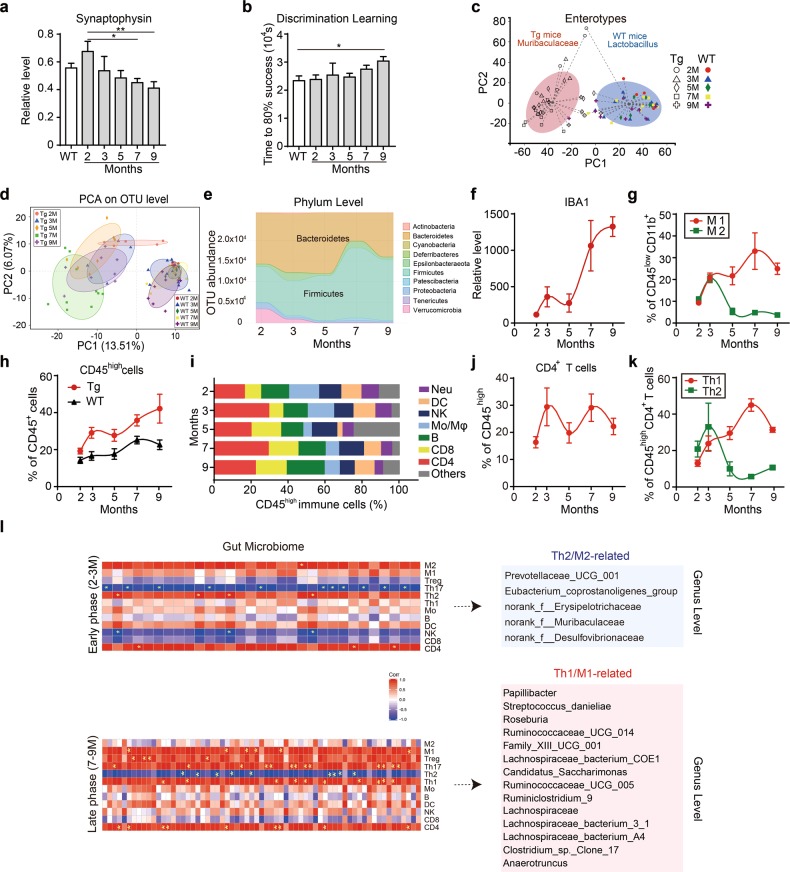
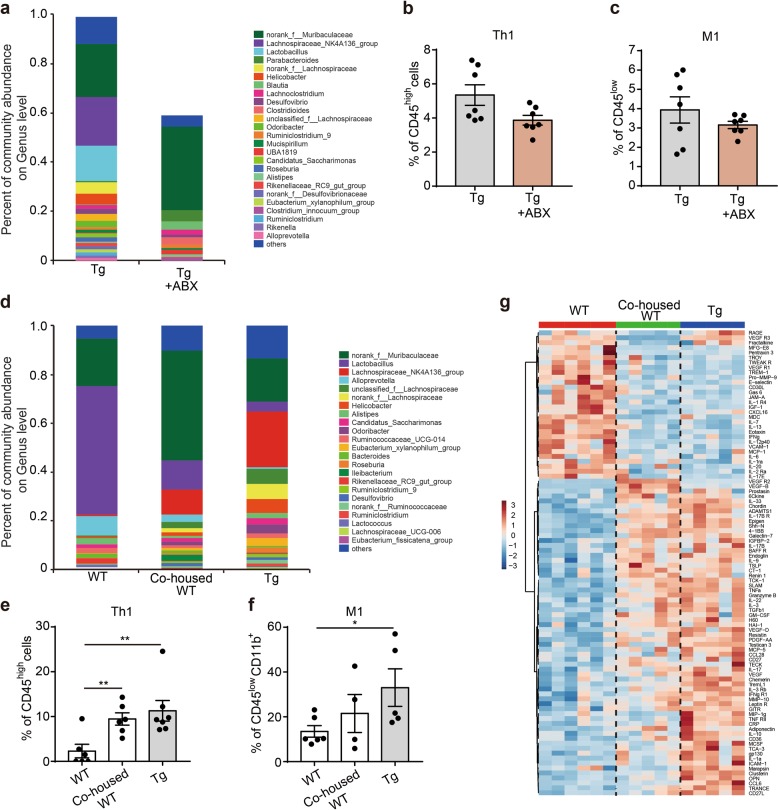
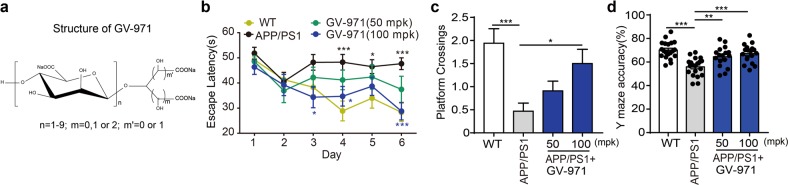
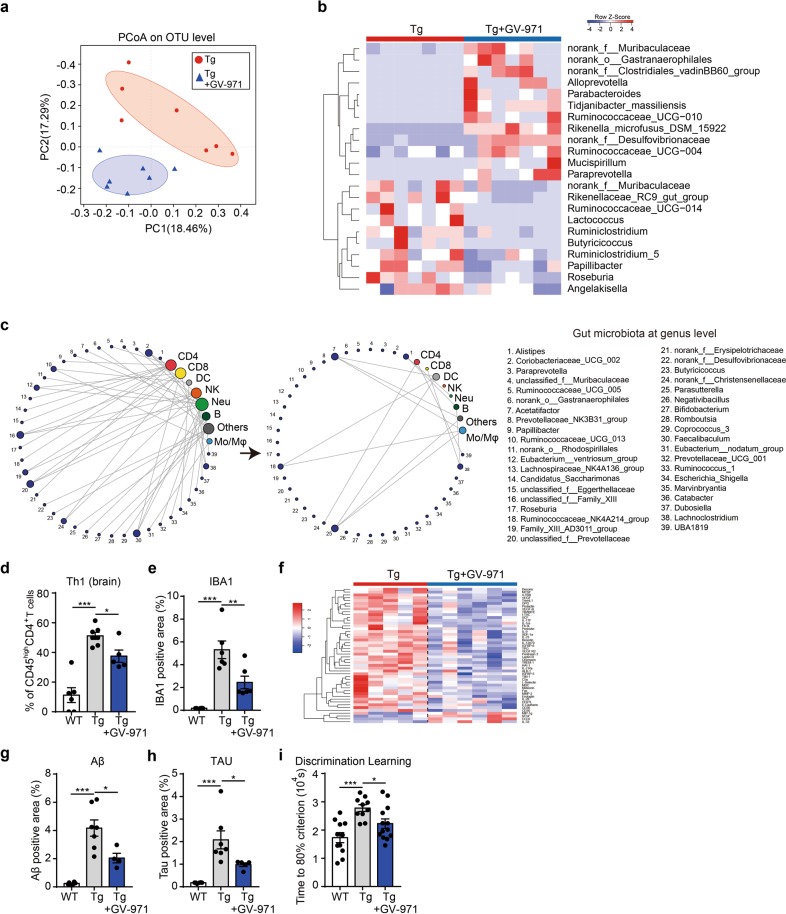
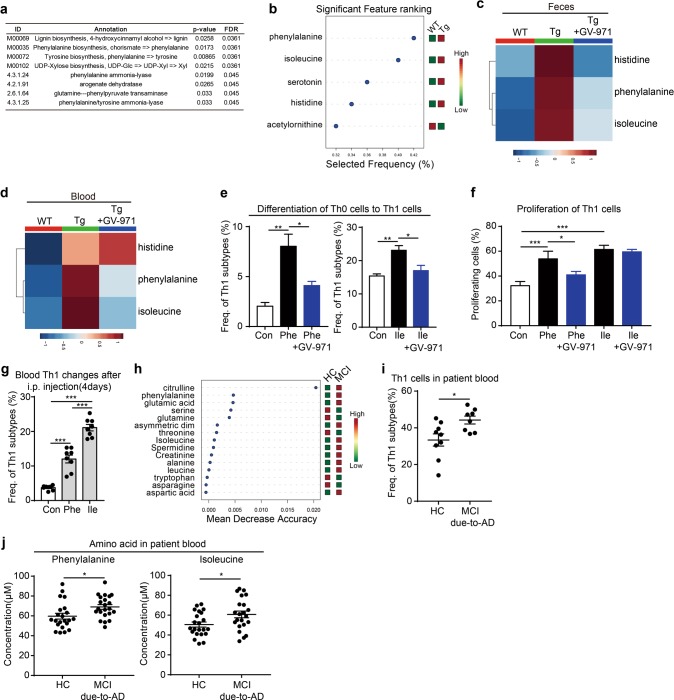
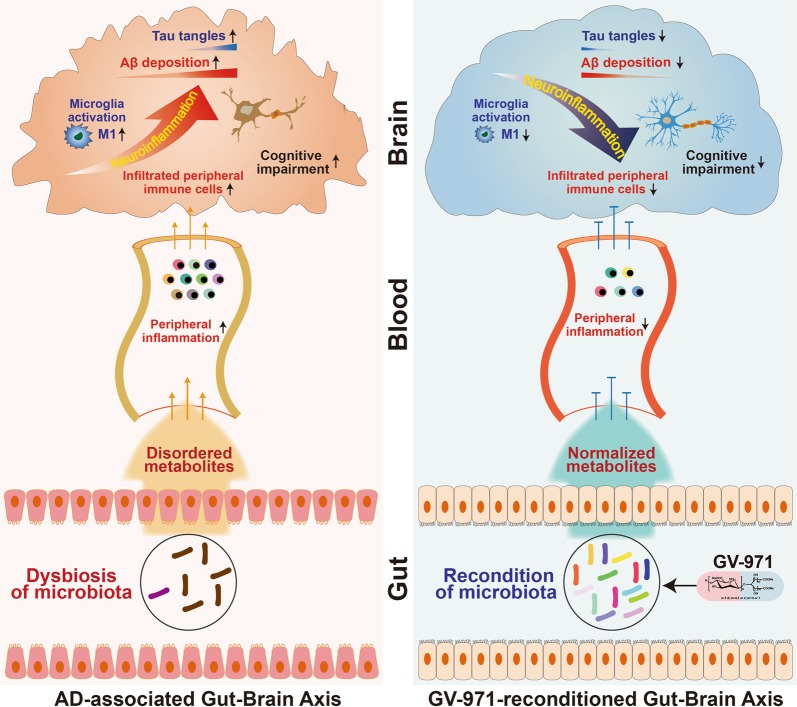
Recently, increasing evidence has suggested the association between gut dysbiosis and Alzheimer's disease (AD) progression, yet the role of gut microbiota in AD pathogenesis remains obscure. Herein, we provide a potential mechanistic link between gut microbiota dysbiosis and neuroinflammation in AD progression. Using AD mouse models, we discovered that, during AD progression, the alteration of gut microbiota composition leads to the peripheral accumulation of phenylalanine and isoleucine, which stimulates the differentiation and proliferation of pro-inflammatory T helper 1 (Th1) cells. The brain-infiltrated peripheral Th1 immune cells are associated with the M1 microglia activation, contributing to AD-associated neuroinflammation. Importantly, the elevation of phenylalanine and isoleucine concentrations and the increase of Th1 cell frequency in the blood were also observed in two small independent cohorts of patients with mild cognitive impairment (MCI) due to AD. Furthermore, GV-971, a sodium oligomannate that has demonstrated solid and consistent cognition improvement in a phase 3 clinical trial in China, suppresses gut dysbiosis and the associated phenylalanine/isoleucine accumulation, harnesses neuroinflammation and reverses the cognition impairment. Together, our findings highlight the role of gut dysbiosis-promoted neuroinflammation in AD progression and suggest a novel strategy for AD therapy by remodelling the gut microbiota.
Overview
The claims and statistics of this paper haven’t been checked yet.
Free: it reads the open-access text and checks the first 5 claims that cite a source we can check. Create a free account to check every claim.
Integrity signals
Registry
Cites
Statistics
Figures
Verification
Claims the paper makes
The claims and statistics of this paper haven’t been checked yet.
Free: it reads the open-access text and checks the first 5 claims that cite a source we can check. Create a free account to check every claim.
Claims other papers make about this one
Each is checked against this paper’s own text: does it say what the citing paper says it does?
The source backs part of the claim, not all of it — or backs it for a different population, condition or comparison.
In the citing paper
“Targeting the intestinal microbiota for the treatment of AD opens up a new way to treat other neurological diseases [11].”
From Neuroprotective Effect of Ceftriaxone on MPTP‐Induced Parkinson’s Disease Mouse Model by Regulating Inflammation and Intestinal Microbiota (2021) · cites this paper as [11]
Experimental — accuracy not yet measuredThe source backs part of the claim, not all of it — or backs it for a different population, condition or comparison.
In the citing paper
“Metabolomic analyses on the feces of these animals revealed significant changes in amino acid–related metabolism, in particular for the phenylalanine- and isoleucine-related pathways.”
From The gut-brain axis: how microbiota and host inflammasome influence brain physiology and pathology (2020) · cites this paper as [163]
Experimental — accuracy not yet measuredThe source backs part of the claim, not all of it — or backs it for a different population, condition or comparison.
In the citing paper
“The effects of GV-971 on mild to severe form of AD were tested in a phase 3 study that started in April 2014 and the results of this study highlighted the fact that GV-971 has significant cognitive benefits.”
From An update on the novel and approved drugs for Alzheimer disease (2022) · cites this paper as Wang et al., 2019
Experimental — accuracy not yet measuredThe source backs part of the claim, not all of it — or backs it for a different population, condition or comparison.
In the citing paper
“it plays a major role in the bidirectional communication between the GI tract and the central nervous system (CNS).”
From The Role of Short-Chain Fatty Acids From Gut Microbiota in Gut-Brain Communication (2020) · cites this paper as [11]
Experimental — accuracy not yet measuredThe cited source says what the claim attributes to it.
In the citing paper
“Sodium oligomannate (9, GV-971) was postulated to counteract AD by inhibiting neuroinflammation triggered by gut dysbiosis and disrupting the formation of Aβ fibrils.56,414”
From Recent advances in Alzheimer's disease: Mechanisms, clinical trials and new drug development strategies. (2024) · cites this paper as [414]
15 more claims about this paper
Create a free account to see every claim other papers make about this one.
Self-check
Percentages, sums and reported differences re-computed from the paper’s own numbers.
The self-check needs the paper’s full text.
Citations
Cites
Classification and Regression by randomForest
Liaw, A. I., & Wiener, M. C. (2007) · Cited by 18,594
Morris water maze: procedures for assessing spatial and related forms of learning and memory
Vorhees, C. V., & Williams, M. T. (2006) · Nature Protocols · doi:10.1038/nprot.2006.116 · Cited by 4,629
Oakley, H., Cole, S. L., Logan, S., Maus, E., Shao, P., Craft, J., Guillozet-Bongaarts, A., Ohno, M., Disterhoft, J., Van Eldik, L., et al. (2006) · The Journal of Neuroscience · doi:10.1523/jneurosci.1202-06.2006 · Cited by 3,530
Gut microbiota, metabolites and host immunity
Rooks, M. G., & Garrett, W. S. (2016) · Nature reviews. Immunology · doi:10.1038/nri.2016.42 · Cited by 3,409
Krasemann, S., Madore, C., Cialic, R., Baufeld, C., Calcagno, N., El Fatimy, R., Beckers, L., O’Loughlin, E., Xu, Y., Fanek, Z., et al. (2017) · Immunity · doi:10.1016/j.immuni.2017.08.008 · Cited by 2,979
NLRP3 is activated in Alzheimer’s disease and contributes to pathology in APP/PS1 mice
Heneka, M. T., Kummer, M. P., Stutz, A., Delekate, A., Schwartz, S., Vieira-Saecker, A., Griep, A., Axt, D., Remus, A., Tzeng, T.-C., et al. (2013) · Nature · doi:10.1038/nature11729 · Cited by 2,898
Differential Roles of M1 and M2 Microglia in Neurodegenerative Diseases
Tang, Y., & Le, W. (2016) · Molecular Neurobiology · doi:10.1007/s12035-014-9070-5 · Cited by 2,190
Gut microbiome alterations in Alzheimer’s disease
Vogt, N. M., Kerby, R. L., Dill-McFarland, K. A., Harding, S. J., Merluzzi, A. P., Johnson, S. C., Carlsson, C. M., Asthana, S., Zetterberg, H., Blennow, K., et al. (2017) · Scientific Reports · doi:10.1038/s41598-017-13601-y · Cited by 2,137
The microbiome and innate immunity
Thaiss, C. A., Zmora, N., Levy, M., & Elinav, E. (2016) · Nature · doi:10.1038/nature18847 · Cited by 2,012
The microbiota in adaptive immune homeostasis and disease
Honda, K., & Littman, D. R. (2016) · Nature · doi:10.1038/nature18848 · Cited by 1,846
Cited by
Items 601–700 of 1,000
Rui, W., Wu, Y., Yang, Y., Xie, W., Qin, D., Ming, J., Ye, Z., Liu, L., Zong, M., Tang, X., et al. (2024) · Journal of Neuroinflammation · doi:10.1186/s12974-024-03255-9 · Cited by 15
Adaptive immunity in the neuroinflammation of Alzheimer’s disease
Liu, H., Chen, Y., Zhang, J., & Chen, X. (2025) · Chinese Medical Journal · doi:10.1097/cm9.0000000000003695 · Cited by 15
“…lymphocytes (CD8 + Tregs), CD8 + T ↑ [52,161] /NS [162] / ↓ [163] ↑ [60,61,164] ↑ [52] /NS [165] ↑ [166] ↓ [52,61] ↑ [60,61] ↑ [161] CD4 + T Th1 ↑ [167] /NS [168] ↑ [169,170] ↑ [171] – – – ↑ [169] / ↓ [170] Th2 – – – – ↑ [172] – ↓ [172] Th17 ↑ [168,173,174] ↑ [169,173] ↑ [173] ↑ [175] ↓ [169,176]…”
Self-citationWu, J., Meng, Q., Shi, X., Liu, L.-X., Zhang, Z.-K., Guan, H., Shao, C., & Wang, C. (2020) · Bioorganic Chemistry · doi:10.1016/j.bioorg.2020.104246 · Cited by 15
Dai, B., Ma, X., Tang, Y., Xu, L., Guo, S., Chen, X., Lu, S., Wang, G., & Liu, Y. (2020) · Bioorganic & Medicinal Chemistry · doi:10.1016/j.bmc.2020.115891 · Cited by 15
Fluorescent Labeling of Polymannuronic Acid and Its Distribution in Mice by Tail Vein Injection
Song, S., Wei, Q., Wang, K., Yang, Q., Wang, Y., Ji, A., & Chen, G. (2022) · Marine Drugs · doi:10.3390/md20050289 · Cited by 15
“Polymannuronic acid (PM) (nonsulfated polysaccharide, Figure 1), an active fragment of sodium alginate, possesses more pharmacological activities than sodium alginate itself, including anti-tumor [4], antioxidant [5], anticoagulation [6], immune regulation [7], antiinflammatory [8], neuroprotection [9], and hypolipide…”
BackgroundChen, S., Dai, X., Yang, D., Dai, L., & Hua, Y. (2023) · Applied Energy · doi:10.1016/j.apenergy.2023.121245 · Cited by 15
Self-citationZhang, Y., Chen, Y., Yuan, S., Yu, Q., Fu, J., Chen, L., Liu, J., & He, Y. (2023) · Experimental Brain Research · doi:10.1007/s00221-023-06632-7 · Cited by 15
“The regulation of gut microbiota has been proved to improve neuronal apoptosis of AD (Chen et al. 2021a; Kim et al. 2021; Ton et al. 2020; Wang et al. 2019).”
BackgroundSelf-citationAir Pollution: A Silent Key Driver of Dementia
Serafin, P., Zaremba, M., Sulejczak, D., & Kleczkowska, P. (2023) · Biomedicines · doi:10.3390/biomedicines11051477 · Cited by 15
“GV-971 was also found to be safe and well tolerated without side effects typical of A β monoclonal antibodies [28,29].”
Interaction and Metabolic Function of Microbiota during the Washed Processing of Coffea arabica
Shen, X., Wang, B., Zi, C., Huang, L., Wang, Q., Zhou, C., Wu, W., Liu, K., Yuan, W., & Li, X. (2023) · Molecules · doi:10.3390/molecules28166092 · Cited by 15
“0 (Waters Corporation, Milford, MA, USA) [36].”
InfluentialNassar, A., Kodi, T., Satarker, S., Gurram, P. C., Fayaz, S. M., & Nampoothiri, M. (2023) · Gene · doi:10.1016/j.gene.2023.147898 · Cited by 15
Zhang, H., Zhang, Y., Chang, S. K. C., Luo, Y., Hong, H., & Tan, Y. (2024) · Journal of Cleaner Production · doi:10.1016/j.jclepro.2024.141076 · Cited by 15
Self-citationMezeiová, E., Prchal, L., Hrabinová, M., Múčková, Ľ., Pulkrabkova, L., Soukup, O., Misiachna, A., Janoušek, J., Fibigar, J., Kucera, T., et al. (2024) · Biomedicine & Pharmacotherapy · doi:10.1016/j.biopha.2024.116399 · Cited by 15
Li, L., Mayne, J., Beltran, A., Zhang, X., Ning, Z., & Figeys, D. (2024) · Microbiome Research Reports · doi:10.20517/mrr.2023.57 · Cited by 15
Ding, R., Xiao, Z., Jiang, Y., Yang, Y., Ji, Y., Bao, X., Xing, K., Zhou, X., & Zhu, S. (2021) · Experimental Biology and Medicine · doi:10.1177/15353702211062507 · Cited by 14
“One study showed that gut microbiota dysbiosis leads to abnormal accumulation of amino acids, which are released into the peripheral blood and activate the innate immunity and lead to apoptosis.(45) As reported before, in our study, phenylalanine metabolism and apoptosis pathway were significantly different between th…”
ResultMao, M., Zhou, Y., Jiao, Y., Yin, S., Cheung, C., Yu, W., Gao, P., & Yang, L. (2022) · Frontiers in Medicine · doi:10.3389/fmed.2022.975376 · Cited by 14
“An increasing body of evidence suggests that the perturbation of the microbiotagut-brain axis is involved in central nervous systems (CNS) diseases, such as depression (12, 13), anxiety (14), Alzheimer’s disease (15, 16), autism (17, 18), and Parkinson’s disease (19, 20).”
BackgroundCheng, Q., Ma, X., Liu, J., Feng, X., Liu, Y., Wang, Y., Ni, W., & Song, M. (2023) · International Journal of Molecular Sciences · doi:10.3390/ijms24097739 · Cited by 14
Self-citationDynamic distribution of gut microbiota during Alzheimer's disease progression in a mice model
Zhu, J., Liu, S., Zhang, H., Zhao, W., Ding, J., Dai, R., Xu, K., He, C., Liu, J., Yang, L., et al. (2023) · Apmis · doi:10.1111/apm.13339 · Cited by 14
Self-citationEmerging nanotherapeutic strategies targeting gut-X axis against diseases
Sun, A., Liu, H., Sun, M., Yang, W., Liu, J., Lin, Y., Shi, X., Sun, J. Y., & Liu, L. (2023) · Biomedicine & Pharmacotherapy · doi:10.1016/j.biopha.2023.115577 · Cited by 14
Self-citationUtilizing marine algal metabolites to fight neurodegenerative diseases
Naik, B., Richa, S., Bharadwaj, S., Mishra, S., Kumar, V., Kumar, V., Saris, P. E. J., Gupta, A. K., Mishra, R., Gupta, U., et al. (2024) · Frontiers in Marine Science · doi:10.3389/fmars.2024.1370839 · Cited by 14
Наволокин, Н. А., Adushkina, V., Zlatogorskaya, D., Telnova, V., Evsukova, A., Vodovozova, E. L., Anna, E., Dosadina, E. E., Diduk, S., & Semyachkina-Glushkovskaya, O. V. (2024) · Pharmaceuticals · doi:10.3390/ph17060788 · Cited by 14
Research progress of SREBP and its role in the pathogenesis of autoimmune rheumatic diseases
Xu, X., Jin, W., Chang, R., & Ding, X. (2024) · Frontiers in Immunology · doi:10.3389/fimmu.2024.1398921 · Cited by 14
Wang, T., Gao, C., Dong, X., & Li, L. (2025) · International Journal of Biological Macromolecules · doi:10.1016/j.ijbiomac.2025.146160 · Cited by 14
Self-citationLiu, S., Min, Z., Liu, Y., Yang, X., Yan, H., Xu, H. E., Wu, Y., & Xu, Y. (2025) · Frontiers in Neuroscience · doi:10.3389/fnins.2025.1656906 · Cited by 15
Zhang, T., Zhang, S., Peng, Y., Wang, Y., Gao, P., Hu, Y., Wang, Z., Noda, M., Hiramatsu, M., Liu, J., et al. (2021) · Food & Function · doi:10.1039/d1fo01755a · Cited by 15
Self-citationSun, J., Wang, T., Huang, F., Liu, Y., Shi, W., Ma, C., & Zhong, J. (2021) · Fermentation · doi:10.3390/fermentation7040273 · Cited by 14
Self-citationBoschetti, E., Neri, I., Follo, M. Y., GIORGIO, R. D., Cocco, L., Manzoli, L., & Ratti, S. (2022) · Mini-Reviews in Medicinal Chemistry · doi:10.2174/1389557522666220622111501 · Cited by 15
Wu, P.-N., Xiong, S., Zhong, P., Yang, W., Chen, M., & Tang, T. (2022) · Frontiers in Pharmacology · doi:10.3389/fphar.2022.956204 · Cited by 14
“A sodium oligomannate that has demonstrated solid and consistent cognition improvement in a phase 3 clinical trial in China suppresses gut dysbiosis and the associated phenylalanine/ isoleucine accumulation, harnesses neuroinflammation, and reverses cognition impairment (Wang et al., 2019).”
BackgroundHaziot, C. B., & Birak, K. S. (2023) · Journal of Alzheimer s Disease Reports · doi:10.3233/adr-220097 · Cited by 14
“This potentially happens by regulating concentrations of phenylalanine and isoleucine in amino-acid-related metabolic pathways and enzymes that could be taken by immune cells through specific transporters, driving immune cell differentiation and proliferation [21].”
BackgroundMethodInfluentialZhao, T., Huang, H., Li, J., Shen, J., Zhou, C. L., Xiao, R., & Ma, W. (2023) · AMB Express · doi:10.1186/s13568-023-01655-3 · Cited by 14
“…that some functional pathways were increased in the MCI group compared to the Non_MCI group, including Transcription, Sele-nocompound metabolism, Glutathione metabolism, and Nucleotide excision repair Many of these pathways may be related to cognition (Pulikkan et al. 2019; Wang et al. 2019).”
BackgroundHu, C., Jiang, L., Tang, L., Zhang, M., & Sheng, R. (2021) · Bioorganic & Medicinal Chemistry · doi:10.1016/j.bmc.2021.116306 · Cited by 14
Using machine intelligence to uncover Alzheimer’s disease progression heterogeneity
Qorri, B., Tsay, M., Agrawal, A., Au, R., & Gracie, J. (2020) · Exploration of Medicine · doi:10.37349/emed.2020.00026 · Cited by 13
Gao, D., Zhao, H., Yin, Z., Chen, H., Wang, Y., Luo, G., & Gao, X. (2021) · Frontiers in Pharmacology · doi:10.3389/fphar.2021.766120 · Cited by 13
“Emerging evidence has shown that gut microbial dysbiosis may mediate the pathogenesis of AD (Minter et al., 2016; Liu P. et al., 2019; Wang et al., 2019).”
BackgroundZhang, Y., Jia, Z., Wang, J., & Liang, H. (2024) · Molecular Neurobiology · doi:10.1007/s12035-024-04168-7 · Cited by 13
Aziz, N., Wal, P., Patel, A., & Prajapati, H. (2024) · Naunyn-Schmiedeberg s Archives of Pharmacology · doi:10.1007/s00210-024-03109-4 · Cited by 13
“The feces of GV-971-treated AD mice serve as an efficient substitute for oral administration of the drug, as shown by the decrease in Th1 cells seen in the brains of recipient mice (Wang et al. 2019).”
Cao, W., Zhu, B., Liu, Z., Jia, X.-T., Zhao, H., Gu, N., Chang, H., Xi, J., Li, R., Guo, K., et al. (2024) · Neuroscience · doi:10.1016/j.neuroscience.2024.11.029 · Cited by 14
Ngah, W. Z. W., Ahmad, H. F., Ankasha, S. J., Makpol, S., & Tooyama, I. (2024) · Antioxidants · doi:10.3390/antiox13121504 · Cited by 13
Yang, S., Wang, L., Liang, X., Pei, T., Zeng, Y., Xie, B., Wang, Y., Yang, M., Wei, D., & Cheng, W. (2025) · International Journal of Biological Macromolecules · doi:10.1016/j.ijbiomac.2025.141715 · Cited by 15
Salsinha, A. S., Araújo-Rodrigues, H., Dias, C., Cima, A., Rodríguez-Alcalá, L. M., Relvas, J. B., & Pintado, M. (2025) · Clinical Nutrition · doi:10.1016/j.clnu.2025.04.007 · Cited by 13
Biomaterials in Alzheimer's Disease: An Anti‐Neuroinflammatory Perspective
Huang, N., Huang, W., Wang, M., Shi, J., Luo, Y., & Huang, J. (2025) · Advanced Healthcare Materials · doi:10.1002/adhm.202500498 · Cited by 13
Zhu, Q., Li, X., Li, G., Tang, W., Li, C., Li, J., Zhao, C., Du, C., Liang, X., Li, W., et al. (2021) · The Science of The Total Environment · doi:10.1016/j.scitotenv.2021.146903 · Cited by 13
Self-citationGou, J., Liang, S., Cheng, W., Wu, S., Ye, Z., Ma, Y., Yin, Y., & Wang, H. (2021) · Brain Research Bulletin · doi:10.1016/j.brainresbull.2021.07.022 · Cited by 13
Self-citationChen, F., Zuo, K., Zhang, W., Zhong, J., Li, J., Xu, L., & Yang, X. (2022) · International Journal of Clinical Practice · doi:10.1155/2022/7942605 · Cited by 13
“found that the concentration of serine produced by gut bacteria was decreased in Alzheimer’s disease patients [32].”
Potential of astrocytes in targeting therapy for Alzheimer’s disease
Bi, W., Lei, T., Cai, S., Zhang, X., Yang, Y., Xiao, Z., Wang, L., & Du, H. (2022) · International Immunopharmacology · doi:10.1016/j.intimp.2022.109368 · Cited by 13
Jia, X., Wu, B., Chen, B.-D., Li, K., Liu, Y., Xu, Y., Wang, J., & Zhang, X. (2022) · Journal of Autoimmunity · doi:10.1016/j.jaut.2022.102958 · Cited by 13
Wang, L., Zhan, X., Jiang, L., Xu, G., Bao, Y., Wang, J., Qv, S., Yang, J., & Huang, D. (2023) · Neurological Research · doi:10.1080/01616412.2023.2176632 · Cited by 13
Self-citationHassanzadeh, A., Yegdaneh, A., & Rabbani, M. (2023) · Research in Pharmaceutical Sciences · doi:10.4103/1735-5362.371585 · Cited by 13
“These two amino acids contributed to AD-associated neuro-inflammation by increasing the differentiation and proliferation of T helper cells in the brain (18).”
BackgroundMatrine Mediated Immune Protection in MS by Regulating Gut Microbiota and Production of SCFAs
Dou, M., Chu, Y., Zhou, X., Wang, M., Li, X., Ma, R., Fan, Z., Zhao, X., Wang, W., Li, S., et al. (2023) · Molecular Neurobiology · doi:10.1007/s12035-023-03568-5 · Cited by 13
“Recent studies have shown that changes in gut microbiota are closely associated with neurodegenerative diseases such as Alzheimer’s disease [4, 5], amyotrophic lateral sclerosis [6], Parkinson’s disease [7], and MS [8–10].”
Qian, Z., Li, Y., Hao, Z., Zheng, Z., Yang, H., Li, S., Xu, S., Xu, Y., & Zhang, L. (2023) · World Journal of Microbiology and Biotechnology · doi:10.1007/s11274-023-03874-z · Cited by 13
“(Wang et al. 2019).”
Bu, L., Wang, C., Bai, J., Song, J., Zhang, Y., Chen, H., & Suo, H. (2024) · Food & Function · doi:10.1039/d3fo02307a · Cited by 13
Dunham, S. J. B., Avelar‐Barragan, J., Rothman, J. A., Adams, E. D., Faraci, G., Forner, S., Kawauchi, S., Tenner, A. J., Green, K. N., LaFerla, F. M., et al. (2024) · Alzheimer s & Dementia · doi:10.1002/alz.13794 · Cited by 13
“16,17 In their 2019studyoftherelationshipbetweengutmicrobiomedysbiosis,neuroinflammation, and AD progression in the transgenic 5xfAD mouse (a widely used model for early-onset AD), Wang et al. found that convergent microbiomes among co-housed wild type (WT) and 5xfAD animals led to changes in WT…”
BackgroundResultThe Gut Microbiota-Brain Axis: A New Frontier in Alzheimer's Disease Pathology
Dhanawat, M., Garima, G., Wilson, K., Gupta, S., Gupta, N., & Sardana, S. (2024) · CNS & Neurological Disorders - Drug Targets · doi:10.2174/0118715273302508240613114103 · Cited by 13
Krankheitsmodifizierende Therapieansätze bei Alzheimer-Krankheit
Frölich, L., & Hausner, L. (2021) · Der Nervenarzt · doi:10.1007/s00115-021-01222-w · Cited by 13
“Als Wirkmechanismus im Darmmikrobiomwird angenommen, dass die Substanz die Zusammensetzung der Darmflora normalisiert und dann über periphere EntzündungsmediatorendieNeuroinflammation reduziert [32].”
BackgroundTang, L., Bao, M., Wang, Y., Fu, Z. H., Han, F., & Yu, W. (2022) · International Journal of Molecular Sciences · doi:10.3390/ijms23094795 · Cited by 13
“The bioactivities of AOS are closely related to the degree of polymerization (DP) [6,7].”
BackgroundGao, J., Zhou, N., Lu, M., Wang, Q., Zhao, C., Wang, J., Zhou, M., & Xu, Y. (2023) · Frontiers in Microbiology · doi:10.3389/fmicb.2022.1047121 · Cited by 13
“The gut microbiota of different AD transgenic mice has been reported to vary with age, implying an association with disease progression (Zhang L. et al., 2017; Wang et al., 2019).”
BackgroundZhan, T., Wu, Y., Deng, X., Li, Q., Chen, Y., Lv, J., Wang, J., Li, S., Wu, Z., Liu, D., et al. (2023) · Frontiers in Cellular and Infection Microbiology · doi:10.3389/fcimb.2023.1286977 · Cited by 12
Chen, Z., Liu, S., Zhou, H., Wang, M., Pei, S., Wang, R., & Liu, Z. (2023) · Journal of Pharmaceutical and Biomedical Analysis · doi:10.1016/j.jpba.2023.115930 · Cited by 12
Rational Design Strategy to Improve the Thermal Stability of Alginate Lyase Pedsa0632
Ren, T., Li, X., Sun, X., Zhu, K., Zhou, X. H., Chen, L., Qiu, C., Jin, Z., & Long, J. (2025) · Journal of Agricultural and Food Chemistry · doi:10.1021/acs.jafc.5c02249 · Cited by 12
The role of the gut microbiota in neuropsychiatric disorders and therapy
Zhang, F., Ding, K., Zhang, L., Liu, D., Dong, X., Wang, M., Zhou, F.-L., Sun, Y., Zhang, W., Yu, Y., et al. (2025) · Ageing Research Reviews · doi:10.1016/j.arr.2025.102894 · Cited by 12
Zhang, X., Huang, S., Xu, H., Hu, Y., & Gao, L. (2025) · Frontiers in Pharmacology · doi:10.3389/fphar.2025.1666082 · Cited by 12
Shen, H., Wang, S. Y., Zhao, Y., Zhou, J. L., Zhao, J., & Zhu, W. K. (2026) · Frontiers in Microbiology · doi:10.3389/fmicb.2026.1768891 · Cited by 13
NMDA Inhibitors: A Potential Contrivance to Assist in Management of Alzheimer’s Disease
Painuli, S., Semwal, P., Zam, W., Taheri, Y., Ezzat, S. M., Zuo, P., Li, L., Kumar, D., Sharifi‐Rad, J., & Martins, N. A. (2022) · Combinatorial Chemistry & High Throughput Screening · doi:10.2174/1386207325666220428112541 · Cited by 12
Zhang, H., Wang, Z., Yao, H., Jiang, L., & Tong, J. (2022) · Frontiers in Microbiology · doi:10.3389/fmicb.2022.950231 · Cited by 12
“The liquid chromatography conditions were like those of a previous study (Wang et al., 2019).”
ResultSelf-citationLi, K., Chen, L., Shi, W., Hu, C., Sha, Y., Feng, G., Wang, E. T., Chen, W., Sui, X., & Mi, G. (2022) · Environmental Microbiology · doi:10.1111/1462-2920.16293 · Cited by 12
Han, B., Wang, L., Wang, X., Gu, L., & Yuan, W. (2022) · Microbiology Spectrum · doi:10.1128/spectrum.03101-22 · Cited by 12
Self-citationMajor royal-jelly proteins intake modulates immune functions and gut microbiota in mice
Wu, H., Zhou, S., Ning, W., Wu, X., Xu, X., Liu, Z., Liu, W., Liu, K., Shen, L., & Wang, J. (2023) · Food Science and Human Wellness · doi:10.26599/fshw.2022.9250038 · Cited by 12
Prevotella intermedia Aggravates Subclinical Hypothyroidism
Dong, T., Xu, S., Chen, Z.-Y., Liang, Y.-J., Meng, X.-Q., Niu, C., Yuan, K., Li, P.-L., Duan, S., & Huang, Z.-W. (2023) · Journal of Dental Research · doi:10.1177/00220345231168052 · Cited by 12
“Moreover, changes in gut microbiota stimulated the differentiation and proliferation of Th1 cells and participated in the progression of Alzheimer’s disease (Wang et al. 2019).”
BackgroundSvobodová, B., Pulkrabkova, L., Panek, D., Misiachna, A., Kolcheva, M., Andrýs, R., Handl, J., Čapek, J., Nyvltová, P., Roušar, T., et al. (2023) · International Journal of Molecular Sciences · doi:10.3390/ijms24119124 · Cited by 12
Wu, M., Li, Y., Miao, Y., Qiao, H., & Wang, Y. (2023) · Journal of drug targeting · doi:10.1080/1061186x.2023.2245582 · Cited by 12
Petrisko, T. J., Gargus, M. D., Chu, S., Selvan, P., Whiteson, K., & Tenner, A. J. (2023) · Journal of Neuroinflammation · doi:10.1186/s12974-023-02885-9 · Cited by 12
Xie, R., Chen, F., Ma, Y., Hu, W., Zheng, Q., Cao, J., & Wu, Y. (2023) · Frontiers in Pharmacology · doi:10.3389/fphar.2023.1249632 · Cited by 12
Ma, B.-Q., Jia, J., Wang, H., Li, S., Yang, Z.-J., Wang, X., & Yan, X.-S. (2024) · Journal of Toxicology and Environmental Health · doi:10.1080/15287394.2024.2338914 · Cited by 13
“The interaction of gut microbiota with the gut and the CNS referred to the micro-biota-gut-brain axis plays an important role in the pathogenesis of neurodegenerative diseases such as AD (Quigley 2017; X. Wang et al. 2019b).”
BackgroundSelf-citationHu, H., Meng, J., Zheng, H., Cai, H., Wang, M., Luo, Z., Yang, E., Li, C., Wu, Q., Yan, Z., et al. (2024) · Heliyon · doi:10.1016/j.heliyon.2024.e33011 · Cited by 12
“The above method of LC-MS/MS was referred to Wang et al., 2019 [22].”
MethodGao, W. H., Dong, Q., Wu, X., Wang, Y., Li, J., Zhang, Q., Lu, F., & Liu, F. (2024) · ACS Chemical Neuroscience · doi:10.1021/acschemneuro.4c00164 · Cited by 12
Self-citationJalali, D., Guevarra, J. A., Martinez, L., Hung, L., & Vonhoff, F. (2021) · International Journal of Molecular Sciences · doi:10.3390/ijms22137022 · Cited by 12
Zanolla, M., Romanazzi, D., Svenson, J., Sherwood, A. R., & Stengel, D. B. (2022) · Journal of Applied Phycology · doi:10.1007/s10811-022-02706-1 · Cited by 12
“Seaweeds (marine macroalgae) are sources of bioactive compounds with multiple commercial applications, ranging from food to pharmaceuticals as well as agriculture (Stengel and Connan 2015; Wang et al. 2019).”
BackgroundCreutzfeldt-Jakob Disease: Alterations of Gut Microbiota
Guo, Y., Xu, Y., Lin, X. M., Zhen, Z., Fang, Y., Guan, H., Shi, Q., Sun, W., Yang, A., Dong, X., et al. (2022) · Frontiers in Neurology · doi:10.3389/fneur.2022.832599 · Cited by 12
“Another drug, GV-971, which is a mixture of acidic linear oligosaccharides, is capable of reducing the Aβ plaque deposition and reversing the gut microbiota dysbiosis in AD mice (54).”
BackgroundCui, M., Shan, X., Yan, Y., Zhao, T., Sun, Y., Hao, W., Wang, Z., Chang, Y.-F., Xie, Y., & Wei, B. (2023) · Arabian Journal of Chemistry · doi:10.1016/j.arabjc.2023.104688 · Cited by 12
Xu, Q., Wen, L., Wei, G., Zhao, X., Liu, Y., Xiong, W., Zhang, T., Fan, Y., Chen, C., Xiang, C., et al. (2022) · Frontiers in Microbiology · doi:10.3389/fmicb.2022.819523 · Cited by 11
Wang, Q., Liu, K., Shi, L., Xie, Z., Li, S., & Chen, T. (2023) · LWT · doi:10.1016/j.lwt.2023.115458 · Cited by 11
Self-citationYin, J., Peng, W., Lu, L., Hong, Z., Zhou, D., & Li, J. (2024) · Aging and Disease · doi:10.14336/ad.2024.1499 · Cited by 11
“Amino acids derived from the gut microbiome, such as isoleucine and phenylalanine, stimulate proinflammatory T helper 1 (Th1) cell proliferation, contributing to the AD-related neuroinflammatory response through the activation of M1 microglia [50].”
Biologics as Therapeutical Agents Under Perspective Clinical Studies for Alzheimer’s Disease
Li, H., Shen, X., Zhang, B., & Zhu, Z. (2025) · Molecules · doi:10.3390/molecules30173479 · Cited by 12
Ren, Y., Liang, J., Xie, J., Hu, W., Lai, M., Li, X., Zhang, J., Zheng, Y., Wu, Q., Zhou, H., et al. (2025) · Microbiome · doi:10.1186/s40168-025-02257-w · Cited by 12
Self-citationMicrobiota and Alzheimer’s disease: mechanistic insights from a multi-organ perspective
Liao, J., Mou, H., Luo, S., Shen, L., & Jiao, B. (2026) · Translational Neurodegeneration · doi:10.1186/s40035-026-00541-9 · Cited by 11
“In AD mouse models, this promotes the growth and differentiation of proinflammatory Th1 cells and enables their local interaction with M1 microglia, which in turn drives microglial differentiation toward a proinflammatory state [64].”
The infant microbiome and implications for central nervous system development
Parsons, E., Claud, K., & Petrof, E. O. (2020) · Progress in molecular biology and translational science · doi:10.1016/bs.pmbts.2020.04.007 · Cited by 11
Bao, Q.-N., Liu, Y., Zhang, X., Li, Y., Wang, Z., Ye, F., He, X., Xia, M., Chen, Z., Yao, J., et al. (2023) · Frontiers in Medicine · doi:10.3389/fmed.2023.1198579 · Cited by 11
“Sodium oligomannate has been demonstrated to reverse cognitive impairment by remodelling the gut microbiome and limiting neuroinflammation (27).”
BackgroundChen, X., Wei, J., Zhang, Y., Zhang, Y., & Zhang, T. (2024) · Journal of the Neurological Sciences · doi:10.1016/j.jns.2024.122889 · Cited by 11
Yang, M., Shen, H., Zhong, S., Xu, Z., Liu, X., Wu, W., Mao, C., & Yang, M. (2024) · Aggregate · doi:10.1002/agt2.515 · Cited by 11
Gut microbiota: the indispensable player in neurodegenerative diseases
Li, S., Cai, Y., Wang, S., Luo, L., Zhang, Y., Huang, K., & Guan, X. (2024) · Journal of the Science of Food and Agriculture · doi:10.1002/jsfa.13509 · Cited by 11
Blivet, G., Roman, F. J., Lelouvier, B., Ribière, C., & Touchon, J. (2024) · Journal of Integrative Neuroscience · doi:10.31083/j.jin2305092 · Cited by 11
“A recent clinical phase-3 trial [32] has shown that GV-971, a sodium oligomannate that is able to remodel gut microbiota, suppressing gut dysbiosis and the associated phenylalanine/isoleucine accumulation, reverses cognition impairment in patients with mild cognitive impairment due to AD [33].”
BackgroundWang, Z., Tang, H., Li, Y., Yang, B., Liang, X., Gong, H., Chen, Y., Liu, G., & Yang, Y. (2024) · International Journal of Biological Macromolecules · doi:10.1016/j.ijbiomac.2024.137485 · Cited by 11
Zou, Z., Lei, D., Yin, Y., Xu, R., Luo, H., Chen, T., Liu, M., & Li, X. (2025) · Heliyon · doi:10.1016/j.heliyon.2025.e42925 · Cited by 12
Liu, Y., Cong, L., Han, C., Li, B., & Dai, R. (2020) · Mini-Reviews in Medicinal Chemistry · doi:10.2174/1389557520666201127104539 · Cited by 11
Recent Advancements in Strategies for Abnormal Protein Clearance in Alzheimer's Disease
Zhuang, J., Gao, J., Yin, Y., Gong, B., Ji, W., Chen, X., Li, P., Cheng, W., Zhao, Y., & He, B. (2022) · Mini-Reviews in Medicinal Chemistry · doi:10.2174/1389557522666220214092824 · Cited by 11
Li, Z., Ma, H., Wang, M., & Qian, Y. (2022) · Frontiers in Aging Neuroscience · doi:10.3389/fnagi.2022.1036120 · Cited by 11
Zhang, H., Wang, Y., Zhao, H., Wang, W., & Han, F. (2024) · Frontiers in Aging Neuroscience · doi:10.3389/fnagi.2024.1423707 · Cited by 11
Self-citationChen, L., Cao, H., Zhang, X., Du, X., Guan, Y., Li, M., Chang, A. K., He, X., Li, X., & Bi, X. (2024) · Food & Function · doi:10.1039/d3fo05278h · Cited by 10
Xu, F., Hu, J., Li, X., Yang, L., Jiang, S., Jiang, T., Cheng, B., Du, H., Wang, R., Deng, Y., et al. (2025) · Brain Research Bulletin · doi:10.1016/j.brainresbull.2025.111211 · Cited by 10
Chen, X., Wang, B., Mamun, A. A., Du, K., Wang, S., Hu, Q., Chen, X., Lu, Y., Du, A., Wu, Y., et al. (2025) · Journal of Nanobiotechnology · doi:10.1186/s12951-025-03224-1 · Cited by 10
“Specifically, the abnormal accumulation of phenylalanine and isoleucine in the periphery promotes immune cell infiltration and activates M1 microglia, leading to Alzheimer’s disease-related neuroinflammation [40].”
Li, B., Wang, J., Wang, X., Wang, X., Zhu, G., & Yang, S. (2025) · Journal of Ethnopharmacology · doi:10.1016/j.jep.2025.120052 · Cited by 10
Self-citationDeep brain stimulation for the treatment of Alzheimer’s disease: A safer and more effective strategy
Zhang, F., Meng, Y., & Zhang, W. (2025) · Neural Regeneration Research · doi:10.4103/nrr.nrr-d-24-01088 · Cited by 10
“This drug improves cognition by suppressing dysbiosis of the gut microbiota and by alleviating neuroinflammation in the brain (Wang et al., 2019).”
Metadata
- Authors
- Wang, X., Sun, G., Feng, T., Zhang, J., Huang, X., Wang, T., Xie, Z., Chu, X., Yang, J., Wang, H., Chang, S., Gong, Y., Ruan, L., Zhang, G., Yan, S., Lian, W., Du, C., Yang, D., Zhang, Q., Lin, F., Liu, J., Zhang, H., Ge, C., Xiao, S., Ding, J., & Geng, M.
- Affiliations
- Chinese Academy of Sciences (CN)
- Shanghai Jiao Tong University (CN)
- Corresponding author
- Geng, Meiyu
- ORCID
- Venue
- Cell Research
- Published
- 2019-09-06
- Volume
- 29
- Issue
- 10
- Pages
- 787-803
- ISSN
- 1001-0602 (ISSN-L)
- 1748-7838
- PMC
- PMC6796854
- OpenAlex
- W2972007077
- Semantic Scholar
- e9a935dc76000829ceb45994c1cb5eb9842e7e5a
- Cited by
- 1,144
- References
- 61
- Citations by year
- 2026: 104 · 2025: 146 · 2024: 179 · 2023: 196 · 2022: 200 · 2021: 175 · 2020: 132 · 2019: 11
- FWCI
- 89.30
- Type
- journal article
- Language
- en
- Open access
- hybrid
- doi.org
- Licence
- cc-by
- creativecommons.org/licenses/by/4.0 (tdm)
- creativecommons.org/licenses/by/4.0 (vor)
- Locations
- Cell Research (publishedVersion, cc-by)
- PubMed Central (publishedVersion, cc-by)
- PubMed (publishedVersion)
- Funders
- Chinese Academy of Sciences (XDA12040101)
- National Key New Drug Creation and Manufacturing Program, Ministry of Science and Technology
- Topics
- Life Sciences › Neuroscience › Cellular and Molecular Neuroscience › Alzheimer's disease research and treatments
- Life Sciences › Biochemistry, Genetics and Molecular Biology › Molecular Biology › Gut microbiota and health
- Life Sciences › Neuroscience › Neurology › Neuroinflammation and Neurodegeneration Mechanisms
- Keywords
- Alzheimer's disease, gut microbiota, gut dysbiosis, neuroinflammation, phenylalanine, isoleucine, Th1 cells, mild cognitive impairment, gut-brain axis, cognitive impairment
- MeSH terms
- Gastrointestinal Microbiome, Alzheimer Disease, Amino Acids, Animals, Anti-Bacterial Agents, Bacteria, Disease Models, Animal, Humans, Isoleucine, Mannose, Mice, Inbred C57BL, Mice, Transgenic, Oligosaccharides, Phenylalanine, Clinical Trials, Phase III as Topic, Microglia, Th1 Cells, Disease Progression, Maze Learning, Mice, Cognitive Dysfunction
About these checks
Registry, retraction, Cites and statistics results are computed, not judged, with one exception: a printed reference that no index lists is read once by a model before it counts as a citation error. Claims are extracted by a model and kept only when their quote appears verbatim in the text; each cited source is then checked, with a model’s help, for whether it says what the claim relies on. Those verdicts can be wrong — read the claim’s quote and the cited source before relying on one.
Statistics and arithmetic are recomputed, not judged.
Confidence bands are shown only for fields calibrated on our annotated test set. None is calibrated yet, so no band is shown.
What counts as a claim ›How we measure confidence ›How we check this ›
Are you an author, or do you see a problem with this page? Request a review
Data sources
Bibliographic data: Semantic Scholar, OpenAlex, Crossref.
Contains information from the Semantic Scholar Academic Graph Datasets, made available under the ODC Attribution License (ODC-BY 1.0).
Semantic Scholar’s data is described in: Kinney, R., et al. (2023). The Semantic Scholar Open Data Platform. arXiv:2301.10140.
