

Sodium oligomannate therapeutically remodels gut microbiota and suppresses gut bacterial amino acids-shaped neuroinflammation to inhibit Alzheimer’s disease progression
Open accessThe DOI matches its Crossref record; 61 of the 61 references it cites were found in a registry or an index.
Abstract
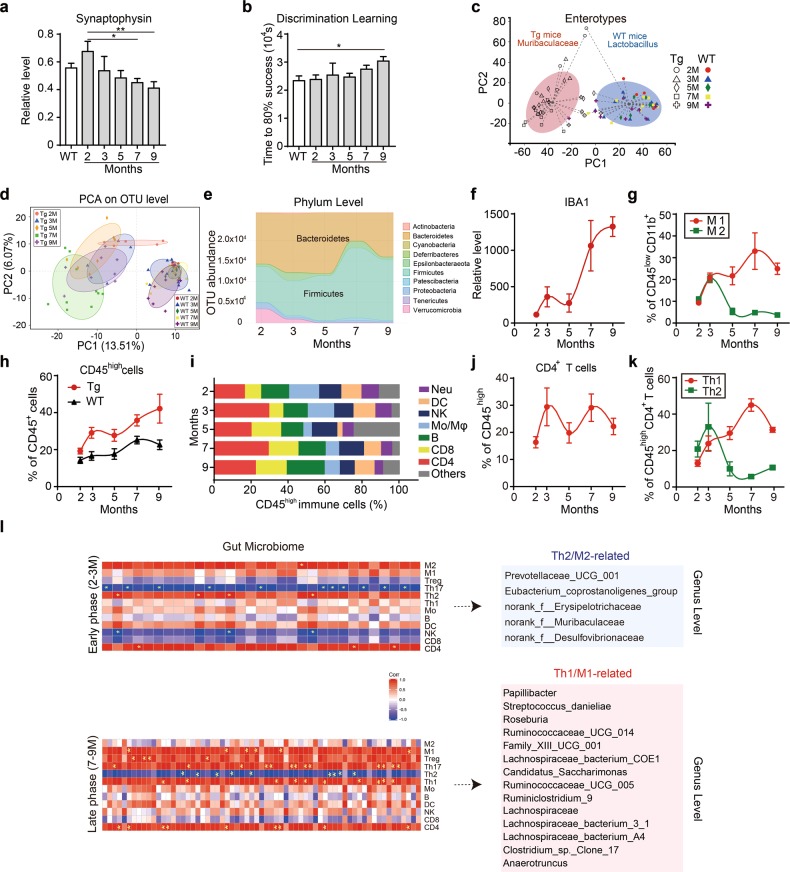
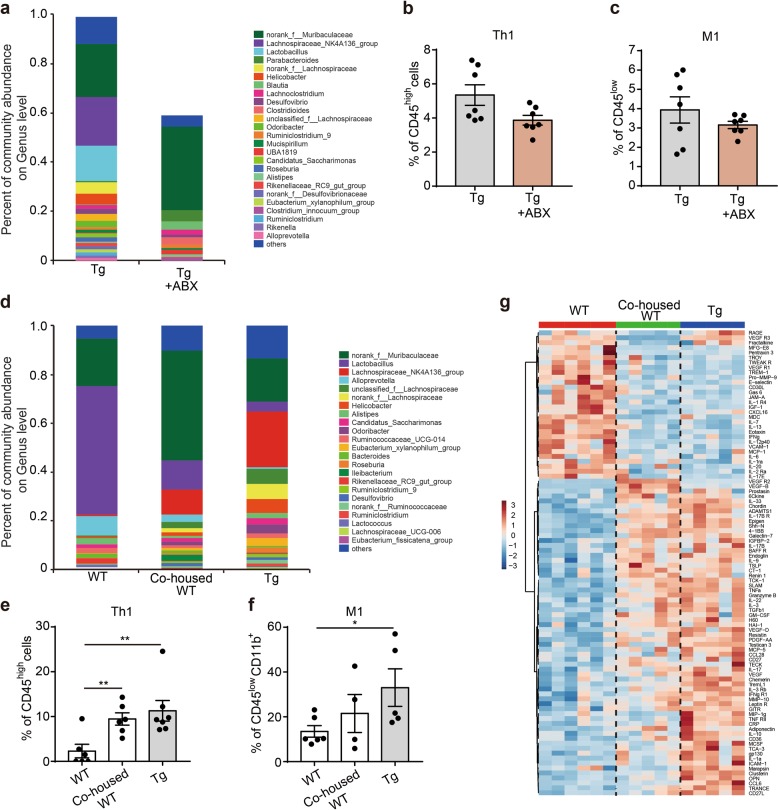
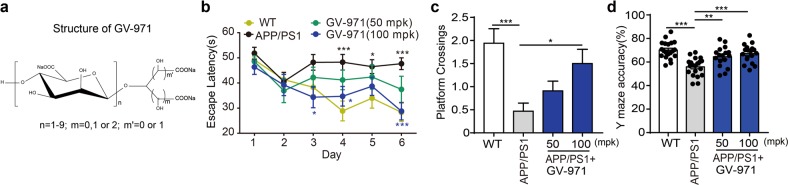
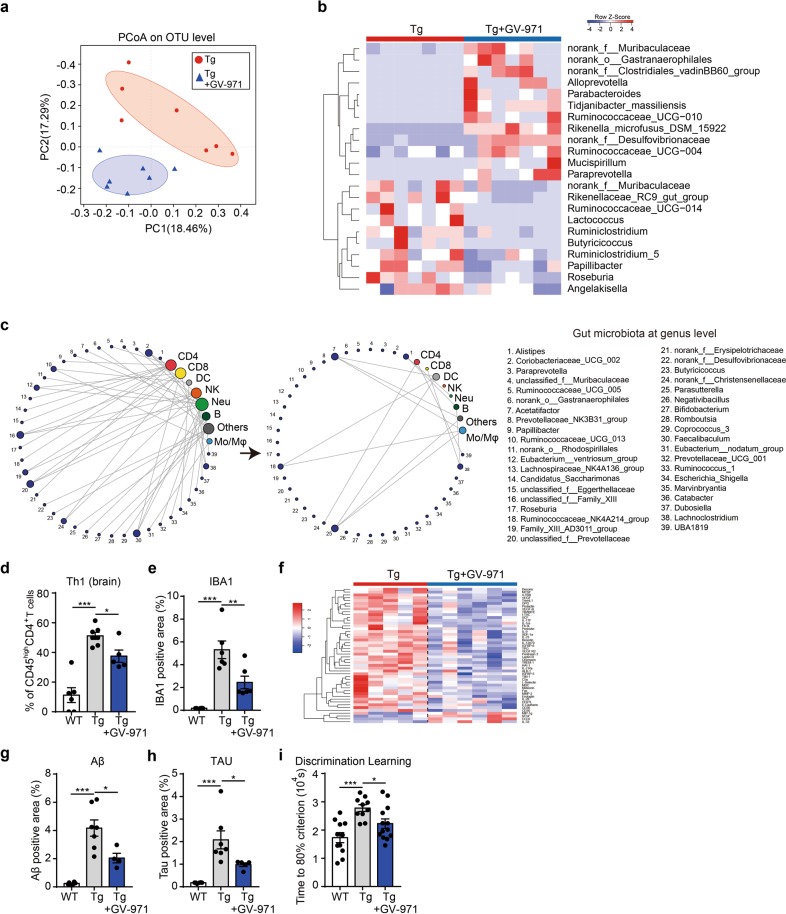
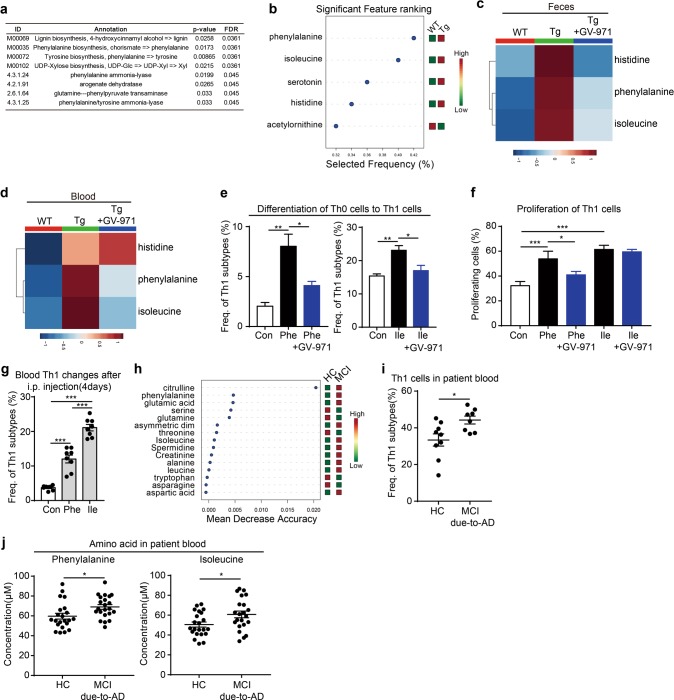
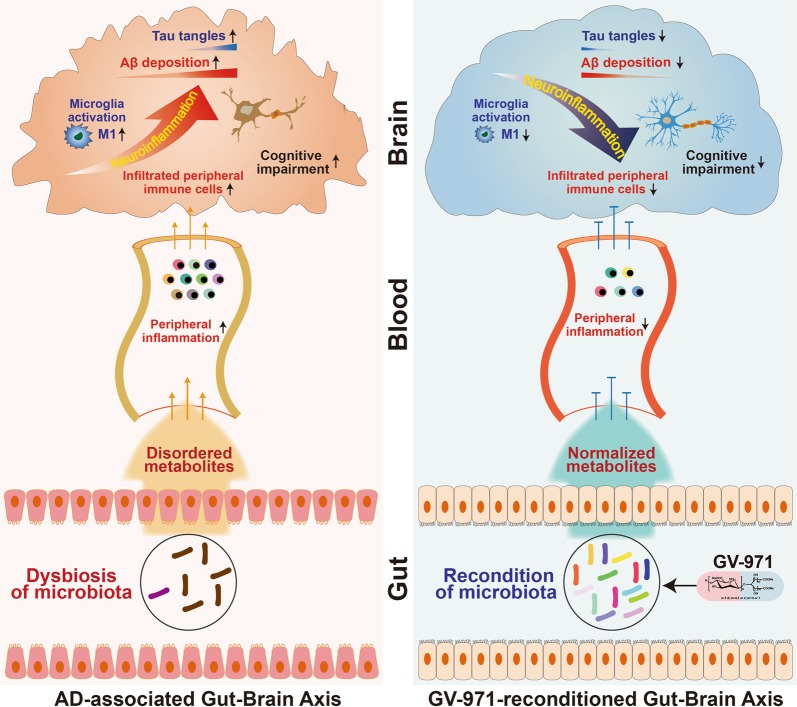
Recently, increasing evidence has suggested the association between gut dysbiosis and Alzheimer's disease (AD) progression, yet the role of gut microbiota in AD pathogenesis remains obscure. Herein, we provide a potential mechanistic link between gut microbiota dysbiosis and neuroinflammation in AD progression. Using AD mouse models, we discovered that, during AD progression, the alteration of gut microbiota composition leads to the peripheral accumulation of phenylalanine and isoleucine, which stimulates the differentiation and proliferation of pro-inflammatory T helper 1 (Th1) cells. The brain-infiltrated peripheral Th1 immune cells are associated with the M1 microglia activation, contributing to AD-associated neuroinflammation. Importantly, the elevation of phenylalanine and isoleucine concentrations and the increase of Th1 cell frequency in the blood were also observed in two small independent cohorts of patients with mild cognitive impairment (MCI) due to AD. Furthermore, GV-971, a sodium oligomannate that has demonstrated solid and consistent cognition improvement in a phase 3 clinical trial in China, suppresses gut dysbiosis and the associated phenylalanine/isoleucine accumulation, harnesses neuroinflammation and reverses the cognition impairment. Together, our findings highlight the role of gut dysbiosis-promoted neuroinflammation in AD progression and suggest a novel strategy for AD therapy by remodelling the gut microbiota.
Overview
The claims and statistics of this paper haven’t been checked yet.
Free: it reads the open-access text and checks the first 5 claims that cite a source we can check. Create a free account to check every claim.
Integrity signals
Registry
Cites
Statistics
Figures
Verification
Claims the paper makes
The claims and statistics of this paper haven’t been checked yet.
Free: it reads the open-access text and checks the first 5 claims that cite a source we can check. Create a free account to check every claim.
Claims other papers make about this one
Each is checked against this paper’s own text: does it say what the citing paper says it does?
The source backs part of the claim, not all of it — or backs it for a different population, condition or comparison.
In the citing paper
“Targeting the intestinal microbiota for the treatment of AD opens up a new way to treat other neurological diseases [11].”
From Neuroprotective Effect of Ceftriaxone on MPTP‐Induced Parkinson’s Disease Mouse Model by Regulating Inflammation and Intestinal Microbiota (2021) · cites this paper as [11]
Experimental — accuracy not yet measuredThe source backs part of the claim, not all of it — or backs it for a different population, condition or comparison.
In the citing paper
“Metabolomic analyses on the feces of these animals revealed significant changes in amino acid–related metabolism, in particular for the phenylalanine- and isoleucine-related pathways.”
From The gut-brain axis: how microbiota and host inflammasome influence brain physiology and pathology (2020) · cites this paper as [163]
Experimental — accuracy not yet measuredThe source backs part of the claim, not all of it — or backs it for a different population, condition or comparison.
In the citing paper
“The effects of GV-971 on mild to severe form of AD were tested in a phase 3 study that started in April 2014 and the results of this study highlighted the fact that GV-971 has significant cognitive benefits.”
From An update on the novel and approved drugs for Alzheimer disease (2022) · cites this paper as Wang et al., 2019
Experimental — accuracy not yet measuredThe source backs part of the claim, not all of it — or backs it for a different population, condition or comparison.
In the citing paper
“it plays a major role in the bidirectional communication between the GI tract and the central nervous system (CNS).”
From The Role of Short-Chain Fatty Acids From Gut Microbiota in Gut-Brain Communication (2020) · cites this paper as [11]
Experimental — accuracy not yet measuredThe cited source says what the claim attributes to it.
In the citing paper
“Sodium oligomannate (9, GV-971) was postulated to counteract AD by inhibiting neuroinflammation triggered by gut dysbiosis and disrupting the formation of Aβ fibrils.56,414”
From Recent advances in Alzheimer's disease: Mechanisms, clinical trials and new drug development strategies. (2024) · cites this paper as [414]
15 more claims about this paper
Create a free account to see every claim other papers make about this one.
Self-check
Percentages, sums and reported differences re-computed from the paper’s own numbers.
The self-check needs the paper’s full text.
Citations
Cites
Classification and Regression by randomForest
Liaw, A. I., & Wiener, M. C. (2007) · Cited by 18,594
Morris water maze: procedures for assessing spatial and related forms of learning and memory
Vorhees, C. V., & Williams, M. T. (2006) · Nature Protocols · doi:10.1038/nprot.2006.116 · Cited by 4,629
Oakley, H., Cole, S. L., Logan, S., Maus, E., Shao, P., Craft, J., Guillozet-Bongaarts, A., Ohno, M., Disterhoft, J., Van Eldik, L., et al. (2006) · The Journal of Neuroscience · doi:10.1523/jneurosci.1202-06.2006 · Cited by 3,530
Gut microbiota, metabolites and host immunity
Rooks, M. G., & Garrett, W. S. (2016) · Nature reviews. Immunology · doi:10.1038/nri.2016.42 · Cited by 3,409
Krasemann, S., Madore, C., Cialic, R., Baufeld, C., Calcagno, N., El Fatimy, R., Beckers, L., O’Loughlin, E., Xu, Y., Fanek, Z., et al. (2017) · Immunity · doi:10.1016/j.immuni.2017.08.008 · Cited by 2,979
NLRP3 is activated in Alzheimer’s disease and contributes to pathology in APP/PS1 mice
Heneka, M. T., Kummer, M. P., Stutz, A., Delekate, A., Schwartz, S., Vieira-Saecker, A., Griep, A., Axt, D., Remus, A., Tzeng, T.-C., et al. (2013) · Nature · doi:10.1038/nature11729 · Cited by 2,898
Differential Roles of M1 and M2 Microglia in Neurodegenerative Diseases
Tang, Y., & Le, W. (2016) · Molecular Neurobiology · doi:10.1007/s12035-014-9070-5 · Cited by 2,190
Gut microbiome alterations in Alzheimer’s disease
Vogt, N. M., Kerby, R. L., Dill-McFarland, K. A., Harding, S. J., Merluzzi, A. P., Johnson, S. C., Carlsson, C. M., Asthana, S., Zetterberg, H., Blennow, K., et al. (2017) · Scientific Reports · doi:10.1038/s41598-017-13601-y · Cited by 2,137
The microbiome and innate immunity
Thaiss, C. A., Zmora, N., Levy, M., & Elinav, E. (2016) · Nature · doi:10.1038/nature18847 · Cited by 2,012
The microbiota in adaptive immune homeostasis and disease
Honda, K., & Littman, D. R. (2016) · Nature · doi:10.1038/nature18848 · Cited by 1,846
Cited by
Items 201–300 of 1,000
Martins, B., Vieira, M., Delerue-Matos, C. M., Grosso, C., & Soares, C. M. D. (2022) · Marine Drugs · doi:10.3390/md20060362 · Cited by 66
“[258] suggested a potential mechanistic link between gut microbiota dysbiosis and neuroinflammation in AD progression.”
BackgroundGut Microbiota Regulate Astrocytic Functions in the Brain: Possible Therapeutic Consequences
Zhao, Y.-F., Wei, D., & Tang, Y. (2021) · Current Neuropharmacology · doi:10.2174/1570159x19666210215123239 · Cited by 66
“Astrocytes were recently proposed to be implicated in the pathways of microbiota/gut-brain axis in MDD [25, 26], ASD [27, 28], PD [29, 30], AD [31, 32], etc.”
BackgroundGut microbiota and neuropsychiatric disorders: Implications for neuroendocrine-immune regulation
Ge, T., Yao, X., Zhao, H., Yang, W., Zou, X., Peng, F., Li, B., & Cui, R. (2021) · Pharmacological Research · doi:10.1016/j.phrs.2021.105909 · Cited by 65
Modifying the diet and gut microbiota to prevent and manage neurodegenerative diseases
Gates, E. J., Bernath, A. K., & Klegeris, A. (2022) · Reviews in the Neurosciences · doi:10.1515/revneuro-2021-0146 · Cited by 66
“It is reported that AD patients have elevated levels of circulating phenylalanine, isoleucine, and the proinflammatory type 1 T helper (Th1) cells (Larsson and Markus 2017; Wang et al. 2019; Wissmann et al. 2013).”
BackgroundInfluentialZhang, Q., Li, G., Zhao, W., Zhou, L., Zhang, X., He, J., Zhang, X., Liu, Y., Zhang, C., Zhang, C., et al. (2024) · Nature Communications · doi:10.1038/s41467-023-44292-x · Cited by 65
Self-citationAlzheimer’s disease beyond amyloid: strategies for future therapeutic interventions
Shi, J., Sabbagh, M. N., & Vellas, B. J. (2020) · BMJ · doi:10.1136/bmj.m3684 · Cited by 65
Recent advances in research on Alzheimer's disease in China
Zhang, Y., Li, Y., & Ma, L. (2020) · Journal of Clinical Neuroscience · doi:10.1016/j.jocn.2020.09.018 · Cited by 64
Pan, C., Zhang, H., Zhang, L., Chen, L., Xu, L., Xu, N., Liu, X., Meng, Q., Wang, X., & Zhang, Z. (2023) · Microbiome · doi:10.1186/s40168-023-01689-6 · Cited by 65
Self-citationXie, S., Zhan, F., Zhu, J., Xu, S., & Xu, J. (2025) · Expert Opinion on Drug Discovery · doi:10.1080/17460441.2025.2507382 · Cited by 63
“In 2019, GV-971 was launched in China as an oral treatment for mild to moderate Alzheimer’s disease, making it one of the few new drugs in recent years specifically approved for AD [32].”
Target Dysbiosis of Gut Microbes as a Future Therapeutic Manipulation in Alzheimer’s Disease
Zhu, F., Li, C., Chu, F., Tian, X., & Zhu, J. (2020) · Frontiers in Aging Neuroscience · doi:10.3389/fnagi.2020.544235 · Cited by 57
“By contrary, less TH1 cell infiltration can be seen in Tg mice receiving FMT from WT mice (Wang et al., 2019).”
BackgroundInfluentialZheng, Y. F., Pang, X., Zhu, X., Meng, Z., Chen, X., Zhang, J., Ding, Q., Li, Q., Dou, G., & Ma, B. (2021) · Biomedicine & Pharmacotherapy · doi:10.1016/j.biopha.2021.111654 · Cited by 63
Self-citationGenetic Approaches Using Zebrafish to Study the Microbiota–Gut–Brain Axis in Neurological Disorders
Lee, J. G., Cho, H.-J., Jeong, Y.-M., & Lee, J.-S. (2021) · Cells · doi:10.3390/cells10030566 · Cited by 62
“Consistent with this process, gut dysbiosis was closely associated with the infiltration of pro-inflammatory T helper 1 (Th1) cells into mouse brain using the 5XFAD model and with microglia differentiating into the pro-inflammatory M1 type [30].”
MethodThe Roles of the Gut Microbiota and Chronic Low-Grade Inflammation in Older Adults With Frailty
Xu, Y., Liu, X., Liu, X., Chen, D., Wang, M., Jiang, X., & Xiong, Z. (2021) · Frontiers in Cellular and Infection Microbiology · doi:10.3389/fcimb.2021.675414 · Cited by 64
“In an aging AD mouse model, changes in gut microbiota composition stimulate neuroinflammation by promoting the accumulation of phenylalanine and isoleucine (Wang et al., 2019).”
BackgroundDai, R., Sun, Y., Su, R., & Gao, H. (2022) · Biomedicine & Pharmacotherapy · doi:10.1016/j.biopha.2022.113576 · Cited by 63
Lu, S., Na, K., Wei, J., Tao, T., Zhang, L., Fang, Y. Z., Li, X., & Guo, X. (2023) · Carbohydrate Polymers · doi:10.1016/j.carbpol.2023.120806 · Cited by 62
Ma, F., Song, Y., Sun, M., Wang, A., Jiang, S., Mu, G., & Tuo, Y. (2021) · Foods · doi:10.3390/foods10123060 · Cited by 62
“Metabolomics analysis of the C57BL/6 mice fecal samples was performed by LCMS, as previously described [21], but slightly changed.”
MethodLiu, M., Guo, H. W., Li, Z., Zhang, C., Zhang, X., Cui, Q., & Tian, J. (2020) · Frontiers in Aging Neuroscience · doi:10.3389/fnagi.2020.601603 · Cited by 62
Liu, S., Gao, J., Liu, K., & Zhang, H. (2021) · Mechanisms of Ageing and Development · doi:10.1016/j.mad.2021.111560 · Cited by 61
Self-citationDunham, S. J. B., McNair, K., Adams, E. D., Avelar‐Barragan, J., Forner, S., Mapstone, M. E., & Whiteson, K. (2022) · mBio · doi:10.1128/mbio.01794-22 · Cited by 62
“Most of the variance in the fecal and cecal microbiomes was attributable to the specific cages in which the animals resided, a finding that is consistent with the results from other studies of fecal microbiomes in 5xfAD mice (21, 30).”
BackgroundResultInfluentialPassive antiamyloid immunotherapy for Alzheimer's disease
Loureiro, J. C., Pais, M. V., Stella, F., Radanovic, M., Teixeira, A. L., Forlenza, O. V., & de Souza, L. C. (2020) · Current Opinion in Psychiatry · doi:10.1097/yco.0000000000000587 · Cited by 56
“Recently, the regulatory authority in China released the approval of a new drug (sodium oligomannate) for the treatment of Alzheimer’s disease, based on the ability to remodel gut microbiota and suppresses gut bacterial amino acids that induce neuroinflammation [48,49] Another important question for debate is: how fre…”
BackgroundBorsom, E. M., Lee, K., & Cope, E. K. (2020) · Brain Sciences · doi:10.3390/brainsci10110814 · Cited by 61
“Numerous studies have shown that transgenic murine models have unique gut microbiota compositions when compared to the gut microbiota compositions of wild-type mice of the same genetic background or compared to transgenic mice with the wild-type allele [35,72,73].”
BackgroundResultInfluentialScheiner, M., Hoffmann, M., He, F., Poeta, E., Chatonnet, A., Monti, B., Maurice, T., & Decker, M. W. (2021) · Journal of Medicinal Chemistry · doi:10.1021/acs.jmedchem.1c00534 · Cited by 61
Wei, B., Zhang, B., Du, A., Zhou, Z., Lu, D., Zhu, Z.-H., Ke, S., Wang, S., Yu, Y., Chen, J., et al. (2022) · Carbohydrate Polymers · doi:10.1016/j.carbpol.2022.119411 · Cited by 61
Self-citationCeppa, F., Izzo, L., Sardelli, L., Raimondi, I., Tunesi, M., Albani, D., & Giordano, C. (2020) · Frontiers in Cellular and Infection Microbiology · doi:10.3389/fcimb.2020.00297 · Cited by 60
Missiego-Beltrán, J., & Beltrán-Velasco, A. I. (2024) · International Journal of Molecular Sciences · doi:10.3390/ijms251810041 · Cited by 60
TDP-43: From Alzheimer’s Disease to Limbic-Predominant Age-Related TDP-43 Encephalopathy
Huang, W., Zhou, Y., Tu, L., Ba, Z., Huang, J., Huang, N., & Luo, Y. (2020) · Frontiers in Molecular Neuroscience · doi:10.3389/fnmol.2020.00026 · Cited by 60
Huo, J., Lei, M., Zhou, Y., Zhong, X., Liu, Y., Hou, J., Long, H., Zhang, Z., Tian, M., Xie, C., et al. (2021) · International Journal of Biological Macromolecules · doi:10.1016/j.ijbiomac.2021.06.157 · Cited by 59
Kaur, P., Khera, A., Alajangi, H. K., Sharma, A., Jaiswal, P. K., Singh, G., & Barnwal, R. P. (2022) · Molecular Neurobiology · doi:10.1007/s12035-022-03164-z · Cited by 59
Khaledi, M., Poureslamfar, B., Alsaab, H. O., Tafaghodi, S., Hjazi, A. M., Singh, R., Alawadi, A. H., Alsaalamy, A. H., Qasim, Q. A., & Sameni, F. (2024) · Annals of Microbiology · doi:10.1186/s13213-023-01744-5 · Cited by 59
“The weaned group’s fecal microbial population undergoes considerable alterations as a result of the consumption of an amylose corn starch diet, with Prevo-tella, Veillonella, and Collinsella levels linked with propionate synthesis significantly rising (Wang et al. 2019).”
BackgroundZhong, S.-R., Kuang, Q., Zhang, F., Chen, B., & Zhong, Z.-G. (2021) · Translational Neuroscience · doi:10.1515/tnsci-2020-0206 · Cited by 59
“Meanwhile, GV-971 also showed modulation in the immune pathway in the AD microbiota-gutbrain axis, which was characterized by increased peripheral infiltration of immune system cells (peripheral type 1 T-helper, Th1) to allow it local crosstalk with the M1 microglia and triggers the microglia differentiation toward an…”
BackgroundInfluentialLi, L., Zhu, B., Yao, Z., & Jiang, J. (2023) · Food Research International · doi:10.1016/j.foodres.2023.112990 · Cited by 58
Kumari, S., Dhapola, R., Sharma, P., Singh, S. K., & HariKrishnaReddy, D. (2023) · Ageing Research Reviews · doi:10.1016/j.arr.2023.102098 · Cited by 58
Marine Natural Products, Multitarget Therapy and Repurposed Agents in Alzheimer’s Disease
Martins, M., Silva, R. V. D. S., Pinto, M. M. M., & Sousa, E. (2020) · Pharmaceuticals · doi:10.3390/ph13090242 · Cited by 59
“GV-971 restores the normal microbial profile, reduces the concentration of phenylalanine and isoleucine and, consequently, reduces neuroinflammation associated with Th-1 cells (Figure 7) [63,64].”
BackgroundInfluentialYang, M., Zhou, D., Xiao, H., Fu, X., Kong, Q., Zhu, C., Han, Z., & Mou, H. (2022) · Trends in Food Science & Technology · doi:10.1016/j.tifs.2022.02.013 · Cited by 57
Inflammatory bowel disease: A potential pathogenic factor of Alzheimer's disease
Wang, D., Zhang, X., & Du, H. (2022) · Progress in Neuro-Psychopharmacology and Biological Psychiatry · doi:10.1016/j.pnpbp.2022.110610 · Cited by 57
Toward manipulating serotonin signaling via the microbiota–gut–brain axis
Everett, B. A., Tran, P., & Prindle, A. B. (2022) · Current Opinion in Biotechnology · doi:10.1016/j.copbio.2022.102826 · Cited by 57
Advances in oligosaccharides production from algal sources and potential applications
Perumal, P. K., Dong, C., Chauhan, A. S., Anisha, G. S., Kadri, M. S., Chen, C., Singhania, R. R., & Patel, A. K. (2023) · Biotechnology Advances · doi:10.1016/j.biotechadv.2023.108195 · Cited by 57
The complex relationship between gut microbiota and Alzheimer’s disease: A systematic review
Zhou, X.-P., Sun, L.-B., Liu, W., Zhu, W.-M., Li, L.-C., Song, X., Xing, J.-P., & Gao, S. (2024) · Ageing Research Reviews · doi:10.1016/j.arr.2024.102637 · Cited by 57
“Other drugs, such as GV-971, a sodium oligomannate, have demonstrated potential in the treatment of AD by reshaping gut microbiota, inhibiting the accumulation of phenylalanine and isoleucine, alleviating neuroinflammation, and reversing cognitive impairment (Wang et al., 2019).”
Qi, C.-C., Chen, X.-X., Gao, X.-R., Xu, J.-X., Liu, S., & Ge, J.-F. (2021) · Frontiers in Aging Neuroscience · doi:10.3389/fnagi.2021.633495 · Cited by 54
Neuroprotective Mechanisms of Puerarin in Central Nervous System Diseases: Update
Yu, C.-C., Du, Y.-J., Li, J., Li, Y., Wang, L., Kong, L.-H., & Zhang, Y. (2022) · Aging and Disease · doi:10.14336/ad.2021.1205 · Cited by 57
The microbiome: A target for Alzheimer disease?
Seo, D.-O., Boros, B. D., & Holtzman, D. M. (2019) · Cell Research · doi:10.1038/s41422-019-0227-7 · Cited by 56
Li, F., Wang, Y., Song, X., Wang, Z., Jia, J., Qing, S., Huang, L., Wang, S., Wang, S., Ren, Z., et al. (2022) · Gut Microbes · doi:10.1080/19490976.2022.2096989 · Cited by 57
Characterization of the chromatin accessibility in an Alzheimer’s disease (AD) mouse model
Wang, Y., Zhang, X., Song, Q., Hou, Y., Liu, J., Sun, Y., & Wang, P. (2020) · Alzheimer s Research & Therapy · doi:10.1186/s13195-020-00598-2 · Cited by 56
Self-citationAlterations in gut microbiota are related to metabolite profiles in spinal cord injury
Jiang, J.-H., Ning, B., Kang, J.-N., Sun, Z.-F., Li, X., Zhang, X., Jin, Z., Zhang, C., Zhang, Y., Wang, H., et al. (2022) · Neural Regeneration Research · doi:10.4103/1673-5374.355769 · Cited by 55
“Recent findings demonstrate that the MGBA is also involved in the pathogenesis of a variety of CNS diseases, including Alzheimer’s disease (AD) (Wang et al., 2019), Parkinson’s disease (Scheperjans et al., 2015; Sampson et al., 2016), multiple sclerosis (Kadowaki and Quintana, 2020), stroke…”
BackgroundInfluentialSelf-citationFan, X., Zhang, Y., Song, Y., Zhao, Y., Xu, Y., Guo, F., Shao, M., Ma, X., Zhang, W., Wei, F., et al. (2023) · Phytomedicine · doi:10.1016/j.phymed.2023.154656 · Cited by 54
Marine polysaccharides: Biological activities and applications in drug delivery systems
Geng, H., Chen, M., Guo, C., Wang, W., & Chen, D. (2024) · Carbohydrate Research · doi:10.1016/j.carres.2024.109071 · Cited by 54
Puranik, N., & Song, M. (2024) · Molecules · doi:10.3390/molecules29235744 · Cited by 55
The microbiota restrains neurodegenerative microglia in a model of amyotrophic lateral sclerosis
Cox, L. M., Calcagno, N., Gauthier, C., Madore, C., Butovsky, O., & Weiner, H. L. (2022) · Microbiome · doi:10.1186/s40168-022-01232-z · Cited by 53
“To augment the microbiota, we co-housed two WT with two SOD1 mice, which is a standard approach to transfer microbiota between two different genotypes [31–34] and has been shown to ameliorate disease in an animal model of AD [31].”
BackgroundMethodMorató, X., Pytel, V., Jofresa, S., Ruiz, A., & Boada, M. (2022) · International Journal of Molecular Sciences · doi:10.3390/ijms23169305 · Cited by 53
“GV971 is proposed to inhibit systemic and neuroinflammation by promoting changes in the gut microbiome [171].”
BackgroundXing, M., Li, G., Liu, Y., Yang, L., Zhang, Y., Zhang, Y., Ding, J., Lu, M., Yu, G., & Hu, G. (2022) · Carbohydrate Polymers · doi:10.1016/j.carbpol.2022.120470 · Cited by 54
Self-citationBiomaterials-based anti-inflammatory treatment strategies for Alzheimer’s disease
Chu, J., Zhang, W., Liu, Y., Gong, B., Ji, W., Yin, T., Gao, C., Liangwen, D., Hao, M., Chen, C., et al. (2023) · Neural Regeneration Research · doi:10.4103/1673-5374.374137 · Cited by 53
“…study, sodium oligomannate inhibited the formation of Aβ fibrils by binding to multiple sub-regions of Aβ after penetrating the BBB mediated by glucose transporter 1, and decomposed the pre-formed fibrils into non-toxic monomers, reducing the neurotoxicity of Aβ (Wang et al., 2019b; Syed, 2020).”
InfluentialEffect of gut flora mediated‐bile acid metabolism on intestinal immune microenvironment
Zhang, Y., Gao, X., Gao, S., Liu, Y., Wang, W., Feng, Y., Pei, L., Sun, Z., Liu, L., & Wang, C. (2023) · Immunology · doi:10.1111/imm.13672 · Cited by 53
Wang, Q., Lu, M., Zhu, X., Gu, X., Zhang, T., Xia, C., Yang, L., Xu, Y., & Zhou, M. (2022) · Biomedicine & Pharmacotherapy · doi:10.1016/j.biopha.2022.113412 · Cited by 52
Application of Marine Natural Products against Alzheimer’s Disease: Past, Present and Future
Hu, D., Jin, Y., Hou, X., Zhu, Y., Chen, D., Tai, J., Chen, Q., Shi, C., Ye, J., Wu, M., et al. (2023) · Marine Drugs · doi:10.3390/md21010043 · Cited by 53
Self-citationLi, X., Lü, L., Ru, S., Eom, J., Wang, D., Samreen, S., & Wang, J. (2023) · Journal of Hazardous Materials · doi:10.1016/j.jhazmat.2023.131070 · Cited by 53
Li, L., Yan, S., Liu, S., Wang, P., Li, W., Yi, Y., & Qin, S. (2023) · Food Research International · doi:10.1016/j.foodres.2023.113133 · Cited by 52
Self-citationYadav, H., Jaldhi, Bhardwaj, R., Anamika, A., Bakshi, A., Gupta, S., & Maurya, S. K. (2023) · Life Sciences · doi:10.1016/j.lfs.2023.122022 · Cited by 53
Liu, N., Liang, X., Chen, Y., & Xie, L. (2024) · Ageing Research Reviews · doi:10.1016/j.arr.2024.102199 · Cited by 53
Morphological and Molecular Profiling of Amyloid-β Species in Alzheimer’s Pathogenesis
Almeida, Z. L., Vaz, D. C., & Brito, R. M. M. (2024) · Molecular Neurobiology · doi:10.1007/s12035-024-04543-4 · Cited by 51
Systemic inflammation as a central player in the initiation and development of Alzheimer’s disease
Bayraktaroğlu, I., Ortí-Casañ, N., Dam, D. V., Deyn, P. P. D., & Eisel, U. L. M. (2025) · Immunity & Ageing · doi:10.1186/s12979-025-00529-5 · Cited by 54
Status and future directions of clinical trials in Alzheimer's disease
(2020) · International Review of Neurobiology · doi:10.1016/bs.irn.2020.03.022 · Cited by 47
The Potential Utility of Prebiotics to Modulate Alzheimer’s Disease: A Review of the Evidence
Kang, J. W., & Zivkovic, A. M. (2021) · Microorganisms · doi:10.3390/microorganisms9112310 · Cited by 52
Li, T., Yang, S., Liu, X., Li, Y., Gu, Z., & Jiang, Z. (2023) · Journal of Advanced Research · doi:10.1016/j.jare.2023.04.014 · Cited by 51
Gut microbiota and cardiac arrhythmia
Fan, H., Liu, X., Ren, Z., Fei, X., Luo, J., Yang, X., Xue, Y., Zhang, F., & Liang, B. (2023) · Frontiers in Cellular and Infection Microbiology · doi:10.3389/fcimb.2023.1147687 · Cited by 51
Chen, Y., Lai, M., & Tao, M. (2024) · Medicine · doi:10.1097/md.0000000000037799 · Cited by 53
“[42] The treatment influences of 9518 patients with mild-to-moderate AD were acquired from 20 trials.”
MethodOptimization of cerebral organoids: a more qualified model for Alzheimer’s disease research
Bi, F.-C., Yang, X.-H., Cheng, X.-Y., Deng, W.-B., Guo, X.-L., Yang, H., Wang, Y., Li, J., & Yao, Y. (2021) · Translational Neurodegeneration · doi:10.1186/s40035-021-00252-3 · Cited by 50
“Recent novel AD drugs, such as sodium oligoamines (a low- molecular-weight acid oligosaccharide compound extracted from marine brown algae), may alleviate neuroinflammation and reverse cognitive decline in AD patients by suppressing gut dysbiosis and associated phenylalanine/isoleucine accumulations [97].”
BackgroundFan, X., Li, J., Deng, X., Lu, Y., Feng, Y., Ma, S., Wen, H., Zhao, Q., Tan, W., Shi, T., et al. (2020) · European Journal of Medicinal Chemistry · doi:10.1016/j.ejmech.2020.112217 · Cited by 50
Wang, Y., Wang, D., Lv, H., Dong, Q., Li, J., Geng, W., Wang, J., Liu, F., Jia, L., & Wang, Y. (2022) · Molecular Nutrition & Food Research · doi:10.1002/mnfr.202200265 · Cited by 50
Alzheimer’s Disease: A Systems View Provides a Unifying Explanation of Its Development
Grobler, C., van Tongeren, M., Gettemans, J., Kell, D. B., & Pretorius, E. (2022) · Journal of Alzheimer s Disease · doi:10.3233/jad-220720 · Cited by 51
Interplay between Phytochemicals and the Colonic Microbiota
Kwon, C., Ediriweera, M. K., & Cho, S. K. (2023) · Nutrients · doi:10.3390/nu15081989 · Cited by 48
Butyrate as a potential therapeutic agent for neurodegenerative disorders
Chakraborty, P., Gamage, H. K. A. H., & Laird, A. S. (2024) · Neurochemistry International · doi:10.1016/j.neuint.2024.105745 · Cited by 48
Gut Dysbiosis in Pancreatic Diseases: A Causative Factor and a Novel Therapeutic Target
Zhang, T., Gao, G., Sakandar, H. A., Kwok, L. Y., & Sun, Z. (2022) · Frontiers in Nutrition · doi:10.3389/fnut.2022.814269 · Cited by 48
Miao, Y., Niu, D., Wang, Z., Wang, J., Wu, Z., Bao, J., Hu, W., Guo, Y., Li, R., Ishfaq, M., et al. (2022) · Veterinary Microbiology · doi:10.1016/j.vetmic.2021.109330 · Cited by 47
Sun, W., Zhu, J., Qin, G., Huang, Y., Cheng, S., Chen, Z., Zhang, Y., Shu, Y., Zeng, X., & Guo, R. (2023) · International Journal of Biological Macromolecules · doi:10.1016/j.ijbiomac.2023.125517 · Cited by 49
Bashir, B., Gulati, M., Vishwas, S., Gupta, G., Dhanasekaran, M., Paudel, K. R., Chellappan, D. K., Anand, K., Negi, P., Singh, P. K., et al. (2025) · Ageing Research Reviews · doi:10.1016/j.arr.2025.102689 · Cited by 48
Experimental Evidence of the Benefits of Acupuncture for Alzheimer's Disease: An Updated Review
Yu, C.-C., Du, Y., Wang, S., Liu, L.-B., Shen, F., Wang, L., Lin, Y.-F., & Kong, L.-H. (2020) · Frontiers in Neuroscience · doi:10.3389/fnins.2020.549772 · Cited by 47
“Sodium oligomannate (GV-971), a marine algae-derived oral oligosaccharide, able to recondition the gut microbiota and alleviate neuroinflammation (Wang et al., 2019), was recently approved in China for the treatment of mild to moderate AD (Syed, 2020).”
BackgroundGut microbial involvement in Alzheimer's disease pathogenesis
Zhang, Y., Geng, R., & Tu, Q. (2021) · Aging · doi:10.18632/aging.202994 · Cited by 47
“Following brain infiltration, Th1 cells promote microglial activation, leading to ADrelated neuroinflammation and cognitive impairment [32].”
BackgroundYang, M., Xuan, Z., Wang, Q., Yan, S., Zhou, D., Naman, C. B., Zhang, J., He, S., Yan, X., & Cui, W. (2021) · Nutritional Neuroscience · doi:10.1080/1028415x.2021.1926140 · Cited by 49
“ging from dimers to decamers with an average molecular weight of approximately 1 kDa’ [63].”
BackgroundInfluentialSelf-citationGut Microbiota: Critical Controller and Intervention Target in Brain Aging and Cognitive Impairment
Li, H., Ni, J., & Qing, H. (2021) · Frontiers in Aging Neuroscience · doi:10.3389/fnagi.2021.671142 · Cited by 47
Jin, M., Kong, L., Han, Y., & Zhang, S. (2021) · Phytotherapy Research · doi:10.1002/ptr.7240 · Cited by 47
“…evidence has suggested that the intestinal microflora is important for maintaining human health and that it plays an important role in almost all known diseases, including cancer initiation, progression, response to treatment and chemosensitivity (Margiotta et al., 2020; X. Wang et al., 2019).”
BackgroundZhou, H., Zhao, J., Liu, C., Zhang, Z., Zhang, Y., & Meng, D. (2022) · Phytomedicine · doi:10.1016/j.phymed.2022.153937 · Cited by 47
Borsom, E. M., Conn, K. A., Keefe, C. R., Herman, C., Orsini, G. M., Hirsch, A. H., Avila, M. P., Testo, G., Jaramillo, S. A., Bolyen, E. K., et al. (2023) · Microbiology Spectrum · doi:10.1128/spectrum.03458-22 · Cited by 47
“One study using 5xFAD mice, which model amyloidosis at an earlier time point than 3xTg-AD mice, demonstrated increased relative abundances of Prevotella species, Bacteroides acidifaciens, and Turicibacter species in 5xFAD mice at 10 weeks of age (64).”
BackgroundBasak, J. M., Ferreiro, A., Cohen, L. S., Sheehan, P. W., Nadarajah, C. J., Kanan, M. F., Sukhum, K. V., Dantas, G., & Musiek, E. S. (2021) · Neurobiology of Disease · doi:10.1016/j.nbd.2021.105292 · Cited by 46
“Gut microbiome changes have been described not only in APP/ PS1 mice, but also in humans with mild cognitive impairment and with AD (Wang et al., 2019).”
BackgroundHuang, L., Wu, Y., Yin, H., Yang, X., Yuan, M., & Ning, H. (2020) · Natural Product Research · doi:10.1080/14786419.2020.1753735 · Cited by 46
“Polygonatum cyrtonema Hua is a perennial herb of the family Liliaceae, it has been used in China as Polygonati Rhizoma for more than 1000 years, and often regarded as an eternal life and longevity medicinal plant in the ancient times (Wang et al. 2019).”
BackgroundMunir, M. U., Ali, S. A., Chung, K. H. K., Käkinen, A., Javed, I., & Davis, T. P. (2024) · Gut Microbes · doi:10.1080/19490976.2024.2422468 · Cited by 46
Critical Review of the Cross-Links Between Dietary Components, the Gut Microbiome, and Depression
Randeni, N., & Xu, B. (2025) · International Journal of Molecular Sciences · doi:10.3390/ijms26020614 · Cited by 47
Natural bioactive compounds in Alzheimer's disease: From the perspective of type 3 diabetes mellitus
Huang, J., Huang, N., Mao, Q., Shi, J., & Qiu, Y. (2023) · Frontiers in Aging Neuroscience · doi:10.3389/fnagi.2023.1130253 · Cited by 45
Jiang, Y., Wang, Z., Wang, W., Liu, Y., Meng, Y., Wang, Y., Fan, M., & Cai, C. (2024) · Journal of Ethnopharmacology · doi:10.1016/j.jep.2024.119065 · Cited by 45
Liu, F., Zhao, W., Zhao, F., Dong, Q., Wang, Y., Wei, W., Jia, L., Li, L., & Lu, F. (2020) · ACS Applied Materials & Interfaces · doi:10.1021/acsami.0c14292 · Cited by 45
Modulation of gut microbiome in the treatment of neurodegenerative diseases: A systematic review
Mincic, A. M., Antal, M., Filip, L. A., & Miere, D. (2024) · Clinical Nutrition · doi:10.1016/j.clnu.2024.05.036 · Cited by 46
Liu, S., Li, Y., Yi, F., Liu, Q., Chen, N., He, X., He, C., & Xiao, P. (2020) · Journal of Ethnopharmacology · doi:10.1016/j.jep.2020.112983 · Cited by 44
Forssten, S. D., Ouwehand, A. C., Griffin, S. M., & Patterson, E. (2022) · Nutrients · doi:10.3390/nu14030568 · Cited by 45
Ma, L., Jiang, X., Huang, Q.-Y., Chen, W., Zhang, H., Pei, H., Cao, Y., Wang, H., & Li, H. (2023) · Biomedicine & Pharmacotherapy · doi:10.1016/j.biopha.2023.115244 · Cited by 45
Self-citationYue, M., & Zhang, L. (2024) · Microorganisms · doi:10.3390/microorganisms12020323 · Cited by 44
Prajapati, S. K., Shah, R., Alford, N., Mishra, S. P., Jain, S., HANSEN, B. C., Sanberg, P. R., Molina, A. J. A., & Yadav, H. (2023) · The Journals of Gerontology Series A · doi:10.1093/gerona/glad226 · Cited by 43
Gut-brain axis and Alzheimer's disease: Therapeutic interventions and strategies
Singh, H., Chopra, C., Singh, H., Malgotra, V., Wani, A. K., Dhanjal, D. S., Sharma, I., Nepovimová, E., Alomar, S. Y., Singh, R., et al. (2023) · Journal of Functional Foods · doi:10.1016/j.jff.2023.105915 · Cited by 44
Harnessing natural product polysaccharides against lung cancer and revisit its novel mechanism
Tian, W., Huang, J., Zhang, W., Wang, Y., Jin, R., Guo, H., Tang, Y., Wang, Y., Lai, H., & Leung, E. L. (2023) · Pharmacological Research · doi:10.1016/j.phrs.2023.107034 · Cited by 43
Xu, M., Xiao, H., Zou, X., Pan, L., Song, Q., Hou, L., Zeng, Y., Han, Y. H., & Zhou, Z. (2024) · Carbohydrate Polymers · doi:10.1016/j.carbpol.2024.122665 · Cited by 43
Wang, C., Hao, J., Liu, X. Z., Li, C., Yuan, X., Lee, R. J., Bai, T., & Wang, D. (2020) · International Journal of Molecular Sciences · doi:10.3390/ijms21165687 · Cited by 43
“Encouragingly, GV-971, an oligosaccharide extracted from marine plants, can inhibit the progression of AD by improving the intestinal microenvironment [14], and was approved for listing in China in 2019.”
BackgroundZhu, F., Wang, L., Gong, Z., Wang, Y., Gao, Y., Cai, W., & Wu, J. (2021) · Journal of Neuroinflammation · doi:10.1186/s12974-021-02111-4 · Cited by 44
“For instance, the peripheral accumulation of phenylalanine and isoleucine, which was caused by the alteration of gut microbiota composition, has been reported to contribute to AD-associated neuroinflammation by stimulating the differentiation of proinflammatory T helper 1 (Th1) cells and activating microglia [34].”
Background
Metadata
- Authors
- Wang, X., Sun, G., Feng, T., Zhang, J., Huang, X., Wang, T., Xie, Z., Chu, X., Yang, J., Wang, H., Chang, S., Gong, Y., Ruan, L., Zhang, G., Yan, S., Lian, W., Du, C., Yang, D., Zhang, Q., Lin, F., Liu, J., Zhang, H., Ge, C., Xiao, S., Ding, J., & Geng, M.
- Affiliations
- Chinese Academy of Sciences (CN)
- Shanghai Jiao Tong University (CN)
- Corresponding author
- Geng, Meiyu
- ORCID
- Venue
- Cell Research
- Published
- 2019-09-06
- Volume
- 29
- Issue
- 10
- Pages
- 787-803
- ISSN
- 1001-0602 (ISSN-L)
- 1748-7838
- PMC
- PMC6796854
- OpenAlex
- W2972007077
- Semantic Scholar
- e9a935dc76000829ceb45994c1cb5eb9842e7e5a
- Cited by
- 1,144
- References
- 61
- Citations by year
- 2026: 104 · 2025: 146 · 2024: 179 · 2023: 196 · 2022: 200 · 2021: 175 · 2020: 132 · 2019: 11
- FWCI
- 89.30
- Type
- journal article
- Language
- en
- Open access
- hybrid
- doi.org
- Licence
- cc-by
- creativecommons.org/licenses/by/4.0 (tdm)
- creativecommons.org/licenses/by/4.0 (vor)
- Locations
- Cell Research (publishedVersion, cc-by)
- PubMed Central (publishedVersion, cc-by)
- PubMed (publishedVersion)
- Funders
- Chinese Academy of Sciences (XDA12040101)
- National Key New Drug Creation and Manufacturing Program, Ministry of Science and Technology
- Topics
- Life Sciences › Neuroscience › Cellular and Molecular Neuroscience › Alzheimer's disease research and treatments
- Life Sciences › Biochemistry, Genetics and Molecular Biology › Molecular Biology › Gut microbiota and health
- Life Sciences › Neuroscience › Neurology › Neuroinflammation and Neurodegeneration Mechanisms
- Keywords
- Alzheimer's disease, gut microbiota, gut dysbiosis, neuroinflammation, phenylalanine, isoleucine, Th1 cells, mild cognitive impairment, gut-brain axis, cognitive impairment
- MeSH terms
- Gastrointestinal Microbiome, Alzheimer Disease, Amino Acids, Animals, Anti-Bacterial Agents, Bacteria, Disease Models, Animal, Humans, Isoleucine, Mannose, Mice, Inbred C57BL, Mice, Transgenic, Oligosaccharides, Phenylalanine, Clinical Trials, Phase III as Topic, Microglia, Th1 Cells, Disease Progression, Maze Learning, Mice, Cognitive Dysfunction
About these checks
Registry, retraction, Cites and statistics results are computed, not judged, with one exception: a printed reference that no index lists is read once by a model before it counts as a citation error. Claims are extracted by a model and kept only when their quote appears verbatim in the text; each cited source is then checked, with a model’s help, for whether it says what the claim relies on. Those verdicts can be wrong — read the claim’s quote and the cited source before relying on one.
Statistics and arithmetic are recomputed, not judged.
Confidence bands are shown only for fields calibrated on our annotated test set. None is calibrated yet, so no band is shown.
What counts as a claim ›How we measure confidence ›How we check this ›
Are you an author, or do you see a problem with this page? Request a review
Data sources
Bibliographic data: Semantic Scholar, OpenAlex, Crossref.
Contains information from the Semantic Scholar Academic Graph Datasets, made available under the ODC Attribution License (ODC-BY 1.0).
Semantic Scholar’s data is described in: Kinney, R., et al. (2023). The Semantic Scholar Open Data Platform. arXiv:2301.10140.
