

Sodium oligomannate therapeutically remodels gut microbiota and suppresses gut bacterial amino acids-shaped neuroinflammation to inhibit Alzheimer’s disease progression
Open accessThe DOI matches its Crossref record; 61 of the 61 references it cites were found in a registry or an index.
Abstract
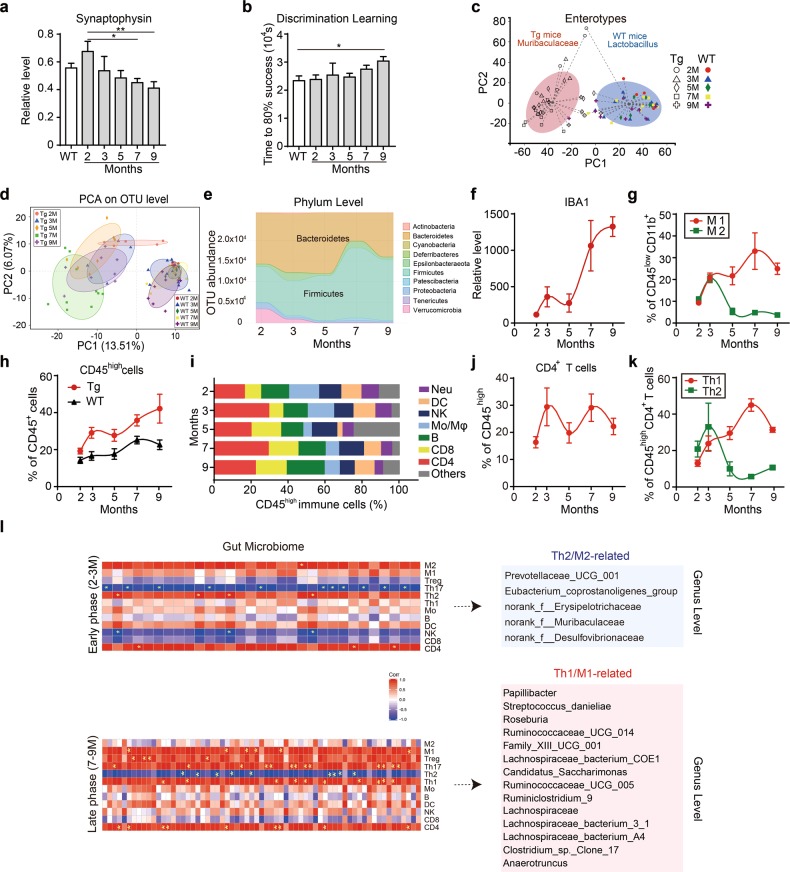
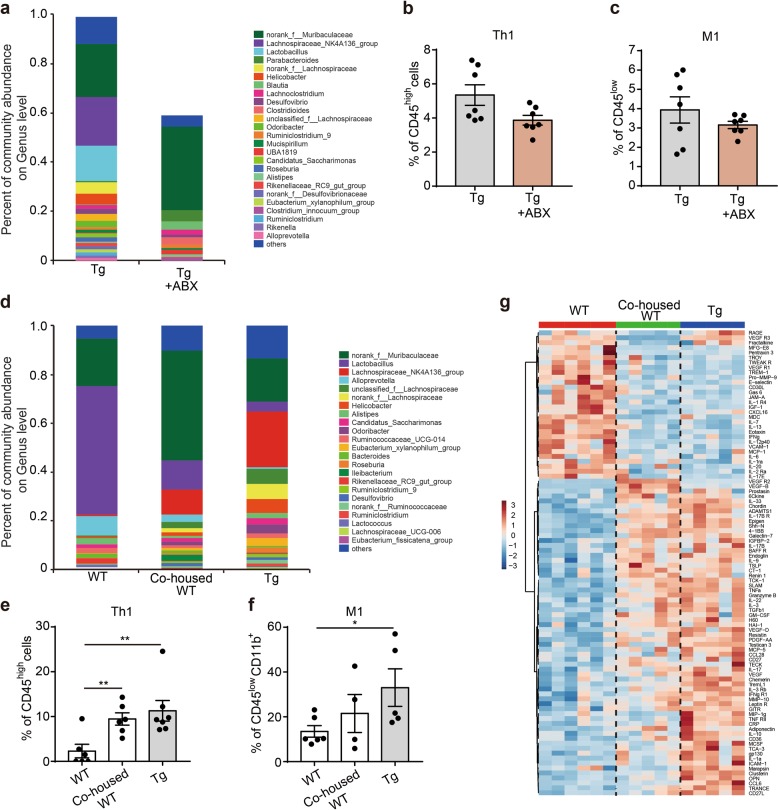
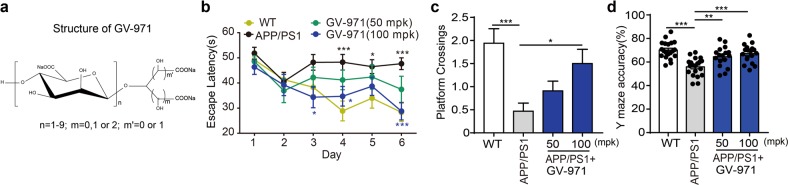
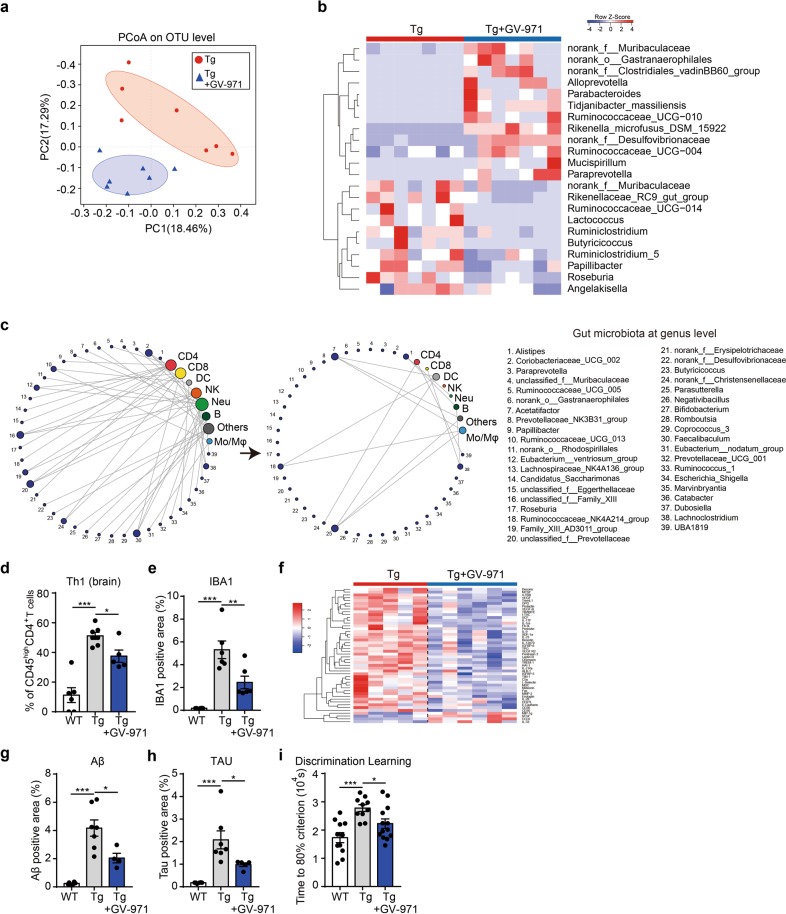
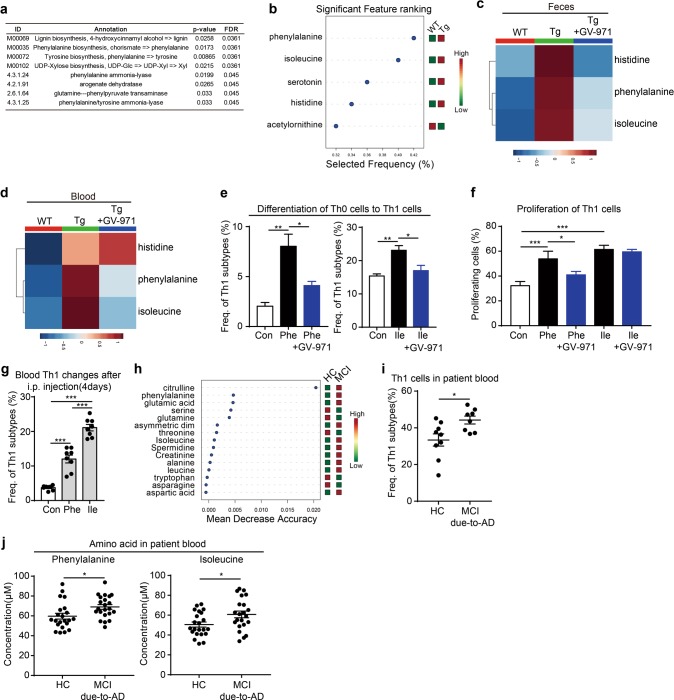
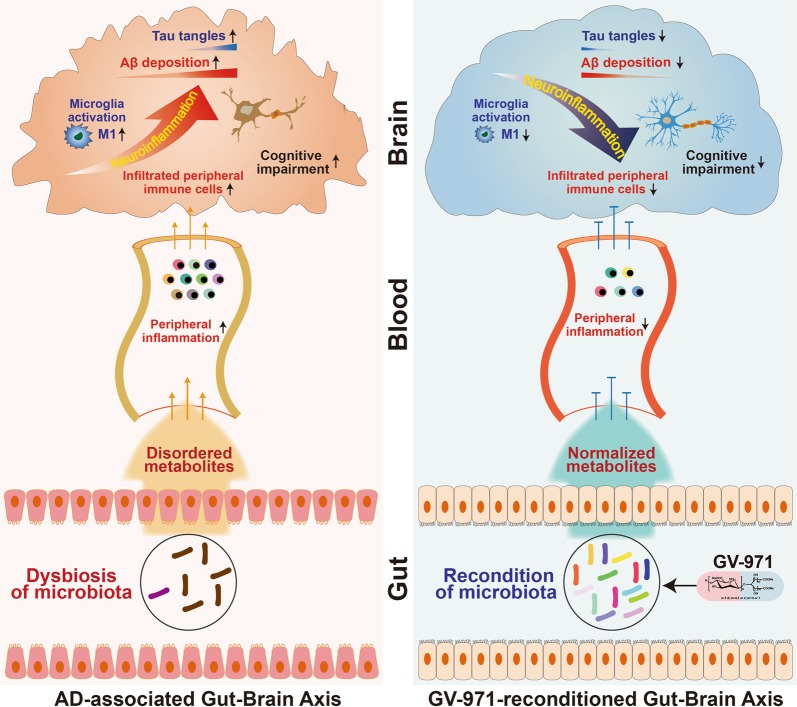
Recently, increasing evidence has suggested the association between gut dysbiosis and Alzheimer's disease (AD) progression, yet the role of gut microbiota in AD pathogenesis remains obscure. Herein, we provide a potential mechanistic link between gut microbiota dysbiosis and neuroinflammation in AD progression. Using AD mouse models, we discovered that, during AD progression, the alteration of gut microbiota composition leads to the peripheral accumulation of phenylalanine and isoleucine, which stimulates the differentiation and proliferation of pro-inflammatory T helper 1 (Th1) cells. The brain-infiltrated peripheral Th1 immune cells are associated with the M1 microglia activation, contributing to AD-associated neuroinflammation. Importantly, the elevation of phenylalanine and isoleucine concentrations and the increase of Th1 cell frequency in the blood were also observed in two small independent cohorts of patients with mild cognitive impairment (MCI) due to AD. Furthermore, GV-971, a sodium oligomannate that has demonstrated solid and consistent cognition improvement in a phase 3 clinical trial in China, suppresses gut dysbiosis and the associated phenylalanine/isoleucine accumulation, harnesses neuroinflammation and reverses the cognition impairment. Together, our findings highlight the role of gut dysbiosis-promoted neuroinflammation in AD progression and suggest a novel strategy for AD therapy by remodelling the gut microbiota.
Overview
The claims and statistics of this paper haven’t been checked yet.
Free: it reads the open-access text and checks the first 5 claims that cite a source we can check. Create a free account to check every claim.
Integrity signals
Registry
Cites
Statistics
Figures
Verification
Claims the paper makes
The claims and statistics of this paper haven’t been checked yet.
Free: it reads the open-access text and checks the first 5 claims that cite a source we can check. Create a free account to check every claim.
Claims other papers make about this one
Each is checked against this paper’s own text: does it say what the citing paper says it does?
The source backs part of the claim, not all of it — or backs it for a different population, condition or comparison.
In the citing paper
“Targeting the intestinal microbiota for the treatment of AD opens up a new way to treat other neurological diseases [11].”
From Neuroprotective Effect of Ceftriaxone on MPTP‐Induced Parkinson’s Disease Mouse Model by Regulating Inflammation and Intestinal Microbiota (2021) · cites this paper as [11]
Experimental — accuracy not yet measuredThe source backs part of the claim, not all of it — or backs it for a different population, condition or comparison.
In the citing paper
“Metabolomic analyses on the feces of these animals revealed significant changes in amino acid–related metabolism, in particular for the phenylalanine- and isoleucine-related pathways.”
From The gut-brain axis: how microbiota and host inflammasome influence brain physiology and pathology (2020) · cites this paper as [163]
Experimental — accuracy not yet measuredThe source backs part of the claim, not all of it — or backs it for a different population, condition or comparison.
In the citing paper
“The effects of GV-971 on mild to severe form of AD were tested in a phase 3 study that started in April 2014 and the results of this study highlighted the fact that GV-971 has significant cognitive benefits.”
From An update on the novel and approved drugs for Alzheimer disease (2022) · cites this paper as Wang et al., 2019
Experimental — accuracy not yet measuredThe source backs part of the claim, not all of it — or backs it for a different population, condition or comparison.
In the citing paper
“it plays a major role in the bidirectional communication between the GI tract and the central nervous system (CNS).”
From The Role of Short-Chain Fatty Acids From Gut Microbiota in Gut-Brain Communication (2020) · cites this paper as [11]
Experimental — accuracy not yet measuredThe cited source says what the claim attributes to it.
In the citing paper
“Sodium oligomannate (9, GV-971) was postulated to counteract AD by inhibiting neuroinflammation triggered by gut dysbiosis and disrupting the formation of Aβ fibrils.56,414”
From Recent advances in Alzheimer's disease: Mechanisms, clinical trials and new drug development strategies. (2024) · cites this paper as [414]
15 more claims about this paper
Create a free account to see every claim other papers make about this one.
Self-check
Percentages, sums and reported differences re-computed from the paper’s own numbers.
The self-check needs the paper’s full text.
Citations
Cites
Classification and Regression by randomForest
Liaw, A. I., & Wiener, M. C. (2007) · Cited by 18,594
Morris water maze: procedures for assessing spatial and related forms of learning and memory
Vorhees, C. V., & Williams, M. T. (2006) · Nature Protocols · doi:10.1038/nprot.2006.116 · Cited by 4,629
Oakley, H., Cole, S. L., Logan, S., Maus, E., Shao, P., Craft, J., Guillozet-Bongaarts, A., Ohno, M., Disterhoft, J., Van Eldik, L., et al. (2006) · The Journal of Neuroscience · doi:10.1523/jneurosci.1202-06.2006 · Cited by 3,530
Gut microbiota, metabolites and host immunity
Rooks, M. G., & Garrett, W. S. (2016) · Nature reviews. Immunology · doi:10.1038/nri.2016.42 · Cited by 3,409
Krasemann, S., Madore, C., Cialic, R., Baufeld, C., Calcagno, N., El Fatimy, R., Beckers, L., O’Loughlin, E., Xu, Y., Fanek, Z., et al. (2017) · Immunity · doi:10.1016/j.immuni.2017.08.008 · Cited by 2,979
NLRP3 is activated in Alzheimer’s disease and contributes to pathology in APP/PS1 mice
Heneka, M. T., Kummer, M. P., Stutz, A., Delekate, A., Schwartz, S., Vieira-Saecker, A., Griep, A., Axt, D., Remus, A., Tzeng, T.-C., et al. (2013) · Nature · doi:10.1038/nature11729 · Cited by 2,898
Differential Roles of M1 and M2 Microglia in Neurodegenerative Diseases
Tang, Y., & Le, W. (2016) · Molecular Neurobiology · doi:10.1007/s12035-014-9070-5 · Cited by 2,190
Gut microbiome alterations in Alzheimer’s disease
Vogt, N. M., Kerby, R. L., Dill-McFarland, K. A., Harding, S. J., Merluzzi, A. P., Johnson, S. C., Carlsson, C. M., Asthana, S., Zetterberg, H., Blennow, K., et al. (2017) · Scientific Reports · doi:10.1038/s41598-017-13601-y · Cited by 2,137
The microbiome and innate immunity
Thaiss, C. A., Zmora, N., Levy, M., & Elinav, E. (2016) · Nature · doi:10.1038/nature18847 · Cited by 2,012
The microbiota in adaptive immune homeostasis and disease
Honda, K., & Littman, D. R. (2016) · Nature · doi:10.1038/nature18848 · Cited by 1,846
Cited by
Items 301–400 of 1,000
Li, L., Jiang, J., Yao, Z., & Zhu, B. (2023) · World Journal of Microbiology and Biotechnology · doi:10.1007/s11274-023-03658-5 · Cited by 44
“One study found that oligo-mannuronate sodium GV-971, an anti-Alzheimer’s disease drug, was effective in restoring the gut microbiota and reducing the concentration of phenylalanine, thereby reducing helper type 1 (Th1)-related neuroinflammation in the brain (Wang et al. 2019).”
BackgroundPan, Z., Wu, N., & Jin, C. (2023) · Canadian Journal of Infectious Diseases and Medical Microbiology · doi:10.1155/2023/3080969 · Cited by 43
“Sodium oligomannate (GV-971) has been reported as a promising drug to treat AD by reshaping the gut microbiome, thereby reducing peripheral and neuro-infammation [142, 143].”
Evolving therapeutic interventions for the management and treatment of Alzheimer’s disease
Ahmad, F., Karan, A., Sharma, R., Sharma, N. S., Sundar, V., Jayaraj, R. L., Mukherjee, S., & DeCoster, M. A. (2024) · Ageing Research Reviews · doi:10.1016/j.arr.2024.102229 · Cited by 43
Branched-chain amino acids and the risks of dementia, Alzheimer’s disease, and Parkinson’s disease
Fu, Y., Wang, Y., Ren, H., Guo, X., & Han, L. (2024) · Frontiers in Aging Neuroscience · doi:10.3389/fnagi.2024.1369493 · Cited by 42
GV-971 prevents severe acute pancreatitis by remodeling the microbiota-metabolic-immune axis
Chen, X., Chen, X., Ding, Y. P., Zhang, N., Fu, W., Wu, M., Ge, F., Wang, J., Li, X., Geng, M., et al. (2024) · Nature Communications · doi:10.1038/s41467-024-52398-z · Cited by 42
Self-citationManfredi, J. N., Gupta, S. K., Vyavahare, S. S., Deák, F., Lu, X., Buddha, L., Wankhade, U. D., Lohakare, J., Isales, C. M., & Fulzele, S. (2024) · Physiology & Behavior · doi:10.1016/j.physbeh.2024.114778 · Cited by 42
Wu, J., Zhu, Y., Zhou, L., Yang, L., Feng, T., Dai, M., Liu, J., Xu, W., Cheng, W., Sun, F., et al. (2021) · Frontiers in Immunology · doi:10.3389/fimmu.2021.710513 · Cited by 42
“Aligning with these findings, sodium oligomannate, a phase III clinical trial drug for AD, has recently been reported to show solid and consistent cognitive improvement via remodeling of the gut microbiota (17).”
BackgroundSelf-citationLi, Z., Zheng, G., Wang, N., Liang, H., Li, C., Wang, Y., Cui, Y., & Yang, L. (2023) · Journal of Agricultural and Food Chemistry · doi:10.1021/acs.jafc.2c06809 · Cited by 42
Gu, X., Zhou, Y., Zhang, Y., Wang, L., Gao, W., Luo, K., Sun, B., Li, T., Wang, H., Si, N., et al. (2024) · Alzheimer s Research & Therapy · doi:10.1186/s13195-024-01587-5 · Cited by 41
Self-citationExogenous Bioactive Peptides Have a Potential Therapeutic Role in Delaying Aging in Rodent Models
Wang, J., Wu, Y., Chen, Z., Chen, Y., Lin, Q., & Liang, Y. (2022) · International Journal of Molecular Sciences · doi:10.3390/ijms23031421 · Cited by 41
“This may be related to the development of AD [38].”
BackgroundSulfatases: Critical Enzymes for Algal Polysaccharide Processing
Hettle, A. G., Vickers, C. J., & Boraston, A. B. (2022) · Frontiers in Plant Science · doi:10.3389/fpls.2022.837636 · Cited by 41
Autophagy Balances Neuroinflammation in Alzheimer’s Disease
Cheng, X., Wei, Y. Q., Qian, Z., & Han, L. (2022) · Cellular and Molecular Neurobiology · doi:10.1007/s10571-022-01269-6 · Cited by 41
T cell aging and Alzheimer’s disease
Guo, L., Li, X., Gould, T. M., Wang, Z., & Cao, W. (2023) · Frontiers in Immunology · doi:10.3389/fimmu.2023.1154699 · Cited by 41
Therapeutic Advances in Diabetes, Autoimmune, and Neurological Diseases
Liu, J., Ting, J. P., Al-Azzam, S., Ding, Y., & Afshar, S. (2021) · International Journal of Molecular Sciences · doi:10.3390/ijms22062805 · Cited by 40
Self-citationYamashiro, K., Takabayashi, K., Kamagata, K., Nishimoto, Y., Togashi, Y., Yamauchi, Y., Ogaki, K., Li, Y., Hatano, T., Motoi, Y., et al. (2024) · Neurobiology of Disease · doi:10.1016/j.nbd.2024.106464 · Cited by 41
“Moreover, experimental studies have demonstrated the involvement of gut microbiota in A β accumulation and neuroinflammation in genetic mouse models of AD (Minter et al., 2016; Harach et al., 2017; Wang et al., 2019; Shen et al., 2020).”
BackgroundWang, G., Zhou, X., Pang, X., Ma, K., Li, L., Song, Y., Hou, D., & Wang, X. (2025) · Frontiers in Pharmacology · doi:10.3389/fphar.2025.1625821 · Cited by 41
Self-citation24(S)-Saringosterol Prevents Cognitive Decline in a Mouse Model for Alzheimer’s Disease
Martens, N., Schepers, M., Zhan, N., Leijten, F. P. J., Voortman, G. J., Tiane, A., Rombaut, B., Poisquet, J., van de Sande, N., Kerksiek, A., et al. (2021) · Marine Drugs · doi:10.3390/md19040190 · Cited by 42
“The oligosaccharide sodium oli-gomannate, which has demonstrated cognitive improvement in a phase 3 clinical trial in China, was found to reduce neuroinflammation by remodeling the gut microbiome [25].”
Wang, H., Fu, Y., Zhao, Q., Liu, Z., Wang, C., Xue, Y., & Shen, Q. (2022) · Food Chemistry · doi:10.1016/j.foodchem.2022.134735 · Cited by 41
Self-citationTebuconazole mediates cognitive impairment via the microbe-gut-brain axis (MGBA) in mice
Ku, T., Liu, Y., Xie, Y., Hu, J., Hou, Y., Tan, X., Ning, X., Li, G., & Sang, N. (2023) · Environment International · doi:10.1016/j.envint.2023.107821 · Cited by 40
Crosstalk Between the Gut and Brain: Importance of the Fecal Microbiota in Patient With Brain Tumors
Li, Y., Jiang, H., Wang, X., Liu, X., Huang, Y., Wang, Z., Ma, Q., Dong, L., Qi, Y., Zhang, H., et al. (2022) · Frontiers in Cellular and Infection Microbiology · doi:10.3389/fcimb.2022.881071 · Cited by 39
Self-citationMBROLE3: improved functional enrichment of chemical compounds for metabolomics data analysis
López-Ibáñez, J., Pazos, F., & Chagoyen, M. (2023) · Nucleic Acids Research · doi:10.1093/nar/gkad405 · Cited by 39
Immunosenescence as a convergence pathway in neurodegeneration
Mohapatra, L., Mishra, D. K., Tripathi, A. S., & Parida, S. K. (2023) · International Immunopharmacology · doi:10.1016/j.intimp.2023.110521 · Cited by 39
Approved drugs and natural products at clinical stages for treating Alzheimer’s disease
Ma, Y., Liu, S., Zhou, Q., Zhong-hua, L., ZHANG, Z., & Yu, B. (2024) · Chinese Journal of Natural Medicines · doi:10.1016/s1875-5364(24)60606-0 · Cited by 39
Zhu, G., Guo, M., Zhao, J., Zhang, H., Wang, G., & Chen, W. (2022) · Frontiers in Immunology · doi:10.3389/fimmu.2022.1013664 · Cited by 39
“A previous cohort study reported that people with AD have impaired amino acid metabolism (33) Similarly, functional prediction of gut microbiome genes revealed that metabolic outputs may be regulated by B.”
BackgroundSelf-citationDai, H., Han, J., Wang, T., Yin, W., Chen, Y., & Liu, H. (2023) · Natural Product Reports · doi:10.1039/d2np00075j · Cited by 39
Self-citationTargeting epigenetics: A novel promise for Alzheimer’s disease treatment
Jeremic, D., Jiménez‐Díaz, L., & Navarro‐López, J. D. (2023) · Ageing Research Reviews · doi:10.1016/j.arr.2023.102003 · Cited by 39
Sighencea, M. G., Popescu, R. Ș., & Trifu, S. C. (2024) · International Journal of Molecular Sciences · doi:10.3390/ijms252212311 · Cited by 38
Advances in Drug Therapy for Alzheimer’s Disease
Zhu, C.-C., Fu, S., Chen, Y., Li, L., Mao, R., Wang, J., Liu, R., Liu, Y., & Wang, X. (2020) · Current Medical Science · doi:10.1007/s11596-020-2281-2 · Cited by 38
Self-citationPersonalizing the Care and Treatment of Alzheimer’s Disease: An Overview
Štrac, D. Š., Konjevod, M., Šagud, M., Perković, M. N., Erjavec, G. N., Vuić, B., Šimić, G., Vukić, V., Mimica, N., & Pivac, N. (2021) · Pharmacogenomics and Personalized Medicine · doi:10.2147/pgpm.s284615 · Cited by 38
“For example, a Phase 3 clinical trial in China reported sodium oligomannate suppressing gut dysbiosis and the associated phenylalanine/isoleucine accumulation, suppressing neuroinflammation and reversing the cognitive impairment.(129) A recent study, conducted on AD-like pathology with amyloid and neurofibrillary tang…”
BackgroundOumata, N., Lu, K., Teng, Y., Cavé, C., Yu, P., Galons, H., & Roques, B. P. (2022) · European Journal of Medicinal Chemistry · doi:10.1016/j.ejmech.2022.114578 · Cited by 38
Catumbela, C. S. G., Giridharan, V. V., Barichello, T., & Morales, R. (2023) · Translational Neurodegeneration · doi:10.1186/s40035-023-00369-7 · Cited by 37
“GV-971 penetrates the BBB through transporters such as type-1 glucose transporter and subsequently binds different subregions of Aβ to inhibit fibril formation and destabilize preformed fibrils [33].”
BackgroundThe gut-immune-brain axis in neurodevelopment and neurological disorders
Park, J. C., & Im, S. (2022) · Microbiome Research Reports · doi:10.20517/mrr.2022.11 · Cited by 40
Scassellati, C., Galoforo, A. C., Esposito, C., Ciani, M., Ricevuti, G., & Bonvicini, C. (2021) · Aging and Disease · doi:10.14336/ad.2021.0122 · Cited by 37
Jeong, S., Huang, L., Tsai, M.-J., Liao, Y., Lin, Y., Hu, C., & Hsu, Y. (2022) · Journal of Alzheimer s Disease · doi:10.3233/jad-215090 · Cited by 37
“:3) related pathologies by reconditioning the gut microbiome in the mice model [14].”
Zhang, S., Wei, D., Lv, S., Wang, L., An, H., Shao, W., Wang, Y., Huang, Y., Peng, D., & Zhang, Z. (2022) · Journal of Alzheimer s Disease · doi:10.3233/jad-220532 · Cited by 37
“Although the microbiota-gut-brain axis-related mechanism of AD remains unclear, emerging evidence supports an association between dysbiosis of the gut microbiota and neuroinflammation during AD progression [6, 8, 10–12].”
Su, Y., Wang, D., Liu, N., Yang, J., Sun, R., & Zhang, Z. (2023) · PLoS ONE · doi:10.1371/journal.pone.0286086 · Cited by 36
“Recent studies have found that targeting intestinal microbiota holds good anti-AD prospects [7, 28–30].”
BackgroundSelf-citationJiménez-García, A., Villarino, M., & Arias, N. (2024) · Alzheimer s & Dementia Diagnosis Assessment & Disease Monitoring · doi:10.1002/dad2.70057 · Cited by 36
“14 In addition studies suggest that fecal microbiota transplantation (FMT) may ameliorate cognitive symptoms in patients with AD.”
Unlocking the Therapeutic Potential of Natural Products for Alzheimer’s Disease
Li, Z., Zhang, Z., & Yu, B. (2025) · Journal of Medicinal Chemistry · doi:10.1021/acs.jmedchem.4c03049 · Cited by 36
Yan, Y., Gao, Y., Fang, Q., Zhang, N., Kumar, G., Yan, H., Song, L., Li, J., Zhang, Y., Sun, J., et al. (2021) · Frontiers in Aging Neuroscience · doi:10.3389/fnagi.2021.755164 · Cited by 36
Self-citationDiscrete genetic loci in human gut Bacteroides thetaiotaomicron confer pectin metabolism
Li, M., Li, S., Guo, X., Guo, C., Wang, Y., Du, Z., Zhang, Z., Xie, C., & Ding, K. (2021) · Carbohydrate Polymers · doi:10.1016/j.carbpol.2021.118534 · Cited by 37
Zhu, G., Guo, M., Zhao, J., Zhang, H., Wang, G., & Chen, W. (2022) · Nutrients · doi:10.3390/nu14040735 · Cited by 36
“Sodium oligomannate suppressed gut bacterial amino acids and inhibited neuroinflammation in AD progression [28].”
BackgroundResultSelf-citationAmat, S., Dahlen, C. R., Swanson, K. C., Ward, A. K. K., Reynolds, L. P., & Caton, J. S. S. (2022) · Frontiers in Microbiology · doi:10.3389/fmicb.2022.854453 · Cited by 36
Mucosal Immunity and the Gut-Microbiota-Brain-Axis in Neuroimmune Disease
Sterling, K. G., Dodd, G. K., Alhamdi, S., Asimenios, P. G., Dagda, R. K., Meirleir, K. L. D., Hudig, D., & Lombardi, V. C. (2022) · International Journal of Molecular Sciences · doi:10.3390/ijms232113328 · Cited by 36
Su, Y., Liu, N., Sun, R., Ma, J., Li, Z., Wang, P., Ma, H., Sun, Y., Song, J., & Zhang, Z. (2023) · Frontiers in Pharmacology · doi:10.3389/fphar.2023.1115387 · Cited by 36
“Among the studies on intestinal microbiota-based treatment of AD, various therapeutic tools can exert anti-AD effects by modulating intestinal microbiota, such as GV-971 (Wang et al., 2019), the Chinese herbal formula Huanglian Jiexue Tang (Gu et al.”
BackgroundInfluentialDegradation of xylan by human gut Bacteroides xylanisolvens XB1A
Zhao, T., Yue, H., Peng, J., Nie, Y., Wu, L., Li, T., Niu, W., Li, C., Zhang, Z., Li, M., et al. (2023) · Carbohydrate Polymers · doi:10.1016/j.carbpol.2023.121005 · Cited by 39
Chu, Z., Han, S., Luo, Y., Zhou, Y., Zhu, L., & Luo, F. (2023) · Critical Reviews in Food Science and Nutrition · doi:10.1080/10408398.2023.2222404 · Cited by 36
“Peripheral Th1 immune cells infiltrating the brain are related to M1 microglia (Wang et al. 2019).”
Targeting Infectious Agents as a Therapeutic Strategy in Alzheimer’s Disease
Fülöp, T., Munawara, U., Larbi, A., Desroches, M., Rodrigues, S., Catanzaro, M., Guidolin, A., Khalil, A., Bernier, F., Barron, A. E., et al. (2020) · CNS Drugs · doi:10.1007/s40263-020-00737-1 · Cited by 36
Huang, T., Chen, Y., Zeng, S.-L., Lin, Y., Li, F., Jiang, Z., & Liu, E. (2024) · Journal of Agricultural and Food Chemistry · doi:10.1021/acs.jafc.3c09448 · Cited by 35
Multitarget Compounds Designed for Alzheimer, Parkinson, and Huntington Neurodegeneration Diseases
Katsoulaki, E.-E., Dimopoulos, D., & Hadjipavlou‐Litina, D. (2025) · Pharmaceuticals · doi:10.3390/ph18060831 · Cited by 35
New insights in drug development for Alzheimer's disease based on microglia function
Qiao, O., Ji, H., Zhang, Y., Zhang, X., Zhang, X., Liu, N., Huang, L., Liu, C., & Gao, W. (2021) · Biomedicine & Pharmacotherapy · doi:10.1016/j.biopha.2021.111703 · Cited by 36
Association between Gut Microbiota and Development of Gestational Diabetes Mellitus
Sililas, P., Huang, L., Thonusin, C., Luewan, S., Chattipakorn, N., Chattipakorn, S. C., & Tongsong, T. (2021) · Microorganisms · doi:10.3390/microorganisms9081686 · Cited by 37
Current Alzheimer disease research highlights: evidence for novel risk factors
Brenowitz, W. D., Xiang, Y., McEvoy, C. T., Yang, C., Yaffe, K. S., Le, W., & Leng, Y. (2021) · Chinese Medical Journal · doi:10.1097/cm9.0000000000001706 · Cited by 35
Beyond the amyloid cascade: An update of Alzheimer's disease pathophysiology
Gouilly, D., Rafiq, M., Nogueira, L., Salabert, A., Payoux, P., Péran, P., & Pariente, J. (2023) · Revue Neurologique · doi:10.1016/j.neurol.2022.12.006 · Cited by 35
Zheng, J., Ni, C., Zhang, Y., Huang, J., Hukportie, D. N., Liang, B., & Tang, S. (2023) · BMC Medicine · doi:10.1186/s12916-023-02816-8 · Cited by 35
“Through the gut–brain axis, the gut microbiota modulates the brain functioning of the host and plays a significant role in dementia pathogenesis [81, 82].”
BackgroundWang, M., Cao, J., Amakye, W. K., Gong, C., Li, Q., & Ren, J. (2019) · Biochemical and Biophysical Research Communications · doi:10.1016/j.bbrc.2019.12.015 · Cited by 35
Machine learning in Alzheimer’s disease drug discovery and target identification
Geng, C., Wang, Z., & Tang, Y. (2024) · Ageing Research Reviews · doi:10.1016/j.arr.2023.102172 · Cited by 34
Junyi, L., Yueyang, W., Liu, B., Xiaohong, D., Wenhui, C., Zhang, N., & Zhang, H. (2024) · Molecular Neurobiology · doi:10.1007/s12035-024-04513-w · Cited by 35
“Recent studies suggest that targeted manipulation of the gut microbiota can be achieved through supplementation with prebiotics/probiotics and fecal microbiota transplantation [69, 200–202].”
Self-citationNomogram to Predict Cognitive Dysfunction After a Minor Ischemic Stroke in Hospitalized-Population
Gong, L., Wang, H., Zhu, X., Dong, Q., Yu, Q., Mao, B., Meng, L., Zhao, Y., & Liu, X. (2021) · Frontiers in Aging Neuroscience · doi:10.3389/fnagi.2021.637363 · Cited by 34
Self-citationPapRIV, a BV-2 microglial cell activating quorum sensing peptide
Janssens, Y., Debunne, N., Spiegeleer, A. D., Wynendaele, E., Planas, M., Feliu, L., Quarta, A., Claes, C., Dam, D. V., Deyn, P. P. D., et al. (2021) · Scientific Reports · doi:10.1038/s41598-021-90030-y · Cited by 34
Age-related diseases, therapies and gut microbiome: A new frontier for healthy aging
Barone, M., D’Amico, F., Rampelli, S., Brigidi, P., & Turroni, S. (2022) · Mechanisms of Ageing and Development · doi:10.1016/j.mad.2022.111711 · Cited by 35
Intestinal Flora Affect Alzheimer's Disease by Regulating Endogenous Hormones
Wu, Y., Hang, Z., Tong, L., & Du, H. (2022) · Neurochemical Research · doi:10.1007/s11064-022-03784-w · Cited by 35
“In the 5 × FAD mouse model an imbalance of intestinal flora causes an aberrant rise in phenylalanine and isoleucine in the peripheral blood, which causes peripheral proinflammatory Th1 cells to differentiate and proliferate, promoting their brain invasion [22].”
BackgroundBatool, Z., Chen, J., Gao, Y., Lu, L. W., Xu, H., Liu, B., Wang, M., & Chen, F. (2022) · Journal of Agricultural and Food Chemistry · doi:10.1021/acs.jafc.2c06206 · Cited by 34
The microbiota-gut-brain axis in pathogenesis of depression: A narrative review
Yao, H., Zhang, D., Yu, H., Shen, H., Liu, H., Meng, F., Wu, X., Zhang, G., & Wang, X. (2022) · Physiology & Behavior · doi:10.1016/j.physbeh.2022.114056 · Cited by 36
Self-citationChen, Y.-Y., Wang, M.-C., Wang, Y.-N., Hu, H.-H., Liu, Q.-Q., Liu, H.-J., & Zhao, Y.-Y. (2020) · Biomarker Research · doi:10.1186/s40364-020-00218-z · Cited by 33
“Hyperphosphorylated tau protein [4], β-amyloid (Aβ) aggregation [5], aging [6], and importantly, inflammation [7] and oxidative stress [8] are tightly implicated in AD neurodegeneration.”
BackgroundGong, H., Han, D., Luo, Z., Zhu, Q., Zhu, X., Liu, S., & Di-ping, C. (2023) · Phytomedicine · doi:10.1016/j.phymed.2023.154954 · Cited by 33
The predictive, preventive, and personalized medicine of insomnia: gut microbiota and inflammation
Chen, H.-W., Zhou, R., Cao, B., Liu, K., Zhong, Q., Huang, Y., Liu, H., Zhao, J.-Q., & Wu, X. (2023) · The EPMA Journal · doi:10.1007/s13167-023-00345-1 · Cited by 33
How the gut microbiota impacts neurodegenerative diseases by modulating CNS immune cells
Schaible, P., Henschel, J., & Erny, D. (2025) · Journal of Neuroinflammation · doi:10.1186/s12974-025-03371-0 · Cited by 35
“Wang et al. gavaged 6-month-old 5xFAD mice for one month with GV-971 (Table 1) and reported decreased hippocampal Aβ and tau accumulation, improved cognitive performance, and decreased microglial density in the hippocampus when compared to untreated 5xFAD mice [176].”
Emerging insights into the role of albumin with plasma exchange in Alzheimer’s disease management
Costa, M., & Páez, A. (2021) · Transfusion and Apheresis Science · doi:10.1016/j.transci.2021.103164 · Cited by 33
Zhang, L., Yang, C., Li, Y., Niu, S., Liang, X., Zhang, Z., Luo, Q., & Luo, H. (2021) · Frontiers in Molecular Neuroscience · doi:10.3389/fnmol.2021.723317 · Cited by 33
Microbiota-targeted therapies in inflammation resolution
Strati, F., Lattanzi, G., Amoroso, C., & Facciotti, F. (2022) · Seminars in Immunology · doi:10.1016/j.smim.2022.101599 · Cited by 33
Devi, G. (2023) · Handbook of clinical neurology · doi:10.1016/b978-0-323-98817-9.00015-6 · Cited by 33
“Oligomannate, derived from seaweed with anti-inflammatory properties, was approved in China and associated with cognitive improvement (Wang et al., 2019).”
Liu, J., van Beusekom, H. M. M., Bu, X., Chen, G., Rosado-de-Castro, P. H., Chen, X., Chen, X., Clarkson, A. N., Farr, T. D., Fu, Y., et al. (2023) · Neuroprotection/Neuroprotection (Chichester, England. Print) · doi:10.1002/nep3.23 · Cited by 33
“125 Many peripheral factors are involved in AD development, such as immune senescence, 126 metabolic 127 and cardiovascular 128 disorders, liver and kidney dysfunction, 32 gut microbiota disturbance, 129 or respiratory and sleep disorders.”
BackgroundSelf-citationWang, H., & Zhu, B. (2024) · International Journal of Biological Macromolecules · doi:10.1016/j.ijbiomac.2024.134093 · Cited by 33
Self-citationWang, J., Hou, X., Chen, X., Zhang, K., Wang, J., & Wang, C.-H. (2021) · Aquaculture · doi:10.1016/j.aquaculture.2021.736661 · Cited by 33
Botchway, B. O., Okoye, F. C., Chen, Y., Arthur, W. E., & Fang, M. (2022) · Aging and disease · doi:10.14336/ad.2021.0616 · Cited by 32
“Before its endorsement, Xinyu and colleagues used human and animal models (5xFAD (Tg), C57, and APP/PS1 mice), where they found sodium oligomannate to alter the gut microbiota, with concomitant effects of attenuated neuroinflammation and enhanced cognition [126].”
BackgroundGut microbiota in alcohol-related liver disease: pathophysiology and gut-brain cross talk
Zhu, L., Wang, Y., Pan, C. Q., & Xing, H. (2023) · Frontiers in Pharmacology · doi:10.3389/fphar.2023.1258062 · Cited by 32
Dietary Interventions to Prevent or Delay Alzheimer’s Disease: What the Evidence Shows
Bartochowski, Z., Conway, J., Wallach, Y., Chakkamparambil, B., Alakkassery, S., & Grossberg, G. T. (2020) · Current Nutrition Reports · doi:10.1007/s13668-020-00333-1 · Cited by 32
Neuromodulation in the Treatment of Alzheimer’s Disease: Current and Emerging Approaches
Pople, C. B., Meng, Y., Li, D. Z., Bigioni, L., Davidson, B., Vecchio, L. M., Hamani, C., Rabin, J. S., & Lipsman, N. (2020) · Journal of Alzheimer s Disease · doi:10.3233/jad-200913 · Cited by 32
Gut microbiota axis: potential target of phytochemicals from plant-based foods
Shi, R., Huang, C., Gao, Y., Li, X., Zhang, C., & Li, M. (2023) · Food Science and Human Wellness · doi:10.1016/j.fshw.2023.02.001 · Cited by 32
Zhou, A., Cheng, H., Liu, H., Li, L., Chen, Z., Chen, S., Wang, C., & Wang, D. (2023) · Carbohydrate Polymers · doi:10.1016/j.carbpol.2023.121033 · Cited by 32
Wen, C., Li, T., Wang, B., Jin, C., Li, S., Li, Y., Li, M., & Ding, K. (2023) · International Journal of Biological Macromolecules · doi:10.1016/j.ijbiomac.2023.125785 · Cited by 33
Hochuli, N., Kadyan, S., Park, G., Patoine, C., & Nagpal, R. (2023) · Microbiome Research Reports · doi:10.20517/mrr.2023.39 · Cited by 32
Interplay between microglia and environmental risk factors in Alzheimer's disease
Zhang, M., Liang, C., Chen, X., Cai, Y., & Cui, L. (2023) · Neural Regeneration Research · doi:10.4103/1673-5374.389745 · Cited by 32
Danggui Buxue Tang Restores Antibiotic-Induced Metabolic Disorders by Remodeling the Gut Microbiota
Du, R., Bei, H., Jia, L., Huang, C., Chen, Q., Tao, C., Chen, J., & Bo, H. (2019) · Journal of Ethnopharmacology · doi:10.1016/j.jep.2020.112953 · Cited by 32
Fan, X., Liu, B., Zhou, J., Gu, X., Zhou, Y., Yang, Y., Guo, F., Wei, X., Wang, H., Si, N., et al. (2021) · Frontiers in Aging Neuroscience · doi:10.3389/fnagi.2021.658376 · Cited by 32
“Alteration of the gut microbiota composition leads to the peripheral accumulation of phenylalanine and isoleucine, which stimulates the differentiation and proliferation of proinflammatory T helper 1 cells, which are associated with M1 microglia activation and contribute to AD-associated neuroinflammation (Wang et al.…”
BackgroundResultSelf-citationPeng, Y., Tao, H., Wang, S., Xiao, J., Wang, Y., & Su, H. (2021) · Journal of Functional Foods · doi:10.1016/j.jff.2021.104463 · Cited by 31
Ji, Y., Ma, Y., Ma, Y., Wang, Y., Zhao, X., Jin, D., Xu, L., & Ge, S. (2023) · International Immunopharmacology · doi:10.1016/j.intimp.2023.111290 · Cited by 31
Yan, X., Shi, L., Zhu, X.-L., Zhao, Y., Luo, J., Li, Q., Xu, Z., & Zhao, J. J. (2025) · Journal of Inflammation Research · doi:10.2147/jir.s531671 · Cited by 32
Discontinued disease-modifying therapies for Alzheimer’s disease: status and future perspectives
Imbimbo, B. P., Lozupone, M., Watling, M., & Panza, F. (2020) · Expert Opinion on Investigational Drugs · doi:10.1080/13543784.2020.1795127 · Cited by 31
Pu, G., Hou, L., Du, T., Wang, B., Liu, H., Li, K., Niu, P., Zhou, W., Huang, R., & Li, P. (2022) · Frontiers in Microbiology · doi:10.3389/fmicb.2022.963917 · Cited by 31
Intestinal microbiota: A promising therapeutic target for hypertension
Sun, D., Xiang, H., Yan, J., & He, L. (2022) · Frontiers in Cardiovascular Medicine · doi:10.3389/fcvm.2022.970036 · Cited by 31
“Meanwhile, intestinal dysbiosis can also promote Th1 cell infiltration, allowing local crosstalk with M1 microglia, which in turn triggers the differentiation of microglia to a pro-inflammatory state (68).”
BackgroundMushroom Natural Products in Neurodegenerative Disease Drug Discovery
Abitbol, A., Mallard, B., Tiralongo, E., & Tiralongo, J. (2022) · Cells · doi:10.3390/cells11233938 · Cited by 31
“GV-917 (sodium oligomannate) Acidic linear oligosaccharides that are found in marine brown algae Suggested to recondition gut microbiota and alter peripheral immune system response underlying AD pathogenesis and penetrates BBB through GLUT1 destabilising Aβ fibril formation via forming non-toxic monomers Active (phase…”
BackgroundThe viral hypothesis in Alzheimer’s disease: SARS-CoV-2 on the cusp
Liu, N., Jiang, X., & Li, H. (2023) · Frontiers in Aging Neuroscience · doi:10.3389/fnagi.2023.1129640 · Cited by 31
“Peripheral inflammatory factors also circulate to the brain and activate cerebral microglia and astrocytes, which secrete pro-inflammatory cytokines that amplify the effects of neuroinflammation (Wang et al., 2019; Kucia et al., 2021).”
BackgroundThe role of gut microbiota in cerebrovascular disease and related dementia
Cuartero, M. I., García‐Culebras, A., Nieto‐Vaquero, C., Fraga, E., Torres‐López, C., Pradillo, J. M., Lizasoaín, I., & Moro, M. Á. (2023) · British Journal of Pharmacology · doi:10.1111/bph.16167 · Cited by 31
Liang, J., Wang, Y., Liu, B., Dong, X., Cai, W., Zhang, N., & Zhang, H. (2024) · CNS Neuroscience & Therapeutics · doi:10.1111/cns.14704 · Cited by 32
Self-citationPharmacological Treatment of Alzheimer’s Disease: Insights from Drosophila melanogaster
Cheng, X., Song, C., Du, Y., Gaur, U., & Yang, M. (2020) · International Journal of Molecular Sciences · doi:10.3390/ijms21134621 · Cited by 33
“The enteric infection promotes brain recruitment of hemocytes, which causes the activation of JNK and then the exacerbation of AD [115].”
BackgroundInflammatory neuropsychiatric disorders and COVID-19 neuroinflammation
Tang, S. W., Helmeste, D. M., & Leonard, B. E. (2021) · Acta Neuropsychiatrica · doi:10.1017/neu.2021.13 · Cited by 35
“The recently announced seaweed-based drug oligomannate (Wang et al. 2019), which also works through restoration of normal gut flora, shows that small molecules are not necessarily the only compounds for neuroinflammation treatment. https://doi.org/10.1017/neu.2021.13 Published online by Cambridge…”
BackgroundInfluentialLu, J., Pan, Q., Zhou, J., Weng, Y., Chen, K., Shi, L., Zhu, G., Chen, C., Li, L., Geng, M., et al. (2022) · Journal of Pharmaceutical Analysis · doi:10.1016/j.jpha.2021.06.001 · Cited by 30
Self-citationGut microbiota metabolites: potential therapeutic targets for Alzheimer’s disease?
Zhang, S., Lu, J., Jin, Z., Xu, H., Zhang, D., Chen, J., & Wang, J. (2024) · Frontiers in Pharmacology · doi:10.3389/fphar.2024.1459655 · Cited by 30
Immunity improvement and gut microbiota remodeling of mice by wheat germ globulin
Yu, G., Ji, X., Huang, J., Liao, A., Pan, L., Hou, Y., Hui, M., & Guo, W. (2021) · World Journal of Microbiology and Biotechnology · doi:10.1007/s11274-021-03034-1 · Cited by 30
Metadata
- Authors
- Wang, X., Sun, G., Feng, T., Zhang, J., Huang, X., Wang, T., Xie, Z., Chu, X., Yang, J., Wang, H., Chang, S., Gong, Y., Ruan, L., Zhang, G., Yan, S., Lian, W., Du, C., Yang, D., Zhang, Q., Lin, F., Liu, J., Zhang, H., Ge, C., Xiao, S., Ding, J., & Geng, M.
- Affiliations
- Chinese Academy of Sciences (CN)
- Shanghai Jiao Tong University (CN)
- Corresponding author
- Geng, Meiyu
- ORCID
- Venue
- Cell Research
- Published
- 2019-09-06
- Volume
- 29
- Issue
- 10
- Pages
- 787-803
- ISSN
- 1001-0602 (ISSN-L)
- 1748-7838
- PMC
- PMC6796854
- OpenAlex
- W2972007077
- Semantic Scholar
- e9a935dc76000829ceb45994c1cb5eb9842e7e5a
- Cited by
- 1,144
- References
- 61
- Citations by year
- 2026: 104 · 2025: 146 · 2024: 179 · 2023: 196 · 2022: 200 · 2021: 175 · 2020: 132 · 2019: 11
- FWCI
- 89.30
- Type
- journal article
- Language
- en
- Open access
- hybrid
- doi.org
- Licence
- cc-by
- creativecommons.org/licenses/by/4.0 (tdm)
- creativecommons.org/licenses/by/4.0 (vor)
- Locations
- Cell Research (publishedVersion, cc-by)
- PubMed Central (publishedVersion, cc-by)
- PubMed (publishedVersion)
- Funders
- Chinese Academy of Sciences (XDA12040101)
- National Key New Drug Creation and Manufacturing Program, Ministry of Science and Technology
- Topics
- Life Sciences › Neuroscience › Cellular and Molecular Neuroscience › Alzheimer's disease research and treatments
- Life Sciences › Biochemistry, Genetics and Molecular Biology › Molecular Biology › Gut microbiota and health
- Life Sciences › Neuroscience › Neurology › Neuroinflammation and Neurodegeneration Mechanisms
- Keywords
- Alzheimer's disease, gut microbiota, gut dysbiosis, neuroinflammation, phenylalanine, isoleucine, Th1 cells, mild cognitive impairment, gut-brain axis, cognitive impairment
- MeSH terms
- Gastrointestinal Microbiome, Alzheimer Disease, Amino Acids, Animals, Anti-Bacterial Agents, Bacteria, Disease Models, Animal, Humans, Isoleucine, Mannose, Mice, Inbred C57BL, Mice, Transgenic, Oligosaccharides, Phenylalanine, Clinical Trials, Phase III as Topic, Microglia, Th1 Cells, Disease Progression, Maze Learning, Mice, Cognitive Dysfunction
About these checks
Registry, retraction, Cites and statistics results are computed, not judged, with one exception: a printed reference that no index lists is read once by a model before it counts as a citation error. Claims are extracted by a model and kept only when their quote appears verbatim in the text; each cited source is then checked, with a model’s help, for whether it says what the claim relies on. Those verdicts can be wrong — read the claim’s quote and the cited source before relying on one.
Statistics and arithmetic are recomputed, not judged.
Confidence bands are shown only for fields calibrated on our annotated test set. None is calibrated yet, so no band is shown.
What counts as a claim ›How we measure confidence ›How we check this ›
Are you an author, or do you see a problem with this page? Request a review
Data sources
Bibliographic data: Semantic Scholar, OpenAlex, Crossref.
Contains information from the Semantic Scholar Academic Graph Datasets, made available under the ODC Attribution License (ODC-BY 1.0).
Semantic Scholar’s data is described in: Kinney, R., et al. (2023). The Semantic Scholar Open Data Platform. arXiv:2301.10140.
