

Sodium oligomannate therapeutically remodels gut microbiota and suppresses gut bacterial amino acids-shaped neuroinflammation to inhibit Alzheimer’s disease progression
Open accessThe DOI matches its Crossref record; 61 of the 61 references it cites were found in a registry or an index.
Abstract
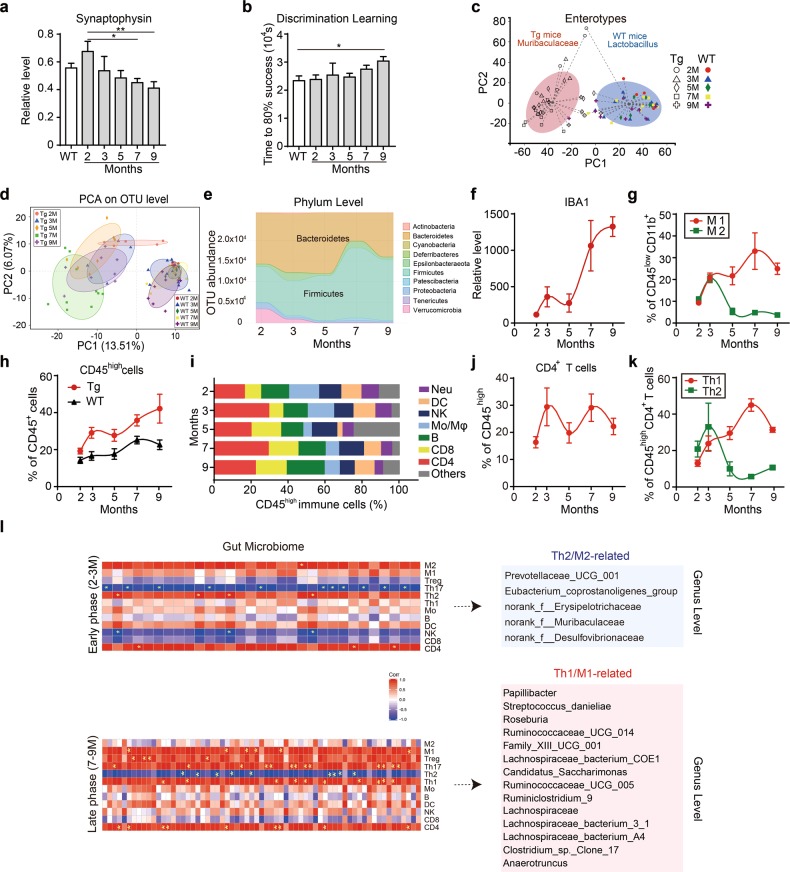
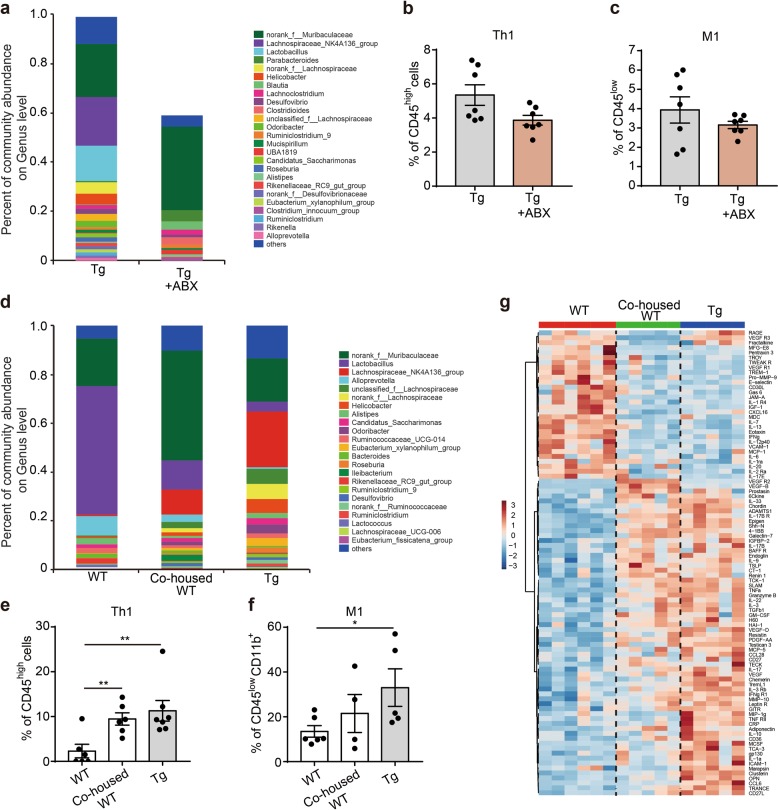
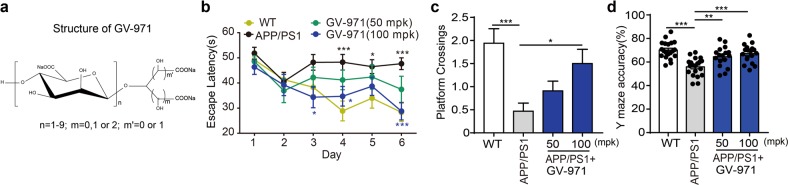
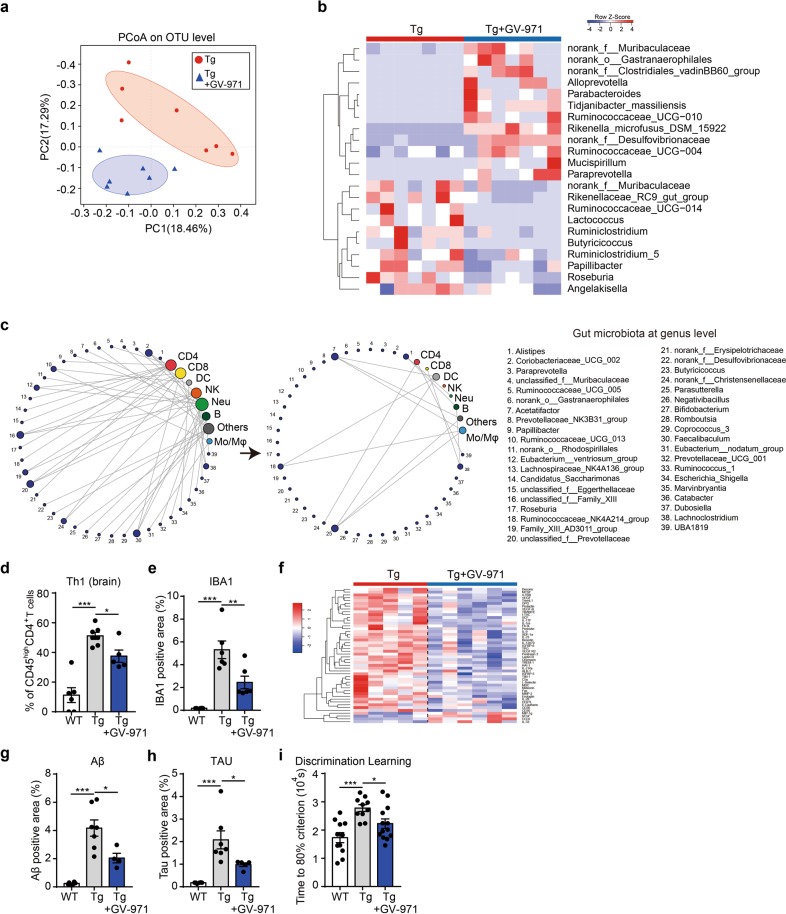
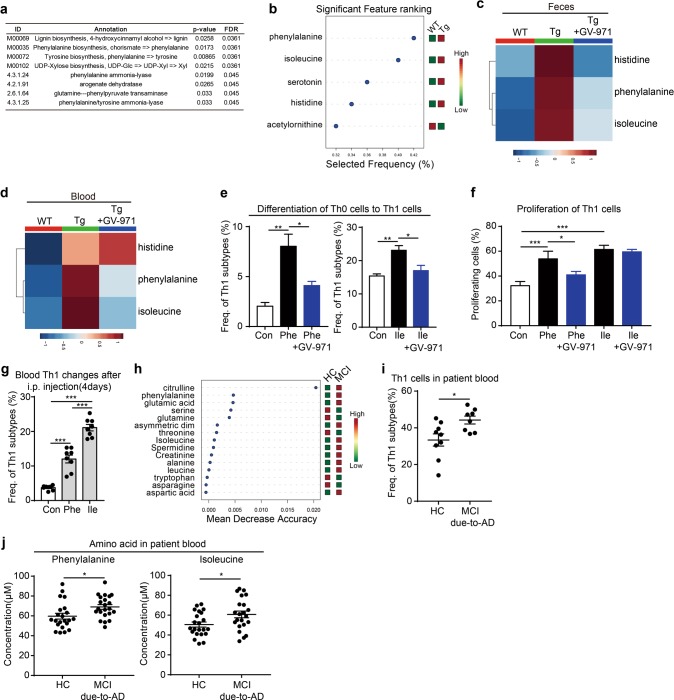
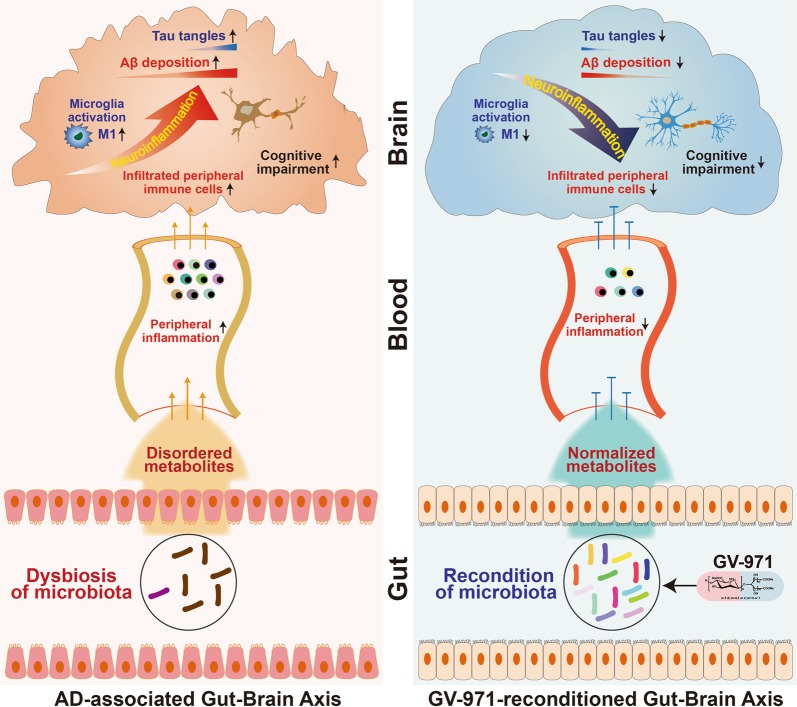
Recently, increasing evidence has suggested the association between gut dysbiosis and Alzheimer's disease (AD) progression, yet the role of gut microbiota in AD pathogenesis remains obscure. Herein, we provide a potential mechanistic link between gut microbiota dysbiosis and neuroinflammation in AD progression. Using AD mouse models, we discovered that, during AD progression, the alteration of gut microbiota composition leads to the peripheral accumulation of phenylalanine and isoleucine, which stimulates the differentiation and proliferation of pro-inflammatory T helper 1 (Th1) cells. The brain-infiltrated peripheral Th1 immune cells are associated with the M1 microglia activation, contributing to AD-associated neuroinflammation. Importantly, the elevation of phenylalanine and isoleucine concentrations and the increase of Th1 cell frequency in the blood were also observed in two small independent cohorts of patients with mild cognitive impairment (MCI) due to AD. Furthermore, GV-971, a sodium oligomannate that has demonstrated solid and consistent cognition improvement in a phase 3 clinical trial in China, suppresses gut dysbiosis and the associated phenylalanine/isoleucine accumulation, harnesses neuroinflammation and reverses the cognition impairment. Together, our findings highlight the role of gut dysbiosis-promoted neuroinflammation in AD progression and suggest a novel strategy for AD therapy by remodelling the gut microbiota.
Overview
The claims and statistics of this paper haven’t been checked yet.
Free: it reads the open-access text and checks the first 5 claims that cite a source we can check. Create a free account to check every claim.
Integrity signals
Registry
Cites
Statistics
Figures
Verification
Claims the paper makes
The claims and statistics of this paper haven’t been checked yet.
Free: it reads the open-access text and checks the first 5 claims that cite a source we can check. Create a free account to check every claim.
Claims other papers make about this one
Each is checked against this paper’s own text: does it say what the citing paper says it does?
The source backs part of the claim, not all of it — or backs it for a different population, condition or comparison.
In the citing paper
“Targeting the intestinal microbiota for the treatment of AD opens up a new way to treat other neurological diseases [11].”
From Neuroprotective Effect of Ceftriaxone on MPTP‐Induced Parkinson’s Disease Mouse Model by Regulating Inflammation and Intestinal Microbiota (2021) · cites this paper as [11]
Experimental — accuracy not yet measuredThe source backs part of the claim, not all of it — or backs it for a different population, condition or comparison.
In the citing paper
“Metabolomic analyses on the feces of these animals revealed significant changes in amino acid–related metabolism, in particular for the phenylalanine- and isoleucine-related pathways.”
From The gut-brain axis: how microbiota and host inflammasome influence brain physiology and pathology (2020) · cites this paper as [163]
Experimental — accuracy not yet measuredThe source backs part of the claim, not all of it — or backs it for a different population, condition or comparison.
In the citing paper
“The effects of GV-971 on mild to severe form of AD were tested in a phase 3 study that started in April 2014 and the results of this study highlighted the fact that GV-971 has significant cognitive benefits.”
From An update on the novel and approved drugs for Alzheimer disease (2022) · cites this paper as Wang et al., 2019
Experimental — accuracy not yet measuredThe source backs part of the claim, not all of it — or backs it for a different population, condition or comparison.
In the citing paper
“it plays a major role in the bidirectional communication between the GI tract and the central nervous system (CNS).”
From The Role of Short-Chain Fatty Acids From Gut Microbiota in Gut-Brain Communication (2020) · cites this paper as [11]
Experimental — accuracy not yet measuredThe cited source says what the claim attributes to it.
In the citing paper
“Sodium oligomannate (9, GV-971) was postulated to counteract AD by inhibiting neuroinflammation triggered by gut dysbiosis and disrupting the formation of Aβ fibrils.56,414”
From Recent advances in Alzheimer's disease: Mechanisms, clinical trials and new drug development strategies. (2024) · cites this paper as [414]
15 more claims about this paper
Create a free account to see every claim other papers make about this one.
Self-check
Percentages, sums and reported differences re-computed from the paper’s own numbers.
The self-check needs the paper’s full text.
Citations
Cites
Classification and Regression by randomForest
Liaw, A. I., & Wiener, M. C. (2007) · Cited by 18,594
Morris water maze: procedures for assessing spatial and related forms of learning and memory
Vorhees, C. V., & Williams, M. T. (2006) · Nature Protocols · doi:10.1038/nprot.2006.116 · Cited by 4,629
Oakley, H., Cole, S. L., Logan, S., Maus, E., Shao, P., Craft, J., Guillozet-Bongaarts, A., Ohno, M., Disterhoft, J., Van Eldik, L., et al. (2006) · The Journal of Neuroscience · doi:10.1523/jneurosci.1202-06.2006 · Cited by 3,530
Gut microbiota, metabolites and host immunity
Rooks, M. G., & Garrett, W. S. (2016) · Nature reviews. Immunology · doi:10.1038/nri.2016.42 · Cited by 3,409
Krasemann, S., Madore, C., Cialic, R., Baufeld, C., Calcagno, N., El Fatimy, R., Beckers, L., O’Loughlin, E., Xu, Y., Fanek, Z., et al. (2017) · Immunity · doi:10.1016/j.immuni.2017.08.008 · Cited by 2,979
NLRP3 is activated in Alzheimer’s disease and contributes to pathology in APP/PS1 mice
Heneka, M. T., Kummer, M. P., Stutz, A., Delekate, A., Schwartz, S., Vieira-Saecker, A., Griep, A., Axt, D., Remus, A., Tzeng, T.-C., et al. (2013) · Nature · doi:10.1038/nature11729 · Cited by 2,898
Differential Roles of M1 and M2 Microglia in Neurodegenerative Diseases
Tang, Y., & Le, W. (2016) · Molecular Neurobiology · doi:10.1007/s12035-014-9070-5 · Cited by 2,190
Gut microbiome alterations in Alzheimer’s disease
Vogt, N. M., Kerby, R. L., Dill-McFarland, K. A., Harding, S. J., Merluzzi, A. P., Johnson, S. C., Carlsson, C. M., Asthana, S., Zetterberg, H., Blennow, K., et al. (2017) · Scientific Reports · doi:10.1038/s41598-017-13601-y · Cited by 2,137
The microbiome and innate immunity
Thaiss, C. A., Zmora, N., Levy, M., & Elinav, E. (2016) · Nature · doi:10.1038/nature18847 · Cited by 2,012
The microbiota in adaptive immune homeostasis and disease
Honda, K., & Littman, D. R. (2016) · Nature · doi:10.1038/nature18848 · Cited by 1,846
Cited by
Items 101–200 of 1,000
Mitochondrial dysfunction in chronic neuroinflammatory diseases (Review)
Qin, P., Sun, Y., & Li, L. (2024) · International Journal of Molecular Medicine · doi:10.3892/ijmm.2024.5371 · Cited by 114
Conn, K. A., Borsom, E. M., & Cope, E. K. (2024) · Gut Microbes · doi:10.1080/19490976.2024.2371950 · Cited by 115
Du, D., Tang, W., Zhou, C., Sun, X., Wei, Z., Zhong, J., & Huang, Z. (2021) · Oxidative Medicine and Cellular Longevity · doi:10.1155/2021/5816837 · Cited by 111
Xi, J., Ding, D., Zhu, H., Wang, R., Su, F., Wu, W., Xiao, Z., Liang, X., Zhao, Q., Hong, Z., et al. (2021) · BMC Microbiology · doi:10.1186/s12866-021-02286-z · Cited by 99
“in the blood in AD mouse models, which were also observed in MCI due to AD in human [26].”
BackgroundChronic Kidney Disease and Cognitive Impairment: The Kidney-Brain Axis
Xie, Z., Tong, S., Chu, X., Feng, T., & Geng, M. (2022) · Kidney Diseases · doi:10.1159/000524475 · Cited by 113
Self-citationYeast β-glucan, a potential prebiotic, showed a similar probiotic activity to inulin
Wang, H., Chen, G., Li, X., Zheng, F., & Zeng, X. (2020) · Food & Function · doi:10.1039/d0fo02224a · Cited by 108
Self-citationAlterations in the Gut-Microbial-Inflammasome-Brain Axis in a Mouse Model of Alzheimer’s Disease
Shukla, P. K., Delotterie, D. F., Xiao, J., Pierre, J. F., Rao, R., McDonald, M. P., & Khan, M. M. (2021) · Cells · doi:10.3390/cells10040779 · Cited by 103
“The alteration in gut microbiota composition could jeopardize host immune responses and promote the development of several neurological disorders including AD [10,11].”
BackgroundPan, R.-Y., Zhang, J., Wang, J., Wang, Y., Li, Z., Liao, Y., Liao, Y., Zhang, C., Liu, Z., Song, L., et al. (2022) · Nature Aging · doi:10.1038/s43587-022-00311-y · Cited by 107
Self-citationAnthocyanins in Chronic Diseases: The Power of Purple
Panchal, S. K., John, O. D., Mathai, M. L., & Brown, L. (2022) · Nutrients · doi:10.3390/nu14102161 · Cited by 107
“Further, in mouse models of Alzheimer’s disease, remodelling of the gut microbiome with sodium oligomannate suppressed neuroinflammation to decrease disease progression [178].”
BackgroundAnesthesia and surgery induce age-dependent changes in behaviors and microbiota
Liufu, N., Liu, L., Shen, S., Jiang, Z., Dong, Y., Wang, Y., Culley, D. J., Crosby, G. J., Cao, M., Shen, Y., et al. (2020) · Aging · doi:10.18632/aging.102736 · Cited by 107
“Further, an imbalance in the gut microbiota in AD transgenic mice promotes infiltration of peripheral immune cells into the brain, enhances microglial activation, and contributes to cognitive impairment and brain levels of Aβ increase [20].”
BackgroundSelf-citationZhao, N., Chen, Q.-G., Chen, X., Liu, X.-T., Geng, F., Zhu, M.-M., Yan, F.-L., Zhang, Z.-J., & Ren, Q.-G. (2023) · Brain, Behavior, and Immunity · doi:10.1016/j.bbi.2022.11.013 · Cited by 105
New therapeutics beyond amyloid-β and tau for the treatment of Alzheimer’s disease
Zhang, F., Zhong, R.-J., Cheng, C., Li, S., & Le, W.-D. (2021) · Acta Pharmacologica Sinica · doi:10.1038/s41401-020-00565-5 · Cited by 105
“A study reported that GV-971 could remodel the gut microbiota by decreasing the concentrations of phenylalanine and isoleucine in the feces and blood and reducing T helper 1-related neuroinflammation in the brain [52].”
BackgroundZhang, J., You, L., Wu, W., Wang, X., Chrienová, Ž., Nepovimová, E., Wu, Q., & Kuča, K. (2020) · Food and Chemical Toxicology · doi:10.1016/j.fct.2020.111676 · Cited by 105
Self-citationImpacts of gut microbiota on gestational diabetes mellitus: a comprehensive review
Huang, L., Thonusin, C., Chattipakorn, N., & Chattipakorn, S. C. (2021) · European Journal of Nutrition · doi:10.1007/s00394-021-02483-6 · Cited by 105
The Microbiota-Gut-Brain Axis in Health and Disease and Its Implications for Translational Research
Schächtle, M., & Rosshart, S. P. (2021) · Frontiers in Cellular Neuroscience · doi:10.3389/fncel.2021.698172 · Cited by 105
A phase II randomized trial of sodium oligomannate in Alzheimer’s dementia
Wang, T., Kuang, W., Chen, W., Xu, W., Zhang, L., Li, Y., Li, H., Peng, Y., Chen, Y., Wang, B., et al. (2020) · Alzheimer's Research & Therapy · doi:10.1186/s13195-020-00678-3 · Cited by 103
Self-citationHan, D., Li, Z., Liu, T., Yang, N., Li, Y., He, J., Qian, M., Kuang, Z., Zhang, W., Ni, C., et al. (2020) · Aging and disease · doi:10.14336/ad.2020.0106 · Cited by 99
“In addition, microglia can be overactivated during CNS injury, and release cytotoxic factors and mediators, which cause subsequent damages to neurons [10].”
BackgroundMicrobiota-gut-brain axis and toll-like receptors in Alzheimer’s disease
Lin, C., Zhao, S., Zhu, Y., Fan, Z., Wang, J., Zhang, B., & Chen, Y. (2019) · Computational and Structural Biotechnology Journal · doi:10.1016/j.csbj.2019.09.008 · Cited by 89
“A drug named GV-971, remodeled the gut microbiota, could reduce Th1 cell proliferation in the blood and harness neuroinflammation and cognitive impairment, which has also been demonstrated effective in a phase 3 clinical trial [126].”
BackgroundLi, Y., Su, X., Gao, Y., Lv, C., Gao, Z., Liu, Y., Wang, Y., Li, S., & Wang, Z. (2020) · Biochimica et Biophysica Acta (BBA) - Molecular Basis of Disease · doi:10.1016/j.bbadis.2020.165764 · Cited by 102
Harnessing endophenotypes and network medicine for Alzheimer's drug repurposing
Fang, J., Pieper, A. A., Nussinov, R., Lee, G., Bekris, L., Leverenz, J. B., Cummings, J., & Cheng, F. (2020) · Medicinal Research Reviews · doi:10.1002/med.21709 · Cited by 94
“GV‐971, a marine‐derived oligosaccharide, targeting the gut microbiota with the aim of reducing neuroinflammation, was recently approved in China to improve cognition in mild to moderate AD dementia.(102)”
BackgroundYe, M., Yu, J., Shi, X., Zhu, J., Gao, X., & Liu, W. Y. (2020) · Critical Reviews in Food Science and Nutrition · doi:10.1080/10408398.2020.1803198 · Cited by 102
Gao, J.-M., Zhang, X., Shu, G., Chen, N., Zhang, J., Xu, F., Li, F., Liu, Y., Wei, Y., He, Y., et al. (2022) · Acta Pharmacologica Sinica · doi:10.1038/s41401-022-00888-5 · Cited by 104
“Accumulating evidence suggests that neuroinflammation initiates at the very early stages, probably prior to the deposit of amyloid plaque burden in the AD pathology, indicating that inhibition of neuroinflammation may be a promising therapeutic strategy for AD [40, 41].”
BackgroundSelf-citationWong-Guerra, M., Calfío, C., Maccioni, R. B., & Rojo, L. E. (2023) · Frontiers in Pharmacology · doi:10.3389/fphar.2023.1161850 · Cited by 105
“During AD progression, the alteration of gut microbiota composition also leads to the peripheral accumulation of phenylalanine and isoleucine, which stimulates the differentiation and proliferation of pro-inflammatory Th1 cells (Wang et al., 2019).”
BackgroundInfluentialLinking mechanisms of periodontitis to Alzheimer's disease
Sadrameli, M., Bathini, P., & Alberi, L. (2020) · Current Opinion in Neurology · doi:10.1097/wco.0000000000000797 · Cited by 89
Wang, W., Ju, Y., Liu, N., Shi, S., & Hao, L. (2023) · Chemical and Biological Technologies in Agriculture · doi:10.1186/s40538-023-00515-3 · Cited by 102
“1B), sodium oli-gomannate [37] (Fig.”
Gut-brain axis: A matter of concern in neuropsychiatric disorders…!
Naveed, M., Zhou, Q.-G., Chu, X., Taleb, A., Meng, F. J., Ahmed, B., Zhang, Y., Fukunaga, K., & Han, F. (2020) · Progress in Neuro-Psychopharmacology and Biological Psychiatry · doi:10.1016/j.pnpbp.2020.110051 · Cited by 106
Self-citationAustad, S. N., Ballinger, S. W., Buford, T. W., Carter, C. S., Smith, D. L., Darley-Usmar, V. M., & Zhang, J. (2021) · Acta Pharmaceutica Sinica B · doi:10.1016/j.apsb.2021.06.014 · Cited by 100
Self-citationCognitive Impairment in Heart Failure: Landscape, Challenges, and Future Directions
Yang, M., Sun, D., Wang, Y., Yan, M., Zheng, J., & Ren, J. (2022) · Frontiers in Cardiovascular Medicine · doi:10.3389/fcvm.2021.831734 · Cited by 102
“Dizziness, hypertension, angina, bradycardia, and HF may be observed in patients treated with memantine (165, 166).”
BackgroundThe Role of Diet and Gut Microbiota in Alzheimer’s Disease
Dissanayaka, D. M. S., Jayasena, V., Rainey‐Smith, S. R., Martins, R. N., & Fernando, W. M. A. D. B. (2024) · Nutrients · doi:10.3390/nu16030412 · Cited by 102
Luo, S., Zhang, X., Huang, S. Q., Feng, X., Zhang, X., & Xiang, D.-X. (2022) · International Journal of Biological Macromolecules · doi:10.1016/j.ijbiomac.2022.05.185 · Cited by 98
Untargeted metabolomics reveals phenolic compound dynamics during mung bean fermentation
Lang, S., Liu, L., Li, Z., Liu, S., Liang, J., Lu, L., & Wang, L. (2025) · Food Chemistry X · doi:10.1016/j.fochx.2025.103189 · Cited by 98
“Chromatographic separation was performed using a Thermo Scientific UHPLC-Q Exactive system, following the chromatographic conditions described by (Wang et al., 2019): Chromatographic conditions: Analyses were performed on an HSS T3 column (100 mm × 2.1 mm i.d.,1.8 μ m; Waters) maintained at 40 ◦ C,…”
InfluentialThe gut microbiome and Alzheimer’s disease: Complex and bidirectional interactions
Tarawneh, R. M., & Penhos, E. (2022) · Neuroscience & Biobehavioral Reviews · doi:10.1016/j.neubiorev.2022.104814 · Cited by 97
Zhu, G., Zhao, J., Zhang, H., Chen, W., & Wang, G. (2021) · Nutrients · doi:10.3390/nu13051602 · Cited by 80
Self-citationChu, C.-Q., Yu, L.-L., Qi, G.-Y., Mi, Y.-S., Wu, W.-Q., Lee, Y.-K., Zhai, Q.-X., Tian, F.-W., & Chen, W. (2022) · Neuroscience & Biobehavioral Reviews · doi:10.1016/j.neubiorev.2022.104556 · Cited by 83
Song, S., Lou, Y., Mao, Y., Wen, X., Fan, M., He, Z., Shen, Y., Wen, C., & Shao, T. (2022) · Frontiers in Immunology · doi:10.3389/fimmu.2022.804306 · Cited by 93
“Untargeted Fecal, Serum, and Kidney Metabolomics Analysis (LC-MS) Fecal, renal, and serum metabolites were extracted with 20% methanol solution with vortex and sonication (16).”
MethodWang, C., Cai, X., Wang, R., Zhai, S., Zhang, Y., Hu, W., Zhang, Y., & Wang, D. (2020) · Journal of Neuroinflammation · doi:10.1186/s12974-020-01976-1 · Cited by 94
Wang, M., Cao, J., Gong, C., Amakye, W. K., Yao, M., & Ren, J. (2021) · Brain, Behavior, and Immunity · doi:10.1016/j.bbi.2021.06.003 · Cited by 88
Common Peripheral Immunity Mechanisms in Multiple Sclerosis and Alzheimer's Disease
Rossi, B., Santos-Lima, B., Terrabuio, E., Zenaro, E., & Constantin, G. (2021) · Frontiers in Immunology · doi:10.3389/fimmu.2021.639369 · Cited by 92
“Interestingly, naive CD4 T cells exposed to phenylalanine or isoleucine acquire an activated Th1 phenotype, and the oral treatment of mouse models of AD with the prebiotic oligosaccharide GV-971 (which suppresses gut dysbiosis) reduced the concentration of phenylalanine and isoleucine, resulting in the amelioration of…”
BackgroundLi, S., Wang, L., Liu, B., & He, N. (2020) · Food & Function · doi:10.1039/c9fo02857a · Cited by 91
Bian, Y., Zhao, C., & Lee, S. M. (2020) · Frontiers in Pharmacology · doi:10.3389/fphar.2020.579052 · Cited by 95
“…previous anti-PD and anti-AD drugs on the markets, by acting directly on specific target in neuronal cells, GV-971 constitutes a novel agent that therapeutically remodels gut microbiota and suppresses gut bacterial amino acids-shaped neuroinflammation to inhibit AD progression (Wang et al., 2019).”
BackgroundBauer, S., Jin, W., Zhang, F., & Linhardt, R. J. (2021) · Marine Drugs · doi:10.3390/md19020089 · Cited by 93
Li, H., Yi, Y.-L., Guo, S., Zhang, F., Yan, H., Zhan, Z.-L., Zhu, K. Y., & Duan, J. (2021) · Food Chemistry · doi:10.1016/j.foodchem.2021.131010 · Cited by 91
Dodiya, H. B., Frith, M., Sidebottom, A., Cao, Y., Koval, J., Chang, E., & Sisodia, S. S. (2020) · Scientific Reports · doi:10.1038/s41598-020-64797-5 · Cited by 83
Human Herpesviruses 6A and 6B in Brain Diseases: Association versus Causation
Komaroff, A. L., Pellett, P. E., & Jacobson, S. (2020) · Clinical Microbiology Reviews · doi:10.1128/cmr.00143-20 · Cited by 89
Pu, G., Li, P., Du, T., Niu, Q., Fan, L., Wang, H., Liu, H., Li, K., Niu, P., Wu, C., et al. (2020) · Frontiers in Microbiology · doi:10.3389/fmicb.2020.00533 · Cited by 88
Self-citationChen, S., Liu, H., Wang, S., Jiang, H., Gao, L., Wang, L., Teng, L., Wang, C., & Wang, D. (2022) · Nutrients · doi:10.3390/nu14071417 · Cited by 91
“Sodium oligomannate, which is commercially named as GV-971, has been reported to treat mild-to-moderate AD by regulating neuroinflammation implicated by amino acids of the gut bacteria [18].”
BackgroundThe intestinal immune system and gut barrier function in obesity and ageing
Shemtov, S. J., Emani, R., Bielska, O., Covarrubias, A. J., Verdin, E. M., Andersen, J. K., & Winer, D. A. (2022) · FEBS Journal · doi:10.1111/febs.16558 · Cited by 89
Li, Y., Shao, L., Mou, Y., Zhang, Y., & Ping, Y. (2021) · Gut Microbes · doi:10.1080/19490976.2021.1957407 · Cited by 87
“While it remains an open question in the field,(53) several studies have begun to demonstrate how GM affect AD pathology by showing the beneficial effects through GM intervention in animal models, including probiotic supplement, antibiotic treatment, germ-free (GF) animals(36,63,65) and fecal microbiota transplantatio…”
Zhou, X., Lu, J., Wei, K., Wei, J., Tian, P., Yue, M., Wang, Y., Hong, D., Li, F., Wang, B., et al. (2021) · Oxidative Medicine and Cellular Longevity · doi:10.1155/2021/9424582 · Cited by 85
“Targeting the intestinal microbiota for the treatment of AD opens up a new way to treat other neurological diseases [11].”
Gut Microbiota and its Metabolites: Bridge of Dietary Nutrients and Alzheimer’s Disease
Zhu, G., Zhao, J., Zhang, H., Wang, G., & Chen, W. (2023) · Advances in Nutrition · doi:10.1016/j.advnut.2023.04.005 · Cited by 85
Self-citationGut Microbiota: Implications in Alzheimer’s Disease
He, Y., Li, B., Sun, D., & Chen, S. (2020) · Journal of Clinical Medicine · doi:10.3390/jcm9072042 · Cited by 81
Current trends in blood biomarker detection and imaging for Alzheimer’s disease
Hu, S., Yang, C., & Luo, H. (2022) · Biosensors and Bioelectronics · doi:10.1016/j.bios.2022.114278 · Cited by 84
Epilepsy and Alzheimer’s Disease: Potential mechanisms for an association
Giorgi, F. S., Saccaro, L. F., Busceti, C. L., Biagioni, F., & Fornai, F. (2020) · Brain Research Bulletin · doi:10.1016/j.brainresbull.2020.04.009 · Cited by 76
Fecal Fungal Dysbiosis in Chinese Patients With Alzheimer’s Disease
Ling, Z., Zhu, M., Liu, X., Shao, L., Cheng, Y., Yan, X., Jiang, R., & Wu, S. (2021) · Frontiers in Cell and Developmental Biology · doi:10.3389/fcell.2020.631460 · Cited by 83
“Furthermore, a phase 3 clinical trial conducted in China by another group found that administering oligomannate led to a solid and consistent improvement in cognition in AD patients, suppressing gut dysbiosis and the associated phenylalanine/isoleucine accumulation, harnessing neuroinflammation, and reversing cognitiv…”
BackgroundMethodHole, K. L., & Williams, R. J. (2020) · Brain Plasticity · doi:10.3233/bpl-200098 · Cited by 83
“Likewise, 5XFAD mice exhibited a different microbiome composition relative to non-transgenic controls and this dysbiosis was suggested to promote microglial activation [226].”
BackgroundGut microbiota alterations and health status in aging adults: From correlation to causation
Wu, Y., Xu, J., Rong, X., Wang, F., Wang, H., & Zhao, C. (2021) · Aging Medicine · doi:10.1002/agm2.12167 · Cited by 82
Self-citationLiu, X., Liu, Y., Liu, J., Zhang, H., Shan, C., Guo, Y., Gong, X., Cui, M., Li, X., & Tang, M. (2023) · Neural Regeneration Research · doi:10.4103/1673-5374.382223 · Cited by 84
“A Phase III clinical study demonstrated that the sodium oligomannate reliably and successfully reduced AD patients’ cognitive symptoms (Wang et al., 2019, 2020a; Syed, 2020; Xiao et al., 2021).”
BackgroundSelf-citationGu, X., Zhou, J., Zhou, Y., Wang, H., Si, N., Ren, W., Zhao, W., Fan, X., Gao, W., Wei, X., et al. (2021) · Alzheimer's Research & Therapy · doi:10.1186/s13195-021-00779-7 · Cited by 81
“GV-971, a mixture of acidic linear oligosaccharides ranging from dimers to decamers (molecular weight up to ~ 1 kDa) that were approved by the FDA to carry out a phase 3 clinical for AD in 2020, suppresses gut dysbiosis and the associated phenylalanine/isoleucine accumulation, harnesses neuroinflammation and reverses…”
BackgroundSelf-citationYazıcı, D., Öğülür, İ., Pat, Y., Babayev, H., Barletta, E., Ardıçlı, S., Imam, M. B., Huang, M., Koch, J., Li, M., et al. (2023) · Seminars in Immunology · doi:10.1016/j.smim.2023.101846 · Cited by 82
Zhang, B., Chen, T., Cao, M., Yuan, C., Reiter, R. J., Zhao, Z., Zhao, Y., Chen, L., Fan, W., Wang, X., et al. (2022) · Frontiers in Immunology · doi:10.3389/fimmu.2022.900132 · Cited by 80
“Importantly, both neuroinflammation and systemic inflammation have been confirmed in the pathogenesis of AD (14), with the inflammatory process in AD involving gut microbiota (15).”
BackgroundSelf-citationZou, B., Li, J., Ma, R., Cheng, X.-Y., Ma, R.-Y., Zhou, T.-Y., Wu, Z., Yao, Y., & Li, J. (2023) · Aging and Disease · doi:10.14336/ad.2022.1127 · Cited by 80
“-Colistin -Th1 cell -M1 microglia cell -Decreased abundance of intestinal flora -Decrease of Th1 cells and M1 microglia cell [38]”
BackgroundInfluentialMicrobiome as an immune regulator in health, disease, and therapeutics
Juarez, V. M., Montalbine, A. N., & Singh, A. K. (2022) · Advanced Drug Delivery Reviews · doi:10.1016/j.addr.2022.114400 · Cited by 79
Chi, L., Xiao, C., Lin, L., Yang, T., Sun, J., Feng, Y., Liang, F., Pei, Z., & Teng, W. (2021) · Frontiers in Cellular and Infection Microbiology · doi:10.3389/fcimb.2021.755925 · Cited by 79
“In this study, the proportions of CD4+IFNg+ T lymphocytes and CD8+IFNg+ T cells were increased in the blood and spleen of Pg-treated mice, and the peripheral Th1 (CD4+IFNg+) cells are associated with M1 microglia activation and contribute to neuroinflammation (Wang et al., 2019).”
BackgroundPreparation and potential applications of alginate oligosaccharides
Bi, D., Xu, Y., Lu, J., & Xu, X. (2022) · Critical Reviews in Food Science and Nutrition · doi:10.1080/10408398.2022.2067832 · Cited by 78
“Different biological activities have been reported for brown algae extracts, including the neuroprotective effect (Bi, Yao, et al. 2021; X. Wang, et al. 2019), hypoglycemic activity (Lamela et al. 1989), anti-inflammatory effect (Zhou, Shi, Gao, et al. 2015), antitumor activity (Mak et al. 2014)…”
BackgroundAnti-amyloid-β protein agents for the treatment of Alzheimer’s disease: an update on emerging drugs
Lozupone, M., Solfrizzi, V., D’Urso, F., Di Gioia, I., Sardone, R., Dibello, V., Stallone, R., Liguori, A., Ciritella, C., Daniele, A., et al. (2020) · Expert Opinion on Emerging Drugs · doi:10.1080/14728214.2020.1808621 · Cited by 77
Gut microbiome and cardiovascular disease
Zhao, Y., & Wang, Z. (2020) · Current Opinion in Cardiology · doi:10.1097/hco.0000000000000720 · Cited by 77
Therapy for Alzheimer’s disease: Missing targets and functional markers?
Stoiljković, M., Horváth, T. L., & Hajós, M. (2021) · Ageing Research Reviews · doi:10.1016/j.arr.2021.101318 · Cited by 79
Exploring Carbohydrates for Therapeutics: A Review on Future Directions
Wang, J., Zhang, Y., Lu, Q., Xing, D., & Zhang, R. (2021) · Frontiers in Pharmacology · doi:10.3389/fphar.2021.756724 · Cited by 77
“Recently, a seaweed-derived oligosaccharide, GV-971, has been approved in China for the treatment of Alzheimer disease (Wang et al., 2019).”
BackgroundCao, J., Amakye, W. K., Qi, C., Liu, X., Ma, J., & Ren, J. (2021) · European Journal of Nutrition · doi:10.1007/s00394-021-02543-x · Cited by 77
“developed a drug, GV-971, a mixture of oligosaccharides, to inhibit AD progression via the remodeling of the gut microbiota [20].”
BackgroundMa, F., Sun, M., Song, Y., Wang, A., Jiang, S., Qian, F., Mu, G., & Tuo, Y. (2022) · Nutrients · doi:10.3390/nu14091916 · Cited by 76
“The analysis of mice fecal metabolites by LC-MS was performed as previously described [21] but slightly changed.”
MethodAdvances in polysaccharides of natural source of the anti-Alzheimer's disease effect and mechanism
Zhang, Z., Wang, S., Tan, H., Yang, P., Li, Y., Xu, L., Duan, B., & Liu, Y. (2022) · Carbohydrate Polymers · doi:10.1016/j.carbpol.2022.119961 · Cited by 76
Protein tyrosine phosphatase 1B (PTP1B) as a potential therapeutic target for neurological disorders
Olloquequi, J., Cano, A. C., Sánchez‐López, E., Carrasco, M., Verdaguer, E., Fortuna, A. C., Folch, J., Bulló, M., Auladell, C., Camins, A., et al. (2022) · Biomedicine & Pharmacotherapy · doi:10.1016/j.biopha.2022.113709 · Cited by 77
Wang, J., Ishfaq, M., & Li, J. (2021) · Food & Function · doi:10.1039/d1fo00055a · Cited by 75
The interplay between microbiota and brain-gut axis in epilepsy treatment
Zhu, H., Wang, W., & Li, Y. (2024) · Frontiers in Pharmacology · doi:10.3389/fphar.2024.1276551 · Cited by 74
The Potential Role of Ferroptosis in Alzheimer’s Disease
Zhang, G., Zhang, Y.-R., Shen, Y., Wang, Y., Zhao, M. L., & Sun, L. (2021) · Journal of Alzheimer s Disease · doi:10.3233/jad-201369 · Cited by 74
Self-citationContribution of Gut Microbiota to Immunological Changes in Alzheimer’s Disease
van Olst, L., Roks, S. J. M., Kamermans, A., Verhaar, B. J. H., van der Geest, A. M., Muller, M., van der Flier, W. M., & de Vries, H. E. (2021) · Frontiers in Immunology · doi:10.3389/fimmu.2021.683068 · Cited by 74
“Studies using only male mice (44, 49, 52) showed a reduction in Bacteroidetes and an increase in Firmicutes in AD mouse models, while studies using both males and females varied in their results (45, 51, 53).”
BackgroundResultInfluentialYang, L., Cui, Y., Liang, H., Li, Z., Wang, N., Wang, Y., & Zheng, G. (2022) · ACS Applied Materials & Interfaces · doi:10.1021/acsami.2c06283 · Cited by 73
L., K., Ng, T. K. S., Wee, H. N., & Ching, J. (2023) · Mechanisms of Ageing and Development · doi:10.1016/j.mad.2023.111787 · Cited by 58
“Like diet modifications, pro- and prebiotic supplementation can improve intestinal integrity, reversing “leaky-gut”, reducing the translocation of harmful neuromodulators, reducing neuroinflammation (Wang et al., 2019).”
BackgroundLu, M., Ji, W., Chen, H., Sun, Y., Zhao, X., Wang, F., Shi, Y., Hu, Y.-N., Liu, B.-X., Wu, J., et al. (2021) · Frontiers in Aging Neuroscience · doi:10.3389/fnagi.2021.650103 · Cited by 74
“Last year, a new multi-targets drug, GV-971, was conditionally approved for sale in China but only used for the treatment of mild to moderate AD (Wang et al., 2019).”
BackgroundMemorable Food: Fighting Age-Related Neurodegeneration by Precision Nutrition
Milošević, M. S., Arsić, A., Cvetković, Z., & Vučić, V. (2021) · Frontiers in Nutrition · doi:10.3389/fnut.2021.688086 · Cited by 76
Yu, G., Chen, Y., Yang, N., Zhang, H., Zhang, X., Geng, Y., Zhao, J., Chen, Z., Dong, C., Lin, L., et al. (2024) · Advanced Science · doi:10.1002/advs.202307238 · Cited by 73
Self-citationRecent progress and advanced technology in carbohydrate-based drug development
Pan, L., Cai, C., Liu, C., Liu, D., Li, G., Linhardt, R. J., & Yu, G. (2021) · Current Opinion in Biotechnology · doi:10.1016/j.copbio.2020.12.023 · Cited by 72
Benefits under the Sea: The Role of Marine Compounds in Neurodegenerative Disorders
Catanesi, M., Caioni, G., Castelli, V., Benedetti, E., d’Angelo, M., & Cimini, A. (2021) · Marine Drugs · doi:10.3390/md19010024 · Cited by 73
Pereira, T. D. M. C., Côco, L. Z., Ton, A. M. M., Meyrelles, S. S., Campos‐Toimil, M., Campagnaro, B. P., & Vasquez, E. C. (2021) · Antioxidants · doi:10.3390/antiox10111845 · Cited by 72
Recent Advances in Drug Development for Alzheimer’s Disease: A Comprehensive Review
Xing, H., Yue, S., Qin, R., Du, X., Wu, Y., Zhangsun, D., & Luo, S. (2025) · International Journal of Molecular Sciences · doi:10.3390/ijms26083905 · Cited by 73
Fang, X., Zhou, X., Miao, Y., Han, Y., Wei, J., & Chen, T. (2020) · AMB Express · doi:10.1186/s13568-020-01014-6 · Cited by 70
Bosch, M. E., Dodiya, H. B., Michalkiewicz, J., Lee, C., Shaik, S. M., Weigle, I. Q., Zhang, C., Osborn, J., Nambiar, A., Patel, P., et al. (2024) · Molecular Neurodegeneration · doi:10.1186/s13024-023-00700-w · Cited by 70
Composition and diversity of gut microbiota in diabetic retinopathy
Bai, J., Wan, Z., Zhang, Y., Wang, T., Xue, Y., & Peng, Q. (2022) · Frontiers in Microbiology · doi:10.3389/fmicb.2022.926926 · Cited by 70
“, 2017), irritable bowel syndrome (Bernstein and Forbes, 2017), Alzheimer’s disease (Wang et al., 2019), Parkinson’s disease (Caputi and Giron, 2018), and depression (Zheng et al.”
BackgroundSelf-citationNovel Anti-Alzheimer’s Therapeutic Molecules Targeting Amyloid Precursor Protein Processing
Uddin, M. S., Kabir, M. T., Jeandet, P., Mathew, B., Ashraf, G. M., Perveen, A., Bin-Jumah, M. N., Mousa, S. A., & Abdel‐Daim, M. M. (2020) · Oxidative Medicine and Cellular Longevity · doi:10.1155/2020/7039138 · Cited by 71
“The newly developed anti-AD drug sodium oligomannurarate (GV-971, Figure 8) by Shanghai Green Valley Pharmaceuticals can bind with several sites of amyloid and can cause destabilization and inhibition of Aβ aggregation, which can eventually elevate the clearance of Aβ [156].”
BackgroundDong, H., Dong, S., Hansen, P. E., Stagos, D., Lin, X., & Liu, M. (2020) · Marine Drugs · doi:10.3390/md18080411 · Cited by 70
TDMQ20, a Specific Copper Chelator, Reduces Memory Impairments in Alzheimer’s Disease Mouse Models
Zhao, J. J., Shi, Q., Tian, H., Li, Y., Liu, Y., Xu, Z., Robert, A., Liu, Q., & Meunier, B. (2020) · ACS Chemical Neuroscience · doi:10.1021/acschemneuro.0c00621 · Cited by 70
Giovannini, M. G., Lana, D., Traini, C., & Vannucchi, M. G. (2021) · Journal of Clinical Medicine · doi:10.3390/jcm10112358 · Cited by 61
“Indeed, high levels of endotoxin in the gut and brain have been shown to impair the IB and BBB integrity because of local inflammation, and to favor the accumulation of other potential toxic molecules such as Aβ, α-synuclein and some amino acids [59].”
BackgroundInfluentialSiddik, M. A. B., Mullins, C. A., Kramer, A., Shah, H., Gannaban, R. B., Zabet-Moghaddam, M., Huebinger, R. M., Hegde, V. K., MohanKumar, S. M. J., MohanKumar, P. S., et al. (2022) · Cells · doi:10.3390/cells11213523 · Cited by 68
“The study by Wang and colleagues [84] showed higher plasma isoleucine in 7-month-old 5xFAD mice.”
BackgroundResultNon-polyphenolic natural inhibitors of amyloid aggregation
Ma, L., Yang, C., Zheng, J., Chen, Y., Xiao, Y., & Huang, K. (2020) · European Journal of Medicinal Chemistry · doi:10.1016/j.ejmech.2020.112197 · Cited by 69
Murine Gut Microbiome Association With APOE Alleles
Parikh, I. J., Estus, J. L., Zajac, D. J., Malik, M., Maldonado Weng, J., Tai, L. M., Chlipala, G. E., LaDu, M. J., Green, S. J., & Estus, S. (2020) · Frontiers in Immunology · doi:10.3389/fimmu.2020.00200 · Cited by 63
Altered fecal microbiota composition in individuals who abuse methamphetamine
Yang, Y., Yu, X., Liu, X., Liu, G., Zeng, K., & Wang, G. (2021) · Scientific Reports · doi:10.1038/s41598-021-97548-1 · Cited by 68
Aducanumab: The first targeted Alzheimer's therapy
Yang, P., & Sun, F. (2021) · Drug Discoveries & Therapeutics · doi:10.5582/ddt.2021.01061 · Cited by 67
“A drug to address this mechanism, GV-971, is in a phase 3 clinical trial in China (16).”
BackgroundHallmarks of neurodegenerative disease: A systems pharmacology perspective
Bloomingdale, P., Karelina, T., Ramakrishnan, V., Bakshi, S., Véronneau‐Veilleux, F., Moye, M., Sekiguchi, K., Meno‐Tetang, G. M. L., Mohan, A., Maithreye, R., et al. (2022) · CPT Pharmacometrics & Systems Pharmacology · doi:10.1002/psp4.12852 · Cited by 67
Zhang, W., Guo, Y., Cheng, Y., Yao, W., & Qian, H. (2022) · International Journal of Biological Macromolecules · doi:10.1016/j.ijbiomac.2022.11.160 · Cited by 67
Gut microbiota in neurological diseases: Melatonin plays an important regulatory role
Ahmadi, S., Taghizadieh, M., Mehdizadehfar, E., Hasani, A., Fard, J. K., Feizi, H., Hamishehkar, H., Ansarin, M., Yekani, M., & Memar, M. Y. (2024) · Biomedicine & Pharmacotherapy · doi:10.1016/j.biopha.2024.116487 · Cited by 68
Metadata
- Authors
- Wang, X., Sun, G., Feng, T., Zhang, J., Huang, X., Wang, T., Xie, Z., Chu, X., Yang, J., Wang, H., Chang, S., Gong, Y., Ruan, L., Zhang, G., Yan, S., Lian, W., Du, C., Yang, D., Zhang, Q., Lin, F., Liu, J., Zhang, H., Ge, C., Xiao, S., Ding, J., & Geng, M.
- Affiliations
- Chinese Academy of Sciences (CN)
- Shanghai Jiao Tong University (CN)
- Corresponding author
- Geng, Meiyu
- ORCID
- Venue
- Cell Research
- Published
- 2019-09-06
- Volume
- 29
- Issue
- 10
- Pages
- 787-803
- ISSN
- 1001-0602 (ISSN-L)
- 1748-7838
- PMC
- PMC6796854
- OpenAlex
- W2972007077
- Semantic Scholar
- e9a935dc76000829ceb45994c1cb5eb9842e7e5a
- Cited by
- 1,144
- References
- 61
- Citations by year
- 2026: 104 · 2025: 146 · 2024: 179 · 2023: 196 · 2022: 200 · 2021: 175 · 2020: 132 · 2019: 11
- FWCI
- 89.30
- Type
- journal article
- Language
- en
- Open access
- hybrid
- doi.org
- Licence
- cc-by
- creativecommons.org/licenses/by/4.0 (tdm)
- creativecommons.org/licenses/by/4.0 (vor)
- Locations
- Cell Research (publishedVersion, cc-by)
- PubMed Central (publishedVersion, cc-by)
- PubMed (publishedVersion)
- Funders
- Chinese Academy of Sciences (XDA12040101)
- National Key New Drug Creation and Manufacturing Program, Ministry of Science and Technology
- Topics
- Life Sciences › Neuroscience › Cellular and Molecular Neuroscience › Alzheimer's disease research and treatments
- Life Sciences › Biochemistry, Genetics and Molecular Biology › Molecular Biology › Gut microbiota and health
- Life Sciences › Neuroscience › Neurology › Neuroinflammation and Neurodegeneration Mechanisms
- Keywords
- Alzheimer's disease, gut microbiota, gut dysbiosis, neuroinflammation, phenylalanine, isoleucine, Th1 cells, mild cognitive impairment, gut-brain axis, cognitive impairment
- MeSH terms
- Gastrointestinal Microbiome, Alzheimer Disease, Amino Acids, Animals, Anti-Bacterial Agents, Bacteria, Disease Models, Animal, Humans, Isoleucine, Mannose, Mice, Inbred C57BL, Mice, Transgenic, Oligosaccharides, Phenylalanine, Clinical Trials, Phase III as Topic, Microglia, Th1 Cells, Disease Progression, Maze Learning, Mice, Cognitive Dysfunction
About these checks
Registry, retraction, Cites and statistics results are computed, not judged, with one exception: a printed reference that no index lists is read once by a model before it counts as a citation error. Claims are extracted by a model and kept only when their quote appears verbatim in the text; each cited source is then checked, with a model’s help, for whether it says what the claim relies on. Those verdicts can be wrong — read the claim’s quote and the cited source before relying on one.
Statistics and arithmetic are recomputed, not judged.
Confidence bands are shown only for fields calibrated on our annotated test set. None is calibrated yet, so no band is shown.
What counts as a claim ›How we measure confidence ›How we check this ›
Are you an author, or do you see a problem with this page? Request a review
Data sources
Bibliographic data: Semantic Scholar, OpenAlex, Crossref.
Contains information from the Semantic Scholar Academic Graph Datasets, made available under the ODC Attribution License (ODC-BY 1.0).
Semantic Scholar’s data is described in: Kinney, R., et al. (2023). The Semantic Scholar Open Data Platform. arXiv:2301.10140.
