

Sodium oligomannate therapeutically remodels gut microbiota and suppresses gut bacterial amino acids-shaped neuroinflammation to inhibit Alzheimer’s disease progression
Open accessThe DOI matches its Crossref record; 61 of the 61 references it cites were found in a registry or an index.
Abstract
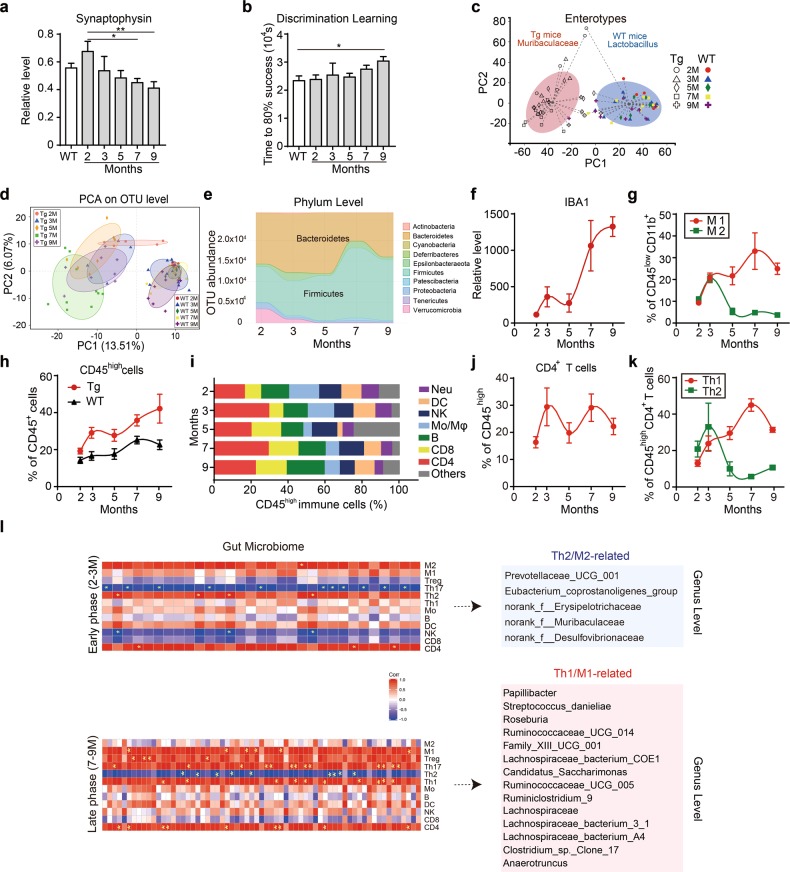
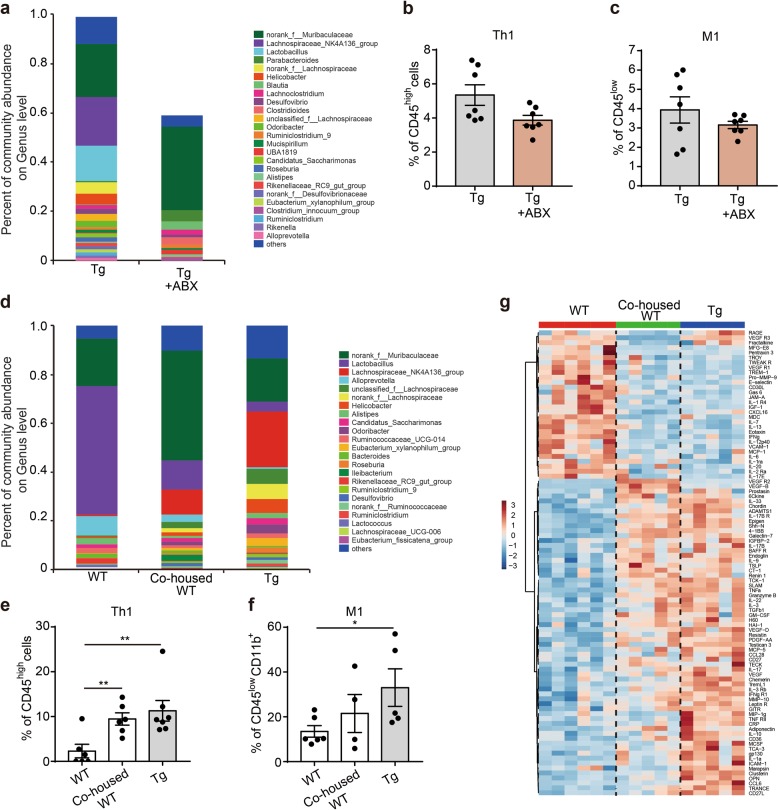
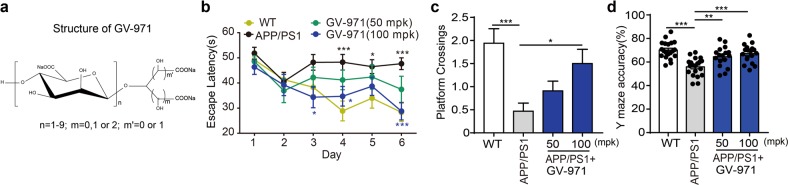
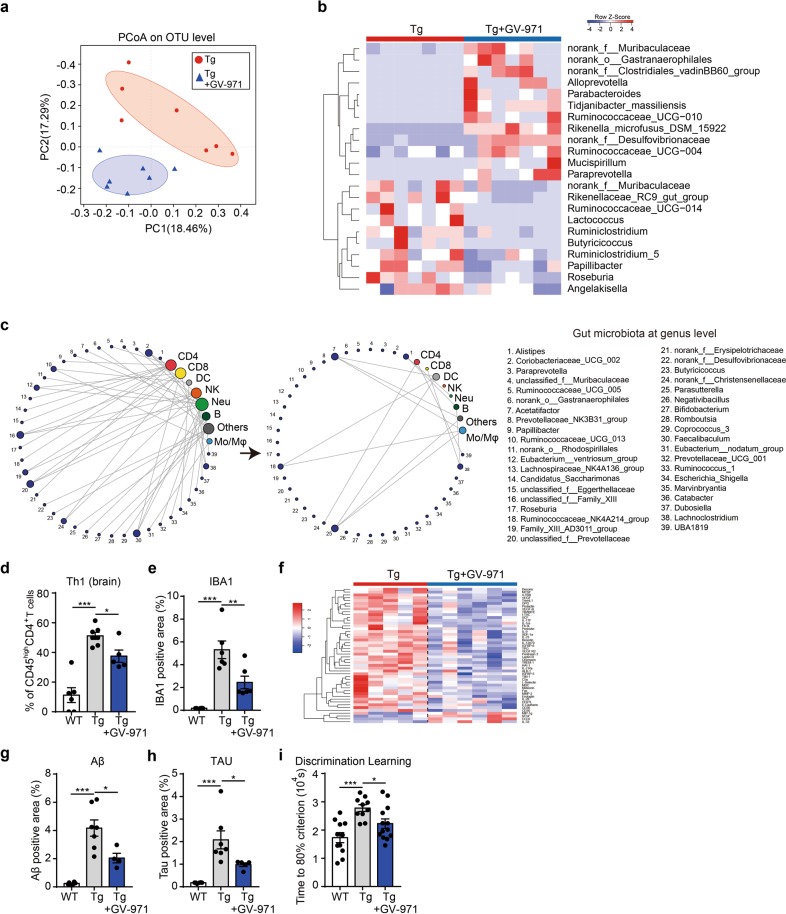
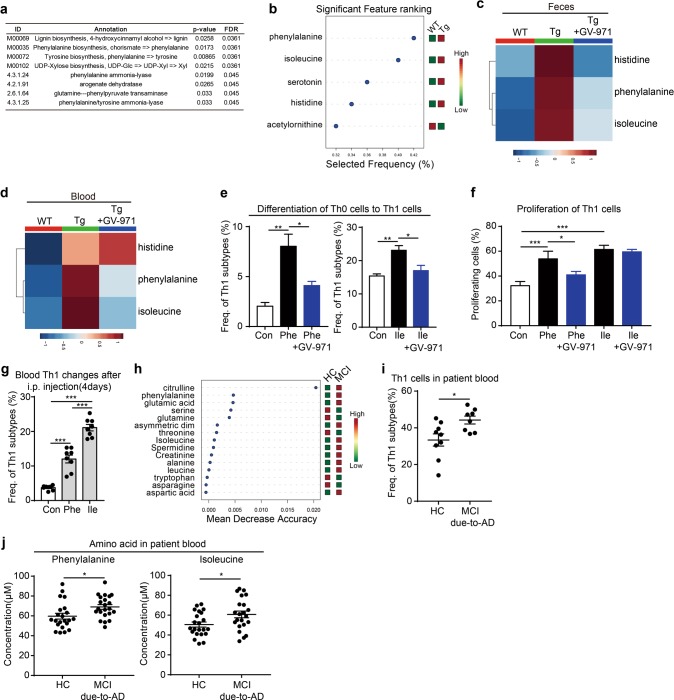
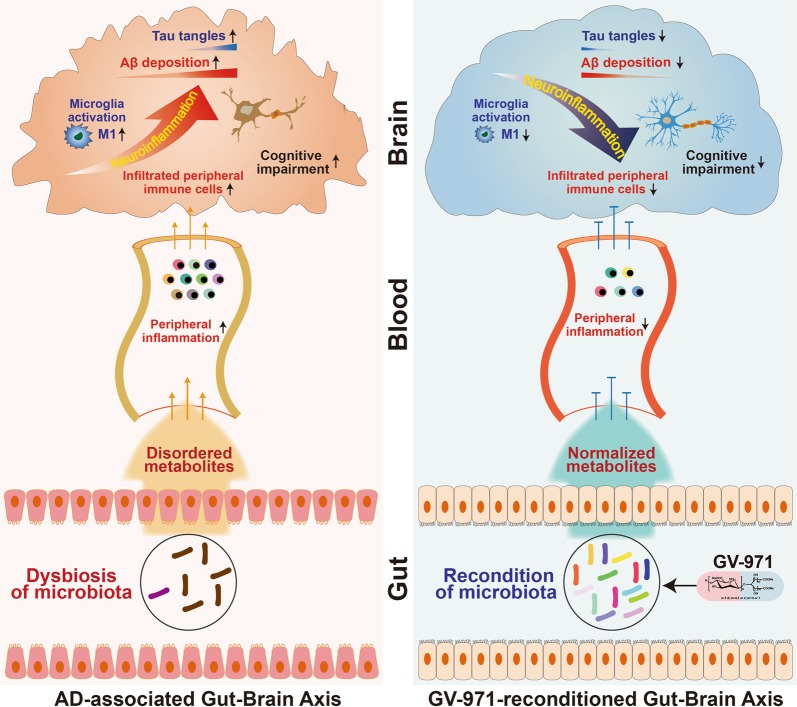
Recently, increasing evidence has suggested the association between gut dysbiosis and Alzheimer's disease (AD) progression, yet the role of gut microbiota in AD pathogenesis remains obscure. Herein, we provide a potential mechanistic link between gut microbiota dysbiosis and neuroinflammation in AD progression. Using AD mouse models, we discovered that, during AD progression, the alteration of gut microbiota composition leads to the peripheral accumulation of phenylalanine and isoleucine, which stimulates the differentiation and proliferation of pro-inflammatory T helper 1 (Th1) cells. The brain-infiltrated peripheral Th1 immune cells are associated with the M1 microglia activation, contributing to AD-associated neuroinflammation. Importantly, the elevation of phenylalanine and isoleucine concentrations and the increase of Th1 cell frequency in the blood were also observed in two small independent cohorts of patients with mild cognitive impairment (MCI) due to AD. Furthermore, GV-971, a sodium oligomannate that has demonstrated solid and consistent cognition improvement in a phase 3 clinical trial in China, suppresses gut dysbiosis and the associated phenylalanine/isoleucine accumulation, harnesses neuroinflammation and reverses the cognition impairment. Together, our findings highlight the role of gut dysbiosis-promoted neuroinflammation in AD progression and suggest a novel strategy for AD therapy by remodelling the gut microbiota.
Overview
The claims and statistics of this paper haven’t been checked yet.
Free: it reads the open-access text and checks the first 5 claims that cite a source we can check. Create a free account to check every claim.
Integrity signals
Registry
Cites
Statistics
Figures
Verification
Claims the paper makes
The claims and statistics of this paper haven’t been checked yet.
Free: it reads the open-access text and checks the first 5 claims that cite a source we can check. Create a free account to check every claim.
Claims other papers make about this one
Each is checked against this paper’s own text: does it say what the citing paper says it does?
The source backs part of the claim, not all of it — or backs it for a different population, condition or comparison.
In the citing paper
“Targeting the intestinal microbiota for the treatment of AD opens up a new way to treat other neurological diseases [11].”
From Neuroprotective Effect of Ceftriaxone on MPTP‐Induced Parkinson’s Disease Mouse Model by Regulating Inflammation and Intestinal Microbiota (2021) · cites this paper as [11]
Experimental — accuracy not yet measuredThe source backs part of the claim, not all of it — or backs it for a different population, condition or comparison.
In the citing paper
“Metabolomic analyses on the feces of these animals revealed significant changes in amino acid–related metabolism, in particular for the phenylalanine- and isoleucine-related pathways.”
From The gut-brain axis: how microbiota and host inflammasome influence brain physiology and pathology (2020) · cites this paper as [163]
Experimental — accuracy not yet measuredThe source backs part of the claim, not all of it — or backs it for a different population, condition or comparison.
In the citing paper
“The effects of GV-971 on mild to severe form of AD were tested in a phase 3 study that started in April 2014 and the results of this study highlighted the fact that GV-971 has significant cognitive benefits.”
From An update on the novel and approved drugs for Alzheimer disease (2022) · cites this paper as Wang et al., 2019
Experimental — accuracy not yet measuredThe source backs part of the claim, not all of it — or backs it for a different population, condition or comparison.
In the citing paper
“it plays a major role in the bidirectional communication between the GI tract and the central nervous system (CNS).”
From The Role of Short-Chain Fatty Acids From Gut Microbiota in Gut-Brain Communication (2020) · cites this paper as [11]
Experimental — accuracy not yet measuredThe cited source says what the claim attributes to it.
In the citing paper
“Sodium oligomannate (9, GV-971) was postulated to counteract AD by inhibiting neuroinflammation triggered by gut dysbiosis and disrupting the formation of Aβ fibrils.56,414”
From Recent advances in Alzheimer's disease: Mechanisms, clinical trials and new drug development strategies. (2024) · cites this paper as [414]
15 more claims about this paper
Create a free account to see every claim other papers make about this one.
Self-check
Percentages, sums and reported differences re-computed from the paper’s own numbers.
The self-check needs the paper’s full text.
Citations
Cites
Classification and Regression by randomForest
Liaw, A. I., & Wiener, M. C. (2007) · Cited by 18,594
Morris water maze: procedures for assessing spatial and related forms of learning and memory
Vorhees, C. V., & Williams, M. T. (2006) · Nature Protocols · doi:10.1038/nprot.2006.116 · Cited by 4,629
Oakley, H., Cole, S. L., Logan, S., Maus, E., Shao, P., Craft, J., Guillozet-Bongaarts, A., Ohno, M., Disterhoft, J., Van Eldik, L., et al. (2006) · The Journal of Neuroscience · doi:10.1523/jneurosci.1202-06.2006 · Cited by 3,530
Gut microbiota, metabolites and host immunity
Rooks, M. G., & Garrett, W. S. (2016) · Nature reviews. Immunology · doi:10.1038/nri.2016.42 · Cited by 3,409
Krasemann, S., Madore, C., Cialic, R., Baufeld, C., Calcagno, N., El Fatimy, R., Beckers, L., O’Loughlin, E., Xu, Y., Fanek, Z., et al. (2017) · Immunity · doi:10.1016/j.immuni.2017.08.008 · Cited by 2,979
NLRP3 is activated in Alzheimer’s disease and contributes to pathology in APP/PS1 mice
Heneka, M. T., Kummer, M. P., Stutz, A., Delekate, A., Schwartz, S., Vieira-Saecker, A., Griep, A., Axt, D., Remus, A., Tzeng, T.-C., et al. (2013) · Nature · doi:10.1038/nature11729 · Cited by 2,898
Differential Roles of M1 and M2 Microglia in Neurodegenerative Diseases
Tang, Y., & Le, W. (2016) · Molecular Neurobiology · doi:10.1007/s12035-014-9070-5 · Cited by 2,190
Gut microbiome alterations in Alzheimer’s disease
Vogt, N. M., Kerby, R. L., Dill-McFarland, K. A., Harding, S. J., Merluzzi, A. P., Johnson, S. C., Carlsson, C. M., Asthana, S., Zetterberg, H., Blennow, K., et al. (2017) · Scientific Reports · doi:10.1038/s41598-017-13601-y · Cited by 2,137
The microbiome and innate immunity
Thaiss, C. A., Zmora, N., Levy, M., & Elinav, E. (2016) · Nature · doi:10.1038/nature18847 · Cited by 2,012
The microbiota in adaptive immune homeostasis and disease
Honda, K., & Littman, D. R. (2016) · Nature · doi:10.1038/nature18848 · Cited by 1,846
Cited by
Scheltens, P., De Strooper, B., Kivipelto, M., Holstege, H., Chételat, G., Teunissen, C. E., Cummings, J., & van der Flier, W. M. (2021) · The Lancet · doi:10.1016/s0140-6736(20)32205-4 · Cited by 5,465
The Role of Short-Chain Fatty Acids From Gut Microbiota in Gut-Brain Communication
Silva, Y. P., Bernardi, A., & Frozza, R. L. (2020) · Frontiers in Endocrinology · doi:10.3389/fendo.2020.00025 · Cited by 3,043
The gut microbiota–brain axis in behaviour and brain disorders
Morais, L. H., Schreiber, H. L., & Mazmanian, S. K. (2021) · Nature Reviews Microbiology · doi:10.1038/s41579-020-00460-0 · Cited by 2,149
Role of neuroinflammation in neurodegeneration development
Zhang, W., Xiao, D., Mao, Q., & Xia, H. (2023) · Signal Transduction and Targeted Therapy · doi:10.1038/s41392-023-01486-5 · Cited by 1,668
Microbiota–gut–brain axis and its therapeutic applications in neurodegenerative diseases
Loh, J. S., Mak, W. Q., Tan, L. K. S., Ng, C. X., Chan, H. H., Yeow, S. H., Foo, J. B., Ong, Y. S., How, C. W., & Khaw, K. Y. (2024) · Signal Transduction and Targeted Therapy · doi:10.1038/s41392-024-01743-1 · Cited by 1,193
Zhang, J., Zhang, Y., Wang, J., Xia, Y., Zhang, J., & Chen, L. (2024) · Signal Transduction and Targeted Therapy · doi:10.1038/s41392-024-01911-3 · Cited by 1,138
Self-citationThe gut-brain axis: how microbiota and host inflammasome influence brain physiology and pathology
Rutsch, A., Kantsjö, J. B., & Ronchi, F. (2020) · Frontiers in Immunology · doi:10.3389/fimmu.2020.604179 · Cited by 821
Clinical trials of new drugs for Alzheimer disease
Huang, L.-K., Chao, S.-P., & Hu, C.-J. (2020) · Journal of Biomedical Science · doi:10.1186/s12929-019-0609-7 · Cited by 702
“GV-971 (sodium oligo-mannurarate) can bind to multiple sites of amyloid, further destabilize and inhibit Aβ aggregation, and then increases Aβ clearance [52].”
BackgroundFang, E. F., Xie, C., Schenkel, J. A., Wu, C., Long, Q., Cui, H., Aman, Y., Frank, J., Liao, J., Zou, H., et al. (2020) · Ageing Research Reviews · doi:10.1016/j.arr.2020.101174 · Cited by 675
Role and Mechanism of Gut Microbiota in Human Disease
Chen, Y., Zhou, J., & Wang, L. (2021) · Frontiers in Cellular and Infection Microbiology · doi:10.3389/fcimb.2021.625913 · Cited by 627
“org 3 and isolucine accumulation, control neuroinflammation, and improve cognitive impairment (Wang et al., 2019).”
BackgroundNeuroinflammation in Alzheimer’s Disease: Current Progress in Molecular Signaling and Therapeutics
Thakur, S., Dhapola, R., Sarma, P., Medhi, B., & Reddy, D. H. (2023) · Inflammation · doi:10.1007/s10753-022-01721-1 · Cited by 557
“It also prevents the brain from attack of peripheral immune cells and preventing the brain from neuroinflammation induced damage [66, 67].”
BackgroundAlzheimer’s disease drug development pipeline: 2020
Cummings, J., Lee, G., Ritter, A., Sabbagh, M., & Zhong, K. (2020) · Alzheimer's & Dementia: Translational Research & Clinical Interventions · doi:10.1002/trc2.12050 · Cited by 557
Tau and neuroinflammation in Alzheimer’s disease: interplay mechanisms and clinical translation
Chen, Y., & Yu, Y. (2023) · Journal of Neuroinflammation · doi:10.1186/s12974-023-02853-3 · Cited by 516
“The preclinical data showed that GV-971 remodels the gut microbiota and the associated accumulation of phenylalanine and isoleucine, reduces microglial activation, immune responses, Aβ plaque deposition, and tau phosphorylation in the brain, and improves the cognitive impairment in 5xFAD mice [261].”
BackgroundGut microbiota and dysbiosis in Alzheimer's disease: Implications for pathogenesis and treatment
Liu, S., Gao, J., Zhu, M., Liu, K., & Zhang, H.-L. (2020) · Molecular Neurobiology · doi:10.1007/s12035-020-02073-3 · Cited by 516
Self-citationMicrobiota-derived metabolites as drivers of gut–brain communication
Ahmed, H., Leyrolle, Q., Koistinen, V., Kärkkäinen, O., Layé, S., Delzenne, N., & Hanhineva, K. (2022) · Gut Microbes · doi:10.1080/19490976.2022.2102878 · Cited by 462
Peripheral and central immune system crosstalk in Alzheimer disease — a research prospectus
Bettcher, B. M., Tansey, M. G., Dorothée, G., & Heneka, M. T. (2021) · Nature Reviews Neurology · doi:10.1038/s41582-021-00549-x · Cited by 427
Pathogenesis, diagnostics, and therapeutics for Alzheimer's disease: Breaking the memory barrier
Kamatham, P. T., Shukla, R., Khatri, D. K., & Vora, L. K. (2024) · Ageing Research Reviews · doi:10.1016/j.arr.2024.102481 · Cited by 371
“The marine-derived oligosaccharide sodium oligomannate (GV-971) inhibits dysbiosis of the gut microbiota, modulates neuro-inflammation, and disassembles A β aggregates (Wang et al., 2019).”
BackgroundAutophagy in Alzheimer’s disease pathogenesis: Therapeutic potential and future perspectives
Zhang, Z., Yang, X., Song, Y.-Q., & Tu, J. (2021) · Ageing Research Reviews · doi:10.1016/j.arr.2021.101464 · Cited by 369
Ling, Z., Liu, X., Cheng, Y., Yan, X., & Wu, S. (2022) · Critical Reviews in Food Science and Nutrition · doi:10.1080/10408398.2020.1867054 · Cited by 352
Neuroinflammation in Alzheimer’s Disease
Onyango, I. G., Jauregui, G. V., Čarná, M., Bennett, J. P., & Stokin, G. B. (2021) · Biomedicines · doi:10.3390/biomedicines9050524 · Cited by 330
“These signals reach the brain and influence the microglial maturation and activation [322], facilitating immune surveillance, regulation of hypothalamic-pituitary-adrenal (HPA) axis, synaptic pruning, and clearance of debris [323].”
BackgroundWang, C., Chen, S., Guo, H., Jiang, H., Liu, H., Fu, H., & Wang, D. (2022) · International Journal of Biological Sciences · doi:10.7150/ijbs.69714 · Cited by 327
“Natural products, such as marine-derived oligosaccharides (GV-971), have been identified as potential therapeutic agents [46].”
BackgroundThe complexity of Alzheimer’s disease: an evolving puzzle
Ferrari, C., & Sorbi, S. (2021) · Physiological Reviews · doi:10.1152/physrev.00015.2020 · Cited by 309
Wang, Z., Chen, W.-H., Li, S.-X., He, Z.-M., Zhu, W.-L., Ji, Y.-B., Wang, Z., Zhu, X.-M., Yuan, K., Bao, Y.-P., et al. (2021) · Molecular Psychiatry · doi:10.1038/s41380-021-01113-1 · Cited by 307
“Bacterial metabolites, especially SCFAs, are directly or indirectly involved in the neuroinflammatory process of neurological diseases [71].”
BackgroundJeremic, D., Jiménez-Díaz, L., & Navarro-López, J. D. (2021) · Ageing Research Reviews · doi:10.1016/j.arr.2021.101496 · Cited by 306
Shandilya, S., Kumar, S., Kumar Jha, N., Kumar Kesari, K., & Ruokolainen, J. (2022) · Journal of Advanced Research · doi:10.1016/j.jare.2021.09.005 · Cited by 290
“Likewise, 5xFAD mouse model of AD showed shifts in microbiota population towards proinflammatory species along with the changes in amino acid catabolism, and conversely, treatment with antibiotics reversed the effects, suggesting the possible link between severity of disease and transformed gut population [131].”
Gut liver brain axis in diseases: the implications for therapeutic interventions
Yan, M., Man, S., Sun, B., Ma, L., Guo, L., Huang, L., & Gao, W. (2023) · Signal Transduction and Targeted Therapy · doi:10.1038/s41392-023-01673-4 · Cited by 287
“30 In addition, some ongoing research on the gut-liver-brain axis is also constantly emerging.”
BackgroundThe gut microbiome in Alzheimer’s disease: what we know and what remains to be explored
Chandra, S., Sisodia, S. S., & Vassar, R. J. (2023) · Molecular Neurodegeneration · doi:10.1186/s13024-023-00595-7 · Cited by 278
“(2019) to reduce AD pathology in the 5xFAD mouse model through a mechanism involving GMB modification [55, 107].”
BackgroundMethodRoles of Short-Chain Fatty Acids in Inflammatory Bowel Disease
Shin, Y., Han, S., Kwon, J., Ju, S., Choi, T., Kang, I., & Kim, S. (2023) · Nutrients · doi:10.3390/nu15204466 · Cited by 272
Carbohydrate-based drugs launched during 2000−2021
Cao, X., Du, X., Jiao, H., An, Q., Chen, R., Fang, P., Wang, J., & Yu, B. (2022) · Acta Pharmaceutica Sinica B · doi:10.1016/j.apsb.2022.05.020 · Cited by 267
Immunotherapy for Alzheimer’s disease: targeting β-amyloid and beyond
Song, C., Shi, J., Zhang, P., Zhang, Y., Xu, J., Zhao, L., Zhang, R., Wang, H., & Chen, H. (2022) · Translational Neurodegeneration · doi:10.1186/s40035-022-00292-3 · Cited by 266
“Although sodium oligomannate is not regarded as a traditional immunotherapeutic drug, it reduces microglial activation and neuroinflammation, and consequently slows cognition impairment by regulating gut microbiota and the gutbrain axis [104].”
BackgroundSelf-citationMechanisms and pathology of protein misfolding and aggregation
Louros, N., Schymkowitz, J., & Rousseau, F. (2023) · Nature Reviews Molecular Cell Biology · doi:10.1038/s41580-023-00647-2 · Cited by 250
Advances in Research on the Bioactivity of Alginate Oligosaccharides
Xing, M., Cao, Q., Wang, Y., Xiao, H., Zhao, J., Zhang, Q., Ji, A., & Song, S. (2020) · Marine Drugs · doi:10.3390/md18030144 · Cited by 248
“In addition, extensive research will be required to identify other mechanistic links connecting gut microbiota and neuroinflammation [20,103], and uncover other possible effects of AOS on intestinal microbes.”
BackgroundSelf-citationStructural and Functional Dysbiosis of Fecal Microbiota in Chinese Patients With Alzheimer's Disease
Ling, Z., Zhu, M., Yan, X., Cheng, Y., Shao, L., Liu, X., Jiang, R., & Wu, S. (2021) · Frontiers in Cell and Developmental Biology · doi:10.3389/fcell.2020.634069 · Cited by 241
Zhao, Y., Qiao, R., Zhang, S., & Wang, G. (2021) · Journal of Hazardous Materials · doi:10.1016/j.jhazmat.2020.123663 · Cited by 239
Alzheimer's disease; a review of the pathophysiological basis and therapeutic interventions
Abeysinghe, A. A. D. T., Deshapriya, R. D. U. S., & Udawatte, C. (2020) · Life Sciences · doi:10.1016/j.lfs.2020.117996 · Cited by 237
Mitrea, L., Nemeş, S.-A., Szabo, K., Teleky, B.-E., & Vodnar, D.-C. (2022) · Frontiers in Medicine · doi:10.3389/fmed.2022.813204 · Cited by 237
“In conclusion, evidence from both animal and human studies supports the association between gut dysbiosis and microglia activation during AD development and promotes novel strategies for AD therapy by remodeling the gut microbiota (205).”
ResultCurrent understanding of the Alzheimer’s disease-associated microbiome and therapeutic strategies
Seo, D.-O., & Holtzman, D. M. (2024) · Experimental & Molecular Medicine · doi:10.1038/s12276-023-01146-2 · Cited by 230
“This study further supports the emerging idea that gut microbiome modulation using prebiotics can be a novel strategy to slow AD progression 85,97 .”
ResultDen, H., Dong, X., Chen, M., & Zou, Z. (2020) · Aging · doi:10.18632/aging.102810 · Cited by 230
New approaches to symptomatic treatments for Alzheimer’s disease
Cummings, J. (2021) · Molecular Neurodegeneration · doi:10.1186/s13024-021-00424-9 · Cited by 226
Xiao, S., Chan, P., Wang, T., Hong, Z., Wang, S., Kuang, W., He, J., Pan, X., Zhou, Y., Ji, Y., et al. (2021) · Alzheimer's Research & Therapy · doi:10.1186/s13195-021-00795-7 · Cited by 224
“GV-971 is an oligosaccharide which, in non-clinical studies, reconstitutes the dysbiosis of gut microbiota, reduces metabolite-driven peripheral in ltration of immune cells into the brain, and inhibits neuroin ammation[15].”
BackgroundSelf-citationMechanisms of Short-Chain Fatty Acids Derived from Gut Microbiota in Alzheimer's Disease
Qian, X.-H., Xie, R.-Y., Liu, X.-L., Chen, S.-D., & Tang, H.-D. (2022) · Aging and disease · doi:10.14336/ad.2021.1215 · Cited by 208
Xiao, J., Katsumata, N., Bernier, F., Ohno, K., Yamauchi, Y., Odamaki, T., Yoshikawa, K., Ito, K., & Kaneko, T. (2020) · Journal of Alzheimer's Disease · doi:10.3233/jad-200488 · Cited by 203
“…as oligomannates and ketogenic medium-chain triglyceride consumption resulted in cognition amelioration in AD and/or MCI point at the role of gut dysbiosis-promoted neuroin-flammation in dementia and at the importance of considering the remodeling of the gut microbiota as novel therapies [9, 10].”
BackgroundGlial Cell-Mediated Neuroinflammation in Alzheimer’s Disease
Al-Ghraiybah, N. F., Wang, J., Alkhalifa, A. E., Roberts, A. B., Raj, R., Yang, E., & Kaddoumi, A. (2022) · International Journal of Molecular Sciences · doi:10.3390/ijms231810572 · Cited by 202
“A comparison of gut microbiota between the AD mouse model 5XFAD and wild-type mice demonstrated an alteration of gut microbiota composition that led to the accumulation of phenylalanine and isoleucine, which stimulate pro-inflammatory reactions [75].”
BackgroundUpdates in Alzheimer's disease: from basic research to diagnosis and therapies
Liu, E., Zhang, Y., & Wang, J.-Z. (2024) · Translational Neurodegeneration · doi:10.1186/s40035-024-00432-x · Cited by 199
“Among many other disease-modifying drug attempts, the National Medical Products Administration (NMPA) in China has conditionally approved the market application of a new drug called sodium oligomannate (also known as GV-971) for the treatment of mild to moderate AD patients [599].”
BackgroundNeuroinflammation—A Crucial Factor in the Pathophysiology of Depression—A Comprehensive Review
Sălcudean, A., Bodo, C.-R., Popovici, R. A., Lica, M. M., Păcurar, M., Crăciun, R.-E., Crișan, A., ENĂTESCU, V. R., Marinescu, I. P., Cîmpian, D. M., et al. (2025) · Biomolecules · doi:10.3390/biom15040502 · Cited by 202
Sodium Oligomannate: First Approval
Syed, Y. Y. (2020) · Drugs · doi:10.1007/s40265-020-01268-1 · Cited by 187
Parkinson’s disease and gut microbiota: from clinical to mechanistic and therapeutic studies
Zhang, X., Tang, B., & Guo, J. (2023) · Translational Neurodegeneration · doi:10.1186/s40035-023-00392-8 · Cited by 187
“Gut microbial dysbiosis can result in peripheral and central immune activation and inflammation [138, 139], causing persistent intestinal epithelial inflammation and neuroinflammation via the microbiota–gut–brain axis [140, 141].”
BackgroundEmerging role of gut microbiota dysbiosis in neuroinflammation and neurodegeneration
Solanki, R., Karande, A., & Ranganathan, P. (2023) · Frontiers in Neurology · doi:10.3389/fneur.2023.1149618 · Cited by 186
“In the brain, microglial activation has been correlated with CD4+ T helper (Th)1 cell levels during the development of AD (13).”
BackgroundGut microbiome-targeted therapies for Alzheimer’s disease
Zhang, T., Gao, G., Kwok, L. Y., & Sun, Z. (2023) · Gut Microbes · doi:10.1080/19490976.2023.2271613 · Cited by 182
Dysbiosis and Implication of the Gut Microbiota in Diabetic Retinopathy
Huang, Y., Wang, Z., Ma, H., Ji, S., Chen, Z., Cui, Z., Chen, J., & Tang, S. (2021) · Frontiers in Cellular and Infection Microbiology · doi:10.3389/fcimb.2021.646348 · Cited by 180
“, 2020), Alzheimer’s disease (Wang et al., 2019), and cardiovascular disease (Battson et al.”
BackgroundBrain insulin resistance: role in neurodegenerative disease and potential for targeting
Hölscher, C. (2020) · Expert Opinion on Investigational Drugs · doi:10.1080/13543784.2020.1738383 · Cited by 180
Albertini, C., Salerno, A., de Sena Murteira Pinheiro, P., & Bolognesi, M. L. (2021) · Medicinal Research Reviews · doi:10.1002/med.21699 · Cited by 179
“shown to suppress gut dysbiosis and the associated phenylalanine/isoleucine accumulation, to harness neuroinflammation and reverse cognition impairment.(148) The same authors have also shown preclinical evidence of a multitarget mechanism of action for 52, which should not only act by reversal of neuroinflammation, bu…”
BackgroundMechanistic Insights into the Link between Gut Dysbiosis and Major Depression: An Extensive Review
Sonali, S., Ray, B., Ahmed Tousif, H., Rathipriya, A. G., Sunanda, T., Mahalakshmi, A. M., Rungratanawanich, W., Essa, M. M., Qoronfleh, M. W., Chidambaram, S. B., et al. (2022) · Cells · doi:10.3390/cells11081362 · Cited by 156
The State of The Art on Acetylcholinesterase Inhibitors in the Treatment of Alzheimer’s Disease
Vecchio, I., Sorrentino, L., Paoletti, A., Marra, R., & Arbitrio, M. (2021) · Journal of Central Nervous System Disease · doi:10.1177/11795735211029113 · Cited by 178
Gut Microbiota: A Novel Therapeutic Target for Parkinson’s Disease
Zhu, M., Liu, X., Ye, Y., Yan, X., Cheng, Y., Zhao, L., Chen, F., & Ling, Z. (2022) · Frontiers in Immunology · doi:10.3389/fimmu.2022.937555 · Cited by 177
Novel Therapeutic Approaches for Alzheimer’s Disease: An Updated Review
Yu, T.-W., Lane, H.-Y., & Lin, C.-H. (2021) · International Journal of Molecular Sciences · doi:10.3390/ijms22158208 · Cited by 176
“Sodium oligomannate (GV-971), a marine-derived oligosaccharide, suppresses gut microbiota dysbiosis, regulates neuroinflammation, and destabilizes Aβ aggregates [232].”
BackgroundGuo, M., Peng, J., Huang, X., Xiao, L., Huang, F., & Zuo, Z. (2021) · Journal of Alzheimer's Disease · doi:10.3233/jad-201040 · Cited by 176
“Animal studies have shown AD-like mice have gut micro-biome changes [6, 7, 13].”
Self-citationThe interaction between ageing and Alzheimer's disease: insights from the hallmarks of ageing
Liu, Y., Tan, Y., Zhang, Z., Yi, M., Zhu, L., & Peng, W. (2024) · Translational Neurodegeneration · doi:10.1186/s40035-024-00397-x · Cited by 175
“Wang et al. [245] found that in AD mice, with the progression of AD, alterations in the gut microbiota composition result in the peripheral accumulation of phenylalanine and iso-leucine, thereby promoting the differentiation and proliferation of pro-inflammatory T helper 1 (Th1) cells.”
BackgroundKim, H. S., Kim, S., Shin, S. J., Park, Y. H., Nam, Y., Kim, C. W., Lee, K. W., Kim, S.-M., Jung, I. D., Yang, H. D., et al. (2021) · Translational Neurodegeneration · doi:10.1186/s40035-021-00273-y · Cited by 148
MicroRNAs in Alzheimer's disease: Potential diagnostic markers and therapeutic targets
Liu, S., Fan, M., Zheng, Q., Hao, S., Yang, L., Xia, Q., Qi, C., & Ge, J. (2022) · Biomedicine & Pharmacotherapy · doi:10.1016/j.biopha.2022.112681 · Cited by 156
Short-chain fatty acids-producing probiotics: A novel source of psychobiotics
Cheng, Y., Liu, J., & Ling, Z. (2021) · Critical Reviews in Food Science and Nutrition · doi:10.1080/10408398.2021.1920884 · Cited by 169
“…Bifidobacterium breve M2CF22M7 1 109 CFU/day 5 weeks Depression- and anxietylike behaviors# 5-HT, BDNF " Butyrate" Restore fecal microbiota (Tian, Wang et al. 2019) Male C57BL/6 mice (CUMS) Bifidobacterium breve CCFM1025 1 109 CFU/day 5 weeks Depression-like behaviors# 5-HT, BDNF " SCFAs"…”
BackgroundSelf-citationHannan, M. A., Dash, R., Haque, M. N., Mohibbullah, M., Sohag, A. A. M., Rahman, M. A., Uddin, M. J., Alam, M., & Moon, I. S. (2020) · Marine Drugs · doi:10.3390/md18070347 · Cited by 145
Roles and Mechanisms of Gut Microbiota in Patients With Alzheimer’s Disease
Wu, S., Liu, X., Jiang, R., Yan, X., & Ling, Z. (2021) · Frontiers in Aging Neuroscience · doi:10.3389/fnagi.2021.650047 · Cited by 143
Exercise suppresses neuroinflammation for alleviating Alzheimer’s disease
Wang, M., Zhang, H., Liang, J., Huang, J., & Chen, N. (2023) · Journal of Neuroinflammation · doi:10.1186/s12974-023-02753-6 · Cited by 162
“Recently, the Food and Drug Administration (FDA) has approved sodium oligomannate, a seaweed extract, for the treatment of AD patients in China, which can suppress the neuroinflammatory response by inhibiting the accumulation of phenylalanine and isoleucine in the blood [14].”
BackgroundSelf-citationZha, X., Liu, X., Wei, M., Huang, H., Cao, J., Liu, S., Bian, X., Zhang, Y., Xiao, F., Xie, Y., et al. (2025) · Cell Metabolism · doi:10.1016/j.cmet.2024.10.006 · Cited by 159
Engineering probiotics as living diagnostics and therapeutics for improving human health
Zhou, Z., Chen, X., Sheng, H., Shen, X., Sun, X., Yan, Y., Wang, J., & Yuan, Q. (2020) · Microbial Cell Factories · doi:10.1186/s12934-020-01318-z · Cited by 145
“Engineering of probiotic strains for detection and treatment of metabolic disorders, inflammations and pathogen infections has made great progress in recent years [28, 54].”
BackgroundApplication of marine natural products in drug research
Lu, W., Li, H., Li, Q., & Wu, Y. (2021) · Bioorganic & Medicinal Chemistry · doi:10.1016/j.bmc.2021.116058 · Cited by 156
Inflammatory pathways in Alzheimer’s disease mediated by gut microbiota
Qian, X.-H., Song, X.-X., Liu, X.-L., Chen, S.-D., & Tang, H.-D. (2021) · Ageing Research Reviews · doi:10.1016/j.arr.2021.101317 · Cited by 153
Potential applications of alginate oligosaccharides for biomedicine – A mini review
Wang, M., Chen, L., & Zhang, Z. (2021) · Carbohydrate Polymers · doi:10.1016/j.carbpol.2021.118408 · Cited by 151
The Oral-Gut-Brain AXIS: The Influence of Microbes in Alzheimer’s Disease
Narengaowa, Kong, W., Lan, F., Awan, M. U. F., Qing, H., & Ni, J. (2021) · Frontiers in Cellular Neuroscience · doi:10.3389/fncel.2021.633735 · Cited by 149
Peng, Y., Zhuang, J., Ying, G., Zeng, H., Zhou, H., Cao, Y., Chen, H., Xu, C., Fu, X., Xu, H., et al. (2020) · Journal of Neuroinflammation · doi:10.1186/s12974-020-01830-4 · Cited by 141
“flammatory response and exacerbating the brain damage [44].”
RetractedBarrio, C., Arias-Sánchez, S., & Martín-Monzón, I. (2022) · Psychoneuroendocrinology · doi:10.1016/j.psyneuen.2021.105640 · Cited by 143
Cox, L. M., Schafer, M. J., Sohn, J., Vincentini, J., Weiner, H. L., Ginsberg, S. D., & Blaser, M. J. (2019) · Scientific Reports · doi:10.1038/s41598-019-54187-x · Cited by 134
Zhao, Q., Yu, J., Zhou, H., Zhang, C., Wang, X., Hu, J., Hu, Y., HU, Y., Zeng, F., Zeng, F., et al. (2023) · Signal Transduction and Targeted Therapy · doi:10.1038/s41392-022-01219-0 · Cited by 143
“Co-housing with 6 M mice changed the intestinal metabolite composition and metabolic pathways of 2 M mice The intestinal microbiota was reported to regulate amino acid metabolism in the intestines, thereby inhibiting Alzheimer’s disease progression.(35) Thus, we hypothesized that the intestinal metabolites resulting f…”
BackgroundMethodSelf-citationShanmugapriya, K., Rajauria, G., Fitzpatrick, S., Lyons, H., McMahon, H. P., Curtin, J. F., Tiwari, B. K., & O’Donnell, C. P. (2022) · Marine Drugs · doi:10.3390/md20120772 · Cited by 142
The Emerging Role of Central and Peripheral Immune Systems in Neurodegenerative Diseases
Zang, X., Chen, S., Zhu, J., Ma, J., & Zhai, Y. (2022) · Frontiers in Aging Neuroscience · doi:10.3389/fnagi.2022.872134 · Cited by 139
“GV-971, prepared from marine brown algae extract, could remodel the composition of intestinal flora in AD mice, thereby inhibiting Th1 cell differentiation and M1type microglia activation (Wang et al., 2019).”
BackgroundThe gut-brain vascular axis in neuroinflammation
Carloni, S., & Rescigno, M. (2023) · Seminars in Immunology · doi:10.1016/j.smim.2023.101802 · Cited by 141
Insights into T‐cell dysfunction in Alzheimer's disease
Dai, L., & Shen, Y. (2021) · Aging Cell · doi:10.1111/acel.13511 · Cited by 117
Liu, Y., Li, H., Wang, X., Huang, J., Zhao, D. S., Tan, Y., Zhang, Z., Zhang, Z., Zhu, L., Wu, B., et al. (2023) · Journal of Translational Medicine · doi:10.1186/s12967-023-04137-z · Cited by 139
“The gut is connected with the brain via the gut-nervous system and neuroinflammation [24].”
BackgroundSelf-citationBlood–Brain Barrier Dysfunction in the Pathogenesis of Major Depressive Disorder
Wu, S., Yin, Y., & Du, L. (2021) · Cellular and Molecular Neurobiology · doi:10.1007/s10571-021-01153-9 · Cited by 137
Xu, Y., Jiang, C., Wu, J., Liu, P., Deng, X., Zhang, Y., Peng, B., & Zhu, Y. (2021) · CNS Neuroscience & Therapeutics · doi:10.1111/cns.13779 · Cited by 135
Alzheimer's disease: Updated multi-targets therapeutics are in clinical and in progress
Sang, Z., Wang, K., Dong, J., & Tang, L. (2022) · European Journal of Medicinal Chemistry · doi:10.1016/j.ejmech.2022.114464 · Cited by 135
Multi-Targets: An Unconventional Drug Development Strategy for Alzheimer’s Disease
Gong, C.-X., Dai, C.-L., Liu, F., & Iqbal, K. (2022) · Frontiers in Aging Neuroscience · doi:10.3389/fnagi.2022.837649 · Cited by 106
Wu, J., Yu, Y., Wan, Y., Xia, J., Xu, J., Zhang, L., Liu, D., Chen, L., Tang, F., Ao, H., et al. (2022) · Biomedicine & Pharmacotherapy · doi:10.1016/j.biopha.2022.113207 · Cited by 129
AMPK: A bridge between diabetes mellitus and Alzheimer's disease
Chen, M., Huang, N., Liu, J., Huang, J., Shi, J., & Jin, F. J. (2020) · Behavioural Brain Research · doi:10.1016/j.bbr.2020.113043 · Cited by 126
Self-citationThe role of the immune system in Alzheimer’s disease
Wu, K., Zhang, Y.-R., Huang, Y., Dong, Q., Tan, L., & Yu, J. (2021) · Ageing Research Reviews · doi:10.1016/j.arr.2021.101409 · Cited by 127
An update on the novel and approved drugs for Alzheimer disease
Alhazmi, H. A., & Albratty, M. (2022) · Saudi Pharmaceutical Journal · doi:10.1016/j.jsps.2022.10.004 · Cited by 122
Seo, D.-O., & Holtzman, D. M. (2020) · The Journals of Gerontology: Series A · doi:10.1093/gerona/glz262 · Cited by 106
“Intriguingly, these shifts were also tightly associated with the number and pattern of infiltrating proinflammatory T helper type 1 (Th1) cells in the brain (78).”
BackgroundGonçalves, P. B., Sodero, A. C. R., & Cordeiro, Y. (2021) · Biomolecules · doi:10.3390/biom11050767 · Cited by 120
“With mode of action related to gut microbiota and neuroinflammation, this latter compound was approved in 2019 in China for treating mild to moderate AD to improve cognition function [52,53].”
BackgroundTang, W., Li, Y., He, S., Jiang, T., Wang, N., Du, M., Cheng, B., Gao, W., Li, Y., & Wang, Q. (2022) · Antioxidants and Redox Signaling · doi:10.1089/ars.2021.0233 · Cited by 119
Yang, J., Liang, J., Hu, N., He, N., Liu, B., Liu, G., & Qin, Y. (2024) · CNS Neuroscience & Therapeutics · doi:10.1111/cns.70091 · Cited by 121
“…l i g o - m a nn u r a r a t e ) A tt e n u a t e d i n t e s t i n a l d y s b i o s i s a n d r e g u l a t e d n e u r o i n f l a mm a t i o n [ 169 ] A PP / P S 1 t r a n s g e n i c m i c e L o n g - t e r m a d m i n i s t r a t i o n o f b r o a d - s p e c t r u m a n t i b i o t i c s R…”
BackgroundSelf-citationEffects of neural stem cell transplantation in Alzheimer’s disease models
Hayashi, Y., Lin, H.-T., Lee, C.-C., & Tsai, K. (2020) · Journal of Biomedical Science · doi:10.1186/s12929-020-0622-x · Cited by 118
“Recently in China, conditional approval has been granted for Oligomannate, which aims to prevent neuroinflammation that can occur through stimulated differentiation and proliferation of T helper 1 (Th1) cell by gut dysbiosis [79].”
BackgroundMicrobial involvement in Alzheimer disease development and progression
Bulgart, H. R., Neczypor, E. W., Wold, L. E., & Mackos, A. R. (2020) · Molecular Neurodegeneration · doi:10.1186/s13024-020-00378-4 · Cited by 116
Mullane, K., & Williams, M. (2020) · Biochemical Pharmacology · doi:10.1016/j.bcp.2020.113945 · Cited by 105
Probiotics in Treatment of Viral Respiratory Infections and Neuroinflammatory Disorders
Shahbazi, R., Yasavoli‐Sharahi, H., Alsadi, N., Ismail, N., & Matar, C. (2020) · Molecules · doi:10.3390/molecules25214891 · Cited by 116
Wang, Y., Guan, X., Gao, C., Ruan, W., Zhao, S., Kai, G., Li, F., & Pang, T. (2021) · Pharmacological Research · doi:10.1016/j.phrs.2021.105640 · Cited by 115
Gut Microbiota Interaction with the Central Nervous System throughout Life
Ojeda, J., Ávila, A., & Vidal, P. M. (2021) · Journal of Clinical Medicine · doi:10.3390/jcm10061299 · Cited by 103
Lu, S., Na, K., Wei, J., Zhang, L., & Guo, X. (2022) · Carbohydrate Polymers · doi:10.1016/j.carbpol.2022.119225 · Cited by 114
Alzheimer’s disease and its treatment–yesterday, today, and tomorrow
Kim, A. Y., Jerdi, S. A., MacDonald, R., & Triggle, C. R. (2024) · Frontiers in Pharmacology · doi:10.3389/fphar.2024.1399121 · Cited by 118
Sun, M., Ma, K., Wen, J., Wang, G., Zhang, C., Li, Q., Bao, X., & Wang, H. (2020) · Journal of Alzheimer’s Disease · doi:10.3233/jad-190872 · Cited by 113
Self-citation
Metadata
- Authors
- Wang, X., Sun, G., Feng, T., Zhang, J., Huang, X., Wang, T., Xie, Z., Chu, X., Yang, J., Wang, H., Chang, S., Gong, Y., Ruan, L., Zhang, G., Yan, S., Lian, W., Du, C., Yang, D., Zhang, Q., Lin, F., Liu, J., Zhang, H., Ge, C., Xiao, S., Ding, J., & Geng, M.
- Affiliations
- Chinese Academy of Sciences (CN)
- Shanghai Jiao Tong University (CN)
- Corresponding author
- Geng, Meiyu
- ORCID
- Venue
- Cell Research
- Published
- 2019-09-06
- Volume
- 29
- Issue
- 10
- Pages
- 787-803
- ISSN
- 1001-0602 (ISSN-L)
- 1748-7838
- PMC
- PMC6796854
- OpenAlex
- W2972007077
- Semantic Scholar
- e9a935dc76000829ceb45994c1cb5eb9842e7e5a
- Cited by
- 1,144
- References
- 61
- Citations by year
- 2026: 104 · 2025: 146 · 2024: 179 · 2023: 196 · 2022: 200 · 2021: 175 · 2020: 132 · 2019: 11
- FWCI
- 89.30
- Type
- journal article
- Language
- en
- Open access
- hybrid
- doi.org
- Licence
- cc-by
- creativecommons.org/licenses/by/4.0 (tdm)
- creativecommons.org/licenses/by/4.0 (vor)
- Locations
- Cell Research (publishedVersion, cc-by)
- PubMed Central (publishedVersion, cc-by)
- PubMed (publishedVersion)
- Funders
- Chinese Academy of Sciences (XDA12040101)
- National Key New Drug Creation and Manufacturing Program, Ministry of Science and Technology
- Topics
- Life Sciences › Neuroscience › Cellular and Molecular Neuroscience › Alzheimer's disease research and treatments
- Life Sciences › Biochemistry, Genetics and Molecular Biology › Molecular Biology › Gut microbiota and health
- Life Sciences › Neuroscience › Neurology › Neuroinflammation and Neurodegeneration Mechanisms
- Keywords
- Alzheimer's disease, gut microbiota, gut dysbiosis, neuroinflammation, phenylalanine, isoleucine, Th1 cells, mild cognitive impairment, gut-brain axis, cognitive impairment
- MeSH terms
- Gastrointestinal Microbiome, Alzheimer Disease, Amino Acids, Animals, Anti-Bacterial Agents, Bacteria, Disease Models, Animal, Humans, Isoleucine, Mannose, Mice, Inbred C57BL, Mice, Transgenic, Oligosaccharides, Phenylalanine, Clinical Trials, Phase III as Topic, Microglia, Th1 Cells, Disease Progression, Maze Learning, Mice, Cognitive Dysfunction
About these checks
Registry, retraction, Cites and statistics results are computed, not judged, with one exception: a printed reference that no index lists is read once by a model before it counts as a citation error. Claims are extracted by a model and kept only when their quote appears verbatim in the text; each cited source is then checked, with a model’s help, for whether it says what the claim relies on. Those verdicts can be wrong — read the claim’s quote and the cited source before relying on one.
Statistics and arithmetic are recomputed, not judged.
Confidence bands are shown only for fields calibrated on our annotated test set. None is calibrated yet, so no band is shown.
What counts as a claim ›How we measure confidence ›How we check this ›
Are you an author, or do you see a problem with this page? Request a review
Data sources
Bibliographic data: Semantic Scholar, OpenAlex, Crossref.
Contains information from the Semantic Scholar Academic Graph Datasets, made available under the ODC Attribution License (ODC-BY 1.0).
Semantic Scholar’s data is described in: Kinney, R., et al. (2023). The Semantic Scholar Open Data Platform. arXiv:2301.10140.
