

Transient nicotine exposure in early adolescent male mice freezes their dopamine circuits in an immature state
Open accessThe DOI matches its Crossref record; 98 of the 98 references it cites were found in a registry or an index.
Abstract
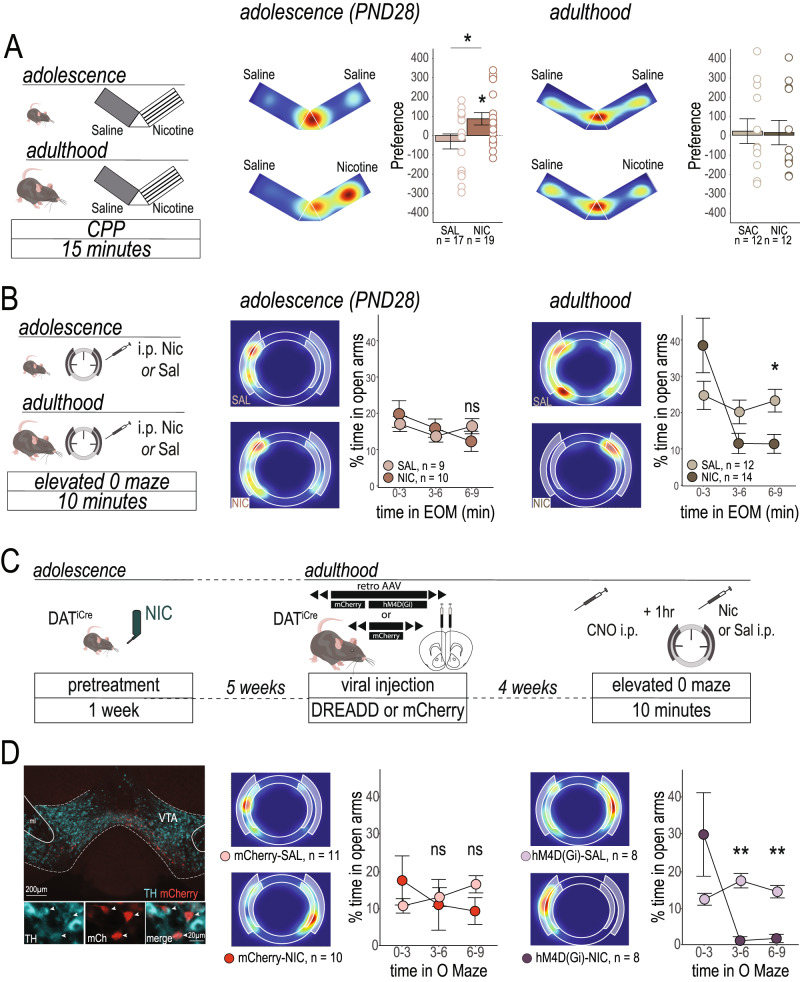
How nicotine acts on developing neurocircuitry in adolescence to promote later addiction vulnerability remains largely unknown, but may hold the key for informing more effective intervention efforts. We found transient nicotine exposure in early adolescent (PND 21-28) male mice was sufficient to produce a marked vulnerability to nicotine in adulthood (PND 60 + ), associated with disrupted functional connectivity in dopaminergic circuits. These mice showed persistent adolescent-like behavioral and physiological responses to nicotine, suggesting that nicotine exposure in adolescence prolongs an immature, imbalanced state in the function of these circuits. Chemogenetically resetting the balance between the underlying dopamine circuits unmasked the mature behavioral response to acute nicotine in adolescent-exposed mice. Together, our results suggest that the perseverance of a developmental imbalance between dopamine pathways may alter vulnerability profiles for later dopamine-dependent psychopathologies.
Overview
The claims and statistics of this paper haven’t been checked yet.
Free: it reads the open-access text and checks the first 5 claims that cite a source we can check. Create a free account to check every claim.
Integrity signals
Registry
Cites
Statistics
Figures
Verification
Claims the paper makes
The claims and statistics of this paper haven’t been checked yet.
Free: it reads the open-access text and checks the first 5 claims that cite a source we can check. Create a free account to check every claim.
Claims other papers make about this one
Each is checked against this paper’s own text: does it say what the citing paper says it does?
The cited source says what the claim attributes to it.
In the citing paper
“We thus came to the initially unexpected conclusion that nicotine does not disrupt the adolescent development of dopamine pathways, per se, but rather arrests their development in an immature state [150].”
From Adolescent nicotine exposure and persistent neurocircuitry changes: unveiling lifelong psychiatric risks (2025) · cites this paper as [150]
The cited source says what the claim attributes to it.
In the citing paper
“Adolescent mice were also impervious to the anxiogenic effect of nicotine, which seems to come online in parallel to the maturation of DA circuitry.”
From Adolescent nicotine exposure and persistent neurocircuitry changes: unveiling lifelong psychiatric risks (2025) · cites this paper as [150]
The cited source says what the claim attributes to it.
In the citing paper
“Finally, we were able to restore the mature behavioral response to nicotine in adolescent-exposed mice by chemogenetically resetting an adult-like balance in dopamine signaling in response to nicotine.”
From Adolescent nicotine exposure and persistent neurocircuitry changes: unveiling lifelong psychiatric risks (2025) · cites this paper as [150]
The cited source says what the claim attributes to it.
In the citing paper
“Notably, adolescent mice were more sensitive to the rewarding effect of nicotine, showing a place preference for nicotine at a dose too low to produce this response in naïve adult mice.”
From Adolescent nicotine exposure and persistent neurocircuitry changes: unveiling lifelong psychiatric risks (2025) · cites this paper as [150]
The cited source says what the claim attributes to it.
In the citing paper
“Adult mice treated with nicotine in adolescence also showed immature electrophysiological responses to nicotine, with an adolescent-like exaggerated activation of VTA-NAc DA neurons.”
From Adolescent nicotine exposure and persistent neurocircuitry changes: unveiling lifelong psychiatric risks (2025) · cites this paper as [150]
1 more claim about this paper
Create a free account to see every claim other papers make about this one.
Self-check
Percentages, sums and reported differences re-computed from the paper’s own numbers.
The self-check needs the paper’s full text.
Citations
Cites
Complex brain networks: graph theoretical analysis of structural and functional systems
Bullmore, E., & Sporns, O. (2009) · Nature Reviews Neuroscience · doi:10.1038/nrn2575 · Cited by 11,820 · cited 1×
“2G) 40 .”
Selected major risk factors and global and regional burden of disease
Ezzati, M., Lopez, A. D., Rodgers, A., Vander Hoorn, S., & Murray, C. J. (2002) · The Lancet · doi:10.1016/s0140-6736(02)11403-6 · Cited by 3,594
iDISCO: A Simple, Rapid Method to Immunolabel Large Tissue Samples for Volume Imaging
Renier, N., Wu, Z., Simon, D. J., Yang, J., Ariel, P., & Tessier-Lavigne, M. (2014) · Cell · doi:10.1016/j.cell.2014.10.010 · Cited by 1,818 · cited 1×
“Their brains were then cleared using iDISCO, immunostained for cFos, and imaged on a lightsheet microscope 33 .”
MethodSelf-citationThe Allen Mouse Brain Common Coordinate Framework: A 3D Reference Atlas
Wang, Q., Ding, S.-L., Li, Y., Royall, J., Feng, D., Lesnar, P., Graddis, N., Naeemi, M., Facer, B., Ho, A., et al. (2020) · Cell · doi:10.1016/j.cell.2020.04.007 · Cited by 1,386 · cited 1×
“Filteredcell ’ s coordinates were transformed to their reference coordinate in the Allen Brain Atlas common coordinate system 70 .”
MethodInput-specific control of reward and aversion in the ventral tegmental area
Lammel, S., Lim, B. K., Ran, C., Huang, K. W., Betley, M. J., Tye, K. M., Deisseroth, K., & Malenka, R. C. (2012) · Nature · doi:10.1038/nature11527 · Cited by 1,300
Circuit architecture of VTA dopamine neurons revealed by systematic input-output mapping
Beier, K. T., Steinberg, E. E., DeLoach, K. E., Xie, S., Miyamichi, K., Schwarz, L., Gao, X. J., Kremer, E. J., Malenka, R. C., & Luo, L. (2015) · Cell · doi:10.1016/j.cell.2015.07.015 · Cited by 1,068 · cited 1×
“While VTA DA neurons are often considered as a single population, DA neurons in fact show signi fi cant physiological and molecular heterogeneity, which are associated with differences in their input-output wiring 43,51 .”
BackgroundUnique properties of mesoprefrontal neurons within a dual mesocorticolimbic dopamine system
Lammel, S., Hetzel, A., Häckel, O., Jones, I., Liss, B., & Roeper, J. (2008) · Neuron · doi:10.1016/j.neuron.2008.01.022 · Cited by 976
Mapping of Brain Activity by Automated Volume Analysis of Immediate Early Genes
Renier, N., Adams, E. L., Kirst, C., Wu, Z., Azevedo, R., Kohl, J., Autry, A. E., Kadiri, L., Umadevi Venkataraju, K., Zhou, Y., et al. (2016) · Cell · doi:10.1016/j.cell.2016.05.007 · Cited by 918 · cited 2×
“Tiled acquisitions of Fos-immunolabeled iDISCO+ cleared brains scanned with the light sheet microscope were processed with ClearMap 2 to generate both voxel maps of Fos cell densities, as well as region-based statistics of cell counts 34,69 .”
MethodSelf-citationReward and aversion in a heterogeneous midbrain dopamine system
Lammel, S., Lim, B. K., & Malenka, R. C. (2014) · Neuropharmacology · doi:10.1016/j.neuropharm.2013.03.019 · Cited by 804 · cited 1×
“However,thesestudies treatDA neuronsasa single, homogenous population; whereas VTA DA neurons are increasingly recognized to belong to anatomically distinct circuits, to possess diverse molecular signatures, and to differ in their responses to external stimuli 18 – 22 .”
BackgroundProjection-specific modulation of dopamine neuron synapses by aversive and rewarding stimuli
Lammel, S., Ion, D. I., Roeper, J., & Malenka, R. C. (2011) · Neuron · doi:10.1016/j.neuron.2011.03.025 · Cited by 766 · cited 1×
“While VTA DA neurons are often considered as a single population, DA neurons in fact show signi fi cant physiological and molecular heterogeneity, which are associated with differences in their input-output wiring 43,51 .”
BackgroundPinault, D. (1996) · Journal of Neuroscience Methods · doi:10.1016/0165-0270(95)00144-1 · Cited by 718 · cited 1×
“After recording, a subset of nicotine-responsive cellswere labeled by electroporation of their membrane: successive currents squares were applied until the membrane breakage, to fi ll the cell soma with neurobiotin contained into the glass pipet 76 .”
MethodHabenular α5 nicotinic receptor subunit signalling controls nicotine intake
Fowler, C. D., Lu, Q., Johnson, P. M., Marks, M. J., & Kenny, P. J. (2011) · Nature · doi:10.1038/nature09797 · Cited by 663
Developmental neurobiology of cognitive control and motivational systems.
Somerville, L. H., & Casey, B. (2010) · Current Opinion in Neurobiology · doi:10.1016/j.conb.2010.01.006 · Cited by 634
Grant, B. F., & Dawson, D. A. (1998) · Journal of Substance Abuse · doi:10.1016/s0899-3289(99)80131-x · Cited by 582
Early-onset drug use and risk of later drug problems
Anthony, J. C., & Petronis, K. R. (1995) · Drug and Alcohol Dependence · doi:10.1016/0376-8716(95)01194-3 · Cited by 531
The neurobiology of nicotine addiction: bridging the gap from molecules to behaviour
Laviolette, S. R., & van der Kooy, D. (2004) · Nature Reviews Neuroscience · doi:10.1038/nrn1298 · Cited by 456 · cited 1×
“An imbalance between the rewardingandaversiveeffectsofnicotinehasindeedbeenpositedasa mechanism driving the transition from casual use to addiction 29,55 – 57 .”
BackgroundNicotine addiction and nicotinic receptors: lessons from genetically modified mice
Changeux, J.-P. (2010) · Nature Reviews Neuroscience · doi:10.1038/nrn2849 · Cited by 453
Are you or aren’t you? Challenges associated with physiologically identifying dopamine neurons
Ungless, M. A., & Grace, A. A. (2012) · Trends in Neurosciences · doi:10.1016/j.tins.2012.02.003 · Cited by 447 · cited 2×
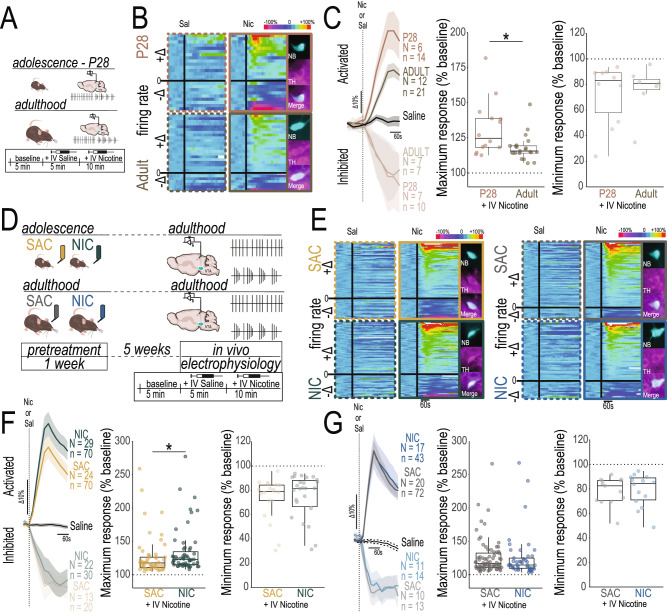
“Putative DA neurons were recorded in the lateral VTA and identi fi ed using criteria such as localization and cell body size, as well as electrophysiological signature (e.g., broad action potential, and large Ih current) 75 .”
MethodPoulin, J.-F., Caronia, G., Hofer, C., Cui, Q., Helm, B., Ramakrishnan, C., Chan, C. S., Dombeck, D. A., Deisseroth, K., & Awatramani, R. (2018) · Nature Neuroscience · doi:10.1038/s41593-018-0203-4 · Cited by 423
Mapping the Fine-Scale Organization and Plasticity of the Brain Vasculature
Kirst, C., Skriabine, S., Vieites-Prado, A., Topilko, T., Bertin, P., Gerschenfeld, G., Verny, F., Topilko, P., Michalski, N., Tessier-Lavigne, M., et al. (2020) · Cell · doi:10.1016/j.cell.2020.01.028 · Cited by 379 · cited 1×
“Tiled acquisitions of Fos-immunolabeled iDISCO+ cleared brains scanned with the light sheet microscope were processed with ClearMap 2 to generate both voxel maps of Fos cell densities, as well as region-based statistics of cell counts 34,69 .”
MethodSelf-citationManvich, D. F., Webster, K. A., Foster, S. L., Farrell, M. S., Ritchie, J. C., Porter, J. H., & Weinshenker, D. (2018) · Scientific Reports · doi:10.1038/s41598-018-22116-z · Cited by 367
Rapid Bidirectional Switching of Synaptic NMDA Receptors
Bellone, C., & Nicoll, R. A. (2007) · Neuron · doi:10.1016/j.neuron.2007.07.035 · Cited by 350
Properties and opioid inhibition of mesolimbic dopamine neurons vary according to target location
Ford, C. P., Mark, G. P., & Williams, J. T. (2006) · The Journal of Neuroscience · doi:10.1523/jneurosci.4331-05.2006 · Cited by 339 · cited 1×
“Increasingly, these diverse DA pathways are shown to play divergent roles in behavior, including responses to drugs of abuse 20,23,52,53 .”
BackgroundSingewald, N., Salchner, P., & Sharp, T. (2003) · Biological Psychiatry · doi:10.1016/s0006-3223(02)01574-3 · Cited by 322
Hierarchical Control of Dopamine Neuron-Firing Patterns by Nicotinic Receptors
Mameli-Engvall, M., Evrard, A., Pons, S., Maskos, U., Svensson, T. H., Changeux, J.-P., & Faure, P. (2006) · Neuron · doi:10.1016/j.neuron.2006.05.007 · Cited by 296
Age-dependent effects of nicotine on locomotor activity and conditioned place preference in rats
Belluzzi, J., Lee, A., Oliff, H., & Leslie, F. (2004) · Psychopharmacology · doi:10.1007/s00213-003-1758-6 · Cited by 280
Nicotine-induced conditioned place preference in adolescent and adult rats
Vastola, B. J., Douglas, L. A., Varlinskaya, E. I., & Spear, L. P. (2002) · Physiology & Behavior · doi:10.1016/s0031-9384(02)00818-1 · Cited by 251
ezTrack: An open-source video analysis pipeline for the investigation of animal behavior
Pennington, Z. T., Dong, Z., Feng, Y., Vetere, L. M., Page-Harley, L., Shuman, T., & Cai, D. J. (2019) · Scientific Reports · doi:10.1038/s41598-019-56408-9 · Cited by 239
DiAna, an ImageJ tool for object-based 3D co-localization and distance analysis
Gilles, J.-F., Dos Santos, M., Boudier, T., Bolte, S., & Heck, N. (2017) · Methods · doi:10.1016/j.ymeth.2016.11.016 · Cited by 235
Self-citationTrauth, J. A., Seidler, F. J., McCook, E. C., & Slotkin, T. A. (1999) · Brain Research · doi:10.1016/s0006-8993(99)01994-0 · Cited by 230
Peculiar vulnerability to nicotine oral self-administration in mice during early adolescence
Adriani, W. (2002) · Neuropsychopharmacology · doi:10.1016/s0893-133x(02)00295-6 · Cited by 214
Development of the noradrenergic innervation of neocortex
Levitt, P., & Moore, R. Y. (1979) · Brain Research · doi:10.1016/0006-8993(79)90287-7 · Cited by 214
Adolescent vaping and nicotine use in 2017-2018 - U.S. national estimates
Miech, R., Johnston, L., O’Malley, P. M., Bachman, J. G., & Patrick, M. E. (2019) · New England Journal of Medicine · doi:10.1056/nejmc1814130 · Cited by 213 · cited 1×
“Moreover, the widespread availability and acceptability of e-cigarette use has facilitated a startling increase in number of adolescent users and a concomitant decrease in their age of onset 26,50 .”
BackgroundGrant, B. F. (1998) · Journal of Substance Abuse · doi:10.1016/s0899-3289(99)80141-2 · Cited by 212 · cited 2×
“Nicotine use in adolescence remains a serious public health issue, with strong associations between early onset of use and later addiction 4 .”
BackgroundCigarette smoking predicts development of depressive symptoms among U.S. Adolescents
Choi, W. S., Patten, C. A., Christian Gillin, J., Kaplan, R. M., & Pierce, J. P. (1997) · Annals of Behavioral Medicine · doi:10.1007/bf02883426 · Cited by 208 · cited 1×
“Indeed, epidemiological studies associate adolescent nicotine use with increased risk of not only longer and heavier smoking careers 4 , but also with the development of anxiety disorders and depression 5,6 , and with the problematic consumption of other drugs, suchasalcohol 4 .”
BackgroundBaarendse, P. J. J., Counotte, D. S., O'Donnell, P., & Vanderschuren, L. J. M. J. (2013) · Neuropsychopharmacology · doi:10.1038/npp.2013.47 · Cited by 206
Nicotine dependence and reward differ between adolescent and adult male mice
Kota, D., Martin, B. R., Robinson, S. E., & Damaj, M. I. (2007) · The Journal of Pharmacology and Experimental Therapeutics · doi:10.1124/jpet.107.121616 · Cited by 202 · cited 1×
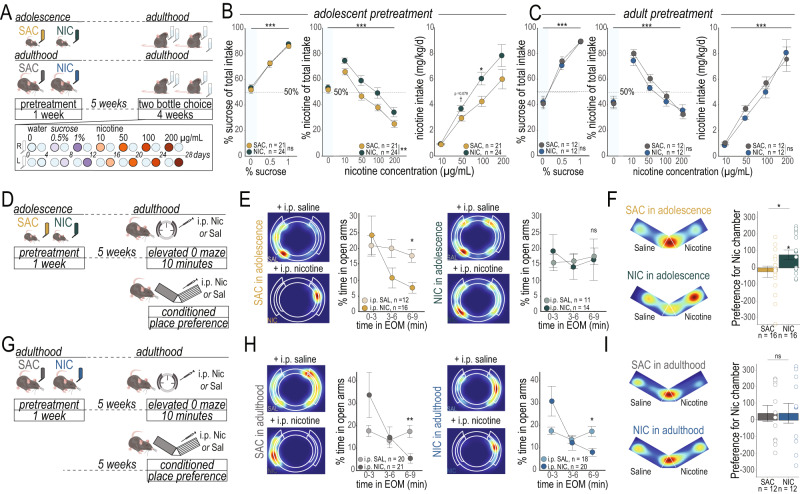
“Multiple previous studies have shown that adolescent rodents show CPP to lower doses of nicotine than adult rodents do 45 – 47 .”
BackgroundHow fast and how often: The pharmacokinetics of drug use are decisive in addiction
Allain, F., Minogianis, E.-A., Roberts, D. C. S., & Samaha, A.-N. (2015) · Neuroscience & Biobehavioral Reviews · doi:10.1016/j.neubiorev.2015.06.012 · Cited by 192
Shram, M. J., Funk, D., Li, Z., & Lê, A. D. (2006) · Psychopharmacology · doi:10.1007/s00213-006-0373-8 · Cited by 192
Unique, long-term effects of nicotine on adolescent brain.
Leslie, F. M. (2020) · Pharmacology, Biochemistry, and Behavior · doi:10.1016/j.pbb.2020.173010 · Cited by 178 · cited 1×
“…in the rewarding effects of nicotine in adolescent vs adult rats and mice and on how adolescent nicotine exposure can in fl uence later measures of nicotine reward 7,8 , but less is known about how nicotine impacts the adolescent development of neural circuitry to produce these enduring outcomes.”
BackgroundBariselli, S., Hörnberg, H., Prévost-Solié, C., Musardo, S., Hatstatt-Burklé, L., Scheiffele, P., & Bellone, C. (2018) · Nature Communications · doi:10.1038/s41467-018-05382-3 · Cited by 171 · cited 1×
“Totestthispossibility, weused a chemogenetic approachto exclusively decrease the excitability of VTA DA neurons of mice exposed to NIC in adolescence 49 , by expressing an inhibitory DREADD (hM4D(G i )) in a projection-and neurotransmitter-speci fi c manner (Fig.”
BackgroundNicotine aversion: Neurobiological mechanisms and relevance to tobacco dependence vulnerability
Fowler, C. D., & Kenny, P. J. (2014) · Neuropharmacology · doi:10.1016/j.neuropharm.2013.09.008 · Cited by 169
Morel, C., Montgomery, S. E., Li, L., Durand-de Cuttoli, R., Teichman, E. M., Juarez, B., Tzavaras, N., Ku, S. M., Flanigan, M. E., Cai, M., et al. (2022) · Nature Communications · doi:10.1038/s41467-022-29155-1 · Cited by 169 · cited 1×
“Indeed, nicotine simultaneously produces both reinforcing and anxiogenic behavioral effects 23,24 , which rely on distinct DA pathways: the activation of DA neurons projecting to the nucleus accumbens (NAc) produces reinforcement, whereas the inhibition of amygdala (AMG)-projecting DA neurons…”
BackgroundDiversity of Dopaminergic Neural Circuits in Response to Drug Exposure
Juarez, B., & Han, M.-H. (2016) · Neuropsychopharmacology · doi:10.1038/npp.2016.32 · Cited by 165
Neuroanatomical targets of anxiogenic drugs in the hindbrain as revealed by Fos immunocytochemistry
Singewald, N., & Sharp, T. (2000) · Neuroscience · doi:10.1016/s0306-4522(00)00177-9 · Cited by 157
Riggs, N., Chou, C.-P., Li, C., & Pentz, M. A. (2007) · Nicotine & Tobacco Research · doi:10.1080/14622200701648359 · Cited by 155 · cited 2×
“…ontheearly adolescent period (~PND21-28) because not only does this correspond to the time of life when human adolescents are most likely to begin nicotine use 26,27 , but previous work in rodent models has also suggested that this is a particularly vulnerable time for DA development, 25,58 .”
BackgroundElliott, B. M., Faraday, M. M., Phillips, J. M., & Grunberg, N. E. (2004) · Pharmacology Biochemistry and Behavior · doi:10.1016/j.pbb.2003.09.016 · Cited by 148 · cited 2×
“Notably, adolescent rodents are thought to be more sensitive to the rewarding effects of nicotine, as well as less sensitive to its aversive effects, than adult animals 8,48 .”
BackgroundResultMesocorticolimbic Dopamine Pathways Across Adolescence: Diversity in Development
Reynolds, L. M., & Flores, C. (2021) · Frontiers in Neural Circuits · doi:10.3389/fncir.2021.735625 · Cited by 137 · cited 6×
“Assuch,theDAsystemisknowntobesensitiveto experience in adolescence, with signi fi cant effects of stress, social isolation, and drug use persisting until adulthood in many cases 10,11 .”
BackgroundInfluentialSelf-citationNicotine inhibits the VTA-to-amygdala dopamine pathway to promote anxiety
Nguyen, C., Mondoloni, S., Le Borgne, T., Centeno, I., Come, M., Jehl, J., Solié, C., Reynolds, L. M., Durand-de Cuttoli, R., Tolu, S., et al. (2021) · Neuron · doi:10.1016/j.neuron.2021.06.013 · Cited by 136 · cited 9×
“We have previously found that naïve adultmale miceshow a pronounced, time-dependent reduction of time spent in the open arms of the EOM following nicotine administration 23 .”
BackgroundResultInfluentialSelf-citationRole of nicotinic acetylcholine receptors in regulating dopamine neuron activity
Faure, P., Tolu, S., Valverde, S., & Naudé, J. (2014) · Neuroscience · doi:10.1016/j.neuroscience.2014.05.040 · Cited by 125
Neurobiological Mechanisms of Nicotine Reward and Aversion
Wills, L., Ables, J. L., Braunscheidel, K. M., Caligiuri, S. P. B., Elayouby, K. S., Fillinger, C., Ishikawa, M., Moen, J. K., & Kenny, P. J. (2022) · Pharmacological Reviews · doi:10.1124/pharmrev.121.000299 · Cited by 121 · cited 1×
“While the effects of nicotine on DA neurons are best studied in adult animals 13 – 15 , some evidence does suggest that both the immediate and enduring effects of nicotine on ventral tegmental area (VTA) DA neurons differ between adolescent and adult administration 16,17 .”
BackgroundNicotine Addiction and Intensity of e-Cigarette Use by Adolescents in the US, 2014 to 2021
Glantz, S., Jeffers, A., & Winickoff, J. P. (2022) · JAMA Network Open · doi:10.1001/jamanetworkopen.2022.40671 · Cited by 117 · cited 3×
“…ontheearly adolescent period (~PND21-28) because not only does this correspond to the time of life when human adolescents are most likely to begin nicotine use 26,27 , but previous work in rodent models has also suggested that this is a particularly vulnerable time for DA development, 25,58 .”
BackgroundAnalysis of dopamine transporter gene expression pattern − generation of DAT‐iCre transgenic mice
Turiault, M., Parnaudeau, S., Milet, A., Parlato, R., Rouzeau, J., Lazar, M., & Tronche, F. (2007) · The FEBS Journal · doi:10.1111/j.1742-4658.2007.05886.x · Cited by 114 · cited 3×
“Wild-type (WT) C57BL/6 mice (Janvier Labs, France) or DATiCre mice (from François Tronche 63 ) were maintained on a 12-h light – dark cycle (light on at 0800 h), at an average temperature of 21 degrees and ~50% humidity.”
MethodInfluentialAn atlas of transcriptionally defined cell populations in the rat ventral tegmental area
Phillips, R. A., Tuscher, J. J., Black, S. L., Andraka, E., Fitzgerald, N. D., Ianov, L., & Day, J. J. (2022) · Cell Reports · doi:10.1016/j.celrep.2022.110616 · Cited by 110
Direct Bidirectional μ-Opioid Control of Midbrain Dopamine Neurons
Margolis, E. B., Hjelmstad, G. O., Fujita, W., & Fields, H. L. (2014) · The Journal of Neuroscience · doi:10.1523/jneurosci.2144-14.2014 · Cited by 104 · cited 1×
“Increasingly, these diverse DA pathways are shown to play divergent roles in behavior, including responses to drugs of abuse 20,23,52,53 .”
BackgroundKlein, L. C., Stine, M. M., Vandenbergh, D. J., Whetzel, C. A., & Kamens, H. M. (2004) · Pharmacology Biochemistry and Behavior · doi:10.1016/j.pbb.2004.01.005 · Cited by 104 · cited 1×
“Sweetening the nicotine and con-trol solution with saccharin was avoided as it can obscure the difference in value between the two choices 64 – 67 .”
BackgroundSex‐dependent effects of nicotine on the developing brain
Cross, S. J., Linker, K. E., & Leslie, F. M. (2017) · Journal of Neuroscience Research · doi:10.1002/jnr.23878 · Cited by 104 · cited 1×
“Nico-tine receptor expression and functioncanbe modulated by female sex hormones 59 , suggesting that even the immediate experience or effects of nicotine may be sex-dependent, adding to the complexity of addressing sex and developmental interactions in its effects.”
BackgroundAdolescent neurodevelopment and substance use: receptor expression and behavioral consequences
Thorpe, H. H. A., Hamidullah, S., Jenkins, B. W., & Khokhar, J. Y. (2020) · Pharmacology & Therapeutics · doi:10.1016/j.pharmthera.2019.107431 · Cited by 97
Nicotine modulation of fear memories and anxiety: Implications for learning and anxiety disorders
Kutlu, M. G., & Gould, T. J. (2015) · Biochemical Pharmacology · doi:10.1016/j.bcp.2015.07.029 · Cited by 97
Microglia shape presynaptic properties at developing glutamatergic synapses
Basilico, B., Pagani, F., Grimaldi, A., Cortese, B., Di Angelantonio, S., Weinhard, L., Gross, C., Limatola, C., Maggi, L., & Ragozzino, D. (2019) · Glia · doi:10.1002/glia.23508 · Cited by 96 · cited 1×
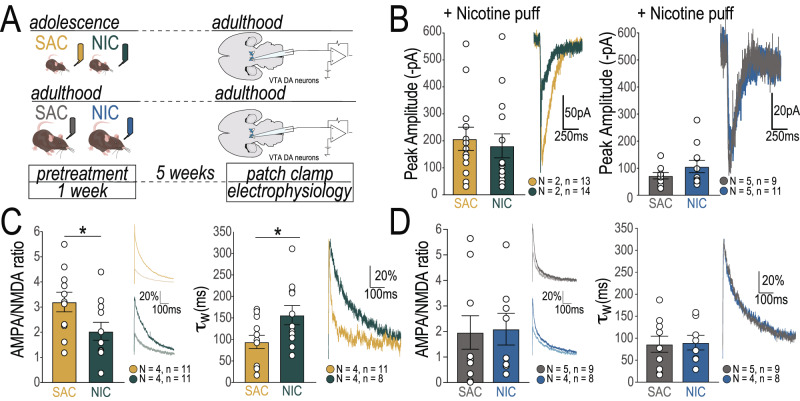
“…these alterations to glutamatergic plasticity onto VTA dopamine neurons of adult mice exposed to NIC as adolescents resemble some conditions observed in young brains 16,41 – 44 , suggesting that NIC exposure in adolescence may impede the maturation of glutamatergic plasticity mechanisms.”
MethodHale, M. W., Hay-Schmidt, A., Mikkelsen, J. D., Poulsen, B. C., Shekhar, A., & Lowry, C. A. (2008) · Neuroscience · doi:10.1016/j.neuroscience.2008.05.054 · Cited by 95 · cited 1×
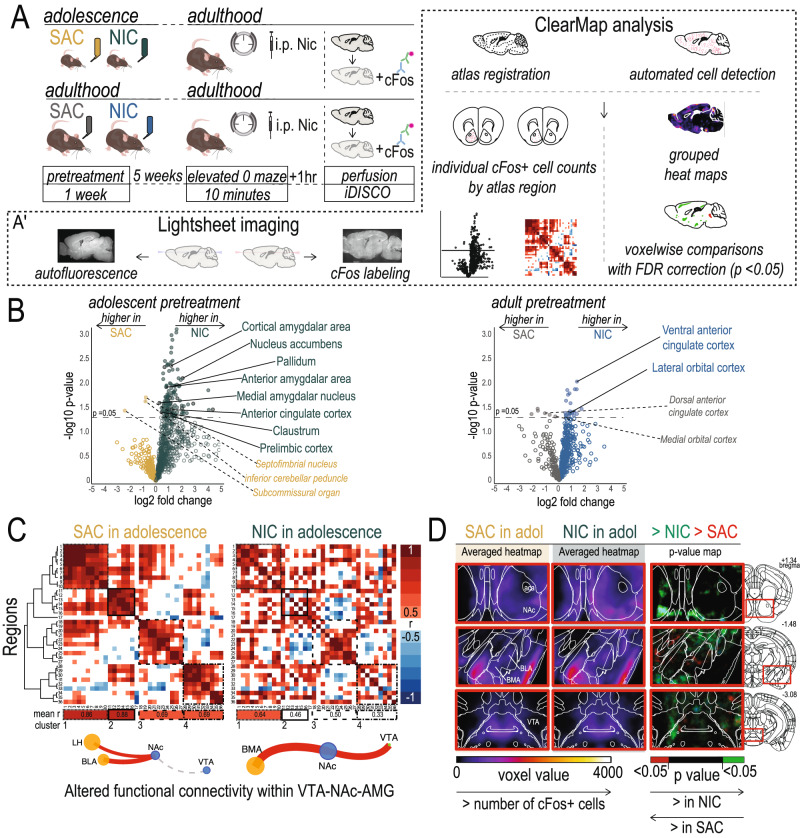
“To perform a more in-depth network analysis, we fi rst identi fi ed a list of 36 brain regions implicated in anxiety behavior and nicotine response 35 – 39 .”
MethodFowler, C. D., & Kenny, P. J. (2011) · Neuropharmacology · doi:10.1016/j.neuropharm.2011.05.012 · Cited by 94 · cited 6×
“DAT-Cremice,inwhichCrerecombinaseexpressionisrestrictedtoDA neurons without disrupting endogenous dopamine transporter (DAT) expression 63 , were weaned at PND 21 ±1 and treated with nicotine (100 µ g/mL in 2% saccharine) for one week.”
BackgroundInfluentialModeling adolescent nicotine exposure: effects on cholinergic systems in rat brain regions
Trauth, J. A., McCook, E. C., Seidler, F. J., & Slotkin, T. A. (2000) · Brain Research · doi:10.1016/s0006-8993(00)02465-3 · Cited by 88
Adriani, W., Deroche-Gamonet, V., Le Moal, M., Laviola, G., & Piazza, P. V. V. (2006) · Psychopharmacology · doi:10.1007/s00213-005-0125-1 · Cited by 86
Sex differences in smoking initiation among children and adolescents
Okoli, C. T. C., Greaves, L., & Fagyas, V. (2012) · Public Health · doi:10.1016/j.puhe.2012.09.015 · Cited by 85 · cited 1×
“Differential ages of vulnerability between sexes are also a key research arena,taking into account data from human studies showing that boys begin using nicotine younger than girls do 60 , and are more likely to escalate nicotine intake by transitioning from e-cigarette to cigarette use 61 .”
BackgroundBellone, C., Mameli, M., & Lüscher, C. (2011) · Nature Neuroscience · doi:10.1038/nn.2930 · Cited by 83 · cited 1×
“…these alterations to glutamatergic plasticity onto VTA dopamine neurons of adult mice exposed to NIC as adolescents resemble some conditions observed in young brains 16,41 – 44 , suggesting that NIC exposure in adolescence may impede the maturation of glutamatergic plasticity mechanisms.”
MethodNicotinic receptors mediate stress-nicotine detrimental interplay via dopamine cells’ activity
Morel, C., Fernandez, S. P., Pantouli, F., Meye, F. J., Marti, F., Tolu, S., Parnaudeau, S., Marie, H., Tronche, F., Maskos, U., et al. (2018) · Molecular Psychiatry · doi:10.1038/mp.2017.145 · Cited by 83 · cited 1×
“Voltage was then raised to V= +40mV and synaptic currents were evoked in the absence and in the presence of AMPA-R antagonist DNQX as previously described for AMPA-R/NMDA-R ratios 77 .”
MethodSelf-citationPagliusi, S. R., Tessari, M., DeVevey, S., Chiamulera, C., & Pich, E. M. (1996) · European Journal of Neuroscience · doi:10.1111/j.1460-9568.1996.tb01188.x · Cited by 81 · cited 1×
“To perform a more in-depth network analysis, we fi rst identi fi ed a list of 36 brain regions implicated in anxiety behavior and nicotine response 35 – 39 .”
MethodAdolescent and adult rats' aversion to flavors previously paired with nicotine
WILMOUTH, C. E., & SPEAR, L. P. (2004) · Annals of the New York Academy of Sciences · doi:10.1196/annals.1308.065 · Cited by 80
Cuttoli, R. D.-D., Mondoloni, S., Marti, F., Lemoine, D., Nguyen, C., Naudé, J., d’Izarny-Gargas, T., Pons, S., Maskos, U., Trauner, D. H., et al. (2018) · eLife · doi:10.7554/elife.37487 · Cited by 78 · cited 2×
“We have previously shown that adult male mice show CPP to a 0.5mg/kg dose of nicotine 31 , but not to a 0.2 mg/kg dose of nicotine 32 .”
BackgroundMethodInfluentialSelf-citationEarly Adolescence is a Critical Period for the Maturation of Inhibitory Behavior
Reynolds, L. M., Yetnikoff, L., Pokinko, M., Wodzinski, M., Epelbaum, J. G., Lambert, L. C., Cossette, M.-P., Arvanitogiannis, A., & Flores, C. (2019) · Cerebral Cortex · doi:10.1093/cercor/bhy247 · Cited by 75 · cited 1×
“…ontheearly adolescent period (~PND21-28) because not only does this correspond to the time of life when human adolescents are most likely to begin nicotine use 26,27 , but previous work in rodent models has also suggested that this is a particularly vulnerable time for DA development, 25,58 .”
BackgroundSelf-citationAge-dependent differences in nicotine reward and withdrawal in female mice
Kota, D., Martin, B. R., & Damaj, M. I. (2008) · Psychopharmacology · doi:10.1007/s00213-008-1117-8 · Cited by 72
Jobson, C. L. M., Renard, J., Szkudlarek, H., Rosen, L. G., Pereira, B., Wright, D. J., Rushlow, W., & Laviolette, S. R. (2019) · Cerebral Cortex · doi:10.1093/cercor/bhy179 · Cited by 64 · cited 1×
“While the effects of nicotine on DA neurons are best studied in adult animals 13 – 15 , some evidence does suggest that both the immediate and enduring effects of nicotine on ventral tegmental area (VTA) DA neurons differ between adolescent and adult administration 16,17 .”
BackgroundIndividual differences in oral nicotine intake in rats
Nesil, T., Kanit, L., Collins, A. C., & Pogun, S. (2011) · Neuropharmacology · doi:10.1016/j.neuropharm.2011.03.027 · Cited by 62
Age dependent nicotinic influences over dopamine neuron synaptic plasticity
Placzek, A. N., Zhang, T. A., & Dani, J. A. (2009) · Biochemical Pharmacology · doi:10.1016/j.bcp.2009.05.014 · Cited by 61 · cited 2×
“…these alterations to glutamatergic plasticity onto VTA dopamine neurons of adult mice exposed to NIC as adolescents resemble some conditions observed in young brains 16,41 – 44 , suggesting that NIC exposure in adolescence may impede the maturation of glutamatergic plasticity mechanisms.”
BackgroundMethodHeck, N., Bétuing, S., Vanhoutte, P., & Caboche, J. (2011) · Brain Structure and Function · doi:10.1007/s00429-011-0340-y · Cited by 61 · cited 1×
“Deconvolution using Maximum Likelihood Estimation algorithm was performed with Huygens software (Scienti fi c Volume Imaging) 71 .”
MethodSelf-citationAddiction‐related neuroadaptations following chronic nicotine exposure
Wills, L., & Kenny, P. J. (2021) · Journal of Neurochemistry · doi:10.1111/jnc.15356 · Cited by 61 · cited 1×
“An imbalance between the rewardingandaversiveeffectsofnicotinehasindeedbeenpositedasa mechanism driving the transition from casual use to addiction 29,55 – 57 .”
BackgroundAge at Smoking Onset and the Onset of Depression and Anxiety Disorders
Jamal, M., Does, A. J. W. V. D., Penninx, B. W. J. H., & Cuijpers, P. (2011) · Nicotine & Tobacco Research · doi:10.1093/ntr/ntr077 · Cited by 55
Assessing nicotine dependence using an oral nicotine free-choice paradigm in mice
Bagdas, D., Diester, C. M., Riley, J., Carper, M., Alkhlaif, Y., AlOmari, D., Alayoubi, H., Poklis, J. L., & Damaj, M. I. (2019) · Neuropharmacology · doi:10.1016/j.neuropharm.2019.107669 · Cited by 52 · cited 1×
“Sweetening the nicotine and con-trol solution with saccharin was avoided as it can obscure the difference in value between the two choices 64 – 67 .”
BackgroundHeck, N., Santos, M. D., Amairi, B., Salery, M., Besnard, A., Herzog, É., Boudier, T., Vanhoutte, P., & Caboche, J. (2014) · Brain Structure and Function · doi:10.1007/s00429-014-0837-2 · Cited by 47 · cited 1×
“Segmentation of TH+ boutons was performed in 3D in FIJI ( fi ji.net) using a procedure based on image analysis tools developed in the ImageJ plugin3DImageSuite 72 – 74 .”
MethodSelf-citationNicotine and alcohol: the role of midbrain dopaminergic neurons in drug reinforcement
Morel, C., Montgomery, S., & Han, M. (2019) · European Journal of Neuroscience · doi:10.1111/ejn.14160 · Cited by 46 · cited 1×
“While the effects of nicotine on DA neurons are best studied in adult animals 13 – 15 , some evidence does suggest that both the immediate and enduring effects of nicotine on ventral tegmental area (VTA) DA neurons differ between adolescent and adult administration 16,17 .”
BackgroundLin, W. C., Liu, C. J., Kosillo, P., Tai, L.-H., Galarce, E. M., Bateup, H. S., Lammel, S., & Wilbrecht, L. (2022) · Current Biology · doi:10.1016/j.cub.2022.06.089 · Cited by 42
Mejías-Aponte, C. A., Ye, C.-Q., Bonci, A., Kiyatkin, E. A., & Morales, M. (2015) · Journal of Neuroscience · doi:10.1523/jneurosci.3422-13.2015 · Cited by 41 · cited 1×
“Increasingly, these diverse DA pathways are shown to play divergent roles in behavior, including responses to drugs of abuse 20,23,52,53 .”
BackgroundUnique effects of nicotine across the lifespan
Ren, M., Lotfipour, S., & Leslie, F. (2022) · Pharmacology Biochemistry and Behavior · doi:10.1016/j.pbb.2022.173343 · Cited by 40
Slotkin, T. A., Bodwell, B. E., Ryde, I. T., & Seidler, F. J. (2008) · Brain Research Bulletin · doi:10.1016/j.brainresbull.2007.12.009 · Cited by 36
Duan, Z., Wang, Y., & Huang, J. (2021) · International Journal of Environmental Research and Public Health · doi:10.3390/ijerph18041695 · Cited by 34 · cited 1×
“Differential ages of vulnerability between sexes are also a key research arena,taking into account data from human studies showing that boys begin using nicotine younger than girls do 60 , and are more likely to escalate nicotine intake by transitioning from e-cigarette to cigarette use 61 .”
BackgroundAmphetamine disrupts dopamine axon growth in adolescence by a sex-specific mechanism in mice
Reynolds, L. M., Hernandez, G., MacGowan, D., Popescu, C., Nouel, D., Cuesta, S., Burke, S., Savell, K. E., Zhao, J., Restrepo-Lozano, J. M., et al. (2023) · Nature Communications · doi:10.1038/s41467-023-39665-1 · Cited by 30
Self-citationCocaine increases dopaminergic connectivity in the nucleus accumbens
Santos, M. D., Cahill, E., Bo, G. D., Vanhoutte, P., Caboche, J., Giros, B., & Heck, N. (2017) · Brain Structure and Function · doi:10.1007/s00429-017-1532-x · Cited by 29 · cited 1×
“Segmentation of TH+ boutons was performed in 3D in FIJI ( fi ji.net) using a procedure based on image analysis tools developed in the ImageJ plugin3DImageSuite 72 – 74 .”
MethodSelf-citationAdult mice voluntarily progress to nicotine dependence in an oral self-selection assay
Locklear, L. L., McDonald, C. G., Smith, R. F., & Fryxell, K. J. (2012) · Neuropharmacology · doi:10.1016/j.neuropharm.2012.04.037 · Cited by 28
Age differences in conditioned place preferences and taste aversions to nicotine
Dannenhoffer, C. A., & Spear, L. P. (2016) · Developmental Psychobiology · doi:10.1002/dev.21400 · Cited by 26
Kallupi, M., de Guglielmo, G., Larrosa, E., & George, O. (2019) · European Neuropsychopharmacology · doi:10.1016/j.euroneuro.2019.08.299 · Cited by 25
Doura, M. B., Luu, T. V., Lee, N. H., & Perry, D. C. (2010) · Neuroscience · doi:10.1016/j.neuroscience.2010.06.071 · Cited by 24
Mondoloni, S., Nguyen, C., Vicq, É., Ciscato, M., Jehl, J., Cuttoli, R. D.-D., Torquet, N., Tolu, S., Pons, S., Maskos, U., et al. (2023) · eLife · doi:10.7554/elife.80767 · Cited by 23 · cited 2×
“1B, C), with a strong effect of dose across all experiments indicative of a titration effect 29,30 .”
BackgroundSelf-citationBarth, B., Portella, A. K., Dubé, L., Meaney, M. J., & Silveira, P. P. (2019) · Healthy Ageing and Longevity · doi:10.1007/978-3-030-24958-8_7 · Cited by 13
The interpeduncular nucleus blunts the rewarding effect of nicotine
Jehl, J., Ciscato, M., Vicq, É., Guyon, N., de la Bâtie, G. D., Mondoloni, S., Frangieh, J., Mohayyaei, M., Nguyen, C., Pons, S., et al. (2023) · Neuron · doi:10.1016/j.neuron.2025.03.035 · Cited by 12
Self-citationNeural substrate of nicotine addiction as defined by functional brain maps of gene expression
Pich, E. M., Chiamulera, C., & Tessari, M. (1998) · Journal of Physiology-Paris · doi:10.1016/s0928-4257(98)80015-6 · Cited by 11
Adolescent dopamine development
Reynolds, L. M., & Flores, C. (2021) · Diagnosis, Management and Modeling of Neurodevelopmental Disorders · doi:10.1016/b978-0-12-817988-8.00026-9 · Cited by 10
Self-citationThe interpeduncular nucleus blunts the rewarding effect of nicotinePreprint
Jehl, J., Ciscato, M., Vicq, É., et al. (2023) · bioRxiv (Cold Spring Harbor Laboratory) · doi:10.1101/2023.10.05.561018 · Cited by 1 · cited 3×
“We have previously shown that adult male mice show CPP to a 0.5mg/kg dose of nicotine 31 , but not to a 0.2 mg/kg dose of nicotine 32 .”
BackgroundMethodResultInfluential
Cited by
Reynolds, L. M., Faure, P., & Barik, J. (2025) · Molecular Psychiatry · doi:10.1038/s41380-025-03110-0 · Cited by 26
“These differences result from an imbalance in dopamine neuron response to nicotine at the circuit level [150].”
InfluentialSelf-citationThe interpeduncular nucleus blunts the rewarding effect of nicotine
Jehl, J., Ciscato, M., Vicq, É., Guyon, N., de la Bâtie, G. D., Mondoloni, S., Frangieh, J., Mohayyaei, M., Nguyen, C., Pons, S., et al. (2023) · Neuron · doi:10.1016/j.neuron.2025.03.035 · Cited by 12
Self-citationNicotine Reprograms Aging‐Related Metabolism and Protects Against Motor Decline in Mice
Jia, S., Jing, X., Wang, R., Su, M., Wang, P., Feng, Y., Ren, X., Tu, L., Wei, P., Lu, Z. Z., et al. (2025) · Advanced Science · doi:10.1002/advs.202415311 · Cited by 10
Zhou, J., Hou, X., Zheng, Z., Quan, T., Meng, X., Xu, Y., Zhao, L., Ren, X., Yang, L., Shi, Y., et al. (2025) · Microvascular Research · doi:10.1016/j.mvr.2025.104884 · Cited by 3
Adolescent nicotine exposure affects later-life nicotine reward and withdrawal in mice
Buzzi, B., Buttar, B., Groener, Y., & Damaj, M. I. (2025) · Pharmacology Biochemistry and Behavior · doi:10.1016/j.pbb.2025.174061 · Cited by 1
Metadata
- Authors
- Reynolds, L. M., Gulmez, A., Fayad, S. L., Campos, R. C., Rigoni, D., Nguyen, C., Le Borgne, T., Topilko, T., Rajot, D., Franco, C., Fernandez, S. P., Marti, F., Heck, N., Mourot, A., Renier, N., Barik, J., & Faure, P.
- Affiliations
- Centre National de la Recherche Scientifique (FR)
- Corresponding author
- Reynolds, Lauren M.
- ORCID
- Venue
- Nature Communications
- Published
- 2024-10-18
- Volume
- 15
- Issue
- 1
- Pages
- 9017-9017
- ISSN
- 2041-1723 (ISSN-L)
- PMC
- PMC11489768
- OpenAlex
- W4403520102
- Cited by
- 10
- References
- 78
- Citations by year
- 2026: 5 · 2025: 4
- FWCI
- 2.56
- Type
- journal article
- Language
- en
- Open access
- gold
- doi.org
- Licence
- cc-by
- creativecommons.org/licenses/by/4.0 (tdm)
- creativecommons.org/licenses/by/4.0 (vor)
- Locations
- Nature Communications (publishedVersion, cc-by)
- PubMed Central (publishedVersion, cc-by)
- PubMed (publishedVersion)
- HAL (submittedVersion, other-oa)
- RePEc: Research Papers in Economics (submittedVersion)
- DOAJ (DOAJ: Directory of Open Access Journals) (submittedVersion)
- Funders
- Institut National Du Cancer (TABAC-16-022, SPA-21-002)
- Agence Nationale de la Recherche (ANR-20 NICADO)
- Topics
- Health Sciences › Medicine › Public Health, Environmental and Occupational Health › Smoking Behavior and Cessation
- Life Sciences › Biochemistry, Genetics and Molecular Biology › Molecular Biology › Nicotinic Acetylcholine Receptors Study
- Life Sciences › Neuroscience › Cellular and Molecular Neuroscience › Neurotransmitter Receptor Influence on Behavior
- Keywords
- adolescent nicotine exposure, dopaminergic circuits
- MeSH terms
- Animals, Behavior, Animal, Dopamine, Male, Mice, Inbred C57BL, Nicotine, Mice, Dopaminergic Neurons
About these checks
Registry, retraction, Cites and statistics results are computed, not judged, with one exception: a printed reference that no index lists is read once by a model before it counts as a citation error. Claims are extracted by a model and kept only when their quote appears verbatim in the text; each cited source is then checked, with a model’s help, for whether it says what the claim relies on. Those verdicts can be wrong — read the claim’s quote and the cited source before relying on one.
Statistics and arithmetic are recomputed, not judged.
Confidence bands are shown only for fields calibrated on our annotated test set. None is calibrated yet, so no band is shown.
What counts as a claim ›How we measure confidence ›How we check this ›
Are you an author, or do you see a problem with this page? Request a review
Data sources
Bibliographic data: Semantic Scholar, OpenAlex, Crossref.
Contains information from the Semantic Scholar Academic Graph Datasets, made available under the ODC Attribution License (ODC-BY 1.0).
Semantic Scholar’s data is described in: Kinney, R., et al. (2023). The Semantic Scholar Open Data Platform. arXiv:2301.10140.
