

The International Scientific Association for Probiotics and Prebiotics (ISAPP) consensus statement on fermented foods
Open accessThe DOI matches its Crossref record; 182 of the 182 references it cites were found in a registry or an index.
Abstract
An expert panel was convened in September 2019 by The International Scientific Association for Probiotics and Prebiotics (ISAPP) to develop a definition for fermented foods and to describe their role in the human diet. Although these foods have been consumed for thousands of years, they are receiving increased attention among biologists, nutritionists, technologists, clinicians and consumers. Despite this interest, inconsistencies related to the use of the term ‘fermented’ led the panel to define fermented foods and beverages as “foods made through desired microbial growth and enzymatic conversions of food components”. This definition, encompassing the many varieties of fermented foods, is intended to clarify what is (and is not) a fermented food. The distinction between fermented foods and probiotics is further clarified. The panel also addressed the current state of knowledge on the safety, risks and health benefits, including an assessment of the nutritional attributes and a mechanistic rationale for how fermented foods could improve gastrointestinal and general health. The latest advancements in our understanding of the microbial ecology and systems biology of these foods were discussed. Finally, the panel reviewed how fermented foods are regulated and discussed efforts to include them as a separate category in national dietary guidelines.
Overview
The claims and statistics of this paper haven’t been checked yet.
Free: it reads the open-access text and checks the first 5 claims that cite a source we can check. Create a free account to check every claim.
Integrity signals
Registry
Cites
Statistics
Figures
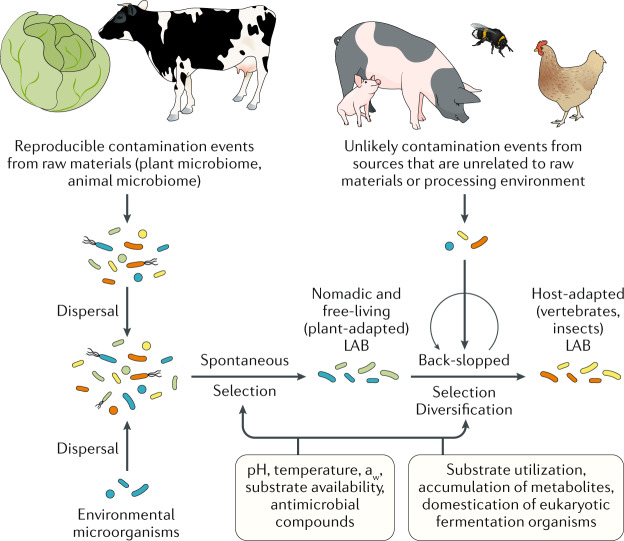
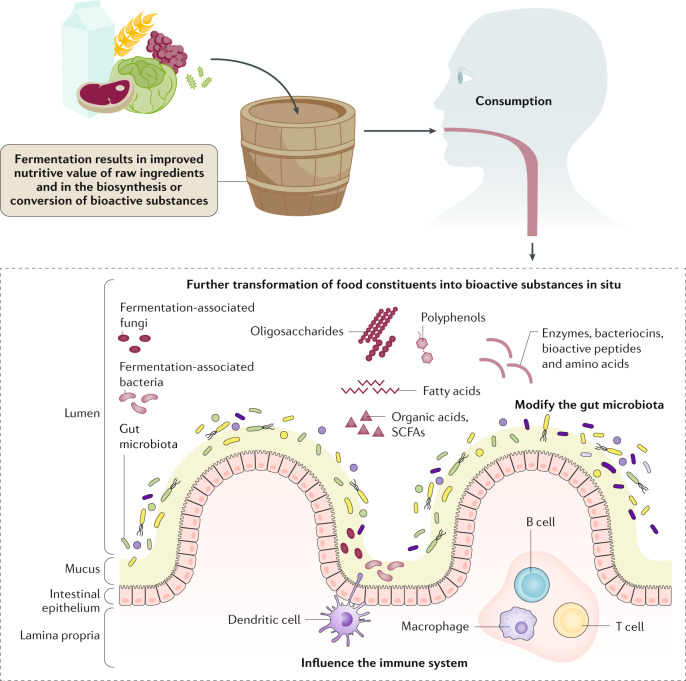
Verification
Claims the paper makes
The claims and statistics of this paper haven’t been checked yet.
Free: it reads the open-access text and checks the first 5 claims that cite a source we can check. Create a free account to check every claim.
Claims other papers make about this one
Each is checked against this paper’s own text: does it say what the citing paper says it does?
The source backs part of the claim, not all of it — or backs it for a different population, condition or comparison.
In the citing paper
“While probiotics are selected to fulfill safety, functional, and technological criteria (Zommiti et al., 2020), starter cultures are selected to ensure the consistency of the fermentation process, improve efficiency, and achieve the desired sen sory properties of the final product (Marco et al., 2021).”
From Exploring the resistome of probiotics, starter cultures, and cheeses via metagenomic analysis (2025) · cites this paper as Marco et al., 2021
Experimental — accuracy not yet measuredIn the citing paper
“Yoghurt and cultured milk products are other examples of fermented foods and have been shown to reduce postprandial glycemic responses in both healthy individuals, and subjects with prediabetes or overt T2DM [384], beyond the milk from which these products are made [408].”
From Effects of diet, lifestyle, Chrononutrition and alternative dietary interventions on postprandial Glycemia and insulin resistance (2022) · cites this paper as [384]
Self-check
Percentages, sums and reported differences re-computed from the paper’s own numbers.
The self-check needs the paper’s full text.
Citations
Cites
Writing Group for the Women's Health Initiative Investigators (2002) · JAMA: The Journal of the American Medical Association · doi:10.1001/jama.288.3.321 · Cited by 15,889
Diet rapidly and reproducibly alters the human gut microbiome
David, L. A., Maurice, C. F., Carmody, R. N., Gootenberg, D. B., Button, J. E., Wolfe, B. E., Ling, A. V., Devlin, A. S., Varma, Y., Fischbach, M. A., et al. (2014) · Nature · doi:10.1038/nature12820 · Cited by 10,100
Self-citationHill (2014) · doi:10.1038/nrgastro.2014.66 · Cited by 9,592
The environment and disease: association or causation?
Hill, A. B. (2015) · Journal of the Royal Society of Medicine · doi:10.1177/0141076814562718 · Cited by 7,285
The Environment and Disease: Association or Causation?
Hill, A. B. (1965) · Proceedings of the Royal Society of Medicine · doi:10.1177/003591576505800503 · Cited by 6,974
CRISPR Provides Acquired Resistance Against Viruses in Prokaryotes
Barrangou, R., Fremaux, C., Deveau, H., Richards, M., Boyaval, P., Moineau, S., Romero, D. A., & Horvath, P. (2007) · Science · doi:10.1126/science.1138140 · Cited by 5,947
Gibson, G. R., Hutkins, R., Sanders, M. E., Prescott, S. L., Reimer, R. A., Salminen, S. J., Scott, K., Stanton, C., Swanson, K. S., Cani, P. D., et al. (2017) · Nature Reviews Gastroenterology & Hepatology · doi:10.1038/nrgastro.2017.75 · Cited by 5,634
Self-citationRevised Estimates for the Number of Human and Bacteria Cells in the Body
Sender, R., Fuchs, S., & Milo, R. (2016) · PLOS Biology · doi:10.1371/journal.pbio.1002533 · Cited by 5,425
Zheng, J., Wittouck, S., Salvetti, E., Franz, C. M. A. P., Harris, H. M. B., Mattarelli, P., O’Toole, P. W., Pot, B., Vandamme, P., Walter, J., et al. (2020) · International Journal of Systematic and Evolutionary Microbiology · doi:10.1099/ijsem.0.004107 · Cited by 3,313
Self-citationPopulation-level analysis of gut microbiome variation
Falony, G., Joossens, M., Vieira-Silva, S., Wang, J., Darzi, Y., Faust, K., Kurilshikov, A., Bonder, M. J., Valles-Colomer, M., Vandeputte, D., et al. (2016) · Science · doi:10.1126/science.aad3503 · Cited by 2,400
Research works printed but not linked: 2
- 4. Steinkraus, K. H. In Fermented Food Beverages in Nutrition (ed Gastineau C. F., Darby W. J., Turner T. B.) 36–50 (Academic Press, 1979).
- 32. Lister JB. On the lactic fermentation and its bearings on pathology. Trans. Pathol. Soc. Lond. 1878;29:425–467.
Cited by
Items 301–400 of 934
FDF-DB: A Database of Traditional Fermented Dairy Foods and Their Associated Microbiota
Zinno, P., Calabrese, F. M., Schifano, E., Sorino, P., Cagno, R. D., Gobbetti, M., Parente, E., Angelis, M. D., & Devirgiliis, C. (2022) · Nutrients · doi:10.3390/nu14214581 · Cited by 15
“Regardless of the presence of living microbes, all foods and beverages obtained through fermentation, within the food matrix at the time of consumption were included in the abovementioned category [12].”
BackgroundShangpliang, H. N. J., & Tamang, J. P. (2023) · International Journal of Food Microbiology · doi:10.1016/j.ijfoodmicro.2023.110300 · Cited by 14
The ester production capacity of Pichia kudriavzevii based on functional annotation of genes
Xiao, J., Mou, F., Mao, W., Fang, S., Chen, H., Liao, B., & Chen, M. (2023) · World Journal of Microbiology and Biotechnology · doi:10.1007/s11274-023-03743-9 · Cited by 14
Jaglan, A., Sadera, G., Singh, P., Singh, B. P., & Goel, G. (2023) · Food Research International · doi:10.1016/j.foodres.2023.113516 · Cited by 20
Murwani, R., Anggraeni, R., Setiawan, G. N. A., Astari, P. D., Cahyani, N. K. D., Sibero, M. T., & Ambariyanto, A. (2024) · International Journal of Food Science · doi:10.1155/2024/6589766 · Cited by 25
Zhang, Y., Xu, Y., Hu, L., & Wang, X. (2025) · Frontiers in Pediatrics · doi:10.3389/fped.2025.1508613 · Cited by 23
Functional modulation of the human gut microbiome by bacteria vehicled by cheese
Milani, C., Longhi, G., Alessandri, G., Fontana, F., Viglioli, M., Tarracchini, C., Mancabelli, L., Lugli, G. A., Petraro, S., Argentini, C., et al. (2025) · Applied and Environmental Microbiology · doi:10.1128/aem.00180-25 · Cited by 17
“In this context, especially fermented foods, which by definition are obtained “through desired microbial growth and enzymatic conversions of food components” (20), represent a particularly valuable dietary component.”
Pertziger, E., von Ah, U., Bochud, M., Chatelan, A., Haldemann, J., Hillesheim, E., Kaiser, M., Vergères, G., & Burton-Pimentel, K. J. (2025) · Journal of Nutrition · doi:10.1016/j.tjnut.2025.05.042 · Cited by 13
Fermented food: Should patients with cardiometabolic diseases go back to an early neolithic diet?
Mafra, D., Borges, N. A., Alvarenga, L., Ribeiro, M., Fonseca, L., Leal, V. O., Shiels, P. G., & Stenvinkel, P. (2023) · Critical Reviews in Food Science and Nutrition · doi:10.1080/10408398.2022.2077300 · Cited by 13
Zhang, X., Qi, Y., Zhang, Y., Deng, J., Chen, X., Li, R., Zhou, Q., & Fan, J. (2023) · Critical Reviews in Food Science and Nutrition · doi:10.1080/10408398.2023.2213770 · Cited by 18
“Fermented foods are defined as “those foods or beverages made through required microbial growth and enzymatic conversions of all types of food components” (Marco et al. 2021).”
Harrison, K., Navarro, R., Jensen, K., Cayler, W., Nielsen, T., & Curtin, C. D. (2023) · Beverages · doi:10.3390/beverages9030059 · Cited by 14
Shangpliang, H. N. J., & Tamang, J. P. (2023) · Probiotics and Antimicrobial Proteins · doi:10.1007/s12602-023-10125-y · Cited by 14
“Though Levilactobacillus brevis is known to have been associated with mostly fermented vegetables [92], it is also commonly isolated from fermented milk products [3, 93, 94].”
Rebaza-Cardenas, T. D., Villanueva, N. D. M., Fernández, M., Delgado, S., & Ruas‐Madiedo, P. (2023) · International Journal of Food Microbiology · doi:10.1016/j.ijfoodmicro.2023.110353 · Cited by 14
Warren, M., O’Connor, C. P., Lee, J. E., Burton, J. P., Walton, D. M., Keathley, J., Wammes, M., & Osuch, E. A. (2024) · Frontiers in Nutrition · doi:10.3389/fnut.2024.1339269 · Cited by 17
Xu, Z., Ying, C., Bai, P., Demberel, S., Tumenjargal, B., Yang, L., & Liu, D. (2025) · Food Bioscience · doi:10.1016/j.fbio.2025.105849 · Cited by 14
Cross-talks between osteoporosis and gut microbiome
Jha, S. S., Jeyaraman, N., Jeyaraman, M., Ramasubramanian, S., Muthu, S., Santos, G. S., da Fonseca, L. F., & Lana, J. F. (2025) · World Journal of Orthopedics · doi:10.5312/wjo.v16.i3.102274 · Cited by 14
“These include probiotics, prebiotics, synbiotics, and fermented foods, all of which have shown promise in supporting bone health and potentially offering new avenues for osteoporosis management[113-116].”
Dibo, M., Ventimiglia, M. S., Valeff, N. J., Serradell, M. D. L. Á., & Jensen, F. (2022) · Journal of Reproductive Immunology · doi:10.1016/j.jri.2022.103493 · Cited by 16
Christensen, C. M., Kok, C. R., Auchtung, J. M., & Hutkins, R. W. (2022) · Frontiers in Microbiology · doi:10.3389/fmicb.2022.908506 · Cited by 16
“In addition to vitamins, minerals, proteins, and other macronutrients, the presence of live microbes in many fermented foods may also provide GI and systemic health benefits (Marco et al., 2021).”
BackgroundSelf-citationMicroorganisms in Organic Food-Issues to Be Addressed
Murali, A. P., Trząskowska, M., & Trafiałek, J. (2023) · Microorganisms · doi:10.3390/microorganisms11061557 · Cited by 17
Exploring the resistome of probiotics, starter cultures, and cheeses via metagenomic analysis
Rozman, V., Stopnišek, N., Lorbeg, P. M., Obermajer, T., Kušar, D., & Matijašić, B. B. (2025) · Food Control · doi:10.1016/j.foodcont.2025.111173 · Cited by 12
“These fermented foods are generated through desired microbial growth, mainly by LAB present in the raw materials or introduced as starter cultures in a regulated fermentation environment (Marco et al., 2021).”
Plant-Based Fermented Foods: Classification, Biochemical Transformations, and Health Benefits
Peng, B., Nie, P., & Xu, H. (2025) · Fermentation · doi:10.3390/fermentation11070364 · Cited by 15
Park, W.-L., Cho, H.-D., Kim, J.-H., Min, H.-J., & Seo, K. (2022) · Food Science and Biotechnology · doi:10.1007/s10068-022-01190-0 · Cited by 11
Mantegazza, G., Via, A. D., Licata, A. G., Duncan, R., Gardana, C., Gargari, G., Alamprese, C., Arioli, S., Taverniti, V., Karp, M. T., et al. (2022) · Food Research International · doi:10.1016/j.foodres.2022.112322 · Cited by 12
Gölbaşι, G., Akın, N., Göktepe, Ç. K., & Demirci, T. (2023) · International Dairy Journal · doi:10.1016/j.idairyj.2023.105663 · Cited by 12
Chen, K., Luo, H., Li, Y., Han, X., Gao, C., Wang, N., Lu, F., & Wang, H. (2023) · Journal of the Science of Food and Agriculture · doi:10.1002/jsfa.12615 · Cited by 14
Reis, S. K., Socca, E. A. R., de Souza, B. R., Genaro, S. C., Durán, N., & Fávaro, W. J. (2024) · Tissue and Cell · doi:10.1016/j.tice.2023.102293 · Cited by 14
Yang, K., Chen, Y., Wang, M., Zhang, Y., Yuan, Y. J., Hou, H., & Mao, Y.-H. (2024) · Nutrients · doi:10.3390/nu16111602 · Cited by 15
“Synbiotics are defined as a combination of live microorganisms and substrate(s) that have the potential to confer health benefits on the host according to the latest definition from the ISAPP in 2019 [50].”
BackgroundWei, J., Li, Z., Kuang, J., Yan, Z., Li, W., Lin, Y., Du, J., Li, K., Wang, Y., & Li, Y. (2024) · Food Microbiology · doi:10.1016/j.fm.2024.104618 · Cited by 14
Gao, H., Xiao, M., Guo, H., Yu, L., Tian, F., Zhai, Q., Chen, W., & Zhang, H. (2024) · Food Bioscience · doi:10.1016/j.fbio.2024.105624 · Cited by 14
Ribeiro, G., Schellekens, H., Cuesta‐Marti, C., Maneschy, I. R., Ismael, S., Cuevas‐Sierra, A., Martínez, J. A., Silvestre, M. P., Marques, C., Moreira-Rosário, A., et al. (2025) · American Journal of Physiology-Gastrointestinal and Liver Physiology · doi:10.1152/ajpgi.00227.2024 · Cited by 14
Merzoug, M., Bendida, K., Aireche, M., Zater, Z. Y., Brakna, C. N., Hammadi, A. I., Saidi, Y., Todorov, S. D., & Saidi, D. (2025) · Foods · doi:10.3390/foods14050766 · Cited by 34
Gorzelanna, Z., Mamrot, A., Będkowska, D., Bubak, J., & Miszczak, M. (2025) · International Journal of Molecular Sciences · doi:10.3390/ijms26115143 · Cited by 14
“These modern techniques, such as genomic sequencing, metagenomics, and high-throughput screening, allow for the precise identification, characterization, and validation of microbial strains, ensuring their potential efficacy and safety for therapeutic applications [11].”
Caffrey, E. B., Olm, M. R., Kothe, C. I., Wastyk, H. C., Evans, J. D., & Sonnenburg, J. L. (2025) · mSystems · doi:10.1128/msystems.00141-25 · Cited by 15
Reque, P. M., & Brandelli, A. (2022) · Elsevier eBooks · doi:10.1016/b978-0-323-85170-1.00017-8 · Cited by 18
Lakhlifi, T., oirdi, S. E., Maroui, I., Zouhair, R., & Belhaj, A. (2023) · Biologia · doi:10.1007/s11756-023-01319-4 · Cited by 15
“Probiotics are live microorganisms that provide health benefits to the host when ingested in sufficient amounts (Marco et al. 2021).”
BackgroundBahule, C. E., Martins, L. H. D. S., Chaúque, B. J. M., Trindade, F. C., Herrera, H., da Costa, I. R. C., Costa, P. H. D. O., Fonseca, Y. D. C., Valadares, R. B. D. S., & Lopes, A. S. (2023) · Food Chemistry · doi:10.1016/j.foodchem.2023.137457 · Cited by 15
Microbiome catalog and dynamics of the Chinese liquor fermentation process
Zhu, X. H., Chen, L., Yang, P., Luo, S., Teng, M., Zhu, W., Li, Y., Zhao, D., Wang, N., Chen, X., et al. (2025) · Bioresource Technology · doi:10.1016/j.biortech.2025.132620 · Cited by 13
Pei, H., Bao, K., Han, T., & Cao, X. (2025) · Critical Reviews in Biotechnology · doi:10.1080/07388551.2025.2518308 · Cited by 14
“Microbial fermentation represents another widely utilized enzymatic conversion method [122,123].”
Paveljšek, D., Pertziger, E., Fardet, A., Panagiotakos, D. B., Savary‐Auzeloux, I., Adamberg, S., Peñas, E., Frías, J., Ntantou, A., Diamantoglou, I., et al. (2025) · Frontiers in Nutrition · doi:10.3389/fnut.2025.1657100 · Cited by 12
Cevallos-Fernández, E., Beltrán, E., Jácome, B., Quintana, T., & Vásquez, N. X. R. (2026) · Molecules · doi:10.3390/molecules31020360 · Cited by 15
Fermented foods: Availability, cost, ingredients, nutritional content and on‐pack claims
Whelan, K., & Jones, N. (2021) · Journal of Human Nutrition and Dietetics · doi:10.1111/jhn.12905 · Cited by 13
“The Committee of Advertising Practice cautions against using the term ‘probiotic’ (36) and, what is more, the majority of fermented foods do not fulfil the classification of being a probiotic fermented food (1).”
BackgroundInfluentialValletta, M., Campolattano, N., Chiara, I. D., Marasco, R., Singh, V. P., Muscariello, L., Pedone, P. V., Chambery, A., & Russo, R. (2023) · Food Research International · doi:10.1016/j.foodres.2023.113298 · Cited by 11
Chonnacháin, C. N., Feeney, E. L., Gollogly, C., Shields, D. C., Loscher, C. E., Cotter, P. D., Noronha, N., Stack, R., Doherty, G. A., & Gibney, E. R. (2024) · Gut Microbiome · doi:10.1017/gmb.2024.2 · Cited by 15
“Fermented dairy foods are produced through the desirable action of microorganisms (Marco et al., 2021).”
BackgroundSelf-citationLiang, Z., Sun, X., Shi, J., Tian, Y., Wang, Y., Cheng, Y., & Liu, Y. (2024) · European Journal of Nutrition · doi:10.1007/s00394-024-03409-8 · Cited by 11
Tran, T., Steyer, D., Verdier, F., Martin, A., Alexandre, H., Grandvalet, C., & Tourdot‐Maréchal, R. (2024) · Food and Bioprocess Technology · doi:10.1007/s11947-024-03470-5 · Cited by 12
“…kombucha is due to consumer’s expectancy for “live” products, as the consumption of dietary (and technological) microorganisms associated with probiotics, although fermented food is not part of the specific definition and regulation frame of probiotics (Kim & Adhikari, 2020; Marco et al., 2021).”
Therapeutic manipulation of the microbiome in liver disease
Parthasarathy, G., Malhi, H., & Bajaj, J. S. (2024) · Hepatology · doi:10.1097/hep.0000000000000987 · Cited by 15
Fang, G.-Y., Song, W., Qiu, Z., Zhong, Y., Zhu, C.-J., Wang, P., Wu, C., Zhang, Y.-Z., Feng, W., Zhu, Y.-P., et al. (2025) · Food Research International · doi:10.1016/j.foodres.2025.116775 · Cited by 12
Advancing gluten-free noodles development through sustainable and nutritional interventions
Oladeji, O. S., Said, F. M., Daud, N. F. S., & Adam, F. (2025) · Applied Food Research · doi:10.1016/j.afres.2025.101209 · Cited by 14
Production, Cost Analysis, and Marketing of Probiotics
Kabir, S. M. L., Islam, S. S., Tuhin-Al-Ferdous, & Akhter, A. H. M. T. (2023) · Springer eBooks · doi:10.1007/978-981-19-5041-4_16 · Cited by 20
Wang, Y., Xia, X., Wu, M., Sun, Q., Zhang, W., Qiu, Y., Deng, R., & Luo, A. (2023) · Journal of Agricultural and Food Chemistry · doi:10.1021/acs.jafc.3c04775 · Cited by 12
An insight into indigenous fermented foods for the tropics
Adebo, O. A., Chinma, C. E., Obadina, A. O., Soares, A. G., Panda, S. K., & Gan, R. (2023) · Elsevier eBooks · doi:10.1016/b978-0-323-98341-9.00003-7 · Cited by 14
Fermented Vegetables and Legumes vs. Lifestyle Diseases: Microbiota and More
Knez, E., Kadac-Czapska, K., & Grembecka, M. (2023) · Life · doi:10.3390/life13041044 · Cited by 14
“According to the International Scientific Association for Probiotics and Prebiotics (ISAPP) “fermented foods could benefit health through the nutritive alteration of the ingredients, modulation of the immune system, the presence of bioactive compounds that affect intestinal and systemic function, or by modulating gut…”
BackgroundDíaz-Muñoz, C., Verce, M., De Vuyst, L., & Weckx, S. (2022) · iScience · doi:10.1016/j.isci.2022.105309 · Cited by 10
Jiang, Y., Li, Y., Xin, W., Song, J.-J., Wang, C., & Suo, H. (2025) · Food Research International · doi:10.1016/j.foodres.2025.116826 · Cited by 10
Humblot, C., Alvanoudi, P., Alves, E., Assunção, R., Belović, M. M., Tüccar, T. B., Chassard, C., Derrien, M., Karagöz, M. F., Karakaya, S., et al. (2025) · Frontiers in Nutrition · doi:10.3389/fnut.2025.1650633 · Cited by 13
Sun, Z., Zhou, C., Wang, L., Sant'Ana, A. S., Pan, D., Cao, J., Zhang, H., & Xia, Q. (2025) · Trends in Food Science & Technology · doi:10.1016/j.tifs.2025.105340 · Cited by 13
Lin, Y., Karrar, E. M. A., Islam, S., Jin, Z., Muhammad, U., & Xu, M. (2026) · Critical Reviews in Food Science and Nutrition · doi:10.1080/10408398.2026.2632148 · Cited by 13
“Recent research indicates that fermentation can enhance the nutritional profile of cereals, mitigate anti-nutritional factors, and generate bioactive compounds with therapeutic relevance (Diez-Ozaeta and Astiazaran 2022; Marco et al. 2021).”
Probiotics and Fermented Foods in Human Nutrition
Dini, I. (2026) · Molecules · doi:10.3390/molecules31081353 · Cited by 19
Weingarden, A. R., & Ko, C. W. (2023) · The American Journal of Gastroenterology · doi:10.14309/ajg.0000000000002578 · Cited by 11
Advancing Fermented Food Products: Exploring Bioprocess Technologies and Overcoming Challenges
Sudarsini, B., Venkateswarulu, T. C., Krupanidhi, S., Sumalatha, B., & Indira, M. (2023) · Food and Bioprocess Technology · doi:10.1007/s11947-023-03287-8 · Cited by 14
“The presence of prebiotics has been reported in fermented foods and beverages (Marco et al., 2021).”
Fujihashi, H., & Sasaki, S. (2024) · Public Health Nutrition · doi:10.1017/s1368980024000405 · Cited by 11
Bogdanović, M., Mladenović, D. D., Mojović, L. V., Djuriš, J., & Djukić‐Vuković, A. (2024) · Brazilian Journal of Pharmaceutical Sciences · doi:10.1590/s2175-97902024e23272 · Cited by 14
Sonets, I. V., Solovyev, M. A., Ivanova, V. A., Vasiluev, P. A., Качалкин, А. В., Ochkalova, S., Korobeynikov, A., Razin, S. V., Ulianov, S. V., & Tyakht, A. (2024) · Food Microbiology · doi:10.1016/j.fm.2024.104520 · Cited by 11
Daval, C., Tran, T., Verdier, F., Martin, A., Alexandre, H., Grandvalet, C., & Tourdot‐Maréchal, R. (2024) · Foods · doi:10.3390/foods13081181 · Cited by 14
“…production of traditional fermented food develops and is characterized by the use of backslopped inoculation with uncontrolled microbial compositions (non-specifically selected through functional criteria), as opposed to the well-established practice of single or multi-strain inoculation [2,12].”
BackgroundHoungbédji, M., Jespersen, J. S., Padonou, S. W., & Jespersen, L. (2024) · Critical Reviews in Food Science and Nutrition · doi:10.1080/10408398.2024.2365342 · Cited by 18
“Fermented foods and beverages are made through desired microbial growth and enzymatic conversions of raw materials (Marco et al. 2021).”
Gu, S., Jiang, C., Yu, Z., Yang, W., Wu, C., & Shao, Y. (2024) · Scientific Reports · doi:10.1038/s41598-024-68243-8 · Cited by 13
Ding, L., Duan, J., Yang, T., Yuan, M., Ma, A. H., & Qin, Y. (2025) · Frontiers in Nutrition · doi:10.3389/fnut.2024.1494118 · Cited by 18
Fermented Vegetables: Their Microbiology and Impact on Gut Microbiota and Overall Health Benefits
Ampemohotti, T., Golneshin, A., Pillidge, C. J., Brennan, C. S., & Van, T. T. H. (2025) · Food Reviews International · doi:10.1080/87559129.2025.2486274 · Cited by 12
“[22] Fermented foods that do not meet these criteria cannot be labeled as “probiotics.””
InfluentialRoselli, M., Colafranceschi, F., Cipriani, V., Valle, A., Zinno, P., Guantario, B., Schifano, E., Uccelletti, D., & Devirgiliis, C. (2025) · Microorganisms · doi:10.3390/microorganisms13061368 · Cited by 13
“Fermented foods include a plethora of different products mostly from dairy, meat and vegetable sources, characterized by various production technologies and consumption frequencies, often reflecting local resources and dietary profiles [4,5].”
Directed regulation of high-temperature Daqu microbiota and metabolites using synthetic communities
Tang, Q., Zhang, Y., Huang, J. G., & Zhou, R. (2025) · Food Microbiology · doi:10.1016/j.fm.2025.104880 · Cited by 13
Fermented foods restructure gut microbiota and promote immune regulation via microbial metabolitesPreprint
Spencer, S. P., Silva, E. G. L., Caffrey, E. B., Carter, M. M., Culver, R. N., Wang, M., Gellman, R., Wastyk, H. C., Higginbottom, S. K., & Sonnenburg, J. L. (2022) · bioRxiv (Cold Spring Harbor Laboratory) · doi:10.1101/2022.05.11.490523 · Cited by 13
Beneficial Microbiota in Ethnic Fermented Foods and Beverages
Tamang, J. P., & Thapa, N. (2022) · Wiley eBooks · doi:10.1002/9781119762621.ch11 · Cited by 15
Zhou, D., He, B., Huang, Q., Li, S., Nan, W., Chen, Q., & Qiao, Y. (2024) · BMC Pulmonary Medicine · doi:10.1186/s12890-024-03045-2 · Cited by 13
“Any uncertain or conflicting data was resolved by reconciling within and between the teams, and external consulting with Fred Breidt, USDA Agricultural Research Service Microbiologist [19, 21].”
Methodvan de Put, M., van den Belt, M., de Wit, N. J. W., & Kort, R. (2024) · Nutrition Research · doi:10.1016/j.nutres.2024.07.008 · Cited by 12
“Fermented foods are defined as foods made through desired microbial growth and enzymatic conversions of food components [ 14 ].”
Genomic insights into probiotic metabolism of dietary carbohydrates, proteins, and fats
Li, B., Ye, L., Chen, Y., & Zhang, H. (2024) · Current Opinion in Food Science · doi:10.1016/j.cofs.2024.101241 · Cited by 12
Unlocking Consumer Preferences: Sensory Descriptors Driving Greek Yogurt Acceptance and Innovation
Bolini, H. M. A., Cardello, F. A. B., de Medeiros, A. C., & Moskowitz, H. (2025) · Foods · doi:10.3390/foods14010130 · Cited by 9
Food fermentation in space: Opportunities and challenges
Coblentz, M., Evans, J. D., Kothe, C. I., Mak, T., Valerón, N. R., Chwalek, P. C., Wejendorp, K., Garg, S., Pless, L., Mak, S. S. T., et al. (2025) · iScience · doi:10.1016/j.isci.2025.112189 · Cited by 18
“11 Recent decades have seen a revival of interest in fermentation traditions in many places in the world.”
Unlocking Wellness: Probiotics as Key Drivers in Functional Food Innovation and Health Promotion
Huang, Y., Zhou, Y., & Xu, H. (2025) · Applied Sciences · doi:10.3390/app15126498 · Cited by 13
Magriplis, E., Kotopoulou, S., Adamberg, S., Burton-Pimentel, K. J., Kitrytė, V., Laranjo, M., Meslier, V., Smiliotopoulos, T., Vergères, G., Vidović, B. B., et al. (2025) · JMIR Research Protocols · doi:10.2196/69212 · Cited by 9
“…process may involve the action of one or more microorganisms that are either indigenously present in the raw material, added as starter cultures, or introduced via back-slopping and grown under appropriate environmental conditions that may or may not be alive at the time of consumption [1,11].”
Microbiological survey of spontaneous vegetable fermentations: A food safety perspective
Vermeersch, M., Mayr, C., Maes, A., Wieme, A. D., Meulenaer, B. D., Vandamme, P. A. R., Jacxsens, L., Kostić, T., & Uyttendaele, M. (2025) · International Journal of Food Microbiology · doi:10.1016/j.ijfoodmicro.2025.111541 · Cited by 11
Microbiota and probiotics: chances and challenges – a symposium report
Ruxton, C. H. S., Kajita, C., Rocca, P., & Pot, B. (2023) · Gut Microbiome · doi:10.1017/gmb.2023.4 · Cited by 12
Probiotics and Vegetable Oil Association: A Review
Hussain, A., Parveen, S., Riaz, M., Zia, A., & Ali, S. A. (2024) · IOP Conference Series Earth and Environmental Science · doi:10.1088/1755-1315/1379/1/012001 · Cited by 9
Diet, Microbiota and the Gut-Brain Axis
García-Gutiérrez, E., & Sayavedra, L. (2021) · Elsevier eBooks · doi:10.1016/b978-0-12-819265-8.00089-9 · Cited by 13
Metaprofiling of the bacterial community in sorghum silages inoculated with lactic acid bacteria
Puntillo, M. A., Peralta, G. H., Bürgi, M., Huber, P., Gaggiotti, M., Binetti, A. G., & Vinderola, G. (2022) · Journal of Applied Microbiology · doi:10.1111/jam.15698 · Cited by 10
“Fermented foods were defined as foods made through desired microbial growth and enzymatic conversions of food components (Marco et al., 2021).”
BackgroundYu, D. Y., Oh, S.-H., Kim, I. S., Kim, G. I., Kim, J., Moon, Y. S., Jang, J.-C., Lee, S., Jung, J. H., Park, H. C., et al. (2022) · Animal Bioscience · doi:10.5713/ab.22.0301 · Cited by 13
“Bifidobacterium animalis ssp. increases the gut SCFA levels of mice and shows anti-metabolic syndrome effects through the SCFA receptor G protein-coupled receptor 43 (GPR43).”
InfluentialAhmad, R., Nnamdi, O. A., Etando, A., Sharma, P., Sinha, S., Chowdhury, K., Rowaiye, A. B., Akter, S., Mou, T. J., Dhingra, S., et al. (2023) · Journal of Applied Pharmaceutical Science · doi:10.7324/japs.2023.142387 · Cited by 17
Huang, W.-W., Shen, B., Li, X., Zhang, T., & Zhou, X. Q. (2023) · Foods · doi:10.3390/foods12183393 · Cited by 9
“…mixture comprising live microorgan‑ isms and substrate (s) selectively utilized by host microorganisms that confers a health benefit on the host” [37], emphasizing the valuable effects and potential of synbiotics for human health, and providing insights and guidance for future synbiotics…”
Oyadiran, O. T., Ogunlade, S. B., Okusanya, T. R., Okoka, E. M., Kuyebi, M. A., Omotayo, M. O., & Abioye, A. I. (2023) · Tropical Medicine & International Health · doi:10.1111/tmi.13955 · Cited by 10
“Probiotic fermented foods, on the other hand, contain living microorganisms for which strain-specific evidence may not necessarily be available [6].”
BackgroundInfluentialLonghi, G., Lugli, G. A., Tarracchini, C., Fontana, F., Bianchi, M. G., Carli, E., Bussolati, O., van Sinderen, D., Turroni, F., & Ventura, M. (2024) · Applied and Environmental Microbiology · doi:10.1128/aem.01244-24 · Cited by 8
Chitosan and its derivatives regulate lactic acid synthesis during milk fermentation
Kurchenko, V., Halavach, T., Yantsevich, А. V., Shramko, M., Alieva, L., Evdokimov, I. A., Lodygin, A., Tikhonov, V. E., Nagdalian, A. A., Zainy, F. M. A., et al. (2024) · Frontiers in Nutrition · doi:10.3389/fnut.2024.1441355 · Cited by 8
Microbiome: A Key Regulator of Body-Brain Interactions
O’Riordan, K. J., Aburto, M. R., Nagpal, J. K., Clarke, G. A., & Cryan, J. F. (2025) · Advances in experimental medicine and biology · doi:10.1007/978-3-031-89525-8_6 · Cited by 10
Harnessing agri-food system microbiomes for sustainability and human health
Fernández-Gómez, P., Leong, D., Berg, G., Brennan, F., Caruso, T., Charles, T. C., Cocolin, L., Lange, L., McAuliffe, O. E., Maguin, E., et al. (2025) · Frontiers in Science · doi:10.3389/fsci.2025.1575468 · Cited by 12
Self-citationMafe, A. N., Obumneme, O. S., Edo, G. I., Akpoghelie, P. O., Gaaz, T. S., Yousif, E., Isoje, E. F., Igbuku, U. A., Ismael, S. A., Essaghah, A. E. A., et al. (2025) · Probiotics and Antimicrobial Proteins · doi:10.1007/s12602-025-10756-3 · Cited by 14
“Ancient civilizations likely benefited from the natural probiotics in these foods without recognizing their precise roles in health [32].”
Magalhães‐Guedes, K. T. (2025) · Fermentation · doi:10.3390/fermentation11120684 · Cited by 11
Postbiotics as natural antimicrobials: a novel biocontrol strategy for food safety
Erdinc, A. N., & Çufaoğlu, G. (2026) · Frontiers in Bacteriology · doi:10.3389/fbrio.2025.1712139 · Cited by 14
He, X., Hu, X., Mao, K., Zhang, J., Gao, J., Chitrakar, B., Cheng, H., & Sang, Y. (2026) · Trends in Food Science & Technology · doi:10.1016/j.tifs.2026.105569 · Cited by 8
Microbial biofortification of fermented foods: a review of probiotic-mediated nutrient enhancement
Alhodieb, F. S. (2026) · Frontiers in Nutrition · doi:10.3389/fnut.2026.1754233 · Cited by 14
Sodium Reduction in Traditional Fermented Vegetables: Challenges, Strategies, and Perspectives
Li, M., Fan, H., & Lu, M. (2026) · Fermentation · doi:10.3390/fermentation12030162 · Cited by 10
Štreimikytė, P., Kailiuviene, J., Mazoniene, E., Puzerytė, V., Urbonavičienė, D., Balčiūnaitienė, A., Liapman, T. D., Laureckas, Ž., Viškelis, P., & Viškelis, J. (2022) · Foods · doi:10.3390/foods11142055 · Cited by 11
“This effect is emerging due to the development of rapid antibiotic resistance in the last decade [11,20].”
BackgroundInfluentialHuezo-Sánchez, A. R., Ortega-Rodríguez, E. M., Pérez‐Armendáriz, B., & El-Kassis, E. G. (2023) · Fermentation · doi:10.3390/fermentation9060564 · Cited by 10
“According to the International Scientific Association for Probiotics and Prebiotics (ISAPP), fermented foods can be defined as foods and beverages produced through desired microbial growth and enzymatic conversions of its components in a controlled environment [2].”
Background
Metadata
- Authors
- Marco, M. L., Sanders, M. E., Gänzle, M., Arrieta, M. C., Cotter, P. D., De Vuyst, L., Hill, C., Holzapfel, W., Lebeer, S., Merenstein, D., Reid, G., Wolfe, B. E., & Hutkins, R.
- Affiliations
- University of California, Davis (US)
- University of Alberta (CA)
- University of Calgary (CA)
- Teagasc - The Irish Agriculture and Food Development Authority (IE)
- University College Cork (IE)
- Handong Global University (KR)
- University of Antwerp (BE)
- Georgetown University (US)
- Western University (CA)
- Tufts University (US)
- University of Nebraska–Lincoln (US)
- Corresponding author
- Hutkins, Robert
- ORCID
- Venue
- Nature Reviews Gastroenterology & Hepatology
- Published
- 2021-01-04
- Volume
- 18
- Issue
- 3
- Pages
- 196-208
- ISSN
- 1759-5045 (ISSN-L)
- 1759-5053
- PMC
- PMC7925329
- OpenAlex
- W3119286420
- Cited by
- 937
- References
- 181
- Citations by year
- 2026: 256 · 2025: 180 · 2024: 162 · 2023: 154 · 2022: 125 · 2021: 58
- FWCI
- 11.39
- Type
- journal article
- Language
- en
- Open access
- hybrid
- doi.org
- Licence
- cc-by
- creativecommons.org/licenses/by/4.0 (tdm)
- creativecommons.org/licenses/by/4.0 (vor)
- Locations
- Nature Reviews Gastroenterology & Hepatology (publishedVersion, cc-by)
- PubMed Central (publishedVersion, cc-by)
- PubMed (publishedVersion)
- Scholarship@Western (Western University) (submittedVersion)
- Lincoln (University of Nebraska) (submittedVersion, cc-by)
- T-Stór (Teagasc) (submittedVersion, cc-by-nc-sa)
- VUBIR (Vrije Universiteit Brussel) (submittedVersion)
- Funders
- Pfizer
- GlaxoSmithKline
- PepsiCo
- General Mills
- Mead Johnson Nutrition
- Pharmavite
- Danone
- California Dairy Research Foundation
- Topics
- Life Sciences › Agricultural and Biological Sciences › Food Science › Probiotics and Fermented Foods
- Life Sciences › Biochemistry, Genetics and Molecular Biology › Molecular Biology › Gut microbiota and health
- Health Sciences › Medicine › Public Health, Environmental and Occupational Health › Consumer Attitudes and Food Labeling
- Keywords
- fermented foods, fermented beverages, probiotics, food safety, health benefits, gut health, microbial ecology, food regulation, dietary guidelines, nutritional properties
- MeSH terms
- Fermented Foods, Humans, Nutrition Policy, Probiotics, Consensus, Prebiotics
About these checks
Registry, retraction, Cites and statistics results are computed, not judged, with one exception: a printed reference that no index lists is read once by a model before it counts as a citation error. Claims are extracted by a model and kept only when their quote appears verbatim in the text; each cited source is then checked, with a model’s help, for whether it says what the claim relies on. Those verdicts can be wrong — read the claim’s quote and the cited source before relying on one.
Statistics and arithmetic are recomputed, not judged.
Confidence bands are shown only for fields calibrated on our annotated test set. None is calibrated yet, so no band is shown.
What counts as a claim ›How we measure confidence ›How we check this ›
Are you an author, or do you see a problem with this page? Request a review
Data sources
Bibliographic data: Semantic Scholar, OpenAlex, Crossref.
Contains information from the Semantic Scholar Academic Graph Datasets, made available under the ODC Attribution License (ODC-BY 1.0).
Semantic Scholar’s data is described in: Kinney, R., et al. (2023). The Semantic Scholar Open Data Platform. arXiv:2301.10140.
