

An epigenetic barrier sets the timing of human neuronal maturation
Open accessPublished version of a preprint
The DOI matches its Crossref record; 97 of the 97 references it cites were found in a registry or an index.
Abstract
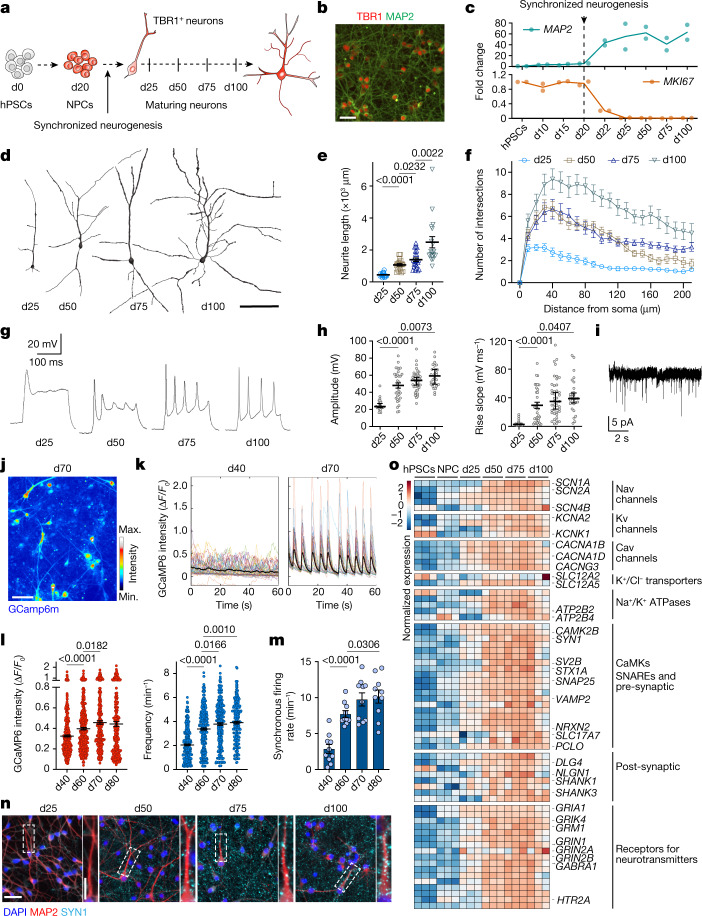
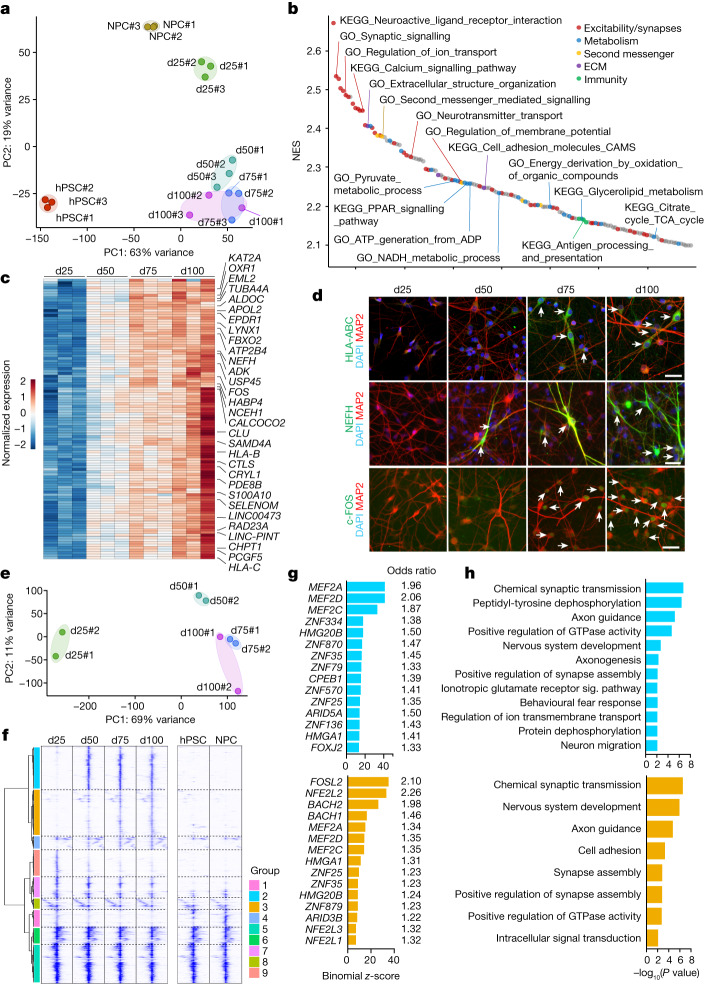
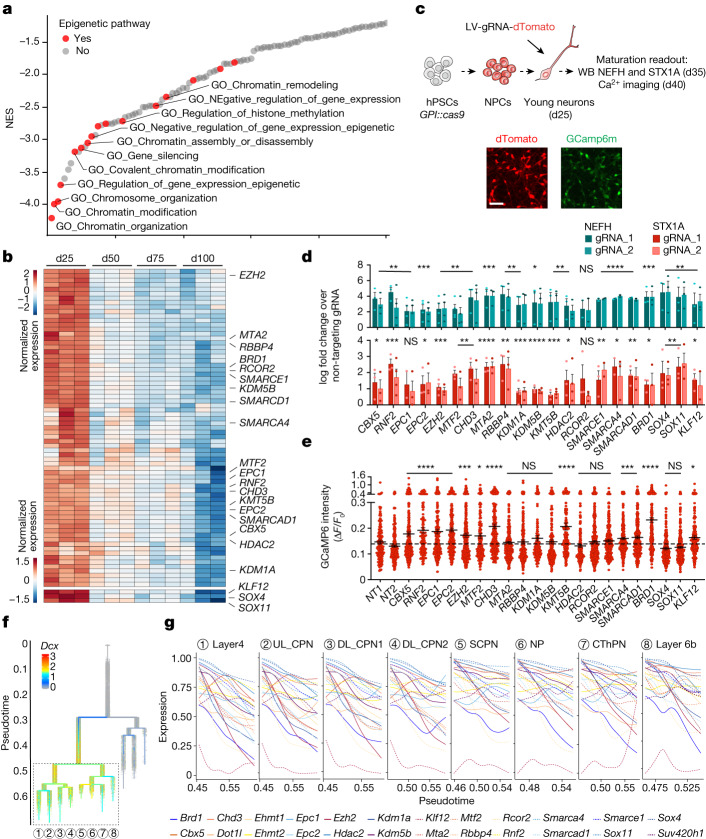
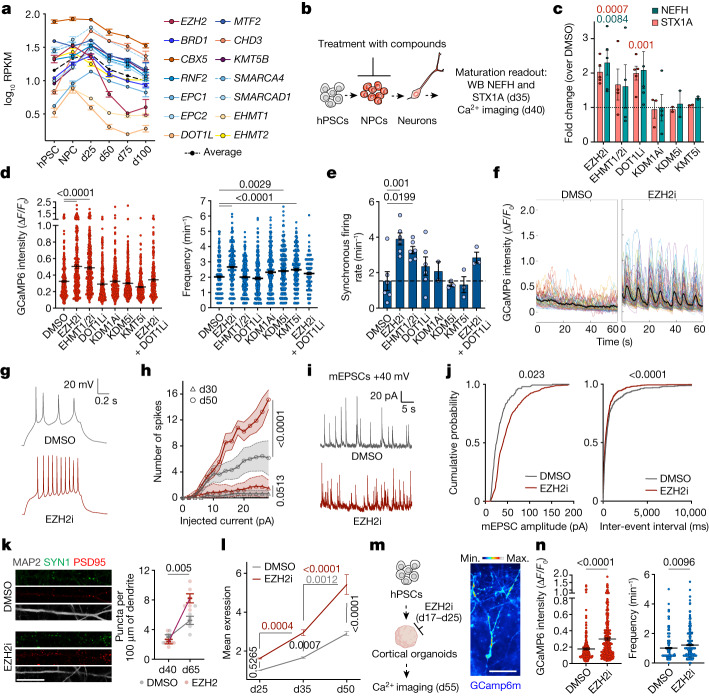
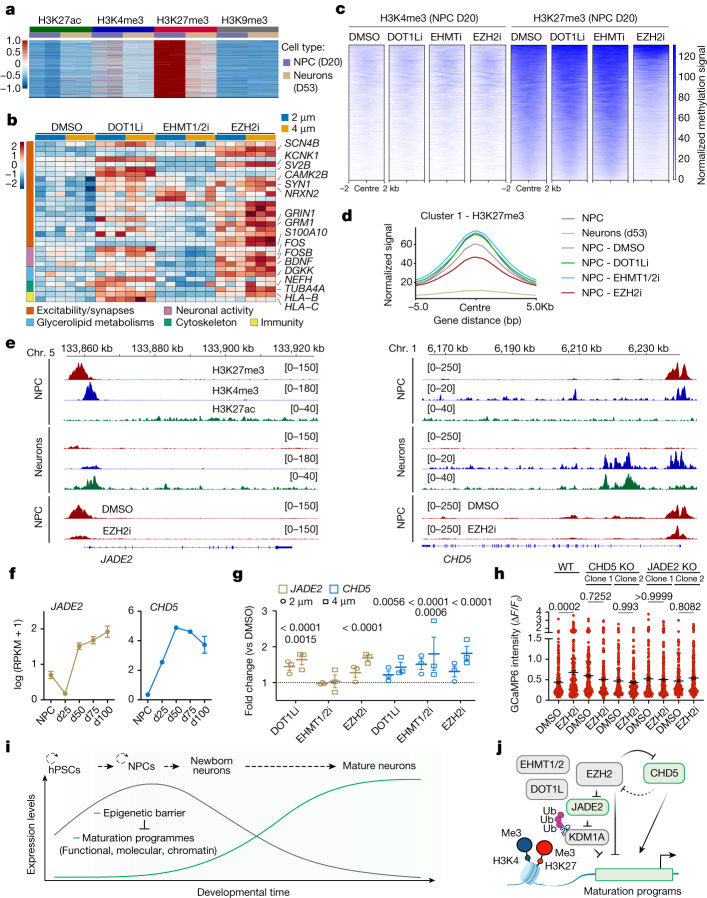
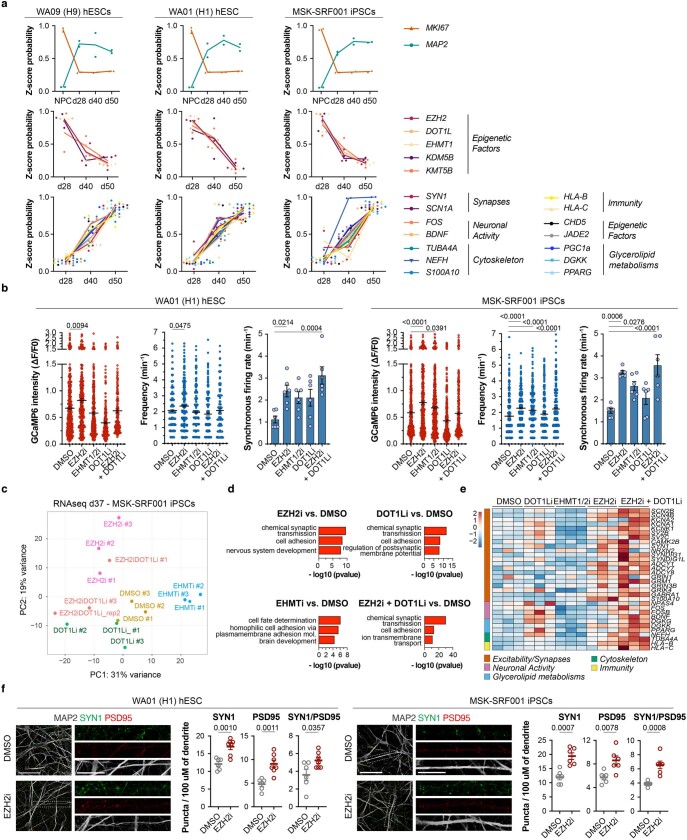
The pace of human brain development is highly protracted compared with most other species 1–7 . The maturation of cortical neurons is particularly slow, taking months to years to develop adult functions 3–5 . Remarkably, such protracted timing is retained in cortical neurons derived from human pluripotent stem cells (hPSCs) during in vitro differentiation or upon transplantation into the mouse brain 4,8,9 . Those findings suggest the presence of a cell-intrinsic clock setting the pace of neuronal maturation, although the molecular nature of this clock remains unknown. Here we identify an epigenetic developmental programme that sets the timing of human neuronal maturation. First, we developed a hPSC-based approach to synchronize the birth of cortical neurons in vitro which enabled us to define an atlas of morphological, functional and molecular maturation. We observed a slow unfolding of maturation programmes, limited by the retention of specific epigenetic factors. Loss of function of several of those factors in cortical neurons enables precocious maturation. Transient inhibition of EZH2, EHMT1 and EHMT2 or DOT1L, at progenitor stage primes newly born neurons to rapidly acquire mature properties upon differentiation. Thus our findings reveal that the rate at which human neurons mature is set well before neurogenesis through the establishment of an epigenetic barrier in progenitor cells. Mechanistically, this barrier holds transcriptional maturation programmes in a poised state that is gradually released to ensure the prolonged timeline of human cortical neuron maturation.
Overview
The claims and statistics of this paper haven’t been checked yet.
Free: it reads the open-access text and checks the first 5 claims that cite a source we can check. Create a free account to check every claim.
Integrity signals
Registry
Cites
Statistics
Figures
Verification
Claims the paper makes
The claims and statistics of this paper haven’t been checked yet.
Free: it reads the open-access text and checks the first 5 claims that cite a source we can check. Create a free account to check every claim.
Claims other papers make about this one
Each is checked against this paper’s own text: does it say what the citing paper says it does?
The source backs part of the claim, not all of it — or backs it for a different population, condition or comparison.
In the citing paper
“While mitochondria metabolism and epigenetic remodeling were recently shown to regulate the species-specific tempo of human CPN maturation,21,22,23”
From Synaptic neoteny of human cortical neurons requires species-specific balancing of SRGAP2-SYNGAP1 cross-inhibition (2024) · cites this paper as [22]
Experimental — accuracy not yet measured
Self-check
Percentages, sums and reported differences re-computed from the paper’s own numbers.
The self-check needs the paper’s full text.
Citations
Cites
Moderated estimation of fold change and dispersion for RNA-seq data with DESeq2
Love, M. I., Huber, W., & Anders, S. (2014) · Genome Biology · doi:10.1186/s13059-014-0550-8 · Cited by 95,106 · cited 2×
“Differentially accessible peaks in the atlas were called by DESeq2 version 1.16 73 .”
InfluentialSubramanian, A., Tamayo, P., Mootha, V. K., Mukherjee, S., Ebert, B. L., Gillette, M. A., Paulovich, A., Pomeroy, S. L., Golub, T. R., Lander, E. S., et al. (2005) · Proceedings of the National Academy of Sciences · doi:10.1073/pnas.0506580102 · Cited by 53,625
STAR: ultrafast universal RNA-seq aligner
Dobin, A., Davis, C. A., Schlesinger, F., Drenkow, J., Zaleski, C., Jha, S., Batut, P., Chaisson, M., & Gingeras, T. R. (2013) · Bioinformatics · doi:10.1093/bioinformatics/bts635 · Cited by 51,709
HTSeq—a Python framework to work with high-throughput sequencing data
Anders, S., Pyl, P. T., & Huber, W. (2015) · Bioinformatics · doi:10.1093/bioinformatics/btu638 · Cited by 21,464 · cited 1×
“The htseq-count function of the HTSeq Python package version 0.7.1 72 was used to count uniquely aligned reads at all exons of a gene.”
InfluentialModel-based Analysis of ChIP-Seq (MACS)
Zhang, Y., Liu, T., Meyer, C. A., Eeckhoute, J., Johnson, D. S., Bernstein, B. E., Nusbaum, C., Myers, R. M., Brown, M., Li, W., et al. (2008) · Genome Biology · doi:10.1186/gb-2008-9-9-r137 · Cited by 18,386
Integrated analysis of multimodal single-cell data
Hao, Y., Hao, S., Andersen-Nissen, E., Mauck, W. M., Zheng, S., Butler, A., Lee, M. J., Wilk, A. J., Darby, C., Zagar, M., et al. (2020) · doi:10.1101/2020.10.12.335331 · Cited by 15,508 · cited 1×
“To compare our dataset to those generated by Yao et al. 86 and Volpato et al. 87 , Seurat’s anchor-based integration approach 85 was used using FindIntegrationAnchors with 5,000 features.”
Heinz, S., Benner, C., Spann, N., Bertolino, E., Lin, Y. C., Laslo, P., Cheng, J. X., Murre, C., Singh, H., & Glass, C. K. (2010) · Molecular Cell · doi:10.1016/j.molcel.2010.05.004 · Cited by 13,382 · cited 1×
“HOMER findMotifsGenome.pl ( version 4.6) 78 was used to investigate the motif enrichment in pairwise comparisons and unbiasedly clustered groups of peaks.”
InfluentialMEME SUITE: tools for motif discovery and searching
Bailey, T. L., Boden, M., Buske, F. A., Frith, M., Grant, C. E., Clementi, L., Ren, J., Li, W. W., & Noble, W. S. (2009) · Nucleic Acids Research · doi:10.1093/nar/gkp335 · Cited by 10,648
Shrestha, S., & Offer, S. M. (2016) · Medical Epigenetics · doi:10.1159/000444713 · Cited by 8,914
A bivalent chromatin structure marks key developmental genes in embryonic stem cells
Bernstein, B. E., Mikkelsen, T. S., Xie, X., Kamal, M., Huebert, D. J., Cuff, J., Fry, B., Meissner, A., Wernig, M., Plath, K., et al. (2006) · Cell · doi:10.1016/j.cell.2006.02.041 · Cited by 5,361
Neurotrophins: Roles in Neuronal Development and Function
Huang, E. J., & Reichardt, L. F. (2001) · Annual Review of Neuroscience · doi:10.1146/annurev.neuro.24.1.677 · Cited by 4,394 · cited 1×
“Extrinsic signals, including neuron–glia interactions 26,27 , network activity 28 and secreted molecules 29 can modulate aspects of neuronal morphogenesis, excitability and connectivity.”
FIMO: scanning for occurrences of a given motif
Grant, C. E., Bailey, T. L., & Noble, W. S. (2011) · Bioinformatics · doi:10.1093/bioinformatics/btr064 · Cited by 4,247
The Human Transcription Factors
Lambert, S. A., Jolma, A., Campitelli, L. F., Das, P. K., Yin, Y., Albu, M., Chen, X., Taipale, J., Hughes, T. R., & Weirauch, M. T. (2018) · Cell · doi:10.1016/j.cell.2018.01.029 · Cited by 3,399
CRISPOR: intuitive guide selection for CRISPR/Cas9 genome editing experiments and screens
Concordet, J.-P., & Haeussler, M. (2018) · Nucleic Acids Research · doi:10.1093/nar/gky354 · Cited by 2,655
Excitatory actions of gaba during development: the nature of the nurture
Ben-Ari, Y. (2002) · Nature Reviews Neuroscience · doi:10.1038/nrn920 · Cited by 2,448 · cited 1×
“…including those encoding cation/chloride transporters ( SLC12A5 and SLC12A2 (also known as KCC2 and NKCC1 )) that modulate the excitatory-to-inhibitory developmental GABA switch 36 and glutamate receptor subunits that are known to correlate with neuronal maturity 37 ( GRIN2B and GRIN2A ) (Fig.”
Spatio-temporal transcriptome of the human brain
Kang, H. J., Kawasawa, Y. I., Cheng, F., Zhu, Y., Xu, X., Li, M., Sousa, A. M. M., Pletikos, M., Meyer, K. A., Sedmak, G., et al. (2011) · Nature · doi:10.1038/nature10523 · Cited by 2,084
Kriks, S., Shim, J.-W., Piao, J., Ganat, Y. M., Wakeman, D. R., Xie, Z., Carrillo-Reid, L., Auyeung, G., Antonacci, C., Buch, A., et al. (2011) · Nature · doi:10.1038/nature10648 · Cited by 1,907 · cited 1×
“Furthermore, grafting human cortical neurons into mouse stroke models or human dopaminergic neurons into a rat model of Parkinson’s disease takes more than five months to induce functional recovery 24,31 .”
Self-citationDetermination and Inference of Eukaryotic Transcription Factor Sequence Specificity
Weirauch, M. T., Yang, A., Albu, M., Cote, A. G., Montenegro-Montero, A., Drewe, P., Najafabadi, H. S., Lambert, S. A., Mann, I., Cook, K., et al. (2014) · Cell · doi:10.1016/j.cell.2014.08.009 · Cited by 1,785 · cited 1×
“ATAC-seq peaks in the atlas were associated with transcription factor motifs in the updated CIS-BP database 80,81 using FIMO 82 of MEME suite version 4.11 83 .”
InfluentialHulsen, T., de Vlieg, J., & Alkema, W. (2008) · BMC Genomics · doi:10.1186/1471-2164-9-488 · Cited by 1,674
Rapid single-step induction of functional neurons from human pluripotent stem cells
Zhang, Y., Pak, C., Han, Y., Ahlenius, H., Zhang, Z., Chanda, S., Marro, S., Patzke, C., Acuna, C., Covy, J., et al. (2013) · Neuron · doi:10.1016/j.neuron.2013.05.029 · Cited by 1,644 · cited 1×
“Finally, it will be valuable to compare maturation rates in neurons generated by different hPSC-based methods 45,50,51 and to compare the emergence of mature NMDA neurotransmission 45 .”
Control of Synapse Number by Glia
Ullian, E. M., Sapperstein, S. K., Christopherson, K. S., & Barres, B. A. (2001) · Science · doi:10.1126/science.291.5504.657 · Cited by 1,380 · cited 2×
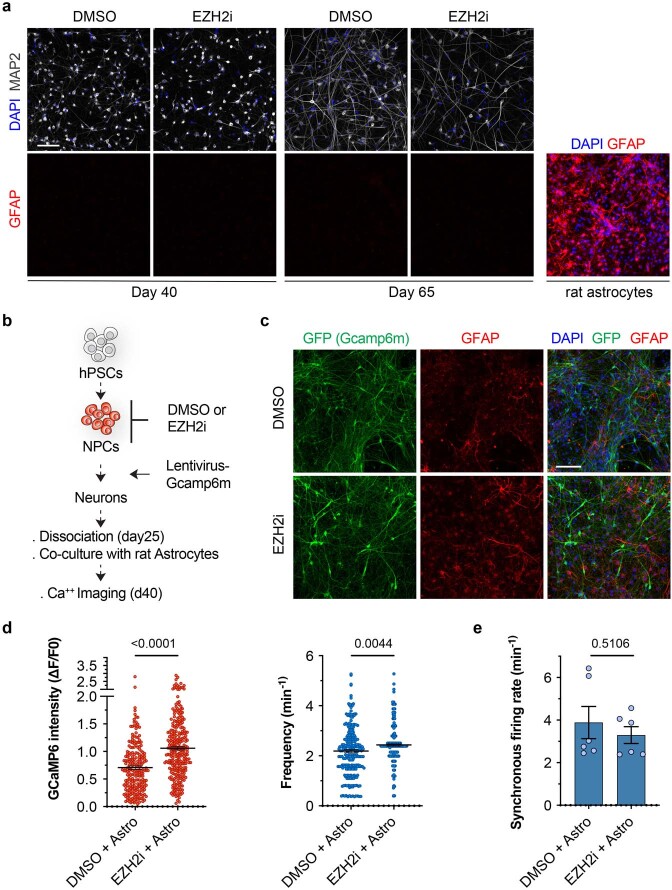
“This novel culture system is particularly suited to address neuron-intrinsic mechanisms, as it is largely devoid of glial cells, which are known to affect neuronal function 26,27 .”
Single-cell reconstruction of developmental trajectories during zebrafish embryogenesis
Farrell, J. A., Wang, Y., Riesenfeld, S. J., Shekhar, K., Regev, A., & Schier, A. F. (2018) · Science · doi:10.1126/science.aar3131 · Cited by 876
Gene expression across mammalian organ development
Cardoso-Moreira, M., Halbert, J., Valloton, D., Velten, B., Chen, C., Shao, Y., Liechti, A., Ascenção, K., Rummel, C., Ovchinnikova, S., et al. (2019) · Nature · doi:10.1038/s41586-019-1338-5 · Cited by 838
The Cellular and Molecular Landscapes of the Developing Human Central Nervous System
Silbereis, J. C., Pochareddy, S., Zhu, Y., Li, M., & Sestan, N. (2016) · Neuron · doi:10.1016/j.neuron.2015.12.008 · Cited by 818 · cited 2×
“The pace of human brain development is highly protracted compared with most other species 1–7 .”
Human cerebral cortex development from pluripotent stem cells to functional excitatory synapses
Shi, Y., Kirwan, P., Smith, J., Robinson, H. P. C., & Livesey, F. J. (2012) · Nature Neuroscience · doi:10.1038/nn.3041 · Cited by 813 · cited 3×
“Similarly, hPSC-derived cortical neurons require months to reach mature electrophysiological and synaptic function 9,13,22–25 .”
Targeted in situ genome-wide profiling with high efficiency for low cell numbers
Skene, P. J., Henikoff, J. G., & Henikoff, S. (2018) · Nature Protocols · doi:10.1038/nprot.2018.015 · Cited by 803
Imayoshi, I., Sakamoto, M., Yamaguchi, M., Mori, K., & Kageyama, R. (2010) · The Journal of Neuroscience · doi:10.1523/jneurosci.4987-09.2010 · Cited by 716 · cited 1×
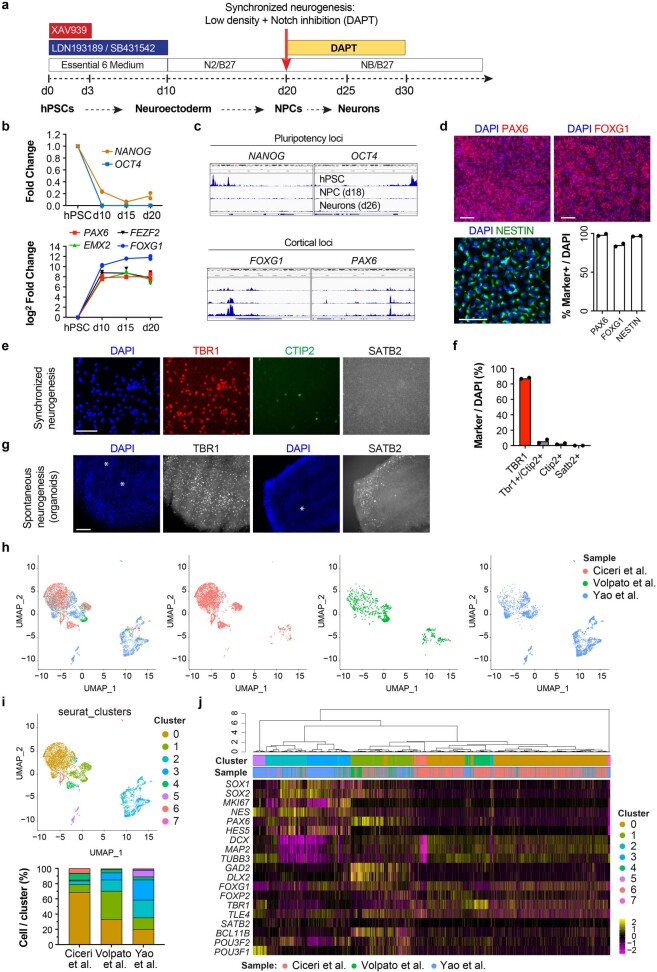
“1d), which can be triggered towards synchronous neurogenesis via optimized density of cell replating and treatment with DAPT, an inhibitor of Notch signalling, a pathway that is critical for NPC maintenance 33,34 (Extended Data Fig.”
Zheng, X., Boyer, L., Jin, M., Mertens, J., Kim, Y., Ma, L., Ma, L., Hamm, M., Gage, F. H., & Hunter, T. (2016) · eLife · doi:10.7554/elife.13374 · Cited by 671 · cited 1×
“Energy and glycerolipid metabolism and PPAR signalling were also enriched, linking metabolism to neuronal maturation 38,39 .”
An intrinsic mechanism of corticogenesis from embryonic stem cells
Gaspard, N., Bouschet, T., Hourez, R., Dimidschstein, J., Naeije, G., van den Ameele, J., Espuny-Camacho, I., Herpoel, A., Passante, L., Schiffmann, S. N., et al. (2008) · Nature · doi:10.1038/nature07287 · Cited by 641 · cited 2×
“For instance, PSCs from various species, differentiated towards cerebral cortex lineages, faithfully recapitulate the sequential generation of neuron subtypes and glia, following a ‘schedule’ that largely matches the species-specific pace of in vivo cortical development 8,11–13 .”
The timing of cortical neurogenesis is encoded within lineages of individual progenitor cells
Shen, Q., Wang, Y., Dimos, J. T., Fasano, C. A., Phoenix, T. N., Lemischka, I. R., Ivanova, N. B., Stifani, S., Morrisey, E. E., & Temple, S. (2006) · Nature Neuroscience · doi:10.1038/nn1694 · Cited by 625 · cited 1×
“There is a strong correlation between birth date and identity of cortical neurons 11,12,35 .”
Chambers, S. M., Qi, Y., Mica, Y., Lee, G., Zhang, X.-J., Niu, L., Bilsland, J., Cao, L., Stevens, E., Whiting, P., et al. (2012) · Nature Biotechnology · doi:10.1038/nbt.2249 · Cited by 602 · cited 2×
“Similarly, hPSC-derived cortical neurons require months to reach mature electrophysiological and synaptic function 9,13,22–25 .”
Self-citationMaroof, A. M., Keros, S., Tyson, J. A., Ying, S.-W., Ganat, Y. M., Merkle, F. T., Liu, B., Goulburn, A., Stanley, E. G., Elefanty, A. G., et al. (2013) · Cell Stem Cell · doi:10.1016/j.stem.2013.04.008 · Cited by 596 · cited 3×
“Similarly, hPSC-derived cortical neurons require months to reach mature electrophysiological and synaptic function 9,13,22–25 .”
Self-citationHuman-Specific NOTCH2NL Genes Affect Notch Signaling and Cortical Neurogenesis
Fiddes, I. T., Lodewijk, G. A., Mooring, M., Bosworth, C. M., Ewing, A. D., Mantalas, G. L., Novak, A. M., van den Bout, A., Bishara, A., Rosenkrantz, J. L., et al. (2018) · Cell · doi:10.1016/j.cell.2018.03.051 · Cited by 595
Activity-Dependent Regulation of MEF2 Transcription Factors Suppresses Excitatory Synapse Number
Flavell, S. W., Cowan, C. W., Kim, T.-K., Greer, P. L., Lin, Y., Paradis, S., Griffith, E. C., Hu, L. S., Chen, C., & Greenberg, M. E. (2006) · Science · doi:10.1126/science.1122511 · Cited by 573 · cited 1×
“Group 2 and 3 peaks showed instead high enrichment for activity-dependent transcription factor motifs 28,42,43 , including MEF2 and AP-1 complex members (Fig.”
Espuny-Camacho, I., Michelsen, K. A., Gall, D., Linaro, D., Hasche, A., Bonnefont, J., Bali, C., Orduz, D., Bilheu, A., Herpoel, A., et al. (2013) · Neuron · doi:10.1016/j.neuron.2012.12.011 · Cited by 568
Sherman, B. T., Huang, D. W., Tan, Q., Guo, Y., Bour, S., Liu, D., Stephens, R., Baseler, M. W., Lane, H. C., & Lempicki, R. A. (2007) · BMC Bioinformatics · doi:10.1186/1471-2105-8-426 · Cited by 559
The Human Transcription Factors
Lambert, S. A., Jolma, A., Campitelli, L. F., Das, P. K., Yin, Y., Albu, M., Chen, X., Taipale, J., Hughes, T. R., & Weirauch, M. T. (2018) · Cell · doi:10.1016/j.cell.2018.09.045 · Cited by 550
Neuronal Activity-Regulated Gene Transcription in Synapse Development and Cognitive Function
West, A. E., & Greenberg, M. E. (2011) · Cold Spring Harbor Perspectives in Biology · doi:10.1101/cshperspect.a005744 · Cited by 532 · cited 2×
“Group 2 and 3 peaks showed instead high enrichment for activity-dependent transcription factor motifs 28,42,43 , including MEF2 and AP-1 complex members (Fig.”
Nicholas, C. R., Chen, J., Tang, Y., Southwell, D. G., Chalmers, N., Vogt, D., Arnold, C. M., Chen, Y.-J. J., Stanley, E. G., Elefanty, A. G., et al. (2013) · Cell Stem Cell · doi:10.1016/j.stem.2013.04.005 · Cited by 520
Evolution of the Human Nervous System Function, Structure, and Development
Sousa, A. M. M., Meyer, K. A., Santpere, G., Gulden, F. O., & Sestan, N. (2017) · Cell · doi:10.1016/j.cell.2017.06.036 · Cited by 517
Human-Specific NOTCH2NL Genes Expand Cortical Neurogenesis through Delta/Notch Regulation
Suzuki, I. K., Gacquer, D., Van Heurck, R., Kumar, D., Wojno, M., Bilheu, A., Herpoel, A., Lambert, N., Cheron, J., Polleux, F., et al. (2018) · Cell · doi:10.1016/j.cell.2018.03.067 · Cited by 471
Molecular logic of cellular diversification in the mouse cerebral cortex
Di Bella, D. J., Habibi, E., Stickels, R. R., Scalia, G., Brown, J., Yadollahpour, P., Yang, S. M., Abbate, C., Biancalani, T., Macosko, E. Z., et al. (2021) · Nature · doi:10.1038/s41586-021-03670-5 · Cited by 464 · cited 3×
“3f,g were from the published dataset from Di Bella et al. 41 Data were processed using the same pipe-line as in the original publication and developmental trajectories were inferred using v1.”
Inhibition of SRGAP2 function by its human-specific paralogs induces neoteny during spine maturation
Charrier, C., Joshi, K., Coutinho-Budd, J., Kim, J.-E., Lambert, N., de Marchena, J., Jin, W.-L., Vanderhaeghen, P., Ghosh, A., Sassa, T., et al. (2012) · Cell · doi:10.1016/j.cell.2012.03.034 · Cited by 454
Pereira, J. D., Sansom, S. N., Smith, J., Dobenecker, M.-W., Tarakhovsky, A., & Livesey, F. J. (2010) · Proceedings of the National Academy of Sciences · doi:10.1073/pnas.1002530107 · Cited by 451 · cited 3×
“Beyond our findings on post-mitotic neuron maturation, EZH2 has been reported to regulate the sequential specification of neurons and glia in the mouse cortex 14,15,17 .”
Temporal patterning of apical progenitors and their daughter neurons in the developing neocortex
Telley, L., Agirman, G., Prados, J., Amberg, N., Fièvre, S., Oberst, P., Bartolini, G., Vitali, I., Cadilhac, C., Hippenmeyer, S., et al. (2019) · Science · doi:10.1126/science.aav2522 · Cited by 423 · cited 4×
“Beyond our findings on post-mitotic neuron maturation, EZH2 has been reported to regulate the sequential specification of neurons and glia in the mouse cortex 14,15,17 .”
InfluentialH3K4me3 regulates RNA polymerase II promoter-proximal pause-release
Wang, H., Fan, Z., Shliaha, P. V., Miele, M., Hendrickson, R. C., Jiang, X., & Helin, K. (2023) · Nature · doi:10.1038/s41586-023-05780-8 · Cited by 422 · cited 1×
“In fact, gain of H3K4me3 and H3K27ac in neurons also correlated with maturation-dependent transcription and loss of function of the H3K4 demethylases KDM5 or KDM1A also partially drives maturation, probably by globally increasing H3K4 methylation levels 62,63 .”
Spatiotemporal transcriptomic divergence across human and macaque brain development
Zhu, Y., Sousa, A. M. M., Gao, T., Skarica, M., Li, M., Santpere, G., Esteller-Cucala, P., Juan, D., Ferrández-Peral, L., Gulden, F. O., et al. (2018) · Science · doi:10.1126/science.aat8077 · Cited by 414 · cited 1×
“The maturation of cortical neurons is particularly slow, taking months to years to develop adult functions 3–5 .”
Evolution of human-specific neural SRGAP2 genes by incomplete segmental duplication
Dennis, M. Y., Nuttle, X., Sudmant, P. H., Antonacci, F., Graves, T. A., Nefedov, M., Rosenfeld, J. A., Sajjadian, S., Malig, M., Kotkiewicz, H., et al. (2012) · Cell · doi:10.1016/j.cell.2012.03.033 · Cited by 407 · cited 1×
“By contrast, human paralogues of the postsynaptic SRGAP2A gene 52 are specifically associated with protracted synaptogenesis and spine morphogenesis by modulating ancestral gene function 53–55 .”
Synapse-specific regulation of AMPA receptor function by PSD-95.
Béïque, J.-C., Lin, D.-T., Kang, M.-G., Aizawa, H., Takamiya, K., & Huganir, R. L. (2006) · Proceedings of the National Academy of Sciences · doi:10.1073/pnas.0608492103 · Cited by 398
Transcription factor NFE2L2/NRF2 is a regulator of macroautophagy genes
Pajares, M., Jiménez-Moreno, N., García-Yagüe, Á. J., Escoll, M., de Ceballos, M. L., Van Leuven, F., Rábano, A., Yamamoto, M., Rojo, A. I., & Cuadrado, A. (2016) · Autophagy · doi:10.1080/15548627.2016.1208889 · Cited by 392
Developmental timing and critical windows for the treatment of psychiatric disorders
Marín, O. (2016) · Nature Medicine · doi:10.1038/nm.4225 · Cited by 374
Otani, T., Marchetto, M. C., Gage, F. H., Simons, B. D., & Livesey, F. J. (2016) · Cell Stem Cell · doi:10.1016/j.stem.2016.03.003 · Cited by 353
Specification of positional identity in forebrain organoids
Cederquist, G. Y., Asciolla, J. J., Tchieu, J., Walsh, R. M., Cornacchia, D., Resh, M. D., & Studer, L. (2019) · Nature Biotechnology · doi:10.1038/s41587-019-0085-3 · Cited by 332
Self-citationMitochondria metabolism sets the species-specific tempo of neuronal development
Iwata, R., Casimir, P., Erkol, E., Boubakar, L., Planque, M., Gallego López, I. M., Ditkowska, M., Gaspariunaite, V., Beckers, S., Remans, D., et al. (2023) · Science · doi:10.1126/science.abn4705 · Cited by 312 · cited 3×
“For example, mitochondrial maturation can regulate both morphological and functional aspects of neuronal maturation 39 .”
Genome-wide identification and characterization of functional neuronal activity–dependent enhancers
Malik, A. N., Vierbuchen, T., Hemberg, M., Rubin, A. A., Ling, E., Couch, C. H., Stroud, H., Spiegel, I., Farh, K. K.-H., Harmin, D. A., et al. (2014) · Nature Neuroscience · doi:10.1038/nn.3808 · Cited by 275 · cited 1×
“Group 2 and 3 peaks showed instead high enrichment for activity-dependent transcription factor motifs 28,42,43 , including MEF2 and AP-1 complex members (Fig.”
Species-specific pace of development is associated with differences in protein stability
Rayon, T., Stamataki, D., Perez-Carrasco, R., Garcia-Perez, L., Barrington, C., Melchionda, M., Exelby, K., Lazaro, J., Tybulewicz, V. L. J., Fisher, E. M. C., et al. (2020) · Science · doi:10.1126/science.aba7667 · Cited by 268 · cited 2×
“Distinct rates of transcription initiation and protein turnover correlate with species-specific timescales of early development 18,19,21 .”
Nehme, R., Zuccaro, E., Ghosh, S. D., Li, C., Sherwood, J. L., Pietilainen, O., Barrett, L. E., Limone, F., Worringer, K. A., Kommineni, S., et al. (2018) · Cell Reports · doi:10.1016/j.celrep.2018.04.066 · Cited by 256 · cited 1×
“Finally, it will be valuable to compare maturation rates in neurons generated by different hPSC-based methods 45,50,51 and to compare the emergence of mature NMDA neurotransmission 45 .”
Species-specific segmentation clock periods are due to differential biochemical reaction speeds
Matsuda, M., Hayashi, H., Garcia-Ojalvo, J., Yoshioka-Kobayashi, K., Kageyama, R., Yamanaka, Y., Ikeya, M., Toguchida, J., Alev, C., & Ebisuya, M. (2020) · Science · doi:10.1126/science.aba7668 · Cited by 254 · cited 1×
“Distinct rates of transcription initiation and protein turnover correlate with species-specific timescales of early development 18,19,21 .”
Qi, Y., Zhang, X.-J., Renier, N., Wu, Z., Atkin, T., Sun, Z., Ozair, M. Z., Tchieu, J., Zimmer, B., Fattahi, F., et al. (2017) · Nature Biotechnology · doi:10.1038/nbt.3777 · Cited by 248 · cited 1×
“…indicates that the pace of neuronal maturation follows a cell-intrinsic programme. hPSC-derived cortical neurons transplanted into the rapidly maturing mouse neocortex develop adult-like morphologies Article compared with the four weeks required for mouse PSC-derived cortical neurons 9,30 .”
Self-citationTornero, D., Wattananit, S., Grønning Madsen, M., Koch, P., Wood, J., Tatarishvili, J., Mine, Y., Ge, R., Monni, E., Devaraju, K., et al. (2013) · Brain · doi:10.1093/brain/awt278 · Cited by 241 · cited 1×
“Furthermore, grafting human cortical neurons into mouse stroke models or human dopaminergic neurons into a rat model of Parkinson’s disease takes more than five months to induce functional recovery 24,31 .”
Herring, C. A., Simmons, R. K., Freytag, S., Poppe, D., Moffet, J. J. D., Pflueger, J., Buckberry, S., Vargas-Landin, D. B., Clément, O., Echeverría, E. G., et al. (2022) · Cell · doi:10.1016/j.cell.2022.09.039 · Cited by 238 · cited 2×
“3f,g), albeit at a faster pace than in human cells 44 .”
Borghese, L., Dolezalova, D., Opitz, T., Haupt, S., Leinhaas, A., Steinfarz, B., Koch, P., Edenhofer, F., Hampl, A., & Brüstle, O. (2010) · Stem Cells · doi:10.1002/stem.408 · Cited by 232 · cited 1×
“1d), which can be triggered towards synchronous neurogenesis via optimized density of cell replating and treatment with DAPT, an inhibitor of Notch signalling, a pathway that is critical for NPC maintenance 33,34 (Extended Data Fig.”
Tchieu, J., Calder, E. L., Guttikonda, S. R., Gutzwiller, E. M., Aromolaran, K. A., Steinbeck, J. A., Goldstein, P. A., & Studer, L. (2019) · Nature Biotechnology · doi:10.1038/s41587-019-0035-0 · Cited by 231 · cited 2×
“This novel culture system is particularly suited to address neuron-intrinsic mechanisms, as it is largely devoid of glial cells, which are known to affect neuronal function 26,27 .”
Self-citationMyme, C. I. O., Sugino, K., Turrigiano, G. G., & Nelson, S. B. (2003) · Journal of Neurophysiology · doi:10.1152/jn.00070.2003 · Cited by 221 · cited 1×
“5f) 66–68 .”
Linaro, D., Vermaercke, B., Iwata, R., Ramaswamy, A., Davis, B. A., Boubakar, L., Libé-Philippot, B., Bilheu, A., Bruyne, L. D., Gall, D., et al. (2019) · doi:10.1101/626218 · Cited by 219 · cited 5×
“…indicates that the pace of neuronal maturation follows a cell-intrinsic programme. hPSC-derived cortical neurons transplanted into the rapidly maturing mouse neocortex develop adult-like morphologies Article compared with the four weeks required for mouse PSC-derived cortical neurons 9,30 .”
InfluentialVolpato, V., Smith, J., Sandor, C., Ried, J. S., Baud, A., Handel, A., Newey, S. E., Wessely, F., Attar, M., Whiteley, E., et al. (2018) · Stem Cell Reports · doi:10.1016/j.stemcr.2018.08.013 · Cited by 165
HMGA regulates the global chromatin state and neurogenic potential in neocortical precursor cells
Kishi, Y., Fujii, Y., Hirabayashi, Y., & Gotoh, Y. (2012) · Nature Neuroscience · doi:10.1038/nn.3165 · Cited by 161
FOXA2 Is Required for Enhancer Priming during Pancreatic Differentiation
Lee, K., Cho, H., Rickert, R. W., Li, Q. V., Pulecio, J., Leslie, C. S., & Huangfu, D. (2019) · Cell Reports · doi:10.1016/j.celrep.2019.06.034 · Cited by 151 · cited 1×
“Motif enrichment was also assessed by Kolmogorov–Smirnov and hypergeometric tests as previously described 79 .”
Self-citationMetabolic regulation of species-specific developmental rates
Diaz-Cuadros, M., Miettinen, T. P., Skinner, O. S., Sheedy, D., Díaz-García, C. M., Gapon, S., Hubaud, A., Yellen, G., Manalis, S. R., Oldham, W. M., et al. (2023) · Nature · doi:10.1038/s41586-022-05574-4 · Cited by 142 · cited 1×
“Energy metabolism 56 and mitochondrial maturation 39 also scale with species-specific maturation timing.”
Egan, C. M., Nyman, U., Skotte, J., Streubel, G., Turner, S. A., O’Connell, D. J., Rraklli, V., Dolan, M.-J., Chadderton, N., Hansen, K. H., et al. (2013) · Developmental Cell · doi:10.1016/j.devcel.2013.07.008 · Cited by 136 · cited 1×
“Poised maturation genes comprised ‘effectors’ of neuronal maturity (such as ion channels and synaptic proteins), and other chromatin regulators (CHD5 and JADE2) which ‘competitively’ interact with epigenetic barriers 47,48,60,61 .”
What does time mean in development?
Ebisuya, M., & Briscoe, J. (2018) · Development · doi:10.1242/dev.164368 · Cited by 135
Fossati, M., Pizzarelli, R., Schmidt, E. R., Kupferman, J. V., Stroebel, D., Polleux, F., & Charrier, C. (2016) · Neuron · doi:10.1016/j.neuron.2016.06.013 · Cited by 133
Species-specific maturation profiles of human, chimpanzee and bonobo neural cells
Marchetto, M. C., Hrvoj-Mihic, B., Kerman, B. E., Yu, D. X., Vadodaria, K. C., Linker, S. B., Narvaiza, I., Santos, R., Denli, A. M., Mendes, A. P., et al. (2019) · eLife · doi:10.7554/elife.37527 · Cited by 132 · cited 2×
“Remarkably, such protracted timing is retained in cortical neurons derived from human pluripotent stem cells (hPSCs) during in vitro differentiation or upon transplantation into the mouse brain 4,8,9 .”
A Single-Cell Roadmap of Lineage Bifurcation in Human ESC Models of Embryonic Brain Development
Yao, Z., Mich, J. K., Ku, S., Menon, V., Krostag, A.-R., Martinez, R. A., Furchtgott, L., Mulholland, H., Bort, S., Fuqua, M. A., et al. (2017) · Cell Stem Cell · doi:10.1016/j.stem.2016.09.011 · Cited by 129 · cited 2×
“To compare our dataset to those generated by Yao et al. 86 and Volpato et al. 87 , Seurat’s anchor-based integration approach 85 was used using FindIntegrationAnchors with 5,000 features.”
Destabilizing LSD1 by Jade-2 Promotes Neurogenesis: An Antibraking System in Neural Development
Han, X., Gui, B., Xiong, C., Zhao, L., Liang, J., Sun, L., Yang, X., Yu, W., Si, W., Yan, R., et al. (2014) · Molecular Cell · doi:10.1016/j.molcel.2014.06.006 · Cited by 113 · cited 4×
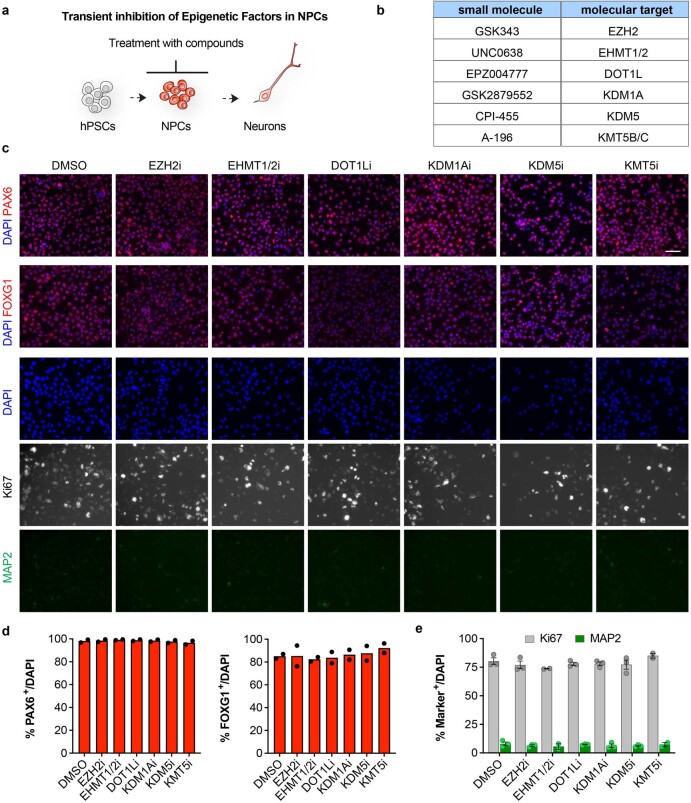
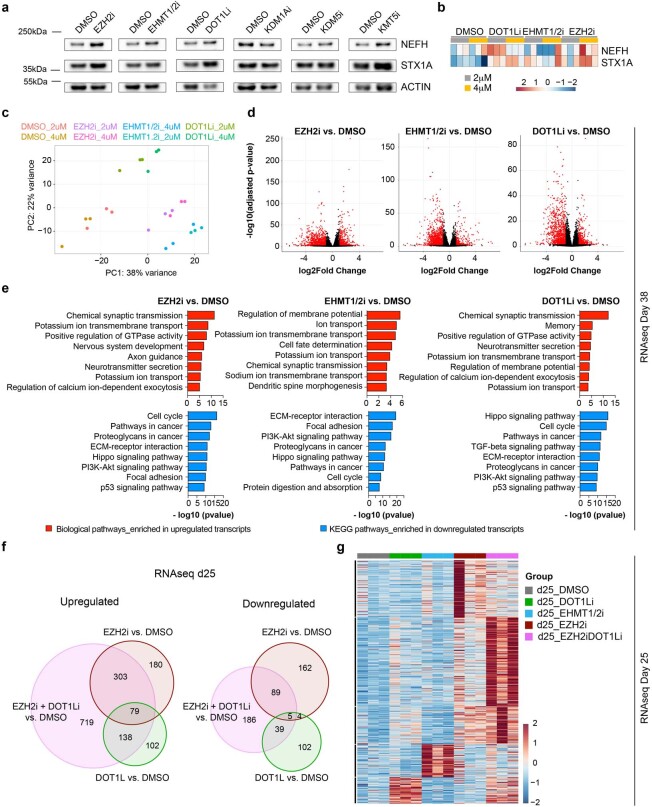
“We tested this hypothesis by applying pharmacological inhibition (i) of the histone lysine methyltransferases EZH2, KMT5B, EHMT1, EHMT2 and DOT1L and the demethylases KDM1A and KDM5 (Extended Data Fig.”
InfluentialPotts, R. C., Zhang, P., Wurster, A. L., Precht, P., Mughal, M. R., Wood, W. H., Zhang, Y., Becker, K. G., Mattson, M. P., & Pazin, M. J. (2011) · PLoS ONE · doi:10.1371/journal.pone.0024515 · Cited by 87 · cited 2×
“Poised maturation genes comprised ‘effectors’ of neuronal maturity (such as ion channels and synaptic proteins), and other chromatin regulators (CHD5 and JADE2) which ‘competitively’ interact with epigenetic barriers 47,48,60,61 .”
Cellular and Molecular Mechanisms Linking Human Cortical Development and Evolution
Libé-Philippot, B., & Vanderhaeghen, P. (2021) · Annual Review of Genetics · doi:10.1146/annurev-genet-071719-020705 · Cited by 78 · cited 2×
“The maturation of cortical neurons is particularly slow, taking months to years to develop adult functions 3–5 .”
Temporal controls over inter-areal cortical projection neuron fate diversity
Klingler, E., Tomasello, U., Prados, J., Kebschull, J. M., Contestabile, A., Galiñanes, G. L., Fièvre, S., Santinha, A., Platt, R., Huber, D., et al. (2021) · Nature · doi:10.1038/s41586-021-04048-3 · Cited by 78 · cited 1×
“Other factors include SOX4 and SOX11 , which are downregulated with distinct temporal dynamics 58 and can modulate cortical neuron maturation in vivo 59 .”
Gene Expression Switching of Receptor Subunits in Human Brain Development
Bar-Shira, O., Maor, R., & Chechik, G. (2015) · PLOS Computational Biology · doi:10.1371/journal.pcbi.1004559 · Cited by 74 · cited 1×
“…including those encoding cation/chloride transporters ( SLC12A5 and SLC12A2 (also known as KCC2 and NKCC1 )) that modulate the excitatory-to-inhibitory developmental GABA switch 36 and glutamate receptor subunits that are known to correlate with neuronal maturity 37 ( GRIN2B and GRIN2A ) (Fig.”
Chen, C., Lee, G. A., Pourmorady, A., Sock, E., & Donoghue, M. J. (2015) · Journal of Neuroscience · doi:10.1523/jneurosci.1663-15.2015 · Cited by 68 · cited 1×
“Other factors include SOX4 and SOX11 , which are downregulated with distinct temporal dynamics 58 and can modulate cortical neuron maturation in vivo 59 .”
Species-specific developmental timing is maintained by pluripotent stem cells ex utero
Barry, C., Schmitz, M. T., Jiang, P., Schwartz, M. P., Duffin, B. M., Swanson, S. A., Bacher, R. L., Bolin, J. M., Elwell, A. L., McIntosh, B. E., et al. (2017) · Developmental Biology · doi:10.1016/j.ydbio.2017.02.002 · Cited by 57 · cited 2×
“The in vivo sequential order, duration and pace of developmental transitions are largely maintained ex vivo, such as during in vitro pluripotent stem cell (PSC) differentiation 10 .”
A simple Ca2+-imaging approach to neural network analyses in cultured neurons
Sun, Z., & Südhof, T. C. (2020) · Journal of Neuroscience Methods · doi:10.1016/j.jneumeth.2020.109041 · Cited by 56
Schmidt, E. R. E., Kupferman, J. V., Stackmann, M., & Polleux, F. (2019) · Scientific Reports · doi:10.1038/s41598-019-54887-4 · Cited by 55 · cited 1×
“By contrast, human paralogues of the postsynaptic SRGAP2A gene 52 are specifically associated with protracted synaptogenesis and spine morphogenesis by modulating ancestral gene function 53–55 .”
Ferrari, F., Arrigoni, L., Franz, H., Izzo, A., Butenko, L., Trompouki, E., Vogel, T., & Manke, T. (2020) · Nature Communications · doi:10.1038/s41467-020-19001-7 · Cited by 53 · cited 1×
“How - ever, inhibition of EZH2 induced the expression of maturation genes, whereas inhibition of DOT1L, a pathway linked to stemness 57 , may promote maturation by silencing immaturity-related programmes.”
Wu, Q., Shichino, Y., Abe, T., Suetsugu, T., Omori, A., Kiyonari, H., Iwasaki, S., & Matsuzaki, F. (2022) · Nature Communications · doi:10.1038/s41467-022-28097-y · Cited by 44 · cited 4×
“A recent study reported that translation of Ezh2 , Jmjd3 (akso known as Kdm6b ) and Utx (also known as Kdm6a ) affects the timing of fate specification in mouse NPCs 14 , implicating the contribution of both transcriptional and translational regulation.”
InfluentialZhang, W., Ross, P. J., Ellis, J., & Salter, M. W. (2022) · Translational Psychiatry · doi:10.1038/s41398-022-02010-z · Cited by 38 · cited 2×
“Finally, it will be valuable to compare maturation rates in neurons generated by different hPSC-based methods 45,50,51 and to compare the emergence of mature NMDA neurotransmission 45 .”
KDM1A maintains genome-wide homeostasis of transcriptional enhancers
Agarwal, S., Bonefas, K. M., Garay, P. M., Brookes, E., Murata-Nakamura, Y., Porter, R. S., Macfarlan, T. S., Ren, B., & Iwase, S. (2021) · Genome Research · doi:10.1101/gr.234559.118 · Cited by 35
HGC: fast hierarchical clustering for large-scale single-cell data
Zou, Z., Hua, K., & Zhang, X. (2021) · Bioinformatics · doi:10.1093/bioinformatics/btab420 · Cited by 32
Encoding and decoding time in neural development
Toma, K., Wang, T., & Hanashima, C. (2016) · Development Growth & Differentiation · doi:10.1111/dgd.12257 · Cited by 31
Medina-Cano, D., Corrigan, E. K., Glenn, R. A., Islam, M. T., Lin, Y., Kim, J., Cho, H., & Vierbuchen, T. (2022) · Development · doi:10.1242/dev.200561 · Cited by 30
Self-citationInterspecies chimeric conditions affect the developmental rate of human pluripotent stem cells
Brown, J., Barry, C., Schmitz, M. T., Argus, C., Bolin, J. M., Schwartz, M. P., Aartsen, A. V., Steill, J., Swanson, S. A., Stewart, R. M., et al. (2021) · PLoS Computational Biology · doi:10.1371/journal.pcbi.1008778 · Cited by 28 · cited 1×
“A recent study on neural differentiation rather than neuronal maturation suggested that co-culture of mouse and human PSCs can modulate the timing of differentiation 49 .”
Mutual regulation between CHD5 and EZH2 in hepatocellular carcinoma
Xie, C., Zhao, L., Sun, H., Wang, F., Sun, Y. L., Zhao, W., Zhang, S., Zhao, W., Wang, X., & Yin, Z. (2015) · Oncotarget · doi:10.18632/oncotarget.5724 · Cited by 24 · cited 1×
“Poised maturation genes comprised ‘effectors’ of neuronal maturity (such as ion channels and synaptic proteins), and other chromatin regulators (CHD5 and JADE2) which ‘competitively’ interact with epigenetic barriers 47,48,60,61 .”
Uzay, B., Houcek, A., Ma, Z., Konradi, C. L., Monteggia, L. M., & Kavalali, E. T. (2023) · Cell Reports · doi:10.1016/j.celrep.2023.112042 · Cited by 22 · cited 1×
“5f) 66–68 .”
Metabolic regulation of species-specific developmental ratesPreprint
Díaz-Cuadros, M., Miettinen, T. P., Sheedy, D., Díaz‐García, C. M., Gapon, S., Hubaud, A., Yellen, G., Manalis, S. R., Oldham, W. M., & Pourquié, O. (2021) · bioRxiv (Cold Spring Harbor Laboratory) · doi:10.1101/2021.08.27.457974 · Cited by 16
Barry, C., Schmitz, M. T., Argus, C., Bolin, J. M., Probasco, M. D., Leng, N., Duffin, B. M., Steill, J., Swanson, S. A., McIntosh, B. E., et al. (2019) · PLoS Computational Biology · doi:10.1371/journal.pcbi.1007543 · Cited by 10 · cited 2×
“Distinct rates of transcription initiation and protein turnover correlate with species-specific timescales of early development 18,19,21 .”
Interspecies Chimeric Conditions Affect the Developmental Rate of Human Pluripotent Stem CellsPreprint
Brown, J., Barry, C., Schmitz, M. T., et al. (2020) · bioRxiv (Cold Spring Harbor Laboratory) · doi:10.1101/2020.09.12.293357 · Cited by 4
Medina-Cano, D., Corrigan, E. K., Glenn, R. A., et al. (2021) · bioRxiv (Cold Spring Harbor Laboratory) · doi:10.1101/2021.12.07.471652 · Cited by 4 · cited 1×
“129_4 were a gift from the Vierbuchen laboratory at Memorial Sloan Kettering Cancer Center and were maintained on mouse embryonic fibroblasts as previously described 64 .”
Cited by
Mitochondria metabolism sets the species-specific tempo of neuronal development
Iwata, R., Casimir, P., Erkol, E., Boubakar, L., Planque, M., Gallego López, I. M., Ditkowska, M., Gaspariunaite, V., Beckers, S., Remans, D., et al. (2023) · Science · doi:10.1126/science.abn4705 · Cited by 312
“AlbuMAX-GSK–treated neurons were still less mature than mouse counterparts at the same age, indicating that other mechanisms contribute to species differences in neuronal developmental timing, including human-specific genes (34), RNA or protein turnover (35, 36), and chromatin remodeling (37, 38).”
Human neuronal maturation comes of age: cellular mechanisms and species differences
Wallace, J. L., & Pollen, A. A. (2024) · Nature Reviews Neuroscience · doi:10.1038/s41583-023-00760-3 · Cited by 82
“Can changes in NPCs (illustrated as increased precipitation at the headwaters of our maturation river (1)), corresponding to genetic, epigenetic and/or metabolic changes in NPCs, affect the flow of the river downstream?”
InfluentialPatrick, R., Naval-Sánchez, M., Deshpande, N., Huang, Y., Zhang, J., Chen, X., Yang, Y., Tiwari, K., Esmaeili, M., Tran, M., et al. (2024) · Cell Metabolism · doi:10.1016/j.cmet.2024.06.006 · Cited by 82
A molecular and cellular perspective on human brain evolution and tempo
Lindhout, F. W., Krienen, F. M., Pollard, K. S., & Lancaster, M. A. (2024) · Nature · doi:10.1038/s41586-024-07521-x · Cited by 84
Saurat, N. G., Minotti, A. P., Rahman, M. T., Sikder, T., Zhang, C., Cornacchia, D., Jungverdorben, J., Ciceri, G., Betel, D., & Studer, L. (2024) · Cell stem cell · doi:10.1016/j.stem.2024.06.001 · Cited by 64
Self-citation
Metadata
- Authors
- Ciceri, G., Baggiolini, A., Cho, H. S., Kshirsagar, M., Benito-Kwiecinski, S., Walsh, R. M., Aromolaran, K. A., Gonzalez-Hernandez, A. J., Munguba, H., Koo, S. Y., Xu, N., Sevilla, K. J., Goldstein, P. A., Levitz, J., Leslie, C. S., Koche, R. P., & Studer, L.
- Affiliations
- Memorial Sloan Kettering Cancer Center (US)
- Microsoft (United States) (US)
- Weill Cornell Medicine (US)
- Corresponding author
- Ciceri, Gabriele
- Studer, Lorenz
- ORCID
- Venue
- Nature
- Published
- 2024-01-31
- Volume
- 626
- Issue
- 8000
- Pages
- 881-890
- ISSN
- 0028-0836 (ISSN-L)
- 1476-4687
- PMC
- PMC10881400
- OpenAlex
- W4391383718
- Cited by
- 240
- References
- 95
- Citations by year
- 2026: 62 · 2025: 88 · 2024: 68
- FWCI
- 35.20
- Type
- journal article
- Language
- en
- Open access
- hybrid
- doi.org
- Licence
- cc-by
- creativecommons.org/licenses/by/4.0 (tdm)
- creativecommons.org/licenses/by/4.0 (vor)
- Locations
- Nature (publishedVersion, cc-by)
- bioRxiv (Cold Spring Harbor Laboratory) (acceptedVersion, cc-by-nc-nd)
- PubMed Central (publishedVersion, cc-by)
- PubMed (publishedVersion)
- RePEc: Research Papers in Economics (submittedVersion)
- UCL Discovery (University College London) (submittedVersion, cc-by)
- Funders
- National Science Foundation
- European Molecular Biology Organization (ALTF 311-2015)
- New York State Stem Cell Science (C32559GG)
- Schweizerischer Nationalfonds zur Förderung der Wissenschaftlichen Forschung (180672)
- National Institute on Aging (R01AG056298, R01AG054720)
- National Institute of Mental Health (F32MH116590)
- National Cancer Institute (P30CA008748)
- National Institute of Neurological Disorders and Stroke (R01NS128087)
- Topics
- Life Sciences › Neuroscience › Developmental Neuroscience › Neurogenesis and neuroplasticity mechanisms
- Life Sciences › Biochemistry, Genetics and Molecular Biology › Molecular Biology › Pluripotent Stem Cells Research
- Life Sciences › Biochemistry, Genetics and Molecular Biology › Molecular Biology › Developmental Biology and Gene Regulation
- Keywords
- neuronal maturation, epigenetic barriers, human brain development, cortical neurons, pluripotent stem cell differentiation, EZH2, EHMT1, G9a, DOT1L, histone methyltransferase, neurogenesis, early maturity
- MeSH terms
- Human Embryonic Stem Cells, Enhancer of Zeste Homolog 2 Protein, Adult, Animals, Histocompatibility Antigens, Humans, Neurons, Histone-Lysine N-Methyltransferase, Time Factors, Transcription, Genetic, Gene Expression Regulation, Developmental, Epigenesis, Genetic, Mice, Neurogenesis, Neural Stem Cells
About these checks
Registry, retraction, Cites and statistics results are computed, not judged, with one exception: a printed reference that no index lists is read once by a model before it counts as a citation error. Claims are extracted by a model and kept only when their quote appears verbatim in the text; each cited source is then checked, with a model’s help, for whether it says what the claim relies on. Those verdicts can be wrong — read the claim’s quote and the cited source before relying on one.
Statistics and arithmetic are recomputed, not judged.
Confidence bands are shown only for fields calibrated on our annotated test set. None is calibrated yet, so no band is shown.
What counts as a claim ›How we measure confidence ›How we check this ›
Are you an author, or do you see a problem with this page? Request a review
Data sources
Bibliographic data: Semantic Scholar, OpenAlex, Crossref.
Contains information from the Semantic Scholar Academic Graph Datasets, made available under the ODC Attribution License (ODC-BY 1.0).
Semantic Scholar’s data is described in: Kinney, R., et al. (2023). The Semantic Scholar Open Data Platform. arXiv:2301.10140.
