

Scalable genetic screening for regulatory circuits using compressed Perturb-seq
Open accessThe DOI matches its Crossref record; 93 of the 93 references it cites were found in a registry or an index.
Abstract
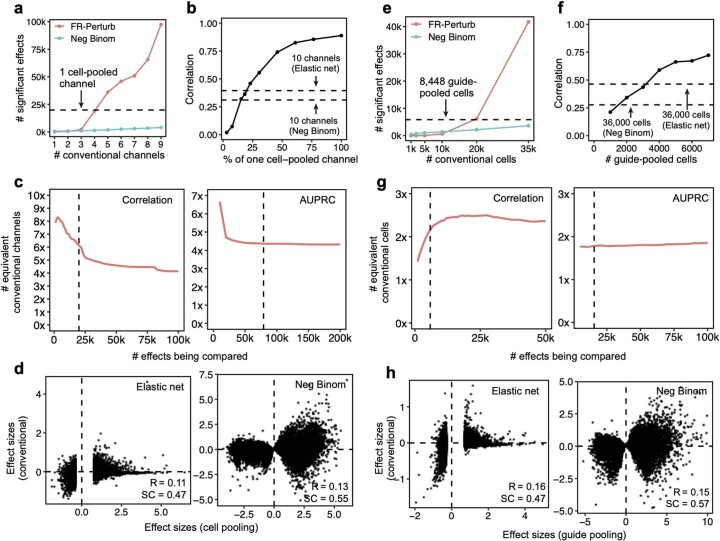
Pooled CRISPR screens with single-cell RNA sequencing readout (Perturb-seq) have emerged as a key technique in functional genomics, but they are limited in scale by cost and combinatorial complexity. In this study, we modified the design of Perturb-seq by incorporating algorithms applied to random, low-dimensional observations. Compressed Perturb-seq measures multiple random perturbations per cell or multiple cells per droplet and computationally decompresses these measurements by leveraging the sparse structure of regulatory circuits. Applied to 598 genes in the immune response to bacterial lipopolysaccharide, compressed Perturb-seq achieves the same accuracy as conventional Perturb-seq with an order of magnitude cost reduction and greater power to learn genetic interactions. We identified known and novel regulators of immune responses and uncovered evolutionarily constrained genes with downstream targets enriched for immune disease heritability, including many missed by existing genome-wide association studies. Our framework enables new scales of interrogation for a foundational method in functional genomics.
Overview
The claims and statistics of this paper haven’t been checked yet.
Free: it reads the open-access text and checks the first 5 claims that cite a source we can check. Create a free account to check every claim.
Integrity signals
Registry
Cites
Statistics
Figures
Verification
Claims the paper makes
The claims and statistics of this paper haven’t been checked yet.
Free: it reads the open-access text and checks the first 5 claims that cite a source we can check. Create a free account to check every claim.
Claims other papers make about this one
Each is checked against this paper’s own text: does it say what the citing paper says it does?
In the citing paper
“For example, high multiplicity-of-infection CRISPR screens with multiple targets per cell can complicate the calculation of distances5,53,54.”
From scPerturb: harmonized single-cell perturbation data (2024) · cites this paper as [53]
Self-check
Percentages, sums and reported differences re-computed from the paper’s own numbers.
The self-check needs the paper’s full text.
Citations
Cites
clusterProfiler: an R Package for Comparing Biological Themes Among Gene Clusters
Yu, G., Wang, L.-G., Han, Y., & He, Q.-Y. (2012) · OMICS: A Journal of Integrative Biology · doi:10.1089/omi.2011.0118 · Cited by 36,259 · cited 1×
“GO enrichment analysis of the genes in the resulting clusters was performed with the ClusterProfiler package 82 with gene sets obtained from the C2 (curated gene sets) and C5 (ontology gene sets) collections of the Molecular Signatures Database 83 .”
PLINK: a tool set for whole-genome association and population-based linkage analyses.
Purcell, S., Neale, B., Todd-Brown, K., Thomas, L., Ferreira, M. A. R., Bender, D., Maller, J., Sklar, P., de Bakker, P. I. W., Daly, M. J., et al. (2007) · The American Journal of Human Genetics · doi:10.1086/519795 · Cited by 34,089 · cited 1×
“For each cis – trans gene pair, plink 89 was used to compute marginal association statistics of all SNPs within 1 megabase (Mb) of the promoter of the cis gene with the expression of both the cis gene and the trans gene.”
Donoho, D. L. (2006) · IEEE Transactions on Information Theory · doi:10.1109/tit.2006.871582 · Cited by 23,994
Candes, E. J., Romberg, J., & Tao, T. (2006) · IEEE Transactions on Information Theory · doi:10.1109/tit.2005.862083 · Cited by 15,639 · cited 1×
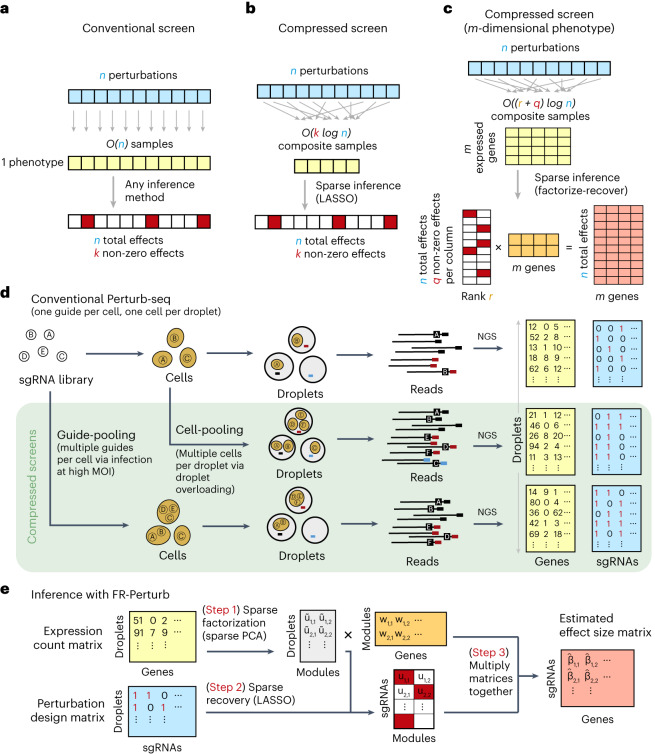
“When the phenotype is single valued (for example, fitness), O ( k log n ) composite samples suffice to accurately recover the effects of n perturbations 18,19 , where k is the number of non-zero elements among the n perturbation effects (Fig.”
Comprehensive Integration of Single-Cell Data
Stuart, T., Butler, A., Hoffman, P., Hafemeister, C., Papalexi, E., Mauck, W. M., Hao, Y., Stoeckius, M., Smibert, P., & Satija, R. (2019) · Cell · doi:10.1016/j.cell.2019.05.031 · Cited by 15,453
An Introduction To Compressive Sampling
Candes, E. J., & Wakin, M. B. (2008) · IEEE Signal Processing Magazine · doi:10.1109/msp.2007.914731 · Cited by 10,017 · cited 2×
“We propose an alternative approach to greatly increase the efficiency and power of Perturb-seq for both single and combinatorial perturbation screens, inspired by theoretical results from compressed sensing 17–19 that apply to the sparse and modular nature of regulatory circuits in cells.”
Analysis of protein-coding genetic variation in 60,706 humans
Exome Aggregation Consortium, Lek, M., Karczewski, K. J., Minikel, E. V., Samocha, K. E., Banks, E., Fennell, T., O’Donnell-Luria, A. H., Ware, J. S., Hill, A. J., et al. (2016) · Nature · doi:10.1038/nature19057 · Cited by 9,587 · cited 1×
“7a), making them challenging to directly connect to disease through GWASs 52 owing to fewer common variants in or around the gene 53,54 .”
The mutational constraint spectrum quantified from variation in 141,456 humans
Karczewski, K. J., Francioli, L. C., Tiao, G., Cummings, B. B., Alföldi, J., Wang, Q., Collins, R. L., Laricchia, K. M., Ganna, A., Birnbaum, D. P., et al. (2020) · Nature · doi:10.1038/s41586-020-2308-7 · Cited by 9,434 · cited 3×
“6e), suggesting that our power to detect cis -by- trans eQTLs was affected by selection-induced depletion of SNPs affecting the trans genes 54,68 (Supplementary Note, section 12).”
GCTA: a tool for genome-wide complex trait analysis
Yang, J., Lee, S. H., Goddard, M. E., & Visscher, P. M. (2011) · The American Journal of Human Genetics · doi:10.1016/j.ajhg.2010.11.011 · Cited by 8,279 · cited 2×
“Bivariate Haseman–Elston regression as implemented in the GCTA software tool 66 was also used to compute the genetic correlation between the expression of the cis gene and the trans gene when restricting to the region 1 Mb around the promoter of the cis gene.”
Molecular signatures database (MSigDB) 3.0
Liberzon, A., Subramanian, A., Pinchback, R., Thorvaldsdóttir, H., Tamayo, P., & Mesirov, J. P. (2011) · Bioinformatics · doi:10.1093/bioinformatics/btr260 · Cited by 7,111 · cited 1×
“GO enrichment analysis of the genes in the resulting clusters was performed with the ClusterProfiler package 82 with gene sets obtained from the C2 (curated gene sets) and C5 (ontology gene sets) collections of the Molecular Signatures Database 83 .”
Integrative analysis of 111 reference human epigenomes
Roadmap Epigenomics Consortium, Kundaje, A., Meuleman, W., Ernst, J., Bilenky, M., Yen, A., Heravi-Moussavi, A., Kheradpour, P., Zhang, Z., Wang, J., et al. (2015) · Nature · doi:10.1038/nature14248 · Cited by 6,368 · cited 4×
“Using sc-linker, SNPs were first linked to genes using a combination of histone marks from the Epigenomics Roadmap 84 and the activity-by-contact strategy 85 , and then an enrichment score was computed for the SNPs based on the heritability enrichment of the SNPs obtained from stratified LD score…”
InfluentialFrom Louvain to Leiden: guaranteeing well-connected communities
Traag, V. A., Waltman, L., & van Eck, N. J. (2019) · Scientific Reports · doi:10.1038/s41598-019-41695-z · Cited by 5,635 · cited 1×
“5d were clustered using Leiden clustering 81 .”
Giambartolomei, C., Vukcevic, D., Schadt, E. E., Franke, L., Hingorani, A. D., Wallace, C., & Plagnol, V. (2014) · PLoS Genetics · doi:10.1371/journal.pgen.1004383 · Cited by 4,261 · cited 2×
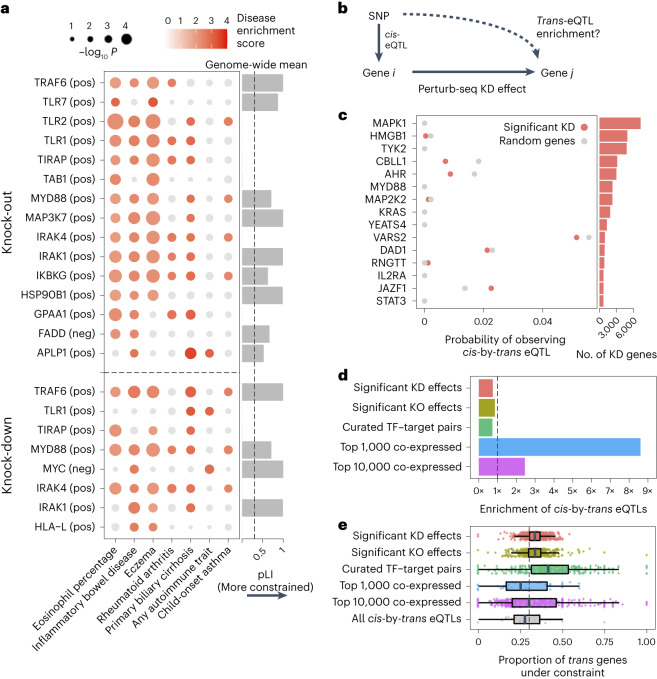
“We used coloc 64 to compute the posterior probability of cis -by- trans co-localization while accounting for linkage disequilibrium (LD) between SNPs (Methods). a , Heritability enrichment scores of signatures comprising genes significantly modulated by perturbations (rows) across human traits…”
InfluentialBuniello, A., MacArthur, J. A. L., Cerezo, M., Harris, L. W., Hayhurst, J., Malangone, C., McMahon, A., Morales, J., Mountjoy, E., Sollis, E., et al. (2019) · Nucleic Acids Research · doi:10.1093/nar/gky1120 · Cited by 4,000 · cited 2×
“…identified by search for ‘bacterial infection’ in the OMIM database 75 and 115 Mendelian genes similarly identified by ‘NF-κB’ search; and 173 genes reported in studies identified by a GWAS Catalog 76 search for ‘infection’ with diseases/traits related to liver disease and HIV-1 infection excluded.”
Mechanisms of type-I- and type-II-interferon-mediated signalling
Platanias, L. C. (2005) · Nature Reviews Immunology · doi:10.1038/nri1604 · Cited by 3,491 · cited 1×
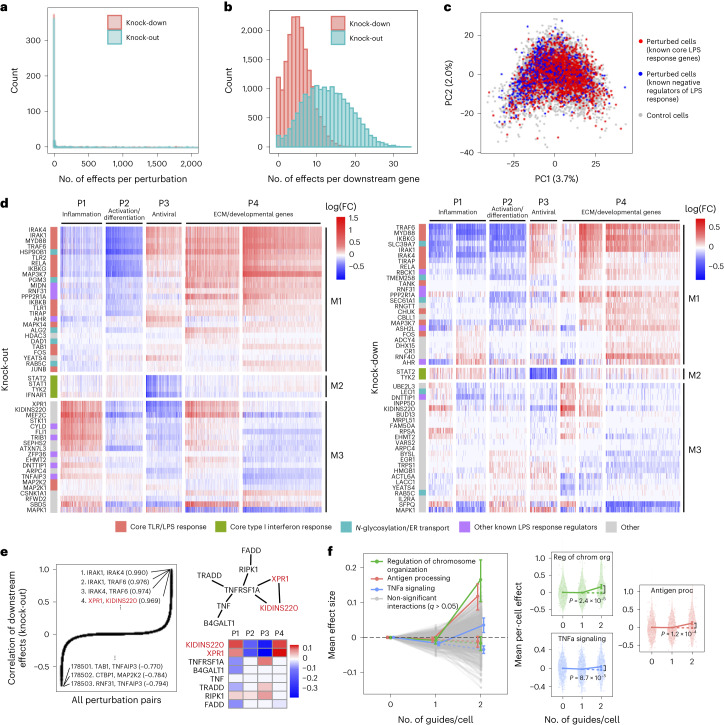
“M2 comprised four genes known to be core components of the type I interferon response 38 — STAT1, STAT2, TYK2 and IFNAR1—for which downregulation of the antiviral program in response to their perturbation is expected.”
Spatially resolved, highly multiplexed RNA profiling in single cells
Chen, K. H., Boettiger, A. N., Moffitt, J. R., Wang, S., & Zhuang, X. (2015) · Science · doi:10.1126/science.aaa6090 · Cited by 2,969 · cited 1×
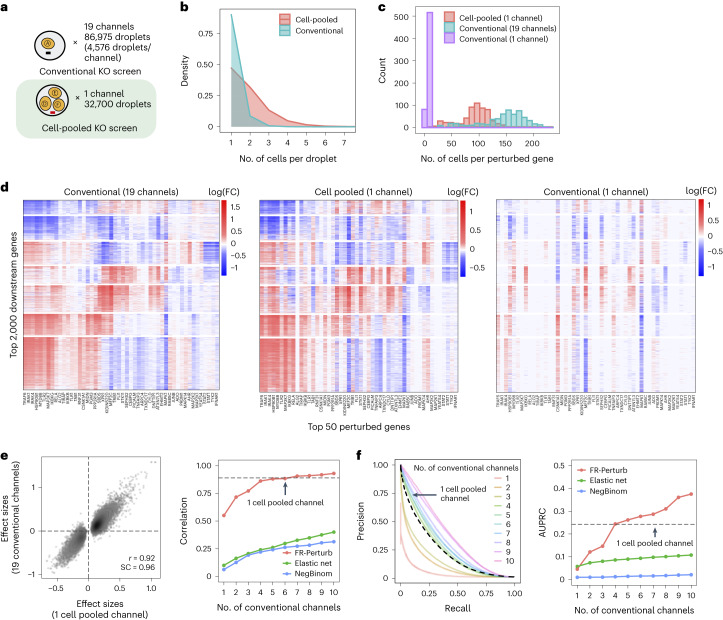
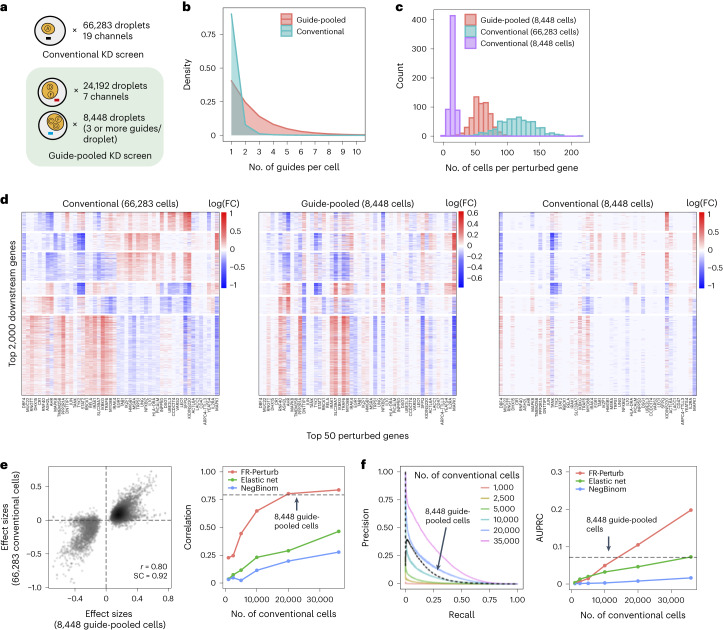
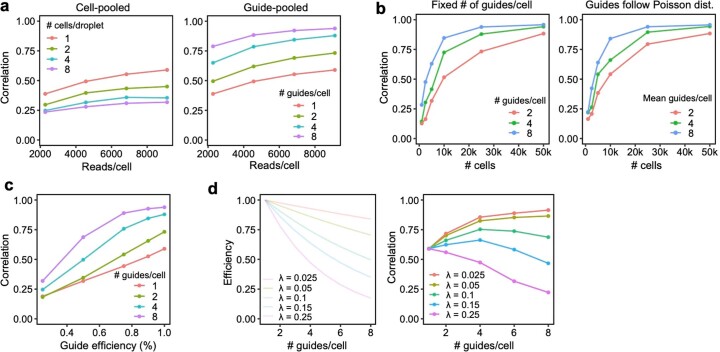
“Here we report that cell-pooling led to a 4–20-fold cost reduction, and guide-pooling led to a 10-fold cost reduction, over existing approaches (Supplementary Note, section 5).”
Võsa, U., Claringbould, A., Westra, H.-J., Bonder, M. J., Deelen, P., Zeng, B., Kirsten, H., Saha, A., Kreuzhuber, R., Yazar, S., et al. (2021) · Nature Genetics · doi:10.1038/s41588-021-00913-z · Cited by 2,607 · cited 4×
“Explanation (1) can, in theory, be addressed with larger trans -eQTL studies 62 , although we observed similar negative results when replicating our results in a large trans -eQTL dataset (eQTLGen).”
InfluentialPartitioning heritability by functional annotation using genome-wide association summary statistics
ReproGen Consortium, Finucane, H. K., Schizophrenia Working Group of the Psychiatric Genomics Consortium, The RACI Consortium, Bulik-Sullivan, B., Gusev, A., Trynka, G., Reshef, Y., Loh, P.-R., Anttila, V., et al. (2015) · Nature Genetics · doi:10.1038/ng.3404 · Cited by 2,604 · cited 4×
“P values were obtained for the null hypothesis E G − E all = 0 using a block jackknife procedure 86 . eQTL analyses .”
InfluentialSelf-citationMetagenes and molecular pattern discovery using matrix factorization
Brunet, J.-P., Tamayo, P., Golub, T. R., & Mesirov, J. P. (2004) · Proceedings of the National Academy of Sciences · doi:10.1073/pnas.0308531101 · Cited by 2,183 · cited 1×
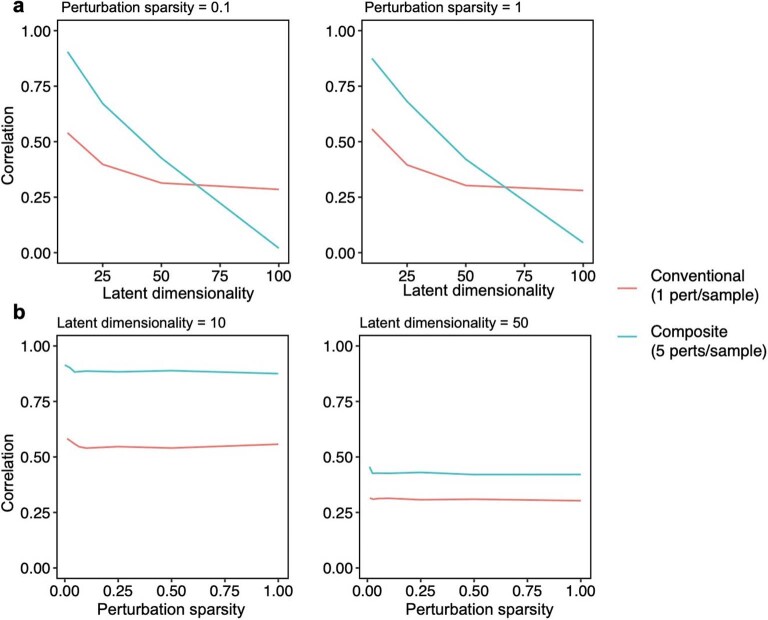
“Due to the modular nature of gene regulation 20,24,25 , r and q are expected to remain small when n increases.”
The Genetic Landscape of a Cell
Costanzo, M., Baryshnikova, A., Bellay, J., Kim, Y., Spear, E. D., Sevier, C. S., Ding, H., Koh, J. L. Y., Toufighi, K., Mostafavi, S., et al. (2010) · Science · doi:10.1126/science.1180823 · Cited by 2,162 · cited 1×
“6d and Supplementary Table 3d,e), which may suggest that perturbations in different modules are less likely to interact with each other 49,50 .”
Molecular Mechanisms That Influence the Macrophage M1–M2 Polarization Balance
Wang, N., Liang, H., & Zen, K. (2014) · Frontiers in Immunology · doi:10.3389/fimmu.2014.00614 · Cited by 1,980 · cited 22×
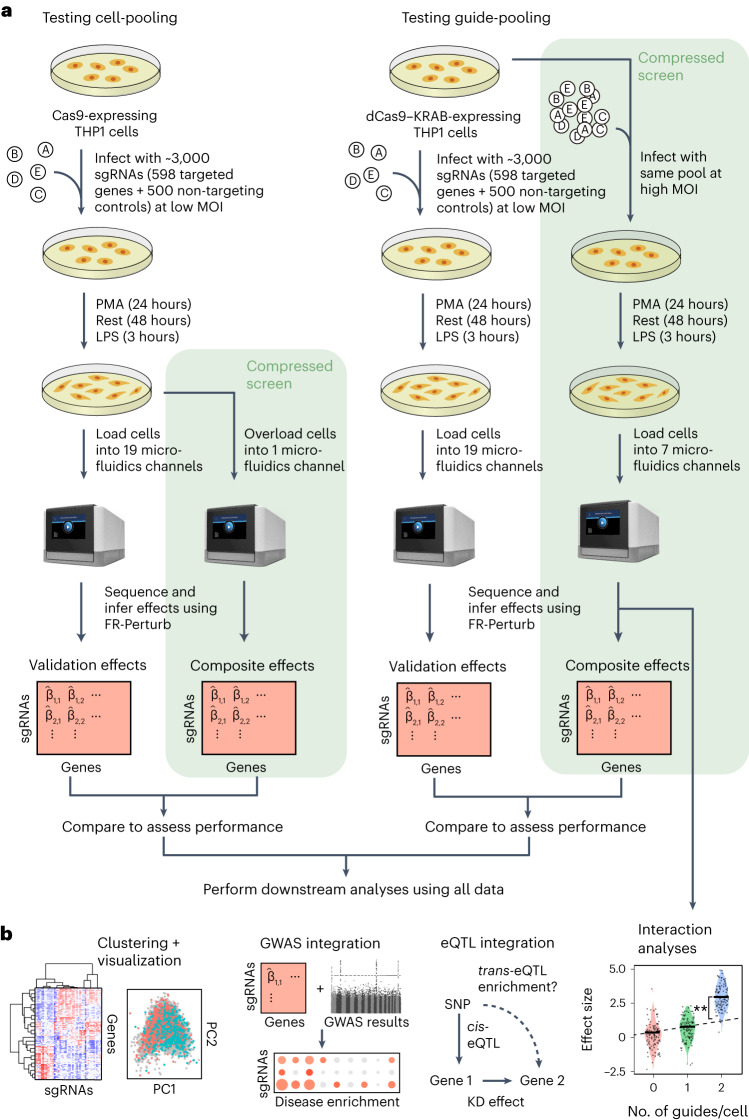
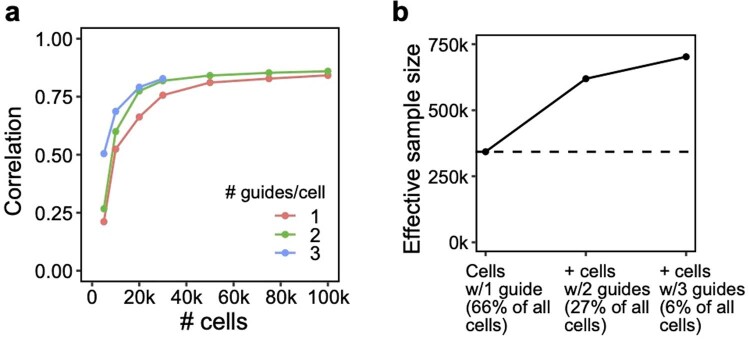
“We implemented and evaluated compressed Perturb-seq in the response of THP1 cells (a human monocytic leukemia cell line) to stimulation with LPS when either pooling cells or pooling guides (Fig.”
InfluentialTRRUST v2: an expanded reference database of human and mouse transcriptional regulatory interactions
Han, H., Cho, J.-W., Lee, S., Yun, A., Kim, H., Bae, D., Yang, S., Kim, C. Y., Lee, M., Kim, E., et al. (2018) · Nucleic Acids Research · doi:10.1093/nar/gkx1013 · Cited by 1,973 · cited 2×
“We observed similar negative results when obtaining gene–gene links from our KO data or from a curated list of transcription factor–target gene pairs 65 (Fig.”
Dixit, A., Parnas, O., Li, B., Chen, J., Fulco, C. P., Jerby-Arnon, L., Marjanovic, N. D., Dionne, D., Burks, T., Raychowdhury, R., et al. (2016) · Cell · doi:10.1016/j.cell.2016.11.038 · Cited by 1,863 · cited 17×
“We generated composite samples for compressed Perturb-seq either by randomly pooling cells containing one perturbation each in over-loaded scRNA-seq droplets 15 (‘cell-pooling’) or by randomly pooling guides in individual cells via infection with a high multiplicity of infection (MOI) 2,16 (‘guide-pooling’) (Fig.”
InfluentialSelf-citationThe mutational constraint spectrum quantified from variation in 141,456 humans
Karczewski, K. J., Francioli, L. C., Tiao, G., Cummings, B. B., Alföldi, J., Wang, Q., Collins, R. L., Laricchia, K. M., Ganna, A., Birnbaum, D. P., et al. (2019) · doi:10.1101/531210 · Cited by 1,662
Systematic identification of trans eQTLs as putative drivers of known disease associations
Westra, H.-J., Peters, M. J., Esko, T., Yaghootkar, H., Schurmann, C., Kettunen, J., Christiansen, M. W., Fairfax, B. P., Schramm, K., Powell, J. E., et al. (2013) · Nature Genetics · doi:10.1038/ng.2756 · Cited by 1,658 · cited 1×
“Trans -genetic gene regulation can be studied through either population-level genetic data (via eQTL studies 62,63 ) or experimental perturbation of gene expression 12 , such as the screens conducted in our study.”
Three-dimensional intact-tissue sequencing of single-cell transcriptional states
Wang, X., Allen, W. E., Wright, M. A., Sylwestrak, E. L., Samusik, N., Vesuna, S., Evans, K., Liu, C., Ramakrishnan, C., Liu, J., et al. (2018) · Science · doi:10.1126/science.aat5691 · Cited by 1,620
Innate Immune Pattern Recognition: A Cell Biological Perspective
Brubaker, S. W., Bonham, K. S., Zanoni, I., & Kagan, J. C. (2015) · Annual Review of Immunology · doi:10.1146/annurev-immunol-032414-112240 · Cited by 1,475 · cited 4×
“M1 was mainly composed of core TLR/LPS response genes and genes directly upstream or downstream of the pathway 32 , including MYD88, IRAK1, IRAK4, RELA, TRAF6, TIRAP, IKBKB, IKBKG, TAB1, TANK, TLR1, TLR2, MAPK14, MAP3K7, FOS, JUNB and CHUK.”
InfluentialMYC regulates the antitumor immune response through CD47 and PD-L1
Casey, S. C., Tong, L., Li, Y., Do, R., Walz, S., Fitzgerald, K. N., Gouw, A. M., Baylot, V., Gütgemann, I., Eilers, M., et al. (2016) · Science · doi:10.1126/science.aac9935 · Cited by 1,403 · cited 1×
“5d); FADD (negative), a pro-apoptotic gene downstream of LPS signaling that serves for negative feedback 32 ; MYC (negative), an oncogene with known immuno-suppressive effects 58,59 ; and poorly characterized pseudogene HLA-L.”
THP-1 cell line: An in vitro cell model for immune modulation approach
Chanput, W., Mes, J. J., & Wichers, H. J. (2014) · International Immunopharmacology · doi:10.1016/j.intimp.2014.08.002 · Cited by 1,393 · cited 1×
“After transduction and selection, we treated cells with PMA for 24 h and grew them for another 48 h as they differentiated into a macrophage-like state 28 , and then we treated them with LPS for 3 h before harvesting for scRNA-seq (Methods).”
Principal component analysis for clustering gene expression data
Yeung, K. Y., & Ruzzo, W. L. (2001) · Bioinformatics · doi:10.1093/bioinformatics/17.9.763 · Cited by 1,268 · cited 1×
“Due to the modular nature of gene regulation 20,24,25 , r and q are expected to remain small when n increases.”
Adamson, B., Norman, T. M., Jost, M., Cho, M. Y., Nuñez, J. K., Chen, Y., Villalta, J. E., Gilbert, L. A., Horlbeck, M. A., Hein, M. Y., et al. (2016) · Cell · doi:10.1016/j.cell.2016.11.048 · Cited by 1,193 · cited 1×
“The effectiveness of compressed Perturb-seq has important implications for existing Perturb-seq screens, each of which already has some overloaded droplets (cell-pooling) and multi-guide-expressing cells (guide-pooling) by chance or by design 1,2,13 .”
Self-citationFeedback Inhibition of Macrophage Tumor Necrosis Factor-α Production by Tristetraprolin
Carballo, E., Lai, W. S., & Blackshear, P. J. (1998) · Science · doi:10.1126/science.281.5379.1001 · Cited by 1,161 · cited 1×
“M3 included many genes with known inhibitory effects on inflammation, including ZFP36, an RNA-binding protein that destabilizes TNF mRNA 39 ; enzymes CYLD and TNFAIP3, involved in deubiquitination of NF-κB pathway proteins 40,41 ; pseudokinase TRIB1 and ubiquitin ligase RFWD2, which are involved in…”
Activity-by-contact model of enhancer–promoter regulation from thousands of CRISPR perturbations
Fulco, C. P., Nasser, J., Jones, T. R., Munson, G., Bergman, D. T., Subramanian, V., Grossman, S. R., Anyoha, R., Doughty, B. R., Patwardhan, T. A., et al. (2019) · Nature Genetics · doi:10.1038/s41588-019-0538-0 · Cited by 1,111 · cited 1×
“…sc-linker, SNPs were first linked to genes using a combination of histone marks from the Epigenomics Roadmap 84 and the activity-by-contact strategy 85 , and then an enrichment score was computed for the SNPs based on the heritability enrichment of the SNPs obtained from stratified LD score…”
Pooled CRISPR screening with single-cell transcriptome readout.
Datlinger, P., Rendeiro, A. F., Schmidl, C., Krausgruber, T., Traxler, P., Klughammer, J., Schuster, L. C., Kuchler, A., Alpar, D., & Bock, C. (2017) · Nature Methods · doi:10.1038/nmeth.4177 · Cited by 1,096
OMIM.org: leveraging knowledge across phenotype–gene relationships
Amberger, J. S., Bocchini, C. A., Scott, A. F., & Hamosh, A. (2019) · Nucleic Acids Research · doi:10.1093/nar/gky1151 · Cited by 1,059 · cited 1×
“…variants in IBD GWAS loci 74 ; 108 genes associated with Mendelian disorders identified by search for ‘bacterial infection’ in the OMIM database 75 and 115 Mendelian genes similarly identified by ‘NF-κB’ search; and 173 genes reported in studies identified by a GWAS Catalog 76 search for…”
CYLD is a deubiquitinating enzyme that negatively regulates NF-κB activation by TNFR family members
Trompouki, E., Hatzivassiliou, E., Tsichritzis, T., Farmer, H., Ashworth, A., & Mosialos, G. (2003) · Nature · doi:10.1038/nature01803 · Cited by 961 · cited 1×
“…including ZFP36, an RNA-binding protein that destabilizes TNF mRNA 39 ; enzymes CYLD and TNFAIP3, involved in deubiquitination of NF-κB pathway proteins 40,41 ; pseudokinase TRIB1 and ubiquitin ligase RFWD2, which are involved in degradation of JUN 42,43 ; and RELA-homolog DNTTIP1 (ref.”
Dual proteome-scale networks reveal cell-specific remodeling of the human interactome
Huttlin, E. L., Bruckner, R. J., Navarrete-Perea, J., Cannon, J. R., Baltier, K., Gebreab, F., Gygi, M. P., Thornock, A., Zarraga, G., Tam, S., et al. (2020) · doi:10.1101/2020.01.19.905109 · Cited by 960 · cited 1×
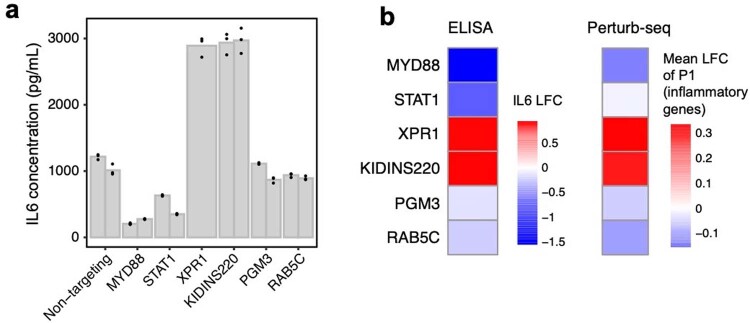
“Furthermore, in affinity purification mass spectrometry (AP-MS) data 46 , XPR1 and KIDINS220 physically associate with each other and TNF receptor TNFRSF1A.”
Mapping information-rich genotype-phenotype landscapes with genome-scale Perturb-seq
Replogle, J. M., Saunders, R. A., Pogson, A. N., Hussmann, J. A., Lenail, A., Guna, A., Mascibroda, L., Wagner, E. J., Adelman, K., Lithwick-Yanai, G., et al. (2022) · Cell · doi:10.1016/j.cell.2022.05.013 · Cited by 795 · cited 2×
“Our goal is to infer the effect sizes of n perturbations on the phenotype, which can be the entire gene expression profile ( n × m matrix) or an aggregate multi-gene phenotype 2,3,11 , such as an expression program or cell state score (length − n vector).”
Dissecting Immune Circuits by Linking CRISPR-Pooled Screens with Single-Cell RNA-Seq
Jaitin, D. A., Weiner, A., Yofe, I., Lara-Astiaso, D., Keren-Shaul, H., David, E., Salame, T. M., Tanay, A., van Oudenaarden, A., & Amit, I. (2016) · Cell · doi:10.1016/j.cell.2016.11.039 · Cited by 777 · cited 1×
“Our goal is to infer the effect sizes of n perturbations on the phenotype, which can be the entire gene expression profile ( n × m matrix) or an aggregate multi-gene phenotype 2,3,11 , such as an expression program or cell state score (length − n vector).”
Innate Immune Activity Conditions the Effect of Regulatory Variants upon Monocyte Gene Expression
Fairfax, B. P., Humburg, P., Makino, S., Naranbhai, V., Wong, D., Lau, E., Jostins, L., Plant, K., Andrews, R., McGee, C., et al. (2014) · Science · doi:10.1126/science.1246949 · Cited by 764 · cited 8×
“…effects on tumor necrosis factor (TNF) expression in mouse bone-marrow-derived dendritic cells (BMDCs) 26 (93 genes); and genes with large genetic effects in trans on gene expression from an eQTL study in patient-derived macrophages stimulated with LPS 27 (79 genes) (Methods and Supplementary Fig.”
InfluentialNF-κB Signaling in Macrophages: Dynamics, Crosstalk, and Signal Integration
Dorrington, M. G., & Fraser, I. D. C. (2019) · Frontiers in Immunology · doi:10.3389/fimmu.2019.00705 · Cited by 717 · cited 1×
“Inflammatory signaling is known to lead to macrophage differentiation 35 , but almost all perturbations with significant effects on inflammation (P1) (in any direction) downregulated macrophage differentiation (P2).”
Single-cell eQTL mapping identifies cell type–specific genetic control of autoimmune disease
Yazar, S., Alquicira-Hernandez, J., Wing, K., Senabouth, A., Gordon, M. G., Andersen, S., Lu, Q., Rowson, A., Taylor, T. R. P., Clarke, L., et al. (2022) · Science · doi:10.1126/science.abf3041 · Cited by 682
Genome-wide enhancer maps link risk variants to disease genes
Nasser, J., Bergman, D. T., Fulco, C. P., Guckelberger, P., Doughty, B. R., Patwardhan, T. A., Jones, T. R., Nguyen, T. H., Ulirsch, J. C., Lekschas, F., et al. (2021) · Nature · doi:10.1038/s41586-021-03446-x · Cited by 669 · cited 1×
“…a G , 1 , a G , 2 ,…, a G , j } between 0 and 1 was constructed for each SNP based on the confidence of them influencing any gene in G , following the procedure described in Jagadeesh et al. 55 using activity-by-contact scores 88 and the Epigenomics Roadmap histone marks 84 for whole blood samples.”
Self-citationInhibition of NF-κB Signaling by A20 Through Disruption of Ubiquitin Enzyme Complexes
Shembade, N., Ma, A., & Harhaj, E. W. (2010) · Science · doi:10.1126/science.1182364 · Cited by 643 · cited 1×
“…including ZFP36, an RNA-binding protein that destabilizes TNF mRNA 39 ; enzymes CYLD and TNFAIP3, involved in deubiquitination of NF-κB pathway proteins 40,41 ; pseudokinase TRIB1 and ubiquitin ligase RFWD2, which are involved in degradation of JUN 42,43 ; and RELA-homolog DNTTIP1 (ref.”
Spatial organization of the somatosensory cortex revealed by osmFISH
Codeluppi, S., Borm, L. E., Zeisel, A., La Manno, G., van Lunteren, J. A., Svensson, C. I., & Linnarsson, S. (2018) · Nature Methods · doi:10.1038/s41592-018-0175-z · Cited by 643
A Genome-wide Framework for Mapping Gene Regulation via Cellular Genetic Screens
Gasperini, M., Hill, A. J., McFaline-Figueroa, J. L., Martin, B., Kim, S., Zhang, M. D., Jackson, D., Leith, A., Schreiber, J., Noble, W. S., et al. (2019) · Cell · doi:10.1016/j.cell.2018.11.029 · Cited by 613
Fine-mapping inflammatory bowel disease loci to single-variant resolution
International Inflammatory Bowel Disease Genetics Consortium, Huang, H., Fang, M., Jostins, L., Umićević Mirkov, M., Boucher, G., Anderson, C. A., Andersen, V., Cleynen, I., Cortes, A., et al. (2017) · Nature · doi:10.1038/nature22969 · Cited by 611 · cited 1×
“…-eQTL effects for at least four downstream genes in primary monocytes treated with LPS 27 ; 95 genes near high-confidence variants in IBD GWAS loci 74 ; 108 genes associated with Mendelian disorders identified by search for ‘bacterial infection’ in the OMIM database 75 and 115 Mendelian genes…”
Genomic Copy Number Dictates a Gene-Independent Cell Response to CRISPR/Cas9 Targeting
Aguirre, A. J., Meyers, R. M., Weir, B. A., Vazquez, F., Zhang, C.-Z., Ben-David, U., Cook, A., Ha, G., Harrington, W. F., Doshi, M. B., et al. (2016) · Cancer Discovery · doi:10.1158/2159-8290.cd-16-0154 · Cited by 577 · cited 1×
“2a) to avoid cellular toxicity due to multiple double-stranded breaks in individual cells 29 .”
Modular epistasis in yeast metabolism
Segrè, D., DeLuna, A., Church, G. M., & Kishony, R. (2005) · Nature Genetics · doi:10.1038/ng1489 · Cited by 575 · cited 1×
“6d and Supplementary Table 3d,e), which may suggest that perturbations in different modules are less likely to interact with each other 49,50 .”
Myc Cooperates with Ras by Programming Inflammation and Immune Suppression
Kortlever, R. M., Sodir, N. M., Wilson, C. H., Burkhart, D. L., Pellegrinet, L., Brown Swigart, L., Littlewood, T. D., & Evan, G. I. (2017) · Cell · doi:10.1016/j.cell.2017.11.013 · Cited by 553 · cited 1×
“5d); FADD (negative), a pro-apoptotic gene downstream of LPS signaling that serves for negative feedback 32 ; MYC (negative), an oncogene with known immuno-suppressive effects 58,59 ; and poorly characterized pseudogene HLA-L.”
Gazal, S., Finucane, H. K., Furlotte, N. A., Loh, P.-R., Palamara, P. F., Liu, X., Schoech, A., Bulik-Sullivan, B., Neale, B. M., Gusev, A., et al. (2017) · Nature Genetics · doi:10.1038/ng.3954 · Cited by 525 · cited 2×
“Next, heritability enrichment estimates were computed for each A G and A all , respectively, using S-LDSC 86,87 .”
Self-citationTrans effects on gene expression can drive omnigenic inheritance
Liu, X., Li, Y. I., & Pritchard, J. K. (2019) · Cell · doi:10.1016/j.cell.2019.04.014 · Cited by 523
Cross-regulation of TNF and IFN-α in autoimmune diseases
Palucka, A. K., Blanck, J.-P., Bennett, L., Pascual, V., & Banchereau, J. (2005) · Proceedings of the National Academy of Sciences · doi:10.1073/pnas.0408506102 · Cited by 516 · cited 1×
“…to be regulated by LPS signaling through AP1/NF-κB and IRF3, respectively 32 , and were mostly anti-correlated in their responses to perturbation in our screen, consistent with reports that downregulation of the inflammatory response can lead to upregulation of type I interferon response 33,34 .”
A Genome-wide CRISPR Screen in Primary Immune Cells to Dissect Regulatory Networks
Parnas, O., Jovanovic, M., Eisenhaure, T. M., Herbst, R. H., Dixit, A., Ye, C. J., Przybylski, D., Platt, R. J., Tirosh, I., Sanjana, N. E., et al. (2015) · Cell · doi:10.1016/j.cell.2015.06.059 · Cited by 440 · cited 4×
“…genes); a previous genome-wide screen for effects on tumor necrosis factor (TNF) expression in mouse bone-marrow-derived dendritic cells (BMDCs) 26 (93 genes); and genes with large genetic effects in trans on gene expression from an eQTL study in patient-derived macrophages stimulated with LPS…”
InfluentialSelf-citationAutism genes converge on asynchronous development of shared neuron classes
Paulsen, B., Velasco, S., Kedaigle, A. J., Pigoni, M., Quadrato, G., Deo, A. J., Adiconis, X., Uzquiano, A., Sartore, R., Yang, S. M., et al. (2022) · Nature · doi:10.1038/s41586-021-04358-6 · Cited by 439
Self-citationExploring genetic interaction manifolds constructed from rich single-cell phenotypes
Norman, T. M., Horlbeck, M. A., Replogle, J. M., Ge, A. Y., Xu, A., Jost, M., Gilbert, L. A., & Weissman, J. S. (2019) · Science · doi:10.1126/science.aax4438 · Cited by 392 · cited 2×
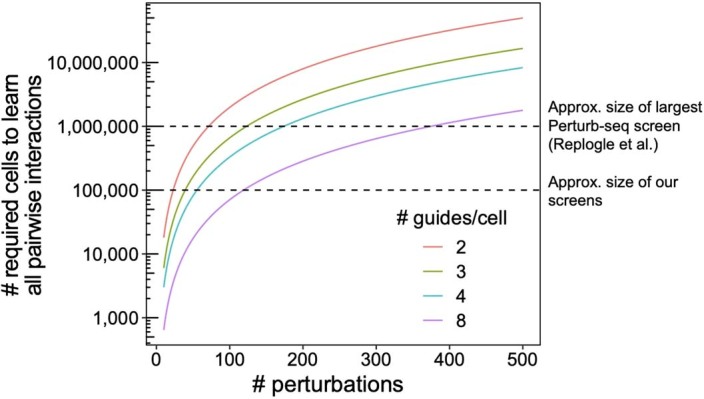
“…the number of cells needed to learn second-order interaction effects at various levels of guide-pooling, finding that guide-pooling can markedly reduce the number of cells needed to learn a given number of second-order interaction effects (Supplementary Note, section 14, and Extended Data Fig.”
Human De-Etiolated-1 Regulates c-Jun by Assembling a CUL4A Ubiquitin Ligase
Wertz, I. E., O'Rourke, K. M., Zhang, Z., Dornan, D., Arnott, D., Deshaies, R. J., & Dixit, V. M. (2004) · Science · doi:10.1126/science.1093549 · Cited by 365 · cited 3×
“M1 was mainly composed of core TLR/LPS response genes and genes directly upstream or downstream of the pathway 32 , including MYD88, IRAK1, IRAK4, RELA, TRAF6, TIRAP, IKBKB, IKBKG, TAB1, TANK, TLR1, TLR2, MAPK14, MAP3K7, FOS, JUNB and CHUK.”
glmGamPoi: fitting Gamma-Poisson generalized linear models on single cell count data
Ahlmann-Eltze, C., & Huber, W. (2021) · Bioinformatics · doi:10.1093/bioinformatics/btaa1009 · Cited by 326
In vivo Perturb-Seq reveals neuronal and glial abnormalities associated with autism risk genes
Jin, X., Simmons, S. K., Guo, A., Shetty, A. S., Ko, M., Nguyen, L., Jokhi, V., Robinson, E., Oyler, P., Curry, N., et al. (2020) · Science · doi:10.1126/science.aaz6063 · Cited by 317 · cited 2×
“Due to the latter fact, cell-pooling requires many more cells than guide-pooling to achieve the same performance, which can be prohibitive in certain settings where cell count is limited 8,13 .”
Self-citationInferring and perturbing cell fate regulomes in human brain organoids
Fleck, J. S., Jansen, S. M. J., Wollny, D., Zenk, F., Seimiya, M., Jain, A., Okamoto, R., Santel, M., He, Z., Camp, J. G., et al. (2023) · Nature · doi:10.1038/s41586-022-05279-8 · Cited by 315 · cited 2×
“…gains brought about from guide-pooling can, in theory, counteract the exponential growth of gene combinations (given that various assumptions are satisfied), potentially making it the only tractable way to systematically study higher-order interaction effects (Supplementary Note, section 9).”
Human Tribbles, a Protein Family Controlling Mitogen-activated Protein Kinase Cascades
Kiss-Toth, E., Bagstaff, S. M., Sung, H. Y., Jozsa, V., Dempsey, C., Caunt, J. C., Oxley, K. M., Wyllie, D. H., Polgar, T., Harte, M., et al. (2004) · Journal of Biological Chemistry · doi:10.1074/jbc.m407732200 · Cited by 300 · cited 1×
“…including ZFP36, an RNA-binding protein that destabilizes TNF mRNA 39 ; enzymes CYLD and TNFAIP3, involved in deubiquitination of NF-κB pathway proteins 40,41 ; pseudokinase TRIB1 and ubiquitin ligase RFWD2, which are involved in degradation of JUN 42,43 ; and RELA-homolog DNTTIP1 (ref.”
Where Are the Disease-Associated eQTLs?
Umans, B. D., Battle, A., & Gilad, Y. (2021) · Trends in Genetics · doi:10.1016/j.tig.2020.08.009 · Cited by 296 · cited 1×
“6e), suggesting that our power to detect cis -by- trans eQTLs was affected by selection-induced depletion of SNPs affecting the trans genes 54,68 (Supplementary Note, section 12).”
Frangieh, C. J., Melms, J. C., Thakore, P. I., Geiger-Schuller, K. R., Ho, P., Luoma, A. M., Cleary, B., Jerby-Arnon, L., Malu, S., Cuoco, M. S., et al. (2021) · Nature Genetics · doi:10.1038/s41588-021-00779-1 · Cited by 276 · cited 6×
“Due to the latter fact, cell-pooling requires many more cells than guide-pooling to achieve the same performance, which can be prohibitive in certain settings where cell count is limited 8,13 .”
InfluentialSelf-citationDatlinger, P., Rendeiro, A. F., Boenke, T., Senekowitsch, M., Krausgruber, T., Barreca, D., & Bock, C. (2021) · Nature Methods · doi:10.1038/s41592-021-01153-z · Cited by 269 · cited 2×
“…composite samples for compressed Perturb-seq either by randomly pooling cells containing one perturbation each in over-loaded scRNA-seq droplets 15 (‘cell-pooling’) or by randomly pooling guides in individual cells via infection with a high multiplicity of infection (MOI) 2,16…”
Extreme Polygenicity of Complex Traits Is Explained by Negative Selection
O'Connor, L. J., Schoech, A. P., Hormozdiari, F., Gazal, S., Patterson, N., & Price, A. L. (2019) · The American Journal of Human Genetics · doi:10.1016/j.ajhg.2019.07.003 · Cited by 268 · cited 3×
“We derive insights into immune regulatory functions and illustrate their connection to human disease mechanisms by integrating data from genome-wide association studies (GWASs) and expression quantitative trait loci (eQTL) studies.”
Targeted Perturb-seq enables genome-scale genetic screens in single cells
Schraivogel, D., Gschwind, A. R., Milbank, J. H., Leonce, D. R., Jakob, P., Mathur, L., Korbel, J. O., Merten, C. A., Velten, L., & Steinmetz, L. M. (2020) · Nature Methods · doi:10.1038/s41592-020-0837-5 · Cited by 245 · cited 1×
“Thus, they can, in principle, be paired with approaches that increase the efficiency of sequencing via new technologies 69 or targeted sequencing 70 , resulting in further improvements to the efficiency of Perturb-seq.”
Jagadeesh, K. A., Dey, K. K., Montoro, D. T., Mohan, R., Gazal, S., Engreitz, J. M., Xavier, R. J., Price, A. L., & Regev, A. (2022) · Nature Genetics · doi:10.1038/s41588-022-01187-9 · Cited by 239 · cited 4×
“Sc-linker 55 was used as previously described to compute a disease heritability enrichment score for each gene set constructed from the KO and KD perturbation effect sizes or perturbation modules and gene programs.”
InfluentialSelf-citationDiscovery of target genes and pathways at GWAS loci by pooled single-cell CRISPR screens
Morris, J. A., Caragine, C., Daniloski, Z., Domingo, J., Barry, T., Lu, L., Davis, K., Ziosi, M., Glinos, D. A., Hao, S., et al. (2023) · Science · doi:10.1126/science.adh7699 · Cited by 208
Simon, A., Park, H., Maddipati, R., Lobito, A. A., Bulua, A. C., Jackson, A. J., Chae, J. J., Ettinger, R., de Koning, H. D., Cruz, A. C., et al. (2010) · Proceedings of the National Academy of Sciences · doi:10.1073/pnas.0914118107 · Cited by 196 · cited 1×
“48).”
Mavragani, C. P., Niewold, T. B., Moutsopoulos, N. M., Pillemer, S. R., Wahl, S. M., & Crow, M. K. (2007) · Arthritis & Rheumatism · doi:10.1002/art.23062 · Cited by 157 · cited 1×
“…to be regulated by LPS signaling through AP1/NF-κB and IRF3, respectively 32 , and were mostly anti-correlated in their responses to perturbation in our screen, consistent with reports that downregulation of the inflammatory response can lead to upregulation of type I interferon response 33,34 .”
Do not log-transform count dataPreprint
O’Hara, R. B., & Kotze, J. (2010) · Nature Precedings · doi:10.1038/npre.2010.4136.1 · Cited by 129
The role of the innate immune response in autoimmune disease
Lang, K. S., Burow, A., Kurrer, M. O., Lang, P. A., & Recher, M. (2007) · Journal of Autoimmunity · doi:10.1016/j.jaut.2007.07.018 · Cited by 119 · cited 1×
“Because dysregulation of innate immune responses plays a key role in many human diseases 51 , we next asked whether the perturbation effects learned from our in vitro screens can help identify disease-relevant genes and processes.”
Complementary information derived from CRISPR Cas9 mediated gene deletion and suppression
Rosenbluh, J., Xu, H., Harrington, W., Gill, S., Wang, X., Vazquez, F., Root, D. E., Tsherniak, A., & Hahn, W. C. (2017) · Nature Communications · doi:10.1038/ncomms15403 · Cited by 114 · cited 1×
“As expected, there were substantially more significant effects in the KO screen compared to the KD screen (251,792 versus 131,161 effects), consistent with larger effects of KO on the target gene’s activity 31 .”
Efficient Generation of Transcriptomic Profiles by Random Composite Measurements
Cleary, B., Cong, L., Cheung, A., Lander, E. S., & Regev, A. (2017) · Cell · doi:10.1016/j.cell.2017.10.023 · Cited by 114 · cited 2×
“However, the performance of FR-Perturb is likely to suffer when inferring effects for perturbations that cannot be well approximated by these factors (due to idiosyncratic effects of the perturbations 21 ).”
Self-citationFreimer, J. W., Shaked, O., Naqvi, S., Sinnott-Armstrong, N., Kathiria, A., Garrido, C. M., Chen, A. F., Cortez, J. T., Greenleaf, W. J., Pritchard, J. K., et al. (2022) · Nature Genetics · doi:10.1038/s41588-022-01106-y · Cited by 95
The distribution of common-variant effect sizes
O’Connor, L. J. (2021) · Nature Genetics · doi:10.1038/s41588-021-00901-3 · Cited by 81 · cited 9×
“By integrating data from GWASs, our screens highlighted perturbed genes with downstream genes enriched for disease heritability.”
InfluentialMapping information-rich genotype-phenotype landscapes with genome-scale Perturb-seqPreprint
Replogle, J. M., Saunders, R. A., Pogson, A. N., et al. (2021) · bioRxiv (Cold Spring Harbor Laboratory) · doi:10.1101/2021.12.16.473013 · Cited by 79
Bondeson, D. P., Paolella, B. R., Asfaw, A., Rothberg, M. V., Skipper, T. A., Langan, C., Mesa, G., Gonzalez, A., Surface, L. E., Ito, K., et al. (2022) · Nature Cancer · doi:10.1038/s43018-022-00360-7 · Cited by 71 · cited 1×
“XPR1 and KIDINS220 have recently been shown to form a complex that is required for normal regulation phosphate efflux in certain cancer cells 45 .”
Mostly natural sequencing-by-synthesis for scRNA-seq using Ultima sequencing
Simmons, S. K., Lithwick-Yanai, G., Adiconis, X., Oberstrass, F., Iremadze, N., Geiger-Schuller, K., Thakore, P. I., Frangieh, C. J., Barad, O., Almogy, G., et al. (2023) · Nature Biotechnology · doi:10.1038/s41587-022-01452-6 · Cited by 50 · cited 1×
“Thus, they can, in principle, be paired with approaches that increase the efficiency of sequencing via new technologies 69 or targeted sequencing 70 , resulting in further improvements to the efficiency of Perturb-seq.”
Self-citationAmiot, F., Boussadia, O., Cases, S., Fitting, C., Lebastard, M., Cavaillon, J., Milon, G., & Dautry, F. (1997) · European Journal of Immunology · doi:10.1002/eji.1830270434 · Cited by 47 · cited 9×
“M3 included many genes with known inhibitory effects on inflammation, including ZFP36, an RNA-binding protein that destabilizes TNF mRNA 39 ; enzymes CYLD and TNFAIP3, involved in deubiquitination of NF-κB pathway proteins 40,41 ; pseudokinase TRIB1 and ubiquitin ligase RFWD2, which are involved in degradation of JUN…”
InfluentialCompressed sensing for highly efficient imaging transcriptomics
Cleary, B., Simonton, B., Bezney, J., Murray, E., Alam, S., Sinha, A., Habibi, E., Marshall, J., Lander, E. S., Chen, F., et al. (2021) · Nature Biotechnology · doi:10.1038/s41587-021-00883-x · Cited by 42 · cited 1×
“We previously showed that experiments that measure random compositions of the underlying biological dataset can greatly increase the efficiency of measuring expression profiles 21 and imaging transcriptomics 22 .”
Self-citationStepping Out of the Shade: Control of Neuronal Activity by the Scaffold Protein Kidins220/ARMS
Scholz‐Starke, J., & Cesca, F. (2016) · Frontiers in Cellular Neuroscience · doi:10.3389/fncel.2016.00068 · Cited by 38 · cited 1×
“Interestingly, two of the M3 genes with particularly strong effects on all programs did not have prior immune annotations: XPR1, a retro-virus receptor involved in phosphate export, and KIDINS220, a trans-membrane scaffold protein previously reported in neurons 44 .”
No Major Host Genetic Risk Factor Contributed to A(H1N1)2009 Influenza Severity
García‐Etxebarria, K., Bracho, M. A., Galán, J. C., Pumarola, T., Castilla, J., de Lejarazu, R. O., Rodríguez-Domínguez, M., Quintela, I., Bonet, N., Garcia‐Garcerà, M., et al. (2015) · PLoS ONE · doi:10.1371/journal.pone.0135983 · Cited by 36 · cited 1×
“…are not previously associated with the immune system, including APLP1 (an amyloid beta precursor-like gene primarily involved in brain function that, interestingly, contains a missense variant associated with severe influenza 60 ) and GPAA1 (involved in anchoring proteins to the cell membrane).”
Freimer, J. W., Shaked, O., Naqvi, S., et al. (2021) · bioRxiv (Cold Spring Harbor Laboratory) · doi:10.1101/2021.04.18.440363 · Cited by 29
Lukowski, S. W., Lloyd‐Jones, L. R., Holloway, A., Kirsten, H., Hemani, G., Yang, J., Small, K. S., Zhao, J., Metspalu, A., Dermitzakis, E. T., et al. (2017) · Nature Communications · doi:10.1038/s41467-017-00473-z · Cited by 27 · cited 1×
“Notably, co-expression in eQTL datasets is dominated by environmental effects rather than genetic effects 67 .”
Geiger-Schuller, K., Eraslan, B., Kuksenko, O., Dey, K. K., Jagadeesh, K. A., Thakore, P. I., Karayel, Ö., Yung, A. R., Rajagopalan, A. R., Meireles, A. M., et al. (2023) · bioRxiv (Cold Spring Harbor Laboratory) · doi:10.1101/2023.01.23.525198 · Cited by 27 · cited 2×
“We selected 598 genes to be perturbed from seven mostly non-overlapping immune response studies (Supplementary Table 1), including genes with roles in the canonical LPS response pathway (34 genes); GWAS for inflammatory bowel disease (IBD) (79 genes) and infection (106 genes); Mendelian immune diseases from the Online…”
Self-citationER stress induced impaired TLR signaling and macrophage differentiation of human monocytes
Komura, T., Sakai, Y., Honda, M., Takamura, T., Wada, T., & Kaneko, S. (2013) · Cellular Immunology · doi:10.1016/j.cellimm.2013.04.006 · Cited by 26 · cited 1×
“M1 also included two additional ER transport genes not previously implicated in immune pathways (RAB5C and PGM3), highlighting the important role of N -glycosylation and trafficking in macrophage activation 37 .”
Inferring sparse structure in genotype–phenotype maps
Petti, S., Reddy, G., & Desai, M. M. (2023) · Genetics · doi:10.1093/genetics/iyad127 · Cited by 22
Morris, J. A., Daniloski, Z., Domingo, J., Barry, T., Ziosi, M., Glinos, D. A., Hao, S., Mimitou, E. P., Smibert, P., Roeder, K., et al. (2021) · bioRxiv · doi:10.1101/2021.04.07.438882 · Cited by 20 · cited 1×
“Instead, we hypothesized that, if a perturbed gene is important for disease, then disease heritability may be enriched near the down-stream genes that it affects 12,56 .”
Yao, D. W., Binan, L., Bezney, J., Simonton, B., Freedman, J., Frangieh, C. J., Dey, K. K., Geiger-Schuller, K., Eraslan, B., Gusev, A., et al. (2023) · bioRxiv (Cold Spring Harbor Laboratory) · doi:10.1101/2023.01.23.525200 · Cited by 10
Self-citationBondeson, D. P., Paolella, B. R., Asfaw, A., et al. (2020) · bioRxiv (Cold Spring Harbor Laboratory) · doi:10.1101/2020.10.16.339374 · Cited by 8
Compressed phenotypic screens for complex multicellular models and high-content assaysPreprint
Mead, B. E., Kummerlowe, C., Liu, N., Kattan, W. E., Cheng, T., Cheah, J. H., Soule, C. K., Peters, J., Lowder, K. E., Blainey, P. C., et al. (2023) · bioRxiv (Cold Spring Harbor Laboratory) · doi:10.1101/2023.01.23.525189 · Cited by 3 · cited 1×
“Concurrent results also demonstrate the power of compressed screening with bio-chemical perturbations in high-fidelity cellular model systems (Mead et al. 71 , companion manuscript).”
Self-citationGraustein, A. D., Misch, E. A., Musvosvi, M., Shey, M. S., Shah, J. A., Wells, R., Hanekom, W. A., Hatherill, M., Scriba, T. J., & Hawn, T. R. (2016) · The Journal of Immunology · doi:10.4049/jimmunol.196.supp.200.18 · Cited by 2
Research works printed but not linked: 2
- Sharan, V., Tai, K. S., Bailis, P. & Valiant, G. Compressed factorization: fast and accurate low-rank factorization of compressively-sensed data. In Proc. of the 36th International Conference on Machine Learning 5690–5700 (PMLR, 2019).
- Mairal, J., Bach, F., Ponce, J. & Sapiro, G. Online learning for matrix factorization and sparse coding. J. Mach. Learn. Res. 11, 19–60 (2010).
Cited by
scPerturb: harmonized single-cell perturbation data
Peidli, S., Green, T. D., Shen, C., Gross, T., Min, J., Garda, S., Yuan, B., Schumacher, L. J., Taylor-King, J. P., Marks, D. S., et al. (2024) · Nature Methods · doi:10.1038/s41592-023-02144-y · Cited by 194
“We anticipate that recent technological advances will decrease experimental costs and result in more new datasets, with additional experiment-specific analysis methods needed to convert from new highly multiplexed readouts into a standardized format 53 .”
Binan, L., Jiang, A., Danquah, S. A., Valakh, V., Simonton, B., Bezney, J., Manguso, R. T., Yates, K. B., Nehme, R., Cleary, B., et al. (2025) · Cell · doi:10.1016/j.cell.2025.02.012 · Cited by 133
“The effects of perturbations in THP1s were determined using our published tool FR-Perturb, 18 using a rank of 34, lambda1 and lambda2 of 0, and log_exp_baseline of 2.7 and the total number of transcripts per cell as a covariate.”
InfluentialSelf-citationBinan, L., Danquah, S., Valakh, V., Simonton, B., Bezney, J., Nehme, R., Cleary, B., & Farhi, S. L. (2023) · doi:10.1101/2023.11.30.569494 · Cited by 139
Self-citationRood, J. E., Hupalowska, A., & Regev, A. (2024) · Cell · doi:10.1016/j.cell.2024.07.035 · Cited by 139
Self-citationEpigenome editing technologies for discovery and medicine
McCutcheon, S. R., Rohm, D., Iglesias, N., & Gersbach, C. A. (2024) · Nature Biotechnology · doi:10.1038/s41587-024-02320-1 · Cited by 143
“Innovative scaling strategies 116 as well as decreasing costs will continue to catalyze larger-scale noncoding screens.”
Metadata
- Authors
- Yao, D., Binan, L., Bezney, J., Simonton, B., Freedman, J., Frangieh, C. J., Dey, K., Geiger-Schuller, K., Eraslan, B., Gusev, A., Regev, A., & Cleary, B.
- Affiliations
- Harvard University (US)
- Broad Institute (US)
- Memorial Sloan Kettering Cancer Center (US)
- Genentech (US)
- Boston University (US)
- Corresponding author
- Cleary, Brian
- ORCID
- Venue
- Nature Biotechnology
- Published
- 2023-10-23
- Volume
- 42
- Issue
- 8
- Pages
- 1282-1295
- ISSN
- 0733-222X (ISSN-L)
- 1087-0156
- 1546-1696
- PMC
- PMC11035494
- OpenAlex
- W4387880996
- Cited by
- 101
- References
- 91
- Citations by year
- 2026: 34 · 2025: 43 · 2024: 24
- FWCI
- 9.00
- Type
- journal article
- Language
- en
- Open access
- hybrid
- doi.org
- Licence
- cc-by
- creativecommons.org/licenses/by/4.0 (tdm)
- creativecommons.org/licenses/by/4.0 (vor)
- Locations
- Nature Biotechnology (publishedVersion, cc-by)
- PubMed Central (publishedVersion, cc-by)
- PubMed (publishedVersion)
- Digital Access to Scholarship at Harvard (DASH) (Harvard University) (submittedVersion, cc-by)
- Funders
- National Science Foundation (1745303)
- U.S. Department of Health & Human Services | National Institutes of Health (R00HG012203, P30 CA008748, HG006399)
- Josie Robertson Investigators Program
- U.S. Department of Health & Human Services | NIH | National Human Genome Research Institute (RM1HG006193)
- Broad Fellows program Merkin Institute Fellowship
- Topics
- Life Sciences › Biochemistry, Genetics and Molecular Biology › Molecular Biology › CRISPR and Genetic Engineering
- Life Sciences › Biochemistry, Genetics and Molecular Biology › Molecular Biology › Single-cell and spatial transcriptomics
- Life Sciences › Biochemistry, Genetics and Molecular Biology › Molecular Biology › Gene Regulatory Network Analysis
- Keywords
- Perturb-seq, CRISPR screen, single-cell RNA sequencing, regulatory circuits, genetic interactions, cost reduction, sparse structure, functional genomics
- MeSH terms
- Algorithms, Genetic Testing, Humans, Sequence Analysis, RNA, Genomics, Gene Regulatory Networks, Genome-Wide Association Study, Single-Cell Analysis, CRISPR-Cas Systems
About these checks
Registry, retraction, Cites and statistics results are computed, not judged, with one exception: a printed reference that no index lists is read once by a model before it counts as a citation error. Claims are extracted by a model and kept only when their quote appears verbatim in the text; each cited source is then checked, with a model’s help, for whether it says what the claim relies on. Those verdicts can be wrong — read the claim’s quote and the cited source before relying on one.
Statistics and arithmetic are recomputed, not judged.
Confidence bands are shown only for fields calibrated on our annotated test set. None is calibrated yet, so no band is shown.
What counts as a claim ›How we measure confidence ›How we check this ›
Are you an author, or do you see a problem with this page? Request a review
Data sources
Bibliographic data: Semantic Scholar, OpenAlex, Crossref.
Contains information from the Semantic Scholar Academic Graph Datasets, made available under the ODC Attribution License (ODC-BY 1.0).
Semantic Scholar’s data is described in: Kinney, R., et al. (2023). The Semantic Scholar Open Data Platform. arXiv:2301.10140.
