

Brain clocks capture diversity and disparities in aging and dementia across geographically diverse populations
Open accessPublished version of a preprint
The DOI matches its Crossref record; 81 of the 81 references it cites were found in a registry or an index.
Abstract
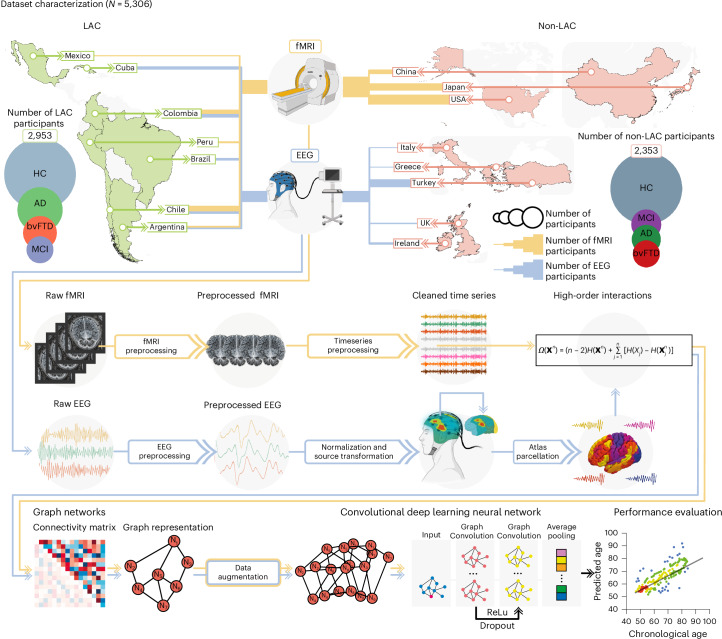
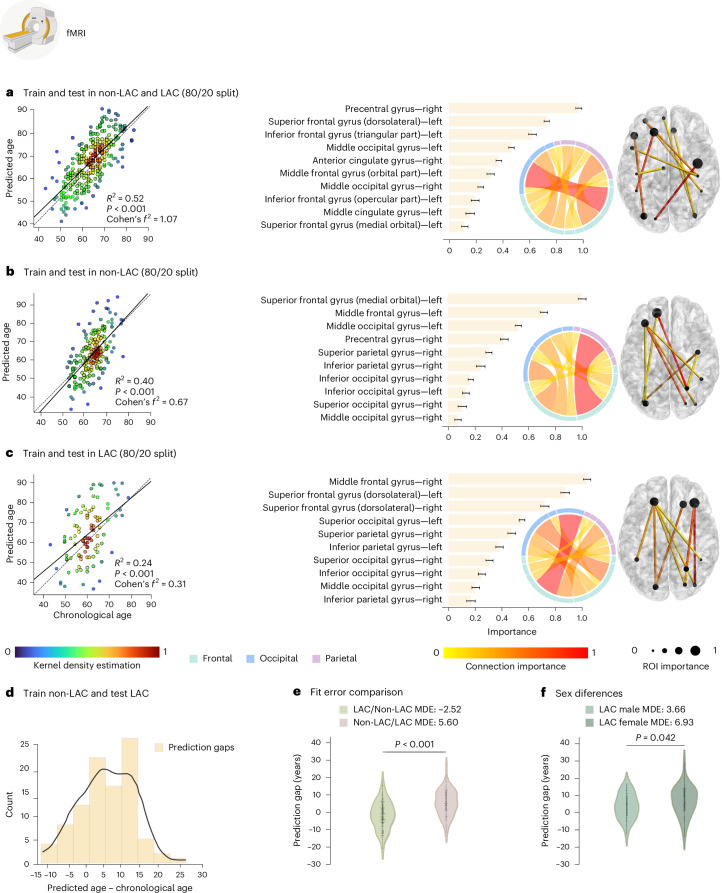
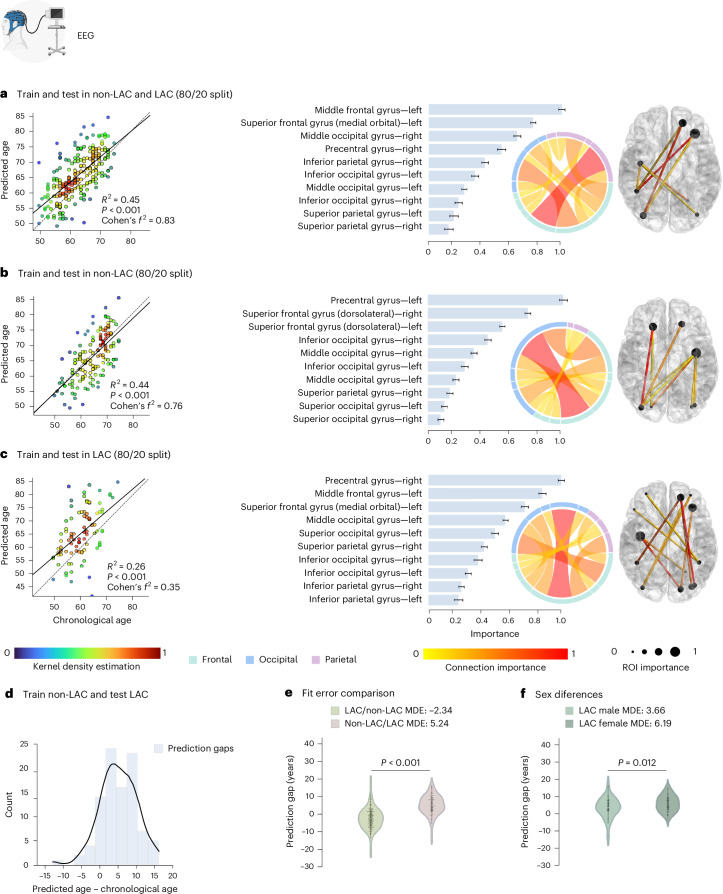
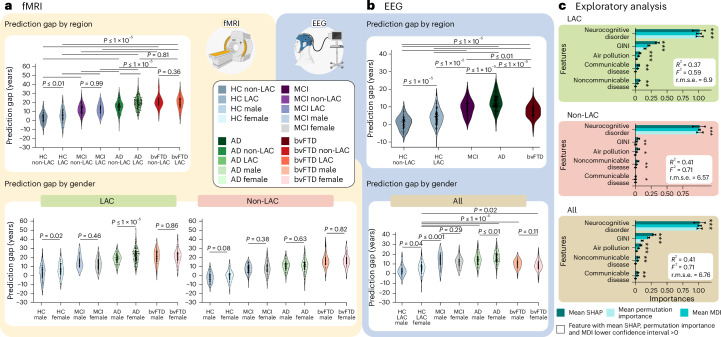
Brain clocks, which quantify discrepancies between brain age and chronological age, hold promise for understanding brain health and disease. However, the impact of diversity (including geographical, socioeconomic, sociodemographic, sex and neurodegeneration) on the brain-age gap is unknown. We analyzed datasets from 5,306 participants across 15 countries (7 Latin American and Caribbean countries (LAC) and 8 non-LAC countries). Based on higher-order interactions, we developed a brain-age gap deep learning architecture for functional magnetic resonance imaging (2,953) and electroencephalography (2,353). The datasets comprised healthy controls and individuals with mild cognitive impairment, Alzheimer disease and behavioral variant frontotemporal dementia. LAC models evidenced older brain ages (functional magnetic resonance imaging: mean directional error = 5.60, root mean square error (r.m.s.e.) = 11.91; electroencephalography: mean directional error = 5.34, r.m.s.e. = 9.82) associated with frontoposterior networks compared with non-LAC models. Structural socioeconomic inequality, pollution and health disparities were influential predictors of increased brain-age gaps, especially in LAC ( R ² = 0.37, F ² = 0.59, r.m.s.e. = 6.9). An ascending brain-age gap from healthy controls to mild cognitive impairment to Alzheimer disease was found. In LAC, we observed larger brain-age gaps in females in control and Alzheimer disease groups compared with the respective males. The results were not explained by variations in signal quality, demographics or acquisition methods. These findings provide a quantitative framework capturing the diversity of accelerated brain aging.
Overview
The claims and statistics of this paper haven’t been checked yet.
Free: it reads the open-access text and checks the first 5 claims that cite a source we can check. Create a free account to check every claim.
Integrity signals
Registry
Cites
Statistics
Figures
Verification
Claims the paper makes
The claims and statistics of this paper haven’t been checked yet.
Free: it reads the open-access text and checks the first 5 claims that cite a source we can check. Create a free account to check every claim.
Claims other papers make about this one
Each is checked against this paper’s own text: does it say what the citing paper says it does?
The source backs part of the claim, not all of it — or backs it for a different population, condition or comparison.
In the citing paper
“While extensively studied in high-income countries, resilience remains underexplored in the majority world, including low-, middleand upper-middle-income countries—where socioeconomic inequities, environmental stressors, large burdens of infectious and noncommunicable diseases and limited healthcare access shape unique health trajectories6–15.”
From Resilience and brain health in global populations (2025) · cites this paper as [13]
Experimental — accuracy not yet measuredThe source backs part of the claim, not all of it — or backs it for a different population, condition or comparison.
In the citing paper
“The current clinical diagnostic criteria, however, is the current gold standard for clinical diagnosis within the literature and has been used globally to diagnose AD and bvFTD.53,56,101,102”
From Altered spatiotemporal brain dynamics of interoception in behavioural-variant frontotemporal dementia (2025) · cites this paper as [102]
Experimental — accuracy not yet measuredThe cited source says what the claim attributes to it.
In the citing paper
“Inequalities and multimodal exposomal factors were associated with accelerated aging, shedding light on prior individual reports of brain health2,26,27 and aging trajectories24,25.”
From The exposome of healthy and accelerated aging across 40 countries (2025) · cites this paper as [2]
The check wasn’t confident either way, so it gives no verdict — never disputed.
In the citing paper
“As in other works2,20, aggregate-level metrics are not without bias from data sources, especially those of national relevance.”
From The exposome of healthy and accelerated aging across 40 countries (2025) · cites this paper as [2]
Experimental — accuracy not yet measuredIn the citing paper
“In poorer regions, individuals face a combination of social stressors such as poverty, violence, and isolation, which are further exacerbated by exposure to physical risk factors such as poor air quality, inadequate nutrition, untreated vision loss, and poor access to health care.134”
From Next generation brain health: transforming global research and public health to promote prevention of dementia and reduce its risk in young adult populations (2024) · cites this paper as [134]
Self-check
Percentages, sums and reported differences re-computed from the paper’s own numbers.
The self-check needs the paper’s full text.
Citations
Cites
Greedy function approximation: A gradient boosting machine
Friedman, J. H. (2001) · The Annals of Statistics · doi:10.1214/aos/1013203451 · Cited by 30,731 · cited 1×
“We used gradient-boosting regression models 75 to investigate the impact of factors associated with the physical and social exposomes, and disease disparities, on brain-age gaps between LAC and non-LAC populations.”
MethodMcKhann, G. M., Knopman, D. S., Chertkow, H., Hyman, B. T., Jack, C. R., Kawas, C. H., Klunk, W. E., Koroshetz, W. J., Manly, J. J., Mayeux, R., et al. (2011) · Alzheimer's & Dementia · doi:10.1016/j.jalz.2011.03.005 · Cited by 18,657
Sensitivity of revised diagnostic criteria for the behavioural variant of frontotemporal dementia
Rascovsky, K., Hodges, J. R., Knopman, D., Mendez, M. F., Kramer, J. H., Neuhaus, J., van Swieten, J. C., Seelaar, H., Dopper, E. G. P., Onyike, C. U., et al. (2011) · Brain · doi:10.1093/brain/awr179 · Cited by 5,221
Self-citationDeep learning in medical image analysis
Shen, D., Wu, G., & Suk, H.-I. (2017) · Annual Review of Biomedical Engineering · doi:10.1146/annurev-bioeng-071516-044442 · Cited by 4,968 · cited 1×
“In addition, standard machine learning approaches are less generalizable than deep learning methods 33 .”
MethodFry, A., Littlejohns, T. J., Sudlow, C., Doherty, N., Adamska, L., Sprosen, T., Collins, R., & Allen, N. E. (2017) · American Journal of Epidemiology · doi:10.1093/aje/kwx246 · Cited by 3,979 · cited 1×
“Brain-age indices have been restricted by the predominant use of MRI or positron emission tomography, which are less accessible and affordable in LAC, leading to selection biases 34 .”
MethodAgeing as a risk factor for neurodegenerative disease
Hou, Y., Dan, X., Babbar, M., Wei, Y., Hasselbalch, S. G., Croteau, D. L., & Bohr, V. A. (2019) · Nature Reviews Neurology · doi:10.1038/s41582-019-0244-7 · Cited by 3,310
Appelhof, B., Bakker, C., Van Duinen-van den Ijssel, J. C. L., Zwijsen, S. A., Smalbrugge, M., Verhey, F. R. J., de Vugt, M. E., Zuidema, S. U., & Koopmans, R. T. C. M. (2017) · Dementia and Geriatric Cognitive Disorders · doi:10.1159/000477087 · Cited by 2,760
ICLabel: An automated electroencephalographic independent component classifier, dataset, and website
Pion-Tonachini, L., Kreutz-Delgado, K., & Makeig, S. (2019) · NeuroImage · doi:10.1016/j.neuroimage.2019.05.026 · Cited by 2,267 · cited 1×
“ICLabel (a tool for classifying EEG independent components into signals and different noise categories) 66 , and EyeCatch (a tool for identifying eye-related independent component analysis scalp maps) were used 67 .”
MethodPollution and health: a progress update
Fuller, R., Landrigan, P. J., Balakrishnan, K., Bathan, G., Bose-O'Reilly, S., Brauer, M., Caravanos, J., Chiles, T., Cohen, A., Corra, L., et al. (2022) · The Lancet Planetary Health · doi:10.1016/s2542-5196(22)00090-0 · Cited by 2,143
Enriched environments, experience-dependent plasticity and disorders of the nervous system
Nithianantharajah, J., & Hannan, A. J. (2006) · Nature Reviews Neuroscience · doi:10.1038/nrn1970 · Cited by 1,771
A Practical Guide to Calculating Cohen’s f2, a Measure of Local Effect Size, from PROC MIXED
Selya, A. S., Rose, J. S., Dierker, L. C., Hedeker, D., & Mermelstein, R. J. (2012) · Frontiers in Psychology · doi:10.3389/fpsyg.2012.00111 · Cited by 1,297
Global estimates on the number of persons across the Alzheimer's disease continuum
Gustavsson, A., Norton, N., Fast, T., Frölich, L., Georges, J., Holzapfel, D., Kirabali, T., Krolak‐Salmon, P., Rossini, P. M., Ferretti, M. T., et al. (2023) · Alzheimer's & Dementia · doi:10.1002/alz.12694 · Cited by 895 · cited 3×
“We included the Alzheimer’s disease continuum, which encompasses MCI, to capture the prodromal stages of the disease 39 .”
BackgroundResultHandbook of functional connectivity Magnetic Resonance Imaging methods in CONN
Nieto-Castanon, A. (2020) · Hilbert Press eBooks · doi:10.56441/hilbertpress.2207.6598 · Cited by 626
Heterogeneous aging across multiple organ systems and prediction of chronic disease and mortality
Tian, Y. E., Cropley, V., Maier, A. B., Lautenschlager, N. T., Breakspear, M., & Zalesky, A. (2023) · Nature Medicine · doi:10.1038/s41591-023-02296-6 · Cited by 618
Aging and functional brain networks
Tomasi, D., & Volkow, N. D. (2012) · Molecular Psychiatry · doi:10.1038/mp.2011.81 · Cited by 578
Storsve, A. B., Fjell, A. M., Tamnes, C. K., Westlye, L. T., Overbye, K., Aasland, H. W., & Walhovd, K. B. (2014) · Journal of Neuroscience · doi:10.1523/jneurosci.0391-14.2014 · Cited by 542
Babulal, G. M., Quiroz, Y. T., Albensi, B. C., Arenaza‐Urquijo, E., Astell, A. J., Babiloni, C., Bahar‐Fuchs, A., Bell, J., Bowman, G. L., Brickman, A. M., et al. (2019) · Alzheimer's & Dementia · doi:10.1016/j.jalz.2018.09.009 · Cited by 528 · cited 3×
“In LAC, tricontinental admixtures lead to substantial ancestral diversity within and across countries 46 , impacting dementia prevalence and brain phenotypes 41 .”
BackgroundSelf-citationBiological Aging Is No Longer an Unsolved Problem
HAYFLICK, L. (2007) · Annals of the New York Academy of Sciences · doi:10.1196/annals.1395.001 · Cited by 418 · cited 1×
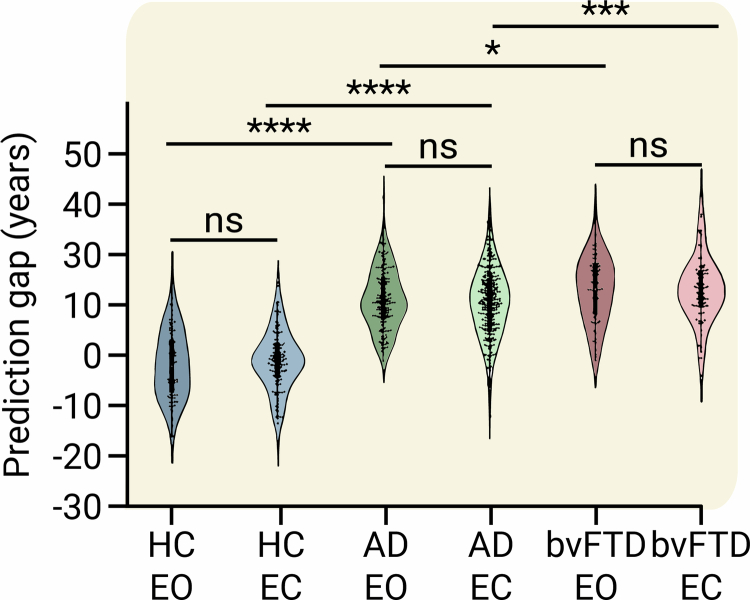
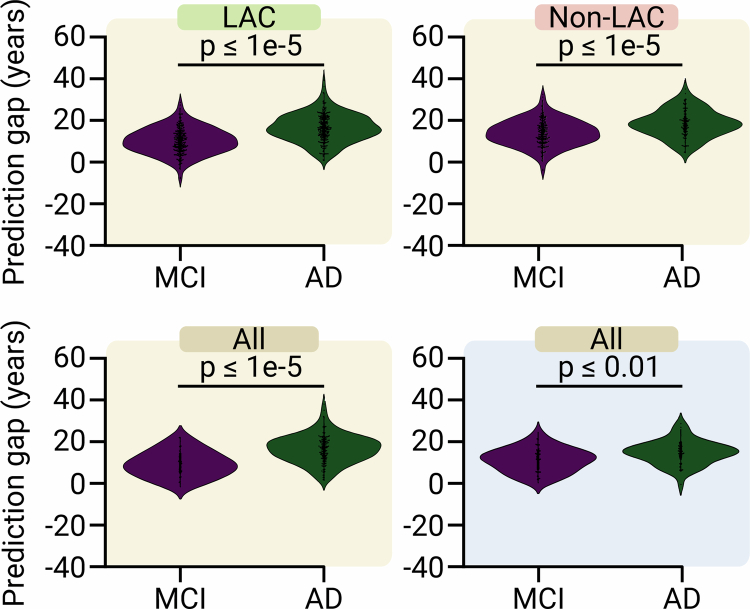
“Also consistent with the cumulative nature of neurobiological changes over time 50 , brain-age gaps increased from Results are presented as mean (s.d.).”
BackgroundMukadam, N., Sommerlad, A., Huntley, J., & Livingston, G. (2019) · The Lancet Global Health · doi:10.1016/s2214-109x(19)30074-9 · Cited by 416
Murphy, K., Bodurka, J., & Bandettini, P. A. (2007) · NeuroImage · doi:10.1016/j.neuroimage.2006.09.032 · Cited by 404 · cited 3×
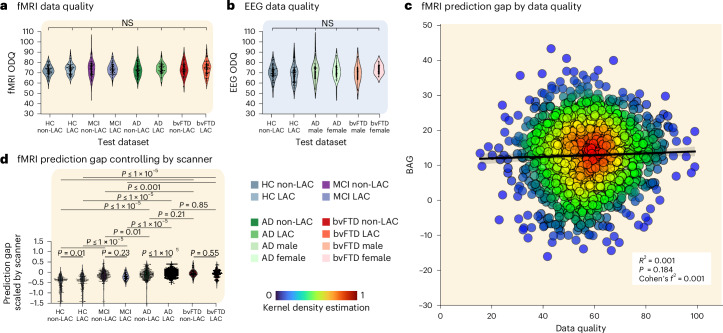
“For the fMRI overall data quality (ODQ) metric, each time series was segmented in 20 repetition time (TR) length to evaluate the temporal signal-to-noise ratio (tSNR) 78 , which is calculated as the mean fMRI signal divided by its standard deviation within each segment.”
BackgroundMethodInfluentialImpact of dementia: Health disparities, population trends, care interventions, and economic costs
Aranda, M. P., Kremer, I. N., Hinton, L., Zissimopoulos, J., Whitmer, R. A., Hummel, C. H., Trejo, L., & Fabius, C. (2021) · Journal of the American Geriatrics Society · doi:10.1111/jgs.17345 · Cited by 390 · cited 1×
“Despite advances in gender equality, women in LAC still face important obstacles 58 including lower education, less income and healthcare access, and greater caregiving burden, potentially exacerbating brain health issues and Alzheimer disease risk 59,60 .”
BackgroundInce, R. A. A., Giordano, B. L., Kayser, C., Rousselet, G. A., Gross, J., & Schyns, P. G. (2017) · Human Brain Mapping · doi:10.1002/hbm.23471 · Cited by 366 · cited 1×
“To operationalize the Shannon entropy, we used the Gaussian copula approximation, which estimates the differential Shannon’s entropy from the covariance matrix of the Gaussian copula transformed data 70 .”
MethodDucharme, S., Dols, A., Laforce, R., Devenney, E., Kumfor, F., van den Stock, J., Dallaire-Théroux, C., Seelaar, H., Gossink, F., Vijverberg, E., et al. (2020) · Brain · doi:10.1093/brain/awaa018 · Cited by 320 · cited 1×
“We focused on the Alzheimer disease and bvFTD because these conditions represent the most common late-onset and early-onset causes of dementia 38,39 .”
BackgroundSex differences in Alzheimer risk: Brain imaging of endocrine vs chronologic aging
Mosconi, L., Berti, V., Quinn, C., McHugh, P., Petrongolo, G., Varsavsky, I., Osorio, R. S., Pupi, A., Vallabhajosula, S., Isaacson, R. S., et al. (2017) · Neurology · doi:10.1212/wnl.0000000000004425 · Cited by 319
Explaining a series of models by propagating Shapley values
Chen, H., Lundberg, S. M., & Lee, S.-I. (2022) · Nature Communications · doi:10.1038/s41467-022-31384-3 · Cited by 278 · cited 1×
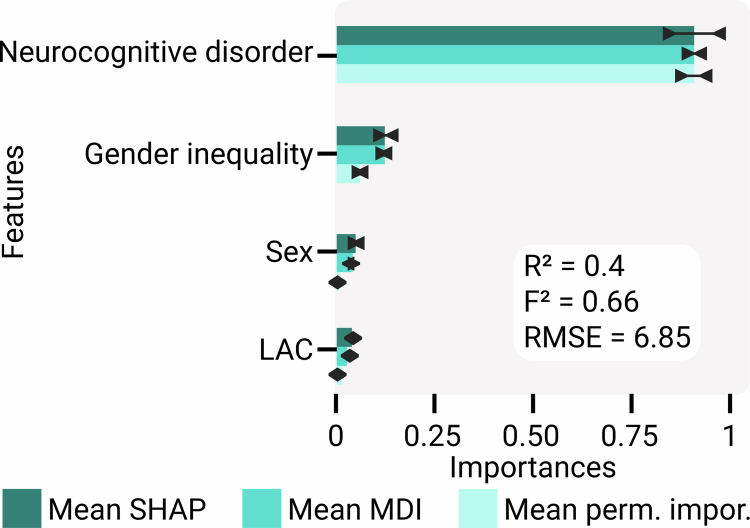
“We assessed feature importance using a multi-method approach incorporating permutation importance, features importance based on the MDI and SHAP values 77 .”
MethodLife expectancy and mortality in 363 cities of Latin America
the SALURBAL group, Bilal, U., Hessel, P., Perez-Ferrer, C., Michael, Y. L., Alfaro, T., Tenorio-Mucha, J., Friche, A. A. L., Pina, M. F., Vives, A., et al. (2021) · Nature Medicine · doi:10.1038/s41591-020-01214-4 · Cited by 275 · cited 1×
“However, structural socioeconomic inequality, a distinctive characteristic of LAC 15 , increased levels air pollution 43 , and the burden of noncommunicable 19,20 and communicable 18,44 diseases are also important factors on the brain-age gap.”
BackgroundNianogo, R. A., Rosenwohl-Mack, A., Yaffe, K., Carrasco, A., Hoffmann, C. M., & Barnes, D. E. (2022) · JAMA Neurology · doi:10.1001/jamaneurol.2022.0976 · Cited by 269 · cited 1×
“Neurocognitive disorders played a crucial role 4,42 .”
BackgroundSnyder, H. M., Asthana, S., Bain, L., Brinton, R., Craft, S., Dubal, D. B., Espeland, M. A., Gatz, M., Mielke, M. M., Raber, J., et al. (2016) · Alzheimer's & Dementia · doi:10.1016/j.jalz.2016.08.004 · Cited by 262 · cited 1×
“Females also exhibit a disproportionate tau brain burden 54 , pronounced inflammatory dysregulation 55 and lower basal autophagy 56 compared with males, all of which increase Alzheimer disease risk.”
BackgroundThe conneXion between sex and immune responses
Forsyth, K. S., Jiwrajka, N., Lovell, C. D., Toothacre, N. E., & Anguera, M. C. (2024) · Nature Reviews Immunology · doi:10.1038/s41577-024-00996-9 · Cited by 209 · cited 1×
“Females also exhibit a disproportionate tau brain burden 54 , pronounced inflammatory dysregulation 55 and lower basal autophagy 56 compared with males, all of which increase Alzheimer disease risk.”
BackgroundDeep learning-based brain age prediction in normal aging and dementia
Lee, J., Burkett, B. J., Min, H.-K., Senjem, M. L., Lundt, E. S., Botha, H., Graff-Radford, J., Barnard, L. R., Gunter, J. L., Schwarz, C. G., et al. (2022) · Nature Aging · doi:10.1038/s43587-022-00219-7 · Cited by 206 · cited 1×
“A previous deep learning study using MRI and positron emission tomography in participants with MCI and dementia also indicated increased brain-age associated with disease progression 23 .”
Mielke, M. M., Aggarwal, N. T., Vila‐Castelar, C., Agarwal, P., Arenaza‐Urquijo, E. M., Brett, B., Brugulat‐Serrat, A., DuBose, L. E., Eikelboom, W. S., Flatt, J., et al. (2022) · Alzheimer's & Dementia · doi:10.1002/alz.12662 · Cited by 198
Pardo, J. V., Lee, J. T., Sheikh, S. A., Surerus-Johnson, C., Shah, H., Munch, K. R., Carlis, J. V., Lewis, S. M., Kuskowski, M. A., & Dysken, M. W. (2007) · NeuroImage · doi:10.1016/j.neuroimage.2006.12.044 · Cited by 176 · cited 1×
“Both fMRI and EEG models of brain-age gaps yielded large-scale frontoposterior high-order interactions 1 , consistent with models of brain age involving long-range connections between frontal, cingular, parietal, and occipital hubs, which may be more vulnerable to aging effects 47–49 .”
BackgroundBrain–phenotype models fail for individuals who defy sample stereotypes
Greene, A. S., Shen, X., Noble, S., Horien, C., Hahn, C. A., Arora, J., Tokoglu, F., Spann, M. N., Carrión, C. I., Barron, D. S., et al. (2022) · Nature · doi:10.1038/s41586-022-05118-w · Cited by 167 · cited 1×
“The better fit of the non-LAC compared to the LAC models supports the notion that universal models of brain phenotypes do not generalize well to underrepresented populations 24,29,40 .”
ResultChan, M. Y., Na, J., Agres, P. F., Savalia, N. K., Park, D. C., & Wig, G. S. (2018) · Proceedings of the National Academy of Sciences · doi:10.1073/pnas.1714021115 · Cited by 161
A global view of the genetic basis of Alzheimer disease
Reitz, C., Pericak-Vance, M. A., Foroud, T., & Mayeux, R. (2023) · Nature Reviews Neurology · doi:10.1038/s41582-023-00789-z · Cited by 157 · cited 1×
“In LAC, tricontinental admixtures lead to substantial ancestral diversity within and across countries 46 , impacting dementia prevalence and brain phenotypes 41 .”
BackgroundPredicting Age From Brain EEG Signals—A Machine Learning Approach
Al Zoubi, O., Ki Wong, C., Kuplicki, R. T., Yeh, H.-W., Mayeli, A., Refai, H., Paulus, M., & Bodurka, J. (2018) · Frontiers in Aging Neuroscience · doi:10.3389/fnagi.2018.00184 · Cited by 154 · cited 1×
“Previous models for brain age have been conducted predominantly in high-income settings, ignoring sex and gender differences triggered by region-specific influences 30,31 .”
BackgroundDementia in Latin America: Paving the way toward a regional action plan
Parra, M. A., Baez, S., Sedeño, L., Gonzalez Campo, C., Santamaría‐García, H., Aprahamian, I., Bertolucci, P. H., Bustin, J., Camargos Bicalho, M. A., Cano‐Gutierrez, C., et al. (2021) · Alzheimer's & Dementia · doi:10.1002/alz.12202 · Cited by 147
Self-citationDevelopment and Validation of Pedigree Classification Criteria for Frontotemporal Lobar Degeneration
Wood, E. M., Falcone, D., Suh, E., Irwin, D. J., Chen-Plotkin, A. S., Lee, E. B., Xie, S. X., Van Deerlin, V. M., & Grossman, M. (2013) · JAMA Neurology · doi:10.1001/jamaneurol.2013.3956 · Cited by 143 · cited 1×
“Our sex effects were specific for Alzheimer disease and LAC, consistent with the impacts of environmental 41 versus genetic risks 57 in Alzheimer disease and bvFTD, respectively.”
Analysis of the MIRIAD Data Shows Sex Differences in Hippocampal Atrophy Progression
Ardekani, B. A., Convit, A., & Bachman, A. H. (2016) · Journal of Alzheimer's Disease · doi:10.3233/jad-150780 · Cited by 141
Factors associated with healthy aging in Latin American populations
Santamaria-Garcia, H., Sainz-Ballesteros, A., Hernandez, H., Moguilner, S., Maito, M., Ochoa-Rosales, C., Corley, M., Valcour, V., Miranda, J. J., Lawlor, B., et al. (2023) · Nature Medicine · doi:10.1038/s41591-023-02495-1 · Cited by 141 · cited 2×
“Diversity-related factors associated with different exposures and disease outcomes 4,10,24,41 may influence the brain-age gaps in LAC and non-LAC.”
BackgroundSelf-citationInternational migration and health: it is time to go beyond conventional theoretical frameworks
Hossin, M. Z. (2020) · BMJ Global Health · doi:10.1136/bmjgh-2019-001938 · Cited by 135 · cited 1×
“Immigration may also influence brain age through social determinants of health 45 and genetic diversity.”
BackgroundGenuine high-order interactions in brain networks and neurodegeneration
Herzog, R., Rosas, F. E., Whelan, R., Fittipaldi, S., Santamaria-Garcia, H., Cruzat, J., Birba, A., Moguilner, S., Tagliazucchi, E., Prado, P., et al. (2022) · Neurobiology of Disease · doi:10.1016/j.nbd.2022.105918 · Cited by 108 · cited 2×
“The voxels belonging to the same AAL region were averaged such that a single (mean) time series was obtained for each cortical region 32,68,69 .”
MethodInfluentialSelf-citationHierink, F., Okiro, E. A., Flahault, A., & Ray, N. (2021) · PLoS ONE · doi:10.1371/journal.pone.0244921 · Cited by 90 · cited 1×
“However, structural socioeconomic inequality, a distinctive characteristic of LAC 15 , increased levels air pollution 43 , and the burden of noncommunicable 19,20 and communicable 18,44 diseases are also important factors on the brain-age gap.”
BackgroundBrain Connectivity Based Graph Convolutional Networks and Its Application to Infant Age Prediction
Li, Y., Zhang, X., Nie, J., Zhang, G., Fang, R., Xu, X., Wu, Z., Hu, D., Wang, L., Zhang, H., et al. (2022) · IEEE Transactions on Medical Imaging · doi:10.1109/tmi.2022.3171778 · Cited by 88 · cited 1×
“Two GCNs 71 were designed, tailored to process graph-structured data.”
MethodSex Differences in Autophagy Contribute to Female Vulnerability in Alzheimer's Disease
Congdon, E. E. (2018) · Frontiers in Neuroscience · doi:10.3389/fnins.2018.00372 · Cited by 81 · cited 1×
“Females also exhibit a disproportionate tau brain burden 54 , pronounced inflammatory dysregulation 55 and lower basal autophagy 56 compared with males, all of which increase Alzheimer disease risk.”
BackgroundPrado, P., Medel, V., Gonzalez-Gomez, R., Sainz-Ballesteros, A., Vidal, V., Santamaría-García, H., Moguilner, S., Mejia, J., Slachevsky, A., Behrens, M. I., et al. (2023) · Scientific Data · doi:10.1038/s41597-023-02806-8 · Cited by 79
Self-citationNeuroecological links of the exposome and One Health
Ibanez, A., Melloni, L., Świeboda, P., Hynes, W., Ikiz, B., Ayadi, R., Thioye, M., Walss-Bass, C., Güntekin, B., Mishra, J., et al. (2024) · Neuron · doi:10.1016/j.neuron.2024.04.016 · Cited by 79 · cited 1×
“The fact that these effects were larger in LAC suggests that underlying inequalities and adverse environmental and health conditions play a macrosocial, structural driving role 11 in the observed regional differences.”
BackgroundSelf-citationBigdely-Shamlo, N., Kreutz-Delgado, K., Kothe, C., & Makeig, S. (2013) · 2013 35th Annual International Conference of the IEEE Engineering in Medicine and Biology Society (EMBC) · doi:10.1109/embc.2013.6610881 · Cited by 78 · cited 1×
“ICLabel (a tool for classifying EEG independent components into signals and different noise categories) 66 , and EyeCatch (a tool for identifying eye-related independent component analysis scalp maps) were used 67 .”
MethodMaito, M. A., Santamaría-García, H., Moguilner, S., Possin, K. L., Godoy, M. E., Avila-Funes, J. A., Behrens, M. I., Brusco, I. L., Bruno, M. A., Cardona, J. F., et al. (2023) · The Lancet Regional Health - Americas · doi:10.1016/j.lana.2022.100387 · Cited by 73
Self-citationSpontaneous cortical dynamics from the first years to the golden years
Rempe, M. P., Ott, L. R., Picci, G., Penhale, S. H., Christopher-Hayes, N. J., Lew, B. J., Petro, N. M., Embury, C. M., Schantell, M., Johnson, H. J., et al. (2023) · Proceedings of the National Academy of Sciences · doi:10.1073/pnas.2212776120 · Cited by 72 · cited 1×
“Both fMRI and EEG models of brain-age gaps yielded large-scale frontoposterior high-order interactions 1 , consistent with models of brain age involving long-range connections between frontal, cingular, parietal, and occipital hubs, which may be more vulnerable to aging effects 47–49 .”
BackgroundTime to synergize mental health with brain health
Ibanez, A., & Zimmer, E. R. (2023) · Nature Mental Health · doi:10.1038/s44220-023-00086-0 · Cited by 66 · cited 2×
“The convergence of two neuroimaging techniques and population heterogeneity enhanced the generalizability to the computational models that capture diversity 10 .”
BackgroundZugman, A., Alliende, L. M., Medel, V., Bethlehem, R. A. I., Seidlitz, J., Ringlein, G., Arango, C., Arnatkevičiūtė, A., Asmal, L., Bellgrove, M., et al. (2023) · Proceedings of the National Academy of Sciences · doi:10.1073/pnas.2218782120 · Cited by 65 · cited 2×
“Sex and gender have been linked to poorer brain health outcomes 27,51 .”
BackgroundSelf-citationA synergetic turn in cognitive neuroscience of brain diseases
Ibanez, A., Kringelbach, M. L., & Deco, G. (2024) · Trends in Cognitive Sciences · doi:10.1016/j.tics.2023.12.006 · Cited by 65 · cited 3×
“In particular, incorporating EEG offers affordable and scalable solutions for low-resourced settings, such as those in LAC, compared with traditional neuroimaging techniques 1,35 .”
BackgroundMethodAddressing the gaps between socioeconomic disparities and biological models of dementia
Ibáñez, A., Legaz, A., & Ruiz-Adame, M. (2023) · Brain · doi:10.1093/brain/awad236 · Cited by 60 · cited 1×
“However, structural socioeconomic inequality, a distinctive characteristic of LAC 15 , increased levels air pollution 43 , and the burden of noncommunicable 19,20 and communicable 18,44 diseases are also important factors on the brain-age gap.”
BackgroundSelf-citationGouveia, N., Hernandez, J. R., Kephart, J. L., Ortigoza, A. F., Morales, R., Texcalac-Sangrador, J. L., Rodríguez, D. A., Roux, A. V. D., Sánchez, B. N., & Yamada, G. (2024) · The Science of The Total Environment · doi:10.1016/j.scitotenv.2024.171073 · Cited by 58 · cited 1×
“However, structural socioeconomic inequality, a distinctive characteristic of LAC 15 , increased levels air pollution 43 , and the burden of noncommunicable 19,20 and communicable 18,44 diseases are also important factors on the brain-age gap.”
BackgroundTemporal irreversibility of large-scale brain dynamics in Alzheimer's disease
Cruzat, J., Herzog, R., Prado, P., Sanz-Perl, Y., Gonzalez-Gomez, R., Moguilner, S., Kringelbach, M. L., Deco, G., Tagliazucchi, E., & Ibañez, A. (2023) · The Journal of Neuroscience · doi:10.1523/jneurosci.1312-22.2022 · Cited by 57 · cited 1×
“The voxels belonging to the same AAL region were averaged such that a single (mean) time series was obtained for each cortical region 32,68,69 .”
MethodSelf-citationEducational disparities in brain health and dementia across Latin America and the United States
Gonzalez‐Gomez, R., Legaz, A., Moguilner, S., Cruzat, J., Hernández, H., Baez, S., Cocchi, R., Coronel‐Olivero, C., Medel, V., Tagliazuchi, E., et al. (2024) · Alzheimer's & Dementia · doi:10.1002/alz.14085 · Cited by 55
Self-citationGlobal South research is critical for understanding brain health, ageing and dementia
Baez, S., Alladi, S., & Ibanez, A. (2023) · Clinical and Translational Medicine · doi:10.1002/ctm2.1486 · Cited by 47 · cited 2×
“The better fit of the non-LAC compared to the LAC models supports the notion that universal models of brain phenotypes do not generalize well to underrepresented populations 24,29,40 .”
BackgroundResultBrain health in diverse settings: How age, demographics and cognition shape brain function
Hernandez, H., Baez, S., Medel, V., Moguilner, S., Cuadros, J., Santamaria-Garcia, H., Tagliazucchi, E., Valdes-Sosa, P. A., Lopera, F., OchoaGómez, J. F., et al. (2024) · NeuroImage · doi:10.1016/j.neuroimage.2024.120636 · Cited by 45 · cited 2×
“EEG offers a solution because of its cost-effectiveness, portability and ease of implementation in aging and dementia 35,36 .”
BackgroundMethodSelf-citationA deep graph convolutional neural network architecture for graph classification
Zhou, Y., Huo, H., Hou, Z., & Bu, F. (2023) · PLoS ONE · doi:10.1371/journal.pone.0279604 · Cited by 44 · cited 2×
“The input features (O-info matrix) were passed through the first convolutional layer, followed by a ReLU activation function and a dropout layer for regularization.”
MethodDementia ConnEEGtome: towards multicentric harmonization of EEG connectivity in neurodegeneration
Prado, P., Birba, A., Cruzat, J., Santamaría-García, H., Parra, M., Moguilner, S., Tagliazucchi, E., & Ibáñez, A. (2022) · International Journal of Psychophysiology · doi:10.1016/j.ijpsycho.2021.12.008 · Cited by 43 · cited 2×
“Following guidelines for multicentric studies 37 , EEG was rescaled to reduce cross-site variability.”
MethodSelf-citationHeterogeneous aging across multiple organ systems and prediction of chronic disease and mortalityPreprint
Tian, Y. E., Cropley, V., Maier, A. B., et al. (2022) · medRxiv · doi:10.1101/2022.09.03.22279337 · Cited by 41
Khayretdinova, M., Shovkun, A., Degtyarev, V., Kiryasov, A., Pshonkovskaya, P., & Zakharov, I. (2022) · Frontiers in Aging Neuroscience · doi:10.3389/fnagi.2022.1019869 · Cited by 41 · cited 1×
“Previous models for brain age have been conducted predominantly in high-income settings, ignoring sex and gender differences triggered by region-specific influences 30,31 .”
BackgroundFittipaldi, S., Legaz, A., Maito, M., Hernandez, H., Altschuler, F., Canziani, V., Moguilner, S., Gillan, C. M., Castillo, J., Lillo, P., et al. (2024) · Nature Mental Health · doi:10.1038/s44220-023-00164-3 · Cited by 36 · cited 1×
“This method involves normalizing the brain-age gap variable within each scanner type by scaling the data to a fixed range using the min–max scaler 14 .”
MethodSelf-citationZhao, L., Zhang, Y., Xue, Y., Wu, H., Wang, L., Li, F., Duan, M., Lai, Y., Liu, T., Dong, L., et al. (2022) · Physiological Measurement · doi:10.1088/1361-6579/ac890d · Cited by 32
Gender Inequality in Latin America: A Multidimensional Analysis Based on ECLAC Indicators
Hernández, E. J. M., Gómez, M. J. F., & Barrera‐Mellado, I. (2021) · Sustainability · doi:10.3390/su132313140 · Cited by 30 · cited 1×
“Despite advances in gender equality, women in LAC still face important obstacles 58 including lower education, less income and healthcare access, and greater caregiving burden, potentially exacerbating brain health issues and Alzheimer disease risk 59,60 .”
BackgroundIbanez, A., Maito, M., Botero-Rodríguez, F., Fittipaldi, S., Coronel, C., Migeot, J., Lacroix, A., Lawlor, B., Duran-Aniotz, C., Baez, S., et al. (2024) · Nature Aging · doi:10.1038/s43587-024-00648-6 · Cited by 30
Self-citationCoronel‐Oliveros, C., González-Gómez, R., Ranasinghe, K. G., Sainz‐Ballesteros, A., Legaz, A., Fittipaldi, S., Cruzat, J., Herzog, R. A., Yener, G., Parra, M. A., et al. (2024) · Alzheimer s & Dementia · doi:10.1002/alz.13788 · Cited by 28 · cited 1×
“EEG offers a solution because of its cost-effectiveness, portability and ease of implementation in aging and dementia 35,36 .”
BackgroundSelf-citationThe “cognitive clock”: A novel indicator of brain health
Boyle, P. A., Wang, T., Yu, L., Wilson, R. S., Dawe, R. J., Arfanakis, K., Schneider, J. A., Beck, T. L., Rajan, K. B., Evans, D. A., et al. (2021) · Alzheimer s & Dementia · doi:10.1002/alz.12351 · Cited by 26 · cited 1×
“Recordings were re-referenced to the average reference and band-pass filtered between 0.5 and 40 Hz using a zero-phase shift Butterworth filter of order 8.”
MethodInfluentialSource space connectomics of neurodegeneration: One-metric approach does not fit all
Prado, P., Moguilner, S., Mejía, J. A., Sainz-Ballesteros, A., Otero, M., Birba, A., Santamaria-Garcia, H., Legaz, A., Fittipaldi, S., Cruzat, J., et al. (2023) · Neurobiology of Disease · doi:10.1016/j.nbd.2023.106047 · Cited by 26 · cited 1×
“The voxels belonging to the same AAL region were averaged such that a single (mean) time series was obtained for each cortical region 32,68,69 .”
MethodSelf-citationMullachery, P. H., Rodríguez, D. A., Miranda, J. J., López‐Olmedo, N., Martínez-Folgar, K., Barreto, M. L., Roux, A. V. D., & Bilal, U. (2021) · International Journal of Epidemiology · doi:10.1093/ije/dyab137 · Cited by 25 · cited 1×
“However, structural socioeconomic inequality, a distinctive characteristic of LAC 15 , increased levels air pollution 43 , and the burden of noncommunicable 19,20 and communicable 18,44 diseases are also important factors on the brain-age gap.”
BackgroundAllostasis, health, and development in Latin America
Migeot, J., Panesso, C., Duran-Aniotz, C., Ávila-Rincón, C., Ochoa, C., Huepe, D., Santamaría-García, H., Miranda, J. J., Escobar, M. J., Pina-Escudero, S., et al. (2024) · Neuroscience & Biobehavioral Reviews · doi:10.1016/j.neubiorev.2024.105697 · Cited by 25
Self-citationPrado, P., Mejía, J. A., Sainz‐Ballesteros, A., Birba, A., Moguilner, S., Herzog, R., Otero, M., Cuadros, J., Z‐Rivera, L., O'Byrne, D. F., et al. (2023) · Alzheimer's & Dementia: Diagnosis, Assessment & Disease Monitoring · doi:10.1002/dad2.12455 · Cited by 24 · cited 2×
“The pipeline allows for the multicentric assessment of resting-state EEG (rsEEG) connectivity and has been validated in a large-scale evaluation of connectivity in dementia 65 .”
BackgroundSelf-citationBrain Age Difference at Baseline Predicts Clinical Dementia Rating Change in Approximately Two Years
Tseng, W.-Y. I., Hsu, Y.-C., & Kao, T.-W. (2022) · Journal of Alzheimer s Disease · doi:10.3233/jad-215380 · Cited by 22
Ince, R. A. A., Giordano, B. L., Kayser, C., et al. (2016) · bioRxiv (Cold Spring Harbor Laboratory) · doi:10.1101/043745 · Cited by 20
The aging brain: risk factors and interventions for long term brain health in women
Caldwell, J. Z. K., & Isenberg, N. (2023) · Current Opinion in Obstetrics & Gynecology · doi:10.1097/gco.0000000000000849 · Cited by 18
Moguilner, S., Herzog, R., Perl, Y. S., Medel, V., Cruzat, J., Coronel, C., Kringelbach, M., Deco, G., Ibáñez, A., & Tagliazucchi, E. (2024) · Alzheimer's Research & Therapy · doi:10.1186/s13195-024-01449-0 · Cited by 16 · cited 1×
“The better fit of the non-LAC compared to the LAC models supports the notion that universal models of brain phenotypes do not generalize well to underrepresented populations 24,29,40 .”
ResultSelf-citationLow test scores in Latin America: poor schools, poor families or something else?
Breton, T. R., & Canavire‐Bacarreza, G. (2017) · Compare A Journal of Comparative and International Education · doi:10.1080/03057925.2017.1342530 · Cited by 14
Deep learning-based brain age prediction in normal aging and dementiaPreprint
Lee, J., Burkett, B. J., Min, H.-K. P., et al. (2021) · Research Square · doi:10.21203/rs.3.rs-804454/v1 · Cited by 13
Fittipaldi, S., Legaz, A., Maito, M. A., Hernandez, H., Altschuler, F., Canziani, V., Moguilner, S., Gillan, C. M., Castillo, J., Lillo, P., et al. (2023) · Research Square · doi:10.21203/rs.3.rs-3007086/v1 · Cited by 7
Self-citationDiverse factors shape healthy aging in Latin America
Walters, H. (2023) · Nature Aging · doi:10.1038/s43587-023-00508-9 · Cited by 4
Research works printed but not linked: 1
- 73. Kohavi, R. A study of cross-validation and bootstrap for accuracy estimation and model selection. Proc. of 14th International Joint Conference on AI 1137–1143 (1995).
Cited by
The generative era of medical AI
Fahrner, J., Chen, E., Topol, E. J., & Rajpurkar, P. (2025) · Cell · doi:10.1016/j.cell.2025.05.018 · Cited by 145
The exposome of healthy and accelerated aging across 40 countries
Hernandez, H., Santamaria-Garcia, H., Moguilner, S., Farina, F. R., Legaz, A., Prado, P., Cuadros, J., Gonzalez, L., Gonzalez-Gomez, R., Migeot, J., et al. (2025) · Nature Medicine · doi:10.1038/s41591-025-03808-2 · Cited by 71
“Measurements and harmonization details are in Supplementary Notes 1 and 2.”
InfluentialSelf-citationBiomarkers of ageing of humans and non-human primates
Wu, Z., Qu, J. T., Zhang, W., Bao, Z., Bi, Y., Cai, J.-P., Cai, S.-Q., Cao, C.-M., Cao, F., Cao, Z., et al. (2025) · Nature Reviews Molecular Cell Biology · doi:10.1038/s41580-025-00883-8 · Cited by 60
“Structural and functional changes include brain atrophy and reduced cortical thickness, volume of the grey matter and integrity of the white matter 14,219–222 (Supplementary Table 3).”
Farina, F. R., Bridgeman, K., Gregory, S., Crivelli, L., Foote, I. F., Jutila, O.-E. I., Kucikova, L., Mariano, L. I., Nguyen, K.-H., Thayanandan, T., et al. (2024) · The Lancet Healthy Longevity · doi:10.1016/j.lanhl.2024.100665 · Cited by 45
“134 Internal factors such as chronic stress and depression can result from or be aggravated by adverse social and physical environments.”
Self-citationBrain age gap as a predictive biomarker that links aging, lifestyle, and neuropsychiatric health
Zhang, R., Fan, Y., Mao, H., Huang, Z., Wang, K., & Zhang, J. (2025) · Communications Medicine · doi:10.1038/s43856-025-01100-5 · Cited by 57
Metadata
- Authors
- Moguilner, S., Baez, S., Hernandez, H., Migeot, J., Legaz, A., Gonzalez-Gomez, R., Farina, F. R., Prado, P., Cuadros, J., Tagliazucchi, E., Altschuler, F., Maito, M. A., Godoy, M. E., Cruzat, J., Valdes-Sosa, P. A., Lopera, F., Ochoa-Gómez, J. F., Hernandez, A. G., Bonilla-Santos, J., Gonzalez-Montealegre, R. A., Anghinah, R., d’Almeida Manfrinati, L. E., Fittipaldi, S., Medel, V., Olivares, D., Yener, G. G., Escudero, J., Babiloni, C., Whelan, R., Güntekin, B., Yırıkoğulları, H., Santamaria-Garcia, H., Lucas, A. F., Huepe, D., Di Caterina, G., Soto-Añari, M., Birba, A., Sainz-Ballesteros, A., Coronel-Oliveros, C., Yigezu, A., Herrera, E., Abasolo, D., Kilborn, K., Rubido, N., Clark, R. A., Herzog, R., Yerlikaya, D., Hu, K., Parra, M. A., Reyes, P., García, A. M., Matallana, D. L., Avila-Funes, J. A., Slachevsky, A., Behrens, M. I., Custodio, N., Cardona, J. F., Barttfeld, P., Brusco, I. L., Bruno, M. A., Sosa Ortiz, A. L., Pina-Escudero, S. D., Takada, L. T., Resende, E., Possin, K. L., de Oliveira, M. O., Lopez-Valdes, A., Lawlor, B., Robertson, I. H., Kosik, K. S., Duran-Aniotz, C., Valcour, V., Yokoyama, J. S., Miller, B., & Ibanez, A.
- Affiliations
- Adolfo Ibáñez University (CL)
- University of California, Santa Barbara (US)
- Universidad San Sebastián (CL)
- Universidad Nacional Experimental del Táchira (VE)
- University of San Andrés (AR)
- University of Electronic Science and Technology of China (CN)
- Universidad de Antioquia (CO)
- Universidade de São Paulo (BR)
- University of California, San Francisco (US)
- İzmir University of Economics (TR)
- University of Edinburgh (GB)
- Sapienza University of Rome (IT)
- Istanbul Medipol University (TR)
- Universidad Complutense de Madrid (ES)
- Universidad Icesi (CO)
- University of Glasgow (GB)
- University of Aberdeen (GB)
- University of Strathclyde (GB)
- Centre National de la Recherche Scientifique (FR)
- Dokuz Eylül University (TR)
- Harvard University (US)
- Pontificia Universidad Javeriana (CO)
- Universidad de Santiago de Chile (CL)
- Hospital del Salvador (CL)
- Clínica Alemana (CL)
- Instituto Peruano de Neurociencias (PE)
- Universidad del Valle (CO)
- Consejo Nacional de Investigaciones Científicas y Técnicas (AR)
- Universidad de Buenos Aires (AR)
- Universidade Federal de Minas Gerais (BR)
- University of Chicago (US)
- ORCID
- Hernandez, Hernan
- Migeot, Joaquín
- Legaz, Agustina
- Gonzalez-Gomez, Raul
- Farina, Francesca R.
- Prado, Pavel
- Cuadros, Jhosmary
- Tagliazucchi, Enzo
- Altschuler, Florencia
- Maito, Marcelo Adrián
- Cruzat, Josephine
- Valdes-Sosa, Pedro A.
- Lopera, Francisco
- Ochoa-Gómez, John Fredy
- Gonzalez-Montealegre, Rodrigo A.
- Anghinah, Renato
- Fittipaldi, Sol
- Medel, Vicente
- Yener, Görsev G.
- Escudero, Javier
- Babiloni, Claudio
- Whelan, Robert
- Güntekin, Bahar
- Yırıkoğulları, Harun
- Huepe, David
- Soto-Añari, Marcio
- Birba, Agustina
- Yigezu, Amanuel
- Herrera, Eduar
- Abasolo, Daniel
- Rubido, Nicolás
- Clark, Ruaridh A.
- Herzog, Ruben
- Yerlikaya, Deniz
- Hu, Kun
- Parra, Mario A.
- Reyes, Pablo
- García, Adolfo M.
- Matallana, Diana L.
- Avila-Funes, José Alberto
- Slachevsky, Andrea
- Behrens, María I.
- Custodio, Nilton
- Cardona, Juan F.
- Barttfeld, Pablo
- Takada, Leonel T.
- Resende, Elisa
- Possin, Katherine L.
- Lopez-Valdes, Alejandro
- Lawlor, Brian
- Robertson, Ian H.
- Kosik, Kenneth S.
- Duran-Aniotz, Claudia
- Valcour, Victor
- Yokoyama, Jennifer S.
- Miller, Bruce
- Ibanez, Agustin
- Venue
- Nature Medicine
- Published
- 2024-08-26
- Volume
- 30
- Issue
- 12
- Pages
- 3646-3657
- ISSN
- 1078-8956 (ISSN-L)
- 1546-170X
- PMC
- PMC11645278
- OpenAlex
- W4401894695
- Cited by
- 128
- References
- 78
- Citations by year
- 2026: 55 · 2025: 63 · 2024: 10
- FWCI
- 37.43
- Type
- journal article
- Language
- en
- Update notices
- correction (2024-09-16)
- Open access
- hybrid
- doi.org
- Licence
- cc-by
- creativecommons.org/licenses/by/4.0 (tdm)
- creativecommons.org/licenses/by/4.0 (vor)
- Locations
- Nature Medicine (publishedVersion, cc-by)
- PubMed Central (publishedVersion, cc-by)
- PubMed (publishedVersion)
- eScholarship (California Digital Library) (submittedVersion, cc-by)
- IRIS Research product catalog (Sapienza University of Rome) (submittedVersion, cc-by)
- Edinburgh Research Explorer (University of Edinburgh) (submittedVersion, cc-by)
- Universidad de Chile (submittedVersion, cc-by-nc-nd)
- Funders
- Alzheimer's Association (20-725707, SG-20- 725707)
- Universidad de Santiago de Chile
- John E. Fogarty Foundation for Persons with Intellectual and Developmental Disabilities (R01AG083799)
- Agencia Nacional de Investigación y Desarrollo (15150012, ANID/FONDAP/15150012, 1210195, 1210176, 1220995)
- National Institutes of Health (15150012)
- Departamento de Investigaciones Científicas y Tecnológicas, Universidad de Santiago de Chile (032351G_DAS)
- National Institute on Aging (R01AG057234, P01AG019724, P30AG062422, R01AG075775, R01AG083799)
- National Institute on Drug Abuse (75N95022C00031)
- Fogarty International Center
- Fondo de Financiamiento de Centros de Investigación en Áreas Prioritarias (15150012)
- Topics
- Health Sciences › Medicine › Psychiatry and Mental health › Dementia and Cognitive Impairment Research
- Life Sciences › Neuroscience › Cognitive Neuroscience › Functional Brain Connectivity Studies
- Health Sciences › Medicine › Radiology, Nuclear Medicine and Imaging › Advanced MRI Techniques and Applications
- Keywords
- brain age, brain age gap, accelerated brain aging, dementia, Alzheimer's disease, behavioral variant frontotemporal dementia, mild cognitive impairment, Latin America and the Caribbean, socioeconomic disparities, health disparities, sex differences, deep learning, functional MRI, EEG
- MeSH terms
- Aged, Aged, 80 and over, Aging, Alzheimer Disease, Brain, Dementia, Electroencephalography, Female, Humans, Magnetic Resonance Imaging, Male, Middle Aged, Socioeconomic Factors, Health Status Disparities, Cognitive Dysfunction
About these checks
Registry, retraction, Cites and statistics results are computed, not judged, with one exception: a printed reference that no index lists is read once by a model before it counts as a citation error. Claims are extracted by a model and kept only when their quote appears verbatim in the text; each cited source is then checked, with a model’s help, for whether it says what the claim relies on. Those verdicts can be wrong — read the claim’s quote and the cited source before relying on one.
Statistics and arithmetic are recomputed, not judged.
Confidence bands are shown only for fields calibrated on our annotated test set. None is calibrated yet, so no band is shown.
What counts as a claim ›How we measure confidence ›How we check this ›
Are you an author, or do you see a problem with this page? Request a review
Data sources
Bibliographic data: Semantic Scholar, OpenAlex, Crossref.
Contains information from the Semantic Scholar Academic Graph Datasets, made available under the ODC Attribution License (ODC-BY 1.0).
Semantic Scholar’s data is described in: Kinney, R., et al. (2023). The Semantic Scholar Open Data Platform. arXiv:2301.10140.
