

The experience of social exclusion in women with a history of suicidal acts: a neuroimaging study
Open accessThe DOI matches its Crossref record; 45 of the 45 references it cites were found in a registry or an index.
Abstract
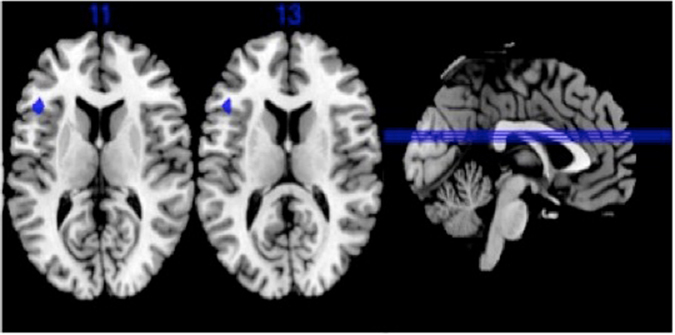
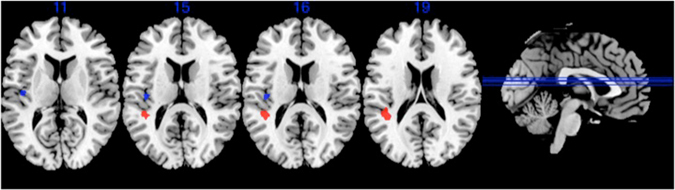
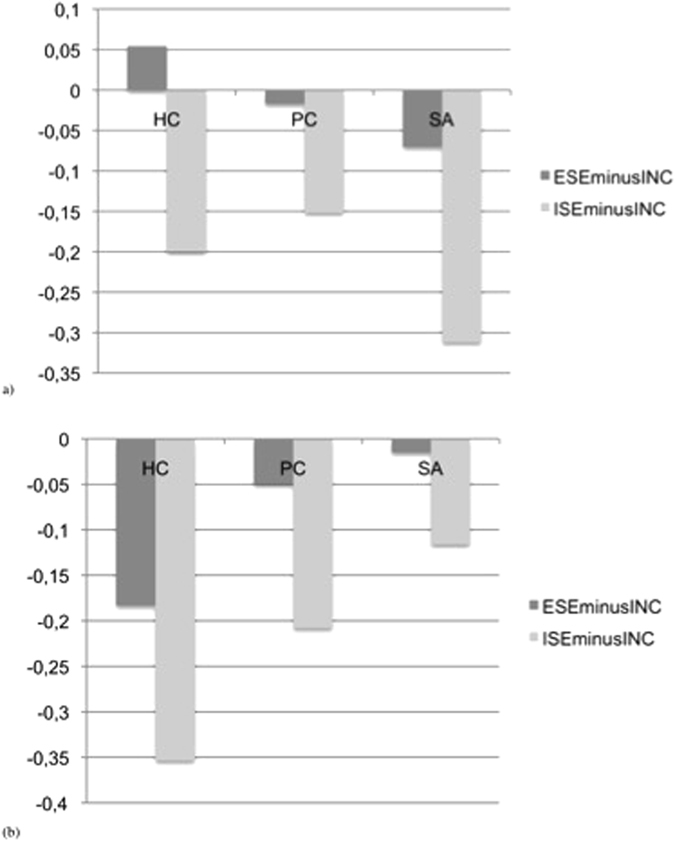
Suicidal behaviors result from a complex interaction between social stressors and individual vulnerability. However, little is known of the specific neural network supporting the sensitivity to social stressors in patients at risk of suicidal acts. Using functional Magnetic Resonance Imaging, we investigated brain processing of social rejection in suicide attempters. Thirty-six euthymic women with a history of depression and suicidal behavior were compared to 41 euthymic women with a history of depression but no suicidal attempt, and 28 healthy controls. The Cyberball Game was used as a validated social exclusion paradigm. Relative to healthy controls, both patient groups reported higher levels of social distress related to the task, without significant differences according to suicidal status. Compared to patients without any history of suicide attempt and healthy controls, suicide attempters showed decreased contrast in the left insula and supramarginal gyrus during the exclusion vs. inclusion condition, after controlling for number of depressive episodes, medication, mood disorder type or social phobia. Our study highlights impaired brain response to social exclusion in euthymic female suicide attempters in regions previously implicated in pain tolerance and social cognition. These findings suggest sustained brain dysfunctions related to social perception in suicide attempters.
Overview
The claims and statistics of this paper haven’t been checked yet.
Free: it reads the open-access text and checks the first 5 claims that cite a source we can check. Create a free account to check every claim.
Integrity signals
Registry
Cites
Statistics
Figures
Verification
Claims the paper makes
The claims and statistics of this paper haven’t been checked yet.
Free: it reads the open-access text and checks the first 5 claims that cite a source we can check. Create a free account to check every claim.
Claims other papers make about this one
Each is checked against this paper’s own text: does it say what the citing paper says it does?
The cited source says what the claim attributes to it.
In the citing paper
“Interestingly, attempters also showed reduced posterior insular activity during exclusion relative to non-attempters and healthy volunteers (Olié et al., 2017).”
From Toward objective characterizations of suicide risk: A narrative review of laboratory-based cognitive and behavioral tasks (2023) · cites this paper as Olié et al., 2017
The cited source says what the claim attributes to it.
In the citing paper
“Suicide attempters have lower activity in the supramarginal gyrus and posterior insula during the cyberball task, an fMRI experiment evoking reaction to social exclusion (103), perhaps reflecting distorted social perception.”
From A brain-centric model of suicidal behavior (2020) · cites this paper as [103]
Self-check
Percentages, sums and reported differences re-computed from the paper’s own numbers.
The self-check needs the paper’s full text.
Citations
Cites
The assessment and analysis of handedness: The Edinburgh inventory
Oldfield, R. C. (1971) · Neuropsychologia · doi:10.1016/0028-3932(71)90067-4 · Cited by 35,900
(1970) · Cited by 24,983
How do you feel? Interoception: The sense of the physiological condition of the body
Craig, A. D. (2002) · Nature Reviews Neuroscience · doi:10.1038/nrn894 · Cited by 6,006
Does Rejection Hurt? An fMRI Study of Social Exclusion
Eisenberger, N. I., Lieberman, M. D., & Williams, K. D. (2003) · Science · doi:10.1126/science.1089134 · Cited by 3,849 · cited 1×
“Three groups of euthymic female participants were recruited: (1) suicide attempters (SA)— individuals with a past history of both major depressive episode and suicidal behaviour; (2) patient controls (PC)—individuals with a past history of major depressive episode but no personal history of suicidal acts; (3) healthy…”
BackgroundState-Trait Anxiety Inventory for Adults
Spielberger, C. D. (2012) · PsycTESTS Dataset · doi:10.1037/t06496-000 · Cited by 3,479
Cyberostracism: effects of being ignored over the Internet
Williams, K. D., Cheung, C. K. T., & Choi, W. (2000) · Journal of Personality and Social Psychology · doi:10.1037/0022-3514.79.5.748 · Cited by 2,276
Social cognition and the brain: A meta-analysis
Van Overwalle, F. (2009) · Human Brain Mapping · doi:10.1002/hbm.20547 · Cited by 1,792
Social exclusion impairs self-regulation
Baumeister, R. F., DeWall, C. N., Ciarocco, N. J., & Twenge, J. M. (2005) · Journal of Personality and Social Psychology · doi:10.1037/0022-3514.88.4.589 · Cited by 1,401
Baumeister, R. F., Gailliot, M., DeWall, C. N., & Oaten, M. (2006) · Journal of Personality · doi:10.1111/j.1467-6494.2006.00428.x · Cited by 910
Chang, L. J., Yarkoni, T., Khaw, M. W., & Sanfey, A. G. (2013) · Cerebral Cortex · doi:10.1093/cercor/bhs065 · Cited by 879
Cited by
The integrated motivational–volitional model of suicidal behaviour
O'Connor, R. C., & Kirtley, O. J. (2018) · Philosophical Transactions of the Royal Society B: Biological Sciences · doi:10.1098/rstb.2017.0268 · Cited by 1,781
Imaging suicidal thoughts and behaviors: a comprehensive review of 2 decades of neuroimaging studies
Schmaal, L., van Harmelen, A.-L., Chatzi, V., Lippard, E. T. C., Toenders, Y. J., Averill, L. A., Mazure, C. M., & Blumberg, H. P. (2020) · Molecular Psychiatry · doi:10.1038/s41380-019-0587-x · Cited by 373
A brain-centric model of suicidal behavior
Mann, J. J., & Rizk, M. M. (2020) · American Journal of Psychiatry · doi:10.1176/appi.ajp.2020.20081224 · Cited by 214
“Suicide attempters have lower activity in the supramarginal gyrus and posterior insula during the cyberball task, an fMRI experiment evoking reaction to social exclusion (103), perhaps reflecting distorted social perception.”
BackgroundSerafini, G., Parisi, V. M., Aguglia, A., Amerio, A., Sampogna, G., Fiorillo, A., Pompili, M., & Amore, M. (2020) · International Journal of Environmental Research and Public Health · doi:10.3390/ijerph17072393 · Cited by 172
Keep Socially (but Not Physically) Connected and Carry on: Preventing Suicide in the Age of COVID-19
Courtet, P., Olié, E., Debien, C., & Vaiva, G. (2020) · The Journal of Clinical Psychiatry · doi:10.4088/jcp.20com13370 · Cited by 163
Self-citationSocial exclusion reliably engages the default network: A meta-analysis of Cyberball
Mwilambwe-Tshilobo, L., & Spreng, R. N. (2020) · NeuroImage · doi:10.1016/j.neuroimage.2020.117666 · Cited by 130
Bani-Fatemi, A., Tasmim, S., Graff-Guerrero, A., Gerretsen, P., Strauss, J., Kolla, N., Spalletta, G., & De Luca, V. (2018) · Psychiatry Research Neuroimaging · doi:10.1016/j.pscychresns.2018.05.008 · Cited by 112
Kang, S.-G., Na, K.-S., Choi, J.-W., Kim, J.-H., Son, Y.-D., & Lee, Y. J. (2017) · Progress in Neuro-Psychopharmacology and Biological Psychiatry · doi:10.1016/j.pnpbp.2017.04.029 · Cited by 110
“Suicide attempters with a past history of depression showed decreased contrast in the left insula on an fMRI during the social exclusion paradigm versus inclusion paradigm condition (Olie et al., 2017).”
MethodAdolescent suicide attempts and ideation are linked to brain function during peer interactions
Harms, M. B., Casement, M. D., Teoh, J. Y., Ruiz, S., Scott, H., Wedan, R., & Quevedo, K. (2019) · Psychiatry Research: Neuroimaging · doi:10.1016/j.pscychresns.2019.05.001 · Cited by 87
Biological bases of suicidal behaviours: a narrative review
Lengvenyte, A., Conejero, I., Courtet, P., & Olié, E. (2021) · European Journal of Neuroscience · doi:10.1111/ejn.14635 · Cited by 87
“Indeed, a fMRI study found decreased functioning in the insula, but not in the PFC during social exclusion modelling in women with a history of suicidal acts (Olié et al., 2017).”
BackgroundSelf-citationHow Does COVID-19 Affect the Neurobiology of Suicide?
Conejero, I., Nobile, B., Olié, É., & Courtet, P. (2021) · Current Psychiatry Reports · doi:10.1007/s11920-021-01227-x · Cited by 87
Self-citationReward systems and cognitions in Major Depressive Disorder
Cléry-Melin, M.-L., Jollant, F., & Gorwood, P. A. P. M. (2018) · CNS Spectrums · doi:10.1017/s1092852918001335 · Cited by 83
“For instance, suicide attempters had increased responses to angry, but not happy or sad, faces in the orbitofrontal cortex and impaired responses to social exclusion in the posterior insula and parietal cortex.(113) Both results have been interpreted as an excessive valuation of signals of social reject and disapprova…”
BackgroundSelf-citationWang, Y.-R., Sun, J., Lin, P., Zhang, H.-H., Mu, G.-X., & Cao, F. (2019) · Child Abuse & Neglect · doi:10.1016/j.chiabu.2019.104183 · Cited by 80
Wagner, G., Li, M., Sacchet, M. D., Richard‐Devantoy, S., Turecki, G., Bär, K., Gotlib, I. H., Walter, M., & Jollant, F. (2021) · Translational Psychiatry · doi:10.1038/s41398-021-01232-x · Cited by 68
Self-citationLi, H., Chen, Z., Gong, Q., & Jia, Z. (2019) · Brain Imaging and Behavior · doi:10.1007/s11682-019-00045-3 · Cited by 63
Oppenheimer, C. W., Silk, J. S., Lee, K. H., Dahl, R. E., Forbes, E., Ryan, N., & Ladouceur, C. D. (2020) · Child Psychiatry & Human Development · doi:10.1007/s10578-019-00920-6 · Cited by 55
Jollant, F., Wagner, G., Richard-Devantoy, S., Köhler, S., Bär, K.-J., Turecki, G., & Pereira, F. (2018) · Translational Psychiatry · doi:10.1038/s41398-018-0170-2 · Cited by 54
Self-citationThe opioid system and the social brain: implications for depression and suicide
Lutz, P., Courtet, P., & Calati, R. (2020) · Journal of Neuroscience Research · doi:10.1002/jnr.24269 · Cited by 53
“Along this line, a different pattern of brain activation (insula and supramarginal gyrus) was found during the Cyberball task in euthymic women with a history of depression and suicide attempts, in comparison to both euthymic depressed patients without past suicide attempts, and healthy controls (Olie et al., 2017).”
ResultSelf-citationBrain responses to social feedback in internalizing disorders: A comprehensive review
Rappaport, B. I., & Barch, D. M. (2020) · Neuroscience & Biobehavioral Reviews · doi:10.1016/j.neubiorev.2020.09.012 · Cited by 52
Strumila, R., Nobile, B., Korsakova, L., Lengvenytė, A., Olié, É., López‐Castromán, J., Guillaume, S., & Courtet, P. (2021) · Pharmaceuticals · doi:10.3390/ph14121213 · Cited by 49
“during social exclusion or during decision-making process with emotional feedback in the function of whether there is a presence of a history of SA or not [38,39].”
BackgroundSelf-citationThe Neuroscience of Suicidal Behavior
van Heeringen, K. (2018) · Cambridge University Press eBooks · doi:10.1017/9781316563205 · Cited by 45
Dobbertin, M. D., Blair, K. S., Carollo, E., Blair, J., Dominguez, A. J., & Bajaj, S. (2023) · Frontiers in Psychiatry · doi:10.3389/fpsyt.2023.1083244 · Cited by 43
Conejero, I., Jaussent, I., Cazals, A., Thouvenot, E., Mura, T., Le Bars, E., Guillaume, S., Squalli, S., Courtet, P., & Olié, E. (2019) · Psychoneuroendocrinology · doi:10.1016/j.psyneuen.2018.09.041 · Cited by 39
Self-citationJi, X., Zhao, J., Li, H., Pizzagalli, D. A., Law, S., Lin, P., Fan, L., Zhang, P., Fang, S., Wang, X., et al. (2021) · Journal of Psychiatric Research · doi:10.1016/j.jpsychires.2021.05.007 · Cited by 41
Chu, C., Hammock, E. A. D., & Joiner, T. E. (2020) · Journal of Psychiatric Research · doi:10.1016/j.jpsychires.2019.11.015 · Cited by 38
Divergent suicidal symptomatic activations converge on somato-cognitive action network in depression
Li, J., Wang, D., Xia, J., Zhang, C., Meng, Y., Xu, S., Chen, H., & Liao, W. (2024) · Molecular Psychiatry · doi:10.1038/s41380-024-02450-7 · Cited by 39
“…neural mechanisms in depressive patients with SA during various cognitive and emotional tasks [5, 6], including the Balloon Analog Risk Task [7], the facial emotion processing task [8 – 10], the Go/ NoGo task [11], the Iowa Gambling task [12], the discounting task [13], and the Cyberball Game [14].”
MethodChen, C.-F., Chen, W.-N., & Zhang, B. (2021) · Brain Imaging and Behavior · doi:10.1007/s11682-021-00503-x · Cited by 38
Social cognition and short-term prediction of suicidal ideation in schizophrenia
Depp, C. A., Villa, J., Schembari, B. C., Harvey, P. D., & Pinkham, A. E. (2018) · Psychiatry Research · doi:10.1016/j.psychres.2018.09.005 · Cited by 39
Wagner, G., de la Cruz, F., Köhler, S., Pereira, F., Richard‐Devantoy, S., Turecki, G., Bär, K., & Jollant, F. (2019) · Scientific Reports · doi:10.1038/s41598-019-50881-y · Cited by 37
Self-citationPrefrontal activation in suicide attempters during decision making with emotional feedback
Alacreu‐Crespo, A., Olié, É., Bars, E. L., Cyprien, F., Deverdun, J., & Courtet, P. (2020) · Translational Psychiatry · doi:10.1038/s41398-020-00995-z · Cited by 36
Self-citationA review and conceptual model of the association of Type D personality with suicide risk
Denollet, J., Trompetter, H. R., & Kupper, N. H. M. (2021) · Journal of Psychiatric Research · doi:10.1016/j.jpsychires.2021.03.056 · Cited by 27
“In suicide attempters, perceived social exclusion has been related to sustained dysfunctions in brain regions implicated in pain tolerance and social cognition (Olie et al., 2017).”
BackgroundAlacreu‐Crespo, A., Hidalgo, V., Girod, C., Olié, É., & Courtet, P. (2022) · Journal of Psychiatric Research · doi:10.1016/j.jpsychires.2022.10.008 · Cited by 27
Self-citationLa douleur sociale au centre des conduites suicidaires
Courtet, P., & Olié, É. (2018) · L Encéphale · doi:10.1016/j.encep.2018.09.005 · Cited by 28
Self-citationMorese, R., & Longobardi, C. (2020) · Frontiers in Psychology · doi:10.3389/fpsyg.2020.00713 · Cited by 26
“As further evidence of this, a recent study (Oliè et al., 2017) has shown that in women who have committed suicide attempts, a reduced activation of the insula during experiences of social exclusion was observed.”
ResultGifuni, A. J., Pereira, F., Chakravarty, M. M., Lepage, M., Chase, H. W., Geoffroy, M., Lacourse, É., Phillips, M. L., Turecki, G., Renaud, J., et al. (2024) · Molecular Psychiatry · doi:10.1038/s41380-024-02485-w · Cited by 26
“A study in adult females showed altered activity in the left insula and supramarginal gyrus in patients with past suicide attempt vs. control patients during exclusion vs. inclusion [37].”
Self-citationJollant, F., Perreira, F., Fiori, L. M., Richard-Devantoy, S., Lutz, P.-E., Belzeaux, R., & Turecki, G. (2020) · Progress in Neuro-Psychopharmacology and Biological Psychiatry · doi:10.1016/j.pnpbp.2020.109909 · Cited by 25
Self-citationThe neural correlates of low social integration as a risk factor for suicide
Cáceda, R., James, G. A., Stowe, Z. N., Delgado, P. L., Kordsmeier, N., & Kilts, C. D. (2020) · European Archives of Psychiatry and Clinical Neuroscience · doi:10.1007/s00406-019-00990-6 · Cited by 25
Gong, J., Chen, G., Zhou, M., Jia, Y., Zhong, S., Chen, F., Lai, S., Luo, Z., Wang, J., Xu, H., et al. (2020) · Australian & New Zealand Journal of Psychiatry · doi:10.1177/0004867420948960 · Cited by 25
“The main damaged brain areas are the structural and functional abnormalities in the frontal lobe, temporal lobe and limbic system (Gosnell et al., 2016; Kang et al., 2017; Olie et al., 2017).”
BackgroundThe Role of Opiates in Social Pain and Suicidal Behavior
Nobile, B., Lutz, P.-E., Olie, E., & Courtet, P. (2020) · Current Topics in Behavioral Neurosciences · doi:10.1007/7854_2020_167 · Cited by 24
Self-citationTranslating Interventional Neuroscience to Suicide: It’s About Time
Barredo, J., Bozzay, M. L., Primack, J. M., Schatten, H. T., Armey, M. F., Carpenter, L. L., & Philip, N. S. (2021) · Biological Psychiatry · doi:10.1016/j.biopsych.2021.01.013 · Cited by 23
“ToM network fMRI activation during social exclusion is elevated in women with depression and attempt history (67).”
Dubreucq, J., & Franck, N. (2019) · Psychiatry Research · doi:10.1016/j.psychres.2019.02.023 · Cited by 24
Prefrontal activity during experimental ostracism and daily psychache in suicide attempters
Olié, E., Husky, M., Bars, E. L., Deverdun, J., de Champfleur, N. M., Crespo, A. A., Swendsen, J., & Courtet, P. (2021) · Journal of Affective Disorders · doi:10.1016/j.jad.2021.01.087 · Cited by 21
Self-citationAutonomic vulnerability to biased perception of social inclusion in borderline personality disorder
Gerra, M. L., Ardizzi, M., Martorana, S., Leoni, V., Riva, P., Preti, E., Marino, B. F. M., Ossola, P., Marchesi, C., Gallese, V., et al. (2021) · Borderline Personality Disorder and Emotion Dysregulation · doi:10.1186/s40479-021-00169-3 · Cited by 20
“Only one study evaluated how patients with MDD in the remission phase (rMDD) react to the Cyberball experiment [32].”
Shunkai, L., Chen, P., Zhong, S., Chen, G., Zhang, Y., Zhao, H., He, J., Su, T., Yan, S., Luo, Y., et al. (2022) · Psychological Medicine · doi:10.1017/s0033291722000484 · Cited by 20
“…relate to higher rostral insula fMRI activation during a cognitive control task in adults with MDD or BD with psychotic features (Minzenberg et al., 2015), but lower activation in the PI during social exclusion was found in in euthymic depressed female suicide attempters (Olie et al., 2017).”
BackgroundNeural responses to social decision-making in suicide attempters with mental disorders
Liu, S., Duan, M., Sun, Y., Wang, L., Li, A., & Ming, D. (2023) · BMC Psychiatry · doi:10.1186/s12888-022-04422-z · Cited by 20
Lin, S., Chen, Z., Zhao, Y., & Gong, Q. (2025) · Journal of Psychiatry and Neuroscience · doi:10.1503/jpn.240112 · Cited by 18
“Moreover, an fMRI study found that abnormal activity of the SMG among patients with suicide attempt was associated with the experience of social rejection, 86 an important factor associated with the risk of suicide, which indicated a role of SMG in sensitivity to social exclusion.”
Depression and approach-avoidance decisions to emotional displays: The role of anhedonia
Grèzes, J., Risch, N., Courtet, P., Olié, É., & Mennella, R. (2023) · Behaviour Research and Therapy · doi:10.1016/j.brat.2023.104306 · Cited by 17
Self-citationInterest of neuroimaging of social exclusion in suicide
Olié, É., & Courtet, P. (2018) · Journal of Neuroscience Research · doi:10.1002/jnr.24314 · Cited by 17
“E XCLUSION (USING CYBERBALL GAME) AND SUICIDALIT Y To our knowledge, only one functional MRI study used Cyberball game in suicide attempters (Olie et al., 2017).”
BackgroundMethodSelf-citationRisque suicidaire lors du premier épisode psychotique
Courtet, P. (2018) · L Encéphale · doi:10.1016/s0013-7006(19)30078-8 · Cited by 17
Self-citationBrain signatures in children who contemplate suicide: learning from the large-scale ABCD study
Wiglesworth, A., Falke, C. A., Fiecas, M. J. A., Luciana, M. M., Cullen, K. R., & Klimes‐Dougan, B. (2021) · Psychological Medicine · doi:10.1017/s0033291721004074 · Cited by 17
“…of this particular task, rather than emotional processing in general, as research that has identified SI group differences in task activation more commonly involve activation of the salience and threat systems (e.g. Jollant, Lawrence, Olié, Guillaume, & Courtet, 2011; see also Olié et al., 2017).”
Jiang, Y., Zhou, Y., Xie, Y., Zhou, J., Cai, M., Tang, J., Liu, F., Ma, J., & Liu, H. (2024) · NeuroImage Clinical · doi:10.1016/j.nicl.2024.103645 · Cited by 16
“…et al., 2016; Fan et al., 2013; Gong et al., 2020; Hu et al., 2023; Ji et al., 2021a; Jollant et al., 2008; Kim et al., 2017; Liu et al., 2022; Oli ´ e et al., 2017; Pan et al., 2011; Quevedo et al., 2022; Richard-Devantoy et al., 2016; Shaffer et al., 2022; Shu et al., 2020; Tian et al., 2021;…”
InfluentialLai, M., Jiang, P., Xu, J., Luo, D., Hao, X., & Li, J. (2021) · Psychoradiology · doi:10.1093/psyrad/kkab020 · Cited by 15
Ferrer, I., Alacreu‐Crespo, A., Salvador, A., Genty, C., Dubois, J., Sénèque, M., Courtet, P., & Olié, É. (2020) · Frontiers in Psychiatry · doi:10.3389/fpsyt.2020.543889 · Cited by 15
Self-citationImpact of Toxoplasma gondii and Human Microbiome on Suicidal Behavior: A Systematic Review
Zerekidze, A., Li, M., Refisch, A., Shameya, J., Sobanski, T., Walter, M., & Wagner, G. (2024) · Journal of Clinical Medicine · doi:10.3390/jcm13020593 · Cited by 14
“Furthermore, specific psychological factors such as sensitivity to social stressors [22], abnormal processing of negative stimuli [23], and elevated levels of mental pain [24] are assumed to increase the likelihood of suicidal behavior.”
BackgroundWen, X., Zhang, J., Wei, G., Wu, M., Zhang, Y., Zhang, Q., & Hou, G. (2024) · Journal of Affective Disorders · doi:10.1016/j.jad.2024.10.009 · Cited by 15
Greaves, J., & Colucci, E. (2025) · BMC Public Health · doi:10.1186/s12889-025-23298-8 · Cited by 13
“In turn, risking exacerbating damaging feelings of burdensomeness and stigmatisation, and therefore suicidality [47–49].”
Oppenheimer, C. W., Bertocci, M. A., Greenberg, T., Chase, H. W., Stiffler, R. S., Aslam, H. A., Lockovich, J., Graur, S., Bebko, G. M., & Phillips, M. L. (2021) · Psychiatry Research Neuroimaging · doi:10.1016/j.pscychresns.2021.111386 · Cited by 13
Lamontagne, S. J., Zabala, P. K., Zarate, C. A., & Ballard, E. D. (2023) · Neuroscience & Biobehavioral Reviews · doi:10.1016/j.neubiorev.2023.105361 · Cited by 12
Health neuroscience 2.0: integration with social, cognitive and affective neuroscience
Inagaki, T. K. (2020) · Social Cognitive and Affective Neuroscience · doi:10.1093/scan/nsaa123 · Cited by 11
“Other examples include whether repeated experiences of social rejection and peer victimization early in life alter the brain in ways that confer risk for suicide or self-harm later in life (Olié et al., 2017).”
BackgroundBuilding a neurocognitive profile of suicidal risk in severe mental disorders
Comparelli, A., Corigliano, V., Montalbani, B., Nardella, A., Carolis, A. D., Stampatore, L., Bargagna, P., Forcina, F., Lamis, D. A., & Pompili, M. (2022) · BMC Psychiatry · doi:10.1186/s12888-022-04240-3 · Cited by 11
“Indeed, a functional neuroimaging study [42] showed a different activation in left posterior insula and supramarginal gyrus compared with both psychiatric without a history of suicidal behaviour and healthy controls.”
BackgroundWang, S., Kennedy, S. H., Salomons, T. V., Ceniti, A. K., McInerney, S. J., Bergmans, Y., Pizzagalli, D. A., Farb, N. A. S., Turecki, G., Schweizer, T. A., et al. (2023) · Journal of Affective Disorders · doi:10.1016/j.jad.2023.02.147 · Cited by 9
Messiaen, M., Duba, A., Boulangeat, C., Boucékine, M., Bourbon, A., Viprey, M., Auquier, P., Lançon, C., Boyer, L., & Fond, G. B. (2020) · L Encéphale · doi:10.1016/j.encep.2020.05.020 · Cited by 9
Zhang, Y., Wu, G., Witte, S. D., & Baeken, C. (2025) · Biological Psychiatry Cognitive Neuroscience and Neuroimaging · doi:10.1016/j.bpsc.2025.02.010 · Cited by 8
Liu, J., Guo, L., Liu, Z., Shen, Q., Gao, X., Zhang, Z., Liu, X., Cheng, K., & Du, Z. (2021) · Nanotechnology · doi:10.1088/1361-6528/abf0ca · Cited by 8
Olié, É., Clain, G., Malestroit, M., Fiedos, D., Cognasse, F., Deverdun, J., Bars, E. L., & Courtet, P. (2024) · The Journal of Clinical Psychiatry · doi:10.4088/jcp.23m15148 · Cited by 7
Self-citationMultiple suicide attempts associated with addiction to tramadol
Nobile, B., Bonnin, M., Olié, É., & Courtet, P. (2022) · Annals of General Psychiatry · doi:10.1186/s12991-022-00401-6 · Cited by 7
“Furthermore, the single nucleotide polymorphism A118G in the MOR gene is associated with higher sensitivity to social rejection (an important risk factor of suicidal behavior [23]) and treatment-emergent SI [24].”
BackgroundSelf-citationJollant, F., & Olié, É. (2017) · Douleur et Analgésie · doi:10.1007/s11724-017-0505-4 · Cited by 7
Self-citationAlbanese, B. J., Capron, D. W., Macatee, R. J., Bauer, B. W., & Schmidt, N. B. (2021) · Suicide and Life-Threatening Behavior · doi:10.1111/sltb.12775 · Cited by 7
Conduites suicidaires de la personne âgée : état des connaissances
Richard‐Devantoy, S., & Jollant, F. (2024) · NPG. Neurologie, psychiatrie, gériatrie/NPG · doi:10.1016/j.npg.2024.04.002 · Cited by 6
Self-citationLearning From Artemisia’s Lucretia: Embodied Suffering and Interoception in Suicide
Courtet, P., & Guillaume, S. (2020) · Frontiers in Psychiatry · doi:10.3389/fpsyt.2020.00758 · Cited by 5
Self-citationPharmacological Strategies for Suicide Prevention Based on the Social Pain Model: A Scoping Review
Rajkumar, R. P. (2022) · Psych · doi:10.3390/psych4030038 · Cited by 6
“Similarly, a study of individuals with low social integration and acute suicidal ideation found evidence of increased activity in the dorsal ACC and anterior insula, which appear to play a role in the experience of social pain [46], while a study of women with a past history of suicidal behaviour showed evidence of re…”
BackgroundDefayette, A. B., Esposito-Smythers, C. L., Cero, I., Harris, K. M., Whitmyre, E. D., & López, R. (2023) · Journal of Mood and Anxiety Disorders · doi:10.1016/j.xjmad.2023.100016 · Cited by 5
Sensitivity to ostracism is blunted in suicide attempters only when they report suicidal ideation
Risch, N., Dupuis-Maurin, K., Dubois, J., Courtet, P., & Olié, É. (2023) · Journal of Affective Disorders · doi:10.1016/j.jad.2023.05.045 · Cited by 5
Self-citationExploring the Impact of Recreational Drugs on Suicidal Behavior: A Narrative Review
Moret, R. M., Sanz‐Gómez, S., Gascón, S., & Alacreu‐Crespo, A. (2024) · Psychoactives · doi:10.3390/psychoactives3030021 · Cited by 4
“In addition, these structures are also related to psychological pain and social exclusion [15,16].”
BackgroundAcceptance and commitment therapy reduces perceived ostracism in suicidal patients
Olié, É., Malestroit, M., Brand‐Arpon, V., Courtet, P., & Ducasse, D. (2025) · Annals of General Psychiatry · doi:10.1186/s12991-024-00541-x · Cited by 4
“Neuroimaging studies in suicide attempters suggest the presence of brain alterations associated with suicidal vulnerability not only in the prefrontal cortex but also in the temporal and parietal cortices [10], which are involved in social cognition processing [11].”
Self-citationHu, J., Zheng, Y., Xu, H., Wang, Z., Chang, R., Xu, L., & Cai, Y. (2024) · Journal of Affective Disorders · doi:10.1016/j.jad.2024.08.070 · Cited by 3
Stress, Vulnerability, and Suicide: The Stress–Diathesis Model
van Heeringen, K. (2018) · Cambridge University Press eBooks · doi:10.1017/9781316563205.003 · Cited by 3
Cinquante ans de recherche sur les causes du suicide : où en sommes-nous ?
Jollant, F. (2018) · Bulletin de l Académie Nationale de Médecine · doi:10.1016/s0001-4079(19)30231-6 · Cited by 3
Self-citationGrendele, W. A. (2022) · UWL Repository (University of West London) · Cited by 3
Hao, Z., Li, H., & Yixuan, L. I. N. (2023) · Acta Psychologica Sinica · doi:10.3724/sp.j.1041.2023.01966 · Cited by 2
Pour une neurobiologie des conduites suicidaires
Olié, É., & Courtet, P. (2017) · Bulletin de l Académie Nationale de Médecine · doi:10.1016/s0001-4079(19)30466-2 · Cited by 2
Self-citationNeurobiological understanding of suicide
Kim, S., & Lee, K. (2019) · Journal of Korean Medical Association · doi:10.5124/jkma.2019.62.2.85 · Cited by 3
Neural biomarkers of suicidal behavior: from cognition and circuits to cells (and back)
Jollant, F., & Mechawar, N. (2022) · Elsevier eBooks · doi:10.1016/b978-0-12-821398-8.00007-2 · Cited by 2
Self-citationSohn, M. N., Bray, S., Ortega, I., & McGirr, A. (2026) · Frontiers in Psychiatry · doi:10.3389/fpsyt.2026.1729109 · Cited by 1
“In euthymic adult females with a history of suicide attempt, 60-ball tosses per condition resulted in decreased blood-oxygen-level (BOLD) dependent signal in the left supramarginal gyrus and posterior insula during social exclusion compared to inclusion (15).”
The mental health burden of social distancing during the coronavirus disease 2019 pandemic
Mazumder, S., & Opara, I. N. (2020) · International Journal of Academic Medicine · doi:10.4103/ijam.ijam_76_20 · Cited by 1
Social Processes in Nonsuicidal Self-Injury
Zetterqvist, M., & Bjureberg, J. (2023) · Oxford University Press eBooks · doi:10.1093/oxfordhb/9780197611272.013.17 · Cited by 1
Danon, M., Mékaoui, L., & Gorwood, P. A. P. M. (2024) · EMC - Neurologia · doi:10.1016/s1634-7072(24)49341-0 · Cited by 1
Auto-stigmatisation dans les troubles psychiques sévères et persistants
Dubreucq, J. (2020) · theses.fr (ABES) · doi:10.70675/311645eczefcez4155zb120zf7da21d3f5b6 · Cited by 1
Courtet, P., Nobile, B., & Olié, É. (2020) · HAL · doi:10.1051/medsci/2020229
Self-citationWhat Is Suicidal Behavior, and Can It Be Prevented?
van Heeringen, K. (2018) · Cambridge University Press eBooks · doi:10.1017/9781316563205.002
“In my end is my beginning”: A Neurodevelopmental Perspective on Suicidal Behavior*
van Heeringen, K. (2018) · Cambridge University Press eBooks · doi:10.1017/9781316563205.008
I Predict, Therefore I Cannot Be: A Predictive Coding Account of Suicidal Behavior
van Heeringen, K. (2018) · Cambridge University Press eBooks · doi:10.1017/9781316563205.009
Predicting the Unpredictable: Neuroscience Contributions to Suicide Prediction
van Heeringen, K. (2018) · Cambridge University Press eBooks · doi:10.1017/9781316563205.010
The Dark Side of the Brain: Neuroscience Approaches to Suicidal Behavior
van Heeringen, K. (2018) · Cambridge University Press eBooks · doi:10.1017/9781316563205.004
Neuroimaging of suicidal behaviour: A decade of progress
Sudol, K., & Oquendo, M. A. (2021) · doi:10.1093/med/9780198834441.003.0048
The Treatment of Suicide Risk: Neuroscience Aspects
van Heeringen, K. (2018) · Cambridge University Press eBooks · doi:10.1017/9781316563205.011
Le suicide, une entité à part en psychiatrie
Vansteene, C. (2021) · Soins Psychiatrie · doi:10.1016/j.spsy.2021.04.005
Images of the Suicidal Brain: Systems Neuroscience and Suicide
van Heeringen, K. (2018) · Cambridge University Press eBooks · doi:10.1017/9781316563205.007
I Think, Therefore I Do Not Want to Be: The Cognitive Neuroscience of Suicidal Behavior
van Heeringen, K. (2018) · Cambridge University Press eBooks · doi:10.1017/9781316563205.006
van Heeringen, K. (2018) · Cambridge University Press eBooks · doi:10.1017/9781316563205.013
Metadata
- Authors
- Olié, E., Jollant, F., Deverdun, J., de Champfleur, N. M., Cyprien, F., Le Bars, E., Mura, T., Bonafé, A., & Courtet, P.
- Affiliations
- Douglas Mental Health University Institute (CA)
- Inserm (FR)
- Centre Hospitalier Universitaire de Montpellier (FR)
- Venue
- Scientific Reports
- Published
- 2017-03-07
- Volume
- 7
- Issue
- 1
- Pages
- 89-89
- ISSN
- 2045-2322 (ISSN-L)
- PMC
- PMC5428048
- OpenAlex
- W2594122305
- Semantic Scholar
- c8c6721c0e138dfa57965d56da380f77a30d6e3e
- Cited by
- 120
- References
- 45
- Citations by year
- 2026: 5 · 2025: 10 · 2024: 10 · 2023: 11 · 2022: 7 · 2021: 16 · 2020: 19 · 2019: 11 · 2018: 28 · 2017: 3
- FWCI
- 20.64
- Type
- journal article
- Language
- en
- Open access
- gold
- doi.org
- Licence
- cc-by
- creativecommons.org/licenses/by/4.0 (tdm)
- creativecommons.org/licenses/by/4.0 (vor)
- Locations
- Scientific Reports (publishedVersion, cc-by)
- PubMed Central (publishedVersion, cc-by)
- PubMed (publishedVersion)
- HAL (submittedVersion, cc-by)
- DOAJ (DOAJ: Directory of Open Access Journals) (submittedVersion, cc-by-sa)
- Funders
- Agence Nationale de la Recherche (ANR MNPS 2009)
- Servier
- CHIST-ERA
- Topics
- Social Sciences › Psychology › Clinical Psychology › Suicide and Self-Harm Studies
- Social Sciences › Psychology › Social Psychology › Death Anxiety and Social Exclusion
- Life Sciences › Neuroscience › Cognitive Neuroscience › Neural and Behavioral Psychology Studies
- Keywords
- social exclusion, suicide attempters, women, social rejection, Cyberball game, insula, supramarginal gyrus, social distress, depression, social cognition, pain tolerance
- MeSH terms
- Adolescent, Adult, Cerebral Cortex, Child, Depression, Female, Humans, Magnetic Resonance Imaging, Middle Aged, Neuropsychological Tests, Psychological Distance, Suicide, Attempted, Young Adult, Suicidal Ideation, Neuroimaging
About these checks
Registry, retraction, Cites and statistics results are computed, not judged, with one exception: a printed reference that no index lists is read once by a model before it counts as a citation error. Claims are extracted by a model and kept only when their quote appears verbatim in the text; each cited source is then checked, with a model’s help, for whether it says what the claim relies on. Those verdicts can be wrong — read the claim’s quote and the cited source before relying on one.
Statistics and arithmetic are recomputed, not judged.
Confidence bands are shown only for fields calibrated on our annotated test set. None is calibrated yet, so no band is shown.
What counts as a claim ›How we measure confidence ›How we check this ›
Are you an author, or do you see a problem with this page? Request a review
Data sources
Bibliographic data: Semantic Scholar, OpenAlex, Crossref.
Contains information from the Semantic Scholar Academic Graph Datasets, made available under the ODC Attribution License (ODC-BY 1.0).
Semantic Scholar’s data is described in: Kinney, R., et al. (2023). The Semantic Scholar Open Data Platform. arXiv:2301.10140.
