

An overview of clinical decision support systems: benefits, risks, and strategies for success
Open accessThe DOI matches its Crossref record; 110 of the 112 references it cites were found in a registry or an index.
Abstract
Computerized clinical decision support systems, or CDSS, represent a paradigm shift in healthcare today. CDSS are used to augment clinicians in their complex decision-making processes. Since their first use in the 1980s, CDSS have seen a rapid evolution. They are now commonly administered through electronic medical records and other computerized clinical workflows, which has been facilitated by increasing global adoption of electronic medical records with advanced capabilities. Despite these advances, there remain unknowns regarding the effect CDSS have on the providers who use them, patient outcomes, and costs. There have been numerous published examples in the past decade(s) of CDSS success stories, but notable setbacks have also shown us that CDSS are not without risks. In this paper, we provide a state-of-the-art overview on the use of clinical decision support systems in medicine, including the different types, current use cases with proven efficacy, common pitfalls, and potential harms. We conclude with evidence-based recommendations for minimizing risk in CDSS design, implementation, evaluation, and maintenance.
Overview
The claims and statistics of this paper haven’t been checked yet.
Free: it reads the open-access text and checks the first 5 claims that cite a source we can check. Create a free account to check every claim.
Integrity signals
Registry
Cites
Statistics
Figures
Verification
Claims the paper makes
The claims and statistics of this paper haven’t been checked yet.
Free: it reads the open-access text and checks the first 5 claims that cite a source we can check. Create a free account to check every claim.
Claims other papers make about this one
Each is checked against this paper’s own text: does it say what the citing paper says it does?
The source backs part of the claim, not all of it — or backs it for a different population, condition or comparison.
In the citing paper
“However, there are many practical problems related to the speed of operation and implementation [106].”
From Survey of Explainable AI Techniques in Healthcare (2023) · cites this paper as [106]
Experimental — accuracy not yet measuredThe source backs part of the claim, not all of it — or backs it for a different population, condition or comparison.
In the citing paper
“These applications extend AI use beyond diagnosis to early warning and clinical decision support [18].”
From Artificial Intelligence in Clinical Decision-Making: A Comprehensive Review of Diagnostic, Prognostic, and Therapeutic Applications, Validation Gaps, Bias, and Deployment Challenges (2026) · cites this paper as [18]
Experimental — accuracy not yet measuredThe source backs part of the claim, not all of it — or backs it for a different population, condition or comparison.
In the citing paper
“Clinical decision support systems are limited by static rule based, and inflexible in responding to changing clinical evidence [2].”
From Multi-Agent Retrieval Augmented Generation for Clinical Decision Support: A Systematic Review and Integrative Conceptual Framework (2026) · cites this paper as [2]
Experimental — accuracy not yet measuredThe source backs part of the claim, not all of it — or backs it for a different population, condition or comparison.
In the citing paper
“Early CDSS implementations were largely rule-based, encoding expert knowledge into deterministic logic that operated within narrowly defined clinical domains [1].”
From Medical AI Agents for Clinical Decision Support: Viewpoint Using the Planning, Action, Reflection, and Memory (PARM) Analytical Lens (2026) · cites this paper as [1]
Experimental — accuracy not yet measuredThe source backs part of the claim, not all of it — or backs it for a different population, condition or comparison.
In the citing paper
“Second, the literature search of AI randomized controlled trials used terminology such as ‘artificial intelligence’, ‘machine learning’ and ‘deep learning’, but not terms such as ‘clinical decision support systems’ and ‘expert systems’, which were more commonly used in the 1990s for technologies underpinned by AI systems and share risks similar to those of recent examples50.”
From Guidelines for clinical trial protocols for interventions involving artificial intelligence: the SPIRIT-AI extension (2020) · cites this paper as [50]
Experimental — accuracy not yet measured
8 more claims about this paper
Create a free account to see every claim other papers make about this one.
Self-check
Percentages, sums and reported differences re-computed from the paper’s own numbers.
The self-check needs the paper’s full text.
Citations
Cites
Dermatologist-level classification of skin cancer with deep neural networks
Esteva, A., Kuprel, B., Novoa, R. A., Ko, J., Swetter, S. M., Blau, H. M., & Thrun, S. (2017) · Nature · doi:10.1038/nature21056 · Cited by 14,362
Gulshan, V., Peng, L., Coram, M., Stumpe, M. C., Wu, D., Narayanaswamy, A., Venugopalan, S., Widner, K., Madams, T., Cuadros, J., et al. (2016) · JAMA · doi:10.1001/jama.2016.17216 · Cited by 7,697 · cited 3×
“60 65 – 68 For example, Google ’ s team trained a deep convolutional neural network (CNN) to detect diabetic retinopathy (blood vessel damage in the eye) from a dataset of 130,000 retinal images with a very high sensitivity and speci fi city.”
BackgroundMethodWhy Don't Physicians Follow Clinical Practice Guidelines?: A Framework for Improvement
Cabana, M. D., Rand, C. S., Powe, N. R., Wu, A. W., Wilson, M. H., Abboud, P.-A. C., & Rubin, H. R. (1999) · JAMA · doi:10.1001/jama.282.15.1458 · Cited by 6,677 · cited 1×
“This is significant because traditional clinical guidelines and care pathways have been shown to be difficult to implement in practice with low clinician adherance.(31,32) The assumption that practitioners will read, internalize, and implement new guidelines has not held true.”
BackgroundDeo, R. C. (2015) · Circulation · doi:10.1161/circulationaha.115.001593 · Cited by 3,466 · cited 1×
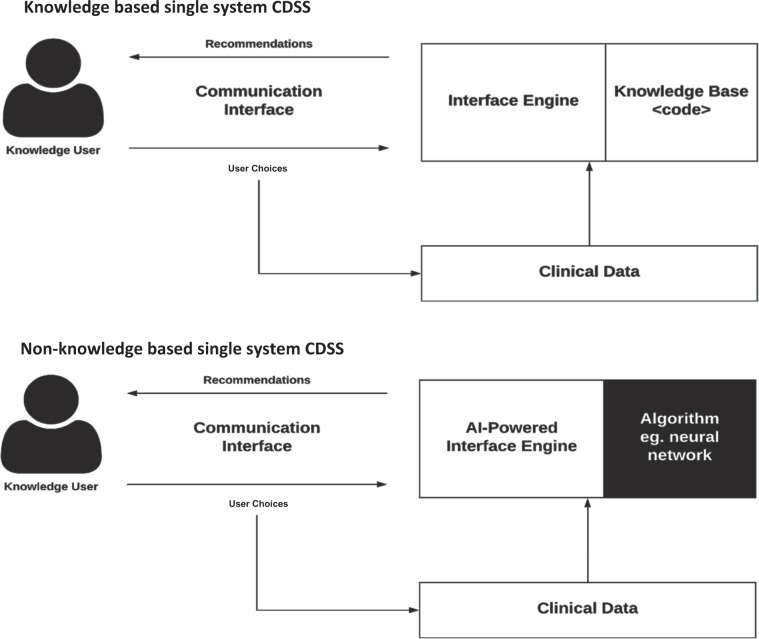
“Nonknowledge based CDSS, although a rapidly growing use case for AI in medicine, are rife with challenges including problems understanding the logic that AI uses to produce recommendations (black boxes), and problems with data availability.(9) They have yet to reach widespread implementation.”
BackgroundHannun, A. Y., Rajpurkar, P., Haghpanahi, M., Tison, G. H., Bourn, C., Turakhia, M. P., & Ng, A. Y. (2019) · Nature Medicine · doi:10.1038/s41591-018-0268-3 · Cited by 3,148
Kawamoto, K., Houlihan, C. A., Balas, E. A., & Lobach, D. F. (2005) · BMJ · doi:10.1136/bmj.38398.500764.8f · Cited by 2,703
IBM computer usability satisfaction questionnaires: Psychometric evaluation and instructions for use
Lewis, J. R. (1995) · International Journal of Human-Computer Interaction · doi:10.1080/10447319509526110 · Cited by 2,429
The System Usability Scale: Past, Present, and Future
Lewis, J. R. (2018) · International Journal of Human–Computer Interaction · doi:10.1080/10447318.2018.1455307 · Cited by 1,958
Greenspan, H., van Ginneken, B., & Summers, R. M. (2016) · IEEE Transactions on Medical Imaging · doi:10.1109/tmi.2016.2553401 · Cited by 1,700 · cited 1×
“61 To do so, these technologies make use of advanced pixel recognition and image classi fi cation algorithms, most prominently: deep learning (DL).”
BackgroundA model of inexact reasoning in medicine
Shortliffe, E. H., & Buchanan, B. G. (1975) · Mathematical Biosciences · doi:10.1016/0025-5564(75)90047-4 · Cited by 1,447
Research works printed but not linked: 6
- Omididan Z Hadianfar A The role of clinical decision support systems in healthcare (1980-2010): a systematic review study Jentashapir Sci.-Res Q. 2011 2 125 134
- Turchin, A., Shubina, M. & Gandhi, T. NLP for patient safety: splenectomy and pneumovax. In Proc. AMIA 2010 Annual Symposium (2010).
- Berner Eta S. Clinical Decision Support Systems 2007 New York, NY Springer New York
- From Invisible to Visible: IBM Demos AI to Radiologists. https://www-03.ibm.com/press/us/en/pressrelease/51146.ws. Accessed Aug 2019 (2016).
- Ivan, D. Moving toward a blockchain-based method for the secure storage of patient records. ONC/NIST Use of Blockchain for Healthcare and Research Workshop. Gaithersburg, Maryland, United States: ONC/NIST (2016).
- Harper, B. D. & Norman, K. L. Improving User Satisfaction: The Questionnaire for User Interaction Satisfaction Version 5.5. Proceedings of the 1st Annual Mid-Atlantic Human Factors Conference, (pp. 224–228), Virginia Beach, VA. (1993).
Cited by
Items 501–600 of 1,024
MedSumGraph: enhancing GraphRAG for medical QA with summarization and optimized prompts
Kim, D.-H., Yoo, S., & Jeong, O. (2025) · Artificial Intelligence in Medicine · doi:10.1016/j.artmed.2025.103311 · Cited by 22
He, J., Zhang, B., Rouhizadeh, H., Chen, Y., Yang, R., Lu, J. S., Chen, X., Liu, N., & Teodoro, D. (2026) · Artificial Intelligence Review · doi:10.21203/rs.3.rs-8330917/v1 · Cited by 35
Description of a clinical decision support tool with integrated dose calculator for paediatrics
Higi, L., Käser, K., Wälti, M., Grotzer, M. A., & Vonbach, P. (2021) · European Journal of Pediatrics · doi:10.1007/s00431-021-04261-2 · Cited by 20
“Another general point of critique of digital health tools is the loss of user skill whilst relying on the tool [49].”
BackgroundSangal, R. B., Liu, R. B., Cole, K. O., Rothenberg, C., Ulrich, A. S., Rhodes, D., & Venkatesh, A. K. (2022) · American Journal of Medical Quality · doi:10.1097/jmq.0000000000000036 · Cited by 19
Skryabin, V. Y., Rozochkin, I. N., Застрожин, М. С., Lauschke, V. M., Franck, J., Bryun, E. A., & Sychev, D. A. (2022) · The Pharmacogenomics Journal · doi:10.1038/s41397-022-00295-3 · Cited by 19
“Clinical decision support systems (CDSS) are intended to improve healthcare delivery by enhancing medical decision making with targeted clinical knowledge, patient information, and other health data [6].”
BackgroundRamaswamy, P., Shah, A. C., Kothari, R. P., Schloemerkemper, N., Methangkool, E., Aleck, A., Shapiro, A., Dayal, R., Young, C., Spinner, J., et al. (2022) · JMIR Perioperative Medicine · doi:10.2196/40831 · Cited by 18
“Electronic clinical decision support (CDS) systems, which enhance clinical decision-making with real-time prompts and reminders [17], can also help enact behavioral change.”
BackgroundTokgöz, P., Häfner, J., & Dockweiler, C. (2023) · BMC Medical Informatics and Decision Making · doi:10.1186/s12911-023-02124-4 · Cited by 20
Woensel, W. V., Tu, S. W., Michalowski, W., Abidi, S. S. R., Abidi, S., Alonso, J.-R., Bottrighi, A., Carrier, M., Edry, R., Hochberg, I., et al. (2023) · Journal of Biomedical Informatics · doi:10.1016/j.jbi.2023.104395 · Cited by 21
Thompson, C. A., Mebrahtu, T. F., Skyrme, S., Bloor, K. E., Andre, D., Keenan, A., Ledward, A., Yang, H., & Randell, R. (2024) · Health and Social Care Delivery Research · doi:10.3310/grnm5147 · Cited by 28
Technology: A metaparadigm concept of nursing
Bayuo, J., Abu‐Odah, H., Su, J. J., & Aziato, L. (2023) · Nursing Inquiry · doi:10.1111/nin.12592 · Cited by 21
Qassim, S., Golden, G. M., Slowey, D., Sarfas, M., Whitmore, K., Pérez, T., Strong, E., Lundrigan, E., Fradette, M.-J., Baxter, J., et al. (2023) · Journal of Affective Disorders Reports · doi:10.1016/j.jadr.2023.100677 · Cited by 24
Clinical decision support systems in community pharmacies: a scoping review
Moon, J., Chladek, J. S., Wilson, P., & Chui, M. A. (2023) · Journal of the American Medical Informatics Association · doi:10.1093/jamia/ocad208 · Cited by 18
Clinical Decision Support System in laboratory medicine
Flores, E., Martínez-Racaj, L., Torreblanca, R., Blasco, Á., López‐Garrigós, M., Gutiérrez, I., & Salinas, M. (2023) · Clinical Chemistry and Laboratory Medicine (CCLM) · doi:10.1515/cclm-2023-1239 · Cited by 17
Novel Artificial Intelligence-Based Technology to Diagnose Asthma Using Methacholine Challenge Tests
Kang, N., Lee, K. H., Byun, S., Lee, J.-Y., Choi, D., & Lee, B. (2024) · Allergy Asthma and Immunology Research · doi:10.4168/aair.2024.16.1.42 · Cited by 19
“48 Recently, several researches using symptoms or physical signs in addition to objective tests, or utilizing recorded lung sounds have also been published.”
BackgroundGhanvatkar, S., & Rajan, V. (2024) · IEEE Journal of Biomedical and Health Informatics · doi:10.1109/jbhi.2024.3393719 · Cited by 22
“To select a link prediction method, we evaluate various graph embedding techniques in the library pykeen [55] on a held-out test set from the KG for the task of predicting a given set of triples.”
Edsjö, A., Russnes, H. G., Lehtiö, J., Tamborero, D., Hovig, E. J., Stenzinger, A., & Rosenquist, R. (2024) · Journal of Internal Medicine · doi:10.1111/joim.13785 · Cited by 22
“In addition, the assays are set in the context of the multi-disciplinary decision-making for study inclusion at molecular tumour boards (MTBs), using clinical decision support systems (CDSSs) to integrate different resources and interpret the clinical relevance of the sequencing results [17].”
A New Approach for Handling Uncertainty of Expert Judgments in Complex Decision Problems
Więckowski, J., Kizielewicz, B., Wątróbski, J., & Sałabun, W. (2024) · IEEE Access · doi:10.1109/access.2024.3445265 · Cited by 20
Hatem, N. A. H. (2024) · Integrated Pharmacy Research and Practice · doi:10.2147/iprp.s466748 · Cited by 25
“33,34 To differentiate between their implementation and usage, CDSSs are often divided into two categories: knowledge-based and non-knowledge-based.”
BackgroundDigital health technologies and innovation patterns in diabetes ecosystems
Giger, O.-F., Pfitzer, E., Mekniran, W., Gebhardt, H., Fleisch, E., Jovanova, M., & Kowatsch, T. (2025) · DIGITAL HEALTH · doi:10.1177/20552076241311740 · Cited by 19
FDA Regulation of Predictive Clinical Decision‐Support Tools: What Does It Mean for Hospitals?
Weissman, G. E. (2020) · Journal of Hospital Medicine · doi:10.12788/jhm.3450 · Cited by 21
Srinivasamurthy, S. K., Ashokkumar, R., Kodidela, S., Howard, S. C., Samer, C. F., & Uppugunduri, C. R. S. (2021) · European Journal of Clinical Pharmacology · doi:10.1007/s00228-021-03099-9 · Cited by 20
Laing, S., & Mercer, J. G. (2021) · BMC Medical Informatics and Decision Making · doi:10.1186/s12911-021-01675-8 · Cited by 22
“Avoiding overly prescriptive decision support has also been recommended as users may inherently trust the information provided to them [27].”
BackgroundJiang, S., Mathias, P. C., Hendrix, N., Shirts, B. H., Tarczy-Hornoch, P. Z., Veenstra, D. L., Malone, D. C., & Devine, B. (2022) · The Pharmacogenomics Journal · doi:10.1038/s41397-022-00275-7 · Cited by 19
“(56,57) The interplay of PGx testing and a CDS alert program to guide prescribing suggests a wholistic approach in clinical practice to improve health outcomes.”
BackgroundGupta, B., Sahay, N., Vinod, K., Sandhu, K., Basireddy, H., & Mudiganti, R. K. R. (2023) · Indian Journal of Anaesthesia · doi:10.4103/ija.ija_974_22 · Cited by 23
“Nomenclature The terminology used for data analysis—software and hardware—needs to be understood [Table 1].[1,4-10] When delivering anaesthesia, the doctor must remain Special Article”
BackgroundMethodInfluentialGet To The Point! Problem-Based Curated Data Views To Augment Care For Critically Ill Patients
Zhang, M., Ehrmann, D., Mazwi, M., Eytan, D., Ghassemi, M., & Chevalier, F. (2022) · CHI Conference on Human Factors in Computing Systems · doi:10.1145/3491102.3501887 · Cited by 16
“One potential reason for the limited success of embedded CDSS in EHR systems is that they are poorly integrated into clinical workflows [23, 51].”
BackgroundInfluentialThe Value of Clinical Decision Support in Healthcare: A Focus on Screening and Early Detection
Schäfer, H., Lajmi, N., Valente, P., Pedrioli, A., Cigoianu, D., Hoehne, B., Schenk, M., Guo, C., Singhrao, R., Gmuer, D., et al. (2025) · Diagnostics · doi:10.3390/diagnostics15050648 · Cited by 26
“User-centered design facilitates the integration of algorithms into daily practice with minimal disruption to existing workflows [1].”
Mauro, L. D., Capasso, E., Tettamanti, C., Casella, C., Francaviglia, M., Volonnino, G., Rinaldi, R., Esposito, M., & Chisari, M. G. (2025) · Journal of Forensic and Legal Medicine · doi:10.1016/j.jflm.2025.102941 · Cited by 19
LLM-Based Generative AI in Medicine: Analysis of Current Research Trends With BERTopic
Kılınç, M., Gürcan, F., & Soylu, A. (2025) · IEEE Access · doi:10.1109/access.2025.3606335 · Cited by 23
Pesce, F., & Cheungpasitporn, W. (2025) · Renal Failure · doi:10.1080/0886022x.2025.2581933 · Cited by 21
“…error in the underlying code or misinterpretation of the output necessitates a clear distinction from regulated clinical decision support systems [21]. despite explicit disclaimers, trainees may still inadvertently apply outputs in clinical care without supervision, especially if the tools…”
Hack, S., Attal, R., Yogev, D., Alsleibi, S., Gvili, B., Shahal, D., & Glikson, E. (2025) · Family Practice · doi:10.1093/fampra/cmaf087 · Cited by 16
A self-correcting Agentic Graph RAG for clinical decision support in hepatology
Hu, Y., Xuan, W., Zhou, Q., Li, Z., Li, Y., Hu, J., & Fang, F. (2025) · Frontiers in Medicine · doi:10.3389/fmed.2025.1716327 · Cited by 23
Explainable AI for Pediatric Dosing Error Prediction Using Prescription Text and Weight-Based Rules
Svensson, A., & Lindberg, E. (2026) · Pharmacophore · doi:10.51847/v5waxgmqym · Cited by 16
Kovacs, D., Msanga, D. R., Mshana, S. E., Bilal, M., Oravcová, K., & Matthews, L. (2021) · BMC Pediatrics · doi:10.1186/s12887-021-03012-4 · Cited by 18
“Computer-based clinical decision support tools are increasingly used in healthcare and may involve statistical and artificial intelligence or machine learning approaches [17].”
BackgroundOptimization of a Quality Improvement Tool for Cancer Diagnosis in Primary Care: Qualitative Study
Chima, S., Martínez-Gutiérrez, J., Hunter, B., Manski-Nankervis, J.-A. E., & Emery, J. D. (2022) · JMIR Formative Research · doi:10.2196/39277 · Cited by 17
“Missed opportunities are also relevant in areas of new evidence [24].”
BackgroundPivotal challenges in artificial intelligence and machine learning applications for neonatal care
Jeong, H., & Kamaleswaran, R. (2022) · Seminars in Fetal and Neonatal Medicine · doi:10.1016/j.siny.2022.101393 · Cited by 21
Nair, D., Thekkur, P., Fernando, M. S., Kumar, A. M. V., Satyanarayana, S., Chandraratne, N., Chandrasiri, A., Attygalle, D. E., Higashi, H., Bandara, J., et al. (2023) · Healthcare · doi:10.3390/healthcare11020202 · Cited by 19
Abtahi, H., Amini, S., Gholamzadeh, M., & Gharabaghi, M. A. (2023) · Informatics in Medicine Unlocked · doi:10.1016/j.imu.2023.101168 · Cited by 18
Zaman, N. I. D., Hau, Y. W., Leong, M. C., & Al‐Ashwal, R. H. (2023) · Artificial Intelligence Review · doi:10.1007/s10462-023-10528-x · Cited by 17
“Earlier disease screening using the ML approach helps medical doctors make decisions for efficient disease diagnosis (Kumar 2018; Sutton et al. 2020; Heyen and Salloch 2021).”
MethodBeynon, F., Guérin, F., Lampariello, R., Schmitz, T., Tan, R., Ratanaprayul, N., Tamrat, T., Pellé, K. G., Catho, G., Keitel, K., et al. (2023) · Global Health Science and Practice · doi:10.9745/ghsp-d-22-00439 · Cited by 20
Predicting successful placements for youth in child welfare with machine learning
Trudeau, K. J., Yang, J., Di, J., Lu, Y., & Kraus, D. R. (2023) · Children and Youth Services Review · doi:10.1016/j.childyouth.2023.107117 · Cited by 20
Flores, E., Salinas, J. M., Blasco, Á., López‐Garrigós, M., Torreblanca, R., Carbonell, R., Martínez-Racaj, L., & Salinas, M. (2023) · Computational and Structural Biotechnology Journal · doi:10.1016/j.csbj.2023.08.006 · Cited by 18
“CDS has been useful for several healthcare-related functions and settings, such as pharmacy, emergency department (ED), and intensive care units [12,13].”
Initial development of tools to identify child abuse and neglect in pediatric primary care
Hanson, R. F., Zhu, V. J., Are, F. G., Espeleta, H. C., Wallis, E., Heider, P. M., Kautz, M. M., & Lenert, L. A. (2023) · BMC Medical Informatics and Decision Making · doi:10.1186/s12911-023-02361-7 · Cited by 21
“With mounting evidence supporting the use of historical patient medical data as a tool to support clinical decision making [25, 26], this could be a valuable resource for early identification and detection of CAN in medical care settings [19, 27].”
MethodKassem, K., Sperti, M., Cavallo, A., Vergani, A. M., Fassino, D., Moz, M., Liscio, A., Banali, R., Dahlweid, F.-M., Benetti, L., et al. (2024) · Artificial Intelligence in Medicine · doi:10.1016/j.artmed.2024.102841 · Cited by 18
Vaseur, R. M. E., Braake, E. T., Beinema, T. C., Nijeweme-d’Hollosy, W. O., & Tabak, M. (2024) · Patient Education and Counseling · doi:10.1016/j.pec.2024.108267 · Cited by 18
How Digital Health is Revolutionizing Healthcare and Contributing to Positive Health Outcomes
Dave, P. (2024) · Journal of Drug Delivery and Therapeutics · doi:10.22270/jddt.v14i6.6640 · Cited by 17
“18 CDS systems are associated with better treatment outcomes because they improve precision and lead to improved patient safety.”
BackgroundCai, J., Li, P., Li, W., & Zhu, T. (2024) · International Journal of Surgery · doi:10.1097/js9.0000000000001821 · Cited by 25
“Research on advanced CDSS in the perioperative phase has lately expanded to cover preoperative risk assessment, intraoperative vital signs monitoring, postoperative problems prediction, and other related areas [12] .”
Cho, H. N., Ahn, I., Gwon, H., Kang, H. J., Kim, Y., Seo, H., Choi, H., Kim, M., Han, J., Kee, G., et al. (2024) · BMC Medical Informatics and Decision Making · doi:10.1186/s12911-024-02755-1 · Cited by 25
“In healthcare, decision support systems are significantly important to both the providers and the patients [37, 38].”
Kwan, H. Y., Shell, J., Fahy, C., Yang, S., & Xing, Y. (2025) · Systems · doi:10.3390/systems13040281 · Cited by 20
Costabile, R., Catalano, G., Cuteri, B., Morelli, M. C., Leone, N., & Manna, M. (2020) · Theory and Practice of Logic Programming · doi:10.1017/s1471068420000290 · Cited by 16
“For example, they can augment clinicians to deal more efficiently and effectively with complex decision-making processes such as diagnostics, disease management, and drug control (Sutton et al. 2020).”
BackgroundA taxonomy of knowledge risks for healthcare organizations
Hammoda, B., & Durst, S. (2022) · VINE Journal of Information and Knowledge Management Systems · doi:10.1108/vjikms-07-2021-0114 · Cited by 20
Thiess, H., Fiol, G. D., Malone, D. C., Cornia, R., Sibilla, M., Rhodes, B., Boyce, R. D., Kawamoto, K., & Reese, T. (2022) · International Journal of Medical Informatics · doi:10.1016/j.ijmedinf.2022.104749 · Cited by 21
Social influence-based contrast language analysis framework for clinical decision support systems
Yang, X., Joukova, A., Ayanso, A., & Zihayat, M. (2022) · Decision Support Systems · doi:10.1016/j.dss.2022.113813 · Cited by 17
Katz, S., Suijker, J., Hardt, C., Madsen, M. B., Vries, A. M., Pijpe, A., Skrede, S., Hyldegaard, O., Solligård, E., Norrby‐Teglund, A., et al. (2022) · International Journal of Medical Informatics · doi:10.1016/j.ijmedinf.2022.104878 · Cited by 17
An autonomous cycle of data analysis tasks for the clinical management of dengue
Hoyos, W., Aguilar, J., & Toro, M. (2022) · Heliyon · doi:10.1016/j.heliyon.2022.e10846 · Cited by 16
Canadian Association of Radiologists Diagnostic Imaging Referral Guidelines
Hamel, C., Venturi, M., Margau, R., & Pageau, P. (2023) · Canadian Association of Radiologists Journal · doi:10.1177/08465371231169746 · Cited by 16
Klappe, E. S., Heijmans, J., Groen, K., ter Schure, J., Cornet, R., & de Keizer, N. F. (2023) · International Journal of Medical Informatics · doi:10.1016/j.ijmedinf.2023.105264 · Cited by 15
Tai, A. M. Y., Kim, J. J., Schmeckenbecher, J., Kitchin, V., Wang, J., Kazemi, A., Masoudi, R., Fadakar, H., Iorfino, F., & Krausz, R. M. (2024) · Journal of Evaluation in Clinical Practice · doi:10.1111/jep.14069 · Cited by 16
Zhang, C., Yang, H., Liu, X., Wu, R., Zong, H., Wu, E., Zhou, Y. K., Li, J., & Shen, B. (2025) · Journal of Medical Internet Research · doi:10.2196/67201 · Cited by 22
“However, in the current medical domain, most knowledge-enhanced platforms still suffer from poor interpretability in reasoning processes and decision-making responses [62,63].”
Bosetti, D., Grant, R., & Catho, G. (2025) · Antimicrobial Stewardship & Healthcare Epidemiology · doi:10.1017/ash.2025.10091 · Cited by 19
“10,18 Such systems could incorporate complex recommendations based on ML models.”
Real-time AI in Clinical Decision Support: Bridging Research and Practice
Veernapu, K., Patil, B. K., Tharayil, A. S., Sindhura, C. L., Andy, A., Budhewar, A. S., Somwanshi, S. K., Kavya, K., Bharadwaj, M., & Raj, P. (2026) · Advances in computational intelligence and robotics book series · doi:10.4018/979-8-3373-6400-1.ch015 · Cited by 17
Buchhalter, J., Scantlebury, M. H., D’Alfonso, S., Appendino, J. P., Bello‐Espinosa, L. E., Brooks, B. L., Claassen, C., Corbeil, J., Czank, D., Dean, S., et al. (2021) · Epilepsia Open · doi:10.1002/epi4.12480 · Cited by 16
Empowering digital pathology applications through explainable knowledge extraction tools
Marchesin, S., Giachelle, F., Marini, N., Atzori, M., Boytcheva, S., Buttafuoco, G., Ciompi, F., Nunzio, G. M. D., Fraggetta, F., Irrera, O., et al. (2022) · Journal of Pathology Informatics · doi:10.1016/j.jpi.2022.100139 · Cited by 18
“Understanding through Explainability In recent years, the application of AI algorithms in the biomedical domain has experienced unprecedented growth [52, 53, 54] – especially to perform clinical decision support and diagnostic activities [55, 56, 57].”
BackgroundDihge, L., Bendahl, P., Skarping, I. D., Hjärtström, M., Ohlsson, M., & Rydén, L. (2023) · Frontiers in Oncology · doi:10.3389/fonc.2023.1102254 · Cited by 15
“Hitherto, diagnostic decision support tools have not had as much impact as other types of clinical decision support systems (46).”
BackgroundMethodE-Connect: Linking probation youth at risk for suicide to behavioral health services.
Elkington, K. S., Wasserman, G. A., Ryan, M. E., Sichel, C. E., Sarapas, C., Dennis, M. L., & Taxman, F. S. (2023) · Journal of Consulting and Clinical Psychology · doi:10.1037/ccp0000824 · Cited by 16
Improving Clinical Decision Making With a Two-Stage Recommender System
Raza, S., & Ding, C. (2023) · IEEE Transactions on Computational Biology and Bioinformatics · doi:10.1109/tcbb.2023.3318209 · Cited by 21
“Sutton et al. [24] provide an overview of the types, current use cases, risks, and potential harms of clinical decision support systems in medicine, and concludes with evidence-based recommendations for minimizing risk in computerized clinical decision support systems.”
BackgroundRole of artificial intelligence in perioperative monitoring in anaesthesia
Garg, S., & Kapoor, M. (2024) · Indian Journal of Anaesthesia · doi:10.4103/ija.ija_1198_23 · Cited by 18
“[21] During perioperative care, this helps set ventilation parameters, use low-flow anaesthesia, and monitor and manage blood pressure, postoperative nausea and vomiting.”
BackgroundProarrhythmic major adverse cardiac events with donepezil: A systematic review with meta‐analysis
Nham, T., Garcia, M. C., Tsang, K. L. J., Silva, J. M., Schneider, T., Deng, J., Lohit, S., Mbuagbaw, L. C. E., & Holbrook, A. M. (2024) · Journal of the American Geriatrics Society · doi:10.1111/jgs.18909 · Cited by 20
“13,34,35,38,39 As part of a research program to clarify the incidence of FDA-defined proarrhythmic major adverse cardiovascular events (MACE; i.e., TdP, sudden death, ventricular tachycardia, ventricular fibrillation and flutter, syncope, and seizures) associated with commonly used known-risk…”
He, W., Chima, S., Emery, J. D., Manski-Nankervis, J.-A. E., Williams, I. R., Hunter, B., Nelson, C., & Martínez-Gutiérrez, J. (2024) · Patient Education and Counseling · doi:10.1016/j.pec.2024.108290 · Cited by 15
Artificial intelligence model for tumoral clinical decision support systems
Iglesias, G., Talavera, E., Troya, J., Díaz-Álvarez, A., & García-Remesal, M. (2024) · Computer Methods and Programs in Biomedicine · doi:10.1016/j.cmpb.2024.108228 · Cited by 20
“It is precisely in the current paradigm of health information science where these CDSSs can be used to process in real time large amounts of data [11], using the available information to ease the physician’s diagnostic process.”
BackgroundFernando, M., Abell, B., McPhail, S., Tyack, Z. F., Tariq, A., & Naicker, S. (2024) · JMIR Medical Informatics · doi:10.2196/60402 · Cited by 20
“In acute care settings, CDSS may not keep pace with rapidly evolving clinical conditions, requiring clinicians to rely on their real-time assessments rather than potentially outdated CDSS guidance [1,9].”
InfluentialEnhancing Clinical Decision Support for Precision Medicine: A Data-Driven Approach
Mosavi, N. S., & Santos, M. F. (2024) · Informatics · doi:10.3390/informatics11030068 · Cited by 24
“Moreover, the disrupted/fragmented workflow associated with CDSS can make them inefficient, hindering the dissemination and scaling of otherwise high-quality systems [24–26].”
Högberg, C., Larsson, S., & Lång, K. (2024) · Digital Health · doi:10.1177/20552076241287958 · Cited by 23
Hou, R., Wang, X., Zhang, W., Song, Z., Wang, K., Chen, Y., Liu, J., & Ruan, T. (2025) · IEEE Journal of Biomedical and Health Informatics · doi:10.1109/jbhi.2025.3529682 · Cited by 18
“This system plays a crucial role in intelligent healthcare, such as in clinical diagnosis support [2], personalized treatment [3], and drug interaction checking [4].”
Enhancing intra-aural disease classification with attention-based deep learning models
Demircan, F., Ekіncі, M., & Cömert, Z. (2025) · Neural Computing and Applications · doi:10.1007/s00521-025-10990-4 · Cited by 15
“As CKSS continues to evolve and gain widespread adoption, it presents a future of improved patient safety, enhanced quality of care, and increased healthcare efficiency [3].”
Mansoor, M. A., Ibrahim, A. M., Grindem, D. J., & Baig, A. (2025) · JMIRx Med · doi:10.2196/65263 · Cited by 17
Schneider, D., Liedtke, W., Klausen, A. D., Lipprandt, M., Funer, F., Bratan, T., Heyen, N. B., Aichinger, H., & Langanke, M. (2025) · Digital Health · doi:10.1177/20552076251339522 · Cited by 19
“1,2,7 Alongside these signi fi cant potentials, ethical questions arise.”
Nursing minimum data sets: Findings from an umbrella review
Freguia, F., Danielis, M., Moreale, R., & Palese, A. (2022) · Health Informatics Journal · doi:10.1177/14604582221099826 · Cited by 19
MSProDiscuss™ Clinical Decision Support Tool for Identifying Multiple Sclerosis Progression
Ziemssen, T., Vandercappellen, J., Mondragón, V. J., & Giovannoni, G. (2022) · Journal of Clinical Medicine · doi:10.3390/jcm11154401 · Cited by 16
Data-driven integrated care pathways: Standardization of delivering patient-centered care
Han, S., & Ma, L. (2022) · Frontiers in Medicine · doi:10.3389/fmed.2022.883874 · Cited by 16
Jung, S., Bae, S., Seong, D., Oh, O. H., Kim, Y., & Yi, B.-K. (2022) · JMIR Medical Informatics · doi:10.2196/40338 · Cited by 18
“Clinical decision support (CDS) can improve health care with respect to the quality of care, patient safety, efficiency, and effectiveness [1,2].”
BackgroundPartner-developed electronic health record tools to facilitate social risk-informed care planning
Gunn, R., Pisciotta, M., Gold, R. B., Bunce, A., Dambrun, K., Cottrell, E., Hessler, D., Middendorf, M., Alvarez, M., Giles, L., et al. (2023) · Journal of the American Medical Informatics Association · doi:10.1093/jamia/ocad010 · Cited by 17
A Novel Comprehensive Algorithm for Evaluation of PICU Patients With New Fever or Instability*
Sick-Samuels, A. C., Booth, L. D., Milstone, A. M., Schumacher, C. M., Bergmann, J. P., & Stockwell, D. C. (2023) · Pediatric Critical Care Medicine · doi:10.1097/pcc.0000000000003256 · Cited by 15
Artificial Intelligence Platform Architecture for Hospital Systems: Systematic Review
Maimaitiaili, M., Jiamaliding, Y., Dai, G., Xiao, H., Kuerbanjiang, W., & Yi, Y. (2025) · Journal of Medical Internet Research · doi:10.2196/79788 · Cited by 14
Tong, F., Lederman, R., & D’Alfonso, S. (2025) · International Journal of Medical Informatics · doi:10.1016/j.ijmedinf.2025.105881 · Cited by 18
Karamanlıoğlu, A., Demirel, B., Tural, O., Doğan, O. T., & Alpaslan, F. N. (2025) · Applied Sciences · doi:10.3390/app15158412 · Cited by 23
Adoption of electronic health records by nurses in Africa: A scoping review
Harerimana, A., Wicking, K., Biedermann, N., Yates, K., Pillay, J. D., & Mchunu, G. G. (2025) · Digital Health · doi:10.1177/20552076251357401 · Cited by 18
“3,42,43 A study by Stipelman et al. 43 found that CDSTs were implemented in primary care out-patient settings to enhance screening and treatment and their functionalities included point-of-care alerts, order facilitators, work fl ow support, information displays, expert systems and medication dosing…”
Waldock, W. J., Guni, A., Darzi, A. W., & Ashrafian, H. (2026) · PLOS Digital Health · doi:10.1371/journal.pdig.0001310 · Cited by 23
“Previous reviews focused on rule-based CDSS or single clinical domains [70,71].”
Opportunities and Barriers for Adoption of a Decision-Support Tool for Alzheimer’s Disease
Bellio, M., Furniss, D. J., Oxtoby, N. P., Garbarino, S., Firth, N. C., Ribbens, A., Alexander, D. C., & BLANDFORD, A. E. (2021) · ACM Transactions on Computing for Healthcare · doi:10.1145/3462764 · Cited by 15
“Clinical DSTs are software which, based on a given input, produce outputs that clinicians can use to support their decision-making [7, 53, 60].”
BackgroundInfluentialResearch and scholarly methods: Implementation science studies
Kuo, G. M., Trinkley, K. E., & Rabin, B. A. (2022) · JACCP JOURNAL OF THE AMERICAN COLLEGE OF CLINICAL PHARMACY · doi:10.1002/jac5.1673 · Cited by 20
Pálfi, B., Arora, K., & Kostopoulou, O. (2022) · Cognitive Research Principles and Implications · doi:10.1186/s41235-022-00421-6 · Cited by 27
“Algorithmic computerised decision support systems are increasingly growing in number to support clinical judgments and decisions (Sutton et al., 2020).”
BackgroundLee, C. N., Sullivan, J., Foraker, R. E., Myckatyn, T. M., Olsen, M. A. A., Phommasathit, C., Boateng, J., Parrish, K. L., Rizer, M. K., Huerta, T. R., et al. (2022) · MDM Policy & Practice · doi:10.1177/23814683221131317 · Cited by 16
Reducing the question burden of patient reported outcome measures using Bayesian networks
Yücetürk, H., Gülle, H., Şakar, C. T., Joyner, C., Marsh, W., Ünal, E., Morrissey, D., & Yet, B. (2022) · Journal of Biomedical Informatics · doi:10.1016/j.jbi.2022.104230 · Cited by 14
Orjuela, N. G., Parveen, S., Amin, D., Vornhagen, H., Blake, C. M., & Vellinga, A. (2023) · Antibiotics · doi:10.3390/antibiotics12010136 · Cited by 17
A fog-assisted information model based on priority queue and clinical decision support systems
Yazdani, A., Dashti, S. F., & Safdari, Y. (2023) · Health Informatics Journal · doi:10.1177/14604582231152792 · Cited by 14
Yu, W., Xu, H., Chen, F., Shou, H., Chen, Y., Jia, Y., Zhang, H., Ding, J., Xiong, H., Wang, Y., et al. (2023) · Frontiers in Nutrition · doi:10.3389/fnut.2023.1113588 · Cited by 16
Prescribing errors in children: what is the impact of a computerized physician order entry?
Satir, A. N., Pfiffner, M., Meier, C. R., & Good, A. C. (2023) · European Journal of Pediatrics · doi:10.1007/s00431-023-04894-5 · Cited by 19
Lexical stability of psychiatric clinical notes from electronic health records over a decade
Hansen, L., Enevoldsen, K., Bernstorff, M., Perfalk, E., Danielsen, A. A., Nielbo, K. L., & Østergaard, S. D. (2023) · Acta Neuropsychiatrica · doi:10.1017/neu.2023.46 · Cited by 15
“In these situations, decision support based on analysis of the EHR data can guide clinicians towards relevant information and suggest courses of action (Sutton et al ., 2020).”
Allen, C. M. B., Kumar, V., Elwell, J. A., Overman, S. S., Schoch, B. S., Aibinder, W. R., Parsons, M., Watling, J. P., Ko, J.-W. K., Gobbato, B. B., et al. (2023) · Journal of Shoulder and Elbow Surgery · doi:10.1016/j.jse.2023.08.005 · Cited by 14
Liao, X., Yao, C., Zhang, J., & Liu, L. Z. (2023) · Journal of Evidence-Based Medicine · doi:10.1111/jebm.12549 · Cited by 19
Simmons, C. S., DeGrasse, J., Polakovic, S. V., Aibinder, W. R., Throckmorton, T. W., Noerdlinger, M. A., Papandrea, R. F., Trenhaile, S. W., Schoch, B. S., Gobbato, B. B., et al. (2023) · European Journal of Orthopaedic Surgery & Traumatology · doi:10.1007/s00590-023-03796-4 · Cited by 14
“CDSTs are classified as either “knowledge-based” or “non-knowledge-based” depending on how a given tool interacts with its data source [15].”
Metadata
- Authors
- Sutton, R. T., Pincock, D., Baumgart, D. C., Sadowski, D. C., Fedorak, R. N., & Kroeker, K. I.
- Affiliations
- University of Alberta (CA)
- Alberta Health Services (CA)
- Corresponding author
- Kroeker, Karen I.
- ORCID
- Venue
- npj Digital Medicine
- Published
- 2020-02-06
- Volume
- 3
- Issue
- 1
- Pages
- 17-17
- ISSN
- 2398-6352 (ISSN-L)
- PMC
- PMC7005290
- OpenAlex
- W3004612364
- Semantic Scholar
- 2419d6b5e83d6175d31772e40cedbac1936da541
- Cited by
- 3,019
- References
- 112
- Citations by year
- 2026: 632 · 2025: 697 · 2024: 585 · 2023: 534 · 2022: 318 · 2021: 196 · 2020: 54
- FWCI
- 42.03
- Type
- journal article
- Language
- en
- Open access
- gold
- doi.org
- Licence
- cc-by
- creativecommons.org/licenses/by/4.0 (tdm)
- creativecommons.org/licenses/by/4.0 (vor)
- Locations
- npj Digital Medicine (publishedVersion, cc-by)
- PubMed Central (publishedVersion, cc-by)
- PubMed (publishedVersion)
- DOAJ (DOAJ: Directory of Open Access Journals) (submittedVersion, cc-by-sa)
- DOAJ (DOAJ: Directory of Open Access Journals) (submittedVersion)
- Funders
- Canadian Institutes of Health Research
- Topics
- Health Sciences › Health Professions › Health Information Management › Electronic Health Records Systems
- Health Sciences › Medicine › Health Informatics › Artificial Intelligence in Healthcare and Education
- Health Sciences › Medicine › Public Health, Environmental and Occupational Health › Technology and Human Factors in Education and Health
- Keywords
- clinical decision support systems, electronic health records, clinical decision-making, patient outcomes, health care costs, clinical workflow
About these checks
Registry, retraction, Cites and statistics results are computed, not judged, with one exception: a printed reference that no index lists is read once by a model before it counts as a citation error. Claims are extracted by a model and kept only when their quote appears verbatim in the text; each cited source is then checked, with a model’s help, for whether it says what the claim relies on. Those verdicts can be wrong — read the claim’s quote and the cited source before relying on one.
Statistics and arithmetic are recomputed, not judged.
Confidence bands are shown only for fields calibrated on our annotated test set. None is calibrated yet, so no band is shown.
What counts as a claim ›How we measure confidence ›How we check this ›
Are you an author, or do you see a problem with this page? Request a review
Data sources
Bibliographic data: Semantic Scholar, OpenAlex, Crossref.
Contains information from the Semantic Scholar Academic Graph Datasets, made available under the ODC Attribution License (ODC-BY 1.0).
Semantic Scholar’s data is described in: Kinney, R., et al. (2023). The Semantic Scholar Open Data Platform. arXiv:2301.10140.
