

An overview of clinical decision support systems: benefits, risks, and strategies for success
Open accessThe DOI matches its Crossref record; 110 of the 112 references it cites were found in a registry or an index.
Abstract
Computerized clinical decision support systems, or CDSS, represent a paradigm shift in healthcare today. CDSS are used to augment clinicians in their complex decision-making processes. Since their first use in the 1980s, CDSS have seen a rapid evolution. They are now commonly administered through electronic medical records and other computerized clinical workflows, which has been facilitated by increasing global adoption of electronic medical records with advanced capabilities. Despite these advances, there remain unknowns regarding the effect CDSS have on the providers who use them, patient outcomes, and costs. There have been numerous published examples in the past decade(s) of CDSS success stories, but notable setbacks have also shown us that CDSS are not without risks. In this paper, we provide a state-of-the-art overview on the use of clinical decision support systems in medicine, including the different types, current use cases with proven efficacy, common pitfalls, and potential harms. We conclude with evidence-based recommendations for minimizing risk in CDSS design, implementation, evaluation, and maintenance.
Overview
The claims and statistics of this paper haven’t been checked yet.
Free: it reads the open-access text and checks the first 5 claims that cite a source we can check. Create a free account to check every claim.
Integrity signals
Registry
Cites
Statistics
Figures
Verification
Claims the paper makes
The claims and statistics of this paper haven’t been checked yet.
Free: it reads the open-access text and checks the first 5 claims that cite a source we can check. Create a free account to check every claim.
Claims other papers make about this one
Each is checked against this paper’s own text: does it say what the citing paper says it does?
The source backs part of the claim, not all of it — or backs it for a different population, condition or comparison.
In the citing paper
“However, there are many practical problems related to the speed of operation and implementation [106].”
From Survey of Explainable AI Techniques in Healthcare (2023) · cites this paper as [106]
Experimental — accuracy not yet measuredThe source backs part of the claim, not all of it — or backs it for a different population, condition or comparison.
In the citing paper
“These applications extend AI use beyond diagnosis to early warning and clinical decision support [18].”
From Artificial Intelligence in Clinical Decision-Making: A Comprehensive Review of Diagnostic, Prognostic, and Therapeutic Applications, Validation Gaps, Bias, and Deployment Challenges (2026) · cites this paper as [18]
Experimental — accuracy not yet measuredThe source backs part of the claim, not all of it — or backs it for a different population, condition or comparison.
In the citing paper
“Clinical decision support systems are limited by static rule based, and inflexible in responding to changing clinical evidence [2].”
From Multi-Agent Retrieval Augmented Generation for Clinical Decision Support: A Systematic Review and Integrative Conceptual Framework (2026) · cites this paper as [2]
Experimental — accuracy not yet measuredThe source backs part of the claim, not all of it — or backs it for a different population, condition or comparison.
In the citing paper
“Early CDSS implementations were largely rule-based, encoding expert knowledge into deterministic logic that operated within narrowly defined clinical domains [1].”
From Medical AI Agents for Clinical Decision Support: Viewpoint Using the Planning, Action, Reflection, and Memory (PARM) Analytical Lens (2026) · cites this paper as [1]
Experimental — accuracy not yet measuredThe source backs part of the claim, not all of it — or backs it for a different population, condition or comparison.
In the citing paper
“Second, the literature search of AI randomized controlled trials used terminology such as ‘artificial intelligence’, ‘machine learning’ and ‘deep learning’, but not terms such as ‘clinical decision support systems’ and ‘expert systems’, which were more commonly used in the 1990s for technologies underpinned by AI systems and share risks similar to those of recent examples50.”
From Guidelines for clinical trial protocols for interventions involving artificial intelligence: the SPIRIT-AI extension (2020) · cites this paper as [50]
Experimental — accuracy not yet measured
8 more claims about this paper
Create a free account to see every claim other papers make about this one.
Self-check
Percentages, sums and reported differences re-computed from the paper’s own numbers.
The self-check needs the paper’s full text.
Citations
Cites
Dermatologist-level classification of skin cancer with deep neural networks
Esteva, A., Kuprel, B., Novoa, R. A., Ko, J., Swetter, S. M., Blau, H. M., & Thrun, S. (2017) · Nature · doi:10.1038/nature21056 · Cited by 14,362
Gulshan, V., Peng, L., Coram, M., Stumpe, M. C., Wu, D., Narayanaswamy, A., Venugopalan, S., Widner, K., Madams, T., Cuadros, J., et al. (2016) · JAMA · doi:10.1001/jama.2016.17216 · Cited by 7,697 · cited 3×
“60 65 – 68 For example, Google ’ s team trained a deep convolutional neural network (CNN) to detect diabetic retinopathy (blood vessel damage in the eye) from a dataset of 130,000 retinal images with a very high sensitivity and speci fi city.”
BackgroundMethodWhy Don't Physicians Follow Clinical Practice Guidelines?: A Framework for Improvement
Cabana, M. D., Rand, C. S., Powe, N. R., Wu, A. W., Wilson, M. H., Abboud, P.-A. C., & Rubin, H. R. (1999) · JAMA · doi:10.1001/jama.282.15.1458 · Cited by 6,677 · cited 1×
“This is significant because traditional clinical guidelines and care pathways have been shown to be difficult to implement in practice with low clinician adherance.(31,32) The assumption that practitioners will read, internalize, and implement new guidelines has not held true.”
BackgroundDeo, R. C. (2015) · Circulation · doi:10.1161/circulationaha.115.001593 · Cited by 3,466 · cited 1×
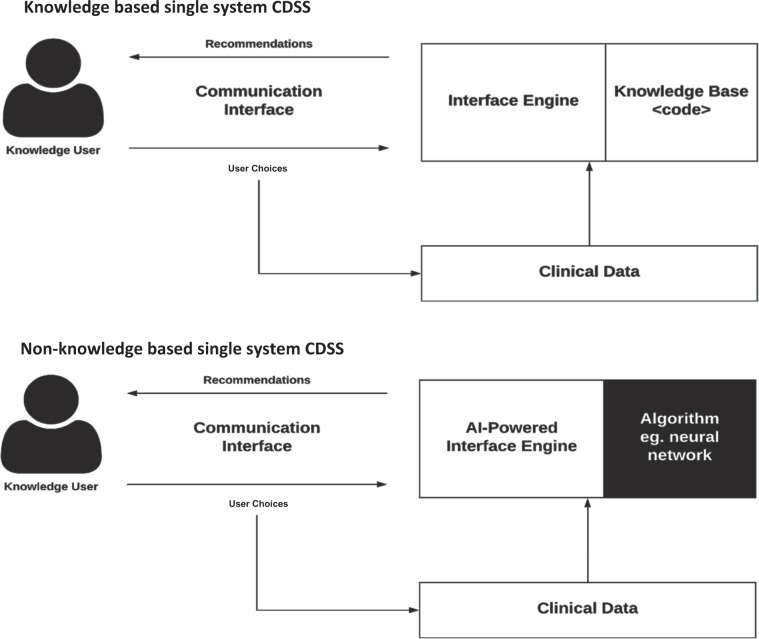
“Nonknowledge based CDSS, although a rapidly growing use case for AI in medicine, are rife with challenges including problems understanding the logic that AI uses to produce recommendations (black boxes), and problems with data availability.(9) They have yet to reach widespread implementation.”
BackgroundHannun, A. Y., Rajpurkar, P., Haghpanahi, M., Tison, G. H., Bourn, C., Turakhia, M. P., & Ng, A. Y. (2019) · Nature Medicine · doi:10.1038/s41591-018-0268-3 · Cited by 3,148
Kawamoto, K., Houlihan, C. A., Balas, E. A., & Lobach, D. F. (2005) · BMJ · doi:10.1136/bmj.38398.500764.8f · Cited by 2,703
IBM computer usability satisfaction questionnaires: Psychometric evaluation and instructions for use
Lewis, J. R. (1995) · International Journal of Human-Computer Interaction · doi:10.1080/10447319509526110 · Cited by 2,429
The System Usability Scale: Past, Present, and Future
Lewis, J. R. (2018) · International Journal of Human–Computer Interaction · doi:10.1080/10447318.2018.1455307 · Cited by 1,958
Greenspan, H., van Ginneken, B., & Summers, R. M. (2016) · IEEE Transactions on Medical Imaging · doi:10.1109/tmi.2016.2553401 · Cited by 1,700 · cited 1×
“61 To do so, these technologies make use of advanced pixel recognition and image classi fi cation algorithms, most prominently: deep learning (DL).”
BackgroundA model of inexact reasoning in medicine
Shortliffe, E. H., & Buchanan, B. G. (1975) · Mathematical Biosciences · doi:10.1016/0025-5564(75)90047-4 · Cited by 1,447
Research works printed but not linked: 6
- Omididan Z Hadianfar A The role of clinical decision support systems in healthcare (1980-2010): a systematic review study Jentashapir Sci.-Res Q. 2011 2 125 134
- Turchin, A., Shubina, M. & Gandhi, T. NLP for patient safety: splenectomy and pneumovax. In Proc. AMIA 2010 Annual Symposium (2010).
- Berner Eta S. Clinical Decision Support Systems 2007 New York, NY Springer New York
- From Invisible to Visible: IBM Demos AI to Radiologists. https://www-03.ibm.com/press/us/en/pressrelease/51146.ws. Accessed Aug 2019 (2016).
- Ivan, D. Moving toward a blockchain-based method for the secure storage of patient records. ONC/NIST Use of Blockchain for Healthcare and Research Workshop. Gaithersburg, Maryland, United States: ONC/NIST (2016).
- Harper, B. D. & Norman, K. L. Improving User Satisfaction: The Questionnaire for User Interaction Satisfaction Version 5.5. Proceedings of the 1st Annual Mid-Atlantic Human Factors Conference, (pp. 224–228), Virginia Beach, VA. (1993).
Cited by
Liu, X., Cruz Rivera, S., Moher, D., Calvert, M. J., Denniston, A. K., The SPIRIT-AI and CONSORT-AI Working Group, SPIRIT-AI and CONSORT-AI Steering Group, Chan, A.-W., Darzi, A., Holmes, C., et al. (2020) · Nature Medicine · doi:10.1038/s41591-020-1034-x · Cited by 1,421
Cruz Rivera, S., Liu, X., Chan, A.-W., Denniston, A. K., Calvert, M. J., The SPIRIT-AI and CONSORT-AI Working Group, SPIRIT-AI and CONSORT-AI Steering Group, Darzi, A., Holmes, C., Yau, C., et al. (2020) · Nature Medicine · doi:10.1038/s41591-020-1037-7 · Cited by 933
“…such as ‘artificial intelligence’, ‘machine learning’ and ‘deep learning’, but not terms such as ‘clinical decision support systems’ and ‘expert systems’, which were more commonly used in the 1990s for technologies underpinned by AI systems and share risks similar to those of recent examples 50 .”
Liu, X., Rivera, S. C., Moher, D., Calvert, M. J., & Denniston, A. K. (2020) · BMJ · doi:10.1136/bmj.m3164 · Cited by 702
Antoniadi, A. M., Du, Y., Guendouz, Y., Wei, L., Mazo, C., Becker, B. A., & Mooney, C. (2021) · Applied Sciences · doi:10.3390/app11115088 · Cited by 629
Survey of Explainable AI Techniques in Healthcare
Chaddad, A., Peng, J., Xu, J., & Bouridane, A. (2023) · Sensors · doi:10.3390/s23020634 · Cited by 591
Liu, X., Cruz Rivera, S., Moher, D., Calvert, M. J., Denniston, A. K., Ashrafian, H., Beam, A. L., Chan, A.-W., Collins, G. S., Deeks, A. D. J., et al. (2020) · The Lancet Digital Health · doi:10.1016/s2589-7500(20)30218-1 · Cited by 555
“61 It is likely that such systems, if published today, would be indexed under “artificial intelligence” or “machine learning”; however, clinical-decision support systems were not actively discussed during this consensus process.”
Cruz Rivera, S., Liu, X., Chan, A.-W., Denniston, A. K., Calvert, M. J., Ashrafian, H., Beam, A. L., Collins, G. S., Darzi, A., Deeks, J. J., et al. (2020) · The Lancet Digital Health · doi:10.1016/s2589-7500(20)30219-3 · Cited by 486
Rivera, S. C., Liu, X., Chan, A.-W., Denniston, A. K., & Calvert, M. J. (2020) · BMJ · doi:10.1136/bmj.m3210 · Cited by 463
Fitzpatrick, P. J. (2023) · Frontiers in Digital Health · doi:10.3389/fdgth.2023.1264780 · Cited by 416
“Mobile health apps equipped with decision support systems have the potential to enhance clinical decision-making by providing evidence-based recommendations to healthcare providers (39, 67, 75).”
BackgroundEmerging Therapeutic Strategies to Overcome Drug Resistance in Cancer Cells
Garg, P., Malhotra, J., Kulkarni, P., Horne, D., Salgia, R., & Singhal, S. S. (2024) · Cancers · doi:10.3390/cancers16132478 · Cited by 339
“Keeping up with the fast pace of cancer research and technology is also a challenge [118].”
BackgroundArtificial intelligence in clinical medicine: catalyzing a sustainable global healthcare paradigm
Krishnan, G., Singh, S., Pathania, M., Gosavi, S., Abhishek, S., Parchani, A., & Dhar, M. (2023) · Frontiers in Artificial Intelligence · doi:10.3389/frai.2023.1227091 · Cited by 296
“Clinical decision support systems (CDSS) are software applications that use AI algorithms to provide healthcare providers with real-time information and recommendations for patient care (Sutton et al., 2020).”
BackgroundMachine learning in clinical decision making
Adlung, L., Cohen, Y., Mor, U., & Elinav, E. (2021) · Med · doi:10.1016/j.medj.2021.04.006 · Cited by 282
“While integration of such approaches was technologically difficult and clinically limited at the time, rapid improvements were gradually noted in the following decades, facilitated by adaptation of new models including conditional probabilities.(4) The implementation of such knowledge-based systems in hospitals and pr…”
Adverse drug reactions in older adults: a narrative review of the literature
Zazzara, M. B., Palmer, K., Vetrano, D. L., Carfì, A., & Onder, G. (2021) · European Geriatric Medicine · doi:10.1007/s41999-021-00481-9 · Cited by 283
Graph-Based Deep Learning for Medical Diagnosis and Analysis: Past, Present and Future
Ahmedt-Aristizabal, D., Armin, M. A., Denman, S., Fookes, C., & Petersson, L. (2021) · Sensors · doi:10.3390/s21144758 · Cited by 272
“Automation is also being pursued to increase the quality and decrease the cost of healthcare systems [1].”
BackgroundDigital Twins for Multiple Sclerosis
Voigt, I., Inojosa, H., Dillenseger, A., Haase, R., Akgün, K., & Ziemssen, T. (2021) · Frontiers in Immunology · doi:10.3389/fimmu.2021.669811 · Cited by 272
Illuminating the dark spaces of healthcare with ambient intelligence
Haque, A., Milstein, A., & Fei-Fei, L. (2020) · Nature · doi:10.1038/s41586-020-2669-y · Cited by 274
Benchmarking saliency methods for chest X-ray interpretation
Saporta, A., Gui, X., Agrawal, A., Pareek, A., Truong, S. Q. H., Nguyen, C. D. T., Ngo, V.-D., Seekins, J., Blankenberg, F. G., Ng, A. Y., et al. (2022) · Nature Machine Intelligence · doi:10.1038/s42256-022-00536-x · Cited by 270
Harnessing the Power of Clinical Decision Support Systems: Challenges and Opportunities
Chen, Z., Liang, N., Zhang, H., Li, H., Yang, Y., Zong, X., Chen, Y., Wang, Y., & Shi, N. (2023) · Open Heart · doi:10.1136/openhrt-2023-002432 · Cited by 244
Federated Learning for Healthcare Domain - Pipeline, Applications and Challenges
Joshi, M., Pal, A., & Sankarasubbu, M. (2022) · ACM Transactions on Computing for Healthcare · doi:10.1145/3533708 · Cited by 203
“[61, 107] A CDSS uses knowledge management to get clinical insights from the patient and health-related data based on multiple factors.”
BackgroundAI and the Future of Skills, Volume 1: Capabilities and Assessments
OECD (2021) · Educational research and innovation · doi:10.1787/5ee71f34-en · Cited by 316
Artificial intelligence in the field of pharmacy practice: A literature review
Chalasani, S. H., Syed, J., Ramesh, M., Patil, V., & Pramod Kumar, T. M. (2023) · Exploratory Research in Clinical and Social Pharmacy · doi:10.1016/j.rcsop.2023.100346 · Cited by 162
“24,25”
A Survey of Explainable Artificial Intelligence for Smart Cities
Javed, A. R., Ahmed, W., Pandya, S., Maddikunta, P. K. R., Alazab, M., & Gadekallu, T. R. (2023) · Electronics · doi:10.3390/electronics12041020 · Cited by 193
Large language models (LLM) and ChatGPT: what will the impact on nuclear medicine be?
Alberts, I. L., Mercolli, L., Pyka, T., Prenosil, G., Shi, K., Rominger, A., & Afshar-Oromieh, A. (2023) · European Journal of Nuclear Medicine and Molecular Imaging · doi:10.1007/s00259-023-06172-w · Cited by 207
“Nevertheless, we believe that the power of ChatGPT (or the lack thereof) shows an urgent need to address the ethical challenges of such systems in a systematic way [29–31].”
BackgroundGala, D., Behl, H., Shah, M., & Makaryus, A. N. (2024) · Healthcare · doi:10.3390/healthcare12040481 · Cited by 183
“A decision support system in a clinical setting is designed to enhance healthcare delivery by providing targeted clinical knowledge while using specific patient data and healthcare information [50].”
Yelne, S., Chaudhary, M., Dod, K., Sayyad, A., & Sharma, R. (2023) · Cureus · doi:10.7759/cureus.49252 · Cited by 190
“These systems also help reduce the likelihood of medical errors [4].”
BackgroundArtificial intelligence-based clinical decision support in pediatrics
Ramgopal, S., Sanchez-Pinto, L. N., Horvat, C. M., Carroll, M. S., Luo, Y., & Florin, T. A. (2023) · Pediatric Research · doi:10.1038/s41390-022-02226-1 · Cited by 177
“, human skill deterioration over time), need for continued maintenance, and challenges with data quality.(24) Finally, AI-CDS are expensive to develop and maintain over time.”
BackgroundMethodAI in precision agriculture: A review of technologies for sustainable farming practices
Adewusi, A. O., Asuzu, O. F., Olorunsogo, T., Olorunsogo, T., Adaga, E. M., & Daraojimba, D. O. (2024) · World Journal of Advanced Research and Reviews · doi:10.30574/wjarr.2024.21.1.0314 · Cited by 197
“One of the key strengths of ML in decision support systems is its ability to forecast future trends and outcomes (Sutton, et al., 2020).”
BackgroundMontazeri, S., Airaksinen, M., Nevalainen, P., Marchi, V., Hellström-Westas, L. K., Stevenson, N. J., & Vanhatalo, S. (2022) · The Lancet Digital Health · doi:10.1016/s2589-7500(22)00196-0 · Cited by 239
Should AI models be explainable to clinicians?
Abgrall, G., Holder, A. L., Chelly Dagdia, Z., Zeitouni, K., & Monnet, X. (2024) · Critical Care · doi:10.1186/s13054-024-05005-y · Cited by 175
“In the high-pressure environment of the ICU, doctors need clarity when making decisions, especially when using AI-based support systems [13].”
BackgroundEffectiveness of Artificial Intelligence (AI) in Clinical Decision Support Systems and Care Delivery
Ouanes, K., & Farhah, N. S. (2024) · Journal of Medical Systems · doi:10.1007/s10916-024-02098-4 · Cited by 215
“CDSS solutions are now frequently managed through electronic medical records (EMR), electronic health records (EHR), and other computerised clinical procedures, which have been made possible by the growing global usage of advanced systems and technologies [37].”
Wysocki, O., Davies, J. K., Vigo, M., Armstrong, A. C., Landers, D., Lee, R., & Freitas, A. (2023) · Artificial Intelligence · doi:10.1016/j.artint.2022.103839 · Cited by 161
Humans inherit artificial intelligence biases
Vicente, L., & Matute, H. (2023) · Scientific Reports · doi:10.1038/s41598-023-42384-8 · Cited by 158
Caruccio, L., Cirillo, S., Polese, G., Solimando, G., Sundaramurthy, S., & Tortora, G. (2024) · Expert Systems with Applications · doi:10.1016/j.eswa.2023.121186 · Cited by 153
Meunier, P.-Y., Raynaud, C., Guimaraes, E., Gueyffier, F., & Letrilliart, L. (2023) · The Annals of Family Medicine · doi:10.1370/afm.2908 · Cited by 149
General Practitioners’ Attitudes Toward Artificial Intelligence–Enabled Systems: Interview Study
Buck, C., Doctor, E., Hennrich, J., Jöhnk, J., & Eymann, T. (2022) · Journal of Medical Internet Research · doi:10.2196/28916 · Cited by 147
“This integration of AI technology allows the CDSSs to learn from experience and find patterns in medical data [18].”
BackgroundDennstädt, F., Zink, J., Putora, P. M., Hastings, J., & Cihoric, N. (2024) · Systematic Reviews · doi:10.1186/s13643-024-02575-4 · Cited by 145
“This general definition may include diagnostic tools, knowledge bases, prognostic models, or patient decision aids [50].”
BackgroundWoodman, R. J., & Mangoni, A. A. (2023) · Aging Clinical and Experimental Research · doi:10.1007/s40520-023-02552-2 · Cited by 129
Wosny, M., Strasser, L. M., & Hastings, J. (2023) · JMIR Human Factors · doi:10.2196/50357 · Cited by 110
“…recent years with the introduction of various digital tools, including electronic health records (EHRs) [4], clinical decision support (CDS) tools [5], artificial intelligence (AI) applications [6], telemedicine [7], wearable devices [8], and health apps [9], which hold great potential to…”
BackgroundUeda, D., Walston, S. L., Fujita, S., Fushimi, Y., Tsuboyama, T., Kamagata, K., Yamada, A., Yanagawa, M., Ito, R., Fujima, N., et al. (2024) · Diagnostic and Interventional Imaging · doi:10.1016/j.diii.2024.06.002 · Cited by 174
Abell, B., Naicker, S., Rodwell, D., Donovan, T., Tariq, A., Baysari, M., Blythe, R., Parsons, R., & McPhail, S. M. (2023) · Implementation Science · doi:10.1186/s13012-023-01287-y · Cited by 131
“Clinical Decision Support Systems (CDSS) are digital tools that can assist healthcare providers in making clinical decisions by providing targeted information [1].”
BackgroundPrakash, A. V., & Das, S. (2021) · Information & Management · doi:10.1016/j.im.2021.103524 · Cited by 166
The impact of electronic health records on patient care and outcomes: A comprehensive review
Adeniyi, A. O., Arowoogun, J. O., Chidi, R., Okolo, C. A., & Babawarun, O. (2024) · World Journal of Advanced Research and Reviews · doi:10.30574/wjarr.2024.21.2.0592 · Cited by 189
“Around the same time, the Institute of Medicine (IOM) released a report highlighting the benefits of electronic health records, further driving interest in digital health records (Kim, et. al., 2019, Sadoughi, Khodaveisi & Ahmadi, 2019, Sutton, et. al., 2020).”
BackgroundMethodSel, K., Hawkins-Daarud, A. J., Chaudhuri, A., Osman, D., Bahai, A. R. S., Paydarfar, D., Willcox, K. E., Chung, C., & Jafari, R. (2025) · npj Digital Medicine · doi:10.1038/s41746-025-01447-y · Cited by 184
Co-design of human-centered, explainable AI for clinical decision support
Panigutti, C., Beretta, A., Fadda, D., Giannotti, F., Pedreschi, D., Perotti, A., & Rinzivillo, S. (2023) · ACM Transactions on Interactive Intelligent Systems · doi:10.1145/3587271 · Cited by 127
“One approach for integrating AI into clinical practice is using it in clinical Decision Support Systems (DSS) , i.e., computerized systems that give evidence-based suggestions, alerts, and reminders to healthcare practitioners to help with patient diagnosis, treat-ment, and management [126].”
BackgroundKhan, A., DeVoe, E., & Andreescu, S. (2023) · Sensors & Diagnostics · doi:10.1039/d2sd00226d · Cited by 140
Methodical Aspects of MCDM Based E-Commerce Recommender System
Bączkiewicz, A., Kizielewicz, B., Shekhovtsov, A., Wątróbski, J., & Sałabun, W. (2021) · Journal of theoretical and applied electronic commerce research · doi:10.3390/jtaer16060122 · Cited by 126
“Their goal is to improve various fields of people’s lives by supporting decisions with the increasing use of information technology to improve the quality of decisions by recommending solutions [15].”
BackgroundCollin, C. B., Gebhardt, T., Golebiewski, M., Karaderi, T., Hillemanns, M., Khan, F. M., Salehzadeh‐Yazdi, A., Kirschner, M. W., Krobitsch, S., & Kuepfer, L. (2022) · Journal of Personalized Medicine · doi:10.3390/jpm12020166 · Cited by 153
Machine learning in medicine: should the pursuit of enhanced interpretability be abandoned?
Yoon, C. H., Torrance, R., & Scheinerman, N. (2022) · Journal of Medical Ethics · doi:10.1136/medethics-2020-107102 · Cited by 116
Lewin‐Epstein, O., Baruch, S., Hadany, L., Stein, G. Y., & Obolski, U. (2020) · Clinical Infectious Diseases · doi:10.1093/cid/ciaa1576 · Cited by 133
Jacob, C., Brasier, N., Laurenzi, E., Heuss, S., Mougiakakou, S. G., Çöltekin, A., & Peter, M. K. (2025) · Journal of Medical Internet Research · doi:10.2196/67485 · Cited by 147
“Decision support systems powered by AI assist clinicians in making evidence-based decisions by providing real-time data-driven insights and predictive analytics [2].”
Modeling adoption of intelligent agents in medical imaging
Calisto, F. M., Nunes, N., & Nascimento, J. C. (2022) · International Journal of Human-Computer Studies · doi:10.1016/j.ijhcs.2022.102922 · Cited by 111
Sharma, V., Ali, I., van der Veer, S. N., Martin, G. P., Ainsworth, J. D., & Augustine, T. (2021) · BMJ Health & Care Informatics · doi:10.1136/bmjhci-2020-100253 · Cited by 131
“21 Technical challenges revolve around non-standardised coding of health data across EHR providers.”
BackgroundAmann, J., Vayena, E., Ormond, K. E., Frey, D., Madai, V. I., & Blasimme, A. (2023) · PLOS ONE · doi:10.1371/journal.pone.0279088 · Cited by 106
Graafsma, J., Murphy, R. M., van de Garde, E. M. W., Karapinar‐Çarkit, F., Derijks, H. J., Hoge, R. H. L., Klopotowska, J. E., & van den Bemt, P. M. L. A. (2024) · Journal of the American Medical Informatics Association · doi:10.1093/jamia/ocae076 · Cited by 135
“18, 19 Artificial Intelligence (AI) methods may contribute to further optimization of medication alerts generated by CDSSs, eg, by predicting physician responses, generating AI-based medication alerts, or by developing a triage system.”
BackgroundAutomated evaluation of psychotherapy skills using speech and language technologies
Flemotomos, N., Martinez, V. R., Chen, Z., Singla, K., Ardulov, V., Peri, R., Caperton, D. D., Gibson, J., Tanana, M. J., Georgiou, P., et al. (2021) · Behavior Research Methods · doi:10.3758/s13428-021-01623-4 · Cited by 98
Tomašev, N., Harris, N., Baur, S., Mottram, A., Glorot, X., Rae, J. W., Zielinski, M., Askham, H., Saraiva, A., Magliulo, V., et al. (2021) · Nature Protocols · doi:10.1038/s41596-021-00513-5 · Cited by 131
“…scores are typically not personalized to the patient (the same thresholds and coef fi cients are used population wide), rarely use temporal or trend information, have a relatively limited input feature space and have been associated with high false-positive rates and consequent alert fatigue 3 .”
BackgroundDingel, J., Kleine, A., Cecil, J., Sigl, A., Lermer, E., & Gaube, S. (2024) · Journal of Medical Internet Research · doi:10.2196/57224 · Cited by 139
“Another issue is when AI-CDSSs are not used as designed, which can be due to a range of factors, including user interface problems, lack of integration into clinical workflows, or insufficient training of health care professionals on how to use the system [7,12-14].”
InfluentialKnop, M., Weber, S., Mueller, M., & Niehaves, B. (2022) · JMIR Human Factors · doi:10.2196/28639 · Cited by 103
“This is because the CDSS surpasses the preferably objective description of medical information (eg, in electronic health records) and interprets this information to support clinical interventions [19].”
BackgroundA Review of Artificial Intelligence and Robotics in Transformed Health Ecosystems
Denecke, K., & Baudoin, C. R. (2022) · Frontiers in Medicine · doi:10.3389/fmed.2022.795957 · Cited by 95
“They can support clinical management by ensuring adherence to the clinical guidelines or automating administrative functions such as clinical and diagnostic encoding (39), patient triage or ordering of procedures (37).”
BackgroundPaul, S. G., Saha, A., Hasan, M. Z., Noori, S. R. H., & Moustafa, A. A. (2024) · IEEE Access · doi:10.1109/access.2024.3354809 · Cited by 150
Artificial intelligence (AI) applications in healthcare and considerations for nursing education
Montejo, L., Fenton, A., & Davis, G. (2024) · Nurse Education in Practice · doi:10.1016/j.nepr.2024.104158 · Cited by 100
WHO SMART guidelines: optimising country-level use of guideline recommendations in the digital age
Mehl, G. L., Tunçalp, Ö., Ratanaprayul, N., Tamrat, T., Barreix, M., Lowrance, D. W., Bartolomeos, K. K., Say, L., Kostanjsek, N. F. I., Jakob, R., et al. (2021) · The Lancet Digital Health · doi:10.1016/s2589-7500(21)00038-8 · Cited by 98
Moazemi, S., Vahdati, S., Li, J., Kalkhoff, S., Castano, L. J. V., Dewitz, B., Bibo, R., Sabouniaghdam, P., Tootooni, M. S., Bundschuh, R. A., et al. (2023) · Frontiers in Medicine · doi:10.3389/fmed.2023.1109411 · Cited by 97
“Therefore, to assist the physicians and to complement their decision-making routines, there is an evolving need for appropriate clinical decision support systems (CDSS) leveraging modern AI-driven methodologies which are capable of investigating and identifying non-linear correlations in the multimodal patient data.”
BackgroundInfluentialCook, D. A., Overgaard, J., Pankratz, V. S., Del Fiol, G., & Aakre, C. A. (2025) · Journal of Medical Internet Research · doi:10.2196/68486 · Cited by 96
“VPs—computer screen–based simulations of patient-clinician encounters [7]—have demonstrated efficacy in teaching, assessing, and studying clinical reasoning [8] and could also support validation of decision-support tools before clinical implementation [9,10].”
Cook, D. A., Overgaard, J., Pankratz, V. S., Del Fiol, G., & Aakre, C. A. (2024) · doi:10.2196/preprints.68486 · Cited by 96
A Survey of Generative Adversarial Networks for Synthesizing Structured Electronic Health Records
Ghosheh, G. O., Li, J., & Zhu, T. (2024) · ACM Computing Surveys · doi:10.1145/3636424 · Cited by 95
“EHRs also provide a valuable asset to develop data-driven and patient-specific clinical decision support systems (CDSS) for diagnostic, prognostic, healthcare cost containment and workflow improvement applications [8–10].”
BackgroundClinical Decision Support and Natural Language Processing in Medicine: Systematic Literature Review
Eguia, H. A., Sánchez-Bocanegra, C. L., Vinciarelli, F., Alvarez-López, F., & Saigí-Rubió, F. (2024) · Journal of Medical Internet Research · doi:10.2196/55315 · Cited by 128
“…of various pathologies, with the consequent better maintenance of the population’s health [7], some studies suggest that they may disrupt physicians’ workflow or alter or be inconsistent with the initial clinical decisions, and may also require technical maintenance with additional costs [59].”
Large language models for preventing medication direction errors in online pharmacies
Pais, C., Liu, J., Voigt, R., Gupta, V., Wade, E., & Bayati, M. (2024) · Nature Medicine · doi:10.1038/s41591-024-02933-8 · Cited by 89
“…to train and evaluate the different AI approaches. https://doi.org/10.1038/s41591-024-02933-8 decision support systems to enhance patient safety 25,26 , this paper focuses on developing an AI solution aimed at improving the accuracy and quality of the DE phase in processing medication…”
InfluentialThe evolving role of nursing informatics in the era of artificial intelligence
Nashwan, A. J., Cabrega, J. A., Othman, M. I., Khedr, M. A., Osman, Y. M., El‐Ashry, A. M., Naif, R., & Mousa, A. A. (2025) · International Nursing Review · doi:10.1111/inr.13084 · Cited by 93
Ford, E. M., Edelman, N. L., Somers, L., Shrewsbury, D., Levy, M. L., van Marwijk, H., Ćurčin, V., & Porat, T. (2021) · BMC Medical Informatics and Decision Making · doi:10.1186/s12911-021-01557-z · Cited by 112
Fujimori, R., Liu, K., Soeno, S., Naraba, H., Ogura, K., Hara, K., Sonoo, T., Ogura, T., Nakamura, K., & Goto, T. (2022) · JMIR Formative Research · doi:10.2196/36501 · Cited by 87
“Despite the increased availability of CDSSs, including AI-based CDSSs in emergency care settings, the use of these systems is limited and has yet to achieve widespread implementation [1,9].”
Backgroundde la Lastra, J. M. P., Wardell, S. J. T., Pal, T., de la Fuente‐Núñez, C., & Pletzer, D. (2024) · Journal of Medical Systems · doi:10.1007/s10916-024-02089-5 · Cited by 112
“CDSS have evolved considerably since their introduction in the 1980s, now providing real-time guidance through electronic medical records [97].”
BackgroundArtificial Intelligence in Cardiology—A Narrative Review of Current Status
Koulaouzidis, G., Jadczyk, T., Iakovidis, D. K., Koulaouzidis, A., Bisnaire, M., & Charisopoulou, D. (2022) · Journal of Clinical Medicine · doi:10.3390/jcm11133910 · Cited by 82
Clinical Decision Support Systems for Diagnosis in Primary Care: A Scoping Review
Harada, T., Miyagami, T., Kunitomo, K., & Shimizu, T. (2021) · International Journal of Environmental Research and Public Health · doi:10.3390/ijerph18168435 · Cited by 89
Code Synonyms Do Matter: Multiple Synonyms Matching Network for Automatic ICD Coding
Yuan, Z., Tan, C., & Huang, S. (2022) · Proceedings of the conference - Association for Computational Linguistics. Meeting · doi:10.18653/v1/2022.acl-short.91 · Cited by 126
Gharibshahian, M., Torkashvand, M., Bavisi, M., Aldaghi, N., & Alizadeh, A. (2024) · Skin Research and Technology · doi:10.1111/srt.70016 · Cited by 117
“167 This technology can combine information and experimental data from laboratory research with clinical data to create new learning patterns.”
University of California, S. F., Adler-Milstein, J., Aggarwal, N., University of Wisconsin-Madison, Ahmed, M., National Academy of Medicine, Castner, J., Incorporated, C., Evans, B. J., University of Florida, et al. (2022) · NAM Perspectives · doi:10.31478/202209c · Cited by 82
“To ensure sustainable and safe integration of AI-DDS tools into clinical care, it is crucial that the tools meet the clinical needs of the institution while also maintaining alignment with best practice guidelines, which change over time (Sutton et al., 2020).”
MethodHarnessing AI for Sustainable Shipping and Green Ports: Challenges and Opportunities
Durlik, I., Miller, T. I., Kostecka, E., Łobodzińska, A., & Kostecki, T. (2024) · Applied Sciences · doi:10.3390/app14145994 · Cited by 117
Assessing the Economic Value of Clinical Artificial Intelligence: Challenges and Opportunities
Hendrix, N., Veenstra, D. L., Cheng, M., Anderson, N. C., & Verguet, S. (2022) · Value in Health · doi:10.1016/j.jval.2021.08.015 · Cited by 83
Anaphylaxis definition, overview, and clinical support tool: 2024 consensus report—a GA2LEN project
Dribin, T. E., Muraro, A. M., Camargo, C. A., Turner, P., Wang, J., Roberts, G. C., Anagnostou, A., Halken, S., Lieberman, J. A., Worm, M., et al. (2025) · Journal of Allergy and Clinical Immunology · doi:10.1016/j.jaci.2025.01.021 · Cited by 85
Artificial Intelligence Applications for Workflow, Process Optimization and Predictive Analytics
Letourneau-Guillon, L., Camirand, D., Guilbert, F., & Forghani, R. (2020) · Neuroimaging Clinics of North America · doi:10.1016/j.nic.2020.08.008 · Cited by 80
Barbieri, C., Neri, L., Stuard, S., Mari, F., & Martín‐Guerrero, J. D. (2023) · Clinical Kidney Journal · doi:10.1093/ckj/sfad168 · Cited by 118
“Although the most popular benefit of automation is probably the implementation of medical decision support systems [ 19 ], automation can help in many other tasks, such as data entry and knowledge abstraction from literature [ 20 , 21 ], scheduling [ 22 ], billing [ 23 ], repetitive tasks in…”
BackgroundXAI-Based Clinical Decision Support Systems: A Systematic Review
Kim, S. Y., Kim, D. H., Kim, M. J., Ko, H. J., & Jeong, O. R. (2024) · Applied Sciences · doi:10.3390/app14156638 · Cited by 68
Clinical Decision Support Tools in the Electronic Medical Record
Alexiuk, M. R., Elgubtan, H., & Tangri, N. (2023) · Kidney International Reports · doi:10.1016/j.ekir.2023.10.019 · Cited by 103
“10,13,25 Health care organizations often utilize a different EMR system that comes with its own technology, data structure, and coding system.”
BackgroundInfluentialPapadopoulos, P., Soflano, M., Chaudy, Y., Adejo, W., & Connolly, T. M. (2022) · Health and Technology · doi:10.1007/s12553-022-00672-9 · Cited by 68
“Many CDSSs exist as standalone systems or as systems that cannot communicate effectively with other systems [41].”
BackgroundAvanzo, M., Stancanello, J., Pirrone, G., Drigo, A., & Retico, A. (2024) · Cancers · doi:10.3390/cancers16213702 · Cited by 110
“Due to its low computational cost, this approach—by extracting descriptive features from images and then analyzing them with ML models—dominated the AI field for many years until the advent of deep learning.”
MethodPierre, K., Haneberg, A. G., Kwak, S., Peters, K. R., Hochhegger, B., Sananmuang, T., Tunlayadechanont, P., Tighe, P. J., Mancuso, A., & Forghani, R. (2023) · Seminars in Roentgenology · doi:10.1053/j.ro.2023.02.003 · Cited by 79
Antimicrobial stewardship and antibiograms: importance of moving beyond traditional antibiograms
Klinker, K. P., Hidayat, L. K., DeRyke, C. A., DePestel, D. D., Motyl, M. R., & Bauer, K. A. A. (2021) · Therapeutic Advances in Infectious Disease · doi:10.1177/20499361211011373 · Cited by 97
Kierner, S., Kucharski, J., & Kierner, Z. (2023) · Journal of Biomedical Informatics · doi:10.1016/j.jbi.2023.104428 · Cited by 103
Olawade, D. B., Aderinto, N., Olatunji, G. D., Kokori, E., David-Olawade, A. C., & Hadi, M. (2024) · Journal of Medicine Surgery and Public Health · doi:10.1016/j.glmedi.2024.100109 · Cited by 100
Laka, M., Milazzo, A., & Merlin, T. (2021) · International Journal of Environmental Research and Public Health · doi:10.3390/ijerph18041901 · Cited by 78
“CDSS implementation is also complicated because its scope extends far beyond a traditional information technology tool and integrates an evidence-based paradigm into every day clinical practice [20].”
BackgroundPagallo, U., O’Sullivan, S., Nevejans, N., Holzinger, A., Friebe, M., Jeanquartier, F., Jean-Quartier, C., & Miernik, A. (2024) · Health and Technology · doi:10.1007/s12553-023-00806-7 · Cited by 69
“The scalability of these systems is impeded by challenges such as data interoperability, limited integration with electronic health records (EHRs), and concerns pertaining to liability and accountability [63].”
BackgroundAbdullahi, T., Singh, R., & Eickhoff, C. (2024) · JMIR Medical Education · doi:10.2196/51391 · Cited by 76
Van Dort, B. A., Zheng, W. Y., Sundar, V., & Baysari, M. T. (2021) · Journal of the American Medical Informatics Association · doi:10.1093/jamia/ocaa279 · Cited by 75
“Increasing alert specificity and sensitivity, tailoring alerts to users, and only presenting severe alerts to users are some of the strategies that have been used to decrease the volume of irrelevant alerts presented.(2,19) However, how organizations operationalize these strategies, and make decisions about what alert…”
BackgroundGomez-Cabello, C. A., Borna, S., Pressman, S., Haider, S. A., Haider, C. R., & Forte, A. J. (2024) · European Journal of Investigation in Health, Psychology and Education · doi:10.3390/ejihpe14030045 · Cited by 74
“CDSSs aid physicians in diagnosis, disease management, prescription, and drug control, often through alarm systems [5,6].”
BackgroundResultInfluentialReinforcement learning strategies in cancer chemotherapy treatments: A review
Yang, C., Shiranthika, C., Wang, C.-Y., Chen, K.-W., & Sumathipala, S. (2022) · Computer Methods and Programs in Biomedicine · doi:10.1016/j.cmpb.2022.107280 · Cited by 90
XAI-based Clinical Decision Support System: A Systematic Review
Kim, S., Kim, D., Kim, M., Ko, H., & Jeong, O. (2024) · doi:10.20944/preprints202406.0721.v1 · Cited by 72
Clinicians and AI use: where is the professional guidance?
Smith, H., Downer, J., & Ives, J. (2024) · Journal of Medical Ethics · doi:10.1136/jme-2022-108831 · Cited by 60
Golden, G., Popescu, C., Israel, S., Perlman, K., Armstrong, C., Fratila, R., Tanguay-Sela, M., & Benrimoh, D. (2024) · Health Policy and Technology · doi:10.1016/j.hlpt.2024.100844 · Cited by 63
Artificial Intelligence in Cardiac Surgery: Transforming Outcomes and Shaping the Future
Leivaditis, V., Beltsios, E. T., Papatriantafyllou, A., Grapatsas, K., Mulita, F., Kontodimopoulos, N., Baikoussis, N. G., Tchabashvili, L., Tasios, K., Maroulis, I., et al. (2025) · Clinics and Practice · doi:10.3390/clinpract15010017 · Cited by 91
Metadata
- Authors
- Sutton, R. T., Pincock, D., Baumgart, D. C., Sadowski, D. C., Fedorak, R. N., & Kroeker, K. I.
- Affiliations
- University of Alberta (CA)
- Alberta Health Services (CA)
- Corresponding author
- Kroeker, Karen I.
- ORCID
- Venue
- npj Digital Medicine
- Published
- 2020-02-06
- Volume
- 3
- Issue
- 1
- Pages
- 17-17
- ISSN
- 2398-6352 (ISSN-L)
- PMC
- PMC7005290
- OpenAlex
- W3004612364
- Semantic Scholar
- 2419d6b5e83d6175d31772e40cedbac1936da541
- Cited by
- 3,019
- References
- 112
- Citations by year
- 2026: 632 · 2025: 697 · 2024: 585 · 2023: 534 · 2022: 318 · 2021: 196 · 2020: 54
- FWCI
- 42.03
- Type
- journal article
- Language
- en
- Open access
- gold
- doi.org
- Licence
- cc-by
- creativecommons.org/licenses/by/4.0 (tdm)
- creativecommons.org/licenses/by/4.0 (vor)
- Locations
- npj Digital Medicine (publishedVersion, cc-by)
- PubMed Central (publishedVersion, cc-by)
- PubMed (publishedVersion)
- DOAJ (DOAJ: Directory of Open Access Journals) (submittedVersion, cc-by-sa)
- DOAJ (DOAJ: Directory of Open Access Journals) (submittedVersion)
- Funders
- Canadian Institutes of Health Research
- Topics
- Health Sciences › Health Professions › Health Information Management › Electronic Health Records Systems
- Health Sciences › Medicine › Health Informatics › Artificial Intelligence in Healthcare and Education
- Health Sciences › Medicine › Public Health, Environmental and Occupational Health › Technology and Human Factors in Education and Health
- Keywords
- clinical decision support systems, electronic health records, clinical decision-making, patient outcomes, health care costs, clinical workflow
About these checks
Registry, retraction, Cites and statistics results are computed, not judged, with one exception: a printed reference that no index lists is read once by a model before it counts as a citation error. Claims are extracted by a model and kept only when their quote appears verbatim in the text; each cited source is then checked, with a model’s help, for whether it says what the claim relies on. Those verdicts can be wrong — read the claim’s quote and the cited source before relying on one.
Statistics and arithmetic are recomputed, not judged.
Confidence bands are shown only for fields calibrated on our annotated test set. None is calibrated yet, so no band is shown.
What counts as a claim ›How we measure confidence ›How we check this ›
Are you an author, or do you see a problem with this page? Request a review
Data sources
Bibliographic data: Semantic Scholar, OpenAlex, Crossref.
Contains information from the Semantic Scholar Academic Graph Datasets, made available under the ODC Attribution License (ODC-BY 1.0).
Semantic Scholar’s data is described in: Kinney, R., et al. (2023). The Semantic Scholar Open Data Platform. arXiv:2301.10140.
