

An overview of clinical decision support systems: benefits, risks, and strategies for success
Open accessThe DOI matches its Crossref record; 110 of the 112 references it cites were found in a registry or an index.
Abstract
Computerized clinical decision support systems, or CDSS, represent a paradigm shift in healthcare today. CDSS are used to augment clinicians in their complex decision-making processes. Since their first use in the 1980s, CDSS have seen a rapid evolution. They are now commonly administered through electronic medical records and other computerized clinical workflows, which has been facilitated by increasing global adoption of electronic medical records with advanced capabilities. Despite these advances, there remain unknowns regarding the effect CDSS have on the providers who use them, patient outcomes, and costs. There have been numerous published examples in the past decade(s) of CDSS success stories, but notable setbacks have also shown us that CDSS are not without risks. In this paper, we provide a state-of-the-art overview on the use of clinical decision support systems in medicine, including the different types, current use cases with proven efficacy, common pitfalls, and potential harms. We conclude with evidence-based recommendations for minimizing risk in CDSS design, implementation, evaluation, and maintenance.
Overview
The claims and statistics of this paper haven’t been checked yet.
Free: it reads the open-access text and checks the first 5 claims that cite a source we can check. Create a free account to check every claim.
Integrity signals
Registry
Cites
Statistics
Figures
Verification
Claims the paper makes
The claims and statistics of this paper haven’t been checked yet.
Free: it reads the open-access text and checks the first 5 claims that cite a source we can check. Create a free account to check every claim.
Claims other papers make about this one
Each is checked against this paper’s own text: does it say what the citing paper says it does?
The source backs part of the claim, not all of it — or backs it for a different population, condition or comparison.
In the citing paper
“However, there are many practical problems related to the speed of operation and implementation [106].”
From Survey of Explainable AI Techniques in Healthcare (2023) · cites this paper as [106]
Experimental — accuracy not yet measuredThe source backs part of the claim, not all of it — or backs it for a different population, condition or comparison.
In the citing paper
“These applications extend AI use beyond diagnosis to early warning and clinical decision support [18].”
From Artificial Intelligence in Clinical Decision-Making: A Comprehensive Review of Diagnostic, Prognostic, and Therapeutic Applications, Validation Gaps, Bias, and Deployment Challenges (2026) · cites this paper as [18]
Experimental — accuracy not yet measuredThe source backs part of the claim, not all of it — or backs it for a different population, condition or comparison.
In the citing paper
“Clinical decision support systems are limited by static rule based, and inflexible in responding to changing clinical evidence [2].”
From Multi-Agent Retrieval Augmented Generation for Clinical Decision Support: A Systematic Review and Integrative Conceptual Framework (2026) · cites this paper as [2]
Experimental — accuracy not yet measuredThe source backs part of the claim, not all of it — or backs it for a different population, condition or comparison.
In the citing paper
“Early CDSS implementations were largely rule-based, encoding expert knowledge into deterministic logic that operated within narrowly defined clinical domains [1].”
From Medical AI Agents for Clinical Decision Support: Viewpoint Using the Planning, Action, Reflection, and Memory (PARM) Analytical Lens (2026) · cites this paper as [1]
Experimental — accuracy not yet measuredThe source backs part of the claim, not all of it — or backs it for a different population, condition or comparison.
In the citing paper
“Second, the literature search of AI randomized controlled trials used terminology such as ‘artificial intelligence’, ‘machine learning’ and ‘deep learning’, but not terms such as ‘clinical decision support systems’ and ‘expert systems’, which were more commonly used in the 1990s for technologies underpinned by AI systems and share risks similar to those of recent examples50.”
From Guidelines for clinical trial protocols for interventions involving artificial intelligence: the SPIRIT-AI extension (2020) · cites this paper as [50]
Experimental — accuracy not yet measured
8 more claims about this paper
Create a free account to see every claim other papers make about this one.
Self-check
Percentages, sums and reported differences re-computed from the paper’s own numbers.
The self-check needs the paper’s full text.
Citations
Cites
Dermatologist-level classification of skin cancer with deep neural networks
Esteva, A., Kuprel, B., Novoa, R. A., Ko, J., Swetter, S. M., Blau, H. M., & Thrun, S. (2017) · Nature · doi:10.1038/nature21056 · Cited by 14,362
Gulshan, V., Peng, L., Coram, M., Stumpe, M. C., Wu, D., Narayanaswamy, A., Venugopalan, S., Widner, K., Madams, T., Cuadros, J., et al. (2016) · JAMA · doi:10.1001/jama.2016.17216 · Cited by 7,697 · cited 3×
“60 65 – 68 For example, Google ’ s team trained a deep convolutional neural network (CNN) to detect diabetic retinopathy (blood vessel damage in the eye) from a dataset of 130,000 retinal images with a very high sensitivity and speci fi city.”
BackgroundMethodWhy Don't Physicians Follow Clinical Practice Guidelines?: A Framework for Improvement
Cabana, M. D., Rand, C. S., Powe, N. R., Wu, A. W., Wilson, M. H., Abboud, P.-A. C., & Rubin, H. R. (1999) · JAMA · doi:10.1001/jama.282.15.1458 · Cited by 6,677 · cited 1×
“This is significant because traditional clinical guidelines and care pathways have been shown to be difficult to implement in practice with low clinician adherance.(31,32) The assumption that practitioners will read, internalize, and implement new guidelines has not held true.”
BackgroundDeo, R. C. (2015) · Circulation · doi:10.1161/circulationaha.115.001593 · Cited by 3,466 · cited 1×
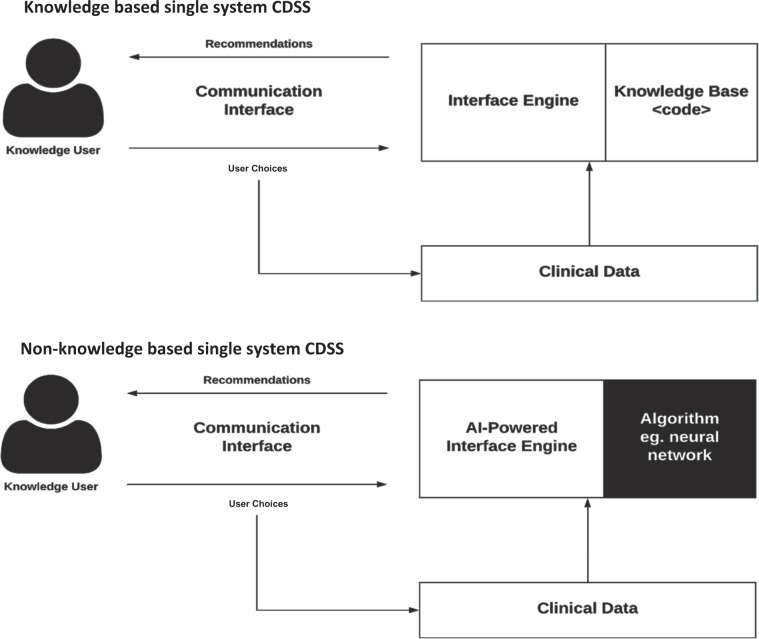
“Nonknowledge based CDSS, although a rapidly growing use case for AI in medicine, are rife with challenges including problems understanding the logic that AI uses to produce recommendations (black boxes), and problems with data availability.(9) They have yet to reach widespread implementation.”
BackgroundHannun, A. Y., Rajpurkar, P., Haghpanahi, M., Tison, G. H., Bourn, C., Turakhia, M. P., & Ng, A. Y. (2019) · Nature Medicine · doi:10.1038/s41591-018-0268-3 · Cited by 3,148
Kawamoto, K., Houlihan, C. A., Balas, E. A., & Lobach, D. F. (2005) · BMJ · doi:10.1136/bmj.38398.500764.8f · Cited by 2,703
IBM computer usability satisfaction questionnaires: Psychometric evaluation and instructions for use
Lewis, J. R. (1995) · International Journal of Human-Computer Interaction · doi:10.1080/10447319509526110 · Cited by 2,429
The System Usability Scale: Past, Present, and Future
Lewis, J. R. (2018) · International Journal of Human–Computer Interaction · doi:10.1080/10447318.2018.1455307 · Cited by 1,958
Greenspan, H., van Ginneken, B., & Summers, R. M. (2016) · IEEE Transactions on Medical Imaging · doi:10.1109/tmi.2016.2553401 · Cited by 1,700 · cited 1×
“61 To do so, these technologies make use of advanced pixel recognition and image classi fi cation algorithms, most prominently: deep learning (DL).”
BackgroundA model of inexact reasoning in medicine
Shortliffe, E. H., & Buchanan, B. G. (1975) · Mathematical Biosciences · doi:10.1016/0025-5564(75)90047-4 · Cited by 1,447
Research works printed but not linked: 6
- Omididan Z Hadianfar A The role of clinical decision support systems in healthcare (1980-2010): a systematic review study Jentashapir Sci.-Res Q. 2011 2 125 134
- Turchin, A., Shubina, M. & Gandhi, T. NLP for patient safety: splenectomy and pneumovax. In Proc. AMIA 2010 Annual Symposium (2010).
- Berner Eta S. Clinical Decision Support Systems 2007 New York, NY Springer New York
- From Invisible to Visible: IBM Demos AI to Radiologists. https://www-03.ibm.com/press/us/en/pressrelease/51146.ws. Accessed Aug 2019 (2016).
- Ivan, D. Moving toward a blockchain-based method for the secure storage of patient records. ONC/NIST Use of Blockchain for Healthcare and Research Workshop. Gaithersburg, Maryland, United States: ONC/NIST (2016).
- Harper, B. D. & Norman, K. L. Improving User Satisfaction: The Questionnaire for User Interaction Satisfaction Version 5.5. Proceedings of the 1st Annual Mid-Atlantic Human Factors Conference, (pp. 224–228), Virginia Beach, VA. (1993).
Cited by
Items 301–400 of 1,024
Fraile Navarro, D., Kocaballi, A. B., Dras, M., & Berkovsky, S. (2023) · ACM Transactions on Computer-Human Interaction · doi:10.1145/3569893 · Cited by 28
“Ranging from decision support systems ( DSS ) [118] to clinical imaging [43] and clinical prediction models [117], it spans a wide range of optimizations surrounding the clinical pipeline [112].”
BackgroundBellanca, C. M., Augello, E., Cantone, A. F., Mauro, R. D., Attaguile, G. A., Giovanni, V. D., Condorelli, G. A., Benedetto, G. D., Cantarella, G., & Bernardini, R. (2023) · Pharmaceuticals · doi:10.3390/ph16111542 · Cited by 38
Predicting Hospital Stay Length Using Explainable Machine Learning
Alsinglawi, B. S., Alnajjar, F., Alorjani, M. S., Alshari, O., Munoz, M. N., & Mubin, O. (2024) · IEEE Access · doi:10.1109/access.2024.3421295 · Cited by 34
“Therefore, AI non-knowledge-based systems are not yet adopted and implemented in CDSS and generally within CIS systems [19], [20], [21], [22], [23], [24].”
BackgroundShung, D. L., Chan, C., You, K., Nakamura-Sakai, S., Saarinen, T., Zheng, N. S., Simonov, M., Li, D. K., Tsay, C. J., Kawamura, Y. I., et al. (2024) · Gastroenterology · doi:10.1053/j.gastro.2024.06.030 · Cited by 34
Yu, Z., Hu, N., Zhao, Q., Hu, X. Y., Jia, C., Zhang, C., Liu, B., & Li, Y. (2025) · Journal of Medical Internet Research · doi:10.2196/62768 · Cited by 37
“Artificial intelligence–driven clinical decision support systems (AI-CDSSs), aimed at enhancing medical decision-making, have been in use since the 1980s [1].”
Kareemi, H., Yadav, K., Price, C. M., Bobrovitz, N., Meehan, A., Li, H., Goel, G., Masood, S., Grant, L., Ben‐Yakov, M., et al. (2025) · Academic Emergency Medicine · doi:10.1111/acem.15099 · Cited by 35
“2,3 CDS may include noncomputerized tools such as clinical guidelines and clinical decision rules, as well as “CDS systems,” which refers to software that integrates individual patient information from an electronic health record.”
Blasiak, A., Truong, A. T. L., Foo, N., Tan, L. W. J., Kumar, K. S., Tan, S., Teo, C. B., Tan, B. K. J., Tadeo, X., Tan, H. L., et al. (2025) · npj Precision Oncology · doi:10.1038/s41698-025-00835-7 · Cited by 36
“CDSS have shown the potential to enhance the quality of patient care and alleviate the burden of clinical decision-making at the individual patient level, across a spectrum of domains ranging from diagnostics to clinical management 25 .”
Garg, P. K., Krishna, M., Kulkarni, P., Horne, D. A., Salgia, R., & Singhal, S. S. (2025) · Cancers · doi:10.3390/cancers17172799 · Cited by 29
“Further, user-friendly tools (e.g., dashboards, mobile apps, or voice-assisted systems) are needed to streamline workflows without adding clinician burden [100].”
Ho, K.-F., Chou, P.-H., Chao, J. C.-J., Hsu, C., & Chung, M. (2021) · Computer Methods and Programs in Biomedicine · doi:10.1016/j.cmpb.2021.106128 · Cited by 28
Shivers, J., Amlung, J., Ratanaprayul, N., Rhodes, B., & Biondich, P. (2021) · Journal of Biomedical Informatics · doi:10.1016/j.jbi.2021.103891 · Cited by 30
Clinical Decision Support for Fall Prevention: Defining End-User Needs
Rice, H. E., Garabedian, P. M., Shear, K., Bjarnadóttir, R. I., Burns, Z., Latham, N. K., Schentrup, D. M., Lucero, R. J., & Dykes, P. C. (2022) · Applied Clinical Informatics · doi:10.1055/s-0042-1750360 · Cited by 30
Eisenberg, L., Brossette, C., Rauch, J., Grandjean, A., Ottinger, H. D., Rissland, J., Schwarz, U., Graf, N. M., Beelen, D. W., Kiefer, S., et al. (2022) · American Journal of Hematology · doi:10.1002/ajh.26671 · Cited by 31
A novel medical text classification model with Kalman filter for clinical decision making
Li, J., Huang, Q., Ren, S., Jiang, L., Deng, B., & Qin, Y. (2022) · Biomedical Signal Processing and Control · doi:10.1016/j.bspc.2022.104503 · Cited by 31
Karlafti, E., Anagnostis, A., Simou, T., Kollatou, A. S., Paramythiotis, D., Kaiafa, G. D., Didaggelos, T. P., Savvopoulos, C., & Fyntanidou, V. (2023) · Acta medica Lituanica · doi:10.15388/amed.2023.30.1.2 · Cited by 37
“Although decision support systems (DSS) based on AI models can be beneficial in the patient management and enhance ED triage, they exhibit a variety of limitations and burdens [3,18].”
BackgroundThe Critical Role of Pharmacists in the Clinical Delivery of Pharmacogenetics in the U.S
Haga, S. B. (2023) · Pharmacy · doi:10.3390/pharmacy11050144 · Cited by 34
Operating Artificial Intelligence to Assist Physicians Diagnose Medical Images: A Narrative Review
Adelaja, O. A., & Alkattan, H. (2023) · Mesopotamian Journal of Artificial Intelligence in Healthcare · doi:10.58496/mjaih/2023/009 · Cited by 38
“• Gastroenterologists receive intelligent advice from AI-powered decision support systems based on acknowledged norms and prior situations [36].”
BackgroundKlarenbeek, S. E., Schuurbiers-Siebers, O. C. J., van den Heuvel, M. M., Prokop, M., & Tummers, M. (2020) · Biology · doi:10.3390/biology10010009 · Cited by 27
“described similar findings as they reported that the use of decision support systems in clinical practice were expected to minimize the time spend by clinicians on manual data entry, which increased efficiency but also ensured time is not being taken away from direct patient care [20,21].”
ResultLuu, H. S. (2024) · Annals of Laboratory Medicine · doi:10.3343/alm.2024.0323 · Cited by 32
A Guide for Implementing DPYD Genotyping for Systemic Fluoropyrimidines into Clinical Practice
Ho, T. T., Smith, D. M., Aquilante, C. L., Cicali, E. J., Rouby, N. M. E., Hertz, D. L., Imanirad, I., Patel, J. N., Scott, S. A., Swain, S. M., et al. (2025) · Clinical Pharmacology & Therapeutics · doi:10.1002/cpt.3567 · Cited by 38
“75 This can be accomplished by seam-less, end- to-end automated EHR integration spanning DPYD test ordering, discrete return of results, to clinical guidance at the point- of-care prescribing.”
Chat GPT vs. Clinical Decision Support Systems in the Analysis of Drug–Drug Interactions
Bischof, T., al Jalali, V., Zeitlinger, M. A., Jorda, A., Hana, M., Singeorzan, K.-N., Riesenhuber, N., Stemer, G., & Schoergenhofer, C. (2025) · Clinical Pharmacology & Therapeutics · doi:10.1002/cpt.3585 · Cited by 30
“7–9 Alert fatigue refers to users being over-whelmed by a high number of mostly clinically irrelevant pDDIs, which leads them to overlook clinically relevant pDDIs by rejecting the whole process of pDDI analysis.”
Syed, A. R. P., Anbalagan, R., Setlur, A. S., Chandrashekar, K. S., Shetty, J., Kumar, J., & Niranjan, V. (2022) · BMC Bioinformatics · doi:10.1186/s12859-022-05050-w · Cited by 29
“One important approach is to develop a decision support system (DSS), which predicts patient specific cancer probabilities, and overcomes challenges that arise with wrong treatment decisions and prognosis, massive data interpretation and comprehending patient-specific causes [4].”
BackgroundReflection Machines: Supporting Effective Human Oversight Over Medical Decision Support Systems
Haselager, P., Schraffenberger, H., Thill, S., Fischer, S. W. S., Lanillos, P., van de Groes, S., & van Hooff, M. L. (2023) · Cambridge Quarterly of Healthcare Ethics · doi:10.1017/s0963180122000718 · Cited by 38
Lichtner, G., Spies, C., Jurth, C., Bienert, T., Mueller, A., Kumpf, O., Piechotta, V., Skoetz, N., Nothacker, M., Boeker, M., et al. (2023) · Journal of Medical Internet Research · doi:10.2196/41177 · Cited by 29
“To counter such difficulties and assist in the implementation of clinical guideline recommendations using computerized CDS, various machine-readable guideline recommendation formalisms have been developed [15-22].”
The sex gap in bladder cancer survival — a missing link in bladder cancer care?
Toren, P., Wilkins, A. C., Patel, K., Burley, A., Gris, T., Kockelbergh, R. C., Lodhi, T., Choudhury, A., & Bryan, R. T. (2023) · Nature Reviews Urology · doi:10.1038/s41585-023-00806-2 · Cited by 30
“As part of health-care delivery, DSTs might be useful owing to their ability to be embedded within practice electronic medical systems so that they are easily accessible during consultation 125 .”
Continuous multimodal data supply chain and expandable clinical decision support for oncology
Chang, J. S., Kim, H., Baek, E. S., Choi, J. E., Lim, J. S., Kim, J. S., & Shin, S. J. (2025) · npj Digital Medicine · doi:10.1038/s41746-025-01508-2 · Cited by 26
Principles for Real-World Implementation of Bedside Predictive Analytics Monitoring
Moorman, L. P. (2021) · Applied Clinical Informatics · doi:10.1055/s-0041-1735183 · Cited by 26
“2.”
Effect of Electronic Health Record Clinical Decision Support on Contextualization of Care
Weiner, S. J., Schwartz, A., Weaver, F., Galanter, W., Olender, S., Kochendorfer, K., Binns-Calvey, A., Saini, R., Iqbal, S., Diaz, M., et al. (2022) · JAMA Network Open · doi:10.1001/jamanetworkopen.2022.38231 · Cited by 26
Michel, J., Manns, A., Boudersa, S., Jaubert, C., Dupic, L., Vivien, B., Burgun, A., Campeotto, F., & Tsopra, R. (2024) · International Journal of Medical Informatics · doi:10.1016/j.ijmedinf.2024.105347 · Cited by 26
Retracted: Machine Learning Techniques for Analysing Security Practises in Electronic Health Records
Saraswat, B. K., Saxena, A. K., & Vashist, P. C. (2023) · International Conference on Technological Advancements in Computational Sciences (ICTACS) · doi:10.1109/ictacs59847.2023.10390093 · Cited by 28
“Clinical selection guide structures (CDSS) may be used to date provide well-timed recommendations for healthcare carriers and help them make informed choices regarding an affected person’s care [12].”
BackgroundRetractedBaldini, C., Migliorelli, L., Berardini, D., Azam, M. A., Sampieri, C., Ioppi, A., Srivastava, R., Peretti, G., & Mattos, L. S. (2024) · Computer Methods and Programs in Biomedicine · doi:10.1016/j.cmpb.2024.108539 · Cited by 28
Düvel, J. A., Lampe, D., Kirchner, M., Elkenkamp, S., Cimiano, P., Düsing, C., Marchi, H., Schmiegel, S., Fuchs, C., Claßen, S., et al. (2025) · JMIR Human Factors · doi:10.2196/66699 · Cited by 37
“Despite their diverse nature, they share a common objective: to assist medical professionals in identifying the most appropriate form of therapy for each patient, based on existing data and established guidelines, through the use of programmed algorithms or artificial intelligence (AI) [14,15].”
Digital Representation of Patients as Medical Digital Twins: Data-Centric Viewpoint
Demuth, S., Seze, J. D., Edan, G., Ziemssen, T., Simon, F., & Gourraud, P. (2025) · JMIR Medical Informatics · doi:10.2196/53542 · Cited by 34
“The first limit would be their retrospective nature as external information is needed to give prospective insights and support decisions [33].”
Artificial Intelligence and Dentomaxillofacial Radiology Education: Innovations and Perspectives
Negrete, D., Lopes, S. L. P. D. C., Barretto, M. D. D. A., de Moura, N. B., Nahás-Scocate, A. C. R., & Costa, A. L. F. (2025) · Dentistry Journal · doi:10.3390/dj13060245 · Cited by 33
“Moreover, by implementing clinical practice guidelines and structured decision pathways within their algorithms, CDS systems help standardize care and reduce cognitive load during routine and high-stakes decision-making [41].”
Abdalhalim, A. Z. A., Ahmed, S. N. N., Ezzelarab, A. M. D., Mustafa, M., Al-Basheer, M., Ahmed, R. E. A., & Elsayed, M. B. G. E. (2025) · Cureus · doi:10.7759/cureus.85667 · Cited by 63
“For example, Cho et al. [12] did not formally assess nurse acceptance of their voice-AI system, despite its participatory design, a gap also noted in studies of AI-powered clinical decision support (CDS) tools [23].”
Automation complacency: risks of abdicating medical decision making
Saadeh, M., Janhonen, J., Beer, E., Castelyn, C., & Hoffman, D. N. (2025) · AI and Ethics · doi:10.1007/s43681-025-00825-2 · Cited by 33
“Sutton and colleagues reviewed the literature on benefits and risks related to clinical decision support systems [20].”
Tavakoli, N., Abad, Z. S. H., Gowda, V., Samsel, K., Bedayat, A., Ghasemiesfe, A., Bağcı, U., Hsiao, A., Leiner, T., Carr, J., et al. (2025) · Radiology · doi:10.1148/radiol.242961 · Cited by 38
Akther, J. (2026) · American Journal of Interdisciplinary Studies · doi:10.63125/3p24ma43 · Cited by 26
Jansen-Kosterink, S. M., van Velsen, L., & Cabrita, M. (2021) · BMC Medical Informatics and Decision Making · doi:10.1186/s12911-021-01502-0 · Cited by 32
Has anything changed in Evidence-Based Medicine?
Chloros, G. D., Prodromidis, A. D., & Giannoudis, P. V. (2022) · Injury · doi:10.1016/j.injury.2022.04.012 · Cited by 35
Noori, A., Magdamo, C., Liu, X., Tyagi, T., Li, Z., Kondepudi, A., Alabsi, H. S., Rudmann, E. A., Wilcox, D. R., Brenner, L. N., et al. (2022) · Journal of Medical Internet Research · doi:10.2196/40384 · Cited by 27
“The identified patient sample is subsequently leveraged for a wide range of purposes, such as providing clinical decision support for health care delivery [5], conducting epidemiological research [4,6], and for the practice of precision medicine [7].”
Hung, S.-K., Wu, C., Ningthoujam, A. S., Li, J., Lee, C. R., Chou, E. H.-C., Pekosz, A. S., Rothman, R. E., & Chen, K. (2022) · Biomedical Journal · doi:10.1016/j.bj.2022.09.002 · Cited by 31
“[43] Sutton RT, Pincock D, Baumgart DC, Sadowski DC, Fedorak RN, Kroeker KI.”
BackgroundMiyachi, Y., Ishii, O., & Torigoe, K. (2023) · BMC Medical Informatics and Decision Making · doi:10.1186/s12911-023-02123-5 · Cited by 33
En-Naaoui, A., Kaicer, M., & Aguezzoul, A. (2024) · International Journal of Medical Informatics · doi:10.1016/j.ijmedinf.2024.105442 · Cited by 27
Ateş, K. T., Şahin, C., Kuvvetli, Y., Küren, B. A., & Uysal, A. (2021) · Case Studies in Construction Materials · doi:10.1016/j.cscm.2021.e00628 · Cited by 26
Denissen, S., Chén, O. Y., Mey, J. D., Vos, M. D., Schependom, J. V., Sima, D. M., & Nagels, G. (2021) · Journal of Personalized Medicine · doi:10.3390/jpm11121349 · Cited by 31
Barnard, L., Botha, H., Corriveau-Lecavalier, N., Graff-Radford, J., Dicks, E., Gogineni, V., Zhang, G., Burkett, B. J., Johnson, D. R., Huls, S. J., et al. (2025) · Neurology · doi:10.1212/wnl.0000000000213831 · Cited by 25
Early Breast Cancer Risk Assessment: Integrating Histopathology with Artificial Intelligence
Ivanova, M. D., Pescia, C., Trapani, D., Venetis, K., Frascarelli, C., Mane, E., Cursano, G., Sajjadi, E., Scatena, C., Cerbelli, B., et al. (2024) · Cancers · doi:10.3390/cancers16111981 · Cited by 28
“The main issues in the integration of AI into the diagnostic pathology process are related to the user dependence of the algorithms with a need for external control [25,64].”
BackgroundInfluentialLukkien, D., Askari, S. I., Stolwijk, N. E., Hofstede, B. M., Nap, H. H., Boon, W., Peine, A., Moors, E. H. M., & Minkman, M. M. N. (2024) · JMIR Human Factors · doi:10.2196/55961 · Cited by 28
Siewert, B., Bruno, M. A., Bourland, J. D., Slanetz, P. J., Guillerman, R. P., Schwartz, E. S., Paltiel, H. J., Hublall, R., Brook, O. R., Scanlon, M. H., et al. (2024) · Journal of the American College of Radiology · doi:10.1016/j.jacr.2024.08.030 · Cited by 26
Cheng, S., & Ng, P. H. F. (2024) · JMIR Aging · doi:10.2196/63715 · Cited by 34
Timilsina, M., Buosi, S., Razzaq, M. A., Haque, R., Judge, C. S., & Curry, E. (2025) · Computers in Biology and Medicine · doi:10.1016/j.compbiomed.2025.109925 · Cited by 32
Park, C., Lee, H., Lee, S., & Jeong, O. (2025) · Mathematics · doi:10.3390/math13060949 · Cited by 33
Bhasuran, B., Jin, Q., Xie, Y., Yang, C., Hanna, K., Costa, J., Shavor, C., Han, W., Lu, Z., & He, Z. (2025) · npj Digital Medicine · doi:10.1038/s41746-025-01556-8 · Cited by 45
Shi, Y., Amill‐Rosario, A., Rudin, R. S., Fischer, S. H., Shekelle, P., Scanlon, D. P., & Damberg, C. L. (2021) · Journal of the American Medical Informatics Association · doi:10.1093/jamia/ocab064 · Cited by 27
HeartMan DSS: A decision support system for self-management of congestive heart failure
Bohanec, M., Tartarisco, G., Marino, F., Pioggia, G., Puddu, P. E., Schiariti, M. S., Baert, A., Pardaens, S., Clays, E., Vodopija, A., et al. (2021) · Expert Systems with Applications · doi:10.1016/j.eswa.2021.115688 · Cited by 31
Clinical Decision Support for Laboratory Testing
Hughes, A. E. O., & Jackups, R. (2022) · Clinical Chemistry · doi:10.1093/clinchem/hvab201 · Cited by 28
Rossom, R. C., Crain, A. L., O’Connor, P. J., Waring, S. C., Hooker, S. A., Ohnsorg, K. A., Taran, A. M., Kopski, K. M., & Sperl‐Hillen, J. M. (2022) · JAMA Network Open · doi:10.1001/jamanetworkopen.2022.0202 · Cited by 29
Faqar-Uz-Zaman, S. F., Anantharajah, L., Baumartz, P., Sobotta, P., Filmann, N., Zmuc, D., Wagner, M., Detemble, C., Sliwinski, S., Marschall, U., et al. (2022) · Annals of Surgery · doi:10.1097/sla.0000000000005614 · Cited by 27
“021 Platelets, x 104/μL 235 (2-636) 227 (2-636) 241.”
Hamyoon, H., Chan, W. Y., Mohammadi, A., Kuzan, T. Y., Mirza‐Aghazadeh‐Attari, M., Leong, W. L., Altıntoprak, K. M., Vijayananthan, A., Rahmat, K., Mumin, N. A., et al. (2022) · European Journal of Radiology · doi:10.1016/j.ejrad.2022.110591 · Cited by 25
Utilizing big data from electronic health records in pediatric clinical care
Macias, C. G., Remy, K. E., & Barda, A. J. (2022) · Pediatric Research · doi:10.1038/s41390-022-02343-x · Cited by 34
“…systems that employ statistical and arti fi cial intelligence (with or without machine learning techniques) to identify and learn from patterns in data 57,58 Improved patient outcomes In both adult and pediatric sepsis, predictive performance has been the primary focus of most evaluation studies.”
MethodBuilding digital patient pathways for the management and treatment of multiple sclerosis
Wenk, J., Voigt, I., Inojosa, H., Schlieter, H., & Ziemssen, T. (2024) · Frontiers in Immunology · doi:10.3389/fimmu.2024.1356436 · Cited by 27
Sánchez-Valle, J., Correia, R. B., Camacho‐Artacho, M., Lepore, R., Mattos, M. M., Rocha, L. M., & Valencia, A. (2024) · BMC Medicine · doi:10.1186/s12916-024-03384-1 · Cited by 28
“One is the well-documented differences in how computerized clinical decision systems display DDI alerts (passive or active) [35] or their ability to identify potential DDI (only 5% of the DDI alerts were common to the set of evaluated systems [36]) depending on the algorithms used [37].”
BackgroundQuality-in-use characteristics for clinical decision support system assessment
Souza-Pereira, L., Ouhbi, S., & Pombo, N. G. C. C. (2021) · Computer Methods and Programs in Biomedicine · doi:10.1016/j.cmpb.2021.106169 · Cited by 28
Funer, F., Schneider, D., Heyen, N. B., Aichinger, H., Klausen, A. D., Tinnemeyer, S., Liedtke, W., Salloch, S., & Bratan, T. (2024) · Journal of Medical Internet Research · doi:10.2196/55717 · Cited by 29
“The use of CDSSs is associated with ethical and social issues, such as patient safety, algorithmic transparency, lack of appropriate regulation, liability, and accountability and requires the development of a sophisticated governance approach with regard to AI-empowered health care [1-4].”
Wieben, A. M., Alreshidi, B. G., Douthit, B. J., Sileo, M., Vyas, P., Steege, L. M. B., & Gilmore‐Bykovskyi, A. L. (2024) · Journal of Nursing Scholarship · doi:10.1111/jnu.13001 · Cited by 37
Gaps in standards for integrating artificial intelligence technologies into ophthalmic practice
Baxter, S. L., & Lee, A. (2021) · Current Opinion in Ophthalmology · doi:10.1097/icu.0000000000000781 · Cited by 25
“An important application of health IT tools is to provide clinical decision support (CDS) to clinicians, often at the point of care [15].”
Backgroundvan Gils, A. M., Visser, L. N. C., Hendriksen, H. M. A., Georges, J., Muller, M., Bouwman, F. H., van der Flier, W. M., & Rhodius‐Meester, H. F. M. (2021) · JMIR Formative Research · doi:10.2196/31053 · Cited by 28
“On the other hand, good training before the use of a tool, user-friendliness, relevancy, transparency, and reliability are stimulating factors in the use of a computer tool in clinical practice [27-33].”
MethodA process model for quality in use evaluation of clinical decision support systems
Souza-Pereira, L., Ouhbi, S., & Pombo, N. G. C. C. (2021) · Journal of Biomedical Informatics · doi:10.1016/j.jbi.2021.103917 · Cited by 28
OntoPharma: ontology based clinical decision support system to reduce medication prescribing errors
Calvo-Cidoncha, E., Hernando, C. C., Feu, F., Pastor, X., Codina‐Jané, C., & Lozano-Rubí, R. (2022) · BMC Medical Informatics and Decision Making · doi:10.1186/s12911-022-01979-3 · Cited by 32
“The challenge to develop advanced CDSS which combines medication orders with patient characteristics, lies in ensuring inter-operability [12].”
BackgroundWięckowski, J., Kizielewicz, B., Paradowski, B., Shekhovtsov, A., & Sałabun, W. (2022) · International Journal of Information Technology & Decision Making · doi:10.1142/s0219622022500948 · Cited by 30
Lin, X., Lei, Y., Chen, J., Xing, Z., Yang, T., Wang, Q., & Wang, C. (2022) · Tsinghua Science & Technology · doi:10.26599/tst.2022.9010010 · Cited by 24
Clinical Decision Support Systems for Palliative Care Management: A Scoping Review
Santos, F. C. D., Snigurska, U. A., Keenan, G. M., Lucero, R. J., & Modave, F. P. (2023) · Journal of Pain and Symptom Management · doi:10.1016/j.jpainsymman.2023.03.006 · Cited by 29
Tran, D. C., Dang, A. L., Hoang, T. N. L., Nguyen, C. T., Dinh, T. N. M., Tran, V. A., Doan, T. K. P., & Nguyen, T. T. (2023) · Mediterranean Journal of Hematology and Infectious Diseases · doi:10.4084/mjhid.2023.026 · Cited by 30
“CDSSs are classified as expert knowledge-based systems and artificial intelligence (AI) [17].”
Barriers and solutions to the adoption of translational tools for computational psychiatry
Benrimoh, D. A., Fisher, V., Mourgues, C., Sheldon, A. D., Smith, R. S., & Powers, A. R. (2023) · Molecular Psychiatry · doi:10.1038/s41380-023-02114-y · Cited by 28
“In many respects, the development of computational psychiatry tools is similar to and overlaps with the rich literature on the development and implementation of digital tools in clinical practice that is beginning to emerge [11 – 13, 51, 52].”
Involving Health Care Professionals in the Development of Electronic Health Records: Scoping Review
Busse, T. S., Jux, C., Laser, J., Rasche, P., Vollmar, H. C., Ehlers, J. P., & Kernebeck, S. (2023) · JMIR Human Factors · doi:10.2196/45598 · Cited by 35
Evaluation of clinical decision support systems in oncology: An updated systematic review
Nafees, A., Khan, M., Chow, R., Fazelzad, R., Hope, A. J., Liu, G., Létourneau, D., & Raman, S. (2023) · Critical Reviews in Oncology/Hematology · doi:10.1016/j.critrevonc.2023.104143 · Cited by 34
Fuzzy rule based classifier model for evidence based clinical decision support systems
Navin, K. S., & B, M. K. M. (2024) · Intelligent Systems with Applications · doi:10.1016/j.iswa.2024.200393 · Cited by 41
Diagnostic performance of generative artificial intelligences for a series of complex case reports
Hirosawa, T., Harada, Y., Mizuta, K., Sakamoto, T., Tokumasu, K., & Shimizu, T. (2024) · Digital Health · doi:10.1177/20552076241265215 · Cited by 29
The value of a spaceflight clinical decision support system for earth-independent medical operations
Russell, B. K., Burian, B. K., Hilmers, D. C., Beard, B. L., Martin, K., Pletcher, D. L., Easter, B. D., Lehnhardt, K. R., & Levin, D. R. (2023) · npj Microgravity · doi:10.1038/s41526-023-00284-1 · Cited by 34
GC-CDSS: Personalized gastric cancer treatment recommendations system based on knowledge graph
Li, S., Li, Z., Xue, K., Zhou, X., Ding, C., Shao, Y., Zhang, S., Ruan, T., Zheng, M., & Sun, J. (2024) · International Journal of Medical Informatics · doi:10.1016/j.ijmedinf.2024.105402 · Cited by 25
Reuben, J. S., Meiri, H., & Arien‐Zakay, H. (2024) · Frontiers in Digital Health · doi:10.3389/fdgth.2024.1458811 · Cited by 32
Adherence to multi-target stool DNA testing for colorectal cancer screening in the United States
Le, Q. A., Greene, M., Gohil, S., Ozbay, A. B., Dore, M. M., Fendrick, A. M., & Limburg, P. J. (2025) · International Journal of Colorectal Disease · doi:10.1007/s00384-025-04805-0 · Cited by 26
“Additionally, integrating decision support tools into electronic health records (EHRs) could assist PCPs by identifying eligible patients, tracking screening progress, and prompting timely follow-up [26–28].”
Park, D., So, K., Prabhakar, S. K., Kim, C., Lee, J. J., Sohn, J., Kim, J. H., Lee, S., & Won, D.-O. (2025) · Biomedical Engineering Letters · doi:10.1007/s13534-025-00486-4 · Cited by 28
Ramasubbu, S. K., Mahato, S. K., Agnihotri, A., Pasricha, R. K., Nath, U. K., & Das, B. (2020) · Cancer Treatment and Research Communications · doi:10.1016/j.ctarc.2020.100277 · Cited by 23
Mellem, M. S., Kollada, M., Tiller, J., & Lauritzen, T. Z. (2021) · BMC Medical Informatics and Decision Making · doi:10.1186/s12911-021-01510-0 · Cited by 31
“However, the proposed approach with the additional clinician-friendly explainability of BRL could make it more broadly useable as a clinical decision support system which are not commonly incorporating machine learning yet [10, 11].”
BackgroundHigh alert drugs screening using gradient boosting classifier
Wongyikul, P., Thongyot, N., Tantrakoolcharoen, P., Seephueng, P., & Khumrin, P. (2021) · Scientific Reports · doi:10.1038/s41598-021-99505-4 · Cited by 28
“Therefore, medical institutes introduced computerized clinical decision support systems (CDSS), which are systems enhancing medical decisions with targeted clinical knowledge, patient information, and other health information alongside CPOE to improve patient safety 11 .”
BackgroundFeehan, M., Owen, L. A., McKinnon, I. M., & DeAngelis, M. M. (2021) · Journal of Clinical Medicine · doi:10.3390/jcm10225284 · Cited by 29
The technical landscape for patient-centered CDS: progress, gaps, and challenges
Dullabh, P., Heaney-Huls, K., Lobach, D. F., Hovey, L. S., Sandberg, S. F., Desai, P. J., Lomotan, E. A., Swiger, J., Harrison, M. I., Dymek, C., et al. (2022) · Journal of the American Medical Informatics Association · doi:10.1093/jamia/ocac029 · Cited by 25
“Clinical decision support (CDS) enables the timely delivery of evidencebased guidelines at the point of care and supports healthcare decisionmaking.(1) Although CDS was initially presented to clinicians, movement within the policy and research communities toward patient-centered care, as embodied in the Affordable Car…”
BackgroundCricelli, I., Marconi, E., & Lapi, F. (2022) · Current Medical Research and Opinion · doi:10.1080/03007995.2022.2052513 · Cited by 29
“They are commonly administered using electronic healthcare records (EHR) interacting with other clinical work-flows, which have been made easier by the growing adoption of EHR over the last decades 1 .”
BackgroundJiao, T., Schnitzer, M. E., Forget, A., & Blais, L. (2022) · Respiratory Medicine · doi:10.1016/j.rmed.2022.106866 · Cited by 29
Skalafouris, C., Reny, J., Stirnemann, J., Grosgurin, O., Eggimann, F., Grauser, D., Teixeira, D., Jermini, M., Bruggmann, C., Bonnabry, P., et al. (2022) · BMC Medical Informatics and Decision Making · doi:10.1186/s12911-022-01885-8 · Cited by 26
“Thus, we were not confronted with the potential problems of interoperability with third-party software, which could have slowed down the CDSS’ deployment [35].”
BackgroundInfluentialComprehensive Review of Multimodal Medical Data Analysis: Open Issues and Future Research Directions
Shetty, S., Ananthanarayana, V. S., & Mahale, A. R. (2022) · Acta Informatica Pragensia · doi:10.18267/j.aip.202 · Cited by 29
Insights on the Current State and Future Outlook of AI in Health Care: Expert Interview Study
Hummelsberger, P., Koch, T. K., Rauh, S., Dorn, J., Lermer, E., Raue, M., Hudecek, M. F. C., Schicho, A., Colak, E., Ghassemi, M., et al. (2023) · JMIR AI · doi:10.2196/47353 · Cited by 31
“Overall, our experts agreed consistently with the previously mentioned opportunities that the technology could offer [8-14, Generally, the statements of both professional groups closely coincided; however, we also found some interesting differences.”
BackgroundResultDunsmore, J., Duncan, E., MacLennan, S. J., N’Dow, J., & MacLennan, S. (2023) · Implementation Science Communications · doi:10.1186/s43058-023-00498-0 · Cited by 31
“Intervening at the point of care was seen as beneficial [41] and can disrupt clinicians’ decision-making to influence a change in decision [50], but is likely to face many pitfalls [51].”
BackgroundDepression clinical detection model based on social media: a federated deep learning approach
Liu, Y. (2023) · The Journal of Supercomputing · doi:10.1007/s11227-023-05754-7 · Cited by 26
Usmanova, G., Lalchandani, K., Srivastava, A., Joshi, C. S., Bhatt, D. C., Bairagi, A. K., Jain, Y., Afzal, M., Dhoundiyal, R., Benawri, J., et al. (2021) · BMC Pregnancy and Childbirth · doi:10.1186/s12884-021-03710-y · Cited by 26
How effective are clinical decision support systems?
Sarkar, U., & Samal, L. (2020) · BMJ · doi:10.1136/bmj.m3499 · Cited by 28
“6 Finally,individualcompanieshavecreatedtheirown “language”fordatawithinelectronichealth records—suchasidentifiersfordrugs—whichdiffers frominternationallyacceptedstandards.”
Ray, P. P., & Majumder, P. (2023) · Journal of Clinical Neurology · doi:10.3988/jcn.2023.0158 · Cited by 23
Johns, E., Godet, J., Alkanj, A., Beck, M., Mas, L. D., Gourieux, B., Sauleau, E., & Michel, B. (2023) · European Journal of Hospital Pharmacy · doi:10.1136/ejhpharm-2023-003857 · Cited by 28
Murali, M., Ni, M. Z., Karbing, D. S., Rees, S. E., Komorowski, M., Marshall, D. C., Ramnarayan, P., & Patel, B. V. (2024) · British Journal of Anaesthesia · doi:10.1016/j.bja.2024.03.011 · Cited by 29
Metadata
- Authors
- Sutton, R. T., Pincock, D., Baumgart, D. C., Sadowski, D. C., Fedorak, R. N., & Kroeker, K. I.
- Affiliations
- University of Alberta (CA)
- Alberta Health Services (CA)
- Corresponding author
- Kroeker, Karen I.
- ORCID
- Venue
- npj Digital Medicine
- Published
- 2020-02-06
- Volume
- 3
- Issue
- 1
- Pages
- 17-17
- ISSN
- 2398-6352 (ISSN-L)
- PMC
- PMC7005290
- OpenAlex
- W3004612364
- Semantic Scholar
- 2419d6b5e83d6175d31772e40cedbac1936da541
- Cited by
- 3,019
- References
- 112
- Citations by year
- 2026: 632 · 2025: 697 · 2024: 585 · 2023: 534 · 2022: 318 · 2021: 196 · 2020: 54
- FWCI
- 42.03
- Type
- journal article
- Language
- en
- Open access
- gold
- doi.org
- Licence
- cc-by
- creativecommons.org/licenses/by/4.0 (tdm)
- creativecommons.org/licenses/by/4.0 (vor)
- Locations
- npj Digital Medicine (publishedVersion, cc-by)
- PubMed Central (publishedVersion, cc-by)
- PubMed (publishedVersion)
- DOAJ (DOAJ: Directory of Open Access Journals) (submittedVersion, cc-by-sa)
- DOAJ (DOAJ: Directory of Open Access Journals) (submittedVersion)
- Funders
- Canadian Institutes of Health Research
- Topics
- Health Sciences › Health Professions › Health Information Management › Electronic Health Records Systems
- Health Sciences › Medicine › Health Informatics › Artificial Intelligence in Healthcare and Education
- Health Sciences › Medicine › Public Health, Environmental and Occupational Health › Technology and Human Factors in Education and Health
- Keywords
- clinical decision support systems, electronic health records, clinical decision-making, patient outcomes, health care costs, clinical workflow
About these checks
Registry, retraction, Cites and statistics results are computed, not judged, with one exception: a printed reference that no index lists is read once by a model before it counts as a citation error. Claims are extracted by a model and kept only when their quote appears verbatim in the text; each cited source is then checked, with a model’s help, for whether it says what the claim relies on. Those verdicts can be wrong — read the claim’s quote and the cited source before relying on one.
Statistics and arithmetic are recomputed, not judged.
Confidence bands are shown only for fields calibrated on our annotated test set. None is calibrated yet, so no band is shown.
What counts as a claim ›How we measure confidence ›How we check this ›
Are you an author, or do you see a problem with this page? Request a review
Data sources
Bibliographic data: Semantic Scholar, OpenAlex, Crossref.
Contains information from the Semantic Scholar Academic Graph Datasets, made available under the ODC Attribution License (ODC-BY 1.0).
Semantic Scholar’s data is described in: Kinney, R., et al. (2023). The Semantic Scholar Open Data Platform. arXiv:2301.10140.
