

An overview of clinical decision support systems: benefits, risks, and strategies for success
Open accessThe DOI matches its Crossref record; 110 of the 112 references it cites were found in a registry or an index.
Abstract
Computerized clinical decision support systems, or CDSS, represent a paradigm shift in healthcare today. CDSS are used to augment clinicians in their complex decision-making processes. Since their first use in the 1980s, CDSS have seen a rapid evolution. They are now commonly administered through electronic medical records and other computerized clinical workflows, which has been facilitated by increasing global adoption of electronic medical records with advanced capabilities. Despite these advances, there remain unknowns regarding the effect CDSS have on the providers who use them, patient outcomes, and costs. There have been numerous published examples in the past decade(s) of CDSS success stories, but notable setbacks have also shown us that CDSS are not without risks. In this paper, we provide a state-of-the-art overview on the use of clinical decision support systems in medicine, including the different types, current use cases with proven efficacy, common pitfalls, and potential harms. We conclude with evidence-based recommendations for minimizing risk in CDSS design, implementation, evaluation, and maintenance.
Overview
The claims and statistics of this paper haven’t been checked yet.
Free: it reads the open-access text and checks the first 5 claims that cite a source we can check. Create a free account to check every claim.
Integrity signals
Registry
Cites
Statistics
Figures
Verification
Claims the paper makes
The claims and statistics of this paper haven’t been checked yet.
Free: it reads the open-access text and checks the first 5 claims that cite a source we can check. Create a free account to check every claim.
Claims other papers make about this one
Each is checked against this paper’s own text: does it say what the citing paper says it does?
The source backs part of the claim, not all of it — or backs it for a different population, condition or comparison.
In the citing paper
“However, there are many practical problems related to the speed of operation and implementation [106].”
From Survey of Explainable AI Techniques in Healthcare (2023) · cites this paper as [106]
Experimental — accuracy not yet measuredThe source backs part of the claim, not all of it — or backs it for a different population, condition or comparison.
In the citing paper
“These applications extend AI use beyond diagnosis to early warning and clinical decision support [18].”
From Artificial Intelligence in Clinical Decision-Making: A Comprehensive Review of Diagnostic, Prognostic, and Therapeutic Applications, Validation Gaps, Bias, and Deployment Challenges (2026) · cites this paper as [18]
Experimental — accuracy not yet measuredThe source backs part of the claim, not all of it — or backs it for a different population, condition or comparison.
In the citing paper
“Clinical decision support systems are limited by static rule based, and inflexible in responding to changing clinical evidence [2].”
From Multi-Agent Retrieval Augmented Generation for Clinical Decision Support: A Systematic Review and Integrative Conceptual Framework (2026) · cites this paper as [2]
Experimental — accuracy not yet measuredThe source backs part of the claim, not all of it — or backs it for a different population, condition or comparison.
In the citing paper
“Early CDSS implementations were largely rule-based, encoding expert knowledge into deterministic logic that operated within narrowly defined clinical domains [1].”
From Medical AI Agents for Clinical Decision Support: Viewpoint Using the Planning, Action, Reflection, and Memory (PARM) Analytical Lens (2026) · cites this paper as [1]
Experimental — accuracy not yet measuredThe source backs part of the claim, not all of it — or backs it for a different population, condition or comparison.
In the citing paper
“Second, the literature search of AI randomized controlled trials used terminology such as ‘artificial intelligence’, ‘machine learning’ and ‘deep learning’, but not terms such as ‘clinical decision support systems’ and ‘expert systems’, which were more commonly used in the 1990s for technologies underpinned by AI systems and share risks similar to those of recent examples50.”
From Guidelines for clinical trial protocols for interventions involving artificial intelligence: the SPIRIT-AI extension (2020) · cites this paper as [50]
Experimental — accuracy not yet measured
8 more claims about this paper
Create a free account to see every claim other papers make about this one.
Self-check
Percentages, sums and reported differences re-computed from the paper’s own numbers.
The self-check needs the paper’s full text.
Citations
Cites
Dermatologist-level classification of skin cancer with deep neural networks
Esteva, A., Kuprel, B., Novoa, R. A., Ko, J., Swetter, S. M., Blau, H. M., & Thrun, S. (2017) · Nature · doi:10.1038/nature21056 · Cited by 14,362
Gulshan, V., Peng, L., Coram, M., Stumpe, M. C., Wu, D., Narayanaswamy, A., Venugopalan, S., Widner, K., Madams, T., Cuadros, J., et al. (2016) · JAMA · doi:10.1001/jama.2016.17216 · Cited by 7,697 · cited 3×
“60 65 – 68 For example, Google ’ s team trained a deep convolutional neural network (CNN) to detect diabetic retinopathy (blood vessel damage in the eye) from a dataset of 130,000 retinal images with a very high sensitivity and speci fi city.”
BackgroundMethodWhy Don't Physicians Follow Clinical Practice Guidelines?: A Framework for Improvement
Cabana, M. D., Rand, C. S., Powe, N. R., Wu, A. W., Wilson, M. H., Abboud, P.-A. C., & Rubin, H. R. (1999) · JAMA · doi:10.1001/jama.282.15.1458 · Cited by 6,677 · cited 1×
“This is significant because traditional clinical guidelines and care pathways have been shown to be difficult to implement in practice with low clinician adherance.(31,32) The assumption that practitioners will read, internalize, and implement new guidelines has not held true.”
BackgroundDeo, R. C. (2015) · Circulation · doi:10.1161/circulationaha.115.001593 · Cited by 3,466 · cited 1×
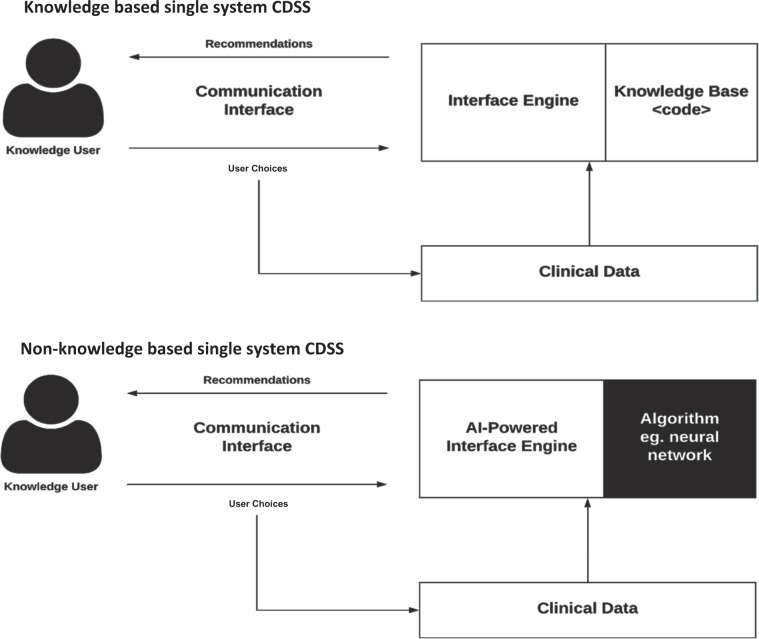
“Nonknowledge based CDSS, although a rapidly growing use case for AI in medicine, are rife with challenges including problems understanding the logic that AI uses to produce recommendations (black boxes), and problems with data availability.(9) They have yet to reach widespread implementation.”
BackgroundHannun, A. Y., Rajpurkar, P., Haghpanahi, M., Tison, G. H., Bourn, C., Turakhia, M. P., & Ng, A. Y. (2019) · Nature Medicine · doi:10.1038/s41591-018-0268-3 · Cited by 3,148
Kawamoto, K., Houlihan, C. A., Balas, E. A., & Lobach, D. F. (2005) · BMJ · doi:10.1136/bmj.38398.500764.8f · Cited by 2,703
IBM computer usability satisfaction questionnaires: Psychometric evaluation and instructions for use
Lewis, J. R. (1995) · International Journal of Human-Computer Interaction · doi:10.1080/10447319509526110 · Cited by 2,429
The System Usability Scale: Past, Present, and Future
Lewis, J. R. (2018) · International Journal of Human–Computer Interaction · doi:10.1080/10447318.2018.1455307 · Cited by 1,958
Greenspan, H., van Ginneken, B., & Summers, R. M. (2016) · IEEE Transactions on Medical Imaging · doi:10.1109/tmi.2016.2553401 · Cited by 1,700 · cited 1×
“61 To do so, these technologies make use of advanced pixel recognition and image classi fi cation algorithms, most prominently: deep learning (DL).”
BackgroundA model of inexact reasoning in medicine
Shortliffe, E. H., & Buchanan, B. G. (1975) · Mathematical Biosciences · doi:10.1016/0025-5564(75)90047-4 · Cited by 1,447
Research works printed but not linked: 6
- Omididan Z Hadianfar A The role of clinical decision support systems in healthcare (1980-2010): a systematic review study Jentashapir Sci.-Res Q. 2011 2 125 134
- Turchin, A., Shubina, M. & Gandhi, T. NLP for patient safety: splenectomy and pneumovax. In Proc. AMIA 2010 Annual Symposium (2010).
- Berner Eta S. Clinical Decision Support Systems 2007 New York, NY Springer New York
- From Invisible to Visible: IBM Demos AI to Radiologists. https://www-03.ibm.com/press/us/en/pressrelease/51146.ws. Accessed Aug 2019 (2016).
- Ivan, D. Moving toward a blockchain-based method for the secure storage of patient records. ONC/NIST Use of Blockchain for Healthcare and Research Workshop. Gaithersburg, Maryland, United States: ONC/NIST (2016).
- Harper, B. D. & Norman, K. L. Improving User Satisfaction: The Questionnaire for User Interaction Satisfaction Version 5.5. Proceedings of the 1st Annual Mid-Atlantic Human Factors Conference, (pp. 224–228), Virginia Beach, VA. (1993).
Cited by
Items 701–800 of 1,024
Marín, S., Cortés, M., Acosta, M., Delgado, K., Escuti, C., Ayma, D., & Demergasso, C. S. (2021) · Genes · doi:10.3390/genes12040474 · Cited by 14
Fixler, A., Oliaro, B., Frieden, M., Girardo, C., Winterbottom, F. A., Fort, L. B., & Hill, J. (2023) · Ochsner Journal · doi:10.31486/toj.22.0098 · Cited by 11
Hsieh, P.-H., Lin, C., Lin, C.-S., Liu, W.-T., Lin, T.-K., Tsai, D.-J., Hung, Y.-J., Chen, Y.-H., Lin, C.-Y., Lin, S.-H., et al. (2025) · npj Digital Medicine · doi:10.1038/s41746-025-01735-7 · Cited by 11
Ting, J. J., & Garnett, A. (2021) · CIN: Computers, Informatics, Nursing · doi:10.1097/cin.0000000000000780 · Cited by 11
Wilson, H. S., Hayward, P., & Donkin, L. (2023) · Frontiers in Digital Health · doi:10.3389/fdgth.2023.1008564 · Cited by 13
“Likewise, it has increased safety through more rapid and accurate communication between healthcare professionals (7, 8) and facilitating best care practices through electronic decisional aides and prompts (4, 9).”
BackgroundAalami, O., Hittle, M., Ravi, V., Griffin, A. C., Schmiedmayer, P., Shenoy, V., Gutierrez, S., & Venook, R. D. (2023) · JAMIA Open · doi:10.1093/jamiaopen/ooad044 · Cited by 15
Langley, J. E., Urquhart, R., Tschupruk, C., Christian, E., & Warner, G. (2024) · BMJ Open · doi:10.1136/bmjopen-2023-079234 · Cited by 16
“35 The literature has shown that primary care physicians often resist following strict protocols, 20 preferring reflective frameworks.”
BackgroundEvaluating clinical decision support software (CDSS): challenges for robust evidence generation
Laka, M., Carter, D., & Merlin, T. (2024) · International Journal of Technology Assessment in Health Care · doi:10.1017/s0266462324000059 · Cited by 16
“The interview schedule was informed by our previous study involving a systematic review of the CDSS literature (13), plus a range of other systematic reviews (2;6;10 – 12;14).”
BackgroundMethodMF-MNER: Multi-models Fusion for MNER in Chinese Clinical Electronic Medical Records
Du, H., Xu, J., Du, Z., Chen, L., Ma, S., Wei, D., & Wang, X. (2024) · Interdisciplinary Sciences Computational Life Sciences · doi:10.1007/s12539-024-00624-z · Cited by 11
“How to use a small amount of annotated data to establish an accurate clinical named entity recognition model is one of the key tasks in medical information processing [1, 4].”
BackgroundA study on improving drug–drug interactions prediction using convolutional neural networks
Kumari, D., Agrawal, D., Nema, A., Raj, N., Panda, S., Christopher, J. J., Singh, J. K., & Behera, S. (2024) · Applied Soft Computing · doi:10.1016/j.asoc.2024.112242 · Cited by 12
Alsyouf, A., Alsubahi, N., Alali, H., Lutfi, A., Al‐Mugheed, K., Alrawad, M., Almaiah, M. A., Anshasi, R. J., Alhazmi, F. N., & Sawhney, D. (2024) · PLoS ONE · doi:10.1371/journal.pone.0300657 · Cited by 21
Kim, B., Ryan, K., & Kim, J. P. (2024) · Journal of Medical Ethics · doi:10.1136/jme-2024-110080 · Cited by 10
Development and Evaluation of a GPT4-Based Orofacial Pain Clinical Decision Support System
Vueghs, C., Shakeri, H., Renton, T. F., & der Cruyssen, F. V. (2024) · Diagnostics · doi:10.3390/diagnostics14242835 · Cited by 19
Barbaric, A., Christofferson, K., Benseler, S. M., Lalloo, C., Mariakakis, A. T., Phạm, Q., Swart, J. F., Yeung, R. S. M., & Cafazzo, J. A. (2025) · Digital Health · doi:10.1177/20552076241309386 · Cited by 11
Tay, Y. X., Wee, C. P. J., Ong, M. E. H., Foley, S. J., Chen, R. C., Chan, L. P., Killeen, R. P., Chua, I. S. Y., & McNulty, J. P. (2025) · International Journal of Medical Informatics · doi:10.1016/j.ijmedinf.2025.105966 · Cited by 13
Relational Ethics in the Administration of Healthcare Technology: AI, Automation and Proper Distance
Shaw, F., & McCosker, A. (2025) · Sociology of Health & Illness · doi:10.1111/1467-9566.70055 · Cited by 12
“These systems have traditionally helped to augment clinicians' knowledge at the point of care but increasingly draw on data and include algorithmic or machine learning interpretation processes that are inaccessible or ‘black boxed’ even for the clinicians using them (Sutton et al. 2020).”
Major adverse cardiac events with haloperidol: A meta-analysis
Garcia, M. C., Anderson, M., Li, M., Zewdu, M., Schneider, T., Silva, J. M., Ramnarine, G., Rong, K., Mbuagbaw, L. C. E., & Holbrook, A. M. (2025) · PLoS ONE · doi:10.1371/journal.pone.0326804 · Cited by 14
“The alerts are frequently overridden and may also lead to lower-quality substitute drug prescribing [142].”
Moldt, J.-A., Wietek, T. F., Fuhl, W., Zabel, S., Claassen, M., Wagner, S., Nieselt, K., & Herrmann‐Werner, A. (2025) · BMJ Open · doi:10.1136/bmjopen-2024-096208 · Cited by 17
Healthcare and cutting-edge technology: Advancements, challenges, and future prospects
Singhal, V., Shyam, R., Singhal, S., Tiwari, A., & Mangal, D. (2025) · Computers in Biology and Medicine · doi:10.1016/j.compbiomed.2025.110861 · Cited by 15
Hatton, C., Quarton, S., Livesey, A., Alenazi, B. A., Jeff, C., & Sapey, E. (2025) · BMJ Open · doi:10.1136/bmjopen-2025-099100 · Cited by 12
“8 They have been applied in multiple settings including primary and secondary care, and across a variety of infectious syndromes to improve antibiotic prescribing, and subsequent patient outcomes.”
InfluentialZhang, L., Chen, K., Li, S., Liu, S. K., & Wang, Z. (2025) · Current Issues in Molecular Biology · doi:10.3390/cimb47121061 · Cited by 13
“The actionable output of such a system is a ranked set of personalized, evidence-based hypotheses [133].”
Multi-agent systems for clinical decision support: A systematic review
Silveira, A. L., Righi, R. D. R., & da Costa, C. A. (2025) · Applied Soft Computing · doi:10.1016/j.asoc.2025.114447 · Cited by 21
Coronavirus Disease Diagnosis, Care and Prevention (COVID-19) Based on Decision Support System
Salah, H. A., & Ahmed, A. S. (2021) · Baghdad Science Journal · doi:10.21123/bsj.2021.18.3.0593 · Cited by 13
“Published Online First: February 2021 2021,18(3):593-613 E-ISSN: 2411-7986”
BackgroundMebrahtu, T. F., Bloor, K. E., Ledward, A., Keenan, A., Andre, D., Randell, R., Skyrme, S., Yang, H., King, H., & Thompson, C. A. (2021) · Cochrane Database of Systematic Reviews · doi:10.1002/14651858.cd014699 · Cited by 12
A decision support healthcare system based on IoT and neural network technique
Fahmy, K., Yahya, A., & Zorkany, M. (2021) · Journal of Engineering Design and Technology · doi:10.1108/jedt-08-2020-0317 · Cited by 17
Evaluating Electronic Health Record Limitations and Time Expenditure in a German Medical Center
de Hoop, T., & Neumuth, T. (2021) · Applied Clinical Informatics · doi:10.1055/s-0041-1739519 · Cited by 14
Discovering the evolution of artificial intelligence in cancer research using dynamic topic modeling
Mosallaie, S., Rad, M., Schiffauerova, A., & Ebadi, A. (2021) · Collnet Journal of Scientometrics and Information Management · doi:10.1080/09737766.2021.1958659 · Cited by 14
Kukielka, E., & Jones, R. (2022) · Patient Safety · doi:10.33940/data/2022.3.5 · Cited by 11
Pursuing Public Health Benefit Within National Genomic Initiatives: Learning From Different Policies
Onstwedder, S. M., Jansen, M. E., Alves, T. L., Cornel, M. C., & Rigter, T. (2022) · Frontiers in Genetics · doi:10.3389/fgene.2022.865799 · Cited by 11
Transitioning Cognitive Aids into Decision Support Platforms: Requirements and Design Guidelines
Mastrianni, A., Sarcevic, A., Hu, A., Almengor, L., Tempel, P. E., Gao, S., & Burd, R. S. (2023) · ACM Transactions on Computer-Human Interaction · doi:10.1145/3582431 · Cited by 15
Klappe, E. S., Joukes, E., Cornet, R., & de Keizer, N. F. (2023) · International Journal of Medical Informatics · doi:10.1016/j.ijmedinf.2023.105023 · Cited by 17
Albahar, F., Abu-Farha, R. K., Alshogran, O. Y., Alhamad, H., Curtis, C., & Marriott, J. F. (2023) · Healthcare · doi:10.3390/healthcare11060836 · Cited by 17
“Many information technology systems have been developed to aid clinicians in decision-making [11,12].”
BackgroundLu, J., Stewart, J. E., Bennamoun, M., Goudie, A., Eshraghian, J. K., Ihdayhid, A. R., Sanfilippo, F. M., Small, G. R., Chow, B. J. W., & Dwivedi, G. (2023) · Computer Methods and Programs in Biomedicine · doi:10.1016/j.cmpb.2023.107717 · Cited by 12
Opportunities for the use of large language models in hepatology
Zaver, H. B., & Patel, T. C. (2023) · Clinical Liver Disease · doi:10.1097/cld.0000000000000075 · Cited by 11
de Wildt, K. K., van de Loo, B. P. A., Linn, A. J., Medlock, S. K., Groos, S. S., Ploegmakers, K. J., Seppala, L. J., Bosmans, J. E., Abu–Hanna, A., van Weert, J. C. M., et al. (2023) · PLoS ONE · doi:10.1371/journal.pone.0289385 · Cited by 16
“CDSSs are increasingly used for improving adherence to clinical guidelines as well as for preventing prescription errors and checking for drug interactions [36].”
Enhancing AI-CDSS with U-AnoGAN: Tackling data imbalance
Mun, C., Ha, H., Lee, O., & Cheon, M. (2023) · Computer Methods and Programs in Biomedicine · doi:10.1016/j.cmpb.2023.107954 · Cited by 13
Information Technology and Value-Based Healthcare Systems: A Strategy and Framework
Aldosari, B. (2024) · Cureus · doi:10.7759/cureus.53760 · Cited by 16
“This program will provide clinical decision-makers instant support [14].”
BackgroundMcWhirter, L., Lou, Y., Reingold, S., Warsh, S., Thomas-Gale, T., Haynes, C., Rinehart, D. J., Wendel, K. A., & Frost, H. M. (2022) · Sexually Transmitted Diseases · doi:10.1097/olq.0000000000001600 · Cited by 11
“Previous research has shown that empiric treatment of patients for GC and/or CTmay result in up to 88% antibiotic overuse.(19,26) Empiric treatment that results in unnecessary antibiotic use poses issues from an antibiotic stewardship perspective because it increases the development of antibiotic-resistant organisms.”
MethodArtificial Intelligence Assisted Drug Research and Development
Soni, K., & Hasija, Y. (2022) · IEEE Delhi Section Conference (DELCON) · doi:10.1109/delcon54057.2022.9753179 · Cited by 12
“Decision-support systems utilize approaches based on rules to choose the excipients' structure, constitution, and amount depending on the compound's physicochemical qualities, also they employ a feedback method to follow and alter the entire process [61].”
Welch, J. M., Zhuang, T., Shapiro, L. M., Harris, A. H. S., Baker, L. C., & Kamal, R. N. (2022) · Clinical Orthopaedics and Related Research · doi:10.1097/corr.0000000000002255 · Cited by 11
Predicting Hospital Utilization and Inpatient Mortality of Patients Tested for COVID-19Preprint
Davis, C., Gao, M. C., Nichols, M., & Henao, R. (2020) · medRxiv · doi:10.1101/2020.12.04.20244137 · Cited by 12
Evaluating the appropriateness of clinical decision support alerts: A case study
Olakotan, O. O., & Yusof, M. M. (2020) · Journal of Evaluation in Clinical Practice · doi:10.1111/jep.13488 · Cited by 12
Nguyen, Q. H., Ming, D. K. Y., An, L. P., Chanh, H. Q., Tam, D. T. H., Truong, N. T., Huy, V. X., Hernandez, B., Nuil, J. I. V., Paton, C., et al. (2023) · BMC Medical Informatics and Decision Making · doi:10.1186/s12911-023-02116-4 · Cited by 10
“Healthcare interventions such as decision-support systems should ideally address the needs, workflow and settings of end-users and patients in order to enhance adoption and sustainability [19].”
BackgroundScott, P., Heigl, M., McCay, C., Shepperdson, P., Lima-Walton, E., Andrikopoulou, E., Brunnhuber, K., Cornelius, G., Faulding, S., McAlister, B., et al. (2023) · Learning Health Systems · doi:10.1002/lrh2.10394 · Cited by 17
Electronic health records with decision support systems for sharper diagnoses: bibliometric analysis
Abdelaziz, T., & Rosa, E. M. (2024) · International Journal of Advances in Applied Sciences · doi:10.11591/ijaas.v13.i2.pp411-418 · Cited by 12
“CDSS can improve the quality of care, reduce healthcare expenditure, and minimize risks [11], [12].”
BackgroundThe role of information systems in emergency department decision-making—a literature review
Born, C., Schwarz, R., Böttcher, T. P., Hein, A., & Krcmar, H. (2024) · Journal of the American Medical Informatics Association · doi:10.1093/jamia/ocae096 · Cited by 13
“137,138,145”
BackgroundNikolaev, V. A., & Nikolaev, A. A. (2024) · Life · doi:10.3390/life14091059 · Cited by 12
“Also, we are aware of the usability study limitations because of the small sample size and narrow range of questions.”
BackgroundZhang, T., Chung, T. A., Dey, A. K., & Bae, S. W. (2024) · International Conference on Activity and Behavior Computing (ABC) · doi:10.1109/abc61795.2024.10652070 · Cited by 12
“These issues can affect the accuracy, reliability, and validity of CDSS, as well as its adoption, implementation, and sustainability [31].”
BackgroundLepore, M., Plenzich, E., Tufano, R., Cerulli, R., & Maccioni, R. (2024) · Neural Computing and Applications · doi:10.1007/s00521-024-10413-w · Cited by 10
“The rapid development of technology and the increasing demand for better healthcare services has led to the emergence of Clinical Decision Support Systems (CDSS) [1–3].”
Clinician Perspectives on Decision Support and AI-based Decision Support in a Pediatric ED
Ramgopal, S., Macy, M. L., Hayes, A. A., Florin, T. A., Carroll, M. S., & Kshetrapal, A. (2024) · Hospital Pediatrics · doi:10.1542/hpeds.2023-007653 · Cited by 15
Artificial Intelligence Models for detecting Heart Failures inpatients
Olubiyi, T. O. (2024) · Doupe Journal of Top Trending Technologies · doi:10.71063/djttt.2025.1102 · Cited by 10
Mathes, S., Seurig, S., Bluhme, F., Beyer, K., Heizmann, F., Wagner, M., Neugärtner, I., Biedermann, T., & Darsow, U. (2025) · The Journal of Allergy and Clinical Immunology In Practice · doi:10.1016/j.jaip.2025.03.030 · Cited by 13
Geracitano, J., Anderson, B., Coffel, M., Rosenzweig, M., Dorn, S. D., Khairat, S., & Conklin, J. (2025) · Advances in Health Information Science and Practice · doi:10.63116/vxul2925 · Cited by 14
Wolf, S., Grundgeiger, T., Zähringer, R., Shishkova, L., Maas, F., Dilling, C., & Happel, O. (2025) · CHI Conference on Human Factors in Computing Systems · doi:10.1145/3706598.3713372 · Cited by 13
“Although CDSSs can improve clinical decision-making, when not carefully designed or introduced, CDSS uptake might be low [68] or CDSSs might even have negative consequences [102].”
Li, H., Cheng, X., & Xiao-ping, Z. (2025) · CHI Conference on Human Factors in Computing Systems · doi:10.1145/3706598.3713526 · Cited by 19
“Against this background, a medical information retrieval and question-answering (MedQA) system is necessary to support clinical decision-making by providing clinicians with immediate and reliable information to aid in making more informed decisions in complex clinical scenarios [13, 17, 40].”
Visual-Conversational Interface for Evidence-Based Explanation of Diabetes Risk Prediction
Samimi, R., Bhattacharya, A., Gosak, L., Štiglic, G., & Verbert, K. (2025) · ACM Conference on Conversational User Interfaces (CUI) · doi:10.1145/3719160.3736616 · Cited by 17
“…visualizations or summaries; clinicians then evaluate these recommendations by comparing them with established medical knowledge and their own expertise; and finally, they translate validated insights into specific clinical actions like diagnostic procedures or treatment adjustments [17, 61].”
Thorakkattil, S. A., Sridhar, S. B., Abdulsalim, S., Karattuthodi, M. S., Chandra, P., & Unnikrishnan, M. K. (2025) · Healthcare · doi:10.3390/healthcare13172220 · Cited by 10
“Sustained use by clinicians depends on human factors and sociotechnical fit; recent evidence indicates that trust in data-driven recommendations, professional identity dynamics, and workflow alignment determines long-term adoption in India’s diverse service environments [4,7].”
Conforti, A., Ruggiero, M., Lucchetti, L., Cipolloni, V., Galati, F. D., Gentile, M., & Gullo, A. L. (2025) · Medicina · doi:10.3390/medicina62010027 · Cited by 12
“For example, AI-driven insights may recommend modifications in dosing intervals, combination therapies, or prompt switching treatments in cases of suboptimal response or adverse events [36,37].”
Influence of Intraocular Pressure on Clinical Decision-Making in Glaucoma Management
Polski, A., Brintz, B. J., Hess, R., Kawamoto, K., Medeiros, F. A., Stein, J. D., Stagg, B. C., Amin, S. R., Edwards, P. A., Srikumaran, D. S., et al. (2026) · JAMA Ophthalmology · doi:10.1001/jamaophthalmol.2025.5593 · Cited by 11
BAIT: A New Medical Decision Support Technology Based on Discrete Choice Theory
ten Broeke, A., Hulscher, J. B. F., Heyning, N., Kooi, E. M. W., & Chorus, C. G. (2021) · Medical Decision Making · doi:10.1177/0272989x211001320 · Cited by 16
Precision Medicine and Adverse Drug Reactions Related to Cardiovascular Drugs
Noyes, J. D., Mordi, I. R., Doney, A. S. F., Jamal, R., & Lang, C. C. (2021) · Diseases · doi:10.3390/diseases9030055 · Cited by 10
How to implement deprescribing into clinical practice
Pruskowski, J. A., Jeffery, S. M., Brandt, N., Zarowitz, B. J. M., & Handler, S. M. (2021) · JACCP JOURNAL OF THE AMERICAN COLLEGE OF CLINICAL PHARMACY · doi:10.1002/jac5.1521 · Cited by 10
Stilwell, L., Golonka, M. M., Ankoma-Sey, K., Yancy, M., Kaplan, S. J., Terrell, L., & Gifford, E. J. (2022) · Academic Pediatrics · doi:10.1016/j.acap.2022.01.017 · Cited by 11
Lopez, K. D., Yao, Y., Cho, H., Santos, F. C. D., Madandola, O. O., Bjarnadóttir, R. I., Macieira, T. G. R., Garcia, A. L., Priola, K., Wolf, J. S., et al. (2022) · Contemporary Clinical Trials · doi:10.1016/j.cct.2022.106712 · Cited by 10
Harry, M. L., Asche, S. E., Freitag, L. A., Sperl‐Hillen, J. M., Saman, D. M., Ekstrom, H. L., Chrenka, E. A. B., Truitt, A. R., Allen, C. I., O’Connor, P. J., et al. (2022) · Human Vaccines & Immunotherapeutics · doi:10.1080/21645515.2022.2040933 · Cited by 12
User-Centred Development of a Diagnosis Support System for Rare Diseases
Schaaf, J., Sedlmayr, M., Sedlmayr, B., & Storf, H. (2022) · Studies in health technology and informatics · doi:10.3233/shti220341 · Cited by 10
Han, P., Fu, S., Kolis, J., Hughes, R. E., Hallstrom, B. R., Carvour, M. L., Kremers, H. M., Sohn, S., & Vydiswaran, V. G. V. (2022) · JMIR Medical Informatics · doi:10.2196/38155 · Cited by 10
Kim, K. H., Sohn, M., & Park, C. G. (2022) · BMC Musculoskeletal Disorders · doi:10.1186/s12891-022-05742-7 · Cited by 10
“The advantage of CDSS is to reduce unnecessary screening of patients and ultimately ensure patient safety by providing accurate diagnostic results to clinicians [1].”
BackgroundInfluentialWong, R., Mehta, T., Very, B., Luo, J., Feterik, K., Crotty, B. H., Epstein, J. A., Fliotsos, M. J., Kashyap, N., Smith, E., et al. (2022) · Journal of General Internal Medicine · doi:10.1007/s11606-022-07945-z · Cited by 13
The Case for Integrated Advanced Technology in Applied Behavior Analysis
Neely, L. C., Carnett, A., Quarles, J. P., MacNaul, H. L., Park, S., Oyama, S., Chen, G., Desai, K., & Najafirad, P. (2022) · Advances in Neurodevelopmental Disorders · doi:10.1007/s41252-022-00309-y · Cited by 10
“There is a robust literature base demonstrating the effectiveness of various types of CDSS within medical diagnosis (Sutton et al., 2020), infection disease management (Peiffer-Smadja et al., 2020) and improving clinical documentation (Sutton et al., 2020).”
BackgroundShear, K., Rice, H. E., Garabedian, P. M., Bjarnadóttir, R. I., Lathum, N., Horgas, A. L., Harle, C. A., Dykes, P. C., & Lucero, R. J. (2023) · Applied Clinical Informatics · doi:10.1055/a-2006-4936 · Cited by 11
Clausen, C. E., LEVENTHAL, B. L., Øystein Nytrø, A., Koposov, R. A., Røst, T. B., Westbye, O. S., Koochakpour, K., Frodl, T., Stien, L., & Skokauskas, N. (2023) · Frontiers in Psychiatry · doi:10.3389/fpsyt.2023.1033724 · Cited by 11
Adoption of Automated Clinical Decision Support System: A Recent Literature Review and a Case Study
Panicker, R. O., & George, A. E. (2023) · Archives of Medicine and Health Sciences · doi:10.4103/amhs.amhs_257_22 · Cited by 13
Carrillo‐Pérez, F., Ortuño, F. M., Börjesson, A., Rojas, I., & Herrera, L. J. (2023) · Cancer Imaging · doi:10.1186/s40644-023-00586-3 · Cited by 12
“With the recent advances in deep learning techniques in computer vision [7–9] and the increasing availability of publicly available datasets, the interest in creating clinical decision support systems (CDSS) using them is growing [10–12].”
BackgroundShreve, L., Fried, J. G., Liu, F., Cao, Q., Pakpoor, J., Kahn, C. E., & Zafar, H. M. (2023) · Journal of the American College of Radiology · doi:10.1016/j.jacr.2023.04.016 · Cited by 11
Explainable Artificial Intelligence in Clinical Decision Support Systems
Volkov, E. N., & Averkin, A. N. (2023) · International Conference on Neural Networks and Neurotechnologies (NeuroNT) · doi:10.1109/neuront58640.2023.10175852 · Cited by 10
Usability Evaluation of a Community Pharmacy Health Information Exchange Interface Prototype
Hettinger, K. N., Snyder, M. E., Adeoye‐Olatunde, O. A., & Russ, A. L. (2023) · Applied Clinical Informatics · doi:10.1055/a-2145-6980 · Cited by 11
Emakhu, J., Etu, E.-E., Monplaisir, L. F., Aguwa, C. C., Arslanturk, S., Masoud, S., Tenebe, I. T., Nassereddine, H., Hamam, M. S., & Miller, J. B. (2023) · Healthcare Analytics · doi:10.1016/j.health.2023.100249 · Cited by 16
Towards an autonomous clinical decision support system
Gershov, S., Raz, A., Karpas, E., & Laufer, S. (2023) · Engineering Applications of Artificial Intelligence · doi:10.1016/j.engappai.2023.107215 · Cited by 13
Devi, G. R., Fish, L. J., Bennion, A., Sawin, G., Weaver, S. M., Reddy, K., Saincher, R., & Tran, A. N. (2023) · Preventive Medicine Reports · doi:10.1016/j.pmedr.2023.102519 · Cited by 12
“Current data suggest that CDSS can have a positive impact on the quality of cancer care delivery (Pawloski et al., 2019) with the goal of being embedded directly into the EHR to avoid workflow disruption (Sutton et al., 2020).”
BackgroundHazan, J., Liu, K. Y., Fox, N. C., & Howard, R. J. (2023) · Brain Communications · doi:10.1093/braincomms/fcad322 · Cited by 10
“30 Unidimensional results are relatively easy for clinicians to interpret and have clearly defined decision boundaries.”
BackgroundInfluentialSinger, C., Luxenburg, O., Rosen, S. R., Vaknin, S., & Saban, M. (2023) · Frontiers in Medicine · doi:10.3389/fmed.2023.1234597 · Cited by 15
“Important contributors presented in the literature for the successful use of CDSSs include technical integration into patient record systems, proper training, and system guidance (23).”
BackgroundInfluentialDai, L., Yang, X., Li, H., Zhao, X., Lin, L., Jiang, Y., Wang, Y., Li, Z., & Shen, H. (2024) · Artificial Intelligence in Medicine · doi:10.1016/j.artmed.2024.102772 · Cited by 12
Knowledge and Digital Technology
Glückler, J., & Panitz, R. (2024) · Knowledge and space · doi:10.1007/978-3-031-39101-9 · Cited by 13
Ahmadi, N., Nguyen, Q. V., Sedlmayr, M., & Wolfien, M. (2024) · Scientific Reports · doi:10.1038/s41598-024-52723-y · Cited by 12
How clinicians make decisions for patient management plans in telehealth
Zhang, Y., Stayt, L. C., Sutherland, S., & Greenway, K. (2024) · Journal of Advanced Nursing · doi:10.1111/jan.16104 · Cited by 12
Cattaneo, A., Vitali, A., Regazzoni, D., & Rizzi, C. (2024) · Studies in health technology and informatics · doi:10.3233/shti240014 · Cited by 12
Gençtürk, M., Ertürkmen, G. B. L., Akpinar, A. E., Pournik, O., Ahmad, B., Arvanitis, T. N., Schmidt-Barzynski, W., Robbins, T., Córcoles, R. A., & Abizanda, P. (2024) · Frontiers in Medicine · doi:10.3389/fmed.2024.1386689 · Cited by 17
“…advancement since their initial implementation in the 1980s, their full adaptation in routine clinical practice has not yet been fully achieved for many reasons, such as ethical and legal issues, the intellectual challenge of creating knowledge, and technical dimensions of delivering CDS (13–15).”
BackgroundDubey, M., Tembhurne, J. V., & Makhijani, R. (2024) · Multimedia Tools and Applications · doi:10.1007/s11042-024-19429-9 · Cited by 17
“AI is now used to benefit the practitioner by giving the ability to quickly identify the emergent events and speed up the delivery of treatment [5].”
InfluentialDesigning Retrieval-Augmented Language Models for Clinical Decision Support
Quigley, K., Koker, T., Taylor, J., Mancuso, V., & Brattain, L. J. (2024) · Studies in computational intelligence · doi:10.1007/978-3-031-63592-2_13 · Cited by 8
Redefining digital health interfaces with large language models
Imrie, F., Rauba, P., & van der Schaar, M. (2025) · Frontiers in Artificial Intelligence · doi:10.3389/frai.2025.1623339 · Cited by 12
“Despite a multitude of tools being developed (Sutton et al., 2020; Dunn et al., 2018), clinical adoption of such methods faces significant hurdles (Eichler et al., 2007; Mathews et al., 2019), with some even calling their use “infeasible” (Müller-Riemenschneider et al., 2010) and “substantially…”
Improving Risk Assessment of Miscarriage During Pregnancy with Knowledge Graph Embeddings
Tissot, H. C., & Pedebôs, L. A. (2021) · Journal of Healthcare Informatics Research · doi:10.1007/s41666-021-00096-6 · Cited by 13
Madar, R., Ugon, A., Ivanković, D., & Tsopra, R. (2021) · Journal of Medical Internet Research · doi:10.2196/25741 · Cited by 14
“It is not easy to display the recommended antibiotics and their properties in a readily usable interface [16,17].”
BackgroundTorenholt, R., & Tjørnhøj‐Thomsen, T. (2021) · Social Science & Medicine · doi:10.1016/j.socscimed.2021.114645 · Cited by 18
Ahmed, A. B., Spiess, B., Kortsmit, J., van den Ham, R., Erdoes, G., & Klein, A. A. (2023) · Journal of Cardiothoracic and Vascular Anesthesia · doi:10.1053/j.jvca.2023.05.008 · Cited by 10
Li, L., Ackermann, K., Baker, J., & Westbrook, J. I. (2020) · JMIR Research Protocols · doi:10.2196/24899 · Cited by 10
“Over the past 10 years, two distinct CCDS approaches to sepsis identification have emerged: knowledge-based electronic CCDS following predefined rules of an established diagnosis pathway, and nonknowledge-based CCDS utilizing artificial intelligence and machine learning techniques [28,30].”
Influentialvan Poelgeest, R., Schrijvers, A. J. P., Boonstra, A., & Roes, K. C. B. (2021) · JMIR Human Factors · doi:10.2196/27671 · Cited by 11
“Finally, these systems should be able to offer support in decision making for diagnosis and treatment [19].”
BackgroundListening for What Matters: Avoiding Contextual Errors in Health Care
Weiner, M., & Schwartz, P. (2023) · doi:10.1093/med/9780197588109.001.0001 · Cited by 9
Schmude, M., Salim, N., Azadzoy, H., Bane, M., Millen, E., O’Donnell, L., Bode, P., Türk, E., Vaidya, R., & Gilbert, S. (2022) · JMIR Research Protocols · doi:10.2196/34298 · Cited by 13
“These systems must be practical and useful in a manner that supports their ongoing use by HCPs; this is a consistent challenge with almost all CDSSs [8,9].”
Rixe, N. S., Frisch, A., Wang, Z., Martin, J. M., Suresh, S., Florin, T. A., & Ramgopal, S. (2023) · Frontiers in Digital Health · doi:10.3389/fdgth.2023.1104604 · Cited by 9
“An accurate NLP model for the identification of pneumonia can be used in “non-knowledge” [or statistically/machine-learning derived (31)]-based CDS in order to decrease unnecessary variation in care, improve antibiotic stewardship, and improve prognostication.”
Method
Metadata
- Authors
- Sutton, R. T., Pincock, D., Baumgart, D. C., Sadowski, D. C., Fedorak, R. N., & Kroeker, K. I.
- Affiliations
- University of Alberta (CA)
- Alberta Health Services (CA)
- Corresponding author
- Kroeker, Karen I.
- ORCID
- Venue
- npj Digital Medicine
- Published
- 2020-02-06
- Volume
- 3
- Issue
- 1
- Pages
- 17-17
- ISSN
- 2398-6352 (ISSN-L)
- PMC
- PMC7005290
- OpenAlex
- W3004612364
- Semantic Scholar
- 2419d6b5e83d6175d31772e40cedbac1936da541
- Cited by
- 3,019
- References
- 112
- Citations by year
- 2026: 632 · 2025: 697 · 2024: 585 · 2023: 534 · 2022: 318 · 2021: 196 · 2020: 54
- FWCI
- 42.03
- Type
- journal article
- Language
- en
- Open access
- gold
- doi.org
- Licence
- cc-by
- creativecommons.org/licenses/by/4.0 (tdm)
- creativecommons.org/licenses/by/4.0 (vor)
- Locations
- npj Digital Medicine (publishedVersion, cc-by)
- PubMed Central (publishedVersion, cc-by)
- PubMed (publishedVersion)
- DOAJ (DOAJ: Directory of Open Access Journals) (submittedVersion, cc-by-sa)
- DOAJ (DOAJ: Directory of Open Access Journals) (submittedVersion)
- Funders
- Canadian Institutes of Health Research
- Topics
- Health Sciences › Health Professions › Health Information Management › Electronic Health Records Systems
- Health Sciences › Medicine › Health Informatics › Artificial Intelligence in Healthcare and Education
- Health Sciences › Medicine › Public Health, Environmental and Occupational Health › Technology and Human Factors in Education and Health
- Keywords
- clinical decision support systems, electronic health records, clinical decision-making, patient outcomes, health care costs, clinical workflow
About these checks
Registry, retraction, Cites and statistics results are computed, not judged, with one exception: a printed reference that no index lists is read once by a model before it counts as a citation error. Claims are extracted by a model and kept only when their quote appears verbatim in the text; each cited source is then checked, with a model’s help, for whether it says what the claim relies on. Those verdicts can be wrong — read the claim’s quote and the cited source before relying on one.
Statistics and arithmetic are recomputed, not judged.
Confidence bands are shown only for fields calibrated on our annotated test set. None is calibrated yet, so no band is shown.
What counts as a claim ›How we measure confidence ›How we check this ›
Are you an author, or do you see a problem with this page? Request a review
Data sources
Bibliographic data: Semantic Scholar, OpenAlex, Crossref.
Contains information from the Semantic Scholar Academic Graph Datasets, made available under the ODC Attribution License (ODC-BY 1.0).
Semantic Scholar’s data is described in: Kinney, R., et al. (2023). The Semantic Scholar Open Data Platform. arXiv:2301.10140.
