

An overview of clinical decision support systems: benefits, risks, and strategies for success
Open accessThe DOI matches its Crossref record; 110 of the 112 references it cites were found in a registry or an index.
Abstract
Computerized clinical decision support systems, or CDSS, represent a paradigm shift in healthcare today. CDSS are used to augment clinicians in their complex decision-making processes. Since their first use in the 1980s, CDSS have seen a rapid evolution. They are now commonly administered through electronic medical records and other computerized clinical workflows, which has been facilitated by increasing global adoption of electronic medical records with advanced capabilities. Despite these advances, there remain unknowns regarding the effect CDSS have on the providers who use them, patient outcomes, and costs. There have been numerous published examples in the past decade(s) of CDSS success stories, but notable setbacks have also shown us that CDSS are not without risks. In this paper, we provide a state-of-the-art overview on the use of clinical decision support systems in medicine, including the different types, current use cases with proven efficacy, common pitfalls, and potential harms. We conclude with evidence-based recommendations for minimizing risk in CDSS design, implementation, evaluation, and maintenance.
Overview
The claims and statistics of this paper haven’t been checked yet.
Free: it reads the open-access text and checks the first 5 claims that cite a source we can check. Create a free account to check every claim.
Integrity signals
Registry
Cites
Statistics
Figures
Verification
Claims the paper makes
The claims and statistics of this paper haven’t been checked yet.
Free: it reads the open-access text and checks the first 5 claims that cite a source we can check. Create a free account to check every claim.
Claims other papers make about this one
Each is checked against this paper’s own text: does it say what the citing paper says it does?
The source backs part of the claim, not all of it — or backs it for a different population, condition or comparison.
In the citing paper
“However, there are many practical problems related to the speed of operation and implementation [106].”
From Survey of Explainable AI Techniques in Healthcare (2023) · cites this paper as [106]
Experimental — accuracy not yet measuredThe source backs part of the claim, not all of it — or backs it for a different population, condition or comparison.
In the citing paper
“These applications extend AI use beyond diagnosis to early warning and clinical decision support [18].”
From Artificial Intelligence in Clinical Decision-Making: A Comprehensive Review of Diagnostic, Prognostic, and Therapeutic Applications, Validation Gaps, Bias, and Deployment Challenges (2026) · cites this paper as [18]
Experimental — accuracy not yet measuredThe source backs part of the claim, not all of it — or backs it for a different population, condition or comparison.
In the citing paper
“Clinical decision support systems are limited by static rule based, and inflexible in responding to changing clinical evidence [2].”
From Multi-Agent Retrieval Augmented Generation for Clinical Decision Support: A Systematic Review and Integrative Conceptual Framework (2026) · cites this paper as [2]
Experimental — accuracy not yet measuredThe source backs part of the claim, not all of it — or backs it for a different population, condition or comparison.
In the citing paper
“Early CDSS implementations were largely rule-based, encoding expert knowledge into deterministic logic that operated within narrowly defined clinical domains [1].”
From Medical AI Agents for Clinical Decision Support: Viewpoint Using the Planning, Action, Reflection, and Memory (PARM) Analytical Lens (2026) · cites this paper as [1]
Experimental — accuracy not yet measuredThe source backs part of the claim, not all of it — or backs it for a different population, condition or comparison.
In the citing paper
“Second, the literature search of AI randomized controlled trials used terminology such as ‘artificial intelligence’, ‘machine learning’ and ‘deep learning’, but not terms such as ‘clinical decision support systems’ and ‘expert systems’, which were more commonly used in the 1990s for technologies underpinned by AI systems and share risks similar to those of recent examples50.”
From Guidelines for clinical trial protocols for interventions involving artificial intelligence: the SPIRIT-AI extension (2020) · cites this paper as [50]
Experimental — accuracy not yet measured
8 more claims about this paper
Create a free account to see every claim other papers make about this one.
Self-check
Percentages, sums and reported differences re-computed from the paper’s own numbers.
The self-check needs the paper’s full text.
Citations
Cites
Dermatologist-level classification of skin cancer with deep neural networks
Esteva, A., Kuprel, B., Novoa, R. A., Ko, J., Swetter, S. M., Blau, H. M., & Thrun, S. (2017) · Nature · doi:10.1038/nature21056 · Cited by 14,362
Gulshan, V., Peng, L., Coram, M., Stumpe, M. C., Wu, D., Narayanaswamy, A., Venugopalan, S., Widner, K., Madams, T., Cuadros, J., et al. (2016) · JAMA · doi:10.1001/jama.2016.17216 · Cited by 7,697 · cited 3×
“60 65 – 68 For example, Google ’ s team trained a deep convolutional neural network (CNN) to detect diabetic retinopathy (blood vessel damage in the eye) from a dataset of 130,000 retinal images with a very high sensitivity and speci fi city.”
BackgroundMethodWhy Don't Physicians Follow Clinical Practice Guidelines?: A Framework for Improvement
Cabana, M. D., Rand, C. S., Powe, N. R., Wu, A. W., Wilson, M. H., Abboud, P.-A. C., & Rubin, H. R. (1999) · JAMA · doi:10.1001/jama.282.15.1458 · Cited by 6,677 · cited 1×
“This is significant because traditional clinical guidelines and care pathways have been shown to be difficult to implement in practice with low clinician adherance.(31,32) The assumption that practitioners will read, internalize, and implement new guidelines has not held true.”
BackgroundDeo, R. C. (2015) · Circulation · doi:10.1161/circulationaha.115.001593 · Cited by 3,466 · cited 1×
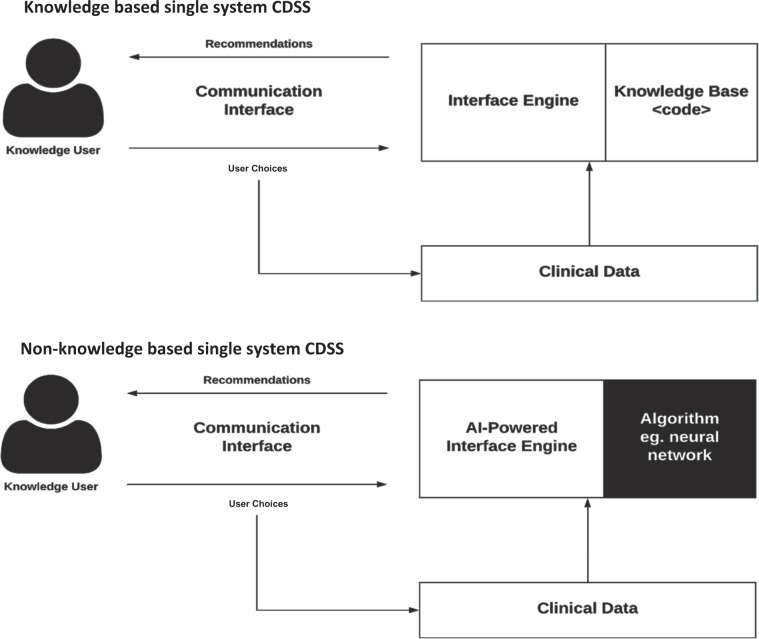
“Nonknowledge based CDSS, although a rapidly growing use case for AI in medicine, are rife with challenges including problems understanding the logic that AI uses to produce recommendations (black boxes), and problems with data availability.(9) They have yet to reach widespread implementation.”
BackgroundHannun, A. Y., Rajpurkar, P., Haghpanahi, M., Tison, G. H., Bourn, C., Turakhia, M. P., & Ng, A. Y. (2019) · Nature Medicine · doi:10.1038/s41591-018-0268-3 · Cited by 3,148
Kawamoto, K., Houlihan, C. A., Balas, E. A., & Lobach, D. F. (2005) · BMJ · doi:10.1136/bmj.38398.500764.8f · Cited by 2,703
IBM computer usability satisfaction questionnaires: Psychometric evaluation and instructions for use
Lewis, J. R. (1995) · International Journal of Human-Computer Interaction · doi:10.1080/10447319509526110 · Cited by 2,429
The System Usability Scale: Past, Present, and Future
Lewis, J. R. (2018) · International Journal of Human–Computer Interaction · doi:10.1080/10447318.2018.1455307 · Cited by 1,958
Greenspan, H., van Ginneken, B., & Summers, R. M. (2016) · IEEE Transactions on Medical Imaging · doi:10.1109/tmi.2016.2553401 · Cited by 1,700 · cited 1×
“61 To do so, these technologies make use of advanced pixel recognition and image classi fi cation algorithms, most prominently: deep learning (DL).”
BackgroundA model of inexact reasoning in medicine
Shortliffe, E. H., & Buchanan, B. G. (1975) · Mathematical Biosciences · doi:10.1016/0025-5564(75)90047-4 · Cited by 1,447
Research works printed but not linked: 6
- Omididan Z Hadianfar A The role of clinical decision support systems in healthcare (1980-2010): a systematic review study Jentashapir Sci.-Res Q. 2011 2 125 134
- Turchin, A., Shubina, M. & Gandhi, T. NLP for patient safety: splenectomy and pneumovax. In Proc. AMIA 2010 Annual Symposium (2010).
- Berner Eta S. Clinical Decision Support Systems 2007 New York, NY Springer New York
- From Invisible to Visible: IBM Demos AI to Radiologists. https://www-03.ibm.com/press/us/en/pressrelease/51146.ws. Accessed Aug 2019 (2016).
- Ivan, D. Moving toward a blockchain-based method for the secure storage of patient records. ONC/NIST Use of Blockchain for Healthcare and Research Workshop. Gaithersburg, Maryland, United States: ONC/NIST (2016).
- Harper, B. D. & Norman, K. L. Improving User Satisfaction: The Questionnaire for User Interaction Satisfaction Version 5.5. Proceedings of the 1st Annual Mid-Atlantic Human Factors Conference, (pp. 224–228), Virginia Beach, VA. (1993).
Cited by
Items 801–900 of 1,024
AI-CDSS Design Guidelines and Practice Verification
He, X., Xi, Z., Ding, H., Liu, Y., & Zhu, H. (2023) · International Journal of Human-Computer Interaction · doi:10.1080/10447318.2023.2235882 · Cited by 14
“These include high dependence on data quality and quantity (Sutton et al., 2020), system transparency and explainability (Xie et al., 2020), and the influence of bias on system output (Wang et al., 2021).”
Qvist, A., Mullan, L., Nguyen, L., Wynter, K. H., Rasmussen, B., Goh, M. Z. H., & Feely, K. (2024) · Australian Health Review · doi:10.1071/ah23092 · Cited by 10
Agyemang, C., & Achampong, E. K. (2024) · Healthcare Informatics Research · doi:10.4258/hir.2024.30.1.35 · Cited by 9
“The study by Sutton et al. [12] also recommended incorporating radiological and histopathological reports into clinical decision support systems to ensure a comprehensive electronic health record.”
BackgroundSarıköse, S., & Çelik, S. Ş. (2024) · CIN Computers Informatics Nursing · doi:10.1097/cin.0000000000001107 · Cited by 21
Technology readiness assessment: Case of clinical decision support systems in healthcare
Laraichi, O., Daim, T. U., Alzahrani, S., Hogaboam, L., Bolatan, G. İ. S., & Moughari, M. M. (2024) · Technology in Society · doi:10.1016/j.techsoc.2024.102736 · Cited by 9
Thoma, Y., Cathignol, A. E., Pétermann, Y. J., Sariko, M., Said, B., Csajka, C., Guidi, M., & Mpagama, S. G. (2024) · JMIR Research Protocols · doi:10.2196/58720 · Cited by 9
“In that context, a CDSS can bring much-needed information to decision makers [25] in locations where expert pharmacologists are not readily available.”
BackgroundMurrin, E. M., Saad, A. F., SULLIVAN, S. A., Millo, Y., & Miodovnik, M. (2024) · American Journal of Perinatology · doi:10.1055/a-2489-4462 · Cited by 13
“98 Ultimately, these systems can improve ef fi ciency, reduce medical errors, and take advantage of the mounting personal health data available through the IoMT to improve diagnosis, treatment, and research capabilities.”
Venkatapurapu, S. P., Gibbs, M. A., & Kimko, H. H. C. (2024) · Clinical and Translational Science · doi:10.1111/cts.70112 · Cited by 9
Shoji, S., Shah, N. P., Shrader, P., Thomas, L. E., Arnold, J. D., Dhalwani, N. N., Thomas, N. A., Kalich, B. A., Priest, E. L., Syed, M., et al. (2024) · American Journal of Preventive Cardiology · doi:10.1016/j.ajpc.2024.100921 · Cited by 10
“The integration of clinical decision support tools to prompt the use of high-intensity statins or non-statin therapies can reduce therapeutic inertia and improve guideline adherence [27 – 29].”
A scoping review of clinical decision support systems for child and adolescent mental health
Bertie, L., McDermott, E. A., Quiroz, J. C., & Hudson, J. L. (2025) · Current Psychology · doi:10.1007/s12144-025-07365-2 · Cited by 12
“The use of CDSSs can further support collaborative treatment planning, accommodating the preferences of clinicians, parents, and youths (Sutton et al., 2020).”
InfluentialAlgorithmic Recommendation Tools and Experiential Learning in Clinical Care
Sundaresan, S., & Güler, I. (2025) · Organization Science · doi:10.1287/orsc.2022.16738 · Cited by 14
Xie, H. W., Zhang, P., & Zhu, W. (2025) · BMC Nursing · doi:10.1186/s12912-025-03078-w · Cited by 13
“…decision support systems benefit both medical professionals and patients by improving diagnostic accuracy and expediting the diagnostic process [6, 7]; mobile health applications have proven to be effective tools for improving quality of care and enhancing nurses’ learning and knowledge [8].”
Role of artificial intelligence in advancing immunology
Alanazi, H. H. (2025) · Immunologic Research · doi:10.1007/s12026-025-09632-7 · Cited by 10
Lee, J., Jung, K., Newman, E., Chow, E., & Chen, Y. (2025) · CHI Conference on Human Factors in Computing Systems · doi:10.1145/3706598.3713244 · Cited by 18
“These AI systems analyze vast datasets to support doctors in disease diagnosis, risk analysis, treatment selection, and data management [127, 176, 179, 198].”
Digital transformation in talent acquisition: Modern approaches to recruitment and selection
Tuttle, L., & Critchlow, K. A. (2025) · International Journal of Research in Human Resource Management · doi:10.33545/26633213.2025.v7.i1d.290 · Cited by 16
KI-gestützte klinische Entscheidungsunterstützungssysteme: Herausforderungen und Potenziale
Tschochohei, M., Adams, L. C., Bressem, K. K., & Lammert, J. (2025) · Bundesgesundheitsblatt - Gesundheitsforschung - Gesundheitsschutz · doi:10.1007/s00103-025-04092-8 · Cited by 15
Integrating New Technologies in Lipidology: A Comprehensive Review
Escobar, C., García, J. S., Torremocha, A., Lorenzo, C. C., Lara-García, A., Muñoz, L. C., González, R. M., García, J. V., & Banach, M. (2025) · Journal of Clinical Medicine · doi:10.3390/jcm14144984 · Cited by 11
“Among the functions included are digital alerts, pop-up windows, and notifications, active or passive [95].”
Kücking, F., Hübner, U., & Busch, D. (2025) · Journal of the American Medical Informatics Association · doi:10.1093/jamia/ocaf116 · Cited by 11
Nzeako, T. R., Elendu, C., Echefu, G. C., Olanisa, O., Kiladejo, A., & Bob-Manuel, E. D. (2025) · Annals of Medicine and Surgery · doi:10.1097/ms9.0000000000003602 · Cited by 11
“Clinical decision support systems (CDSS) are essential tools in modern healthcare, designed to enhance patient care by delivering tailored clinical insights derived from individual patient data and broader health information [ 53 ] .”
Kangoni, S. M., Tshipata, O. T., Nzakuna, P. S., Paciello, V., Mboma, J.-G. M., Makulo, J.-R., & Kyamakya, K. (2025) · IEEE Access · doi:10.1109/access.2025.3590326 · Cited by 12
Dahò, M., & Caci, B. (2025) · Healthcare · doi:10.3390/healthcare13233171 · Cited by 16
“By complementing rather than replacing human expertise, CDSSs can also translate complex clinical data into actionable guidance, support decision-making under uncertainty, and provide continuous, personalized feed-back on interventions [23,24,26].”
InfluentialSalehin, I., Sajib, M. T. A., Badhon, N. H., Rifat, M. S. H., Amin, N., & Moon, N. N. (2025) · Engineering Reports · doi:10.1002/eng2.70365 · Cited by 13
“Diagnostic Decision Support Systems (DDSS) are specialized CDSS tools tailored to assist in clinical diagnostics [92, 93].”
Esmaeilzadeh, P. (2025) · International Journal for Quality in Health Care · doi:10.1093/intqhc/mzaf134 · Cited by 11
Raţiu, A., & Pop, E.-L. (2026) · Applied Sciences · doi:10.3390/app16020785 · Cited by 12
Tqemaladze, J. (2026) · Longevity Horizon · doi:10.65649/4cxxhe47 · Cited by 9
Jeong, M.-A., & Kim, S.-D. (2026) · Applied Sciences · doi:10.3390/app16105146 · Cited by 5
“Clinical decision support systems (CDSS) were developed to address these cognitive limitations by providing clinicians with patient-specific, evidence-based recommendations at the point of care [5,9].”
Kernebeck, S., Busse, T. S., Jux, C., Meyer, D., Dreier, L. A., Zenz, D., Zernikow, B., & Ehlers, J. P. (2021) · Children · doi:10.3390/children8080695 · Cited by 11
Integrated neurosymbolic decision support systems: problems and opportunities
Demidovskij, A. V., & Babkin, E. A. (2021) · Бизнес-информатика · doi:10.17323/2587-814x.2021.3.7.23 · Cited by 11
Morikawa, T., Sakuma, M., Nakamura, T., Sonoyama, T., Matsumoto, C., Takeuchi, J., Ohta, Y., Kosaka, S., & Morimoto, T. (2022) · Scientific Reports · doi:10.1038/s41598-022-19079-7 · Cited by 9
Muylle, K. M., Laere, S. V., Pannone, L., Coenen, S., de Asmundis, C., Dupont, A. G., & Cornu, P. (2022) · British Journal of Clinical Pharmacology · doi:10.1111/bcp.15580 · Cited by 9
“the incidence of prescription errors and adverse events, but are threatened by alert fatigue, a phenomenon where too many irrelevant alerts are presented, leading to prescribers ignoring all alerts, even the relevant ones.(54) Ongoing efforts to optimize CDSS DDI screening focus on increasing the appropriateness of DD…”
BackgroundBehavioral “nudges” in the electronic health record to reduce waste and misuse: 3 interventions
Grouse, C. K., Waung, M. W., Holmgren, A. J., Mongan, J., Neinstein, A. B., Josephson, S. A., & Khanna, R. R. (2022) · Journal of the American Medical Informatics Association · doi:10.1093/jamia/ocac238 · Cited by 9
Supporting patients and clinicians during the breast cancer care path with AI: The Arianna solution
Dragoni, M., Eccher, C., Ferro, A., Bailoni, T., Maimone, R., Zorzi, A., Bacchiega, A., Stulzer, G., & Ghidini, C. (2023) · Artificial Intelligence in Medicine · doi:10.1016/j.artmed.2023.102514 · Cited by 11
When performance is not enough—A multidisciplinary view on clinical decision support
Roller, R., Burchardt, A., Samhammer, D., Ronicke, S., Duettmann, W., Schmeier, S., Möller, S., Dabrock, P., Budde, K., Mayrdorfer, M., et al. (2023) · PLoS ONE · doi:10.1371/journal.pone.0282619 · Cited by 12
Artificial Intelligence‐Powered Acoustic Analysis System for Dysarthria Severity Assessment
Zhang, Z., Shang, X., Yang, L., Ai, W., Wang, J., Wang, H., Wong, S. T. C., Wang, X., & Li, H. (2023) · Advanced Intelligent Systems · doi:10.1002/aisy.202300097 · Cited by 12
Pitt, E., Bradford, N., Robertson, E. G., Sansom‐Daly, U. M., & Alexander, K. E. (2023) · European Journal of Oncology Nursing · doi:10.1016/j.ejon.2023.102398 · Cited by 12
Artificial intelligence in medical education
Acharya, V., Padhan, P., Bahinipati, J., Mishra, S., Aggarwal, K., Jhajharia, S., Parida, P., Sahu, D., & Pradhan, T. (2023) · Journal of Integrative Medicine and Research · doi:10.4103/jimr.jimr_17_23 · Cited by 9
Sepsis Prediction in Hospitalized Children: Clinical Decision Support Design and Deployment
Stephen, R. J., Lucey, K. E., Carroll, M. S., Hoge, J., Maciorowski, K., Jones, R. C., O’Connell, M., Schwab, C., Rojas, J., & Pinto, L. N. S. (2023) · Hospital Pediatrics · doi:10.1542/hpeds.2023-007218 · Cited by 10
A data-driven framework for clinical decision support applied to pneumonia management
Free, R. C., Rojas, D. L., Richardson, M., Skeemer, J., Small, L., Haldar, P., & Woltmann, G. (2023) · Frontiers in Digital Health · doi:10.3389/fdgth.2023.1237146 · Cited by 9
“There is a growing interest in this fi eld and we agree with others (2, 21) that transparency and accountability around both the strengths and weaknesses of ML and AI is crucial for gaining the trust of clinicians when using CDS based on these models, particularly given the vast increase in the…”
BackgroundWhole slide image representation in bone marrow cytology
Mu, Y., Tizhoosh, H. R., Dehkharghanian, T., & Campbell, C. J. V. (2023) · Computers in Biology and Medicine · doi:10.1016/j.compbiomed.2023.107530 · Cited by 10
O'Callaghan, M. (2023) · Cogent Psychology · doi:10.1080/23311908.2023.2258475 · Cited by 12
“…internet searches and large language models like ChatGPT (Mehdi, 2023) to advanced intelligent decision support systems (Zikos & DeLellis, 2018, Sutton et al., 2020), specialized artificial intelligence (AI) powered decision augmentation systems tailored for predictive and prescriptive…”
Method(2023) · Journal of Obstetric, Gynecologic & Neonatal Nursing · doi:10.1016/j.jogn.2023.09.004 · Cited by 9
Current perspectives on the use of artificial intelligence in critical patient safety
Barea‐Mendoza, J. A., Fernández, M. V., Pardo, À., & Álvarez, J. G. (2024) · Medicina Intensiva (English Edition) · doi:10.1016/j.medine.2024.04.002 · Cited by 10
Agnihotri, A., Ramasubbu, S. K., Bandyopadhyay, A., Bidarolli, M., Nath, U. K., & Das, B. (2024) · Cureus · doi:10.7759/cureus.60492 · Cited by 9
“…clinical decision support tool workflows for facilitating decision-making by clinicians (medication prescribers) cannot be overemphasized, though their procurement costs could be exorbitant and thus, their availability is presently confined to a handful of centers [114-116].”
BackgroundDemuth, S., Ed‐Driouch, C., Dumas, C., Laplaud, D. A., Edan, G., Vince, N., Seze, J. D., & Gourraud, P. (2024) · European Journal of Neurology · doi:10.1111/ene.16363 · Cited by 10
“Clinical decision support systems (CDSSs) are the archetypical translation of these technologies into digital tools to empower physicians [1 ].”
BackgroundMethodFarmaki, A., Manolopoulos, E., & Natsiavas, P. (2024) · OMICS A Journal of Integrative Biology · doi:10.1089/omi.2024.0131 · Cited by 9
“When available, CDSSs are typically integrated into everyday operational software systems used by HCPs such as electronic health care records (EHRs) (Dramburg et al., 2020; Kashani, 2016; Matui et al., 2014; Sunjaya et al., 2022; Sutton et al., 2020).”
Chien, S.-Y. (2024) · JMIR Human Factors · doi:10.2196/60049 · Cited by 10
Digital health innovation and artificial intelligence in cardiovascular care: a case-based review
Grant, J. K., Javaid, A., Carrick, R. T., Koester, M., Kassamali, A. A., Kim, C. H., Isakadze, N., Wu, K. C., Blaha, M. J., Whelton, S. P., et al. (2024) · npj Cardiovascular Health · doi:10.1038/s44325-024-00020-y · Cited by 14
Agarwal, S., Chin, W. Y., Vasudevan, L., Henschke, N., Tamrat, T., Foss, H. S., Glenton, C., Bergman, H., Fønhus, M. S., Ratanaprayul, N., et al. (2025) · Cochrane Database of Systematic Reviews · doi:10.1002/14651858.cd012925.pub2 · Cited by 26
Padhy, S. K., Mohapatra, A., & Patra, S. (2025) · Procedia Computer Science · doi:10.1016/j.procs.2025.04.527 · Cited by 9
Schmulevich, D., Cacchione, P. Z., Holland, S., Quinlan, K., Hinkle, A., Meador, C., Abella, B. S., & Cannon, J. W. (2021) · The Journal of Trauma: Injury, Infection, and Critical Care · doi:10.1097/ta.0000000000003224 · Cited by 9
Ali, S. I., Jung, S. W., Bilal, H. S. M., Lee, S. H., Hussain, J., Afzal, M., Hussain, M., Ali, T., Chung, T., & Lee, S. (2021) · International Journal of Environmental Research and Public Health · doi:10.3390/ijerph19010226 · Cited by 12
Al-Zubaidy, M., Hogg, H. D. J., Maniatopoulos, G., Talks, J. S., Teare, M. D., Keane, P. A., & Beyer, F. R. (2022) · JMIR Research Protocols · doi:10.2196/33145 · Cited by 9
“To address this AI chasm, there is a need for contemporary evidence syntheses of clinical AI research, the quantitative aspects of which have already been satisfied [8-10].”
BackgroundThe Role of Artificial Intelligence in Health Care
Kocakoç, İ. D. (2022) · Accounting, finance, sustainability, governance & fraud · doi:10.1007/978-981-16-8997-0_11 · Cited by 21
Development and Pilot Testing of EHR-Nudges to Reduce Overuse in Older Primary Care Patients
Rowe, T. A., Brown, T., Lee, J. Y., Linder, J. A., Meeker, D., Doctor, J. N., Goldstein, N. J., Fox, C. R., & Persell, S. D. (2022) · Archives of Gerontology and Geriatrics · doi:10.1016/j.archger.2022.104794 · Cited by 9
Flory, J., Guelce, D., Goytia, C. N., Li, J., Min, J. Y., Mushlin, A. I., Orloff, J. N., & Mayer, V. (2022) · Journal of General Internal Medicine · doi:10.1007/s11606-022-07838-1 · Cited by 9
Winter, N. R., & Hahn, T. (2020) · Fortschritte der Neurologie · Psychiatrie · doi:10.1055/a-1234-6247 · Cited by 10
Kim, B. (2023) · Journal of Clinical Neurology · doi:10.3988/jcn.2023.0134 · Cited by 9
Developers-Doctor-patients: the artificial intelligence’s trifecta
Nicoletti, R., Nicoletti, G., Giannini, V., & Teoh, J. Y. (2023) · Prostate Cancer and Prostatic Diseases · doi:10.1038/s41391-023-00718-7 · Cited by 9
Steffny, L., Dahlem, N., Reichl, L., Gisa, K., Greff, T., & Werth, D. (2023) · Frontiers in Artificial Intelligence and Applications · doi:10.3233/faia230090 · Cited by 8
van Varsseveld, O. C., ten Broeke, A., Chorus, C. G., Heyning, N., Kooi, E. M. W., & Hulscher, J. B. F. (2023) · Frontiers in Pediatrics · doi:10.3389/fped.2023.1122188 · Cited by 11
“While arti fi cial intelligence as decision support is rapidly gaining ground in medicine (1 – 5), the use of arti fi cial intelligence in the context of moral decisions is much less developed (6).”
BackgroundKočo, L., Siebers, C. C. N., Schlooz, M. S., Meeuwis, C., Oldenburg, H. S. A., Prokop, M., & Mann, R. M. (2024) · Cancers · doi:10.3390/cancers16020401 · Cited by 17
Saqlain, M. G., Uddin, M. R., Mahmood, A., & Hasan, M. (2023) · International Conference on Computer and Information Technology (ICCIT) · doi:10.1109/iccit60459.2023.10441097 · Cited by 8
“The stepper motor's armature voltage should be greater for higher glide quotes [22].”
BackgroundKrupp, A. E., Tan, A., Vasilevskis, E. E., Mion, L. C., Pun, B. T., Brockman, A., Hetland, B. D., Ely, E. W., & Balas, M. C. (2024) · American Journal of Critical Care · doi:10.4037/ajcc2024939 · Cited by 9
Tahir, H. N., Habib, S. S., Jabeen, R., Dhanwani, A., Jawed, S., Guerrero‐Torres, L., Khurram, S. S., Aga, I. Z., Karim, M., Kazi, A. M., et al. (2024) · BMJ Open · doi:10.1136/bmjopen-2023-082167 · Cited by 14
“DDSS is a computer-based system that provides recommendations and ideas to healthcare providers based on patient data and different health information inputs, 22 and the DDSS uses a machine learning algorithm, that is, a decision tree, for diagnosing patients of five febrile diseases.”
Xu, Z., Evans, L., Song, J., Chae, S., Davoudi, A., Bowles, K. H., McDonald, M. V., & Topaz, M. (2024) · Journal of the American Medical Informatics Association · doi:10.1093/jamia/ocae247 · Cited by 9
Machine Learning Decision Support for Macronutrients in Neonatal Parenteral Nutrition
Derakhshandara, S., Franzoni, V., Mezzetti, D., & Poggioni, V. (2024) · IEEE Access · doi:10.1109/access.2024.3498059 · Cited by 8
“The advancement of Artificial Intelligence (AI) has pro-foundly impacted various medical fields, including therapeutics, diagnostics [10], drug discovery, and medical imaging [11], also including real-time clinical support in intensive care units [3].”
Diagnosis of Clostridioides difficile infection and impact of testing
Viprey, V. F., Clark, E., & Davies, K. (2024) · Journal of Medical Microbiology · doi:10.1099/jmm.0.001939 · Cited by 8
“The main reported drawback of electronic clinical decision tools, however, is the high number of alerts sent out, leading to the so-called alert fatigue and clinical override [71, 73].”
SEELY, A. J. E., Newman, K. D., Ramchandani, R., Herry, C. L., Scales, N. B., Hudek, N., Brehaut, J., Jones, D. B., Ramsay, T., Barnaby, D. P., et al. (2024) · Critical Care · doi:10.1186/s13054-024-05140-6 · Cited by 10
Böhm-Hustede, A. K., Lubasch, J. S., Hoogestraat, A. T., Buhr, E., & Wulff, A. (2025) · Systematic Reviews · doi:10.1186/s13643-024-02745-4 · Cited by 10
“Computerised clinical decision support systems (CDSS) are digital tools designed to assist healthcare providers in making clinical decisions by integrating patient-specific data, medical knowledge, and decision support algorithms [1].”
Bhattacharyay, S., van Leeuwen, F. D., Beqiri, E., Åkerlund, C. A. I., Wilson, L., Steyerberg, E. W., Nelson, D., Maas, A. I. R., Menon, D. K., Ercole, A., et al. (2025) · Scientific Reports · doi:10.1038/s41598-024-83862-x · Cited by 10
Esho, A., Chong, Y., Choy, K. W., & Loh, T. P. (2025) · Pathology · doi:10.1016/j.pathol.2024.11.005 · Cited by 9
Kareemi, H., Li, H., Rajaram, A., Holodinsky, J. K., Hall, J. N., Grant, L., Goel, G., Hayward, J., Mehta, S., Ben‐Yakov, M., et al. (2025) · Canadian Journal of Emergency Medicine · doi:10.1007/s43678-024-00826-w · Cited by 8
A Big Data-Driven Approach to Financial Analysis and Decision Support System Design
Zhang, S. (2025) · Informatica · doi:10.31449/inf.v49i11.7065 · Cited by 8
Helou, R. I., Catho, G., Faxén, L., Hulscher, M., Teerenstra, S., Conly, J. M., Huttner, B. D., Tängdén, T., & Verbon, A. (2025) · Clinical Microbiology and Infection · doi:10.1016/j.cmi.2025.02.026 · Cited by 8
Świerczyński, H., Pukacki, J., Szczęsny, S., Mazurek, C., & Wasilewicz, R. (2025) · Scientific Reports · doi:10.1038/s41598-025-89893-2 · Cited by 10
“Increasing adoption of ML techniques has given rise to many challenges related to system development, deployment and management 30 .”
Johns, E., Guendouz, A., Mas, L. D., Beck, M., Alkanj, A., Gourieux, B., Sauleau, E., & Michel, B. (2025) · American Journal of Health-System Pharmacy · doi:10.1093/ajhp/zxaf089 · Cited by 9
Integrating Technology into Clinical Practice
Reddy, K. J. (2025) · Springer eBooks · doi:10.1007/978-3-031-88117-6_15 · Cited by 9
Wuni, I. Y. (2025) · Engineering Applications of Artificial Intelligence · doi:10.1016/j.engappai.2025.111192 · Cited by 14
Dai, J., Kim, M.-Y., Sutton, R. T., Mitchell, J. R., Goebel, R. G., & Baumgart, D. C. (2025) · npj Digital Medicine · doi:10.1038/s41746-025-01729-5 · Cited by 11
Self-citationMachine Learning Efforts That Enhance Personalized Patient Care and Chronic Disease Management
Adeyinka, A. A., Lamina, Y., Tawo, O. E., Adeyeye, Y. I., & Minkah, A. Y. (2022) · International Journal of Scientific Research in Science and Technology · doi:10.32628/ijsrst2302551 · Cited by 13
Responsible scaling of artificial intelligence in healthcare: standardization meets customization
Lukkien, D., Nap, H. H., Peine, A., Minkman, M. M. N., Moors, E. H. M., & Boon, W. (2025) · Ethics and Information Technology · doi:10.1007/s10676-025-09842-5 · Cited by 14
Usability assessments in clinical decision support systems
Çubukçu, H. C., & Canbaz, H. (2025) · Northern Clinics of Istanbul · doi:10.14744/nci.2024.22316 · Cited by 11
“Additionally, they enhance patient safety by alerting to incorrect medication dosages [5] and offer broader benefits including improved documentation and cost reduction [6].”
Kim, Y. K., Lee, M., Song, H. S., & Lee, S. (2025) · IEEE Transactions on Systems Man and Cybernetics Systems · doi:10.1109/tsmc.2025.3579145 · Cited by 9
“Holter monitoring systems, which require careful examination of long ECG records for analysis purposes, have developed an arrhythmia detection and classification algorithm in the area of CDSSs to enhance the grades and speeds of medical services [3].”
InfluentialLauffenburger, J. C., Isaac, T., Trippa, L., Glynn, R. J., Russo, M., Keller, P. A., Robertson, T., Kim, D. H., Bhatkhande, G., Hanken, K. E., et al. (2025) · Journal of the American Geriatrics Society · doi:10.1111/jgs.19609 · Cited by 8
Fayaz, S., Karuppasamy, S., & Chinnaiyan, P. (2025) · Informatics · doi:10.3390/informatics12030064 · Cited by 8
InfEHR: Clinical phenotype resolution through deep geometric learning on electronic health records
Kauffman, J., Holmes, E., Vaid, A., Charney, A. W., Kovatch, P., Lampert, J. M., Sakhuja, A., Žitnik, M., Glicksberg, B. S., Hofer, I. S., et al. (2025) · Nature Communications · doi:10.1038/s41467-025-63366-6 · Cited by 18
Multidisciplinary strategies and new technologies in the management of sarcoidosis
Tana, C., Drent, M., Obi, O. N., Cinetto, F., Bernardinello, N., Moffa, L., Tana, M., Israël‐Biet, D., & Spagnolo, P. (2025) · European Journal of Internal Medicine · doi:10.1016/j.ejim.2025.106576 · Cited by 11
Yan, D., Zheng, Q., Chang, K., Hua, R., Liu, Y., Xue, J., Shu, Z., Hu, Y., Yang, P., Wei, Y., et al. (2025) · Chinese Journal of Natural Medicines · doi:10.1016/s1875-5364(25)60983-6 · Cited by 20
Using shared clinical decision support to reduce adverse drug events and improve patient safety
Ye, J., & Bronstein, S. (2025) · Frontiers in Digital Health · doi:10.3389/fdgth.2025.1703141 · Cited by 12
Priyadarshi, R., Ranjan, R., Sahana, B. C., Bhandari, A. K., & Srinivas, K. (2026) · Connection Science · doi:10.1080/09540091.2025.2612458 · Cited by 15
Hassan, A. M., Coert, J. H., Clemens, M. W., Hassanein, A. H., Waljee, J. F., Nelson, J. A., Mehrara, B. J., & Selber, J. C. (2026) · Journal of the American College of Surgeons · doi:10.1097/xcs.0000000000001834 · Cited by 8
Olawade, D. B., Odetayo, A., Egbon, E., Olasilola, R., Makanjuola, B. D., & Daniel, R. I. A. (2026) · Transplantation Reviews · doi:10.1016/j.trre.2026.101004 · Cited by 10
The Ontological and Ethical Limits of Artificial Intelligence in Nursing Practice
Nguyen, R. (2026) · Nursing Inquiry · doi:10.1111/nin.70090 · Cited by 8
“Clinical decision support systems (CDSS) that offer evidence‐based recommendations, like medication dosing calculators and care protocol suggestions based on patient data (Sutton et al. 2020).”
iApp: An Autonomous Inspection, Auscultation, Percussion, and Palpation Platform
Ryu, S., Kim, S.-C., Won, D.-O., Bang, C. S., Koh, J., & Jeong, I. C. (2022) · Frontiers in Physiology · doi:10.3389/fphys.2022.825612 · Cited by 10
“Telemedicine-based diagnosis requires sufficient information; to this end, clinical decision support systems (CDSSs) that utilize visual information have been proposed (Sutton et al., 2020).”
BackgroundZare, S., Meidani, Z., Ouhadian, M., Akbari, H., Zand, F., Fakharian, E., & Sharifian, R. (2022) · BMC Health Services Research · doi:10.1186/s12913-022-07706-y · Cited by 9
“Moreover, the quality of data remarkably affects the standards and outcomes of the resultant decision support system [18].”
BackgroundSunjaya, A. P., Martin, A. M., & Jenkins, C. R. (2022) · Studies in health technology and informatics · doi:10.3233/shti220197 · Cited by 12
Artificial Intelligence and Machine Learning for Diabetes Decision Support
Vehí, J., Mujahid, O., & Contreras, I. (2022) · Springer series on bio- and neurosystems · doi:10.1007/978-3-030-99728-1_13 · Cited by 9
Improving diagnostic decision support through deliberate reflection: a proposal
Schmidt, H. G., & Mamede, S. (2022) · Diagnosis · doi:10.1515/dx-2022-0062 · Cited by 14
Krupp, A. E., Steege, L. M. B., Lee, J. D., Lopez, K. D., & King, B. (2022) · JMIR Nursing · doi:10.2196/41051 · Cited by 10
“CDS can provide data visualizations, alerts, reminders, and decision support to augment clinicians in complex processes and support coordinated care delivery [22].”
BackgroundDeveloping AI enabled sensors and decision support for military operators in the field
Russell, B. K., McGeown, J. P., & Beard, B. L. (2023) · Journal of science and medicine in sport · doi:10.1016/j.jsams.2023.03.001 · Cited by 12
Metadata
- Authors
- Sutton, R. T., Pincock, D., Baumgart, D. C., Sadowski, D. C., Fedorak, R. N., & Kroeker, K. I.
- Affiliations
- University of Alberta (CA)
- Alberta Health Services (CA)
- Corresponding author
- Kroeker, Karen I.
- ORCID
- Venue
- npj Digital Medicine
- Published
- 2020-02-06
- Volume
- 3
- Issue
- 1
- Pages
- 17-17
- ISSN
- 2398-6352 (ISSN-L)
- PMC
- PMC7005290
- OpenAlex
- W3004612364
- Semantic Scholar
- 2419d6b5e83d6175d31772e40cedbac1936da541
- Cited by
- 3,019
- References
- 112
- Citations by year
- 2026: 632 · 2025: 697 · 2024: 585 · 2023: 534 · 2022: 318 · 2021: 196 · 2020: 54
- FWCI
- 42.03
- Type
- journal article
- Language
- en
- Open access
- gold
- doi.org
- Licence
- cc-by
- creativecommons.org/licenses/by/4.0 (tdm)
- creativecommons.org/licenses/by/4.0 (vor)
- Locations
- npj Digital Medicine (publishedVersion, cc-by)
- PubMed Central (publishedVersion, cc-by)
- PubMed (publishedVersion)
- DOAJ (DOAJ: Directory of Open Access Journals) (submittedVersion, cc-by-sa)
- DOAJ (DOAJ: Directory of Open Access Journals) (submittedVersion)
- Funders
- Canadian Institutes of Health Research
- Topics
- Health Sciences › Health Professions › Health Information Management › Electronic Health Records Systems
- Health Sciences › Medicine › Health Informatics › Artificial Intelligence in Healthcare and Education
- Health Sciences › Medicine › Public Health, Environmental and Occupational Health › Technology and Human Factors in Education and Health
- Keywords
- clinical decision support systems, electronic health records, clinical decision-making, patient outcomes, health care costs, clinical workflow
About these checks
Registry, retraction, Cites and statistics results are computed, not judged, with one exception: a printed reference that no index lists is read once by a model before it counts as a citation error. Claims are extracted by a model and kept only when their quote appears verbatim in the text; each cited source is then checked, with a model’s help, for whether it says what the claim relies on. Those verdicts can be wrong — read the claim’s quote and the cited source before relying on one.
Statistics and arithmetic are recomputed, not judged.
Confidence bands are shown only for fields calibrated on our annotated test set. None is calibrated yet, so no band is shown.
What counts as a claim ›How we measure confidence ›How we check this ›
Are you an author, or do you see a problem with this page? Request a review
Data sources
Bibliographic data: Semantic Scholar, OpenAlex, Crossref.
Contains information from the Semantic Scholar Academic Graph Datasets, made available under the ODC Attribution License (ODC-BY 1.0).
Semantic Scholar’s data is described in: Kinney, R., et al. (2023). The Semantic Scholar Open Data Platform. arXiv:2301.10140.
