

An overview of clinical decision support systems: benefits, risks, and strategies for success
Open accessThe DOI matches its Crossref record; 110 of the 112 references it cites were found in a registry or an index.
Abstract
Computerized clinical decision support systems, or CDSS, represent a paradigm shift in healthcare today. CDSS are used to augment clinicians in their complex decision-making processes. Since their first use in the 1980s, CDSS have seen a rapid evolution. They are now commonly administered through electronic medical records and other computerized clinical workflows, which has been facilitated by increasing global adoption of electronic medical records with advanced capabilities. Despite these advances, there remain unknowns regarding the effect CDSS have on the providers who use them, patient outcomes, and costs. There have been numerous published examples in the past decade(s) of CDSS success stories, but notable setbacks have also shown us that CDSS are not without risks. In this paper, we provide a state-of-the-art overview on the use of clinical decision support systems in medicine, including the different types, current use cases with proven efficacy, common pitfalls, and potential harms. We conclude with evidence-based recommendations for minimizing risk in CDSS design, implementation, evaluation, and maintenance.
Overview
The claims and statistics of this paper haven’t been checked yet.
Free: it reads the open-access text and checks the first 5 claims that cite a source we can check. Create a free account to check every claim.
Integrity signals
Registry
Cites
Statistics
Figures
Verification
Claims the paper makes
The claims and statistics of this paper haven’t been checked yet.
Free: it reads the open-access text and checks the first 5 claims that cite a source we can check. Create a free account to check every claim.
Claims other papers make about this one
Each is checked against this paper’s own text: does it say what the citing paper says it does?
The source backs part of the claim, not all of it — or backs it for a different population, condition or comparison.
In the citing paper
“However, there are many practical problems related to the speed of operation and implementation [106].”
From Survey of Explainable AI Techniques in Healthcare (2023) · cites this paper as [106]
Experimental — accuracy not yet measuredThe source backs part of the claim, not all of it — or backs it for a different population, condition or comparison.
In the citing paper
“These applications extend AI use beyond diagnosis to early warning and clinical decision support [18].”
From Artificial Intelligence in Clinical Decision-Making: A Comprehensive Review of Diagnostic, Prognostic, and Therapeutic Applications, Validation Gaps, Bias, and Deployment Challenges (2026) · cites this paper as [18]
Experimental — accuracy not yet measuredThe source backs part of the claim, not all of it — or backs it for a different population, condition or comparison.
In the citing paper
“Clinical decision support systems are limited by static rule based, and inflexible in responding to changing clinical evidence [2].”
From Multi-Agent Retrieval Augmented Generation for Clinical Decision Support: A Systematic Review and Integrative Conceptual Framework (2026) · cites this paper as [2]
Experimental — accuracy not yet measuredThe source backs part of the claim, not all of it — or backs it for a different population, condition or comparison.
In the citing paper
“Early CDSS implementations were largely rule-based, encoding expert knowledge into deterministic logic that operated within narrowly defined clinical domains [1].”
From Medical AI Agents for Clinical Decision Support: Viewpoint Using the Planning, Action, Reflection, and Memory (PARM) Analytical Lens (2026) · cites this paper as [1]
Experimental — accuracy not yet measuredThe source backs part of the claim, not all of it — or backs it for a different population, condition or comparison.
In the citing paper
“Second, the literature search of AI randomized controlled trials used terminology such as ‘artificial intelligence’, ‘machine learning’ and ‘deep learning’, but not terms such as ‘clinical decision support systems’ and ‘expert systems’, which were more commonly used in the 1990s for technologies underpinned by AI systems and share risks similar to those of recent examples50.”
From Guidelines for clinical trial protocols for interventions involving artificial intelligence: the SPIRIT-AI extension (2020) · cites this paper as [50]
Experimental — accuracy not yet measured
8 more claims about this paper
Create a free account to see every claim other papers make about this one.
Self-check
Percentages, sums and reported differences re-computed from the paper’s own numbers.
The self-check needs the paper’s full text.
Citations
Cites
Dermatologist-level classification of skin cancer with deep neural networks
Esteva, A., Kuprel, B., Novoa, R. A., Ko, J., Swetter, S. M., Blau, H. M., & Thrun, S. (2017) · Nature · doi:10.1038/nature21056 · Cited by 14,362
Gulshan, V., Peng, L., Coram, M., Stumpe, M. C., Wu, D., Narayanaswamy, A., Venugopalan, S., Widner, K., Madams, T., Cuadros, J., et al. (2016) · JAMA · doi:10.1001/jama.2016.17216 · Cited by 7,697 · cited 3×
“60 65 – 68 For example, Google ’ s team trained a deep convolutional neural network (CNN) to detect diabetic retinopathy (blood vessel damage in the eye) from a dataset of 130,000 retinal images with a very high sensitivity and speci fi city.”
BackgroundMethodWhy Don't Physicians Follow Clinical Practice Guidelines?: A Framework for Improvement
Cabana, M. D., Rand, C. S., Powe, N. R., Wu, A. W., Wilson, M. H., Abboud, P.-A. C., & Rubin, H. R. (1999) · JAMA · doi:10.1001/jama.282.15.1458 · Cited by 6,677 · cited 1×
“This is significant because traditional clinical guidelines and care pathways have been shown to be difficult to implement in practice with low clinician adherance.(31,32) The assumption that practitioners will read, internalize, and implement new guidelines has not held true.”
BackgroundDeo, R. C. (2015) · Circulation · doi:10.1161/circulationaha.115.001593 · Cited by 3,466 · cited 1×
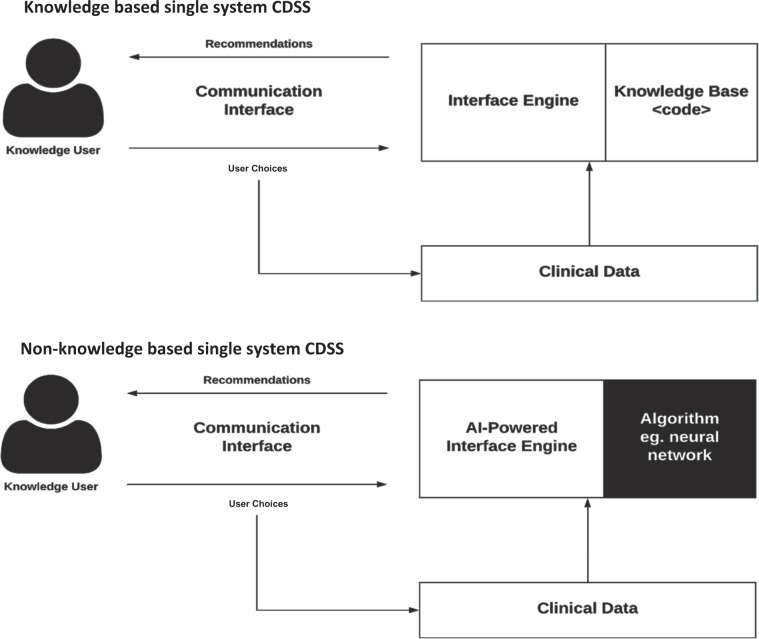
“Nonknowledge based CDSS, although a rapidly growing use case for AI in medicine, are rife with challenges including problems understanding the logic that AI uses to produce recommendations (black boxes), and problems with data availability.(9) They have yet to reach widespread implementation.”
BackgroundHannun, A. Y., Rajpurkar, P., Haghpanahi, M., Tison, G. H., Bourn, C., Turakhia, M. P., & Ng, A. Y. (2019) · Nature Medicine · doi:10.1038/s41591-018-0268-3 · Cited by 3,148
Kawamoto, K., Houlihan, C. A., Balas, E. A., & Lobach, D. F. (2005) · BMJ · doi:10.1136/bmj.38398.500764.8f · Cited by 2,703
IBM computer usability satisfaction questionnaires: Psychometric evaluation and instructions for use
Lewis, J. R. (1995) · International Journal of Human-Computer Interaction · doi:10.1080/10447319509526110 · Cited by 2,429
The System Usability Scale: Past, Present, and Future
Lewis, J. R. (2018) · International Journal of Human–Computer Interaction · doi:10.1080/10447318.2018.1455307 · Cited by 1,958
Greenspan, H., van Ginneken, B., & Summers, R. M. (2016) · IEEE Transactions on Medical Imaging · doi:10.1109/tmi.2016.2553401 · Cited by 1,700 · cited 1×
“61 To do so, these technologies make use of advanced pixel recognition and image classi fi cation algorithms, most prominently: deep learning (DL).”
BackgroundA model of inexact reasoning in medicine
Shortliffe, E. H., & Buchanan, B. G. (1975) · Mathematical Biosciences · doi:10.1016/0025-5564(75)90047-4 · Cited by 1,447
Research works printed but not linked: 6
- Omididan Z Hadianfar A The role of clinical decision support systems in healthcare (1980-2010): a systematic review study Jentashapir Sci.-Res Q. 2011 2 125 134
- Turchin, A., Shubina, M. & Gandhi, T. NLP for patient safety: splenectomy and pneumovax. In Proc. AMIA 2010 Annual Symposium (2010).
- Berner Eta S. Clinical Decision Support Systems 2007 New York, NY Springer New York
- From Invisible to Visible: IBM Demos AI to Radiologists. https://www-03.ibm.com/press/us/en/pressrelease/51146.ws. Accessed Aug 2019 (2016).
- Ivan, D. Moving toward a blockchain-based method for the secure storage of patient records. ONC/NIST Use of Blockchain for Healthcare and Research Workshop. Gaithersburg, Maryland, United States: ONC/NIST (2016).
- Harper, B. D. & Norman, K. L. Improving User Satisfaction: The Questionnaire for User Interaction Satisfaction Version 5.5. Proceedings of the 1st Annual Mid-Atlantic Human Factors Conference, (pp. 224–228), Virginia Beach, VA. (1993).
Cited by
Items 601–700 of 1,024
Çetin, S. B., & Cebeci, F. (2024) · Nursing in Critical Care · doi:10.1111/nicc.13039 · Cited by 19
Wang, P., Leong, Q. Y., Lau, N. Y., Ng, W. Y., Kwek, S. P., Tan, L. W. J., Song, S.-W., You, K., Chong, L. M., Zhuang, I., et al. (2024) · Singapore Medical Journal · doi:10.4103/singaporemedj.smj-2023-243 · Cited by 16
Masmali, I. A. H., Ahmad, A. H., Azeem, M., Koam, A. N. A., & Alharbi, R. (2024) · International Journal of Computational Intelligence Systems · doi:10.1007/s44196-024-00537-1 · Cited by 15
“In certain situations, a multidisciplinary approach and cooperation amongst several professionals may be necessary [1].”
Griefahn, A., Zalpour, C., & Luedtke, K. (2024) · Scientific Reports · doi:10.1038/s41598-024-65016-1 · Cited by 25
“Furthermore, a review by Sutton et al. highlighted that one of the key advantages of CDSS is their ability to adapt directly to a patient’s specific situation 45 .”
BackgroundGuo, Y., Huang, C., Sheng, Y., Zhang, W., Ye, X., Lian, H., Xu, J., & Chen, Y. (2024) · BMC Medical Informatics and Decision Making · doi:10.1186/s12911-024-02587-z · Cited by 18
“Fully utilizing the textual information from previous cases as a resource for auxiliary diagnosis to explore its feasibility in improving the comprehensiveness, accuracy, and efficiency of early diagnosis of ocular fundus diseases [12–14].”
MethodLazzarino, R., Borek, A., Honeyford, K., Welch, J., Brent, A., Kinderlerer, A. R., Cooke, G., Patil, S., Gordon, A. C., Glampson, B., et al. (2024) · JMIR Human Factors · doi:10.2196/56949 · Cited by 17
“These digital tools are also known as computerized clinical decision support systems (CCDSSs) and are meant to enhance clinical decision with both targeted and general information [30], but there are also considerable concerns about alert fatigue [31].”
BackgroundWill Artificial Intelligence Be “Better” Than Humans in the Management of Syncope?
Dipaola, F., Gebska, M. A., Gatti, M., Levra, A. G., Parker, W. H., Menè, R., Lee, S., Costantino, G., Barsotti, E. J., Shiffer, D., et al. (2024) · JACC Advances · doi:10.1016/j.jacadv.2024.101072 · Cited by 14
Self-citationArtificial intelligence for response prediction and personalisation in radiation oncology
Zwanenburg, A., Price, G. J., & Löck, S. (2024) · Strahlentherapie und Onkologie · doi:10.1007/s00066-024-02281-z · Cited by 19
“Moreover, the use of an AI system may lead to loss of expert skill ( deskilling ) and overconfidence in the output of the AI system ( compla-cency ), which should be addressed [66].”
Jamtli, B., Svendsen, E. J., Jørgensen, T. M., Kramer‐Johansen, J., Hov, M. R., & Hardeland, C. (2024) · BMC Emergency Medicine · doi:10.1186/s12873-024-01129-0 · Cited by 20
“It is also shaped by exter-nal pressures such as patient demands and media influence [45–48].”
Robust multi-modal fusion architecture for medical data with knowledge distillation
Wang, M., Fan, S., Li, Y., Gao, B., Xie, Z., & Chen, H. (2024) · Computer Methods and Programs in Biomedicine · doi:10.1016/j.cmpb.2024.108568 · Cited by 19
Martínez-Cid, S., Vallejo, D., Herrera, V., Schez-Sobrino, S., Castro-Schez, J. J., & Albusac, J. A. (2025) · Progress in Artificial Intelligence · doi:10.1007/s13748-024-00357-6 · Cited by 20
Implementing a closed loop clinical decision support system for sustainable preoperative care
Martínez, J. L. Q., Pfang, B., Coca, M. Á. M., Sánchez, C., Rodríguez, M. D. O., García, M. A. V., Apellániz, J. S., Campillo, J. A., de la Parra, J. A. Á., Lorefice, F. M., et al. (2025) · npj Digital Medicine · doi:10.1038/s41746-024-01371-7 · Cited by 17
“Electronic health record (EHR) embedded clinical decision support systems (CDSS) have shown high potential for multiple applications in healthcare and are becoming increasingly common 8 .”
Combining structured and unstructured data in EMRs to create clinically-defined EMR-derived cohorts
Tam, C. S., Gullick, J. G., Saavedra, A. F., Vernon, S. T., Figtree, G. A., Chow, C. K., Cretikos, M. A., Morris, R. W., William, M., Morris, J. M., et al. (2021) · BMC Medical Informatics and Decision Making · doi:10.1186/s12911-021-01441-w · Cited by 17
“As such, improved computational methods which maximise the depth and accuracy of information extracted from production-level EMR systems are essential to fulfil the promise of real-time clinical decision support which rely on a reliable knowledge base to guide clinical decision making within a learning health system […”
BackgroundTaseen, R., & Éthier, J. (2021) · Journal of the American Medical Informatics Association · doi:10.1093/jamia/ocab140 · Cited by 17
“12 Third, owing to the COVID-19 pandemic, a repeat validation is likely warranted before local application because models rely on noncausal associations, such as between admission service and death, that may have unexpectedly shifted after systemic reorganization.”
Aljahdali, M. O., Molla, M. H. R., & Ahammad, F. (2022) · IntechOpen eBooks · doi:10.5772/intechopen.101367 · Cited by 16
GARCÍA-ALONSO, C. R., Almeda, N., Salinas-Pérez, J. A., Gutiérrez-Colosía, M. R., Iruín, Á., & Salvador‐Carulla, L. (2022) · PLoS ONE · doi:10.1371/journal.pone.0265669 · Cited by 19
“Two recent reviews show that these tools have been widely used over the years to support clinicians’ decision-making [18,19].”
BackgroundLiu, X., DuMontier, C., Hu, P., Liu, C., Yeung, W., Mao, Z., Ho, V., Thoral, P. J., Kuo, P.-C., Hu, J., et al. (2023) · The Journals of Gerontology: Series A · doi:10.1093/gerona/glac107 · Cited by 14
GL-Segnet: Global-Local representation learning net for medical image segmentation
Gai, D., Zhang, J., Xiao, Y., Min, W., Chen, H., Wang, Q., Su, P., & Huang, Z. (2023) · Frontiers in Neuroscience · doi:10.3389/fnins.2023.1153356 · Cited by 17
“Tumor delineation is usually performed manually or semi-manually, which requires highly specialized knowledge, and is time-consuming for the annotator (Sutton et al., 2020).”
BackgroundClinical Decision Support Systems for Brain Tumour Diagnosis and Prognosis: A Systematic Review
Mukherjee, T., Pournik, O., Keung, S. N. L. C., & Arvanitis, T. N. (2023) · Cancers · doi:10.3390/cancers15133523 · Cited by 21
Ten Topics to Get Started in Medical Informatics Research
Wolfien, M., Ahmadi, N., Fitzer, K., Grummt, S., Heine, K.-L., Jung, I.-C., Krefting, D., Kühn, A., Peng, Y., Reinecke, I., et al. (2023) · Journal of Medical Internet Research · doi:10.2196/45948 · Cited by 19
“Collectively, a CDSS increases patient safety, assists in clinical management, and can be cost-effective [104].”
Clausen, C. E., LEVENTHAL, B. L., Øystein Nytrø, A., Koposov, R. A., Westbye, O. S., Røst, T. B., Bakken, V., Koochakpour, K., Thorvik, K., & Skokauskas, N. (2020) · Journal of the American Academy of Child & Adolescent Psychiatry · doi:10.1016/j.jaac.2020.09.018 · Cited by 14
CDSS for Early Recognition of Respiratory Diseases Based on AI Techniques: A Systematic Review
Ali, S. W., Asif, M., Zia, M. Y. I., Rashid, M., Syed, S. A., & Nava, E. (2023) · Wireless Personal Communications · doi:10.1007/s11277-023-10432-1 · Cited by 13
“Recently 66% of CDSS systems worked well while 34% did not [13].”
BackgroundExploring Patient Participation in AI-Supported Health Care: Qualitative Study
Ossa, L. A., Rost, M., Bont, N., Lorenzini, G., Shaw, D., & Elger, B. S. (2025) · JMIR AI · doi:10.2196/50781 · Cited by 21
“Health data are now a part of care interactions, and analyzing it with AI is viewed as essential for improving health care outcomes by providing insights that support better clinical decisions [2].”
Steerling, E., Svedberg, P., Nilsén, P., Siira, E., & Nygren, J. (2025) · Frontiers in Digital Health · doi:10.3389/fdgth.2025.1565080 · Cited by 19
Jin, Y., Li, X., Han, X., Qiu, Y., Zhang, H., Xu, J., & Han, M. (2025) · Frontiers in Neurology · doi:10.3389/fneur.2025.1678463 · Cited by 16
Hindhede, A. L., & Andersen, V. (2025) · BMC Medical Education · doi:10.1186/s12909-025-07771-x · Cited by 15
Dehbaghi, H. A., & Khoshgard, K. (2025) · International Journal of Emergency Medicine · doi:10.1186/s12245-025-01049-1 · Cited by 21
EvoMDT: a self-evolving multi-agent system for structured clinical decision-making in multi-cancer
Liu, Q., Hu, Z., Huang, T., Niu, Y., Zhang, X., Ma, S., Lin, C., Goh, K. H., Kwon, H. E., Gao, F., et al. (2026) · npj Digital Medicine · doi:10.1038/s41746-025-02304-8 · Cited by 31
Natural Language Processing and Text Mining (Turning Unstructured Data into Structured)
Bagheri, A., Giachanou, A., Mosteiro, P. J., & Verberne, S. (2023) · Springer eBooks · doi:10.1007/978-3-031-36678-9_5 · Cited by 21
Virtanen, L., Kaihlanen, A., Saukkonen, P., Reponen, J., Lääveri, T., Vehko, T., Saastamoinen, P., Viitanen, J., & Heponiemi, T. (2023) · BMC Medical Informatics and Decision Making · doi:10.1186/s12911-023-02351-9 · Cited by 27
“Professional performance can now be artificial intelligence (AI) -assisted, with prompts, optimization, and alerts integrated into HISs [24].”
BackgroundThe impact of laboratory automation on efficiency and accuracy in healthcare settings
Alhammad, L. A., Ainosah, T. K., Ahmad, A. M., Samarkandi, M. S., Jawi, N. H., Alharthi, M. A., Alsharif, A. M., Anazi, E. A. A., Aldugeshem, S. A., & Johali, F. Y. (2023) · International Journal of Community Medicine and Public Health · doi:10.18203/2394-6040.ijcmph20233857 · Cited by 18
Spoladore, D., Colombo, V. M., Campanella, V., Lunetta, C., Mondellini, M., Mahroo, A., Cerri, F., & Sacco, M. (2024) · Computers in Biology and Medicine · doi:10.1016/j.compbiomed.2024.108193 · Cited by 13
Radiation therapy with phenotypic medicine: towards N-of-1 personalization
Chong, L. M., Wang, P., Lee, V. V., Vijayakumar, S., Tan, H. Q., Wang, F. Q., Yeoh, T. D. Y. Y., Truong, A. T. L., Tan, L. W. J., Tan, S., et al. (2024) · British Journal of Cancer · doi:10.1038/s41416-024-02653-3 · Cited by 13
“Such an approach not only ensures that the Clinical Decision Support System (CDSS) design is aligned with the treatment journey and user friendly, but also that patient safety is foregrounded in deployment [27].”
Bonakdeh, E. S., Sohal, A. S., Rajabkhah, K., Prajogo, D. I., Melder, A., Nguyen, D. Q., Bingham, G., & Tong, E. (2024) · Industrial Management & Data Systems · doi:10.1108/imds-08-2022-0484 · Cited by 18
Holcroft, S., Karangwa, I., Little, F., Behoor, J., & Bazirete, O. (2024) · International Journal of Environmental Research and Public Health · doi:10.3390/ijerph21050600 · Cited by 16
“A CDSS is a set of digital tools designed to improve healthcare delivery by supporting higher-quality medical decision-making [10].”
BackgroundInfluentialDunn, P. J., Ali, A., Patel, A. P., & Banerjee, S. K. (2024) · Hypertension · doi:10.1161/hypertensionaha.123.22347 · Cited by 14
Hirosawa, T., Harada, Y., Tokumasu, K., Ito, T., Suzuki, T., & Shimizu, T. (2024) · JMIR Medical Informatics · doi:10.2196/63010 · Cited by 18
Shifting invertebrate distributions in the Barents Sea since pre-1900
Calvet, N., Bluhm, B. A., Yoccoz, N. G., & Altenburger, A. (2024) · Frontiers in Marine Science · doi:10.3389/fmars.2024.1421475 · Cited by 14
Blasiak, A., Tan, L. W. J., Chong, L. M., Tadeo, X., Truong, A. T. L., Kumar, K. S., Sapanel, Y., Poon, M. L. M., Sundar, R., Mel, S. D., et al. (2024) · npj Digital Medicine · doi:10.1038/s41746-024-01195-5 · Cited by 18
McCaffrey, P., Jackups, R., Seheult, J. N., Zaydman, M. A., Balis, U. J., Thaker, H. M., Rashidi, H. H., & Gullapalli, R. R. (2024) · Archives of Pathology & Laboratory Medicine · doi:10.5858/arpa.2024-0208-ra · Cited by 18
Nguyen, K. A., Wilson, D. L., Diiulio, J., Hall, B., Militello, L. G., Gellad, W. F., Harle, C. A., Lewis, M. O., Schmidt, S. O., Rosenberg, E. I., et al. (2024) · Bioelectronic Medicine · doi:10.1186/s42234-024-00156-3 · Cited by 19
“The integration process development initiated with a review of published clinical workflows (Price-Haywood et al. 2018; Knox and C. 2015; Hudson and Wimsatt 2014; Hans et al. 2018; Sutton et al. 2020).”
MethodUihlein, A., Beissel, L., Ajlani, A. H., Orzechowski, M., Leinert, C., Kocar, T. D., Pankratz, C., Schuetze, K., Gebhard, F. T., Steger, F., et al. (2024) · JMIR Aging · doi:10.2196/57899 · Cited by 19
“Other issues, such as decreased trust in accuracy and usability of the system because of errors, technical problems, or overalerting, may result in the product not being used in everyday clinical practice [12,17].”
da Silva, A. A., Merolli, M., Fini, N. A., Granger, C. L., Gustafson, O. D., & Parry, S. M. (2025) · Journal of the Intensive Care Society · doi:10.1177/17511437241311105 · Cited by 21
“13 A key area where CDSS has been used in ICU care is preventing medication errors for example, alerting a clinician at the point-of-care of a patient’s allergies.”
Kirchgesner, J., Verstockt, B., Adamina, M., Allin, K. H., Allocca, M., Bourgonje, A. R., Burisch, J. M., Doherty, G. A., Dulai, P. S., El‐Hussuna, A., et al. (2025) · Journal of Crohn s and Colitis · doi:10.1093/ecco-jcc/jjaf073 · Cited by 15
Zargoush, M., Ghazalbash, S., Hosseini, M. M., Alemi, F., & Perri, D. (2025) · Scientific Reports · doi:10.1038/s41598-025-12310-1 · Cited by 13
“Additionally, the proposed CDSS can seamlessly integrate with EHRs and Computerized Physician Order Entry (CPOE) systems to automatically transfer patient information, such as medication lists, to the decision support system 13 .”
Predicting treatment recommendations in postmenopausal osteoporosis
Bonaccorsi, G., Giganti, M., Nitsenko, M., Pagliarini, G., Piva, G., & Sciavicco, G. (2021) · Journal of Biomedical Informatics · doi:10.1016/j.jbi.2021.103780 · Cited by 14
Rahm, A. K., Walton, N., Feldman, L. K., Jenkins, C., Jenkins, T., Person, T. N., Peterson, J., Reynolds, J. C., Robinson, P. N., Woltz, M. A., et al. (2021) · BMJ Health & Care Informatics · doi:10.1136/bmjhci-2021-100331 · Cited by 14
Khoong, E. C., Nouri, S. S., Tuot, D. S., Nundy, S., Fontil, V., & Sarkar, U. (2021) · Medical Decision Making · doi:10.1177/0272989x211031209 · Cited by 13
“This is particularly true when considering the growth and improvement in other clinical decision support tools.(42) This work also provides a pathway toward operationalizing the provision of feedback to clinicians.”
BackgroundInnovation in the pediatric electronic health record to realize a more effective platform
Jenssen, B. P., Thayer, J. G., Nekrasova, E., Grundmeier, R. W., & Fiks, A. G. (2021) · Current problems in pediatric and adolescent health care · doi:10.1016/j.cppeds.2021.101109 · Cited by 14
Wang, K., & Muennig, P. A. (2022) · Applied Computing and Informatics · doi:10.1108/aci-11-2021-0298 · Cited by 13
Lauffenburger, J. C., Khatib, R., Siddiqi, A., Albert, M. A., Keller, P. A., Samal, L., Glowacki, N., Everett, M. E., Hanken, K. E., Lee, S. G., et al. (2022) · American Heart Journal · doi:10.1016/j.ahj.2022.10.003 · Cited by 13
Hoffmann, K., Pelz, A., Karg, E., Gottschalk, A., Zerjatke, T., Schuster, S., Böhme, H., Glauche, I., & Roeder, I. (2023) · PLOS Digital Health · doi:10.1371/journal.pdig.0000140 · Cited by 15
Maniaci, M. J., Torres‐Guzman, R. A., Ávila, F. R., Maita, K. C., Garcia, J. P., Forte, A. J., Rutledge, R., Dugani, S. B., Campbell, S. M., Pritchard, I., et al. (2024) · Journal of Hospital Medicine · doi:10.1002/jhm.13275 · Cited by 13
The Integration of Personalized Medicine Into Health Systems: Progress and a Path Forward
Pritchard, D. E., Hulick, P. J., & Wells, C. J. (2021) · Personalized Medicine · doi:10.2217/pme-2021-0102 · Cited by 13
ChatGPT in the field of scientific publication – Are we ready for it?
Subbaramaiah, M. T., & Shanthanna, H. (2023) · Indian Journal of Anaesthesia · doi:10.4103/ija.ija_294_23 · Cited by 16
From ocean to table: marine contaminants and their risks to human health and biodiversity
Bhuiyan, M. N. I., Rahman, M. S., Rahman, M. M., Islam, S., Suchi, P. D., & Saha, B. K. (2025) · Marine Pollution Bulletin · doi:10.1016/j.marpolbul.2025.119134 · Cited by 15
Experiences of Alert Fatigue and Its Contributing Factors in Hospitals: Qualitative Study
Newton, N., Bamgboje‐Ayodele, A., Forsyth, R., Tariq, A., Huang, J., Yannam, R., Lalor, D. J., Sobey, A. J., & Baysari, M. T. (2026) · Journal of Medical Internet Research · doi:10.2196/78676 · Cited by 15
“Alert fatigue is a widely reported concern arising from excessive alerting, but as a concept, it remains poorly understood and inconsistently measured [2,11].”
Despraz, J., Matusiak, R., Nektarijevic, S., Rossetti, V., Bastardot, F., Akrour, R., Konasch, A., Gauthiez, É., Pignolet, O., Pepe, S., et al. (2026) · npj Digital Medicine · doi:10.1038/s41746-025-02180-2 · Cited by 17
Jackson, N. J., Brown, K. E., Rn, M., Murrow, M., Cauley, M. R., Collins, B. X., Novak, L. L., Benda, N. C., & Ancker, J. S. (2026) · Journal of the American Medical Informatics Association · doi:10.1093/jamia/ocag002 · Cited by 19
AI and shared decision-making: a systematic review
Giorgetti, C., Giorgetti, A., Pelotti, S., & Contissa, G. (2026) · AI & Society · doi:10.1007/s00146-026-02955-5 · Cited by 15
“So-called Clinical Decision Support Systems (CDSSs) have the potential to help physicians in diagnostic tasks, in treatment recommendations, and more (Sutton et al. 2020).”
Xin, Y., Yan, D., Shuren, L., Minyang, L., & Liuheng, L. (2026) · npj Digital Medicine · doi:10.1038/s41746-026-02521-9 · Cited by 21
“Medical students in clinical rotations increasingly engage with AI-driven diagnostic support systems,rangingfromradiologyinterpretationalgorithmstolargelanguage models(LLMs)assistingindifferentialdiagnosis 4 .”
The Use of Decision Trees for Analysis of the Epilepsy
Gîfu, D. (2021) · Procedia Computer Science · doi:10.1016/j.procs.2021.09.055 · Cited by 13
Voigt, W., & Trautwein, M. (2022) · Current Opinion in Oncology · doi:10.1097/cco.0000000000000916 · Cited by 14
Towards digital diagnosis of malaria: How far have we reached?
Aqeel, S., Haider, Z., & Khan, W. (2022) · Journal of Microbiological Methods · doi:10.1016/j.mimet.2022.106630 · Cited by 12
Wen, G., Shan, Y., Chen, J., & Zhou, S. (2023) · Galen Medical Journal · doi:10.31661/gmj.v12i.2994 · Cited by 18
“Therefore, these systems could promote standardized, safe, and efficient nursing prac - tices, reducing error risk and improving patient outcomes [72,73].”
Baek, S., Jeong, Y. J., Kim, Y., Kim, J. Y., Kim, J. H., Kim, E. Y., Lim, J., Kim, J., Kim, Z., Kim, K., et al. (2023) · Journal of Medical Internet Research · doi:10.2196/52134 · Cited by 13
“Therefore, the development of a robust, interpretable, and generalizable model with high discriminative power is required to provide practical benefit in managing the next possible pandemic [12,13].”
Sutton, R. T., Chappell, K. D., Pincock, D., Sadowski, D. C., Baumgart, D. C., & Kroeker, K. I. (2024) · JMIR Medical Informatics · doi:10.2196/55314 · Cited by 14
“A CDSS uses clinical, patient, and other health information to supply providers with recommendations to assist in a variety of aspects of care, including diagnosis, treatment, and management [7,8].”
BackgroundSelf-citationBogdanoski, G., Lucas, F. M., Kern, W., & Czechowska, K. (2024) · Cytometry Part B Clinical Cytometry · doi:10.1002/cyto.b.22167 · Cited by 13
Wojcik, K. M., Kamil, D., Zhang, J., Wilson, O. W. A., Smith, L., Butera, G., Isaacs, C. J., Kurian, A. W., & Jayasekera, J. C. (2024) · Journal of Cancer Survivorship · doi:10.1007/s11764-024-01567-6 · Cited by 13
“However, there are several barriers to integrating high-quality personalized decision-making tools into current clinical care [19].”
Lampe, D., Grosser, J., Grothe, D., Aufenberg, B., Gensorowsky, D., Witte, J., & Greiner, W. (2024) · BMC Medical Informatics and Decision Making · doi:10.1186/s12911-024-02596-y · Cited by 14
Evaluation of AI-Driven LabTest Checker for Diagnostic Accuracy and Safety: Prospective Cohort Study
Szumilas, D., Ochmann, A., Zięba, K. A., Bartoszewicz, B., Kubrak, A., Makuch, S., Agrawal, S., Mazur, G. J., & Chudek, J. T. (2024) · JMIR Medical Informatics · doi:10.2196/57162 · Cited by 14
“While the efficacy and safety of CDSSs have been demonstrated in various medical contexts, such as symptom assessment tools [6,7], the integration of CDSSs into laboratory diagnostics remains underexplored.”
Xu, L., Li, C., Gao, S., Zhao, L., Guan, C., Shen, X., Zhu, Z., Guo, C., Zhang, L., Yang, C., et al. (2024) · JMIR Medical Informatics · doi:10.2196/52837 · Cited by 13
“These advancements have increasingly impacted the health care domain, particularly in clinical decision support systems, aiding in clinical decision-making, forecasting disease progression, and enhancing the distribution of medical resources [13,14].”
BackgroundBužančić, I., Koh, H. J. W., Trin, C., Nash, C., Hadžiabdić, M. O., Belec, D., Zoungas, S., Zomer, E., Dalli, L. L., Ademi, Z., et al. (2024) · American Journal of Preventive Cardiology · doi:10.1016/j.ajpc.2024.100855 · Cited by 15
“These tools encompass various features such as digital alerts, pop-ups, and notifications, either active or passive, offering recommendations related to clinical management, diagnostics, or patient safety [15].”
BackgroundCarter, J., Goldsmith, L. P., Knights, F., Deal, A., Jayakumar, S., Crawshaw, A. F., Seedat, F., Aspray, N. J. T., Zenner, D., Harris, P., et al. (2024) · BMC Medicine · doi:10.1186/s12916-024-03713-4 · Cited by 15
“These use a computerised algorithm to assess a range of patient characteristics and provide tailored recommendations to support clinical decision making [12].”
MethodAlomran, A. K., Alomar, M. F., Akhdher, A. A., Qanber, A. R. A., Albik, A. K., Alumran, A. K., & Abdulwahab, A. H. (2024) · World Journal of Orthopedics · doi:10.5312/wjo.v15.i11.1023 · Cited by 14
Matthys, B., Monnier, N., Ngaradoumadji, M., Toubangue, Y., Delcroix, P., Pereira, M. G., Schmitz, T., Armour-Marshall, J., Zahorka, M., Sugimoto, K., et al. (2025) · BMC Family Practice · doi:10.1186/s12875-025-02818-w · Cited by 12
“CDSS offer promising agile solutions that play an increasingly significant role in improving the quality and comprehensiveness of primary healthcare service delivery and health outcomes for underserved populations [14].”
Yesankar, P., Puri, C., & Gote, P. M. (2025) · International Conference on Machine Learning and Autonomous Systems (ICMLAS) · doi:10.1109/icmlas64557.2025.10969014 · Cited by 12
“Furthermore, AI systems optimize hospital operations by predicting patient inflow patterns and recommending adjustments in staffing, improving operational efficiency and saving costs [8].”
Rethinking and recomputing the value of machine learning models
Sayin, B., Yang, J., Chen, X., Passerini, A., & Casati, F. (2025) · Artificial Intelligence Review · doi:10.1007/s10462-025-11242-6 · Cited by 15
“Many scenarios have values of k way more extreme (e.g., in medical decision support systems [67]).”
Nimri, R., & Phillip, M. (2025) · Hormone Research in Paediatrics · doi:10.1159/000546713 · Cited by 16
“Generative AI uses neural networks, machine learning and large language models (LLMs) to make predictions based on the data acquired (Table 1) [21].”
Artificial Intelligence in Digital Self-Diagnosis Tools: A Narrative Overview of Reviews
Mentzou, A., Rogers, A., Carvalho, E., Daly, A., Malone, M., & Kerasidou, X. (2025) · Mayo Clinic Proceedings Digital Health · doi:10.1016/j.mcpdig.2025.100242 · Cited by 19
“10 Currently available computerized clinical decision support (CDS) systems, often embedded in healthcare administrative systems, use individual patients ’ symptoms, signs, and test results to generate recommendations to support clinicians ’ decision making process.”
InfluentialEmpirical mode decomposition in clinical signal analysis: A systematic review
Yang, S., Wu, H., Liao, X., Lin, Y., & Chen, J.-J. (2025) · Computers in Biology and Medicine · doi:10.1016/j.compbiomed.2025.110566 · Cited by 12
Domingues, N. (2025) · International Journal of Medical Informatics · doi:10.1016/j.ijmedinf.2025.106144 · Cited by 13
Ossai, C. I., & Wickramasinghe, N. S. (2020) · Journal of Biomedical Informatics · doi:10.1016/j.jbi.2020.103486 · Cited by 15
Schwartz, H. E. M., Stark, N. R., Sowa, C. S., Singh, M. K., & Peabody, C. R. (2021) · Journal of Emergency Medicine · doi:10.1016/j.jemermed.2021.03.014 · Cited by 14
Schuttevaer, R., Brink, A., Alsma, J., de Steenwinkel, J. E. M., Verbon, A., Schuit, S. C. E., & Lingsma, H. F. (2021) · European Journal of Emergency Medicine · doi:10.1097/mej.0000000000000817 · Cited by 12
A Design of Disease Diagnosis based Smart Healthcare Model using Deep Learning Technique
Illa, P. K., Mahaveerakannan, R., Kumar, K. P., Basu, I., Kumar, T. C. A., & Choche, M. (2022) · International Conference on Electronics and Renewable Systems (ICEARS) · doi:10.1109/icears53579.2022.9752063 · Cited by 12
Modulators Influencing Medication Alert Acceptance: An Explorative Review
Bittmann, J. A., Haefeli, W. E., & Seidling, H. M. (2022) · Applied Clinical Informatics · doi:10.1055/s-0042-1748146 · Cited by 18
A Fuzzy-Based Clinical Decision Support System for Coeliac Disease
Tabacchi, M. E., Tegolo, D., Cascio, D., Valenti, C. F., Sorce, S., Gentile, V., Taormina, V., Brusca, I., Magazzù, G., Giuliano, A., et al. (2022) · IEEE Access · doi:10.1109/access.2022.3208903 · Cited by 12
“in [7] as DSS evolve in complexity 88 (Artificial Intelligence), interoperability (multidisciplinarity) 89 and data sources (Cloud, open data,.”
BackgroundBrunner, J., Farmer, M. M., Bean‐Mayberry, B., Coffinier, C., Than, C. T., Hamilton, A. B., & Finley, E. P. (2022) · Frontiers in Health Services · doi:10.3389/frhs.2022.946802 · Cited by 13
“Four key types of contextual factors emerged inductively from our analyses: (1) the pre-existing structure of each site including the model of women’s health (WH) care delivery; (2) staffing changes the occurred during implementation; (3) the relative authority of local champions; and (4) leadership external to the cl…”
BackgroundMethodInfluentialDiseasomics: Actionable machine interpretable disease knowledge at the point-of-care
Talukder, A. K., Schriml, L. M., Ghosh, A., Biswas, R., Chakrabarti, P., & Haas, R. E. (2022) · PLOS Digital Health · doi:10.1371/journal.pdig.0000128 · Cited by 16
Knowledge Graph-Based Framework for Decision Making Process with Limited Interaction
Albagli-Kim, S., & Beimel, D. (2022) · Mathematics · doi:10.3390/math10213981 · Cited by 17
“CDSSs are used to assist and empower clinicians in their complex decision-making processes [25].”
BackgroundMoloney, M., Digby, G. C., MacKinnon, M., Morra, A., Barber, D., Queenan, J. A., Gupta, S., To, T. M., & Lougheed, M. D. (2023) · Allergy Asthma and Clinical Immunology · doi:10.1186/s13223-022-00755-2 · Cited by 12
“A CDSS is a KT eTool designed to improve health care delivery by enhancing medical decisions with targeted clinical knowledge, patient information, and other health data [25].”
BackgroundDiscovering Themes in Deep Brain Stimulation Research Using Explainable Artificial Intelligence
Allen, B. (2023) · Biomedicines · doi:10.3390/biomedicines11030771 · Cited by 15
A call for better validation of opioid overdose risk algorithms
McElfresh, D. C., Chen, L., Oliva, E. M., Joyce, V. R., Rose, S., & Tamang, S. R. (2023) · Journal of the American Medical Informatics Association · doi:10.1093/jamia/ocad110 · Cited by 13
“Despite their growing use among US healthcare providers and health insurance companies, the impact of CDS systems on patient outcomes or costs is difficult to measure and there is conflicting evidence of their benefits to both patients and providers.(2,5) We argue that technical validation and clinical validation are…”
Alotaibi, K. F., & Kassim, A. M. (2023) · International Journal of Online and Biomedical Engineering (iJOE) · doi:10.3991/ijoe.v19i15.43015 · Cited by 17
A Review of the Role of ChatGPT for Clinical Decision Support Systems
Fawzi, S. A. (2023) · Novel Intelligent and Leading Emerging Sciences Conference (NILES) · doi:10.1109/niles59815.2023.10296668 · Cited by 15
“They also need huge amounts of labeled medical data for training and need a continuing learning process [3].”
BackgroundNLI4CT: Multi-Evidence Natural Language Inference for Clinical Trial Reports
Jullien, M., Valentino, M., Frost, H., O’Regan, P., Landers, D., & Freitas, A. (2023) · Conference on Empirical Methods in Natural Language Processing (EMNLP) · doi:10.18653/v1/2023.emnlp-main.1041 · Cited by 54
Modelo de inteligencia artificial para la detección temprana de diabetes
Hoyos, W., Hoyos, K., & Ruíz, R. (2023) · Biomédica · doi:10.7705/biomedica.7147 · Cited by 12
Grammatikopoulou, M., Zachariadou, M., Zande, M., Giannios, G., Chytas, A., Karanikas, H., Georgakopoulos, S. V., Karanikas, D., Nikolaidis, G., Natsiavas, P., et al. (2024) · Research in Social and Administrative Pharmacy · doi:10.1016/j.sapharm.2024.04.004 · Cited by 13
Can Big Data guide prognosis and clinical decisions in epilepsy?
Li, X., Cui, L., Zhang, G., & Lhatoo, S. D. (2021) · Epilepsia · doi:10.1111/epi.16786 · Cited by 17
Metadata
- Authors
- Sutton, R. T., Pincock, D., Baumgart, D. C., Sadowski, D. C., Fedorak, R. N., & Kroeker, K. I.
- Affiliations
- University of Alberta (CA)
- Alberta Health Services (CA)
- Corresponding author
- Kroeker, Karen I.
- ORCID
- Venue
- npj Digital Medicine
- Published
- 2020-02-06
- Volume
- 3
- Issue
- 1
- Pages
- 17-17
- ISSN
- 2398-6352 (ISSN-L)
- PMC
- PMC7005290
- OpenAlex
- W3004612364
- Semantic Scholar
- 2419d6b5e83d6175d31772e40cedbac1936da541
- Cited by
- 3,019
- References
- 112
- Citations by year
- 2026: 632 · 2025: 697 · 2024: 585 · 2023: 534 · 2022: 318 · 2021: 196 · 2020: 54
- FWCI
- 42.03
- Type
- journal article
- Language
- en
- Open access
- gold
- doi.org
- Licence
- cc-by
- creativecommons.org/licenses/by/4.0 (tdm)
- creativecommons.org/licenses/by/4.0 (vor)
- Locations
- npj Digital Medicine (publishedVersion, cc-by)
- PubMed Central (publishedVersion, cc-by)
- PubMed (publishedVersion)
- DOAJ (DOAJ: Directory of Open Access Journals) (submittedVersion, cc-by-sa)
- DOAJ (DOAJ: Directory of Open Access Journals) (submittedVersion)
- Funders
- Canadian Institutes of Health Research
- Topics
- Health Sciences › Health Professions › Health Information Management › Electronic Health Records Systems
- Health Sciences › Medicine › Health Informatics › Artificial Intelligence in Healthcare and Education
- Health Sciences › Medicine › Public Health, Environmental and Occupational Health › Technology and Human Factors in Education and Health
- Keywords
- clinical decision support systems, electronic health records, clinical decision-making, patient outcomes, health care costs, clinical workflow
About these checks
Registry, retraction, Cites and statistics results are computed, not judged, with one exception: a printed reference that no index lists is read once by a model before it counts as a citation error. Claims are extracted by a model and kept only when their quote appears verbatim in the text; each cited source is then checked, with a model’s help, for whether it says what the claim relies on. Those verdicts can be wrong — read the claim’s quote and the cited source before relying on one.
Statistics and arithmetic are recomputed, not judged.
Confidence bands are shown only for fields calibrated on our annotated test set. None is calibrated yet, so no band is shown.
What counts as a claim ›How we measure confidence ›How we check this ›
Are you an author, or do you see a problem with this page? Request a review
Data sources
Bibliographic data: Semantic Scholar, OpenAlex, Crossref.
Contains information from the Semantic Scholar Academic Graph Datasets, made available under the ODC Attribution License (ODC-BY 1.0).
Semantic Scholar’s data is described in: Kinney, R., et al. (2023). The Semantic Scholar Open Data Platform. arXiv:2301.10140.
