

An overview of clinical decision support systems: benefits, risks, and strategies for success
Open accessThe DOI matches its Crossref record; 110 of the 112 references it cites were found in a registry or an index.
Abstract
Computerized clinical decision support systems, or CDSS, represent a paradigm shift in healthcare today. CDSS are used to augment clinicians in their complex decision-making processes. Since their first use in the 1980s, CDSS have seen a rapid evolution. They are now commonly administered through electronic medical records and other computerized clinical workflows, which has been facilitated by increasing global adoption of electronic medical records with advanced capabilities. Despite these advances, there remain unknowns regarding the effect CDSS have on the providers who use them, patient outcomes, and costs. There have been numerous published examples in the past decade(s) of CDSS success stories, but notable setbacks have also shown us that CDSS are not without risks. In this paper, we provide a state-of-the-art overview on the use of clinical decision support systems in medicine, including the different types, current use cases with proven efficacy, common pitfalls, and potential harms. We conclude with evidence-based recommendations for minimizing risk in CDSS design, implementation, evaluation, and maintenance.
Overview
The claims and statistics of this paper haven’t been checked yet.
Free: it reads the open-access text and checks the first 5 claims that cite a source we can check. Create a free account to check every claim.
Integrity signals
Registry
Cites
Statistics
Figures
Verification
Claims the paper makes
The claims and statistics of this paper haven’t been checked yet.
Free: it reads the open-access text and checks the first 5 claims that cite a source we can check. Create a free account to check every claim.
Claims other papers make about this one
Each is checked against this paper’s own text: does it say what the citing paper says it does?
The source backs part of the claim, not all of it — or backs it for a different population, condition or comparison.
In the citing paper
“However, there are many practical problems related to the speed of operation and implementation [106].”
From Survey of Explainable AI Techniques in Healthcare (2023) · cites this paper as [106]
Experimental — accuracy not yet measuredThe source backs part of the claim, not all of it — or backs it for a different population, condition or comparison.
In the citing paper
“These applications extend AI use beyond diagnosis to early warning and clinical decision support [18].”
From Artificial Intelligence in Clinical Decision-Making: A Comprehensive Review of Diagnostic, Prognostic, and Therapeutic Applications, Validation Gaps, Bias, and Deployment Challenges (2026) · cites this paper as [18]
Experimental — accuracy not yet measuredThe source backs part of the claim, not all of it — or backs it for a different population, condition or comparison.
In the citing paper
“Clinical decision support systems are limited by static rule based, and inflexible in responding to changing clinical evidence [2].”
From Multi-Agent Retrieval Augmented Generation for Clinical Decision Support: A Systematic Review and Integrative Conceptual Framework (2026) · cites this paper as [2]
Experimental — accuracy not yet measuredThe source backs part of the claim, not all of it — or backs it for a different population, condition or comparison.
In the citing paper
“Early CDSS implementations were largely rule-based, encoding expert knowledge into deterministic logic that operated within narrowly defined clinical domains [1].”
From Medical AI Agents for Clinical Decision Support: Viewpoint Using the Planning, Action, Reflection, and Memory (PARM) Analytical Lens (2026) · cites this paper as [1]
Experimental — accuracy not yet measuredThe source backs part of the claim, not all of it — or backs it for a different population, condition or comparison.
In the citing paper
“Second, the literature search of AI randomized controlled trials used terminology such as ‘artificial intelligence’, ‘machine learning’ and ‘deep learning’, but not terms such as ‘clinical decision support systems’ and ‘expert systems’, which were more commonly used in the 1990s for technologies underpinned by AI systems and share risks similar to those of recent examples50.”
From Guidelines for clinical trial protocols for interventions involving artificial intelligence: the SPIRIT-AI extension (2020) · cites this paper as [50]
Experimental — accuracy not yet measured
8 more claims about this paper
Create a free account to see every claim other papers make about this one.
Self-check
Percentages, sums and reported differences re-computed from the paper’s own numbers.
The self-check needs the paper’s full text.
Citations
Cites
Dermatologist-level classification of skin cancer with deep neural networks
Esteva, A., Kuprel, B., Novoa, R. A., Ko, J., Swetter, S. M., Blau, H. M., & Thrun, S. (2017) · Nature · doi:10.1038/nature21056 · Cited by 14,362
Gulshan, V., Peng, L., Coram, M., Stumpe, M. C., Wu, D., Narayanaswamy, A., Venugopalan, S., Widner, K., Madams, T., Cuadros, J., et al. (2016) · JAMA · doi:10.1001/jama.2016.17216 · Cited by 7,697 · cited 3×
“60 65 – 68 For example, Google ’ s team trained a deep convolutional neural network (CNN) to detect diabetic retinopathy (blood vessel damage in the eye) from a dataset of 130,000 retinal images with a very high sensitivity and speci fi city.”
BackgroundMethodWhy Don't Physicians Follow Clinical Practice Guidelines?: A Framework for Improvement
Cabana, M. D., Rand, C. S., Powe, N. R., Wu, A. W., Wilson, M. H., Abboud, P.-A. C., & Rubin, H. R. (1999) · JAMA · doi:10.1001/jama.282.15.1458 · Cited by 6,677 · cited 1×
“This is significant because traditional clinical guidelines and care pathways have been shown to be difficult to implement in practice with low clinician adherance.(31,32) The assumption that practitioners will read, internalize, and implement new guidelines has not held true.”
BackgroundDeo, R. C. (2015) · Circulation · doi:10.1161/circulationaha.115.001593 · Cited by 3,466 · cited 1×
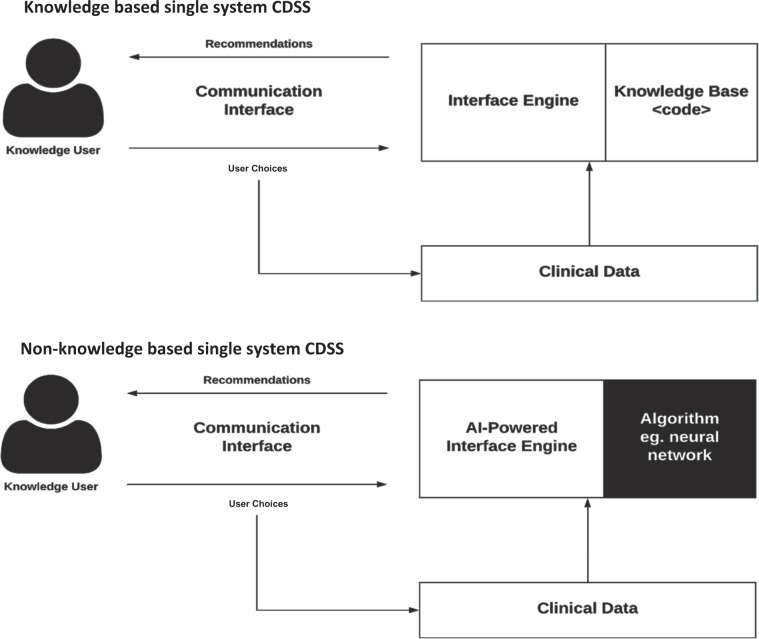
“Nonknowledge based CDSS, although a rapidly growing use case for AI in medicine, are rife with challenges including problems understanding the logic that AI uses to produce recommendations (black boxes), and problems with data availability.(9) They have yet to reach widespread implementation.”
BackgroundHannun, A. Y., Rajpurkar, P., Haghpanahi, M., Tison, G. H., Bourn, C., Turakhia, M. P., & Ng, A. Y. (2019) · Nature Medicine · doi:10.1038/s41591-018-0268-3 · Cited by 3,148
Kawamoto, K., Houlihan, C. A., Balas, E. A., & Lobach, D. F. (2005) · BMJ · doi:10.1136/bmj.38398.500764.8f · Cited by 2,703
IBM computer usability satisfaction questionnaires: Psychometric evaluation and instructions for use
Lewis, J. R. (1995) · International Journal of Human-Computer Interaction · doi:10.1080/10447319509526110 · Cited by 2,429
The System Usability Scale: Past, Present, and Future
Lewis, J. R. (2018) · International Journal of Human–Computer Interaction · doi:10.1080/10447318.2018.1455307 · Cited by 1,958
Greenspan, H., van Ginneken, B., & Summers, R. M. (2016) · IEEE Transactions on Medical Imaging · doi:10.1109/tmi.2016.2553401 · Cited by 1,700 · cited 1×
“61 To do so, these technologies make use of advanced pixel recognition and image classi fi cation algorithms, most prominently: deep learning (DL).”
BackgroundA model of inexact reasoning in medicine
Shortliffe, E. H., & Buchanan, B. G. (1975) · Mathematical Biosciences · doi:10.1016/0025-5564(75)90047-4 · Cited by 1,447
Research works printed but not linked: 6
- Omididan Z Hadianfar A The role of clinical decision support systems in healthcare (1980-2010): a systematic review study Jentashapir Sci.-Res Q. 2011 2 125 134
- Turchin, A., Shubina, M. & Gandhi, T. NLP for patient safety: splenectomy and pneumovax. In Proc. AMIA 2010 Annual Symposium (2010).
- Berner Eta S. Clinical Decision Support Systems 2007 New York, NY Springer New York
- From Invisible to Visible: IBM Demos AI to Radiologists. https://www-03.ibm.com/press/us/en/pressrelease/51146.ws. Accessed Aug 2019 (2016).
- Ivan, D. Moving toward a blockchain-based method for the secure storage of patient records. ONC/NIST Use of Blockchain for Healthcare and Research Workshop. Gaithersburg, Maryland, United States: ONC/NIST (2016).
- Harper, B. D. & Norman, K. L. Improving User Satisfaction: The Questionnaire for User Interaction Satisfaction Version 5.5. Proceedings of the 1st Annual Mid-Atlantic Human Factors Conference, (pp. 224–228), Virginia Beach, VA. (1993).
Cited by
Items 401–500 of 1,024
Marinescu, Ș. A., Oncioiu, I., & Ghibanu, I. A. (2025) · Healthcare · doi:10.3390/healthcare13111222 · Cited by 30
“Models that are successfully applied lower the cognitive burden for users and maximize decision-making by automating monotonous chores, thereby enabling fast and well-founded therapeutic treatments [21].”
Sebastian, A., Carroll, J. C., Oldfield, L. E., Mighton, C. E., Shickh, S., Uleryk, E. M., & Bombard, Y. (2021) · Genetics in Medicine · doi:10.1038/s41436-020-01045-1 · Cited by 24
Dros, J. T., Bos, I., Bennis, F. C., Wiegersma, S., Paget, J., Seghieri, C., Cortés, J. B., & Verheij, R. A. (2022) · BMC Family Practice · doi:10.1186/s12875-022-01804-w · Cited by 28
“The algorithm might be able to facilitate the diagnostic process by GPs as a clinical decision support system (CDSS) [7].”
BackgroundInfluentialBlanes-Selva, V., Cuesta, S. A., Doñate-Martínez, A., Mesquita, F. P., & Garcia-Gomez, J. M. (2023) · Digital Health · doi:10.1177/20552076221150735 · Cited by 33
“The most common problems in this category are the dif fi culty of operating the software, disruption of the work fl ow, loss of face-to-face time with patients 2 and the alert fatigue due to excessive noti fi cations by the system.”
BackgroundMethodvan Eekelen, L., Litjens, G. J. S., & Hebeda, K. M. (2023) · Pathobiology · doi:10.1159/000529701 · Cited by 26
“This process could be optimized by the use of computerized clinical decision support systems [62].”
MethodBiosignals meet Adaptive Systems
Schultz, T., & Maedche, A. (2023) · SN Applied Sciences · doi:10.1007/s42452-023-05412-w · Cited by 30
“for hypertext/hypermedia systems [4], for speech communication systems to adapt to speakers [5], domains [6], and languages [7], human-computer interaction (HCI) [8–10], robotics [11], ubiquitous computing [12], software engineering [13, 14], systems for clinical support [15], for nursing care [16], and for everyday a…”
BackgroundKlopotowska, J. E., Leopold, J., Bakker, T., Kom, I. Y., Engelaer, F. M., de Jonge, E., Haspels-Hogervorst, E. K., van den Bergh, W. M., Renes, M. H., de Jong, B. T., et al. (2023) · British Journal of Clinical Pharmacology · doi:10.1111/bcp.15882 · Cited by 26
“2,45 We have shown that the exposure to three high-risk pDDI categories often leads to DDI-ADEs, justifying the use of pDDI alerts via CDSS for these three high-risk pDDIs.”
BackgroundAhmad, N., Du, S., Ahmed, F., Amin, N. U., & Yi, X. (2023) · Information Technology and Management · doi:10.1007/s10799-023-00407-w · Cited by 26
“Numerous structured, semi-structured, and unstructured issues have specific standard criteria [24].”
Selvi, G. C., Murugan, R., Yenduri, G., Gurrammagari, D. R., Bhulakshmi, D., Kandati, D. R., Supriya, Y., Gadekallu, T. R., Rathore, R. S., & Jhaveri, R. H. (2023) · Recent Advances in Computer Science and Communications · doi:10.2174/0126662558266152231128060222 · Cited by 29
Riasi, A., Delrobaei, M., & Salari, M. (2024) · Scientific Reports · doi:10.1038/s41598-024-59179-0 · Cited by 27
“Nowadays, for several diseases, due to the importance of long-term management of the disease and the variety of symptoms between patients, and even in the case of the same patient at different times, the existence of a decision support system (DSS) is a critical issue 15,16 .”
BackgroundTokgöz, P., Krayter, S., Häfner, J., & Dockweiler, C. (2024) · BMC Medical Informatics and Decision Making · doi:10.1186/s12911-024-02490-7 · Cited by 27
“Implementation as well as acceptance of AI-based DSSs can be challenging due to the interplay of technology, organization and user groups [17].”
BackgroundAccuracy Evaluation of GPT-Assisted Differential Diagnosis in Emergency Department
Shah-Mohammadi, F., & Finkelstein, J. (2024) · Diagnostics · doi:10.3390/diagnostics14161779 · Cited by 33
“Historically, CDS tools have integrated multiple processes—logical or computational methods, probabilistic evaluations, and heuristic techniques—with many applications employing a combination of algorithms and heuristic rules [8,9].”
MethodZou, X., He, W., Huang, Y., Ouyang, Y., Zhang, Z., Wu, Y., Wu, Y., Feng, L., Wu, S., Yang, M., et al. (2024) · Journal of Medical Internet Research · doi:10.2196/54616 · Cited by 27
“The growing demand for intelligent clinical decision support systems (CDSSs) has become increasingly evident in the health care landscape today [1,2].”
An, J., Kim, I. S., Kim, K., Park, J. H., Kang, H., Kim, H. J., Kim, Y. S., & Ahn, J. H. (2024) · Scientific Reports · doi:10.1038/s41598-024-72889-9 · Cited by 23
“Equivocal AA is occasionally considered early-stage AA 5,6,10,16 .”
BackgroundMethodE-Health Tools to Improve Antibiotic Use and Resistances: A Systematic Review
Carvalho, É., Estrela, M., Zapata‐Cachafeiro, M., Figueiras, A., Roque, F., & Herdeiro, M. T. (2020) · Antibiotics · doi:10.3390/antibiotics9080505 · Cited by 23
Demsash, A. W., Kalayou, M. H., & Walle, A. D. (2024) · BMC Medical Education · doi:10.1186/s12909-024-05680-z · Cited by 21
“Currently, technology has become commonplace in a healthcare setting, and there has been rapid growth in the development of medical application software [18–20].”
BackgroundShen, X., He, Z., Shi, Y., Liu, T., Yang, Y., Luo, J., Tang, X., Chen, B., Xu, S., Zhou, Y., et al. (2023) · The Journal of Arthroplasty · doi:10.1016/j.arth.2023.08.018 · Cited by 23
Insani, W. N., Zakiyah, N., Puspitasari, I. M., Permana, M. Y., Parmikanti, K., Rusyaman, E., & Suwantika, A. A. (2025) · Journal of Medical Internet Research · doi:10.2196/65546 · Cited by 26
“%) study [32] A CDSS/CPOE has been increasingly used to support clinicians in making informed decisions by providing recommendations based on patient data and clinical guidelines [39].”
Pennestrì, F., Cabitza, F., Picerno, N., & Banfi, G. (2025) · BMC Medical Informatics and Decision Making · doi:10.1186/s12911-025-02883-2 · Cited by 23
Melnyk, M., Starczewski, A., Nawrocka-Rutkowska, J., Gorzko, A., Melnyk, B., & Szydłowska, I. (2025) · Journal of Clinical Medicine · doi:10.3390/jcm14041236 · Cited by 22
Natural Language Processing for Digital Health in the Era of Large Language Models
Sarker, A., Zhang, R., Wang, Y., Xiao, Y., Das, S., Schutte, D., Oniani, D., Xie, Q., & Xu, H. (2024) · Yearbook of Medical Informatics · doi:10.1055/s-0044-1800750 · Cited by 39
“Clinical Decision Support Systems (CDSSs) enhance medical decision-making by providing targeted clinical knowledge, patient information, and other health information [63,64].”
Kumar, R. R., Sporn, K., Paladugu, P., Khanna, A., Gowda, C., Ngo, A., Waisberg, E., Ong, J., Jagadeesan, R., & Tavakkoli, A. (2025) · Diagnostics · doi:10.3390/diagnostics15131648 · Cited by 32
“There is an additional barrier to implementation from physicians themselves who report negative perceptions, citing data bias and poor accuracy, probably due to insufficient data [216].”
Baluta, S., Suresh, V., Chmielowska, M., Smeesters, L., & Cabaj, J. (2026) · ACS Omega · doi:10.1021/acsomega.5c06072 · Cited by 24
Usmanova, G., Gresh, A., Cohen, M. A., Kim, Y. M., Srivastava, A., Joshi, C. S., Bhatt, D. C., Haws, R. A., Wadhwa, R., Sridhar, P., et al. (2020) · International Journal of Environmental Research and Public Health · doi:10.3390/ijerph17228333 · Cited by 25
“warn of the potential of a new eCDSS to disrupt existing workflows if its use is external to other databases or does not fit providers’ regular data documentation routines [46].”
BackgroundA narrative review of evidence to guide deprescribing among older adults
Ie, K., Aoshima, S., Yabuki, T., & Albert, S. M. (2021) · Journal of General and Family Medicine · doi:10.1002/jgf2.464 · Cited by 23
A Clinical Decision Support System for the Prediction of Quality of Life in ALS
Antoniadi, A. M., Galvin, M., Heverin, M., Wei, L., Hardiman, O. M., & Mooney, C. (2022) · Journal of Personalized Medicine · doi:10.3390/jpm12030435 · Cited by 24
Garabedian, P. M., Gannon, M. P., Aaron, S., Wu, E., Burns, Z., & Samal, L. (2022) · BMC Medical Informatics and Decision Making · doi:10.1186/s12911-022-01962-y · Cited by 24
Combining text mining with clinical decision support in clinical practice: a scoping review
van de Burgt, B. W. M., Wasylewicz, A. T. M., Dullemond, B., Grouls, R. J. E., Egberts, T. C. G., Bouwman, R. A., & Korsten, E. H. H. M. (2022) · Journal of the American Medical Informatics Association · doi:10.1093/jamia/ocac240 · Cited by 23
Tan, R., Cobuccio, L. G., Beynon, F., Levine, G. A., Vaezipour, N., Luwanda, L. B., Mangu, C., Vonlanthen, A., Santis, O. D., Salim, N., et al. (2023) · PLOS Digital Health · doi:10.1371/journal.pdig.0000170 · Cited by 25
“expert guidance on successful strategies in order for the application to be intuitive to use with limited 302 training, to align with normal workflows at primary care health facilities, and encourage user 303 autonomy.[20, 50, 51] 304 .”
MethodAiraksinen, M., Taylor, E., Gallen, A., Ilén, E., Saari, A., Sankilampi, U., Räsänen, O. J., Haataja, L. M., & Vanhatalo, S. (2023) · EBioMedicine · doi:10.1016/j.ebiom.2023.104591 · Cited by 28
Artificial Intelligence–Based Consumer Health Informatics Application: Scoping Review
Asan, O., Choi, E., & Wang, X. (2023) · Journal of Medical Internet Research · doi:10.2196/47260 · Cited by 31
“Maintenance and updating of the system to reflect latest changes in clinical guidelines or databases may also affect its accuracy in the future and have been highlighted in the clinical decision support system field [75].”
Unexpectedly low accuracy of GPT-4 in identifying common liver diseases from CT scan images
Zhang, Y., Wu, L., Wang, Y., Sheng, B., Tham, Y. C., Ji, H., Chen, Y., Ren, L., Liu, H., & Xu, L. (2024) · Digestive and Liver Disease · doi:10.1016/j.dld.2024.01.191 · Cited by 21
Wagner, L., Jourdan, S., Mayer, L., Müller, C., Bernhard, L., Kolb, S., Harb, F., Jell, A., Berlet, M., Feußner, H., et al. (2024) · Communications Medicine · doi:10.1038/s43856-024-00581-0 · Cited by 35
ChatGPT from radiologists’ perspective
Şendur, H. N., Şendur, A. B., & Cerit, M. N. (2023) · British Journal of Radiology · doi:10.1259/bjr.20230203 · Cited by 21
Retrieval-Based Diagnostic Decision Support: Mixed Methods Study
Abdullahi, T., Mercurio, L., Singh, R., & Eickhoff, C. (2024) · JMIR Medical Informatics · doi:10.2196/50209 · Cited by 20
“To improve the diagnostic process while maintaining economic feasibility, different variants of automated assistants, also known as diagnostic decision support systems (DDSSs) and symptom checkers, have been introduced [4].”
BackgroundTsai, C.-C., Kim, J. Y., Chen, Q., Rowell, B. E., Yang, X. J., Kontar, R. A., Whitaker, M., & Lester, C. A. (2025) · Journal of Medical Internet Research · doi:10.2196/59946 · Cited by 27
“Clinical decision support systems (CDSS) are tools that use medical knowledge and health information to aid clinicians’ decision-making to provide enhanced patient care [1,2].”
Zhang, S., Ding, S., Cui, W., Li, X., Wei, J. J., & Wu, Y. (2025) · Intensive and Critical Care Nursing · doi:10.1016/j.iccn.2024.103933 · Cited by 23
Šević, N. P., Šević, A., Slijepčević, M., & Krstić, J. (2025) · Online Journal of Communication and Media Technologies · doi:10.30935/ojcmt/17246 · Cited by 29
Chandler, P. D., Clark, C. R., Zhou, G., Noel, N. L., Achilike, C., Mendez, L., Ramirez, A. H., Loperena, R., Mayo, K., Cohn, E., et al. (2021) · Scientific Reports · doi:10.1038/s41598-021-92143-w · Cited by 29
Clinical decision support in primary care for better diagnosis and management of retinal disease
Ho, S., Kalloniatis, M., & Ly, A. (2022) · Clinical and Experimental Optometry · doi:10.1080/08164622.2021.2008791 · Cited by 23
“Alert fatigue can also occur whereby excessive or insignificant alerts are presented and users become desensitised and begin to dismiss them regardless of importance.(16)”
BackgroundDeshpande, N. M., Gite, S., Pradhan, B., & Assiri, M. E. (2022) · Computer Modeling in Engineering & Sciences · doi:10.32604/cmes.2022.021225 · Cited by 30
Nguyen, J. Q., Crews, K. R., Moore, B. T., Kornegay, N. M., Baker, D. K., Hasan, M., Campbell, P. K., Dean, S. M., Relling, M. V., Hoffman, J. M., et al. (2022) · Journal of the American Medical Informatics Association · doi:10.1093/jamia/ocac187 · Cited by 22
Nobile, M. S., Capitoli, G., Sowirono, V., Clerici, F., Piga, I., van Abeelen, K. C. J., Magni, F., Pagni, F., Galimberti, S., Cazzaniga, P., et al. (2022) · Expert Systems with Applications · doi:10.1016/j.eswa.2022.119296 · Cited by 20
Withall, J. B., Schwartz, J., Usseglio, J., & Cato, K. (2022) · Applied Clinical Informatics · doi:10.1055/s-0042-1759513 · Cited by 23
Rule-based System for Effective Clinical Decision Support
Silva, B., Hak, F., Guimarães, T. A. S., Manuel, M., & Santos, M. F. (2023) · Procedia Computer Science · doi:10.1016/j.procs.2023.03.119 · Cited by 20
Possibilities and challenges for artificial intelligence and machine learning in perioperative care
van der Meijden, S. L., Arbous, M. S., & Geerts, B. F. (2023) · BJA Education · doi:10.1016/j.bjae.2023.04.003 · Cited by 25
Ge, J., Fontil, V., Ackerman, S., Pletcher, M. J., & Lai, J. C. (2023) · Hepatology · doi:10.1097/hep.0000000000000583 · Cited by 21
Engelke, M., Schmidt, C. S., Baldini, G., Parmar, V., Hosch, R., Borys, K., Koitka, S., Turki, A. T., Haubold, J., Horn, P., et al. (2023) · Blood · doi:10.1182/blood.2023021172 · Cited by 24
Cusi, K. J., Budd, J., Johnson, E. L., & Shubrook, J. H. (2024) · Diabetes Spectrum · doi:10.2337/dsi23-0014 · Cited by 22
Robertson, A. J., Mallett, A. J., Stark, Z., & Sullivan, C. M. (2024) · JMIR Bioinformatics and Biotechnology · doi:10.2196/55632 · Cited by 26
“CDSSs are electronic systems that use the information in an EHR to support the treatment of a specific disease or group of related diseases [7].”
BackgroundMartinson, A. K., Chin, A. T., Butte, M. J., & Rider, N. L. (2024) · The Journal of Allergy and Clinical Immunology In Practice · doi:10.1016/j.jaip.2024.08.012 · Cited by 22
A decision‐making tool for navigating extracellular vesicle research and product development
Loria, F., Picciotto, S., Adamo, G., Zendrini, A., Raccosta, S., Manno, M., Bergese, P., Liguori, G. L., Bongiovanni, A., & Zarovni, N. (2024) · Journal of Extracellular Vesicles · doi:10.1002/jev2.70021 · Cited by 22
Issues and Limitations on the Road to Fair and Inclusive AI Solutions for Biomedical Challenges
Faust, O., Salvi, M., Barua, P. D., Chakraborty, S., Molinari, F., & Acharya, U. R. (2025) · Sensors · doi:10.3390/s25010205 · Cited by 23
“Collaboration and feedback: Collaboration between AI experts, healthcare professionals, and stakeholders is encouraged to gather feedback, address concerns, and optimize the AI model’s performance for better patient outcomes and clinical decision-making [62].”
Roșca, C.-M., Bold, R.-A., & Gerea, A.-E. (2025) · Lecture notes in networks and systems · doi:10.1007/978-981-97-5703-9_13 · Cited by 23
Racine, N., Chow, C., Hamwi, L., Bucsea, O., Cheng, C., Du, H., Fabrizi, L., Jasim, S., Johannsson, L., Jones, L., et al. (2024) · JMIR AI · doi:10.2196/51535 · Cited by 19
“…(AI), which includes machine learning (ie, using a machine to extract knowledge from data and learn autonomously), is one technology that has shown tremendous potential in the health care field, and this potential may also inform the development of clinical decision support systems [13].”
BackgroundFusiak, J., Sarpari, K., Ma, I., Mansmann, U., & Hoffmann, V. S. (2025) · BMC Medical Informatics and Decision Making · doi:10.1186/s12911-025-02945-5 · Cited by 22
“For instance, tools used in oncology frequently employ Markov models to manage the complexities of neoplasm treatment [9, 14, 49].”
InfluentialSalih, M., Austin, C., Mantravadi, K., Seow, E., Jitanantawittaya, S., Reddy, S., Vollenhoven, B. J., Rezatofighi, H., & Horta, F. (2025) · Scientific Reports · doi:10.1038/s41598-025-02076-x · Cited by 25
Harnessing Artificial Intelligence in Pediatric Oncology Diagnosis and Treatment: A Review
Hassan, M., Shahzadi, S., & Kloczkowski, A. (2025) · Cancers · doi:10.3390/cancers17111828 · Cited by 19
“Rules can be based on literature, practice, or patient-directed evidence [42].”
Holbrook, A. M., Silva, J. M., Faruque, J., Deng, J., Schneider, T., & Jaffer, A. (2025) · Journal of the American Medical Informatics Association · doi:10.1093/jamia/ocaf139 · Cited by 25
“52,53 Most data on commonly accepted DDIs comes from theoretical concerns or advice based on very low quality case reports or small case series.”
Meeting the challenges of electronic health record (EHR) optimization
Makhni, S., Cerrato, P., Rico, J., Niazi, S., O’Horo, J., Peters, S., Shah, V., & Halamka, J. (2025) · npj Digital Medicine · doi:10.1038/s41746-025-02178-w · Cited by 19
Wang, J. M., Liu, W., Chen, X., McRae, M. P., McDevitt, J. T., & Fenyö, D. (2021) · Journal of Medical Internet Research · doi:10.2196/29514 · Cited by 19
A pharmaceutical therapy recommender system enabling shared decision-making
Gräßer, F., Tesch, F., Schmitt, J. M., Abraham, S., Malberg, H., & Zaunseder, S. (2021) · User Modeling and User-Adapted Interaction · doi:10.1007/s11257-021-09298-4 · Cited by 27
“Today, the literature describes a mass of CDSSs varying greatly in design, function and use (Shortliffe 1987; Garg et al. 2005; Wright et al. 2011; Berner and La Lande 2016; Pandey and Mishra 2009; Sutton et al. 2020).”
BackgroundGuideline for software life cycle in health informatics
Hauschild, A., Martin, R., Holst, S. C., Wienbeck, J., & Heider, D. (2022) · iScience · doi:10.1016/j.isci.2022.105534 · Cited by 22
“Clinical decision support systems (CDSS) can effectively increase diagnostics, patient safety, and cost containment.(2) Easy accessible AI-based applications to patients can improve diagnosis and treatment, e.”
A drug recommender system for the treatment of hypertension
Mai, A., Voigt, K., Schübel, J., & Gräßer, F. (2023) · BMC Medical Informatics and Decision Making · doi:10.1186/s12911-023-02170-y · Cited by 22
“A large variety of CDSSs is described in literature [6–10].”
BackgroundA snapshot of artificial intelligence research 2019–2021: is it replacing or assisting physicians?
Elmahdy, M., & Sebro, R. (2023) · Journal of the American Medical Informatics Association · doi:10.1093/jamia/ocad094 · Cited by 22
Wohlgemut, J. M., Pisirir, E., Kyrimi, E., Stoner, R. S., Marsh, W., Perkins, Z., & Tai, N. R. M. (2023) · JAMIA Open · doi:10.1093/jamiaopen/ooad051 · Cited by 31
“These medico-legal issues become more pertinent for recommendations which are more directive,(2,3,79,80) though remains a topic of keen interest and debate.(3,81) Fifthly, studies which have evaluated CDSSs designed for nonemergency settings, rather than healthcare emergencies, used similar usability methods but diffe…”
BackgroundDahmke, H., Fiumefreddo, R., Schüetz, P., Iaco, R. D., & Zaugg, C. (2023) · Swiss Medical Weekly · doi:10.57187/smw.2023.40082 · Cited by 25
“Clinical decision support systems (CDSSs) embedded in hospital electronic health records (EHR) can result in significant reduction of medication errors [8, 9].”
BackgroundPinnock, H., Noble, M., Lo, D. K. H., McClatchey, K., Marsh, V., & Hui, C. Y. (2023) · Expert Review of Respiratory Medicine · doi:10.1080/17476348.2023.2241357 · Cited by 23
“Screening and diagnosis of asthma Classic machine learning algorithms such as artificial neural network, support vector machine, decision tree and natural language processing, can be used in clinical decision support systems (CDSS: software, ideally embedded in the EHR, that aims to improve healthcare delivery by enha…”
MethodKim, Y. K., Koo, J. H., Lee, S. J., Song, H. S., & Lee, M. (2023) · Journal of Medical Internet Research · doi:10.2196/48244 · Cited by 20
“These systems have been developed using electronic medical records to exploit various paradigms, such as the prediction of early cardiac events, heart failure (HF), and critical illness, for rapid response systems through real-time patient monitoring [7].”
Hendriks, M. P., Jager, A., Ebben, K. C. W. J., van Til, J. A., & Siesling, S. (2024) · Critical Reviews in Oncology/Hematology · doi:10.1016/j.critrevonc.2024.104267 · Cited by 24
Clinical Decision Support System Used in Spinal Disorders: Scoping Review
Toh, Z. A., Berg, B., Han, Q., Hey, H. W. D., Pikkarainen, M. A., Grotle, M., & He, H. G. (2024) · Journal of Medical Internet Research · doi:10.2196/53951 · Cited by 21
“In personalized medicine, CDSSs use genetic data for tailored treatment plans [10].”
InfluentialPharmacogenetics Clinical Decision Support Systems for Primary Care in England: Co-Design Study
Sharma, V., McDermott, J. H., Keen, J., Foster, S., Whelan, P., & Newman, W. G. (2024) · Journal of Medical Internet Research · doi:10.2196/49230 · Cited by 21
“They have been shown to improve the quality and safety of care with a recent review by Sutton et al [21] suggesting a potential reduction in patient harm.”
dos Reis, J. C. G., Santo, P. E., & Melão, N. F. (2020) · Social Sciences · doi:10.3390/socsci9110207 · Cited by 22
“In order to support a sustainable development, smart decision support Modern CDSSs are based on AI technologies and algorithms (Kim et al. 2016; Sutton et al. 2020). technologies have been developed to assist an efficient forest management.”
BackgroundDDIWAS: High-throughput electronic health record-based screening of drug-drug interactions
Wu, P., Nelson, S. D., Zhao, J., Stone, C. A., Feng, Q., Chen, Q., Larson, E. A., Li, B., Cox, N. J., Stein, C. M., et al. (2021) · Journal of the American Medical Informatics Association · doi:10.1093/jamia/ocab019 · Cited by 23
“To complement postmarket surveillance programs, researchers have developed methods to mine electronic health record (EHR) data for DDIs.12,13 Implementing these methods across EHRs, however, remains challenging, because they are either purpose-built14 or depend upon complex natural language processing (NLP).12 We deve…”
BackgroundInfluentialYoon, S., Goh, H., Lee, P. C., Tan, H. C., Teh, M. M., Lim, D. S. T., Kwee, A. K., CHANDRAN, S. R., Carmody, D., Swee, D. S., et al. (2024) · JMIR Human Factors · doi:10.2196/50939 · Cited by 24
“In addition, several critical issues surrounding AI-powered clinical tools have been brought to attention, including concerns regarding the transparency of underlying algorithms, accountability, data privacy, and limited trust and applicability [10,14].”
BackgroundUsing Large Language Models to Retrieve Critical Data from Clinical Processes and Business Rules
Yu, Y., Gomez-Cabello, C. A., Makarova, S., Parte, Y., Borna, S., Haider, S. A., Genovese, A., Prabha, S., & Forte, A. J. (2024) · Bioengineering · doi:10.3390/bioengineering12010017 · Cited by 23
“8.”
InfluentialNg, Y., Hsu, J. T. Y., ́ng, N. V. H., Ong, J. Z. E., Hsu, J. L. J., Sulaimi, F., Tan, H. K., Tang, A. S. P., & Ng, Q. X. (2025) · Age and Ageing · doi:10.1093/ageing/afaf206 · Cited by 20
“CDSS is typically employed alongside EHRs [6], which physicians spend a substantial portion of their day inter-acting with.”
Evaluating Maturity Models in Healthcare Information Systems: A Comprehensive Review
Gomes, J., & Rom�ão, M. (2025) · Healthcare · doi:10.3390/healthcare13151847 · Cited by 25
“HIS systems are designed to support clinicians in accessing and utilizing patient information efficiently while facilitating the sharing of quality healthcare data [14–16].”
Adaptive Multi-Modal Fusion Framework for Activity Monitoring of People With Mobility Disability
Lin, F., Wang, Z., Zhao, H., Qiu, S., Shi, X., Wu, L., Gravina, R., & Fortino, G. (2022) · IEEE Journal of Biomedical and Health Informatics · doi:10.1109/jbhi.2022.3168004 · Cited by 25
“The activity analysis related to medical process monitoring and intelligent health-care is a research hotspot in recent years [3], [5], [11], [21], [22].”
BackgroundBozkurt, S., Magnani, C. J., Seneviratne, M. G., Brooks, J. D., & Hernandez‐Boussard, T. (2022) · Frontiers in Digital Health · doi:10.3389/fdgth.2022.793316 · Cited by 18
“Furthermore, emerging evidence suggests that clinical care could be improved through EHR-based automated decision-making aides and risk calculators to facilitate personalized care at the bedside (27).”
BackgroundClinical Decision Support: Impact on Appropriate Imaging Utilization
Zygmont, M. E., Ikuta, I., Nguyen, X. V., Frigini, L. A., Segovis, C. M., & Naeger, D. M. (2022) · Academic Radiology · doi:10.1016/j.acra.2022.10.006 · Cited by 18
Capturing big fisheries data: Integrating fishers’ knowledge in a web-based decision support tool
Kelly, C., Michelsen, F. A., Reite, K. J., Kolding, J., Varpe, Ø., Berset, A. P., & Alver, M. O. (2022) · Frontiers in Marine Science · doi:10.3389/fmars.2022.1051879 · Cited by 18
“governmental body), through integration of knowledge such as norms and roles in the organization (Jacob and Pirkul, 1992; Sala et al., 2019; Sutton et al., 2020).”
BackgroundKhan, N., Nwafor-Okoli, C., Ekpin, V. I., Attai, K. F., Chukwudi, N., Sabi, H. M., Akwaowo, C., Osuji, J. C., Benavente, L., & Uzoka, F. (2023) · Expert Systems with Applications · doi:10.1016/j.eswa.2023.119638 · Cited by 21
Miller, S. D., Murphy, Z. R., Gray, J., Marsteller, J. A., Oliva‐Hemker, M. M., Maslen, A., Lehmann, H. P., Nagy, P. G., Hutfless, S. M., & Gürses, A. P. (2023) · Applied Clinical Informatics · doi:10.1055/a-2040-0578 · Cited by 18
Evaluating Digital Agriculture Recommendations with Causal Inference
Tsoumas, I., Giannarakis, G., Sitokonstantinou, V., Koukos, A., Loka, D. A., Bartsotas, N. S., Kontoes, C., & Athanasiadis, I. N. (2023) · Proceedings of the AAAI Conference on Artificial Intelligence · doi:10.1609/aaai.v37i12.26697 · Cited by 30
Mazzeo, S., Lassi, M., Padiglioni, S., Vergani, A. A., Moschini, V., Scarpino, M., Giacomucci, G., Burali, R., Morinelli, C., Fabbiani, C., et al. (2023) · BMC Neurology · doi:10.1186/s12883-023-03347-8 · Cited by 23
Fernando, M., Abell, B., Tyack, Z. F., Donovan, T., McPhail, S., & Naicker, S. (2023) · Journal of Medical Internet Research · doi:10.2196/45163 · Cited by 27
“The embedding of computerized clinical decision support systems (CDSSs) that leverage digital clinical information to support the safe and effective provision of health services has become increasingly widespread, particularly in hospitals [1-3].”
BackgroundJhaveri, T. A., Weiss, Z., Winkler, M., Pyden, A., Basu, S. S., & Pecora, N. (2024) · Antimicrobial Stewardship & Healthcare Epidemiology · doi:10.1017/ash.2024.10 · Cited by 18
Hirosawa, T., Suzuki, T., Shiraishi, T., Hayashi, A., Fujii, Y., Harada, T., & Shimizu, T. (2024) · International Journal of General Medicine · doi:10.2147/ijgm.s497753 · Cited by 26
Leveraging digital technologies to enhance patient safety
Agius, S., Magri, C., Topham, L., Bezzina, F., & Cassar, V. (2025) · Health and Technology · doi:10.1007/s12553-025-01001-6 · Cited by 23
“CDSS are digital platforms that provide clinicians with evidence-based recommendations, alerts, and diagnostic support at the point of care [38, 39].”
van Bragt, J. J. M. H., Hansen, S., Djukanović, R., Bel, E. H., Brinke, A. T., Wagers, S. S., der Zee, A. H. M., & Porsbjerg, C. M. (2021) · ERJ Open Research · doi:10.1183/23120541.00064-2021 · Cited by 18
Larsen, K. L., Akindele, B., Head, H., Evans, R., Mehta, P., Hlatky, Q., Krause, B., Chen, S., & King, D. (2021) · JMIR Human Factors · doi:10.2196/33470 · Cited by 18
“Sutton et al [5] identified benefits of adoption along with risks that should be mitigated through strategic design.”
BackgroundNothing for Me or About Me, Without Me: Codesign of Clinical Decision Support
Leeuwen, D. V., Mittelman, M., Fabian, L., & Lomotan, E. A. (2022) · Applied Clinical Informatics · doi:10.1055/s-0042-1750355 · Cited by 18
Evaluation of electronic screening in the preoperative process
van den Blink, A., Janssen, L. M. J., Hermanides, J., Loer, S. A., Straat, F. K., Jessurun, E. N., Schwarte, L. A., & Schober, P. R. (2022) · Journal of Clinical Anesthesia · doi:10.1016/j.jclinane.2022.110941 · Cited by 18
Simmons, C. S., Roche, C. P., Schoch, B. S., Parsons, M., & Aibinder, W. R. (2022) · European Journal of Orthopaedic Surgery & Traumatology · doi:10.1007/s00590-022-03446-1 · Cited by 18
“Software-based clinical decision support tools (CDSTs) are becoming increasingly common in orthopedics to inform clinical management [1], with the goal of improving outcomes and patient satisfaction.”
BackgroundJabin, M. S. R. (2024) · Frontiers in Digital Health · doi:10.3389/fdgth.2024.1422396 · Cited by 23
“This underscores the urgent need for a more robust and inclusive classi fi cation system that can better serve our patients and improve healthcare outcomes and requires the collective effort and expertise of healthcare professionals, policymakers, and administrators (34).”
BackgroundMaruf, A. A. (2025) · American Journal of Interdisciplinary Studies · doi:10.63125/qgbrmf24 · Cited by 30
Tran-Van, N.-Y., & Le, K.-H. (2025) · Computerized Medical Imaging and Graphics · doi:10.1016/j.compmedimag.2025.102588 · Cited by 22
Berkhout, M., Smit, K., Sent, D., Kusters, R. R., Versendaal, J., & van Houwelingen, T. (2025) · Journal of Medical Internet Research · doi:10.2196/76025 · Cited by 27
“CDSSs are intended to improve health care delivery by enhancing medical decisions with targeted clinical knowledge, patient information, and other health information [1,2].”
InfluentialBuiles-Montaño, C. E., Lema-Pérez, L., Rincón, A. R., Tobón, J. J. Z., Restrepo-Gutiérrez, J. C., Álvarez, H., & Garcia‐Tirado, J. (2025) · Scientific Reports · doi:10.1038/s41598-025-23165-x · Cited by 20
Metadata
- Authors
- Sutton, R. T., Pincock, D., Baumgart, D. C., Sadowski, D. C., Fedorak, R. N., & Kroeker, K. I.
- Affiliations
- University of Alberta (CA)
- Alberta Health Services (CA)
- Corresponding author
- Kroeker, Karen I.
- ORCID
- Venue
- npj Digital Medicine
- Published
- 2020-02-06
- Volume
- 3
- Issue
- 1
- Pages
- 17-17
- ISSN
- 2398-6352 (ISSN-L)
- PMC
- PMC7005290
- OpenAlex
- W3004612364
- Semantic Scholar
- 2419d6b5e83d6175d31772e40cedbac1936da541
- Cited by
- 3,019
- References
- 112
- Citations by year
- 2026: 632 · 2025: 697 · 2024: 585 · 2023: 534 · 2022: 318 · 2021: 196 · 2020: 54
- FWCI
- 42.03
- Type
- journal article
- Language
- en
- Open access
- gold
- doi.org
- Licence
- cc-by
- creativecommons.org/licenses/by/4.0 (tdm)
- creativecommons.org/licenses/by/4.0 (vor)
- Locations
- npj Digital Medicine (publishedVersion, cc-by)
- PubMed Central (publishedVersion, cc-by)
- PubMed (publishedVersion)
- DOAJ (DOAJ: Directory of Open Access Journals) (submittedVersion, cc-by-sa)
- DOAJ (DOAJ: Directory of Open Access Journals) (submittedVersion)
- Funders
- Canadian Institutes of Health Research
- Topics
- Health Sciences › Health Professions › Health Information Management › Electronic Health Records Systems
- Health Sciences › Medicine › Health Informatics › Artificial Intelligence in Healthcare and Education
- Health Sciences › Medicine › Public Health, Environmental and Occupational Health › Technology and Human Factors in Education and Health
- Keywords
- clinical decision support systems, electronic health records, clinical decision-making, patient outcomes, health care costs, clinical workflow
About these checks
Registry, retraction, Cites and statistics results are computed, not judged, with one exception: a printed reference that no index lists is read once by a model before it counts as a citation error. Claims are extracted by a model and kept only when their quote appears verbatim in the text; each cited source is then checked, with a model’s help, for whether it says what the claim relies on. Those verdicts can be wrong — read the claim’s quote and the cited source before relying on one.
Statistics and arithmetic are recomputed, not judged.
Confidence bands are shown only for fields calibrated on our annotated test set. None is calibrated yet, so no band is shown.
What counts as a claim ›How we measure confidence ›How we check this ›
Are you an author, or do you see a problem with this page? Request a review
Data sources
Bibliographic data: Semantic Scholar, OpenAlex, Crossref.
Contains information from the Semantic Scholar Academic Graph Datasets, made available under the ODC Attribution License (ODC-BY 1.0).
Semantic Scholar’s data is described in: Kinney, R., et al. (2023). The Semantic Scholar Open Data Platform. arXiv:2301.10140.
