

Resolvins
Open accessThe DOI matches its Crossref record; 62 of the 62 references it cites were found in a registry or an index.
Abstract
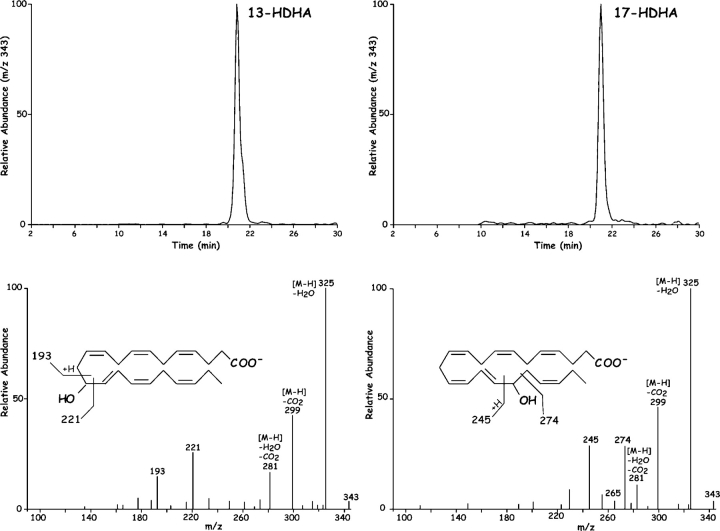
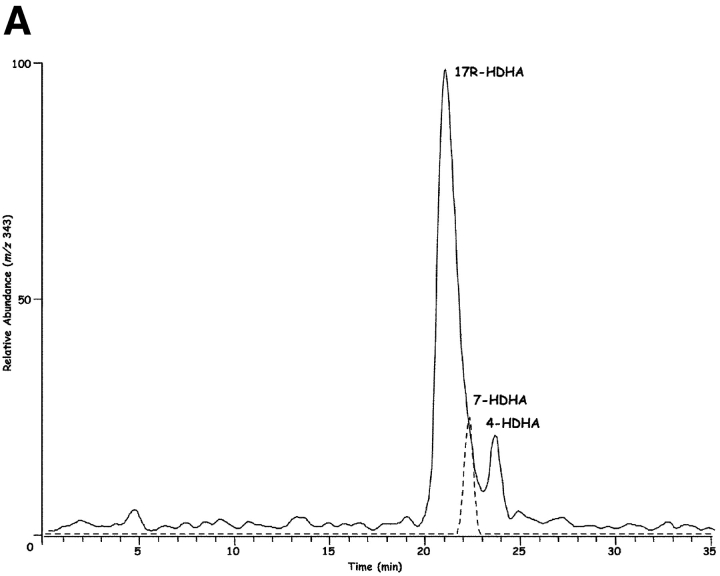
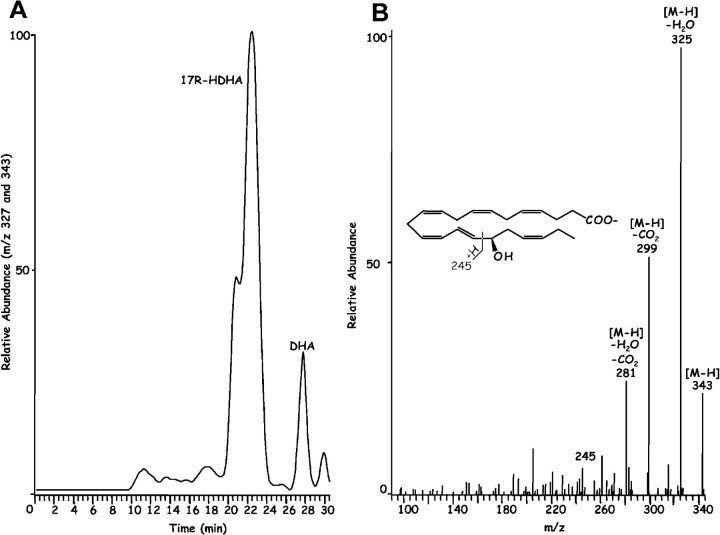
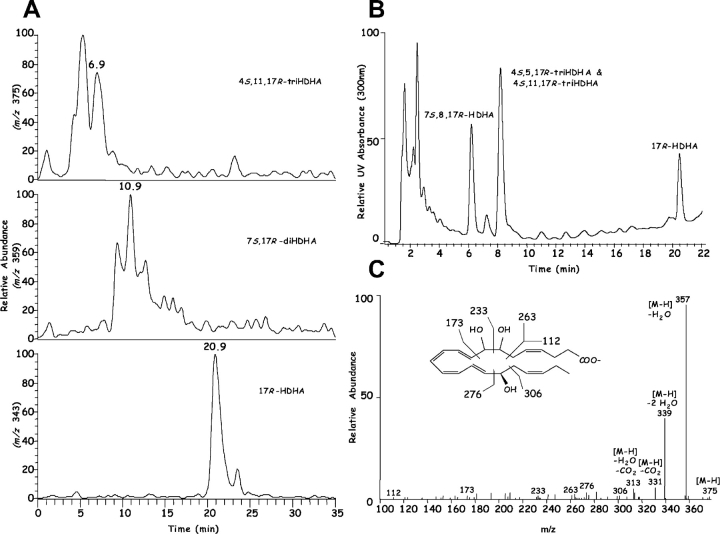
Aspirin (ASA) is unique among current therapies because it acetylates cyclooxygenase (COX)-2 enabling the biosynthesis of R-containing precursors of endogenous antiinflammatory mediators. Here, we report that lipidomic analysis of exudates obtained in the resolution phase from mice treated with ASA and docosahexaenoic acid (DHA) (C22:6) produce a novel family of bioactive 17R-hydroxy-containing di- and tri-hydroxy-docosanoids termed resolvins. Murine brain treated with aspirin produced endogenous 17R-hydroxydocosahexaenoic acid as did human microglial cells. Human COX-2 converted DHA to 13-hydroxy-DHA that switched with ASA to 17R-HDHA that also proved a major route in hypoxic endothelial cells. Human neutrophils transformed COX-2-ASA–derived 17R-hydroxy-DHA into two sets of novel di- and trihydroxy products; one initiated via oxygenation at carbon 7 and the other at carbon 4. These compounds inhibited (IC50 ∼50 pM) microglial cell cytokine expression and in vivo dermal inflammation and peritonitis at ng doses, reducing 40–80% leukocytic exudates. These results indicate that exudates, vascular, leukocytes and neural cells treated with aspirin convert DHA to novel 17R-hydroxy series of docosanoids that are potent regulators. These biosynthetic pathways utilize omega-3 DHA and EPA during multicellular events in resolution to produce a family of protective compounds, i.e., resolvins, that enhance proresolution status.
Overview
The claims and statistics of this paper haven’t been checked yet.
Free: it reads the open-access text and checks the first 5 claims that cite a source we can check. Create a free account to check every claim.
Integrity signals
Registry
Cites
Statistics
Figures



Verification
Claims the paper makes
The claims and statistics of this paper haven’t been checked yet.
Free: it reads the open-access text and checks the first 5 claims that cite a source we can check. Create a free account to check every claim.
Claims other papers make about this one
Each is checked against this paper’s own text: does it say what the citing paper says it does?
The source backs part of the claim, not all of it — or backs it for a different population, condition or comparison.
In the citing paper
“These lipid mediators can selectively stop neutrophil infiltration; increase monocyte recruitment and macrophage phagocytosis; stimulate the expression of genes important for antimicrobial defense; and promote the exit of phagocytes from the inflamed sites [100–103].”
From Transition from inflammation to proliferation: a critical step during wound healing (2016) · cites this paper as [100]
Experimental — accuracy not yet measuredThe source backs part of the claim, not all of it — or backs it for a different population, condition or comparison.
In the citing paper
“Prostaglandin E2 (PGE2) and D2 rapidly initiate the resolution process by inducing the expression of lipid mediators with both anti-inflammatory and pre-resolution functions, e.g., lipoxins [96, 97], resolvins and protectins [98–100], a process known as lipid-mediator class switch [97].”
From Transition from inflammation to proliferation: a critical step during wound healing (2016) · cites this paper as [100]
Experimental — accuracy not yet measuredThe source backs part of the claim, not all of it — or backs it for a different population, condition or comparison.
In the citing paper
“These lipid mediators can selectively stop neutrophil infiltration; increase monocyte recruitment and macrophage phagocytosis; stimulate the expression of genes important for antimicrobial defense; and promote the exit of phagocytes from the inflamed sites [100–103].”
From Transition from inflammation to proliferation: a critical step during wound healing (2016) · cites this paper as [100]
Experimental — accuracy not yet measuredThe source backs part of the claim, not all of it — or backs it for a different population, condition or comparison.
In the citing paper
“These lipid mediators can selectively stop neutrophil infiltration; increase monocyte recruitment and macrophage phagocytosis; stimulate the expression of genes important for antimicrobial defense; and promote the exit of phagocytes from the inflamed sites [100–103].”
From Transition from inflammation to proliferation: a critical step during wound healing (2016) · cites this paper as [100]
Experimental — accuracy not yet measuredThe cited source says what the claim attributes to it.
In the citing paper
“These lipid mediators can selectively stop neutrophil infiltration; increase monocyte recruitment and macrophage phagocytosis; stimulate the expression of genes important for antimicrobial defense; and promote the exit of phagocytes from the inflamed sites [100–103].”
From Transition from inflammation to proliferation: a critical step during wound healing (2016) · cites this paper as [100]
Self-check
Percentages, sums and reported differences re-computed from the paper’s own numbers.
The self-check needs the paper’s full text.
Citations
Cites
Inflammation. Basic principles and clinical correlates
(1989) · Biomedicine & Pharmacotherapy · doi:10.1016/0753-3322(89)90156-x · Cited by 2,393
Leukotrienes and Lipoxins: Structures, Biosynthesis, and Biological Effects
Samuelsson, B., Dahlén, S.-E., Lindgren, J. Å., Rouzer, C. A., & Serhan, C. N. (1987) · Science · doi:10.1126/science.2820055 · Cited by 2,233 · cited 7×
“Like other LO-derived eicosanoids, LXs are potent-local acting in subnanomolar levels with precise stereochemical requirements for evoking their actions (4, 9).”
BackgroundMethodInfluentialSelf-citation(1999) · PubMed · Cited by 2,062
Robbins pathologic basis of disease
Cotran, R. S., Kumar, V., & Collins, T. (1989) · Medical Entomology and Zoology · Cited by 1,944
Lipid mediator class switching during acute inflammation: signals in resolution
Levy, B. D., Clish, C. B., Schmidt, B., Gronert, K., & Serhan, C. N. (2001) · Nature Immunology · doi:10.1038/89759 · Cited by 1,453
Self-citationMarchioli, R., Barzi, F., Bomba, E., Chieffo, C., Di Gregorio, D., Di Mascio, R., Franzosi, M. G., Geraci, E., Levantesi, G., Maggioni, A. P., et al. (2002) · Circulation · doi:10.1161/01.cir.0000014682.14181.f2 · Cited by 1,311
Inducible cyclooxygenase may have anti-inflammatory properties
Gilroy, D. W., Colville-Nash, P. R., Willis, D., Chivers, J., Paul-Clark, M. J., & Willoughby, D. A. (1999) · Nature Medicine · doi:10.1038/9550 · Cited by 1,242
Serhan, C. N., Clish, C. B., Brannon, J., Colgan, S. P., Chiang, N., & Gronert, K. (2000) · The Journal of Experimental Medicine · doi:10.1084/jem.192.8.1197 · Cited by 1,189
Self-citationBlood Levels of Long-Chain n–3 Fatty Acids and the Risk of Sudden Death
Albert, C. M., Campos, H., Stampfer, M. J., Ridker, P. M., Manson, J. E., Willett, W. C., & Ma, J. (2002) · New England Journal of Medicine · doi:10.1056/nejmoa012918 · Cited by 1,146 · cited 3×
“It is noteworthy that both patient groups received aspirin in the GISSI trial while comparing tocopherol versus omega-3 supplementation (20) as did a significant number of participants in the most recent Physician Health study report (18).”
Background
Research works printed but not linked: 1
- De Caterina, R., S. Endres, S.D. Kristensen, and E.B. Schmidt, editors. 1993. N-3 Fatty Acids and Vascular Disease. Springer-Verlag, London. pp. 1–166.
Cited by
Items 701–800 of 1,004
Rosa-Velázquez, M., Batistel, F., Pinos‐Rodríguez, J. M., & Relling, A. E. (2020) · Journal of Animal Science and Biotechnology/Journal of animal science and biotechnology · doi:10.1186/s40104-020-00513-7 · Cited by 46
Fatty acid alterations and n-3 fatty acid supplementation in cystic fibrosis
Al-Turkmani, M. R., Freedman, S. D., & Laposata, M. (2007) · Prostaglandins Leukotrienes and Essential Fatty Acids · doi:10.1016/j.plefa.2007.10.009 · Cited by 46
“[44] has demonstrated that DHA is metabolized to potent anti-inflammatory mediators termed resolvins.”
BackgroundResolution of inflammation in oral diseases
Eltay, E. G., & Dyke, T. E. V. (2023) · Pharmacology & Therapeutics · doi:10.1016/j.pharmthera.2023.108453 · Cited by 46
Proresolving Lipid Mediators in the Respiratory System
Serhan, C. N., & Levy, B. D. (2024) · Annual Review of Physiology · doi:10.1146/annurev-physiol-020924-033209 · Cited by 49
Self-citationLipid-Based Therapy for Ocular Surface Inflammation and Disease
Lim, A. Y.-L., Wenk, M. R., & Tong, L. H. T. (2015) · Trends in Molecular Medicine · doi:10.1016/j.molmed.2015.10.001 · Cited by 50
“E-Series Resolvins Resolvins are a class of endogenous lipid mediators derived from omega-3 fatty acids [28] (Figure 1), with both anti-inflammatory and pro-resolution properties, and have been shown to enhance phagocytosis of apoptotic debris, reduce proinflammatory cytokines, and reduce systemic levels of C-reactive…”
BackgroundLiu, Y., Yuan, X., Li, W., Cao, Q., & Shu, Y. (2016) · International Journal of Molecular Medicine · doi:10.3892/ijmm.2016.2721 · Cited by 45
Chitosan porous 3D scaffolds embedded with resolvin D1 to improve in vivo bone healing
Vasconcelos, D. P., Costa, M. M., Nevès, N., Teixeira, J. H., Vasconcelos, D. M., Santos, S. G., Águas, A. P., Barbosa, M. A., & Barbosa, J. N. (2018) · Journal of Biomedical Materials Research Part A · doi:10.1002/jbm.a.36370 · Cited by 47
Omega‐3 fatty acids in coronary heart disease: Recent updates and future perspectives
Ajith, T. A., & Jayakumar, T. G. (2018) · Clinical and Experimental Pharmacology and Physiology · doi:10.1111/1440-1681.13034 · Cited by 47
Cruz, M. D. P., da Silva, R. F., Monteiro, D., Rehim, H. M. M. A., Grabulosa, C. C., de Oliveira, A. P. L., & Lino‐dos‐Santos‐Franco, A. (2018) · Lasers in Medical Science · doi:10.1007/s10103-018-2688-1 · Cited by 45
Bardin, M., Pawelzik, S., Lagrange, J., Mahdi, A., Arnardottir, H. H., Regnault, V., Fève, B., Lacolley, P. J., Michel, J., Mercier, N., et al. (2022) · Biochemical Pharmacology · doi:10.1016/j.bcp.2022.115075 · Cited by 46
Farina, E. K., Kiel, D. P., Roubenoff, R., Schaefer, E. J., Cupples, L. A., & Tucker, K. L. (2012) · Journal of Bone and Mineral Research · doi:10.1002/jbmr.1581 · Cited by 48
“We also were not able to adjust for use of nonsteroidal anti-inflammatory drugs, such as aspirin, which may be involved in generating the production of pro-resolving lipid mediators, lipoxins and resolvins.((11,63))”
BackgroundFish Oil in Critical Illness: Mechanisms and Clinical Applications
Stapleton, R. D., Martin, J., & Mayer, K. (2010) · Critical Care Clinics · doi:10.1016/j.ccc.2010.04.009 · Cited by 48
Targeting Angiogenesis via Resolution of Inflammation
Kelly, A. G., & Panigrahy, D. (2022) · Cold Spring Harbor Perspectives in Medicine · doi:10.1101/cshperspect.a041172 · Cited by 48
Aspirin-triggered resolvin D1 alleviates paraquat-induced acute lung injury in mice
Hu, X., Shen, H., Wang, Y., Zhang, L., & Zhao, M. (2018) · Life Sciences · doi:10.1016/j.lfs.2018.12.028 · Cited by 44
Tungen, J. E., Aursnes, M., Vik, A., Ramon, S., Colas, R. A., Dalli, J., Serhan, C. N., & Hansen, T. V. (2014) · Journal of Natural Products · doi:10.1021/np500498j · Cited by 46
Self-citationLopez, H. L. (2012) · PM&R · doi:10.1016/j.pmrj.2012.02.022 · Cited by 51
Aursnes, M., Tungen, J. E., Colas, R. A., Vlasakov, I., Dalli, J., Serhan, C. N., & Hansen, T. V. (2015) · Journal of Natural Products · doi:10.1021/acs.jnatprod.5b00574 · Cited by 47
Self-citationGao, Y., Zhang, H., Luo, L., Lin, J., Li, D., Zheng, S., Huang, H., Yan, S.-F., Yang, J., Yu, H., et al. (2017) · The Journal of Immunology · doi:10.4049/jimmunol.1700315 · Cited by 44
“Resolvin D1 (RvD1; 7S,8R,17S-trihydroxy-4Z,9E,11E,13Z,15E,19Zdocosahexaenoic acid), an endogenous specialized proresolving lipid mediator, is derived from omega-3 docosahexaenoic acid during the resolution phase of acute inflammation and displays potent anti-inflammatory and proresolving activities (29, 30).”
BackgroundProlonged immune alteration following resolution of acute inflammation in humans
Motwani, M. P., Newson, J., Kwong, S., Richard-Loendt, A., Colas, R., Dalli, J., & Gilroy, D. W. (2017) · PLOS ONE · doi:10.1371/journal.pone.0186964 · Cited by 42
Perivascular delivery of resolvin D1 inhibits neointimal hyperplasia in a rabbit vein graft model
Wu, B., Werlin, E. C., Chen, M., Mottola, G., Chatterjee, A., Lance, K. D., Bernards, D. A., Sansbury, B. E., Spite, M. R., Desai, T. A., et al. (2018) · Journal of Vascular Surgery · doi:10.1016/j.jvs.2018.05.206 · Cited by 44
“Definition of a “resolution index” biomarker after acute vascular injury, similar to that employed in other models of sterile inflammation (eg, peritonitis), couldalsobeuseful as a surrogate end point for translational studies.(13,42,43)”
Methodde Melo, F. H. M., Oliveira, J. S., Bressani, V. O., & Montor, W. R. (2018) · Frontiers in Oncology · doi:10.3389/fonc.2018.00644 · Cited by 47
Omega-3 fatty acids in dry eye and corneal nerve regeneration after refractive surgery
He, J., & Bazán, H. E. P. (2010) · Prostaglandins Leukotrienes and Essential Fatty Acids · doi:10.1016/j.plefa.2010.02.004 · Cited by 49
Intercellular Lipid Mediators and GPCR Drug Discovery
Im, D. (2013) · Biomolecules & Therapeutics · doi:10.4062/biomolther.2013.080 · Cited by 45
“…of omega-3 fatty acids, such as, DHA and EPA, and found they were anti-infl ammatory and pro-resolving lipid mediators like lipoxin A4, a pro-resolving mediator derived from arachidonic acid that plays important roles in the resolution of infl ammation (Serhan et al., 2002; Serhan et al., 2008).”
BackgroundLipid Mediator Informatics-Lipidomics: Novel Pathways in Mapping Resolution
Serhan, C. N., Hong, S., & Lü, Y. (2006) · The AAPS Journal · doi:10.1007/bf02854899 · Cited by 46
Self-citationHole, C., Dhamsania, A., Brown, C., & Ryznar, R. J. (2025) · Cells · doi:10.3390/cells14080607 · Cited by 47
“Furthermore, EPA and DHA resolvins, a class of molecules that help resolve in fl ammation by stimulating and counteracting The consumption of omega-3 FAs promotes the production of these endocannabinoid-like molecules. pro-in fl ammatory molecules [106].”
Wang, Q., Yan, S.-F., Yu, H., & Jin, S. (2018) · Chinese Medical Journal · doi:10.4103/0366-6999.229890 · Cited by 45
“lipid mediators termed as aspirin‐triggered lipoxins (ATL) and aspirin‐triggered resolvins (AT‐Rv).[17,78] ATL and”
BackgroundDurán, A. M., Salto, L., Camara, J. R., Basu, A., Perez‐Paquien, I., Beeson, W. L., Firek, A. F., Cordero‐MacIntyre, Z., & León, M. A. D. (2019) · Diabetes Metabolic Syndrome and Obesity · doi:10.2147/dmso.s187268 · Cited by 46
Yang, Y., Hu, L., Xia, H., Chen, L., Cui, S.-N., Wang, Y., Zhou, T., Xiong, W., Song, L., Li, S., et al. (2019) · American Journal of Physiology-Lung Cellular and Molecular Physiology · doi:10.1152/ajplung.00415.2018 · Cited by 43
“Resolvin D1 (RvD1) is another member of specialized proresolving mediators that are derived from docosahexaenoic acids (DHAs) (25).”
BackgroundSpecialized pro-resolving lipid mediators in cardiovascular disease, diagnosis, and therapy
Kim, A. S., & Conte, M. S. (2020) · Advanced Drug Delivery Reviews · doi:10.1016/j.addr.2020.07.011 · Cited by 44
Watanabe, Y., & Tatsuno, I. (2020) · Expert Review of Clinical Pharmacology · doi:10.1080/17512433.2021.1863784 · Cited by 47
Novel regulatory roles of omega-3 fatty acids in metabolic pathways: a proteomics approach
Ahmed, A. A., Balogun, K. A., Bykova, N. V., & Cheema, S. K. (2014) · Nutrition & Metabolism · doi:10.1186/1743-7075-11-6 · Cited by 49
“N-3 PUFA have been shown to be beneficial in a variety of disease conditions such as, atherosclerosis [5], obesity [6], and obesity induced insulin resistance in liver [7,8].”
BackgroundSouza, P. R., & Norling, L. V. (2015) · European Journal of Pharmacology · doi:10.1016/j.ejphar.2015.05.072 · Cited by 46
Chiu, L. C. M., Tong, K. F., & Ooi, V. E. C. (2005) · Biomedicine & Pharmacotherapy · doi:10.1016/s0753-3322(05)80049-6 · Cited by 43
Recent Advances in Apical Periodontitis Treatment: A Narrative Review
Arias, Z., Nizami, M. Z. I., Chen, X., Chai, X., Xu, B., Kuang, C., Omori, K., & Takashiba, S. (2023) · Bioengineering · doi:10.3390/bioengineering10040488 · Cited by 42
“They are derivatives of omega-3 essential fatty acids and belong to the eicosapentaenoic acid (EPA) and docosahexaenoic acid (DHA) series [82].”
BackgroundThe role of fatty acid metabolism in acute lung injury: a special focus on immunometabolism
Lu, X., Li, G., Liu, Y., Luo, G., Ding, S. Z., Zhang, T., Li, N., & Geng, Q. (2024) · Cellular and Molecular Life Sciences · doi:10.1007/s00018-024-05131-4 · Cited by 43
The dual role of lipids in chronic kidney disease: Pathogenic culprits and therapeutic allies
Giardini, E., Moore, D., Sadlier, D. M., Godson, C., & Brennan, E. P. (2024) · Atherosclerosis · doi:10.1016/j.atherosclerosis.2024.118615 · Cited by 43
“For D-series resolvin (RvD) biosynthesis, the initiating step involves 15-lipoxygenase-medi-ated conversion of docosahexaenoic acid to the intermediate 17S-hydro-peroxy-DHA, which is then further metabolized by leukocyte 5-lipoxygenase to yield RvD1-RvD4 [82] (Fig.”
Song, T., Chang, Y., Shin, M., Heo, J. H., & Kim, Y. (2015) · Nutrition Research · doi:10.1016/j.nutres.2015.04.008 · Cited by 43
“[29] Serhan CN, Hong S, Gronert K, Colgan SP, Devchand PR, Mirick G, et al.”
BackgroundZhao, Y., Zhang, L., Yang, Y., Tang, Y., Zhou, J., Feng, Y., Cui, T., Liu, F., & Fu, P. (2016) · Chinese Medical Journal · doi:10.4103/0366-6999.180517 · Cited by 42
“small molecules with conformational specificity which are derived from polyunsaturated fatty acids enzymatically in natural condition.[4] According to their origins, RVs”
BackgroundFunction of Pro-Resolving Lipid Mediator Resolvin E1 in Type 2 Diabetes
Sima, C., Paster, B. J., & Dyke, T. E. V. (2018) · Critical Reviews in Immunology · doi:10.1615/critrevimmunol.2018026750 · Cited by 45
Fosshaug, L. E., Colas, R. A., Anstensrud, A. K., Gregersen, I., Nymo, S. H., Sagen, E. L., Michelsen, A. E., Vinge, L. E., Øie, E., Gullestad, L. L., et al. (2019) · EBioMedicine · doi:10.1016/j.ebiom.2019.07.024 · Cited by 43
“Thus,while aspirin irreversibly inhibits the ability of cyclooxygenase (COX)-1 to form proinflammatory LM such as prostaglandins (PG), aspirin also switches the activity of COX-2 leading to a shift in the LM profile from the inflammation-initiating PG to epimeric forms of the protectins, resolvins, and lipoxins primar…”
BackgroundPham, T. L., Kakazu, A. H., He, J., Jun, B., Bazan, N. G., & Bazán, H. E. P. (2020) · Scientific Reports · doi:10.1038/s41598-020-61390-8 · Cited by 43
Formation of Oxidatively Modified Lipids as the Basis for a Cellular Epilipidome
Spickett, C. M. (2020) · Frontiers in Endocrinology · doi:10.3389/fendo.2020.602771 · Cited by 44
Resolvin E1 Regulates Th17 Function and T Cell Activation
Öner, F., Álvarez, C., Yaghmoor, W., Stephens, D. N., Hastürk, H., Fıratlı, E., & Kantarcı, A. (2021) · Frontiers in Immunology · doi:10.3389/fimmu.2021.637983 · Cited by 42
Clinical Laboratory Tools to Diagnose Inflammation
Das, U. N. (2006) · Advances in clinical chemistry · doi:10.1016/s0065-2423(05)41006-9 · Cited by 45
Ménard, C., Patenaude, C., Gagne, A., & Massicotte, G. (2008) · Journal of Neuroscience Research · doi:10.1002/jnr.21916 · Cited by 43
“For example, the enzymatic oxygenation of DHA generates D-series resolvins and neuroprotectins (Serhan et al., 2002; Mukherjee et al., 2004; Bazan, 2006), whereas EPA enzymatic oxidation produces E-series resolvins (Serhan et al.”
BackgroundDavis, T. A., Gao, L., Yin, H., Morrow, J. D., & Porter, N. A. (2006) · Journal of the American Chemical Society · doi:10.1021/ja064399o · Cited by 42
Examining the role of lipid mediators in diabetic retinopathy
Busik, J. V., Esselman, W. J., & Reid, G. E. (2012) · Clinical Lipidology · doi:10.2217/clp.12.68 · Cited by 43
Proresolving lipid mediators and diabetic wound healing
Hellmann, J. L., Tang, Y., & Spite, M. R. (2012) · Current Opinion in Endocrinology Diabetes and Obesity · doi:10.1097/med.0b013e3283514e00 · Cited by 47
Anderle, P., Farmer, P. J., Berger, A., & Roberts, M.-A. (2003) · Nutrition · doi:10.1016/j.nut.2003.09.018 · Cited by 42
Modulating the Immune Response in Periodontitis
Bezerra, B. D. B., Monajemzadeh, S., Silva, D., & Pirih, F. Q. M. (2022) · Frontiers in Dental Medicine · doi:10.3389/fdmed.2022.879131 · Cited by 45
Lipid emulsions – Guidelines on Parenteral Nutrition, Chapter 6
Adolph, M., Heller, A. R., Koch, T., Koletzko, B. V., Kreymann, K. G., Krohn, K., Pscheidl, E., Senkal, M., & Working Group For Developing The Guidelines For Parenteral Nutrition Of The German Association For Nutritional Medicine (2009) · PubMed · doi:10.3205/000081 · Cited by 53
“Furthermore, they regulate PMN infiltration into inflamed tissues [14], [15], [16].”
BackgroundThe Emerging Role of Pathogenesis of IgA Nephropathy
Wu, M., Chen, C., Yiang, G., Cheng, P., Chen, Y., Chiu, H.-C., Liu, K., Lee, W., & Li, C.-J. (2018) · Journal of Clinical Medicine · doi:10.3390/jcm7080225 · Cited by 41
Chiang, N., Barnaeva, E. S., Hu, X., Marugán, J., Southall, N. T., Ferrer, M., & Serhan, C. N. (2018) · Cell chemical biology · doi:10.1016/j.chembiol.2018.10.023 · Cited by 41
“The potent anti-inflammatory and pro-resolving functions of Resolvin D1 (Serhan et al., 2002) have now been confirmed by others and extended to many preclinical disease models including reducing ocular inflammation (Li et al.”
BackgroundSelf-citationSato, T., Horikawa, M., Takei, S., Yamazaki, F., Ito, T. K., Kondo, T., Sakurai, T., Kahyo, T., Ikegami, K., Sato, S., et al. (2019) · Arteriosclerosis Thrombosis and Vascular Biology · doi:10.1161/atvbaha.119.313093 · Cited by 42
Colas, R. A., Nhat, L. T. H., Thương, N. T. T., Gómez, E. A., Ly, L., Thanh, H. H., Hoang, N. T., Phu, N. H., Thwaites, G. E., & Dalli, J. (2019) · The FASEB Journal · doi:10.1096/fj.201901590r · Cited by 41
“(36, 37) found that acetylation of COX-2 also led to a switch in the catalytic activity of the enzyme, from the production of PGG2 to the formation of the precursor in the biosynthesis of epimeric forms of resolvins, LXs, and protectins.”
BackgroundRvE1 Attenuates Polymicrobial Sepsis-Induced Cardiac Dysfunction and Enhances Bacterial Clearance
Chen, J., Purvis, G. S. D., Collotta, D., Zoubi, S. A., Sugimoto, M. A., Cacace, A., Märtin, L., Colas, R. A., Collino, M., Dalli, J., et al. (2020) · Frontiers in Immunology · doi:10.3389/fimmu.2020.02080 · Cited by 42
“Rvs, including E-series (RvE) and D-series resolvins, are derived from ω-3 polyunsaturated fatty acids eicosapentaenoic acid (EPA) and docosahexaenoic acid, respectively (9).”
BackgroundKanso, F., Khalil, A., Noureddine, H., & El-Makhour, Y. (2021) · International Immunopharmacology · doi:10.1016/j.intimp.2021.107778 · Cited by 47
Zhang, F., Yang, H., Pan, Z., Wang, Z., Wolosin, J. M., Gjorstrup, P., & Reinach, P. S. (2010) · Investigative Ophthalmology & Visual Science · doi:10.1167/iovs.09-4468 · Cited by 43
“It is elicited by endogenous mediators other than EGF, which induce responses underlying reepithelialization through EGFR-linked signaling pathway activation.10–21 RvE1 (5S, 12R, 18R-trihydroxyeicosapentaenoic acid; RX10001) is an endogenous anti-inflammatory mediator formed as an oxygenation product of eicosapentaeno…”
BackgroundKarp, C. L., Flick, L. M., Yang, R., Uddin, J., & Petasis, N. A. (2005) · Prostaglandins Leukotrienes and Essential Fatty Acids · doi:10.1016/j.plefa.2005.05.015 · Cited by 41
Finkelstein, J. M., Heemels, M.-T., Shadan, S., & Weiss, U. K. (2014) · Nature · doi:10.1038/510047a · Cited by 44
Chun, K., Kim, E., Kim, D., Song, N., Kim, W., Na, H., & Surh, Y. (2024) · Biochemical Pharmacology · doi:10.1016/j.bcp.2024.116259 · Cited by 42
Dietary Long-Chain Omega-3 Fatty Acids Do Not Diminish Eosinophilic Pulmonary Inflammation in Mice
Schuster, G. U., Bratt, J. M., Jiang, X., Pedersen, T. L., Grapov, D., Adkins, Y. C., Kelley, D. S., Newman, J. W. I., Kenyon, N. J., & Stephensen, C. B. (2013) · American Journal of Respiratory Cell and Molecular Biology · doi:10.1165/rcmb.2013-0136oc · Cited by 41
Stein, K., Stoffels, M., Lysson, M., Schneiker, B., Dewald, O., Krönke, G., Kalff, J. C., & Wehner, S. (2015) · Journal of Leukocyte Biology · doi:10.1189/jlb.3hi0515-189r · Cited by 41
“Simultaneously, we quantified concentrations of DHA and AA metabolism products, namely MaR1 [36], PD1/PDX [37, 38], RvD1/RvD2 [39, 40], and LXA4/LXB4 [41, 42] (Fig.”
MethodKalinec, G. M., Gao, L. W., Cohn, W., Whitelegge, J. P., Faull, K. F., & Kalinec, F. (2019) · Frontiers in Cellular Neuroscience · doi:10.3389/fncel.2019.00530 · Cited by 41
Luan, H., Wang, C., Sun, J., Zhao, L., Li, L., Zhou, B., Shao, S., Shen, X., & Xu, Y. H. (2020) · Frontiers in Physiology · doi:10.3389/fphys.2020.00285 · Cited by 40
Nasaruddin, M. L., Hölscher, C., Kehoe, P. G., Graham, S. F., & Green, B. D. (2016) · Explore Bristol Research · Cited by 46
Leroy, V., Cai, J., Tu, Z., McQuiston, A. S., Sharma, S., Emtiazjoo, A. M., Atkinson, C., Upchurch, G. R., & Sharma, A. K. (2022) · The Journal of Heart and Lung Transplantation · doi:10.1016/j.healun.2022.12.013 · Cited by 39
Mcl-1 is vital for neutrophil survival
Murphy, M. P., & Caraher, E. M. (2015) · Immunologic Research · doi:10.1007/s12026-015-8655-z · Cited by 42
de Gaetano, M., McEvoy, C. M., Andrews, D. C., Cacace, A., Hunter, J., Brennan, E. P., & Godson, C. (2018) · Frontiers in Pharmacology · doi:10.3389/fphar.2018.01488 · Cited by 44
Importance of the Role of ω-3 and ω-6 Polyunsaturated Fatty Acids in the Progression of Brain Cancer
Montecillo-Aguado, M. R., Tirado-Rodríguez, B., Tong, Z., Vega, O. M., Morales-Martínez, M., Abkenari, S., Pedraza‐Chaverrí, J., & Huerta‐Yépez, S. (2020) · Brain Sciences · doi:10.3390/brainsci10060381 · Cited by 40
Pathogenic mechanisms of lipid mediator lysophosphatidic acid in chronic pain
Ueda, H. (2020) · Progress in Lipid Research · doi:10.1016/j.plipres.2020.101079 · Cited by 40
Bazan, N. G., Calandria, J. M., & Gordon, W. C. (2013) · Nestlé Nutrition Institute Workshop series · doi:10.1159/000351395 · Cited by 39
Grenon, S. M., Conte, M. S., Nosova, E. V., Alley, H. F., Chong, K. C., Harris, W. S., Vittinghoff, E., & Owens, C. D. (2013) · Journal of Vascular Surgery · doi:10.1016/j.jvs.2013.05.024 · Cited by 42
Wang, J. C.-F., & Strichartz, G. R. (2017) · Journal of Pain · doi:10.1016/j.jpain.2016.12.012 · Cited by 41
Is fatty acid composition of human bone marrow significant to bone health?
Pino, A. M., & Rodríguez, J. P. (2017) · Bone · doi:10.1016/j.bone.2017.12.014 · Cited by 41
Martorell, M., Capó, X., Sureda, A., Batle, J. M., Llompart, I., Argelich, E., Tur, J. A., & Pons, A. (2014) · Food & Function · doi:10.1039/c4fo00229f · Cited by 38
Navarini, L., Bisogno, T., Margiotta, D. P. E., Piccoli, A., Angeletti, S., Laudisio, A., Ciccozzi, M., Afeltra, A., & Maccarrone, M. (2018) · Journal of Immunology Research · doi:10.1155/2018/5264195 · Cited by 38
(Re) Solving Repair After Myocardial Infarction
Leoni, G., & Soehnlein, O. (2018) · Frontiers in Pharmacology · doi:10.3389/fphar.2018.01342 · Cited by 40
“Aspirin also, contributes to the stimulation of the generation of pro-resolving mediators (SPMs) classified as lipoxins, resolvins, protectins, maresins, and Annexin A1 (Serhan et al., 2002; Gilroy, 2005; Serhan et al., 2011; Dalli et al., 2015a; Perretti et al., 2015).”
BackgroundChemically-Modified Curcumin 2.24: A Novel Systemic Therapy for Natural Periodontitis in Dogs
Deng, J., Golub, L. M., Lee, H., Lin, M. C., Bhatt, H. D., Hong, H., Johnson, F., Scaduto, J., Zimmerman, T., & Gu, Y. (2020) · Journal of Experimental Pharmacology · doi:10.2147/jep.s236792 · Cited by 38
“A second category of HMTs which have been widely studied, are the resolvins.(17,18) These are derivatives of”
BackgroundChang, M. I., Puder, M., & Gura, K. M. (2012) · Nutrients · doi:10.3390/nu4121828 · Cited by 45
“The switch from a SO IVLE to FO IVLE in was associated with improvement in DHA), and a decrease in serum omega-6 fatty acids (i.e., AA) [114].”
BackgroundInfluentialSpecialized pro‐resolving mediators enhance the clearance of dead cells
Fredman, G., & Khan, S. (2023) · Immunological Reviews · doi:10.1111/imr.13278 · Cited by 37
Cox, R., Phillips, O., Fukumoto, J., Fukumoto, I., Parthasarathy, P. T., Mandry, M., Cho, Y. S., Lockey, R. F., & Kolliputi, N. (2015) · PLoS ONE · doi:10.1371/journal.pone.0136755 · Cited by 39
“Resolvins show therapeutic promise in many different disease models [24, 25, 29]; however, their role on the activation of the alveolar epithelium has not been elucidated.”
BackgroundResultTotal synthesis of the macrophage derived anti-inflammatory lipid mediator Maresin 1
Rodríguez, A. R., & Spur, B. W. (2012) · Tetrahedron Letters · doi:10.1016/j.tetlet.2012.05.143 · Cited by 37
GPR18 expression on PMNs as biomarker for outcome in patient with sepsis
Zhang, L., Qiu, C., Yang, L., Zhang, Z., Zhang, Q., Wang, B., & Wang, X. (2018) · Life Sciences · doi:10.1016/j.lfs.2018.11.061 · Cited by 37
Miyazawa, K., Fukunaga, H., Tatewaki, Y., Takano, Y., Yamamoto, S., Mutoh, T., & Taki, Y. (2020) · International Journal of Molecular Sciences · doi:10.3390/ijms21165783 · Cited by 37
“DHA is metabolized by 15-LOX and 5-LOX into either maresin 1 (MaR1), resolvin D1 (RvD1), or neuroprotectin D1 (NPD1) [40,41].”
BackgroundChataigner, M., Martin, M., Lucas, C., Pallet, V., Layé, S., Mehaignerie, A., Bouvret, E., Dinel, A., & Joffre, C. (2021) · Nutrients · doi:10.3390/nu13030824 · Cited by 38
“SPMs include protectins, D-series resolvins, and maresins [54,84,85].”
Backgrounddos Santos, N. C. C., FURUKAWA, M. V., Oliveira‐Cardoso, I., Cortelli, J. R., Feres, M., Dyke, T. E. V., & Rovai, E. S. (2022) · Journal of Periodontal Research · doi:10.1111/jre.12984 · Cited by 39
Application of proteomics to neutrophil biology
Luerman, G. C., Uriarte, S. M., Rane, M. J., & McLeish, K. R. (2009) · Journal of Proteomics · doi:10.1016/j.jprot.2009.06.013 · Cited by 37
“These endogenous compounds derived from the omega-3-fatty acids, eicosapentaenoic acid (EPA) and docosahexaenoic acid (DHA), block the production of proinflammatory mediators and stop neutrophil infiltration and migration in vivo [17].”
BackgroundMAG ‐ EPA resolves lung inflammation in an allergic model of asthma
Morin, C., Fortin, S., Cantin, A. M., & Rousseau, É. (2013) · Clinical & Experimental Allergy · doi:10.1111/cea.12162 · Cited by 39
Zhang, X., Qu, X., Sun, Y., Caruana, G., Bertram, J. F., Nikolic‐Paterson, D. J., & Li, J. (2013) · PLoS ONE · doi:10.1371/journal.pone.0067471 · Cited by 38
“RvD1 limits neutrophil infiltration in murine peritonitis [1], blocks transendothelial migration of human leukocytes [2], and enhances”
BackgroundPolyunsaturated fatty acids and their metabolites in the pathobiology of schizophrenia
Das, U. N. (2012) · Progress in Neuro-Psychopharmacology and Biological Psychiatry · doi:10.1016/j.pnpbp.2012.06.010 · Cited by 39
Resolvins: Endogenously-Generated Potent Painkilling Substances and their Therapeutic Perspectives
Yoo, S., Lim, J. Y., & Hwang, S. W. (2013) · Current Neuropharmacology · doi:10.2174/1570159x11311060009 · Cited by 44
“Resolvins were initially identified in the inflammatory exudates and were shown to actively resolve the inflammation [3], and mechanistic information accounting for their pro-resolution efficacies and molecular theories were constructed based on repeated lines of evidence.”
BackgroundInfluentialNovel Pathways and Endogenous Mediators in Anti-Inflammation and Resolution
Serhan, C. N., & Levy, B. D. (2003) · KARGER eBooks · doi:10.1159/000071558 · Cited by 40
Self-citationJacobson, T. A. (2007) · Current Atherosclerosis Reports · doi:10.1007/s11883-007-0011-x · Cited by 39
Bäck, M. (2023) · Pharmacology & Therapeutics · doi:10.1016/j.pharmthera.2023.108439 · Cited by 36
Role of Resolvins in Inflammatory and Neuropathic Pain
Park, J., Roh, J., Pan, J., Kim, Y. H., Park, C., & Jo, Y. Y. (2023) · Pharmaceuticals · doi:10.3390/ph16101366 · Cited by 37
Resolution of Sterile Inflammation: Role for Vitamin C
Mohammed, B. M., Fisher, B. J., Huynh, Q. K., Wijesinghe, D. S., Chalfant, C. E., Brophy, D. F., Fowler, A. A., & Natarajan, R. (2014) · Mediators of Inflammation · doi:10.1155/2014/173403 · Cited by 38
“Resolvins are derived from omega-3 polyunsaturated fatty acids such as docosahexaenoic acid and eicosapentaenoic acid [14].”
BackgroundALX/FPR2 Modulates Anti-Inflammatory Responses in Mouse Submandibular Gland
Wang, C.-S., Wee, Y., Yang, C.-H., Melvin, J. E., & Baker, O. J. (2016) · Scientific Reports · doi:10.1038/srep24244 · Cited by 37
Pro-Resolving Molecules—New Approaches to Treat Sepsis?
Buechler, C., Pohl, R., & Aslanidis, C. (2017) · International Journal of Molecular Sciences · doi:10.3390/ijms18030476 · Cited by 38
“Because aspirin contributes to the synthesis of these lipids studies related to aspirin were included [13].”
BackgroundInfluentialRegidor, P., Santos, F. G., Rizo, J. M., & Egea, F. M. (2020) · Medical Hypotheses · doi:10.1016/j.mehy.2020.110340 · Cited by 39
Metadata
- Authors
- Serhan, C. N., Hong, S., Gronert, K., Colgan, S. P., Devchand, P. R., Mirick, G., & Moussignac, R.-L.
- Affiliations
- Brigham and Women's Hospital (US)
- Venue
- The Journal of Experimental Medicine
- Publisher
- Rockefeller University Press
- Published
- 2002-10-21
- Volume
- 196
- Issue
- 8
- Pages
- 1025-1037
- ISSN
- 0022-1007 (ISSN-L)
- 1540-9538
- PMC
- PMC2194036
- OpenAlex
- W2162465757
- Cited by
- 1,650
- References
- 62
- Citations by year
- 2026: 40 · 2025: 45 · 2024: 65 · 2023: 61 · 2022: 68 · 2021: 75 · 2020: 101 · 2019: 78 · 2018: 81 · 2017: 81 · 2016: 84 · 2015: 94 · 2014: 100 · 2013: 112 · 2012: 92
- FWCI
- 30.40
- Type
- journal article
- Language
- en
- Open access
- bronze
- doi.org
- Locations
- The Journal of Experimental Medicine (publishedVersion)
- PubMed Central (publishedVersion, cc-by-nc-sa)
- PubMed (publishedVersion)
- Funders
- National Institutes of Health (4r37gm038765-19, DE13499, GM 38765, P01-DE13499)
- National Institute of General Medical Sciences (GM 38765, R01GM038765, R37-GM038765)
- National Institute of Diabetes and Digestive and Kidney Diseases (K01DK060583)
- National Institute of Dental and Craniofacial Research (P01 DE 13499, P01DE013499)
- Topics
- Health Sciences › Nursing › Nutrition and Dietetics › Fatty Acid Research and Health
- Health Sciences › Medicine › Pharmacology (medical) › Inflammatory mediators and NSAID effects
- Life Sciences › Biochemistry, Genetics and Molecular Biology › Biochemistry › Eicosanoids and Hypertension Pharmacology
- Keywords
- resolvins, aspirin, cyclooxygenase-2, docosahexaenoic acid, omega-3 fatty acids, inflammation resolution, microglia, neutrophils, eicosanoid biosynthesis, anti-inflammatory mediators, peritonitis, skin inflammation, leukocyte recruitment
- MeSH terms
- Animals, Aspirin, Biological Factors, Humans, Inflammation, Tumor Cells, Cultured, Signal Transduction, Fatty Acids, Omega-3, Mice
About these checks
Registry, retraction, Cites and statistics results are computed, not judged, with one exception: a printed reference that no index lists is read once by a model before it counts as a citation error. Claims are extracted by a model and kept only when their quote appears verbatim in the text; each cited source is then checked, with a model’s help, for whether it says what the claim relies on. Those verdicts can be wrong — read the claim’s quote and the cited source before relying on one.
Statistics and arithmetic are recomputed, not judged.
Confidence bands are shown only for fields calibrated on our annotated test set. None is calibrated yet, so no band is shown.
What counts as a claim ›How we measure confidence ›How we check this ›
Are you an author, or do you see a problem with this page? Request a review
Data sources
Bibliographic data: Semantic Scholar, OpenAlex, Crossref.
Contains information from the Semantic Scholar Academic Graph Datasets, made available under the ODC Attribution License (ODC-BY 1.0).
Semantic Scholar’s data is described in: Kinney, R., et al. (2023). The Semantic Scholar Open Data Platform. arXiv:2301.10140.
