

Resolvins
Open accessThe DOI matches its Crossref record; 62 of the 62 references it cites were found in a registry or an index.
Abstract
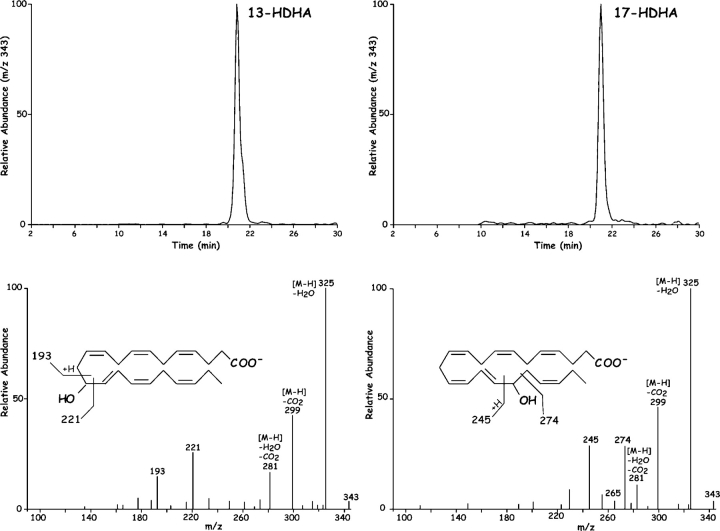
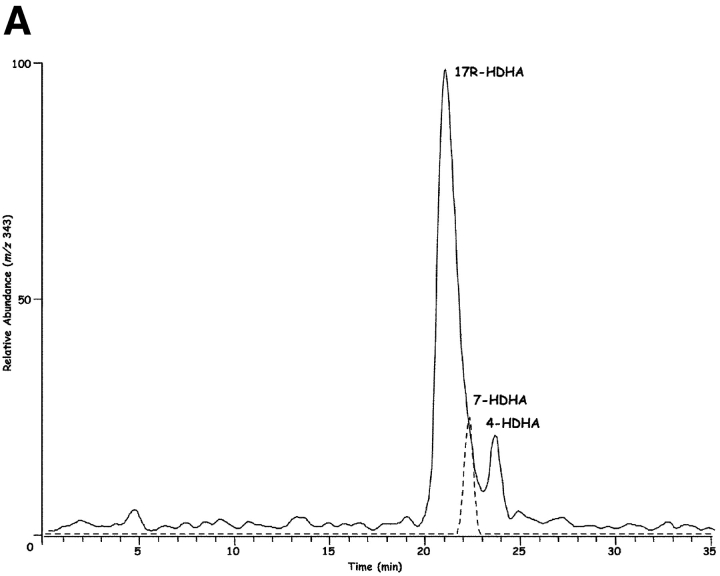
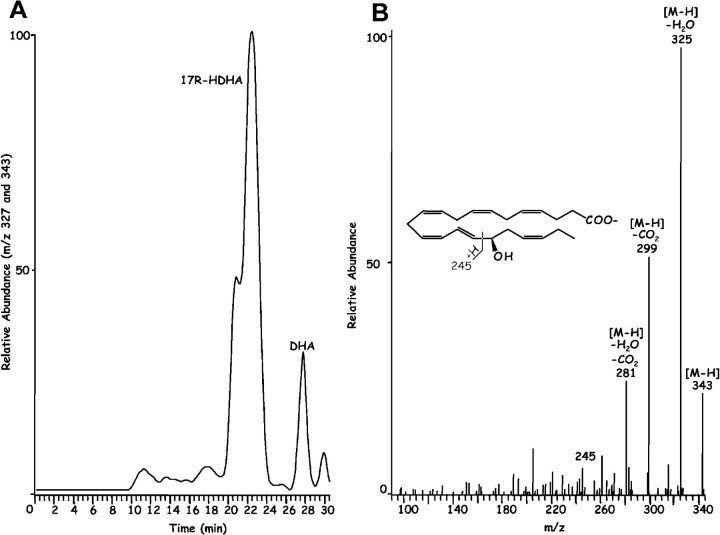
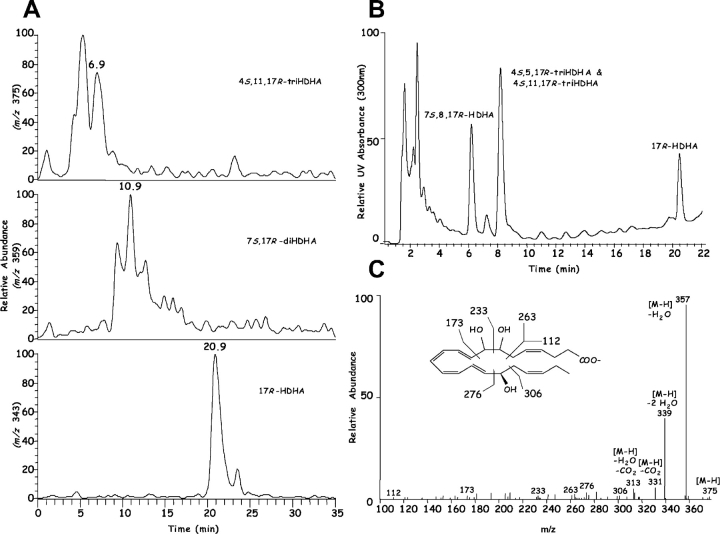
Aspirin (ASA) is unique among current therapies because it acetylates cyclooxygenase (COX)-2 enabling the biosynthesis of R-containing precursors of endogenous antiinflammatory mediators. Here, we report that lipidomic analysis of exudates obtained in the resolution phase from mice treated with ASA and docosahexaenoic acid (DHA) (C22:6) produce a novel family of bioactive 17R-hydroxy-containing di- and tri-hydroxy-docosanoids termed resolvins. Murine brain treated with aspirin produced endogenous 17R-hydroxydocosahexaenoic acid as did human microglial cells. Human COX-2 converted DHA to 13-hydroxy-DHA that switched with ASA to 17R-HDHA that also proved a major route in hypoxic endothelial cells. Human neutrophils transformed COX-2-ASA–derived 17R-hydroxy-DHA into two sets of novel di- and trihydroxy products; one initiated via oxygenation at carbon 7 and the other at carbon 4. These compounds inhibited (IC50 ∼50 pM) microglial cell cytokine expression and in vivo dermal inflammation and peritonitis at ng doses, reducing 40–80% leukocytic exudates. These results indicate that exudates, vascular, leukocytes and neural cells treated with aspirin convert DHA to novel 17R-hydroxy series of docosanoids that are potent regulators. These biosynthetic pathways utilize omega-3 DHA and EPA during multicellular events in resolution to produce a family of protective compounds, i.e., resolvins, that enhance proresolution status.
Overview
The claims and statistics of this paper haven’t been checked yet.
Free: it reads the open-access text and checks the first 5 claims that cite a source we can check. Create a free account to check every claim.
Integrity signals
Registry
Cites
Statistics
Figures



Verification
Claims the paper makes
The claims and statistics of this paper haven’t been checked yet.
Free: it reads the open-access text and checks the first 5 claims that cite a source we can check. Create a free account to check every claim.
Claims other papers make about this one
Each is checked against this paper’s own text: does it say what the citing paper says it does?
The source backs part of the claim, not all of it — or backs it for a different population, condition or comparison.
In the citing paper
“These lipid mediators can selectively stop neutrophil infiltration; increase monocyte recruitment and macrophage phagocytosis; stimulate the expression of genes important for antimicrobial defense; and promote the exit of phagocytes from the inflamed sites [100–103].”
From Transition from inflammation to proliferation: a critical step during wound healing (2016) · cites this paper as [100]
Experimental — accuracy not yet measuredThe source backs part of the claim, not all of it — or backs it for a different population, condition or comparison.
In the citing paper
“Prostaglandin E2 (PGE2) and D2 rapidly initiate the resolution process by inducing the expression of lipid mediators with both anti-inflammatory and pre-resolution functions, e.g., lipoxins [96, 97], resolvins and protectins [98–100], a process known as lipid-mediator class switch [97].”
From Transition from inflammation to proliferation: a critical step during wound healing (2016) · cites this paper as [100]
Experimental — accuracy not yet measuredThe source backs part of the claim, not all of it — or backs it for a different population, condition or comparison.
In the citing paper
“These lipid mediators can selectively stop neutrophil infiltration; increase monocyte recruitment and macrophage phagocytosis; stimulate the expression of genes important for antimicrobial defense; and promote the exit of phagocytes from the inflamed sites [100–103].”
From Transition from inflammation to proliferation: a critical step during wound healing (2016) · cites this paper as [100]
Experimental — accuracy not yet measuredThe source backs part of the claim, not all of it — or backs it for a different population, condition or comparison.
In the citing paper
“These lipid mediators can selectively stop neutrophil infiltration; increase monocyte recruitment and macrophage phagocytosis; stimulate the expression of genes important for antimicrobial defense; and promote the exit of phagocytes from the inflamed sites [100–103].”
From Transition from inflammation to proliferation: a critical step during wound healing (2016) · cites this paper as [100]
Experimental — accuracy not yet measuredThe cited source says what the claim attributes to it.
In the citing paper
“These lipid mediators can selectively stop neutrophil infiltration; increase monocyte recruitment and macrophage phagocytosis; stimulate the expression of genes important for antimicrobial defense; and promote the exit of phagocytes from the inflamed sites [100–103].”
From Transition from inflammation to proliferation: a critical step during wound healing (2016) · cites this paper as [100]
Self-check
Percentages, sums and reported differences re-computed from the paper’s own numbers.
The self-check needs the paper’s full text.
Citations
Cites
Inflammation. Basic principles and clinical correlates
(1989) · Biomedicine & Pharmacotherapy · doi:10.1016/0753-3322(89)90156-x · Cited by 2,393
Leukotrienes and Lipoxins: Structures, Biosynthesis, and Biological Effects
Samuelsson, B., Dahlén, S.-E., Lindgren, J. Å., Rouzer, C. A., & Serhan, C. N. (1987) · Science · doi:10.1126/science.2820055 · Cited by 2,233 · cited 7×
“Like other LO-derived eicosanoids, LXs are potent-local acting in subnanomolar levels with precise stereochemical requirements for evoking their actions (4, 9).”
BackgroundMethodInfluentialSelf-citation(1999) · PubMed · Cited by 2,062
Robbins pathologic basis of disease
Cotran, R. S., Kumar, V., & Collins, T. (1989) · Medical Entomology and Zoology · Cited by 1,944
Lipid mediator class switching during acute inflammation: signals in resolution
Levy, B. D., Clish, C. B., Schmidt, B., Gronert, K., & Serhan, C. N. (2001) · Nature Immunology · doi:10.1038/89759 · Cited by 1,453
Self-citationMarchioli, R., Barzi, F., Bomba, E., Chieffo, C., Di Gregorio, D., Di Mascio, R., Franzosi, M. G., Geraci, E., Levantesi, G., Maggioni, A. P., et al. (2002) · Circulation · doi:10.1161/01.cir.0000014682.14181.f2 · Cited by 1,311
Inducible cyclooxygenase may have anti-inflammatory properties
Gilroy, D. W., Colville-Nash, P. R., Willis, D., Chivers, J., Paul-Clark, M. J., & Willoughby, D. A. (1999) · Nature Medicine · doi:10.1038/9550 · Cited by 1,242
Serhan, C. N., Clish, C. B., Brannon, J., Colgan, S. P., Chiang, N., & Gronert, K. (2000) · The Journal of Experimental Medicine · doi:10.1084/jem.192.8.1197 · Cited by 1,189
Self-citationBlood Levels of Long-Chain n–3 Fatty Acids and the Risk of Sudden Death
Albert, C. M., Campos, H., Stampfer, M. J., Ridker, P. M., Manson, J. E., Willett, W. C., & Ma, J. (2002) · New England Journal of Medicine · doi:10.1056/nejmoa012918 · Cited by 1,146 · cited 3×
“It is noteworthy that both patient groups received aspirin in the GISSI trial while comparing tocopherol versus omega-3 supplementation (20) as did a significant number of participants in the most recent Physician Health study report (18).”
Background
Research works printed but not linked: 1
- De Caterina, R., S. Endres, S.D. Kristensen, and E.B. Schmidt, editors. 1993. N-3 Fatty Acids and Vascular Disease. Springer-Verlag, London. pp. 1–166.
Cited by
Items 201–300 of 1,004
Eickmeier, O., Seki, H., Haworth, O., Hilberath, J. N., Gao, F., Uddin, M., Croze, R. H., Carlo, T., Pfeffer, M. A., & Levy, B. D. (2013) · Mucosal Immunology · doi:10.1038/mi.2012.66 · Cited by 182
Novel ? ? 3-derived local mediators in anti-inflammation and resolution
NSERHAN, C. (2005) · Pharmacology & Therapeutics · doi:10.1016/j.pharmthera.2004.09.002 · Cited by 181
Whalley, L. J., Deary, I. J., Starr, J. M., Wahle, K. W., Rance, K. A., Bourne, V. J., & Fox, H. C. (2008) · The American Journal of Clinical Nutrition · doi:10.1093/ajcn/87.2.449 · Cited by 180
Fredman, G., & Serhan, C. N. (2024) · Nature Reviews Cardiology · doi:10.1038/s41569-023-00984-x · Cited by 186
Self-citationLordan, R., Tsoupras, A., & Zabetakis, I. (2021) · Blood Reviews · doi:10.1016/j.blre.2020.100694 · Cited by 179
Xue, B., Yang, Z., Wang, X., & Shi, H. (2012) · PLoS ONE · doi:10.1371/journal.pone.0045990 · Cited by 179
“More recently, Olefsky’s group has PLOS ONE | www.plosone.org 4 October 2012 | Volume 7 | Issue 10 | e45990 reported a novel G-protein coupled receptor GPR120 that mediates the potent anti-inflammatory actions and insulin sensitizing effects of v-3 PUFA.”
BackgroundResolvin D1 protects mice from LPS-induced acute lung injury
Wang, B., Gong, X., Wan, J.-Y., Zhang, L., Zhang, Z., Li, H.-Z., & Min, S. (2011) · Pulmonary Pharmacology & Therapeutics · doi:10.1016/j.pupt.2011.04.001 · Cited by 178
COX-2 in Inflammation and Resolution
Rajakariar, R. (2006) · Molecular Interventions · doi:10.1124/mi.6.4.6 · Cited by 178
Molecular Targets Related to Inflammation and Insulin Resistance and Potential Interventions
Hirabara, S. M., Gorjão, R., Vinolo, M. A., Rodrigues, A. C., Nachbar, R. T., & Curi, R. (2012) · Journal of Biomedicine and Biotechnology · doi:10.1155/2012/379024 · Cited by 178
“[145], resolvins are new mediators generated from n-3 fatty acids docosahexaenoic acid (DHA, C22:6n-3) and eicosapentaenoic (EPA, C20: 5n-3) identified first in resolving inflammatory exudates and in tissues enriched with DHA.”
BackgroundMechanisms of Resolution of Inflammation: A Focus on Cardiovascular Disease
Maskrey, B. H., Megson, I. L., Whitfield, P. D., & Rossi, A. G. (2011) · Arteriosclerosis, Thrombosis, and Vascular Biology · doi:10.1161/atvbaha.110.213850 · Cited by 177
New Insights Regarding the Autoxidation of Polyunsaturated Fatty Acids
Yin, H., & Porter, N. A. (2005) · Antioxidants & Redox Signaling · doi:10.1089/ars.2005.7.170 · Cited by 177
Vagus nerve controls resolution and pro-resolving mediators of inflammation
Mirakaj, V., Dalli, J., Granja, T., Rosenberger, P., & Serhan, C. N. (2014) · Journal of Experimental Medicine · doi:10.1084/jem.20132103 · Cited by 176
“…as well as promoting local clearance via M phagocytosis of cellular debris, apoptotic cells, and/or invading organisms (Serhan and Savill, 2005) or chestrated by novel local chemical mediators, i.e., resolvins, that possess this defining action (Serhan et al., 2002; Serhan and Petasis, 2011).”
BackgroundSelf-citationBang, S., Yoo, S., Yang, T., Cho, H., Kim, Y., & Hwang, S. (2010) · British Journal of Pharmacology · doi:10.1111/j.1476-5381.2010.00909.x · Cited by 176
“Serhan’s group were the first to report that the D-series of resolvins were generated by the 15- and 5-lipoxygenases from docosahexanoic acid and released from tissues (Serhan et al., 2002; Hong et al., 2003).”
BackgroundInfluentialCai, B., Kasikara, C., Doran, A. C., Ramakrishnan, R., Birge, R. B., & Tabas, I. (2018) · Science Signaling · doi:10.1126/scisignal.aar3721 · Cited by 175
Serhan, C. N. (2004) · Histochemistry and Cell Biology · doi:10.1007/s00418-004-0695-8 · Cited by 175
“…2000) or autooxidized to products that are monohydroxy racemates (VanRollins et al. 1984) of the compounds that are now known to be enzymatically produced during biosynthesis of the resolvins and docosatrienes (Serhan et al. 2002; Hong et al. 2003; Marcheselli et al. 2003; Mukherjee et al. 2004).”
BackgroundMethodInfluentialSelf-citationBoosting Inflammation Resolution in Atherosclerosis
Fredman, G., & Tabas, I. (2017) · The American Journal of Pathology · doi:10.1016/j.ajpath.2017.01.018 · Cited by 174
Resolvin E1 dampens airway inflammation and hyperresponsiveness in a murine model of asthma
Aoki, H., Hisada, T., Ishizuka, T., Utsugi, M., Kawata, T., Shimizu, Y., Okajima, F., Dobashi, K., & Mori, M. (2008) · Biochemical and Biophysical Research Communications · doi:10.1016/j.bbrc.2008.01.012 · Cited by 173
Pain-resolving immune mechanisms in neuropathic pain
Fiore, N. T., Debs, S. R., Hayes, J. P., Duffy, S. S., & Moalem-Taylor, G. (2023) · Nature Reviews Neurology · doi:10.1038/s41582-023-00777-3 · Cited by 172
Lipid Mediators in Inflammation
Bennett, M., & Gilroy, D. W. (2016) · Microbiology Spectrum · doi:10.1128/microbiolspec.mchd-0035-2016 · Cited by 172
“Moreover, PD1 exhibits tissue-specific bioactivity as in humans this lipid is synthesised by peripheral blood mononuclear cells and Th2 CD4+ T-cells, while in mice it has been isolated from exudates and brain cells, human microglial cells (111) and in peripheral blood (108).”
BackgroundInfluentialZhang, M. J., & Spite, M. (2012) · Annual Review of Nutrition · doi:10.1146/annurev-nutr-071811-150726 · Cited by 171
Arnardottir, H. H., Dalli, J., Colas, R. A., Shinohara, M., & Serhan, C. N. (2014) · The Journal of Immunology · doi:10.4049/jimmunol.1401313 · Cited by 170
“A genus of newly identified LMs, coined specialized proresolving mediators (SPMs), was uncovered using a selfresolving exudates and systems approach (4).”
MethodSelf-citationMolecular Basis of the Anti-Inflammatory Effects of Terpenoids
Heras, B., & Hortelano, S. (2009) · Inflammation & Allergy-Drug Targets · doi:10.2174/187152809787582534 · Cited by 170
“Hypoestoxide (a bicyclo [9,3,1] pentadecane) is a diterpene from Hypoestes rosea, a tropical shrub in the family Acanthacea, several members of which are used in folk medicine in Nigeria.”
BackgroundFarzaneh-Far, R., Harris, W. S., Garg, S., Na, B., & Whooley, M. A. (2009) · Atherosclerosis · doi:10.1016/j.atherosclerosis.2008.12.013 · Cited by 170
Lipidomics of oxidized polyunsaturated fatty acids
Massey, K. A., & Nicolaou, A. (2012) · Free Radical Biology and Medicine · doi:10.1016/j.freeradbiomed.2012.08.565 · Cited by 186
“These products are important metabolic precursors of 15-epi-LXA4 and RvE1, respectively, which, in turn, are generated through sequential LOX reactions via transcellular metabolism [16,17].”
BackgroundThe Role of Neutrophils and Monocytes in Innate Immunity
Kantari, C., Pederzoli-Ribeil, M., & Witko-Sarsat, V. (2008) · Contributions to Microbiology · doi:10.1159/000136335 · Cited by 169
Hyde, C. A. C., & Missailidis, S. (2009) · International Immunopharmacology · doi:10.1016/j.intimp.2009.02.003 · Cited by 168
Resolvin E1 protects the rat heart against reperfusion injury
Keyes, K. T., Ye, Y., Lin, Y., Zhang, C., Perez-Polo, J. R., Gjorstrup, P., & Birnbaum, Y. (2010) · American Journal of Physiology-Heart and Circulatory Physiology · doi:10.1152/ajpheart.01057.2009 · Cited by 168
Long-chain polyunsaturated fatty acids: Selected mechanisms of action on bone
Kruger, M. C., Coetzee, M., Haag, M., & Weiler, H. (2010) · Progress in Lipid Research · doi:10.1016/j.plipres.2010.06.002 · Cited by 167
SERHAN, C. N. (2009) · Journal of Thrombosis and Haemostasis · doi:10.1111/j.1538-7836.2009.03396.x · Cited by 166
Self-citationResolvin D1 and E1 promote resolution of inflammation in microglial cells in vitro
Rey, C., Nadjar, A., Buaud, B., Vaysse, C., Aubert, A., Pallet, V., Layé, S., & Joffre, C. (2015) · Brain Behavior and Immunity · doi:10.1016/j.bbi.2015.12.013 · Cited by 176
“Resolvins are endogenous lipidmediators derived from n-3 polyunsaturated fatty acids (PUFAs) with both anti-inflammatory and pro-resolutive activities without immune-suppression (Serhan et al., 2002, 2008; Serhan, 2014).”
BackgroundRole of obesity-associated dysfunctional adipose tissue in cancer: A molecular nutrition approach
Prieto-Hontoria, P. L., Pérez-Matute, P., Fernández-Galilea, M., Bustos, M., Martínez, J. A., & Moreno-Aliaga, M. J. (2011) · Biochimica et Biophysica Acta (BBA) - Bioenergetics · doi:10.1016/j.bbabio.2010.11.004 · Cited by 165
“Moreover, it was recently described that n-3 PUFAs serve as substrates for the conversion to a novel series of lipid mediators designated resolvins and protectins, withmore potent anti-inflammatory properties than their n-3 precursors [189].”
BackgroundEffect of Dietary Fatty Acids on Inflammatory Gene Expression in Healthy Humans
Weaver, K. L., Ivester, P., Seeds, M., Case, L. D., Arm, J. P., & Chilton, F. H. (2009) · Journal of Biological Chemistry · doi:10.1074/jbc.m109.004861 · Cited by 164
Novel Proresolving Aspirin-Triggered DHA Pathway
Serhan, C. N., Fredman, G., Yang, R., Karamnov, S., Belayev, L. S., Bazan, N. G., Zhu, M., Winkler, J. W., & Petasis, N. A. (2011) · Chemistry & Biology · doi:10.1016/j.chembiol.2011.06.008 · Cited by 164
“…reserved Neuroprotectin D1/protectin D1, aspirin-triggered neuroprotectin D1/protectin D1, and related isomers are shown. is produced in murine ischemic stroke and is a potent regulator of PMN infiltration, reducing stroke-mediated tissue damage (Marcheselli et al., 2003; Serhan et al., 2002).”
InfluentialSelf-citationThe Role of Fish Oils in the Treatment of Rheumatoid Arthritis
Cleland, L. G., James, M. J., & Proudman, S. M. (2003) · Drugs · doi:10.2165/00003495-200363090-00001 · Cited by 164
Inflammation Resolution: Implications for Atherosclerosis
Doran, A. C. (2022) · Circulation Research · doi:10.1161/circresaha.121.319822 · Cited by 163
Markworth, J. F., Vella, L., Lingard, B. S., Tull, D. L., Rupasinghe, T. W., Sinclair, A. J., Maddipati, K. R., & Cameron-Smith, D. (2013) · American Journal of Physiology-Regulatory, Integrative and Comparative Physiology · doi:10.1152/ajpregu.00128.2013 · Cited by 163
“81 and 86), including the AA-derived lipoxins (LXs) (54, 93, 94), and the eicosapentaenoic (EPA) (E-series)/docosahexaenoic acid (DHA) (D-series)-derived resolvins (Rv) (83, 85) and protectins (P) (42, 84).”
Unesterified docosahexaenoic acid is protective in neuroinflammation
Orr, S. K., Palumbo, S., Bosetti, F., Mount, H. T., Kang, J. X., Greenwood, C. E., Ma, D. W. L., Serhan, C. N., & Bazinet, R. P. (2013) · Journal of Neurochemistry · doi:10.1111/jnc.12392 · Cited by 163
Self-citationOmega-3 fatty acids in anti-inflammation (pro-resolution) and GPCRs
Im, D.-S. (2012) · Progress in Lipid Research · doi:10.1016/j.plipres.2012.02.003 · Cited by 162
“The anti-inflammatory effects of resolvins and protectins have been demonstrated in several animal models of sepsis, peritonitis, colitis, and periodontitis [38,40,43– 47], and their productions have been reported to be mediated sequentially by aspirin-acetylated COX-2 and 5-lipoxygenase in the presence of omega-3 fat…”
BackgroundThe essentiality of arachidonic acid and docosahexaenoic acid
Le, H. D., Meisel, J. A., de Meijer, V. E., Gura, K. M., & Puder, M. (2009) · Prostaglandins, Leukotrienes and Essential Fatty Acids · doi:10.1016/j.plefa.2009.05.020 · Cited by 162
Microglia and Monocyte-Derived Macrophages in Stroke
Kim, E., & Cho, S. (2016) · Neurotherapeutics · doi:10.1007/s13311-016-0463-1 · Cited by 173
Novel Resolvin D2 Receptor Axis in Infectious Inflammation
Chiang, N., de la Rosa, X., Libreros, S., & Serhan, C. N. (2017) · The Journal of Immunology · doi:10.4049/jimmunol.1601650 · Cited by 161
Self-citationNutrition and human health from a sex–gender perspective
Marino, M., Masella, R., Bulzomi, P., Campesi, I., Malorni, W., & Franconi, F. (2011) · Molecular Aspects of Medicine · doi:10.1016/j.mam.2011.02.001 · Cited by 175
“The eicosanoids derived from EPA are less inflammatory or even anti-inflammatory compared to eicosanoids derived from arachidonic acid; DHA can be metabolized to resolvins via LOX-initiated mechanisms (Hong et al., 2003; Radmark and Samuelsson, 2010; Serhan et al., 2000; Serhan et al., 2002).”
BackgroundAspirin-triggered proresolving mediators stimulate resolution in cancer
Gilligan, M. M., Gartung, A., Sulciner, M. L., Norris, P. C., Sukhatme, V. P., Bielenberg, D. R., Huang, S., Kieran, M. W., Serhan, C. N., & Panigrahy, D. (2019) · Proceedings of the National Academy of Sciences · doi:10.1073/pnas.1804000116 · Cited by 152
Self-citationHost persistence: exploitation of anti-inflammatory pathways by Toxoplasma GONDII
Aliberti, J. (2005) · Nature reviews. Immunology · doi:10.1038/nri1547 · Cited by 182
“fcgi?db=gene&cmd=Retrieve&dopt=Graphics&list_uids=4513">COX2 ) activitie”
Rapid β-oxidation of eicosapentaenoic acid in mouse brain: An in situ study
Chen, C. T., Liu, Z., Ouellet, M., Calon, F., & Bazinet, R. P. (2009) · Prostaglandins, Leukotrienes and Essential Fatty Acids · doi:10.1016/j.plefa.2009.01.005 · Cited by 160
Recchiuti, A., & Serhan, C. N. (2012) · Frontiers in Immunology · doi:10.3389/fimmu.2012.00298 · Cited by 149
“Human neutrophils transformed 17R-hydroxy-DHA into two series of di-and trihydroxy products; one initiated via oxygenation at carbon 7 and the other at carbon 4 ( Serhan et al., 2002).”
BackgroundMethodInfluentialSelf-citationImpact of dietary fats on brain functions
Chianese, R., Coccurello, R., Viggiano, A., Scafuro, M., Fiore, M., Coppola, G., Operto, F. F., Fasano, S., Laye, S., Pierantoni, R., et al. (2018) · Current Neuropharmacology · doi:10.2174/1570159x15666171017102547 · Cited by 159
“Among n-3 PUFAs, SPMs exert potent anti-inflammatory and protective actions via multiple mechanisms as the blockage of neutrophil and eosinophil infiltration, the activation of macrophage phagocytosis, scavenging of inflammatory chemokines and the stimulation of antimicrobial defense mechanism [83, 84].”
BackgroundMercola, J., & D’Adamo, C. R. (2023) · Nutrients · doi:10.3390/nu15143129 · Cited by 159
“DHA in bodily tissues is a precursor for the synthesis of compounds called resolvins, which help reduce inflammation by heightening the macrophage phagocytosis of debris and counteracting proinflammatory molecules [51].”
Backgroundn−3 Fatty acids, inflammation, and immunity— Relevance to postsurgical and critically III patients
Calder, P. C. (2004) · Lipids · doi:10.1007/s11745-004-1342-z · Cited by 159
With Friends Like These: The Complex Role of Neutrophils in the Progression of Severe Pneumonia
Pechous, R. D. (2017) · Frontiers in Cellular and Infection Microbiology · doi:10.3389/fcimb.2017.00160 · Cited by 170
“Much of this is mediated through the temporal regulation of specialized pro-resolving mediators such as resolvins that are synthesized from essential fatty acids and facilitate the onset of a resolution phase (Serhan et al., 2002; Chiang et al., 2012).”
BackgroundN-3 Polyunsaturated Fatty Acids and the Resolution of Neuroinflammation
Joffre, C., Rey, C., & Layé, S. (2019) · Frontiers in Pharmacology · doi:10.3389/fphar.2019.01022 · Cited by 147
Fredman, G., & Serhan, C. N. (2011) · Biochemical Journal · doi:10.1042/bj20110327 · Cited by 158
Self-citationPlasma Metabolomics in Human Pulmonary Tuberculosis Disease: A Pilot Study
Frediani, J. K., Jones, D. P., Tukvadze, N., Uppal, K., Sanikidze, E., Kipiani, M., Tran, V., Hebbar, G., Walker, D. I., Kempker, R. R., et al. (2014) · PLoS ONE · doi:10.1371/journal.pone.0108854 · Cited by 163
“Apoptotic PMN themselves produce SPM and their uptake by macrophages (efferocytosis) during bacterial infection also stimulates macrophage synthesis of D-series resolvins, which, in turn, induce local anti-inflammatory effects and enhance microbial clearance [31,34,60,61,63].”
BackgroundSelf-citationCytosolic Phospholipase A2α–deficient Mice Are Resistant to Collagen-induced Arthritis
Hegen, M., Sun, L., Uozumi, N., Kume, K., Goad, M. E., Nickerson-Nutter, C. L., Shimizu, T., & Clark, J. D. (2003) · The Journal of Experimental Medicine · doi:10.1084/jem.20030016 · Cited by 152
Aspirin‐triggered resolvin D1 prevents surgery‐induced cognitive decline
Terrando, N., Gómez‐Galán, M., Yang, T., Carlström, M., Gustavsson, D., Harding, R. E., Lindskog, M., & Eriksson, L. I. (2013) · The FASEB Journal · doi:10.1096/fj.13-230276 · Cited by 148
Hammock, B. D., Wang, W., Gilligan, M. M., & Panigrahy, D. (2020) · American Journal Of Pathology · doi:10.1016/j.ajpath.2020.06.010 · Cited by 160
Kumar, N., Gupta, G., Anilkumar, K., Fatima, N., Karnati, R., Reddy, G. V., Giri, P. V., & Reddanna, P. (2016) · Scientific Reports · doi:10.1038/srep31649 · Cited by 161
Lactonase and lactonizing activities of human serum paraoxonase (PON1) and rabbit serum PON3
Teiber, J. F., Draganov, D. I., & Du, B. N. L. (2003) · Biochemical Pharmacology · doi:10.1016/s0006-2952(03)00401-5 · Cited by 153
de Roos, B., Mavrommatis, Y., & Brouwer, I. A. (2009) · British Journal of Pharmacology · doi:10.1111/j.1476-5381.2009.00189.x · Cited by 151
Farina, E. K., Kiel, D. P., Roubenoff, R., Schaefer, E. J., Cupples, L. A., & Tucker, K. L. (2011) · American Journal of Clinical Nutrition · doi:10.3945/ajcn.110.005926 · Cited by 156
“Long-chain PUFAs also serve as precursors in the production of pro-resolving lipid mediators, including lipoxins synthesized from arachidonic acid (AA), and E-series and D-series resolvins synthesized from eicosapentaenoic acid (EPA) and docosahexaenoic acid (DHA), respectively (13, 14).”
BackgroundLipoxins: endogenous regulators of inflammation
McMahon, B., & Godson, C. (2004) · American Journal of Physiology-Renal Physiology · doi:10.1152/ajprenal.00224.2003 · Cited by 148
“Aspirin therapy can lead to the generation of the 17(R)resolvins from DHA (57, 108).”
BackgroundCOX-2's new role in inflammation
Chen, C. (2010) · Nature Chemical Biology · doi:10.1038/nchembio.375 · Cited by 150
Neutrophil Development, Migration, and Function in Teleost Fish
Havixbeck, J. J., & Barreda, D. R. (2015) · Biology · doi:10.3390/biology4040715 · Cited by 163
Vijay, R., Hua, X., Meyerholz, D. K., Miki, Y., Yamamoto, K., Gelb, M., Murakami, M., & Perlman, S. (2015) · Journal of Experimental Medicine · doi:10.1084/jem.20150632 · Cited by 138
“4 B), and both EPA and DHA production were higher in uninfected and infected Pla2g2d+/+ mice compared with their Pla2g2d/ counterparts (Figs.”
BackgroundInfluentialChilton, F. H., Murphy, R. C., Wilson, B. A., Sergeant, S., Ainsworth, H. C., Seeds, M. C., & Mathias, R. A. (2014) · Nutrients · doi:10.3390/nu6051993 · Cited by 163
“Additionally, Serhan and colleagues have demonstrated that increasing cellular uptake of n-3 fatty acids causes an enhancement in the production of DHA (and EPA)-derived resolvins and protectins [86–88], which are proposed to”
BackgroundLi, R., Wang, Y., Zhao, E., Wu, K., Li, W., Shi, L., Wang, D., Xie, G., Yin, Y., Deng, M., et al. (2016) · Oxidative Medicine and Cellular Longevity · doi:10.1155/2016/9203716 · Cited by 147
“The proresolving mediators derived from polyunsaturated fatty acid are playing an important role in controlling inflammation and oxidative stress, including lipoxins, resolvins, and protectins [10, 11].”
BackgroundResolvin D3 Is Dysregulated in Arthritis and Reduces Arthritic Inflammation
Arnardottir, H. H., Dalli, J., Norling, L. V., Colas, R. A., Perretti, M., & Serhan, C. N. (2016) · The Journal of Immunology · doi:10.4049/jimmunol.1502268 · Cited by 139
“vins (Rvs), protectins (PDs), and maresins (MaRs) (1, 5).”
BackgroundSelf-citationBang, S., Yoo, S., Yang, T., Cho, H., & Hwang, S. (2012) · British Journal of Pharmacology · doi:10.1111/j.1476-5381.2011.01568.x · Cited by 148
“A member of docosahexaenoic acidderived series of resolvins, 17(R)-resolvin D1 (17R-RvD1) was discovered in mammalian tissues (Serhan et al., 2002).”
BackgroundBronchial epithelium as a target for innovative treatments in asthma
Gras, D., Chanez, P., Vachier, I., Petit, A., & BOURDIN, A. A. (2013) · Pharmacology & Therapeutics · doi:10.1016/j.pharmthera.2013.07.008 · Cited by 153
Anti-angiogenesis Effect of the Novel Anti-inflammatory and Pro-resolving Lipid Mediators
Jin, Y., Arita, M., Zhang, Q., Saban, D. R., Chauhan, S. K., Chiang, N., Serhan, C. N., & Dana, R. (2009) · Investigative Opthalmology & Visual Science · doi:10.1167/iovs.08-2462 · Cited by 144
Self-citationMiki, Y., Yamamoto, K., Taketomi, Y., Sato, H., Shimo, K., Kobayashi, T., Ishikawa, Y., Ishii, T., Nakanishi, H., Ikeda, K., et al. (2013) · Journal of Experimental Medicine · doi:10.1084/jem.20121887 · Cited by 138
“…mediators derived from -3 eicosapentaenoic acid (EPA; C20:5) and docosahexaenoic acid (DHA; C22:6), such as resolvins and protectins, have been shown to possess potent pro-resolving activities and thereby participate in the resolution of inflammation (Serhan et al., 2002; Mukherjee et al., 2004).”
Targeted lipidomic strategies for oxygenated metabolites of polyunsaturated fatty acids
Astarita, G., Kendall, A. C., Dennis, E. A., & Nicolaou, A. (2014) · Biochimica et Biophysica Acta (BBA) - Molecular and Cell Biology of Lipids · doi:10.1016/j.bbalip.2014.11.012 · Cited by 156
Dysregulated synthesis of protectin D1 in eosinophils from patients with severe asthma
Miyata, J., Fukunaga, K., Iwamoto, R., Isobe, Y., Niimi, K., Takamiya, R., Takihara, T., Tomomatsu, K., Suzuki, Y., Oguma, T., et al. (2013) · Journal of Allergy and Clinical Immunology · doi:10.1016/j.jaci.2012.07.048 · Cited by 136
Watanabe, Y., & Tatsuno, I. (2019) · Journal of Atherosclerosis and Thrombosis · doi:10.5551/jat.50658 · Cited by 160
Omega-3 Polyunsaturated Fatty Acids: The Way Forward in Times of Mixed Evidence
Weylandt, K. H., Serini, S., Chen, Y. Q., Su, H.-M., Lim, K., Cittadini, A., & Calviello, G. (2015) · BioMed Research International · doi:10.1155/2015/143109 · Cited by 127
“Experimental data from recent years are currently reshaping omega-3 PUFA research: since the initial description of resolvins [139] and the characterization of resolvin E1 [140], a wealth of data on this new class of omega-3 PUFA-derived lipid mediators has been published (reviewed in [80]).”
BackgroundPoorani, R., Bhatt, A. N., Dwarakanath, B. S. R., & Das, U. N. (2015) · European Journal of Pharmacology · doi:10.1016/j.ejphar.2015.08.049 · Cited by 149
Masoodi, M., Mir, A. A., Petasis, N. A., Serhan, C. N., & Nicolaou, A. (2008) · Rapid Communications in Mass Spectrometry · doi:10.1002/rcm.3331 · Cited by 139
Self-citationRitchie, S. A., Ahiahonu, P. W. K., Jayasinghe, D., Heath, D., Liu, J., Lu, Y., Jin, W., Kavianpour, A., Yamazaki, Y., Khan, A. M., et al. (2010) · BMC Medicine · doi:10.1186/1741-7015-8-13 · Cited by 142
NSAIDs and Cancer Resolution: New Paradigms beyond Cyclooxygenase
Kolawole, O. R., & Kashfi, K. (2022) · International Journal of Molecular Sciences · doi:10.3390/ijms23031432 · Cited by 148
“to form aspirin-triggered protectin D1 (AT-PD1/AT-NPD1) [317,321].”
BackgroundBazan, N. G., Calandria, J. M., & Serhan, C. N. (2010) · Journal of Lipid Research · doi:10.1194/jlr.r001131 · Cited by 140
Self-citationNeuroprotectin/protectin D1 protects against neuropathic pain in mice after nerve trauma
Xu, Z., Liu, X., Berta, T., Park, C., Lü, N., Serhan, C. N., & Ji, R. (2013) · Annals of Neurology · doi:10.1002/ana.23928 · Cited by 141
Self-citationMizwicki, M. T., Liu, G., Fiala, M., Magpantay, L., Sayre, J., Siani, A., Mahanian, M., Weitzman, R., Hayden, E. Y., Rosenthal, M. J., et al. (2013) · Journal of Alzheimer's Disease · doi:10.3233/jad-121735 · Cited by 135
“We have studied several nutraceutical approaches to improve Aβ phagocytosis: the curcuminoid bisdemethoxycurcumin [11], the hormonal form of vitamin D3, 1α,25-dihydroxyvitamin D3 (1,25D3) [14], and resolvins and neuroprotectins derived from the omega-3 fatty acid docosahexaenoic acid (DHA) [15, 16].”
Rajasagi, N. K., Reddy, P. B. J., Suryawanshi, A., Mulik, S., Gjorstrup, P., & Rouse, B. T. (2011) · The Journal of Immunology · doi:10.4049/jimmunol.1003456 · Cited by 139
Park, J., Langmead, C. J., & Riddy, D. (2020) · ACS Pharmacology & Translational Science · doi:10.1021/acsptsci.9b00075 · Cited by 143
Fish Oil for the Treatment of Cardiovascular Disease
Weitz, D., Weintraub, H., Fisher, E., & Schwartzbard, A. Z. (2010) · Cardiology in Review · doi:10.1097/crd.0b013e3181ea0de0 · Cited by 138
Dalli, J., & Serhan, C. N. (2019) · British Journal of Pharmacology · doi:10.1111/bph.14336 · Cited by 138
Self-citationDietary ω-3 Fatty Acid and Fish Intake and Incident Age-Related Macular Degeneration in Women
Christen, W. G. (2011) · Archives of Ophthalmology · doi:10.1001/archophthalmol.2011.34 · Cited by 138
Miyahara, T., Runge, S., Chatterjee, A., Chen, M., Mottola, G., Fitzgerald, J. M., Serhan, C. N., & Conte, M. S. (2013) · The FASEB Journal · doi:10.1096/fj.12-225615 · Cited by 134
Self-citationFPR2/ALXR Agonists and the Resolution of Inflammation
Corminboeuf, O., & Leroy, X. (2014) · Journal of Medicinal Chemistry · doi:10.1021/jm501051x · Cited by 139
Diet and Rheumatoid Arthritis: A Review of the Literature
Stamp, L. K., James, M. J., & Cleland, L. G. (2005) · Seminars in Arthritis and Rheumatism · doi:10.1016/j.semarthrit.2005.05.001 · Cited by 152
Arita, M., Clish, C. B., & Serhan, C. N. (2005) · Biochemical and Biophysical Research Communications · doi:10.1016/j.bbrc.2005.07.181 · Cited by 153
Self-citationResolving an inflammatory concept: The importance of inflammation and resolution in tendinopathy
Dakin, S. G., Dudhia, J., & Smith, R. K. W. (2014) · Veterinary Immunology and Immunopathology · doi:10.1016/j.vetimm.2014.01.007 · Cited by 133
Dartt, D. A., Hodges, R. R., Li, D., Shatos, M. A., Lashkari, K., & Serhan, C. N. (2011) · The Journal of Immunology · doi:10.4049/jimmunol.1000833 · Cited by 133
Self-citationPreoperative stimulation of resolution and inflammation blockade eradicates micrometastases
Panigrahy, D., Gartung, A., Yang, J., Yang, H., Gilligan, M. M., Sulciner, M. L., Bhasin, S. S., Bielenberg, D. R., Chang, J., Schmidt, B. A., et al. (2019) · Journal of Clinical Investigation · doi:10.1172/jci127282 · Cited by 132
Self-citationSpecialised pro-resolving mediators of inflammation in inflammatory arthritis
Barden, A. E., Moghaddami, M., Mas, E., Phillips, M. R., Cleland, L. G., & Mori, T. A. (2016) · Prostaglandins Leukotrienes and Essential Fatty Acids · doi:10.1016/j.plefa.2016.03.004 · Cited by 136
Modulation of Neutrophil Apoptosis and the Resolution of Inflammation through β2 Integrins
El Kebir, D., & Filep, J. G. (2013) · Frontiers in Immunology · doi:10.3389/fimmu.2013.00060 · Cited by 121
“Thus, RvE1 inhibits neutrophil recruitment, facilitates efferocytosis (Serhan et al., 2002, 2008; Ohira et al., 2010; Oh et al., 2011; Serhan and Petasis, 2011), promotes mucosal surface clearance (Campbell et al., 2007), and induces generation of LXA4 (Haworth et al., 2008).”
BackgroundGreen, J. T., Orr, S. K., & Bazinet, R. P. (2008) · Journal of Lipid Research · doi:10.1194/jlr.r700017-jlr200 · Cited by 124
“ated derivatives via cyclooxygenase-2 (33) or a putative 15lipoxygenase (34), whereas the remainder is activated by”
BackgroundFormation of F-ring Isoprostane-like Compounds (F3-Isoprostanes) in Vivo from Eicosapentaenoic Acid
Gao, L., Yin, H., Milne, G. L., Porter, N. A., & Morrow, J. D. (2006) · Journal of Biological Chemistry · doi:10.1074/jbc.m601035200 · Cited by 133
Role of docosahexaenoic acid in the modulation of glial cells in Alzheimer’s disease
Heras-Sandoval, D., Pedraza‐Chaverrí, J., & Pérez‐Rojas, J. M. (2016) · Journal of Neuroinflammation · doi:10.1186/s12974-016-0525-7 · Cited by 135
“Subsequently, lipoxygenases (LOX) [36, 37, 39, 40] and/or cyclooxygenase 2 (COX2, induced by stress stimuli) [35, 41] produce di- and trihydroxylated DHA derivatives, called resolvins or protectins (docosanoids) [36, 37, 39–41].”
BackgroundSex Differences in Destructive Periodontal Disease: Exploring the Biologic Basis
Shiau, H. J., & Reynolds, M. A. (2010) · Journal of Periodontology · doi:10.1902/jop.2010.100045 · Cited by 151
Metadata
- Authors
- Serhan, C. N., Hong, S., Gronert, K., Colgan, S. P., Devchand, P. R., Mirick, G., & Moussignac, R.-L.
- Affiliations
- Brigham and Women's Hospital (US)
- Venue
- The Journal of Experimental Medicine
- Publisher
- Rockefeller University Press
- Published
- 2002-10-21
- Volume
- 196
- Issue
- 8
- Pages
- 1025-1037
- ISSN
- 0022-1007 (ISSN-L)
- 1540-9538
- PMC
- PMC2194036
- OpenAlex
- W2162465757
- Cited by
- 1,650
- References
- 62
- Citations by year
- 2026: 40 · 2025: 45 · 2024: 65 · 2023: 61 · 2022: 68 · 2021: 75 · 2020: 101 · 2019: 78 · 2018: 81 · 2017: 81 · 2016: 84 · 2015: 94 · 2014: 100 · 2013: 112 · 2012: 92
- FWCI
- 30.40
- Type
- journal article
- Language
- en
- Open access
- bronze
- doi.org
- Locations
- The Journal of Experimental Medicine (publishedVersion)
- PubMed Central (publishedVersion, cc-by-nc-sa)
- PubMed (publishedVersion)
- Funders
- National Institutes of Health (4r37gm038765-19, DE13499, GM 38765, P01-DE13499)
- National Institute of General Medical Sciences (GM 38765, R01GM038765, R37-GM038765)
- National Institute of Diabetes and Digestive and Kidney Diseases (K01DK060583)
- National Institute of Dental and Craniofacial Research (P01 DE 13499, P01DE013499)
- Topics
- Health Sciences › Nursing › Nutrition and Dietetics › Fatty Acid Research and Health
- Health Sciences › Medicine › Pharmacology (medical) › Inflammatory mediators and NSAID effects
- Life Sciences › Biochemistry, Genetics and Molecular Biology › Biochemistry › Eicosanoids and Hypertension Pharmacology
- Keywords
- resolvins, aspirin, cyclooxygenase-2, docosahexaenoic acid, omega-3 fatty acids, inflammation resolution, microglia, neutrophils, eicosanoid biosynthesis, anti-inflammatory mediators, peritonitis, skin inflammation, leukocyte recruitment
- MeSH terms
- Animals, Aspirin, Biological Factors, Humans, Inflammation, Tumor Cells, Cultured, Signal Transduction, Fatty Acids, Omega-3, Mice
About these checks
Registry, retraction, Cites and statistics results are computed, not judged, with one exception: a printed reference that no index lists is read once by a model before it counts as a citation error. Claims are extracted by a model and kept only when their quote appears verbatim in the text; each cited source is then checked, with a model’s help, for whether it says what the claim relies on. Those verdicts can be wrong — read the claim’s quote and the cited source before relying on one.
Statistics and arithmetic are recomputed, not judged.
Confidence bands are shown only for fields calibrated on our annotated test set. None is calibrated yet, so no band is shown.
What counts as a claim ›How we measure confidence ›How we check this ›
Are you an author, or do you see a problem with this page? Request a review
Data sources
Bibliographic data: Semantic Scholar, OpenAlex, Crossref.
Contains information from the Semantic Scholar Academic Graph Datasets, made available under the ODC Attribution License (ODC-BY 1.0).
Semantic Scholar’s data is described in: Kinney, R., et al. (2023). The Semantic Scholar Open Data Platform. arXiv:2301.10140.
