

IL-23 drives a pathogenic T cell population that induces autoimmune inflammation
Open accessThe DOI matches its Crossref record; 39 of the 39 references it cites were found in a registry or an index.
Abstract
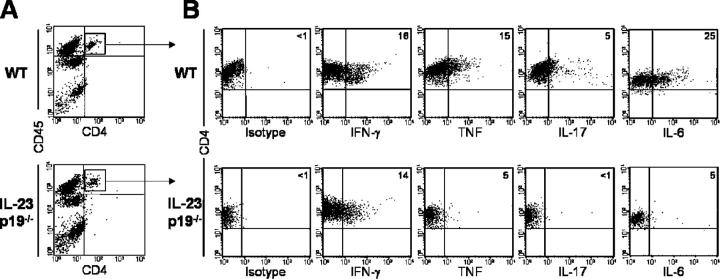
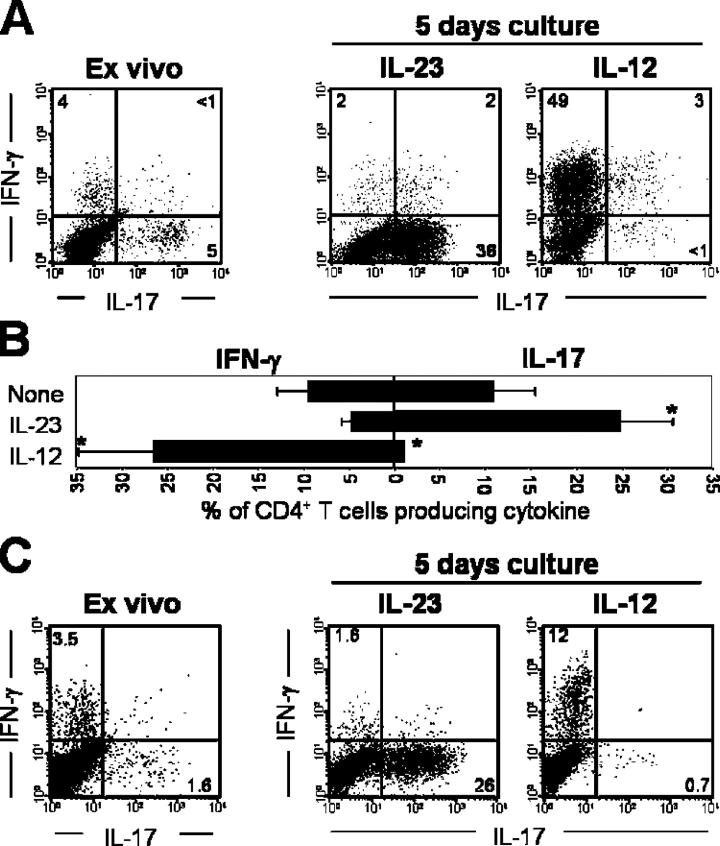
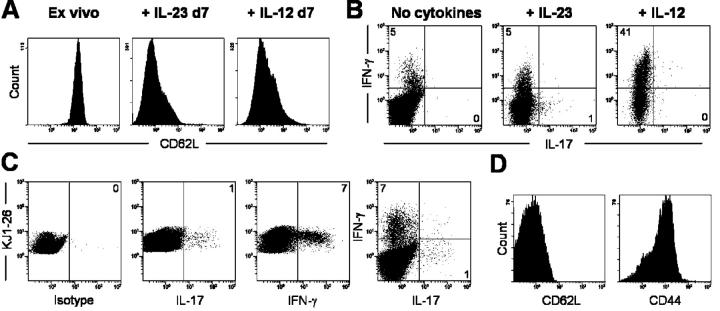
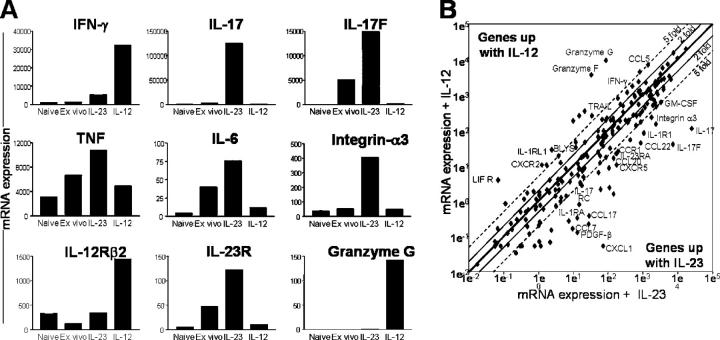
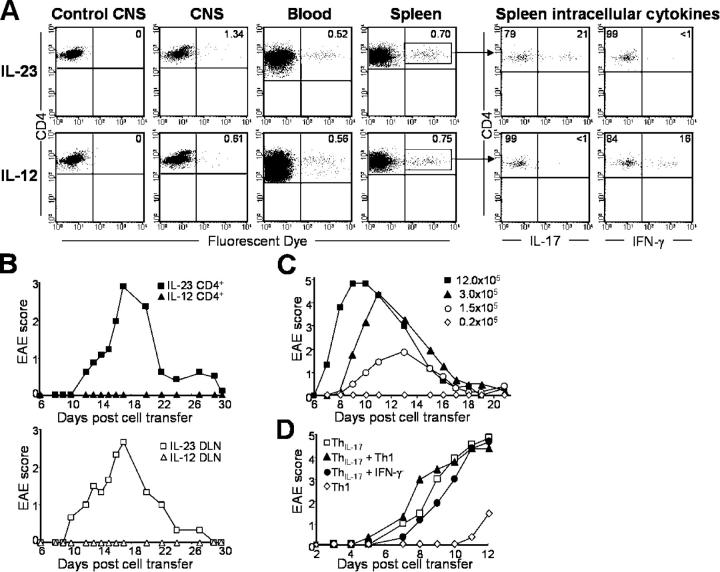
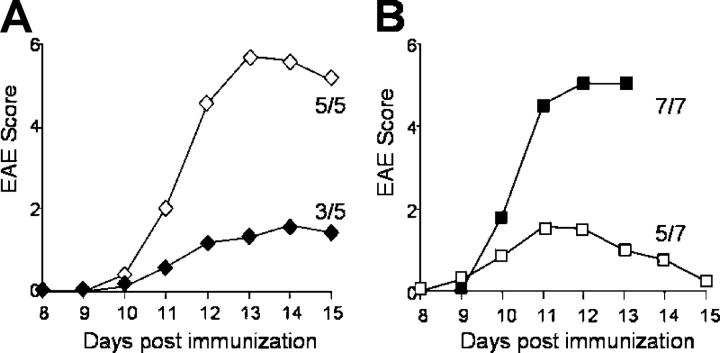
Interleukin (IL)-23 is a heterodimeric cytokine composed of a unique p19 subunit, and a common p40 subunit shared with IL-12. IL-12 is important for the development of T helper (Th)1 cells that are essential for host defense and tumor suppression. In contrast, IL-23 does not promote the development of interferon-gamma-producing Th1 cells, but is one of the essential factors required for the expansion of a pathogenic CD4(+) T cell population, which is characterized by the production of IL-17, IL-17F, IL-6, and tumor necrosis factor. Gene expression analysis of IL-23-driven autoreactive T cells identified a unique expression pattern of proinflammatory cytokines and other novel factors, distinguishing them from IL-12-driven T cells. Using passive transfer studies, we confirm that these IL-23-dependent CD4(+) T cells are highly pathogenic and essential for the establishment of organ-specific inflammation associated with central nervous system autoimmunity.
Overview
The claims and statistics of this paper haven’t been checked yet.
Free: it reads the open-access text and checks the first 5 claims that cite a source we can check. Create a free account to check every claim.
Integrity signals
Registry
Cites
Statistics
Figures
Verification
Claims the paper makes
The claims and statistics of this paper haven’t been checked yet.
Free: it reads the open-access text and checks the first 5 claims that cite a source we can check. Create a free account to check every claim.
Claims other papers make about this one
Each is checked against this paper’s own text: does it say what the citing paper says it does?
The source backs part of the claim, not all of it — or backs it for a different population, condition or comparison.
In the citing paper
“which is induced after stimulation by IL-21.”
From Distinct characteristics of hippocampal pathogenic th17 cells in a mouse model of depression (2018) · cites this paper as Langrish et al., 2005
Experimental — accuracy not yet measuredThe source backs part of the claim, not all of it — or backs it for a different population, condition or comparison.
In the citing paper
“the acquisition of the pathogenic phenotype occurs after expression of the IL-23 receptor (IL-23R) by TH17 cells (Ghoreschi et al., 2010; Langrish et al., 2005)”
From Distinct characteristics of hippocampal pathogenic th17 cells in a mouse model of depression (2018) · cites this paper as Langrish et al., 2005
Experimental — accuracy not yet measuredThe source backs part of the claim, not all of it — or backs it for a different population, condition or comparison.
In the citing paper
“CCR6 and IL-23R have been linked to the pathogenicity of TH17 cells in autoimmune diseases (Hirota et al., 2007; Kohler et al., 2003; Langrish et al., 2005), such as multiple sclerosis, suggesting that the depression-associated hippocampal TH17 cells display CNS-directed pathogenic properties that may underlie a portion of their pro-depressive actions.”
From Distinct characteristics of hippocampal pathogenic th17 cells in a mouse model of depression (2018) · cites this paper as Langrish et al., 2005
Experimental — accuracy not yet measuredIn the citing paper
“The so-called “IL-23-IL-17 axis” was found to function as a critical driver of autoimmune disease”
From The IL-17 Family of Cytokines in Health and Disease (2019) · cites this paper as Langrish et al., 2005
Self-check
Percentages, sums and reported differences re-computed from the paper’s own numbers.
The self-check needs the paper’s full text.
Citations
Cites
2 retracted
Inducible costimulator is essential for collagen-induced arthritis
Nurieva, R. I., Treuting, P., Duong, J., Flavell, R. A., & Dong, C. (2003) · Journal of Clinical Investigation · doi:10.1172/jci17321 · Cited by 117
RetractedThe IL-12Rβ2 gene functions as a tumor suppressor in human B cell malignancies
Airoldi, I., Carlo, E. D., Banelli, B., Moserle, L., Cocco, C., Pezzolo, A., Sorrentino, C., Rossi, E., Romani, M., Amadori, A., et al. (2004) · Journal of Clinical Investigation · doi:10.1172/jci20303 · Cited by 65 · cited 1×
“IL-12 is an important factor for the differentiation of naive T cells into IFN- � ‐producing Th1 cells, is essential for antimicrobial responses (4, 5), and serves as a suppressor of human B cell tumors ( 6 ).”
BackgroundRetractedCua, D. J., Sherlock, J., Chen, Y., Murphy, C. A., Joyce, B., Seymour, B., Lucian, L., To, W., Kwan, S., Churakova, T., et al. (2003) · Nature · doi:10.1038/nature01355 · Cited by 2,906 · cited 3×
“Blood was collected and lysed (RBC lysis buffer; Sigma-Aldrich), and mononuclear cells from brains and spinal cord tissue were prepared as described previously ( 1 ) and surface stained with anti‐CD4-APC.”
MethodInfluentialSelf-citationOppmann, B., Lesley, R., Blom, B., Timans, J. C., Xu, Y., Hunte, B., Vega, F., Yu, N., Wang, J., Singh, K., et al. (2000) · Immunity · doi:10.1016/s1074-7613(00)00070-4 · Cited by 2,822 · cited 1×
“Although IL-23 shares a common p40 subunit with IL-12 (3), these cytokines have divergent activities.”
BackgroundSelf-citationToll Pathway-Dependent Blockade of CD4 + CD25 + T Cell-Mediated Suppression by Dendritic Cells
Pasare, C., & Medzhitov, R. (2003) · Science · doi:10.1126/science.1078231 · Cited by 1,997 · cited 1×
“IL-6 produced by LPS-activated dendritic cells can turn off regulatory T cell (T reg cell) function, allowing effector T cell activation ( 35 ).”
BackgroundAggarwal, S., Ghilardi, N., Xie, M.-H., de Sauvage, F. J., & Gurney, A. L. (2003) · Journal of Biological Chemistry · doi:10.1074/jbc.m207577200 · Cited by 1,847 · cited 1×
“Ex vivo analysis of draining LN (DLN) cells from immunized WT and IL-23p19 mice reflected the CNS data, with similar IFN- levels, but no IL-17 production by the IL-23p19 cells (2, 14, 15).”
BackgroundDivergent Pro- and Antiinflammatory Roles for IL-23 and IL-12 in Joint Autoimmune Inflammation
Murphy, C. A., Langrish, C. L., Chen, Y., Blumenschein, W., McClanahan, T., Kastelein, R. A., Sedgwick, J. D., & Cua, D. J. (2003) · The Journal of Experimental Medicine · doi:10.1084/jem.20030896 · Cited by 1,669 · cited 3×
“These results are consistent with papers suggesting that IL-23 is required for the development and expansion of IL-17–producing CD4 T cells (2, 16, 17).”
BackgroundMethodResultSelf-citationSuppression of Immune Induction of Collagen-Induced Arthritis in IL-17-Deficient Mice
Nakae, S., Nambu, A., Sudo, K., & Iwakura, Y. (2003) · The Journal of Immunology · doi:10.4049/jimmunol.171.11.6173 · Cited by 1,273
Exacerbations of multiple sclerosis in patients treated with gamma interferon
Panitch, H., Haley, A., Hirsch, R., & Johnson, K. (1987) · The Lancet · doi:10.1016/s0140-6736(87)92863-7 · Cited by 1,071 · cited 1×
“Treatments with IFNlead to disease exacerbation in human MS (22), and transgenic mice overexpressing IFN- in the CNS showed increased oligodendrocyte death leading to demyelinating diseases (23, 24).”
BackgroundFerber, I. A., Brocke, S., Taylor-Edwards, C., Ridgway, W., Dinisco, C., Steinman, L., Dalton, D., & Fathman, C. G. (1996) · The Journal of Immunology · doi:10.4049/jimmunol.156.1.5 · Cited by 989
Cited by
Items 601–700 of 1,038
Neutralization of IL‐17 by active vaccination inhibits IL‐23‐dependent autoimmune myocarditis
Sonderegger, I., Röhn, T. A., Kurrer, M. O., Iezzi, G., Zou, Y., Kastelein, R. A., Bachmann, M. F., & Kopf, M. (2006) · European Journal of Immunology · doi:10.1002/eji.200636484 · Cited by 167
Self-citationResveratrol Neuroprotection in a Chronic Mouse Model of Multiple Sclerosis
Fonseca-Kelly, Z., Nassrallah, M., Uribe, J., Khan, R. S., Dine, K., Dutt, M., & Shindler, K. S. (2012) · Frontiers in Neurology · doi:10.3389/fneur.2012.00084 · Cited by 166
“As both interferon(IFN)gamma+ Th1 effector T cells and IL-17+ Th17 effector T cells have been implicated as the pathogenic cells in EAE (Langrish et al., 2005; Steinman, 2008; Stromnes et al., 2008), we also examined the expression of these cytokines in CNS and peripheral T cells.”
BackgroundHaemophilus influenzae Infection Drives IL-17-Mediated Neutrophilic Allergic Airways Disease
Essilfie, A.-T., Simpson, J. L., Horvat, J. C., Preston, J. A., Dunkley, M. L., Foster, P. S., Gibson, P. G., & Hansbro, P. M. (2011) · PLoS Pathogens · doi:10.1371/journal.ppat.1002244 · Cited by 165
“IL-17 is produced by several cells including Th17 cells [21,22,23], cd T cells [24,25], neutrophils [26], and macrophages [27,28].”
BackgroundMaitra, A., Shen, F., Hanel, W., Mossman, K., Tocker, J., Swart, D., & Gaffen, S. L. (2007) · Proceedings of the National Academy of Sciences · doi:10.1073/pnas.0611589104 · Cited by 165
van Golen, R. F., Reiniers, M. J., Olthof, P. B., van Gulik, T. M., & Heger, M. (2013) · Journal of Gastroenterology and Hepatology · doi:10.1111/jgh.12072 · Cited by 159
Reciprocal generation of Th1/Th17 and Treg cells by B1 and B2 B cells
Zhong, X., Gao, W., Degauque, N., Bai, C., Lu, Y., Kenny, J., Oukka, M., Strom, T. B., & Rothstein, T. L. (2007) · European Journal of Immunology · doi:10.1002/eji.200737296 · Cited by 163
IL-17 in the immunopathogenesis of spondyloarthritis
Taams, L. S., Steel, K. J. A., Srenathan, U., Burns, L. A., & Kirkham, B. W. (2018) · Nature Reviews Rheumatology · doi:10.1038/s41584-018-0044-2 · Cited by 158
Lavoie, S., Conway, K. L., Lassen, K. G., Jijon, H. B., Pan, H., Chun, E., Michaud, M., Lang, J. K., Gallini, C. A., Dreyfuss, J. M., et al. (2019) · eLife · doi:10.7554/elife.39982 · Cited by 173
Lin, P., Niimi, H., Ohsugi, Y., Tsuchiya, Y., Shimohira, T., Komatsu, K., Liu, A., Shiba, T., Aoki, A., Iwata, T., et al. (2021) · International Journal of Molecular Sciences · doi:10.3390/ijms22168900 · Cited by 159
Kano, S.-I., Sato, K., Morishita, Y., Vollstedt, S., Kim, S., Bishop, K., Honda, K., Kubo, M., & Taniguchi, T. (2008) · Nature Immunology · doi:10.1038/ni1538 · Cited by 162
“In addition, the T H -17 population produces large quantities of proinflammatory cytokines, most typically IL-17, and seems to be important in antibacterial responses and autoimmune disease”
BackgroundIL‐23‐mediated regulation of IL‐17 production in Helicobacter pylori‐infected gastric mucosa
Caruso, R., Fina, D., Paoluzi, O. A., Del Vecchio Blanco, G., Stolfi, C., Rizzo, A., Caprioli, F., Sarra, M., Andrei, F., Fantini, M. C., et al. (2008) · European Journal of Immunology · doi:10.1002/eji.200737635 · Cited by 161
Swain, S. L., Agrewala, J. N., Brown, D. M., Jelley‐Gibbs, D. M., Golech, S., Huston, G., Jones, S. C., Kamperschroer, C., Lee, W., McKinstry, K. K., et al. (2006) · Immunological Reviews · doi:10.1111/j.0105-2896.2006.00388.x · Cited by 163
“The Th-17 cells have been implicated in autoimmune pathogenesis (15, 16), but they also would be expected to have some role in control of some disease, although this role is not yet clearly identified.”
BackgroundNeutrophil-Regulatory Tn Lymphocytes
Ley, K. F., Smith, E. E., & Stark, M. A. (2006) · Immunologic Research · doi:10.1385/ir:34:3:229 · Cited by 192
“Recent studies have shown a role for IL-23 in autoimmune diseases, such as experimental autoimmune encephalomyelitis (EAE) and collagen-induced arthritis mouse models (27,42).”
BackgroundRomagnani, S. (2008) · Arthritis Research & Therapy · doi:10.1186/ar2392 · Cited by 163
“production and was therefore named ‘Th17’ [13-19].”
BackgroundInfluentialAttenuated atherosclerosis upon IL-17R signaling disruption in LDLr deficient mice
van Es, T., van Puijvelde, G. H. M., Ramos, O. H., Segers, F. M. E., Joosten, L. A., van den Berg, W. B., Michon, I. M., de Vos, P., van Berkel, T. J. C., & Kuiper, J. (2009) · Biochemical and Biophysical Research Communications · doi:10.1016/j.bbrc.2009.07.152 · Cited by 163
Rong, G., Zhou, Y., Xiong, Y., Zhou, L., Geng, H., Jiang, T., Zhu, Y., Lu, H., Zhang, S., Wang, P., et al. (2009) · Clinical and Experimental Immunology · doi:10.1111/j.1365-2249.2009.03898.x · Cited by 162
The neutrophil antimicrobial peptide cathelicidin promotes Th17 differentiation
Minns, D., Smith, K. J., Alessandrini, V., Hardisty, G. R., Melrose, L. A., Jackson-Jones, L. H., MacDonald, A. S., Davidson, D. J., & Findlay, E. G. (2021) · Nature Communications · doi:10.1038/s41467-021-21533-5 · Cited by 175
TH-17: a giant step from TH1 and TH2
Wynn, T. A. (2005) · Nature Immunology · doi:10.1038/ni1105-1069 · Cited by 162
IL-17 targeted therapies for psoriasis
Chiricozzi, A., & Krueger, J. G. (2013) · Expert Opinion on Investigational Drugs · doi:10.1517/13543784.2013.806483 · Cited by 160
“Experimental models showed a deep IL-17 involvement in a large number of immune-mediated disorders, including rheumatoid arthritis, Crohn’s disease, multiple sclerosis and autoimmune encephalomyelitis [40-44].”
miR-301a promotes intestinal mucosal inflammation through induction of IL-17A and TNF-α in IBD
He, C., Shi, Y., Wu, R., Sun, M., Fang, L., Wu, W., Liu, C., Tang, M., Li, Z., Wang, P., et al. (2016) · Gut · doi:10.1136/gutjnl-2015-309389 · Cited by 161
IL-17 in inflammatory skin diseases psoriasis and hidradenitis suppurativa
Fletcher, J. M., Moran, B., Petrasca, A., & Smith, C. M. (2020) · Clinical and Experimental Immunology · doi:10.1111/cei.13449 · Cited by 154
Astrocytes as antigen‐presenting cells: expression of IL‐12/IL‐23
Constantinescu, C. S., Tani, M., Ransohoff, R. M., Wysocka, M., Hilliard, B., Fujioka, T., Murphy, S., Tighe, P. J., Sarma, J. D., Trinchieri, G., et al. (2005) · Journal of Neurochemistry · doi:10.1111/j.1471-4159.2005.03368.x · Cited by 157
IL-17 Enhancement of the IL-6 Signaling Cascade in Astrocytes
Ma, X., Reynolds, S. L., Baker, B. J., Li, X., Benveniste, E. N., & Qin, H. (2010) · The Journal of Immunology · doi:10.4049/jimmunol.1000142 · Cited by 154
Role of IL-17 in Psoriasis and Psoriatic Arthritis
Raychaudhuri, S. P. (2013) · Clinical Reviews in Allergy & Immunology · doi:10.1007/s12016-012-8307-1 · Cited by 160
“IL-17 induces the stromal cells to secrete cytokines which are involved in inflammatory and haematopoietic processes [34].”
BackgroundNyirenda, M. H., Sanvito, L., Darlington, P. J., O’Brien, K., Zhang, G.-X., Constantinescu, C. S., Bar-Or, A., & Gran, B. (2011) · The Journal of Immunology · doi:10.4049/jimmunol.1003715 · Cited by 160
“Th17 cells are considered important effectors of protection against bacterial and fungal infections (18) but also mediators of tissue damage in experimental autoimmune diseases, such as experimental autoimmune encephalomyelitis and autoimmune arthritis (19, 20).”
BackgroundGutcher, I., Urich, E., Wolter, K., Prinz, M., & Becher, B. (2006) · Nature Immunology · doi:10.1038/ni1377 · Cited by 161
“IL-17, in contrast to IFN-γ, is indeed firmly linked with encepahlopathogenicit”
ResultDesel, C., Dorhoi, A., Bandermann, S., Grode, L., Eisele, B., & Kaufmann, S. H. E. (2011) · The Journal of Infectious Diseases · doi:10.1093/infdis/jir592 · Cited by 159
IL-23 past, present, and future: a roadmap to advancing IL-23 science and therapy
Krueger, J. G., Eyerich, K., Kuchroo, V. K., Ritchlin, C. T., Abreu, M. T., Elloso, M. M., Fourie, A. M., Fakharzadeh, S. S., Sherlock, J. P., Yang, Y., et al. (2024) · Frontiers in Immunology · doi:10.3389/fimmu.2024.1331217 · Cited by 175
Self-citationTLR ligand suppression or enhancement of Treg cells? A double-edged sword in immunity to tumours
Conroy, H., Marshall, N. A., & Mills, K. H. G. (2008) · Oncogene · doi:10.1038/sj.onc.1210910 · Cited by 176
“However, recent evidence has suggested that these autoimmune diseases are mediated not by Th1 cells but by IL-17-secreting T cells (”
BackgroundGlatigny, S., Fert, I., Marie-Agnès, B., Lories, R. J. U., Araujo, L. M. M., Chiocchia, G., & Bréban, M. (2011) · Arthritis & Rheumatism · doi:10.1002/art.33321 · Cited by 167
The value of animal models for drug development in multiple sclerosis
Friese, M. A. (2006) · Brain · doi:10.1093/brain/awl083 · Cited by 158
“…is distinct from T H 1 and T H 2 populations, and its differentiation might be driven by APCs expressing IL-23 (Harrington et al., 2005; Langrish et al., 2005; Park et al., 2005), while others did not find a role for IL-23 in differentiation but report a combination of TGF-b and IL-6,…”
BackgroundInfluentialThe role of inflammasome-derived IL-1 in driving IL-17 responses
Mills, K. H. G., Dungan, L. S., Jones, S. A., & Harris, J. (2013) · Journal of Leukocyte Biology · doi:10.1189/jlb.1012543 · Cited by 153
“Furthermore, autoantigen-specific T cells polarized in vitro to secrete IL-17 (Th17 cells) were more efficient than Th1 cells at inducing EAE, following adoptive transfer into naive mice, and administration of neutralizing anti-IL-17A antibody reduced but did not completely attenuate the severity of EAE in C57BL/6 mic…”
BackgroundMetabotropic glutamate receptor-4 modulates adaptive immunity and restrains neuroinflammation
Fallarino, F., Volpi, C., Fazio, F., Notartomaso, S., Vacca, C., Busceti, C., Bicciato, S., Battaglia, G., Bruno, V., Puccetti, P., et al. (2010) · Nature Medicine · doi:10.1038/nm.2183 · Cited by 154
“The recent discovery of interleukin-17 (IL-17)-producing T H 17 cells as a distinct subset of effector cells has provided new insight into the intricacies of immunopatholog”
BackgroundIL-23 suppresses innate immune response independently of IL-17A during carcinogenesis and metastasis
Teng, M. W. L., Andrews, D. M., McLaughlin, N., von Scheidt, B., Ngiow, S. F., Möller, A., Hill, G. R., Iwakura, Y., Oft, M., & Smyth, M. J. (2010) · Proceedings of the National Academy of Sciences · doi:10.1073/pnas.1003251107 · Cited by 156
“Whereas IL-12 leads to development of IFN-γ-producing Th1 cells and enhanced anti-microbial and cytotoxic responses, IL-23 appears to promote the proliferation and inflammatory function of Th17 cells (8).”
Critical role of Th17 responses in a murine model of Neisseria gonorrhoeae genital infection
Feinen, B., Jerse, A. E., Gaffen, S. L., & Russell, M. W. (2010) · Mucosal Immunology · doi:10.1038/mi.2009.139 · Cited by 158
Kaufmann, U., Kahlfuß, S., Yang, J. J. J., Ivanova, E., Koralov, S. B., & Feske, S. (2019) · Cell Metabolism · doi:10.1016/j.cmet.2019.01.019 · Cited by 162
Th1/Th17 cytokine profiles in patients with reactive arthritis/undifferentiated spondyloarthropathy.
Singh, R., Aggarwal, A., & Misra, R. (2007) · PubMed · Cited by 185
Role of Cytokines in the Pathogenesis and Suppression of Thyroid Autoimmunity
Ganesh, B. B., Bhattacharya, P., Gopisetty, A., & Prabhakar, B. S. (2011) · Journal of Interferon & Cytokine Research · doi:10.1089/jir.2011.0049 · Cited by 172
Autoimmunity at the ocular surface: pathogenesis and regulation
Stern, M. E., Schaumburg, C. S., Dana, R., Calonge, M., Niederkorn, J. Y., & Pflugfelder, S. C. (2010) · Mucosal Immunology · doi:10.1038/mi.2010.26 · Cited by 170
Dendritic Cell-Based Vaccines: Barriers and Opportunities
Cintolo, J. A., Datta, J., Mathew, S. J., & Czerniecki, B. J. (2012) · Future Oncology · doi:10.2217/fon.12.125 · Cited by 152
“We have demonstrated the ability to develop DCs that produce IL-23 by treating iDCs generated from monocytes with a single TLR agonist.”
BackgroundInfluentialHu, Y., Ota, N., Peng, I., Refino, C. J., Danilenko, D. M., Caplazi, P., & Ouyang, W. (2010) · The Journal of Immunology · doi:10.4049/jimmunol.0903614 · Cited by 153
Phenotype Switching by Inflammation-Inducing Polarized Th17 Cells, but Not by Th1 Cells
Shi, G., Cox, C. A., Vistica, B. P., Tan, C., Wawrousek, E. F., & Gery, I. (2008) · The Journal of Immunology · doi:10.4049/jimmunol.181.10.7205 · Cited by 156
Liu, Z., Yadav, P. K., Xu, X., Su, J., Chen, C., Tang, M., Lin, H., Yu, J., Qian, J., Yang, P., et al. (2011) · Journal of Leukocyte Biology · doi:10.1189/jlb.0810456 · Cited by 180
“Accumulating data have demonstrated that IL-23 plays a crucial role in the pathogenesis of a number of immune-mediated inflammatory diseases by recruitment of several inflammatory cells and Th17 cells [10, 11].”
BackgroundInterleukin (IL)-12 and IL-23 and Their Conflicting Roles in Cancer
Yan, J., Smyth, M. J., & Teng, M. W. L. (2018) · Cold Spring Harbor Perspectives in Biology · doi:10.1101/cshperspect.a028530 · Cited by 149
“In contrast, IL-23 plays an important role in promoting the proliferation and effector function of Th17 cells, which are characterized by expression of the IL-17 family cytokines (Aggarwal et al. 2003; Langrish et al. 2004; Langrish et al. 2005).”
BackgroundLupardus, P. J., & Garcia, K. C. (2008) · Journal of Molecular Biology · doi:10.1016/j.jmb.2008.07.051 · Cited by 151
Role of IL-17 and Th17 Cells in Herpes Simplex Virus-Induced Corneal Immunopathology
Suryawanshi, A. S., Veiga‐Parga, T., Rajasagi, N. K., Reddy, P. B. J., Sehrawat, S., Sharma, S., & Rouse, B. T. (2011) · The Journal of Immunology · doi:10.4049/jimmunol.1100736 · Cited by 164
Bailey-Bucktrout, S. L., Caulkins, S. C., Goings, G., Fischer, J. A. A., Dzionek, A., & Miller, S. D. (2008) · The Journal of Immunology · doi:10.4049/jimmunol.180.10.6457 · Cited by 148
“E xperimental autoimmune encephalomyelitis (EAE) 3 is a widely used model for multiple sclerosis (MS) (1) that is initiated and driven by myelin-specific CD4 T cells producing IFN- and TNF (by Th1) and IL-17 (by Th17) in the CNS (2, 3).”
BackgroundPavlidis, P., Tsakmaki, A., Pantazi, E. D., Li, K., Cozzetto, D., Digby-Bell, J. L., Yang, F., Lo, J. W., Alberts, E., Costa, A. C., et al. (2022) · Nature Communications · doi:10.1038/s41467-022-33331-8 · Cited by 170
dos Passos, G. R., Sato, D. K., Becker, J., & Fujihara, K. (2016) · Mediators of Inflammation · doi:10.1155/2016/5314541 · Cited by 172
IL‐21 and IL‐21R are not required for development of Th17 cells and autoimmunity in vivo
Sonderegger, I., Kisielow, J., Meier, R., King, C., & Kopf, M. (2008) · European Journal of Immunology · doi:10.1002/eji.200838511 · Cited by 153
IL-17 and IL-22 in atopic allergic disease
Souwer, Y., Szegedi, K., Kapsenberg, M. L., & de Jong, E. C. (2010) · Current Opinion in Immunology · doi:10.1016/j.coi.2010.10.013 · Cited by 171
Napolitani, G., Acosta‐Rodriguez, E. V., Lanzavecchia, A., & Sallusto, F. (2009) · European Journal of Immunology · doi:10.1002/eji.200838969 · Cited by 147
FOXP3 and RORγt: Transcriptional regulation of Treg and Th17
Chen, Z., Lin, F., Gao, Y., Li, Z., Zhang, J., Xing, Y., Deng, Z., Yao, Z., Tsun, A., & Li, B. (2010) · International Immunopharmacology · doi:10.1016/j.intimp.2010.11.008 · Cited by 174
“IL-23 was shown to promote the production of IL-17 by activated T cells and IL-23 expanded T cells are able to transfer EAE and CIA [27].”
BackgroundTh memory for interleukin‐17 expression is stable in vivo
Lexberg, M. H., Taubner, A., Förster, A., Albrecht, I., Richter, A., Kamradt, T., Radbruch, A., & Chang, H. (2008) · European Journal of Immunology · doi:10.1002/eji.200838541 · Cited by 152
Crystal structures of interleukin 17A and its complex with IL-17 receptor A
Liu, S., Song, X., Chrunyk, B. A., Shanker, S., Hoth, L. R., Marr, E. S., & Griffor, M. C. (2013) · Nature Communications · doi:10.1038/ncomms2880 · Cited by 168
IL-17 and the Th17 lineage in systemic lupus erythematosus
Garrett-Sinha, L. A., John, S., & Gaffen, S. L. (2008) · Current Opinion in Rheumatology · doi:10.1097/bor.0b013e328304b6b5 · Cited by 150
Identification of Regulatory Foxp3+ Invariant NKT Cells Induced by TGF-β
Monteiro, M., Almeida, C. F., Caridade, M., Ribot, J. C., Duarte, J., Agua-Doce, A., Wollenberg, I., Silva-Santos, B., & Graca, L. (2010) · The Journal of Immunology · doi:10.4049/jimmunol.1000359 · Cited by 145
“Th17 cell differentiation is critical for EAE development and requires a combination of cytokines, including TGF-b (24, 25).”
BackgroundIrla, M., Küpfer, N., Suter, T. B., Lissilaa, R., Benkhoucha, M., Skupsky, J., Lalive, P. H., Fontana, A., Reith, W., & Hugues, S. (2010) · The Journal of Experimental Medicine · doi:10.1084/jem.20092627 · Cited by 165
“The latter is consistent with the fact that Th1 and Th17 cells are believed to be the major pathogenic cells in EAE (Steinman et al., 2002; Murphy et al., 2003; Langrish et al., 2005).”
ResultImbalance of Circulating Th17 and Regulatory T Cells in Alzheimer’s Disease: A Case Control Study
Oberstein, T. J., Taha, L., Spitzer, P., Hellstern, J., Herrmann, M., Kornhuber, J., & Maler, J. M. (2018) · Frontiers in Immunology · doi:10.3389/fimmu.2018.01213 · Cited by 146
“Th17 cells are elevated in various autoimmune diseases and diseases associated with chronic inflammation (23, 24).”
BackgroundThe link between IL-23 and Th17 cell-mediated immune pathologies
McGeachy, M. J., & Cua, D. J. (2007) · Seminars in Immunology · doi:10.1016/j.smim.2007.10.012 · Cited by 177
Self-citationThe roles of cells and cytokines in the pathogenesis of psoriasis
Coimbra, S., Figueiredo, A., Castro, E. M. B., Rocha‐Pereira, P., & Santos‐Silva, A. (2012) · International Journal of Dermatology · doi:10.1111/j.1365-4632.2011.05154.x · Cited by 180
Brockmann, L., Giannou, A., Gagliani, N., & Huber, S. (2017) · International Journal of Molecular Sciences · doi:10.3390/ijms18051033 · Cited by 144
“demonstrated that IL-23 induced IL-17 producing T cells displayed stronger pathogenic properties in EAE than TH1 cells, and that these TH17 cells have a distinct gene-expression profile [74].”
BackgroundThe role of Th17 cells in psoriasis
Li, B., Huang, L., Lv, P., Li, X., Liu, G., Chen, Y., Wang, Z., Qian, X., Shen, Y., Li, Y., et al. (2020) · Immunologic Research · doi:10.1007/s12026-020-09149-1 · Cited by 163
Self-citationHarbour, S. N., DiToro, D. F., Witte, S. J., Zindl, C. L., Gao, M., Schoeb, T. R., Jones, G. W., Jones, S. A., Hatton, R. D., & Weaver, C. T. (2020) · Science Immunology · doi:10.1126/sciimmunol.aaw2262 · Cited by 151
Inhibition of the K+channel KCa3.1 ameliorates T cell–mediated colitis
Di, L., Srivastava, S., Zhdanova, O., Ding, Y., Li, Z., Wulff, H., Lafaille, M., & Skolnik, E. Y. (2010) · Proceedings of the National Academy of Sciences · doi:10.1073/pnas.0910133107 · Cited by 147
Interleukin 27 attenuates collagen-induced arthritis
Niedbała, W., Cai, B., Wei, X., Patakas, A., Leung, B. P. L., McInnes, I. B., & Liew, F. Y. (2008) · Annals of the Rheumatic Diseases · doi:10.1136/ard.2007.083360 · Cited by 153
Notch Signaling Regulates Mouse and Human Th17 Differentiation
Keerthivasan, S., Suleiman, R., Lawlor, R., Roderick, J., Bates, T., Minter, L., Anguita, J., Juncadella, I., Nickoloff, B. J., Le Poole, I. C., et al. (2011) · The Journal of Immunology · doi:10.4049/jimmunol.1003658 · Cited by 146
“The importance of this subset in autoimmune diseases was first recognized when mice lacking expression of the p19 subunit of IL-23, a cytokine involved in differentiation and expansion of Th17 cells, failed to develop certain autoimmune disorders (3, 4).”
BackgroundPathogenesis of thyroid autoimmune disease: the role of cellular mechanisms
Ramos-Levi, A. M., & Marazuela, M. (2016) · Endocrinología y Nutrición · doi:10.1016/j.endonu.2016.04.003 · Cited by 162
The IL‐17 pathway as a major therapeutic target in autoimmune diseases
Hu, Y., Shen, F., Crellin, N. K., & Ouyang, W. (2010) · Annals of the New York Academy of Sciences · doi:10.1111/j.1749-6632.2010.05825.x · Cited by 157
Greco, A., Fusconi, M., Gallo, A., Turchetta, R., Marinelli, C., Macri, G. F., VIRGILIO, A. D., & VINCENTIIS, M. D. (2013) · Autoimmunity Reviews · doi:10.1016/j.autrev.2013.01.004 · Cited by 149
T helper 17 (Th17) cells and interleukin-17 (IL-17) in cancer
Chang, S. H. (2019) · Archives of Pharmacal Research · doi:10.1007/s12272-019-01146-9 · Cited by 158
Multiple sclerosis: molecular pathogenesis and therapeutic intervention
Boutitah-Benyaich, I., Eixarch, H., Villacieros‐Álvarez, J., Hervera, A., Cobo‐Calvo, Á., Montalbán, X., & Espejo, C. (2025) · Signal Transduction and Targeted Therapy · doi:10.1038/s41392-025-02415-4 · Cited by 161
“248 Subsequent studies revealed the expression of IL-17 in the brains of MS patients, speci fi cally in perivascular lymphocytes and glial cells.”
Zhu, J., Davidson, T. S., Wei, G., Jankovic, D., Cui, K., Schones, D. E., Guo, L., Zhao, K., Shevach, E. M., & Paul, W. E. (2009) · Journal of Experimental Medicine · doi:10.1084/jem.20081666 · Cited by 145
Hu, D., Notarbartolo, S., Croonenborghs, T., Patel, B., Cialic, R., Yang, T.-H., Aschenbrenner, D., Andersson, K. M., Gattorno, M., Pham, M., et al. (2017) · Nature Communications · doi:10.1038/s41467-017-01571-8 · Cited by 137
Mucocutaneous IL-17 immunity in mice and humans: host defense vs. excessive inflammation
Li, J., Casanova, J.-L., & Puel, A. (2018) · Mucosal Immunology · doi:10.1038/mi.2017.97 · Cited by 146
The Role of Cytokines and Chemokines in Severe Acute Respiratory Syndrome Coronavirus 2 Infections
Hsu, R., Yu, W.-C., Peng, G.-R., Ye, C.-H., Hu, S., Chong, P. C. T., Yap, K. Y., Lee, J. Y. C., Lin, W., & Yu, S. (2022) · Frontiers in Immunology · doi:10.3389/fimmu.2022.832394 · Cited by 161
The IL-17 cytokine family and their role in allergic inflammation
Wang, Y., & Liu, Y.-J. (2008) · Current Opinion in Immunology · doi:10.1016/j.coi.2008.09.004 · Cited by 165
Interleukin‐17: A New Paradigm in Inflammation, Autoimmunity, and Therapy
Kramer, J. M., & Gaffen, S. L. (2007) · Journal of Periodontology · doi:10.1902/jop.2007.060392 · Cited by 147
TH17 cytokines in autoimmune neuro-inflammation
Becher, B., & Segal, B. M. (2011) · Current Opinion in Immunology · doi:10.1016/j.coi.2011.08.005 · Cited by 142
“IL-17A (IL-17) was soon identified as one of the cytokines produced by T cells in response to IL-23 [15].”
BackgroundTherapeutic targeting of the IL-12/23 pathways: generation and characterization of ustekinumab
Benson, J., Sachs, C. W., Treacy, G., Zhou, H., Pendley, C. E., Brodmerkel, C. M., Shankar, G., & Mascelli, M. A. (2011) · Nature Biotechnology · doi:10.1038/nbt.1903 · Cited by 160
“Human T H 17 cells express several pro-inflammatory cytokines, including IL-17A, IL-17F, IL-22, IL-26 and IFN-&gamma”
BackgroundPathophysiology of multiple sclerosis
Korn, T. (2008) · Journal of Neurology · doi:10.1007/s00415-008-6001-2 · Cited by 184
“It is unlikely that Th17 cells exert their highly inflammatory potential solely by secreting IL-17, but other cytokines or effector molecules produced by these cells will contribute to their unique effector phenotype.”
InfluentialLemos, H. P., Grespan, R., Vieira, S. M., Cunha, T. M., Verri, W. A., Fernandes, K. S. S., Souto, F. O., McInnes, I. B., Ferreira, S. H., Liew, F. Y., et al. (2009) · Proceedings of the National Academy of Sciences · doi:10.1073/pnas.0812782106 · Cited by 142
Nakano, K., Higashi, T., Hashimoto, K., Takagi, R., Tanaka, Y., & Matsushita, S. (2008) · Biochemical and Biophysical Research Communications · doi:10.1016/j.bbrc.2008.06.012 · Cited by 149
TGFβ1, a ‘Jack of all trades’: the link with pro-inflammatory IL-17-producing T cells
Veldhoen, M., & Stockinger, B. (2006) · Trends in Immunology · doi:10.1016/j.it.2006.06.001 · Cited by 177
Lithium Prevents and Ameliorates Experimental Autoimmune Encephalomyelitis
De Sarno, P., Axtell, R. C., Raman, C., Roth, K. A., Alessi, D. R., & Jope, R. S. (2008) · The Journal of Immunology · doi:10.4049/jimmunol.181.1.338 · Cited by 145
Casadevall, A., & Pirofski, L. (2006) · Advances in immunology · doi:10.1016/s0065-2776(06)91001-3 · Cited by 160
IL-21 and IL-21 Receptor Expression in Lymphocytes and Neurons in Multiple Sclerosis Brain
Tzartos, J. S., Craner, M. J., Friese, M. A., Jakobsen, K. B., Newcombe, J., Esiri, M. M., & Fugger, L. (2011) · The American Journal of Pathology · doi:10.1016/j.ajpath.2010.10.043 · Cited by 143
Bettini, M., & Ziegler, H. (2005) · The Journal of Immunology · doi:10.4049/jimmunol.175.8.5024 · Cited by 146
“Recently, IL-23 was identified as the inducer of pathogenic CD4 T cells involved in demyelination (27).”
BackgroundAgrawal, A., Dillon, S., Denning, T. L., & Pulendran, B. (2006) · The Journal of Immunology · doi:10.4049/jimmunol.176.10.5788 · Cited by 147
Larochelle, C., Cayrol, R., Kebir, H., Alvarez, J. I., Lécuyer, M.-A., Ifergan, I., Viel, É., Bourbonnière, L., Beauseigle, D., Terouz, S., et al. (2012) · Brain · doi:10.1093/brain/aws212 · Cited by 145
“(Langrish et al., 2005) and transfer of TH17 lymphocytes generated in the presence of IL23 (compared with TGF-b) results in a”
BackgroundTh17 cells and IL-17 A—Focus on immunopathogenesis and immunotherapeutics
van den Berg, W. B., & McInnes, I. B. (2013) · Seminars in Arthritis and Rheumatism · doi:10.1016/j.semarthrit.2013.04.006 · Cited by 156
“1) [7–9].”
T Helper Lymphocyte Subsets and Plasticity in Autoimmunity and Cancer: An Overview
Ivanova, E. A., & Orekhov, A. N. (2015) · BioMed Research International · doi:10.1155/2015/327470 · Cited by 168
“IL-23 is important for Th17 survival and inflammatory potential and plays a role in human autoimmune pathologies [35].”
BackgroundNADPH Oxidase Deficiency Regulates Th Lineage Commitment and Modulates Autoimmunity
Tse, H. M., Thayer, T. C., Steele, C., Cuda, C. M., Morel, L., Piganelli, J. D., & Mathews, C. E. (2010) · The Journal of Immunology · doi:10.4049/jimmunol.1001472 · Cited by 143
“NOX deficiency altered redox-dependent innate immune cytokine synthesis, observed as reductions inTNF-a, IL-1b, and IL-12 p70, whereas IL-23, a cytokine necessary for driving Th17 differentiation (15), was elevated.”
BackgroundMILLER, S. D., McMAHON, E. J., SCHREINER, B., & BAILEY, S. L. (2007) · Annals of the New York Academy of Sciences · doi:10.1196/annals.1394.023 · Cited by 144
Emerging role of IL-17 and Th17 cells in systemic lupus erythematosus
Martin, J. C., Baeten, D., & Josien, R. (2014) · Clinical Immunology · doi:10.1016/j.clim.2014.05.004 · Cited by 149
Klatt, N. R., Harris, L. D., Vinton, C. L., Sung, H. C., Briant, J. A., Tabb, B., Morcock, D. R., McGinty, J. W., Lifson, J. D., Lafont, B. A. P., et al. (2010) · Mucosal Immunology · doi:10.1038/mi.2010.14 · Cited by 153
Nakahama, T., Hanieh, H., Nguyen, N. T., Chinen, I., Ripley, B., Millrine, D., Lee, S., Nyati, K. K., Dubey, P. K., Chowdhury, K., et al. (2013) · Proceedings of the National Academy of Sciences · doi:10.1073/pnas.1311087110 · Cited by 142
“Consistent with this idea, multiple reports have shown that the induction of EAE is critically dependent on TH17 differentiation (1, 41).”
BackgroundCrucial role of interleukin-7 in T helper type 17 survival and expansion in autoimmune disease
Liu, X., Leung, S., Wang, C., Tan, Z., Wang, J., Guo, T. B., Fang, L., Zhao, Y., Wan, B., Qin, X., et al. (2010) · Nature Medicine · doi:10.1038/nm.2077 · Cited by 153
RetractedIL-17 and IL-23 in lupus nephritis - association to histopathology and response to treatment
Zickert, A., Amoudruz, P., Sundström, Y., Rönnelid, J., Malmström, V., & Gunnarsson, I. (2015) · BMC Immunology · doi:10.1186/s12865-015-0070-7 · Cited by 154
“IL-23 is released from antigen presenting cells and induces expansion of Th17 cells and is necessary for their maintenance [18], thus forming the IL-23/IL-17 axis.”
BackgroundLi, Y., Chu, N., Rostami, A., & Zhang, G.-X. (2006) · The Journal of Immunology · doi:10.4049/jimmunol.177.3.1679 · Cited by 141
“A significant decrease in IL-17 production in cocultured T cells indicates a low production of biologically active IL-23 (12, 47, 48) of SOCS-3-transduced DCs.”
Background
Metadata
- Authors
- Langrish, C. L., Chen, Y., Blumenschein, W. M., Mattson, J., Basham, B., Sedgwick, J. D., McClanahan, T., Kastelein, R. A., & Cua, D. J.
- Affiliations
- 1Discovery Research, DNAX Research Inc., Palo Alto, CA 94304
- 2Experimental Pathology and Pharmacology, DNAX Research Inc., Palo Alto, CA 94304
- 3Bioinformatics, DNAX Research Inc., Palo Alto, CA 94304
- Venue
- The Journal of Experimental Medicine
- Publisher
- Rockefeller University Press
- Published
- 2005-01-17
- Volume
- 201
- Issue
- 2
- Pages
- 233-240
- ISSN
- 0022-1007 (ISSN-L)
- 1540-9538
- PMC
- PMC2212798
- OpenAlex
- W2006249161
- Cited by
- 4,099
- References
- 39
- Citations by year
- 2026: 65 · 2025: 98 · 2024: 107 · 2023: 103 · 2022: 134 · 2021: 147 · 2020: 157 · 2019: 150 · 2018: 165 · 2017: 176 · 2016: 147 · 2015: 238 · 2014: 201 · 2013: 242 · 2012: 261
- FWCI
- 87.41
- Type
- journal article
- Language
- en
- Open access
- bronze
- doi.org
- Locations
- The Journal of Experimental Medicine (publishedVersion)
- PubMed Central (publishedVersion, cc-by-nc-sa)
- PubMed (publishedVersion)
- Topics
- Life Sciences › Immunology and Microbiology › Immunology › Psoriasis: Treatment and Pathogenesis
- Life Sciences › Immunology and Microbiology › Immunology › T-cell and B-cell Immunology
- Life Sciences › Immunology and Microbiology › Immunology › Cytokine Signaling Pathways and Interactions
- Keywords
- IL-23, IL-12, p40 subunit, CD4+ T cells, Th1 cells, IL-17, IL-17F, inflammatory cytokines, autoimmunity, central nervous system autoimmunity, T cell gene expression, passive transfer
- MeSH terms
- Animals, Central Nervous System, Encephalomyelitis, Autoimmune, Experimental, Inflammation, Interleukins, Time Factors, CD4-Positive T-Lymphocytes, Autoimmunity, Gene Expression, Cytokines, Interleukin-12, Interleukin-17, Gene Expression Profiling, Mice, Interleukin-23, Interleukin-23 Subunit p19
About these checks
Registry, retraction, Cites and statistics results are computed, not judged, with one exception: a printed reference that no index lists is read once by a model before it counts as a citation error. Claims are extracted by a model and kept only when their quote appears verbatim in the text; each cited source is then checked, with a model’s help, for whether it says what the claim relies on. Those verdicts can be wrong — read the claim’s quote and the cited source before relying on one.
Statistics and arithmetic are recomputed, not judged.
Confidence bands are shown only for fields calibrated on our annotated test set. None is calibrated yet, so no band is shown.
What counts as a claim ›How we measure confidence ›How we check this ›
Are you an author, or do you see a problem with this page? Request a review
Data sources
Bibliographic data: Semantic Scholar, OpenAlex, Crossref.
Contains information from the Semantic Scholar Academic Graph Datasets, made available under the ODC Attribution License (ODC-BY 1.0).
Semantic Scholar’s data is described in: Kinney, R., et al. (2023). The Semantic Scholar Open Data Platform. arXiv:2301.10140.
