

IL-23 drives a pathogenic T cell population that induces autoimmune inflammation
Open accessThe DOI matches its Crossref record; 39 of the 39 references it cites were found in a registry or an index.
Abstract
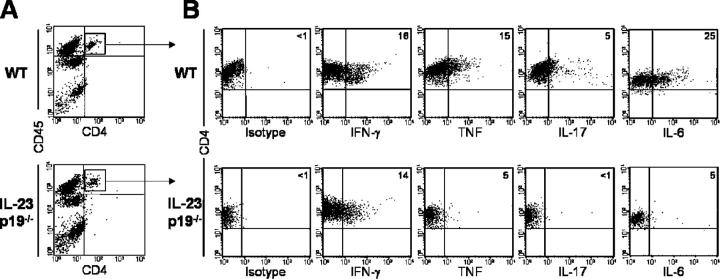
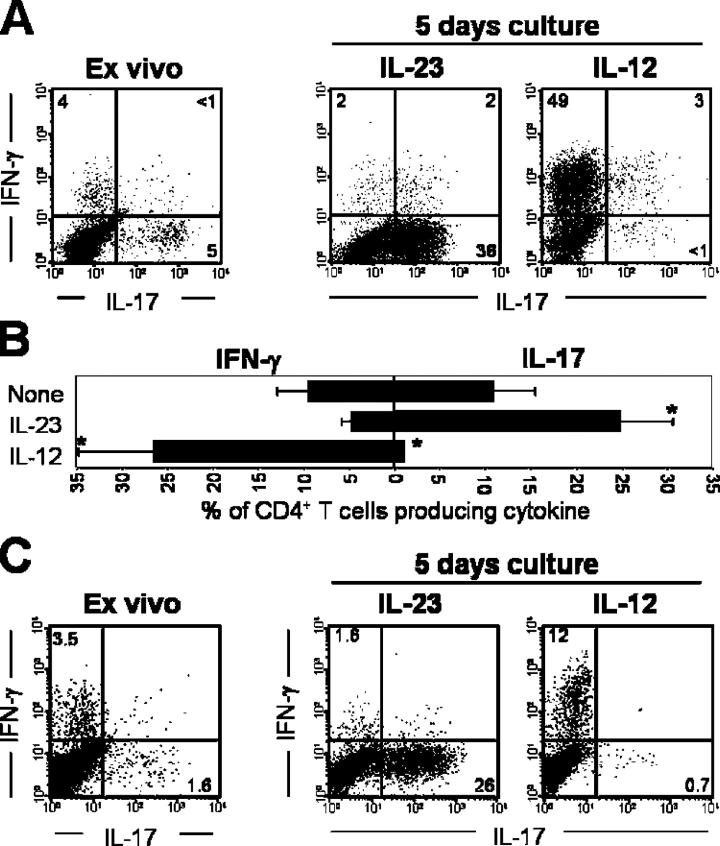
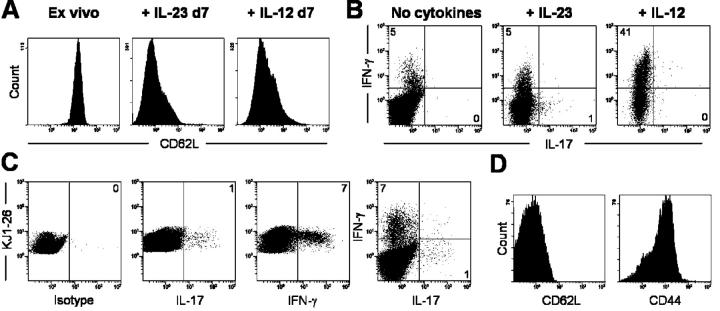
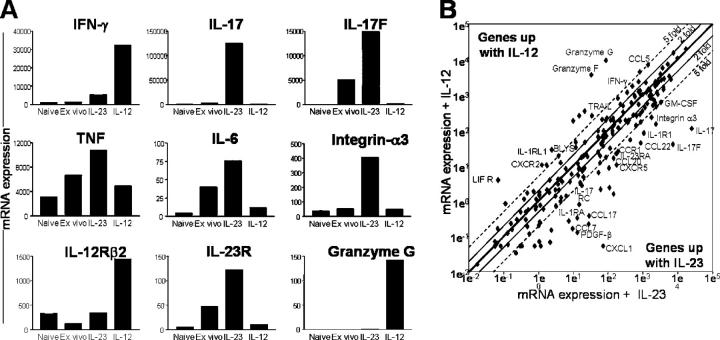
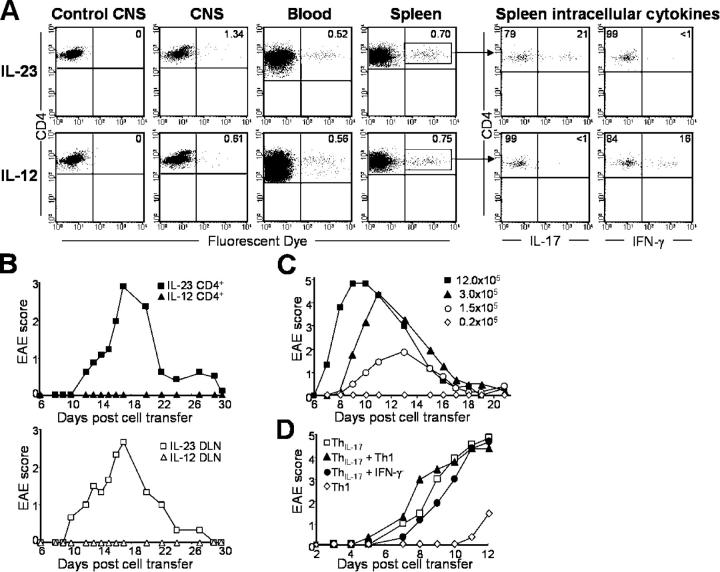
Interleukin (IL)-23 is a heterodimeric cytokine composed of a unique p19 subunit, and a common p40 subunit shared with IL-12. IL-12 is important for the development of T helper (Th)1 cells that are essential for host defense and tumor suppression. In contrast, IL-23 does not promote the development of interferon-gamma-producing Th1 cells, but is one of the essential factors required for the expansion of a pathogenic CD4(+) T cell population, which is characterized by the production of IL-17, IL-17F, IL-6, and tumor necrosis factor. Gene expression analysis of IL-23-driven autoreactive T cells identified a unique expression pattern of proinflammatory cytokines and other novel factors, distinguishing them from IL-12-driven T cells. Using passive transfer studies, we confirm that these IL-23-dependent CD4(+) T cells are highly pathogenic and essential for the establishment of organ-specific inflammation associated with central nervous system autoimmunity.
Overview
The claims and statistics of this paper haven’t been checked yet.
Free: it reads the open-access text and checks the first 5 claims that cite a source we can check. Create a free account to check every claim.
Integrity signals
Registry
Cites
Statistics
Figures
Verification
Claims the paper makes
The claims and statistics of this paper haven’t been checked yet.
Free: it reads the open-access text and checks the first 5 claims that cite a source we can check. Create a free account to check every claim.
Claims other papers make about this one
Each is checked against this paper’s own text: does it say what the citing paper says it does?
The source backs part of the claim, not all of it — or backs it for a different population, condition or comparison.
In the citing paper
“which is induced after stimulation by IL-21.”
From Distinct characteristics of hippocampal pathogenic th17 cells in a mouse model of depression (2018) · cites this paper as Langrish et al., 2005
Experimental — accuracy not yet measuredThe source backs part of the claim, not all of it — or backs it for a different population, condition or comparison.
In the citing paper
“the acquisition of the pathogenic phenotype occurs after expression of the IL-23 receptor (IL-23R) by TH17 cells (Ghoreschi et al., 2010; Langrish et al., 2005)”
From Distinct characteristics of hippocampal pathogenic th17 cells in a mouse model of depression (2018) · cites this paper as Langrish et al., 2005
Experimental — accuracy not yet measuredThe source backs part of the claim, not all of it — or backs it for a different population, condition or comparison.
In the citing paper
“CCR6 and IL-23R have been linked to the pathogenicity of TH17 cells in autoimmune diseases (Hirota et al., 2007; Kohler et al., 2003; Langrish et al., 2005), such as multiple sclerosis, suggesting that the depression-associated hippocampal TH17 cells display CNS-directed pathogenic properties that may underlie a portion of their pro-depressive actions.”
From Distinct characteristics of hippocampal pathogenic th17 cells in a mouse model of depression (2018) · cites this paper as Langrish et al., 2005
Experimental — accuracy not yet measuredIn the citing paper
“The so-called “IL-23-IL-17 axis” was found to function as a critical driver of autoimmune disease”
From The IL-17 Family of Cytokines in Health and Disease (2019) · cites this paper as Langrish et al., 2005
Self-check
Percentages, sums and reported differences re-computed from the paper’s own numbers.
The self-check needs the paper’s full text.
Citations
Cites
2 retracted
Inducible costimulator is essential for collagen-induced arthritis
Nurieva, R. I., Treuting, P., Duong, J., Flavell, R. A., & Dong, C. (2003) · Journal of Clinical Investigation · doi:10.1172/jci17321 · Cited by 117
RetractedThe IL-12Rβ2 gene functions as a tumor suppressor in human B cell malignancies
Airoldi, I., Carlo, E. D., Banelli, B., Moserle, L., Cocco, C., Pezzolo, A., Sorrentino, C., Rossi, E., Romani, M., Amadori, A., et al. (2004) · Journal of Clinical Investigation · doi:10.1172/jci20303 · Cited by 65 · cited 1×
“IL-12 is an important factor for the differentiation of naive T cells into IFN- � ‐producing Th1 cells, is essential for antimicrobial responses (4, 5), and serves as a suppressor of human B cell tumors ( 6 ).”
BackgroundRetractedCua, D. J., Sherlock, J., Chen, Y., Murphy, C. A., Joyce, B., Seymour, B., Lucian, L., To, W., Kwan, S., Churakova, T., et al. (2003) · Nature · doi:10.1038/nature01355 · Cited by 2,906 · cited 3×
“Blood was collected and lysed (RBC lysis buffer; Sigma-Aldrich), and mononuclear cells from brains and spinal cord tissue were prepared as described previously ( 1 ) and surface stained with anti‐CD4-APC.”
MethodInfluentialSelf-citationOppmann, B., Lesley, R., Blom, B., Timans, J. C., Xu, Y., Hunte, B., Vega, F., Yu, N., Wang, J., Singh, K., et al. (2000) · Immunity · doi:10.1016/s1074-7613(00)00070-4 · Cited by 2,822 · cited 1×
“Although IL-23 shares a common p40 subunit with IL-12 (3), these cytokines have divergent activities.”
BackgroundSelf-citationToll Pathway-Dependent Blockade of CD4 + CD25 + T Cell-Mediated Suppression by Dendritic Cells
Pasare, C., & Medzhitov, R. (2003) · Science · doi:10.1126/science.1078231 · Cited by 1,997 · cited 1×
“IL-6 produced by LPS-activated dendritic cells can turn off regulatory T cell (T reg cell) function, allowing effector T cell activation ( 35 ).”
BackgroundAggarwal, S., Ghilardi, N., Xie, M.-H., de Sauvage, F. J., & Gurney, A. L. (2003) · Journal of Biological Chemistry · doi:10.1074/jbc.m207577200 · Cited by 1,847 · cited 1×
“Ex vivo analysis of draining LN (DLN) cells from immunized WT and IL-23p19 mice reflected the CNS data, with similar IFN- levels, but no IL-17 production by the IL-23p19 cells (2, 14, 15).”
BackgroundDivergent Pro- and Antiinflammatory Roles for IL-23 and IL-12 in Joint Autoimmune Inflammation
Murphy, C. A., Langrish, C. L., Chen, Y., Blumenschein, W., McClanahan, T., Kastelein, R. A., Sedgwick, J. D., & Cua, D. J. (2003) · The Journal of Experimental Medicine · doi:10.1084/jem.20030896 · Cited by 1,669 · cited 3×
“These results are consistent with papers suggesting that IL-23 is required for the development and expansion of IL-17–producing CD4 T cells (2, 16, 17).”
BackgroundMethodResultSelf-citationSuppression of Immune Induction of Collagen-Induced Arthritis in IL-17-Deficient Mice
Nakae, S., Nambu, A., Sudo, K., & Iwakura, Y. (2003) · The Journal of Immunology · doi:10.4049/jimmunol.171.11.6173 · Cited by 1,273
Exacerbations of multiple sclerosis in patients treated with gamma interferon
Panitch, H., Haley, A., Hirsch, R., & Johnson, K. (1987) · The Lancet · doi:10.1016/s0140-6736(87)92863-7 · Cited by 1,071 · cited 1×
“Treatments with IFNlead to disease exacerbation in human MS (22), and transgenic mice overexpressing IFN- in the CNS showed increased oligodendrocyte death leading to demyelinating diseases (23, 24).”
BackgroundFerber, I. A., Brocke, S., Taylor-Edwards, C., Ridgway, W., Dinisco, C., Steinman, L., Dalton, D., & Fathman, C. G. (1996) · The Journal of Immunology · doi:10.4049/jimmunol.156.1.5 · Cited by 989
Cited by
Exploring the full spectrum of macrophage activation
Mosser, D. M., & Edwards, J. P. (2008) · Nature Reviews Immunology · doi:10.1038/nri2448 · Cited by 9,144
“For example, IL-1 , IL-6 and IL-23 are produced by classically activated macrophages and have been associated with the development and expansion of T H 17 cell”
BackgroundBettelli, E., Carrier, Y., Gao, W., Korn, T., Strom, T. B., Oukka, M., Weiner, H. L., & Kuchroo, V. K. (2006) · Nature · doi:10.1038/nature04753 · Cited by 6,992
Ivanov, I. I., McKenzie, B. S., Zhou, L., Tadokoro, C. E., Lepelley, A., Lafaille, J. J., Cua, D. J., & Littman, D. R. (2006) · Cell · doi:10.1016/j.cell.2006.07.035 · Cited by 5,145
Self-citationKorn, T., Bettelli, E., Oukka, M., & Kuchroo, V. K. (2009) · Annual Review of Immunology · doi:10.1146/annurev.immunol.021908.132710 · Cited by 4,873
“In the follow-up study (9), they showed that IL-23 expands/generates IL-17-producing T cells that are capable of inducing EAE when adoptively transferred into naive wild-type mice.”
BackgroundInfluentialHarrington, L. E., Hatton, R. D., Mangan, P. R., Turner, H., Murphy, T. L., Murphy, K. M., & Weaver, C. T. (2005) · Nature Immunology · doi:10.1038/ni1254 · Cited by 4,742
“In both experimental autoimmune encephalomyelitis (EAE) and type II collagen-induced arthritis, two heretofore prototypical 'T H 1' disease models, it has been found that IL-17-producing CD4 + effector T cells, not IFN-γ-producing effector cells, are pathogenic, thereby challenging the importance of classical T H 1 ce…”
BackgroundCompston, A., & Coles, A. (2008) · The Lancet · doi:10.1016/s0140-6736(08)61620-7 · Cited by 4,372
Induction of Intestinal Th17 Cells by Segmented Filamentous Bacteria
Ivanov, I. I., Atarashi, K., Manel, N., Brodie, E. L., Shima, T., Karaoz, U., Wei, D., Goldfarb, K. C., Santee, C. A., Lynch, S. V., et al. (2009) · Cell · doi:10.1016/j.cell.2009.09.033 · Cited by 4,554
“Do SFB Influence Th17 Cell-Mediated Inflammatory Disease? Th17 cells are recognized to have significant roles in multiple mouse models of autoimmune disease, and there is accumulating evidence that they likewise contribute to human autoimmune disease pathogenesis (Hue et al., 2006; Langrish et al., 2005; Murphy et al.…”
BackgroundA distinct lineage of CD4 T cells regulates tissue inflammation by producing interleukin 17
Park, H., Li, Z., Yang, X. O., Chang, S. H., Nurieva, R., Wang, Y.-H., Wang, Y., Hood, L., Zhu, Z., Tian, Q., et al. (2005) · Nature Immunology · doi:10.1038/ni1261 · Cited by 4,265
“, a phenotype that correlates with a defect in IL-17 expressio”
BackgroundVeldhoen, M., Hocking, R. J., Atkins, C. J., Locksley, R. M., & Stockinger, B. (2006) · Immunity · doi:10.1016/j.immuni.2006.01.001 · Cited by 3,605
“Since IL-17 itself has been implicated in induction of TNF-a, IL-1b, and IL-6 (Fossiez et al., 1998; Langrish et al., 2005 ), it is likely that there is positive feedback control also involving cytokine production from T cells once IL-17-producing cells have been generated.”
BackgroundInfluentialTransforming growth factor-β induces development of the TH17 lineage
Mangan, P. R., Harrington, L. E., O'Quinn, D. B., Helms, W. S., Bullard, D. C., Elson, C. O., Hatton, R. D., Wahl, S. M., Schoeb, T. R., & Weaver, C. T. (2006) · Nature · doi:10.1038/nature04754 · Cited by 3,087
A Genome-Wide Association Study Identifies IL23R as an Inflammatory Bowel Disease Gene
Duerr, R. H., Taylor, K. D., Brant, S. R., Rioux, J. D., Silverberg, M. S., Daly, M. J., Steinhart, A. H., Abraham, C., Regueiro, M., Griffiths, A., et al. (2006) · Science · doi:10.1126/science.1135245 · Cited by 3,039
Liang, S. C., Tan, X.-Y., Luxenberg, D. P., Karim, R., Dunussi-Joannopoulos, K., Collins, M., & Fouser, L. A. (2006) · The Journal of Experimental Medicine · doi:10.1084/jem.20061308 · Cited by 2,330
Zhou, L., Ivanov, I. I., Spolski, R., Min, R., Shenderov, K., Egawa, T., Levy, D. E., Leonard, W. J., & Littman, D. R. (2007) · Nature Immunology · doi:10.1038/ni1488 · Cited by 2,141
“The IL-23/Th(17) axis: therapeutic targets for autoimmune inflammation.”
BackgroundInflammatory bowel disease: cause and immunobiology
Baumgart, D. C., & Carding, S. R. (2007) · The Lancet · doi:10.1016/s0140-6736(07)60750-8 · Cited by 2,147
Development, cytokine profile and function of human interleukin 17-producing helper T cells
Wilson, N. J., Boniface, K., Chan, J. R., McKenzie, B. S., Blumenschein, W. M., Mattson, J. D., Basham, B., Smith, K., Chen, T., Morel, F., et al. (2007) · Nature Immunology · doi:10.1038/ni1497 · Cited by 2,035
Self-citationA cytokine-mediated link between innate immunity, inflammation, and cancer
Lin, W.-W., & Karin, M. (2007) · Journal of Clinical Investigation · doi:10.1172/jci31537 · Cited by 1,940
“IL-17 IL-17 also leads to the induction of many proinflammatory factors, including TNF-α , IL-6, and IL-1 β , suggesting an important role for IL-17 in localizing and amplifying inflammation (74–76).”
TGF-β-induced Foxp3 inhibits TH17 cell differentiation by antagonizing RORγt function
Zhou, L., Lopes, J. E., Chong, M. M. W., Ivanov, I. I., Min, R., Victora, G. D., Shen, Y., Du, J., Rubtsov, Y. P., Rudensky, A. Y., et al. (2008) · Nature · doi:10.1038/nature06878 · Cited by 1,863
IL-21 initiates an alternative pathway to induce proinflammatory TH17 cells
Korn, T., Bettelli, E., Gao, W., Awasthi, A., Jäger, A., Strom, T. B., Oukka, M., & Kuchroo, V. K. (2007) · Nature · doi:10.1038/nature05970 · Cited by 1,848
IL-17 family cytokines and the expanding diversity of effector T cell lineages
Weaver, C. T., Hatton, R. D., Mangan, P. R., & Harrington, L. E. (2007) · Annual Review of Immunology · doi:10.1146/annurev.immunol.25.022106.141557 · Cited by 1,842
“antigen proteolipid protein peptide, and enriched by culture with IL-23, induced severe EAE in recipient mice following passive transfers, whereas Th1 cells enriched by culture with IL-12 did not (88).”
BackgroundIvanov, I. I., Frutos, R. D. L., Manel, N., Yoshinaga, K., Rifkin, D. B., Sartor, R. B., Finlay, B. B., & Littman, D. R. (2008) · Cell Host & Microbe · doi:10.1016/j.chom.2008.09.009 · Cited by 1,770
“Mice deficient for IL-23 (Il23a / ) also had Th17 cells in the SI LP, consistent with the notion that IL-23 may be required mostly for the maintenance or expansion of this population (Weaver et al., 2006, 2007).”
InfluentialKebir, H., Kreymborg, K., Ifergan, I., Dodelet-Devillers, A., Cayrol, R., Bernard, M., Giuliani, F., Arbour, N., Becher, B., & Prat, A. (2007) · Nature Medicine · doi:10.1038/nm1651 · Cited by 1,759
The Biological Functions of T Helper 17 Cell Effector Cytokines in Inflammation
Ouyang, W., Kolls, J. K., & Zheng, Y. (2008) · Immunity · doi:10.1016/j.immuni.2008.03.004 · Cited by 1,700
“This link was further confirmed by the elegant in vivo experiments performed by Cua's group, who demonstrated that IL-23-primed Th17 cells were much more pathogenic in EAE models than were IL-12-primed Th1 cells (Langrish et al., 2005).”
IL‐6: Regulator of Treg/Th17 balance
Kimura, A., & Kishimoto, T. (2010) · European Journal of Immunology · doi:10.1002/eji.201040391 · Cited by 1,595
Innate IL-17-producing cells: the sentinels of the immune system
Cua, D. J., & Tato, C. M. (2010) · Nature Reviews Immunology · doi:10.1038/nri2800 · Cited by 1,578
Self-citationThe aryl hydrocarbon receptor links TH17-cell-mediated autoimmunity to environmental toxins
Veldhoen, M., Hirota, K., Westendorf, A. M., Buer, J., Dumoutier, L., Renauld, J.-C., & Stockinger, B. (2008) · Nature · doi:10.1038/nature06881 · Cited by 1,634
T Helper 17 Lineage Differentiation Is Programmed by Orphan Nuclear Receptors RORα and RORγ
Yang, X. O., Pappu, B. P., Nurieva, R., Akimzhanov, A., Kang, H. S., Chung, Y., Ma, L., Shah, B., Panopoulos, A. D., Schluns, K. S., et al. (2008) · Immunity · doi:10.1016/j.immuni.2007.11.016 · Cited by 1,605
“To understand the function of RORα in vivo, we employed experimental autoimmune encephalomyelitis (EAE), a TH17-mediated central nerve system (CNS) inflammation disease model (Langrish et al., 2005; Park et al., 2005).”
BackgroundMethodThe IL-23-IL-17 immune axis: from mechanisms to therapeutic testing
Gaffen, S. L., Jain, R., Garg, A. V., & Cua, D. J. (2014) · Nature reviews. Immunology · doi:10.1038/nri3707 · Cited by 1,585
Self-citationIL-23 is essential for T cell–mediated colitis and promotes inflammation via IL-17 and IL-6
Yen, D., Cheung, J., Scheerens, H., Poulet, F., McClanahan, T., Mckenzie, B., Kleinschek, M. A., Owyang, A., Mattson, J., Blumenschein, W., et al. (2006) · Journal of Clinical Investigation · doi:10.1172/jci21404 · Cited by 1,542
“A similar result was obtained after in vitro stimulation of ThIL-17 and Th1 CD4+ T cells (8).”
BackgroundResultSelf-citationSutton, C. E., Lalor, S. J., Sweeney, C. M., Brereton, C. F., Lavelle, E. C., & Mills, K. H. G. (2009) · Immunity · doi:10.1016/j.immuni.2009.08.001 · Cited by 1,553
“However, naive murine T cells do not express IL-23R and do not differentiate into Th17 cells in response to IL-23 in vitro (Langrish et al., 2005; van Beelen et al., 2007).”
BackgroundInfluentialIL-17 plays an important role in the development of experimental autoimmune encephalomyelitis
Komiyama, Y., Nakae, S., Matsuki, T., Nambu, A., Ishigame, H., Kakuta, S., Sudo, K., & Iwakura, Y. (2006) · The Journal of Immunology · doi:10.4049/jimmunol.177.1.566 · Cited by 1,536
STAT3 Regulates Cytokine-mediated Generation of Inflammatory Helper T Cells
Yang, X. O., Panopoulos, A. D., Nurieva, R., Chang, S. H., Wang, D., Watowich, S. S., & Dong, C. (2007) · Journal of Biological Chemistry · doi:10.1074/jbc.c600321200 · Cited by 1,490
Experimental autoimmune encephalomyelitis (EAE) as a model for multiple sclerosis (MS)
Constantinescu, C. S., Farooqi, N., O'Brien, K., & Gran, B. (2011) · British Journal of Pharmacology · doi:10.1111/j.1476-5381.2011.01302.x · Cited by 1,523
“However, the discovery of IL-23, the IL-12-related cytokine that shares the p40 subunit with IL-23, led to the re-evaluation of all previous work done with neutralization of p40 or with p40 knockout mice and to the eventual description of the Th17 cells that are stimulated by IL-23 and produce IL-17 and other cytokine…”
BackgroundMcGeachy, M. J., Bak-Jensen, K. S., Chen, Y., Tato, C. M., Blumenschein, W., McClanahan, T., & Cua, D. J. (2007) · Nature Immunology · doi:10.1038/ni1539 · Cited by 1,520
“dtd" [ ]> Interleukin 17 (IL-17)–producing T helper cells (T H -17 cells) are now accepted as the main population of pathogenic T cells driving autoimmune diseases such as experimental autoimmune encephalomyelitis (EAE”
Self-citationTH-17 cells in the circle of immunity and autoimmunity
Bettelli, E., Oukka, M., & Kuchroo, V. K. (2007) · Nature Immunology · doi:10.1038/ni0407-345 · Cited by 1,517
“This led to the identification of IL-17-producing ('T H -17') cell”
BackgroundInterleukin-2 Signaling via STAT5 Constrains T Helper 17 Cell Generation
Laurence, A., Tato, C. M., Davidson, T. S., Kanno, Y., Chen, Z., Yao, Z., Blank, R. B., Meylan, F., Siegel, R., Hennighausen, L., et al. (2007) · Immunity · doi:10.1016/j.immuni.2007.02.009 · Cited by 1,507
“The identifi-cation of a helper T cell lineage that selectively produced IL-17 was therefore of considerable interest (Aggarwal et al., 2003; Bettelli et al., 2006; Cua et al., 2003; Harring-ton et al., 2005; Langrish et al., 2005; Mangan et al., 2006; Murphy et al., 2003; Veldhoen et al., 2006a).”
BackgroundStructure and signalling in the IL-17 receptor family
Gaffen, S. L. (2009) · Nature reviews. Immunology · doi:10.1038/nri2586 · Cited by 1,475
Khader, S. A., Bell, G. K., Pearl, J. E., Fountain, J. J., Rangel-Moreno, J., Cilley, G. E., Shen, F., Eaton, S. M., Gaffen, S. L., Swain, S. L., et al. (2007) · Nature Immunology · doi:10.1038/ni1449 · Cited by 1,439
Essential autocrine regulation by IL-21 in the generation of inflammatory T cells
Nurieva, R., Yang, X. O., Martinez, G., Zhang, Y., Panopoulos, A. D., Ma, L., Schluns, K., Tian, Q., Watowich, S. S., Jetten, A. M., et al. (2007) · Nature · doi:10.1038/nature05969 · Cited by 1,466
The IL-17 Family of Cytokines in Health and Disease
McGeachy, M. J., Cua, D. J., & Gaffen, S. L. (2019) · Immunity · doi:10.1016/j.immuni.2019.03.021 · Cited by 1,443
“…disease, first in mouse models lacking either IL-23 or IL-17, and later validated in humans by genome wide association studies (GWAS) and eventually by clinical blockade of these cytokines in autoimmunity (Duerr et al., 2006; Harrington et al., 2005; Langrish et al., 2005; McInnes et al., 2017).”
BackgroundSelf-citationTh17: An Effector CD4 T Cell Lineage with Regulatory T Cell Ties
Weaver, C. T., Harrington, L. E., Mangan, P. R., Gavrieli, M., & Murphy, K. M. (2006) · Immunity · doi:10.1016/j.immuni.2006.06.002 · Cited by 1,422
Targeting IL-17 and TH17 cells in chronic inflammation
Miossec, P., & Kolls, J. K. (2012) · Nature Reviews Drug Discovery · doi:10.1038/nrd3794 · Cited by 1,414
Interleukin-17 and Type 17 Helper T Cells
Miossec, P., Korn, T., & Kuchroo, V. K. (2009) · New England Journal of Medicine · doi:10.1056/nejmra0707449 · Cited by 1,409
Steinman, L. (2007) · Nature Medicine · doi:10.1038/nm1551 · Cited by 1,376
“IL-23 drives a population of T cells that produce IL-17, IL-6 and TNF (ref”
BackgroundCD4 + T Cells: Differentiation and Functions
Luckheeram, R. V., Zhou, R., Verma, A. D., & Xia, B. (2012) · Clinical and Developmental Immunology · doi:10.1155/2012/925135 · Cited by 1,381
“IL23 is principally required for expansion and maintenance of the Th17 population [58, 79].”
BackgroundIntegrating mechanisms of pulmonary fibrosis
Wynn, T. A. (2011) · Journal of Experimental Medicine · doi:10.1084/jem.20110551 · Cited by 1,274
“IL-17A has also been implicated in the pathogenesis of pulmonary fibrosis (Langrish et al., 2005; Bettelli et al., 2006; Simonian et al., 2009; Wilson et al., 2010).”
BackgroundInduction and effector functions of TH17 cells
Bettelli, E., Korn, T., Oukka, M., & Kuchroo, V. K. (2008) · Nature · doi:10.1038/nature07036 · Cited by 1,216
T cell subsets and their signature cytokines in autoimmune and inflammatory diseases
Raphael, I., Nalawade, S., Eagar, T. N., & Forsthuber, T. G. (2015) · Cytokine · doi:10.1016/j.cyto.2014.09.011 · Cited by 1,160
Tzartos, J. S., Friese, M. A., Craner, M. J., Palace, J., Newcombe, J., Esiri, M. M., & Fugger, L. (2008) · The American Journal of Pathology · doi:10.2353/ajpath.2008.070690 · Cited by 1,187
“In addition to IL-6 and transforming growth factor- , the cytokine IL-23 helps to expand a subpopulation of TH cells that specifically express the cytokines IL-17, IL-6, tumor necrosis factor- ,(3) and IL-22(4) (TH17) and that have since been shown to play a crucial role in EAE.(3) By contrast, naı̈ve T cells receivin…”
BackgroundInfluentialIL-22 mediates mucosal host defense against Gram-negative bacterial pneumonia
Aujla, S. J., Chan, Y. R., Zheng, M., Fei, M., Askew, D. J., Pociask, D. A., Reinhart, T. A., McAllister, F., Edeal, J., Gaus, K., et al. (2008) · Nature Medicine · doi:10.1038/nm1710 · Cited by 1,171
“IL-23 has also been shown to be crucial as an upstream regulator of IL-17 production in vivo”
BackgroundReboldi, A., Coisne, C., Baumjohann, D., Benvenuto, F., Bottinelli, D., Lira, S., Uccelli, A., Lanzavecchia, A., Engelhardt, B., & Sallusto, F. (2009) · Nature Immunology · doi:10.1038/ni.1716 · Cited by 1,206
“Thus, mice lacking RORγt, IL-17 or IL-23 as well as mice treated with IL-17-blocking antibodies are less susceptible to EAE than are wild-type or untreated mic”
BackgroundCodarri, L., Gyülvészi, G., Tosevski, V., Hesske, L., Fontana, A., Magnenat, L., Suter, T., & Becher, B. (2011) · Nature Immunology · doi:10.1038/ni.2027 · Cited by 1,191
LeibundGut-Landmann, S., Groß, O., Robinson, M. J., Osorio, F., Slack, E. C., Tsoni, S. V., Schweighoffer, E., Tybulewicz, V., Brown, G. D., Ruland, J., et al. (2007) · Nature Immunology · doi:10.1038/ni1460 · Cited by 1,191
“and that IL-23 acts secondarily to support the proliferation and differentiation of T H -17 cell”
BackgroundThe IL-23/Th17 Axis in the Immunopathogenesis of Psoriasis
Di Cesare, A., Di Meglio, P., & Nestle, F. O. (2009) · Journal of Investigative Dermatology · doi:10.1038/jid.2009.59 · Cited by 1,129
“Finally, the gene expression analysis of IL-17-producing cells identified a unique expression pattern of proinflammatory mediators, including IL-17A, IL-17F, IL-6, CCL20, and GM-CSF (Langrish et al., 2005).”
BackgroundResultInfluentialWei, G., Wei, L., Zhu, J., Zang, C., Hu-Li, J., Yao, Z., Cui, K., Kanno, Y., Roh, T.-Y., Watford, W. T., et al. (2009) · Immunity · doi:10.1016/j.immuni.2008.12.009 · Cited by 1,152
Tesmer, L. A., Lundy, S. K., Sarkar, S., & Fox, D. A. (2008) · Immunological Reviews · doi:10.1111/j.1600-065x.2008.00628.x · Cited by 1,102
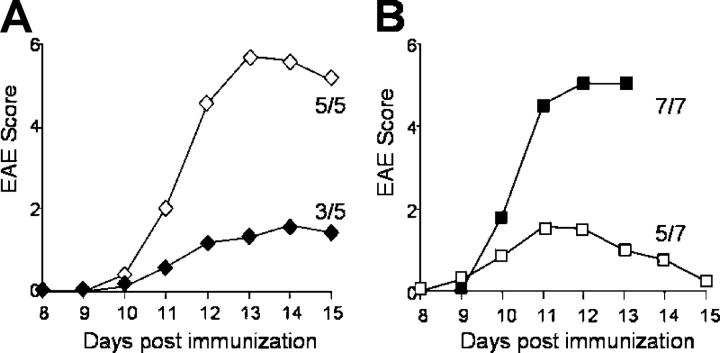
“In a reciprocal study, utilizing IL-23p19-deficient mice, EAE induction was completely abrogated despite a similar influx of immune cells into the CNS compared with wildtype mice that developed EAE (8).”
BackgroundInfluentialSARS-CoV-2 infection: The role of cytokines in COVID-19 disease
Costela-Ruiz, V. J., Illescas-Montes, R., Puerta-Puerta, J. M., Ruiz, C., & Melguizo-Rodríguez, L. (2020) · Cytokine & Growth Factor Reviews · doi:10.1016/j.cytogfr.2020.06.001 · Cited by 1,121
Production of interleukin 22 but not interleukin 17 by a subset of human skin-homing memory T cells
Duhen, T., Geiger, R., Jarrossay, D., Lanzavecchia, A., & Sallusto, F. (2009) · Nature Immunology · doi:10.1038/ni.1767 · Cited by 1,079
McGeachy, M. J., Chen, Y., Tato, C. M., Laurence, A., Joyce-Shaikh, B., Blumenschein, W. M., McClanahan, T. K., O'Shea, J. J., & Cua, D. J. (2009) · Nature Immunology · doi:10.1038/ni.1698 · Cited by 1,074
“T H -17 cells were initially shown to be a chief pathogenic cell type in models of autoimmunity, including experimental autoimmune encephalomyelitis (EAE”
BackgroundSelf-citationThe IL-23/IL-17 axis in inflammation
Iwakura, Y. (2006) · Journal of Clinical Investigation · doi:10.1172/jci28508 · Cited by 1,046
IL-17 and IL-17-producing cells in protection versus pathology
Mills, K. H. G. (2023) · Nature Reviews Immunology · doi:10.1038/s41577-022-00746-9 · Cited by 1,000
TH17 cells in development: an updated view of their molecular identity and genetic programming
Dong, C. (2008) · Nature reviews. Immunology · doi:10.1038/nri2295 · Cited by 1,064
“subsequently showed that IL-23 selectively induces the proliferation of in vivo -primed IL-17-expressing T H cell”
BackgroundAutoimmune T cell responses in the central nervous system
Goverman, J. (2009) · Nature Reviews Immunology · doi:10.1038/nri2550 · Cited by 1,030
“Furthermore, neutralizing IL-17 activity ameliorated EAE, thereby strengthening the notion that T H 17 cells are the 'true' effector cells in CNS autoimmunit”
BackgroundLate Developmental Plasticity in the T Helper 17 Lineage
Lee, Y. K., Turner, H., Maynard, C. L., Oliver, J. R., Chen, D., Elson, C. O., & Weaver, C. T. (2009) · Immunity · doi:10.1016/j.immuni.2008.11.005 · Cited by 1,053
“Accordingly, T cell-transfer studies demonstrated more potent disease induction by Th17 cells compared to Th1 cells (Elson et al., 2007; Langrish et al., 2005), and successful treatment with blocking antibodies specific for IL-23 established that Th17 cells were the principal effectors in autoimmune pathogenesis in se…”
InfluentialInterleukin-1 and Related Cytokines in the Regulation of Inflammation and Immunity
Mantovani, A., Dinarello, C. A., Molgora, M., & Garlanda, C. (2019) · Immunity · doi:10.1016/j.immuni.2019.03.012 · Cited by 1,046
Sutton, C., Brereton, C., Keogh, B., Mills, K. H. G., & Lavelle, E. C. (2006) · The Journal of Experimental Medicine · doi:10.1084/jem.20060285 · Cited by 1,010
IL-23 promotes tumour incidence and growth
Langowski, J. L., Zhang, X., Wu, L., Mattson, J. D., Chen, T., Smith, K., Basham, B., McClanahan, T., Kastelein, R. A., & Oft, M. (2006) · Nature · doi:10.1038/nature04808 · Cited by 1,018
Self-citationT cells in multiple sclerosis and experimental autoimmune encephalomyelitis
Fletcher, J. M., Lalor, S. J., Sweeney, C. M., Tubridy, N., & Mills, K. H. G. (2010) · Clinical and Experimental Immunology · doi:10.1111/j.1365-2249.2010.04143.x · Cited by 945
Stumhofer, J. S., Laurence, A., Wilson, E. H., Huang, E., Tato, C. M., Johnson, L. M., Villarino, A. V., Huang, Q., Yoshimura, A., Sehy, D., et al. (2006) · Nature Immunology · doi:10.1038/ni1376 · Cited by 955
O'Connor, R. A., Prendergast, C. T., Sabatos, C. A., Lau, C. W. Z., Leech, M. D., Wraith, D. C., & Anderton, S. M. (2008) · The Journal of Immunology · doi:10.4049/jimmunol.181.6.3750 · Cited by 350
“E xperimental autoimmune encephalomyelitis (EAE) 4 had long been considered the prototypic Th1-mediated autoimmune disease (1, 2) until recent findings suggested a primary role for Th17 cells in this model (3, 4).”
BackgroundVolpe, E., Servant, N., Zollinger, R., Bogiatzi, S. I., Hupé, P., Barillot, E., & Soumelis, V. (2008) · Nature Immunology · doi:10.1038/ni.1613 · Cited by 938
Hirota, K., Yoshitomi, H., Hashimoto, M., Maeda, S., Teradaira, S., Sugimoto, N., Yamaguchi, T., Nomura, T., Ito, H., Nakamura, T., et al. (2007) · The Journal of Experimental Medicine · doi:10.1084/jem.20071397 · Cited by 937
TGF-β: A Master of All T Cell Trades
Li, M. O., & Flavell, R. A. (2008) · Cell · doi:10.1016/j.cell.2008.07.025 · Cited by 893
“These autoimmune diseases were thought to be triggered by dysfunctional Th1 cells whose differentiation is regulated by the innate immune cytokine IL-12 (Murphy and Reiner, 2002) until the startling finding that the cytokine IL-23 and not IL-12 was essential for the induction of EAE or CIA (Cua et al., 2003; Langrish…”
Teng, M. W. L., Bowman, E. P., McElwee, J. J., Smyth, M. J., Casanova, J.-L., Cooper, A. M., & Cua, D. J. (2015) · Nature Medicine · doi:10.1038/nm.3895 · Cited by 873
Self-citationInterleukin-17 and its target genes: mechanisms of interleukin-17 function in disease
Onishi, R. M., & Gaffen, S. L. (2010) · Immunology · doi:10.1111/j.1365-2567.2009.03240.x · Cited by 894
MicroRNA-155 Promotes Autoimmune Inflammation by Enhancing Inflammatory T Cell Development
O'Connell, R. M., Kahn, D., Gibson, W. S. J., Round, J. L., Scholz, R. L., Chaudhuri, A. A., Kahn, M. E., Rao, D. S., & Baltimore, D. (2010) · Immunity · doi:10.1016/j.immuni.2010.09.009 · Cited by 889
“Th17 cell development is driven by cytokines produced primarily by cells of the innate immune system, including transforming growth factor-b (TGF-b), interleukin-6 (IL-6), IL-23, and IL-1 (Bettelli et al., 2006; Langrish et al., 2005; Veldhoen et al., 2006).”
BackgroundThe microbiota regulates type 2 immunity through RORγt + T cells
Ohnmacht, C., Park, J.-H., Cording, S., Wing, J. B., Atarashi, K., Obata, Y., Gaboriau-Routhiau, V., Marques, R., Dulauroy, S., Fedoseeva, M., et al. (2015) · Science · doi:10.1126/science.aac4263 · Cited by 863
New IL-12-family members: IL-23 and IL-27, cytokines with divergent functions
Hunter, C. A. (2005) · Nature Reviews Immunology · doi:10.1038/nri1648 · Cited by 852
“fcgi?db=gene&cmd=Retrieve&dopt=Graphics&list_uids=257630">IL-17F and TNF) — and that these cells are sufficient to induce neurological diseas”
BackgroundShichita, T., Sugiyama, Y., Ooboshi, H., Sugimori, H., Nakagawa, R., Takada, I., Iwaki, T., Okada, Y., Iida, M., Cua, D. J., et al. (2009) · Nature Medicine · doi:10.1038/nm.1999 · Cited by 842
“Furthermore, IL-23, a heterodimer of IL-23p19 and IL-12p40, has been shown to be essential for EAE development as well as the induction of Th17 cell”
BackgroundSelf-citationBatten, M., Li, J., Yi, S., Kljavin, N. M., Danilenko, D. M., Lucas, S., Lee, J., de Sauvage, F. J., & Ghilardi, N. (2006) · Nature Immunology · doi:10.1038/ni1375 · Cited by 825
T Helper 17 Cells Promote Cytotoxic T Cell Activation in Tumor Immunity
Martin-Orozco, N., Muranski, P., Chung, Y., Yang, X. O., Yamazaki, T., Lu, S., Hwu, P., Restifo, N. P., Overwijk, W. W., & Dong, C. (2009) · Immunity · doi:10.1016/j.immuni.2009.09.014 · Cited by 800
“, 2001) and resistance to autoimmune diseases (Langrish et al., 2005; Nakae et al., 2003; Park et al., 2005; Yang et al., 2008).”
BackgroundMyelin-specific regulatory T cells accumulate in the CNS but fail to control autoimmune inflammation
Korn, T., Reddy, J., Gao, W., Bettelli, E., Awasthi, A., Petersen, T. R., Bäckström, B. T., Sobel, R. A., Wucherpfennig, K. W., Strom, T. B., et al. (2007) · Nature Medicine · doi:10.1038/nm1564 · Cited by 811
“In the context of organ-specific autoimmunity, pathogenic T cells themselves may be the source of IL-6 (ref”
BackgroundInterleukin-23 drives innate and T cell–mediated intestinal inflammation
Hue, S., Ahern, P., Buonocore, S., Kullberg, M. C., Cua, D. J., McKenzie, B. S., Powrie, F., & Maloy, K. J. (2006) · The Journal of Experimental Medicine · doi:10.1084/jem.20061099 · Cited by 823
“To date, IL-23 has been proposed to trigger IL-17 production through the induction/expansion of a novel subset of CD4+ Th17 cells, which have been associated with autoimmune pathology (12, 13, 18, 38).”
BackgroundSelf-citationDu, C., Liu, C., Kang, J., Zhao, G., Ye, Z., Huang, S., Li, Z., Wu, Z., & Pei, G. (2009) · Nature Immunology · doi:10.1038/ni.1798 · Cited by 811
“Mice with fewer T H -17 cells are less susceptible to experimental autoimmune encephalomyelitis (EAE”
Interleukins, from 1 to 37, and interferon-γ: Receptors, functions, and roles in diseases
Akdis, M., Burgler, S., Crameri, R., Eiwegger, T., Fujita, H., Gomez, E., Klunker, S., Meyer, N., O’Mahony, L., Palomares, O., et al. (2011) · Journal of Allergy and Clinical Immunology · doi:10.1016/j.jaci.2010.11.050 · Cited by 778
Jeffery, L. E., Burke, F., Mura, M., Zheng, Y., Qureshi, O. S., Hewison, M., Walker, L. S. K., Lammas, D. A., Raza, K., & Sansom, D. M. (2009) · The Journal of Immunology · doi:10.4049/jimmunol.0803217 · Cited by 789
“velopment of autoimmune diseases (5), including inflammatory”
Crispín, J. C., Oukka, M., Bayliss, G., Cohen, R. A., Van Beek, C. A., Stillman, I. E., Kyttaris, V. C., Juang, Y.-T., & Tsokos, G. C. (2008) · The Journal of Immunology · doi:10.4049/jimmunol.181.12.8761 · Cited by 789
“matory responses by virtue of producing IL-17A and IL-17F (11).”
BackgroundIL-17 Signaling: The Yin and the Yang
Amatya, N., Garg, A. V., & Gaffen, S. L. (2017) · Trends in Immunology · doi:10.1016/j.it.2017.01.006 · Cited by 785
Jäger, A., Dardalhon, V., Sobel, R. A., Bettelli, E., & Kuchroo, V. K. (2009) · The Journal of Immunology · doi:10.4049/jimmunol.0901906 · Cited by 783
“While IL-17-producing T cells expanded with IL-23 were originally reported to be more pathogenic than IFN- -producing T cells expanded with IL-12 (10), another report found that only Th1 cells, but not Th17 cells, induce EAE (11).”
InfluentialKastelein, R. A., Hunter, C. A., & Cua, D. J. (2007) · Annual Review of Immunology · doi:10.1146/annurev.immunol.22.012703.104758 · Cited by 763
“Langrish and colleagues (15) demonstrated that the IL-23-driven IL-17producing cells are highly potent at inducing CNS immune pathology.”
BackgroundResultInfluentialSelf-citationUnderstanding the IL-23–IL-17 immune pathway
McKenzie, B. S., Kastelein, R. A., & Cua, D. J. (2006) · Trends in Immunology · doi:10.1016/j.it.2005.10.003 · Cited by 766
Self-citationLi, M. O., Wan, Y. Y., & Flavell, R. A. (2007) · Immunity · doi:10.1016/j.immuni.2007.03.014 · Cited by 733
Lymphoid tissue inducer–like cells are an innate source of IL-17 and IL-22
Takatori, H., Kanno, Y., Watford, W. T., Tato, C. M., Weiss, G., Ivanov, I. I., Littman, D. R., & O'Shea, J. J. (2009) · Journal of Experimental Medicine · doi:10.1084/jem.20072713 · Cited by 740
Lockhart, E., Green, A. M., & Flynn, J. L. (2006) · The Journal of Immunology · doi:10.4049/jimmunol.177.7.4662 · Cited by 767
“This cytokine promotes T cell production of IL-17A, IL-17F, TNF, and IL-6, which drive inflammation in experimental autoimmune encephalomyelitis (1).”
BackgroundAfzali, B., Lombardi, G., Lechler, R. I., & Lord, G. M. (2007) · Clinical and Experimental Immunology · doi:10.1111/j.1365-2249.2007.03356.x · Cited by 762
Interleukin-23-Independent IL-17 Production Regulates Intestinal Epithelial Permeability
Lee, J. S., Tato, C. M., Joyce-Shaikh, B., Gulen, M. F., Cayatte, C., Chen, Y., Blumenschein, W. M., Judo, M., Ayanoglu, G., McClanahan, T. K., et al. (2015) · Immunity · doi:10.1016/j.immuni.2015.09.003 · Cited by 760
“Interleukin-17A (IL-17A) is the hallmark cytokine of the T helper (Th17) cell subset of CD4+ T cells, which have been implicated as the primary pathogenic population in a range of autoimmune disorders (Langrish et al., 2005; Louten et al., 2009; Sallusto and Lanzavecchia, 2009).”
Self-citationA protective function for interleukin 17A in T cell–mediated intestinal inflammation
O'Connor Jr, W., Kamanaka, M., Booth, C. J., Town, T., Nakae, S., Iwakura, Y., Kolls, J. K., & Flavell, R. A. (2009) · Nature Immunology · doi:10.1038/ni.1736 · Cited by 756
“Of particular interest is IL-23-mediated production of IL-17, which has been reported to be important in the pathogenesis of several inflammatory disorders, including the initiation and/or progression of experimental autoimmune encephalomyelitis, a mouse model of human multiple sclerosi”
The cytokine network involved in the host immune response to periodontitis
Pan, W., Wang, Q., & Chen, Q. (2019) · International Journal of Oral Science · doi:10.1038/s41368-019-0064-z · Cited by 696
Regulation of inflammatory responses by IL-17F
Yang, X. O., Chang, S. H., Park, H., Nurieva, R., Shah, B., Acero, L., Wang, Y.-H., Schluns, K. S., Broaddus, R. R., Zhu, Z., et al. (2008) · The Journal of Experimental Medicine · doi:10.1084/jem.20071978 · Cited by 739
Differentiation and function of Th17 T cells
Stockinger, B., & Veldhoen, M. (2007) · Current Opinion in Immunology · doi:10.1016/j.coi.2007.04.005 · Cited by 721
Luger, D., Silver, P. B., Tang, J., Cua, D., Chen, Z., Iwakura, Y., Bowman, E. P., Sgambellone, N. M., Chan, C.-C., & Caspi, R. R. (2008) · The Journal of Experimental Medicine · doi:10.1084/jem.20071258 · Cited by 721
Self-citation
Metadata
- Authors
- Langrish, C. L., Chen, Y., Blumenschein, W. M., Mattson, J., Basham, B., Sedgwick, J. D., McClanahan, T., Kastelein, R. A., & Cua, D. J.
- Affiliations
- 1Discovery Research, DNAX Research Inc., Palo Alto, CA 94304
- 2Experimental Pathology and Pharmacology, DNAX Research Inc., Palo Alto, CA 94304
- 3Bioinformatics, DNAX Research Inc., Palo Alto, CA 94304
- Venue
- The Journal of Experimental Medicine
- Publisher
- Rockefeller University Press
- Published
- 2005-01-17
- Volume
- 201
- Issue
- 2
- Pages
- 233-240
- ISSN
- 0022-1007 (ISSN-L)
- 1540-9538
- PMC
- PMC2212798
- OpenAlex
- W2006249161
- Cited by
- 4,099
- References
- 39
- Citations by year
- 2026: 65 · 2025: 98 · 2024: 107 · 2023: 103 · 2022: 134 · 2021: 147 · 2020: 157 · 2019: 150 · 2018: 165 · 2017: 176 · 2016: 147 · 2015: 238 · 2014: 201 · 2013: 242 · 2012: 261
- FWCI
- 87.41
- Type
- journal article
- Language
- en
- Open access
- bronze
- doi.org
- Locations
- The Journal of Experimental Medicine (publishedVersion)
- PubMed Central (publishedVersion, cc-by-nc-sa)
- PubMed (publishedVersion)
- Topics
- Life Sciences › Immunology and Microbiology › Immunology › Psoriasis: Treatment and Pathogenesis
- Life Sciences › Immunology and Microbiology › Immunology › T-cell and B-cell Immunology
- Life Sciences › Immunology and Microbiology › Immunology › Cytokine Signaling Pathways and Interactions
- Keywords
- IL-23, IL-12, p40 subunit, CD4+ T cells, Th1 cells, IL-17, IL-17F, inflammatory cytokines, autoimmunity, central nervous system autoimmunity, T cell gene expression, passive transfer
- MeSH terms
- Animals, Central Nervous System, Encephalomyelitis, Autoimmune, Experimental, Inflammation, Interleukins, Time Factors, CD4-Positive T-Lymphocytes, Autoimmunity, Gene Expression, Cytokines, Interleukin-12, Interleukin-17, Gene Expression Profiling, Mice, Interleukin-23, Interleukin-23 Subunit p19
About these checks
Registry, retraction, Cites and statistics results are computed, not judged, with one exception: a printed reference that no index lists is read once by a model before it counts as a citation error. Claims are extracted by a model and kept only when their quote appears verbatim in the text; each cited source is then checked, with a model’s help, for whether it says what the claim relies on. Those verdicts can be wrong — read the claim’s quote and the cited source before relying on one.
Statistics and arithmetic are recomputed, not judged.
Confidence bands are shown only for fields calibrated on our annotated test set. None is calibrated yet, so no band is shown.
What counts as a claim ›How we measure confidence ›How we check this ›
Are you an author, or do you see a problem with this page? Request a review
Data sources
Bibliographic data: Semantic Scholar, OpenAlex, Crossref.
Contains information from the Semantic Scholar Academic Graph Datasets, made available under the ODC Attribution License (ODC-BY 1.0).
Semantic Scholar’s data is described in: Kinney, R., et al. (2023). The Semantic Scholar Open Data Platform. arXiv:2301.10140.
