

IL-23 drives a pathogenic T cell population that induces autoimmune inflammation
Open accessThe DOI matches its Crossref record; 39 of the 39 references it cites were found in a registry or an index.
Abstract
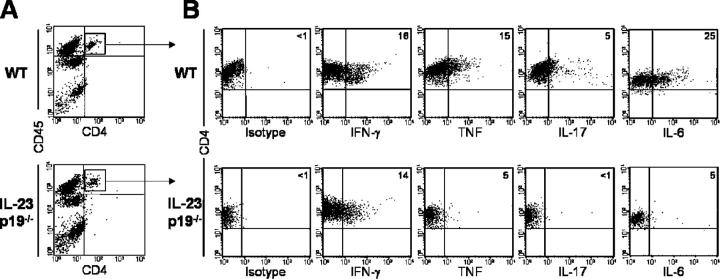
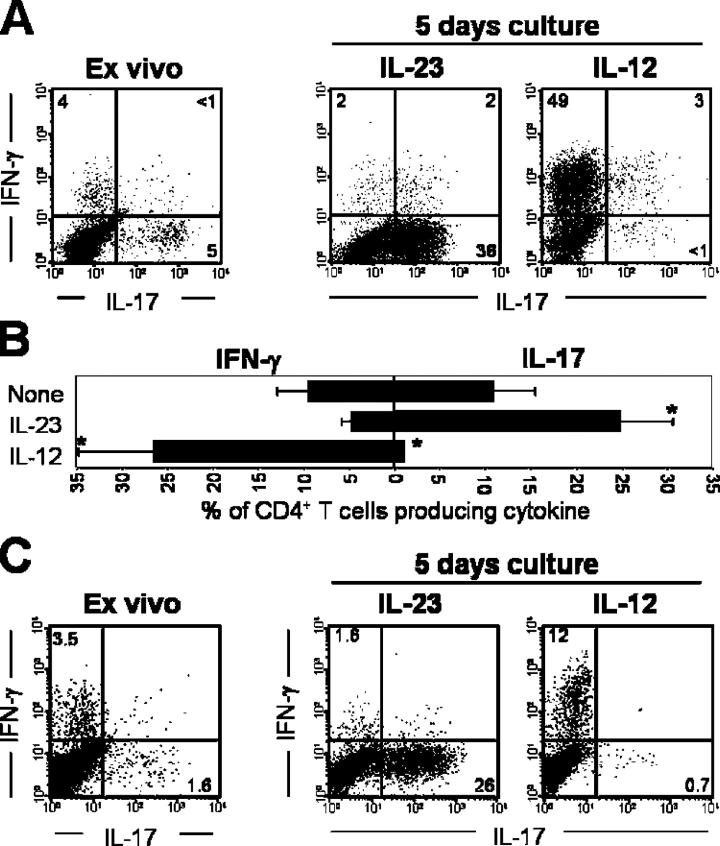
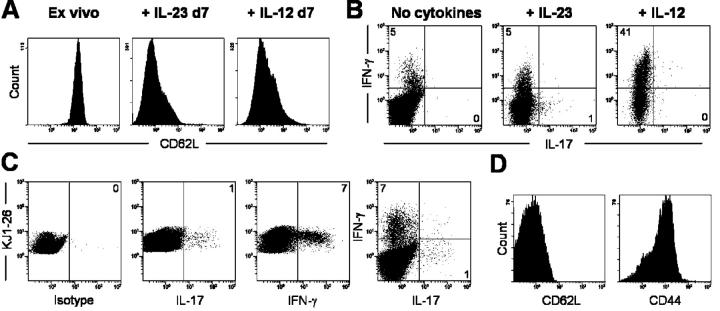
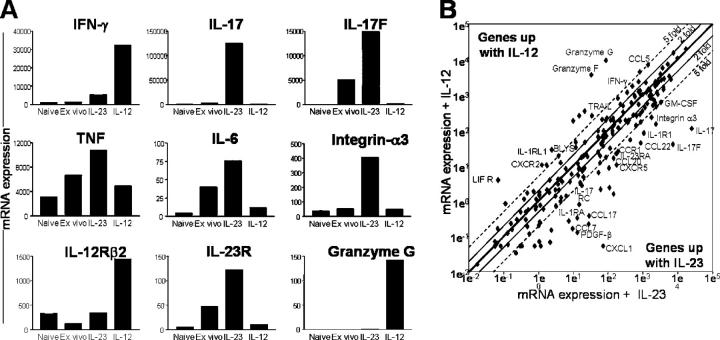
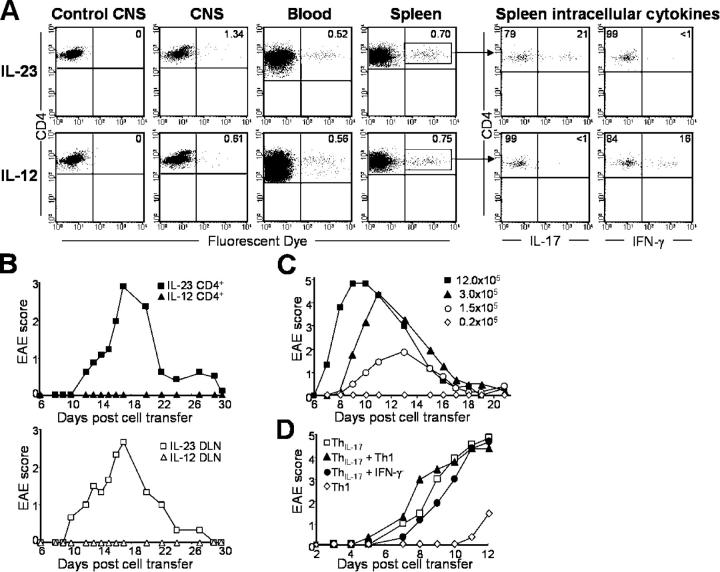
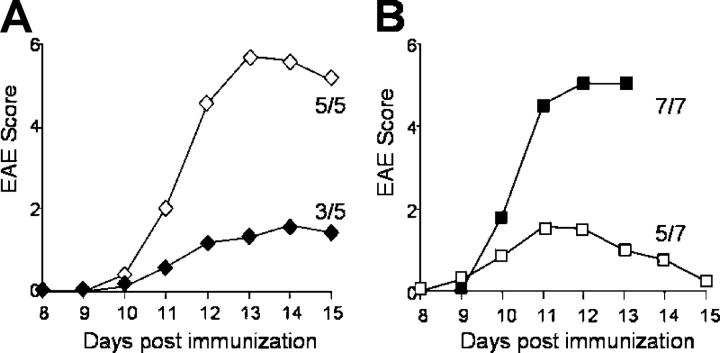
Interleukin (IL)-23 is a heterodimeric cytokine composed of a unique p19 subunit, and a common p40 subunit shared with IL-12. IL-12 is important for the development of T helper (Th)1 cells that are essential for host defense and tumor suppression. In contrast, IL-23 does not promote the development of interferon-gamma-producing Th1 cells, but is one of the essential factors required for the expansion of a pathogenic CD4(+) T cell population, which is characterized by the production of IL-17, IL-17F, IL-6, and tumor necrosis factor. Gene expression analysis of IL-23-driven autoreactive T cells identified a unique expression pattern of proinflammatory cytokines and other novel factors, distinguishing them from IL-12-driven T cells. Using passive transfer studies, we confirm that these IL-23-dependent CD4(+) T cells are highly pathogenic and essential for the establishment of organ-specific inflammation associated with central nervous system autoimmunity.
Overview
The claims and statistics of this paper haven’t been checked yet.
Free: it reads the open-access text and checks the first 5 claims that cite a source we can check. Create a free account to check every claim.
Integrity signals
Registry
Cites
Statistics
Figures
Verification
Claims the paper makes
The claims and statistics of this paper haven’t been checked yet.
Free: it reads the open-access text and checks the first 5 claims that cite a source we can check. Create a free account to check every claim.
Claims other papers make about this one
Each is checked against this paper’s own text: does it say what the citing paper says it does?
The source backs part of the claim, not all of it — or backs it for a different population, condition or comparison.
In the citing paper
“which is induced after stimulation by IL-21.”
From Distinct characteristics of hippocampal pathogenic th17 cells in a mouse model of depression (2018) · cites this paper as Langrish et al., 2005
Experimental — accuracy not yet measuredThe source backs part of the claim, not all of it — or backs it for a different population, condition or comparison.
In the citing paper
“the acquisition of the pathogenic phenotype occurs after expression of the IL-23 receptor (IL-23R) by TH17 cells (Ghoreschi et al., 2010; Langrish et al., 2005)”
From Distinct characteristics of hippocampal pathogenic th17 cells in a mouse model of depression (2018) · cites this paper as Langrish et al., 2005
Experimental — accuracy not yet measuredThe source backs part of the claim, not all of it — or backs it for a different population, condition or comparison.
In the citing paper
“CCR6 and IL-23R have been linked to the pathogenicity of TH17 cells in autoimmune diseases (Hirota et al., 2007; Kohler et al., 2003; Langrish et al., 2005), such as multiple sclerosis, suggesting that the depression-associated hippocampal TH17 cells display CNS-directed pathogenic properties that may underlie a portion of their pro-depressive actions.”
From Distinct characteristics of hippocampal pathogenic th17 cells in a mouse model of depression (2018) · cites this paper as Langrish et al., 2005
Experimental — accuracy not yet measuredIn the citing paper
“The so-called “IL-23-IL-17 axis” was found to function as a critical driver of autoimmune disease”
From The IL-17 Family of Cytokines in Health and Disease (2019) · cites this paper as Langrish et al., 2005
Self-check
Percentages, sums and reported differences re-computed from the paper’s own numbers.
The self-check needs the paper’s full text.
Citations
Cites
2 retracted
Inducible costimulator is essential for collagen-induced arthritis
Nurieva, R. I., Treuting, P., Duong, J., Flavell, R. A., & Dong, C. (2003) · Journal of Clinical Investigation · doi:10.1172/jci17321 · Cited by 117
RetractedThe IL-12Rβ2 gene functions as a tumor suppressor in human B cell malignancies
Airoldi, I., Carlo, E. D., Banelli, B., Moserle, L., Cocco, C., Pezzolo, A., Sorrentino, C., Rossi, E., Romani, M., Amadori, A., et al. (2004) · Journal of Clinical Investigation · doi:10.1172/jci20303 · Cited by 65 · cited 1×
“IL-12 is an important factor for the differentiation of naive T cells into IFN- � ‐producing Th1 cells, is essential for antimicrobial responses (4, 5), and serves as a suppressor of human B cell tumors ( 6 ).”
BackgroundRetractedCua, D. J., Sherlock, J., Chen, Y., Murphy, C. A., Joyce, B., Seymour, B., Lucian, L., To, W., Kwan, S., Churakova, T., et al. (2003) · Nature · doi:10.1038/nature01355 · Cited by 2,906 · cited 3×
“Blood was collected and lysed (RBC lysis buffer; Sigma-Aldrich), and mononuclear cells from brains and spinal cord tissue were prepared as described previously ( 1 ) and surface stained with anti‐CD4-APC.”
MethodInfluentialSelf-citationOppmann, B., Lesley, R., Blom, B., Timans, J. C., Xu, Y., Hunte, B., Vega, F., Yu, N., Wang, J., Singh, K., et al. (2000) · Immunity · doi:10.1016/s1074-7613(00)00070-4 · Cited by 2,822 · cited 1×
“Although IL-23 shares a common p40 subunit with IL-12 (3), these cytokines have divergent activities.”
BackgroundSelf-citationToll Pathway-Dependent Blockade of CD4 + CD25 + T Cell-Mediated Suppression by Dendritic Cells
Pasare, C., & Medzhitov, R. (2003) · Science · doi:10.1126/science.1078231 · Cited by 1,997 · cited 1×
“IL-6 produced by LPS-activated dendritic cells can turn off regulatory T cell (T reg cell) function, allowing effector T cell activation ( 35 ).”
BackgroundAggarwal, S., Ghilardi, N., Xie, M.-H., de Sauvage, F. J., & Gurney, A. L. (2003) · Journal of Biological Chemistry · doi:10.1074/jbc.m207577200 · Cited by 1,847 · cited 1×
“Ex vivo analysis of draining LN (DLN) cells from immunized WT and IL-23p19 mice reflected the CNS data, with similar IFN- levels, but no IL-17 production by the IL-23p19 cells (2, 14, 15).”
BackgroundDivergent Pro- and Antiinflammatory Roles for IL-23 and IL-12 in Joint Autoimmune Inflammation
Murphy, C. A., Langrish, C. L., Chen, Y., Blumenschein, W., McClanahan, T., Kastelein, R. A., Sedgwick, J. D., & Cua, D. J. (2003) · The Journal of Experimental Medicine · doi:10.1084/jem.20030896 · Cited by 1,669 · cited 3×
“These results are consistent with papers suggesting that IL-23 is required for the development and expansion of IL-17–producing CD4 T cells (2, 16, 17).”
BackgroundMethodResultSelf-citationSuppression of Immune Induction of Collagen-Induced Arthritis in IL-17-Deficient Mice
Nakae, S., Nambu, A., Sudo, K., & Iwakura, Y. (2003) · The Journal of Immunology · doi:10.4049/jimmunol.171.11.6173 · Cited by 1,273
Exacerbations of multiple sclerosis in patients treated with gamma interferon
Panitch, H., Haley, A., Hirsch, R., & Johnson, K. (1987) · The Lancet · doi:10.1016/s0140-6736(87)92863-7 · Cited by 1,071 · cited 1×
“Treatments with IFNlead to disease exacerbation in human MS (22), and transgenic mice overexpressing IFN- in the CNS showed increased oligodendrocyte death leading to demyelinating diseases (23, 24).”
BackgroundFerber, I. A., Brocke, S., Taylor-Edwards, C., Ridgway, W., Dinisco, C., Steinman, L., Dalton, D., & Fathman, C. G. (1996) · The Journal of Immunology · doi:10.4049/jimmunol.156.1.5 · Cited by 989
Cited by
Items 101–200 of 1,038
Bleomycin and IL-1β–mediated pulmonary fibrosis is IL-17A dependent
Wilson, M. S., Madala, S. K., Ramalingam, T. R., Gochuico, B. R., Rosas, I. O., Cheever, A. W., & Wynn, T. A. (2010) · Journal of Experimental Medicine · doi:10.1084/jem.20092121 · Cited by 730
“These observations also suggest that IL10 inhibits the development of BLMinduced fibrosis by targeting the proinflammatory IL23–IL17A pathway rather than the IL12–IFN axis.”
BackgroundInfluentialThe development of inflammatory TH-17 cells requires interferon-regulatory factor 4
Brüstle, A., Heink, S., Huber, M., Rosenplänter, C., Stadelmann, C., Yu, P., Arpaia, E., Mak, T. W., Kamradt, T., & Lohoff, M. (2007) · Nature Immunology · doi:10.1038/ni1500 · Cited by 692
“Evidence has clarified that T H -17 cells, rather than T H 1 cells, are important in autoimmune inflammatory conditions such as experimental autoimmune encephalomyelitis (EAE), an animal model of multiple sclerosi”
BackgroundBauquet, A. T., Jin, H., Paterson, A. M., Mitsdoerffer, M., Ho, I.-C., Sharpe, A. H., & Kuchroo, V. K. (2009) · Nature Immunology · doi:10.1038/ni.1690 · Cited by 713
“Furthermore, IL-17-producing T cells with specificity for myelin antigen are more efficient than are T helper type 1 (T H 1) cells in transferring autoimmunity in experimental autoimmune encephalomyelitis (EAE), an animal model of multiple sclerosi”
BackgroundTh17 Cell Differentiation: The Long and Winding Road
McGeachy, M. J., & Cua, D. J. (2008) · Immunity · doi:10.1016/j.immuni.2008.03.001 · Cited by 701
Self-citationCytokine networks in neuroinflammation
Becher, B., Spath, S., & Goverman, J. (2017) · Nature Reviews Immunology · doi:10.1038/nri.2016.123 · Cited by 697
Macrophages, Foreign Body Giant Cells and Their Response to Implantable Biomaterials
Sheikh, Z., Brooks, P., Barzilay, O., Fine, N., & Glogauer, M. (2015) · Materials · doi:10.3390/ma8095269 · Cited by 701
Role of cytokines in inflammatory bowel disease
Sanchez-Muñoz, F., Dominguez-Lopez, A., & Yamamoto-Furusho, J. K. (2008) · World Journal of Gastroenterology · doi:10.3748/wjg.14.4280 · Cited by 699
Differential Activity of IL-12 and IL-23 in Mucosal and Systemic Innate Immune Pathology
Uhlig, H. H., McKenzie, B. S., Hue, S., Thompson, C., Joyce-Shaikh, B., Stepankova, R., Robinson, N., Buonocore, S., Tlaskalova-Hogenova, H., Cua, D. J., et al. (2006) · Immunity · doi:10.1016/j.immuni.2006.05.017 · Cited by 682
“On the basis of their unique development and function , these IL - 17 - producing T cells have been grouped into their own lineage , now termed Th17 ( Harrington et al .”
BackgroundInfluentialSelf-citationChan, J. R., Blumenschein, W., Murphy, E., Diveu, C., Wiekowski, M., Abbondanzo, S., Lucian, L., Geissler, R., Brodie, S., Kimball, A. B., et al. (2006) · The Journal of Experimental Medicine · doi:10.1084/jem.20060244 · Cited by 680
“IL-23 is a potent regulator of memory T cell development and/or expansion that is skewed to IL-17A secretion (36), and IL-23 has been implicated as a key disease driver in autoimmune disease models (13, 23).”
BackgroundSelf-citationImmunological decision‐making: how does the immune system decide to mount a helper T‐cell response?
Kaiko, G. E., Horvat, J. C., Beagley, K. W., & Hansbro, P. M. (2008) · Immunology · doi:10.1111/j.1365-2567.2007.02719.x · Cited by 658
Th17: the third member of the effector T cell trilogy
Bettelli, E., Korn, T., & Kuchroo, V. K. (2007) · Current Opinion in Immunology · doi:10.1016/j.coi.2007.07.020 · Cited by 652
Differential Th17 CD4 T-cell depletion in pathogenic and nonpathogenic lentiviral infections
Brenchley, J. M., Paiardini, M., Knox, K. S., Asher, A. I., Cervasi, B., Asher, T. E., Scheinberg, P., Price, D. A., Hage, C. A., Kholi, L. M., et al. (2008) · Blood · doi:10.1182/blood-2008-05-159301 · Cited by 648
“The principle findings were as follows: (1) the GI tract is enriched in Th17 cells compared with PB in healthy patients; (2) CD4 T cells in blood of HIV-infected patients are skewed away from a Th17 phenotype toward a monofunctional Th1 phenotype with cellular maturation; (3) PB Th17 cells are infected by HIV in vivo,…”
BackgroundResultIL-21 Is Produced by Th17 Cells and Drives IL-17 Production in a STAT3-dependent Manner
Wei, L., Laurence, A., Elias, K. M., & O'Shea, J. J. (2007) · Journal of Biological Chemistry · doi:10.1074/jbc.m705100200 · Cited by 641
Control of TH17 cells occurs in the small intestine
Esplugues, E., Huber, S., Gagliani, N., Hauser, A. E., Town, T., Wan, Y. Y., O’Connor, W., Rongvaux, A., Van Rooijen, N., Haberman, A. M., et al. (2011) · Nature · doi:10.1038/nature10228 · Cited by 652
Toscano, M. A., Bianco, G. A., Ilarregui, J. M., Croci, D. O., Correale, J., Hernandez, J. D., Zwirner, N. W., Poirier, F., Riley, E. M., Baum, L. G., et al. (2007) · Nature Immunology · doi:10.1038/ni1482 · Cited by 653
Modulation of Innate and Adaptive Immune Responses by Tofacitinib (CP-690,550)
Ghoreschi, K., Jesson, M. I., Li, X., Lee, J. L., Ghosh, S., Alsup, J. W., Warner, J. D., Tanaka, M., Steward-Tharp, S. M., Gadina, M., et al. (2011) · The Journal of Immunology · doi:10.4049/jimmunol.1003668 · Cited by 645
“Although Th1 cells were thought originally to be the major mediators of immunopathogenesis, it now is recognized increasingly that Th17 cells are also important drivers of autoimmunity (41, 43, 44).”
BackgroundThe AP-1 transcription factor Batf controls TH17 differentiation
Schraml, B. U., Hildner, K., Ise, W., Lee, W.-L., Smith, W. A.-E., Solomon, B., Sahota, G., Sim, J., Mukasa, R., Cemerski, S., et al. (2009) · Nature · doi:10.1038/nature08114 · Cited by 630
Kamada, N., Hisamatsu, T., Okamoto, S., Chinen, H., Kobayashi, T., Sato, T., Sakuraba, A., Kitazume, M. T., Sugita, A., Koganei, K., et al. (2008) · Journal of Clinical Investigation · doi:10.1172/jci34610 · Cited by 603
Macrophage activation by endogenous danger signals
Zhang, X., & Mosser, D. (2008) · The Journal of Pathology · doi:10.1002/path.2284 · Cited by 611
“IL-23, which is a heterodimer of p40 and p19, is a pro-inflammatory cytokine that is over-expressed in inflamed tissues from IBD mice [122,123].”
BackgroundGM-CSF: From Growth Factor to Central Mediator of Tissue Inflammation
Becher, B., Tugues, S., & Greter, M. (2016) · Immunity · doi:10.1016/j.immuni.2016.10.026 · Cited by 593
“In contrast, phagocytes have an extensive tool set with which to kill cells, damage the tissue, and even clean up debris afterward (Lavin et al., 2015; Serbina et al., 2008).”
BackgroundDivergent roles of IL-23 and IL-12 in host defense against Klebsiella pneumoniae
Happel, K. I., Dubin, P. J., Zheng, M., Ghilardi, N., Lockhart, C., Quinton, L. J., Odden, A. R., Shellito, J. E., Bagby, G. J., Nelson, S., et al. (2005) · The Journal of Experimental Medicine · doi:10.1084/jem.20050193 · Cited by 605
“Moreover, because IL-23 is critical for autoimmune diseases such as arthritis and multiple sclerosis (47), our data suggest that targeting IL-23 p19 would be less immunosuppressive than IL-12/23 p40.”
BackgroundCytokine Regulation and Function in T Cells
Dong, C. (2021) · Annual Review of Immunology · doi:10.1146/annurev-immunol-061020-053702 · Cited by 588
Discovery of the IL-23/IL-17 Signaling Pathway and the Treatment of Psoriasis
Hawkes, J. E., Yan, B. Y., Chan, T. C., & Krueger, J. G. (2018) · The Journal of Immunology · doi:10.4049/jimmunol.1800013 · Cited by 593
“Subsequent work using mice deficient in IL-12, IL-23, or both found that the EAE model was critically dependent on IL-23, which regulates the differentiation of IL-17– and IL-22–producing subsets of CD4 lymphocytes (14).”
BackgroundThe signal pathways and treatment of cytokine storm in COVID-19
Yang, L., Xie, X., Tu, Z., Fu, J., Xu, D., & Zhou, Y. (2021) · Signal Transduction and Targeted Therapy · doi:10.1038/s41392-021-00679-0 · Cited by 603
Expanding the effector CD4 T-cell repertoire: the Th17 lineage
Harrington, L. E., Mangan, P. R., & Weaver, C. T. (2006) · Current Opinion in Immunology · doi:10.1016/j.coi.2006.03.017 · Cited by 590
“Especially in view ofthe limited effect of IL-23 to promote the development of IL-17 effectors from nai¨ve CD4 precursors [14, 23 ], it is not surprising that models of IL-17 effector differentiation have been linked to the Th1 pathway.”
BackgroundMethodResultInfluentialKroenke, M. A., Carlson, T. J., Andjelkovic, A. V., & Segal, B. M. (2008) · The Journal of Experimental Medicine · doi:10.1084/jem.20080159 · Cited by 579
IL-23 plays a key role in Helicobacter hepaticus –induced T cell–dependent colitis
Kullberg, M. C., Jankovic, D., Feng, C. G., Hue, S., Gorelick, P. L., McKenzie, B. S., Cua, D. J., Powrie, F., Cheever, A. W., Maloy, K. J., et al. (2006) · The Journal of Experimental Medicine · doi:10.1084/jem.20061082 · Cited by 590
Self-citationHarris, T. J., Grosso, J. F., Yen, H.-R., Xin, H., Kortylewski, M., Albesiano, E., Hipkiss, E. L., Getnet, D., Goldberg, M. V., Maris, C. H., et al. (2007) · The Journal of Immunology · doi:10.4049/jimmunol.179.7.4313 · Cited by 583
“Considerable data show that the induction of EAE is critically dependent on TH17 T cell differentiation (8, 9).”
BackgroundReich, K., Papp, K. A., Blauvelt, A., Tyring, S. K., Sinclair, R., Thaçi, D., Nograles, K., Mehta, A., Cichanowitz, N., Li, Q., et al. (2017) · The Lancet · doi:10.1016/s0140-6736(17)31279-5 · Cited by 569
The pathogenicity of Th17 cells in autoimmune diseases
Yasuda, K., Takeuchi, Y., & Hirota, K. (2019) · Seminars in Immunopathology · doi:10.1007/s00281-019-00733-8 · Cited by 555
Ostrand-Rosenberg, S., Sinha, P., Beury, D. W., & Clements, V. K. (2012) · Seminars in Cancer Biology · doi:10.1016/j.semcancer.2012.01.011 · Cited by 583
“IL-23 mediates these effects by driving the proliferation and inflammatory function of Th17 cells [68], which suppress immune surveillance and promote metastasis by impacting adaptive [69] and innate [70] immunity.”
Yao, C., Sakata, D., Esaki, Y., Li, Y., Matsuoka, T., Kuroiwa, K., Sugimoto, Y., & Narumiya, S. (2009) · Nature Medicine · doi:10.1038/nm.1968 · Cited by 566
“IL-23 that stimulates T H 17 expansion is produced by activated dendritic cells (DCs”
BackgroundCutting Edge: Interleukin 17 Signals through a Heteromeric Receptor Complex
Toy, D., Kugler, D., Wolfson, M., Bos, T. V., Gurgel, J., Derry, J., Tocker, J., & Peschon, J. (2006) · The Journal of Immunology · doi:10.4049/jimmunol.177.1.36 · Cited by 570
CCR6 Regulates the Migration of Inflammatory and Regulatory T Cells
Yamazaki, T., Yang, X. O., Chung, Y., Fukunaga, A., Nurieva, R., Pappu, B., Martin-Orozco, N., Kang, H. S., Ma, L., Panopoulos, A. D., et al. (2008) · The Journal of Immunology · doi:10.4049/jimmunol.181.12.8391 · Cited by 551
Stat3 and Stat4 Direct Development of IL-17-Secreting Th Cells
Mathur, A. N., Chang, H.-C., Zisoulis, D. G., Stritesky, G. L., Yu, Q., O’Malley, J. T., Kapur, R., Levy, D. E., Kansas, G. S., & Kaplan, M. H. (2007) · The Journal of Immunology · doi:10.4049/jimmunol.178.8.4901 · Cited by 555
“pressed between IL-12- and IL-23-primed cells (6), the simi-”
BackgroundIL‐23 and the Th17 pathway promote inflammation and impair antifungal immune resistance
Zelante, T., De Luca, A., Bonifazi, P., Montagnoli, C., Bozza, S., Moretti, S., Belladonna, M. L., Vacca, C., Conte, C., Mosci, P., et al. (2007) · European Journal of Immunology · doi:10.1002/eji.200737409 · Cited by 555
“Before the discovery of IL-23 and its recently documented role in autoimmune inflammation [26, 27 ], IL-12 was thought to be responsible for overreacting Th1-mediated immune and autoimmune disorders.”
BackgroundSelf-citationKimura, A., Naka, T., Nohara, K., Fujii-Kuriyama, Y., & Kishimoto, T. (2008) · Proceedings of the National Academy of Sciences · doi:10.1073/pnas.0804231105 · Cited by 542
Chen, Y. (2006) · Journal of Clinical Investigation · doi:10.1172/jci25308 · Cited by 555
Self-citationIn vivo equilibrium of proinflammatory IL-17+ and regulatory IL-10+ Foxp3+ RORγt+ T cells
Lochner, M., Peduto, L., Cherrier, M., Sawa, S., Langa, F., Varona, R., Riethmacher, D., Si-Tahar, M., Di Santo, J. P., & Eberl, G. (2008) · The Journal of Experimental Medicine · doi:10.1084/jem.20080034 · Cited by 542
Kaymaz, K., & Beikler, T. (2019) · International Journal of Molecular Sciences · doi:10.3390/ijms20143394 · Cited by 534
“According to the Th1/Th2 paradigm, it was initially hypothesized that IL-12 and, hence, Th1 cells and IFNγ were playing the central role in this inflammatory disease; however, it was demonstrated that functional Th1 pathways downregulate the onset and progression of EAE in IFNγ- and IL-12-deficient mice [21–23].”
InfluentialChronically Inflamed Human Tissues Are Infiltrated by Highly Differentiated Th17 Lymphocytes
Pène, J., Chevalier, S., Preisser, L., Vénéreau, E., Guilleux, M.-H., Ghannam, S., Molès, J.-P., Danger, Y., Ravon, E., Lesaux, S., et al. (2008) · The Journal of Immunology · doi:10.4049/jimmunol.180.11.7423 · Cited by 527
“Recently, however, a novel subpopulation of mouse memory CD4 T lymphocytes has been identified that produces high levels of IL-17 ( 2 ) and results from experimental models of immune-mediated tissue injury have underscored a major role for these so-called Th17 cells in the induction of inflammation and tissue destruct…”
BackgroundPreferential recruitment of interferon‐γ–expressing T H 17 cells in multiple sclerosis
Kebir, H., Ifergan, I., Alvarez, J. I., Bernard, M., Poirier, J., Arbour, N., Duquette, P., & Prat, A. (2009) · Annals of Neurology · doi:10.1002/ana.21748 · Cited by 551
“Both TH1 and TH17 lymphocytes have been implicated in the pathology of MS and EAE.”
BackgroundInfluentialDigoxin and its derivatives suppress TH17 cell differentiation by antagonizing RORγt activity
Huh, J. R., Leung, M. W. L., Huang, P., Ryan, D. A., Krout, M. R., Malapaka, R. R. V., Chow, J., Manel, N., Ciofani, M., Kim, S. V., et al. (2011) · Nature · doi:10.1038/nature09978 · Cited by 536
Axtell, R. C., de Jong, B. A., Boniface, K., van der Voort, L. F., Bhat, R., De Sarno, P., Naves, R., Han, M., Zhong, F., Castellanos, J. G., et al. (2010) · Nature Medicine · doi:10.1038/nm.2110 · Cited by 534
“IFN-β also inhibits differentiation of T H 17 cell”
The Treg/Th17 Axis: A Dynamic Balance Regulated by the Gut Microbiome
Omenetti, S., & Pizarro, T. T. (2015) · Frontiers in Immunology · doi:10.3389/fimmu.2015.00639 · Cited by 528
“Notoriety of Th17 cells initially emerged with the report that IL-17-producing T-cells, driven by IL-23, were major contributors to autoimmune inflammation (8).”
IL-17 cytokines in immunity and inflammation
Jin, W., & Dong, C. (2013) · Emerging Microbes & Infections · doi:10.1038/emi.2013.58 · Cited by 529
When worlds collide: Th17 and Treg cells in cancer and autoimmunity
Knochelmann, H. M., Dwyer, C. J., Bailey, S. R., Amaya, S. M., Elston, D. M., Mazza-McCrann, J. M., & Paulos, C. M. (2018) · Cellular & Molecular Immunology · doi:10.1038/s41423-018-0004-4 · Cited by 535
van Beelen, A. J., Zelinkova, Z., Taanman-Kueter, E. W., Muller, F. J., Hommes, D. W., Zaat, S. A. J., Kapsenberg, M. L., & de Jong, E. C. (2007) · Immunity · doi:10.1016/j.immuni.2007.08.013 · Cited by 518
Risankizumab versus Ustekinumab for Moderate-to-Severe Plaque Psoriasis
Papp, K. A., Blauvelt, A., Bukhalo, M., Gooderham, M., Krueger, J. G., Lacour, J.-P., Menter, A., Philipp, S., Sofen, H., Tyring, S., et al. (2017) · New England Journal of Medicine · doi:10.1056/nejmoa1607017 · Cited by 514
“Severe adverse event 4 (9) 4 (10) 1 (2) 4 (10)”
The roles of IL‐17A in inflammatory immune responses and host defense against pathogens
Iwakura, Y., Nakae, S., Saijo, S., & Ishigame, H. (2008) · Immunological Reviews · doi:10.1111/j.1600-065x.2008.00699.x · Cited by 513
Fitzgerald, D. C., Zhang, G.-X., El-Behi, M., Fonseca-Kelly, Z., Li, H., Yu, S., Saris, C. J. M., Gran, B., Ciric, B., & Rostami, A. (2007) · Nature Immunology · doi:10.1038/ni1540 · Cited by 529
“Here, using IL-23 to support the development of a T H -17 phenotype, as described befor”
MethodInterleukin-23 Drives Intestinal Inflammation through Direct Activity on T Cells
Ahern, P. P., Schiering, C., Buonocore, S., McGeachy, M. J., Cua, D. J., Maloy, K. J., & Powrie, F. (2010) · Immunity · doi:10.1016/j.immuni.2010.08.010 · Cited by 528
Self-citationShen, H., Goodall, J. C., & Hill Gaston, J. S. (2009) · Arthritis & Rheumatism · doi:10.1002/art.24568 · Cited by 516
Animal Models of Atopic Dermatitis
Jin, H., He, R., Oyoshi, M., & Geha, R. S. (2009) · Journal of Investigative Dermatology · doi:10.1038/jid.2008.106 · Cited by 505
“, 2006), whereas IL-23 promotes the growth of these cells (Langrish et al., 2005).”
BackgroundInfluentialThe Role of IL-17 and related cytokines in inflammatory autoimmune diseases
Kuwabara, T., Ishikawa, F., Kondo, M., & Kakiuchi, T. (2017) · Mediators of Inflammation · doi:10.1155/2017/3908061 · Cited by 519
“Studies using mice lacking p19 shed light on the role of helper T cells in EAE [13, 54].”
BackgroundGlutathione primes t cell metabolism for inflammation
Mak, T. W., Grusdat, M., Duncan, G. S., Dostert, C., Nonnenmacher, Y., Cox, M., Binsfeld, C., Hao, Z., Brüstle, A., Itsumi, M., et al. (2017) · Immunity · doi:10.1016/j.immuni.2017.03.019 · Cited by 511
“Experimental autoimmune encephalomyelitis (EAE) is a mouse model of multiple sclerosis in which CD4+ T cells are the major inflammatory drivers (Br€ustle et al., 2007; Langrish et al., 2005).”
BackgroundSelf-citationContextual Regulation of Inflammation: A Duet by Transforming Growth Factor-β and Interleukin-10
Li, M. O., & Flavell, R. A. (2008) · Immunity · doi:10.1016/j.immuni.2008.03.003 · Cited by 501
Li, L., Huang, L., Vergis, A. L., Ye, H., Bajwa, A., Narayan, V., Strieter, R. M., Rosin, D. L., & Okusa, M. D. (2010) · Journal of Clinical Investigation · doi:10.1172/jci38702 · Cited by 487
JCS 2016 Guideline on Diagnosis and Treatment of Cardiac Sarcoidosis ― Digest Version ―
Terasaki, F., Azuma, A., Anzai, T., Ishizaka, N., Ishida, Y., Isobe, M., Inomata, T., Ishibashi-Ueda, H., Eishi, Y., Kitakaze, M., et al. (2019) · Circulation Journal · doi:10.1253/circj.cj-19-0508 · Cited by 479
Diversification of T-helper-cell lineages: finding the family root of IL-17-producing cells
Dong, C. (2006) · Nature Reviews Immunology · doi:10.1038/nri1807 · Cited by 487
Elyaman, W., Bradshaw, E. M., Uyttenhove, C., Dardalhon, V., Awasthi, A., Imitola, J., Bettelli, E., Oukka, M., van Snick, J., Renauld, J.-C., et al. (2009) · Proceedings of the National Academy of Sciences · doi:10.1073/pnas.0812530106 · Cited by 498
“Given that IL-23 has been shown to enhance the pathogenic potential of myelin-specific T cells in the induction of autoimmune encephalomyelitis (17), we tested the effects of IL-23 on TH17 cells.”
BackgroundShibata, K., Yamada, H., Hara, H., Kishihara, K., & Yoshikai, Y. (2007) · The Journal of Immunology · doi:10.4049/jimmunol.178.7.4466 · Cited by 483
Khader, S. A., Gaffen, S. L., & Kolls, J. K. (2009) · Mucosal Immunology · doi:10.1038/mi.2009.100 · Cited by 481
Transcriptional regulation of Th17 cell differentiation
Ivanov, I. I., Zhou, L., & Littman, D. R. (2007) · Seminars in Immunology · doi:10.1016/j.smim.2007.10.011 · Cited by 484
“The key finding in this field was the observation that mice deficient for the p19 subunit of IL-23, a cytokine that shares its other subunit (p40) with IL-12, are resistant to induction of experimental autoimmune encephalomyelitis (EAE) due to lack of IL-17producing T cells [2,3].”
BackgroundThe Immunobiology of the Interleukin-12 Family: Room for Discovery
Tait Wojno, E. D., Hunter, C. A., & Stumhofer, J. S. (2019) · Immunity · doi:10.1016/j.immuni.2019.03.011 · Cited by 482
“Indeed, landmark studies showed that transfer of antigen-specific IL-23-driven IL-17-producing CD4+ T cells could induce EAE in mice, and that treatment of these mice with anti-IL-17 provided partial protection against disease (Langrish et al., 2005).”
Segal, B. M., Constantinescu, C. S., Raychaudhuri, A., Kim, L., Fidelus-Gort, R., & Kasper, L. H. (2008) · The Lancet Neurology · doi:10.1016/s1474-4422(08)70173-x · Cited by 479
Boniface, K., Bak-Jensen, K. S., Li, Y., Blumenschein, W. M., McGeachy, M. J., McClanahan, T. K., McKenzie, B. S., Kastelein, R. A., Cua, D. J., & de Waal Malefyt, R. (2009) · Journal of Experimental Medicine · doi:10.1084/jem.20082293 · Cited by 479
Self-citationThe IL-17 Family of Cytokines in Psoriasis: IL-17A and Beyond
Brembilla, N. C., Senra, L., & Boehncke, W.-H. (2018) · Frontiers in Immunology · doi:10.3389/fimmu.2018.01682 · Cited by 475
“J Eur Acad Dermatol Venereol (2013) 27(11): 1387–404.”
BackgroundInfluentialRegulation of the IL-23 and IL-12 Balance by Stat3 Signaling in the Tumor Microenvironment
Kortylewski, M., Xin, H., Kujawski, M., Lee, H., Liu, Y., Harris, T., Drake, C., Pardoll, D., & Yu, H. (2009) · Cancer Cell · doi:10.1016/j.ccr.2008.12.018 · Cited by 474
“In particular, a number of experimental autoimmune diseases were shown to be dependent on IL-23 and not on IL-12 (Cua et al., 2003; Ghilardi et al., 2004; Langrish et al., 2005; Murphy et al., 2003).”
BackgroundIL-12, IL-23 and IL-17 in IBD: immunobiology and therapeutic targeting
Moschen, A. R., Tilg, H., & Raine, T. (2019) · Nature Reviews Gastroenterology & Hepatology · doi:10.1038/s41575-018-0084-8 · Cited by 473
Hirota, K., Hashimoto, M., Yoshitomi, H., Tanaka, S., Nomura, T., Yamaguchi, T., Iwakura, Y., Sakaguchi, N., & Sakaguchi, S. (2007) · The Journal of Experimental Medicine · doi:10.1084/jem.20062259 · Cited by 482
The Emerging Role of IL-17 in the Pathogenesis of Psoriasis: Preclinical and Clinical Findings
Martin, D. A., Towne, J. E., Kricorian, G., Klekotka, P., Gudjonsson, J. E., Krueger, J. G., & Russell, C. B. (2013) · Journal of Investigative Dermatology · doi:10.1038/jid.2012.194 · Cited by 466
“the Th1 cells and associated cytokines as dominant mediators of tissue damage (Harrington et al., 2005; Langrish et al., 2005; Park et al., 2005; Steinman, 2007).”
Murphy, Á. C., Lalor, S. J., Lynch, M. A., & Mills, K. H. G. (2010) · Brain, Behavior, and Immunity · doi:10.1016/j.bbi.2010.01.014 · Cited by 465
Khader, S. A., Pearl, J. E., Sakamoto, K., Gilmartin, L., Bell, G. K., Jelley-Gibbs, D. M., Ghilardi, N., deSauvage, F., & Cooper, A. M. (2005) · The Journal of Immunology · doi:10.4049/jimmunol.175.2.788 · Cited by 472
“As discussed above, IL-23 has been implicated in the induction of an IL-17-producing phenotype in CD4 T cells (11, 12, 15).”
BackgroundInfluentialSeki, M., Oomizu, S., Sakata, K.-M., Sakata, A., Arikawa, T., Watanabe, K., Ito, K., Takeshita, K., Niki, T., Saita, N., et al. (2008) · Clinical Immunology · doi:10.1016/j.clim.2008.01.006 · Cited by 470
APC-derived cytokines and T cell polarization in autoimmune inflammation
Gutcher, I., & Becher, B. (2007) · Journal of Clinical Investigation · doi:10.1172/jci31720 · Cited by 459
Serum Amyloid A Proteins Induce Pathogenic Th17 Cells and Promote Inflammatory Disease
Lee, J.-Y., Hall, J. A., Kroehling, L., Wu, L., Najar, T., Nguyen, H. H., Lin, W.-Y., Yeung, S. T., Silva, H. M., Li, D., et al. (2020) · Cell · doi:10.1016/j.cell.2019.11.026 · Cited by 466
Kryczek, I., Bruce, A. T., Gudjonsson, J. E., Johnston, A., Aphale, A., Vatan, L., Szeliga, W., Wang, Y., Liu, Y., Welling, T. H., et al. (2008) · The Journal of Immunology · doi:10.4049/jimmunol.181.7.4733 · Cited by 470
“However, this presents the paradox of why Th17 and Th1 cells often coexist in autoimmune diseases (17, 18, 20) including psoriasis (24).”
BackgroundBailey, S. L., Schreiner, B., McMahon, E. J., & Miller, S. D. (2007) · Nature Immunology · doi:10.1038/ni1430 · Cited by 463
“CD4 + T helper type 1 (T H 1) cells producing interferon-γ (IFN-γ) were previously thought to mediate EAE, but data have now shown that neutralizing interleukin 17 (IL-17), not IFN-γ, abrogates the progression of clinical diseas”
BackgroundCritical role of IL-17 receptor signaling in acute TNBS-induced colitis
Zhang, Z., Zheng, M., Bindas, J., Schwarzenberger, P., & Kolls, J. K. (2006) · Inflammatory Bowel Diseases · doi:10.1097/01.mib.0000218764.06959.91 · Cited by 465
The experimental autoimmune encephalomyelitis (EAE) model of MS
(2014) · Handbook of Clinical Neurology · doi:10.1016/b978-0-444-52001-2.00008-x · Cited by 464
“N IH -PA Author M anuscript N IH -PA Author M anuscript N IH -PA Author M anuscript Kroenke MA, Carlson TJ, Andjelkovic AV, et al. IL-12- and IL-23-modulated T cells induce distinct types of EAE based on histology, CNS chemokine profile, and response to cytokine inhibition.”
BackgroundInfluentialDendritic cell subsets in health and disease
Ueno, H., Klechevsky, E., Morita, R., Aspord, C., Cao, T., Matsui, T., Di Pucchio, T., Connolly, J., Fay, J. W., Pascual, V., et al. (2007) · Immunological Reviews · doi:10.1111/j.1600-065x.2007.00551.x · Cited by 430
“IL-23, which shares IL-12p40 with IL-12, promotes the differentiation of T cells into Th17 cells, secreting IL-17 (125, 126), which is associated with inflammation (127, 128).”
BackgroundRole of Th1 and Th17 cells in organ-specific autoimmunity
Dardalhon, V., Korn, T., Kuchroo, V. K., & Anderson, A. C. (2008) · Journal of Autoimmunity · doi:10.1016/j.jaut.2008.04.017 · Cited by 452
“In fact, Th17 cells have been shown to be more potent than Th1 cells in inducing disease [20].”
BackgroundTh17 cells: Effector T cells with inflammatory properties
Korn, T., Oukka, M., Kuchroo, V., & Bettelli, E. (2007) · Seminars in Immunology · doi:10.1016/j.smim.2007.10.007 · Cited by 445
“In the natural course of MOG35-55-induced EAE, the number of Th17 producing CD4+ T cells in the CNS peaks earlier than that of Th1 cells [88].”
BackgroundInfluentialTLR-dependent T cell activation in autoimmunity
Mills, K. H. G. (2011) · Nature Reviews Immunology · doi:10.1038/nri3095 · Cited by 443
Therapeutic strategies targeting inflammation and immunity in atherosclerosis: how to proceed?
Engelen, S. E., Robinson, A. J. B., Zurke, Y.-X., & Monaco, C. (2022) · Nature Reviews Cardiology · doi:10.1038/s41569-021-00668-4 · Cited by 425
Monoclonal Anti–Interleukin 23 Reverses Active Colitis in a T Cell–Mediated Model in Mice
Elson, C. O., Cong, Y., Weaver, C. T., Schoeb, T. R., McClanahan, T. K., Fick, R. B., & Kastelein, R. A. (2007) · Gastroenterology · doi:10.1053/j.gastro.2007.03.104 · Cited by 453
Self-citationTh17 and natural Treg cell population dynamics in systemic lupus erythematosus
Yang, J., Chu, Y., Yang, X., Gao, D., Zhu, L., Yang, X., Wan, L., & Li, M. (2009) · Arthritis & Rheumatism · doi:10.1002/art.24499 · Cited by 444
Mutations in STAT3 and IL12RB1 impair the development of human IL-17–producing T cells
de Beaucoudrey, L., Puel, A., Filipe-Santos, O., Cobat, A., Ghandil, P., Chrabieh, M., Feinberg, J., von Bernuth, H., Samarina, A., Jannière, L., et al. (2008) · The Journal of Experimental Medicine · doi:10.1084/jem.20080321 · Cited by 439
Role of Th17 cells in human autoimmune arthritis
Leipe, J., Grunke, M., Dechant, C., Reindl, C., Kerzendorf, U., Schulze‐Koops, H., & Skapenko, A. (2010) · Arthritis & Rheumatism · doi:10.1002/art.27622 · Cited by 448
Halofuginone Inhibits T H 17 Cell Differentiation by Activating the Amino Acid Starvation Response
Sundrud, M. S., Koralov, S. B., Feuerer, M., Calado, D. P., Kozhaya, A. E., Rhule-Smith, A., Lefebvre, R. E., Unutmaz, D., Mazitschek, R., Waldner, H., et al. (2009) · Science · doi:10.1126/science.1172638 · Cited by 421
Pastorelli, L., De Salvo, C., Mercado, J. R., Vecchi, M., & Pizarro, T. T. (2013) · Frontiers in Immunology · doi:10.3389/fimmu.2013.00280 · Cited by 440
Mildner, A., Mack, M., Schmidt, H., Brück, W., Djukic, M., Zabel, M. D., Hille, A., Priller, J., & Prinz, M. (2009) · Brain · doi:10.1093/brain/awp144 · Cited by 445
The IL-23-IL-17 axis in inflammatory arthritis
Lubberts, E. (2015) · Nature Reviews Rheumatology · doi:10.1038/nrrheum.2015.53 · Cited by 442
Phenotypical and functional characterization of T helper 17 cells in multiple sclerosis
Brucklacher-Waldert, V., Stuerner, K., Kolster, M., Wolthausen, J., & Tolosa, E. (2009) · Brain · doi:10.1093/brain/awp289 · Cited by 431
“…axis were not protected from disease development (Becher et al., 2002; Zhang et al., 2003), but rather developed more severe disease; whereas mice lacking components of the IL-23/Th17 axis were resistant to experimental autoimmune encephalomyelitis (Cua et al., 2003; Langrish et al., 2005).”
BackgroundIL-23 and Th17 Cells Enhance Th2-Cell–mediated Eosinophilic Airway Inflammation in Mice
Wakashin, H., Hirose, K., Maezawa, Y., Kagami, S.-I., Suto, A., Watanabe, N., Saito, Y., Hatano, M., Tokuhisa, T., Iwakura, Y., et al. (2008) · American Journal of Respiratory and Critical Care Medicine · doi:10.1164/rccm.200801-086oc · Cited by 437
Th1 and Th17 cells: Adversaries and collaborators
Damsker, J. M., Hansen, A. M., & Caspi, R. R. (2010) · Annals of the New York Academy of Sciences · doi:10.1111/j.1749-6632.2009.05133.x · Cited by 419
Haworth, O., Cernadas, M., Yang, R., Serhan, C. N., & Levy, B. D. (2008) · Nature Immunology · doi:10.1038/ni.1627 · Cited by 424
“The population expansion and survival of T H -17 cells depend on IL-23, which like IL-17 has been linked to the pathobiology of chronic inflammatory disease”
BackgroundTherapeutic efficacy of IL-17 neutralization in murine experimental autoimmune encephalomyelitis
Hofstetter, H. H., Ibrahim, S. M., Koczan, D., Kruse, N., Weishaupt, A., Toyka, K. V., & Gold, R. (2005) · Cellular Immunology · doi:10.1016/j.cellimm.2005.11.002 · Cited by 423
Essential Role of IL-17A in the Formation of a Mycobacterial Infection-Induced Granuloma in the Lung
Okamoto Yoshida, Y., Umemura, M., Yahagi, A., O’Brien, R. L., Ikuta, K., Kishihara, K., Hara, H., Nakae, S., Iwakura, Y., & Matsuzaki, G. (2010) · The Journal of Immunology · doi:10.4049/jimmunol.0903332 · Cited by 421
“IL-23 enhances the inductionof IL-17A–producingAg-specific CD4 T cells (40, 41) and induces IL-17A production by TCR gd T cells (42).”
Background
Metadata
- Authors
- Langrish, C. L., Chen, Y., Blumenschein, W. M., Mattson, J., Basham, B., Sedgwick, J. D., McClanahan, T., Kastelein, R. A., & Cua, D. J.
- Affiliations
- 1Discovery Research, DNAX Research Inc., Palo Alto, CA 94304
- 2Experimental Pathology and Pharmacology, DNAX Research Inc., Palo Alto, CA 94304
- 3Bioinformatics, DNAX Research Inc., Palo Alto, CA 94304
- Venue
- The Journal of Experimental Medicine
- Publisher
- Rockefeller University Press
- Published
- 2005-01-17
- Volume
- 201
- Issue
- 2
- Pages
- 233-240
- ISSN
- 0022-1007 (ISSN-L)
- 1540-9538
- PMC
- PMC2212798
- OpenAlex
- W2006249161
- Cited by
- 4,099
- References
- 39
- Citations by year
- 2026: 65 · 2025: 98 · 2024: 107 · 2023: 103 · 2022: 134 · 2021: 147 · 2020: 157 · 2019: 150 · 2018: 165 · 2017: 176 · 2016: 147 · 2015: 238 · 2014: 201 · 2013: 242 · 2012: 261
- FWCI
- 87.41
- Type
- journal article
- Language
- en
- Open access
- bronze
- doi.org
- Locations
- The Journal of Experimental Medicine (publishedVersion)
- PubMed Central (publishedVersion, cc-by-nc-sa)
- PubMed (publishedVersion)
- Topics
- Life Sciences › Immunology and Microbiology › Immunology › Psoriasis: Treatment and Pathogenesis
- Life Sciences › Immunology and Microbiology › Immunology › T-cell and B-cell Immunology
- Life Sciences › Immunology and Microbiology › Immunology › Cytokine Signaling Pathways and Interactions
- Keywords
- IL-23, IL-12, p40 subunit, CD4+ T cells, Th1 cells, IL-17, IL-17F, inflammatory cytokines, autoimmunity, central nervous system autoimmunity, T cell gene expression, passive transfer
- MeSH terms
- Animals, Central Nervous System, Encephalomyelitis, Autoimmune, Experimental, Inflammation, Interleukins, Time Factors, CD4-Positive T-Lymphocytes, Autoimmunity, Gene Expression, Cytokines, Interleukin-12, Interleukin-17, Gene Expression Profiling, Mice, Interleukin-23, Interleukin-23 Subunit p19
About these checks
Registry, retraction, Cites and statistics results are computed, not judged, with one exception: a printed reference that no index lists is read once by a model before it counts as a citation error. Claims are extracted by a model and kept only when their quote appears verbatim in the text; each cited source is then checked, with a model’s help, for whether it says what the claim relies on. Those verdicts can be wrong — read the claim’s quote and the cited source before relying on one.
Statistics and arithmetic are recomputed, not judged.
Confidence bands are shown only for fields calibrated on our annotated test set. None is calibrated yet, so no band is shown.
What counts as a claim ›How we measure confidence ›How we check this ›
Are you an author, or do you see a problem with this page? Request a review
Data sources
Bibliographic data: Semantic Scholar, OpenAlex, Crossref.
Contains information from the Semantic Scholar Academic Graph Datasets, made available under the ODC Attribution License (ODC-BY 1.0).
Semantic Scholar’s data is described in: Kinney, R., et al. (2023). The Semantic Scholar Open Data Platform. arXiv:2301.10140.
