

IL-23 drives a pathogenic T cell population that induces autoimmune inflammation
Open accessThe DOI matches its Crossref record; 39 of the 39 references it cites were found in a registry or an index.
Abstract
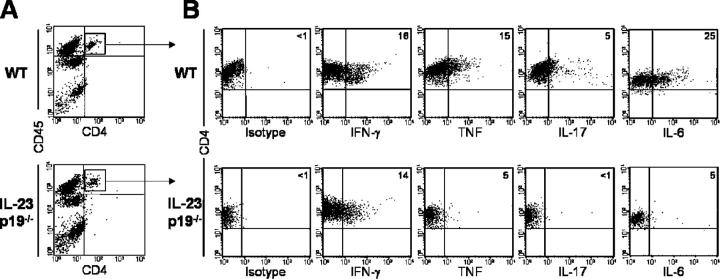
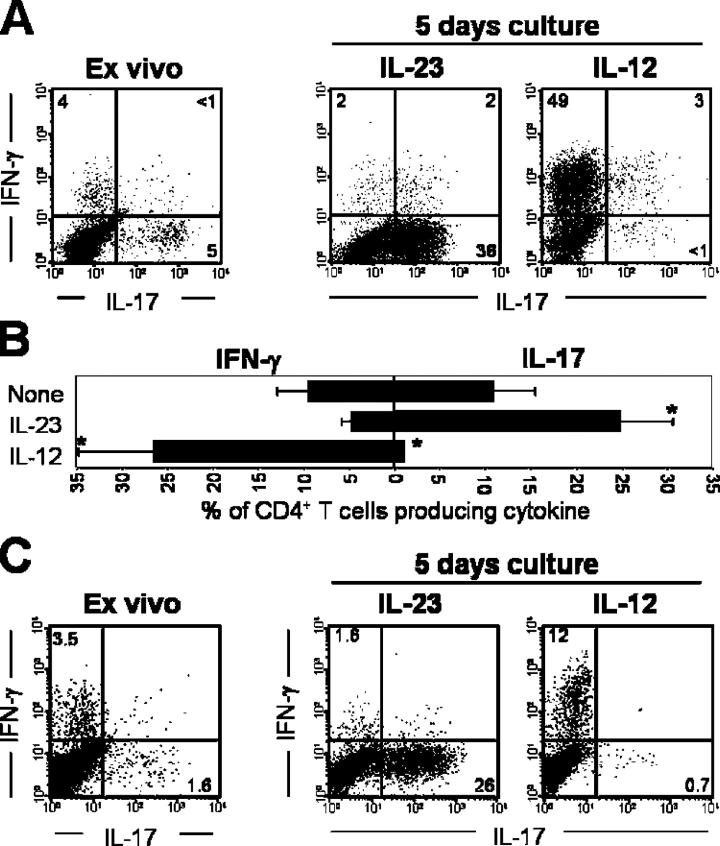
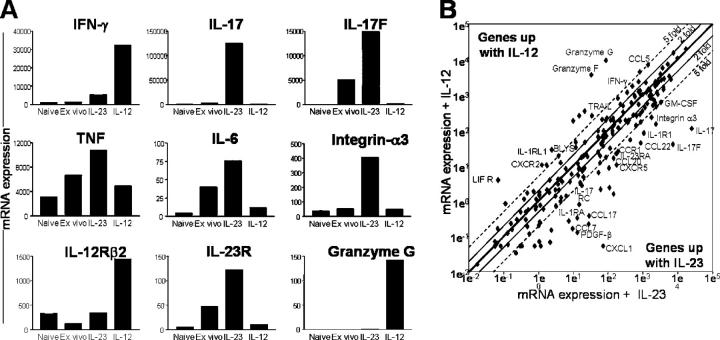
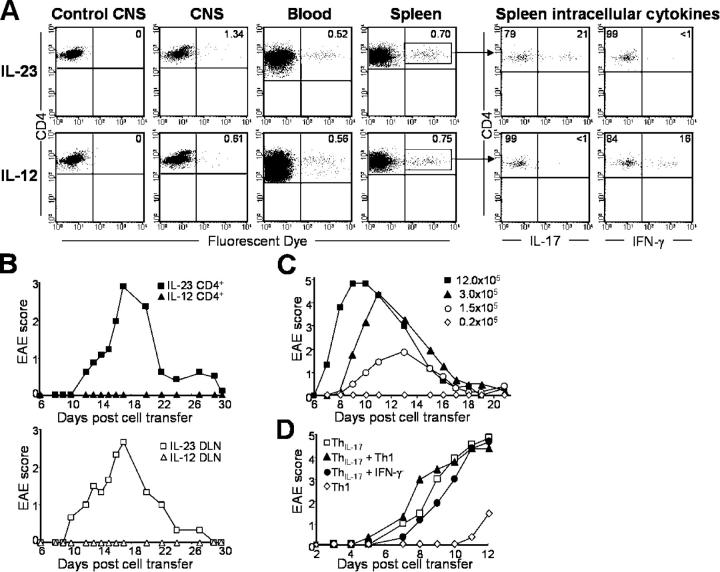
Interleukin (IL)-23 is a heterodimeric cytokine composed of a unique p19 subunit, and a common p40 subunit shared with IL-12. IL-12 is important for the development of T helper (Th)1 cells that are essential for host defense and tumor suppression. In contrast, IL-23 does not promote the development of interferon-gamma-producing Th1 cells, but is one of the essential factors required for the expansion of a pathogenic CD4(+) T cell population, which is characterized by the production of IL-17, IL-17F, IL-6, and tumor necrosis factor. Gene expression analysis of IL-23-driven autoreactive T cells identified a unique expression pattern of proinflammatory cytokines and other novel factors, distinguishing them from IL-12-driven T cells. Using passive transfer studies, we confirm that these IL-23-dependent CD4(+) T cells are highly pathogenic and essential for the establishment of organ-specific inflammation associated with central nervous system autoimmunity.
Overview
The claims and statistics of this paper haven’t been checked yet.
Free: it reads the open-access text and checks the first 5 claims that cite a source we can check. Create a free account to check every claim.
Integrity signals
Registry
Cites
Statistics
Figures
Verification
Claims the paper makes
The claims and statistics of this paper haven’t been checked yet.
Free: it reads the open-access text and checks the first 5 claims that cite a source we can check. Create a free account to check every claim.
Claims other papers make about this one
Each is checked against this paper’s own text: does it say what the citing paper says it does?
The source backs part of the claim, not all of it — or backs it for a different population, condition or comparison.
In the citing paper
“which is induced after stimulation by IL-21.”
From Distinct characteristics of hippocampal pathogenic th17 cells in a mouse model of depression (2018) · cites this paper as Langrish et al., 2005
Experimental — accuracy not yet measuredThe source backs part of the claim, not all of it — or backs it for a different population, condition or comparison.
In the citing paper
“the acquisition of the pathogenic phenotype occurs after expression of the IL-23 receptor (IL-23R) by TH17 cells (Ghoreschi et al., 2010; Langrish et al., 2005)”
From Distinct characteristics of hippocampal pathogenic th17 cells in a mouse model of depression (2018) · cites this paper as Langrish et al., 2005
Experimental — accuracy not yet measuredThe source backs part of the claim, not all of it — or backs it for a different population, condition or comparison.
In the citing paper
“CCR6 and IL-23R have been linked to the pathogenicity of TH17 cells in autoimmune diseases (Hirota et al., 2007; Kohler et al., 2003; Langrish et al., 2005), such as multiple sclerosis, suggesting that the depression-associated hippocampal TH17 cells display CNS-directed pathogenic properties that may underlie a portion of their pro-depressive actions.”
From Distinct characteristics of hippocampal pathogenic th17 cells in a mouse model of depression (2018) · cites this paper as Langrish et al., 2005
Experimental — accuracy not yet measuredIn the citing paper
“The so-called “IL-23-IL-17 axis” was found to function as a critical driver of autoimmune disease”
From The IL-17 Family of Cytokines in Health and Disease (2019) · cites this paper as Langrish et al., 2005
Self-check
Percentages, sums and reported differences re-computed from the paper’s own numbers.
The self-check needs the paper’s full text.
Citations
Cites
2 retracted
Inducible costimulator is essential for collagen-induced arthritis
Nurieva, R. I., Treuting, P., Duong, J., Flavell, R. A., & Dong, C. (2003) · Journal of Clinical Investigation · doi:10.1172/jci17321 · Cited by 117
RetractedThe IL-12Rβ2 gene functions as a tumor suppressor in human B cell malignancies
Airoldi, I., Carlo, E. D., Banelli, B., Moserle, L., Cocco, C., Pezzolo, A., Sorrentino, C., Rossi, E., Romani, M., Amadori, A., et al. (2004) · Journal of Clinical Investigation · doi:10.1172/jci20303 · Cited by 65 · cited 1×
“IL-12 is an important factor for the differentiation of naive T cells into IFN- � ‐producing Th1 cells, is essential for antimicrobial responses (4, 5), and serves as a suppressor of human B cell tumors ( 6 ).”
BackgroundRetractedCua, D. J., Sherlock, J., Chen, Y., Murphy, C. A., Joyce, B., Seymour, B., Lucian, L., To, W., Kwan, S., Churakova, T., et al. (2003) · Nature · doi:10.1038/nature01355 · Cited by 2,906 · cited 3×
“Blood was collected and lysed (RBC lysis buffer; Sigma-Aldrich), and mononuclear cells from brains and spinal cord tissue were prepared as described previously ( 1 ) and surface stained with anti‐CD4-APC.”
MethodInfluentialSelf-citationOppmann, B., Lesley, R., Blom, B., Timans, J. C., Xu, Y., Hunte, B., Vega, F., Yu, N., Wang, J., Singh, K., et al. (2000) · Immunity · doi:10.1016/s1074-7613(00)00070-4 · Cited by 2,822 · cited 1×
“Although IL-23 shares a common p40 subunit with IL-12 (3), these cytokines have divergent activities.”
BackgroundSelf-citationToll Pathway-Dependent Blockade of CD4 + CD25 + T Cell-Mediated Suppression by Dendritic Cells
Pasare, C., & Medzhitov, R. (2003) · Science · doi:10.1126/science.1078231 · Cited by 1,997 · cited 1×
“IL-6 produced by LPS-activated dendritic cells can turn off regulatory T cell (T reg cell) function, allowing effector T cell activation ( 35 ).”
BackgroundAggarwal, S., Ghilardi, N., Xie, M.-H., de Sauvage, F. J., & Gurney, A. L. (2003) · Journal of Biological Chemistry · doi:10.1074/jbc.m207577200 · Cited by 1,847 · cited 1×
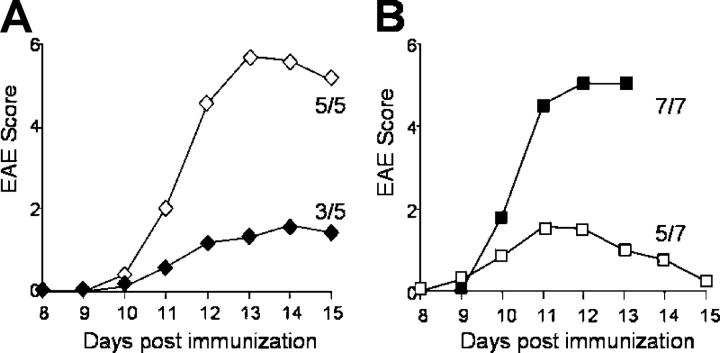
“Ex vivo analysis of draining LN (DLN) cells from immunized WT and IL-23p19 mice reflected the CNS data, with similar IFN- levels, but no IL-17 production by the IL-23p19 cells (2, 14, 15).”
BackgroundDivergent Pro- and Antiinflammatory Roles for IL-23 and IL-12 in Joint Autoimmune Inflammation
Murphy, C. A., Langrish, C. L., Chen, Y., Blumenschein, W., McClanahan, T., Kastelein, R. A., Sedgwick, J. D., & Cua, D. J. (2003) · The Journal of Experimental Medicine · doi:10.1084/jem.20030896 · Cited by 1,669 · cited 3×
“These results are consistent with papers suggesting that IL-23 is required for the development and expansion of IL-17–producing CD4 T cells (2, 16, 17).”
BackgroundMethodResultSelf-citationSuppression of Immune Induction of Collagen-Induced Arthritis in IL-17-Deficient Mice
Nakae, S., Nambu, A., Sudo, K., & Iwakura, Y. (2003) · The Journal of Immunology · doi:10.4049/jimmunol.171.11.6173 · Cited by 1,273
Exacerbations of multiple sclerosis in patients treated with gamma interferon
Panitch, H., Haley, A., Hirsch, R., & Johnson, K. (1987) · The Lancet · doi:10.1016/s0140-6736(87)92863-7 · Cited by 1,071 · cited 1×
“Treatments with IFNlead to disease exacerbation in human MS (22), and transgenic mice overexpressing IFN- in the CNS showed increased oligodendrocyte death leading to demyelinating diseases (23, 24).”
BackgroundFerber, I. A., Brocke, S., Taylor-Edwards, C., Ridgway, W., Dinisco, C., Steinman, L., Dalton, D., & Fathman, C. G. (1996) · The Journal of Immunology · doi:10.4049/jimmunol.156.1.5 · Cited by 989
Cited by
Items 501–600 of 1,038
Ramirez, J., Brembilla, N. C., Sorg, O., Chicheportiche, R., Matthes, T., Dayer, J., Saurat, J., Roosnek, E., & Chizzolini, C. (2010) · European Journal of Immunology · doi:10.1002/eji.201040461 · Cited by 189
Ifergan, I., Kebir, H., Bernard, M., Wosik, K., Dodelet-Devillers, A., Cayrol, R., Arbour, N., & Prat, A. (2008) · Brain · doi:10.1093/brain/awm295 · Cited by 196
Th17 cytokines in mucosal immunity and inflammation
Guglani, L., & Khader, S. A. (2010) · Current Opinion in HIV and AIDS · doi:10.1097/coh.0b013e328335c2f6 · Cited by 185
Pivotal Roles of T-Helper 17-Related Cytokines, IL-17, IL-22, and IL-23, in Inflammatory Diseases
Qu, N., Xu, M., Mizoguchi, I., Furusawa, J.-I., Kaneko, K., Watanabe, K., Mizuguchi, J., Itoh, M., Kawakami, Y., & Yoshimoto, T. (2013) · Clinical and Developmental Immunology · doi:10.1155/2013/968549 · Cited by 191
“Although IL-23 was previously reported to be necessary for Th17 differentiation, it is currently thought that IL-23 plays an important role in the survival and expansion of pathological Th17 cells [5–9].”
BackgroundYago, T., Nanke, Y., Ichikawa, N., Kobashigawa, T., Mogi, M., Kamatani, N., & Kotake, S. (2009) · Journal of Cellular Biochemistry · doi:10.1002/jcb.22326 · Cited by 197
“Furthermore, The existence of a third helper T cells (Th) population, a distinct subset of IL-17-producing T cells (Th17), was recently proposed, which may be the pathogenic population in autoimmune disease and bone destruction [Langrish et al., 2005; Sato et al., 2006].”
BackgroundAldosterone Promotes Autoimmune Damage by Enhancing Th17-Mediated Immunity
Herrada, A. A., Contreras, F. J., Marini, N. P., Amador, C. A., González, P. A., Cortés, C. M., Riedel, C. A., Carvajal, C. A., Figueroa, F., Michea, L. F., et al. (2010) · The Journal of Immunology · doi:10.4049/jimmunol.0802886 · Cited by 191
“To further evaluate the notion that Th17 polarization can be promoted by aldosterone, we tested whether this hormone can enhance the clinical and immunological parameters associated to EAE, a Th17-mediated autoimmune disease (29, 47).”
BackgroundNiess, J. H., Leithäuser, F., Adler, G., & Reimann, J. (2008) · The Journal of Immunology · doi:10.4049/jimmunol.180.1.559 · Cited by 192
“, by fibroblasts, keratinocytes, epithelial and endothelial cells (36, 42).”
BackgroundFas–Fas Ligand: Checkpoint of T Cell Functions in Multiple Sclerosis
Volpe, E., Sambucci, M., Battistini, L., & Borsellino, G. (2016) · Frontiers in Immunology · doi:10.3389/fimmu.2016.00382 · Cited by 185
Involvement of Th17 cells and the effect of anti-IL-6 therapy in autoimmune uveitis
Yoshimura, T., Sonoda, K.-H., Ohguro, N., Ohsugi, Y., Ishibashi, T., Cua, D. J., Kobayashi, T., Yoshida, H., & Yoshimura, A. (2009) · Rheumatology · doi:10.1093/rheumatology/ken489 · Cited by 196
Inducible Bronchus-Associated Lymphoid Tissue: Taming Inflammation in the Lung
Hwang, J. Y., Randall, T. D., & Silva-Sanchez, A. (2016) · Frontiers in Immunology · doi:10.3389/fimmu.2016.00258 · Cited by 190
“In addition, depending on how they are activated, DCs are potent sources of IL-23, which acts on ILC3 cells (122, 123), γδT cells (124), and even CD4 T cells (125) to promote their production of IL-17.”
BackgroundEmerging treatments for inflammatory bowel disease
Hazel, K., & O’Connor, A. (2020) · Therapeutic Advances in Chronic Disease · doi:10.1177/2040622319899297 · Cited by 179
Saresella, M., Calabrese, E., Marventano, I., Piancone, F., Gatti, A., Alberoni, M., Nemni, R., & Clerici, M. (2011) · Brain, Behavior, and Immunity · doi:10.1016/j.bbi.2010.12.004 · Cited by 188
“…differentiation requires multiple cytokines including IL-6, TGF-b, IL-21, and IL-23, and is dependent on the RORct TF. Th-17 cells produce IL-17, IL-21 and IL-22 (Miossec et al., 2009) and play an important role in inflammation and autoimmune diseases (Langrish et al., 2005; Korn et al., 2007).”
BackgroundThe role of transforming growth factor β in T helper 17 differentiation
Zhang, S. (2018) · Immunology · doi:10.1111/imm.12938 · Cited by 183
Boniface, K., Blumenschein, W. M., Brovont-Porth, K., McGeachy, M. J., Basham, B., Desai, B., Pierce, R., McClanahan, T. K., Sadekova, S., & de Waal Malefyt, R. (2010) · The Journal of Immunology · doi:10.4049/jimmunol.1000366 · Cited by 187
Self-citationBulek, K., Liu, C., Swaidani, S., Wang, L., Page, R. C., Gulen, M. F., Herjan, T., Abbadi, A., Qian, W., Sun, D., et al. (2011) · Nature Immunology · doi:10.1038/ni.2080 · Cited by 192
van Hamburg, J. P., & Tas, S. W. (2018) · Journal of Autoimmunity · doi:10.1016/j.jaut.2017.12.006 · Cited by 186
Yago, T., Nanke, Y., Kawamoto, M., Furuya, T., Kobashigawa, T., Kamatani, N., & Kotake, S. (2007) · Arthritis Research & Therapy · doi:10.1186/ar2297 · Cited by 193
“In addition, some reports have established the idea of a critical function for the IL-23–IL-17 pathway in some autoimmune diseases and emphasize the importance of understanding the origins of development of IL-17 effector cells [10,18].”
BackgroundRecent advances in understanding the Th1/Th2 effector choice
Butcher, M. J., & Zhu, J. (2021) · Faculty Reviews · doi:10.12703/r/10-30 · Cited by 175
Targeted Immunotherapy for Autoimmune Disease
Jung, S. M., & Kim, W.-U. (2022) · Immune Network · doi:10.4110/in.2022.22.e9 · Cited by 171
“Subsequently, IL-23 stabilizes pathogenic Th17 cells for proliferation and survival (70).”
BackgroundGalectin-3 Deficiency Reduces the Severity of Experimental Autoimmune Encephalomyelitis
Jiang, H.-R., Al Rasebi, Z., Mensah-Brown, E., Shahin, A., Xu, D., Goodyear, C. S., Fukada, S. Y., Liu, F.-T., Liew, F. Y., & Lukic, M. L. (2009) · The Journal of Immunology · doi:10.4049/jimmunol.182.2.1167 · Cited by 190
T‐cell trafficking in the central nervous system
Sallusto, F., Impellizzieri, D., Basso, C., Laroni, A., Uccelli, A., Lanzavecchia, A., & Engelhardt, B. (2012) · Immunological Reviews · doi:10.1111/j.1600-065x.2012.01140.x · Cited by 186
“McGeachy MJ, et al. TGF-beta and IL-6 drive the production of IL-17 and IL-10 by T cells and restrain T(H)-17 cell-mediated pathology.”
BackgroundInfluentialThe Th17/Treg functional imbalance during atherogenesis in ApoE−/− mice
Xie, J.-J., Wang, J., Tang, T.-T., Chen, J., Gao, X.-L., Yuan, J., Zhou, Z.-H., Liao, M.-Y., Yao, R., Yu, X., et al. (2010) · Cytokine · doi:10.1016/j.cyto.2009.09.007 · Cited by 186
Targeted depletion of lymphotoxin-α–expressing TH1 and TH17 cells inhibits autoimmune disease
Chiang, E. Y., Kolumam, G. A., Yu, X., Francesco, M., Ivelja, S., Peng, I., Gribling, P., Shu, J., Lee, W. P., Refino, C. J., et al. (2009) · Nature Medicine · doi:10.1038/nm.1984 · Cited by 181
“T H 1 cells are typified by interferon-γ (IFN-γ) secretion, and T H 17 cells are characterized by IL-17 and IL-22 productio”
BackgroundIL‐17: overview and role in oral immunity and microbiome
Abusleme, L., & Moutsopoulos, N. (2017) · Oral Diseases · doi:10.1111/odi.12598 · Cited by 183
“…against IL-17/23 have increased susceptibility to EAE, collagen antibody-induced arthritis, and CIA, and models of inflammatory bowel disease (IBD), ankylosing spondylitis and psoriasis (Murphy et al., 2003, Langrish et al., 2005, Hue et al., 2006, van der Fits et al., 2009, Sherlock et al., 2012).”
Tanaka, K., Ichiyama, K., Hashimoto, M., Yoshida, H., Takimoto, T., Takaesu, G., Torisu, T., Hanada, T., Yasukawa, H., Fukuyama, S., et al. (2008) · The Journal of Immunology · doi:10.4049/jimmunol.180.6.3746 · Cited by 187
“To determine the mechanism of amelioration of EAE by SOCS1 deletion in T cells, we examined helper T cell differentiation, since EAE is shown to be tightly dependent on Th17 cells (5, 8, 9).”
BackgroundMarks, B. R., Nowyhed, H. N., Choi, J.-Y., Poholek, A. C., Odegard, J. M., Flavell, R. A., & Craft, J. (2009) · Nature Immunology · doi:10.1038/ni.1783 · Cited by 173
Interferon-γ Signaling Inhibition Ameliorates Angiotensin II–Induced Cardiac Damage
Markó, L., Kvakan, H., Park, J.-K., Qadri, F., Spallek, B., Binger, K. J., Bowman, E. P., Kleinewietfeld, M., Fokuhl, V., Dechend, R., et al. (2012) · Hypertension · doi:10.1161/hypertensionaha.112.199265 · Cited by 184
“However, the antibody clones and doses were chosen to be in line with earlier studies, which showed efficacy in other disease models.(13,15,16,25) Moreover, we also cannot fully exclude whether our current Ang II treatment design would have benefited from a higher dosing regime.”
BackgroundMethodResultIL-17 produced by Paneth cells drives TNF-induced shock
Takahashi, N., Vanlaere, I., de Rycke, R., Cauwels, A., Joosten, L. A. B., Lubberts, E., van den Berg, W. B., & Libert, C. (2008) · The Journal of Experimental Medicine · doi:10.1084/jem.20080588 · Cited by 182
Kryczek, I., Wei, S., Vatan, L., Escara-Wilke, J., Szeliga, W., Keller, E. T., & Zou, W. (2007) · The Journal of Immunology · doi:10.4049/jimmunol.179.3.1423 · Cited by 187
“In further support of this conclusion, we observed that IL-2 inhibits the expression of multiple gene transcripts involved in regulating Th17 cell differentiation, including those of ROR t (23), IL-23 receptor (12, 14, 15), and IL-1 receptor (6, 16).”
BackgroundFrom HLA‐B27 to spondyloarthritis: a journey through the ER
Colbert, R. A., DeLay, M. L., Klenk, E. I., & Layh‐Schmitt, G. (2010) · Immunological Reviews · doi:10.1111/j.0105-2896.2009.00865.x · Cited by 182
“IL-23 could be particularly important as it acts on Th17 T cells to enhance their survival and stimulate IL-17 production (66, 67).”
BackgroundMouse models for multiple sclerosis: Historical facts and future implications
Croxford, A. L., Kurschus, F. C., & Waisman, A. (2011) · Biochimica et Biophysica Acta (BBA) - Molecular Basis of Disease · doi:10.1016/j.bbadis.2010.06.010 · Cited by 181
“Given the already pre-existing link between MS lesions and IL-17 production [81], the immunological community believed that a major breakthrough in MS treatment was on the horizon after the discovery thatIL-17A-expressingTcellswerehighlyef fi cientininducingEAE[82].”
BackgroundThe Immunopathophysiology of Multiple Sclerosis
Wu, G. F., & Alvarez, E. (2011) · Neurologic Clinics · doi:10.1016/j.ncl.2010.12.009 · Cited by 172
Carter, L. L., Leach, M. W., Azoitei, M. L., Cui, J., Pelker, J. W., Jussif, J., Benoit, S., Ireland, G., Luxenberg, D., Askew, G. R., et al. (2007) · Journal of Neuroimmunology · doi:10.1016/j.jneuroim.2006.10.006 · Cited by 183
“, 2005) and IL-17 (Langrish et al., 2005; Park et al., 2005).”
Identification of CD25+ γδ T Cells As Fetal Thymus-Derived Naturally Occurring IL-17 Producers
Shibata, K., Yamada, H., Nakamura, R., Sun, X., Itsumi, M., & Yoshikai, Y. (2008) · The Journal of Immunology · doi:10.4049/jimmunol.181.9.5940 · Cited by 182
Th17 and regulatory T cells: rebalancing pro- and anti-inflammatory forces in autoimmune arthritis
Nistala, K., & Wedderburn, L. R. (2009) · Rheumatology · doi:10.1093/rheumatology/kep028 · Cited by 185
Modeling the heterogeneity of multiple sclerosis in animals
Simmons, S. B., Pierson, E. R., Lee, S. Y., & Goverman, J. M. (2013) · Trends in Immunology · doi:10.1016/j.it.2013.04.006 · Cited by 174
The Involvement of IL-23 and the Th17 Pathway in Periodontitis
Ohyama, H., Kato-Kogoe, N., Kuhara, A., Nishimura, F., Nakasho, K., Yamanegi, K., Yamada, N., Hata, M., Yamane, J., & Terada, N. (2009) · Journal of Dental Research · doi:10.1177/0022034509339889 · Cited by 182
“We chose to evaluate the expression levels of IL-17A and IL-17F from the IL-17-cytokine family because IL-17A and IL-17F are expressed on CD4 T-cells, and expression of these molecules is regulated by IL-23 (Langrish et al., 2005).”
Experimental Autoimmune Encephalomyelitis in the Mouse
Miller, S. D., Karpus, W. J., & Davidson, T. S. (2010) · Current Protocols in Immunology · doi:10.1002/0471142735.im1501s88 · Cited by 173
“…(Karpus et al., 1995) and pro-inflammatory cytokines such as IFN-γ, LT/TNF, and IL17 (Powell et al., 1990; Ruddle et al., 1990; Selmaj et al., 1991a; Langrish et al., 2005; Park et al., 2005; Chen et al., 2006), which cause the chemoattraction and activation of additional monocytes and macrophages.”
BackgroundThakker, P., Leach, M. W., Kuang, W., Benoit, S. E., Leonard, J. P., & Marusic, S. (2007) · The Journal of Immunology · doi:10.4049/jimmunol.178.4.2589 · Cited by 177
“In a recent report, IL-17-producing Th17 cells have been suggested to be an important encephalitogenic T cell subset (8).”
BackgroundBeneficial role of the GPR30 agonist G-1 in an animal model of multiple sclerosis
Blasko, E., Haskell, C. A., Leung, S., Gualtieri, G., Halks-Miller, M., Mahmoudi, M., Dennis, M. K., Prossnitz, E. R., Karpus, W. J., & Horuk, R. (2009) · Journal of Neuroimmunology · doi:10.1016/j.jneuroim.2009.06.023 · Cited by 181
“IL-23 has been shown to be a critical maintenance factor for pathogenic Th17 cells in EAE (Langrish et al., 2005).”
Interleukin-17: A novel inflammatory cytokine that bridges innate and adaptive immunity
Yu, J. (2008) · Frontiers in Bioscience · doi:10.2741/2667 · Cited by 178
“Th17 cells secrete IL-17 and a related family member IL-17F, as well as TNFalpha, IL-6 (53) and IL-22 (30, 54).”
BackgroundInfluentialThe dual nature of TH17 cells: shifting the focus to function
O'Connor, W., Zenewicz, L. A., & Flavell, R. A. (2010) · Nature Immunology · doi:10.1038/ni.1882 · Cited by 179
“The idea that T H 17 cells that have matured in the presence of IL-23 are broadly proinflammatory is supported by unambiguous experimental evidenc”
BackgroundXie, L., Li, X.-K., Funeshima-Fuji, N., Kimura, H., Matsumoto, Y., Isaka, Y., & Takahara, S. (2009) · International Immunopharmacology · doi:10.1016/j.intimp.2009.01.025 · Cited by 179
Rutitzky, L. I., Lopes da Rosa, J. R., & Stadecker, M. J. (2005) · The Journal of Immunology · doi:10.4049/jimmunol.175.6.3920 · Cited by 177
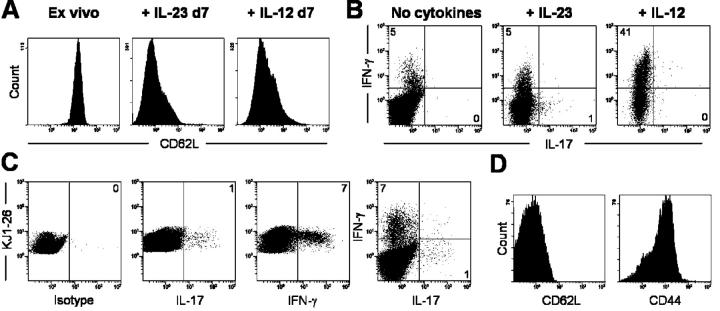
“In both EAE (18) and CIA (20), it has been shown that accessory cell-derived IL-23 activates a CD69 subset of CD4 T cells with a CD44high/CD62Llow memory phenotype.”
BackgroundResultInfluentialThe interleukin‐23 axis in intestinal inflammation
Ahern, P. P., Izcue, A., Maloy, K. J., & Powrie, F. (2008) · Immunological Reviews · doi:10.1111/j.1600-065x.2008.00705.x · Cited by 185
“In the absence of IL-23, there is a reduction in the accumulation of Th17 cells in vivo in response to inflammatory stimuli, suggesting a role for IL-23 in the expansion and/or maintenance of the Th17 response (37, 45).”
BackgroundInfluentialInterleukin 23 Expression in Pyoderma Gangrenosum and Targeted Therapy With Ustekinumab
Guenova, E. (2011) · Archives of Dermatology · doi:10.1001/archdermatol.2011.168 · Cited by 181
Erbel, C., Dengler, T. J., Wangler, S., Lasitschka, F., Bea, F., Wambsganss, N., Hakimi, M., Böckler, D., Katus, H. A., & Gleissner, C. A. (2011) · Basic Research in Cardiology · doi:10.1007/s00395-010-0135-y · Cited by 175
“IL-23 plays a pivotal role in organ-specific inflammatory autoimmune diseases [19], and is a potent growth and stabilization factor for the development of Th17 cells.”
BackgroundImmunopathogenesis and role of T cells in psoriasis
Ghoreschi, K., Weigert, C., & Röcken, M. (2007) · Clinics in Dermatology · doi:10.1016/j.clindermatol.2007.08.012 · Cited by 179
Werner, J. L., Gessner, M. A., Lilly, L. M., Nelson, M. P., Metz, A. E., Horn, D., Dunaway, C. W., Deshane, J., Chaplin, D. D., Weaver, C. T., et al. (2011) · Infection and Immunity · doi:10.1128/iai.05493-11 · Cited by 174
“IL-17A gained prominence when it was discovered to be produced by CD4 T cells, a lineage now termed T helper IL-17, or Th17, cells (18).”
BackgroundHou, Y., Zhu, L., Tian, H., Sun, H.-X., Wang, R., Zhang, L., & Zhao, Y. (2018) · Protein & Cell · doi:10.1007/s13238-018-0505-z · Cited by 179
“IL-23, an IL-12 cytokine family member, is a heterodimeric molecule composed of p40 and p19 subunits (Langrish et al., 2005).”
BackgroundHarada, K., Shimoda, S., Sato, Y., Isse, K., Ikeda, H., & Nakanuma, Y. (2009) · Clinical and Experimental Immunology · doi:10.1111/j.1365-2249.2009.03947.x · Cited by 180
Sarma, J. D., Ciric, B., Marek, R., Sadhukhan, S., Caruso, M. L., Shafagh, J., Fitzgerald, D. C., Shindler, K. S., & Rostami, A. (2009) · Journal of Neuroinflammation · doi:10.1186/1742-2094-6-14 · Cited by 174
“This is of particular relevance to MS and EAE as Th17 cells and IL-17A have been implicated in disease pathogenesis [3,5].”
Zrioual, S., Ecochard, R., Tournadre, A., Lenief, V., Cazalis, M.-A., & Miossec, P. (2009) · The Journal of Immunology · doi:10.4049/jimmunol.0801967 · Cited by 169
The role of Th17 cytokines in primary mucosal immunity
Kolls, J. K., & Khader, S. A. (2010) · Cytokine & Growth Factor Reviews · doi:10.1016/j.cytogfr.2010.11.002 · Cited by 176
“Th17 cells produce the cytokines IL-17A (IL-17) [10;11] and IL-17F [9], as well as the cytokines IL-21 [12;13] and IL-22 [14;15] (Figure 1).”
BackgroundInfluentialKatt, J., Schwinge, D., Schoknecht, T., Quaas, A., Sobottka, I., Burandt, E., Becker, C., Neurath, M. F., Lohse, A. W., Herkel, J., et al. (2013) · Hepatology · doi:10.1002/hep.26447 · Cited by 178
“Th17 cells have emerged as a major proinflammatory Th cell subset, which can induce autoimmunity in mouse models.(25) In humans, the presence of Th17 cells in inflamed tissue has been described in several autoimmune and immune-mediated diseases, such as psoriasis, rheumatoid arthritis, multiple sclerosis, asthma, and…”
Interleukin-1 Family Cytokines: Keystones in Liver Inflammatory Diseases
Barbier, L., Ferhat, M., Salamé, E., Robin, A., Herbelin, A., Gombert, J.-M., Silvain, C., & Barbarin, A. (2019) · Frontiers in Immunology · doi:10.3389/fimmu.2019.02014 · Cited by 175
“IL-1 superfamily members are cytokines of critical importance in control of IL-17 production and in differentiation of Th17 lymphocytes and ILC3 (9, 32, 33).”
BackgroundThe Role of CD4 T Cells in the Pathogenesis of Multiple Sclerosis
Chitnis, T. (2007) · International Review of Neurobiology · doi:10.1016/s0074-7742(07)79003-7 · Cited by 173
“, 2006) and IL-23 for expansion (Aggarwal et al., 2003; Langrish et al., 2005), as opposed to Th1 cells which are dependent on IL-12 and IL-2, respectively, for diVerentiation and expansion.”
BackgroundInterleukin-17 in inflammatory skin disorders
van Beelen, A. J., Teunissen, M. B., Kapsenberg, M. L., & de Jong, E. C. (2007) · Current Opinion in Allergy & Clinical Immunology · doi:10.1097/aci.0b013e3282ef869e · Cited by 175
EAE: imperfect but useful models of multiple sclerosis
’t Hart, B. A., Gran, B., & Weissert, R. (2011) · Trends in Molecular Medicine · doi:10.1016/j.molmed.2010.11.006 · Cited by 169
CD11b facilitates the development of peripheral tolerance by suppressing Th17 differentiation
Ehirchiou, D., Xiong, Y., Xu, G., Chen, W., Shi, Y., & Zhang, L. (2007) · The Journal of Experimental Medicine · doi:10.1084/jem.20062292 · Cited by 177
Yi, H., Guo, C., Yu, X., Zuo, D., & Wang, X.-Y. (2012) · The Journal of Immunology · doi:10.4049/jimmunol.1200086 · Cited by 174
Bassiouny, D. A., & Shaker, O. (2011) · Clinical and Experimental Dermatology · doi:10.1111/j.1365-2230.2010.03972.x · Cited by 176
El Hed, A., Khaitan, A., Kozhaya, L., Manel, N., Daskalakis, D., Borkowsky, W., Valentine, F., Littman, D. R., & Unutmaz, D. (2010) · The Journal of Infectious Diseases · doi:10.1086/651021 · Cited by 170
IL-6, IL-17 and STAT3: a holy trinity in auto-immunity?
Camporeale, A. (2012) · Frontiers in Bioscience · doi:10.2741/4054 · Cited by 176
“The demonstration that adoptive transfer of specific Th17, but not Th1, cells induces EAE (138) has unambiguously established a pathogenic role for these cells.”
BackgroundZhu, Y., Hu, C., Lu, M., Liao, S., Marini, J. C., Yohrling, J., Yeilding, N., Davis, H. M., & Zhou, H. (2009) · The Journal of Clinical Pharmacology · doi:10.1177/0091270008329556 · Cited by 173
“7) Median (min, max) 25 (6, 137) No 1264 (65.”
Chu, C., Swart, D., Alcorn, D., Tocker, J., & Elkon, K. B. (2007) · Arthritis & Rheumatism · doi:10.1002/art.22453 · Cited by 177
IL‐23‐dependent IL‐17 drives Th1‐cell responses following Mycobacterium bovis BCG vaccination
Gopal, R., Lin, Y., Obermajer, N., Slight, S., Nuthalapati, N., Ahmed, M., Kalinski, P., & Khader, S. A. (2012) · European Journal of Immunology · doi:10.1002/eji.201141569 · Cited by 171
“Th17 cells have also been implicated as key players in models of autoimmune diseases [10].”
BackgroundAdvances in understanding the anti-inflammatory properties of IL-27
Stumhofer, J. S., & Hunter, C. A. (2008) · Immunology Letters · doi:10.1016/j.imlet.2008.01.011 · Cited by 172
“The recent description of Th17 cells, which produce IL-17A, IL-17F, IL-6 and IL-22 upon differentiation, and contribute to the development of autoimmune inflammation in mouse models of multiple sclerosis and rheumatoid arthiritis[10,11], has sparked much attention in defining the ontogeny of these pathological CD4+ T…”
BackgroundTranslating Immunology into Therapeutic Concepts for Inflammatory Bowel Disease
Uhlig, H. H., & Powrie, F. (2018) · Annual Review of Immunology · doi:10.1146/annurev-immunol-042617-053055 · Cited by 169
Th17 and Regulatory T cells in Women with Recurrent Pregnancy Loss
Lee, S. K., Kim, J. Y., Lee, M., Gilman‐Sachs, A., & Kwak‐Kim, J. (2012) · American Journal of Reproductive Immunology · doi:10.1111/j.1600-0897.2012.01116.x · Cited by 171
Gardner, R. M., Nyland, J. F., Silva, I. A., Maria Ventura, A., Maria de Souza, J., & Silbergeld, E. K. (2010) · Environmental Research · doi:10.1016/j.envres.2010.02.001 · Cited by 168
DC subsets in positive and negative regulation of immunity
Coquerelle, C., & Moser, M. (2010) · Immunological Reviews · doi:10.1111/j.0105-2896.2009.00887.x · Cited by 165
“(59) identified a pathogenic cell population that is essential for establishment of organ-specific inflammation.”
BackgroundLebre, M. C., Jongbloed, S. L., Tas, S. W., Smeets, T. J. M., McInnes, I. B., & Tak, P. P. (2008) · The American Journal of Pathology · doi:10.2353/ajpath.2008.070703 · Cited by 167
Type 1 regulatory T cells (Tr1) in autoimmunity
Pot, C., Apetoh, L., & Kuchroo, V. K. (2011) · Seminars in Immunology · doi:10.1016/j.smim.2011.07.005 · Cited by 171
“However, the repertoire of effector CD4+ T cell subsets has recently expanded to include additional effector T cell subsets like TH17 cells [2-5] and TH9 cells [6, 7].”
Repositioning TH cell polarization from single cytokines to complex help
Tuzlak, S., Dejean, A. S., Iannacone, M., Quintana, F. J., Waisman, A., Ginhoux, F., Korn, T., & Becher, B. (2021) · Nature Immunology · doi:10.1038/s41590-021-01009-w · Cited by 171
Modulators of the Nuclear Receptor Retinoic Acid Receptor-Related Orphan Receptor-γ (RORγ or RORc)
Fauber, B. P., & Magnuson, S. (2014) · Journal of Medicinal Chemistry · doi:10.1021/jm401901d · Cited by 165
A Review of the Application of Inflammatory Biomarkers in Epidemiologic Cancer Research
Brenner, D. R., Scherer, D., Muir, K., Schildkraut, J., Boffetta, P., Spitz, M. R., Le Marchand, L., Chan, A. T., Goode, E. L., Ulrich, C. M., et al. (2014) · Cancer Epidemiology, Biomarkers & Prevention · doi:10.1158/1055-9965.epi-14-0064 · Cited by 162
“IL6 and other cytokines, including IL23, are thought to play a key role in the production of the Th17 cells (84, 87, 88).”
Genetics of ulcerative colitis
Thompson, A. I., & Lees, C. W. (2011) · Inflammatory Bowel Diseases · doi:10.1002/ibd.21375 · Cited by 165
O’Connor, R. A., Malpass, K. H., & Anderton, S. M. (2007) · The Journal of Immunology · doi:10.4049/jimmunol.179.2.958 · Cited by 168
“Given the current interest in the role of IL-17 in driving EAE (15), it was notable that the frequency of T cells producing IL-17 in response to pMOG (either at the time of transfer, or upon reisolation from the CNS) was never greater than a few percent.”
BackgroundCXCR3 Mediates Renal Th1 and Th17 Immune Response in Murine Lupus Nephritis
Steinmetz, O. M., Turner, J.-E., Paust, H.-J., Lindner, M., Peters, A., Heiss, K., Velden, J., Hopfer, H., Fehr, S., Krieger, T., et al. (2009) · The Journal of Immunology · doi:10.4049/jimmunol.0802626 · Cited by 167
Increased IL-23p19 expression in multiple sclerosis lesions and its induction in microglia
Li, Y., Chu, N., Hu, A., Gran, B., Rostami, A., & Zhang, G.-X. (2007) · Brain · doi:10.1093/brain/awl273 · Cited by 167
“In a passive transfer EAE model, IL-23-driven IL-17-producing T cells are highly potent inducers of CNS immune pathology (Langrish et al., 2005).”
InfluentialRegulation of immune responses by interleukin‐27
Yoshida, H., & Yoshiyuki, M. (2008) · Immunological Reviews · doi:10.1111/j.1600-065x.2008.00710.x · Cited by 166
“IL-12 promotes IFN-g production and Th1 development, whereas IL-4 binding to the IL-4 receptor promotes IL-4 production and Th2 development (6).”
BackgroundInfluentialValmori, D., Raffin, C., Raimbaud, I., & Ayyoub, M. (2010) · Proceedings of the National Academy of Sciences · doi:10.1073/pnas.1008247107 · Cited by 160
IL-23 and Autoimmunity: New Insights into the Pathogenesis of Inflammatory Bowel Disease
Abraham, C., & Cho, J. H. (2009) · Annual Review of Medicine · doi:10.1146/annurev.med.60.051407.123757 · Cited by 169
IL-23 and TH17-mediated inflammation in human allergic contact dermatitis
Larsen, J. M., Bonefeld, C. M., Poulsen, S. S., Geisler, C., & Skov, L. (2009) · Journal of Allergy and Clinical Immunology · doi:10.1016/j.jaci.2008.09.036 · Cited by 164
1. Overview of the human immune response
Chaplin, D. D. (2006) · Journal of Allergy and Clinical Immunology · doi:10.1016/j.jaci.2005.09.034 · Cited by 159
Complement and Toll-like receptors: Key regulators of adaptive immune responses
Hawlisch, H., & Köhl, J. (2006) · Molecular Immunology · doi:10.1016/j.molimm.2005.06.028 · Cited by 168
Microglia plasticity during health and disease: An immunological perspective
Shemer, A., Erny, D., Jung, S., & Prinz, M. (2015) · Trends in Immunology · doi:10.1016/j.it.2015.08.003 · Cited by 168
“After their initial activation and polarization toward T helper 17 (Th17) cells in the peripheral lymph nodes by antigen-presenting cells (APCs) [77,78], these pathogenic T lymphocytes invade the CNS.”
BackgroundSallusto, F., Zielinski, C. E., & Lanzavecchia, A. (2012) · European Journal of Immunology · doi:10.1002/eji.201242741 · Cited by 153
IL-23 and Th17 cytokines in intestinal homeostasis
Maloy, K. J., & Kullberg, M. C. (2008) · Mucosal Immunology · doi:10.1038/mi.2008.28 · Cited by 166
Multiple sclerosis and the role of immune cells
Høglund, R. A. (2014) · World Journal of Experimental Medicine · doi:10.5493/wjem.v4.i3.27 · Cited by 161
Cao, W., Yang, Y., Wang, Z., Liu, A., Fang, L., Wu, F., Hong, J., Shi, Y., Leung, S., Dong, C., et al. (2011) · Immunity · doi:10.1016/j.immuni.2011.06.011 · Cited by 167
“…of IL-17 leads to resistance to EAE, as shown by delayed onset and decreased disease severity, whereas adoptive transfer of Th17 cells derived from EAE mice into naive recipients leads to the development of the disease (El-behi et al., 2010; Furuzawa-Carballeda et al., 2007; Langrish et al., 2005).”
BackgroundYoshida, S., Haque, A., Mizobuchi, T., Iwata, T., Chiyo, M., Webb, T. J., Baldridge, L. A., Heidler, K. M., Cummings, O. W., Fujisawa, T., et al. (2006) · American Journal of Transplantation · doi:10.1111/j.1600-6143.2006.01236.x · Cited by 168
“(14), have been implicated in pathogenesis of autoimmune diseases of the central nervous system and arthritis in rodents (11,12).”
BackgroundInterleukin-23-Induced Transcription Factor Blimp-1 Promotes Pathogenicity of T Helper 17 Cells
Jain, R., Chen, Y., Kanno, Y., Joyce-Shaikh, B., Vahedi, G., Hirahara, K., Blumenschein, W. M., Sukumar, S., Haines, C. J., Sadekova, S., et al. (2016) · Immunity · doi:10.1016/j.immuni.2015.11.009 · Cited by 167
“However, TGF-b and IL-6 driven Th17 cells are non-pathogenic and subsequent signaling through IL-23R is essential for further maturation of inflammatory Th17 cells (Ghoreschi et al., 2010; Hirota et al., 2011; Langrish et al., 2005; McGeachy et al., 2007; McGeachy et al., 2009).”
Self-citationAutophagy Regulates IL-23 Secretion and Innate T Cell Responses through Effects on IL-1 Secretion
Peral de Castro, C., Jones, S. A., Ní Cheallaigh, C., Hearnden, C. A., Williams, L., Winter, J., Lavelle, E. C., Mills, K. H. G., & Harris, J. (2012) · The Journal of Immunology · doi:10.4049/jimmunol.1201946 · Cited by 163
Tumor-Elicited Inflammation and Colorectal Cancer
(2015) · Advances in Cancer Research · doi:10.1016/bs.acr.2015.04.014 · Cited by 161
Iwamoto, S., Iwai, S.-I., Tsujiyama, K., Kurahashi, C., Takeshita, K., Naoe, M., Masunaga, A., Ogawa, Y., Oguchi, K., & Miyazaki, A. (2007) · The Journal of Immunology · doi:10.4049/jimmunol.179.3.1449 · Cited by 163
“However, this model cannot apply to every autoimmune disease such as multiple sclerosis and systemic lupus erythematosus that involve in IFN-dependent immunity (17).”
BackgroundMethodIL-17 family cytokines mediated signaling in the pathogenesis of inflammatory diseases
Song, X., & Qian, Y. (2013) · Cellular Signalling · doi:10.1016/j.cellsig.2013.07.021 · Cited by 162
Sphingosine‐1‐phosphate receptor 1 signalling in T cells: trafficking and beyond
Garris, C. S., Blaho, V. A., Hla, T., & Han, M. H. (2014) · Immunology · doi:10.1111/imm.12272 · Cited by 162
T helper cytokines in dry eye disease
Pflugfelder, S. C., Corrales, R. M., & de Paiva, C. S. (2013) · Experimental Eye Research · doi:10.1016/j.exer.2013.08.013 · Cited by 161
“…al., 2006; Cooke, 2006; Ivanov et al., 2006; Iwakura and Ishigame, 2006; Kikly et al., 2006; Korn et al., 2007a; Korn et al., 2007b; Korn et al., 2008; Korn et al., 2009; Langrish et al., 2005; Lyakh et al., 2008; Mangan et al., 2006; Nurieva et al., 2008; Park et al., 2005; Weaver et al., 2007b).”
Background
Metadata
- Authors
- Langrish, C. L., Chen, Y., Blumenschein, W. M., Mattson, J., Basham, B., Sedgwick, J. D., McClanahan, T., Kastelein, R. A., & Cua, D. J.
- Affiliations
- 1Discovery Research, DNAX Research Inc., Palo Alto, CA 94304
- 2Experimental Pathology and Pharmacology, DNAX Research Inc., Palo Alto, CA 94304
- 3Bioinformatics, DNAX Research Inc., Palo Alto, CA 94304
- Venue
- The Journal of Experimental Medicine
- Publisher
- Rockefeller University Press
- Published
- 2005-01-17
- Volume
- 201
- Issue
- 2
- Pages
- 233-240
- ISSN
- 0022-1007 (ISSN-L)
- 1540-9538
- PMC
- PMC2212798
- OpenAlex
- W2006249161
- Cited by
- 4,099
- References
- 39
- Citations by year
- 2026: 65 · 2025: 98 · 2024: 107 · 2023: 103 · 2022: 134 · 2021: 147 · 2020: 157 · 2019: 150 · 2018: 165 · 2017: 176 · 2016: 147 · 2015: 238 · 2014: 201 · 2013: 242 · 2012: 261
- FWCI
- 87.41
- Type
- journal article
- Language
- en
- Open access
- bronze
- doi.org
- Locations
- The Journal of Experimental Medicine (publishedVersion)
- PubMed Central (publishedVersion, cc-by-nc-sa)
- PubMed (publishedVersion)
- Topics
- Life Sciences › Immunology and Microbiology › Immunology › Psoriasis: Treatment and Pathogenesis
- Life Sciences › Immunology and Microbiology › Immunology › T-cell and B-cell Immunology
- Life Sciences › Immunology and Microbiology › Immunology › Cytokine Signaling Pathways and Interactions
- Keywords
- IL-23, IL-12, p40 subunit, CD4+ T cells, Th1 cells, IL-17, IL-17F, inflammatory cytokines, autoimmunity, central nervous system autoimmunity, T cell gene expression, passive transfer
- MeSH terms
- Animals, Central Nervous System, Encephalomyelitis, Autoimmune, Experimental, Inflammation, Interleukins, Time Factors, CD4-Positive T-Lymphocytes, Autoimmunity, Gene Expression, Cytokines, Interleukin-12, Interleukin-17, Gene Expression Profiling, Mice, Interleukin-23, Interleukin-23 Subunit p19
About these checks
Registry, retraction, Cites and statistics results are computed, not judged, with one exception: a printed reference that no index lists is read once by a model before it counts as a citation error. Claims are extracted by a model and kept only when their quote appears verbatim in the text; each cited source is then checked, with a model’s help, for whether it says what the claim relies on. Those verdicts can be wrong — read the claim’s quote and the cited source before relying on one.
Statistics and arithmetic are recomputed, not judged.
Confidence bands are shown only for fields calibrated on our annotated test set. None is calibrated yet, so no band is shown.
What counts as a claim ›How we measure confidence ›How we check this ›
Are you an author, or do you see a problem with this page? Request a review
Data sources
Bibliographic data: Semantic Scholar, OpenAlex, Crossref.
Contains information from the Semantic Scholar Academic Graph Datasets, made available under the ODC Attribution License (ODC-BY 1.0).
Semantic Scholar’s data is described in: Kinney, R., et al. (2023). The Semantic Scholar Open Data Platform. arXiv:2301.10140.
