

IL-23 drives a pathogenic T cell population that induces autoimmune inflammation
Open accessThe DOI matches its Crossref record; 39 of the 39 references it cites were found in a registry or an index.
Abstract
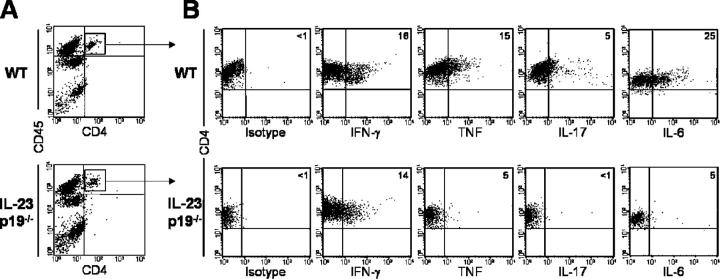
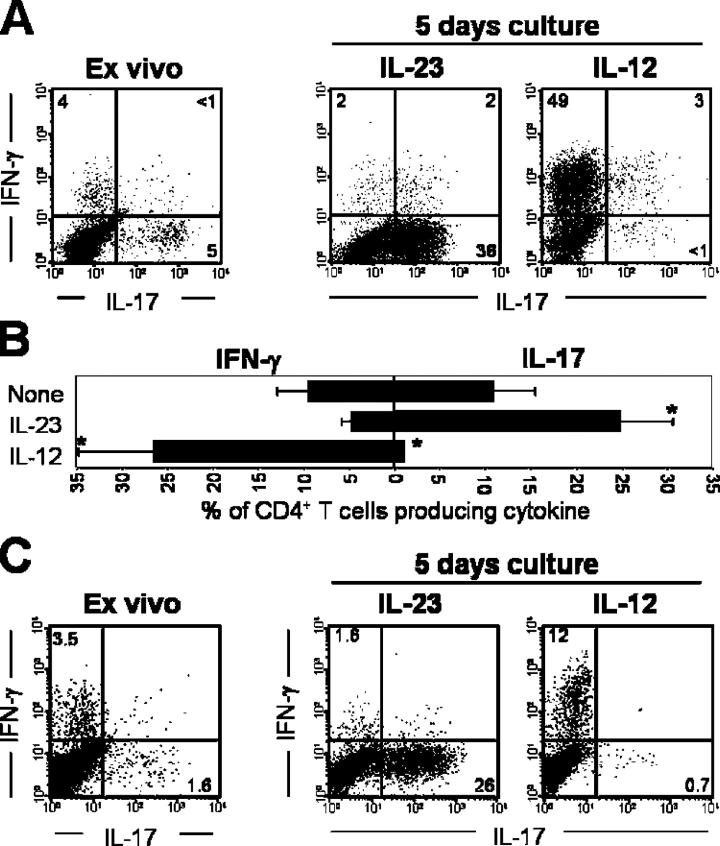
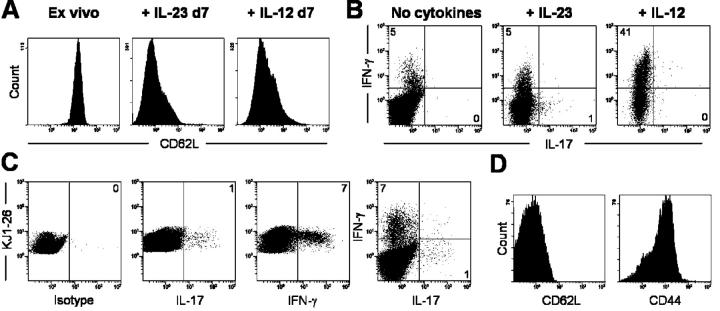
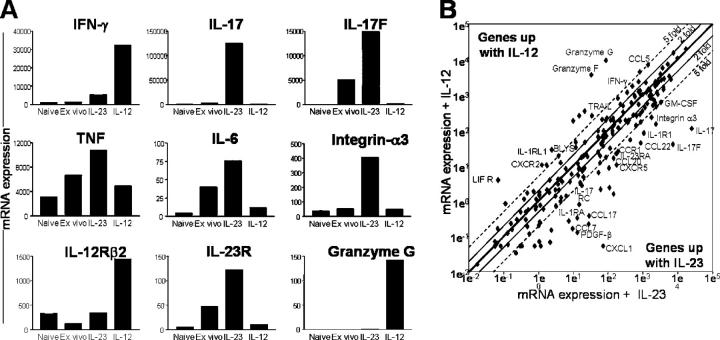
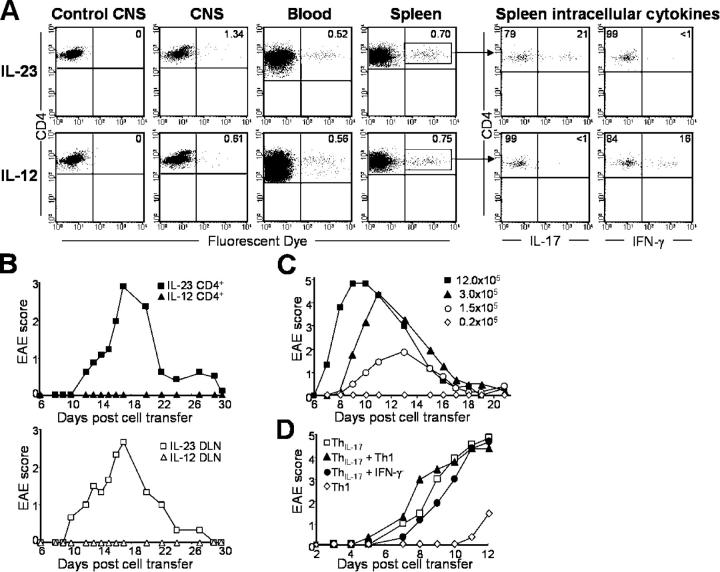
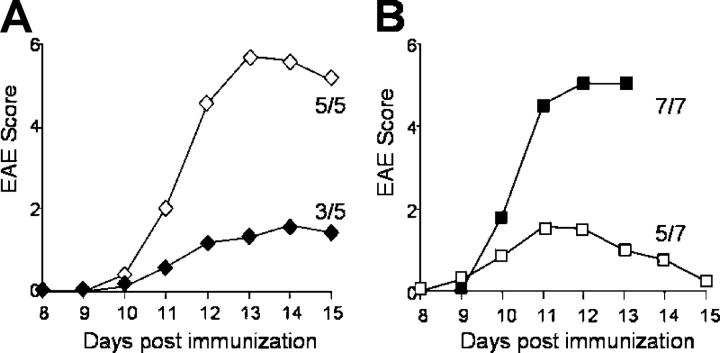
Interleukin (IL)-23 is a heterodimeric cytokine composed of a unique p19 subunit, and a common p40 subunit shared with IL-12. IL-12 is important for the development of T helper (Th)1 cells that are essential for host defense and tumor suppression. In contrast, IL-23 does not promote the development of interferon-gamma-producing Th1 cells, but is one of the essential factors required for the expansion of a pathogenic CD4(+) T cell population, which is characterized by the production of IL-17, IL-17F, IL-6, and tumor necrosis factor. Gene expression analysis of IL-23-driven autoreactive T cells identified a unique expression pattern of proinflammatory cytokines and other novel factors, distinguishing them from IL-12-driven T cells. Using passive transfer studies, we confirm that these IL-23-dependent CD4(+) T cells are highly pathogenic and essential for the establishment of organ-specific inflammation associated with central nervous system autoimmunity.
Overview
The claims and statistics of this paper haven’t been checked yet.
Free: it reads the open-access text and checks the first 5 claims that cite a source we can check. Create a free account to check every claim.
Integrity signals
Registry
Cites
Statistics
Figures
Verification
Claims the paper makes
The claims and statistics of this paper haven’t been checked yet.
Free: it reads the open-access text and checks the first 5 claims that cite a source we can check. Create a free account to check every claim.
Claims other papers make about this one
Each is checked against this paper’s own text: does it say what the citing paper says it does?
The source backs part of the claim, not all of it — or backs it for a different population, condition or comparison.
In the citing paper
“which is induced after stimulation by IL-21.”
From Distinct characteristics of hippocampal pathogenic th17 cells in a mouse model of depression (2018) · cites this paper as Langrish et al., 2005
Experimental — accuracy not yet measuredThe source backs part of the claim, not all of it — or backs it for a different population, condition or comparison.
In the citing paper
“the acquisition of the pathogenic phenotype occurs after expression of the IL-23 receptor (IL-23R) by TH17 cells (Ghoreschi et al., 2010; Langrish et al., 2005)”
From Distinct characteristics of hippocampal pathogenic th17 cells in a mouse model of depression (2018) · cites this paper as Langrish et al., 2005
Experimental — accuracy not yet measuredThe source backs part of the claim, not all of it — or backs it for a different population, condition or comparison.
In the citing paper
“CCR6 and IL-23R have been linked to the pathogenicity of TH17 cells in autoimmune diseases (Hirota et al., 2007; Kohler et al., 2003; Langrish et al., 2005), such as multiple sclerosis, suggesting that the depression-associated hippocampal TH17 cells display CNS-directed pathogenic properties that may underlie a portion of their pro-depressive actions.”
From Distinct characteristics of hippocampal pathogenic th17 cells in a mouse model of depression (2018) · cites this paper as Langrish et al., 2005
Experimental — accuracy not yet measuredIn the citing paper
“The so-called “IL-23-IL-17 axis” was found to function as a critical driver of autoimmune disease”
From The IL-17 Family of Cytokines in Health and Disease (2019) · cites this paper as Langrish et al., 2005
Self-check
Percentages, sums and reported differences re-computed from the paper’s own numbers.
The self-check needs the paper’s full text.
Citations
Cites
2 retracted
Inducible costimulator is essential for collagen-induced arthritis
Nurieva, R. I., Treuting, P., Duong, J., Flavell, R. A., & Dong, C. (2003) · Journal of Clinical Investigation · doi:10.1172/jci17321 · Cited by 117
RetractedThe IL-12Rβ2 gene functions as a tumor suppressor in human B cell malignancies
Airoldi, I., Carlo, E. D., Banelli, B., Moserle, L., Cocco, C., Pezzolo, A., Sorrentino, C., Rossi, E., Romani, M., Amadori, A., et al. (2004) · Journal of Clinical Investigation · doi:10.1172/jci20303 · Cited by 65 · cited 1×
“IL-12 is an important factor for the differentiation of naive T cells into IFN- � ‐producing Th1 cells, is essential for antimicrobial responses (4, 5), and serves as a suppressor of human B cell tumors ( 6 ).”
BackgroundRetractedCua, D. J., Sherlock, J., Chen, Y., Murphy, C. A., Joyce, B., Seymour, B., Lucian, L., To, W., Kwan, S., Churakova, T., et al. (2003) · Nature · doi:10.1038/nature01355 · Cited by 2,906 · cited 3×
“Blood was collected and lysed (RBC lysis buffer; Sigma-Aldrich), and mononuclear cells from brains and spinal cord tissue were prepared as described previously ( 1 ) and surface stained with anti‐CD4-APC.”
MethodInfluentialSelf-citationOppmann, B., Lesley, R., Blom, B., Timans, J. C., Xu, Y., Hunte, B., Vega, F., Yu, N., Wang, J., Singh, K., et al. (2000) · Immunity · doi:10.1016/s1074-7613(00)00070-4 · Cited by 2,822 · cited 1×
“Although IL-23 shares a common p40 subunit with IL-12 (3), these cytokines have divergent activities.”
BackgroundSelf-citationToll Pathway-Dependent Blockade of CD4 + CD25 + T Cell-Mediated Suppression by Dendritic Cells
Pasare, C., & Medzhitov, R. (2003) · Science · doi:10.1126/science.1078231 · Cited by 1,997 · cited 1×
“IL-6 produced by LPS-activated dendritic cells can turn off regulatory T cell (T reg cell) function, allowing effector T cell activation ( 35 ).”
BackgroundAggarwal, S., Ghilardi, N., Xie, M.-H., de Sauvage, F. J., & Gurney, A. L. (2003) · Journal of Biological Chemistry · doi:10.1074/jbc.m207577200 · Cited by 1,847 · cited 1×
“Ex vivo analysis of draining LN (DLN) cells from immunized WT and IL-23p19 mice reflected the CNS data, with similar IFN- levels, but no IL-17 production by the IL-23p19 cells (2, 14, 15).”
BackgroundDivergent Pro- and Antiinflammatory Roles for IL-23 and IL-12 in Joint Autoimmune Inflammation
Murphy, C. A., Langrish, C. L., Chen, Y., Blumenschein, W., McClanahan, T., Kastelein, R. A., Sedgwick, J. D., & Cua, D. J. (2003) · The Journal of Experimental Medicine · doi:10.1084/jem.20030896 · Cited by 1,669 · cited 3×
“These results are consistent with papers suggesting that IL-23 is required for the development and expansion of IL-17–producing CD4 T cells (2, 16, 17).”
BackgroundMethodResultSelf-citationSuppression of Immune Induction of Collagen-Induced Arthritis in IL-17-Deficient Mice
Nakae, S., Nambu, A., Sudo, K., & Iwakura, Y. (2003) · The Journal of Immunology · doi:10.4049/jimmunol.171.11.6173 · Cited by 1,273
Exacerbations of multiple sclerosis in patients treated with gamma interferon
Panitch, H., Haley, A., Hirsch, R., & Johnson, K. (1987) · The Lancet · doi:10.1016/s0140-6736(87)92863-7 · Cited by 1,071 · cited 1×
“Treatments with IFNlead to disease exacerbation in human MS (22), and transgenic mice overexpressing IFN- in the CNS showed increased oligodendrocyte death leading to demyelinating diseases (23, 24).”
BackgroundFerber, I. A., Brocke, S., Taylor-Edwards, C., Ridgway, W., Dinisco, C., Steinman, L., Dalton, D., & Fathman, C. G. (1996) · The Journal of Immunology · doi:10.4049/jimmunol.156.1.5 · Cited by 989
Cited by
Items 801–900 of 1,038
Álvarez‐Sánchez, N., Cruz‐Chamorro, I., González, A. L., Utrilla, J. C., Fernández-Santos, J. M., Martínez‐López, A., Lardone, P. J., Guerrero, J. M., & Carrillo‐Vico, A. (2015) · Brain Behavior and Immunity · doi:10.1016/j.bbi.2015.06.021 · Cited by 133
Interplay between pathogenic Th17 and regulatory T cells
Oukka, M. (2007) · Annals of the Rheumatic Diseases · doi:10.1136/ard.2007.078527 · Cited by 128
Scurlock, A. M., Frazer, L. C., Andrews, C. W., O’Connell, C. M., Foote, I. P., Bailey, S. L., Chandra-Kuntal, K., Kolls, J. K., & Darville, T. L. (2010) · Infection and Immunity · doi:10.1128/iai.00984-10 · Cited by 128
“Initially, interleukin 17 (IL-17) was identified as a key factor in the development of autoimmune inflammation and pathology (11, 23, 30); however, subsequent data have demonstrated both protective and pathological roles for IL-17, depending upon the pathogen and target tissue (2, 3, 12, 13, 22, 24, 40, 44, 46, 47).”
BackgroundXiao, S., Najafian, N., Reddy, J., Albin, M., Zhu, C. Y., Jensen, E., Imitola, J., Korn, T., Anderson, A. C., Zhang, Z., et al. (2007) · The Journal of Experimental Medicine · doi:10.1084/jem.20062498 · Cited by 128
Genetic polymorphism of interleukin-17A and -17F genes in gastric carcinogenesis
Shibata, T., Tahara, T., Hirata, I., & Arisawa, T. (2009) · Human Immunology · doi:10.1016/j.humimm.2009.04.030 · Cited by 132
Effector T-cell subsets in systemic lupus erythematosus: update focusing on Th17 cells
Shin, M. S., Lee, N., & Kang, I. (2011) · Current Opinion in Rheumatology · doi:10.1097/bor.0b013e328349a255 · Cited by 136
TH17 Cells in Autoimmunity and Immunodeficiency: Protective or Pathogenic?
Marwaha, A. K., Leung, N. J., McMurchy, A. N., & Levings, M. K. (2012) · Frontiers in Immunology · doi:10.3389/fimmu.2012.00129 · Cited by 120
Regulation and pro‐inflammatory function of interleukin‐17 family cytokines
Dong, C. (2008) · Immunological Reviews · doi:10.1111/j.1600-065x.2008.00709.x · Cited by 125
“For instance, Th17 cells highly express IL-23R and can be expanded by this cytokine (44).”
BackgroundTim-3-Galectin-9 pathway involves the suppression induced by CD4+CD25+ regulatory T cells
Wang, F., Wan, L., Zhang, C.-C., Zheng, X., Li, J., & Chen, Z. K. (2008) · Immunobiology · doi:10.1016/j.imbio.2008.10.007 · Cited by 131
Proatherogenic Conditions Promote Autoimmune T Helper 17 Cell Responses In Vivo
Lim, H., Kim, Y. U., Sun, H., Lee, J. H., Reynolds, J. M., Hanabuchi, S., Wu, H., Teng, B.-B., & Chung, Y. (2014) · Immunity · doi:10.1016/j.immuni.2013.11.021 · Cited by 131
“…oxLDL also upregulated the expression of Ccr6, Il23r, and Il1r1 in T cells, all of which are known to be essential for the migration of Th17 cells into the target tissue where autoimmune inflammation occurs (Chung et al., 2009; Langrish et al., 2005; McGeachy et al., 2009; Yamazaki et al., 2008).”
Li, Q., Wang, B., Mu, K., & Zhang, J. (2018) · Journal of Cellular Physiology · doi:10.1002/jcp.27180 · Cited by 145
“Intriguing, IL‐1β synergizes with IL‐23 induce T‐bet and IL‐12Rβ2 expression, which leads to Th1 cells differentiation (Korn et al., 2009; Zhu, Yamane, & Paul, 2010).”
BackgroundInfluentialThe role of the interleukin‐23/Th17 pathway in cardiometabolic comorbidity associated with psoriasis
Egeberg, A., Gisondi, P., Carrascosa, J. M., Warren, R. B., & Mrowietz, U. (2020) · Journal of the European Academy of Dermatology and Venereology · doi:10.1111/jdv.16273 · Cited by 137
Immunomodulatory effects of Lactobacillus plantarum on human colon cancer cells
Paolillo, R., Carratelli, C. R., Sorrentino, S., Mazzola, N., & Rizzo, A. (2009) · International Immunopharmacology · doi:10.1016/j.intimp.2009.07.008 · Cited by 126
Wang, Y., Begum-Haque, S., Telesford, K. M., Ochoa-Repáraz, J., Christy, M., Kasper, E. J., Kasper, D. L., Robson, S. C., & Kasper, L. H. (2014) · Gut Microbes · doi:10.4161/gmic.29797 · Cited by 122
“Adoptive transfer of Th1 or Th17 cells can lead to different patterns of passive EAE.23,24 T-box expressed in T cells (T-bet) and retinoid-related orphan receptors (ROR) γt are the signature transcriptional factors for Th1 and Th17, respectively.”
BackgroundInfluentialLi, H., Nourbakhsh, B., Ciric, B., Zhang, G.-X., & Rostami, A. (2010) · The Journal of Immunology · doi:10.4049/jimmunol.1000986 · Cited by 124
“In mice, autoantigen-specific Th17 cells have been shown to be the dominant pathogenic T cell subset in EAE (7, 44, 45).”
BackgroundRole of inflammation and proinflammatory cytokines in cholangiocyte pathophysiology
Pinto, C., Giordano, D. M., Maroni, L., & Marzioni, M. (2017) · Biochimica et Biophysica Acta (BBA) - Molecular Basis of Disease · doi:10.1016/j.bbadis.2017.07.024 · Cited by 136
Therapeutic Targeting of Th17/Tc17 Cells Leads to Clinical Improvement of Lichen Planus
Solimani, F., Pollmann, R., Schmidt, T., Schmidt, A., Zheng, X., Savai, R., Mühlenbein, S., Pickert, J., Eubel, V., Möbs, C., et al. (2019) · Frontiers in Immunology · doi:10.3389/fimmu.2019.01808 · Cited by 130
“IL-23 has been described as one of the key drivers of pro-inflammatory pathogenic Th17 cells mainly via induction of the B lymphocyteinducedmaturation protein 1 (BLIMP1) (29, 30).”
BackgroundInterplay between keratinocytes and immune cells—Recent insights into psoriasis pathogenesis
Tonel, G., & Conrad, C. (2008) · The International Journal of Biochemistry & Cell Biology · doi:10.1016/j.biocel.2008.10.022 · Cited by 140
Berry, S. P. D.-G., Dossou, C., Kashif, A., Sharifinejad, N., Azizi, G., Hamedifar, H., Sabzvari, A., & Zian, Z. (2022) · International Immunopharmacology · doi:10.1016/j.intimp.2021.108402 · Cited by 124
Local IL-23 is required for proliferation and retention of skin-resident memory T H 17 cells
Whitley, S. K., Li, M., Kashem, S. W., Hirai, T., Igyártó, B. Z., Knizner, K., Ho, J., Ferris, L. K., Weaver, C. T., Cua, D. J., et al. (2022) · Science Immunology · doi:10.1126/sciimmunol.abq3254 · Cited by 124
Self-citationSingh, S., Kroe-Barrett, R. R., Canada, K. A., Zhu, X., Sepulveda, E., Wu, H., He, Y., Raymond, E. L., Ahlberg, J., Frego, L. E., et al. (2015) · mAbs · doi:10.1080/19420862.2015.1032491 · Cited by 122
A Complex Proinflammatory Role for Peripheral Monocytes in Alzheimer's Disease
Saresella, M., Marventano, I., Calabrese, E., Piancone, F., Rainone, V., Gatti, A., Alberoni, M., Nemni, R., & Clerici, M. (2013) · Journal of Alzheimer's Disease · doi:10.3233/jad-131160 · Cited by 121
“Interleukin-23 also enhances the pathogenic potential of myelin-specific T cells in autoimmune encephalomyelitis [43] and induces the homing of encephalitogenic leukocytes in mouse models of west Nile-induced encephalitis [44].”
Riedhammer, C., & Weissert, R. (2015) · Frontiers in Immunology · doi:10.3389/fimmu.2015.00322 · Cited by 117
“(93), and IL-23 (95) are important cytokines for the induction of Th17 cells”
BackgroundInfluentialColitis-associated cancer: the role of T cells in tumor development
Waldner, M. J., & Neurath, M. F. (2009) · Seminars in Immunopathology · doi:10.1007/s00281-009-0161-8 · Cited by 144
“Regarding IBD, Yen et al. showed that IL-12 p35−/− mice are more susceptible to colitis than IL-23 p19−/− mice, and IL23-mediated colitis is dependent on IL-6 and IL-17 production [59].”
InfluentialClark, I. A., & Vissel, B. (2016) · Journal of Neuroinflammation · doi:10.1186/s12974-016-0708-2 · Cited by 123
“Nevertheless, data on other proinflammatory or anti-inflammatory cytokines such as IL-1β, IL-4, IL-17, and IL-23 [29–31] continue to add to the principles behind this concept and may well generate related therapeutic avenues.”
BackgroundImplication of Th17 and Th1 Cells in Patients with Chronic Active Hepatitis B
Ge, J., Wang, K., Meng, Q., Qi, Z.-X., Meng, F.-L., & Fan, Y. (2009) · Journal of Clinical Immunology · doi:10.1007/s10875-009-9328-2 · Cited by 123
“Th17 cells and their effector cytokines are increasingly being recognized as key determinants in the induction of autoimmune diseases and malignant tumor as well as alcoholic liver disease [12–16].”
BackgroundPlasma IL-17A Is Increased in New-Onset SLE Patients and Associated with Disease Activity
Chen, X. Q., Yu, Y. C., Deng, H., Sun, J. Z., Dai, Z., Wu, Y. W., & Yang, M. (2010) · Journal of Clinical Immunology · doi:10.1007/s10875-009-9365-x · Cited by 123
“The specific transcription factor of Th17 cell lineage is RORγt [12], which has also been shown to correlate with autoimmune diseases [13].”
BackgroundExpression of IL-23 and IL-17 and effect of IL-23 on IL-17 production in ankylosing spondylitis
Wang, X., Lin, Z., Wei, Q., Jiang, Y., & Gu, J. (2009) · Rheumatology International · doi:10.1007/s00296-009-0883-x · Cited by 135
“IL-17 has been claimed to function as an eVector cytokine primarily induced by IL-23 [ 16 , 24, 25].”
BackgroundMa, J., McCarl, C., Khalil, S. D. S., Lüthy, K., & Feske, S. (2010) · European Journal of Immunology · doi:10.1002/eji.201040614 · Cited by 130
Tembhre, M. K., & Sharma, V. (2013) · British Journal of Dermatology · doi:10.1111/bjd.12396 · Cited by 124
Roses, R. E., Xu, S., Xu, M., Koldovsky, U., Koski, G. K., & Czerniecki, B. J. (2008) · The Journal of Immunology · doi:10.4049/jimmunol.181.7.5120 · Cited by 144
Cutting Edge: Alternative Signaling of Th17 Cell Development by Sphingosine 1-Phosphate
Liao, J.-J., Huang, M.-C., & Goetzl, E. J. (2007) · The Journal of Immunology · doi:10.4049/jimmunol.178.9.5425 · Cited by 122
The correlations between IL-17 vs. Th17 cells and cancer patient survival: a systematic review
Punt, S., Langenhoff, J. M., Putter, H., Fleuren, G. J., Gorter, A., & Jordanova, E. S. (2015) · OncoImmunology · doi:10.4161/2162402x.2014.984547 · Cited by 116
Cytokine signaling in multiple sclerosis: Lost in translation
Göbel, K., Ruck, T., & Meuth, S. G. (2018) · Multiple Sclerosis Journal · doi:10.1177/1352458518763094 · Cited by 134
Elliott, D. M., Singh, N., Nagarkatti, M., & Nagarkatti, P. S. (2018) · Frontiers in Immunology · doi:10.3389/fimmu.2018.01782 · Cited by 118
Progress in Understanding the Immunopathogenesis of Psoriasis
Mak, R. K. H., Hundhausen, C., & Nestle, F. O. (2009) · Actas Dermo-Sifiliográficas · doi:10.1016/s0001-7310(09)73372-1 · Cited by 122
“Th17 cells in turn produce IL-17A, IL-17F, IL-22 and IL-26 which are proinflammatory cytokines 75 .”
Autoimmune hepatitis: new paradigms in the pathogenesis, diagnosis, and management
Oo, Y. H., Hübscher, S. G., & Adams, D. (2010) · Hepatology International · doi:10.1007/s12072-010-9183-5 · Cited by 131
“In both diseases, the IL23 (p-19 subunit) and Th17 pathways have been implicated [86].”
BackgroundThe NF-κB regulator MALT1 determines the encephalitogenic potential of Th17 cells
Brüstle, A., Brenner, D., Knobbe, C. B., Lang, P. A., Virtanen, C., Hershenfield, B. M., Reardon, C., Lacher, S. M., Ruland, J., Ohashi, P. S., et al. (2012) · Journal of Clinical Investigation · doi:10.1172/jci63528 · Cited by 115
“Th17 cells are the major inflammatory cells driving EAE (6).”
Marchesan, J. T., Gerow, E. A., Schaff, R., Taut, A. D., Shin, S., Sugai, J. V., Brand, D. D., Burberry, A., Jorns, J. M., Lundy, S. K., et al. (2013) · Arthritis Research & Therapy · doi:10.1186/ar4376 · Cited by 124
“IL-23 is known to be one essential factor required for the expansion of pathogenic Th17 cells and development of autoimmunity [46].”
BackgroundInterleukin‐23 pathway at the enthesis: The emerging story of enthesitis in spondyloarthropathy
Bridgewood, C., Sharif, Κ., Sherlock, J. P., Watad, ., & McGonagle, D. (2020) · Immunological Reviews · doi:10.1111/imr.12840 · Cited by 128
He, D., Wu, L., Kim, H. K., Li, H., Elmets, C. A., & Xu, H. (2009) · The Journal of Immunology · doi:10.4049/jimmunol.0804108 · Cited by 128
The Interleukin‐23 / Interleukin‐17 axis in intestinal inflammation
Maloy, K. J. (2008) · Journal of Internal Medicine · doi:10.1111/j.1365-2796.2008.01950.x · Cited by 120
CD4+ memory T cells: functional differentiation and homeostasis
Stockinger, B., Bourgeois, C., & Kassiotis, G. (2006) · Immunological Reviews · doi:10.1111/j.0105-2896.2006.00381.x · Cited by 142
“While IL-23 is not involved in the initial differentiation of IL-17-producing T cells, it is essential for their expansion and survival (27, 30), but nothing is known so far about the generation and maintenance of IL-17 memory T cells.”
BackgroundYuan, X., Hu, J., Belladonna, M. L., Black, K. L., & Yu, J. S. (2006) · Cancer Research · doi:10.1158/0008-5472.can-05-1682 · Cited by 117
“We were consistently unable, however, to detect IL-17, a cytokine involved in the IL-23 signaling pathway and which induces inflammation (21, 23, 24), even when we delivered IL-23 with the tumor rechallenge.”
Comerford, I., Bunting, M., Fenix, K., Haylock‐Jacobs, S., Litchfield, W., Harata‐Lee, Y., Turvey, M., Brazzatti, J., Gregor, C., Nguyen, P., et al. (2010) · BioEssays · doi:10.1002/bies.201000063 · Cited by 118
“ing [14], and Treg cells in regulating, EAE [50].”
BackgroundT-bet-dependent NKp46+ innate lymphoid cells regulate the onset of TH17-induced neuroinflammation
Kwong, B., Rua, R., Gao, Y., Flickinger, J., Wang, Y., Kruhlak, M. J., Zhu, J., Vivier, E., McGavern, D. B., & Lazarevic, V. (2017) · Nature Immunology · doi:10.1038/ni.3816 · Cited by 113
“T-bet promotes the functional plasticity and amplifies the inflammatory potential of T H 17 cells by upregulating endogenous TGF-β 3 production 11, 12 .”
Cytokines in Systemic Lupus Erythematosus
Lourenço, E. V., & Cava, A. L. (2009) · Current Molecular Medicine · doi:10.2174/156652409787847263 · Cited by 127
Jethwa, H., & Bowness, P. (2015) · Clinical & Experimental Immunology · doi:10.1111/cei.12670 · Cited by 119
Peng, Y., Han, G., Shao, H., Wang, Y., Kaplan, H. J., & Sun, D. (2007) · Investigative Ophthalmology & Visual Science · doi:10.1167/iovs.07-0251 · Cited by 119
Johnson-Huang, L. M., Suárez‐Fariñas, M., Pierson, K. C., Fuentes‐Duculan, J., Cueto, I., Lentini, T., Sullivan-Whalen, M. M., Gilleaudeau, P., Krueger, J. G., Haider, A. S., et al. (2012) · Journal of Investigative Dermatology · doi:10.1038/jid.2011.458 · Cited by 120
“In human autoimmune disease, Th1 and Th17 cells often coexist (Aggarwal et al., 2003; Annunziato et al., 2007; Langrish et al., 2005; Murphy et al., 2003).”
IL-23, not IL-12, Directs Autoimmunity to the Goodpasture Antigen
Ooi, J. D., Phoon, R. K. S., Holdsworth, S. R., & Kitching, A. R. (2009) · Journal of the American Society of Nephrology · doi:10.1681/asn.2008080891 · Cited by 120
Dissecting the human immunologic memory for pathogens
Zielinski, C. E., Corti, D., Mele, F., Pinto, D., Lanzavecchia, A., & Sallusto, F. (2011) · Immunological Reviews · doi:10.1111/j.1600-065x.2010.01000.x · Cited by 116
Interplay Between Effector Th17 and Regulatory T Cells
Awasthi, A., Murugaiyan, G., & Kuchroo, V. K. (2008) · Journal of Clinical Immunology · doi:10.1007/s10875-008-9239-7 · Cited by 132
“Soon after the findings with p19-subunit-deficient mice were resistant for EAE, IL-23 has been shown to promote the production of IL17 by activated T cells and that autoimmune resistant p19 deficient mice had very few cells capable of secreting IL-17 [18, 19] (Fig.”
BackgroundDuffy, S. S., Lees, J. G., & Moalem‐Taylor, G. (2014) · Multiple Sclerosis International · doi:10.1155/2014/285245 · Cited by 142
“Nonetheless, Th17 cells sensitised tomyelin antigens such as PLP 139−151 and MOG 35−55 are able to induce EAE following adoptive transfer to naivemice, and inmany EAEmodels, this produces amore clinically severe form of the disease than Th1-mediated EAE [78, 79].”
BackgroundHuman Plasmacytoid Dendritic Cells Support Th17 Cell Effector Function in Response to TLR7 Ligation
Yu, C.-F., Peng, W.-M., Oldenburg, J., Hoch, J., Bieber, T., Limmer, A., Hartmann, G., Barchet, W., Eis-Hübinger, A. M., & Novak, N. (2010) · The Journal of Immunology · doi:10.4049/jimmunol.0901706 · Cited by 112
“IL-23 and -17 are supposed to play a major role in chronic inflammatory diseases driven by autoimmune mechanisms, including rheumatoid arthritis, multiple sclerosis, and psoriasis (18, 22, 23).”
Roberts, R. L., Gearry, R. B., Hollis‐Moffatt, J. E., Miller, A. L., Reid, J., Abkevich, V., Timms, K. M., Gutin, A., Lanchbury, J. S. S., Merriman, T. R., et al. (2007) · The American Journal of Gastroenterology · doi:10.1111/j.1572-0241.2007.01525.x · Cited by 131
“(58, 59), psoriasis (60), and multiple sclerosis (55, 61, 62),”
Mesenchymal stem cells inhibit Th17 cell differentiation by IL-10 secretion
Qu, X., Liu, X., Cheng, K., Yang, R., & Zhao, R. C. (2012) · Experimental Hematology · doi:10.1016/j.exphem.2012.05.006 · Cited by 125
“Th17 cells play a detrimental role in experimental murine models of inflammatory diseases, such as multiple sclerosis, rheumatoid arthritis, and experimental autoimmune encephalomyelitis (EAE), as well as in human inflammatory bowel disease and psoriasis [9–13].”
BackgroundSchulz, S. M., Köhler, G., Schütze, N., Knauer, J., Straubinger, R. K., Chackerian, A. A., Witte, E., Wolk, K., Sabat, R., Iwakura, Y., et al. (2008) · The Journal of Immunology · doi:10.4049/jimmunol.181.11.7891 · Cited by 118
“Besides IL-23-dependent IL-17A and IL-22, IL-17F and IL-21 could have also been likely candidates to mediate the observed protection of p35/IL-17A / mice because they can also be expressed by activated Th17 cells (32, 35, 70).”
BackgroundSelf-citationRegulation of type 17 helper T-cell function by nitric oxide during inflammation
Niedbala, W., Alves-Filho, J. C., Fukada, S. Y., Vieira, S. M., Mitani, A., Sonego, F., Mirchandani, A., Nascimento, D. C., Cunha, F. Q., & Liew, F. Y. (2011) · Proceedings of the National Academy of Sciences · doi:10.1073/pnas.1100667108 · Cited by 117
“Conversely, we polarized Th17 cells in the presence of NO and 10 μM [(1)H-oxodiazolo-(1,2,4)-(4,3-a) guinoxaline-1-one] (ODQ), a competitive inhibitor of the activation of sGC.”
BackgroundGM-CSF: the secret weapon in the TH17 arsenal
McGeachy, M. J. (2011) · Nature Immunology · doi:10.1038/ni.2044 · Cited by 132
The CCL20 and CCR6 axis in psoriasis
Furue, K., Ito, T., Tsuji, G., Nakahara, T., & Furue, M. (2019) · Scandinavian Journal of Immunology · doi:10.1111/sji.12846 · Cited by 122
Cutting Edge: Evidence for Ligand-Independent Multimerization of the IL-17 Receptor
Kramer, J. M., Yi, L., Shen, F., Maitra, A., Jiao, X., Jin, T., & Gaffen, S. L. (2006) · The Journal of Immunology · doi:10.4049/jimmunol.176.2.711 · Cited by 116
Autoimmunity: increasing suspects in the CD4+ T cell lineup
Palmer, M. T., & Weaver, C. T. (2009) · Nature Immunology · doi:10.1038/ni.1802 · Cited by 134
“On the one hand, IL-23 promotes the development of encephalitogenic T H -17 cell”
BackgroundHoshino, A., Nagao, T., Nagi‐Miura, N., Ohno, N., Yasuhara, M., Yamamoto, K., Nakayama, T., & Suzuki, K. T. (2008) · Journal of Autoimmunity · doi:10.1016/j.jaut.2008.03.006 · Cited by 117
“IL-23 induces infiltration of neutrophils during acute infection and it is thought to induce development of Th17 cells through IL-17 production [18,27].”
BackgroundResultThe Pathology of MS: New Insights and Potential Clinical Applications
Pittock, S. J., & Lucchinetti, C. F. (2007) · The Neurologist · doi:10.1097/01.nrl.0000253065.31662.37 · Cited by 116
Waggoner, S. N., Hall, C. H. T., & Hahn, Y. S. (2007) · Journal of Leukocyte Biology · doi:10.1189/jlb.0507268 · Cited by 128
“Given the proposed role for IL-23 in the induction and maintenance of IL-17producing CD4 T cells [51, 52], diminished IL-23 production by gC1qR-cross-linked MDDCs might lead to inhibition of IL-17 production.”
BackgroundYoshida, K., Yang, G.-X., Zhang, W., Tsuda, M., Tsuneyama, K., Moritoki, Y., Ansari, A. A., Okazaki, K., Lian, Z.-X., Coppel, R. L., et al. (2009) · Hepatology · doi:10.1002/hep.23132 · Cited by 117
“Although numerous studies suggest that IL-23 plays a critical role in autoimmune inflammation via triggering pathogenic Th-17 cells (28,29), recent studies in EAE have demonstrated that IL-12- and IL-23-modulated T cells induce distinct effector populations that use disparate immunological pathways to achieve a simila…”
Hormones, immune response, and pregnancy in healthy women and SLE patients.
Zen, M., Ghirardello, A., Iaccarino, L., Tonon, M., Campana, C., Arienti, S., Rampudda, M., Canova, M., & Doria, A. (2010) · Swiss Medical Weekly · doi:10.4414/smw.2010.12597 · Cited by 134
Liang, L., Dong, C., Chen, X., Fang, Z., Xu, J., Liu, M., Zhang, X., Gu, D. S., Wang, D., Du, W., et al. (2011) · Cell Transplantation · doi:10.3727/096368910x557245 · Cited by 126
Cytokine regulation networks in the cancer microenvironment
Sheu, B., Chang, W.-C., Cheng, C.-Y., Lin, H., Chang, D.-Y., & Huang, S.-C. (2008) · Frontiers in bioscience · doi:10.2741/3152 · Cited by 117
“Moreover, IL-17 has been shown to increase the growth of several different types of tumors (88).”
BackgroundInfluentialDifferential roles for IFN- and IL-17 in experimental autoimmune uveoretinitis
Yoshimura, T., Sonoda, K., Miyazaki, Y., Iwakura, Y., Ishibashi, T., Yoshimura, A., & Yoshida, H. (2007) · International Immunology · doi:10.1093/intimm/dxm135 · Cited by 116
Zhao, Y. G., Wang, Y., Guo, Z., Gu, A.-D., Dan, H. C., Baldwin, A. S., Hao, W., & Wan, Y. Y. (2012) · The Journal of Immunology · doi:10.4049/jimmunol.1200919 · Cited by 120
“In addition, the expression of IL-23R, which promotes Th17 cells (17), was inhibited by DHA.”
BackgroundTissue-infiltrating neutrophils represent the main source of IL-23 in the colon of patients with IBD
Kvedaraite, E., Lourda, M., Ideström, M., Chen, P., Olsson‐Åkefeldt, S., Forkel, M., Gavhed, D., Lindforss, U., Mjösberg, J., Henter, J., et al. (2015) · Gut · doi:10.1136/gutjnl-2014-309014 · Cited by 121
IL-27 and IL-12 oppose pro-inflammatory IL-23 in CD4+ T cells by inducing Blimp1
Heinemann, C., Heink, S., Petermann, F., Vasanthakumar, A., Rothhammer, V., Doorduijn, E. M., Mitsdoerffer, M., Sie, C., da Costa, O. P., Buch, T., et al. (2014) · Nature Communications · doi:10.1038/ncomms4770 · Cited by 121
Clinical value of blocking IL-6 receptor
Mima, T., & Nishimoto, N. (2009) · Current Opinion in Rheumatology · doi:10.1097/bor.0b013e3283295fec · Cited by 119
ATP-Induced Inflammation Drives Tissue-Resident Th17 Cells in Metabolically Unhealthy Obesity
Pandolfi, J. B., Ferraro, A. A., Sananez, I., Gancedo, M. C., Baz, P., Billordo, L. A., Fainboim, L., & Arruvito, L. (2016) · The Journal of Immunology · doi:10.4049/jimmunol.1502506 · Cited by 116
Brereton, C. F., Sutton, C. E., Lalor, S. J., Lavelle, E. C., & Mills, K. H. G. (2009) · The Journal of Immunology · doi:10.4049/jimmunol.0803851 · Cited by 115
“EAE (1, 5, 10), collagen-induced arthritis (22), and experimental autoimmune uveitis (EAU) (14).”
BackgroundTh17 cells in rheumatoid arthritis and systemic lupus erythematosus
Pernis, A. B. (2009) · Journal of Internal Medicine · doi:10.1111/j.1365-2796.2009.02099.x · Cited by 124
Tyrosine kinase 2 (TYK2) in cytokine signalling and host immunity
Strobl, B., Stoiber, D., Sexl, V., & Mueller, M. (2011) · Frontiers in bioscience · doi:10.2741/3908 · Cited by 119
Interleukin-22 is increased in multiple sclerosis patients and targets astrocytes
Perriard, G., Mathias, A., Enz, L., Canales, M., Schluep, M., Gentner, M., Schaeren-Wiemers, N., & Du Pasquier, R. A. (2015) · Journal of Neuroinflammation · doi:10.1186/s12974-015-0335-3 · Cited by 107
Gartlan, K. H., Markey, K. A., Varelias, A., Bunting, M. D., Koyama, M., Kuns, R. D., Raffelt, N. C., Olver, S. D., Lineburg, K. E., Cheong, M., et al. (2015) · Blood · doi:10.1182/blood-2015-01-622662 · Cited by 123
Shifting the focus – the primary role of IL ‐23 in psoriasis and other inflammatory disorders
Gooderham, M., Papp, K. A., & Lynde, C. W. (2018) · Journal of the European Academy of Dermatology and Venereology · doi:10.1111/jdv.14868 · Cited by 129
ATF4 Regulates CD4+ T Cell Immune Responses through Metabolic Reprogramming
Yang, X., Xia, R., Yue, C., Zhai, W., Du, W., Yang, Q., Cao, H., Chen, X., Obando, D., Zhu, Y., et al. (2018) · Cell Reports · doi:10.1016/j.celrep.2018.04.032 · Cited by 111
“Th17 cells are a causative factor in this model of EAE (Gonzalez-García et al., 2009; Langrish et al., 2005; Park et al., 2005).”
BackgroundInfluentialMunegowda, M. A., Deng, Y., Mulligan, S. J., & Xiang, J. (2011) · Cancer Immunology Immunotherapy · doi:10.1007/s00262-011-1054-y · Cited by 126
Overexpression of interleukin-12 and T helper 1 predominance in lupus nephritis
Tucci, M., Lombardi, L., Richards, H., Dammacco, F., & Silvestris, F. (2008) · Clinical & Experimental Immunology · doi:10.1111/j.1365-2249.2008.03758.x · Cited by 124
Lester, S. R., Bain, J. L., Johnson, R. B., & Serio, F. G. (2007) · Journal of Periodontology · doi:10.1902/jop.2007.060458 · Cited by 120
Reddy, J., Waldner, H., Zhang, X., Illes, Z., Wucherpfennig, K. W., Sobel, R. A., & Kuchroo, V. K. (2005) · The Journal of Immunology · doi:10.4049/jimmunol.175.9.5591 · Cited by 113
“Recently, it was reported that IL-23-dependent production of inflammatory cytokines (IL-17, IL-17F, IL-6, and TNF-α) is essential for the development of CNS inflammation (23).”
BackgroundEmerging Role of IL-17 in Atherosclerosis
Chen, S., Crother, T. R., & Arditi, M. (2010) · Journal of Innate Immunity · doi:10.1159/000314626 · Cited by 119
“IL-17A and IL-17F (which are 55p homologous) are both produced by Th17 cells and are the most characterized to date. The IL-17A and IL-17F genes are located adjacent to each other, suggesting the genes encoding IL-17A and IL-17F are the result of a duplication event. Moreover, the IL-17A and IL-17F transcription facto…”
BackgroundKellner, H. (2013) · Therapeutic Advances in Musculoskeletal Disease · doi:10.1177/1759720x13485328 · Cited by 109
“Importantly, Th17 cells were shown to be essential for the development of autoimmune inflammation in animal models [Langrish et al. 2005].”
BackgroundTargeting the Th17 pathway in psoriasis
Elloso, M. M., Gómez-Angelats, M., & Fourie, A. M. (2012) · Journal of Leukocyte Biology · doi:10.1189/jlb.0212101 · Cited by 117
“Th17 cells are characterized, in part, by the capacity to produce the cytokine, IL-17A, in response to stimulation, for example, by APC-derived IL-23 [2].”
BackgroundRouse, M., Singh, N. P., Nagarkatti, P. S., & Nagarkatti, M. (2013) · British Journal of Pharmacology · doi:10.1111/bph.12205 · Cited by 111
“Recently, Th17 cells have also been reported to contribute to the pathogenesis of EAE when adoptively transferred into naïve mice (Aggarwal et al., 2003; Langrish et al., 2005).”
BackgroundRASMUSSEN, T. K., ANDERSEN, T., HVID, M., HETLAND, M. L., HØRSLEV-PETERSEN, K., STENGAARD-PEDERSEN, K., HOLM, C. K., & DELEURAN, B. (2010) · The Journal of Rheumatology · doi:10.3899/jrheum.100259 · Cited by 110
IL-23 Receptor Regulates Unconventional IL-17–Producing T Cells That Control Bacterial Infections
Riol-Blanco, L., Lazarevic, V., Awasthi, A., Mitsdoerffer, M., Wilson, B. S., Croxford, A., Waisman, A., Kuchroo, V. K., Glimcher, L. H., & Oukka, M. (2010) · The Journal of Immunology · doi:10.4049/jimmunol.0902796 · Cited by 112
The IL-23/IL-17 pathway in inflammatory bowel disease
Geremia, A., & Jewell, D. P. (2012) · Expert Review of Gastroenterology & Hepatology · doi:10.1586/egh.11.107 · Cited by 125
Major Role of γδ T Cells in the Generation of IL-17+ Uveitogenic T Cells
Cui, Y., Shao, H., Lan, C., Nian, H., O'Brien, R. L., Born, W. K., Kaplan, H. J., & Sun, D. (2009) · The Journal of Immunology · doi:10.4049/jimmunol.0900241 · Cited by 110
Mannon, P., Fuss, I. J., Dill, S., Friend, J. C., Groden, C. A., Hornung, R., Yang, Z., Yi, C., Quezado, M., Brown, M. R., et al. (2006) · Gastroenterology · doi:10.1053/j.gastro.2006.06.022 · Cited by 112
Th17 cells and Tregs: unlikely allies
Chen, X., & Oppenheim, J. J. (2014) · Journal of Leukocyte Biology · doi:10.1189/jlb.1213633 · Cited by 123
“In addition to being expressed by in vitro-differentiated mouse Th17 cells [106], TNF is expressed by natural Th17 cells present in human patients [107, 108].”
BackgroundThe role of Th17 cells in auto-inflammatory neurological disorders
Tahmasebinia, F., & Pourgholaminejad, A. (2017) · Progress in Neuro-Psychopharmacology and Biological Psychiatry · doi:10.1016/j.pnpbp.2017.07.023 · Cited by 125
Serum and blister fluid levels of cytokines and chemokines in pemphigus and bullous pemphigoid
Kowalski, E. H., Kneibner, D., Kridin, K., & Amber, K. T. (2019) · Autoimmunity Reviews · doi:10.1016/j.autrev.2019.03.009 · Cited by 117
TIM Family of Genes in Immunity and Tolerance
Kuchroo, V. K., Meyers, J. H., Umetsu, D. T., & DeKruyff, R. H. (2006) · Advances in immunology · doi:10.1016/s0065-2776(06)91006-2 · Cited by 118
Metadata
- Authors
- Langrish, C. L., Chen, Y., Blumenschein, W. M., Mattson, J., Basham, B., Sedgwick, J. D., McClanahan, T., Kastelein, R. A., & Cua, D. J.
- Affiliations
- 1Discovery Research, DNAX Research Inc., Palo Alto, CA 94304
- 2Experimental Pathology and Pharmacology, DNAX Research Inc., Palo Alto, CA 94304
- 3Bioinformatics, DNAX Research Inc., Palo Alto, CA 94304
- Venue
- The Journal of Experimental Medicine
- Publisher
- Rockefeller University Press
- Published
- 2005-01-17
- Volume
- 201
- Issue
- 2
- Pages
- 233-240
- ISSN
- 0022-1007 (ISSN-L)
- 1540-9538
- PMC
- PMC2212798
- OpenAlex
- W2006249161
- Cited by
- 4,099
- References
- 39
- Citations by year
- 2026: 65 · 2025: 98 · 2024: 107 · 2023: 103 · 2022: 134 · 2021: 147 · 2020: 157 · 2019: 150 · 2018: 165 · 2017: 176 · 2016: 147 · 2015: 238 · 2014: 201 · 2013: 242 · 2012: 261
- FWCI
- 87.41
- Type
- journal article
- Language
- en
- Open access
- bronze
- doi.org
- Locations
- The Journal of Experimental Medicine (publishedVersion)
- PubMed Central (publishedVersion, cc-by-nc-sa)
- PubMed (publishedVersion)
- Topics
- Life Sciences › Immunology and Microbiology › Immunology › Psoriasis: Treatment and Pathogenesis
- Life Sciences › Immunology and Microbiology › Immunology › T-cell and B-cell Immunology
- Life Sciences › Immunology and Microbiology › Immunology › Cytokine Signaling Pathways and Interactions
- Keywords
- IL-23, IL-12, p40 subunit, CD4+ T cells, Th1 cells, IL-17, IL-17F, inflammatory cytokines, autoimmunity, central nervous system autoimmunity, T cell gene expression, passive transfer
- MeSH terms
- Animals, Central Nervous System, Encephalomyelitis, Autoimmune, Experimental, Inflammation, Interleukins, Time Factors, CD4-Positive T-Lymphocytes, Autoimmunity, Gene Expression, Cytokines, Interleukin-12, Interleukin-17, Gene Expression Profiling, Mice, Interleukin-23, Interleukin-23 Subunit p19
About these checks
Registry, retraction, Cites and statistics results are computed, not judged, with one exception: a printed reference that no index lists is read once by a model before it counts as a citation error. Claims are extracted by a model and kept only when their quote appears verbatim in the text; each cited source is then checked, with a model’s help, for whether it says what the claim relies on. Those verdicts can be wrong — read the claim’s quote and the cited source before relying on one.
Statistics and arithmetic are recomputed, not judged.
Confidence bands are shown only for fields calibrated on our annotated test set. None is calibrated yet, so no band is shown.
What counts as a claim ›How we measure confidence ›How we check this ›
Are you an author, or do you see a problem with this page? Request a review
Data sources
Bibliographic data: Semantic Scholar, OpenAlex, Crossref.
Contains information from the Semantic Scholar Academic Graph Datasets, made available under the ODC Attribution License (ODC-BY 1.0).
Semantic Scholar’s data is described in: Kinney, R., et al. (2023). The Semantic Scholar Open Data Platform. arXiv:2301.10140.
