

IL-23 drives a pathogenic T cell population that induces autoimmune inflammation
Open accessThe DOI matches its Crossref record; 39 of the 39 references it cites were found in a registry or an index.
Abstract
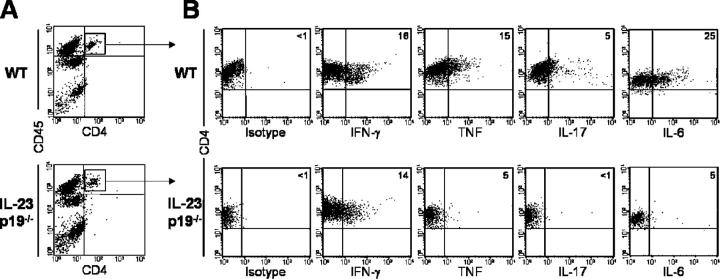
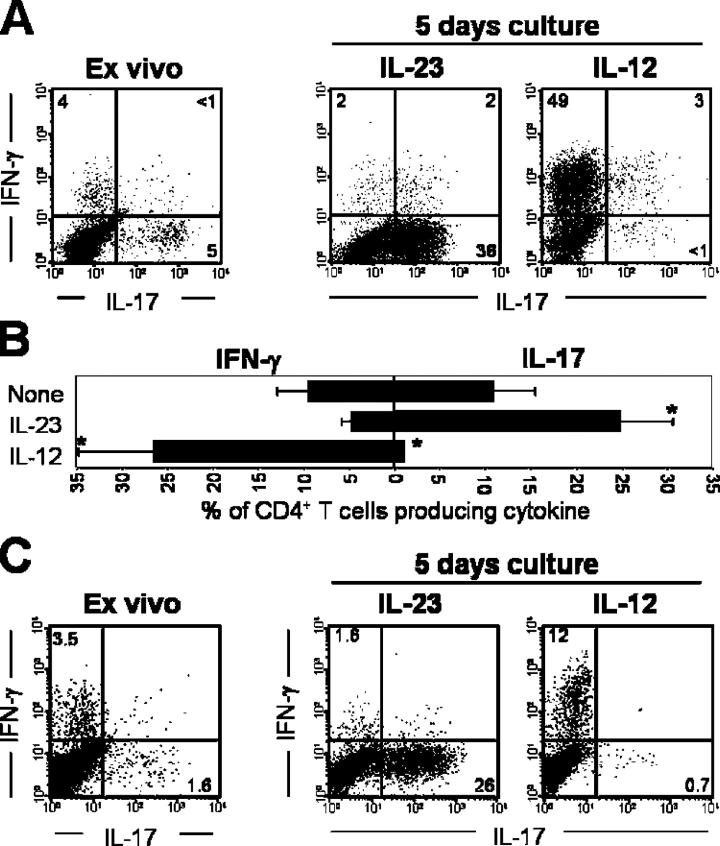
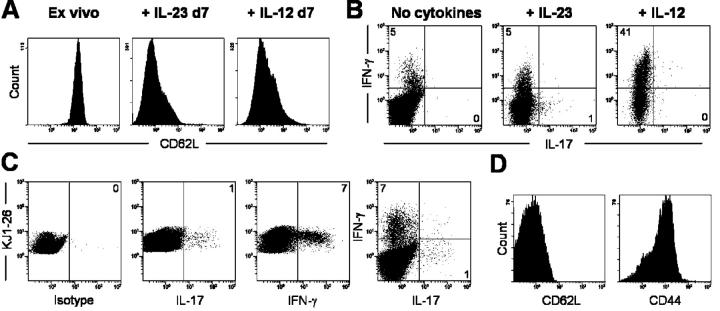
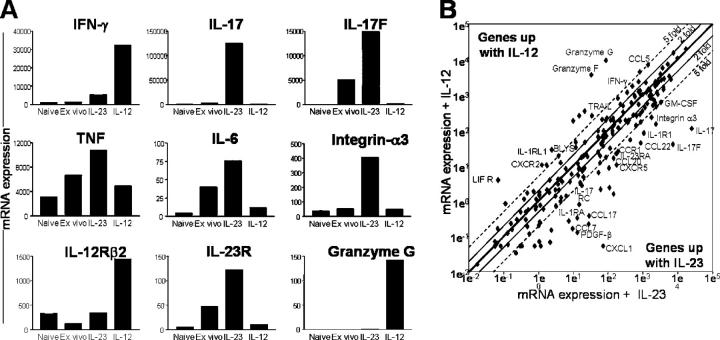
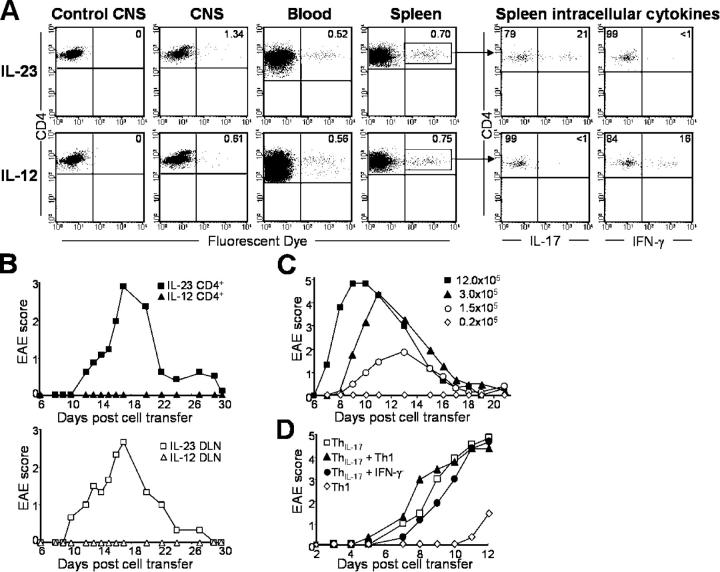
Interleukin (IL)-23 is a heterodimeric cytokine composed of a unique p19 subunit, and a common p40 subunit shared with IL-12. IL-12 is important for the development of T helper (Th)1 cells that are essential for host defense and tumor suppression. In contrast, IL-23 does not promote the development of interferon-gamma-producing Th1 cells, but is one of the essential factors required for the expansion of a pathogenic CD4(+) T cell population, which is characterized by the production of IL-17, IL-17F, IL-6, and tumor necrosis factor. Gene expression analysis of IL-23-driven autoreactive T cells identified a unique expression pattern of proinflammatory cytokines and other novel factors, distinguishing them from IL-12-driven T cells. Using passive transfer studies, we confirm that these IL-23-dependent CD4(+) T cells are highly pathogenic and essential for the establishment of organ-specific inflammation associated with central nervous system autoimmunity.
Overview
The claims and statistics of this paper haven’t been checked yet.
Free: it reads the open-access text and checks the first 5 claims that cite a source we can check. Create a free account to check every claim.
Integrity signals
Registry
Cites
Statistics
Figures
Verification
Claims the paper makes
The claims and statistics of this paper haven’t been checked yet.
Free: it reads the open-access text and checks the first 5 claims that cite a source we can check. Create a free account to check every claim.
Claims other papers make about this one
Each is checked against this paper’s own text: does it say what the citing paper says it does?
The source backs part of the claim, not all of it — or backs it for a different population, condition or comparison.
In the citing paper
“which is induced after stimulation by IL-21.”
From Distinct characteristics of hippocampal pathogenic th17 cells in a mouse model of depression (2018) · cites this paper as Langrish et al., 2005
Experimental — accuracy not yet measuredThe source backs part of the claim, not all of it — or backs it for a different population, condition or comparison.
In the citing paper
“the acquisition of the pathogenic phenotype occurs after expression of the IL-23 receptor (IL-23R) by TH17 cells (Ghoreschi et al., 2010; Langrish et al., 2005)”
From Distinct characteristics of hippocampal pathogenic th17 cells in a mouse model of depression (2018) · cites this paper as Langrish et al., 2005
Experimental — accuracy not yet measuredThe source backs part of the claim, not all of it — or backs it for a different population, condition or comparison.
In the citing paper
“CCR6 and IL-23R have been linked to the pathogenicity of TH17 cells in autoimmune diseases (Hirota et al., 2007; Kohler et al., 2003; Langrish et al., 2005), such as multiple sclerosis, suggesting that the depression-associated hippocampal TH17 cells display CNS-directed pathogenic properties that may underlie a portion of their pro-depressive actions.”
From Distinct characteristics of hippocampal pathogenic th17 cells in a mouse model of depression (2018) · cites this paper as Langrish et al., 2005
Experimental — accuracy not yet measuredIn the citing paper
“The so-called “IL-23-IL-17 axis” was found to function as a critical driver of autoimmune disease”
From The IL-17 Family of Cytokines in Health and Disease (2019) · cites this paper as Langrish et al., 2005
Self-check
Percentages, sums and reported differences re-computed from the paper’s own numbers.
The self-check needs the paper’s full text.
Citations
Cites
2 retracted
Inducible costimulator is essential for collagen-induced arthritis
Nurieva, R. I., Treuting, P., Duong, J., Flavell, R. A., & Dong, C. (2003) · Journal of Clinical Investigation · doi:10.1172/jci17321 · Cited by 117
RetractedThe IL-12Rβ2 gene functions as a tumor suppressor in human B cell malignancies
Airoldi, I., Carlo, E. D., Banelli, B., Moserle, L., Cocco, C., Pezzolo, A., Sorrentino, C., Rossi, E., Romani, M., Amadori, A., et al. (2004) · Journal of Clinical Investigation · doi:10.1172/jci20303 · Cited by 65 · cited 1×
“IL-12 is an important factor for the differentiation of naive T cells into IFN- � ‐producing Th1 cells, is essential for antimicrobial responses (4, 5), and serves as a suppressor of human B cell tumors ( 6 ).”
BackgroundRetractedCua, D. J., Sherlock, J., Chen, Y., Murphy, C. A., Joyce, B., Seymour, B., Lucian, L., To, W., Kwan, S., Churakova, T., et al. (2003) · Nature · doi:10.1038/nature01355 · Cited by 2,906 · cited 3×
“Blood was collected and lysed (RBC lysis buffer; Sigma-Aldrich), and mononuclear cells from brains and spinal cord tissue were prepared as described previously ( 1 ) and surface stained with anti‐CD4-APC.”
MethodInfluentialSelf-citationOppmann, B., Lesley, R., Blom, B., Timans, J. C., Xu, Y., Hunte, B., Vega, F., Yu, N., Wang, J., Singh, K., et al. (2000) · Immunity · doi:10.1016/s1074-7613(00)00070-4 · Cited by 2,822 · cited 1×
“Although IL-23 shares a common p40 subunit with IL-12 (3), these cytokines have divergent activities.”
BackgroundSelf-citationToll Pathway-Dependent Blockade of CD4 + CD25 + T Cell-Mediated Suppression by Dendritic Cells
Pasare, C., & Medzhitov, R. (2003) · Science · doi:10.1126/science.1078231 · Cited by 1,997 · cited 1×
“IL-6 produced by LPS-activated dendritic cells can turn off regulatory T cell (T reg cell) function, allowing effector T cell activation ( 35 ).”
BackgroundAggarwal, S., Ghilardi, N., Xie, M.-H., de Sauvage, F. J., & Gurney, A. L. (2003) · Journal of Biological Chemistry · doi:10.1074/jbc.m207577200 · Cited by 1,847 · cited 1×
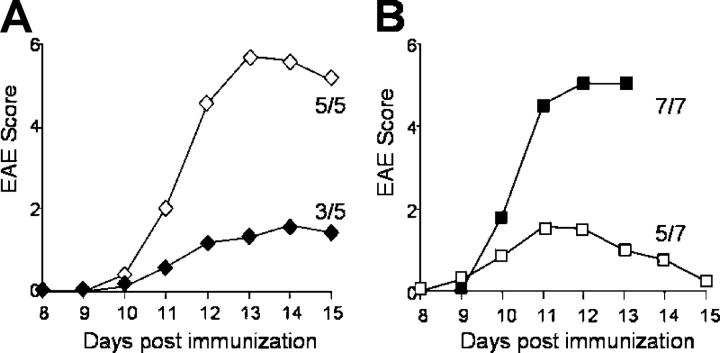
“Ex vivo analysis of draining LN (DLN) cells from immunized WT and IL-23p19 mice reflected the CNS data, with similar IFN- levels, but no IL-17 production by the IL-23p19 cells (2, 14, 15).”
BackgroundDivergent Pro- and Antiinflammatory Roles for IL-23 and IL-12 in Joint Autoimmune Inflammation
Murphy, C. A., Langrish, C. L., Chen, Y., Blumenschein, W., McClanahan, T., Kastelein, R. A., Sedgwick, J. D., & Cua, D. J. (2003) · The Journal of Experimental Medicine · doi:10.1084/jem.20030896 · Cited by 1,669 · cited 3×
“These results are consistent with papers suggesting that IL-23 is required for the development and expansion of IL-17–producing CD4 T cells (2, 16, 17).”
BackgroundMethodResultSelf-citationSuppression of Immune Induction of Collagen-Induced Arthritis in IL-17-Deficient Mice
Nakae, S., Nambu, A., Sudo, K., & Iwakura, Y. (2003) · The Journal of Immunology · doi:10.4049/jimmunol.171.11.6173 · Cited by 1,273
Exacerbations of multiple sclerosis in patients treated with gamma interferon
Panitch, H., Haley, A., Hirsch, R., & Johnson, K. (1987) · The Lancet · doi:10.1016/s0140-6736(87)92863-7 · Cited by 1,071 · cited 1×
“Treatments with IFNlead to disease exacerbation in human MS (22), and transgenic mice overexpressing IFN- in the CNS showed increased oligodendrocyte death leading to demyelinating diseases (23, 24).”
BackgroundFerber, I. A., Brocke, S., Taylor-Edwards, C., Ridgway, W., Dinisco, C., Steinman, L., Dalton, D., & Fathman, C. G. (1996) · The Journal of Immunology · doi:10.4049/jimmunol.156.1.5 · Cited by 989
Cited by
Items 301–400 of 1,038
Gene modulation and immunoregulatory roles of Interferonγ
Saha, B., Jyothi Prasanna, S., Chandrasekar, B., & Nandi, D. (2010) · Cytokine · doi:10.1016/j.cyto.2009.11.021 · Cited by 300
The IL-23/Th17 axis: therapeutic targets for autoimmune inflammation
Kikly, K., Liu, L., Na, S., & Sedgwick, J. D. (2006) · Current Opinion in Immunology · doi:10.1016/j.coi.2006.09.008 · Cited by 303
Self-citationShigemoto-Kuroda, T., Oh, J. Y., Kim, D.-K., Jeong, H. J., Park, S. Y., Lee, H. J., Park, J. W., Kim, T. W., An, S. Y., Prockop, D. J., et al. (2017) · Stem Cell Reports · doi:10.1016/j.stemcr.2017.04.008 · Cited by 296
“…et al., 2001; Crane and Forrester, 2005; Jun et al., 1999; Weaver et al., 2001), and IL-17A and/or IL-17F are responsible for development of inflammation in many disorders, especially in autoimmune diseases (Bettelli et al., 2007; Jain et al., 2008; Langrish et al., 2005; Nakae et al., 2002).”
BackgroundA novel role of CD4 Th17 cells in mediating cardiac allograft rejection and vasculopathy
Yuan, X., Paez-Cortez, J., Schmitt-Knosalla, I., D'Addio, F., Mfarrej, B., Donnarumma, M., Habicht, A., Clarkson, M. R., Iacomini, J., Glimcher, L. H., et al. (2008) · The Journal of Experimental Medicine · doi:10.1084/jem.20081937 · Cited by 302
Reynolds, J. M., Pappu, B. P., Peng, J., Martinez, G. J., Zhang, Y., Chung, Y., Ma, L., Yang, X. O., Nurieva, R. I., Tian, Q., et al. (2010) · Immunity · doi:10.1016/j.immuni.2010.04.010 · Cited by 299
“Because IL-23 is important in IL-17 responses in both ab and gd T cells (Langrish et al., 2005; O’Brien et al., 2009), we next investigated whether TLR2 can influence IL-23 expression and vice versa.”
BackgroundMast cells in the promotion and limitation of chronic inflammation
Metz, M., Grimbaldeston, M. A., Nakae, S., Piliponsky, A. M., Tsai, M., & Galli, S. J. (2007) · Immunological Reviews · doi:10.1111/j.1600-065x.2007.00520.x · Cited by 302
Dysregulated balance of Th17 and Th1 cells in systemic lupus erythematosus
Shah, K., Lee, W.-W., Lee, S.-H., Kim, S. H., Kang, S. W., Craft, J., & Kang, I. (2010) · Arthritis Research & Therapy · doi:10.1186/ar2964 · Cited by 301
“sclerosis and rheumatoid arthritis, respectively [14-16], as well as murine lupus models [17,18].”
BackgroundAkimzhanov, A. M., Yang, X. O., & Dong, C. (2007) · Journal of Biological Chemistry · doi:10.1074/jbc.c600322200 · Cited by 302
Identification of Common Transcriptional Regulatory Elements in Interleukin-17 Target Genes
Shen, F., Hu, Z., Goswami, J., & Gaffen, S. L. (2006) · Journal of Biological Chemistry · doi:10.1074/jbc.m604597200 · Cited by 294
Lin, Y., Ritchea, S., Logar, A., Slight, S., Messmer, M., Rangel-Moreno, J., Guglani, L., Alcorn, J. F., Strawbridge, H., Park, S. M., et al. (2009) · Immunity · doi:10.1016/j.immuni.2009.08.025 · Cited by 289
“Th17 cells produce IL-17A, the related cytokine IL-17F, IL-21, and IL-22 (Ouyang et al., 2008) and are involved in the induction of inflammation and tissue destruction associated with models of autoimmune diseases (Langrish et al., 2005).”
Effector and Regulatory T-cell Subsets in Autoimmunity and Tissue Inflammation
Jäger, A., & Kuchroo, V. K. (2010) · Scandinavian Journal of Immunology · doi:10.1111/j.1365-3083.2010.02432.x · Cited by 282
miR‐155: an ancient regulator of the immune system
Vigorito, E., Kohlhaas, S., Lu, D., & Leyland, R. (2013) · Immunological Reviews · doi:10.1111/imr.12057 · Cited by 293
Adaptive immunity and atherosclerosis
Andersson, J., Libby, P., & Hansson, G. K. (2010) · Clinical Immunology · doi:10.1016/j.clim.2009.07.002 · Cited by 293
Interleukin-17 exacerbates hepatic steatosis and inflammation in non-alcoholic fatty liver disease
Tang, Y., Bian, Z., Zhao, L., Liu, Y., Liang, S., Wang, Q., Han, X., Peng, Y., Chen, X., Shen, L., et al. (2011) · Clinical and Experimental Immunology · doi:10.1111/j.1365-2249.2011.04471.x · Cited by 294
Immunity to the respiratory pathogen Bordetella pertussis
Higgs, R., Higgins, S. C., Ross, P. J., & Mills, K. H. G. (2012) · Mucosal Immunology · doi:10.1038/mi.2012.54 · Cited by 283
Interleukin-23/Th17 pathways and inflammatory bowel disease
Abraham, C., & Cho, J. (2009) · Inflammatory Bowel Diseases · doi:10.1002/ibd.20894 · Cited by 289
Th17 Cells in Immunity and Autoimmunity
Bedoya, S. K., Lam, B., Lau, K., & Larkin, J. (2013) · Clinical and Developmental Immunology · doi:10.1155/2013/986789 · Cited by 282
“These and subsequent studies in 2005 led to the realization that there was a novel subset of T helper cells distinct from the classical Th1/Th2 paradigm [19–21].”
ResultDifferential regulation of interleukin 12 and interleukin 23 production in human dendritic cells
Gerosa, F., Baldani-Guerra, B., Lyakh, L. A., Batoni, G., Esin, S., Winkler-Pickett, R. T., Consolaro, M. R., De Marchi, M., Giachino, D., Robbiano, A., et al. (2008) · The Journal of Experimental Medicine · doi:10.1084/jem.20071450 · Cited by 280
Self-citationIL-17/IL-17 receptor system in autoimmune disease: mechanisms and therapeutic potential
Zhu, S., & Qian, Y. (2012) · Clinical Science · doi:10.1042/cs20110496 · Cited by 282
Autoimmune inflammation from the Th17 perspective
Furuzawa-Carballeda, J., Vargas-Rojas, M. I., & Cabral, A. R. (2007) · Autoimmunity Reviews · doi:10.1016/j.autrev.2006.10.002 · Cited by 289
Huang, H., Kim, H. J., Chang, E.-J., Lee, Z. H., Hwang, S. J., Kim, H.-M., Lee, Y., & Kim, H.-H. (2009) · Cell Death & Differentiation · doi:10.1038/cdd.2009.74 · Cited by 272
“Cell Death and Differentiation (2009) 16, 1332–1343; doi:10.1038/cdd.2009.74; published online 19 June 2009 The interleukin-17 (IL-17) cytokine family is a family of proinflammatory cytokines comprising six members: IL-17A to IL-17F.1,2 IL-17 is thought to be involved in tissue inflammation by stimulating the release…”
BackgroundInfluentialIL-17/Th17 targeting: On the road to prevent chronic destructive arthritis?
Lubberts, E. (2008) · Cytokine · doi:10.1016/j.cyto.2007.09.014 · Cited by 289
“Recently a novel pathogenic T cell population (Th17 cells) has been identified which induces autoimmune inflammation in mice [51].”
BackgroundInfluentialSilencing MicroRNA-155 Ameliorates Experimental Autoimmune Encephalomyelitis
Murugaiyan, G., Beynon, V., Mittal, A., Joller, N., & Weiner, H. L. (2011) · The Journal of Immunology · doi:10.4049/jimmunol.1003952 · Cited by 289
Cruz, A., Khader, S. A., Torrado, E., Fraga, A., Pearl, J. E., Pedrosa, J., Cooper, A. M., & Castro, A. G. (2006) · The Journal of Immunology · doi:10.4049/jimmunol.177.3.1416 · Cited by 288
Walsh, K. P., Brady, M. T., Finlay, C. M., Boon, L., & Mills, K. H. G. (2009) · The Journal of Immunology · doi:10.4049/jimmunol.0803803 · Cited by 281
“However, this model did not account for the concomitant increase in incidences of many autoimmune diseases (4, 5) and the recently established role of IL-17-producing CD4 T cells (Th17 cells) in autoimmune inflammation (6, 7), nor the inverse correlation between exposure to Th2-inducing helminths and incidence of alle…”
BackgroundInfluentialIL-17 Enhances Chemokine Gene Expression through mRNA Stabilization
Hartupee, J., Liu, C., Novotny, M., Li, X., & Hamilton, T. (2007) · The Journal of Immunology · doi:10.4049/jimmunol.179.6.4135 · Cited by 282
“Although IL-17 is important for host protection against challenge by bacterial infection, it has also been demonstrated to play a significant role in tissue destructive inflammation in the setting of autoimmunity (4, 5).”
BackgroundImmunopathogenesis of Behcet's Disease
Tong, B., Liu, X., Xiao, J., & Su, G. (2019) · Frontiers in Immunology · doi:10.3389/fimmu.2019.00665 · Cited by 282
“Recent studies have also shown that IL23 does not promote the development of IFN-γ -producing Th1 cells but is one of the essential factors in increasing a pathogenic CD4+ T cell population, which is characterized by the production of IL-17, IL-6, and TNF-α (56).”
BackgroundSheibanie, A. F., Yen, J.-H., Khayrullina, T., Emig, F., Zhang, M., Tuma, R., & Ganea, D. (2007) · The Journal of Immunology · doi:10.4049/jimmunol.178.12.8138 · Cited by 284
A novel heterodimeric cytokine consisting of IL-17 and IL-17F regulates inflammatory responses
Chang, S. H., & Dong, C. (2007) · Cell Research · doi:10.1038/cr.2007.35 · Cited by 280
TH17 cell heterogeneity and its role in tissue inflammation
Schnell, A., Littman, D. R., & Kuchroo, V. K. (2023) · Nature Immunology · doi:10.1038/s41590-022-01387-9 · Cited by 286
T-bet is essential for encephalitogenicity of both Th1 and Th17 cells
Yang, Y., Weiner, J., Liu, Y., Smith, A. J., Huss, D. J., Winger, R., Peng, H., Cravens, P. D., Racke, M. K., & Lovett-Racke, A. E. (2009) · Journal of Experimental Medicine · doi:10.1084/jem.20082584 · Cited by 282
“Historically, IL-23R was identified as a marker of memory Th1 cells (Oppmann et al., 2000; Parham et al., 2002), although the more recent literature suggests that the IL-23R pathway is critical for IL-17 production (Aggarwal et al., 2003; Langrish et al., 2005; Stromnes et al., 2008).”
BackgroundInfluentialXiao, S., Yosef, N., Yang, J., Wang, Y., Zhou, L., Zhu, C., Wu, C., Baloglu, E., Schmidt, D., Ramesh, R., et al. (2014) · Immunity · doi:10.1016/j.immuni.2014.04.004 · Cited by 276
Role of Th17 cells in the pathogenesis of CNS inflammatory demyelination
Rostami, A., & Ciric, B. (2013) · Journal of the Neurological Sciences · doi:10.1016/j.jns.2013.03.002 · Cited by 275
“However, subsequent studies have shown that IL-17A plays a contributing, but non-essential, role in EAE, as in most studies lack of IL-17A bioactivity led to mitigated disease course and improved recovery, but did not confer resistance to disease (64-70).”
ResultNakae, S., Iwakura, Y., Suto, H., & Galli, S. J. (2007) · Journal of Leukocyte Biology · doi:10.1189/jlb.1006610 · Cited by 282
“FITC-antimouse IL-4 (BVD6-24G2), IL-6 (MP5-20F3), and TNF (MP6-XT22) were purchased from eBioscience.”
BackgroundResultInfluentialCytokines in Autoimmunity: Role in Induction, Regulation, and Treatment
Moudgil, K. D., & Choubey, D. (2011) · Journal of Interferon & Cytokine Research · doi:10.1089/jir.2011.0065 · Cited by 265
Th17 Cell Plasticity and Functions in Cancer Immunity
Guéry, L., & Hugues, S. (2015) · BioMed Research International · doi:10.1155/2015/314620 · Cited by 261
“Although not required for Th17 cells differentiation, IL-23 was shown to maintain their pathogenic phenotype and survival [4].”
BackgroundInterleukin-17C Promotes Th17 Cell Responses and Autoimmune Disease via Interleukin-17 Receptor E
Chang, S. H., Reynolds, J. M., Pappu, B. P., Chen, G., Martinez, G. J., & Dong, C. (2011) · Immunity · doi:10.1016/j.immuni.2011.09.010 · Cited by 271
“IL-6 and TGF-b synergistically regulate the expression of Il17re mRNA and IL-1 and IL-23 further enhanced this expression (Figure 3C).”
InfluentialWolk, K., Witte, E., Hoffmann, U., Doecke, W.-D., Endesfelder, S., Asadullah, K., Sterry, W., Volk, H.-D., Wittig, B. M., & Sabat, R. (2007) · The Journal of Immunology · doi:10.4049/jimmunol.178.9.5973 · Cited by 270
Effector T Helper Cell Subsets in Inflammatory Bowel Diseases
Imam, T., Park, S., Kaplan, M. H., & Olson, M. R. (2018) · Frontiers in Immunology · doi:10.3389/fimmu.2018.01212 · Cited by 267
“The Th17 differentiation program is driven primarily by IL-6 and TGF-β (90) and further stabilized by signals from accessory cytokines including IL-23 and IL-1β (Figure 1) (91, 92).”
BackgroundGeneration and regulation of human CD4 + IL-17-producing T cells in ovarian cancer
Miyahara, Y., Odunsi, K., Chen, W., Peng, G., Matsuzaki, J., & Wang, R.-F. (2008) · Proceedings of the National Academy of Sciences · doi:10.1073/pnas.0710686105 · Cited by 279
“IL-23, a critical inducer of experimental autoimmune encephalitis and collagen-induced arthritis (15, 16), promotes the development of Th17 cells in vivo (17).”
BackgroundThe role of cytokines in inflammatory bone loss
Souza, P. P. C., & Lerner, U. H. (2013) · Immunological Investigations · doi:10.3109/08820139.2013.822766 · Cited by 269
“This cytokine drives the differentiation of an IL-17 subset of T lymphocytes (TH17) (Harrington et al., 2005; Langrish et al., 2005; Park et al., 2005), a class of T helper cells that have a strong osteoclastogenic potential (Sato et al.”
BackgroundInfluentialDC activated via dectin‐1 convert Treg into IL‐17 producers
Osorio, F., LeibundGut‐Landmann, S., Lochner, M., Lahl, K., Sparwasser, T., Eberl, G., & Reis e Sousa, C. (2008) · European Journal of Immunology · doi:10.1002/eji.200838950 · Cited by 273
Inflammation induced loss of skeletal muscle
Londhe, P., & Guttridge, D. C. (2015) · Bone · doi:10.1016/j.bone.2015.03.015 · Cited by 276
“matory bowel disease [75,76].”
Oboki, K., Ohno, T., Saito, H., & Nakae, S. (2008) · Allergology International · doi:10.2332/allergolint.r-07-160 · Cited by 271
β‐glucan triggers spondylarthritis and Crohn's disease–like ileitis in SKG mice
Ruutu, M., Thomas, G., Steck, R., Degli‐Esposti, M. A., Zinkernagel, M. S., Alexander, K., Velasco, J., Strutton, G., Tran, A., Benham, H., et al. (2012) · Arthritis & Rheumatism · doi:10.1002/art.34423 · Cited by 262
Microbiome, inflammation and colorectal cancer
Chen, J., Pitmon, E., & Wang, K. (2017) · Seminars in Immunology · doi:10.1016/j.smim.2017.09.006 · Cited by 265
Schmitt, H., Billmeier, U., Dieterich, W., Rath, T., Sonnewald, S., Reid, S., Hirschmann, S., Hildner, K., Waldner, M. J., Mudter, J., et al. (2019) · Gut · doi:10.1136/gutjnl-2017-315671 · Cited by 261
IL-17 and IL-22 are associated with protection against human kala azar caused by Leishmania donovani
Pitta, M. G. R., Romano, A., Cabantous, S., Henri, S., Hammad, A., Kouriba, B., Argiro, L., el Kheir, M., Bucheton, B., Mary, C., et al. (2009) · Journal of Clinical Investigation · doi:10.1172/jci38813 · Cited by 265
NKT Cell-Dependent Amelioration of a Mouse Model of Multiple Sclerosis by Altering Gut Flora
Yokote, H., Miyake, S., Croxford, J. L., Oki, S., Mizusawa, H., & Yamamura, T. (2008) · The American Journal of Pathology · doi:10.2353/ajpath.2008.080622 · Cited by 264
Colin, E. M., Asmawidjaja, P. S., van Hamburg, J. P., Mus, A. M. C., van Driel, M., Hazes, J. M. W., van Leeuwen, J. P. T. M., & Lubberts, E. (2010) · Arthritis & Rheumatism · doi:10.1002/art.25043 · Cited by 270
CD4 T-cell differentiation and inflammatory bowel disease
Zenewicz, L. A., Antov, A., & Flavell, R. A. (2009) · Trends in Molecular Medicine · doi:10.1016/j.molmed.2009.03.002 · Cited by 266
The Role of Macrophages and Dendritic Cells in the Initiation of Inflammation in IBD
Steinbach, E. C., & Plevy, S. E. (2014) · Inflammatory Bowel Diseases · doi:10.1097/mib.0b013e3182a69dca · Cited by 249
Stem-like intestinal Th17 cells give rise to pathogenic effector T cells during autoimmunity
Schnell, A., Huang, L., Singer, M., Singaraju, A., Barilla, R. M., Regan, B. M. L., Bollhagen, A., Thakore, P. I., Dionne, D., Delorey, T. M., et al. (2021) · Cell · doi:10.1016/j.cell.2021.11.018 · Cited by 268
T cell responses in the central nervous system
Korn, T., & Kallies, A. (2017) · Nature Reviews Immunology · doi:10.1038/nri.2016.144 · Cited by 268
Nishihara, M., Ogura, H., Ueda, N., Tsuruoka, M., Kitabayashi, C., Tsuji, F., Aono, H., Ishihara, K., Huseby, E., Betz, U. A. K., et al. (2007) · International Immunology · doi:10.1093/intimm/dxm045 · Cited by 268
Di Meglio, P., Di Cesare, A., Laggner, U., Chu, C.-C., Napolitano, L., Villanova, F., Tosi, I., Capon, F., Trembath, R. C., Peris, K., et al. (2011) · PLoS ONE · doi:10.1371/journal.pone.0017160 · Cited by 262
“Th17 cells drive autoimmunity in experimental models [7,25] and have been identified in clinical samples of psoriasis [26] and CD [27].”
BackgroundHirahara, K., Ghoreschi, K., Yang, X.-P., Takahashi, H., Laurence, A., Vahedi, G., Sciumè, G., Hall, A. O., Dupont, C. D., Francisco, L. M., et al. (2012) · Immunity · doi:10.1016/j.immuni.2012.03.024 · Cited by 254
“Therefore, we next used the model of EAE in which Th17 cells are thought to be key in terms of immunopathogenesis (Langrish et al., 2005).”
MethodDevelopment and function of TH17 cells in health and disease
Louten, J., Boniface, K., & de Waal Malefyt, R. (2009) · Journal of Allergy and Clinical Immunology · doi:10.1016/j.jaci.2009.04.003 · Cited by 266
“Passive transfer of these IL-23–generated IL-17–producing CD41 T cells was sufficient to induce EAE.8 It thereby became clear that the IL-23/IL-17 pathway, rather than the IL-12/IFN-g pathway, was critical for EAE disease development; the concept of a new TH cell subset was established and subsequently designated TH17.”
BackgroundInfluentialShen, F., & Gaffen, S. L. (2008) · Cytokine · doi:10.1016/j.cyto.2007.11.013 · Cited by 256
“[15] Langrish CL, Chen Y, Blumenschein WM, Mattson J, Basham B, Sedgwick JD, et al.”
BackgroundThe role of interleukin-17 in tumor development and progression
Zhao, J., Chen, X., Herjan, T., & Li, X. (2020) · Journal of Experimental Medicine · doi:10.1084/jem.20190297 · Cited by 248
Induction of IL-17 and nonclassical T-cell activation by HIV-Tat protein
Johnson, T. P., Patel, K., Johnson, K. R., Maric, D., Calabresi, P. A., Hasbun, R., & Nath, A. (2013) · Proceedings of the National Academy of Sciences · doi:10.1073/pnas.1308673110 · Cited by 265
“Because IL-17 can propagate inflammation (14), we determined whether Tat could induce IL-17 secretion in an antigen-independent manner.”
BackgroundT-bet negatively regulates autoimmune myocarditis by suppressing local production of interleukin 17
Rangachari, M., Mauermann, N., Marty, R. R., Dirnhofer, S., Kurrer, M. O., Komnenovic, V., Penninger, J. M., & Eriksson, U. (2006) · The Journal of Experimental Medicine · doi:10.1084/jem.20052222 · Cited by 264
“IL-23 is essential for the generation of IL-17–producing CD4+ T cells in vivo, and IL-17 is a pathogenic cytokine critical for the progression of experimental autoimmune encephalomyelitis (34).”
BackgroundAgak, G. W., Qin, M., Nobe, J., Kim, M.-H., Krutzik, S. R., Tristan, G. R., Elashoff, D., Garbán, H. J., & Kim, J. (2014) · Journal of Investigative Dermatology · doi:10.1038/jid.2013.334 · Cited by 253
“In addition to IL-17A and F, Th17 cells produce IL-6, IL-21 and IL-22 and exhibit effector functions distinct from the Th1 and Th2 cells (Harrington et al. , 2005; Langrish et al. , 2005; Liang et al. , 2006; Nurieva et al. , 2007; Park et al. , 2005; Zheng et al. , 2007; Zhou et al. , 2007).”
Role of IL-17 and Th17 Cells in Liver Diseases
Hammerich, L., Heymann, F., & Tacke, F. (2011) · Clinical and Developmental Immunology · doi:10.1155/2011/345803 · Cited by 261
“Once Th17 cells have developed, IL-23 is needed for stabilization and further expansion of these cells in mice [25, 26].”
BackgroundThe Th17 immune response is controlled by the Rel–RORγ–RORγT transcriptional axis
Ruan, Q., Kameswaran, V., Zhang, Y., Zheng, S., Sun, J., Wang, J., DeVirgiliis, J., Liou, H.-C., Beg, A. A., & Chen, Y. H. (2011) · Journal of Experimental Medicine · doi:10.1084/jem.20110462 · Cited by 248
“Vol. 208 No. 11 2321-2333 www.jem.org/cgi/doi/10.1084/jem.20110462 2321 Th17 cells are a subset of T cells that produce IL-17A, IL-17F, IL-6, and TNF (Cua et al., 2003; Langrish et al., 2005; Veldhoen and Stockinger, 2006; Ivanov et al., 2006; Weaver et al., 2006; Bettelli et al., 2006; Sutton et al., 2006).”
BackgroundInfluentialSelf-citationVaknin-Dembinsky, A., Balashov, K., & Weiner, H. L. (2006) · The Journal of Immunology · doi:10.4049/jimmunol.176.12.7768 · Cited by 259
“These results are analogous to what has been observed in murine systems (14).”
ResultAverting inflammation by targeting the cytokine environment
Kopf, M., Bachmann, M. F., & Marsland, B. J. (2010) · Nature Reviews Drug Discovery · doi:10.1038/nrd2805 · Cited by 257
“Notably, this protection was associated with a decreased number of T H 17 cells, whereas there was no difference in T H 1 cell”
BackgroundLai, Y., Li, D., Li, C., Muehleisen, B., Radek, K. A., Park, H. J., Jiang, Z., Li, Z., Lei, H., Quan, Y., et al. (2012) · Immunity · doi:10.1016/j.immuni.2012.04.010 · Cited by 261
“IL-17 is a potent proinflammatory mediator and is associated with several inflammatory diseases, including rheumatoid arthritis, systemic lupus erythematosus, multiple sclerosis, and asthma (Dong, 2006; Infante-Duarte et al., 2000; Langrish et al., 2005).”
BackgroundObesity Drives Th17 Cell Differentiation by Inducing the Lipid Metabolic Kinase, ACC1
Endo, Y., Asou, H. K., Matsugae, N., Hirahara, K., Shinoda, K., Tumes, D. J., Tokuyama, H., Yokote, K., & Nakayama, T. (2015) · Cell Reports · doi:10.1016/j.celrep.2015.07.014 · Cited by 249
The predominance of Th17 lymphocytes and decreased number and function of Treg cells in preeclampsia
Darmochwal-Kolarz, D., Kludka-Sternik, M., Tabarkiewicz, J., Kolarz, B., Rolinski, J., Leszczynska-Gorzelak, B., & Oleszczuk, J. (2012) · Journal of Reproductive Immunology · doi:10.1016/j.jri.2012.01.006 · Cited by 261
gp130 at the nexus of inflammation, autoimmunity, and cancer
Silver, J. S., & Hunter, C. A. (2010) · Journal of Leukocyte Biology · doi:10.1189/jlb.0410217 · Cited by 254
“eral studies have identified elevated levels of IL-6 and IL-17 in lesions from MS patients, and transfer of Th17 cells can exacerbate disease in animal models [61, 90, 91].”
BackgroundSarra, M., Pallone, F., MacDonald, T. T., & Monteleone, G. (2010) · Inflammatory Bowel Diseases · doi:10.1002/ibd.21248 · Cited by 249
“Initially, it was thought that IL-23 played a critical role in Th17 cell differentiation.(9) However, recent studies have shown that IL-23 is indeed involved in expanding Th17 cell responses.”
BackgroundTakedatsu, H., Michelsen, K. S., Wei, B., Landers, C. J., Thomas, L. S., Dhall, D., Braun, J., & Targan, S. R. (2008) · Gastroenterology · doi:10.1053/j.gastro.2008.04.037 · Cited by 254
Interleukin-23 engineering improves CAR T cell function in solid tumors
Ma, X., Shou, P., Smith, C., Chen, Y., Du, H., Sun, C., Porterfield Kren, N., Michaud, D., Ahn, S., Vincent, B., et al. (2020) · Nature Biotechnology · doi:10.1038/s41587-019-0398-2 · Cited by 253
Self-citationEvans, H. G., Suddason, T., Jackson, I., Taams, L. S., & Lord, G. M. (2007) · Proceedings of the National Academy of Sciences · doi:10.1073/pnas.0708426104 · Cited by 255
Psoriasis: A STAT3-Centric View
Calautti, E., Avalle, L., & Poli, V. (2018) · International Journal of Molecular Sciences · doi:10.3390/ijms19010171 · Cited by 246
Michel, M.-L., Mendes-da-Cruz, D., Keller, A. C., Lochner, M., Schneider, E., Dy, M., Eberl, G., & Leite-de-Moraes, M. C. (2008) · Proceedings of the National Academy of Sciences · doi:10.1073/pnas.0806472105 · Cited by 245
“Cytokines, such as IL-6 and TGF- , act in synergy to induce the differentiation of Th17 cells in mice, whereas IL-21 and IL-23 contribute to their amplification and stabilization (3–7).”
BackgroundRothhammer, V., Heink, S., Petermann, F., Srivastava, R., Claussen, M. C., Hemmer, B., & Korn, T. (2011) · Journal of Experimental Medicine · doi:10.1084/jem.20110434 · Cited by 242
“…in solid organs and thus have recently been associated with a variety of autoimmune diseases including psoriasis, rheumatoid arthritis, and MS (Murphy et al., 2003; Langrish et al., 2005; Hirota et al., 2007; Zheng et al., 2007; Lowes et al., 2008; Durelli et al., 2009; Kebir et al., 2009).”
BackgroundInfluentialUsing EAE to better understand principles of immune function and autoimmune pathology
Rangachari, M., & Kuchroo, V. K. (2013) · Journal of Autoimmunity · doi:10.1016/j.jaut.2013.06.008 · Cited by 246
“Mice that lack Sgk1 specifically in CD4þ T cells develop EAE of lessened severity; importantly, so do mice lacking Sgk1 only in IL-17-producing T cells [90].”
BackgroundInfluentialTherapeutic Potential of Targeting the Th17/Treg Axis in Autoimmune Disorders.
Fasching, P., Stradner, M., Graninger, W., Dejaco, C., & Fessler, J. (2017) · Molecules · doi:10.3390/molecules22010134 · Cited by 254
“Years of research compellingly illustrated the requirement of IL-23 for expansion and maintenance of Th17-cells and recently also for their conversion of non-pathogenic cells with a protective role at mucosal barriers into highly pathogenic cells that promote inflammation [86,87].”
BackgroundIL-6 stimulates intestinal epithelial proliferation and repair after injury
Kuhn, K. A., Manieri, N. A., Liu, T.-C., & Stappenbeck, T. S. (2014) · PLoS ONE · doi:10.1371/journal.pone.0114195 · Cited by 254
Mast Cells: Multifaceted Immune Cells with Diverse Roles in Health and Disease
Rao, K. N., & Brown, M. A. (2008) · Annals of the New York Academy of Sciences · doi:10.1196/annals.1443.023 · Cited by 242
Yoshimura, T., Takeda, A., Hamano, S., Miyazaki, Y., Kinjyo, I., Ishibashi, T., Yoshimura, A., & Yoshida, H. (2006) · The Journal of Immunology · doi:10.4049/jimmunol.177.8.5377 · Cited by 250
“Recently, IL-23, another member of the IL-12 cytokine family, has been reported to induce the production of IL-17 (IL-17A and F) (22, 23), inflammatory cytokines that are produced by activated T cells, and play crucial roles in inflammation by cytokine production, granulopoiesis, chemotaxis, and angiogenesis (24–27).”
BackgroundAutocrine Transforming Growth Factor-β1 Promotes In Vivo Th17 Cell Differentiation
Gutcher, I., Donkor, M. K., Ma, Q., Rudensky, A. Y., Flavell, R. A., & Li, M. O. (2011) · Immunity · doi:10.1016/j.immuni.2011.03.005 · Cited by 243
“In the presence of IL-6, TGF-b1 induces the development of Th17 cells that have been shown to drive autoimmune diseases such as experimental autoimmune encephalomyelitis (EAE) (Bettelli et al., 2006; Langrish et al., 2005; Mangan et al., 2006; Veldhoen et al., 2006a).”
Inflammatory Cytokines in Systemic Lupus Erythematosus
Ohl, K., & Tenbrock, K. (2011) · BioMed Research International · doi:10.1155/2011/432595 · Cited by 245
“In addition to these cytokines, IL-23 is crucial for expansion and maintenance of Th17 cells [147].”
BackgroundT-bet Regulates the Fate of Th1 and Th17 Lymphocytes in Autoimmunity
Gocke, A. R., Cravens, P. D., Ben, L.-H., Hussain, R. Z., Northrop, S. C., Racke, M. K., & Lovett-Racke, A. E. (2007) · The Journal of Immunology · doi:10.4049/jimmunol.178.3.1341 · Cited by 250
“CNS cells from all mice in each experimental group were pooled and processed using a modification of a previously described protocol (17).”
BackgroundMethodGM-CSF mediates autoimmunity by enhancing IL-6–dependent Th17 cell development and survival
Sonderegger, I., Iezzi, G., Maier, R., Schmitz, N., Kurrer, M., & Kopf, M. (2008) · The Journal of Experimental Medicine · doi:10.1084/jem.20071119 · Cited by 238
Increased serum IL-17 and IL-23 in the patient with ankylosing spondylitis
Mei, Y., Pan, F., Gao, J., Ge, R., Duan, Z., Zeng, Z., Liao, F., Xia, G., Wang, S., Xu, S., et al. (2011) · Clinical Rheumatology · doi:10.1007/s10067-010-1647-4 · Cited by 236
“Some studies suggests that IL-23 acts as a regulator of the maturation of Th17 cells and promotes chronic inflammation dominated by IL-17, IL-6, IL-8, and TNF-α , as well as by neutrophils and macrophages [ 7 , 23].”
BackgroundInterleukin-17 in chronic inflammatory neurological diseases
Milovanovic, J., Arsenijevic, A., Stojanovic, B., Kanjevac, T., Arsenijevic, D., Radosavljevic, G., Milovanovic, M., & Arsenijevic, N. (2020) · Frontiers in Immunology · doi:10.3389/fimmu.2020.00947 · Cited by 250
“Furthermore, IL-1 and IL-23 stimulation through JunB and SOCS family members (64, 65) affects the effector profile of Th17 cells and induces the development of highly pathogenic double-positive IL-17+ IFNγ+ and IL-17+ Frontiers in Immunology | www.frontiersin.org 2 June 2020 | Volume 11 | Article 947 GM-CSF+ T cells (…”
BackgroundResultInfluentialHe, D., Wu, L., Kim, H. K., Li, H., Elmets, C. A., & Xu, H. (2006) · The Journal of Immunology · doi:10.4049/jimmunol.177.10.6852 · Cited by 245
“Effects of IL-23 on IL-17 production by CD4 T cells have been reported (7, 14).”
BackgroundResultInfluentialThe Role of Gut Microbiota Biomodulators on Mucosal Immunity and Intestinal Inflammation
Amoroso, C., Perillo, F., Strati, F., Fantini, M., Caprioli, F., & Facciotti, F. (2020) · Cells · doi:10.3390/cells9051234 · Cited by 241
“Th17 cells abundantly exist in the LP of the small intestine [18] and they not only protect the host against infection, but their hyper-activation also cause autoimmune inflammation in the gut [19].”
BackgroundTh17 cytokines and their emerging roles in inflammation and autoimmunity
Fouser, L. A., Wright, J. F., Dunussi‐Joannopoulos, K., & Collins, M. (2008) · Immunological Reviews · doi:10.1111/j.1600-065x.2008.00712.x · Cited by 246
“The bestcharacterized member of this family is IL-17A, its expression facilitating the definition of a newly discovered lineage of CD4(1) effector T cells, the Th17 subset (1, 3, 5, 28, 29).”
BackgroundInfluentialThe IL-23/Th17 Axis Contributes to Renal Injury in Experimental Glomerulonephritis
Paust, H.-J., Turner, J.-E., Steinmetz, O. M., Peters, A., Heymann, F., Ho[Combining Diaeresis]lscher, C., Wolf, G., Kurts, C., Mittru[Combining Diaeresis]cker, H.-W., Stahl, R. A. K., et al. (2009) · Journal of the American Society of Nephrology · doi:10.1681/asn.2008050556 · Cited by 245
Divergent effects of IL‐12 and IL‐23 on the production of IL‐17 by human T cells
Hoeve, M. A., Savage, N. D. L., de Boer, T., Langenberg, D. M. L., de Waal Malefyt, R., Ottenhoff, T. H. M., & Verreck, F. A. W. (2006) · European Journal of Immunology · doi:10.1002/eji.200535239 · Cited by 245
T Helper Cells: The Modulators of Inflammation in Multiple Sclerosis
Kunkl, M., Frascolla, S., Amormino, C., Volpe, E., & Tuosto, L. (2020) · Cells · doi:10.3390/cells9020482 · Cited by 232
“Th17 cells have been identified in 2005 [41] as an important subset of CD4+ Th cells that mediates efficient immune responses against extracellular bacteria and fungi [44].”
BackgroundLopes Pinheiro, M. A., Kooij, G., Mizee, M. R., Kamermans, A., Enzmann, G., Lyck, R., Schwaninger, M., Engelhardt, B., & de Vries, H. E. (2016) · Biochimica et Biophysica Acta (BBA) - Molecular Basis of Disease · doi:10.1016/j.bbadis.2015.10.018 · Cited by 247
Experimental Autoimmune Encephalomyelitis (EAE) as Animal Models of Multiple Sclerosis (MS)
Glatigny, S., & Bettelli, E. (2018) · Cold Spring Harbor Perspectives in Medicine · doi:10.1101/cshperspect.a028977 · Cited by 247
“Consistent with these observations, Il17a−/− and Il17f−/− mice are still susceptible to EAE, and IL-17 neutralization in vivo only partially modulates EAE severity (Hofstetter et al. 2005; Langrish et al. 2005; Park et al. 2005; Komiyama et al. 2006; Rohn et al. 2006; Haak et al. 2009).”
BackgroundInfluentialChapter 3 Cellular and Molecular Mechanisms in Atopic Dermatitis
Oyoshi, M. K., He, R., Kumar, L., Yoon, J., & Geha, R. S. (2009) · Advances in Immunology · doi:10.1016/s0065-2776(09)01203-6 · Cited by 241
Kirkham, B. W., Kavanaugh, A., & Reich, K. (2014) · Immunology · doi:10.1111/imm.12142 · Cited by 243
Interleukin-23 (IL-23)-IL-17 Cytokine Axis in Murine Pneumocystis carinii Infection
Rudner, X. L., Happel, K. I., Young, E. A., & Shellito, J. E. (2007) · Infection and Immunity · doi:10.1128/iai.01329-06 · Cited by 244
“In addition, an intact IL-23–IL-17 axis seems to be essential for host protection against Citrobacter rodentium, as well as in the pathogenesis of certain autoimmune diseases such as rheumatoid arthritis and experimental autoimmune encephalomyelitis (17, 22, 24, 25).”
Background
Metadata
- Authors
- Langrish, C. L., Chen, Y., Blumenschein, W. M., Mattson, J., Basham, B., Sedgwick, J. D., McClanahan, T., Kastelein, R. A., & Cua, D. J.
- Affiliations
- 1Discovery Research, DNAX Research Inc., Palo Alto, CA 94304
- 2Experimental Pathology and Pharmacology, DNAX Research Inc., Palo Alto, CA 94304
- 3Bioinformatics, DNAX Research Inc., Palo Alto, CA 94304
- Venue
- The Journal of Experimental Medicine
- Publisher
- Rockefeller University Press
- Published
- 2005-01-17
- Volume
- 201
- Issue
- 2
- Pages
- 233-240
- ISSN
- 0022-1007 (ISSN-L)
- 1540-9538
- PMC
- PMC2212798
- OpenAlex
- W2006249161
- Cited by
- 4,099
- References
- 39
- Citations by year
- 2026: 65 · 2025: 98 · 2024: 107 · 2023: 103 · 2022: 134 · 2021: 147 · 2020: 157 · 2019: 150 · 2018: 165 · 2017: 176 · 2016: 147 · 2015: 238 · 2014: 201 · 2013: 242 · 2012: 261
- FWCI
- 87.41
- Type
- journal article
- Language
- en
- Open access
- bronze
- doi.org
- Locations
- The Journal of Experimental Medicine (publishedVersion)
- PubMed Central (publishedVersion, cc-by-nc-sa)
- PubMed (publishedVersion)
- Topics
- Life Sciences › Immunology and Microbiology › Immunology › Psoriasis: Treatment and Pathogenesis
- Life Sciences › Immunology and Microbiology › Immunology › T-cell and B-cell Immunology
- Life Sciences › Immunology and Microbiology › Immunology › Cytokine Signaling Pathways and Interactions
- Keywords
- IL-23, IL-12, p40 subunit, CD4+ T cells, Th1 cells, IL-17, IL-17F, inflammatory cytokines, autoimmunity, central nervous system autoimmunity, T cell gene expression, passive transfer
- MeSH terms
- Animals, Central Nervous System, Encephalomyelitis, Autoimmune, Experimental, Inflammation, Interleukins, Time Factors, CD4-Positive T-Lymphocytes, Autoimmunity, Gene Expression, Cytokines, Interleukin-12, Interleukin-17, Gene Expression Profiling, Mice, Interleukin-23, Interleukin-23 Subunit p19
About these checks
Registry, retraction, Cites and statistics results are computed, not judged, with one exception: a printed reference that no index lists is read once by a model before it counts as a citation error. Claims are extracted by a model and kept only when their quote appears verbatim in the text; each cited source is then checked, with a model’s help, for whether it says what the claim relies on. Those verdicts can be wrong — read the claim’s quote and the cited source before relying on one.
Statistics and arithmetic are recomputed, not judged.
Confidence bands are shown only for fields calibrated on our annotated test set. None is calibrated yet, so no band is shown.
What counts as a claim ›How we measure confidence ›How we check this ›
Are you an author, or do you see a problem with this page? Request a review
Data sources
Bibliographic data: Semantic Scholar, OpenAlex, Crossref.
Contains information from the Semantic Scholar Academic Graph Datasets, made available under the ODC Attribution License (ODC-BY 1.0).
Semantic Scholar’s data is described in: Kinney, R., et al. (2023). The Semantic Scholar Open Data Platform. arXiv:2301.10140.
