

IL-23 drives a pathogenic T cell population that induces autoimmune inflammation
Open accessThe DOI matches its Crossref record; 39 of the 39 references it cites were found in a registry or an index.
Abstract
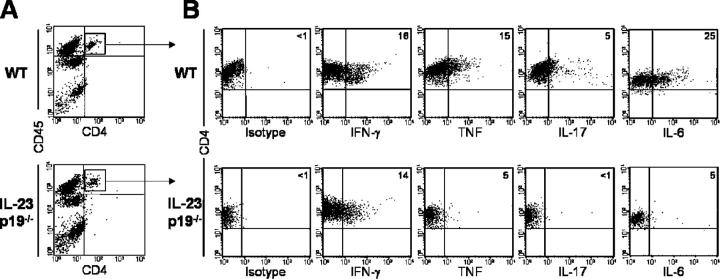
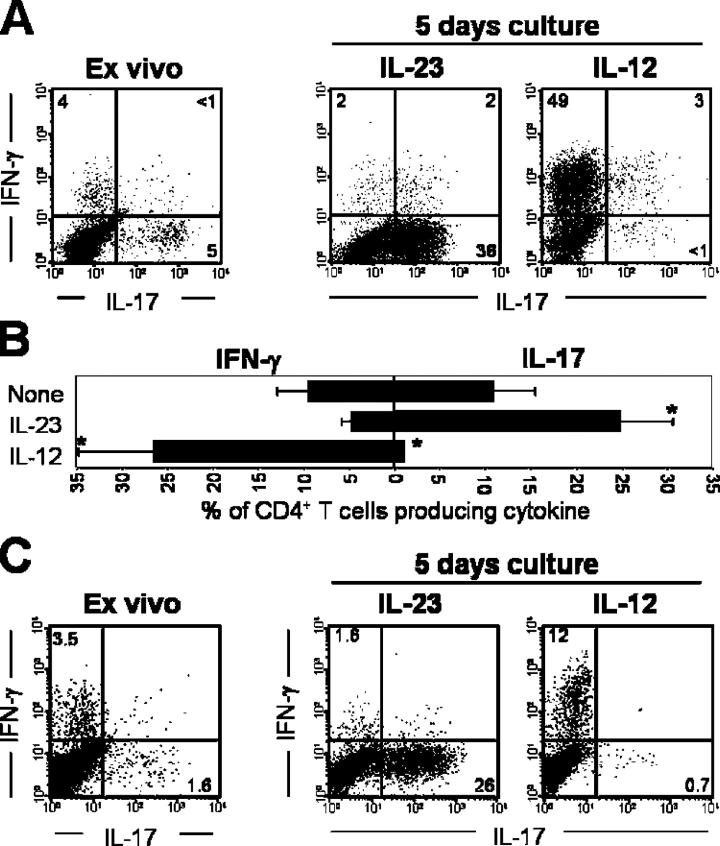
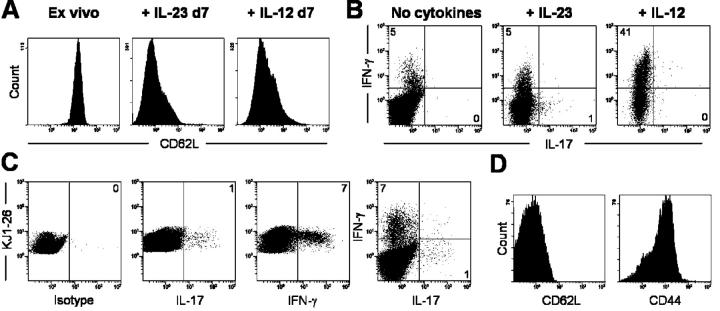
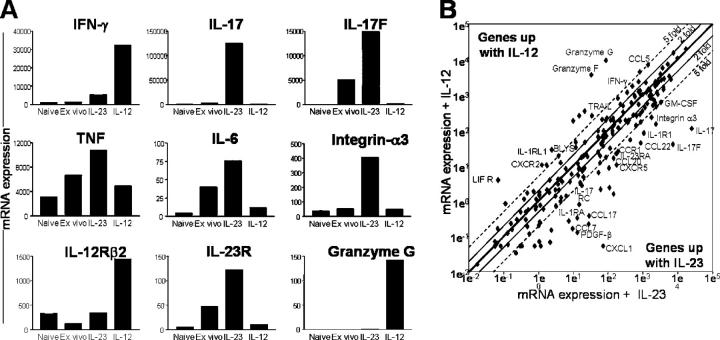
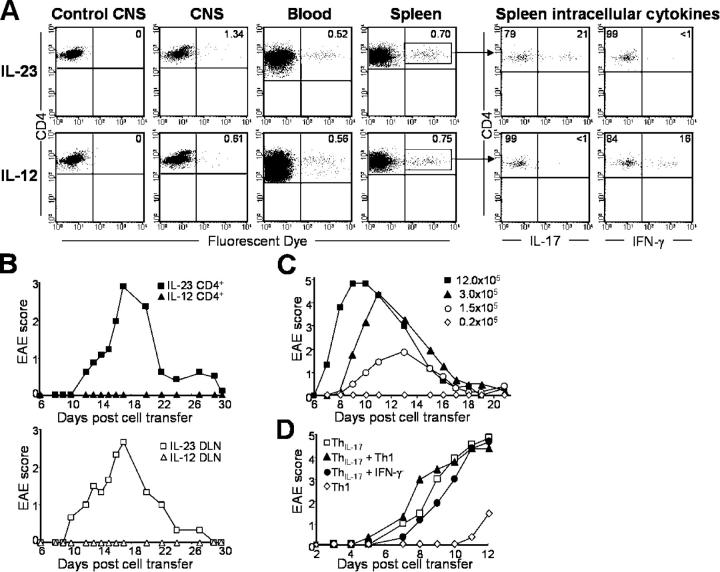
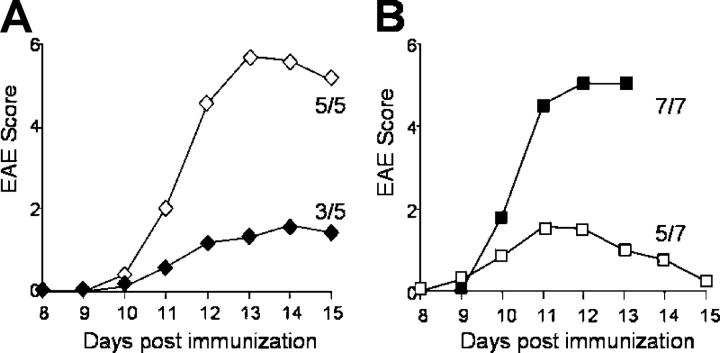
Interleukin (IL)-23 is a heterodimeric cytokine composed of a unique p19 subunit, and a common p40 subunit shared with IL-12. IL-12 is important for the development of T helper (Th)1 cells that are essential for host defense and tumor suppression. In contrast, IL-23 does not promote the development of interferon-gamma-producing Th1 cells, but is one of the essential factors required for the expansion of a pathogenic CD4(+) T cell population, which is characterized by the production of IL-17, IL-17F, IL-6, and tumor necrosis factor. Gene expression analysis of IL-23-driven autoreactive T cells identified a unique expression pattern of proinflammatory cytokines and other novel factors, distinguishing them from IL-12-driven T cells. Using passive transfer studies, we confirm that these IL-23-dependent CD4(+) T cells are highly pathogenic and essential for the establishment of organ-specific inflammation associated with central nervous system autoimmunity.
Overview
The claims and statistics of this paper haven’t been checked yet.
Free: it reads the open-access text and checks the first 5 claims that cite a source we can check. Create a free account to check every claim.
Integrity signals
Registry
Cites
Statistics
Figures
Verification
Claims the paper makes
The claims and statistics of this paper haven’t been checked yet.
Free: it reads the open-access text and checks the first 5 claims that cite a source we can check. Create a free account to check every claim.
Claims other papers make about this one
Each is checked against this paper’s own text: does it say what the citing paper says it does?
The source backs part of the claim, not all of it — or backs it for a different population, condition or comparison.
In the citing paper
“which is induced after stimulation by IL-21.”
From Distinct characteristics of hippocampal pathogenic th17 cells in a mouse model of depression (2018) · cites this paper as Langrish et al., 2005
Experimental — accuracy not yet measuredThe source backs part of the claim, not all of it — or backs it for a different population, condition or comparison.
In the citing paper
“the acquisition of the pathogenic phenotype occurs after expression of the IL-23 receptor (IL-23R) by TH17 cells (Ghoreschi et al., 2010; Langrish et al., 2005)”
From Distinct characteristics of hippocampal pathogenic th17 cells in a mouse model of depression (2018) · cites this paper as Langrish et al., 2005
Experimental — accuracy not yet measuredThe source backs part of the claim, not all of it — or backs it for a different population, condition or comparison.
In the citing paper
“CCR6 and IL-23R have been linked to the pathogenicity of TH17 cells in autoimmune diseases (Hirota et al., 2007; Kohler et al., 2003; Langrish et al., 2005), such as multiple sclerosis, suggesting that the depression-associated hippocampal TH17 cells display CNS-directed pathogenic properties that may underlie a portion of their pro-depressive actions.”
From Distinct characteristics of hippocampal pathogenic th17 cells in a mouse model of depression (2018) · cites this paper as Langrish et al., 2005
Experimental — accuracy not yet measuredIn the citing paper
“The so-called “IL-23-IL-17 axis” was found to function as a critical driver of autoimmune disease”
From The IL-17 Family of Cytokines in Health and Disease (2019) · cites this paper as Langrish et al., 2005
Self-check
Percentages, sums and reported differences re-computed from the paper’s own numbers.
The self-check needs the paper’s full text.
Citations
Cites
2 retracted
Inducible costimulator is essential for collagen-induced arthritis
Nurieva, R. I., Treuting, P., Duong, J., Flavell, R. A., & Dong, C. (2003) · Journal of Clinical Investigation · doi:10.1172/jci17321 · Cited by 117
RetractedThe IL-12Rβ2 gene functions as a tumor suppressor in human B cell malignancies
Airoldi, I., Carlo, E. D., Banelli, B., Moserle, L., Cocco, C., Pezzolo, A., Sorrentino, C., Rossi, E., Romani, M., Amadori, A., et al. (2004) · Journal of Clinical Investigation · doi:10.1172/jci20303 · Cited by 65 · cited 1×
“IL-12 is an important factor for the differentiation of naive T cells into IFN- � ‐producing Th1 cells, is essential for antimicrobial responses (4, 5), and serves as a suppressor of human B cell tumors ( 6 ).”
BackgroundRetractedCua, D. J., Sherlock, J., Chen, Y., Murphy, C. A., Joyce, B., Seymour, B., Lucian, L., To, W., Kwan, S., Churakova, T., et al. (2003) · Nature · doi:10.1038/nature01355 · Cited by 2,906 · cited 3×
“Blood was collected and lysed (RBC lysis buffer; Sigma-Aldrich), and mononuclear cells from brains and spinal cord tissue were prepared as described previously ( 1 ) and surface stained with anti‐CD4-APC.”
MethodInfluentialSelf-citationOppmann, B., Lesley, R., Blom, B., Timans, J. C., Xu, Y., Hunte, B., Vega, F., Yu, N., Wang, J., Singh, K., et al. (2000) · Immunity · doi:10.1016/s1074-7613(00)00070-4 · Cited by 2,822 · cited 1×
“Although IL-23 shares a common p40 subunit with IL-12 (3), these cytokines have divergent activities.”
BackgroundSelf-citationToll Pathway-Dependent Blockade of CD4 + CD25 + T Cell-Mediated Suppression by Dendritic Cells
Pasare, C., & Medzhitov, R. (2003) · Science · doi:10.1126/science.1078231 · Cited by 1,997 · cited 1×
“IL-6 produced by LPS-activated dendritic cells can turn off regulatory T cell (T reg cell) function, allowing effector T cell activation ( 35 ).”
BackgroundAggarwal, S., Ghilardi, N., Xie, M.-H., de Sauvage, F. J., & Gurney, A. L. (2003) · Journal of Biological Chemistry · doi:10.1074/jbc.m207577200 · Cited by 1,847 · cited 1×
“Ex vivo analysis of draining LN (DLN) cells from immunized WT and IL-23p19 mice reflected the CNS data, with similar IFN- levels, but no IL-17 production by the IL-23p19 cells (2, 14, 15).”
BackgroundDivergent Pro- and Antiinflammatory Roles for IL-23 and IL-12 in Joint Autoimmune Inflammation
Murphy, C. A., Langrish, C. L., Chen, Y., Blumenschein, W., McClanahan, T., Kastelein, R. A., Sedgwick, J. D., & Cua, D. J. (2003) · The Journal of Experimental Medicine · doi:10.1084/jem.20030896 · Cited by 1,669 · cited 3×
“These results are consistent with papers suggesting that IL-23 is required for the development and expansion of IL-17–producing CD4 T cells (2, 16, 17).”
BackgroundMethodResultSelf-citationSuppression of Immune Induction of Collagen-Induced Arthritis in IL-17-Deficient Mice
Nakae, S., Nambu, A., Sudo, K., & Iwakura, Y. (2003) · The Journal of Immunology · doi:10.4049/jimmunol.171.11.6173 · Cited by 1,273
Exacerbations of multiple sclerosis in patients treated with gamma interferon
Panitch, H., Haley, A., Hirsch, R., & Johnson, K. (1987) · The Lancet · doi:10.1016/s0140-6736(87)92863-7 · Cited by 1,071 · cited 1×
“Treatments with IFNlead to disease exacerbation in human MS (22), and transgenic mice overexpressing IFN- in the CNS showed increased oligodendrocyte death leading to demyelinating diseases (23, 24).”
BackgroundFerber, I. A., Brocke, S., Taylor-Edwards, C., Ridgway, W., Dinisco, C., Steinman, L., Dalton, D., & Fathman, C. G. (1996) · The Journal of Immunology · doi:10.4049/jimmunol.156.1.5 · Cited by 989
Cited by
Items 901–1,000 of 1,038
Fang, C., Zhang, X., Miwa, T., & Song, W.-C. (2009) · Blood · doi:10.1182/blood-2009-01-198283 · Cited by 107
Biology of Dendritic Cells in Aging
Agrawal, A., Agrawal, S., Tay, J., & Gupta, S. (2007) · Journal of Clinical Immunology · doi:10.1007/s10875-007-9127-6 · Cited by 123
“IL-23-deficient (IL-23p19) mice are resistant to experimental autoimmune encephalomyelitis [64], collagen-induced arthritis [65], highlighting an important role of this cytokine in autoimmune pathogenesis.”
Medina-Rodriguez, E. M., Madorma, D., O’Connor, G., Mason, B. L., Han, D., Deo, S. K., Oppenheimer, M., Nemeroff, C. B., Trivedi, M. H., Daunert, S., et al. (2020) · American Journal of Psychiatry · doi:10.1176/appi.ajp.2020.19090960 · Cited by 110
“cells, the T helper (Th) 17 cells that produce the signature cytokine IL-17A are known to be toxic to the CNS in autoimmune diseases (39).”
Interleukin-17 as a drug target in human disease
Ivanov, S., & Lindén, A. (2009) · Trends in Pharmacological Sciences · doi:10.1016/j.tips.2008.11.004 · Cited by 126
TH17 cells and regulatory T cells in primary immunodeficiency diseases
Ochs, H. D., Oukka, M., & Torgerson, T. R. (2009) · Journal of Allergy and Clinical Immunology · doi:10.1016/j.jaci.2009.03.030 · Cited by 115
“If this assumption is correct, IL-23 must be crucial for the maintenance of autoimmune inflammation.(4,29) A recent in-depth analysis has concluded that TGF-b, IL-23, and the proinflammatory cytokines IL-1b and IL-6 are, in fact, essential mediators of human TH17 cell differentiation and are required for the expressio…”
T Lymphocytes in Sjögren’s Syndrome: Contributors to and Regulators of Pathophysiology
Katsifis, G. E., Moutsopoulos, N. M., & Wahl, S. M. (2007) · Clinical Reviews in Allergy & Immunology · doi:10.1007/s12016-007-8011-8 · Cited by 118
Intestinal inflammation and colorectal cancer: a double-edged sword?
Rizzo, A., Pallone, F., Monteleone, G., & Fantini, M. C. (2011) · PubMed · doi:10.3748/wjg.v17.i26.3092 · Cited by 107
Atwa, M. A., Emara, A., Youssef, N., & Bayoumy, N. M. K. (2013) · Journal of the European Academy of Dermatology and Venereology · doi:10.1111/jdv.12124 · Cited by 131
The Th17 Lineage: From Barrier Surfaces Homeostasis to Autoimmunity, Cancer, and HIV-1 Pathogenesis
Wacleche, V. S., LANDAY, A. L., Routy, J., & Ancuța, P. (2017) · Viruses · doi:10.3390/v9100303 · Cited by 115
“In fact, IL-23 has been reported to induce the production of GM-CSF [203], which has been identified as the key factor involved in the EAE onset and an essential component of Th17 pathogenicity [83,203,204].”
BackgroundInfluentialPeriodontal inflammation: Integrating genes and dysbiosis
Zhang, S., Yu, N., & Arce, R. M. (2019) · Periodontology 2000 · doi:10.1111/prd.12267 · Cited by 119
Differential Capability of Human Cutaneous Dendritic Cell Subsets to Initiate Th17 Responses
Mathers, A. R., Janelsins, B., Rubin, J. P., Tkacheva, O. A., Shufesky, W. J., Watkins, S. C., Morelli, A. E., & Larregina, A. T. (2009) · The Journal of Immunology · doi:10.4049/jimmunol.182.2.921 · Cited by 121
IL‐17 and Glutamate Excitotoxicity in the Pathogenesis of Multiple Sclerosis
Kostic, M., Dzopalic, T., Zivanovic, S., Zivkovic, N., Cvetanovic, A., Stojanovic, I., Vojinovic, S., Marjanovic, G., Savic, V., & Colic, M. (2014) · Scandinavian Journal of Immunology · doi:10.1111/sji.12147 · Cited by 102
Galectin 3 aggravates joint inflammation and destruction in antigen‐induced arthritis
Forsman, H. F., Islander, U., Andréasson, E., Andersson, A., Önnheim, K., Karlström, A., Sävman, K., Magnusson, M., Brown, K. L., & Karlsson, A. (2010) · Arthritis & Rheumatism · doi:10.1002/art.30118 · Cited by 109
T regulatory (Treg) and T helper 17 (Th17) lymphocytes in thyroid autoimmunity
González‐Amaro, R., & Marazuela, M. (2015) · Endocrine · doi:10.1007/s12020-015-0759-7 · Cited by 292
“ments, Th17 but not Th1 cells were able to mediate experimental allergic encephalomyelitis [44].”
BackgroundTh17 cells and inflammation in neurological disorders: Possible mechanisms of action
Shi, Y., Wei, B., Li, L., Wang, B., & Sun, M. (2022) · Frontiers in Immunology · doi:10.3389/fimmu.2022.932152 · Cited by 108
“showed that Th17 cells induce more severe experimental autoimmune encephalomyelitis (EAE) than Th1 cells (92).”
BackgroundThe role of cytokines in the pathogenesis of systemic lupus erythematosus – from bench to bedside
Yap, D. Y. H., & Lai, K. N. (2013) · Nephrology · doi:10.1111/nep.12047 · Cited by 114
“Animal studies have also demonstrated that Th17 can be generated from naïve T cells in an IL-23-dependent fashion.(60) In addition, IL-23 elicits IL-17 secretion by memory T cells.”
BackgroundKuijk, L. M., Klaver, E. J., Kooij, G., van der Pol, S. M. A., Heijnen, P. D. A. M., Bruijns, S. C. M., Kringel, H., Pinelli, E., Kraal, G., de Vries, H. E., et al. (2012) · Molecular Immunology · doi:10.1016/j.molimm.2012.03.020 · Cited by 117
Cytokine-based transformation of immune surveillance into tumor-promoting inflammation
Mumm, J. B., & Oft, M. (2008) · Oncogene · doi:10.1038/onc.2008.275 · Cited by 118
“Importantly, it has been shown that the pro-inflammatory T helper cells continue to express both IL-17 and IL-6 (Becker et al., 2004; Langrish et al., 2005).”
BackgroundDifferential Effect of IL-27 on Developing versus Committed Th17 Cells
Behi, M. E., Ćirić, B., Yu, S., Zhang, G., Fitzgerald, D. C., & Rostami, A. M. (2009) · The Journal of Immunology · doi:10.4049/jimmunol.0900735 · Cited by 114
“IL-23R-deficient Th17 cells were susceptible to apoptosis and maintained an immature phenotype with a failure to down-regulate IL-2 and CD27 and to up-regulate IL-7R (3, 4).”
BackgroundLombardi, V., Overtvelt, L. V., Horiot, S., & Moingeon, P. E. (2009) · The Journal of Immunology · doi:10.4049/jimmunol.0801969 · Cited by 128
“The latter include IL-10, IL-12, and IL-23, known to subsequently regulate distinct functional programs in naive CD4 T cells associated with Treg (10), Th1 (13, 14), or Th17 differentiation (19), respectively.”
BackgroundHorlock, C., Stott, B., Dyson, P. J., Morishita, M., Coombes, R. C., Savage, P., & Stebbing, J. (2009) · British Journal of Cancer · doi:10.1038/sj.bjc.6604963 · Cited by 108
“The differentiation of Th17 cells is promoted by IL-23, an inducer of experimental autoimmune encephalitis (Langrish et al, 2005; McKenzie et al, 2006), and it is thought that TGF-b plays a key role in determining whether CD4þ lymphocytes become Treg or Th17 cells in vitro and possibly in vivo…”
BackgroundCD8+T cells in multiple sclerosis
Đenić, A., Wootla, B., & Rodriguez, M. (2013) · Expert Opinion on Therapeutic Targets · doi:10.1517/14728222.2013.815726 · Cited by 122
“CD8+ T cells can secrete IL-17, which may cause damage in MS lesions.”
ResultInfluentialMast cells in health and disease
Weller, C. L., Collington, S. J., Williams, T. J., & Lamb, J. R. (2011) · Clinical Science · doi:10.1042/cs20100459 · Cited by 125
Frohman, E. M., Filippi, M., Stuve, O., Waxman, S. G., Corboy, J., Phillips, J. T., Lucchinetti, C., Wilken, J., Karandikar, N., Hemmer, B., et al. (2005) · Archives of Neurology · doi:10.1001/archneur.62.9.1345 · Cited by 106
“47”
Basile, J. I., Geffner, L., Romero, M. M., Balboa, L., y García, C. S., Ritacco, V., García, A. M., Cufré, M., Abbate, E. H., López, B., et al. (2011) · The Journal of Infectious Diseases · doi:10.1093/infdis/jir460 · Cited by 114
“Interleukin 17 (IL-17) is a proinflammatory cytokine that plays an important role in autoimmunity [1], graft”
BackgroundZwiers, A., Kraal, L., Kraan, T. C. T. M. V. D. P., Würdinger, T., Bouma, G., & Kraal, G. (2012) · The Journal of Immunology · doi:10.4049/jimmunol.1101494 · Cited by 118
“Th17 cells are enriched for expression of IL-23R (7), and IL-23 plays an important role in the sus-”
Immune checkpoints in central nervous system autoimmunity
Joller, N., Peters, A., Anderson, A. C., & Kuchroo, V. K. (2012) · Immunological Reviews · doi:10.1111/j.1600-065x.2012.01136.x · Cited by 106
“The discovery that the cytokine IL-23, which is important for the generation of IL-17-producing Th17 cells, is crucial for the development of autoimmunity (29, 32) shifted the focus toward Th17 cells.”
BackgroundMee, J. B., Johnson, C. M., Morar, N., Burslem, F., & Groves, R. W. (2007) · American Journal Of Pathology · doi:10.2353/ajpath.2007.061067 · Cited by 106
Zhang, X., Gao, L., Lei, L., Zhong, Y., Dube, P. H., Berton, M. T., Arulanandam, B. P., Zhang, J., & Zhong, G. (2009) · The Journal of Immunology · doi:10.4049/jimmunol.0803075 · Cited by 115
“For example, treatment of mice with a neutralizing anti-IL-17 mAb suppressed autoimmune inflammation in the CNS (22), and mice deficient in generating Th17 cells were resistant to experimental autoimmune encephalomyelitis, collagen-induced arthritis, and inflammatory bowel disease (22, 23).”
BackgroundRegulation of IL-17 production in human lymphocytes
Chen, Z., & O’Shea, J. J. (2007) · Cytokine · doi:10.1016/j.cyto.2007.09.009 · Cited by 120
Regulatory T cells: immune suppression and beyond
Wan, Y. Y. (2010) · Cellular and Molecular Immunology · doi:10.1038/cmi.2010.20 · Cited by 114
Interleukin-17 in systemic lupus erythematosus: A comprehensive review
Li, D., Guo, B., Wu, H., Tan, L., Chang, C. C.-C., & Lu, Q. (2015) · Autoimmunity · doi:10.3109/08916934.2015.1037441 · Cited by 109
“Currently, these three agents are being tested in Phase III clinical trials to evaluate their overall efficacy and safety, with anticipated study completion dates in 2014 or shortly afterwards [82,92,93].”
BackgroundImmunopathogenesis of inflammatory bowel disease: current concepts
Bamias, G., & Cominelli, F. (2007) · Current Opinion in Gastroenterology · doi:10.1097/mog.0b013e3281c55eb2 · Cited by 107
Moon, Y., Yoon, B., Her, Y., Oh, H.-J., Lee, J., Kim, K., Lee, S.-Y., Woo, Y., Park, K., Park, S., et al. (2012) · Arthritis Research & Therapy · doi:10.1186/ar4089 · Cited by 106
“IL-17, a proinflammatory cytokine produced by T helper (Th)17 cells [4], plays a key role in the propagation of joint inflammation, cartilage destruction and bone erosion[5,6], and it is present in both the synovium and synovial fluid [7].”
BackgroundKothur, K., Wienholt, L. A., Tantsis, E. M., Earl, J. W., Bandodkar, S., Prelog, K., Tea, F., Ramanathan, S., Brilot, F., & Dale, R. C. (2016) · PLoS ONE · doi:10.1371/journal.pone.0149411 · Cited by 112
“Interestingly, TNF-α has been shown to be produced by both Th1 and Th17 cells in in vitro studies [26].”
BackgroundRutitzky, L. I., Bazzone, L., Shainheit, M. G., Joyce-Shaikh, B., Cua, D. J., & Stadecker, M. J. (2008) · The Journal of Immunology · doi:10.4049/jimmunol.180.4.2486 · Cited by 103
“TNF- (13, 14) and by mediating chronic inflammation in auto-”
BackgroundSelf-citationIL-35 and Autoimmunity: a Comprehensive Perspective
Choi, J., Leung, P. S. C., Bowlus, C. L., & Gershwin, M. E. (2015) · Clinical Reviews in Allergy & Immunology · doi:10.1007/s12016-015-8468-9 · Cited by 111
“IL-35 induced regulatory T cells (iTr35 cells) mediate immunosuppression exclusively via IL35, not via other known inhibitory cytokines such as IL-10 or TGF-β, and distinct from the known induced regulatory populations of TGF-β and IL-10 induced Treg cells [18–20].”
BackgroundAdvances in cholangiocyte immunobiology
Syal, G., Fausther, M., & Dranoff, J. A. (2012) · American Journal of Physiology-Gastrointestinal and Liver Physiology · doi:10.1152/ajpgi.00227.2012 · Cited by 105
Schultz, B. T., Teigler, J. E., Pissani, F., Oster, A. F., Kranias, G., Alter, G., Marovich, M., Eller, M. A., Dittmer, U., Robb, M. L., et al. (2016) · Immunity · doi:10.1016/j.immuni.2015.12.011 · Cited by 116
Gut Microbiota Regulates K/BxN Autoimmune Arthritis through Follicular Helper T but Not Th17 Cells
Block, K. E., Zheng, Z., Dent, A. L., Kee, B. L., & Huang, H. (2016) · The Journal of Immunology · doi:10.4049/jimmunol.1501904 · Cited by 99
Th17 cell based vaccines in mucosal immunity
Kumar, P., Chen, K., & Kolls, J. K. (2013) · Current Opinion in Immunology · doi:10.1016/j.coi.2013.03.011 · Cited by 118
“Th17 cells are described as an initiator of pro-inflammatory responses in many autoimmune disease conditions [8,19].”
Dietlin, T. A., Hofman, F. M., Lund, B. T., Gilmore, W., Stohlman, S. A., & Van der Veen, R. C. (2007) · Journal of Leukocyte Biology · doi:10.1189/jlb.1006640 · Cited by 101
“It is interesting that IL-17 is required for autoimmune inflammation [43].”
BackgroundMorrison, P. J., Ballantyne, S. J., & Kullberg, M. C. (2011) · Immunology · doi:10.1111/j.1365-2567.2011.03454.x · Cited by 118
Brunsing, R. L., & Prossnitz, E. R. (2011) · Immunology · doi:10.1111/j.1365-2567.2011.03471.x · Cited by 101
Shi, Y., Wang, H., Su, Z., Chen, J., Xue, Y., Wang, S., Xue, Y., He, Z., Yang, H., Zhou, C., et al. (2010) · Scandinavian Journal of Immunology · doi:10.1111/j.1365-3083.2010.02425.x · Cited by 106
Immunomodulation in the pathogenesis of Bordetella pertussis infection and disease
Carbonetti, N. H. (2007) · Current Opinion in Pharmacology · doi:10.1016/j.coph.2006.12.004 · Cited by 104
Smith, E., Stark, M. A., Zarbock, A., Burcin, T. L., Bruce, A. C., Vaswani, D., Foley, P., & Ley, K. (2008) · The Journal of Immunology · doi:10.4049/jimmunol.181.2.1357 · Cited by 101
“IL-17A contributes to the pathogenesis of multiple autoimmune diseases including rheumatoid arthritis (3–6), experimental autoimmune encephalitis (7, 8), and inflammatory bowel disease (9, 10) through the actions of CD4 Th17 cells.”
BackgroundIL-22, cell regeneration and autoimmunity
Nikoopour, E., Bellemore, S. M., & Singh, B. (2014) · Cytokine · doi:10.1016/j.cyto.2014.09.007 · Cited by 116
Rother, N., & van der Vlag, J. (2015) · Frontiers in Immunology · doi:10.3389/fimmu.2015.00610 · Cited by 105
“Development of Th17 cells requires TGFβ and IL-6, and they are identified by the specific transcription factor RORγt, and their characteristic production of IL-17 (56, 57).”
BackgroundWacleche, V. S., Goulet, J.-P., Gosselin, A., Monteiro, P., Soudeyns, H., Fromentin, R., Jenabian, M.-A., Vartanian, S. M., Deeks, S. G., Chomont, N., et al. (2016) · Retrovirology · doi:10.1186/s12977-016-0293-6 · Cited by 117
“The existence of functionally distinct IL-17A-producing CD4+ T-cells cells was originally reported in the context of autoimmunity, with CCR6+CXCR3+Th1Th17 and CCR6+CCR4+Th17 cells being considered pathogenic and non-pathogenic, respectively [3, 17].”
BackgroundThe role of Th17 cells/IL-17A in AD, PD, ALS and the strategic therapy targeting on IL-17A
Fu, J., Huang, Y., Bao, T., Liu, C., Liu, X., & Chen, X. (2022) · Journal of Neuroinflammation · doi:10.1186/s12974-022-02446-6 · Cited by 107
“pathogenic cytokines [60], and EAE severity could be ameliorated in IL-17-deficient mice [61–63].”
BackgroundInteractions between neutrophils and T-helper 17 cells
Fan, X., Shu, P., Wang, Y., Ji, N., & Zhang, D. (2023) · Frontiers in Immunology · doi:10.3389/fimmu.2023.1279837 · Cited by 116
“…of IL-17A, IL-23R, and STAT3-dependent expression of ROR g t in an autocrine manner to maintain Th17 differentiation; and (3) IL-23 derived from antigen-presenting cells interacts with the IL-23 functional receptor, promoting Th17 maintenance, proliferation, and effector activities (38 – 41).”
BackgroundPD‐1 ligands expressed on myeloid‐derived APC in the CNS regulate T‐cell responses in EAE
Schreiner, B., Bailey, S. L., Shin, T., Chen, L., & Miller, S. D. (2008) · European Journal of Immunology · doi:10.1002/eji.200838137 · Cited by 112
New perspectives on effector mechanisms in uveitis
Luger, D., & Caspi, R. R. (2008) · Seminars in Immunopathology · doi:10.1007/s00281-008-0108-5 · Cited by 112
“In line with that finding, mice deficient in STAT4 or T-bet transcription factors, which are downstream of IL-12 signaling, were resistant to EAE [32, 33].”
BackgroundInfluentialAbbas, A., Gregersen, I., Holm, S., Daissormont, I., Bjerkeli, V., Krohg‐Sørensen, K., Skagen, K. R., Dahl, T. B., Russell, D., Almås, T., et al. (2015) · Stroke · doi:10.1161/strokeaha.114.006516 · Cited by 114
“IL-23 is a known inducer of the Th17 cell subset, and hence the production of IL-17.”
BackgroundLipoic Acid Attenuates Inflammation via cAMP and Protein Kinase A Signaling
Salinthone, S., Yadav, V., Schillace, R. V., BOURDETTE, D. N., & Carr, D. W. (2010) · PLoS ONE · doi:10.1371/journal.pone.0013058 · Cited by 106
“T cell subset in EAE/MS and other autoimmune diseases [35,36], although cause and effect relationships in human health have not”
BackgroundRole of IL-23 and Th17 Cells in Airway Inflammation in Asthma
Nakajima, H., & Hirose, K. (2010) · Immune Network · doi:10.4110/in.2010.10.1.1 · Cited by 103
“This notion is consistent with a recent report showing the efficacy of TNF-α neutralization by etanercept on severe asthma (28).”
BackgroundInfluentialLi, H., Nourbakhsh, B., Cullimore, M. L., Zhang, G., & Rostami, A. M. (2011) · European Journal of Immunology · doi:10.1002/eji.201041125 · Cited by 105
Hong, M., Zheng, J., Ding, Z.-Y., Chen, J.-H., Yu, L., Niu, Y., Hua, Y.-Q., & Wang, L.-L. (2013) · Neuroimmunomodulation · doi:10.1159/000343100 · Cited by 100
Cytokines in inflammatory bowel disease
Moldoveanu, A. C., Diculescu, M., & Fierbinteanu-Braticevici, C. G. (2015) · Romanian Journal of Internal Medicine · doi:10.1515/rjim-2015-0016 · Cited by 113
“IL-17 favorizes the production of multiple pro-inflammatory factors, including TNF-α, IL-6 and IL-1β, which has led to the conclusion that IL-17 has a very important role in the amplification and localization of inflammation [45-47], as well as the process of fibrosis in CD [48][49].”
The obesity-related pathology and Th17 cells
Endo, Y., Yokote, K., & Nakayama, T. (2016) · Cellular and Molecular Life Sciences · doi:10.1007/s00018-016-2399-3 · Cited by 105
“For example, the levels of Th17-associated transcripts, including Il6 and Il17a, and IL-17A protein, are elevated in patients with RA, MS, IBD, and asthma [48, 49].”
BackgroundRORγt, a multitask nuclear receptor at mucosal surfaces
Eberl, G. (2016) · Mucosal Immunology · doi:10.1038/mi.2016.86 · Cited by 105
“In a second paper, Cua reported that IL-23 promotes the generation of Th17 cells, the effector cells that drive EAE.(17) On the basis of transcriptome profiles, Th17 cells were found to express high levels of RORgt as compared with Th1 cells, an observation that lead to the demonstration that Th17, like LTi cells, exp…”
Colitis-Induced Th17 Cells Increase the Risk for Severe Subsequent Clostridium difficile Infection
Saleh, M. M., Frisbee, A. L., Leslie, J. L., Buonomo, E. L., Cowardin, C. A., Ma, J. Z., Simpson, M. D., Scully, K. W., Abhyankar, M. M., & Petri, W. A. (2019) · Cell Host & Microbe · doi:10.1016/j.chom.2019.03.003 · Cited by 110
Decoding IL-23 Signaling Cascade for New Therapeutic Opportunities
Pastor-Fernández, G., Mariblanca, I. R., & Navarro, M. N. (2020) · Cells · doi:10.3390/cells9092044 · Cited by 109
“IL-23 stimulation induced the expression of IL-1R1 in IL-17-producing CD4 cells [5] and intestinal CD4+ T cells and ILCs [203].”
BackgroundLv, M., Liu, Y., Zhang, J., Sun, L., Liu, Z., Zhang, S., Wang, B., Su, D., & Su, Z. (2010) · Neuroscience · doi:10.1016/j.neuroscience.2010.11.066 · Cited by 104
“IL-23 has een shown to be essential for EAE development as well s the induction of Th17 cells (Langrish et al., 2005; Cua et l., 2003).”
Increased Serum Levels of Interleukin-18, -23 and -17 in Chinese Patients with Alzheimer's Disease
Chen, J.-M., Jiang, G.-X., Li, Q.-W., Zhou, Z.-M., & Cheng, Q. (2014) · Dementia and Geriatric Cognitive Disorders · doi:10.1159/000360606 · Cited by 97
Hu, J., Yuan, X., Belladonna, M. L., Ong, J. M., Wachsmann‐Hogiu, S., Farkas, D. L., Black, K. L., & Yu, J. S. (2006) · Cancer Research · doi:10.1158/0008-5472.can-05-3448 · Cited by 107
Pineda, M. A., McGrath, M. A., Smith, P. C., Al‐Riyami, L., Rzepecka, J., Gracie, J. A., Harnett, W., & Harnett, M. M. (2012) · Arthritis & Rheumatism · doi:10.1002/art.34581 · Cited by 102
Murdoch, J. R., & Lloyd, C. M. (2010) · American Journal of Respiratory and Critical Care Medicine · doi:10.1164/rccm.200911-1775oc · Cited by 111
Fatima, N., Faisal, S. M., Zubair, S., Ajmal, M. R., Siddiqui, S. S., Moin, S., & Owais, M. (2016) · PLoS ONE · doi:10.1371/journal.pone.0161548 · Cited by 107
“Our data on IL-23 suggest that during T1D disease progression pro-inflammatory cytokines play a crucial role and most likely initiate and propagate inflammatory cascades which damages the beta cells of the pancreas with the recruitment CD8 T-cells [64].”
BackgroundIL-17A Controls IL-17F Production and Maintains Blood Neutrophil Counts in Mice
von Vietinghoff, S., & Ley, K. (2009) · The Journal of Immunology · doi:10.4049/jimmunol.0804080 · Cited by 99
“The IL-23 receptor is strongly induced by IL-23 (36, 38, 39).”
Sá‐Nunes, A., Báfica, A. L. B., Antonelli, L. R. D. V., Choi, E. Y., Francischetti, I. M. B., Andersen, J. F., Shi, G., Chavakis, T., Ribeiro, J. M. C., & Kotsyfakis, M. (2009) · The Journal of Immunology · doi:10.4049/jimmunol.0900075 · Cited by 101
Ruggenenti, P. L., Perico, N., Gotti, E., Cravedi, P., D’Agati, V. D., Gagliardini, E., Abbate, M., Gaspari, F., Cattaneo, D., Noris, M., et al. (2007) · Transplantation · doi:10.1097/01.tp.0000284808.28353.2c · Cited by 110
“In the context of the graft, pathogenic T cells themselves may be the source of interleukin-6 (45).”
BackgroundMu, L., Sun, B., Kong, Q., Wang, J., Wang, G., Zhang, S., Wang, D., Liu, Y., Liu, Y., An, H., et al. (2009) · Immunology · doi:10.1111/j.1365-2567.2009.03089.x · Cited by 108
Walsh, E. R., Pisitkun, P., Voynova, E., Deane, J. A., Scott, B. L., Caspi, R. R., & Bolland, S. M. (2012) · Proceedings of the National Academy of Sciences · doi:10.1073/pnas.1209372109 · Cited by 106
“However, in some murine disease models, other cell types drive autoimmunity (10, 24, 25).”
BackgroundImmune regulation of bone loss by Th17 cells
Adamopoulos, I. E., & Bowman, E. P. (2008) · Arthritis Research & Therapy · doi:10.1186/ar2502 · Cited by 99
EAE mediated by a non‐IFN‐γ/non‐IL‐17 pathway
Kroenke, M. A., Chensue, S. W., & Segal, B. M. (2010) · European Journal of Immunology · doi:10.1002/eji.201040489 · Cited by 100
Deckman, J. M., Meissler, J. J., Robinson, R. H., Spence, P. B., Truant, A., Gaughan, J. P., & Eisenstein, T. K. (2011) · Infection and Immunity · doi:10.1128/iai.00069-11 · Cited by 101
“The depletion protocol for IL-17 was found by other investigators to be sufficient to increase vaccinia virus titers (21), reduce Schistosoma mansoni granuloma formation (44), and reduce the severity of experimental allergic encephalitis (23).”
BackgroundPaclik, D., Berndt, U., Guzy, C., Dankof, A., Danese, S., Holzloehner, P., Rosewicz, S., Wiedenmann, B., Wittig, B. M., Dignass, A. U., et al. (2007) · Journal of Molecular Medicine · doi:10.1007/s00109-007-0290-2 · Cited by 111
“This T-cell population plays a predominant role in the pathogenesis of experimental autoimmune encephalomyelitis [45], autoimmune arthritis [46], and colitis due to IL-10 deficiency [47].”
BackgroundSerum Amyloid A Is an Endogenous Ligand That Differentially Induces IL-12 and IL-23
He, R., Shepard, L. W., Chen, J., Pan, Z. K., & Ye, R. D. (2006) · The Journal of Immunology · doi:10.4049/jimmunol.177.6.4072 · Cited by 100
“This IL-23-dependent CD4 T cell population, termed the Th-IL-17 cells, displays a gene expression profile distinct from that of the prototypic Th1 and Th2 cells (58, 59).”
BackgroundKoker, S. D., Naessens, T., Geest, B. G. D., Bogaert, P., Demeester, J., Smedt, S. C. D., & Grooten, J. (2009) · The Journal of Immunology · doi:10.4049/jimmunol.0803591 · Cited by 106
Brembilla, N. C., Montanari, E., Truchetet, M.-E., Raschi, E., Meroni, P., & Chizzolini, C. (2013) · Arthritis Research & Therapy · doi:10.1186/ar4334 · Cited by 95
“Th17 cells are physiologically implicated in protection against extracellular bacteria and fungi [22] and are thought to have pathogenic roles in various autoimmune diseases [23-25].”
BackgroundAnti-Inflammatory Role of IL-17 in Experimental Autoimmune Uveitis
Ke, Y., Liu, K., Huang, G.-Q., Cui, Y., Kaplan, H. J., Shao, H., & Sun, D. (2009) · The Journal of Immunology · doi:10.4049/jimmunol.0802487 · Cited by 101
Axtell, R. C., Xu, L., Barnum, S. R., & Raman, C. (2006) · The Journal of Immunology · doi:10.4049/jimmunol.177.12.8542 · Cited by 96
“In fact, immunization of CD5 / mice with MOG35–55 peptide leads to up-regulation of CD69 on greater number of DLN T cells than in CD5WT and CD5 458-461 mice (Fig.”
BackgroundInfluentialRegulation of Th17 Differentiation by Epidermal Fatty Acid-Binding Protein
Li, B., Reynolds, J. M., Stout, R. D., Bernlohr, D. A., & Suttles, J. (2009) · The Journal of Immunology · doi:10.4049/jimmunol.0804192 · Cited by 101
“Following in vitro culture, the cells were analyzed by flow cytometry, which confirmed the presence of Th17 (CD4 , IL-17 ), but not Th1 (CD4 , IFN- ) cells, as has been reported previously (28).”
BackgroundMethodInfluentialImler, T. J., & Petro, T. M. (2008) · International Immunopharmacology · doi:10.1016/j.intimp.2008.10.015 · Cited by 104
Epstein‐Barr virus‐induced gene 3 negatively regulates IL‐17, IL‐22 and RORγt
Yang, J., Yang, M., Htut, T. M., Ouyang, X., Hanidu, A., Li, X., Sellati, R., Jiang, H., Zhang, S., Li, H., et al. (2008) · European Journal of Immunology · doi:10.1002/eji.200838145 · Cited by 100
Jun, L., Xu, W., Zhang, Z. W., Huang, H., Zhang, L. M., & Zhou, J. (2010) · Journal of the Peripheral Nervous System · doi:10.1111/j.1529-8027.2010.00294.x · Cited by 100
“The role of IL-17-producing CD4+ Th cells in autoimmunity was discovered by the finding that mice deficient for IFN-γ developed enhanced EAE, and the absence of IL-23 resulted in a lack of Th17 cells and protection from EAE and CIA (Cua et al., 2003; Langrish et al., 2005).”
BackgroundCNS-resident classical DCs play a critical role in CNS autoimmune disease
Giles, D. A., Duncker, P. C., Wilkinson, N. M., Washnock-Schmid, J. M., & Segal, B. M. (2018) · Journal of Clinical Investigation · doi:10.1172/jci123708 · Cited by 99
Development, regulation and functional capacities of Th17 cells
Hirota, K., Martin, B., & Veldhoen, M. (2010) · Seminars in Immunopathology · doi:10.1007/s00281-009-0187-y · Cited by 115
“Upon adoptive transfer, these cells were indeed found to be essential for induction of organ-specific inflammation and autoimmunity [20].”
BackgroundShao, S., He, F., Yang, Y., Yuan, G., Zhang, M., & Yu, X. (2012) · Cellular Immunology · doi:10.1016/j.cellimm.2012.11.001 · Cited by 112
Chen, G., Hardy, K., Pagler, E., Ma, L., Lee, S., Gerondakis, S., Daley, S., & Shannon, M. F. (2011) · The Journal of Immunology · doi:10.4049/jimmunol.1101757 · Cited by 92
“from Th1 cells expanded in culture with IL-12 (6).”
BackgroundInfluentialNagata, T., Mckinley, L., Peschon, J. J., Alcorn, J. F., Aujla, S. J., & Kolls, J. K. (2008) · The Journal of Immunology · doi:10.4049/jimmunol.181.11.7473 · Cited by 99
“IL-17 has been shown to be a critical effector molecule produced by these cells as neutralization of this molecule has shown protection against tissue inflammation in experimental models of arthritis (19), multiple sclerosis (2), and inflammatory bowel disease (20).”
BackgroundGe, Z., Da, Y., Xue, Z., Zhang, K., Zhuang, H., Peng, M., Li, Y., Li, W., Simard, A. R., Hao, J., et al. (2012) · Experimental Neurology · doi:10.1016/j.expneurol.2012.12.006 · Cited by 106
“While type 1T helper cell (Th1) mediated EAE has been well studied, accumulating evidence implies that a newly characterized IL-17-producing T helper cell (Th17) cells are major effecter cells for the development of EAE (Langrish et al., 2005).”
Fábrega, E., López‐Hoyos, M., Segundo, D. S., Casafont, F., & Pons‐Romero, F. (2009) · Liver Transplantation · doi:10.1002/lt.21724 · Cited by 99
Anderson, A. C., & Anderson, D. E. (2006) · Current Opinion in Immunology · doi:10.1016/j.coi.2006.09.009 · Cited by 117
Dunn, S. E., Bhat, R., Straus, D. S., Sobel, R. A., Axtell, R., Johnson, A., Nguyen, K., Mukundan, L., Moshkova, M., Dugas, J. C., et al. (2010) · Journal of Experimental Medicine · doi:10.1084/jem.20091663 · Cited by 97
“Cytokines involved in the Th1 and Th17 axes of inflammation are detected in active lesions of multiple sclerosis patients (Windhagen et al., 1995; Lock et al., 2002; Kebir et al., 2009) and in the central nervous system (CNS) of mice with EAE (Langrish et al., 2005).”
BackgroundSivanesan, D., Beauchamp, C., Quinou, C., Lee, J., Lesage, S., Chemtob, S., Rioux, J. D., & Michnick, S. W. (2016) · Journal of Biological Chemistry · doi:10.1074/jbc.m116.715870 · Cited by 108
HuR is required for IL-17-induced Act1-mediated CXCL1 and CXCL5 mRNA stabilization
Herjan, T., Yao, P., Qian, W., Li, X., Liu, C., Bulek, K., Sun, D., Yang, W.-P., Zhu, J., He, A., et al. (2013) · The Journal of Immunology · doi:10.4049/jimmunol.1203315 · Cited by 95
Suryani, S., & Sutton, I. (2007) · Journal of Neuroimmunology · doi:10.1016/j.jneuroim.2006.11.023 · Cited by 92
“…severity with early recovery (Komiyama et al., 2006), while administration of neutralizing anti-IL-17 antibodies immediately prior to the expected onset of actively induced clinical disease in wild type animals reduces both disease incidence and severity (Langrish et al., 2005; Park et al., 2005).”
BackgroundInfluential
Metadata
- Authors
- Langrish, C. L., Chen, Y., Blumenschein, W. M., Mattson, J., Basham, B., Sedgwick, J. D., McClanahan, T., Kastelein, R. A., & Cua, D. J.
- Affiliations
- 1Discovery Research, DNAX Research Inc., Palo Alto, CA 94304
- 2Experimental Pathology and Pharmacology, DNAX Research Inc., Palo Alto, CA 94304
- 3Bioinformatics, DNAX Research Inc., Palo Alto, CA 94304
- Venue
- The Journal of Experimental Medicine
- Publisher
- Rockefeller University Press
- Published
- 2005-01-17
- Volume
- 201
- Issue
- 2
- Pages
- 233-240
- ISSN
- 0022-1007 (ISSN-L)
- 1540-9538
- PMC
- PMC2212798
- OpenAlex
- W2006249161
- Cited by
- 4,099
- References
- 39
- Citations by year
- 2026: 65 · 2025: 98 · 2024: 107 · 2023: 103 · 2022: 134 · 2021: 147 · 2020: 157 · 2019: 150 · 2018: 165 · 2017: 176 · 2016: 147 · 2015: 238 · 2014: 201 · 2013: 242 · 2012: 261
- FWCI
- 87.41
- Type
- journal article
- Language
- en
- Open access
- bronze
- doi.org
- Locations
- The Journal of Experimental Medicine (publishedVersion)
- PubMed Central (publishedVersion, cc-by-nc-sa)
- PubMed (publishedVersion)
- Topics
- Life Sciences › Immunology and Microbiology › Immunology › Psoriasis: Treatment and Pathogenesis
- Life Sciences › Immunology and Microbiology › Immunology › T-cell and B-cell Immunology
- Life Sciences › Immunology and Microbiology › Immunology › Cytokine Signaling Pathways and Interactions
- Keywords
- IL-23, IL-12, p40 subunit, CD4+ T cells, Th1 cells, IL-17, IL-17F, inflammatory cytokines, autoimmunity, central nervous system autoimmunity, T cell gene expression, passive transfer
- MeSH terms
- Animals, Central Nervous System, Encephalomyelitis, Autoimmune, Experimental, Inflammation, Interleukins, Time Factors, CD4-Positive T-Lymphocytes, Autoimmunity, Gene Expression, Cytokines, Interleukin-12, Interleukin-17, Gene Expression Profiling, Mice, Interleukin-23, Interleukin-23 Subunit p19
About these checks
Registry, retraction, Cites and statistics results are computed, not judged, with one exception: a printed reference that no index lists is read once by a model before it counts as a citation error. Claims are extracted by a model and kept only when their quote appears verbatim in the text; each cited source is then checked, with a model’s help, for whether it says what the claim relies on. Those verdicts can be wrong — read the claim’s quote and the cited source before relying on one.
Statistics and arithmetic are recomputed, not judged.
Confidence bands are shown only for fields calibrated on our annotated test set. None is calibrated yet, so no band is shown.
What counts as a claim ›How we measure confidence ›How we check this ›
Are you an author, or do you see a problem with this page? Request a review
Data sources
Bibliographic data: Semantic Scholar, OpenAlex, Crossref.
Contains information from the Semantic Scholar Academic Graph Datasets, made available under the ODC Attribution License (ODC-BY 1.0).
Semantic Scholar’s data is described in: Kinney, R., et al. (2023). The Semantic Scholar Open Data Platform. arXiv:2301.10140.
