

IL-23 drives a pathogenic T cell population that induces autoimmune inflammation
Open accessThe DOI matches its Crossref record; 39 of the 39 references it cites were found in a registry or an index.
Abstract
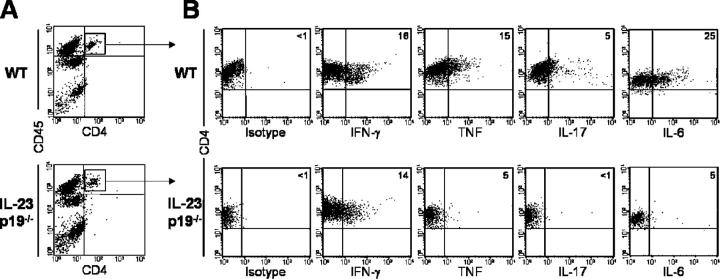
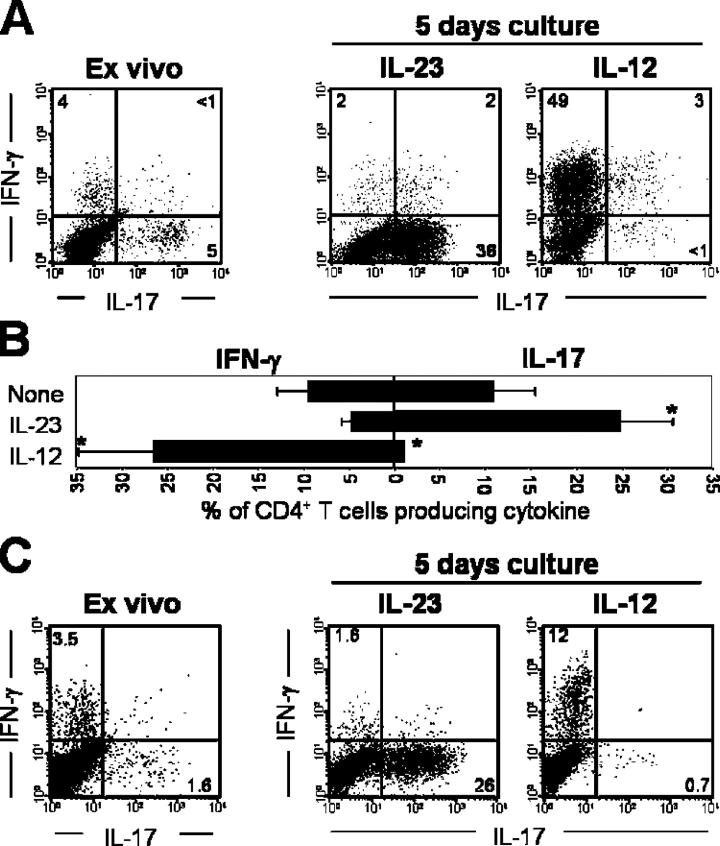
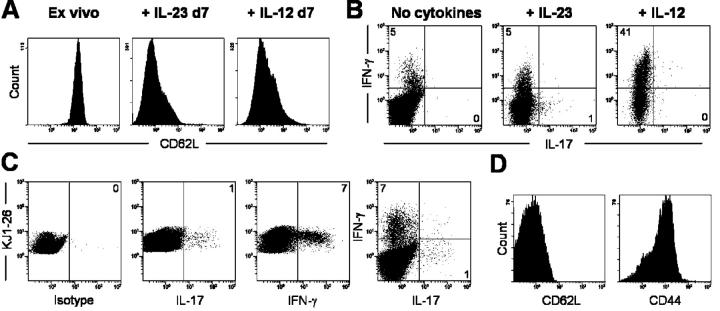
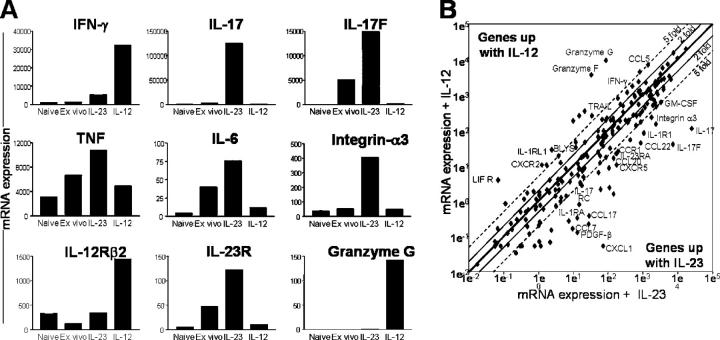
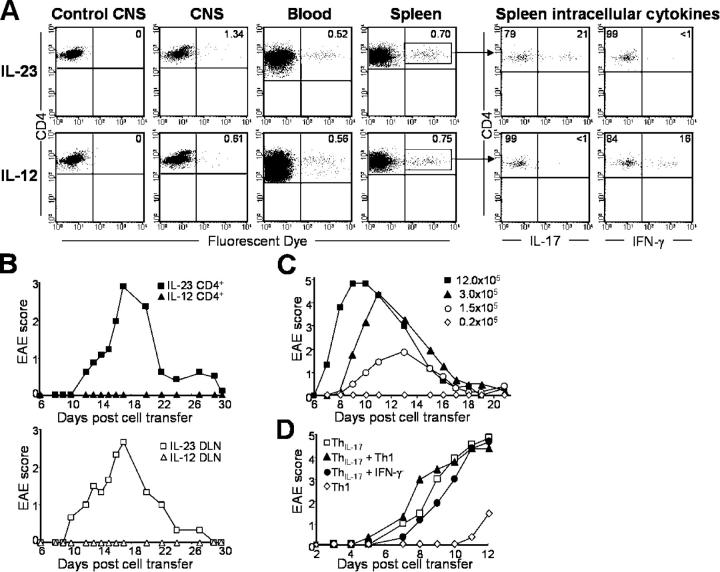
Interleukin (IL)-23 is a heterodimeric cytokine composed of a unique p19 subunit, and a common p40 subunit shared with IL-12. IL-12 is important for the development of T helper (Th)1 cells that are essential for host defense and tumor suppression. In contrast, IL-23 does not promote the development of interferon-gamma-producing Th1 cells, but is one of the essential factors required for the expansion of a pathogenic CD4(+) T cell population, which is characterized by the production of IL-17, IL-17F, IL-6, and tumor necrosis factor. Gene expression analysis of IL-23-driven autoreactive T cells identified a unique expression pattern of proinflammatory cytokines and other novel factors, distinguishing them from IL-12-driven T cells. Using passive transfer studies, we confirm that these IL-23-dependent CD4(+) T cells are highly pathogenic and essential for the establishment of organ-specific inflammation associated with central nervous system autoimmunity.
Overview
The claims and statistics of this paper haven’t been checked yet.
Free: it reads the open-access text and checks the first 5 claims that cite a source we can check. Create a free account to check every claim.
Integrity signals
Registry
Cites
Statistics
Figures
Verification
Claims the paper makes
The claims and statistics of this paper haven’t been checked yet.
Free: it reads the open-access text and checks the first 5 claims that cite a source we can check. Create a free account to check every claim.
Claims other papers make about this one
Each is checked against this paper’s own text: does it say what the citing paper says it does?
The source backs part of the claim, not all of it — or backs it for a different population, condition or comparison.
In the citing paper
“which is induced after stimulation by IL-21.”
From Distinct characteristics of hippocampal pathogenic th17 cells in a mouse model of depression (2018) · cites this paper as Langrish et al., 2005
Experimental — accuracy not yet measuredThe source backs part of the claim, not all of it — or backs it for a different population, condition or comparison.
In the citing paper
“the acquisition of the pathogenic phenotype occurs after expression of the IL-23 receptor (IL-23R) by TH17 cells (Ghoreschi et al., 2010; Langrish et al., 2005)”
From Distinct characteristics of hippocampal pathogenic th17 cells in a mouse model of depression (2018) · cites this paper as Langrish et al., 2005
Experimental — accuracy not yet measuredThe source backs part of the claim, not all of it — or backs it for a different population, condition or comparison.
In the citing paper
“CCR6 and IL-23R have been linked to the pathogenicity of TH17 cells in autoimmune diseases (Hirota et al., 2007; Kohler et al., 2003; Langrish et al., 2005), such as multiple sclerosis, suggesting that the depression-associated hippocampal TH17 cells display CNS-directed pathogenic properties that may underlie a portion of their pro-depressive actions.”
From Distinct characteristics of hippocampal pathogenic th17 cells in a mouse model of depression (2018) · cites this paper as Langrish et al., 2005
Experimental — accuracy not yet measuredIn the citing paper
“The so-called “IL-23-IL-17 axis” was found to function as a critical driver of autoimmune disease”
From The IL-17 Family of Cytokines in Health and Disease (2019) · cites this paper as Langrish et al., 2005
Self-check
Percentages, sums and reported differences re-computed from the paper’s own numbers.
The self-check needs the paper’s full text.
Citations
Cites
2 retracted
Inducible costimulator is essential for collagen-induced arthritis
Nurieva, R. I., Treuting, P., Duong, J., Flavell, R. A., & Dong, C. (2003) · Journal of Clinical Investigation · doi:10.1172/jci17321 · Cited by 117
RetractedThe IL-12Rβ2 gene functions as a tumor suppressor in human B cell malignancies
Airoldi, I., Carlo, E. D., Banelli, B., Moserle, L., Cocco, C., Pezzolo, A., Sorrentino, C., Rossi, E., Romani, M., Amadori, A., et al. (2004) · Journal of Clinical Investigation · doi:10.1172/jci20303 · Cited by 65 · cited 1×
“IL-12 is an important factor for the differentiation of naive T cells into IFN- � ‐producing Th1 cells, is essential for antimicrobial responses (4, 5), and serves as a suppressor of human B cell tumors ( 6 ).”
BackgroundRetractedCua, D. J., Sherlock, J., Chen, Y., Murphy, C. A., Joyce, B., Seymour, B., Lucian, L., To, W., Kwan, S., Churakova, T., et al. (2003) · Nature · doi:10.1038/nature01355 · Cited by 2,906 · cited 3×
“Blood was collected and lysed (RBC lysis buffer; Sigma-Aldrich), and mononuclear cells from brains and spinal cord tissue were prepared as described previously ( 1 ) and surface stained with anti‐CD4-APC.”
MethodInfluentialSelf-citationOppmann, B., Lesley, R., Blom, B., Timans, J. C., Xu, Y., Hunte, B., Vega, F., Yu, N., Wang, J., Singh, K., et al. (2000) · Immunity · doi:10.1016/s1074-7613(00)00070-4 · Cited by 2,822 · cited 1×
“Although IL-23 shares a common p40 subunit with IL-12 (3), these cytokines have divergent activities.”
BackgroundSelf-citationToll Pathway-Dependent Blockade of CD4 + CD25 + T Cell-Mediated Suppression by Dendritic Cells
Pasare, C., & Medzhitov, R. (2003) · Science · doi:10.1126/science.1078231 · Cited by 1,997 · cited 1×
“IL-6 produced by LPS-activated dendritic cells can turn off regulatory T cell (T reg cell) function, allowing effector T cell activation ( 35 ).”
BackgroundAggarwal, S., Ghilardi, N., Xie, M.-H., de Sauvage, F. J., & Gurney, A. L. (2003) · Journal of Biological Chemistry · doi:10.1074/jbc.m207577200 · Cited by 1,847 · cited 1×
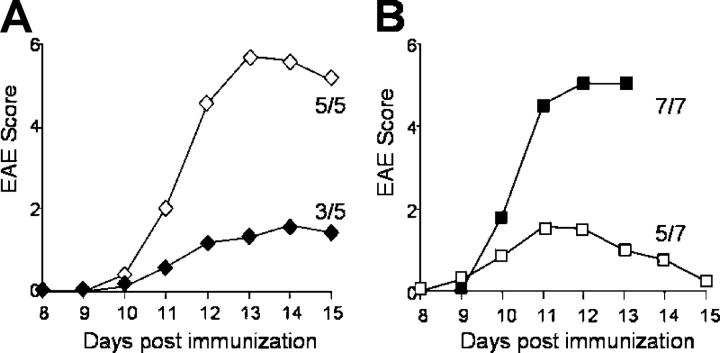
“Ex vivo analysis of draining LN (DLN) cells from immunized WT and IL-23p19 mice reflected the CNS data, with similar IFN- levels, but no IL-17 production by the IL-23p19 cells (2, 14, 15).”
BackgroundDivergent Pro- and Antiinflammatory Roles for IL-23 and IL-12 in Joint Autoimmune Inflammation
Murphy, C. A., Langrish, C. L., Chen, Y., Blumenschein, W., McClanahan, T., Kastelein, R. A., Sedgwick, J. D., & Cua, D. J. (2003) · The Journal of Experimental Medicine · doi:10.1084/jem.20030896 · Cited by 1,669 · cited 3×
“These results are consistent with papers suggesting that IL-23 is required for the development and expansion of IL-17–producing CD4 T cells (2, 16, 17).”
BackgroundMethodResultSelf-citationSuppression of Immune Induction of Collagen-Induced Arthritis in IL-17-Deficient Mice
Nakae, S., Nambu, A., Sudo, K., & Iwakura, Y. (2003) · The Journal of Immunology · doi:10.4049/jimmunol.171.11.6173 · Cited by 1,273
Exacerbations of multiple sclerosis in patients treated with gamma interferon
Panitch, H., Haley, A., Hirsch, R., & Johnson, K. (1987) · The Lancet · doi:10.1016/s0140-6736(87)92863-7 · Cited by 1,071 · cited 1×
“Treatments with IFNlead to disease exacerbation in human MS (22), and transgenic mice overexpressing IFN- in the CNS showed increased oligodendrocyte death leading to demyelinating diseases (23, 24).”
BackgroundFerber, I. A., Brocke, S., Taylor-Edwards, C., Ridgway, W., Dinisco, C., Steinman, L., Dalton, D., & Fathman, C. G. (1996) · The Journal of Immunology · doi:10.4049/jimmunol.156.1.5 · Cited by 989
Cited by
Items 401–500 of 1,038
Giles, D. A., Moreno-Fernandez, M. E., Stankiewicz, T. E., Graspeuntner, S., Cappelletti, M., Wu, D., Mukherjee, R., Chan, C. C., Lawson, M. J., Klarquist, J., et al. (2017) · Nature Medicine · doi:10.1038/nm.4346 · Cited by 242
Shinohara, M. L., Kim, J.-H., Garcia, V. A., & Cantor, H. (2008) · Immunity · doi:10.1016/j.immuni.2008.05.008 · Cited by 249
“Early experiments of Langrish et al. (2005) showed that IL-17 is essential to the development of severe EAE.”
BackgroundTargeting JAK kinase in solid tumors: emerging opportunities and challenges
Buchert, M., Burns, C. J., & Ernst, M. (2016) · Oncogene · doi:10.1038/onc.2015.150 · Cited by 243
MicroRNA-21 promotes Th17 differentiation and mediates experimental autoimmune encephalomyelitis
Murugaiyan, G., da Cunha, A. P., Ajay, A. K., Joller, N., Garo, L. P., Kumaradevan, S., Yosef, N., Vaidya, V. S., & Weiner, H. L. (2015) · Journal of Clinical Investigation · doi:10.1172/jci74347 · Cited by 239
Ciccia, F., Bombardieri, M., Principato, A., Giardina, A., Tripodo, C., Porcasi, R., Peralta, S., Franco, V., Giardina, E., Craxi, A., et al. (2009) · Arthritis & Rheumatism · doi:10.1002/art.24389 · Cited by 241
IL-17 family member cytokines: Regulation and function in innate immunity
Reynolds, J. M., Angkasekwinai, P., & Dong, C. (2010) · Cytokine & Growth Factor Reviews · doi:10.1016/j.cytogfr.2010.10.002 · Cited by 235
“During multiple sclerosis (MS), Th17 cells and their associated cytokines have been shown to be critical for lesion development and central nervous system (CNS) inflammation (15,38,39).”
BackgroundZhang, J., Ke, K.-F., Liu, Z., Qiu, Y.-H., & Peng, Y.-P. (2013) · PLoS ONE · doi:10.1371/journal.pone.0075786 · Cited by 233
Th17 Response and Inflammatory Autoimmune Diseases
Waite, J. C., & Skokos, D. (2012) · International Journal of Inflammation · doi:10.1155/2012/819467 · Cited by 238
“Th17 cells are a novel class of helper CD4+ T cells described in 2005 that secrete IL-17A, IL-17F, IL-21, and IL-22 [1–3].”
BackgroundIL-17 and IL-22: siblings, not twins
Eyerich, S., Eyerich, K., Cavani, A., & Schmidt-Weber, C. (2010) · Trends in Immunology · doi:10.1016/j.it.2010.06.004 · Cited by 236
Peters, A., Lee, Y., & Kuchroo, V. K. (2011) · Current Opinion in Immunology · doi:10.1016/j.coi.2011.08.007 · Cited by 231
Relationship between intracortical electrode design and chronic recording function
Karumbaiah, L., Saxena, T., Carlson, D., Patil, K., Patkar, R., Gaupp, E. A., Betancur, M., Stanley, G. B., Carin, L., & Bellamkonda, R. V. (2013) · Biomaterials · doi:10.1016/j.biomaterials.2013.07.016 · Cited by 241
“TH-17 cells are key effectors of neuroinflammatory disorders such as MS and experimental autoimmune encephalomyelitis, which results from the disruption of BBB tight junctions via a mechanism involving IL17 secretion and binding to endothelial cell IL17 receptors, followed by granzyme B induced neurotoxicity and infla…”
BackgroundTh17 cells: from precursors to players in inflammation and infection
Awasthi, A., & Kuchroo, V. K. (2009) · International Immunology · doi:10.1093/intimm/dxp021 · Cited by 241
Prostaglandin E2 synergistically with interleukin-23 favors human Th17 expansion
Chizzolini, C., Chicheportiche, R., Alvarez, M., de Rham, C., Roux-Lombard, P., Ferrari-Lacraz, S., & Dayer, J.-M. (2008) · Blood · doi:10.1182/blood-2008-05-155408 · Cited by 235
Precarious Balance: Th17 Cells in Host Defense
Peck, A., & Mellins, E. D. (2010) · Infection and Immunity · doi:10.1128/iai.00929-09 · Cited by 236
The Mechanism behind Influenza Virus Cytokine Storm
Gu, Y., Zuo, X., Zhang, S., Ouyang, Z., Jiang, S., Wang, F., & Wang, G. (2021) · Viruses · doi:10.3390/v13071362 · Cited by 233
Expression and regulation of IL-22 in the IL-17-producing CD4+ T lymphocytes
Chung, Y., Yang, X., Chang, S. H., Ma, L., Tian, Q., & Dong, C. (2006) · Cell Research · doi:10.1038/sj.cr.7310106 · Cited by 231
CCR6 is required for IL-23–induced psoriasis-like inflammation in mice
Hedrick, M. N., Lonsdorf, A. S., Shirakawa, A.-K., Lee, C.-C. R., Liao, F., Singh, S. P., Zhang, H. H., Grinberg, A., Love, P. E., Hwang, S. T., et al. (2009) · Journal of Clinical Investigation · doi:10.1172/jci37378 · Cited by 238
Pellegrini, M., Calzascia, T., Elford, A. R., Shahinian, A., Lin, A. E., Dissanayake, D., Dhanji, S., Nguyen, L. T., Gronski, M. A., Morre, M., et al. (2009) · Nature Medicine · doi:10.1038/nm.1953 · Cited by 228
“IL-7 augments and promotes multiple effector cell responses Recently, the T helper type 17 (T H 17) subset of CD4 + T cells has been shown to be crucial in promoting inflammation and pathology in animal model”
BackgroundImpacts of microbiome metabolites on immune regulation and autoimmunity
Haase, S., Haghikia, A., Wilck, N., Müller, D. N., & Linker, R. A. (2018) · Immunology · doi:10.1111/imm.12933 · Cited by 239
Passive induction of experimental allergic encephalomyelitis
Stromnes, I. M., & Goverman, J. M. (2006) · Nature Protocols · doi:10.1038/nprot.2006.284 · Cited by 225
“Recent adoptive transfer studies demonstrated that CD4 + T cells that were manipulated in vitro to produce interleukin (IL)-17 are highly encephalitogenic and may be more pathogenic than T H 1 cell”
BackgroundHow Diverse--CD4 Effector T Cells and their Functions
Wan, Y. Y., & Flavell, R. A. (2009) · Journal of Molecular Cell Biology · doi:10.1093/jmcb/mjp001 · Cited by 222
“…are critical for the development of MS/EAE (experimental autoimmune encephalomyelitis ) and RA (Bush et al., 2002; Nakae et al., 2003; Hofstetter et al., 2005; Langrish et al., 2005; Komiyama et al., 2006), whose development was originally attributed to Th1 cells before the discovery of Th17 cells.”
BackgroundInfluentialAntigen presentation in autoimmunity and CNS inflammation: how T lymphocytes recognize the brain
Becher, B., Bechmann, I., & Greter, M. (2006) · Journal of Molecular Medicine · doi:10.1007/s00109-006-0065-1 · Cited by 228
IL-6 Promotes NK Cell Production of IL-17 during Toxoplasmosis
Passos, S. T., Silver, J. S., O’Hara, A. C., Sehy, D., Stumhofer, J. S., & Hunter, C. A. (2010) · The Journal of Immunology · doi:10.4049/jimmunol.0901843 · Cited by 223
“and experimental allergic encephalomyelitis (9, 10).”
The IL23 axis plays a key role in the pathogenesis of IBD: Figure 1
McGovern, D., & Powrie, F. (2007) · Gut · doi:10.1136/gut.2006.115402 · Cited by 227
The yin and yang of co-inhibitory receptors: toward anti-tumor immunity without autoimmunity
Schnell, A., Bod, L., Madi, A., & Kuchroo, V. K. (2020) · Cell Research · doi:10.1038/s41422-020-0277-x · Cited by 224
“PDPN is part of the co-inhibitory gene module upregulated in cancer, and PDPN deficiency in T cells results in retardation of tumor growth.123 The protein C receptor (PROCR) is another molecule highly expressed in Th17 cells and exhausted T cells.123,245 In autoimmunity, PROCR was found to act as a negative regulator…”
BackgroundInfluentialTh1/Th2 Cell Differentiation and Molecular Signals
Zhang, Y., Zhang, Y., Gu, W., & Sun, B. (2014) · Advances in Experimental Medicine and Biology · doi:10.1007/978-94-017-9487-9_2 · Cited by 223
“In 2007, when Th17 cells are started to be considered as a new subsets of CD4+ T cells [22, 35, 85], Sato et al.”
BackgroundChapter 5 Proinflammatory cytokines in CRP baseline regulation
(2009) · Advances in Clinical Chemistry · doi:10.1016/s0065-2423(09)48005-3 · Cited by 226
CaMK4-dependent activation of AKT/mTOR and CREM-α underlies autoimmunity-associated Th17 imbalance
Koga, T., Hedrich, C. M., Mizui, M., Yoshida, N., Otomo, K., Lieberman, L. A., Rauen, T., Crispín, J. C., & Tsokos, G. C. (2014) · Journal of Clinical Investigation · doi:10.1172/jci73411 · Cited by 223
“The Th1 and Th17 lineage of effectors has been implicated in the inflammatory response against central nervous system autoantigens (12).”
Konkel, J. E., Zhang, D., Zanvit, P., Chia, C., Zangarle-Murray, T., Jin, W., Wang, S., & Chen, W. (2017) · Immunity · doi:10.1016/j.immuni.2017.03.015 · Cited by 220
Gao, Q., Jiang, Y., Ma, T., Zhu, F., Gao, F., Zhang, P., Guo, C., Wang, Q., Wang, X., Ma, C., et al. (2010) · The Journal of Immunology · doi:10.4049/jimmunol.1000116 · Cited by 222
“such as rheumatoid arthritis, experimental autoimmune encephalomyelitis, and colitis, which have historically been associated with Th1 responses (22, 23).”
BackgroundDomingues, H. S., Mues, M., Lassmann, H., Wekerle, H., & Krishnamoorthy, G. (2010) · PLoS ONE · doi:10.1371/journal.pone.0015531 · Cited by 221
“Microarray analysis of Th1 and Th17 cells by us (unpublished data) and others showed differential expression of cytotoxicity-related molecules in these two subsets [19].”
BackgroundAdoptive immunotherapy of cancer using CD4+ T cells
Muranski, P., & Restifo, N. P. (2009) · Current Opinion in Immunology · doi:10.1016/j.coi.2009.02.004 · Cited by 220
Cells of the synovium in rheumatoid arthritis. T lymphocytes.
Lundy, S. K., Sarkar, S., Tesmer, L. A., & Fox, D. A. (2007) · Arthritis Research & Therapy · doi:10.1186/ar2107 · Cited by 260
“T cells was augmented by IL-23, a heterodimeric cytokine composed of the IL-12 p40 subunit and a unique p19 subunit [52,53, 68 ].”
BackgroundRegulation of Myeloid Cell Function through the CD200 Receptor
Jenmalm, M. C., Cherwinski, H., Bowman, E. P., Phillips, J. H., & Sedgwick, J. D. (2006) · The Journal of Immunology · doi:10.4049/jimmunol.176.1.191 · Cited by 226
“In all, our in vitro data agree well with the in vivo observations showing that targeted deletion of CD200 resulted in dysregulation of myeloid cells and enhanced susceptibility to autoimmune inflammation such as EAE and CIA (10). a A total of 1 106 PBMCs were cultured in 1 ml of RPMI 1640 with 10% heat-inactivated FC…”
BackgroundInfluentialSelf-citationKim, C. F., & Moalem-Taylor, G. (2011) · The Journal of Pain · doi:10.1016/j.jpain.2010.08.003 · Cited by 220
IL-17 receptor signaling and T helper 17-mediated autoimmune demyelinating disease
Zepp, J., Wu, L., & Li, X. (2011) · Trends in Immunology · doi:10.1016/j.it.2011.02.007 · Cited by 224
Biologics for targeting inflammatory cytokines, clinical uses, and limitations
Rider, P., Carmi, Y., & Cohen, I. (2016) · International Journal of Cell Biology · doi:10.1155/2016/9259646 · Cited by 226
“Previously termed “IL-23-derived autoreactive CD4 T cells,” TH17 cells were named after IL-17 cytokine (which they produce) and are correlated with autoimmunity disorders including RA, lupus, colitis, and EAE [125, 126].”
BackgroundLim, H. W., Lee, J., Hillsamer, P., & Kim, C. H. (2008) · The Journal of Immunology · doi:10.4049/jimmunol.180.1.122 · Cited by 225
Kleinschek, M. A., Muller, U., Brodie, S. J., Stenzel, W., Kohler, G., Blumenschein, W. M., Straubinger, R. K., McClanahan, T., Kastelein, R. A., & Alber, G. (2006) · The Journal of Immunology · doi:10.4049/jimmunol.176.2.1098 · Cited by 227
“As IL-23 was shown to promote a distinct IL-17producing T cell subset (11, 12), we also assessed the ability of splenocytes of infected WT, IL-23p19 / and p40-deficient mice to produce IL-17 in response to polyclonal and Ag-specific stimulation.”
BackgroundMethodSelf-citationPouring fuel on the fire: Th17 cells, the environment, and autoimmunity
Burkett, P. R., Meyer zu Horste, G., & Kuchroo, V. K. (2015) · Journal of Clinical Investigation · doi:10.1172/jci78085 · Cited by 226
“Rather than promoting Th1 differentiation, as IL-12 does, IL-23 induced IL-17–producing Th cells, later termed Th17 cells, which can induce autoimmune tissue inflammation (13, 14).”
BackgroundAnimal models of multiple sclerosis—Potentials and limitations
Mix, E., Meyer-Rienecker, H., Hartung, H.-P., & Zettl, U. K. (2010) · Progress in Neurobiology · doi:10.1016/j.pneurobio.2010.06.005 · Cited by 210
“Understanding the IL-23-IL-17 immune pathway.”
BackgroundInfluentialThe multiple faces of CXCL12 (SDF-1α) in the regulation of immunity during health and disease
Karin, N. (2010) · Journal of Leukocyte Biology · doi:10.1189/jlb.0909602 · Cited by 217
Chapter 4 Pathogenesis of Myocarditis and Dilated Cardiomyopathy
Cihakova, D., & Rose, N. R. (2008) · Advances in Immunology · doi:10.1016/s0065-2776(08)00604-4 · Cited by 223
TL1A–DR3 interaction regulates Th17 cell function and Th17-mediated autoimmune disease
Pappu, B. P., Borodovsky, A., Zheng, T. S., Yang, X., Wu, P., Dong, X., Weng, S., Browning, B., Scott, M. L., Ma, L., et al. (2008) · The Journal of Experimental Medicine · doi:10.1084/jem.20071364 · Cited by 218
Current Views on the Roles of Th1 and Th17 Cells in Experimental Autoimmune Encephalomyelitis
El-behi, M., Rostami, A., & Ciric, B. (2010) · Journal of Neuroimmune Pharmacology · doi:10.1007/s11481-009-9188-9 · Cited by 219
“In B6 mice, autoreactive Th1 cells predominated in the inflamed CNS at disease peak, whereas in SJL mice, there were more Th17 cells (Korn et al. 2007; Langrish et al. 2005).”
BackgroundInfluentialIL-23 promotes CD4+ T cells to produce IL-17 in Vogt-Koyanagi-Harada disease
Chi, W., Yang, P., Li, B., Wu, C., Jin, H., Zhu, X., Chen, L., Zhou, H., Huang, X., & Kijlstra, A. (2007) · Journal of Allergy and Clinical Immunology · doi:10.1016/j.jaci.2007.01.010 · Cited by 218
Das, J., Ren, G., Zhang, L., Roberts, A. I., Zhao, X., Bothwell, A. L. M., Van Kaer, L., Shi, Y., & Das, G. (2009) · Journal of Experimental Medicine · doi:10.1084/jem.20082286 · Cited by 216
Osteoimmunology in Bone Fracture Healing
Ono, T., & Takayanagi, H. (2017) · Current Osteoporosis Reports · doi:10.1007/s11914-017-0381-0 · Cited by 212
The Role of Chemokines in the Recruitment of Lymphocytes to the Liver
Oo, Y. H., Shetty, S., & Adams, D. H. (2010) · Digestive Diseases · doi:10.1159/000282062 · Cited by 208
“Their expansion and pathogenicity is maintained by IL-23 [ ,”
BackgroundRobinson, D. S. (2009) · Clinical & Experimental Allergy · doi:10.1111/j.1365-2222.2009.03301.x · Cited by 215
NFAT pulls the strings during CD4+ T helper cell effector functions
Hermann-Kleiter, N., & Baier, G. (2010) · Blood · doi:10.1182/blood-2009-10-233585 · Cited by 218
Th17 Cells and Autoimmune Encephalomyelitis (EAE/MS)
Aranami, T., & Yamamura, T. (2008) · Allergology International · doi:10.2332/allergolint.r-07-159 · Cited by 218
From interleukin-23 to T-helper 17 cells: human T-helper cell differentiation revisited
Boniface, K., Blom, B., Liu, Y., & De Waal Malefyt, R. (2008) · Immunological Reviews · doi:10.1111/j.1600-065x.2008.00714.x · Cited by 218
“This cytokine profile of human Th17 cells producing inflammatory cytokines, such as IL-17, IL-17F, and IL-22, was observed by other groups (26, 27, 40, 47–49) and was previously also shown in the mouse system (19, 35, 50, 51).”
BackgroundInfluentialIn Vitro Treg Suppression Assays
Collison, L. W., & Vignali, D. A. A. (2011) · Methods in Molecular Biology · doi:10.1007/978-1-61737-979-6_2 · Cited by 211
Interleukin-17 and systemic lupus erythematosus: current concepts
Nalbandian, A., Crispín, J. C., & Tsokos, G. C. (2009) · Clinical and Experimental Immunology · doi:10.1111/j.1365-2249.2009.03944.x · Cited by 216
A critical role for IL-10 in limiting inflammation during toxoplasmic encephalitis
Wilson, E. H., Wille-Reece, U., Dzierszinski, F., & Hunter, C. A. (2005) · Journal of Neuroimmunology · doi:10.1016/j.jneuroim.2005.04.018 · Cited by 216
Melatonin signaling in T cells: Functions and applications
Ren, W., Liu, G., Chen, S., Yin, J., Wang, J., Tan, B., Wu, G., Bazer, F. W., Peng, Y., Li, T., et al. (2017) · Journal of Pineal Research · doi:10.1111/jpi.12394 · Cited by 209
IL-17–producing T cells in lung immunity and inflammation
Nembrini, C., Marsland, B. J., & Kopf, M. (2009) · Journal of Allergy and Clinical Immunology · doi:10.1016/j.jaci.2009.03.033 · Cited by 210
Vitamin D Suppresses Th17 Cytokine Production by Inducing C/EBP Homologous Protein (CHOP) Expression
Chang, S. H., Chung, Y., & Dong, C. (2010) · Journal of Biological Chemistry · doi:10.1074/jbc.c110.185777 · Cited by 207
Nakashima, T., Jinnin, M., Yamane, K., Honda, N., Kajihara, I., Makino, T., Masuguchi, S., Fukushima, S., Okamoto, Y., Hasegawa, M., et al. (2012) · The Journal of Immunology · doi:10.4049/jimmunol.1100591 · Cited by 210
Intestinal Effector T Cells in Health and Disease
Maynard, C. L., & Weaver, C. T. (2009) · Immunity · doi:10.1016/j.immuni.2009.08.012 · Cited by 207
“Importantly, adoptive transfers of intestinal bacteria-reactive Th17 cells into immunodeficient recipients induced more severe colitis than comparable transfers of Th1 cells and induced disease at far lower cell doses (Elson et al., 2007), analogous to earlier findings in a model of EAE (Langrish et al., 2005).”
ResultCXCR3-dependent recruitment and CCR6-mediated positioning of Th-17 cells in the inflamed liver
Oo, Y. H., Banz, V., Kavanagh, D., Liaskou, E., Withers, D. R., Humphreys, E., Reynolds, G. M., Lee-Turner, L., Kalia, N., Hubscher, S. G., et al. (2012) · Journal of Hepatology · doi:10.1016/j.jhep.2012.07.008 · Cited by 210
“In some antigen-driven models of autoimmunity, diseases can be transferred by Th17 cells alone although it is not yet certain how effective targeting IL-17 will prove in clinical disease [13,14].”
BackgroundHedegaard, C. J., Krakauer, M., Bendtzen, K., Lund, H., Sellebjerg, F., & Nielsen, C. H. (2008) · Immunology · doi:10.1111/j.1365-2567.2008.02837.x · Cited by 211
Yi, T., Zhao, D., Lin, C.-L., Zhang, C., Chen, Y., Todorov, I., LeBon, T., Kandeel, F., Forman, S., & Zeng, D. (2008) · Blood · doi:10.1182/blood-2007-12-126987 · Cited by 207
Self-citationThe Master Switch: The Role of Mast Cells in Autoimmunity and Tolerance
Sayed, B. A., Christy, A., Quirion, M. R., & Brown, M. A. (2008) · Annual Review of Immunology · doi:10.1146/annurev.immunol.26.021607.090320 · Cited by 206
“Recently, Th17 cells were shown to orchestrate the inflammatory cascade in the CNS in EAE, presumably by recruiting monocytes and other innate immune cells to the site of inflammation (95).”
BackgroundVitamin D and Influenza—Prevention or Therapy?
Gruber-Bzura, B. M. (2018) · International Journal of Molecular Sciences · doi:10.3390/ijms19082419 · Cited by 214
“[43] in studies with use of the VDR agonist elocalcitol, this compound inhibited IL-17 and proinflammatory cytokine IFNγ secretion in prostate-draining lymph node T cells from elocalcitol-treated nonobese diabetic mice [43,44].”
MethodRegulation and Function of Proinflammatory TH17 Cells
Martinez, G. J., Nurieva, R. I., Yang, X. O., & Dong, C. (2008) · Annals of the New York Academy of Sciences · doi:10.1196/annals.1443.021 · Cited by 203
Dunn, S. E., Ousman, S. S., Sobel, R. A., Zuniga, L., Baranzini, S. E., Youssef, S., Crowell, A., Loh, J., Oksenberg, J., & Steinman, L. (2007) · The Journal of Experimental Medicine · doi:10.1084/jem.20061839 · Cited by 210
“Myelin-reactive Th1 cells comprise the majority of CNS-infi ltrating cells during acute EAE (4), and treatment with IFN-γ causes relapses in MS (6).”
BackgroundResultInfluentialOpposing T cell responses in experimental autoimmune encephalomyelitis
Saligrama, N., Zhao, F., Sikora, M. J., Serratelli, W. S., Fernandes, R. A., Louis, D. M., Yao, W., Ji, X., Idoyaga, J., Mahajan, V. B., et al. (2019) · Nature · doi:10.1038/s41586-019-1467-x · Cited by 199
Cytokine-skewed Tfh cells: functional consequences for B cell help
Olatunde, A. C., Hale, J. S., & Lamb, T. J. (2021) · Trends in Immunology · doi:10.1016/j.it.2021.04.006 · Cited by 212
“Langrish CL et al. (2005) IL-23 drives a pathogenic T cell population that induces autoimmune inflammation.”
BackgroundInfluentialTGF-β Function in Immune Suppression
Yoshimura, A., & Muto, G. (2010) · Current Topics in Microbiology and Immunology · doi:10.1007/82_2010_87 · Cited by 182
Understanding the therapeutic toolkit for inflammatory bowel disease
Vieujean, S., Jairath, V., Peyrin-Biroulet, L., Dubinsky, M., Iacucci, M., Magro, F., & Danese, S. (2025) · Nature Reviews Gastroenterology & Hepatology · doi:10.1038/s41575-024-01035-7 · Cited by 175
“IL-12 promotes the differentiation of naive CD4 + T cells into IFNγ–producing type 1 T helper (T H 1) cells 153 .”
Invariant Vα19i T cells regulate autoimmune inflammation
Croxford, J. L., Miyake, S., Huang, Y.-Y., Shimamura, M., & Yamamura, T. (2006) · Nature Immunology · doi:10.1038/ni1370 · Cited by 203
“IL-17-secreting cells, which function independently of T H 1 cells, may promote EAE”
BackgroundHe, R., Oyoshi, M. K., Jin, H., & Geha, R. S. (2007) · Proceedings of the National Academy of Sciences · doi:10.1073/pnas.0706942104 · Cited by 205
Annunziato, F., Cosmi, L., Liotta, F., Maggi, E., & Romagnani, S. (2008) · International Immunology · doi:10.1093/intimm/dxn106 · Cited by 205
“A critical role for Th17 cells in immunopathology and the distinct origin of Th1 and Th17 cells under differential IL-12 or IL-23 conditioning was also suggested by findings other than those derived from gene-deficient mice ( 5 ).”
Inflammation in multiple sclerosis
Haase, S., & Linker, R. A. (2021) · Therapeutic Advances in Neurological Disorders · doi:10.1177/17562864211007687 · Cited by 183
T helper 17 cell heterogeneity and pathogenicity in autoimmune disease
Ghoreschi, K., Laurence, A., Yang, X.-P., Hirahara, K., & O'Shea, J. J. (2011) · Trends in Immunology · doi:10.1016/j.it.2011.06.007 · Cited by 206
“Deficiency of IL-23 was then found to be associated with reduced production of IL-17 at sites of immune pathology [28].”
Furst, D. E., & Emery, P. (2014) · Rheumatology · doi:10.1093/rheumatology/ket414 · Cited by 206
Fichtner-Feigl, S., Fuss, I. J., Young, C. A., Watanabe, T., Geissler, E. K., Schlitt, H.-J., Kitani, A., & Strober, W. (2007) · The Journal of Immunology · doi:10.4049/jimmunol.178.9.5859 · Cited by 199
“collagen-induced arthritis (39, 40), and, most importantly to the present discussion, in cell transfer and pathogen-induced colitis (41, 42).”
BackgroundArisawa, T., Tahara, T., Shibata, T., Nagasaka, M., Nakamura, M., Kamiya, Y., Fujita, H., Nakamura, M., Yoshioka, D., Arima, Y., et al. (2008) · Journal of Clinical Immunology · doi:10.1007/s10875-007-9125-8 · Cited by 209
“role in autoimmune disease and a protective role in immunosurveillance [12–15].”
Role of Microglia in CNS Autoimmunity
Goldmann, T., & Prinz, M. (2013) · Clinical and Developmental Immunology · doi:10.1155/2013/208093 · Cited by 196
“Interestingly, IL-12 and IL-23 belong to the IL-12 family of cytokines and share a similar 𝛽-chain p40 but differ in their 𝛼-chain, which is p19 for IL-23 and p35 for IL-12 [60].”
Multiple Sclerosis and T Lymphocytes: An Entangled Story
Legroux, L., & Arbour, N. (2015) · Journal of Neuroimmune Pharmacology · doi:10.1007/s11481-015-9614-0 · Cited by 196
“As demonstrated for Th1 cells, the adoptive transfer of activated myelin-specific Th17 lymphocytes can induce EAE in naïve recipient mice (Langrish et al. 2005; Kroenke et al. 2008; Stromnes et al. 2008).”
BackgroundTh1 versus Th17: Are T cell cytokines relevant in multiple sclerosis?
Lovett-Racke, A. E., Yang, Y., & Racke, M. K. (2011) · Biochimica et Biophysica Acta (BBA) - Molecular Basis of Disease · doi:10.1016/j.bbadis.2010.05.012 · Cited by 201
“In 2005, it was found that IL-23 could promote the expansion of myelin-specific IL-17+ T cells derived from MOG immunized mice and these IL-23-driven IL-17+ T cells were capable of transferring EAE [21].”
BackgroundEts-1 is a negative regulator of Th17 differentiation
Moisan, J., Grenningloh, R., Bettelli, E., Oukka, M., & Ho, I.-C. (2007) · The Journal of Experimental Medicine · doi:10.1084/jem.20070994 · Cited by 205
IL-23 Is Critical for Induction of Arthritis, Osteoclast Formation, and Maintenance of Bone Mass
Adamopoulos, I. E., Tessmer, M., Chao, C.-C., Adda, S., Gorman, D., Petro, M., Chou, C.-C., Pierce, R. H., Yao, W., Lane, N. E., et al. (2011) · The Journal of Immunology · doi:10.4049/jimmunol.1003986 · Cited by 200
Gulen, M. F., Kang, Z., Bulek, K., Youzhong, W., Kim, T. W., Chen, Y., Altuntas, C. Z., Sass Bak-Jensen, K., McGeachy, M. J., Do, J.-S., et al. (2010) · Immunity · doi:10.1016/j.immuni.2009.12.003 · Cited by 199
“In addition to IL-17, the expression of other Th17 cell-associated molecules (including IL-17, IL-22, and IL-23R) was also higher in Sigirr À/À Th17 cells than that in cell differentiation and maintain cytokine production in effector Th17 cells (Chung et al., 2009).”
BackgroundInfluentialSelf-citationIL-23 mediates inflammatory responses to mucoid Pseudomonas aeruginosa lung infection in mice
Dubin, P. J., & Kolls, J. K. (2007) · American Journal of Physiology-Lung Cellular and Molecular Physiology · doi:10.1152/ajplung.00312.2006 · Cited by 197
“IL-23, which has been recently described, is more strongly identified with a ThIL-17 phenotype, whereas IL-12 drives the Th1 response to infection (1, 13, 14, 21, 22, 29).”
BackgroundIezzi, G., Sonderegger, I., Ampenberger, F., Schmitz, N., Marsland, B. J., & Kopf, M. (2009) · Proceedings of the National Academy of Sciences · doi:10.1073/pnas.0810769106 · Cited by 203
Nanba, T., Watanabe, M., Inoue, N., & Iwatani, Y. (2009) · Thyroid · doi:10.1089/thy.2008.0423 · Cited by 203
“In Th17 cells, on the other hand, are a recently described subset of CD4 þ Th cells that are protective against extracellular microbes (20) and appear to have an important role in the pathogenesis of experimental autoimmune diseases (21,22).”
Unexpected regulatory roles of TLR4 and TLR9 in experimental autoimmune encephalomyelitis
Marta, M., Andersson, Å., Isaksson, M., Kämpe, O., & Lobell, A. (2008) · European Journal of Immunology · doi:10.1002/eji.200737187 · Cited by 198
Bollig, N., Brüstle, A., Kellner, K., Ackermann, W., Abass, E., Raifer, H., Camara, B., Brendel, C., Giel, G., Bothur, E., et al. (2012) · Proceedings of the National Academy of Sciences · doi:10.1073/pnas.1205834109 · Cited by 200
“In contrast, IRF4 controls Th2 and Th17 cell differentiation (20–23), with ensuing total resistance of Irf4 mice in a Th17-dependent mouse model of multiple sclerosis (24).”
BackgroundAn inflammatory triangle in psoriasis: TNF, type I IFNs and IL-17
Grine, L., Dejager, L., Libert, C., & Vandenbroucke, R. E. (2015) · Cytokine & Growth Factor Reviews · doi:10.1016/j.cytogfr.2014.10.009 · Cited by 200
“They can produce TNF and IL-6 as well in response to certain stimuli [44].”
BackgroundCytokines IL-17 and IL-22 in the host response to infection
Valeri, M., & Raffatellu, M. (2016) · Pathogens and Disease · doi:10.1093/femspd/ftw111 · Cited by 202
“2005; Langrish et al.”
BackgroundRoles of Pro- and Anti-Inflammatory Cytokines in the Pathogenesis of SLE
Su, D.-L., Lu, Z.-M., Shen, M.-N., Li, X., & Sun, L.-Y. (2012) · Journal of Biomedicine and Biotechnology · doi:10.1155/2012/347141 · Cited by 199
“Though IL-23 is generally regarded as a critical pathogenic factor in some organ-specific autoimmune diseases such as experimental autoimmune encephalomyelitis (EAE) and collagen-induced arthritis (CIA) [153], its abnormality has been recently reported in SLE patients too.”
BackgroundVaccination against IL‐17 suppresses autoimmune arthritis and encephalomyelitis
Röhn, T. A., Jennings, G. T., Hernandez, M., Grest, P., Beck, M., Zou, Y., Kopf, M., & Bachmann, M. F. (2006) · European Journal of Immunology · doi:10.1002/eji.200636658 · Cited by 195
Immunopathogenesis of inflammatory bowel disease
Shih, D. Q., & Targan, S. R. (2007) · World Journal of Gastroenterology · doi:10.3748/wjg.14.390 · Cited by 197
Multi‐tasking of helper T cells
Wan, Y. Y. (2010) · Immunology · doi:10.1111/j.1365-2567.2010.03289.x · Cited by 188
Komuczki, J., Tuzlak, S., Friebel, E., Hartwig, T., Spath, S., Rosenstiel, P., Waisman, A., Opitz, L., Oukka, M., Schreiner, B., et al. (2019) · Immunity · doi:10.1016/j.immuni.2019.04.006 · Cited by 201
IL‐23: One cytokine in control of autoimmunity
Croxford, A. L., Mair, F., & Becher, B. (2012) · European Journal of Immunology · doi:10.1002/eji.201242598 · Cited by 193
Transcriptional regulatory networks in Th17 cell differentiation
Zhou, L., & Littman, D. R. (2009) · Current Opinion in Immunology · doi:10.1016/j.coi.2009.03.001 · Cited by 192
Metadata
- Authors
- Langrish, C. L., Chen, Y., Blumenschein, W. M., Mattson, J., Basham, B., Sedgwick, J. D., McClanahan, T., Kastelein, R. A., & Cua, D. J.
- Affiliations
- 1Discovery Research, DNAX Research Inc., Palo Alto, CA 94304
- 2Experimental Pathology and Pharmacology, DNAX Research Inc., Palo Alto, CA 94304
- 3Bioinformatics, DNAX Research Inc., Palo Alto, CA 94304
- Venue
- The Journal of Experimental Medicine
- Publisher
- Rockefeller University Press
- Published
- 2005-01-17
- Volume
- 201
- Issue
- 2
- Pages
- 233-240
- ISSN
- 0022-1007 (ISSN-L)
- 1540-9538
- PMC
- PMC2212798
- OpenAlex
- W2006249161
- Cited by
- 4,099
- References
- 39
- Citations by year
- 2026: 65 · 2025: 98 · 2024: 107 · 2023: 103 · 2022: 134 · 2021: 147 · 2020: 157 · 2019: 150 · 2018: 165 · 2017: 176 · 2016: 147 · 2015: 238 · 2014: 201 · 2013: 242 · 2012: 261
- FWCI
- 87.41
- Type
- journal article
- Language
- en
- Open access
- bronze
- doi.org
- Locations
- The Journal of Experimental Medicine (publishedVersion)
- PubMed Central (publishedVersion, cc-by-nc-sa)
- PubMed (publishedVersion)
- Topics
- Life Sciences › Immunology and Microbiology › Immunology › Psoriasis: Treatment and Pathogenesis
- Life Sciences › Immunology and Microbiology › Immunology › T-cell and B-cell Immunology
- Life Sciences › Immunology and Microbiology › Immunology › Cytokine Signaling Pathways and Interactions
- Keywords
- IL-23, IL-12, p40 subunit, CD4+ T cells, Th1 cells, IL-17, IL-17F, inflammatory cytokines, autoimmunity, central nervous system autoimmunity, T cell gene expression, passive transfer
- MeSH terms
- Animals, Central Nervous System, Encephalomyelitis, Autoimmune, Experimental, Inflammation, Interleukins, Time Factors, CD4-Positive T-Lymphocytes, Autoimmunity, Gene Expression, Cytokines, Interleukin-12, Interleukin-17, Gene Expression Profiling, Mice, Interleukin-23, Interleukin-23 Subunit p19
About these checks
Registry, retraction, Cites and statistics results are computed, not judged, with one exception: a printed reference that no index lists is read once by a model before it counts as a citation error. Claims are extracted by a model and kept only when their quote appears verbatim in the text; each cited source is then checked, with a model’s help, for whether it says what the claim relies on. Those verdicts can be wrong — read the claim’s quote and the cited source before relying on one.
Statistics and arithmetic are recomputed, not judged.
Confidence bands are shown only for fields calibrated on our annotated test set. None is calibrated yet, so no band is shown.
What counts as a claim ›How we measure confidence ›How we check this ›
Are you an author, or do you see a problem with this page? Request a review
Data sources
Bibliographic data: Semantic Scholar, OpenAlex, Crossref.
Contains information from the Semantic Scholar Academic Graph Datasets, made available under the ODC Attribution License (ODC-BY 1.0).
Semantic Scholar’s data is described in: Kinney, R., et al. (2023). The Semantic Scholar Open Data Platform. arXiv:2301.10140.
