

CTLA-4 and PD-1 Pathways: Similarities, Differences, and Implications of Their Inhibition
Open accessThe DOI matches its Crossref record; 92 of the 93 references it cites were found in a registry or an index.
Abstract
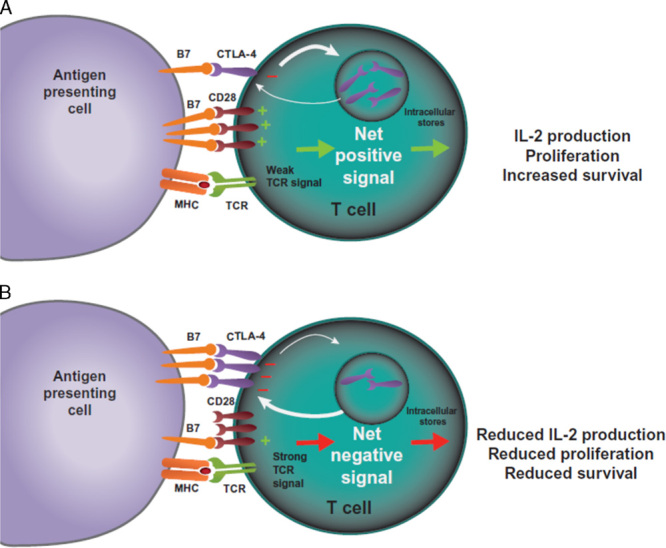
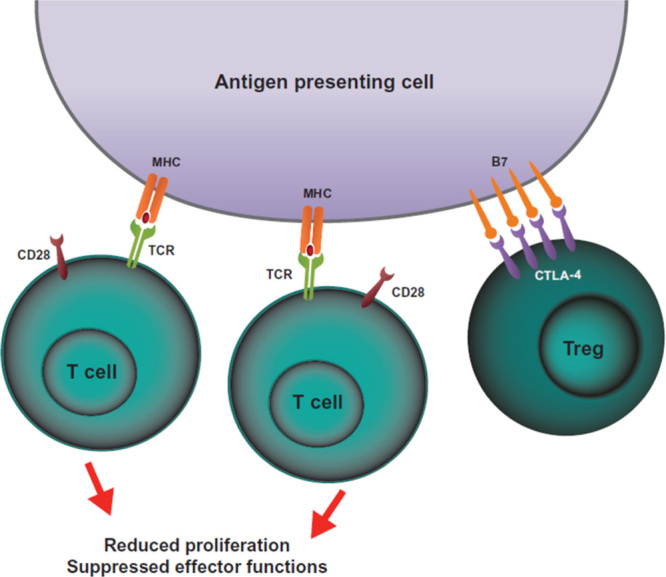
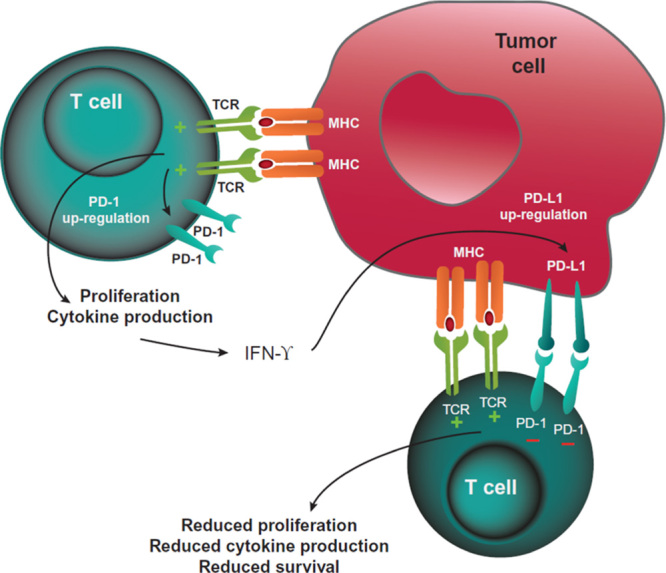
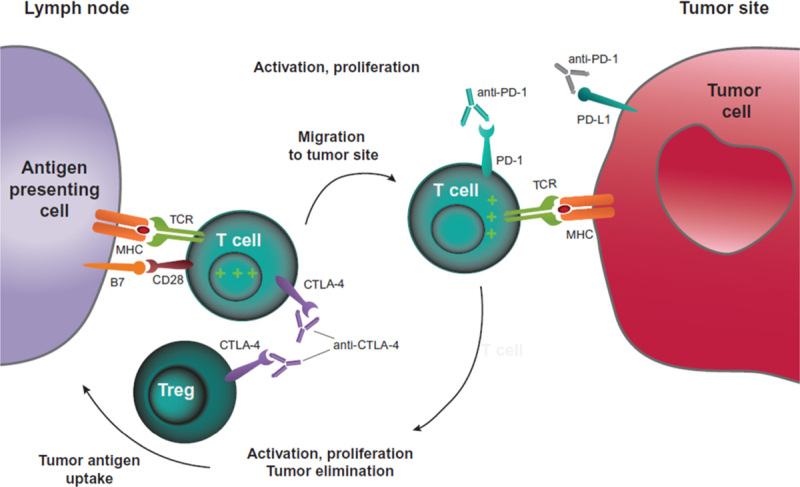
The cytotoxic T-lymphocyte-associated antigen 4 (CTLA-4) and programmed death 1 (PD-1) immune checkpoints are negative regulators of T-cell immune function. Inhibition of these targets, resulting in increased activation of the immune system, has led to new immunotherapies for melanoma, non-small cell lung cancer, and other cancers. Ipilimumab, an inhibitor of CTLA-4, is approved for the treatment of advanced or unresectable melanoma. Nivolumab and pembrolizumab, both PD-1 inhibitors, are approved to treat patients with advanced or metastatic melanoma and patients with metastatic, refractory non-small cell lung cancer. In addition the combination of ipilimumab and nivolumab has been approved in patients with BRAF WT metastatic or unresectable melanoma. The roles of CTLA-4 and PD-1 in inhibiting immune responses, including antitumor responses, are largely distinct. CTLA-4 is thought to regulate T-cell proliferation early in an immune response, primarily in lymph nodes, whereas PD-1 suppresses T cells later in an immune response, primarily in peripheral tissues. The clinical profiles of immuno-oncology agents inhibiting these 2 checkpoints may vary based on their mechanistic differences. This article provides an overview of the CTLA-4 and PD-1 pathways and implications of their inhibition in cancer therapy.
Overview
The claims and statistics of this paper haven’t been checked yet.
Free: it reads the open-access text and checks the first 5 claims that cite a source we can check. Create a free account to check every claim.
Integrity signals
Registry
Cites
Statistics
Figures
Verification
Claims the paper makes
The claims and statistics of this paper haven’t been checked yet.
Free: it reads the open-access text and checks the first 5 claims that cite a source we can check. Create a free account to check every claim.
Claims other papers make about this one
Each is checked against this paper’s own text: does it say what the citing paper says it does?
In the citing paper
“These differences may be the result of the different mechanisms of T cell inhibition by CTLA-4 and PD-1, as the former is understood to function more proximally to T cell activation and the latter is thought to function at later stages in the periphery (119).”
From Immune Checkpoint Inhibitors for the Treatment of Cancer: Clinical Impact and Mechanisms of Response and Resistance (2021) · cites this paper as [119]
In the citing paper
“While CTLA-4 regulates T cells proliferation early in the immune response within the lymph nodes, PD-1 suppresses T-cell activation later, within the body periphery [174].”
From Gut Microbiota and Cancer: From Pathogenesis to Therapy (2019) · cites this paper as [174]
Self-check
Percentages, sums and reported differences re-computed from the paper’s own numbers.
The self-check needs the paper’s full text.
Citations
Cites
PD-1 and PD-L1 Immune Checkpoint Blockade to Treat Breast Cancer
Hartkopf, A. D., Taran, F.-A., Wallwiener, M., Walter, C. B., Krämer, B., Grischke, E.-M., & Brucker, S. Y. (2016) · Breast Care · doi:10.1159/000453569 · Cited by 30,845
New response evaluation criteria in solid tumours: revised RECIST guideline (version 1.1)
Eisenhauer, E. A., Therasse, P., Bogaerts, J., Schwartz, L. H., Sargent, D., Ford, R., Dancey, J., Arbuck, S., Gwyther, S., Mooney, M., et al. (2009) · European Journal of Cancer · doi:10.1016/j.ejca.2008.10.026 · Cited by 29,534
Adverse Renal Effects of Immune Checkpoint Inhibitors: A Narrative Review
Wanchoo, R., Karam, S., Uppal, N. N., Barta, V. S., Deray, G., Devoe, C., Launay-Vacher, V., Jhaveri, K. D., & on behalf of Cancer and Kidney International Network Workgroup on Immune Checkpoint Inhibitors (2017) · American Journal of Nephrology · doi:10.1159/000455014 · Cited by 15,256
Improved Survival with Ipilimumab in Patients with Metastatic Melanoma
Hodi, F. S., O'Day, S. J., McDermott, D. F., Weber, R. W., Sosman, J. A., Haanen, J. B., Gonzalez, R., Robert, C., Schadendorf, D., Hassel, J. C., et al. (2010) · New England Journal of Medicine · doi:10.1056/nejmoa1003466 · Cited by 15,155 · cited 2×
“Consistent with its survival benefit, CTLA-4 blockade is associated with durable responses in a proportion of patients treated, with some responses reported to last >3 years.(51,54) More recently, PD-1 blockade has been shown to improve survival and progression-free survival in patients with metastatic melanoma and in…”
BackgroundThe blockade of immune checkpoints in cancer immunotherapy
Pardoll, D. M. (2012) · Nature Reviews Cancer · doi:10.1038/nrc3239 · Cited by 13,838 · cited 1×
“This has the potential to provide a more targeted signal with less unwanted toxicity, as selftolerance mediated through PD-1:PD-L2 interactions should be preserved.(37,49) Furthermore, as PD-L1 is known to bind CD80 as well as PD-1 to deliver inhibitory signals to T cells,(33) PDL1 inhibition with an appropriate antib…”
BackgroundSafety, activity, and immune correlates of anti–PD-1 antibody in cancer
Topalian, S. L., Hodi, F. S., Brahmer, J. R., Gettinger, S. N., Smith, D. C., McDermott, D. F., Powderly, J. D., Carvajal, R. D., Sosman, J. A., Atkins, M. B., et al. (2012) · New England Journal of Medicine · doi:10.1056/nejmoa1200690 · Cited by 12,628 · cited 1×
“Commonly reported immune-mediated AEs include rash or pruritus, gastrointestinal disorders, and endocri nopathies.(54,55,57,66,69,78,79) The overall rate of grade Z3 AEs was higher with ipilimumab (20%) compared with pembrolizumab (10% to 13%) in a phase III trial.”
BackgroundNivolumab versus docetaxel in advanced nonsquamous non-small-cell lung cancer
Borghaei, H., Paz-Ares, L., Horn, L., Spigel, D. R., Steins, M., Ready, N. E., Chow, L. Q., Vokes, E. E., Felip, E., Holgado, E., et al. (2015) · New England Journal of Medicine · doi:10.1056/nejmoa1507643 · Cited by 9,335
Nivolumab versus Docetaxel in Advanced Squamous-Cell Non–Small-Cell Lung Cancer
Brahmer, J., Reckamp, K. L., Baas, P., Crinò, L., Eberhardt, W. E. E., Poddubskaya, E., Antonia, S., Pluzanski, A., Vokes, E. E., Holgado, E., et al. (2015) · New England Journal of Medicine · doi:10.1056/nejmoa1504627 · Cited by 8,447
Combined Nivolumab and Ipilimumab or Monotherapy in Untreated Melanoma
Larkin, J., Chiarion-Sileni, V., Gonzalez, R., Grob, J. J., Cowey, C. L., Lao, C. D., Schadendorf, D., Dummer, R., Smylie, M., Rutkowski, P., et al. (2015) · New England Journal of Medicine · doi:10.1056/nejmoa1504030 · Cited by 8,157
Mutational landscape determines sensitivity to PD-1 blockade in non–small cell lung cancer
Rizvi, N. A., Hellmann, M. D., Snyder, A., Kvistborg, P., Makarov, V., Havel, J. J., Lee, W., Yuan, J., Wong, P., Ho, T. S., et al. (2015) · Science · doi:10.1126/science.aaa1348 · Cited by 7,802 · cited 1×
“As with CTLA-4, mutational burden and higher neoantigen burden have recently been shown to be associated with efficacy in patients with NSCLC treated with PD-1 blockade.(77)”
Background
Cited by
Items 901–1,000 of 1,003
“Therapeutic applications of the ‘NPGP’ family of viral 2As”
Luke, G. A., & Ryan, M. D. (2018) · Reviews in Medical Virology · doi:10.1002/rmv.2001 · Cited by 22
“Strategies to overcome this “adaptive resistance” of infused T‐cells boost their responses by preventing exhaustion and anergy.(87) In one approach, synthetic T‐cells were engineered with the α‐GFP synNotch receptor controlling the expression of both anti‐PD‐1 and an scFv directed toward CTLA‐4—both antibodies were ex…”
BackgroundMewes, C., Büttner, B., Hinz, J. M., Alpert, A., Popov, A., Ghadimi, M. B., Beißbarth, T., Tzvetkov, M. V., Shen-Orr, S. S., Bergmann, I., et al. (2018) · Scientific Reports · doi:10.1038/s41598-018-33246-9 · Cited by 21
Immunological and clinical implications of immune checkpoint blockade in human cancer
Kim, H., & Park, S. (2019) · Archives of Pharmacal Research · doi:10.1007/s12272-019-01140-1 · Cited by 22
Nanoparticles: Properties and Applications in Cancer Immunotherapy
Iscaro, A., Howard, F. H. N., & Muthana, M. (2019) · Current Pharmaceutical Design · doi:10.2174/1381612825666190708214240 · Cited by 22
Anti-PD-1 immunotherapy in advanced metastatic melanoma: State of the art and future challenges
Moreira, R. S., Bicker, J., Musicco, F., Persichetti, A., & Pereira, A. M. P. T. (2019) · Life Sciences · doi:10.1016/j.lfs.2019.117093 · Cited by 23
Passariello, M., Vetrei, C., Sasso, E., Froechlich, G., Gentile, C., D’Alise, A. M., Zambrano, N., Scarselli, E., Nicosia, A., & Lorenzo, C. D. (2020) · Cancers · doi:10.3390/cancers12082204 · Cited by 21
“This aspect could be even more important in case of combinatorial treatments such as the successful combination, previously reported [46,47], of anti-PD-1 and anti-CTLA-4 antibodies resulting in a longer progression-free survival and a higher rate of response but leading to increased autoimmune reactions representing…”
BackgroundFactors Determining Long-Term Antitumor Responses to Immune Checkpoint Blockade Therapy in Melanoma
Loo, K. L., Smithy, J. W., Postow, M. A., & Warner, A. B. (2022) · Frontiers in Immunology · doi:10.3389/fimmu.2021.810388 · Cited by 29
“CTLA-4 and PD-1 act as negative regulators of T cell immune function at different stages of the immune response (5).”
BackgroundIpilimumab for the treatment of metastatic prostate cancer
Alaia, C., Boccellino, M., Zappavigna, S., Amler, E., Quagliuolo, L., Rossetti, S., Facchini, G., & Caraglia, M. (2017) · Expert Opinion on Biological Therapy · doi:10.1080/14712598.2018.1420777 · Cited by 21
Zhao, Q., Fan, S., Chang, Y., Liu, X., Li, W., Ma, Q., Li, Y., Wang, Y., Zhang, L., & Zhang, M. (2019) · Cancer Management and Research · doi:10.2147/cmar.s191929 · Cited by 20
“PD-1/PD-L1 are responsible for this negative immune regulation and are the targets of the antitumor effect.(5,6) However, effective first-line treatment of NK/T-cell lymphoma remains to be explored.”
BackgroundImmune checkpoint blockade in cancer: current insights and future horizons
Saman, H. T., Makni‐Maalej, K., El-Ella, D. M. A., Al-Tamimi, M. Y., AbuHaweeleh, M. N., Abuhayeh, N., Ismail, M. A., Prabhu, K. S., Fernandes, Q., Jabi, T., et al. (2026) · Discover Oncology · doi:10.1007/s12672-025-04361-7 · Cited by 24
Emerging role of immune checkpoint inhibitors and their relevance for the cardiovascular system
Michel, L., Totzeck, M., Lehmann, L., & Finke, D. (2020) · Herz · doi:10.1007/s00059-020-04954-8 · Cited by 20
Advances in personalized neoantigen vaccines for cancer immunotherapy
Sun, C., & Xu, S. (2020) · BioScience Trends · doi:10.5582/bst.2020.03267 · Cited by 23
“Immune checkpoint therapy with antibodies targeting CTLA4 or PD1/PDL1 can overcome immune suppression across a variety of types of cancer (34).”
BackgroundWu, Y., Chang, K., Ho, T., Chou, W., Hung, S.-P., Fan, K., Chiang, Y., Chou, Y., & Tsang, N. (2021) · Cancer Medicine · doi:10.1002/cam4.3738 · Cited by 19
Badillo, O., Pedroza-Saavedra, A., Valverde-Garduño, V., Bermúdez-Morales, V. H., Maldonado-Gama, M., Léon-Letelier, R. A., Bonifaz, L. C., Esquivel-Guadarrama, F. R., & Gutiérrez‐Xicoténcatl, L. (2021) · Frontiers in Immunology · doi:10.3389/fimmu.2021.593161 · Cited by 19
“The PD-1 protein is a negative regulator of T cell activity, and its interaction with the PD-L1 ligand, expressed on APC or cancer cells, induces a coinhibitory signal that antagonizes TCR signaling; it also inhibits proliferation, cytokine production, and T cell survival (22, 23).”
BackgroundKumar, R., Thiagarajan, K., Jagannathan, L., Liu, L., Mayawala, K., de Alwis, D. P., & Topp, B. G. (2021) · CPT Pharmacometrics & Systems Pharmacology · doi:10.1002/psp4.12637 · Cited by 20
Regulatory T cells in acute and chronic human Chikungunya infection
Gois, B. M., Peixoto, R. F., Guerra‐Gomes, I. C., Palmeira, P. H. D. S., Dias, C. N. D. S., de Araújo, J. M. G., Veras, R. C., de Medeiros, I. A., de Azevedo, F. D. L. A. A., Boyton, R. J., et al. (2021) · Microbes and Infection · doi:10.1016/j.micinf.2021.104927 · Cited by 19
The role of exosomal miR-181b in the crosstalk between NSCLC cells and tumor-associated macrophages
Ma, J., Chen, S., Liu, Y., Han, H., Gong, M., & Song, Y. (2022) · Genes & Genomics · doi:10.1007/s13258-022-01227-y · Cited by 22
“In recent years, CTLA4 antibody, PD-1/PD-L1 antibody, CAR-T and TCR-T have brought confidence to the treatment of cancer (Buchbinder and Desai 2016; Xia et al.”
BackgroundBiggi, A. F. B., & de Oliveira, D. E. (2022) · Biomolecules · doi:10.3390/biom12030397 · Cited by 25
“Additionally, PD-1 ligands (PD-Ls) are broadly expressed, playing a role in peripheral T-cell tolerance against adverse immune reactions; conversely, CTLA-4 ligands are often expressed by antigen-presenting cells (APCs) on lymph nodes and the spleen [47,48].”
BackgroundCancer Immunotherapy and Uveitis: Balancing Anti-Tumor Immunity and Ocular Autoimmunity
Rali, A. S., Ye, H., & Yeh, S. (2022) · International Ophthalmology Clinics · doi:10.1097/iio.0000000000000434 · Cited by 20
Adverse Renal Effects of Anticancer Immunotherapy: A Review
Borówka, M., Łącki-Zynzeling, S., Nicze, M., Kozak, S., & Chudek, J. T. (2022) · Cancers · doi:10.3390/cancers14174086 · Cited by 22
“PD-1 is present on the surface of the active T cells, whereas PD-L1 is expressed either on APCs or tumor cells [41,42].”
BackgroundEpigenetic Mechanisms Underlying Melanoma Resistance to Immune and Targeted Therapies
Rubanov, A., Berico, P., & Hernando, E. (2022) · Cancers · doi:10.3390/cancers14235858 · Cited by 26
“Tumor neoantigens matching patient TCRs represent a key component of tumor immune clearance in checkpoint blockade responders [43,44].”
BackgroundInfluentialThe Current Treatment Landscape of Cutaneous Squamous Cell Carcinoma
Chong, C. Y., Goh, M., Porceddu, S. V., Rischin, D., & Lim, A. M. L. (2022) · American Journal of Clinical Dermatology · doi:10.1007/s40257-022-00742-8 · Cited by 22
“, secondary lymphoid organs), while PD-L1-suppressed T cells occur in the peripheral tissues [135, 136].”
BackgroundGut microbiota: a potential target for improved cancer therapy
Zhao, M., Jiang, G., Zhou, H., Li, J., Xiang, W., Li, S., Wang, H., & Zhou, J. (2022) · Journal of Cancer Research and Clinical Oncology · doi:10.1007/s00432-022-04546-5 · Cited by 20
“2020; Buchbinder and Desai 2016).”
Immunotherapeutic approaches in Hepatocellular carcinoma: Building blocks of hope in near future
Minaei, N., Ramezankhani, R., Tamimi, A., Piryaei, A., Zarrabi, A., Aref, A. R., Mostafavi, E., & Vosough, M. (2022) · European Journal of Cell Biology · doi:10.1016/j.ejcb.2022.151284 · Cited by 19
Chen, Z., Rong, Y., Ding, J., Cheng, X., Chen, X., & He, C. (2023) · Pharmaceutics · doi:10.3390/pharmaceutics15020428 · Cited by 20
Clinical Relevance of Targeted Therapy and Immune-Checkpoint Inhibition in Lung Cancer
Leone, G. M., Candido, S., Lavoro, A., Vivarelli, S., Gattuso, G., Călina, D. C., Libra, M., & Falzone, L. (2023) · Pharmaceutics · doi:10.3390/pharmaceutics15041252 · Cited by 26
Wen, Y., Tram, V. T. N., Chen, W., Li, C., Yeh, H., Dung, P. V. T., Jiang, K.-C., Li, H., Huang, J., Hsiao, M., et al. (2023) · Cell Death and Disease · doi:10.1038/s41419-023-05836-7 · Cited by 22
Perioperative immunotherapy for esophageal squamous cell carcinoma: Now and future
Liu, Y. (2023) · World Journal of Gastroenterology · doi:10.3748/wjg.v29.i34.5020 · Cited by 24
“CTLA-4 and PD-1 are members of the CD28 receptor family expressed on T-cells, which bind to their corresponding targets of the B7 family[53].”
Roque, K., Ruiz, R., Mas, L. A., Pozza, D. H., Vancini, M., Silva, J. A., & de Mello, R. A. (2023) · Cancers · doi:10.3390/cancers15184547 · Cited by 20
“CTLA-4 competes with CD28 for B7, inducing T-cell cycle arrest and suppressing T-cell activation [4,5].”
BackgroundChami, P., Diab, Y., Khalil, D. N., Azhari, H., Jarnagin, W. R., Abou‐Alfa, G. K., Harding, J. J., Hajj, J., Ma, J., Homsi, M. E., et al. (2023) · International Journal of Molecular Sciences · doi:10.3390/ijms242316773 · Cited by 20
“Similarly, anti-PD-1 and anti-PD-L1 ICIs serve to block binding at the PD-1/PD-L1 or PD-1/PD-L2 checkpoints and prevent the interaction between T cells and other immune cells (e.g., B cells, myeloid cells) expressing PD-1 and tumor cells, APCs, and other immune cells expressing PD-1 ligands [45].”
BackgroundLo, J. W., Schroeder, J.-H., Beattie, G., Roberts, L. B., Cozzetto, D., Omer, O., Ross, E. M., Heuts, F. W. H., Jowett, G. M., Read, E., et al. (2024) · Nature Communications · doi:10.1038/s41467-024-51719-6 · Cited by 27
Anti-CTLA-4 Therapy for Malignant Mesothelioma
Guazzelli, A., Bakker, E. Y., Krstic–Demonacos, M., Lisanti, M. P., Sotgia, F., & Mutti, L. (2017) · Immunotherapy · doi:10.2217/imt-2016-0123 · Cited by 20
Jaberg-Bentele, N. F., Kunz, M., AbuHammad, S., & Dummer, R. (2017) · Case Reports in Dermatology · doi:10.1159/000454875 · Cited by 19
Reviewing concomitant medications for participants in oncology clinical trials
McGahey, K., & Weiss, G. J. (2012) · American Journal of Health-System Pharmacy · doi:10.2146/ajhp151052 · Cited by 19
“PD-L1 overexpressed within the tumor binds to PD-1 and inactivates T cells that recognize tumor-specific antigens, thus allowing tumor proliferation and metastasis.(8) Blocking of PD-1 or PD-L1 with monoclonal antibodies is a unique approach to restoring T cell–mediated antitumor immunity.”
BackgroundTherapeutic oncolytic viruses: clinical advances and future directions
Warner, S. G., O’Leary, M. P., & Fong, Y. (2017) · Current Opinion in Oncology · doi:10.1097/cco.0000000000000388 · Cited by 19
Owyong, M., Hosseini-Nassab, N., Efe, G., Honkala, A. T., van den Bijgaart, R. J. E., Plaks, V., & Smith, B. R. (2017) · Drug Resistance Updates · doi:10.1016/j.drup.2017.10.001 · Cited by 19
“Typically, CTLA-4 and PD-1 signaling inhibit T-cell activation, and blockade of either modulatory signal can shift the immune system’s balance towards activation of T-cells, thereby promoting tumor destruction (42).”
BackgroundCreating molecules that modulate immune responses
van Kasteren, S. I., Neefjes, J., & Ovaa, H. (2018) · Nature Reviews Chemistry · doi:10.1038/s41570-018-0023-9 · Cited by 21
Adoptive cell transfer: new perspective treatment in veterinary oncology
Bujak, J. K., Pingwara, R., Nelson, M. H., & Majchrzak, K. (2018) · Acta veterinaria Scandinavica · doi:10.1186/s13028-018-0414-4 · Cited by 24
CTLA-4 Genetic Variants Predict Survival in Patients with Sepsis
Mewes, C., Büttner, B., Hinz, J. M., Alpert, A., Popov, A., Ghadimi, M. B., Beißbarth, T., Tzvetkov, M. V., Jensen, O., Runzheimer, J., et al. (2019) · Journal of Clinical Medicine · doi:10.3390/jcm8010070 · Cited by 19
Immune checkpoint inhibitors and radiotherapy—concept and review of current literature
Thangamathesvaran, L., Shah, R., Verma, R., & Mahmoud, O. (2018) · Annals of Translational Medicine · doi:10.21037/atm.2018.03.09 · Cited by 22
“Selectively blocking PDL1 ligand maintains the interaction between PD-1 and PDL2 providing self-tolerance and minimizing side effects (3) which otherwise would occur if PD-1 receptor blockade occurs disrupting the interaction between PD-1 receptor and both the PD-L1 and PD-L2 ligands.”
BackgroundInfluentialThe Role of Pharmacists in Managing Adverse Events Related to Immune Checkpoint Inhibitor Therapy
Medina, P. J., Jeffers, K. D., Trinh, V. A., & Harvey, R. D. (2019) · Journal of Pharmacy Practice · doi:10.1177/0897190019885230 · Cited by 26
“ICI therapies have demonstrated significant patient benefit, with regard to overall survival, progression-free survival, and durability of response, across multiple tumor types.(10) However, the antitumor effects of ICI therapies can be accompanied by immune-related adverse events (irAEs) that present similarly to aut…”
BackgroundCancer Immunotherapy: Targeting Tumor-Associated Macrophages by Gene Silencing
Zins, K., & Abraham, D. (2020) · Methods in molecular biology · doi:10.1007/978-1-0716-0290-4_17 · Cited by 24
Systematic Review of Neoadjuvant Immunotherapy for Patients With Non–Small Cell Lung Cancer
Cao, C. Q., Guo, A., Chen, C., Chakos, A., Bott, M. J., Yang, C. J., Zielinski, R., & Melfi, F. M. A. (2021) · Seminars in Thoracic and Cardiovascular Surgery · doi:10.1053/j.semtcvs.2020.12.012 · Cited by 20
Balstilimab and other immunotherapy for recurrent and metastatic cervical cancer
Bose, C. K. (2022) · Medical Oncology · doi:10.1007/s12032-022-01646-7 · Cited by 20
“CTLA- 4 inhibitors promotes effector T-cell activation and reduces Treg cell suppression [26].”
BackgroundThe Era of Checkpoint Blockade in Lung Cancer: Taking the Brakes Off the Immune System
Moon, E. K., Langer, C. J., & Albelda, S. Μ. (2017) · Annals of the American Thoracic Society · doi:10.1513/annalsats.201702-152fr · Cited by 20
The Role of Immune Checkpoints after Cellular Therapy
Schmitz, F., Wolf, D. G. F., & Holderried, T. A. W. (2020) · International Journal of Molecular Sciences · doi:10.3390/ijms21103650 · Cited by 19
An updated review of immune checkpoint inhibitors in cutaneous oncology: Beyond melanoma
Pham, J. P., Staeger, R., Joshua, A. M., Liu, J., da Silva, I. P., Dummer, R., & Goldinger, S. M. (2024) · European Journal of Cancer · doi:10.1016/j.ejca.2024.115121 · Cited by 21
Alternative splicing: A key regulator in T cell response and cancer immunotherapy
Yong, C., Liang, Y., Wang, M., Jin, W., Fan, X., Wang, Z., Cao, K., Wu, T., Li, Q., & Chang, C. (2025) · Pharmacological Research · doi:10.1016/j.phrs.2025.107713 · Cited by 19
Immunotherapy in Triple-Negative Breast Cancer
Tiberi, E., Parisi, A., Pistelli, M., Savini, A., Galassi, F., Reschini, C., Quintavalle, D., Napoleoni, R., Ferrari, C., & Berardi, R. (2025) · Oncology and Therapy · doi:10.1007/s40487-025-00346-2 · Cited by 24
“The main ICs are programmed death receptor 1 (PD-1) and cytotoxic T cell antigen 4 (CTLA-4) [2].”
Manganese in health and disease
Wang, Y., Li, J., Jing, Z., Wu, Y., Liu, J., & Han, S. (2025) · Nutrition Research Reviews · doi:10.1017/s0954422425100139 · Cited by 24
“By activating the cGAS – STING pathway, manganese ions can reduce the expression of these inhibitory molecules, thereby relieving immunosuppression and enhancing anti-tumour immune responses (102 – 106) .”
Emerging role of immune checkpoint inhibitors and predictive biomarkers in head and neck cancers
Elbehi, M. A., I, A. R., Ekine-Afolabi, B. A., & Cash, E. D. (2020) · Oral Oncology · doi:10.1016/j.oraloncology.2020.104977 · Cited by 23
Budroni, V., & Versteeg, G. A. (2021) · Viruses · doi:10.3390/v13040584 · Cited by 21
“, transcription factors, antiviral proteins) [4,32].”
Distribution of mucosal PD-1 expressing T cells in patients with colitis of different etiologies
Roosenboom, B., Horje, C. S. H. T., Smids, C., Leeuwis, J. W., van Koolwijk, E., Groenen, M. J. M., Wahab, P. J., & van Lochem, E. G. (2021) · Scandinavian Journal of Gastroenterology · doi:10.1080/00365521.2021.1906316 · Cited by 19
Multiplexed imaging reveals an IFN-γ-driven inflammatory state in nivolumab-associated gastritis
Ferrian, S., Liu, C. C., McCaffrey, E., Kumar, R., Nowicki, T. S., Dawson, D. W., Baranski, A., Glaspy, J. A., Ribas, A., Bendall, S. C., et al. (2021) · Cell Reports Medicine · doi:10.1016/j.xcrm.2021.100419 · Cited by 20
“Inhibition of this target by PD-1 or PD-ligand 1 (PD-L1)-blocking antibodies, such as pembrolizumab or nivolumab, results in increased activation of the immune system and has been used to treat advanced melanoma, nonsmall cell lung carcinoma, and other malignancies.(1,3,4) Immunemediated adverse events in the gastroin…”
BackgroundOvercoming Resistance to Immunotherapy in Advanced Cutaneous Squamous Cell Carcinoma
García‐Sancha, N., Corchado‐Cobos, R., Bellido-Hernández, L., Román‐Curto, C., Álvarez, E. C., Pérez‐Losada, J., Órfão, A., & Cañueto, J. (2021) · Cancers · doi:10.3390/cancers13205134 · Cited by 23
Neuroendocrine-immune Interface: Interactions of Two Complex Systems in Health and Disease
Vela-Patiño, S., Salazar, M. I., Remba-Shapiro, I., Peña-Martínez, E., Silva-Román, G., Andonegui-Elguera, S., Ordoñez-Garcia, J. D. J., Taniguchi‐Ponciano, K., Bonifaz, L. C., Aguilar-Flores, C., et al. (2022) · Archives of Medical Research · doi:10.1016/j.arcmed.2022.01.003 · Cited by 20
Advances of DNA Damage Repair-Related Drugs and Combination With Immunotherapy in Tumor Treatment
Wang, Y., Duan, M.-H., Peng, Z., Fan, R., He, Y., Zhang, H., Xiong, W., & Jiang, W. (2022) · Frontiers in Immunology · doi:10.3389/fimmu.2022.854730 · Cited by 19
Impact of Diets on Response to Immune Checkpoint Inhibitors (ICIs) Therapy against Tumors
Zhang, X., Li, H., Lv, X., Hu, L., Li, W., Zi, M., & He, Y. (2022) · Life · doi:10.3390/life12030409 · Cited by 18
“Normally, inhibitory ICs act as the natural brakes of the human body via suppressing the body’s immune response and preventing the occurrence of autoimmunity [39].”
BackgroundBrain Vascular Microenvironments in Cancer Metastasis
Tobar, L. E., Farnsworth, R. H., & Stacker, S. A. (2022) · Biomolecules · doi:10.3390/biom12030401 · Cited by 23
Lechpammer, M., Rao, R., Shah, S., Mirheydari, M., Bhattacharya, D., Koehler, A., Toukam, D. K., Haworth, K. J., Krummel, D. P., & Sengupta, S. (2022) · Cancers · doi:10.3390/cancers14071627 · Cited by 19
“The ambiguity of these clinical trial results involving CTLA-4 or PD-L1 inhibitors suggests the need for further research into a combinatorial approach, which may be feasible, given that each pathway leads to unique alterations in cytokine release [34].”
BackgroundHistone Demethylase JMJD2D: A Novel Player in Colorectal and Hepatocellular Cancers
Chen, Q., Peng, K., Mo, P., & Yu, C. (2022) · Cancers · doi:10.3390/cancers14122841 · Cited by 20
“Programmed death receptor-1 (PD-1) is one of the important immune checkpoints and serves as an eliminator for effector T cell activation [79].”
BackgroundThe PD-1/PD-L1 Pathway: A Perspective on Comparative Immuno-Oncology
Schöniger, S., & Jasani, B. (2022) · Animals · doi:10.3390/ani12192661 · Cited by 25
“During the priming of naïve lymphocytes in the lymphoid organ, the inhibitory ligand CTLA-4 competes with CD28 for the binding of CD80/CD86 on the antigen-presenting cell, and this attenuates the intensity of the induced immune response [11,12].”
BackgroundInfluentialMetformin: A Promising Antidiabetic Medication for Cancer Treatment
Mu, W., Jiang, Y., Liang, G., Feng, Y., & Qu, F. (2022) · Current Drug Targets · doi:10.2174/1389450124666221104094918 · Cited by 20
Zhou, J., Du, Z., Fu, J., & Yi, X. (2023) · Frontiers in Immunology · doi:10.3389/fimmu.2023.1117447 · Cited by 20
Sangro, B., Yau, T. C. C., El‐Khoueiry, A. B., Kudo, M., Shen, Y., Tschaika, M., Roy, A., Feng, Y., Gao, L., & Aras, U. (2023) · Clinical and Translational Science · doi:10.1111/cts.13544 · Cited by 17
Wang, F., Xia, T., Li, Z., Gao, X., & Fang, X. (2023) · Frontiers in Oncology · doi:10.3389/fonc.2023.1213297 · Cited by 22
Advances and challenges of immunotherapies in NK/T cell lymphomas
He, L., Chen, N., Dai, L., & Peng, X. (2023) · iScience · doi:10.1016/j.isci.2023.108192 · Cited by 24
Fish Uses CTLA-4 Immune Checkpoint to Suppress mTORC1-Controlled T-Cell Glycolysis and Immunity
Zhang, J., Wei, X., Zhang, Q., Jiao, X., Li, K., Geng, M., Cao, Y., Wang, D., Cheng, J., & Yang, J. (2024) · The Journal of Immunology · doi:10.4049/jimmunol.2300599 · Cited by 17
Metastatic organotropism: a brief overview
Carrolo, M., Miranda, J. A. I., Vilhais, G., Quintela, A., Sousa, M. F. E., Costa, D. A., & Pinto, F. R. (2024) · Frontiers in Oncology · doi:10.3389/fonc.2024.1358786 · Cited by 22
“ICIs work as negative regulators of T cells, playing a crucial role in preventing tumor cells suppression of T cell activation (65).”
BackgroundHepatocellular carcinoma: Advances in systemic therapies
Wu, T. K.-H., Hui, R. W., Mak, L., Fung, J., Seto, W., & Yuen, M. (2024) · F1000Research · doi:10.12688/f1000research.145493.1 · Cited by 27
Sun, N.-Y., Chen, Y., Lin, H.-W., Chiang, Y., Chang, C.-F., Tai, Y., Chen, C., Sun, W., Chien, C. L., & Cheng, W. (2018) · Cancer Letters · doi:10.1016/j.canlet.2018.11.039 · Cited by 18
Antigen-specific immune decoys intercept and exhaust autoimmunity to prevent disease
Griffin, J. D., Song, J. Y., Huang, A., Sedlacek, A. R., Flannagan, K., & Berkland, C. J. (2019) · Biomaterials · doi:10.1016/j.biomaterials.2019.119440 · Cited by 19
Mutation of an L-Type Calcium Channel Gene Leads to T Lymphocyte Dysfunction
Fenninger, F., Han, J. S., Stanwood, S. R., Nohara, L. L., Arora, H., Choi, K. B., Munro, L., Pfeifer, C. G., Shanina, I., Horwitz, M. S., et al. (2019) · Frontiers in Immunology · doi:10.3389/fimmu.2019.02473 · Cited by 20
“While PD-1 is known to be upregulated on antigenexperienced T lymphocytes, CTLA-4 is functional during the initial phase of T cell activation and is therefore found on naïve T lymphocytes (23).”
BackgroundImmune Checkpoint Imaging in Oncology: A Game Changer Toward Personalized Immunotherapy?
Lütje, S., Feldmann, G., Essler, M., Brossart, P., & Bundschuh, R. A. (2020) · Journal of Nuclear Medicine · doi:10.2967/jnumed.119.237891 · Cited by 18
“5 thought to be important for their suppressive functions (3).”
BackgroundLi, J., Wang, W., Sun, Y., & Zhu, Y. (2020) · World Journal of Surgical Oncology · doi:10.1186/s12957-020-1806-2 · Cited by 21
Biomarkers of immunotherapy in non‑small cell lung cancer (Review)
Wang, L., Hu, Y., Wang, S., Shen, J., & Wang, X. (2020) · Oncology Letters · doi:10.3892/ol.2020.11999 · Cited by 22
“The mechanism of action of the CTLA‐4 and PD‐1 antibodies differs (46,47).”
BackgroundShan, C.-K., Du, Y., Zhai, X.-T., Wang, Y., Li, Y., Gong, J., Ge, Z.-J., Liu, X., & Zhen, Y. (2021) · Cancer Chemotherapy and Pharmacology · doi:10.1007/s00280-020-04209-7 · Cited by 19
Molecular insights into phytochemicals‐driven break function in tumor microenvironment
Rana, P., Shrama, A., & Mandal, C. C. (2021) · Journal of Food Biochemistry · doi:10.1111/jfbc.13824 · Cited by 23
Application of Immunotherapy in Hepatocellular Carcinoma
Miao, L., Zhang, Z., Ren, Z., & Li, Y. (2021) · Frontiers in Oncology · doi:10.3389/fonc.2021.699060 · Cited by 18
Research Progress About Glioma Stem Cells in the Immune Microenvironment of Glioma
Li, X., Liu, M., Zhao, J., Ren, T., Yan, X., Zhang, L., & Wang, X. (2021) · Frontiers in Pharmacology · doi:10.3389/fphar.2021.750857 · Cited by 20
“Among the immunotherapy drugs against PD-1 antibody, Nivolumab has attracted the most attention.”
BackgroundInfluentialGorabi, A. M., Ravari, M. S., Sanaei, M., Davaran, S., Kesharwani, P., & Sahebkar, A. (2022) · International Immunopharmacology · doi:10.1016/j.intimp.2022.109300 · Cited by 20
Mohamud, R., LeMasurier, J. S., Boer, J. C., Sieow, J. L., Rolland, J. M., O’Hehir, R. E., Hardy, C. L., & Plebanski, M. (2017) · Frontiers in Immunology · doi:10.3389/fimmu.2017.01812 · Cited by 18
Crystal structure of the human LAG-3–HLA-DR1–peptide complex
Petersen, J., Llerena, C., Golzarroshan, B., Faoro, C., Triebel, F., & Rossjohn, J. (2024) · Science Immunology · doi:10.1126/sciimmunol.ads5122 · Cited by 17
Manolis, A. S., Manolis, T. A., Mikhailidis, D. P., & Manolis, A. S. (2018) · Expert Opinion on Drug Safety · doi:10.1080/14740338.2018.1513488 · Cited by 18
“This process is facilitated by checkpoint proteins, the cytotoxic T-lymphocyte-associated antigen 4 (CTLA-4) and programmed cell death protein 1 (PD-1), which seem to operate at different stages of an immune response [134].”
BackgroundScarneo, S. A., Yang, K. W., Roques, J., Dai, A., Eibschutz, L. S., Hughes, P. F., & Haystead, T. (2020) · Oncotarget · doi:10.18632/oncotarget.27606 · Cited by 17
“com surveillance phenotypes have shown great promise in immune responsive tumors [13, 14].”
BackgroundYang, Y., Liu, J., Yang, K., Ma, Y., Fu, S., Tang, X., Wang, Y., & Zhou, L. (2021) · The Journal of Clinical Pharmacology · doi:10.1002/jcph.1804 · Cited by 21
“The Journal of Clinical Pharmacology 2021, 61(3) 282–297 © 2020, The American College of Clinical Pharmacology DOI: 10.”
BackgroundCurrent Trends of Immunotherapy in the Treatment of Cutaneous Melanoma: A Review
Naik, P. P. (2021) · Dermatology and Therapy · doi:10.1007/s13555-021-00583-z · Cited by 18
“When CTLA-4 interacts with activated T cells, a downregulator signal is produced, which inhibits transcription of IL-2 and hence cell cycle progression [61, 62].”
BackgroundCan Soluble Immune Checkpoint Molecules on Exosomes Mediate Inflammation?
Joseph, J., Rahmani, B., Cole, Y., Puttagunta, N., Lin, E., Khan, Z. K., & Jain, P. (2021) · Journal of Neuroimmune Pharmacology · doi:10.1007/s11481-021-10018-3 · Cited by 17
The Role of Myeloid Cells in Hepatotoxicity Related to Cancer Immunotherapy
Gudd, C. L. C., & Possamai, L. A. (2022) · Cancers · doi:10.3390/cancers14081913 · Cited by 20
Varlı, M., Pham, H. T., Kim, S.-M., Taş, İ., Gamage, C. D. B., Zhou, R., Pulat, S., Park, S., Sesal, N. C., Hur, J., et al. (2022) · Frontiers in Pharmacology · doi:10.3389/fphar.2022.986946 · Cited by 19
“CTLA-4 and PD-1 pathway inhibitors include Ipilimumab, Tremelimumab, Pembrolizumab, Nivolumab, Pidilizumab, Durvalumab, and Atezolimab (Buchbinder and Desai, 2016).”
BackgroundActivation of cancer immunotherapy by nanomedicine
Wang, L., Xu, H., Weng, L., Sun, J., Jin, Y. H., & Xiao, C. (2022) · Frontiers in Pharmacology · doi:10.3389/fphar.2022.1041073 · Cited by 21
Understanding the causes of recurrent HCC after liver resection and radiofrequency ablation
Bosi, C., Rimini, M., Gardini, A. C., & Ercolani, G. (2023) · Expert Review of Anticancer Therapy · doi:10.1080/14737140.2023.2203387 · Cited by 18
“As a result, APCs activate or suppress T cells based on the relative expression of CD80/86 or CTLA-4 on T cell surface membranes [151].”
BackgroundRaheem, F., Alsuhebany, N., Hickey, E., Paulic, N., Sandler, A., Uk, N., & Moore, D. C. (2023) · Expert Opinion on Drug Safety · doi:10.1080/14740338.2023.2251380 · Cited by 19
“Antithetical to CTLA-4 is the CD28 receptor, whose costimulatory pathway promotes the activation of naïve T-cells [37].”
BackgroundInfluentialTeo, A. Y. T., Yau, C. E., Low, C. E., Pereira, J. V., Ng, J. Y. X., Soong, T. K., Lo, Y. T., & Yang, V. S. (2024) · EClinicalMedicine · doi:10.1016/j.eclinm.2024.102870 · Cited by 18
“88,89 90 – 93 However, the ef fi cacy of combination therapy in MM may be more modest than the reported bene fi ts in other subtypes of melanomas.”
BackgroundMcDermott, D. F., Shah, R., Gupte-Singh, K., Sabater, J., Luo, L., Botteman, M. F., Rao, S. A., Regan, M. M., & Atkins, M. B. (2018) · Quality of Life Research · doi:10.1007/s11136-018-1984-3 · Cited by 17
Current Immunotherapy Approaches for Malignant Melanoma
Lim, J., Cho, E., Lee, K., Choi, Y., Seo, Y., Jeon, H., & Choi, J. H. (2019) · BioChip Journal · doi:10.1007/s13206-019-3108-8 · Cited by 17
Aptamers in Non-Small Cell Lung Cancer Treatment
Wieleba, I., Wojas‐Krawczyk, K., & Krawczyk, P. A. (2020) · Molecules · doi:10.3390/molecules25143138 · Cited by 21
“It displaces the CD28 molecule on lymphocytes from binding to the CD80 and CD86 molecules present on antigen-presenting cells [85,86].”
BackgroundBaiocchi, L., Sato, K., Ekser, B., Kennedy, L. L., Francis, H., Ceci, L., Lenci, I., Alvaro, D., Franchitto, A., Onori, P., et al. (2020) · Expert Opinion on Investigational Drugs · doi:10.1080/13543784.2021.1854725 · Cited by 18
Dorneles, G. P., da Silva, I. M., Santos, M. A., Elsner, V. R., Fonseca, S. G., Peres, A., & Romão, P. R. T. (2020) · Scientific Reports · doi:10.1038/s41598-020-78750-z · Cited by 19
The Position of EGF Deprivation in the Management of Advanced Non-Small Cell Lung Cancer
Crombet, T., Morales, O. S., Dy, G. K., León, K., & Dávila, A. L. (2021) · Frontiers in Oncology · doi:10.3389/fonc.2021.639745 · Cited by 19
Metadata
- Authors
- Buchbinder, E. I., & Desai, A.
- Affiliations
- Beth Israel Deaconess Medical Center (US)
- Corresponding author
- Buchbinder, Elizabeth I.
- Venue
- American Journal of Clinical Oncology
- Published
- 2016-02
- Volume
- 39
- Issue
- 1
- Pages
- 98-106
- ISSN
- 0277-3732 (ISSN-L)
- PMC
- PMC4892769
- OpenAlex
- W2263759961
- Semantic Scholar
- c9c3c3d663a529752c4069c96a394e11c1f1250d
- Cited by
- 2,360
- References
- 93
- Citations by year
- 2026: 183 · 2025: 259 · 2024: 300 · 2023: 262 · 2022: 308 · 2021: 287 · 2020: 265 · 2019: 196 · 2018: 170 · 2017: 101 · 2016: 25
- FWCI
- 10.61
- Type
- journal article
- Language
- en
- Open access
- hybrid
- doi.org
- Licence
- cc-by-nc-nd
- Locations
- American Journal of Clinical Oncology (publishedVersion, cc-by-nc-nd)
- Europe PMC (PubMed Central) (publishedVersion, cc-by-nc-nd)
- PubMed Central (publishedVersion, cc-by-nc-nd)
- PubMed (publishedVersion)
- Digital Access to Scholarship at Harvard (DASH) (Harvard University) (submittedVersion, cc-by)
- Funders
- Bristol-Myers Squibb
- Genentech
- Topics
- Health Sciences › Medicine › Oncology › Cancer Immunotherapy and Biomarkers
- Life Sciences › Immunology and Microbiology › Immunology › T-cell and B-cell Immunology
- Life Sciences › Immunology and Microbiology › Immunology › Immunotherapy and Immune Responses
- Keywords
- CTLA-4, PD-1, immune checkpoint, immune checkpoint inhibitors, ipilimumab, nivolumab, pembrolizumab, melanoma, non-small cell lung cancer, combination immunotherapy, T cell regulation, antitumor immunity
- MeSH terms
- Ipilimumab, Nivolumab, Antibodies, Monoclonal, Antineoplastic Agents, Carcinoma, Non-Small-Cell Lung, Humans, Immunotherapy, Lung Neoplasms, Melanoma, Skin Neoplasms, Signal Transduction, CTLA-4 Antigen, Programmed Cell Death 1 Receptor, Antibodies, Monoclonal, Humanized
About these checks
Registry, retraction, Cites and statistics results are computed, not judged, with one exception: a printed reference that no index lists is read once by a model before it counts as a citation error. Claims are extracted by a model and kept only when their quote appears verbatim in the text; each cited source is then checked, with a model’s help, for whether it says what the claim relies on. Those verdicts can be wrong — read the claim’s quote and the cited source before relying on one.
Statistics and arithmetic are recomputed, not judged.
Confidence bands are shown only for fields calibrated on our annotated test set. None is calibrated yet, so no band is shown.
What counts as a claim ›How we measure confidence ›How we check this ›
Are you an author, or do you see a problem with this page? Request a review
Data sources
Bibliographic data: Semantic Scholar, OpenAlex, Crossref.
Contains information from the Semantic Scholar Academic Graph Datasets, made available under the ODC Attribution License (ODC-BY 1.0).
Semantic Scholar’s data is described in: Kinney, R., et al. (2023). The Semantic Scholar Open Data Platform. arXiv:2301.10140.
