

CTLA-4 and PD-1 Pathways: Similarities, Differences, and Implications of Their Inhibition
Open accessThe DOI matches its Crossref record; 92 of the 93 references it cites were found in a registry or an index.
Abstract
The cytotoxic T-lymphocyte-associated antigen 4 (CTLA-4) and programmed death 1 (PD-1) immune checkpoints are negative regulators of T-cell immune function. Inhibition of these targets, resulting in increased activation of the immune system, has led to new immunotherapies for melanoma, non-small cell lung cancer, and other cancers. Ipilimumab, an inhibitor of CTLA-4, is approved for the treatment of advanced or unresectable melanoma. Nivolumab and pembrolizumab, both PD-1 inhibitors, are approved to treat patients with advanced or metastatic melanoma and patients with metastatic, refractory non-small cell lung cancer. In addition the combination of ipilimumab and nivolumab has been approved in patients with BRAF WT metastatic or unresectable melanoma. The roles of CTLA-4 and PD-1 in inhibiting immune responses, including antitumor responses, are largely distinct. CTLA-4 is thought to regulate T-cell proliferation early in an immune response, primarily in lymph nodes, whereas PD-1 suppresses T cells later in an immune response, primarily in peripheral tissues. The clinical profiles of immuno-oncology agents inhibiting these 2 checkpoints may vary based on their mechanistic differences. This article provides an overview of the CTLA-4 and PD-1 pathways and implications of their inhibition in cancer therapy.
Overview
The claims and statistics of this paper haven’t been checked yet.
Free: it reads the open-access text and checks the first 5 claims that cite a source we can check. Create a free account to check every claim.
Integrity signals
Registry
Cites
Statistics
Figures
Verification
Claims the paper makes
The claims and statistics of this paper haven’t been checked yet.
Free: it reads the open-access text and checks the first 5 claims that cite a source we can check. Create a free account to check every claim.
Claims other papers make about this one
Each is checked against this paper’s own text: does it say what the citing paper says it does?
In the citing paper
“These differences may be the result of the different mechanisms of T cell inhibition by CTLA-4 and PD-1, as the former is understood to function more proximally to T cell activation and the latter is thought to function at later stages in the periphery (119).”
From Immune Checkpoint Inhibitors for the Treatment of Cancer: Clinical Impact and Mechanisms of Response and Resistance (2021) · cites this paper as [119]
In the citing paper
“While CTLA-4 regulates T cells proliferation early in the immune response within the lymph nodes, PD-1 suppresses T-cell activation later, within the body periphery [174].”
From Gut Microbiota and Cancer: From Pathogenesis to Therapy (2019) · cites this paper as [174]
Self-check
Percentages, sums and reported differences re-computed from the paper’s own numbers.
The self-check needs the paper’s full text.
Citations
Cites
PD-1 and PD-L1 Immune Checkpoint Blockade to Treat Breast Cancer
Hartkopf, A. D., Taran, F.-A., Wallwiener, M., Walter, C. B., Krämer, B., Grischke, E.-M., & Brucker, S. Y. (2016) · Breast Care · doi:10.1159/000453569 · Cited by 30,845
New response evaluation criteria in solid tumours: revised RECIST guideline (version 1.1)
Eisenhauer, E. A., Therasse, P., Bogaerts, J., Schwartz, L. H., Sargent, D., Ford, R., Dancey, J., Arbuck, S., Gwyther, S., Mooney, M., et al. (2009) · European Journal of Cancer · doi:10.1016/j.ejca.2008.10.026 · Cited by 29,534
Adverse Renal Effects of Immune Checkpoint Inhibitors: A Narrative Review
Wanchoo, R., Karam, S., Uppal, N. N., Barta, V. S., Deray, G., Devoe, C., Launay-Vacher, V., Jhaveri, K. D., & on behalf of Cancer and Kidney International Network Workgroup on Immune Checkpoint Inhibitors (2017) · American Journal of Nephrology · doi:10.1159/000455014 · Cited by 15,256
Improved Survival with Ipilimumab in Patients with Metastatic Melanoma
Hodi, F. S., O'Day, S. J., McDermott, D. F., Weber, R. W., Sosman, J. A., Haanen, J. B., Gonzalez, R., Robert, C., Schadendorf, D., Hassel, J. C., et al. (2010) · New England Journal of Medicine · doi:10.1056/nejmoa1003466 · Cited by 15,155 · cited 2×
“Consistent with its survival benefit, CTLA-4 blockade is associated with durable responses in a proportion of patients treated, with some responses reported to last >3 years.(51,54) More recently, PD-1 blockade has been shown to improve survival and progression-free survival in patients with metastatic melanoma and in…”
BackgroundThe blockade of immune checkpoints in cancer immunotherapy
Pardoll, D. M. (2012) · Nature Reviews Cancer · doi:10.1038/nrc3239 · Cited by 13,838 · cited 1×
“This has the potential to provide a more targeted signal with less unwanted toxicity, as selftolerance mediated through PD-1:PD-L2 interactions should be preserved.(37,49) Furthermore, as PD-L1 is known to bind CD80 as well as PD-1 to deliver inhibitory signals to T cells,(33) PDL1 inhibition with an appropriate antib…”
BackgroundSafety, activity, and immune correlates of anti–PD-1 antibody in cancer
Topalian, S. L., Hodi, F. S., Brahmer, J. R., Gettinger, S. N., Smith, D. C., McDermott, D. F., Powderly, J. D., Carvajal, R. D., Sosman, J. A., Atkins, M. B., et al. (2012) · New England Journal of Medicine · doi:10.1056/nejmoa1200690 · Cited by 12,628 · cited 1×
“Commonly reported immune-mediated AEs include rash or pruritus, gastrointestinal disorders, and endocri nopathies.(54,55,57,66,69,78,79) The overall rate of grade Z3 AEs was higher with ipilimumab (20%) compared with pembrolizumab (10% to 13%) in a phase III trial.”
BackgroundNivolumab versus docetaxel in advanced nonsquamous non-small-cell lung cancer
Borghaei, H., Paz-Ares, L., Horn, L., Spigel, D. R., Steins, M., Ready, N. E., Chow, L. Q., Vokes, E. E., Felip, E., Holgado, E., et al. (2015) · New England Journal of Medicine · doi:10.1056/nejmoa1507643 · Cited by 9,335
Nivolumab versus Docetaxel in Advanced Squamous-Cell Non–Small-Cell Lung Cancer
Brahmer, J., Reckamp, K. L., Baas, P., Crinò, L., Eberhardt, W. E. E., Poddubskaya, E., Antonia, S., Pluzanski, A., Vokes, E. E., Holgado, E., et al. (2015) · New England Journal of Medicine · doi:10.1056/nejmoa1504627 · Cited by 8,447
Combined Nivolumab and Ipilimumab or Monotherapy in Untreated Melanoma
Larkin, J., Chiarion-Sileni, V., Gonzalez, R., Grob, J. J., Cowey, C. L., Lao, C. D., Schadendorf, D., Dummer, R., Smylie, M., Rutkowski, P., et al. (2015) · New England Journal of Medicine · doi:10.1056/nejmoa1504030 · Cited by 8,157
Mutational landscape determines sensitivity to PD-1 blockade in non–small cell lung cancer
Rizvi, N. A., Hellmann, M. D., Snyder, A., Kvistborg, P., Makarov, V., Havel, J. J., Lee, W., Yuan, J., Wong, P., Ho, T. S., et al. (2015) · Science · doi:10.1126/science.aaa1348 · Cited by 7,802 · cited 1×
“As with CTLA-4, mutational burden and higher neoantigen burden have recently been shown to be associated with efficacy in patients with NSCLC treated with PD-1 blockade.(77)”
Background
Cited by
Items 401–500 of 1,003
The Roles of CD38 and CD157 in the Solid Tumor Microenvironment and Cancer Immunotherapy
Wo, Y. J., Gan, A. S. P., Lim, X., Tay, I. S. Y., Lim, S., Lim, J. C. T., & Yeong, J. P.-S. (2019) · Cells · doi:10.3390/cells9010026 · Cited by 53
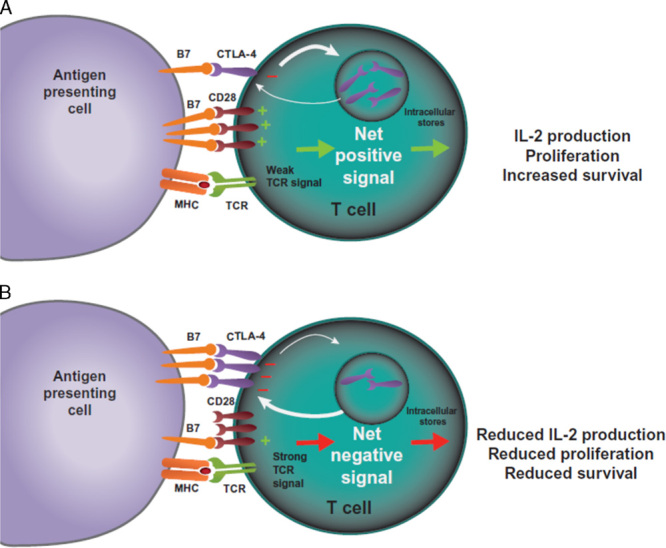
“However, CTLA-4 has a gr ate affinity for B7 than CD28 nd is able to outcompete it, transmitting inhibitory signals and preventing T cell activation [8,43].”
BackgroundMechanisms of checkpoint inhibition-induced adverse events
Urwyler, P., Earnshaw, I., Bermudez, M., Perucha, E., Wu, W., Ryan, S. E., Mcdonald, L., Karagiannis, S. N., Taams, L. S., Powell, N., et al. (2020) · Clinical & Experimental Immunology · doi:10.1111/cei.13421 · Cited by 56
Recent Developments of Systemic Chemotherapy for Gastric Cancer
Arai, H., & Nakajima, T. E. (2020) · Cancers · doi:10.3390/cancers12051100 · Cited by 51
Silva, P. D., Aiello, M. M., Gu‐Trantien, C., Migliori, E., Willard-Gallo, K. E., & Solinas, C. (2020) · International Journal of Cancer · doi:10.1002/ijc.33415 · Cited by 51
Immune Checkpoint Inhibitory Therapy in Sarcomas: Is There Light at the End of the Tunnel?
Siozopoulou, V., Domen, A., Zwaenepoel, K., Beeck, A. V., Smits, E., Pauwels, P., & Marcq, E. (2021) · Cancers · doi:10.3390/cancers13020360 · Cited by 50
“Another example of an IC is cytotoxic T-lymphocyte-associated antigen4 (CTLA-4) which binds with B7 on the antigen presenting cells (APC) [12].”
BackgroundGuo, X.-J., Lu, J., Zeng, H., Zhou, R., Sun, Q., Yang, G., Pei, Y.-Z., Meng, X., Shen, Y., Zhang, P., et al. (2021) · Frontiers in Immunology · doi:10.3389/fimmu.2021.705378 · Cited by 53
Oncolytic viruses: advanced strategies in cancer therapy
Xiao, D., Zhang, H., Liu, Y., Li, Y., Li, G., & Ning, Y. (2026) · Signal Transduction and Targeted Therapy · doi:10.1038/s41392-025-02343-3 · Cited by 72
“320 This interaction creates an immunosuppressive TME, promoting cancer progression despite a functional immune system.”
Ebola Virus Disease in Humans: Pathophysiology and Immunity
Muñoz‐Fontela, C., & McElroy, A. K. (2017) · Current topics in microbiology and immunology · doi:10.1007/82_2017_11 · Cited by 61
“To some extent, this lack of T cell effectiveness may be related to defects in negative immune checkpoints, namely the molecular mechanisms that control the transition from activation to immune homeostasis and that are essential for autoimmune control (Buchbinder and Desai 2016) .”
BackgroundHollander, P., Kamper, P., Smedby, K. E. E., Enblad, G., Ludvigsen, M., Mortensen, J. B., Amini, R., Hamilton-Dutoit, S. J., d’Amore, F., Molin, D., et al. (2017) · Blood Advances · doi:10.1182/bloodadvances.2017006346 · Cited by 52
Kim, H., Griffith, T. S., & Panyam, J. (2019) · Journal of Pharmacology and Experimental Therapeutics · doi:10.1124/jpet.118.254953 · Cited by 52
“Cytotoxic T-lymphocyte antigen 4 (CTLA4) is a homolog of T-cell-activating molecule CD28 (Buchbinder and Desai, 2016).”
BackgroundDruggable Molecular Targets for the Treatment of Triple Negative Breast Cancer
Nakhjavani, M., Hardingham, J. E., Palethorpe, H. M., Price, T. J., & Townsend, A. R. (2019) · Journal of Breast Cancer · doi:10.4048/jbc.2019.22.e39 · Cited by 55
“Therefore, inhibition of CTLA-4 is thought to induce proliferation of T cells leading to a boost of immune responses in the body [8].”
BackgroundImmunotherapy-induced endocrinopathies: assessment, management and monitoring
Nogueira, E. F., Newsom‐Davis, T., & Morganstein, D. L. (2019) · Therapeutic Advances in Endocrinology and Metabolism · doi:10.1177/2042018819896182 · Cited by 51
Innate Immune Cells and Their Contribution to T-Cell-Based Immunotherapy
Ginefra, P., Lorusso, G., & Vannini, N. (2020) · International Journal of Molecular Sciences · doi:10.3390/ijms21124441 · Cited by 49
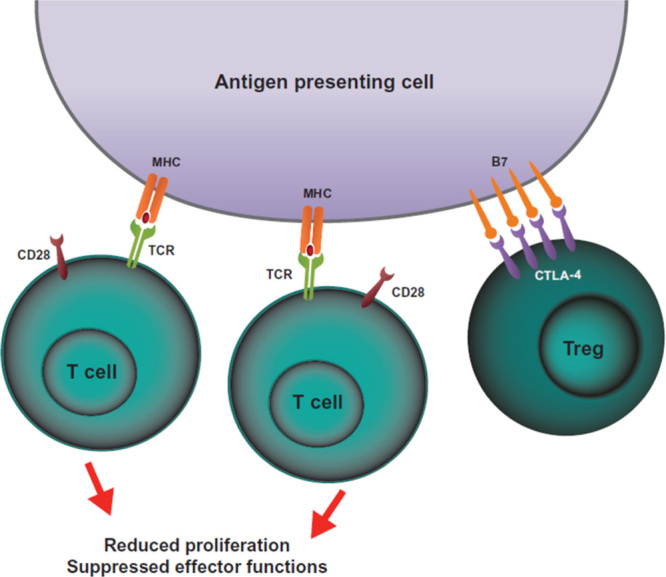
“CTLA-4 is expressed by activated T cells and regulatory T cells (Treg) [3] and induces immune tolerance and T cell anergy upon binding to CD80 and CD86 expressed by antigen-presenting cells (APC) [4].”
BackgroundMacpherson, A. M., Barry, S. C., Ricciardelli, C., & Oehler, M. K. (2020) · Journal of Clinical Medicine · doi:10.3390/jcm9092967 · Cited by 56
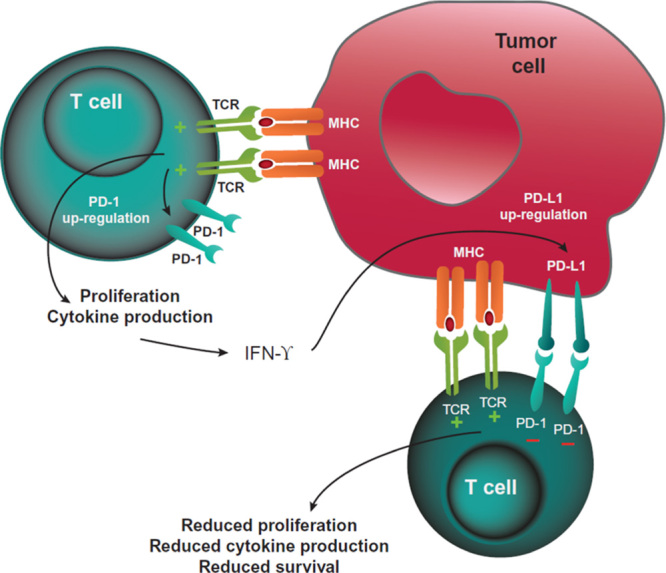
“Increased activation of the pathway results in increased Treg recruitment and tolerance [175], with reduced effector T-cell proliferation, cytokine production, and survival [176].”
BackgroundCancer evolution: A means by which tumors evade treatment
Zhu, X. M., Shi, L., Xu, B., & Luo, H. (2020) · Biomedicine & Pharmacotherapy · doi:10.1016/j.biopha.2020.111016 · Cited by 57
Chen, J., Li, S., Yao, Q., Du, N., Fu, X., Lou, Y., Wang, M., Mao, F., Mao, D., Khadaroo, P. A., et al. (2020) · World Journal of Surgical Oncology · doi:10.1186/s12957-020-01933-5 · Cited by 48
Luby, A., & Alves‐Guerra, M. (2021) · Cancers · doi:10.3390/cancers13235912 · Cited by 54
“In the context of immunotherapy treatment, KD enhanced innate and adaptive immunity in a mouse model of glioma by decreasing the expression of PD1, PDL1 and CTLA4 immune checkpoints and improving the infiltration and cytotoxic activity of TILs [183].”
BackgroundInfluentialTumor Microenvironment and Microvascular Density in Human Glioblastoma
Tamma, R., Ingravallo, G., Annese, T., d’Amati, A., Lorusso, L., & Ribatti, D. (2022) · Cells · doi:10.3390/cells12010011 · Cited by 51
“immune checkpoint signaling pathways such as the PD-1/PD-L1 axis and CTLA4 significantly improves survival [35,36].”
BackgroundNew therapeutic strategies for malignant pleural mesothelioma
Bonelli, M. A., Fumarola, C., Monica, S. L., & Alfieri, R. R. (2016) · Biochemical Pharmacology · doi:10.1016/j.bcp.2016.07.012 · Cited by 57
“On the other and, the PD-1 pathway regulates effector T cells at the later stages of the immune response in peripheral tissues [80].”
BackgroundKroon, P., Frijlink, E., Iglesias‐Guimarais, V., Volkov, A., van Buuren, M. M., Schumacher, T. N., Verheij, M., Borst, J. G., & Verbrugge, I. (2019) · Cancer Immunology Research · doi:10.1158/2326-6066.cir-18-0654 · Cited by 53
“Compared to targeting CTLA-4, targeting PD-1 is generally more successful and is associated with fewer autoimmune symptoms (Buchbinder and Desai, 2016).”
BackgroundDuan, J., Wang, Y., & Jiao, S. (2018) · Cancer Medicine · doi:10.1002/cam4.1722 · Cited by 51
The Δ133p53β isoform promotes an immunosuppressive environment leading to aggressive prostate cancer
Kazantseva, M., Mehta, S., Eiholzer, R. A., Gimenez, G., Bowie, S., Campbell, H., Reily-Bell, A. L., Roth, I., Ray, S., Drummond, C., et al. (2019) · Cell Death and Disease · doi:10.1038/s41419-019-1861-1 · Cited by 41
Resistance Mechanism of PD-1/PD-L1 Blockade in the Cancer-Immunity Cycle
Zhuang, Y., Liu, C. X., Liu, J., & Li, G. (2020) · OncoTargets and Therapy · doi:10.2147/ott.s239398 · Cited by 50
“CTLA4 is primarily expressed on regulatory T cells (Tregs), Tregs are negative immunoregulatory cells which have inhibitory effects on tumor immunity.(51,52) The combination of anti-PD-1 and anti-CTLA-4 synergistically reduces inhibitory signals and enhances anti-tumor response.”
BackgroundRubio‐Infante, N., Ramírez‐Flores, Y. A., Castillo, E. C., Lozano, O., García‐Rivas, G., & Torre‐Amione, G. (2022) · Frontiers in Cell and Developmental Biology · doi:10.3389/fcell.2022.851032 · Cited by 50
“Given the difference in ligands distribution, PD-L1 is expressed in peripheral tissues, while the PD-1/PD-L1 axis is associated with local tolerance (Buchbinder and Desai, 2016).”
BackgroundMechanisms of Immunotherapy Resistance in Cutaneous Melanoma: Recognizing a Shapeshifter
Thornton, J., Chhabra, G., Singh, C. K., Guzmán‐Pérez, G., Shirley, C. A., & Ahmad, N. (2022) · Frontiers in Oncology · doi:10.3389/fonc.2022.880876 · Cited by 62
“Ipilimumab is an anti-CTLA-4 monoclonal antibody, meaning that it binds to CTLA-4 protein, blocking the interaction between CTLA-4 and its ligands (CD80 and CD86), and consequently inhibiting the activity of this protein (11, 12).”
BackgroundReinventing the human tuberculosis (TB) granuloma: Learning from the cancer field
Ashenafi, S., & Brighenti, S. (2022) · Frontiers in Immunology · doi:10.3389/fimmu.2022.1059725 · Cited by 53
Maul, J., Guillet, C., Oschmann, A., Maul, L. V., Meier-Schiesser, B., Stadler, P., French, L. E., & Kerl, K. (2023) · Journal of the European Academy of Dermatology and Venereology · doi:10.1111/jdv.18879 · Cited by 53
Gharib, E., & Robichaud, G. A. (2024) · International Journal of Molecular Sciences · doi:10.3390/ijms25179463 · Cited by 65
The Current and Evolving Landscape of First-Line Treatments for Advanced Renal Cell Carcinoma
Calvo, E., Porta, C., Grünwald, V., & Escudier, B. J. (2018) · The Oncologist · doi:10.1634/theoncologist.2018-0267 · Cited by 49
“PD-1 and CTLA-4 are involved in temporally, anatomically, and functionally different stages of the immune response [84], and combined inhibition of these pathways improved intratumoral infiltration of CD8+ T cells and antitumor efficacy in an animal model, and enhanced antitumor efficacy in patients with metastatic me…”
BackgroundLybaert, L., Vermaelen, K. Y., Geest, B. G. D., & Nuhn, L. (2018) · Journal of Controlled Release · doi:10.1016/j.jconrel.2018.09.009 · Cited by 54
Revising PTEN in the Era of Immunotherapy: New Perspectives for an Old Story
Piro, G., Carbone, C., Carbognin, L., Pilotto, S., Ciccarese, C., Iacovelli, R., Milella, M., Bria, E., & Tortora, G. (2019) · Cancers · doi:10.3390/cancers11101525 · Cited by 48
“Since the first success of the anti-CTLA-4 ipilimumab in metastatic melanoma, several practice-changing clinical studies have established the usefulness of such treatments in many solid tumor types [77,78].”
BackgroundTLRs as a Promise Target Along With Immune Checkpoint Against Gastric Cancer
Cui, L., Wang, X., & Zhang, D. (2021) · Frontiers in Cell and Developmental Biology · doi:10.3389/fcell.2020.611444 · Cited by 48
“Prolonged TCR stimulation induces the secretion of interferon-γ (IFN-γ) to increased PD-L1 in cancer cells (Buchbinder and Desai, 2016).”
BackgroundHaddad, A. F., Young, J. S., Gill, S. A., & Aghi, M. K. (2022) · Seminars in Cancer Biology · doi:10.1016/j.semcancer.2022.02.019 · Cited by 50
Ravindranathan, S., Passang, T., Li, J.-M., Wang, S., Dhamsania, R. K., Ware, M. B., Zaidi, M. Y., Zhu, J., Cardenas, M. A., Liu, Y., et al. (2022) · Nature Communications · doi:10.1038/s41467-022-34242-4 · Cited by 54
Immunosuppression in Sepsis: Biomarkers and Specialized Pro-Resolving Mediators
Padovani, C. M., & Yin, K. (2024) · Biomedicines · doi:10.3390/biomedicines12010175 · Cited by 52
“Similarly, PD-1 can interact with PD-L1 on the APC’s surface, leading to T-cell anergy and exhaustion [23].”
BackgroundInfluentialCurrent status and future prospects for human papillomavirus vaccines
Kim, H. J., & Kim, H. (2017) · Archives of Pharmacal Research · doi:10.1007/s12272-017-0952-8 · Cited by 50
“Recently, Xiamen INNOVAX Biotech (Xiamen, China) started a phase I clinical trial for Gelcolin (HPV6 and HPV11 L1 VLPs, developed for preventing genital warts) and a phase III clinical trial for Celcolin (HPV16 and HPV18 L1 VLPs for preventing cervical cancer).”
BackgroundInfluentialChowdhury, F. A., Hossain, M. K., Mostofa, A., Akbor, M. M., & Sayeed, M. S. B. (2018) · BioMed Research International · doi:10.1155/2018/4010629 · Cited by 52
Immune Checkpoint Blockade: The New Frontier in Cancer Treatment
Clarke, J. M., George, D. J., Lisi, S., & Salama, A. K. S. (2018) · Targeted Oncology · doi:10.1007/s11523-017-0549-7 · Cited by 47
“One method for fighting malignancies is to increase activation of the immune system, which is required for successful destruction of cancer cells [2].”
BackgroundMethodInflammatory myopathy with myasthenia gravis
Uchio, N., Taira, K., Ikenaga, C., Kadoya, M., Unuma, A., Yoshida, K., Nakatani‐Enomoto, S., Hatanaka, Y., Sakurai, Y., Shiio, Y., et al. (2018) · Neurology Neuroimmunology & Neuroinflammation · doi:10.1212/nxi.0000000000000535 · Cited by 47
Immune Checkpoint Inhibitors in Lung Cancer and Melanoma
Madden, K. M., & Kasler, M. K. (2019) · Seminars in Oncology Nursing · doi:10.1016/j.soncn.2019.08.011 · Cited by 53
Radiotherapy as a Backbone for Novel Concepts in Cancer Immunotherapy
Kabiljo, J., Harpain, F., Carotta, S., & Bergmann, M. M. (2019) · Cancers · doi:10.3390/cancers12010079 · Cited by 49
“In the context of cancer immunology, this missing CD28 stimulation can dampen the generation of active cytotoxic T-cells in tumor-associated draining lymph nodes [140].”
BackgroundInfluentialResisting Resistance to Immune Checkpoint Therapy: A Systematic Review
Haibe, Y., Husseini, Z. E., Sayed, R. E., & Shamseddine, A. I. (2020) · International Journal of Molecular Sciences · doi:10.3390/ijms21176176 · Cited by 48
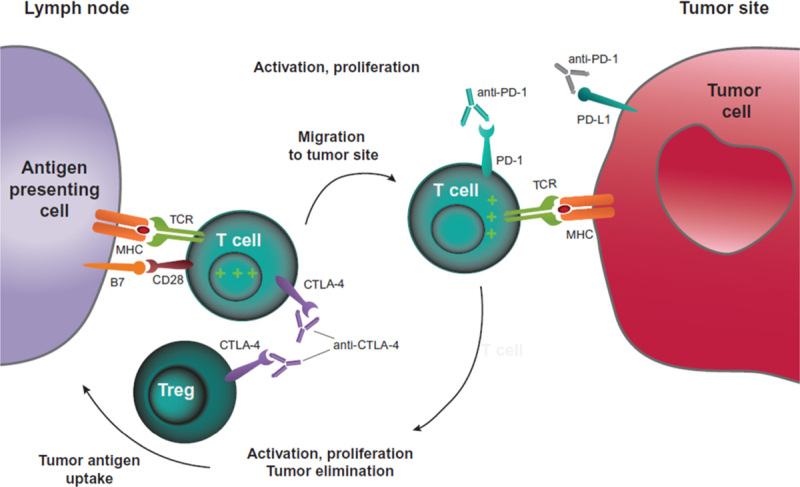
“They act at the level of lymph nodes in early immune activation [117].”
BackgroundWell‐Defined Mannosylated Polymer for Peptide Vaccine Delivery with Enhanced Antitumor Immunity
Lv, S., Song, K., Yen, A., Peeler, D. J., Nguyen, D. C., Olshefsky, A., Sylvestre, M., Srinivasan, S., Stayton, P. S., & Pun, S. H. (2021) · Advanced Healthcare Materials · doi:10.1002/adhm.202101651 · Cited by 49
Clinical spectrum of neuromuscular complications after immune checkpoint inhibition
Puwanant, A., Isfort, M. C., Lacomis, D., & Živković, S. (2018) · Neuromuscular Disorders · doi:10.1016/j.nmd.2018.11.012 · Cited by 49
Interplay between Cellular and Molecular Inflammatory Mediators in Lung Cancer
Orozco‐Morales, M., Soca‐Chafre, G., Barrios‐Bernal, P., Hernández‐Pedro, N., & Arrieta, O. G. (2016) · Mediators of Inflammation · doi:10.1155/2016/3494608 · Cited by 48
“These antibodies switch on immune system cells mediated by T cells, increasing their ability to recognize and destroy cancer cells [128, 130].”
BackgroundAttili, I., Passaro, A., Pavan, A., Conte, P., de Marinis, F., & Bonanno, L. (2017) · Critical Reviews in Oncology/Hematology · doi:10.1016/j.critrevonc.2017.09.007 · Cited by 48
Immune checkpoint inhibitor–induced inflammatory arthritis as a model of autoimmune arthritis
Cappelli, L. C., Thomas, M. A., Bingham, C. O., Shah, A. A., & Darrah, E. (2020) · Immunological Reviews · doi:10.1111/imr.12832 · Cited by 48
Nanomedicine in Non-Small Cell Lung Cancer: From Conventional Treatments to Immunotherapy
García-Fernández, C., Fornaguera, C., & Borrós, S. (2020) · Cancers · doi:10.3390/cancers12061609 · Cited by 48
“Both inhibit T cell activation through different mechanisms and at different levels [110].”
BackgroundInfluentialDavidov, V., Jensen, G. L., Mai, S., Chen, S., & Pan, P. (2020) · Frontiers in Immunology · doi:10.3389/fimmu.2020.01842 · Cited by 47
Improving Anti-PD-1/PD-L1 Therapy for Localized Bladder Cancer
de Jong, F. C., Rutten, V. C., Zuiverloon, T. C. M., & Theodorescu, D. (2021) · International Journal of Molecular Sciences · doi:10.3390/ijms22062800 · Cited by 50
“Hence, CTLA-4 blockade can facilitate T cell recognition and increases eradication of malignant cells, thus strengthening the immunological response (illustrated in Figure 2B) [77,78].”
BackgroundMolecular Mechanisms of Resistance to Immune Checkpoint Inhibitors in Melanoma Treatment: An Update
Vukadin, S., Khaznadar, F., Kizivat, T., Včev, A., & Smolić, M. (2021) · Biomedicines · doi:10.3390/biomedicines9070835 · Cited by 49
“Tumor imunogenity Low TMB Antigen loss CTLA-4 inhibition Radiotherapy + ICI ? [16,19,30,57]”
BackgroundInfluentialPD-L1 inhibitors in the pipeline: Promise and progress
Vanella, V., Festino, L., Strudel, M., Simeone, E., Grimaldi, A. M., & Ascierto, P. A. (2017) · OncoImmunology · doi:10.1080/2162402x.2017.1365209 · Cited by 44
“Inhibition of CTLA-4 and PD1, resulting in increased activation of the immune system, has since shown efficacy in patients with non-small-cell lung cancer (NSCLC), bladder, head and neck, and other cancers.(1) CTLA-4 and PD-1 immune checkpoints are negative regulators of T-cell immune function.”
BackgroundRationale of Immunotherapy in Hepatocellular Carcinoma and Its Potential Biomarkers
Tai, D. W.-M., Choo, S. P., & Chew, V. (2019) · Cancers · doi:10.3390/cancers11121926 · Cited by 46
Rusch, V. W., Nicholas, A., Patterson, G. A., Waqar, S. N., Toloza, E. M., Haura, E. B., Raz, D. J., Reckamp, K. L., Merritt, R. E., Owen, D. H., et al. (2022) · Journal of Thoracic and Cardiovascular Surgery · doi:10.1016/j.jtcvs.2022.10.007 · Cited by 50
“The discovery of immune regulatory pathways in cancer, including the important role of the programmed death-1/programmed death ligand 1 (PD-L1) pathways, and the development of drugs targeting those pathways, have revolutionized the treatment of many solid tumors, including NSCLC. 17 These immune checkpoint inhibitors…”
BackgroundInfluentialRheumatic Immune-Related Adverse Events due to Immune Checkpoint Inhibitors—A 2023 Update
Dang, Q. M., Watanabe, R., Shiomi, M., Fukumoto, K., Nobashi, T. W., Okano, T., Yamada, S., & Hashimoto, M. (2023) · International Journal of Molecular Sciences · doi:10.3390/ijms24065643 · Cited by 54
“Compared to PD-1, CTLA-4 has a more proximal role, acting as a higher-affinity competitor to CD28, thus limiting T cell activation at the priming stage [22].”
BackgroundAltered cancer metabolism and implications for next-generation CAR T-cell therapies
Ramapriyan, R., Vykunta, V. S., Vandecandelaere, G., Richardson, L. G., Sun, J. M., Curry, W. T., & Choi, B. D. (2024) · Pharmacology & Therapeutics · doi:10.1016/j.pharmthera.2024.108667 · Cited by 49
The role of gut microbial metabolites in the T cell lifecycle
Tran, M. T., Huh, J. R., & Devlin, A. S. (2025) · Nature Immunology · doi:10.1038/s41590-025-02227-2 · Cited by 62
“In this study, TMAO delivery enhanced immune checkpoint blockade (ICB) therapy, which interferes with co-inhibitory receptors like PD-1 or CTLA-4 to spur T cell activity and promote antitumor or antibacterial cytotoxicity 50–53 .”
Racacho, K. J., Shiau, Y., Villa, R., Mahri, S., Tang, M., Lin, T., & Li, Y. (2025) · Frontiers in Immunology · doi:10.3389/fimmu.2025.1621812 · Cited by 72
“These therapies harness cytotoxic CD8 + T cells to induce durable anti-tumor responses and long-lasting remissions (91, 197).”
InfluentialMUC1 Mucin: A Putative Regulatory (Checkpoint) Molecule of T Cells
Agrawal, B., Gupta, N., & Konowalchuk, J. D. (2018) · Frontiers in Immunology · doi:10.3389/fimmu.2018.02391 · Cited by 46
Late-onset Stevens–Johnson syndrome due to nivolumab use for hepatocellular carcinoma
Dasanu, C. A. (2019) · Journal of Oncology Pharmacy Practice · doi:10.1177/1078155219830166 · Cited by 43
“In addition, SJS/TEN has been reported in patients receiving pembrolizumab, another monoclonal antibody against PD-1, and ipilimumab, a monoclonal antibody against common T-cell antigen-4 (CTLA-4).(7,8) O note, the CTLA-4 blockade promotes early T-cell multiplication in lymph nodes, whereas PD1 blockade affects predom…”
BackgroundCytotoxic T Cells and their Activation Status are Independent Prognostic Markers in Meningiomas
Rapp, C., Dettling, S., Liu, F., Ull, A. T., Warta, R., Jungk, C., Roesch, S., Möck, A., Sahm, F., Schmidt, M., et al. (2019) · Clinical Cancer Research · doi:10.1158/1078-0432.ccr-19-0389 · Cited by 42
Role of immune checkpoint inhibitors in the revolutionization of advanced melanoma care
Singh, S., Numan, A., Agrawal, N., Tambuwala, M. M., Singh, V., & Kesharwani, P. (2020) · International Immunopharmacology · doi:10.1016/j.intimp.2020.106417 · Cited by 45
An Overview of Cancer Prevention: Chemoprevention and Immunoprevention
Gu, K. J., & Li, G. (2020) · Journal of Cancer Prevention · doi:10.15430/jcp.2020.25.3.127 · Cited by 59
“T cell activity occurs through the binding of the T cell receptor (TCR) to antigens present on the major histocompatibility complex (MHC) located on the antigen-presenting cell (APC) surface [61].”
BackgroundNanomedicine enables spatiotemporally regulating macrophage-based cancer immunotherapy
Zhao, Y., Mamuti, M., An, H., Fang, X., Zhao, Y., & Wang, H. (2020) · Biomaterials · doi:10.1016/j.biomaterials.2020.120552 · Cited by 47
Köhler, N., Ruess, D. A., Kesselring, R., & Zeiser, R. (2021) · Frontiers in Immunology · doi:10.3389/fimmu.2021.634435 · Cited by 48
Kalinin, R. S., Ukrainskaya, V. M., Chumakov, S. P., Moysenovich, A. M., Tereshchuk, V. M., Volkov, D. V., Pershin, D., Maksimov, E. G., Zhang, H., Maschan, M. A., et al. (2021) · Frontiers in Molecular Biosciences · doi:10.3389/fmolb.2021.745286 · Cited by 46
Immunotherapy for Esophageal Cancer: State-of-the Art in 2021
Farinha, H. T., Digklia, A., Schizas, D., Demartines, N., Schäfer, M., & Mantziari, S. (2022) · Cancers · doi:10.3390/cancers14030554 · Cited by 45
“T-cells, cancer cells use the CTLA-4 pathway to escape and promote tumor growth [4,24,25].”
BackgroundNew Multitarget Approaches in the War Against Glioblastoma: A Mini-Perspective
Sestito, S., Runfola, M., Tonelli, M., Chiellini, G., & Rapposelli, S. (2018) · Frontiers in Pharmacology · doi:10.3389/fphar.2018.00874 · Cited by 46
“Indeed, several clinical trials of checkpoint inhibitors are ongoing in GBM, as well as in other brain carcinomas, either as single agents or in combination with conventional therapy (Buchbinder and Desai, 2016; Roth et al., 2016).”
BackgroundWu, Y. C., Shi, H. M., Jiang, M., Qiu, M., Jia, K., Cao, T., Shang, Y., Shi, L., Jiang, K., & Wu, H. (2017) · International Journal of Cancer · doi:10.1002/ijc.31012 · Cited by 46
“Ipilimumab inhibits CTLA-4, and has been shown to improve OS in solid cancer patients.(4) PD-1, also termed CD279, is another immune-checkpoint receptor and is expressed on T cells.”
BackgroundTargeting DNA Damage Response and Immune Checkpoint for Anticancer Therapy
Huang, J.-L., Chang, Y.-T., Hong, Z.-Y., & Lin, C.-S. (2022) · International Journal of Molecular Sciences · doi:10.3390/ijms23063238 · Cited by 42
“High-expression of CTLA-1, PD-L1, and PD-L2 immune checkpoint molecules in cancer cells is an important mechanism underlying immune escape of cancer cells [88].”
BackgroundComprehensive genomic profiling for oncological advancements by precision medicine
Pankiw, M., Brezden‐Masley, C., & Charames, G. S. (2023) · Medical Oncology · doi:10.1007/s12032-023-02228-x · Cited by 62
“The cytotoxic T-lymphocyte-associated antigen 4 (CTLA-4) is an immune regulatory agent that modulates the activities of T-cells, primarily in lymph nodes [44].”
Polygenic risk score for ulcerative colitis predicts immune checkpoint inhibitor-mediated colitis
Middha, P., Thummalapalli, R., Betti, M. J., Yao, L., Quandt, Z., Balaratnam, K., Bejan, C. A., Cardenas, E. R., Falcon, C. J., Faleck, D. M., et al. (2024) · Nature Communications · doi:10.1038/s41467-023-44512-4 · Cited by 46
“Reviewer #1 (Remarks to the Author): with expertise in cancer immunotherapy, genetics, clinical”
Hsu, C., Pallathadka, H., Jasim, S. A., Rizaev, J. A., Bokov, D. O., Hjazi, A. M., Mahajan, S., Mustafa, Y. F., Husseen, B., & Jawad, M. A. (2024) · Critical Reviews in Oncology/Hematology · doi:10.1016/j.critrevonc.2024.104588 · Cited by 59
Roles of immune microenvironment heterogeneity in therapy-associated biomarkers in lung cancer
Wang, L., Zhu, B., Zhang, M., & Wang, X. (2016) · Seminars in Cell and Developmental Biology · doi:10.1016/j.semcdb.2016.09.008 · Cited by 45
Molecular and Genomic Determinants of Response to Immune Checkpoint Inhibition in Cancer
Jenkins, R. W., Thummalapalli, R., Carter, J., Cañadas, I., & Barbie, D. A. (2017) · Annual Review of Medicine · doi:10.1146/annurev-med-060116-022926 · Cited by 44
Phenotypic and Functional Properties of Tumor-Infiltrating Regulatory T Cells
Lee, G. R. (2017) · Mediators of Inflammation · doi:10.1155/2017/5458178 · Cited by 53
“Immune checkpoint receptors are immune inhibitory receptors that are often highly expressed in the TME [79].”
BackgroundImmune Checkpoint Molecules, Personalized Immunotherapy, and Autoimmune Diabetes
Orabona, C., Mondanelli, G., Puccetti, P., & Grohmann, U. (2018) · Trends in Molecular Medicine · doi:10.1016/j.molmed.2018.08.005 · Cited by 47
Augmenting the synergies of chemotherapy and immunotherapy through drug delivery
Kim, J., Manspeaker, M. P., & Thomas, S. N. (2019) · Acta Biomaterialia · doi:10.1016/j.actbio.2019.02.012 · Cited by 42
Emerging Role of Immunotherapy for Colorectal Cancer with Liver Metastasis
Yu, X., Zhu, L., Liu, J., Xie, M., Chen, J., & Li, J. (2020) · OncoTargets and Therapy · doi:10.2147/ott.s271955 · Cited by 51
“ICIs are the antibodies against CTLA-4, PD-1, or PD-L1 that can restore antitumor immune responses, leading to impressive clinical responses in various cancers.(67,68) The most successful immunotherapeutic strategy is blocking the pD-1/ PD-L1,(69) and this is linked to strong clinical responses in many cancers, such a…”
BackgroundImmunotherapy use outside clinical trial populations: never say never?
Rzeniewicz, K., Larkin, J., Menzies, A. M., & Turajlic, S. (2021) · Annals of Oncology · doi:10.1016/j.annonc.2021.03.199 · Cited by 43
Hou, J., He, Z., Liu, T., Chen, D., Wang, B., Wen, Q., & Zheng, X. (2022) · Frontiers in Oncology · doi:10.3389/fonc.2022.755053 · Cited by 59
“Cytotoxic T lymphocyte antigen 4 (CTLA4) and programmed cell death 1 (PD-1) are most known negative regulators of T-cell immune function (108).”
BackgroundCoukos, A., Vionnet, J., Obéid, M., Bouchaab, H., Peters, S., Latifyan, S., Wicky, A. M., Michielin, O. A., Chtioui, H., Moradpour, D., et al. (2022) · Journal for ImmunoTherapy of Cancer · doi:10.1136/jitc-2022-005635 · Cited by 44
The gut microbiota and immune checkpoint inhibitors
Humphries, A., & DAUD, A. I. (2018) · Human Vaccines & Immunotherapeutics · doi:10.1080/21645515.2018.1442970 · Cited by 47
“Other known distinctions between the CTLA-4 and PD-1 receptor proteins include their membrane location and endocytosis (for CTLA-4), immune cell location, associated antigen presenting cells, and the phase in which each regulates T-cell proliferation.(26) Moreover, whether the impact of commensal bacteria on systemic…”
BackgroundContreras-Salgado, E. A., Sánchez-Morán, A. G., Rodríguez-Preciado, S. Y., Sifuentes-Franco, S., Rodríguez-Rodríguez, R., Macías-Barragán, J., & Díaz-Zaragoza, M. (2024) · Microbiology Research · doi:10.3390/microbiolres15030113 · Cited by 42
Signaling Pathways and Natural Compounds in Triple-Negative Breast Cancer Cell Line
Dewi, C., Fristiohady, A., Amalia, R., Ikram, N. K. K., Ibrahim, S., & Muchtaridi, M. (2022) · Molecules · doi:10.3390/molecules27123661 · Cited by 51
“Another way is through CTLA-4 depleting B7 protein in APC, preventing B7 from performing its critical function of suppressing immunological responses in the body [57].”
BackgroundModelling the tumor immune microenvironment for precision immunotherapy
Mackenzie, N. J., Nicholls, C., Templeton, A. R., Perera, O. M., Jeffery, P. L., Zimmermann, K., Kulasinghe, A., Kenna, T., Vela, I., Williams, E. D., et al. (2022) · Clinical & Translational Immunology · doi:10.1002/cti2.1400 · Cited by 46
“CTLA-4 and PD-1/PD-L1 in particular have been found to be highly expressed in a wide range of malignancies and have subsequently attracted the most interest to date.(35) Currently, there are a handful of FDAapproved ICIs targeting the CTLA-4 and PD-1/PDL1 axes in various cancers, with several novel mAbs currently bein…”
BackgroundMetastasis organotropism in colorectal cancer: advancing toward innovative therapies
He, K., Wang, Z., Luo, M., Li, B., Ding, N., Li, L., He, B., Wang, H., Cao, J., Huang, C., et al. (2023) · Journal of Translational Medicine · doi:10.1186/s12967-023-04460-5 · Cited by 54
“As an illustration, PD-1, PD-L1, and CTLA-4 act as negative modulators of T cells, serving an essential purpose in controlling immune reactions and averting autoimmunity through the dampening of T cell activation [208].”
Chen, K., Duong, B. T. V., Ahmed, S. U., Dhavarasa, P., Wang, Z., Labib, M., Flynn, C. D., Xu, J., Zhang, Y. Y., Wang, H., et al. (2023) · Nature Communications · doi:10.1038/s41467-023-41285-8 · Cited by 45
“The CD152 pathway is involved in the inhibition of T cell activation which typically occurs in lymph nodes 53 , suggesting that sEVs can elicit longer range immune-suppression beyond the tumor site.”
Regulating the regulatory T cells as cell therapies in autoimmunity and cancer
Hosseinalizadeh, H., Rabiee, F., Eghbalifard, N., Rajabi, H., Klionsky, D. J., & Rezaee, A. (2023) · Frontiers in Medicine · doi:10.3389/fmed.2023.1244298 · Cited by 49
NK/T Cell Lymphoma: Updates in Therapy
Suzuki, R. (2018) · Current Hematologic Malignancy Reports · doi:10.1007/s11899-018-0430-5 · Cited by 41
CTCs 2020: Great Expectations or Unreasonable Dreams
Rossi, E. M. C., & Fabbri, F. (2019) · Cells · doi:10.3390/cells8090989 · Cited by 46
“Recently, several authors demonstrated a crosstalk between different CTCs subpopulations and the immune system [42,43].”
BackgroundCTLA-4 Expression and Its Clinical Significance in Breast Cancer
Kern, R., & Panis, C. (2021) · Archivum Immunologiae et Therapiae Experimentalis · doi:10.1007/s00005-021-00618-5 · Cited by 44
Management of Hepatocellular Carcinoma Recurrence after Liver Transplantation
Pelizzaro, F., Gambato, M., Gringeri, E., Vitale, A., Cillo, U., Farinati, F., Burra, P., & Russo, F. P. (2021) · Cancers · doi:10.3390/cancers13194882 · Cited by 45
Current Treatments and New Possible Complementary Therapies for Epithelial Ovarian Cancer
Garrido, M. P., Fredes, A. N., Lobos‐González, L., Valenzuela, M., Vera, D. B., & Romero, C. (2021) · Biomedicines · doi:10.3390/biomedicines10010077 · Cited by 53
“In this context, regulatory T cells (Treg) and inhibitory surface molecules, including cytotoxic T lymphocyte-associated protein 4 (CTLA4), programmed cell death receptor 1 (PD1) and its ligand (PD-L1), are induced during immune responses and represent immune checkpoints [125,126].”
BackgroundImmune Checkpoint Inhibitor Rechallenge and Resumption: a Systematic Review
Plazy, C., Hannani, D., & Gobbini, É. (2022) · Current Oncology Reports · doi:10.1007/s11912-022-01241-z · Cited by 47
On the Horizon: Targeting Next-Generation Immune Checkpoints for Cancer Treatment
Tundo, G. R., Sbardella, D., Lacal, P. M., Graziani, G., & Marini, S. (2019) · Chemotherapy · doi:10.1159/000500902 · Cited by 44
The Nephrotoxicity of Drugs Used in Causal Oncological Therapies
Hałka, J., Spaleniak, S., Kade, G., Antosiewicz, S., & Sigorski, D. (2022) · Current Oncology · doi:10.3390/curroncol29120760 · Cited by 49
“Pharmacological inhibition of CTLA-4 and disruption of the PD-1/PDL1 axis enhance the anti-tumoral activity of lymphocytes [74].”
BackgroundMechanisms of Melanoma Progression and Treatment Resistance: Role of Cancer Stem-like Cells
Hmada, Y. A., Brodell, R. T., Kharouf, N., Flanagan, T. W., AlAmodi, A. A., Hassan, S.-Y., Shalaby, H., Hassan, S.-L., Haïkel, Y., Megahed, M., et al. (2024) · Cancers · doi:10.3390/cancers16020470 · Cited by 49
“Inhibition of these immune checkpoint inhibitors by anti-CTLA4 and anti-PD-1 antibodies demonstrated significant tumor regression and long-term durable cancer control when compared to other systematic therapies [238,239].”
BackgroundNSCLC: from tumorigenesis, immune checkpoint misuse to current and future targeted therapy
Kafkova, L. R., Mierzwicka, J. M., Chakraborty, P., Jakubec, P., Fischer, O., Škarda, J., Malý, P., & Raška, M. (2024) · Frontiers in Immunology · doi:10.3389/fimmu.2024.1342086 · Cited by 57
“CTLA-4/B7 function in different phases in comparison to the PD-1/PD-L1 axis, and thus synergistic inhibition of both signaling pathways offers a potential solution to reduce tumor resistance during ICI monotherapy (113, 114).”
BackgroundEisenhut, F., Heim, L., Trump, S., Mittler, S., Sopel, N., Andreev, K., Ferrazzi, F., Ekici, A. B., Rieker, R. J., Springel, R., et al. (2016) · OncoImmunology · doi:10.1080/2162402x.2016.1256526 · Cited by 42
“CTLA4 is a target of current immunotherapy for NSCLC because it is known to negatively regulate T cell receptor signaling.(14) As we mapped the presence of FAM13A with effector T cell function in healthy T cells, we reasoned that FAM13A could inversely correlate with molecules known to block T cell activation like CTL…”
Background
Metadata
- Authors
- Buchbinder, E. I., & Desai, A.
- Affiliations
- Beth Israel Deaconess Medical Center (US)
- Corresponding author
- Buchbinder, Elizabeth I.
- Venue
- American Journal of Clinical Oncology
- Published
- 2016-02
- Volume
- 39
- Issue
- 1
- Pages
- 98-106
- ISSN
- 0277-3732 (ISSN-L)
- PMC
- PMC4892769
- OpenAlex
- W2263759961
- Semantic Scholar
- c9c3c3d663a529752c4069c96a394e11c1f1250d
- Cited by
- 2,360
- References
- 93
- Citations by year
- 2026: 183 · 2025: 259 · 2024: 300 · 2023: 262 · 2022: 308 · 2021: 287 · 2020: 265 · 2019: 196 · 2018: 170 · 2017: 101 · 2016: 25
- FWCI
- 10.61
- Type
- journal article
- Language
- en
- Open access
- hybrid
- doi.org
- Licence
- cc-by-nc-nd
- Locations
- American Journal of Clinical Oncology (publishedVersion, cc-by-nc-nd)
- Europe PMC (PubMed Central) (publishedVersion, cc-by-nc-nd)
- PubMed Central (publishedVersion, cc-by-nc-nd)
- PubMed (publishedVersion)
- Digital Access to Scholarship at Harvard (DASH) (Harvard University) (submittedVersion, cc-by)
- Funders
- Bristol-Myers Squibb
- Genentech
- Topics
- Health Sciences › Medicine › Oncology › Cancer Immunotherapy and Biomarkers
- Life Sciences › Immunology and Microbiology › Immunology › T-cell and B-cell Immunology
- Life Sciences › Immunology and Microbiology › Immunology › Immunotherapy and Immune Responses
- Keywords
- CTLA-4, PD-1, immune checkpoint, immune checkpoint inhibitors, ipilimumab, nivolumab, pembrolizumab, melanoma, non-small cell lung cancer, combination immunotherapy, T cell regulation, antitumor immunity
- MeSH terms
- Ipilimumab, Nivolumab, Antibodies, Monoclonal, Antineoplastic Agents, Carcinoma, Non-Small-Cell Lung, Humans, Immunotherapy, Lung Neoplasms, Melanoma, Skin Neoplasms, Signal Transduction, CTLA-4 Antigen, Programmed Cell Death 1 Receptor, Antibodies, Monoclonal, Humanized
About these checks
Registry, retraction, Cites and statistics results are computed, not judged, with one exception: a printed reference that no index lists is read once by a model before it counts as a citation error. Claims are extracted by a model and kept only when their quote appears verbatim in the text; each cited source is then checked, with a model’s help, for whether it says what the claim relies on. Those verdicts can be wrong — read the claim’s quote and the cited source before relying on one.
Statistics and arithmetic are recomputed, not judged.
Confidence bands are shown only for fields calibrated on our annotated test set. None is calibrated yet, so no band is shown.
What counts as a claim ›How we measure confidence ›How we check this ›
Are you an author, or do you see a problem with this page? Request a review
Data sources
Bibliographic data: Semantic Scholar, OpenAlex, Crossref.
Contains information from the Semantic Scholar Academic Graph Datasets, made available under the ODC Attribution License (ODC-BY 1.0).
Semantic Scholar’s data is described in: Kinney, R., et al. (2023). The Semantic Scholar Open Data Platform. arXiv:2301.10140.
