

CTLA-4 and PD-1 Pathways: Similarities, Differences, and Implications of Their Inhibition
Open accessThe DOI matches its Crossref record; 92 of the 93 references it cites were found in a registry or an index.
Abstract
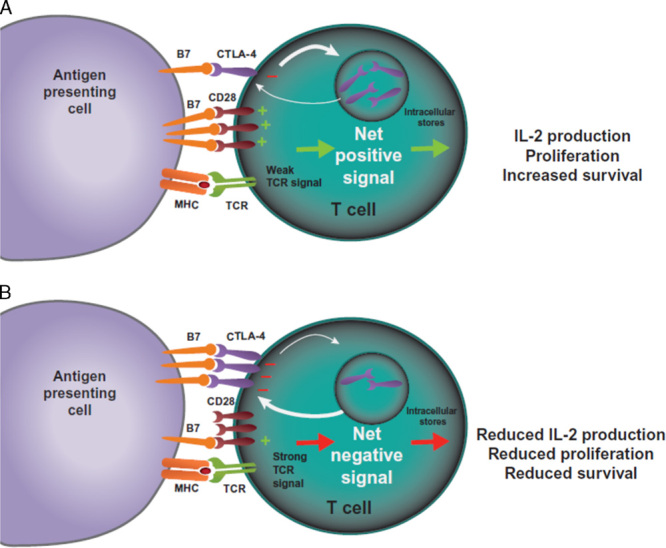
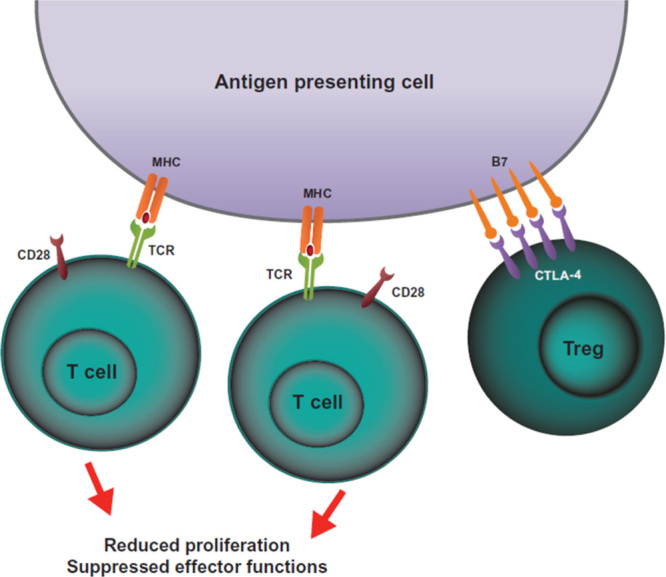
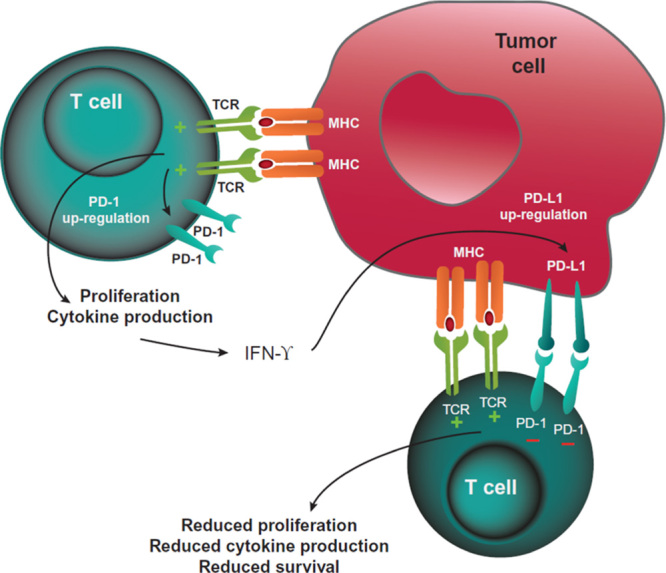
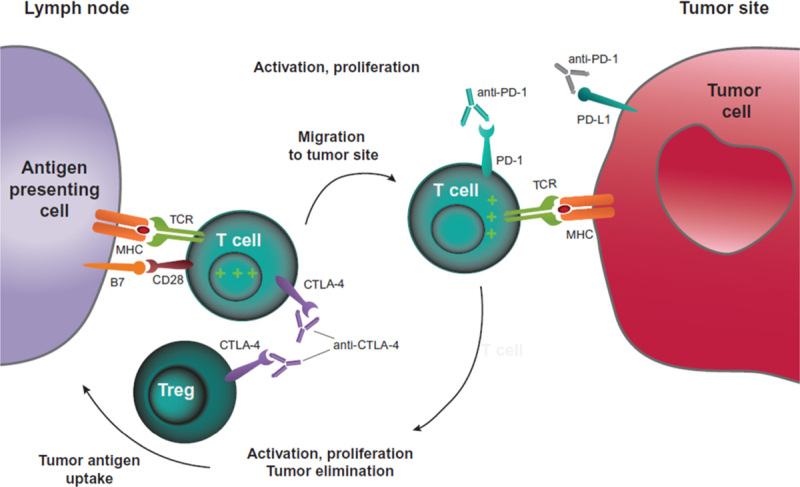
The cytotoxic T-lymphocyte-associated antigen 4 (CTLA-4) and programmed death 1 (PD-1) immune checkpoints are negative regulators of T-cell immune function. Inhibition of these targets, resulting in increased activation of the immune system, has led to new immunotherapies for melanoma, non-small cell lung cancer, and other cancers. Ipilimumab, an inhibitor of CTLA-4, is approved for the treatment of advanced or unresectable melanoma. Nivolumab and pembrolizumab, both PD-1 inhibitors, are approved to treat patients with advanced or metastatic melanoma and patients with metastatic, refractory non-small cell lung cancer. In addition the combination of ipilimumab and nivolumab has been approved in patients with BRAF WT metastatic or unresectable melanoma. The roles of CTLA-4 and PD-1 in inhibiting immune responses, including antitumor responses, are largely distinct. CTLA-4 is thought to regulate T-cell proliferation early in an immune response, primarily in lymph nodes, whereas PD-1 suppresses T cells later in an immune response, primarily in peripheral tissues. The clinical profiles of immuno-oncology agents inhibiting these 2 checkpoints may vary based on their mechanistic differences. This article provides an overview of the CTLA-4 and PD-1 pathways and implications of their inhibition in cancer therapy.
Overview
The claims and statistics of this paper haven’t been checked yet.
Free: it reads the open-access text and checks the first 5 claims that cite a source we can check. Create a free account to check every claim.
Integrity signals
Registry
Cites
Statistics
Figures
Verification
Claims the paper makes
The claims and statistics of this paper haven’t been checked yet.
Free: it reads the open-access text and checks the first 5 claims that cite a source we can check. Create a free account to check every claim.
Claims other papers make about this one
Each is checked against this paper’s own text: does it say what the citing paper says it does?
In the citing paper
“These differences may be the result of the different mechanisms of T cell inhibition by CTLA-4 and PD-1, as the former is understood to function more proximally to T cell activation and the latter is thought to function at later stages in the periphery (119).”
From Immune Checkpoint Inhibitors for the Treatment of Cancer: Clinical Impact and Mechanisms of Response and Resistance (2021) · cites this paper as [119]
In the citing paper
“While CTLA-4 regulates T cells proliferation early in the immune response within the lymph nodes, PD-1 suppresses T-cell activation later, within the body periphery [174].”
From Gut Microbiota and Cancer: From Pathogenesis to Therapy (2019) · cites this paper as [174]
Self-check
Percentages, sums and reported differences re-computed from the paper’s own numbers.
The self-check needs the paper’s full text.
Citations
Cites
PD-1 and PD-L1 Immune Checkpoint Blockade to Treat Breast Cancer
Hartkopf, A. D., Taran, F.-A., Wallwiener, M., Walter, C. B., Krämer, B., Grischke, E.-M., & Brucker, S. Y. (2016) · Breast Care · doi:10.1159/000453569 · Cited by 30,845
New response evaluation criteria in solid tumours: revised RECIST guideline (version 1.1)
Eisenhauer, E. A., Therasse, P., Bogaerts, J., Schwartz, L. H., Sargent, D., Ford, R., Dancey, J., Arbuck, S., Gwyther, S., Mooney, M., et al. (2009) · European Journal of Cancer · doi:10.1016/j.ejca.2008.10.026 · Cited by 29,534
Adverse Renal Effects of Immune Checkpoint Inhibitors: A Narrative Review
Wanchoo, R., Karam, S., Uppal, N. N., Barta, V. S., Deray, G., Devoe, C., Launay-Vacher, V., Jhaveri, K. D., & on behalf of Cancer and Kidney International Network Workgroup on Immune Checkpoint Inhibitors (2017) · American Journal of Nephrology · doi:10.1159/000455014 · Cited by 15,256
Improved Survival with Ipilimumab in Patients with Metastatic Melanoma
Hodi, F. S., O'Day, S. J., McDermott, D. F., Weber, R. W., Sosman, J. A., Haanen, J. B., Gonzalez, R., Robert, C., Schadendorf, D., Hassel, J. C., et al. (2010) · New England Journal of Medicine · doi:10.1056/nejmoa1003466 · Cited by 15,155 · cited 2×
“Consistent with its survival benefit, CTLA-4 blockade is associated with durable responses in a proportion of patients treated, with some responses reported to last >3 years.(51,54) More recently, PD-1 blockade has been shown to improve survival and progression-free survival in patients with metastatic melanoma and in…”
BackgroundThe blockade of immune checkpoints in cancer immunotherapy
Pardoll, D. M. (2012) · Nature Reviews Cancer · doi:10.1038/nrc3239 · Cited by 13,838 · cited 1×
“This has the potential to provide a more targeted signal with less unwanted toxicity, as selftolerance mediated through PD-1:PD-L2 interactions should be preserved.(37,49) Furthermore, as PD-L1 is known to bind CD80 as well as PD-1 to deliver inhibitory signals to T cells,(33) PDL1 inhibition with an appropriate antib…”
BackgroundSafety, activity, and immune correlates of anti–PD-1 antibody in cancer
Topalian, S. L., Hodi, F. S., Brahmer, J. R., Gettinger, S. N., Smith, D. C., McDermott, D. F., Powderly, J. D., Carvajal, R. D., Sosman, J. A., Atkins, M. B., et al. (2012) · New England Journal of Medicine · doi:10.1056/nejmoa1200690 · Cited by 12,628 · cited 1×
“Commonly reported immune-mediated AEs include rash or pruritus, gastrointestinal disorders, and endocri nopathies.(54,55,57,66,69,78,79) The overall rate of grade Z3 AEs was higher with ipilimumab (20%) compared with pembrolizumab (10% to 13%) in a phase III trial.”
BackgroundNivolumab versus docetaxel in advanced nonsquamous non-small-cell lung cancer
Borghaei, H., Paz-Ares, L., Horn, L., Spigel, D. R., Steins, M., Ready, N. E., Chow, L. Q., Vokes, E. E., Felip, E., Holgado, E., et al. (2015) · New England Journal of Medicine · doi:10.1056/nejmoa1507643 · Cited by 9,335
Nivolumab versus Docetaxel in Advanced Squamous-Cell Non–Small-Cell Lung Cancer
Brahmer, J., Reckamp, K. L., Baas, P., Crinò, L., Eberhardt, W. E. E., Poddubskaya, E., Antonia, S., Pluzanski, A., Vokes, E. E., Holgado, E., et al. (2015) · New England Journal of Medicine · doi:10.1056/nejmoa1504627 · Cited by 8,447
Combined Nivolumab and Ipilimumab or Monotherapy in Untreated Melanoma
Larkin, J., Chiarion-Sileni, V., Gonzalez, R., Grob, J. J., Cowey, C. L., Lao, C. D., Schadendorf, D., Dummer, R., Smylie, M., Rutkowski, P., et al. (2015) · New England Journal of Medicine · doi:10.1056/nejmoa1504030 · Cited by 8,157
Mutational landscape determines sensitivity to PD-1 blockade in non–small cell lung cancer
Rizvi, N. A., Hellmann, M. D., Snyder, A., Kvistborg, P., Makarov, V., Havel, J. J., Lee, W., Yuan, J., Wong, P., Ho, T. S., et al. (2015) · Science · doi:10.1126/science.aaa1348 · Cited by 7,802 · cited 1×
“As with CTLA-4, mutational burden and higher neoantigen burden have recently been shown to be associated with efficacy in patients with NSCLC treated with PD-1 blockade.(77)”
Background
Cited by
Items 301–400 of 1,003
From immune checkpoints to vaccines: The past, present and future of cancer immunotherapy
Osipov, A., Murphy, A. G., & Zheng, L. (2019) · Advances in cancer research · doi:10.1016/bs.acr.2019.03.002 · Cited by 78
Zhang, N., Tu, J., Wang, X., & Chu, Q. (2019) · Immunotherapy · doi:10.2217/imt-2018-0110 · Cited by 69
Reverting Immune Suppression to Enhance Cancer Immunotherapy
Guerrouahen, B. S., Maccalli, C., Cugno, C., Rutella, S., & Akporiaye, E. T. (2020) · Frontiers in Oncology · doi:10.3389/fonc.2019.01554 · Cited by 78
“Interestingly, due to cellular stress within the TME, the expression of CD155 increase at the surface of APCs during the malignant transformation (175).”
BackgroundInfluentialDeng, S., Sun, Z., Qiao, J., Liang, Y., Liu, L., Dong, C., Shen, A., Wang, Y., Tang, H., Fu, Y., et al. (2020) · JCI Insight · doi:10.1172/jci.insight.132000 · Cited by 73
“anti–CTLA-4 primarily regulates the immune response in lymph nodes (72).”
BackgroundParra, E. R., Ferrufino-Schmidt, M. C., Tamegnon, A., Zhang, J., Solis, L., Jiang, M., Ibarguen, H., Haymaker, C., Lee, J. J., Bernatchez, C., et al. (2021) · Scientific Reports · doi:10.1038/s41598-021-88156-0 · Cited by 65
Production of monoclonal antibodies for therapeutic purposes: A review
Alejandra, W.-P., Jiménez-Pérez, M. I., Antonio, G.-S. F., Patricia, R.-G. R., Elizabeth, T.-A., Aguilar-Aleman, J. P., & García‐Varela, R. (2023) · International Immunopharmacology · doi:10.1016/j.intimp.2023.110376 · Cited by 90
Enhancing Checkpoint Inhibitor Therapy with Ultrasound Stimulated Microbubbles
Bulner, S., Prodeus, A., Gariépy, J., Hynynen, K., & Goertz, D. E. (2018) · Ultrasound in Medicine & Biology · doi:10.1016/j.ultrasmedbio.2018.10.002 · Cited by 67
Severe hemophagocytic lymphohistiocytosis in a melanoma patient treated with ipilimumab + nivolumab
Hantel, A., Gabster, B. P., Cheng, J. X., Golomb, H. M., & Gajewski, T. F. (2018) · Journal for ImmunoTherapy of Cancer · doi:10.1186/s40425-018-0384-0 · Cited by 65
Agarwal, R., Narayan, J., Bhattacharyya, A., Saraswat, M., & Tomar, A. K. (2017) · Cancer Genetics · doi:10.1016/j.cancergen.2017.06.002 · Cited by 71
Immune checkpoint inhibitors in urothelial cancer: recent updates and future outlook
Gopalakrishnan, D., Koshkin, V. S., Ornstein, M. C., Papatsoris, A., & Grivas, P. D. (2018) · Therapeutics and Clinical Risk Management · doi:10.2147/tcrm.s158753 · Cited by 66
“The primary molecular targets for ICIs are the programmed cell death-1 (PD-1), programmed death-ligand 1 (PD-L1) and cytotoxic T-lymphocyte-associated protein 4 (CTLA-4) checkpoints, which act as co-inhibitory signals blocking anti-tumor effector T-cell responses, thereby downregulating anti-tumor response.(8) PD-1 is…”
Achievements and futures of immune checkpoint inhibitors in non-small cell lung cancer
Qiu, Z., Chen, Z., Zhang, C., & Zhong, W. (2019) · Experimental Hematology and Oncology · doi:10.1186/s40164-019-0143-z · Cited by 65
Amrane, K., Geier, M., Corre, R., Léna, H., Leveiller, G., Gadby, F., Lamy, R., Bizec, J., Goarant, E., Robinet, G., et al. (2020) · Cancer Medicine · doi:10.1002/cam4.2806 · Cited by 67
Falchook, G. S., Peeters, M., Rottey, S., Dirix, L. Y., Obermannova, R. L., Cohen, J. E., Perets, R., Frommer, R. S., Bauer, T. M., Wang, J. S.-Z., et al. (2021) · Investigational New Drugs · doi:10.1007/s10637-021-01088-4 · Cited by 68
Systemic therapy for brain metastases
Rick, J. W., Shahin, M. N., Chandra, A., Ore, C. L. D., Yue, J. K., Nguyen, A. T., Yagnik, G., Sagar, S., Arfaie, S., & Aghi, M. K. (2019) · Critical Reviews in Oncology/Hematology · doi:10.1016/j.critrevonc.2019.07.012 · Cited by 68
“These PD-1 inhibitors appear to act best in concert with another set of monoclonals, the cytotoxic T-lymphocyte-associated protein 4 (CTLA-4) inhibitors (Buchbinder and Desai, 2016).”
BackgroundInfluentialSolís-Castillo, L. A., García-Romo, G. S., Díaz-Rodríguez, Á., Reyes-Hernandez, D., Tellez-Rivera, E., Rosales-García, V. H., Méndez‐Cruz, A. R., Jimenez-Flores, J. R., Villafaña-Vázquez, V. H., & Pedroza‐González, A. (2020) · Breast Cancer · doi:10.1007/s12282-020-01079-y · Cited by 74
Targeting the Gut Microbiome to Mitigate Immunotherapy-Induced Colitis in Cancer
Chang, A. E., Golob, J. L., Schmidt, T. M., Peltier, D. C., Lao, C. D., & Tewari, M. (2021) · Trends in Cancer · doi:10.1016/j.trecan.2021.02.005 · Cited by 62
Immunological classification of tumor types and advances in precision combination immunotherapy
Ren, X., Guo, S., Guan, X., Kang, Y., Liu, J., & Yang, X. (2022) · Frontiers in Immunology · doi:10.3389/fimmu.2022.790113 · Cited by 62
Impact of Patient Age on Clinical Efficacy and Toxicity of Checkpoint Inhibitor Therapy
Wong, S. K., Nebhan, C. A., & Johnson, D. B. (2021) · Frontiers in Immunology · doi:10.3389/fimmu.2021.786046 · Cited by 76
Mosch, R., & Guchelaar, H. (2022) · Frontiers in Immunology · doi:10.3389/fimmu.2022.885672 · Cited by 66
“Vascular Endothelial Growth Factor Antagonistic mAbs As vascular endothelial growth factor (VEGF) is a mediator of angiogenesis related to tumours and conditions like diabetic retinopathy and age-related macular degeneration, anti-VEGF therapy is used in the clinic predominantly for therapy of solid tumours (100, 101).”
BackgroundChemotherapy markedly reduces B cells but not T cells and NK cells in patients with cancer
Waidhauser, J., Schuh, A., Trepel, M., Schmälter, A., & Rank, A. (2020) · Cancer Immunology Immunotherapy · doi:10.1007/s00262-019-02449-y · Cited by 65
Supakornnumporn, S., & Katirji, B. (2017) · Journal of Clinical Neuromuscular Disease · doi:10.1097/cnd.0000000000000193 · Cited by 63
Cancer immunotherapy: the art of targeting the tumor immune microenvironment
da Silva, J. L., dos Santos, A. L. S., Nunes, N. C. C., da Silva, F. D. M. L., Ferreira, C. G., & de Melo, A. C. (2019) · Cancer Chemotherapy and Pharmacology · doi:10.1007/s00280-019-03894-3 · Cited by 67
Tay, W. T., Fang, Y.-H., Beh, S. T., Liu, Y.-W., Hsu, L.-W., Yen, C.-J., & Liu, P.-Y. (2020) · International Journal of Molecular Sciences · doi:10.3390/ijms21072399 · Cited by 60
“Cytotoxic T-lymphocytes-associated antigen-4 (CTLA-4), programmed cell death-1 (PD-1), and programmed cell death ligand-1 (PD-L1) are well-known immune checkpoint modulators and are implemented for cancer treatment [2,3].”
BackgroundThe Impact of Radiation Therapy on Innate and Adaptive Tumor Immunity
Brandmaier, A., & Formenti, S. C. (2020) · Seminars in Radiation Oncology · doi:10.1016/j.semradonc.2019.12.005 · Cited by 69
Targeting tumor-infiltrating tregs for improved antitumor responses
Qin, D., Zhang, Y., Shu, P., Lei, Y., Li, X., & Wang, Y. (2024) · Frontiers in Immunology · doi:10.3389/fimmu.2024.1325946 · Cited by 77
Advancing Cancer Therapy with Present and Emerging Immuno-Oncology Approaches
Kamta, J., Chaar, M., Ande, A., Altomare, D. A., & Ait‐Oudhia, S. (2017) · Frontiers in Oncology · doi:10.3389/fonc.2017.00064 · Cited by 70
“This functions to temper the immune response and prevent autoimmune reactions (10).”
BackgroundMaccalli, C., Giannarelli, D., Chiarucci, C., Cutaia, O., Giacobini, G., Hendrickx, W., Amato, G., Annesi, D., Bedognetti, D., Altomonte, M., et al. (2017) · OncoImmunology · doi:10.1080/2162402x.2017.1323618 · Cited by 69
“This information might also provide insights about how to prevent immune-related adverse events (iAEs), in particular high-grade toxicities ( 3) observed in about 10–20% of patients treated with single agents and in up to 50% of cases treated with the combination.(24)”
BackgroundMangan, B. L., McAlister, R. K., Balko, J. M., Johnson, D. B., Moslehi, J. J., Gibson, A., & Phillips, E. J. (2020) · British Journal of Clinical Pharmacology · doi:10.1111/bcp.14433 · Cited by 66
“However, the blockade of PD-1 signalling is sufficient to increase T-cell production and proliferation.(19) PD-L1 is”
BackgroundBozward, A. G., Warricker, F., Oo, Y. H., & Khakoo, S. I. (2021) · Frontiers in Immunology · doi:10.3389/fimmu.2021.643310 · Cited by 69
Yadav, D., Kwak, M., Chauhan, P., Puranik, N., Lee, P. C.-W., & Jin, J. (2022) · Seminars in Cancer Biology · doi:10.1016/j.semcancer.2022.02.016 · Cited by 63
CAR T Cell Therapy for Chronic Lymphocytic Leukemia: Successes and Shortcomings
Todorović, Ž., Todorovic, D., Marković, V., Ladjevac, N., Zdravković, N., Djurdjevic, P. M., Arsenijević, N., Milovanović, M., Arsenijević, A., & Milovanović, J. (2022) · Current Oncology · doi:10.3390/curroncol29050293 · Cited by 69
“It has also been reported that CLL patients with progressive disease have higher numbers of PD-1 and CTLA-4 expressing CD4+ and CD8+ lymphocytes compared to healthy controls [47,48].”
BackgroundKverneland, A. H., Enevold, C., Donia, M., Bastholt, L., Svane, I. M., & Nielsen, C. H. (2018) · OncoImmunology · doi:10.1080/2162402x.2018.1424674 · Cited by 60
“Ipilimumab acts primarily by blocking the inhibitory CTLA-4 signaling pathway in effector T cells and regulatory T cells.(3) The introduction of ipilimumab in MM”
BackgroundSmall molecules as theranostic agents in cancer immunology
Li, J., Valkenburgh, J. S. V., Hong, X., Conti, P. S., Zhang, X., & Chen, K. (2019) · Theranostics · doi:10.7150/thno.37218 · Cited by 66
“The agonists of TLR3, TLR7, TLR8 and TLR9 make up the majority of preclinical and clinical trials of TLRs. TLR3 signaling is stimulated by dsRNA subsequently causing secretion of pro-inflammatory cytokines and type I interferons such as IL-1, and IL-6, TNF-R to stimulate immune cell activation and recruitment during i…”
BackgroundKumar, N. N., Pizzo, M. E., Nehra, G., Wilken-Resman, B., Boroumand, S., & Thorne, R. G. (2018) · Bioconjugate Chemistry · doi:10.1021/acs.bioconjchem.8b00548 · Cited by 70
Immune Checkpoint Inhibitors: A Promising Choice for Endometrial Cancer Patients?
Musacchio, L., Boccia, S. M., Caruso, G., Santangelo, G., Fischetti, M., Tomao, F., Perniola, G., Palaia, I., Muzii, L., Pignata, S., et al. (2020) · Journal of Clinical Medicine · doi:10.3390/jcm9061721 · Cited by 74
“Moreover, CTLA‐4‐related AEs increase with increasing dose whereas PD‐1‐related AEs seem not to be dose‐related [59].”
BackgroundShi, A., Kasumova, G. G., Michaud, W. A., Cintolo-Gonzalez, J., Díaz‐Martínez, M., Ohmura, J. F., Mehta, A., Chien, I., Frederick, D. T., Cohen, S., et al. (2020) · Science Advances · doi:10.1126/sciadv.abb3461 · Cited by 60
“S6B), potentially resulting from peripheral tolerance during treatment (21), and similar changes are seen in tumor-related pathways [e.”
BackgroundCancer immunotherapy: Recent advances and challenges
Dhar, R., Seethy, A. A., Singh, S., Pethusamy, K., Srivastava, T. P., Talukdar, J., Rath, G. K., & Karmakar, S. (2021) · Journal of Cancer Research and Therapeutics · doi:10.4103/jcrt.jcrt_1241_20 · Cited by 70
Relatlimab: a novel drug targeting immune checkpoint LAG-3 in melanoma therapy
Su, J., Fu, Y., Cui, Z., Abıdın, Z. U., Yuan, J., Zhang, X., Li, R., & Zhao, C. (2024) · Frontiers in Pharmacology · doi:10.3389/fphar.2023.1349081 · Cited by 80
Ortega, M. A., Boaru, D. L., León-Oliva, D. D., Fraile‐Μartinez, O., Montero, C. G., Rios, L., Garrido-Gil, M. J., Barrena-Blázquez, S., Minaya‐Bravo, A., Rios‐Parra, A., et al. (2024) · Journal of Molecular Medicine · doi:10.1007/s00109-024-02463-3 · Cited by 77
“Only when PD-1 is crosslinked with T-or B-cell antigen receptors, it can produce a signal [13].”
Grimm, M., Bex, A., Santis, M. D., Ljungberg, B., Catto, J. W. F., Rouprêt, M., Hussain, S. A., Bellmunt, J., Powles, T., Wirth, M., et al. (2019) · European Urology · doi:10.1016/j.eururo.2019.05.041 · Cited by 62
“Following their development as monotherapies, current treatment strategies use ICIs combined with other immune therapies (dual checkpoint inhibition with PD-1 and cytotoxic T-lymphocyte-associated antigen [CTLA-4] antagonists), tyrosine kinase inhibitors, or chemotherapies [1].”
MethodInfluentialNakajima, E. C., Vellanki, P. J., Larkins, E., Chatterjee, S., Mishra-Kalyani, P. S., Bi, Y., Qosa, H., Liu, J., Zhao, H., Biable, M., et al. (2021) · Clinical Cancer Research · doi:10.1158/1078-0432.ccr-21-1466 · Cited by 70
“Nivolumab and ipilimumab target distinct but complementary immune checkpoint proteins (18).”
BackgroundCutaneous Adverse Events Associated with Immune Checkpoint Inhibitors: A Review Article
Chen, C., Yu, H., & Yu, S. (2022) · Current Oncology · doi:10.3390/curroncol29040234 · Cited by 65
Hercun, J., Vincent, C., Bilodeau, M., & Lapierre, P. (2022) · Frontiers in Immunology · doi:10.3389/fimmu.2022.907591 · Cited by 64
Enhancing cancer therapy: the integration of oncolytic virus therapy with diverse treatments
Yan, Z., Zhang, Z., Chen, Y., Xu, J., Wang, J., & Wang, Z. W. (2024) · Cancer Cell International · doi:10.1186/s12935-024-03424-z · Cited by 82
Systemic Therapy for Advanced Hepatocellular Carcinoma: An Update of a Rapidly Evolving Field
Doycheva, I., & Thuluvath, P. J. (2019) · Journal of Clinical and Experimental Hepatology · doi:10.1016/j.jceh.2019.07.012 · Cited by 61
“CTLA-4 affects T-cell activity and proliferation, mainly in the priming phase of the immune response in lymph nodes, whereas PD-1 acts during the effector phase, predominantly in peripheral tissues.(9) A major concern with this therapy remains immune-related adverse events (irAEs)”
BackgroundAnand, S., Chan, T. A.-T., Hasan, T. G., & Maytin, E. V. (2021) · Pharmaceuticals · doi:10.3390/ph14050447 · Cited by 69
“PD1 engages a specific set of ligands, either PD-L1 (also known as CD274 and B7-DC) or PD-L2 (also known as CD273 and B7-DC), which are expressed on a variety of cell types including cancer cells [8,29,30].”
BackgroundRecent success and limitations of immune checkpoint inhibitors for cancer: A lesson from melanoma
Ottaviano, M., De Placido, S., & Ascierto, P. A. (2019) · Virchows Archiv · doi:10.1007/s00428-019-02538-4 · Cited by 57
Immuno-oncology-101: overview of major concepts and translational perspectives
Allard, B., Aspeslagh, S., Garaud, S., Dupont, F., Solinas, C., Kok, M., Routy, B., Sotiriou, C. P., Stagg, J., & Buisseret, L. (2018) · Seminars in Cancer Biology · doi:10.1016/j.semcancer.2018.02.005 · Cited by 68
Advanced stage melanoma therapies: Detailing the present and exploring the future
Luther, C. A., Swami, U., Zhang, J., Milhem, M. M., & Zakharia, Y. (2018) · Critical Reviews in Oncology/Hematology · doi:10.1016/j.critrevonc.2018.11.002 · Cited by 64
Regulatory T cells in breast cancer as a potent anti-cancer therapeutic target
Hashemi, V., Maleki, L. A., Esmaily, M., Masjedi, A., Ghalamfarsa, G., Namdar, A., Yousefi, M., Yousefi, B., & Jadidi‐Niaragh, F. (2019) · International Immunopharmacology · doi:10.1016/j.intimp.2019.106087 · Cited by 63
Jeyakumar, N., Etchegaray, M., Henry, J. T., Lelenwa, L. C., Zhao, B., Segura, A., & Buja, L. M. (2020) · Case Reports in Immunology · doi:10.1155/2020/5126717 · Cited by 62
The potential of CAR T cell therapy for prostate cancer
Wolf, P., Alzubi, J., Gratzke, C., & Cathomen, T. (2021) · Nature Reviews Urology · doi:10.1038/s41585-021-00488-8 · Cited by 60
Wawrzyniak, P., & Hartman, M. L. (2025) · Molecular Cancer · doi:10.1186/s12943-025-02294-x · Cited by 72
“While CTLA-4 is responsible for inhibiting the activation of naïve T-cells in the lymph node during the initial immune response, PD-1/PD-L1 and LAG-3 play significant roles in the tumor microenvironment [39].”
Immune checkpoint inhibitors: a narrative review of considerations for the anaesthesiologist
Lewis, A., Chaft, J. E., Girotra, M., & Fischer, G. W. (2020) · British Journal of Anaesthesia · doi:10.1016/j.bja.2019.11.034 · Cited by 64
“Formation of the CD28-B7 receptoreligand complex stimulates the proliferation and differentiation of T cells into naı̈ve CD4þ and CD8þ T cells.(9) Cytokine release from CD4þ and CD8þ T cells promote maturation into T cell subsets (e.”
BackgroundArginase and its mechanisms in Leishmania persistence
Pessenda, G., & Silva, J. S. (2020) · Parasite Immunology · doi:10.1111/pim.12722 · Cited by 69
Next generation of immune checkpoint molecules in maternal‐fetal immunity*
Zhao, S., Muyayalo, K. P., Luo, J., Huang, D., Mor, G., & Liao, A. (2022) · Immunological Reviews · doi:10.1111/imr.13073 · Cited by 58
Emerging Management Approach for the Adverse Events of Immunotherapy of Cancer
Rahman, M. M., Behl, T., Islam, M. R., Alam, M. N. A., Islam, M. M., Albarrati, A., Albratty, M., Meraya, A. M., & BUNGAU, S. G. (2022) · Molecules · doi:10.3390/molecules27123798 · Cited by 58
“Moreover, they have a high attraction to bind with CD 80 or 86 [51].”
BackgroundCancer-associated inflammation: pathophysiology and clinical significance
Pęczek, P., Gajda, M., Rutkowski, K., Fudalej, M. M., Deptała, A., & Badowska-Kozakiewicz, A. M. (2022) · Journal of Cancer Research and Clinical Oncology · doi:10.1007/s00432-022-04399-y · Cited by 65
Immune checkpoint inhibitors associated cardiovascular immune-related adverse events
Jo, W., Won, T., Daoud, A., & Čiháková, D. (2024) · Frontiers in Immunology · doi:10.3389/fimmu.2024.1340373 · Cited by 55
Zhu, X., & Lang, J. (2017) · Journal of Gynecologic Oncology · doi:10.3802/jgo.2017.28.e64 · Cited by 58
Current status and future direction in the management of malignant melanoma
Gladfelter, P., Darwish, N. H. E., & Mousa, S. A. (2017) · Melanoma Research · doi:10.1097/cmr.0000000000000379 · Cited by 58
Madonna, G., Ballesteros-Merino, C., Feng, Z., Bifulco, C., Capone, M., Giannarelli, D., Mallardo, D., Simeone, E., Grimaldi, A. M., Caracò, C., et al. (2018) · OncoImmunology · doi:10.1080/2162402x.2017.1405206 · Cited by 55
“However, a major limitation of ipilimumab is the lack of a prognostic marker that can identify the 20% of patients likely to benefit from treatment, as the expression of the drug target (CTLA-4) at the tumor site does not appear to be able to predict response.(11)”
BackgroundHepatocellular carcinoma: recent advances and emerging medical therapies
Ko, K., Mak, L., Cheung, K. S., & Yuen, M. (2020) · F1000Research · doi:10.12688/f1000research.24543.1 · Cited by 62
Barone, B., Calogero, A., Scafuri, L., Ferro, M., Lucarelli, G. T., Zazzo, E. D., Sicignano, E., Falcone, A., Romano, L., Luca, L. D., et al. (2022) · Cancers · doi:10.3390/cancers14102545 · Cited by 56
“PD-1 is a coinhibitory receptor that downregulates T cells activity and is activated by its interaction with its ligand (PD-L1), which is expressed on activated T cells, natural killer (NK) cells and APC, as well as tumour cells [24,25].”
BackgroundOncolytic Viruses and Immune Checkpoint Inhibitors: The “Hot” New Power Couple
Lovatt, C., & Parker, A. L. (2023) · Cancers · doi:10.3390/cancers15164178 · Cited by 65
“CTLA-4, lymphocyte-activation gene 3 (LAG-3), T cell immunoglobulin and mucin-domain containing-3 (TIM-3), and T cell immunoreceptor with Ig and ITIM domains (TIGIT) all primarily interact with their ligands during the T cell priming stage, thereby limiting T cell activation, whilst PD-1:PD-L1 interactions occur predo…”
BackgroundSystemic BRAF/MEK Inhibitors as a Potential Treatment Option in Metastatic Conjunctival Melanoma
Mor, J. M., & Heindl, L. M. (2016) · Ocular Oncology and Pathology · doi:10.1159/000452473 · Cited by 54
Hematopoietic Progenitor Kinase-1 Structure in a Domain-Swapped Dimer
Wu, P., Sneeringer, C. J., Pitts, K. E., Day, E. S., Chan, B. K., Wei, B. Q., Lehoux, I. E., Mortara, K. D., Li, H., Wu, J., et al. (2018) · Structure · doi:10.1016/j.str.2018.10.025 · Cited by 56
Combinatorial blockade for cancer immunotherapy: targeting emerging immune checkpoint receptors
Roy, D., Gilmour, C., Patnaik, S., & Wang, L. L. (2023) · Frontiers in Immunology · doi:10.3389/fimmu.2023.1264327 · Cited by 53
“…(46): although both receptors act on activated conventional T cells, PD-1 controls effector T-cell function at a later stage, mainly within peripheral tissue sites and the tumor microenvironment, while CTLA-4 intercepts T-cell priming in the lymph nodes and governs the function of Tregs (47, 48).”
BackgroundWu, M., Wu, L., Wu, W., Zhu, M., Li, J., Wang, Z., Li, J., Ding, R., Liang, Y., Li, L., et al. (2023) · Cancer Research · doi:10.1158/0008-5472.can-22-1570 · Cited by 60
Vesicular Antibodies: Shedding Light on Antibody Therapeutics with Cell Membrane Nanotechnology
Zhao, C., Pan, Y., Yu, G., Zhao, X., Chen, X. S., & Rao, L. (2023) · Advanced Materials · doi:10.1002/adma.202207875 · Cited by 60
Chen, J., Zhang, Q., Guo, J., Gu, D., Liu, J., Luo, P., Bai, Y., Chen, J., Zhang, X., Nie, S., et al. (2024) · Acta Pharmaceutica Sinica B · doi:10.1016/j.apsb.2024.01.003 · Cited by 58
“The Cd274/Pdcd1 pathway, along with Cd86/Ctla4 , represents crucial immunosuppressive checkpoints playing a pivotal role in suppressing the immune response 47,48 .”
BackgroundPeripheral nervous system immune-related adverse events due to checkpoint inhibition
O’Hare, M., & Guidon, A. C. (2024) · Nature Reviews Neurology · doi:10.1038/s41582-024-01001-6 · Cited by 66
“…either CTLA4 or its binding partners (such as ipilimumab) confer an increased risk of irAEs in comparison with agents that target PD1 (nivolumab, pembrolizumab), PDL1 (avelumab, durvalumab, atezolizumab) or LAG3 (the newly US Food and Drug Administration (FDA)-approved agent relatlimab) 5,8,9 .”
Predictive Biomarkers and Resistance Mechanisms of Checkpoint Inhibitors in Malignant Solid Tumors
Pavelescu, L. A., Enache, R. M., Roşu, O. A., Profir, M., Creţoiu, S. M., & Gașpar, B. S. (2024) · International Journal of Molecular Sciences · doi:10.3390/ijms25179659 · Cited by 66
Enhancing precision in cancer treatment: the role of gene therapy and immune modulation in oncology
Youssef, E. M., Fletcher, B., & Palmer, D. (2025) · Frontiers in Medicine · doi:10.3389/fmed.2024.1527600 · Cited by 75
Molecular Mechanisms of Immune Regulation: A Review
Arneth, B. M. (2025) · Cells · doi:10.3390/cells14040283 · Cited by 77
Structural Basis for CD96 Immune Receptor Recognition of Nectin-like Protein-5, CD155
Deuss, F. A., Watson, G. M., Fu, Z., Rossjohn, J., & Berry, R. (2018) · Structure · doi:10.1016/j.str.2018.10.023 · Cited by 61
Chen, J., Yang, J., Li, H., Yang, Z., Zhang, X., Li, X., Wang, J., Zhang, Y., Chen, S., & Song, M. (2021) · Molecular Oncology · doi:10.1002/1878-0261.12910 · Cited by 61
Immune checkpoints and cancer development: Therapeutic implications and future directions
Mehdizadeh, S., Bayatipoor, H., Pashangzadeh, S., Jafarpour, R., Shojaei, Z., & Motallebnezhad, M. (2021) · Pathology - Research and Practice · doi:10.1016/j.prp.2021.153485 · Cited by 56
Immune checkpoint inhibitors in bone metastasis: Clinical challenges, toxicities, and mechanisms
Joseph, G. J., Johnson, D. B., & Johnson, R. W. (2023) · Journal of bone oncology · doi:10.1016/j.jbo.2023.100505 · Cited by 58
Recent Advances in Polymeric Nanomedicines for Cancer Immunotherapy
Lee, E. S., Shin, J. M., Son, S., Ko, H., Um, W., Song, S. H., Lee, J. A., & Park, J. H. (2019) · Advanced Healthcare Materials · doi:10.1002/adhm.201801320 · Cited by 54
Radiofrequency ablation of liver metastasis: potential impact on immune checkpoint inhibitor therapy
Minami, Y., Nishida, N., & Kudo, M. (2019) · European Radiology · doi:10.1007/s00330-019-06189-6 · Cited by 52
Abscopal Effect in Lung Cancer: Three Case Reports and a Concise Review
Garelli, E., Rittmeyer, A., Putora, P. M., Glatzer, M., Dressel, R., & Andreas, S. (2019) · Immunotherapy · doi:10.2217/imt-2019-0105 · Cited by 59
Skafi, N., Fayyad‐Kazan, M., & Badran, B. M. (2020) · Gene · doi:10.1016/j.gene.2020.144888 · Cited by 53
The Evolution of Cancer Immunotherapy
Khan, M., Maker, A. V., & Jain, S. (2021) · Vaccines · doi:10.3390/vaccines9060614 · Cited by 62
“Briefly, CTLA4 acts in a complex fashion with CD28 and B7; CTLA-4 is a homolog of CD28 on T cell receptors and competitively binds to antigen presenting cells [18].”
BackgroundTrappetti, V., Fazzari, J., Fernández-Palomo, C., Scheidegger, M., Volarević, V., Martin, O. A., & Djonov, V. (2021) · International Journal of Molecular Sciences · doi:10.3390/ijms22147755 · Cited by 58
“In addition to activated CD4+ and CD8+ T cells, CTLA-4 is constitutively expressed on immunosuppressive FoxP3+ Tregs and plays a crucial role in Treg-driven suppression of anti-tumour immunity [67].”
BackgroundInfluentialSchwann cells promote lung cancer proliferation by promoting the M2 polarization of macrophages
Zhou, Y., Li, J., Han, B., Zhong, R., & Zhong, H. (2020) · Cellular Immunology · doi:10.1016/j.cellimm.2020.104211 · Cited by 55
Gan, X., Shan, Q., Li, H., Janssens, R., Shen, Y., He, Y., Chen, F., van Haperen, R., Drabek, D., Li, J., et al. (2022) · Proceedings of the National Academy of Sciences · doi:10.1073/pnas.2200879119 · Cited by 57
Kawsar, A., Edwards, C., Patel, P., Heywood, R. M., Gupta, A., Mann, J. K., Harland, C. C., Heelan, K., Larkin, J., Lorigan, P. C., et al. (2022) · British Journal of Dermatology · doi:10.1111/bjd.21836 · Cited by 57
CAR-T Cells in the Treatment of Ovarian Cancer: A Promising Cell Therapy
Zhang, X., Wu, Y., Xu, T., & Cui, M. (2023) · Biomolecules · doi:10.3390/biom13030465 · Cited by 58
Immune checkpoint inhibitors in small cell lung cancer
Pakkala, S., & Owonikoko, T. K. (2018) · Journal of Thoracic Disease · doi:10.21037/jtd.2017.12.51 · Cited by 51
The paradox of immune checkpoint inhibition re-activating tuberculosis
Ahmed, M. I. M., Tezera, L. B., Elkington, P. T., & Leslie, A. J. (2022) · European Respiratory Journal · doi:10.1183/13993003.02512-2021 · Cited by 57
Xu, H., Liu, Z., Weng, S., Dang, Q., Ge, X., Zhang, Y., Ren, Y., Xing, Z., Chen, S., Zhou, Y., et al. (2022) · Molecular Oncology · doi:10.1002/1878-0261.13313 · Cited by 55
“Over the past decades, immunotherapy has exhibited a great sensation due to the dramatic benefits of solid cancer treatment, including BLCA [6,7].”
BackgroundOxaliplatin Treatment Alters Systemic Immune Responses
Stojanovska, V., Prakash, M. D., McQuade, R. M., Fraser, S., Apostolopoulos, V., Sakkal, S., & Nurgali, K. (2019) · BioMed Research International · doi:10.1155/2019/4650695 · Cited by 59
The Interplay between Immunity and Microbiota at Intestinal Immunological Niche: The Case of Cancer
Cianci, R., Franza, L., Schinzari, G., Rossi, E., Ianiro, G., Tortora, G., Gasbarrini, A., Gambassi, G., & Cammarota, G. (2019) · International Journal of Molecular Sciences · doi:10.3390/ijms20030501 · Cited by 55
“, melanoma, prostate, kidney, lung) have the capacity to stimulate the exhaustion and anergy pathways, which is the main cause of immunologic escape capacity of these malignancies [131].”
BackgroundSheng, I. Y. F., & Ornstein, M. C. (2020) · Cancer Management and Research · doi:10.2147/cmar.s202017 · Cited by 53
Sampedro-Núñez, M., Serrano-Somavilla, A., Adrados, M., Cameselle-Teijeiro, J. M., Blanco-Carrera, C., Cabezas-Agricola, J. M., Martínez-Hernández, R., Martín-Pérez, E., Muñoz de Nova, J. L., Díaz, J. Á., et al. (2018) · Scientific Reports · doi:10.1038/s41598-018-36129-1 · Cited by 49
Metabolic reprogramming of T regulatory cells in the hypoxic tumor microenvironment
Nair, V. S., Saleh, R., Toor, S. M., Cyprian, F. S., & Elkord, E. (2021) · Cancer Immunology Immunotherapy · doi:10.1007/s00262-020-02842-y · Cited by 60
Immune Checkpoints in Cancers: From Signaling to the Clinic
Pisibon, C., Ouertani, A., Bertolotto, C., Ballotti, R., & Chéli, Y. (2021) · Cancers · doi:10.3390/cancers13184573 · Cited by 58
“Cytokine production was also dysregulated, showing an increase in IL-6 and IL-10 and a strong decrease in IFNγ expression.”
BackgroundInfluentialSeith, F., Forschner, A., Schmidt, H., Pfannenberg, C., Gückel, B., Nikolaou, K., la Fougère, C. J., Garbe, C., & Schwenzer, N. F. (2017) · European Journal of Nuclear Medicine and Molecular Imaging · doi:10.1007/s00259-017-3813-2 · Cited by 49
In-vitro effect of pembrolizumab on different T regulatory cell subsets
Toor, S. M., Khaja, A. S. S., Alkurd, I., & Elkord, E. (2017) · Clinical & Experimental Immunology · doi:10.1111/cei.13060 · Cited by 52
Metadata
- Authors
- Buchbinder, E. I., & Desai, A.
- Affiliations
- Beth Israel Deaconess Medical Center (US)
- Corresponding author
- Buchbinder, Elizabeth I.
- Venue
- American Journal of Clinical Oncology
- Published
- 2016-02
- Volume
- 39
- Issue
- 1
- Pages
- 98-106
- ISSN
- 0277-3732 (ISSN-L)
- PMC
- PMC4892769
- OpenAlex
- W2263759961
- Semantic Scholar
- c9c3c3d663a529752c4069c96a394e11c1f1250d
- Cited by
- 2,360
- References
- 93
- Citations by year
- 2026: 183 · 2025: 259 · 2024: 300 · 2023: 262 · 2022: 308 · 2021: 287 · 2020: 265 · 2019: 196 · 2018: 170 · 2017: 101 · 2016: 25
- FWCI
- 10.61
- Type
- journal article
- Language
- en
- Open access
- hybrid
- doi.org
- Licence
- cc-by-nc-nd
- Locations
- American Journal of Clinical Oncology (publishedVersion, cc-by-nc-nd)
- Europe PMC (PubMed Central) (publishedVersion, cc-by-nc-nd)
- PubMed Central (publishedVersion, cc-by-nc-nd)
- PubMed (publishedVersion)
- Digital Access to Scholarship at Harvard (DASH) (Harvard University) (submittedVersion, cc-by)
- Funders
- Bristol-Myers Squibb
- Genentech
- Topics
- Health Sciences › Medicine › Oncology › Cancer Immunotherapy and Biomarkers
- Life Sciences › Immunology and Microbiology › Immunology › T-cell and B-cell Immunology
- Life Sciences › Immunology and Microbiology › Immunology › Immunotherapy and Immune Responses
- Keywords
- CTLA-4, PD-1, immune checkpoint, immune checkpoint inhibitors, ipilimumab, nivolumab, pembrolizumab, melanoma, non-small cell lung cancer, combination immunotherapy, T cell regulation, antitumor immunity
- MeSH terms
- Ipilimumab, Nivolumab, Antibodies, Monoclonal, Antineoplastic Agents, Carcinoma, Non-Small-Cell Lung, Humans, Immunotherapy, Lung Neoplasms, Melanoma, Skin Neoplasms, Signal Transduction, CTLA-4 Antigen, Programmed Cell Death 1 Receptor, Antibodies, Monoclonal, Humanized
About these checks
Registry, retraction, Cites and statistics results are computed, not judged, with one exception: a printed reference that no index lists is read once by a model before it counts as a citation error. Claims are extracted by a model and kept only when their quote appears verbatim in the text; each cited source is then checked, with a model’s help, for whether it says what the claim relies on. Those verdicts can be wrong — read the claim’s quote and the cited source before relying on one.
Statistics and arithmetic are recomputed, not judged.
Confidence bands are shown only for fields calibrated on our annotated test set. None is calibrated yet, so no band is shown.
What counts as a claim ›How we measure confidence ›How we check this ›
Are you an author, or do you see a problem with this page? Request a review
Data sources
Bibliographic data: Semantic Scholar, OpenAlex, Crossref.
Contains information from the Semantic Scholar Academic Graph Datasets, made available under the ODC Attribution License (ODC-BY 1.0).
Semantic Scholar’s data is described in: Kinney, R., et al. (2023). The Semantic Scholar Open Data Platform. arXiv:2301.10140.
