

CTLA-4 and PD-1 Pathways: Similarities, Differences, and Implications of Their Inhibition
Open accessThe DOI matches its Crossref record; 92 of the 93 references it cites were found in a registry or an index.
Abstract
The cytotoxic T-lymphocyte-associated antigen 4 (CTLA-4) and programmed death 1 (PD-1) immune checkpoints are negative regulators of T-cell immune function. Inhibition of these targets, resulting in increased activation of the immune system, has led to new immunotherapies for melanoma, non-small cell lung cancer, and other cancers. Ipilimumab, an inhibitor of CTLA-4, is approved for the treatment of advanced or unresectable melanoma. Nivolumab and pembrolizumab, both PD-1 inhibitors, are approved to treat patients with advanced or metastatic melanoma and patients with metastatic, refractory non-small cell lung cancer. In addition the combination of ipilimumab and nivolumab has been approved in patients with BRAF WT metastatic or unresectable melanoma. The roles of CTLA-4 and PD-1 in inhibiting immune responses, including antitumor responses, are largely distinct. CTLA-4 is thought to regulate T-cell proliferation early in an immune response, primarily in lymph nodes, whereas PD-1 suppresses T cells later in an immune response, primarily in peripheral tissues. The clinical profiles of immuno-oncology agents inhibiting these 2 checkpoints may vary based on their mechanistic differences. This article provides an overview of the CTLA-4 and PD-1 pathways and implications of their inhibition in cancer therapy.
Overview
The claims and statistics of this paper haven’t been checked yet.
Free: it reads the open-access text and checks the first 5 claims that cite a source we can check. Create a free account to check every claim.
Integrity signals
Registry
Cites
Statistics
Figures
Verification
Claims the paper makes
The claims and statistics of this paper haven’t been checked yet.
Free: it reads the open-access text and checks the first 5 claims that cite a source we can check. Create a free account to check every claim.
Claims other papers make about this one
Each is checked against this paper’s own text: does it say what the citing paper says it does?
In the citing paper
“These differences may be the result of the different mechanisms of T cell inhibition by CTLA-4 and PD-1, as the former is understood to function more proximally to T cell activation and the latter is thought to function at later stages in the periphery (119).”
From Immune Checkpoint Inhibitors for the Treatment of Cancer: Clinical Impact and Mechanisms of Response and Resistance (2021) · cites this paper as [119]
In the citing paper
“While CTLA-4 regulates T cells proliferation early in the immune response within the lymph nodes, PD-1 suppresses T-cell activation later, within the body periphery [174].”
From Gut Microbiota and Cancer: From Pathogenesis to Therapy (2019) · cites this paper as [174]
Self-check
Percentages, sums and reported differences re-computed from the paper’s own numbers.
The self-check needs the paper’s full text.
Citations
Cites
PD-1 and PD-L1 Immune Checkpoint Blockade to Treat Breast Cancer
Hartkopf, A. D., Taran, F.-A., Wallwiener, M., Walter, C. B., Krämer, B., Grischke, E.-M., & Brucker, S. Y. (2016) · Breast Care · doi:10.1159/000453569 · Cited by 30,845
New response evaluation criteria in solid tumours: revised RECIST guideline (version 1.1)
Eisenhauer, E. A., Therasse, P., Bogaerts, J., Schwartz, L. H., Sargent, D., Ford, R., Dancey, J., Arbuck, S., Gwyther, S., Mooney, M., et al. (2009) · European Journal of Cancer · doi:10.1016/j.ejca.2008.10.026 · Cited by 29,534
Adverse Renal Effects of Immune Checkpoint Inhibitors: A Narrative Review
Wanchoo, R., Karam, S., Uppal, N. N., Barta, V. S., Deray, G., Devoe, C., Launay-Vacher, V., Jhaveri, K. D., & on behalf of Cancer and Kidney International Network Workgroup on Immune Checkpoint Inhibitors (2017) · American Journal of Nephrology · doi:10.1159/000455014 · Cited by 15,256
Improved Survival with Ipilimumab in Patients with Metastatic Melanoma
Hodi, F. S., O'Day, S. J., McDermott, D. F., Weber, R. W., Sosman, J. A., Haanen, J. B., Gonzalez, R., Robert, C., Schadendorf, D., Hassel, J. C., et al. (2010) · New England Journal of Medicine · doi:10.1056/nejmoa1003466 · Cited by 15,155 · cited 2×
“Consistent with its survival benefit, CTLA-4 blockade is associated with durable responses in a proportion of patients treated, with some responses reported to last >3 years.(51,54) More recently, PD-1 blockade has been shown to improve survival and progression-free survival in patients with metastatic melanoma and in…”
BackgroundThe blockade of immune checkpoints in cancer immunotherapy
Pardoll, D. M. (2012) · Nature Reviews Cancer · doi:10.1038/nrc3239 · Cited by 13,838 · cited 1×
“This has the potential to provide a more targeted signal with less unwanted toxicity, as selftolerance mediated through PD-1:PD-L2 interactions should be preserved.(37,49) Furthermore, as PD-L1 is known to bind CD80 as well as PD-1 to deliver inhibitory signals to T cells,(33) PDL1 inhibition with an appropriate antib…”
BackgroundSafety, activity, and immune correlates of anti–PD-1 antibody in cancer
Topalian, S. L., Hodi, F. S., Brahmer, J. R., Gettinger, S. N., Smith, D. C., McDermott, D. F., Powderly, J. D., Carvajal, R. D., Sosman, J. A., Atkins, M. B., et al. (2012) · New England Journal of Medicine · doi:10.1056/nejmoa1200690 · Cited by 12,628 · cited 1×
“Commonly reported immune-mediated AEs include rash or pruritus, gastrointestinal disorders, and endocri nopathies.(54,55,57,66,69,78,79) The overall rate of grade Z3 AEs was higher with ipilimumab (20%) compared with pembrolizumab (10% to 13%) in a phase III trial.”
BackgroundNivolumab versus docetaxel in advanced nonsquamous non-small-cell lung cancer
Borghaei, H., Paz-Ares, L., Horn, L., Spigel, D. R., Steins, M., Ready, N. E., Chow, L. Q., Vokes, E. E., Felip, E., Holgado, E., et al. (2015) · New England Journal of Medicine · doi:10.1056/nejmoa1507643 · Cited by 9,335
Nivolumab versus Docetaxel in Advanced Squamous-Cell Non–Small-Cell Lung Cancer
Brahmer, J., Reckamp, K. L., Baas, P., Crinò, L., Eberhardt, W. E. E., Poddubskaya, E., Antonia, S., Pluzanski, A., Vokes, E. E., Holgado, E., et al. (2015) · New England Journal of Medicine · doi:10.1056/nejmoa1504627 · Cited by 8,447
Combined Nivolumab and Ipilimumab or Monotherapy in Untreated Melanoma
Larkin, J., Chiarion-Sileni, V., Gonzalez, R., Grob, J. J., Cowey, C. L., Lao, C. D., Schadendorf, D., Dummer, R., Smylie, M., Rutkowski, P., et al. (2015) · New England Journal of Medicine · doi:10.1056/nejmoa1504030 · Cited by 8,157
Mutational landscape determines sensitivity to PD-1 blockade in non–small cell lung cancer
Rizvi, N. A., Hellmann, M. D., Snyder, A., Kvistborg, P., Makarov, V., Havel, J. J., Lee, W., Yuan, J., Wong, P., Ho, T. S., et al. (2015) · Science · doi:10.1126/science.aaa1348 · Cited by 7,802 · cited 1×
“As with CTLA-4, mutational burden and higher neoantigen burden have recently been shown to be associated with efficacy in patients with NSCLC treated with PD-1 blockade.(77)”
Background
Cited by
Items 101–200 of 1,003
Roles of tumor-associated macrophages in tumor progression: implications on therapeutic strategies
Zhu, S., Yi, M., Wu, Y., Dong, B., & Wu, K. (2021) · Experimental Hematology & Oncology · doi:10.1186/s40164-021-00252-z · Cited by 178
“Immune suppression TAMs express programmed cell death 1 (PD-1) and CTLA-4 receptor ligands, such as PD-L1 and B7-H1 (CD80), which have been shown to inhibit the cytotoxicity of T cells and NK cells [82, 83].”
BackgroundSas, Z., Cendrowicz, E., Weinhäuser, I., & Rygiel, T. P. (2022) · International Journal of Molecular Sciences · doi:10.3390/ijms23073778 · Cited by 177
“CTLA-4 competes with CD28 for binding to CD80/CD86, disrupting the stimulatory signaling for T cells proliferation [59].”
BackgroundEnhancing in situ cancer vaccines using delivery technologies
Gong, N., Alameh, M.-G., El-Mayta, R., Xue, L., Weissman, D., & Mitchell, M. J. (2024) · Nature Reviews Drug Discovery · doi:10.1038/s41573-024-00974-9 · Cited by 173
“One prominent metabolic alteration observed in cancer cells is the upregulation of aerobic glycolysis, leading to heightened glucose consumption and the accumulation of lactic acid, known as the Warburg effect 194 .”
Targeting SHP2 as a promising strategy for cancer immunotherapy
Liu, Q., Qu, J., Zhao, M., Xu, Q., & Sun, Y. (2020) · Pharmacological Research · doi:10.1016/j.phrs.2019.104595 · Cited by 169
Immunotherapy: A Challenge of Breast Cancer Treatment
García-Aranda, M., & Redondo, M. (2019) · Cancers · doi:10.3390/cancers11121822 · Cited by 175
“On the other hand, PD-1 predominantly regulates previously activated T-cells at the later stages of an immune response [31], mainly within tissue and tumors [30,31].”
BackgroundResultMacMahon Copas, A. N., McComish, S. F., Fletcher, J. M., & Caldwell, M. A. (2021) · Frontiers in Neurology · doi:10.3389/fneur.2021.666737 · Cited by 173
Syngeneic animal models of tobacco-associated oral cancer reveal the activity of in situ anti-CTLA-4
Wang, Z., Wu, V. H., Allevato, M. M., Gilardi, M., He, Y., Luis Callejas-Valera, J., Vitale-Cross, L., Martin, D., Amornphimoltham, P., Mcdermott, J., et al. (2019) · Nature Communications · doi:10.1038/s41467-019-13471-0 · Cited by 174
Arensman, M. D., Yang, X. S., Leahy, D. M., Toral-Barza, L., Mileski, M., Rosfjord, E. C., Wang, F., Deng, S., Myers, J. S., Abraham, R. T., et al. (2019) · Proceedings of the National Academy of Sciences · doi:10.1073/pnas.1814932116 · Cited by 171
Risk factors for immune-related adverse events associated with anti-PD-1 pembrolizumab
Eun, Y., Kim, I. Y., Sun, J.-M., Lee, J., Cha, H.-S., Koh, E.-M., Kim, H., & Lee, J. (2019) · Scientific Reports · doi:10.1038/s41598-019-50574-6 · Cited by 171
Advances in Cancer Immunotherapy in Solid Tumors
Menon, S., Shin, S., & Dy, G. (2016) · Cancers · doi:10.3390/cancers8120106 · Cited by 166
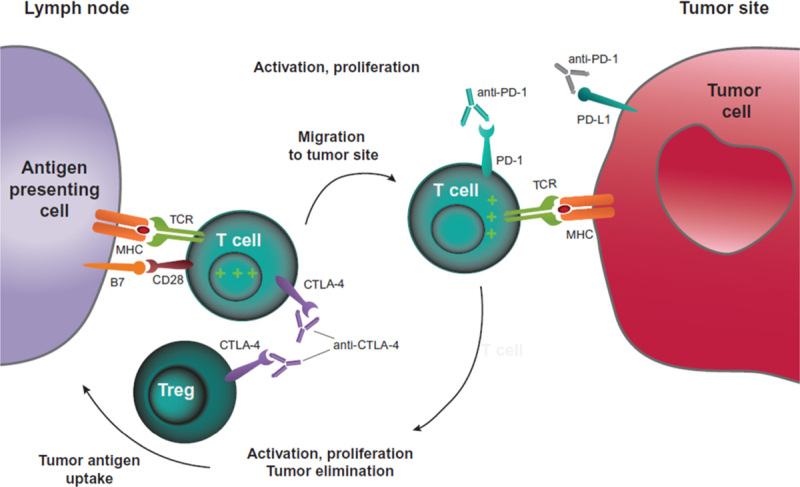
“CTLA-4 inhibition occurs during the priming phase while PD-1 blockade occurs in the effector phase in local tumor tissues [24].”
BABEL enables cross-modality translation between multiomic profiles at single-cell resolution
Wu, K. E., Yost, K. E., Chang, H. Y., & Zou, J. (2021) · Proceedings of the National Academy of Sciences · doi:10.1073/pnas.2023070118 · Cited by 165
“4 I ), PAK2 , and FAS (45 – 47).”
Combining epigenetic and immune therapy to overcome cancer resistance
Gomez, S., Tabernacki, T., Kobyra, J., Roberts, P., & Chiappinelli, K. B. (2020) · Seminars in Cancer Biology · doi:10.1016/j.semcancer.2019.12.019 · Cited by 160
Targeting Metabolism in Cancer Cells and the Tumour Microenvironment for Cancer Therapy
Li, J., Eu, J. Q., Kong, L. R., Wang, L., Lim, Y. C., Goh, B. C., & Wong, A. L. A. (2020) · Molecules · doi:10.3390/molecules25204831 · Cited by 159
Checkpoint inhibitors in breast cancer – Current status
Dyhl-Polk, A., Svane, I. M., Andersson, M., & Nielsen, D. L. (2017) · Cancer Treatment Reviews · doi:10.1016/j.ctrv.2017.12.008 · Cited by 173
PD-1 blockade in advanced NSCLC: A focus on pembrolizumab
Peters, S., Kerr, K. M., & Stahel, R. (2018) · Cancer Treatment Reviews · doi:10.1016/j.ctrv.2017.10.002 · Cited by 155
“The apparent significant, but not unequivocal, relationship between PD-L1 expression and responsiveness to PD-1/PD-L1 blockade [82] should be accepted with some caution because of the finding that some patients respond despite low PD-L1 expression [83] and the lack of a standardized method for evaluating that expressi…”
BackgroundOncolytic Viruses and Immune Checkpoint Inhibition: The Best of Both Worlds
Sivanandam, V., LaRocca, C. J., Chen, N. G., Fong, Y., & Warner, S. G. (2019) · Molecular Therapy — Oncolytics · doi:10.1016/j.omto.2019.04.003 · Cited by 176
“Its mechanism functions to halt the initial stage of naive T cell activation in the lymph nodes and results in decreased T cell responses.(14) Anti-CTLA-4 antibodies are designed to block”
BackgroundA new era of cancer phototherapy: mechanisms and applications
Wang, Y., Ma, K., Kang, M., Yan, D., Niu, N., Yan, S., Sun, P., Zhang, L., Sun, L., Wang, D., et al. (2024) · Chemical Society Reviews · doi:10.1039/d4cs00708e · Cited by 172
Kumar, A. R., Devan, A. R., Nair, B., Balachandran, V., & Nath, L. R. (2021) · Molecular Biology Reports · doi:10.1007/s11033-021-06752-9 · Cited by 201
“Each mAbs are made to locate, connect, and communicate with a particular protein that occurs in the malignant cells [134].”
BackgroundDiggs, L. P., Ruf, B., Ma, C., Heinrich, B., Cui, L., Zhang, Q., McVey, J. C., Wabitsch, S., Heinrich, S., Rosato, U., et al. (2021) · Journal of Hepatology · doi:10.1016/j.jhep.2020.11.037 · Cited by 151
Kitamura, T., Doughty-Shenton, D., Cassetta, L., Fragkogianni, S., Brownlie, D., Kato, Y., Carragher, N., & Pollard, J. W. (2018) · Frontiers in Immunology · doi:10.3389/fimmu.2017.02004 · Cited by 150
Gestational Trophoblastic Neoplasia, Version 2.2019, NCCN Clinical Practice Guidelines in Oncology
Abu‐Rustum, N. R., Yashar, C. M., Bean, S., Bradley, K. A., Campos, S. M., Chon, H. S., Chu, C., Cohn, D. E., Crispens, M. A., Damast, S., et al. (2019) · Journal of the National Comprehensive Cancer Network · doi:10.6004/jnccn.2019.0053 · Cited by 150
MSI as a predictive factor for treatment outcome of gastroesophageal adenocarcinoma
van Velzen, M. J. M., Derks, S., van Grieken, N. C. T., Mohammad, N. H., & van Laarhoven, H. W. M. (2020) · Cancer Treatment Reviews · doi:10.1016/j.ctrv.2020.102024 · Cited by 164
Liver transplantation for hepatocellular carcinoma: Management after the transplant
Verna, E. C., Patel, Y. A., Aggarwal, A., Desai, A. P., Frenette, C. T., Pillai, A. A., Salgia, R. J., Seetharam, A. B., Sharma, P., Sherman, C. B., et al. (2019) · American Journal of Transplantation · doi:10.1111/ajt.15697 · Cited by 159
Self-citationAnticancer drug-induced cardiac rhythm disorders: Current knowledge and basic underlying mechanisms
Alexandre, J., Moslehi, J. J., Bersell, K. R., Funck‐Brentano, C., Roden, D. M., & Salem, J. (2018) · Pharmacology & Therapeutics · doi:10.1016/j.pharmthera.2018.04.009 · Cited by 157
Chin, S. M., Kimberlin, C. R., Roe-Zurz, Z., Zhang, P., Xu, A., Liao-Chan, S., Sen, D., Nager, A. R., Oakdale, N. T. S., Brown, C. N., et al. (2018) · Nature Communications · doi:10.1038/s41467-018-07136-7 · Cited by 159
Tumor Microenvironment: Implications in Melanoma Resistance to Targeted Therapy and Immunotherapy
Falcone, I., Conciatori, F., Bazzichetto, C., Ferretti, G., Cognetti, F., Ciuffreda, L., & Milella, M. (2020) · Cancers · doi:10.3390/cancers12102870 · Cited by 173
“This prerogative is one of the reasons why combined checkpoint inhibition (with anti-CTLA-4 and anti-PD-1 agents) results in synergistic antitumor efficacy in the clinical setting [50].”
BackgroundYoshino, T., Pentheroudakis, G., Mishima, S., Overman, M. J., Yeh, K., Baba, E., Naito, Y., Calvo, F. M., Saxena, A. K., Chen, L.-T., et al. (2020) · Annals of Oncology · doi:10.1016/j.annonc.2020.03.299 · Cited by 151
Immunotherapies and Combination Strategies for Immuno-Oncology
Barbari, C., Fontaine, T., Parajuli, P., Lamichhane, N., Jakubski, S., Lamichhane, P., & Deshmukh, R. R. (2020) · International Journal of Molecular Sciences · doi:10.3390/ijms21145009 · Cited by 140
Nguyen, T. L., Cha, B. G., Choi, Y., Im, J., & Kim, J. (2020) · Biomaterials · doi:10.1016/j.biomaterials.2020.119859 · Cited by 142
Ozato, Y., Kojima, Y., Kobayashi, Y., Hisamatsu, Y., Toshima, T., Yonemura, Y., Masuda, T., Kagawa, K., Goto, Y., Utou, M., et al. (2023) · Cell Reports · doi:10.1016/j.celrep.2022.111929 · Cited by 138
Davis, Z., Vallera, D. A., Miller, J. S., & Felices, M. (2017) · Seminars in Immunology · doi:10.1016/j.smim.2017.07.011 · Cited by 150
Recent advances of immunotherapy for biliary tract cancer
Rizzo, A., Ricci, A. D., & Brandi, G. (2020) · Expert Review of Gastroenterology & Hepatology · doi:10.1080/17474124.2021.1853527 · Cited by 138
Nanomedicine Remodels Tumor Microenvironment for Solid Tumor Immunotherapy
Guo, Y., Hu, P., & Shi, J. (2024) · Journal of the American Chemical Society · doi:10.1021/jacs.3c14005 · Cited by 145
Kooshkaki, O., Derakhshani, A., Hosseinkhani, N., Torabi, M., Safaei, S., Brunetti, O., Racanelli, V., Silvestris, N., & Baradaran, B. (2020) · International Journal of Molecular Sciences · doi:10.3390/ijms21124427 · Cited by 147
“CTLA-4 has a barrier function to prevent T cell activation and proliferation [28].”
BackgroundCancer immune escape: the role of antigen presentation machinery
Kallingal, A., Olszewski, M., Maciejewska, N., Brankiewicz, W., & Bagiński, M. (2023) · Journal of Cancer Research and Clinical Oncology · doi:10.1007/s00432-023-04737-8 · Cited by 162
“One of the most well-known immune checkpoint pathways is the CTLA-4 pathway (Buchbinder and Desai 2016).”
BackgroundWirsdörfer, F., de Leve, S., & Jendrossek, V. (2018) · International Journal of Molecular Sciences · doi:10.3390/ijms20010024 · Cited by 141
The role of gut microbiota in T cell immunity and immune mediated disorders
Shim, J. A., Ryu, J. H., Jo, Y., & Hong, C. (2023) · International Journal of Biological Sciences · doi:10.7150/ijbs.79430 · Cited by 155
Kinsey, E. N., & Lee, H. M. (2024) · Cancers · doi:10.3390/cancers16030666 · Cited by 164
“The cytotoxic T-lymphocyte-associated antigen 4 (CTLA-4) immune checkpoint is distinct from the PD1/PDL1 checkpoints, and blocking both leads to complementary effects on antitumor immune responses [84].”
BackgroundTargeting DDR2 enhances tumor response to anti–PD-1 immunotherapy
Tu, M. M., Lee, F. Y., Jones, R. T., Kimball, A. K., Saravia, E., Graziano, R. F., Coleman, B. M., Menard, K., Yan, J., Michaud, E., et al. (2019) · Science Advances · doi:10.1126/sciadv.aav2437 · Cited by 141
“INTRODUCTION Targeting antibodies to programmed cell death protein-1 (PD-1) is an effective treatment across multiple cancer types (1, 2).”
BackgroundTargeting myeloid cells in the tumor sustaining microenvironment
Schupp, J., Krebs, F. K., Zimmer, N., Trzeciak, E., Schuppan, D., & Tuettenberg, A. (2019) · Cellular Immunology · doi:10.1016/j.cellimm.2017.10.013 · Cited by 126
Passaro, C., Alayo, Q. A., DeLaura, I. F., McNulty, J., Grauwet, K., Ito, H., Bhaskaran, V., Mineo, M., Lawler, S. E., Shah, K., et al. (2018) · Clinical Cancer Research · doi:10.1158/1078-0432.ccr-18-2311 · Cited by 136
“We chose anti-PD-1 over another immune checkpoint 400 inhibitor (anti-CTLA-4) for several reasons: 1) the production of the scFv antibody is limited at 401 the site of infection and therefore the presence of PD-L1 on tumor and immune cells makes the 402 PD-1 pathway a more appealing target; 2) two independent studies…”
Dutta, S., Ganguly, A., Chatterjee, K., Spada, S., & Mukherjee, S. (2023) · Biology · doi:10.3390/biology12020218 · Cited by 156
“T cell activity at an early stage is principally regulated by CTLA-4, whereas PD-1 mainly acts at a later stage in modulating the tumor microenvironment by restricting the action of T cells [10].”
BackgroundWei, F., Wang, D., Wei, J., Tang, N., Tang, L. M., Xiong, F., Guo, C. J., Zhou, M., Li, X., Li, G., et al. (2020) · Cellular and Molecular Life Sciences · doi:10.1007/s00018-020-03581-0 · Cited by 148
Current advancements and future perspectives of immunotherapy in colorectal cancer research
Kishore, C., & Bhadra, P. (2020) · European Journal of Pharmacology · doi:10.1016/j.ejphar.2020.173819 · Cited by 135
Incorvaia, L., Fanale, D., Badalamenti, G., Barraco, N., Bono, M., Corsini, L. R., Galvano, A., Gristina, V., Listì, A., Vieni, S., et al. (2019) · Advances in Therapy · doi:10.1007/s12325-019-01057-7 · Cited by 144
“[45] and the lack of a standardized method for evaluating this expression [46], the apparent significant, albeit not unequivocal, relationship between PD-L1 expression and responsiveness to ICIs should be accepted with some caution.”
MethodCancer Resistance to Immunotherapy: Comprehensive Insights with Future Perspectives
Said, S. S., & Ibrahim, W. N. (2023) · Pharmaceutics · doi:10.3390/pharmaceutics15041143 · Cited by 147
Recent Advances in Molecular Mechanisms of Cancer Immunotherapy
Kciuk, M., Yahya, E. B., Mohamed, M. M. I., Rashid, S., Iqbal, M. O., Kontek, R., Abdulsamad, M. A., & Allaq, A. A. (2023) · Cancers · doi:10.3390/cancers15102721 · Cited by 148
“These drugs, however, have been linked to immunerelated side effects such as colitis, hepatitis, and pneumonitis [93,206].”
BackgroundCardiotoxicity from immune checkpoint inhibitors
Michel, L., Rassaf, T., & Totzeck, M. (2019) · IJC Heart & Vasculature · doi:10.1016/j.ijcha.2019.100420 · Cited by 150
Increased incidence of venous thromboembolism with cancer immunotherapy
Roopkumar, J., Swaidani, S., Kim, A. S., Thapa, B., Gervaso, L., Hobbs, B. P., Wei, W., Alban, T. J., Funchain, P., Kundu, S., et al. (2021) · Med · doi:10.1016/j.medj.2021.02.002 · Cited by 138
Wu, X., Sun, Y., Yang, H., Wang, J., Lou, H., Li, D., Wang, X., Zhang, H., Wu, T., Li, Y.-K., et al. (2024) · The Lancet · doi:10.1016/s0140-6736(24)02135-4 · Cited by 141
Myocarditis in Cynomolgus Monkeys Following Treatment with Immune Checkpoint Inhibitors
Ji, C., Roy, M. D., Golas, J., Vitsky, A., Ram, S., Kumpf, S. W., Martin, M., Barletta, F., Meier, W. A., Hooper, A. T., et al. (2019) · Clinical Cancer Research · doi:10.1158/1078-0432.ccr-18-4083 · Cited by 123
“CTLA4 inhibitors and PD1/PDL1 inhibitors have been associated with similar irAE profile, although the toxicities observed with CTLA4 inhibitors are generally more severe (10).”
BackgroundZhao, Q., Zhang, J., Xu, L., Yang, H., Liang, N., Zhang, L., Zhang, F., & Zhang, X. (2021) · Frontiers in Immunology · doi:10.3389/fimmu.2021.730320 · Cited by 134
Khaja, A. S. S., Toor, S. M., El Salhat, H., Faour, I., Ul Haq, N., Ali, B. R., & Elkord, E. (2017) · Oncotarget · doi:10.18632/oncotarget.16565 · Cited by 121
“Elevated levels of CD4+ T cells co-expressing CTLA-4 and PD-1 also support the dual blockade of these immunosuppressive pathways, which could be a more effective method for treating different cancers including breast [38, 39].”
BackgroundInsights Into Lung Cancer Immune-Based Biology, Prevention, and Treatment
Saab, S., Zalzale, H., Rahal, Z., Khalifeh, Y., Sinjab, A. F., & Kadara, H. N. (2020) · Frontiers in Immunology · doi:10.3389/fimmu.2020.00159 · Cited by 130
Fan, Y., Xie, W., Huang, H., Wang, Y., Li, G., Geng, Y., Hao, Y., & Zhang, Z. (2021) · Frontiers in Oncology · doi:10.3389/fonc.2021.633032 · Cited by 133
Chen, W., Guo, Z., Zhu, Y., Qiao, N., Zhang, Z., & Sun, X. (2019) · Advanced Functional Materials · doi:10.1002/adfm.201906623 · Cited by 125
Immune checkpoint blockade opens a new way to cancer immunotherapy
Sadreddini, S., Baradaran, B., Aghebati‐Maleki, A., Sadreddini, S., Shanehbandi, D., Fotouhi, A., & Maleki, L. A. (2018) · Journal of Cellular Physiology · doi:10.1002/jcp.27816 · Cited by 132
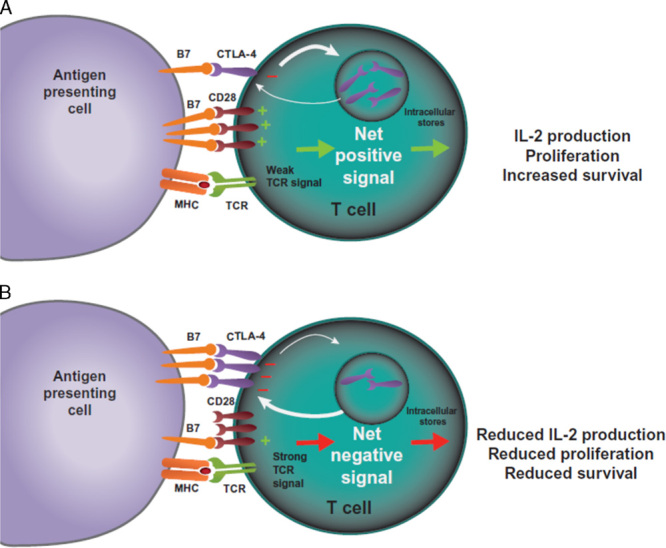
“Stimulatory signals of MHC:TCR and CD28:B7 led to stimulation and upregulation of CTLA‐4s on the cell surfaces through exocytosis and vesicles containing CTLA‐4 (Buchbinder & Desai, 2016).”
BackgroundReview of the Immune Checkpoint Inhibitors in the Context of Cancer Treatment
Alturki, N. A. (2023) · Journal of Clinical Medicine · doi:10.3390/jcm12134301 · Cited by 135
“PD-1 is also found on the exterior of B and other immune response cells [9].”
BackgroundImmunotherapy in Urothelial Cancer: Recent Results and Future Perspectives
Farina, M. S., Lundgren, K. T., & Bellmunt, J. (2017) · Drugs · doi:10.1007/s40265-017-0748-7 · Cited by 126
New and emerging therapies for acute and chronic graft versus host disease
Hill, L. C., Alousi, A. M., Kebriaei, P., Mehta, R. S., Rezvani, K., & Shpall, E. J. (2017) · Therapeutic Advances in Hematology · doi:10.1177/2040620717741860 · Cited by 145
Bioactive Nanoparticles for Cancer Immunotherapy
Surendran, S. P., Moon, M. J., Park, R., & Jeong, Y. Y. (2018) · International Journal of Molecular Sciences · doi:10.3390/ijms19123877 · Cited by 119
Progress and Challenges in Precise Treatment of Tumors With PD-1/PD-L1 Blockade
Jiang, Y., Zhao, X., Fu, J., & Wang, H. (2020) · Frontiers in Immunology · doi:10.3389/fimmu.2020.00339 · Cited by 127
Sonpavde, G., Grivas, P. D., Lin, Y., Hennessy, D., & Hunt, J. D. (2021) · Future Oncology · doi:10.2217/fon-2020-1222 · Cited by 113
Lopci, E., Hicks, R. J., Dimitrakopoulou‐Strauss, A., Dercle, L., Iravani, A., Seban, R., Sachpekidis, C., Humbert, O., Gheysens, O. S., Glaudemans, A. W. J. M., et al. (2022) · European Journal of Nuclear Medicine and Molecular Imaging · doi:10.1007/s00259-022-05780-2 · Cited by 128
“These agents act at differing points in T-cell activation with anti-CTLA-4 antibodies affecting early T cell priming and anti-PD-1 and PD-L1 affecting T-cell proliferation and cancer cell killing [7].”
BackgroundZhou, Y., Slone, N., Chrisikos, T. T., Kyrysyuk, O., Babcock, R. L., Medik, Y. B., Li, H. S., Kleinerman, E. S., & Watowich, S. S. (2020) · Journal for ImmunoTherapy of Cancer · doi:10.1136/jitc-2019-000474 · Cited by 112
Emerging Therapeutics to Overcome Chemoresistance in Epithelial Ovarian Cancer: A Mini-Review
Cornelison, R., Llaneza, D. C., & Landen, C. N. (2017) · International Journal of Molecular Sciences · doi:10.3390/ijms18102171 · Cited by 130
“Cytotoxic T-lymphocyte associated protein 4 (CTLA-4) is another checkpoint inhibitor that is in trials and ipilumab is currently under investigation in HGSOC [148].”
BackgroundKang, S. P., Gergich, K., Lubiniecki, G. M., de Alwis, D. P., Chen, C., Tice, M. A. B., & Rubin, E. H. (2017) · Annals of Oncology · doi:10.1093/annonc/mdx076 · Cited by 110
“Binding of PD-1 with its ligands, PD-L1 and PD-L2, inhibits the cytotoxic T-cell response [17].”
Human αβ and γδ T Cells in Skin Immunity and Disease
Cruz, M. S., Diamond, A., Russell, A., & Jameson, J. M. (2018) · Frontiers in Immunology · doi:10.3389/fimmu.2018.01304 · Cited by 110
Morphological spectrum of immune check‐point inhibitor therapy‐associated gastritis
Johncilla, M. E., Grover, S., Zhang, X., Jain, D., & Srivastava, A. (2019) · Histopathology · doi:10.1111/his.14029 · Cited by 112
“Inhibition of CTLA-4 thus allows for unhindered binding of CD28 to B7, increasing T cell proliferation and immune activity against malignant cells.(14) Similarly, PD-1, which is present on effector T cells, acts as a down-regulator of T cell activity when it binds to PD-L1 on inflammatory or tumour cells.”
BackgroundModeling combination therapy for breast cancer with BET and immune checkpoint inhibitors
Lai, X., Stiff, A. R., Duggan, M. C., Wesolowski, R., Carson, W. E., & Friedman, A. (2018) · Proceedings of the National Academy of Sciences · doi:10.1073/pnas.1721559115 · Cited by 120
Zhong, Z., Vong, C. T., Chen, F., Tan, H., Zhang, C., Wang, N., Cui, L., Wang, Y., & Feng, Y. (2022) · Medicinal Research Reviews · doi:10.1002/med.21876 · Cited by 119
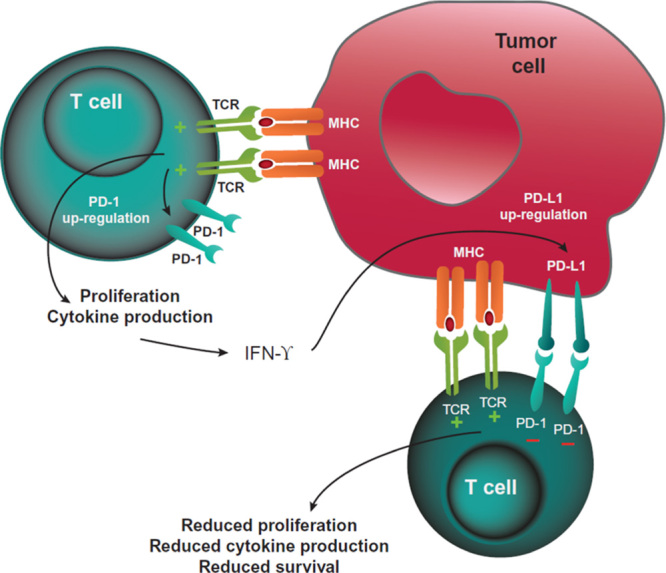
“PD‐1 interacts with PD‐L1 or PD‐L2 in cancer cells to suppress T‐cell activation by clustering with TCRs, thereby recruiting the inhibitory phosphatase Src homology 2 domain‐containing tyrosine phosphatase 2 via the immunoreceptor tyrosine‐ based inhibition motif, and inhibiting proximal TCR signaling.(34) In low‐risk…”
BackgroundImmunotherapy for cancer treatment during pregnancy
Borgers, J. S. W., Heimovaara, J. H., Cardonick, E., Dierickx, D., Lambertini, M., Haanen, J. B. A. G., & Amant, F. C. (2021) · The Lancet Oncology · doi:10.1016/s1470-2045(21)00525-8 · Cited by 128
Increased Risk for Malignancies in 131 Affected CTLA4 Mutation Carriers
Egg, D., Schwab, C., Gabrysch, A., Arkwright, P. D., Cheesman, E., Giulino-Roth, L. G., Neth, O., Snapper, S. B., Okada, S., Moutschen, M. P., et al. (2018) · Frontiers in Immunology · doi:10.3389/fimmu.2018.02012 · Cited by 107
The tumor microenvironment: shaping cancer progression and treatment response
Desai, S. A., Patel, V. P., Bhosle, K. P., Nagare, S. D., & Thombare, K. C. (2025) · Journal of Chemotherapy · doi:10.1080/1120009x.2023.2300224 · Cited by 106
Zhang, J., Tavakoli, H., Ma, L., Li, X., Han, L., & Li, X. (2022) · Advanced Drug Delivery Reviews · doi:10.1016/j.addr.2022.114365 · Cited by 114
Assessing the future of solid tumor immunotherapy
Guha, P., Heatherton, K. R., O’Connell, K. P., Alexander, I. S., & Katz, S. C. (2022) · Biomedicines · doi:10.3390/biomedicines10030655 · Cited by 105
“CTLA-4 is expressed on activated T cells and is known to regulate T cell proliferation as an early immune response as opposed to PD-1, which suppresses T cells as a late immune response—primarily in peripheral tissues [57].”
BackgroundTrinh, S., Le, A., Gowani, S., & La-Beck, N. M. (2019) · Asia-Pacific Journal of Oncology Nursing · doi:10.4103/apjon.apjon_3_19 · Cited by 106
“with CD28 for CD80/86 and has superior binding affinity for CD80/86.([1]) Activation of the CTLA‐4 pathway signals”
BackgroundInfluentialMaloney, N. J., Ravi, V., Cheng, K., Bach, D. Q., & Worswick, S. (2020) · International Journal of Dermatology · doi:10.1111/ijd.14811 · Cited by 116
The Effects of Obesity on Anti-Cancer Immunity and Cancer Immunotherapy
Woodall, M. J., Neumann, S., Campbell, K., Pattison, S. T., & Young, S. L. (2020) · Cancers · doi:10.3390/cancers12051230 · Cited by 105
“This is to ensure that expansion of cells in the adaptive wing of the immune system occurs only under the right conditions, preventing an inappropriate or overactive response [41].”
BackgroundInfluentialMaking a Cold Tumor Hot: The Role of Vaccines in the Treatment of Glioblastoma
Frederico, S. C., Hancock, J. C., Brettschneider, E. E. S., Ratnam, N. M., Gilbert, M. R., & Terabe, M. (2021) · Frontiers in Oncology · doi:10.3389/fonc.2021.672508 · Cited by 119
“CTLA-4 and PD-1 are both negative regulators of immune cell function (27).”
BackgroundInfluentialTumor-infiltrating T-regulatory cells adapt to altered metabolism to promote tumor-immune escape
Sarkar, T., Dhar, S., & Sa, G. (2021) · Current Research in Immunology · doi:10.1016/j.crimmu.2021.08.002 · Cited by 114
Lisi, L., Lacal, P. M., Martire, M., Navarra, P., & Graziani, G. (2021) · Pharmacological Research · doi:10.1016/j.phrs.2021.105997 · Cited by 115
The Benefits and Safety of Monoclonal Antibodies: Implications for Cancer Immunotherapy
Zhang, S., Chen, W., Zhou, J., Liang, Q., Zhang, Y., Su, M., Zhang, Z., & Qu, J. (2025) · Journal of Inflammation Research · doi:10.2147/jir.s499403 · Cited by 128
Scleroderma Induced by Pembrolizumab: A Case Series
Barbosa, N. S., Wetter, D. A., Wieland, C. N., Shenoy, N. K., Markovic, S. N., & Thanarajasingam, U. (2017) · Mayo Clinic Proceedings · doi:10.1016/j.mayocp.2017.03.016 · Cited by 106
mRNA-Based Cancer Vaccines: A Therapeutic Strategy for the Treatment of Melanoma Patients
Bidram, M., Zhao, Y., Shebardina, N. G., Baldin, A. V., Bazhin, A. V., Ganjalikhany, M. R., Zamyatnin, A. A., & Ganjalikhani-hakemi, M. (2021) · Vaccines · doi:10.3390/vaccines9101060 · Cited by 104
Hepatocellular carcinoma: signaling pathways, targeted therapy, and immunotherapy
Luo, X., He, X., Zhang, X., Zhao, X., Zhang, Y., Shi, Y., & Hua, S. (2024) · MedComm · doi:10.1002/mco2.474 · Cited by 136
Multiple effects of CDK4/6 inhibition in cancer: From cell cycle arrest to immunomodulation
Bonelli, M. A., Monica, S. L., Fumarola, C., & Alfieri, R. R. (2019) · Biochemical Pharmacology · doi:10.1016/j.bcp.2019.113676 · Cited by 112
Saleh, R., Toor, S. M., Nair, V. S., & Elkord, E. (2020) · Frontiers in Immunology · doi:10.3389/fimmu.2020.01469 · Cited by 121
Current Progresses and Challenges of Immunotherapy in Triple-Negative Breast Cancer
Mediratta, K., El‐Sahli, S., D’Costa, V. M., & Wang, L. (2020) · Cancers · doi:10.3390/cancers12123529 · Cited by 106
“CD-80/B7-1 and CD-86/B7-2 ligands expressed on antigen-presenting cells (APCs) can bind to CD-28 on T-cells to induce T-cell activation and cytokine secretion [39].”
BackgroundAghamajidi, A., & Vareki, S. M. (2022) · Cancers · doi:10.3390/cancers14153563 · Cited by 111
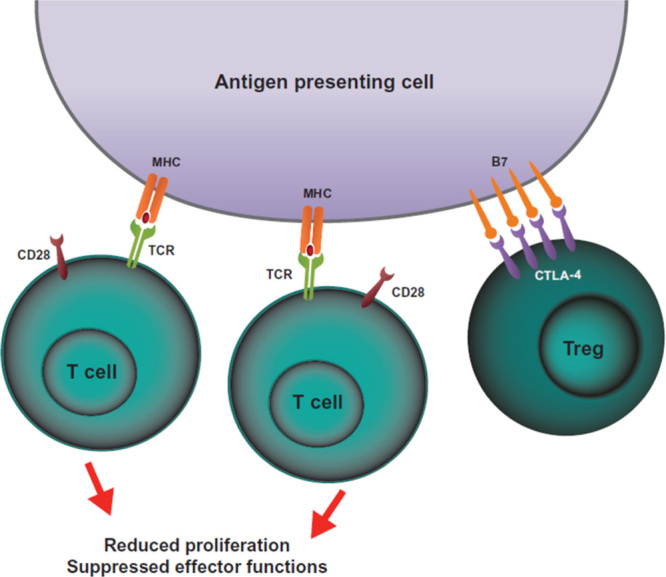
“Furthermore, Tregs constitutively express CTLA-4, allowing them to inhibit the activation of conventional T-cells [99].”
BackgroundImmunotherapy for Non-small-cell Lung Cancer: Current Status and Future Obstacles
Cho, J. H. (2017) · Immune Network · doi:10.4110/in.2017.17.6.378 · Cited by 107
Li, Y., Zhang, H., Li, Q., Zou, P., Huang, X., Wu, C., & Li, T. (2020) · Cancer Letters · doi:10.1016/j.canlet.2020.09.011 · Cited by 117
Tumor-infiltrating CD8+ T cell antitumor efficacy and exhaustion: molecular insights
Kumar, S., Singh, S. K., Rana, B., & Rana, A. (2021) · Drug Discovery Today · doi:10.1016/j.drudis.2021.01.002 · Cited by 120
Mechanisms of immune checkpoint inhibitor-mediated liver injury
Shojaie, L., Ali, M., Iorga, A., & Dara, L. (2021) · Acta Pharmaceutica Sinica B · doi:10.1016/j.apsb.2021.10.003 · Cited by 98
The revival of CpG oligonucleotide-based cancer immunotherapies
Adamus, T., & Kortylewski, M. (2018) · Współczesna Onkologia · doi:10.5114/wo.2018.73887 · Cited by 97
Soluble B7-CD28 Family Inhibitory Immune Checkpoint Proteins and Anti-Cancer Immunotherapy
Khan, M. S. I., Arooj, S., & Wang, H. (2021) · Frontiers in Immunology · doi:10.3389/fimmu.2021.651634 · Cited by 106
Jeon, S., Jeon, Y., Lim, J.-Y., Kim, Y., Cha, B., & Kim, W. (2025) · Signal Transduction and Targeted Therapy · doi:10.1038/s41392-024-02070-1 · Cited by 118
Dendritic Cells and Programmed Death-1 Blockade: A Joint Venture to Combat Cancer
Versteven, M., den Bergh, J. M. J. V., Marcq, E., Smits, E., Tendeloo, V. F. V., Hobo, W. A., & Lion, E. (2018) · Frontiers in Immunology · doi:10.3389/fimmu.2018.00394 · Cited by 106
“org March 2018 | Volume 9 | Article 394 (108).”
Bolandi, N., Derakhshani, A., Hemmat, N., Baghbanzadeh, A., Asadzadeh, Z., Nour, M. A., Brunetti, O., Bernardini, R., Silvestris, N., & Baradaran, B. (2021) · International Journal of Molecular Sciences · doi:10.3390/ijms221910719 · Cited by 104
“In this regard, the T-cell responses could be initiated and promoted by the expression of B7-2 and B7-1, correspondingly [16,17].”
BackgroundInfluentialImmunomodulatory Roles of VEGF Pathway Inhibitors in Renal Cell Carcinoma
Hirsch, L., Flippot, R., Escudier, B. J., & Albiges, L. K. (2020) · Drugs · doi:10.1007/s40265-020-01327-7 · Cited by 103
“The blockade of PD-1/PD-L1 with monoclonal antibodies such as nivolumab or pembrolizumab stimulates the antitumor activity of effector T cells [10, 11].”
Background
Metadata
- Authors
- Buchbinder, E. I., & Desai, A.
- Affiliations
- Beth Israel Deaconess Medical Center (US)
- Corresponding author
- Buchbinder, Elizabeth I.
- Venue
- American Journal of Clinical Oncology
- Published
- 2016-02
- Volume
- 39
- Issue
- 1
- Pages
- 98-106
- ISSN
- 0277-3732 (ISSN-L)
- PMC
- PMC4892769
- OpenAlex
- W2263759961
- Semantic Scholar
- c9c3c3d663a529752c4069c96a394e11c1f1250d
- Cited by
- 2,360
- References
- 93
- Citations by year
- 2026: 183 · 2025: 259 · 2024: 300 · 2023: 262 · 2022: 308 · 2021: 287 · 2020: 265 · 2019: 196 · 2018: 170 · 2017: 101 · 2016: 25
- FWCI
- 10.61
- Type
- journal article
- Language
- en
- Open access
- hybrid
- doi.org
- Licence
- cc-by-nc-nd
- Locations
- American Journal of Clinical Oncology (publishedVersion, cc-by-nc-nd)
- Europe PMC (PubMed Central) (publishedVersion, cc-by-nc-nd)
- PubMed Central (publishedVersion, cc-by-nc-nd)
- PubMed (publishedVersion)
- Digital Access to Scholarship at Harvard (DASH) (Harvard University) (submittedVersion, cc-by)
- Funders
- Bristol-Myers Squibb
- Genentech
- Topics
- Health Sciences › Medicine › Oncology › Cancer Immunotherapy and Biomarkers
- Life Sciences › Immunology and Microbiology › Immunology › T-cell and B-cell Immunology
- Life Sciences › Immunology and Microbiology › Immunology › Immunotherapy and Immune Responses
- Keywords
- CTLA-4, PD-1, immune checkpoint, immune checkpoint inhibitors, ipilimumab, nivolumab, pembrolizumab, melanoma, non-small cell lung cancer, combination immunotherapy, T cell regulation, antitumor immunity
- MeSH terms
- Ipilimumab, Nivolumab, Antibodies, Monoclonal, Antineoplastic Agents, Carcinoma, Non-Small-Cell Lung, Humans, Immunotherapy, Lung Neoplasms, Melanoma, Skin Neoplasms, Signal Transduction, CTLA-4 Antigen, Programmed Cell Death 1 Receptor, Antibodies, Monoclonal, Humanized
About these checks
Registry, retraction, Cites and statistics results are computed, not judged, with one exception: a printed reference that no index lists is read once by a model before it counts as a citation error. Claims are extracted by a model and kept only when their quote appears verbatim in the text; each cited source is then checked, with a model’s help, for whether it says what the claim relies on. Those verdicts can be wrong — read the claim’s quote and the cited source before relying on one.
Statistics and arithmetic are recomputed, not judged.
Confidence bands are shown only for fields calibrated on our annotated test set. None is calibrated yet, so no band is shown.
What counts as a claim ›How we measure confidence ›How we check this ›
Are you an author, or do you see a problem with this page? Request a review
Data sources
Bibliographic data: Semantic Scholar, OpenAlex, Crossref.
Contains information from the Semantic Scholar Academic Graph Datasets, made available under the ODC Attribution License (ODC-BY 1.0).
Semantic Scholar’s data is described in: Kinney, R., et al. (2023). The Semantic Scholar Open Data Platform. arXiv:2301.10140.
